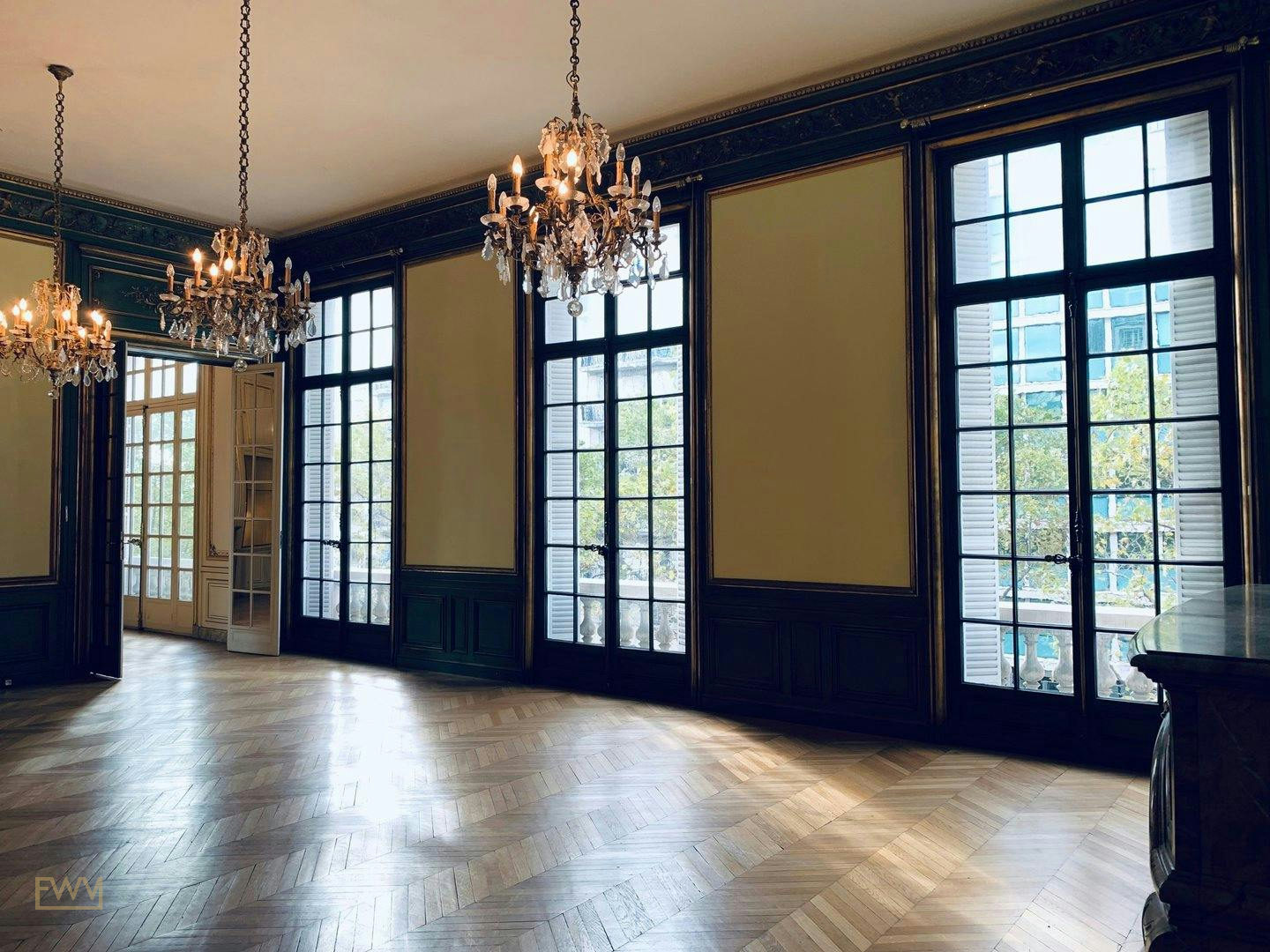
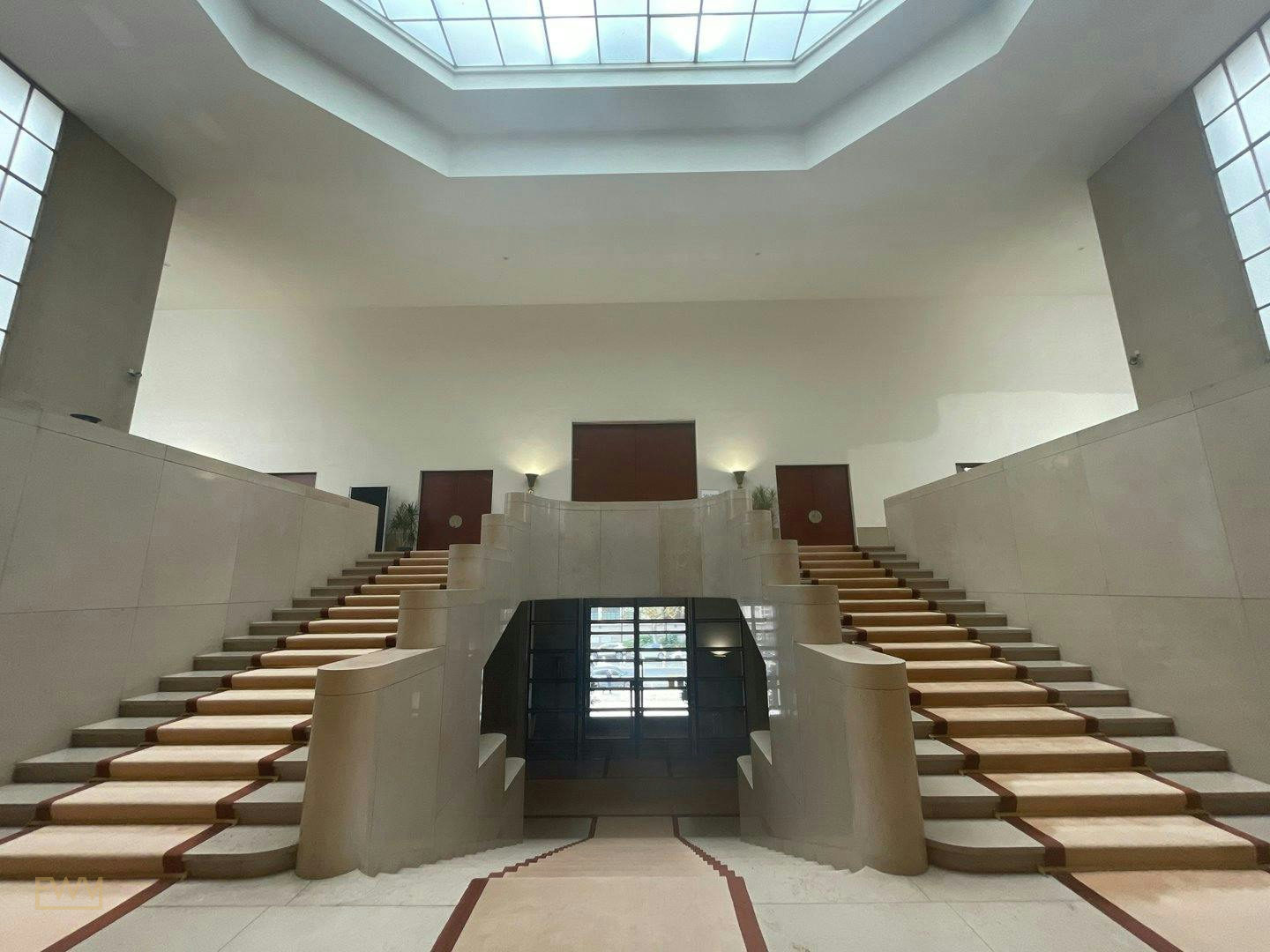
Securing the perfect venue for a pop-up event during the busy Fashion Week can elevate a brand's visibility and engagement in the highly competitive Paris fashion scene. **Fashion Week Venues** specializes in providing bespoke venue solutions catering to the complex needs of fashion brands seeking to make an impact. Whether you're a brand activation manager or part of a strategic retail team, partnering with Fashion Week Venues means accessing a tailored approach to space selection, concept direction, and complete activation management. This guide delves into choosing the right pop-up venue, covering every element from planning to execution, with a focus on maximizing your Fashion Week presence.
Understanding Fashion Week Venue Needs
Quick answer: Choosing the right venue for Fashion Week involves understanding your brand's objectives, anticipated audience, and logistical requirements. Selecting a space that aligns with these criteria can significantly enhance brand exposure and event success.
During Fashion Week, the right venue can almost be as significant as the event itself. It not only reflects the brand’s image and strategy but also affects logistics and guest experiences. To understand your venue needs, start by clearly defining your objectives. Are you launching a new collection? Is your goal to increase brand engagement or sales? The purpose of the event should guide you to an ideal venue type.
The Parisian neighborhoods where Fashion Week takes place range from the historic Marais to the chic Saint-Germain-des-Prés. Each area has its unique characteristics that can enhance specific types of brand activations. For instance, Rue Saint-Honoré is perfect for luxury brands aiming for an upscale clientele. In contrast, areas like Canal Saint-Martin may attract a more avant-garde audience. Certain neighborhoods naturally align better with specific brand images and audience profiles.
Table: Examples of Parisian neighborhoods and the types of events they best accommodate:
| Neighborhood | Event Type |
|---|---|
| Le Marais | Art, Boutique Launches |
| Saint-Germain-des-Prés | Luxury Fashion Shows |
| Canal Saint-Martin | Avant-Garde Showrooms |
| Rue Saint-Honoré | Exclusive High-End Retail |
| Place Vendôme | Jewelry and Haute Couture |
Venue logistics are equally critical. Consider the amount of space needed for your displays and the expected number of attendees. High ceilings might be required for fashion installations, while proper lighting is crucial for photography sessions. Accessibility for guests, especially international visitors, must be seamless, ensuring your event space is easy to find and attend.
KEY TAKEAWAY: Define your event's objectives and align them with the right venue in a neighborhood that enhances your brand image and meets logistical needs.
Understanding these facets is vital as we delve deeper into the essentials of timing and budget for your pop-up space.
Timing Your Fashion Week Activation
Quick answer: Scheduling during Paris Fashion Week can be challenging, requiring strategic alignment with the fashion calendar and competitor activities to maximize footfall and brand visibility.
Paris Fashion Week is globally renowned, drawing a unique mix of industry insiders, influencers, and fashion aficionados. The timing of your activation can influence both attendance and overall impact. Events should ideally align with the Paris Fashion Week schedule, which is divided into specific segments: women's wear, men's wear, haute couture, and ready-to-wear.
While these segments dictate the general flow of the week, understanding the finer points of the Paris Fashion Calendar is crucial. For some brands, launching at the beginning of the week capitalizes on the anticipation and eagerness of attendees, while end-of-week events might capture those wrapping up their fashion week circuit with fresh enthusiasm.
The importance of timing is also evident in how your brand garners media attention. Major publications and influencers often plan their coverage priorities well in advance. Securing a slot that doesn't conflict with major designer shows and industry dinners is essential for attracting journalists and bloggers. Proactive scheduling can ensure your pop-up is part of the stories that matter during Fashion Week.
DID YOU KNOW: Fashion weeks in Paris occur four times a year, and planning your attendance in advance helps leverage off-peak opportunities for greater venue variety.
Table: Paris Fashion Week Segments and Strategic Considerations
| Segment | Strategy |
|---|---|
| Women's Wear | Early events catch morning audiences |
| Men's Wear | Coordinate with key men's publications |
| Haute Couture | Target luxury fashion media |
| Ready-To-Wear | Broad consumer engagement opportunities |
KEY TAKEAWAY: Time your event strategically within Paris Fashion Week to coincide with and leverage the segments that align best with your brand’s positioning and target audience.
Timing aside, let’s dive into the importance of budget planning for executing a successful Fashion Week venue activation in Paris.
Budgeting for Your Pop-Up Venue in Paris
Quick answer: Efficient budget planning for a pop-up venue in Paris requires clear understanding of costs, from rental fees to operational expenses, ensuring alignment with brand objectives.
One of the most significant aspects of planning a successful pop-up event is understanding the detailed costs involved. Renting a temporary space in prestigious areas of Paris comes at a premium, influenced by location, size, and length of the rental period. Specialty tools like the Budget Calculator can offer tailored estimates, helping set realistic financial expectations.
Costs associated with the venue itself can range from security deposits to utility fees. Brands should also consider potential investments in decor, technology, staffing, and security, which are crucial for creating a seamless and engaging experience.
A pivotal component of budgeting is ensuring that every expense drives ROI. Marketing initiatives, influencer partnerships, and experiential technology like virtual try-ons or pop-up-exclusive merchandise can significantly impact consumer engagement and sales.
Table: Typical Budget Breakdown for Fashion Week Pop-Up
| Expense Category | Estimated Costs (% of Budget) |
|---|---|
| Venue Rental | 40% |
| Decor and Setup | 15% |
| Marketing and Promotions | 25% |
| Staffing | 10% |
| Contingency Funds | 10% |
Entertainment and guest services also merit attention and should be integrated into the budget. Engaging activities and exclusive access can bring added value to your event, making it memorable for attendees.
TIP: Use historical financial data and insights from previous activations to predict and refine budget allocations for future events.
KEY TAKEAWAY: A well-planned budget is an essential component of any pop-up event, requiring a balance between cost control and value creation to ensure maximum impact and return on investment.
Having set a budget, it’s important to understand the strategic role of permits and compliance in your venue planning process.
Navigating Permits and Compliance
Quick answer: Navigating the permit landscape for Paris pop-up events requires understanding the bail dérogatoire and AOT frameworks, ensuring all legal and safety requirements are met.
In Paris, two legal frameworks govern short-term commercial spaces: the bail dérogatoire and the Autorisation d'Occupation Temporaire (AOT). These permit structures are essential for setting up temporary shops legally and efficiently.
The bail dérogatoire is a special lease agreement that allows businesses to rent commercial spaces for a limited period, up to three years in total without being tied into a standard commercial lease. On the other hand, AOT permits are necessary for occupying public spaces or venues that fall under government jurisdiction, such as parts of Saint-Germain-des-Prés or areas around the Palais de Tokyo.
Both frameworks demand a thorough understanding of local regulations, as requirements can vary widely across the city’s various arrondissements. Collaborating with local legal advisors is advisable to navigate these requirements successfully, minimizing the risk of violations, which can be costly in both time and fines.
If you plan to alter the venue's interior significantly, ensure compliance with safety and accessibility standards, especially those concerning Établissements Recevant du Public (ERP). Additionally, noise levels and environmental considerations often require consultation and approval from local councils.
IMPORTANT: Not all venues will require the same permits or compliance checks. Consultation with a French legal expert tailored to the location and event type is recommended to avoid operational delays and penalties.
KEY TAKEAWAY: Comprehensive legal preparation and expert advice are crucial to navigating the complex landscape of permits and compliance in Paris, ensuring a smooth and lawful pop-up event execution.
Having clarified the legal landscape, we shall now explore the strategic activation concepts and how to leverage expertise for maximum engagement.
Activation Strategy and Concept Development
Quick answer: Developing a strong activation strategy requires a blend of creative conceptualization and practical implementation plans to engage audiences effectively during Fashion Week.
An effective activation strategy revolves around understanding and utilizing creative concepts that resonate with your target audience while staying aligned with brand values. The goal is to provide an experience that is both memorable and in line with the overarching brand narrative.
Working closely with experienced creative directors or agencies, such as those at Fashion Week Venues, can help conceptualize ideas that align with current trends and audience expectations. Whether through immersive storytelling, interactive installations, or exclusive product unveilings, creativity should be at the forefront.
One successful strategy involves co-activation or partnerships with other brands, amplifying reach and visibility. This approach, facilitated by Fashion Week Venues' Twin Co-Activation tool, allows for shared resources and collaborative themes that can enhance the attendee experience.
For many brands, especially those in the fashion and luxury sectors, creating an emotional connection with consumers is critical. Using technology for augmented reality try-ons or digital queues can enhance the user experience, blending physical interaction with digital engagement seamlessly.
Checklists and planning tools are invaluable at this stage. These tools streamline the logistical elements of the activation, ensuring that every detail from the initial concept to the final execution is meticulously managed and aligned with strategic aims.
KEY TAKEAWAY: Innovative and strategic activation concepts are vital in creating engaging and meaningful pop-up experiences that resonate with audiences and elevate brand presence.
With activation strategies outlined, the next focus is on understanding the operational execution of your pop-up venue in Paris.
Executing Operational Excellence in Venue Pop-Ups
Quick answer: Operational excellence demands precision in planning, coordination, and execution, ensuring all logistical elements harmonize seamlessly during a pop-up event.
The operational aspect of hosting a pop-up requires keen attention to detail and effective management of various moving parts. This includes setting up the space, managing inventory, ensuring staff are trained, and coordinating seamlessly with suppliers and service providers.
An essential component of operational success is ensuring that the venue setup and the event itself align perfectly with the brand’s vision and the anticipated customer journey. Agencies like Fashion Week Venues offer production and build services that oversee these aspects, ensuring that the spatial configuration and technological setup reflect this vision.
Inventory management should not be overlooked. Tracking sales and restocking for high-demand products can prevent loss of sales opportunities and improve customer satisfaction. Utilizing POS technologies offered by Fashion Week Venues is crucial for streamlined operations.
Consider also the importance of staff training. Well-trained staff can elevate customer service standards, which is essential in the competitive atmosphere of Fashion Week. Thorough briefings on brand history, product specifics, and customer interaction protocols ensure that your brand is represented as intended.
TIP: Create a detailed operational checklist that includes every aspect of event planning and execution, refining it based on past experiences for continuous improvement.
KEY TAKEAWAY: Operational excellence is crucial for successful pop-up events, necessitating meticulous planning and collaboration with experienced partners to ensure every logistical element enhances the overall brand experience.
Next, we turn our focus to measuring the success of your pop-up events through data analytics and strategic insights.
Measuring Success with Data Analytics
Quick answer: Analyzing data from pop-up events provides insights into visitor engagement and sales performance, guiding future strategies for retail activations.
Data analytics forms the backbone of understanding the success of any retail activation such as a pop-up event. It provides quantifiable insights into visitor numbers, engagement rates, demographic details, and, critically, sales conversions. Tools such as the ROI Calculator from Fashion Week Venues enable brands to assess returns on investment, driving strategic decisions for future events.
Visitor analytics can offer details such as foot traffic patterns and peak visiting times, enabling brands to optimize staffing and product placements. Customer demographics and behavior analytics can also shape future marketing efforts and product development strategies.
Event success can also be evaluated by examining media coverage, social media engagement, and influencer partnerships performance. Detailed measurement and analysis can identify the elements that worked well and those that require adjustments, providing valuable feedback for continuous improvement.
Table: Key Metrics for Pop-Up Success Analysis
| Metric | Importance |
|---|---|
| Visitor Numbers | Measure overall foot traffic |
| Sales Conversion Rate | Evaluate sales success |
| Engagement Rates | Assess customer interaction |
| Media Mentions | Indicate brand exposure |
| Social Media Metrics | Track online reach |
Post-event surveys can also provide direct feedback from attendees, capturing opinions on what elements contributed most effectively to their experiences.
KEY TAKEAWAY: Leveraging data analytics post-event helps refine future activations by providing actionable insights into what drives success and where improvements are needed.
In understanding the broader impact, let us look at how Fashion Week Venues supports the entire pop-up activation process.
How Fashion Week Venues Facilitates Successful Pop-Ups
Quick answer: Fashion Week Venues offers comprehensive services and tools that streamline the planning and execution of pop-up spaces, aiding brands in achieving their strategic objectives.
Fashion Week Venues stands out as a pivotal ally in the realm of temporary retail activations, particularly during the bustling times of Fashion Week in fashion capitals like Paris. With specialized services and tools, this agency facilitates the entire pop-up journey from ideation to execution.
The space marketplace offers a diverse selection of venues tailored to meet various brand needs, whether you're seeking a traditional showroom or an avant-garde open space. Additionally, their suite of tools provides invaluable resources that simplify decision-making – from budgeting and planning timelines to comparing potential spaces.
Brands from various sectors, particularly those focusing on luxury, fashion, and creative industries, can benefit greatly. The services extend beyond venue selection to include concept direction, production build, and activation management. These ensure alignment with brand strategies and seamless operations during the pop-up event.
While Fashion Week Venues offers extensive support, brands should consider consulting local legal experts for detailed permit requirements and compliance specifics, as these can vary significantly. Nevertheless, for those looking to tap into the rich opportunities that Fashion Week presents, Fashion Week Venues provides a structured pathway to turning concepts into reality.
KEY TAKEAWAY: Through a comprehensive range of services and tools, Fashion Week Venues equips brands with what they need to execute compelling pop-up activations in Paris, reinforcing their market position.
To tie all these critical components together, our next section will address common misconceptions regarding Fashion Week venues.
Common Myths Debunked
MYTH: You need a French legal entity to rent a space in Paris.
FACT: While it may simplify some processes, it is not a necessity to have a French legal entity to rent a pop-up space in Paris. Many international brands successfully secure venues by working with experienced agencies like Fashion Week Venues, who navigate local legalities for their clients.
MYTH: Paris Fashion Week is the only viable calendar window.
FACT: Although Paris Fashion Week is a major highlight, the city offers numerous opportunities throughout the year. Choosing off-calendar times can also provide unique advantages, like reduced competition for spaces and greater flexibility in venue options.
MYTH: Commission brokers are the only way to find a space.
FACT: While brokers offer extensive networks, platforms like the Fashion Week Venues marketplace grant direct access to a curated selection of spaces, often streamlining the search and negotiation process without the hefty commission fees.
MYTH: Short-term leases are legally straightforward without specialist help.
FACT: Even short-term leases can involve complex legal frameworks in Paris, such as the bail dérogatoire or local tax implications. Professional guidance is crucial to navigate these effectively to avoid potential pitfalls and ensure compliance.
Myths can cloud decision-making; understanding the realities helps align your strategies with practical opportunities. Let's move on to answer some frequently asked questions for further clarity.
Frequently Asked Questions
What are the key trends in pop-up venues for Fashion Week?
The current trends in pop-up venues involve integrating technology, such as augmented reality, to enhance customer experiences. There is also a move towards more interactive environments and sustainable practices. Brands are focusing on storytelling through immersive setups that reflect their ethos, inviting consumers into a more personalized and engaging experience.
How do I choose the best location for my pop-up shop during Paris Fashion Week?
Choosing the best location involves understanding your target audience and matching it with the neighborhood's demographic. Trendy areas like Le Marais are ideal for avant-garde and artistic brands, while luxurious locales like Rue Saint-Honoré cater to high-end fashion. Also, consider accessibility and proximity to complementary events and transport hubs.
Do I need to be present in Paris to manage my Fashion Week venue?
Not necessarily. With the right partners, like Fashion Week Venues, you can manage most aspects remotely. They handle local logistics, staffing, and on-ground execution, while frequent updates and virtual walkthroughs ensure you have full oversight and control over the event’s execution.
What permits are required to operate a temporary pop-up space in Paris?
Operating a temporary space may require a bail dérogatoire for leases under three years, and potentially an Autorisation d'Occupation Temporaire for public spaces. It’s advisable to consult the permits tool by Fashion Week Venues to identify exact permit requirements based on your specific circumstances.
How long in advance should I start planning for my pop-up during Fashion Week?
Ideally, planning should start at least six months in advance to secure the best venues, finalize permits, and design your marketing strategy. Early planning helps avoid last-minute rushes and ensures all logistical and creative elements are executed smoothly.
What should be included in a pop-up shop contract?
Contracts should outline the lease period, rental costs, responsibilities for utilities and maintenance, terms regarding modifications to the space, insurance requirements, and exit clauses. It's advisable to have a legal expert review these to prevent potential disputes and ensure compliance with local laws.
Is it possible to share a pop-up space with another brand?
Yes, shared spaces or co-activations are increasingly popular, offering cost efficiency and cross-promotional opportunities. Fashion Week Venues’ Twin Co-Activation tool can facilitate finding compatible brands to share space and audience effectively.
What are the typical costs associated with hosting a pop-up during Fashion Week?
Costs can vary widely depending on location, size, and duration. Key expenses include venue rental, decor, marketing, staffing, and logistics. Tools like the Budget Calculator assist in forecasting these costs accurately, allowing for better financial planning.
Can I use my pop-up venue for multiple events during Fashion Week?
Yes, leveraging the same space for different events within Fashion Week can be highly effective. It maximizes your investment, allowing you to target different audiences and stakeholders. It’s essential to plan activities that keep the venue fresh and engaging for repeated visits.
How can I measure the success of my pop-up shop?
Success can be measured through sales data, visitor engagement metrics, media mentions, and feedback surveys. Tools like the Data Analytics service from Fashion Week Venues provide detailed insights into these areas, informing future strategic decisions.
Conclusion
The art of hosting a successful pop-up venue during Fashion Week in Paris involves meticulous planning, strategic venue selection, and expert execution. Fashion Week Venues simplifies these complex processes with a comprehensive suite of services that cater to all aspects of event planning and management. From venue sourcing to production builds and permits guidance, they provide invaluable resources for brands aiming for outstanding activations. Whether you are introducing a new brand or reinforcing an existing identity, optimizing each phase of your pop-up’s lifecycle ensures that your presence in the world’s fashion capital leaves a lasting impression. To move from research to activation, start exploring available spaces on the Fashion Week Venues marketplace and build a focused brief for your target neighborhood, space type, and calendar window.