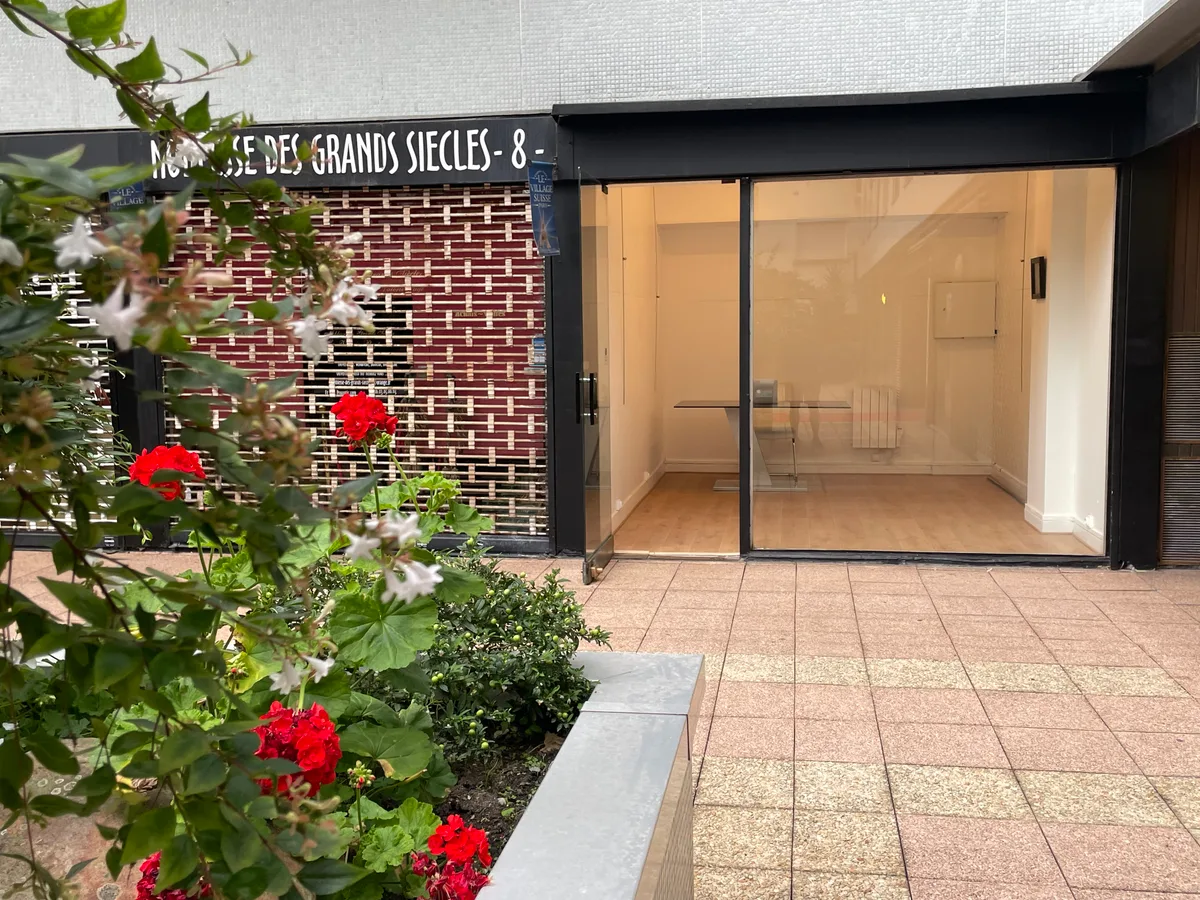
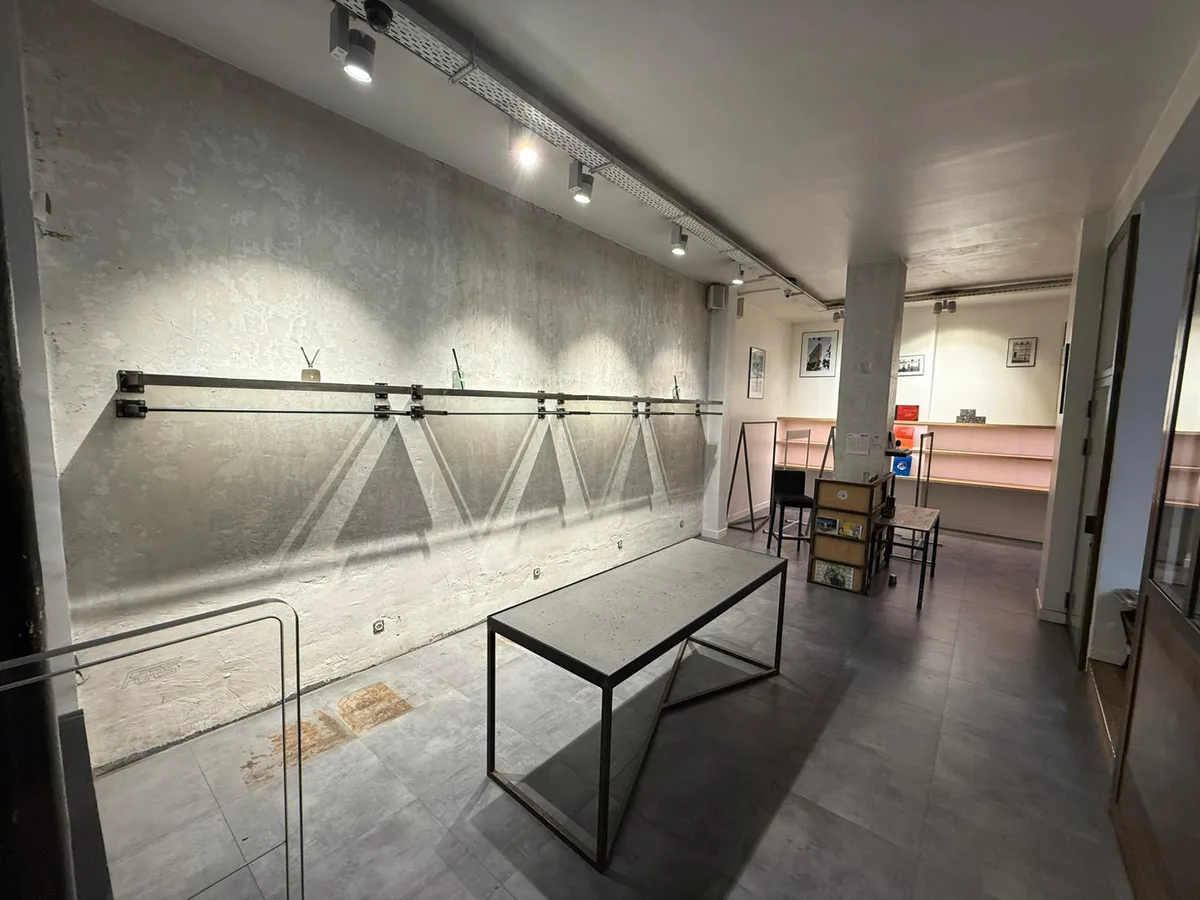
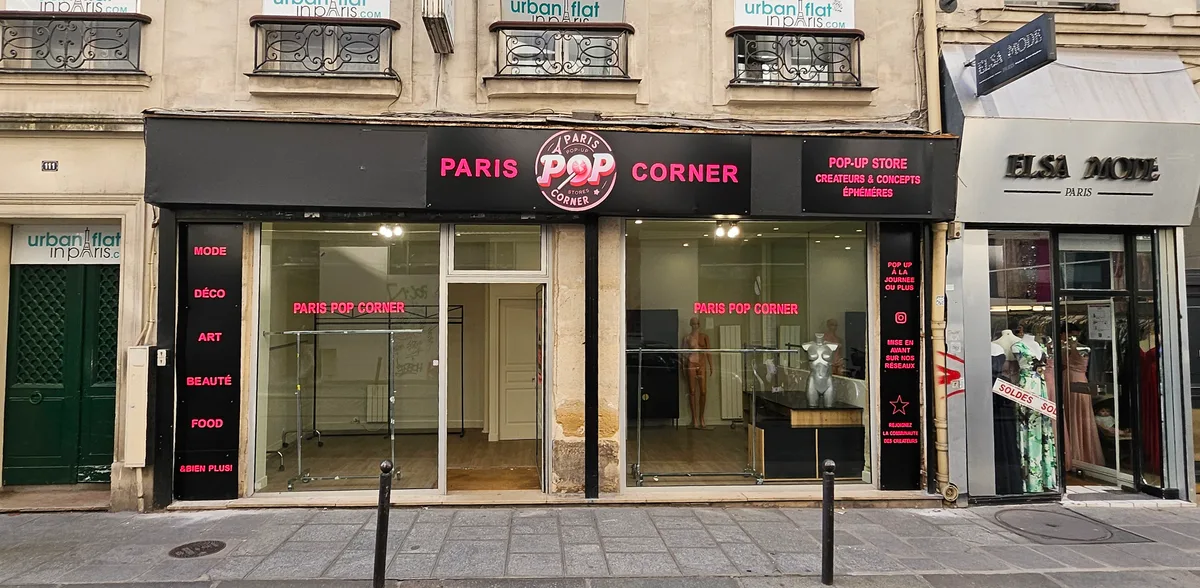
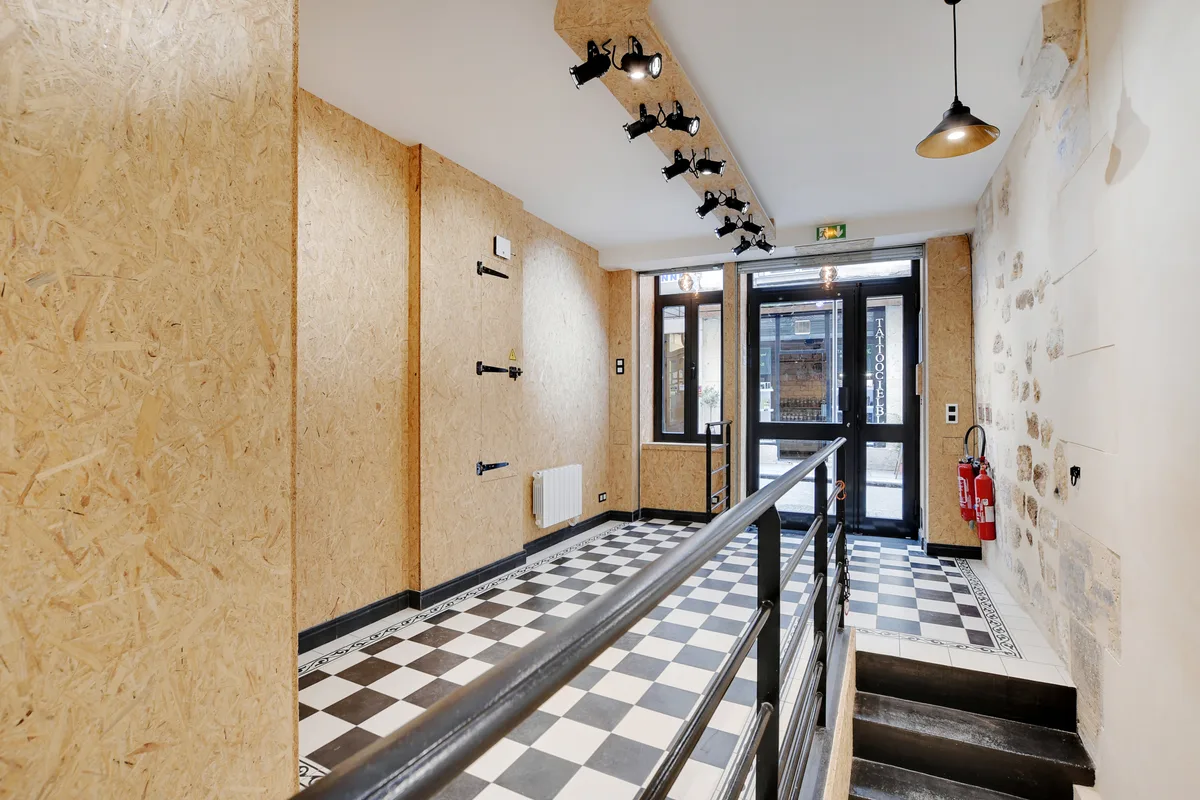
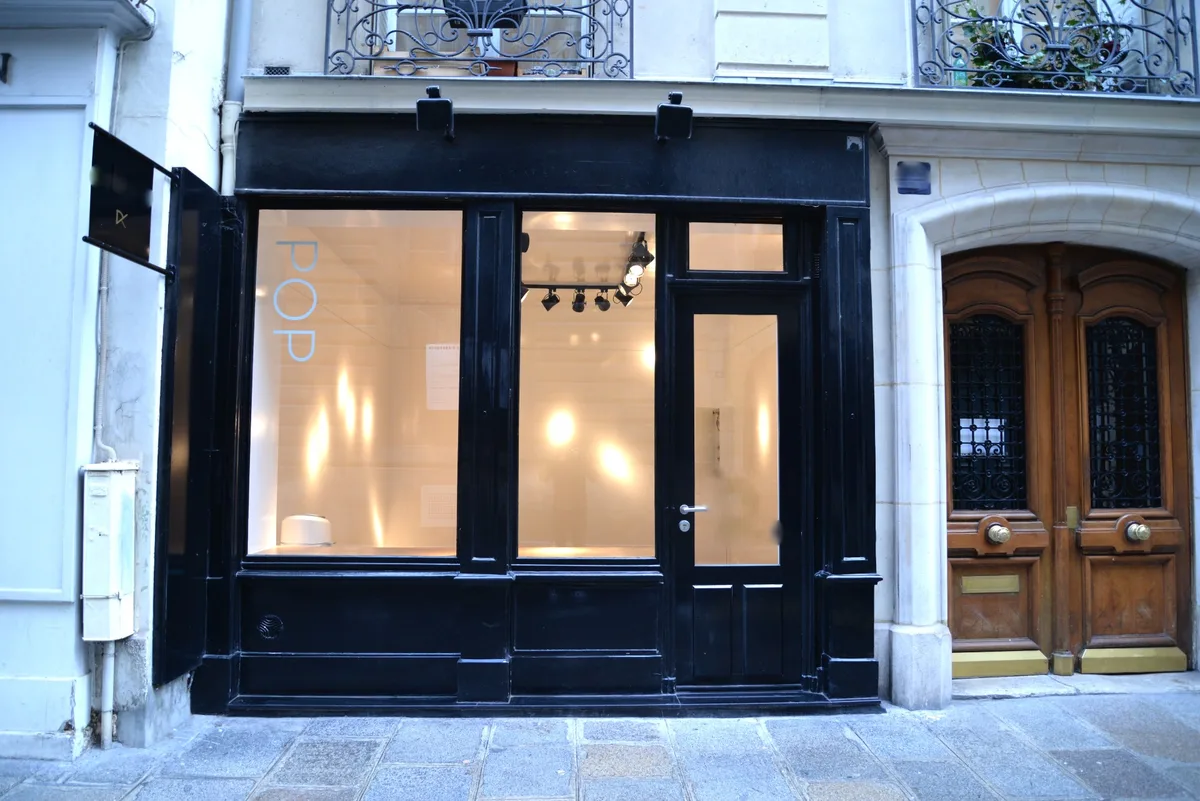
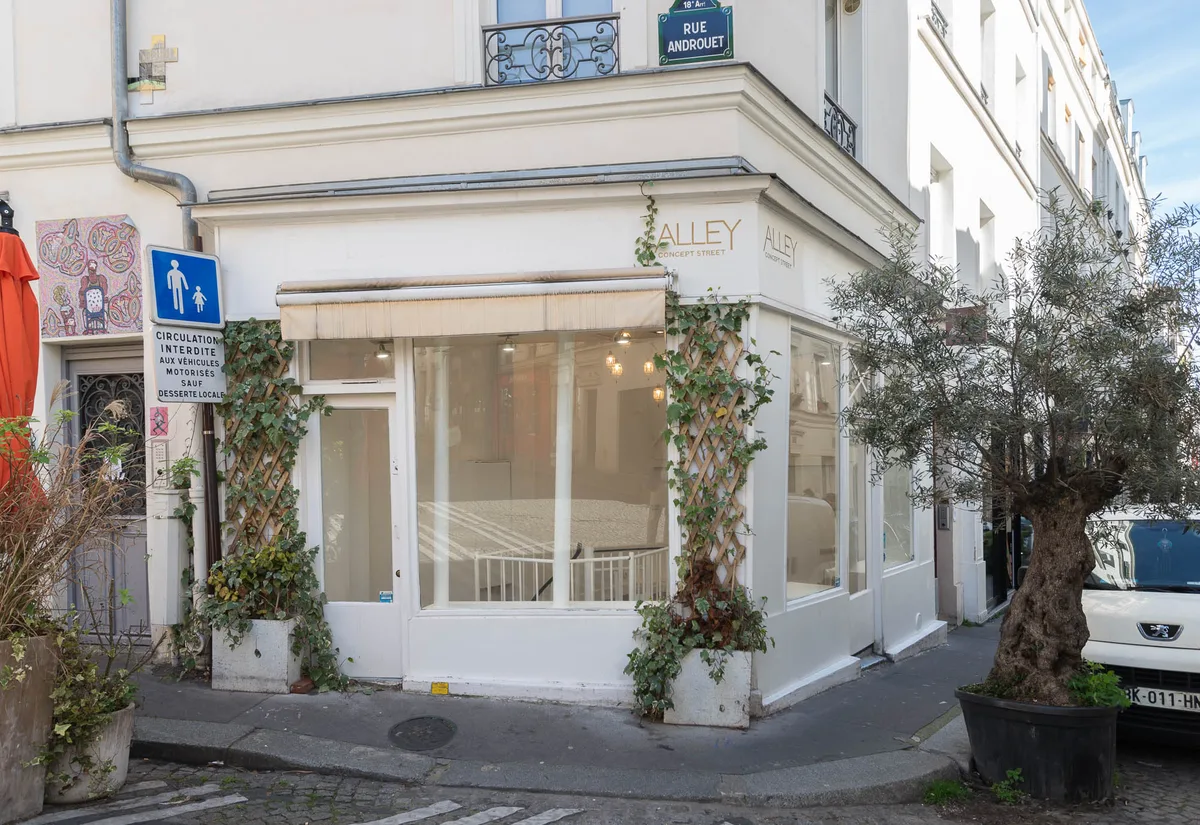
Booking a pop-up shop in the 3rd arrondissement of Paris places your brand at the heart of one of the most culturally vibrant and commercially active districts in the world. Le Marais, which straddles the 3rd and 4th arrondissements, draws millions of international visitors each year and offers a uniquely layered mix of fashion, contemporary art, historic architecture, and high-intent retail foot traffic. Whether you are a global fashion house preparing for Paris Fashion Week, an independent designer testing a new market, or a cultural brand hosting a literary pop-up or book launch, this neighbourhood provides a platform that few other locations in Paris can match. Fashion Week Venues works with international brands navigating the Paris market, offering end-to-end support from venue sourcing to full activation management.
Why the 3rd Arrondissement and Le Marais Are Ideal for Pop-Up Retail
The 3rd arrondissement sits at the northern edge of Le Marais, directly adjacent to the Centre Pompidou, and forms a natural retail and cultural corridor stretching toward Place de la République and the Marché des Enfants-Rouges. For brands seeking a pop-up store location in Paris, this combination of institutional cultural anchors, independent boutiques, emerging designer flagships, and a dense concentration of international visitors creates conditions that are genuinely difficult to replicate in other Parisian neighbourhoods.
Le Marais as a whole benefits from a compressed geography that works in favour of retail activations. Visitors who arrive to see the Picasso Museum, walk along Rue des Francs-Bourgeois, browse the Marché des Enfants-Rouges, or explore the galleries clustered around the Centre Pompidou tend to remain in the district for several hours. This extended dwell time translates directly into higher footfall exposure for any pop-up store, showroom, or brand activation in the area. The neighbourhood consistently attracts both Parisian locals and international tourists, with a significant proportion of visitors actively seeking design-led, culturally aware, and premium retail experiences that align with the identity of the Marais district.
The 3rd arrondissement specifically offers a slightly less saturated environment compared to parts of the 4th, while still benefiting from proximity to iconic streets such as Rue des Rosiers and the gravitational pull of Place des Vosges a short walk away. Streets like Rue de Bretagne, home to the Marché des Enfants-Rouges, combine gastronomy and lifestyle shopping in a way that naturally extends visitor dwell time and creates organic opportunities for discovery retail. Rue des Francs-Bourgeois, which runs through both the 3rd and 4th arrondissements, offers some of the highest daily pedestrian counts in central Paris, making it a natural target for brands prioritising visibility and brand recognition.
The district's layered history also matters commercially. Hôtel de Marle, the Maison de Victor Hugo a short distance to the south, and the dense concentration of 17th-century private mansions converted into galleries and cultural venues give Le Marais a sense of historical heritage that amplifies brand storytelling. A pop-up bookstore, literary experience, or cultural brand activation positioned within this architectural context carries an automatic narrative weight that generic retail spaces simply cannot provide. This is particularly relevant for book-focused activations, literary festivals, author events, and publishers seeking a Paris presence during key cultural windows such as Paris Fashion Week or major art fairs.
Quick answer: The 3rd arrondissement of Paris is ideal for a pop-up shop because it sits within Le Marais, combining high daily foot traffic, international visitor volumes, proximity to cultural institutions like the Centre Pompidou and Picasso Museum, and a strong concentration of design-conscious consumers seeking premium, memorable retail experiences.
DID YOU KNOW: Le Marais is one of the few Parisian neighbourhoods where independent bookshops, luxury fashion houses, contemporary art galleries, and street food markets coexist on the same block, creating a cross-category consumer audience that is highly receptive to experiential retail.
KEY TAKEAWAY: For any brand considering a pop-up in Paris, the 3rd arrondissement offers a combination of cultural prestige, international foot traffic, architectural character, and commercial density that makes it one of the strongest possible locations for a time-limited activation, whether fashion-driven, literary, or experience-led.
Understanding what makes the neighbourhood work is only the first step. The next question is what types of spaces are actually available, and how the physical dimensions and configurations of Le Marais venues translate into different activation formats.
Types of Pop-Up Spaces Available in the 3rd Arrondissement
Le Marais and the 3rd arrondissement in particular offer a wide spectrum of space types suited to different brand scales, budgets, and activation objectives. From intimate gallery-style boutiques to expansive industrial lofts and heritage courtyards, the neighbourhood's architectural diversity is one of its most commercially useful characteristics.
Gallery and Concept Store Spaces
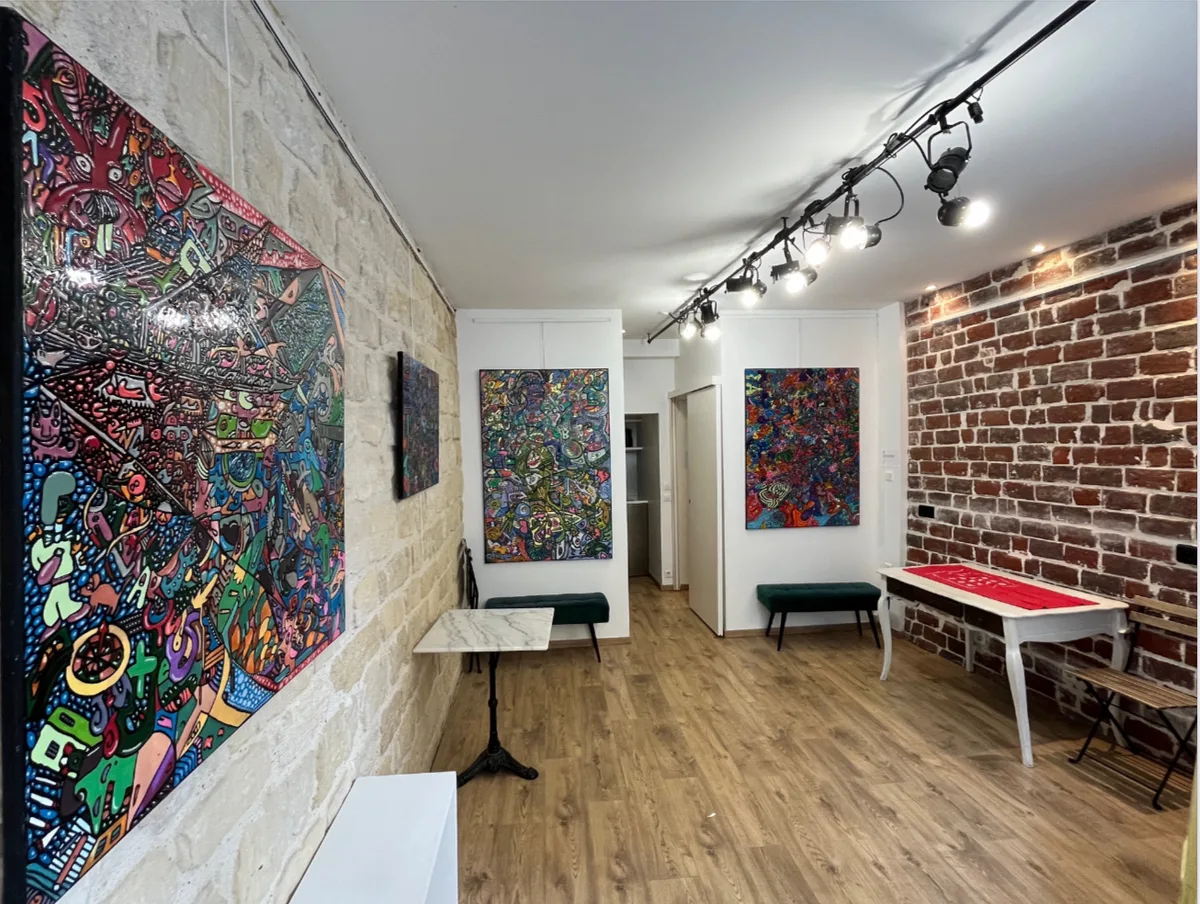
The 3rd arrondissement has a strong concentration of art gallery spaces that regularly transition into pop-up retail environments during fashion weeks, art fairs, and cultural events. Spaces like Galerie Joseph, one of the most well-known rental venues in Le Marais, offer flexible configurations that work for fashion showrooms, brand installations, editorial shoots, and public-facing pop-up stores. These spaces typically offer white-wall environments, high ceilings, good natural light, and the kind of neutral canvas that allows brands to assert their own visual identity without competition from the architecture. For a book pop-up or literary activation, a gallery format allows for both a curated retail display and a separate event or reading space within a single venue.
Boutique and Street-Facing Retail Units
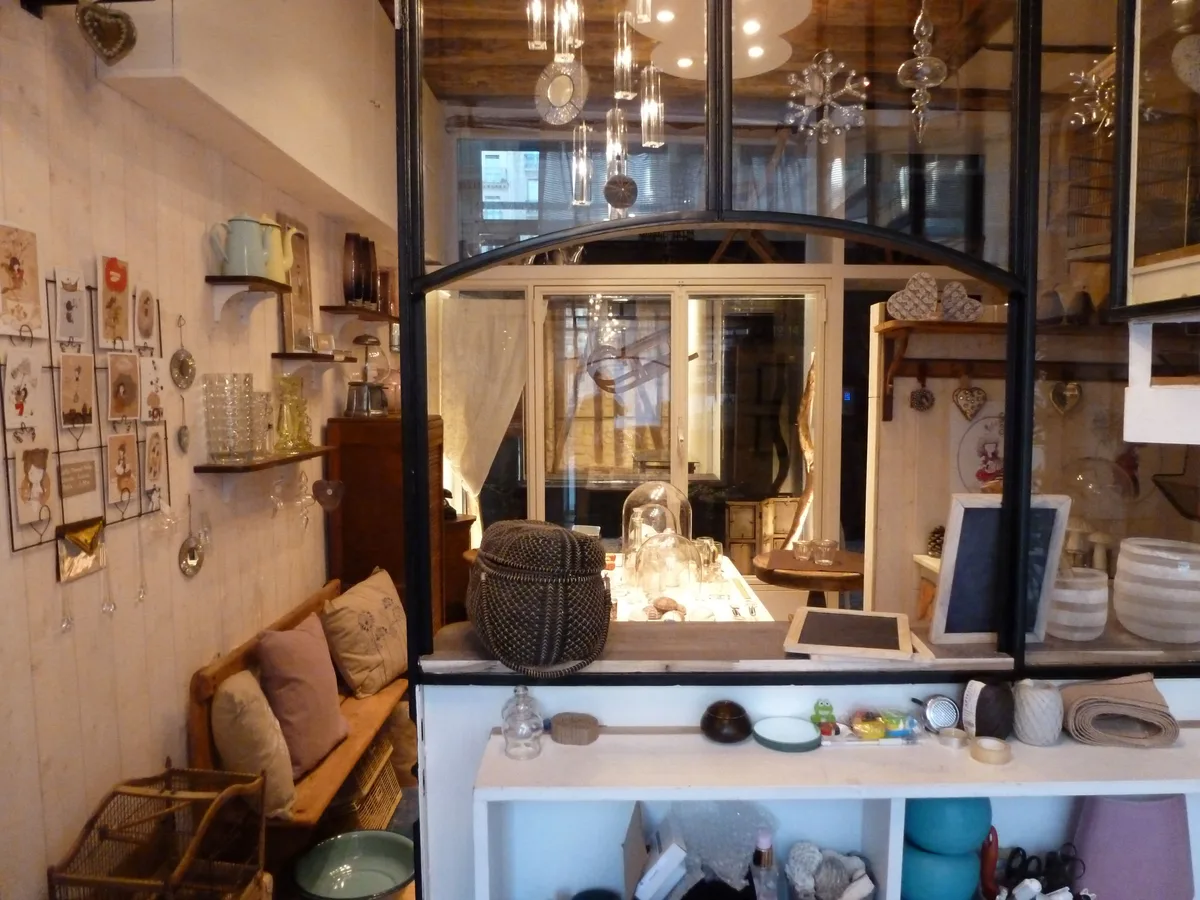
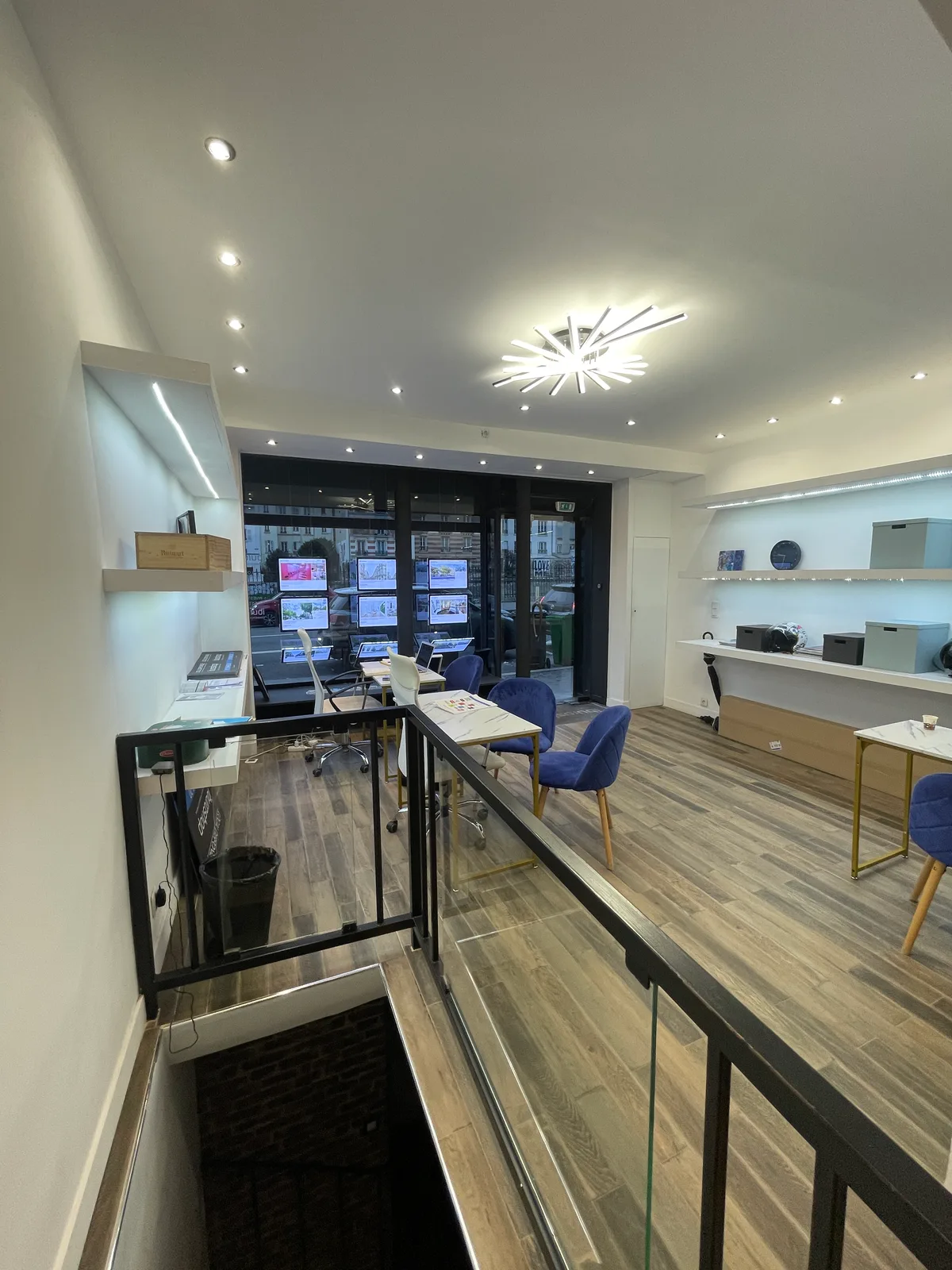
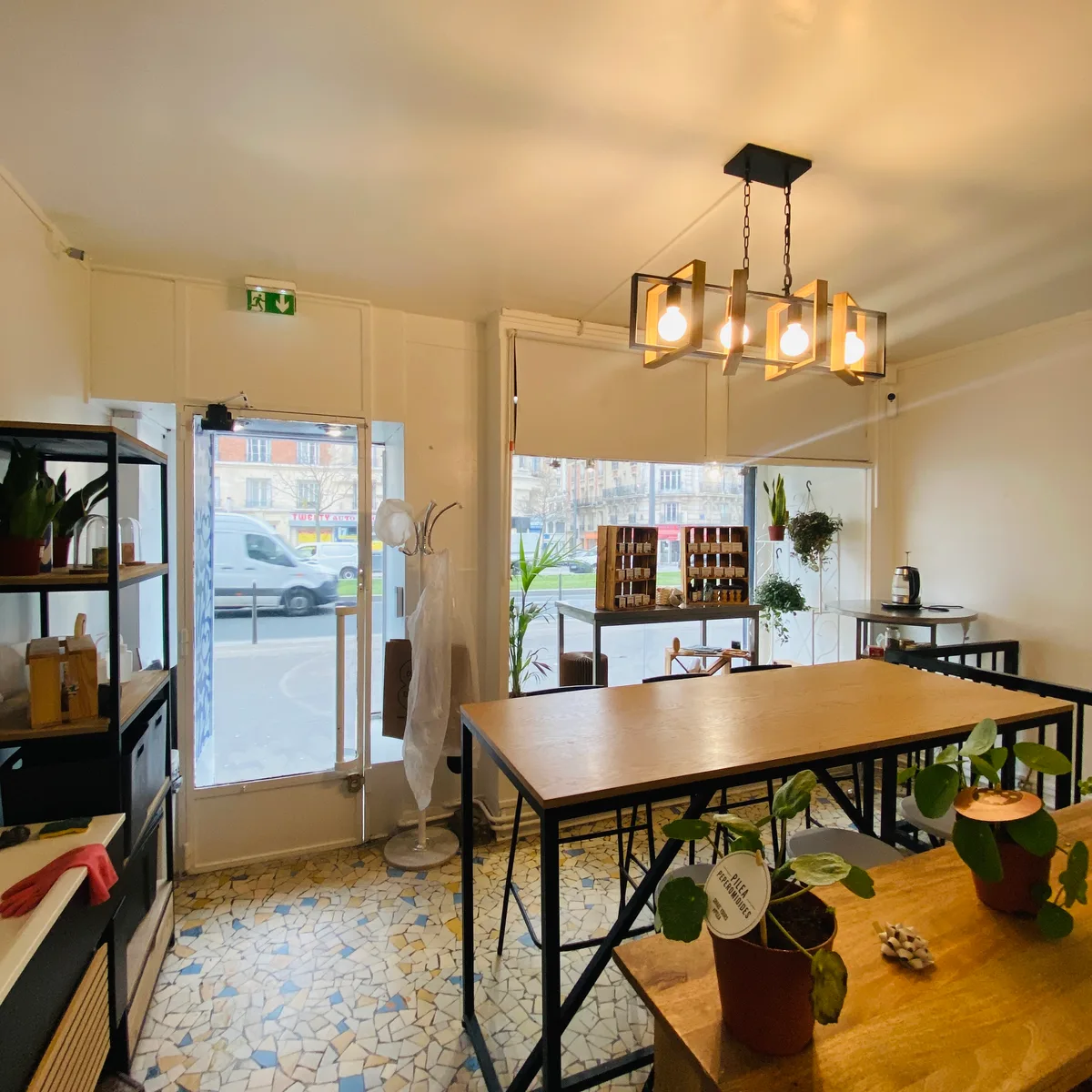
Street-level retail units on high-traffic routes such as Rue des Francs-Bourgeois, Rue de Bretagne, and the streets connecting the 3rd arrondissement toward the Centre Pompidou are well-suited to fashion boutiques, branded concept stores, and experiential retail activations. These spaces offer direct window display opportunities, which remain one of the most effective tools for capturing walk-by foot traffic and generating social media content. A well-executed window display in Le Marais can function as both a physical retail draw and a digital marketing asset if it is designed to be photographable and shareable.
Showrooms and Private Courtyard Spaces
Many of the historic hôtels particuliers in the 3rd arrondissement contain internal courtyards and first-floor showroom spaces that are available for short-term rental. These spaces are particularly popular with fashion brands, emerging designers, and international labels seeking a more intimate, invitation-only activation format during Paris Fashion Week. The architectural setting of a 17th-century Parisian courtyard provides a backdrop that is inherently editorial and brand-elevating, making it especially attractive for luxury and premium positioning.
Industrial and Loft-Style Venues
Toward the northern edge of the 3rd arrondissement and approaching Place de la République, there are larger industrial and loft-style spaces that accommodate bigger installations, multi-brand activations, or events that require production infrastructure such as lighting rigs, staging, and sound systems. These spaces tend to offer more flexibility in terms of reconfiguration and are suitable for brands with larger budgets and more complex activation formats.
Quick answer: The 3rd arrondissement offers gallery spaces, street-facing retail units, showrooms within historic courtyards, and larger industrial lofts. The right space type depends on your activation format, target audience, budget, and whether you prioritise public foot traffic or a curated, invitation-based experience.
TIP: When assessing a space, consider not just the floor area and dimensions but also the ceiling height, natural light, electrical capacity, access for deliveries, and whether the landlord or space operator permits temporary fit-out, furniture installation, and branded window displays. These factors significantly affect your build costs and timeline.
| Space Type | Typical Use Case | Key Advantage | Best For |
|---|---|---|---|
| Gallery space | Brand installation, showroom, editorial pop-up | White-wall neutrality, high ceilings, flexible layout | Fashion, art, books, cultural brands |
| Street-facing boutique | Public-facing retail activation | Window display visibility, walk-by foot traffic | Consumer brands, fashion, lifestyle retail |
| Courtyard showroom | Invitation-only launch, press preview, trade event | Architectural prestige, exclusive atmosphere | Luxury, emerging designers, PR events |
| Industrial loft | Large installation, multi-brand event, production-heavy activation | Scale, reconfiguration flexibility, infrastructure | Fashion weeks, art fairs, experiential campaigns |
| Concept store unit | Branded retail concept, collaboration launch | Built-in retail infrastructure, neighbourhood credibility | Collab drops, limited editions, brand awareness |
KEY TAKEAWAY: Matching your space type to your activation objective before beginning your venue search saves significant time and budget. A showroom activation for a Paris Fashion Week press preview has fundamentally different spatial requirements compared to a public-facing pop-up bookstore targeting tourist and local foot traffic.
Once you have identified the right space type for your activation, the next critical question is how to navigate the booking process, short-term lease structures, and permit requirements that apply to pop-up shops in Paris.
How to Book a Pop-Up Shop in the 3rd Arrondissement: Process, Leases, and Permits
Booking a pop-up space in Paris involves a distinct legal and operational framework that differs meaningfully from standard commercial lease agreements in the UK, US, or elsewhere. Understanding the relevant structures before you approach a space owner or agent will save you time, protect your budget, and reduce the risk of compliance issues during your activation.
The Bail Dérogatoire and Short-Term Lease Framework
In France, short-term commercial leases for pop-up shops and temporary retail activations most commonly operate under a convention d'occupation précaire or a bail dérogatoire, also known as a short-term derogatory lease. A bail dérogatoire can last up to three years in total but is specifically designed to be shorter than a standard nine-year commercial lease (bail commercial), making it the legal vehicle most commonly used for pop-up stores, showrooms, and temporary retail formats. It is important to note that once a bail dérogatoire expires without conversion to a standard commercial lease, the tenant has no automatic right to renewal, which is generally advantageous for brands seeking true short-term flexibility.
For very short activations lasting days or weeks rather than months, many space operators in Le Marais offer licence agreements or venue hire contracts rather than formal lease structures. These are operationally simpler but provide fewer legal protections, so it is advisable to have any agreement reviewed by a French legal advisor before signing.
Autorisation d'Occupation Temporaire (AOT)
If your activation occupies any public domain space, including pavement displays, outdoor signage extending beyond the property boundary, or any temporary structure in a public area, you will likely require an Autorisation d'Occupation Temporaire from the relevant Paris arrondissement mairie. Requirements vary depending on the specific location, the nature of the occupation, and the duration, so it is essential to verify requirements with the relevant authority and with a French legal advisor well in advance of your activation date.
IMPORTANT: Do not assume that a standard venue hire agreement covers all permit requirements for your activation. Additional permissions may be required for signage, public-facing events, music, extended opening hours, and outdoor elements. Requirements can vary by arrondissement and by the specific street or public space involved.
Practical Steps for Booking a Pop-Up Space in Le Marais
| Step | Action | Key Consideration |
|---|---|---|
| 1 | Define your activation brief including dates, space type, budget, and objectives | Calendar alignment with Paris Fashion Week or art fairs increases competition for spaces |
| 2 | Research available spaces via a marketplace or agent | Book 6 to 12 weeks ahead for Fashion Week windows; 4 to 6 weeks minimum for off-peak periods |
| 3 | Shortlist spaces matching your brief and request viewings or detailed specs | Confirm ceiling height, electrical capacity, natural light, delivery access, and fit-out permissions |
| 4 | Negotiate lease or licence terms and have them reviewed by a French legal advisor | Understand what is and is not included in the rental rate |
| 5 | Identify and apply for any required permits including AOT, signage, or event permits | Allow sufficient lead time; permit processing can take several weeks |
| 6 | Plan and execute fit-out, branding, merchandising, and staffing | Coordinate with production team on build timeline and reinstatement obligations |
| 7 | Launch, operate, and track performance metrics throughout the activation | Use footfall counters, POS data, and social media analytics to measure ROI |
| 8 | Derig, reinstate the space, and settle all outstanding obligations | Confirm reinstatement requirements in your lease or licence agreement before signing |
For brands unfamiliar with the French retail market, working with a specialist agency that understands the local landscape, speaks French fluently, and has established relationships with space operators in Le Marais significantly reduces friction across every step of this process. The permit guidance tool from Fashion Week Venues can help you identify the permit requirements relevant to your specific activation format and location.
Quick answer: Booking a pop-up shop in the 3rd arrondissement of Paris typically involves either a bail dérogatoire, a convention d'occupation précaire, or a short-term licence agreement, depending on the duration. Additional permits may be required for signage, outdoor elements, and public-facing events. Always verify requirements with a qualified French legal advisor.
KEY TAKEAWAY: The legal and permit landscape for pop-up shops in Paris is more complex than in many other markets. Beginning the process with a clear brief and adequate lead time, and engaging specialist support early, are the two most effective ways to protect your timeline and budget.
With the process understood, the next practical decision is how to structure your budget and understand the cost variables that will affect your overall investment in a 3rd arrondissement pop-up activation.
Budgeting for a Pop-Up Shop in the 3rd Arrondissement of Paris
Budget planning for a Paris pop-up requires understanding a broader cost structure than the venue rental rate alone. The total investment in a Le Marais activation typically spans venue costs, fit-out and production, staffing, permits, marketing, logistics, and agency fees, each of which can vary significantly depending on space size, activation duration, fit-out complexity, and the time of year.
Cost Variables That Affect Your Budget
Venue rental rates in Le Marais and the 3rd arrondissement vary based on location, space size, and the specific window you are booking. Peak periods including Paris Fashion Week in January, February, September, and October, along with major art fair dates such as FIAC and the Paris Art Week calendar, command premium pricing and require earlier booking. Off-peak periods offer greater flexibility and more competitive rates, but may also attract lower foot traffic if the activation is not tied to a cultural or seasonal draw.
Fit-out and production costs depend on the complexity of your build, the condition of the space as found, and whether you are working with a neutral white-box environment that requires minimal intervention or a raw industrial space that needs full electrical, lighting, and partition installation. For a book pop-up or literary activation, fit-out might include custom shelving, reading nooks, branded display fixtures, signage, and lighting design, all of which have associated design, fabrication, and installation costs.
Staffing costs in Paris are governed by French labour law, which includes specific requirements around working hours, minimum wage, social charges, and employment contracts. For short-term activations, brands often use temporary staffing agencies or specialist retail staffing providers to ensure compliance. Multilingual staff with French, English, and potentially Mandarin or other language capabilities tend to command premium rates in a tourist-heavy location like Le Marais.
TIP: Use a detailed budget calculator before committing to a space to understand the full cost envelope of your activation, not just the venue rental. Hidden costs including reinstatement obligations, waste removal, insurance requirements, and permit fees can add meaningfully to the total investment.
For brand-specific budget estimates based on your activation format, duration, and space size, the budget estimation tool from Fashion Week Venues provides a structured starting point. This does not replace a formal quote from suppliers, but it allows you to sanity-check your planning assumptions before committing resources to a detailed brief.
Quick answer: The total budget for a pop-up shop in the 3rd arrondissement of Paris depends on venue rental, fit-out and production, staffing, permits, marketing, and logistics. Costs vary significantly based on space size, activation duration, fit-out complexity, and the calendar window. Use a detailed budget tool and request itemised quotes from all suppliers before finalising your plan.
KEY TAKEAWAY: Venue rental is typically only one component of the total investment in a Paris pop-up activation. Planning for the full cost structure from the beginning, rather than working backwards from a venue rate, produces more accurate budgets and reduces the risk of mid-activation financial pressure.
To compare neighbourhoods and space types, explore the Paris city hub on Fashion Week Venues and shortlist spaces that match your brief, budget, and calendar window.
The Paris Fashion Week Calendar and Optimal Activation Windows for the 3rd Arrondissement
Paris Fashion Week is the most commercially powerful activation window for brands operating pop-up shops and showrooms in Le Marais and the 3rd arrondissement. Understanding the full annual calendar and how to position your activation within it is essential for maximising return on investment, media coverage, and brand recognition.
Paris Fashion Week Dates and Seasonal Windows
Paris Fashion Week runs across four main calendar windows each year: menswear in January, haute couture in January, womenswear ready-to-wear in late February and early March, and womenswear ready-to-wear again in late September and early October. Each window draws a concentrated influx of international press, buyers, influencers, and brand teams to Paris, creating a uniquely elevated audience for any pop-up, showroom, or brand activation in the city.
For July 2026, the Paris schedule includes runway shows, exhibitions, and brand happenings across the city from July 6 to 9, 2026, falling within the Haute Couture Fashion Week window. This represents a significant opportunity for brands seeking to reach an international fashion audience in Paris during a period when media attention and influencer presence in the city are at their peak. Brands activating in the 3rd arrondissement during this window benefit from the proximity of the neighbourhood to the major show venues and hotels used by the international fashion community.
Art Fairs and Cultural Events as Secondary Windows
Beyond Paris Fashion Week, Le Marais benefits from proximity to the FIAC international contemporary art fair, the Paris Art Week events cluster, and numerous gallery opening seasons that draw design-conscious international audiences to the neighbourhood. Brands in the cultural, publishing, design, and luxury sectors can find strong activation windows aligned with these cultural calendars, often at lower competition and cost than the core Fashion Week dates.
The Marché des Enfants-Rouges, the oldest covered market in Paris located in the 3rd arrondissement, draws consistent local and tourist foot traffic throughout the year, making it a useful anchor for pop-up activations that target both tourists and Parisian residents rather than exclusively the fashion industry audience.
Book Pop-Ups and Literary Events: Optimal Timing
For a book pop-up specifically, timing can be aligned with major literary events such as the Paris Book Fair (Salon du Livre), cultural institution programming, or international author tours. Paris has a rich tradition of independent bookshops and literary culture, anchored by landmark stores including Shakespeare and Company in the Latin Quarter, Galignani near the Tuileries Gardens, the Abbey Bookshop, Red Wheelbarrow, Smith and Sons, and the historic Librairie Jousseaume in the Galerie Vivienne. A pop-up bookstore in the 3rd arrondissement can position itself within this tradition while offering a more contemporary and brand-specific retail experience.
The Swedish Institute, housed at Hôtel de Marle in the 3rd arrondissement, operates Bokbar, a Scandinavian cultural space and bar that serves as a hub for Nordic literature and cultural programming in Paris. This creates a natural reference point for any brand activation rooted in Nordic literature, whether promoting works by authors such as Karl Ove Knausgård, Sara Stridsberg, Sofi Oksanen, or Jón Kalman Stefánsson, or celebrating the visual world of Tove Jansson and the Moomins or the illustration work of Sara-Vide Ericson. The presence of an established Scandinavian cultural centre in the neighbourhood provides both contextual credibility and a potential collaboration partner for Nordic-themed literary pop-ups.
Quick answer: The optimal windows for a pop-up shop in the 3rd arrondissement depend on your brand objectives. Paris Fashion Week windows in January, February, September, and October offer peak media and influencer exposure. The July 6 to 9, 2026 Haute Couture window is a strong opportunity. Art fairs, cultural seasons, and literary event calendars offer additional viable windows with less competition for spaces.
DID YOU KNOW: Paris has one of the highest concentrations of independent bookshops of any city in the world, and literary tourism is a significant driver of foot traffic in neighbourhoods including Le Marais, the Latin Quarter, and the area around Rue de l'Odéon, historically associated with Sylvia Beach and the original Shakespeare and Company.
KEY TAKEAWAY: Aligning your pop-up activation with a relevant cultural or commercial calendar window in Paris significantly amplifies its visibility, media reach, and return on investment. For the 3rd arrondissement, Fashion Week windows and art fair seasons are the highest-impact periods, but literary and cultural events can provide strong targeted alternatives for brands with a publishing or cultural focus.
Understanding the calendar context for your activation leads naturally to a deeper question about how Paris's literary landscape and the neighbourhood's bookshop culture can inform and enrich a book pop-up concept in the 3rd arrondissement.
Paris's Bookshop Culture and What It Means for a Pop-Up Bookstore in Le Marais
Paris occupies a unique position in the global imagination of literary culture, and its bookshop landscape is both historically significant and commercially vibrant. Understanding this context is essential for any brand or publisher planning a book pop-up or literary activation in the city, particularly in a neighbourhood as culturally layered as the 3rd arrondissement.
The Legacy of Parisian Bookshops
The story of English-language bookselling in Paris is inseparable from the name Sylvia Beach, the American bookseller who opened the original Shakespeare and Company on Rue de l'Odéon in 1919 and became the publisher of James Joyce's Ulysses. The spirit of that original shop, later revived by George Whitman near Notre-Dame de Paris, remains a touchstone for literary culture in the city. The current Shakespeare and Company on the Left Bank, the Abbey Bookshop in the 5th arrondissement, Red Wheelbarrow, Smith and Sons, and the historic Librairie Jousseaume in the covered passages near the Palais-Royal all represent a tradition of thoughtful, curated bookselling that resonates deeply with Paris's cultural identity.
For a pop-up bookstore in the 3rd arrondissement, this tradition provides both inspiration and a competitive benchmark. Visitors who seek out bookshops in Paris are typically highly engaged, culturally curious, and willing to spend time in a well-curated retail environment. This audience profile aligns strongly with the broader consumer demographic of Le Marais, making the neighbourhood a natural home for a literary pop-up that combines book retail with experience, event programming, and community.
Nordic Literature and the Swedish Institute in the 3rd Arrondissement
One of the most distinctive cultural assets in the 3rd arrondissement relevant to a literary pop-up is the Swedish Institute at Hôtel de Marle, which houses Bokbar, a Scandinavian cultural bar and event space that serves as Paris's primary hub for Nordic literature and culture. This makes the 3rd arrondissement particularly well-suited to activations centred on Nordic literature, Scandinavian design, or cultural exports from the Nordic region.
Nordic crime novels have enjoyed sustained global popularity, and authors such as Karl Ove Knausgård from Norway, Sara Stridsberg from Sweden, Sofi Oksanen from Finland, and Jón Kalman Stefánsson from Iceland have significant French readerships. A pop-up bookstore in Le Marais that centres on Nordic literature, perhaps celebrating works illustrated by Sara-Vide Ericson or the beloved world of Tove Jansson and the Moomins, could draw directly on the neighbourhood's established Scandinavian cultural infrastructure while offering something genuinely distinctive within Paris's broader bookshop landscape.
Books as Souvenirs and the Retail Opportunity
One often-underestimated commercial argument for a book pop-up in Paris is the souvenir dimension. Visitors to Paris are among the most active souvenir buyers of any tourist population globally, and books occupy a particular prestige position in the Parisian souvenir economy. A beautifully produced book set in Paris, purchased at a thoughtfully designed pop-up bookstore in Le Marais, carries both cultural and emotional value that generic souvenir merchandise cannot match. As one might observe: honestly, what better souvenir than a book set in Paris that you bought in Paris?
This souvenir dynamic is commercially relevant for publishers, cultural brands, and tourism-adjacent businesses considering a pop-up format. It also has implications for merchandising strategy: curating a selection of Paris-specific titles, city guides, cartography books, illustrated works, and locally themed fiction alongside a brand's primary offering can significantly broaden the purchase funnel and increase average transaction values.
Quick answer: Paris's bookshop culture, anchored by institutions like Shakespeare and Company, the Abbey Bookshop, Galignani near the Tuileries Gardens, and Red Wheelbarrow, creates a highly receptive audience for literary pop-ups. In the 3rd arrondissement, the Swedish Institute's Bokbar provides an established Nordic literary infrastructure that can directly support Scandinavian-themed book activations.
KEY TAKEAWAY: A pop-up bookstore in the 3rd arrondissement benefits from Paris's deep literary reputation, the neighbourhood's cultural density, and the presence of the Swedish Institute as a natural ecosystem partner for Nordic literary activations. Books also function as premium souvenirs, which can strengthen the commercial case for a literary pop-up targeting international visitors.
Le Marais Neighbourhoods, Landmarks, and Location Strategy for Pop-Up Brands
Location strategy within Le Marais and the 3rd arrondissement requires understanding the specific character, foot traffic patterns, and consumer demographics of different streets and micro-zones. Not all locations within the neighbourhood perform equally for all brand types, and a strategic approach to positioning can significantly affect the outcome of your activation.
Key Streets and Micro-Zones in the 3rd Arrondissement
Rue des Francs-Bourgeois is the primary commercial spine of Le Marais, running through both the 3rd and 4th arrondissements and connecting Place des Vosges to the west with the northern Marais toward Place de la République. It offers the highest daily pedestrian counts in the district and is home to a dense mix of international fashion brands, concept stores, and independent boutiques. For brands prioritising visibility and walk-by discovery, a space on or directly adjacent to Rue des Francs-Bourgeois offers maximum exposure.
Rue de Bretagne, running north through the 3rd arrondissement toward the Marché des Enfants-Rouges, combines gastronomy and lifestyle shopping in a way that naturally extends visitor dwell time. The market itself, the oldest covered market in Paris dating to 1615, draws a consistent mix of local Parisians and international visitors who represent a more diverse demographic than the purely fashion-driven Rue des Francs-Bourgeois corridor. For lifestyle brands, food and beverage concepts, or a pop-up bookstore targeting book lovers rather than specifically the fashion audience, Rue de Bretagne offers an attractive alternative positioning.
The area around the Centre Pompidou, straddling the boundary between the 3rd and 4th arrondissements, draws substantial tourist and cultural visitor numbers year-round and is surrounded by gallery spaces, concept stores, and experimental retail formats. Brands seeking to associate their activation with contemporary art and design culture will find the Beaubourg area provides a powerful contextual backdrop.
Parisian Landmarks as Contextual Assets
Le Marais benefits from proximity to some of Paris's most iconic landmarks, which function as visitor generators for the neighbourhood. Place des Vosges, the oldest planned square in Paris, anchors the southern edge of Le Marais and draws a constant flow of visitors throughout the year. The Picasso Museum and Maison de Victor Hugo are both within easy walking distance of the 3rd arrondissement's commercial streets. Notre-Dame de Paris, currently restored and reopened after the 2019 fire, draws significant visitor volumes to the central Paris area and contributes to the tourist foot traffic that flows through Le Marais.
Further afield but relevant to visitor itinerary planning in Paris, landmarks including the Arc de Triomphe, the Eiffel Tower, Hôtel des Invalides, the Musée du Louvre, Musée d'Orsay, the Tuileries Gardens, and Le Sacré-Coeur all feed visitor traffic toward the central arrondissements including Le Marais. Many visitors combine iconic Paris monuments with a visit to the neighbourhood, particularly those seeking a mix of historical heritage and contemporary retail and dining.
Quick answer: Within the 3rd arrondissement, Rue des Francs-Bourgeois offers the highest foot traffic for maximum visibility, Rue de Bretagne and the Marché des Enfants-Rouges provide a lifestyle-oriented alternative, and the Centre Pompidou area suits brands with a contemporary art or design positioning. Each micro-zone attracts a slightly different consumer profile.
| Micro-Zone | Primary Draw | Consumer Profile | Best For |
|---|---|---|---|
| Rue des Francs-Bourgeois | Fashion retail density, high pedestrian count | Fashion-conscious, international tourists and locals | Fashion brands, concept stores, visibility-driven activations |
| Rue de Bretagne / Marché des Enfants-Rouges | Food market, lifestyle shopping, local community | Local Parisians, lifestyle consumers, food-motivated visitors | Lifestyle brands, book pop-ups, cultural activations |
| Centre Pompidou area | Contemporary art institution, gallery cluster | Art and design enthusiasts, international cultural tourists | Design brands, art-adjacent activations, gallery pop-ups |
| Hôtel de Marle / Swedish Institute area | Cultural diplomacy, Nordic cultural programming | Culturally engaged visitors, Nordic diaspora, literary audience | Nordic literary pop-ups, cultural brand activations, Bokbar partnerships |
| Rue des Rosiers corridor | Historic Jewish quarter, boutique retail, food | Cultural tourists, neighbourhood regulars, heritage-conscious visitors | Culturally narrative brands, food concepts, artisan retail |
KEY TAKEAWAY: Location strategy within the 3rd arrondissement is not a single decision but a series of tradeoffs between maximum visibility, targeted consumer demographics, architectural context, and proximity to relevant cultural institutions. Matching your micro-zone selection to your brand's specific activation objectives produces materially better results than simply choosing the highest-traffic street.
Marketing, Social Media, and Influencer Strategy for Le Marais Pop-Up Shops
The commercial return on investment from a Le Marais pop-up shop is significantly amplified by an integrated marketing strategy that combines physical experience design with digital amplification. In a neighbourhood already primed for social media content creation, brand recognition, and media coverage, the right marketing approach can extend the reach of a short-term activation far beyond its physical footprint and duration.
Visual Merchandising and Window Display Strategy
In Le Marais, window displays function as both retail conversion tools and social media content generators. A well-designed, visually distinctive window display on a high-traffic street in the 3rd arrondissement can accumulate thousands of photographs and social media shares from passing visitors without any paid amplification. This organic social capital is one of the most cost-effective marketing assets available to pop-up brands in the neighbourhood. Clear branding that reads at a glance, unexpected or interactive visual elements, and references to the local context of Paris all strengthen the photographability and shareability of a window display.
Influencer Partnerships and Cultural Collaborations
Le Marais is one of the most influencer-dense neighbourhoods in Paris, particularly during Fashion Week and art fair periods. Brands activating in the 3rd arrondissement have direct access to a community of fashion, lifestyle, food, and culture influencers who are already present in the neighbourhood and actively creating content. Structured influencer events hosted within your pop-up space, whether a press preview, a private shopping session, a book signing, or a panel discussion, generate the kind of authentic, location-specific content that resonates with their audiences.
Collaborations with local cultural institutions, neighbouring galleries, or neighbourhood businesses can further amplify reach. A book pop-up that partners with Bokbar at the Swedish Institute for a Nordic literature evening, for example, reaches both institutions' audiences simultaneously and creates a richer editorial narrative than either party could achieve alone.
Social Media Campaigns Tied to Local Events
Tying your social media campaign to events and cultural moments already happening in the neighbourhood or the broader city provides organic relevance and reach. During Paris Fashion Week, using fashion week hashtags, tagging relevant venues and partners, and collaborating with fashion week attendees on content creates association with the premium cultural moment. For literary activations, linking content to Paris bookshop culture, specific author events, or publishing industry milestones builds credibility and community with book lovers.
Data and analytics during your activation, including footfall tracking, social media sentiment, hashtag performance, and sales data by day and time, allow you to optimise your marketing activity in real time and build a rigorous case for the return on investment of your Paris pop-up for internal stakeholders and future planning.
Quick answer: A comprehensive marketing strategy for a Le Marais pop-up shop should combine impactful window display design, structured influencer partnerships, social media campaigns tied to local cultural events, and real-time analytics to track and optimise performance throughout the activation.
DID YOU KNOW: Brands that combine physical pop-up experiences with structured social media amplification during Paris Fashion Week can achieve media coverage and influencer content reach equivalent to significantly larger above-the-line campaigns, at a fraction of the cost, due to the organic amplification effect of the Fashion Week media environment.
KEY TAKEAWAY: Marketing ROI from a Le Marais pop-up is directly proportional to the quality of the experience you create, the deliberateness of your influencer strategy, and the integration of your physical and digital channels. In a neighbourhood that is already a content creation destination, the cost of earned media can be very low relative to the reach generated.
How Fashion Week Venues Helps Brands Book and Activate Pop-Up Shops in Paris
Fashion Week Venues is a full-service pop-up shop agency and space marketplace that specifically supports brands navigating the Paris market and other major fashion capitals including London, Milan, New York, Tokyo, and Dubai. For brands planning a pop-up shop in the 3rd arrondissement, Fashion Week Venues offers a structured end-to-end service that covers every stage of the activation journey, from initial space discovery to post-activation performance reporting.
Space Discovery and Venue Sourcing
The Fashion Week Venues marketplace allows brands to browse available spaces across Paris, filtered by neighbourhood, space type, size, and availability window. The dedicated venue sourcing service goes further, providing expert guidance on which spaces in Le Marais and the 3rd arrondissement are best suited to specific activation briefs, helping brands shortlist venues that match their objectives rather than simply presenting a list of available spaces. The locator tool and compare tool allow teams to evaluate multiple options side by side before committing to a space.
Concept, Production, and Fit-Out
Fashion Week Venues provides concept direction, production planning, and fit-out management for brands that need more than just a space. For a book pop-up or literary brand activation, this might include designing a bespoke shelving and display system, developing the spatial narrative and visual identity of the pop-up environment, and managing the full build and installation process. The imagine tool and build planning tool allow brands to visualise their space and plan the fit-out before committing to a design direction.
Staffing, Operations, and Analytics
Retail staffing in Paris requires compliance with French employment law, and Fashion Week Venues provides specialist retail staffing support for brands activating in the city. This includes multilingual sales staff, brand ambassadors, and event support teams. Alongside staffing, the data and analytics service allows brands to track footfall, sales performance, and marketing metrics throughout the activation, supporting real-time optimisation and post-activation ROI reporting.
Tools for Planning and Decision-Making
Fashion Week Venues offers a suite of planning tools including a budget calculator, an ROI calculator, a timeline planning tool, a permit guidance tool, a space comparison tool, and a locator tool. These are designed to help brand teams make informed decisions before committing to a space or an agency engagement. The timeline planning tool is particularly useful for brands coordinating a Paris activation around a specific Fashion Week window or cultural event, where the scheduling of venue booking, permit applications, production build, and marketing activity needs to align precisely.
What to Understand About Working with Fashion Week Venues
Fashion Week Venues does not guarantee space availability, permit approvals, or specific commercial outcomes. The marketplace and agency services are designed to increase the efficiency and quality of the planning and execution process, but the ultimate success of any pop-up activation depends on the brand's own objectives, execution quality, marketing investment, and the inherent unpredictability of retail performance. Brands with clear briefs, realistic budgets, and sufficient lead time will extract the most value from the agency's services and tools.
To understand how Fashion Week Venues has worked with brands across different activation formats and cities, explore the case studies and past activations on the agency's website.
KEY TAKEAWAY: Fashion Week Venues provides end-to-end support for brands booking pop-up shops in Paris, from space discovery through to post-activation analytics, with a suite of planning tools that allow brand teams to make more informed decisions before committing to a space, budget, or activation format.
Common Myths About Booking a Pop-Up Shop in Paris: Debunked
MYTH: You need a French legal entity to rent a pop-up shop space in Paris.
FACT: Many space operators in Le Marais and across Paris work with international brands that do not have a French legal entity, particularly for short-term licence agreements and venue hire arrangements. However, for longer-term bail dérogatoire agreements, some landlords may require a French-registered entity or a local guarantor. Requirements vary by space, operator, and lease structure, so it is important to verify the specific requirements for each space you are considering and to seek advice from a qualified French legal advisor.
MYTH: Paris Fashion Week is the only commercially viable window for a pop-up shop in the 3rd arrondissement.
FACT: While Paris Fashion Week windows generate the highest concentration of international media, influencer, and buyer attention, Le Marais maintains strong foot traffic and a vibrant retail environment throughout the year. Art fair seasons, the Paris Book Fair, major cultural events, the summer tourist peak, and key retail periods including Christmas and the January sales all provide commercially viable activation windows. Many brands achieve strong results in Le Marais during off-Fashion-Week periods with lower competition for spaces and more negotiable rental rates.
MYTH: Commission brokers are the only way to find a short-term rental space in Paris.
FACT: While traditional commercial property brokers do operate in the Paris market, dedicated short-term retail marketplaces and full-service pop-up agencies provide a more transparent, efficient, and brand-oriented alternative for brands seeking temporary retail spaces. These platforms and agencies typically specialise in the specific needs of pop-up activations rather than standard commercial lettings, offering space options, permit guidance, and activation support that traditional brokers rarely provide.
MYTH: Short-term commercial leases in Paris are legally straightforward and require no specialist input.
FACT: The French commercial lease framework is more complex than in many other markets, and short-term arrangements including bail dérogatoire agreements, conventions d'occupation précaire, and licence agreements each have distinct legal characteristics, obligations, and risk profiles. Signing a lease without proper French legal advice can expose brands to unexpected obligations, including reinstatement requirements, extended commitment periods, and liability for permits or authorisations not originally anticipated. Always have any commercial agreement in Paris reviewed by a qualified French legal advisor before signing.
MYTH: A book pop-up in Paris can only succeed during literary festival periods.
FACT: Paris's identity as a city of books and literary culture generates year-round demand for thoughtfully curated book retail experiences. In Le Marais specifically, the combination of culturally engaged local residents, literary tourists, and the established presence of institutions like the Swedish Institute's Bokbar creates a viable audience for a well-positioned book pop-up at almost any time of year. Aligning with literary events can amplify results, but is not a prerequisite for commercial viability.
Frequently Asked Questions About Booking a Pop-Up Shop in the 3rd Arrondissement of Paris
What makes Le Marais attractive for retail brands seeking a pop-up space in Paris?
Le Marais combines several characteristics that are rare in a single neighbourhood: very high daily foot traffic, a significant proportion of international visitors with premium purchasing intent, proximity to major cultural institutions including the Centre Pompidou and Picasso Museum, a dense concentration of fashion boutiques and concept stores that create a credibility halo for new brands, and an architectural environment of historic private mansions and converted galleries that provides a visually prestigious backdrop for any activation. These factors together make Le Marais consistently one of the most sought-after locations for pop-up shops in Paris.
Are there different types of pop-up spaces available in the 3rd arrondissement?
Yes. The 3rd arrondissement and broader Le Marais area offer a wide range of space types including gallery-style white spaces suitable for brand installations and showrooms, street-facing retail units with window display opportunities on high-traffic streets, historic courtyard spaces within hôtels particuliers for invitation-only or premium activations, larger industrial and loft-style venues for production-heavy events, and concept store units with existing retail infrastructure. The right space type depends on your activation format, target audience, and budget.
How far in advance should I book a pop-up space in the 3rd arrondissement for Paris Fashion Week?
For Paris Fashion Week windows, including the July 2026 Haute Couture week from July 6 to 9, brands should ideally begin their space search and negotiation process six to twelve weeks in advance, and sometimes earlier for premium or high-demand locations. Competition for spaces during Fashion Week is significant, and the best venues in Le Marais are often reserved months ahead of the key dates. For off-peak activations, four to six weeks of lead time is typically sufficient, though earlier is always preferable to allow adequate time for permit applications and production planning.
What permits are required for a pop-up shop in the 3rd arrondissement?
Permit requirements vary depending on the space type, activation format, and specific location. For a standard indoor pop-up in a commercial space, the lease or licence agreement typically covers the basic right of occupation. Additional permits may be required for outdoor elements, temporary signage extending beyond the property boundary, public-facing events, amplified music, and any occupation of public domain space. An Autorisation d'Occupation Temporaire from the local mairie is required for public domain occupation. Requirements vary by arrondissement and specific location, so always verify with a French legal advisor and allow sufficient lead time for any required permit applications.
Do I need a French legal entity to rent a pop-up space in Paris?
Not necessarily. Many space operators in Le Marais work with international brands under short-term licence agreements or venue hire arrangements that do not require a French-registered entity. For longer-term bail dérogatoire arrangements, some landlords may require a French entity or a local guarantor. Requirements vary by space and operator. It is important to clarify the legal requirements for each specific space before proceeding, and to engage a qualified French legal advisor to review any agreement before signing.
What is a bail dérogatoire and how does it apply to pop-up shops in Paris?
A bail dérogatoire is a short-term derogatory commercial lease permitted under French law, designed specifically for temporary retail and commercial occupations. It can last up to three years in total and specifically derogates from the standard nine-year bail commercial framework, meaning the tenant has no automatic renewal rights at the end of the lease. This makes it the most commonly used lease structure for pop-up stores, showrooms, and temporary retail formats in Paris. For very short activations of days or weeks, a simple licence agreement or venue hire contract is typically more appropriate and operationally simpler.
How do I estimate the total cost of a pop-up activation in the 3rd arrondissement?
The total cost of a pop-up activation in Paris encompasses venue rental, fit-out and production, staffing, permits and insurance, marketing and influencer activity, logistics and delivery, and agency fees if applicable. Venue rental is typically only one component of the total investment. Cost levels vary significantly based on space size, activation duration, fit-out complexity, and the calendar window. Using a structured budget planning tool before committing to a space or supplier is strongly recommended. A detailed budget calculator is available via Fashion Week Venues to provide brand-specific directional estimates.
What marketing strategy works best for a pop-up shop in Le Marais?
The most effective marketing strategies for Le Marais pop-ups combine impactful window display design that generates organic social media content, structured influencer partnerships with creators already present in the neighbourhood, social media campaigns tied to local cultural events or Fashion Week moments, and collaborations with neighbouring cultural institutions or businesses. Real-time data and analytics during the activation allow you to identify what is driving foot traffic and conversions, enabling optimisation throughout the run. Email, press outreach, and geo-targeted digital advertising can also support pre-activation awareness and drive targeted visits.
Is Le Marais suitable for a book pop-up or literary brand activation?
Yes, Le Marais is well-suited for a book pop-up or literary activation for several reasons. The neighbourhood's culturally engaged local and tourist audience actively seeks distinctive retail experiences. The presence of the Swedish Institute's Bokbar in the 3rd arrondissement provides an established infrastructure for literary and Nordic cultural programming. Paris's global reputation as a city of books and literary culture creates strong receptivity to a thoughtfully curated book pop-up. And the souvenir dimension of book purchasing in Paris, where books set in the city function as premium cultural mementos, supports a commercially viable retail proposition.
What Nordic literary authors are relevant for a Scandinavian-themed book pop-up in the 3rd arrondissement?
A Scandinavian-themed book pop-up in the 3rd arrondissement could draw on a rich body of contemporary Nordic literature with strong French readerships. Relevant authors include Karl Ove Knausgård from Norway, Sara Stridsberg from Sweden, Sofi Oksanen from Finland, and Jón Kalman Stefánsson from Iceland. The visual world of Tove Jansson and the Moomins provides a beloved and broadly appealing cultural anchor. The illustration work of Sara-Vide Ericson offers contemporary visual appeal. Nordic crime novels also have a well-established and loyal readership in France that can drive foot traffic to a themed pop-up event.
How can small or emerging brands benefit from a pop-up shop in the 3rd arrondissement?
The flexibility of short-term rental agreements in Le Marais makes the neighbourhood accessible to emerging brands and independent creators as well as established names. A small brand can rent a boutique space for a week or two during a high-traffic period to test product-market fit, build brand awareness, generate media coverage, and connect with a new consumer base without the commitment and cost of a permanent retail presence. The neighbourhood's reputation for discovering new talent and concept-driven retail means that emerging brands are welcomed alongside international names, and the cultural context of Le Marais provides immediate credibility.
What is the role of influencers in maximising the ROI of a Le Marais pop-up?
Influencers play a material role in amplifying the reach of a Le Marais pop-up beyond its physical footprint and activation window. In a neighbourhood where influencers are already present and actively creating content, structured influencer partnerships at relatively low cost can generate significant earned media. A well-designed influencer event within your pop-up space, a targeted gifting programme, or a collaborative content series tied to a specific cultural moment can extend the digital reach of your activation by orders of magnitude compared to its physical audience. Influencer selection should align with your brand's values and target consumer rather than simply prioritising follower count.
How do I measure the return on investment of a pop-up shop in Paris?
Measuring the ROI of a Paris pop-up requires defining clear objectives before the activation begins and putting in place the data collection infrastructure to track them. Key metrics typically include footfall counts, sales revenue, average transaction value, social media reach and engagement generated by the activation, press coverage secured, email list growth, and any downstream commercial impact such as increased online sales in the weeks following the activation. An ROI calculator tool is available via Fashion Week Venues to help brands model expected returns based on their specific activation parameters and objectives.
Can I activate in multiple cities alongside a Paris pop-up?
Yes. Multi-city activation strategies are increasingly common for international brands seeking to maximise the commercial return from their marketing investment. Running coordinated activations in Paris during Fashion Week alongside activations in London, Milan, New York, or other fashion capitals creates a combined media and influencer narrative that is larger than the sum of its individual parts. Fashion Week Venues supports brands activating across multiple cities through its city hubs for Paris, London, Milan, New York, Tokyo, and Dubai, and can coordinate multi-market briefs for brands seeking consistent execution across different markets simultaneously.
What is the Twin concept offered by Fashion Week Venues?
The Twin concept from Fashion Week Venues is a co-activation model that allows two complementary brands to share a single space in Paris or another fashion capital, splitting costs while creating a richer and more compelling consumer experience through the combination of their respective brand identities and audiences. This model is particularly useful for emerging brands, brands entering a new market for the first time, or established brands exploring collaborations without committing to the full cost of an independent activation. The Twin concept is available for brands interested in the 3rd arrondissement and other Paris locations.
Conclusion: From Brief to Activation in the 3rd Arrondissement of Paris
Booking a pop-up shop in the 3rd arrondissement of Paris is one of the most commercially and culturally powerful moves available to a brand seeking to establish or deepen its presence in the European and global market. Le Marais offers a combination of assets that is genuinely difficult to replicate elsewhere: sustained high foot traffic from a diverse international audience, architectural prestige that elevates brand storytelling, a dense ecosystem of cultural institutions including the Centre Pompidou, the Picasso Museum, Place des Vosges, and the Swedish Institute's Bokbar, and a short-term rental market that is flexible enough to accommodate activations ranging from a single week to several months.
Whether you are planning a fashion showroom, a branded retail experience, a literary pop-up, a Nordic literature activation, or an immersive cultural event, the 3rd arrondissement provides the platform, the audience, and the neighbourhood context to make your activation meaningful and commercially viable. Success requires a clear brief, adequate lead time, a realistic budget that accounts for all cost components beyond venue rental, a thoughtful approach to permits and compliance, and an integrated marketing strategy that amplifies the physical experience through digital and influencer channels.
Understanding the legal framework around bail dérogatoire agreements, AOT permits, and short-term licence structures is essential before signing any agreement, and working with specialists who understand the specific dynamics of the Paris short-term retail market significantly reduces the risk of avoidable mistakes. The tools available for timeline planning, budget estimation, permit guidance, and ROI modelling exist to help brand teams make better-informed decisions before committing resources to an activation.
To move from research to activation, start exploring available spaces on the Fashion Week Venues marketplace and build a focused brief for your target neighbourhood, space type, and calendar window.