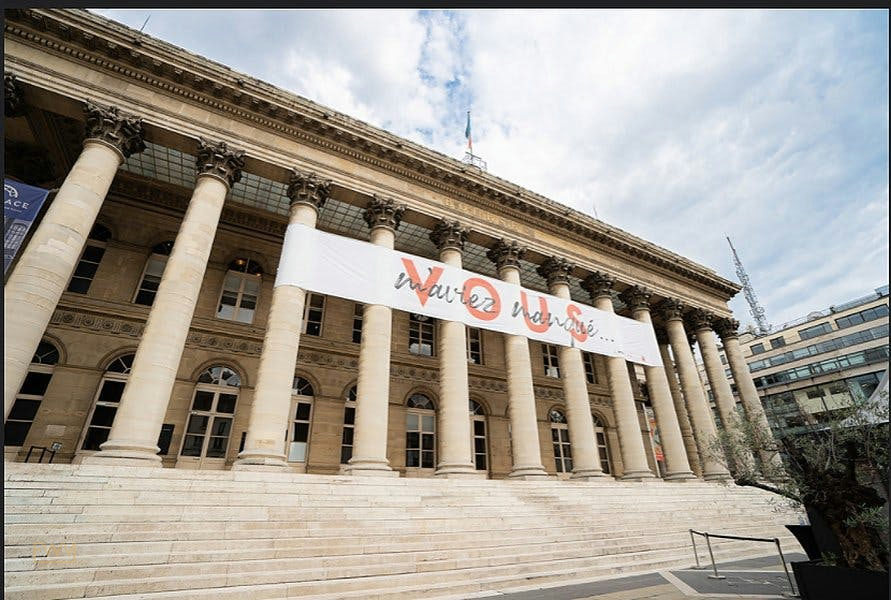

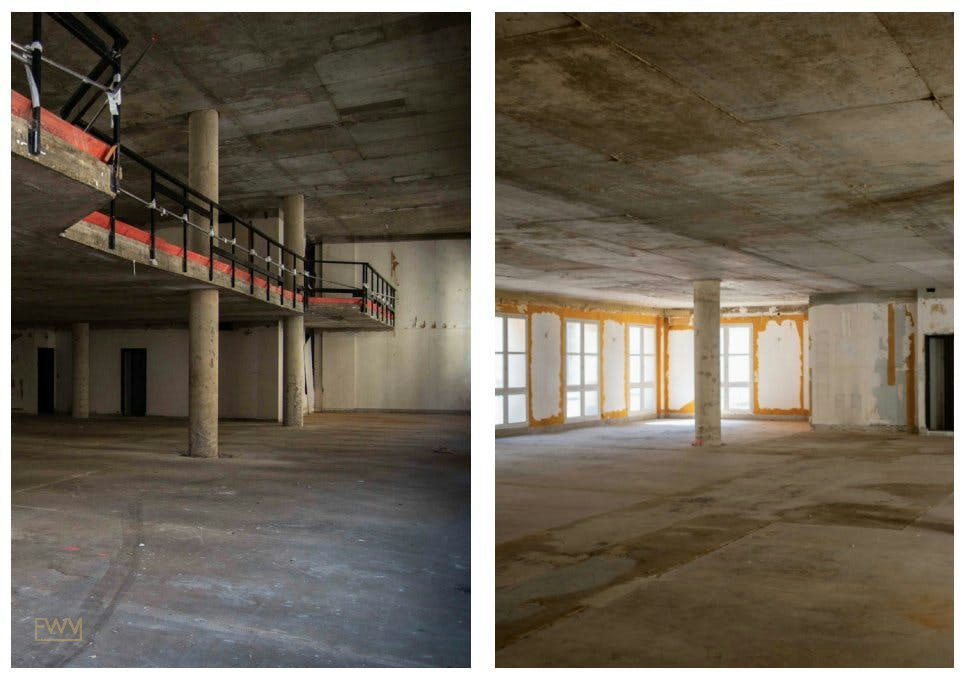
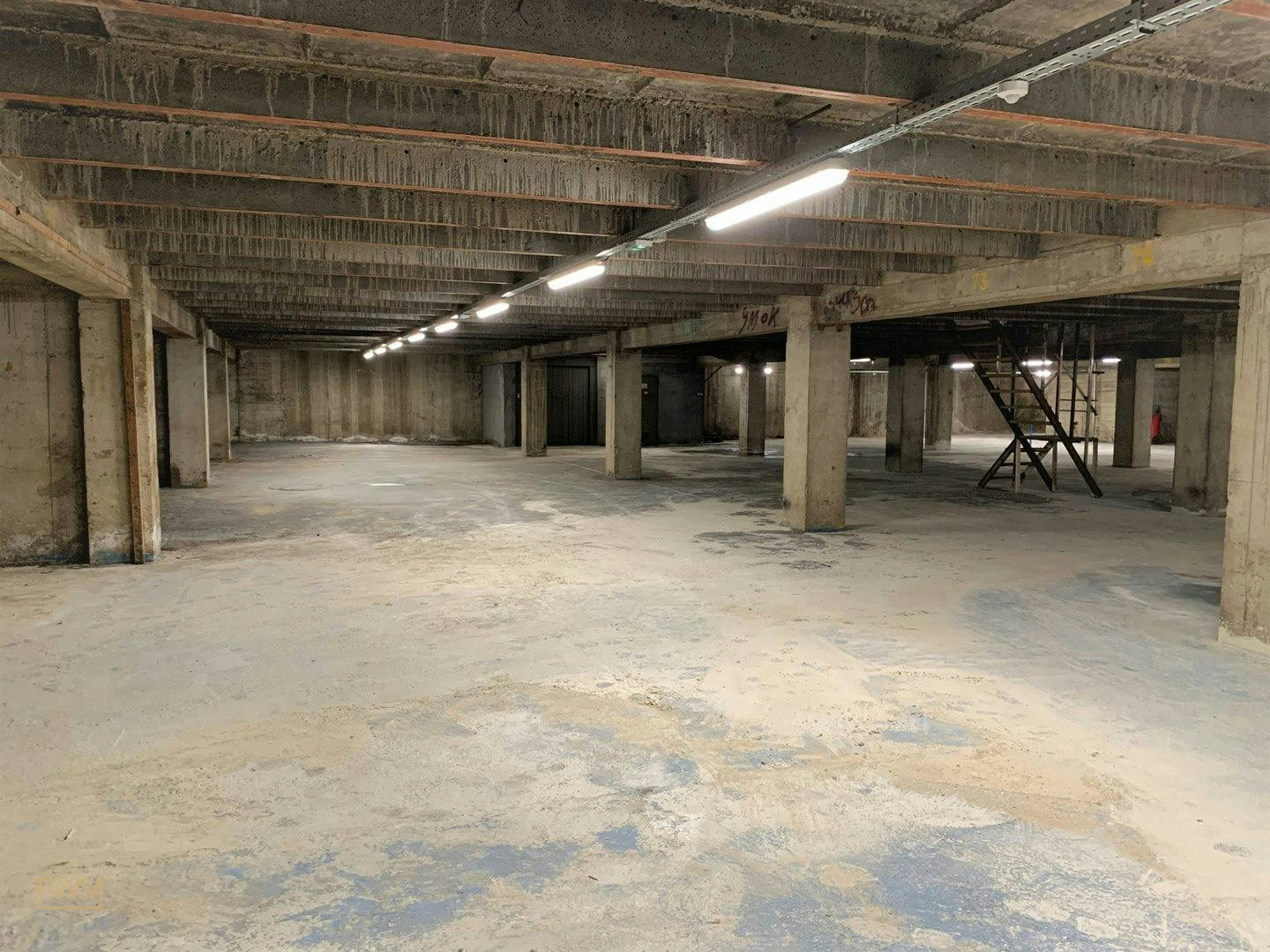
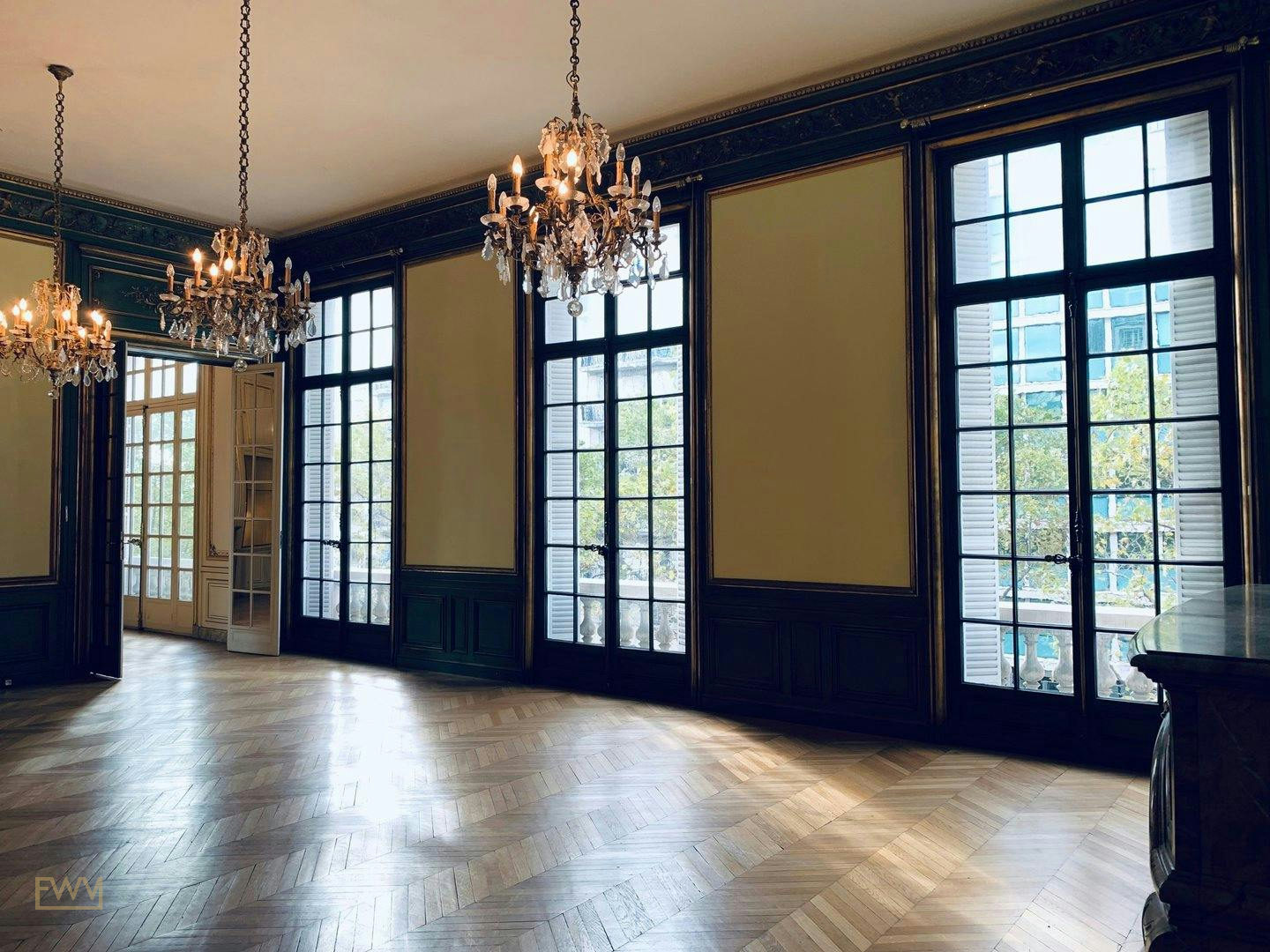
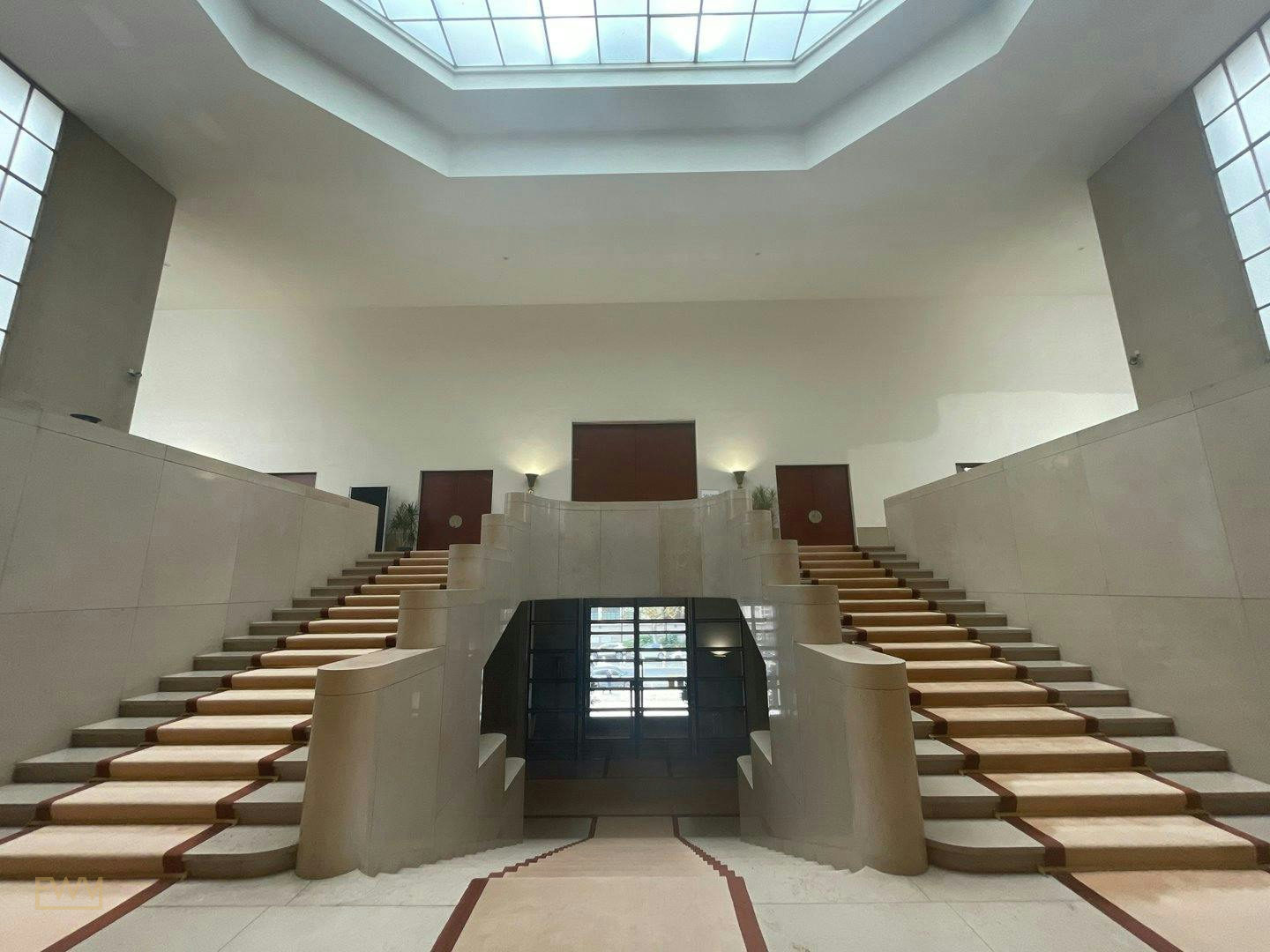
Fashion Week Venues provide an optimal platform for fashion brands seeking short-term retail, showrooms, and event spaces in key fashion capitals like Paris. As a full-service agency, Fashion Week Venues facilitates venue sourcing, concept direction, and activation management, creating a seamless experience for brands during major events such as Paris Fashion Week. With our comprehensive marketplace and suite of tools, exploring and securing the perfect space for your brand activation in bustling fashion hubs becomes more efficient and strategic.
Understanding the Significance of Fashion Week Venues
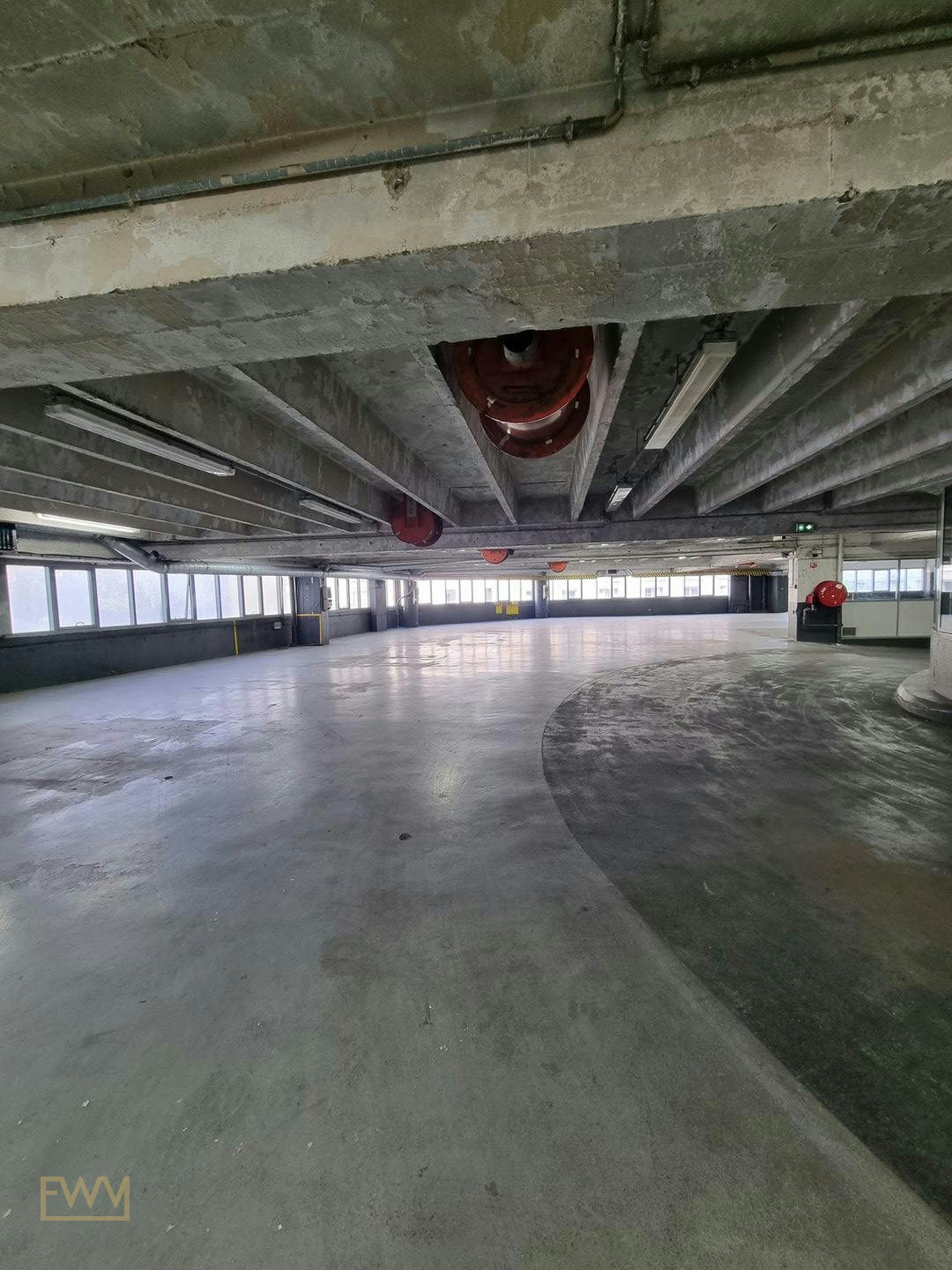
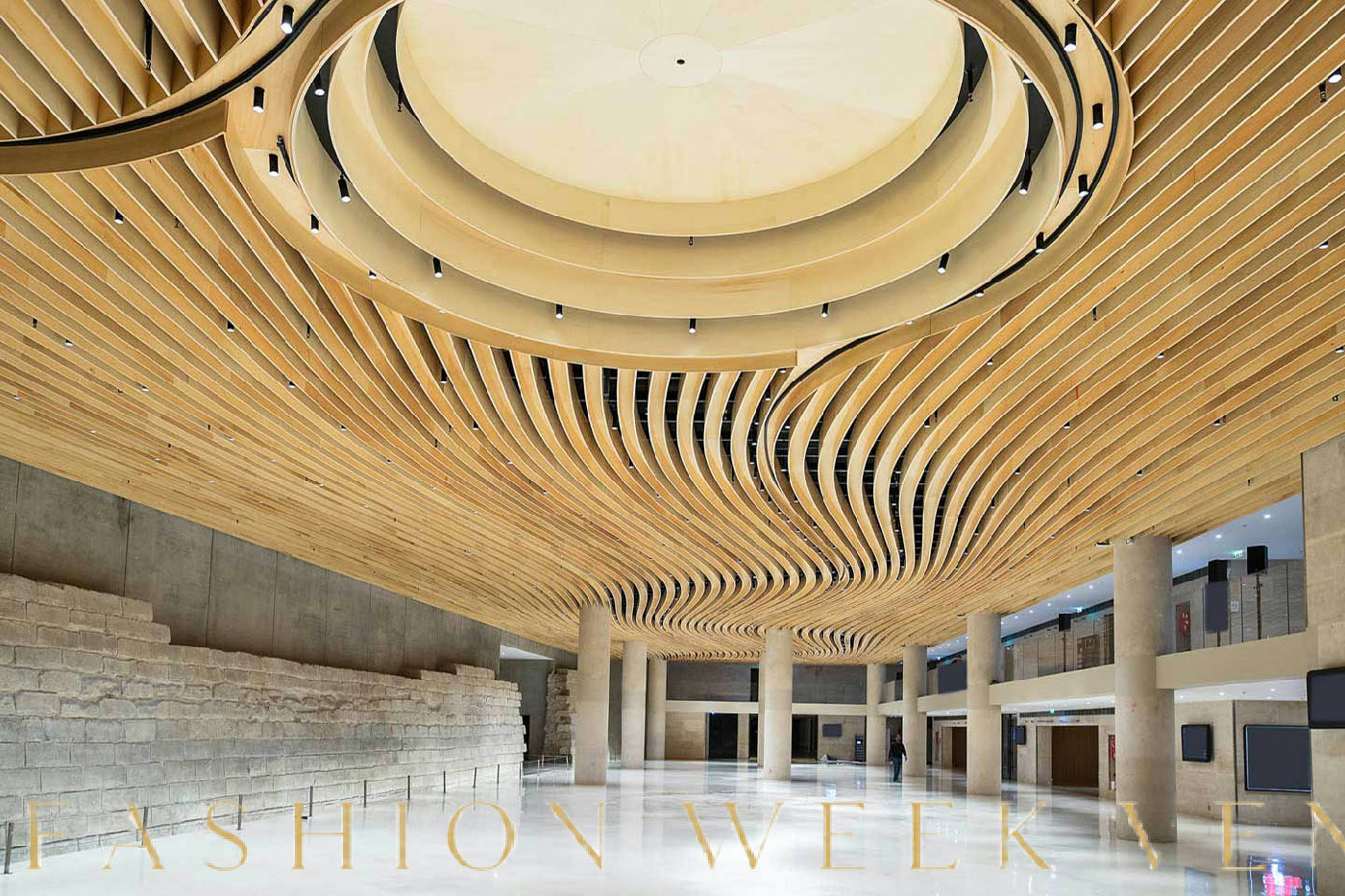
Fashion Week venues play a pivotal role in the fashion industry by serving as exclusive spaces where brands can showcase their latest collections, conduct retail activations, and host influential industry events. These venues range from luxurious showrooms and historic buildings to cutting-edge temporary retail spaces strategically located in fashion capitals like Paris, Milan, and New York.
The placement of a fashion brand in a reputable venue can significantly affect the brand's visibility, market standing, and ultimately its sales. Choosing the right venue requires careful consideration of various factors such as location, amenities, and the venue's alignment with the brand's identity. For instance, Paris, known as the heart of fashion, offers diverse venues that can cater to high-profile luxury brands as well as emerging designers.
Quick answer: Fashion Week venues offer brands a strategic location and ambiance to enhance visibility and create impactful brand experiences in major fashion capitals.
KEY TAKEAWAY: Selecting the right venue during Fashion Week can enhance a brand's market presence and create memorable experiences that resonate with fashion industry stalwarts and customers alike.
As we explore the types of venues available, it's essential to understand their impact on brand visibility and industry positioning.
Types of Venues Available for Fashion Week
The versatility of venues for Fashion Week spans a broad spectrum, each providing unique features that can boost a brand's exhibition appeal. These include showrooms, pop-up shops, event spaces, and hybrid spaces designed for multifaceted use.
Showrooms are ideal for intimate gatherings where intricate designs and collections can be presented to selected industry individuals, allowing brands to foster direct interactions with buyers and influencers. Alternatively, pop-up shops provide a dynamic retail environment to reach consumers directly and create buzz during Fashion Week.
Moreover, event spaces offer expansive settings suitable for runway shows, after-parties, and large-scale installations, enhancing the theatrical elements of a brand's presentation. Hybrid spaces, which combine retail and event functionalities, provide a synergy of both worlds, enabling brands to host a sales-ready event with flexibility and style.
KEY TAKEAWAY: The choice of venue hinges on the brand's event strategy—opt for intimate showrooms for exclusive presentations or lively pop-up shops for direct consumer engagement.
Next, we'll delve into the factors influencing venue selection and how brands can ensure successful activation.
Factors Influencing Venue Selection
Selecting a venue for Fashion Week is not merely about availability but involves strategic considerations that align with the brand's objectives and target audience. Key factors include location prestige, logistical convenience, audience demographics, and budget constraints.
Location is paramount; prestigious and high-traffic areas like Le Marais or Rue Saint-Honoré in Paris provide not only a backdrop of elegance but also increase foot traffic and potential media coverage. Understanding logistical convenience, such as proximity to transportation hubs and accommodation facilities, is crucial, especially for international guests.
Audience demographics should guide venue choice to ensure the space attracts the desired clientele. Moreover, budget implications cannot be understated, as premium venues often demand extensive financial planning. Utilizing tools like our budget estimation tool can assist brands in developing realistic financial plans.
KEY TAKEAWAY: Integrating strategic considerations such as location prestige, logistical convenience, and demographics ensures that venue selection supports brand objectives and maximizes exposure during Fashion Week.
Understanding these elements is crucial as we discuss the timeline and planning required for securing Fashion Week venues next.
Timeline and Planning for Securing a Venue
Successfully securing a venue for Fashion Week necessitates meticulous planning and adherence to a precise timeline. This process usually begins 6 to 12 months in advance, considering the high demand for prime spaces during these key periods.
An effective timeline involves several stages, from initial concept ideation to execution:
| Stage | Action | Timeframe |
|---|---|---|
| Conceptualization | Define event goals and themes | 12 months prior |
| Research | Explore potential venues and ratings | 10 months prior |
| Budget Planning | Estimate costs using tools like Budget Calculator | 8 months prior |
| Venue Selection | Secure venue and sign contracts | 6 months prior |
| Production Planning | Coordinate with suppliers and service providers | 4 months prior |
| Marketing and Promotion | Launch campaigns and media outreach | 2 months prior |
| Final Preparations | Conduct final checks and rehearsals | 1 month prior |
Quick answer: Start planning your Fashion Week venue at least 12 months in advance, incorporating phases from concept to execution for optimal results.
KEY TAKEAWAY: Adhering to a well-structured timeline can streamline the complex processes of securing a Fashion Week venue, minimizing last-minute challenges and ensuring preparedness for successful activation.
With planning in mind, let’s explore the roles and benefits of venue activation—how brands transform spaces into unforgettable experiences.
Venue Activation: Transforming Space into Experience
Venue activation is the creative process of transforming a chosen space into an immersive brand environment during Fashion Week. This extends beyond mere decoration to include sensory engagement, experiential marketing, and dynamic interactions that captivate visitors.
Effective activation strategies involve visual merchandising, technology integration, and live demonstrations or events, all tailored to enhance the brand narrative. For instance, incorporating augmented reality (AR) can provide interactive experiences that connect with tech-savvy audiences.
Additionally, elements such as lighting design, audiovisual effects, and spatial decoration are crafted to evoke specific emotions, aligning with the brand's message. Fashion Week Venues assists brands in this transformative journey by providing activation management services, guiding the entire process from conceptual design to execution.
KEY TAKEAWAY: A well-executed venue activation not only attracts attention but also embeds the brand into the collective memory of Fashion Week audiences, thereby amplifying brand storytelling.
As we continue, we'll address the practicalities of securing permits and compliance for short-term retail spaces—an essential aspect of successful activation.
Permits and Compliance for Short-Term Retail Spaces
Navigating permits and legal compliance is crucial when organizing short-term retail events during Fashion Week. Understanding the requirements for Bail dérogatoire and Autorisation d’Occupation Temporaire (AOT) is essential for legally operating temporary spaces in Paris.
Bail dérogatoire offers a flexible leasing arrangement tailored for temporary operations, mitigating some of the complexities involved with traditional leases. AOT is a specific permit allowing temporary use of public spaces, necessary for events in public or semi-public areas. It's advised to consult with a French legal advisor to understand the unique requirements your event may entail.
Furthermore, compliance extends to health, safety regulations, and accessibility standards applicable to the event type and location. Fashion Week Venues provides support through its permits guidance tool, assisting brands in navigating these requirements seamlessly.
Quick answer: Obtaining the correct permits like Bail dérogatoire and AOT is crucial for any legal, short-term retail engagement during Fashion Week.
KEY TAKEAWAY: Secure all necessary permits and ensure compliance to protect your brand from legal challenges, enabling a smooth and successful event during Fashion Week.
With permits covered, let's examine the financial planning and budgeting process critical for event success.
Financial Planning and Budgeting for Fashion Week Events
Effective financial planning is vital to the successful execution of Fashion Week events, balancing cost control with impactful execution. From venue costs to logistics, staffing, and promotional activities, each component requires dedicated budgeting to avoid overspend.
Developing an early budget helps identify potential cost overruns, allowing adjustments in the planning stages. Making use of budgeting tools, such as our ROI calculator tool, aids in projecting financial returns and aligning them with your event's investment.
Consider budget allocation for venue leasing, design, staffing, and marketing as fundamental parts of the financial plan. Each sector's allocated percentage should reflect its priority—whether maximizing venue impact or ensuring extensive audience outreach.
| Budget Item | Percentage Allocation |
|---|---|
| Venue Leasing | 30% |
| Design and Production | 25% |
| Staffing and Operations | 20% |
| Marketing and Promotion | 15% |
| Contingency | 10% |
KEY TAKEAWAY: Develop a detailed budget early to manage costs effectively, ensuring financial resources are appropriately allocated for maximum event impact.
Next, we’ll discuss how Fashion Week Venues facilitates these processes and supports brands in their endeavors.
How Fashion Week Venues Enhances Your Event Strategy
Fashion Week Venues is a strategic partner in orchestrating successful event activations in major fashion capitals. By offering comprehensive services such as venue sourcing, concept direction, and activation management, we empower brand teams to focus on creative aspects while we handle logistics.
Through our extensive space marketplace, brands discover exclusive venues matched with their strategic objectives, supported by tools like the budget calculator and permits guidance. These services cater to creative directors, brand architects, and marketing leaders seeking impactful and agile brand activations.
Our services are tailored to navigate the complexities of national and international engagement, providing tools that streamline planning, execution, and analysis. However, we recommend understanding local intricacies since Parisian short-term retail requires navigating specific legal frameworks and market conditions.
KEY TAKEAWAY: Use Fashion Week Venues as your enabling partner to source, activate, and manage prime locations smoothly, allowing your brand to shine effortlessly during Fashion Week.
With a clear understanding of services and support, we will now address some misconceptions about the Fashion Week venue process.
Common Myths Debunked
MYTH: You need a French legal entity to rent a space in Paris.
FACT: While having a local legal entity can simplify certain processes, it is not a prerequisite for renting temporary retail or event spaces in Paris. Many short-term lease options are available to international brands, facilitated by agencies like Fashion Week Venues, which specialize in these arrangements and can provide the necessary legal guidance.
MYTH: Paris Fashion Week is the only viable calendar window for brand activations.
FACT: Though Paris Fashion Week is a highlight for many brands, numerous other events and times throughout the year offer equally valuable opportunities for pop-ups and brand activations. Fashion Week Venues advises on strategy to find the best timing aligned with your brand’s goals outside the main fashion week schedule.
MYTH: The only way to secure a venue is through commission brokers.
FACT: While commission-based brokers are an option, they are not the only method for finding and securing venues. Space marketplaces, such as Fashion Week Venues, provide a direct platform for brands to explore, compare, and book spaces without the traditional brokerage fees, offering a more transparent and budget-friendly approach.
MYTH: Short-term leases are straightforward and do not require specialist help.
FACT: The nuances of short-term leases, especially around permits and local regulations, require adept navigation. Engaging with specialized agencies brings the expertise needed to understand these complexities, ensuring a seamless operational setup.
Clearing these misconceptions helps ensure informed decision-making. Now, let's address frequently asked questions that brands encounter when planning their Fashion Week engagement.
Frequently Asked Questions
What defines a successful venue for Fashion Week?
A successful venue for Fashion Week is one that aligns with a brand’s objectives, enhances visibility, accommodates logistics smoothly, and fits within the budget. Location prestige, audience compatibility, and facility features play crucial roles in defining a venue’s success.
How early should I start planning for a Fashion Week activation?
Planning should begin at least 12 months in advance to ensure ample time for concept development, venue scouting, budgeting, and securing necessary permits. This timeline allows for flexibility in decision-making and accommodates unforeseen challenges.
What are the costs involved in renting a Fashion Week venue?
Costs vary widely based on location, venue type, size, duration, and additional services required. Venue leasing can take up a significant portion of the budget, often around 30%. Engaging with platforms like Fashion Week Venues can provide detailed cost estimates tailored to specific needs.
Why is location important in choosing a Fashion Week venue?
Location impacts visibility, foot traffic, and media exposure. Prestigious or high-traffic areas increase brand exposure, attract the right audience, and enhance overall event effectiveness. Areas like Le Marais or Rue Saint-Honoré are prime examples in Paris.
Can international brands easily host events in Paris?
Yes, international brands can host successful events in Paris. While navigating local laws and permits might seem daunting, agencies like Fashion Week Venues simplify the process by offering guidance on legal and regulatory requirements, ensuring smooth setup and operation.
What are Bail dérogatoire and AOT and why are they important?
Bail dérogatoire is a short-term lease agreement in France, offering temporary space use without a long-term commitment, while AOT is a permit allowing temporary use of public space. Both are crucial for legal operations of temporary events in Paris, and guidance from local legal experts or agencies is often necessary.
How can Fashion Week Venues assist in venue selection?
Fashion Week Venues assists by providing a comprehensive marketplace to explore and compare venues, alongside tools and services like concept direction and activation management. This holistic support ensures alignment with the brand’s goals and enhanced event outcomes.
Is having an on-site team necessary for Fashion Week activations?
Yes, an on-site team is integral to managing logistics, customer interactions, and ensuring event fluidity. Professional staffing services can be engaged to provide skilled personnel versed in retail and brand activation operations.
What is the role of influencers in Fashion Week events?
Influencers can amplify a brand's reach and engagement during Fashion Week. They drive traffic and awareness through their networks, making influencer marketing a vital part of a comprehensive event strategy. Engage with services that integrate influencer efforts seamlessly into your activation plan.
How do I ensure my event complies with local regulations?
Working with specialists who understand local laws, such as agencies like Fashion Week Venues, ensures proper compliance with all relevant regulations, from health and safety to accessibility. Their expertise helps navigate the legal landscape to prevent any operational disruptions.
With these questions addressed, brands can prepare more confidently for success in their upcoming Fashion Week engagements.
Conclusion on Fashion Week Venues
Engaging with Fashion Week Venues offers brands a collaborative partner in navigating the complexities of short-term retail spaces in the fashion industry. With our comprehensive services ranging from venue sourcing to activation management, brands can focus on creativity and strategy while we handle logistics and legal requirements. The strategic choice of venue and planning directly impacts the effectiveness of your brand's presentation and audience engagement. To move from research to activation, start exploring available spaces on the Fashion Week Venues marketplace and build a focused brief for your target neighborhood, space type, and calendar window. Our approach ensures that your fashion week strategy aligns seamlessly with your brand's objectives, positioning you for success in any major fashion capital.