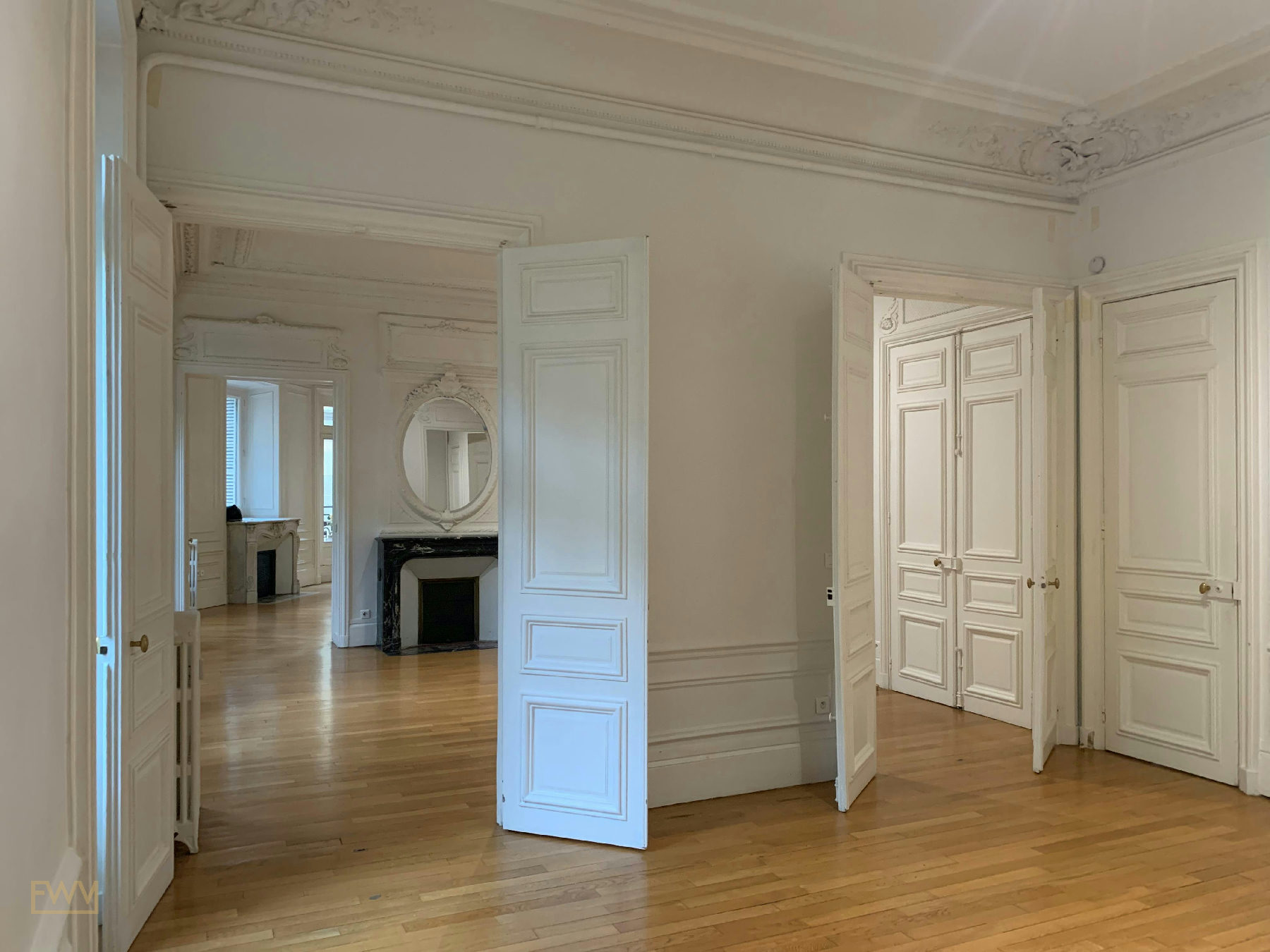
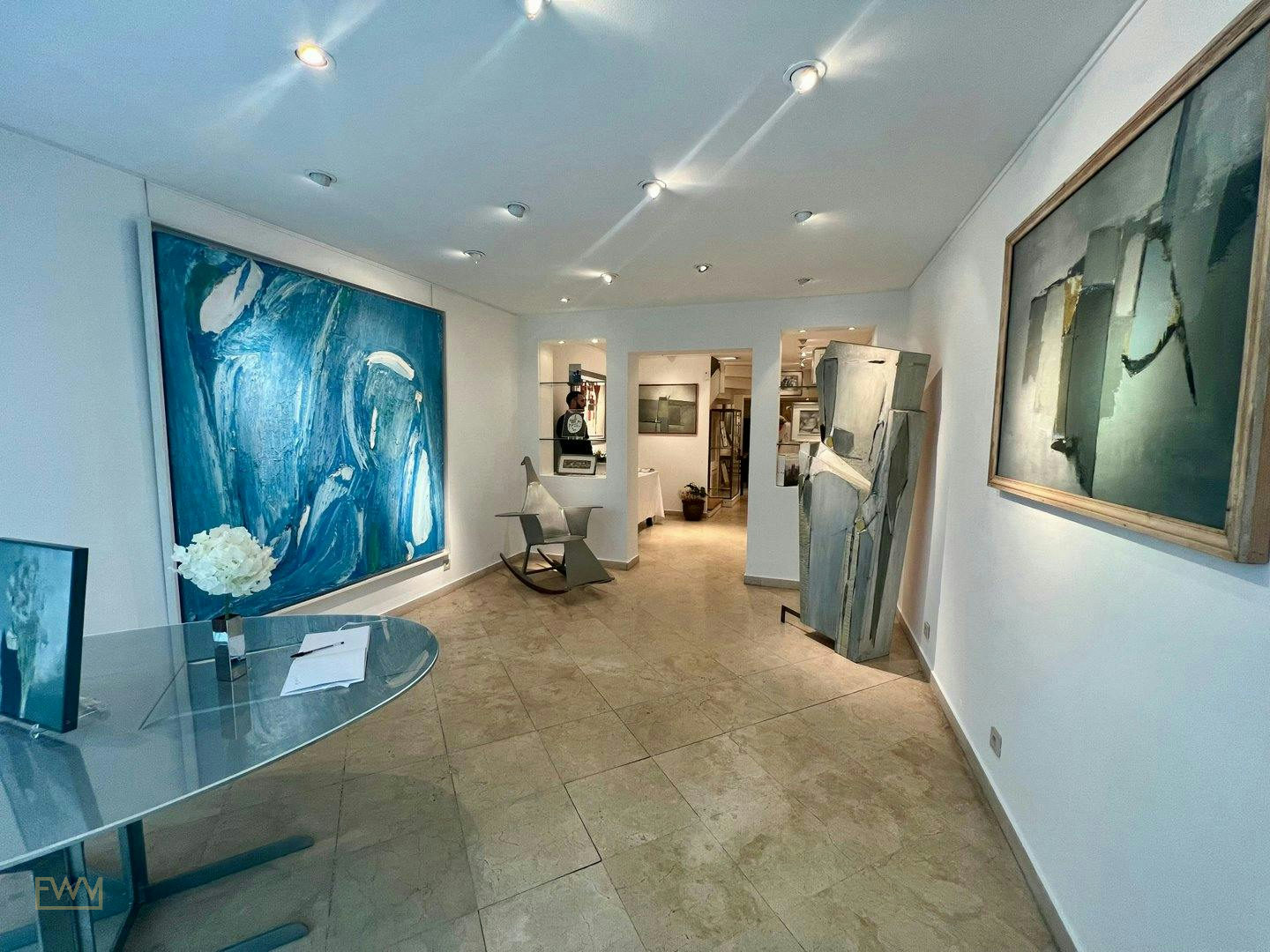
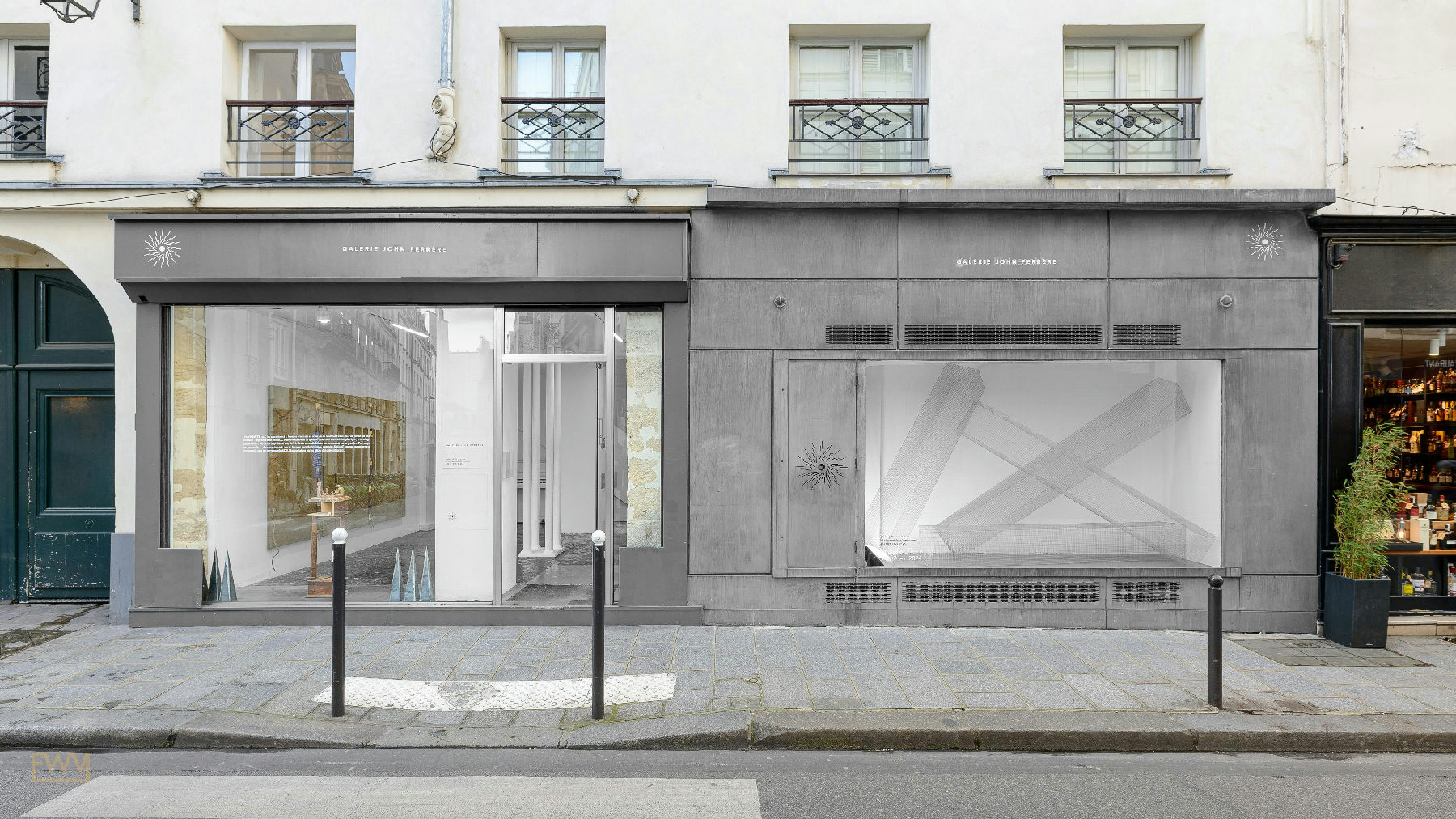
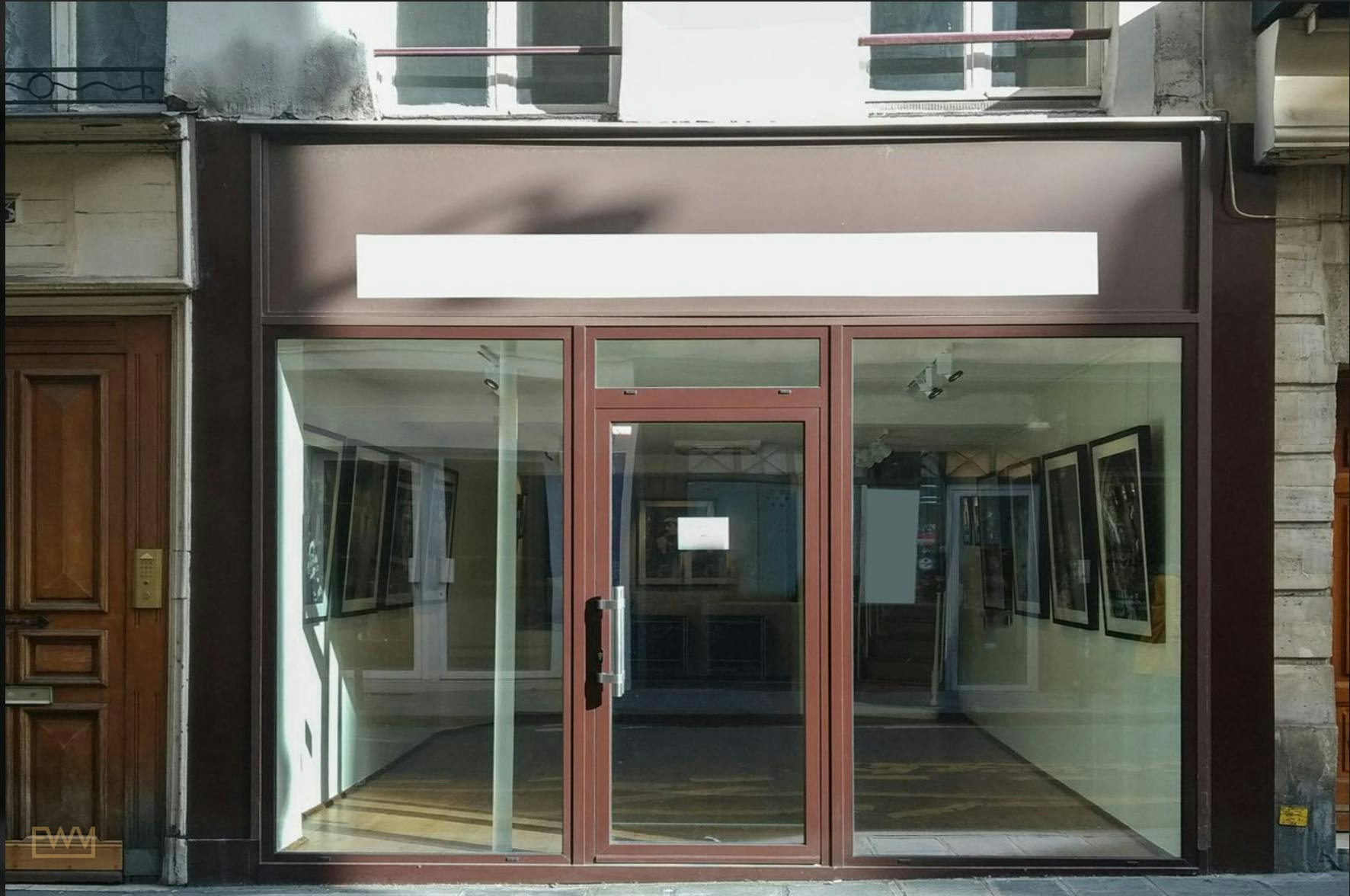
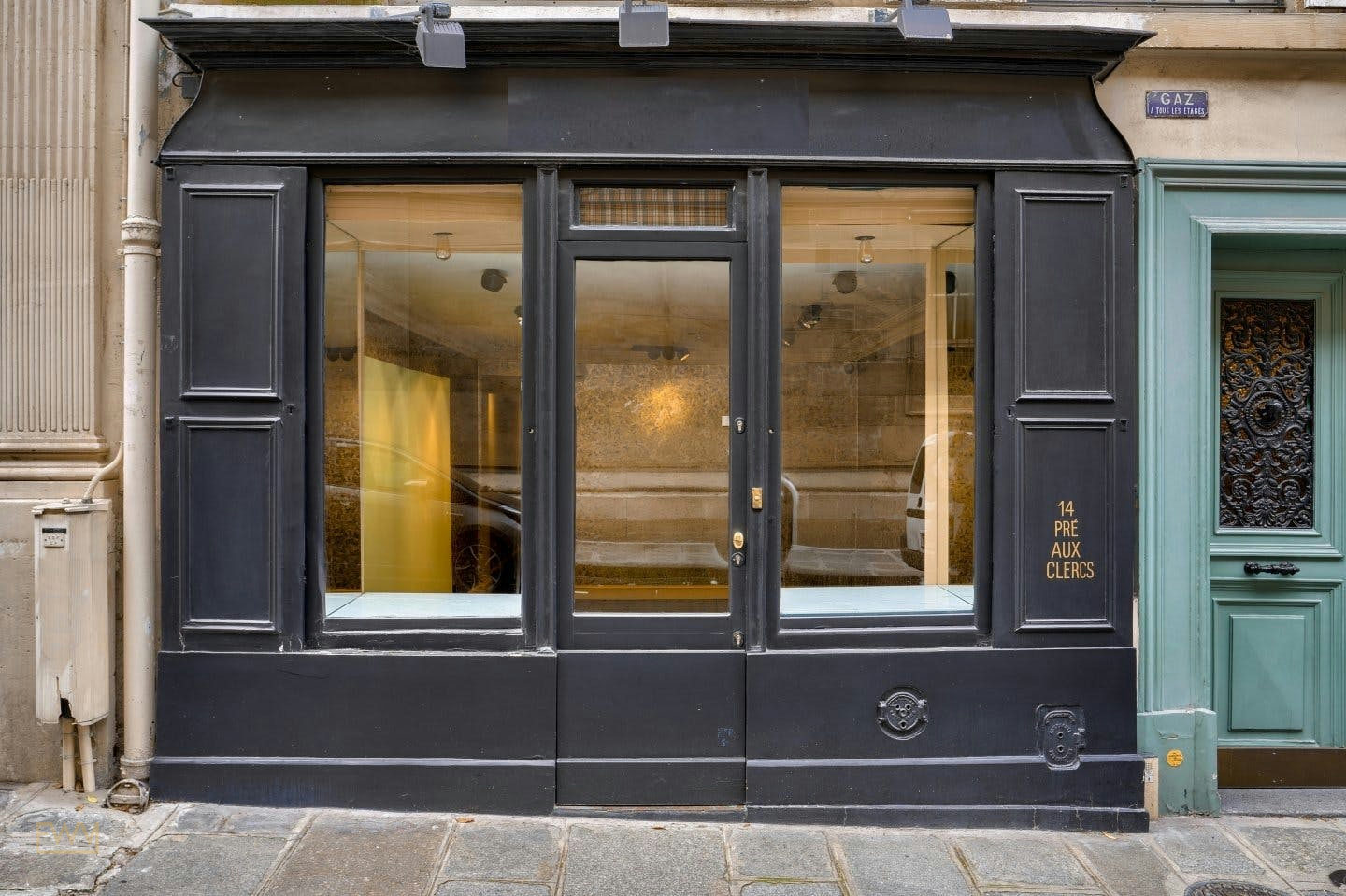
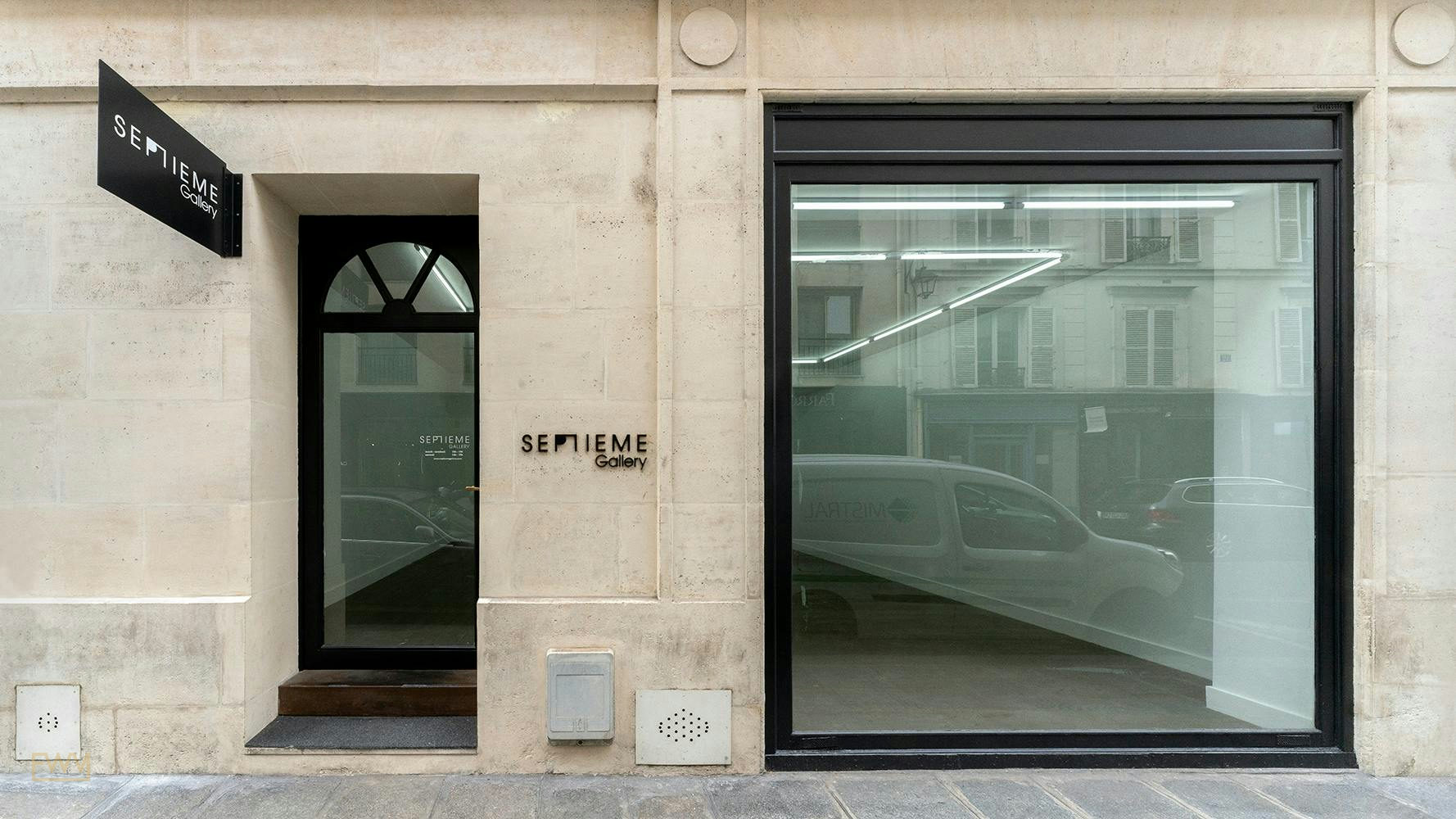
Fashion Week Venues provide unparalleled opportunities for brands to make impactful statements in the global fashion landscape. Whether you're a seasoned international brand or a burgeoning label, navigating the complexities of securing short-term retail spaces during prestigious fashion events can be daunting. Our guide offers comprehensive insights for excelling in venues from Paris to Milan, with a focus on leveraging Fashion Week Venues for your brand activation.
Understanding the Role of Fashion Week Venues
Fashion Week Venues are pivotal to brand presentations during major fashion weeks. They serve as the stage for your brand's narrative, product launches, and experiential marketing strategies. The right venue can enhance brand visibility and attract targeted media and buyers.
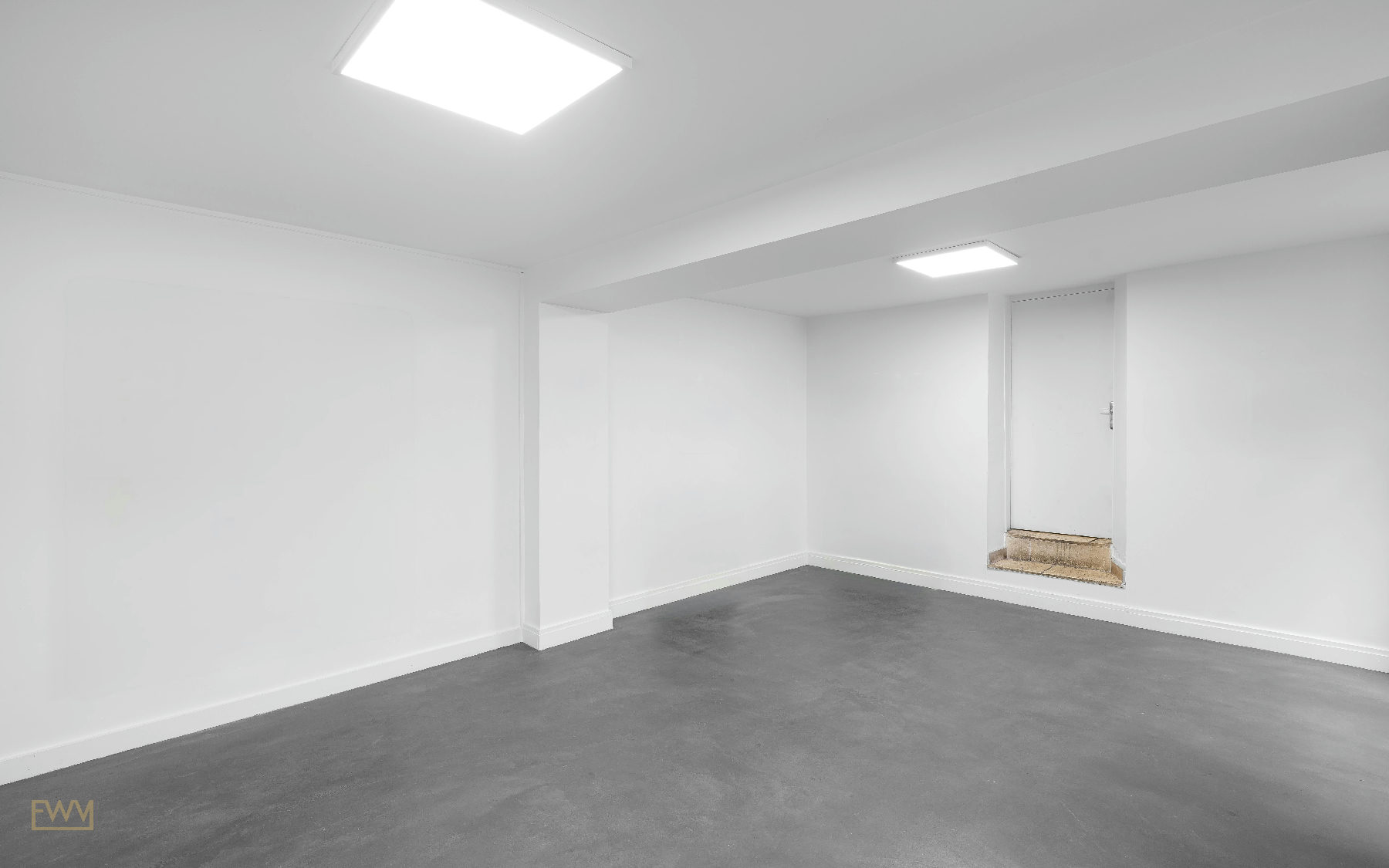
Converting a space from a blank canvas into a dynamic showcase requires strategic planning. Each venue must align with the brand's identity and logistical requirements, such as location, layout, and audience capacity.
Considerations such as accessibility, transport links for international guests, and proximity to key trade events are crucial. Fashion Week Venues provide services like concept direction, branded store design, and production and build, which are integral in transforming spaces into memorable brand experiences.
KEY TAKEAWAY: Selecting an appropriate Fashion Week Venue involves aligning the space with your brand's mission and logistical needs to maximize impact and audience engagement.
With this foundational understanding, let's explore how these venues fit into the broader context of international fashion weeks.
International Fashion Week Hotspots
Fashion capitals such as Paris, Milan, New York, London, Tokyo, and Dubai each offer unique vibes and logistical opportunities. Paris, in particular, remains a pinnacle location with its rich heritage in haute couture.
Each city presents distinct attributes. For instance, Paris is renowned for its historic architecture and cutting-edge trends, while Milan is celebrated for its luxury brands and innovative textile designs.
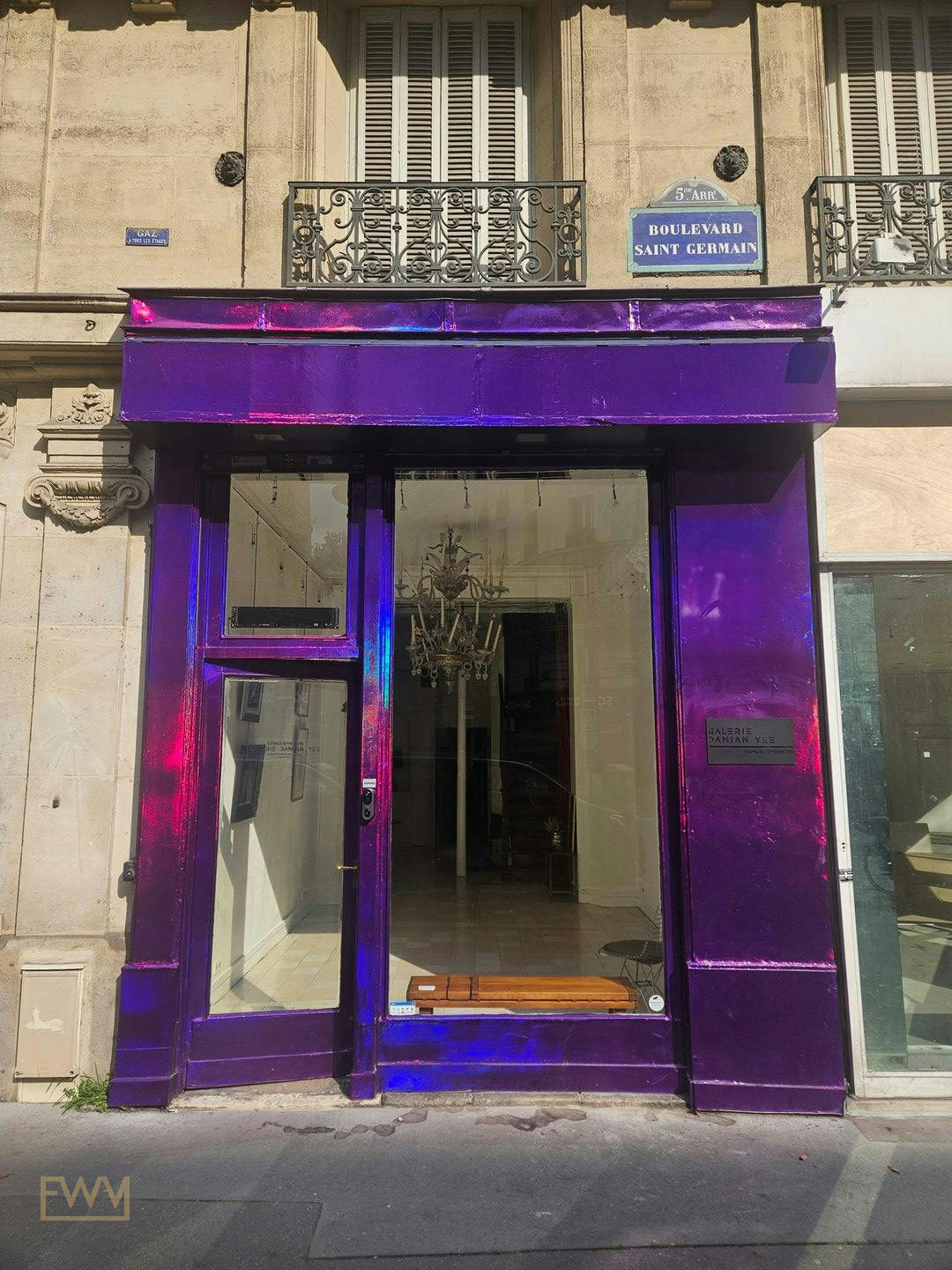
The Fashion Week Venues Paris city hub provides brands access to diverse neighborhoods, from the artistic Le Marais to the luxurious Rue Saint-Honoré, offering varying atmospheres that cater to specific brand narratives.
| City | Key Features | Typical Venues |
|---|---|---|
| Paris | Heritage, luxury, innovation | Palais de Tokyo, Rue Saint-Honoré |
| Milan | Luxury, design-forward | Brera District, The Mall |
| New York | Urban, diverse, cutting-edge | Soho, Chelsea |
Quick answer: Each fashion capital offers unique advantages and a distinctive cultural backdrop ideal for brand storytelling and market saturation.
Understanding these cities' unique offerings is essential for brands aiming to create a memorable presence during fashion weeks. In the next section, we delve into optimizing these spaces for brand impact.
Optimizing Fashion Week Spaces for Brand Impact
Creating a powerful brand impression within Fashion Week Venues requires a blend of strategic design and marketing ingenuity. The space must embody the brand's ethos while facilitating meaningful interactions with attendees.
Effective visual merchandising and innovative interior designs are paramount. Collaborating with agencies for activation management can enhance the execution of these spaces, ensuring a seamless experience from concept to execution.
DID YOU KNOW: Effective space design can increase customer dwell time by up to 30%, enhancing engagement and sales conversion rates.
Optimizing venue acoustics, lighting, and flow contributes significantly to the overall ambiance and audience experience. Additionally, integrating technology for interactive displays or virtual experiences can heighten brand storytelling.
KEY TAKEAWAY: The synergy between design and marketing strategies is integral to optimizing Fashion Week spaces and engaging audiences effectively.
Next, we'll explore the logistical and legal intricacies involved in acquiring these spaces, providing guidelines for navigating them successfully.
Navigating Legal and Logistical Challenges
Securing a venue in a bustling fashion week is fraught with logistical and legal intricacies. Understanding key permits like the bail dérogatoire and AOT (Autorisation d'Occupation Temporaire) is vital. These permits are essential for legally operating short-term retail spaces but vary by space, duration, and arrondissement.
The permit guidance tool on Fashion Week Venues provides valuable resources for navigating these requirements, but consulting with a French legal advisor for specific cases is always recommended.
TIP: Begin permit applications early to accommodate potential delays in approval timelines.
Vendor logistics like staffing, security, and product transport require careful coordination, often alongside venue-specific criteria and limitations.
KEY TAKEAWAY: Proactively managing legal and logistical challenges with expert assistance can streamline the venue acquisition process and mitigate potential disruptions.
This groundwork in navigating logistical hurdles leads us seamlessly into understanding vital budgetary considerations, detailed next.
Building a Robust Budget for Fashion Week Venues
Budgeting effectively for Fashion Week venues involves granular cost analysis and clear forecasts to avoid overspending. Utilize the budget estimation tool to tailor specific venue expenses to your brand's financial capacity.
Factors influencing budgets include venue size and location, duration, required permits, marketing strategies, and staffing needs. Fluctuations in currency exchange and logistics can also impact financial planning.
| Cost Element | Estimated Range |
|---|---|
| Venue Rental | €5,000 - €50,000 |
| Permits and Legal Fees | €2,000 - €10,000 |
| Interior Design and Setup | €3,000 - €20,000 |
Quick Answer: Estimating a comprehensive budget ensures all anticipated costs, from venue rental to marketing, are accounted for, reducing financial risk.
Multiple budgeting scenarios should be prepared to account for unexpected expenses or changes in market conditions. This practice ensures fiscal agility, allowing brands to adapt to last-minute opportunities.
With budget considerations anchored, we will now turn our attention to the timing and process scheduling elements key to fashion week preparations.
Strategic Timing and Scheduling for Fashion Week Success
Aligning your brand's activation with the fashion week calendar and optimizing scheduling is essential for maximizing engagement and visibility. Sophisticated timeline planning tools streamline this process by coordinating tasks, from initial venue selection to post-event analysis.
Understanding the key milestones within the fashion week schedule, such as design deadlines, space fit-outs, promotional rollouts, and media interaction periods, ensures smoother logistical operations.
IMPORTANT: Synchronizing your brand launch with complementary events or peak media coverage days can amplify impact significantly.
Effective timeline management aids in resource allocation, reduces operational friction, and helps meet critical deadlines consistently. It enables better adaptability to unplanned changes, enhancing overall brand preparedness.
KEY TAKEAWAY: Mastery of timing and scheduling enables brands to strategically leverage fashion week windows, maximizing exposure and minimizing logistical errors.
Having explored timing strategies, it’s now essential to address how technology and AI can further enhance these preparations.
Leveraging Technology and AI for Venue Optimization
Incorporating technology and AI into Fashion Week Venue strategies optimizes operations and elevates marketing effectiveness. Tools like the Imagine tool provide virtual trialing of venue layouts, helping brands visualize space uses beforehand.
DID YOU KNOW: AI-driven content personalization can increase customer engagement by up to 50% according to current marketing studies.
From optimizing customer interaction through AR/VR experiences to using data analytics for real-time event insights, technology enhances every facet of brand presentation. Additionally, efficient use of AI tools streamlines operations and drives strategic decision-making based on predictive consumer insights.
These innovations offer brands the foresight to adapt quickly, modulate experiences, and tailor activations precisely towards their target demographics.
KEY TAKEAWAY: Leveraging cutting-edge technology and AI enhances operational efficiency and brand interaction, setting a competitive edge in the fast-paced fashion week ecosystem.
With technology woven into the strategy, we transition to understanding the social media dynamics crucial for modern fashion week activation.
The Role of Social Media in Fashion Week Venue Success
Social media has revolutionized how brands engage with their audiences, especially during fashion weeks. Platforms like Instagram and TikTok provide real-time interaction, amplifying brand stories far beyond the physical confines of a venue.
Partnering with influencers and deploying integrated social campaigns boosts visibility and enhances audience engagement. The influencer marketing solutions by Fashion Week Venues can amplify reach effectively.
TIP: Use social media to offer exclusive behind-the-scenes peeks and interactive content, which can increase audience engagement and post-event discussions.
The rise of short-form content and live streaming adds dynamic layers to storytelling, fostering authenticity and deeper audience connections.
KEY TAKEAWAY: Strategic use of social media and influencer partnerships during fashion weeks expands brand reach and enriches consumer interactions beyond traditional methods.
We will next explore how Fashion Week Venues can assist in these multifaceted preparations and activations.
How Fashion Week Venues Helps Brands Succeed
Fashion Week Venues offers an all-encompassing suite of services for brands aiming to make a significant impact during fashion weeks. From venue sourcing to activation management, the agency provides bespoke solutions catering to brand-specific needs.
Various tools, such as the ROI calculator and space comparison, offer critical insights that help optimize investment decisions.
Ideal for creative directors, event producers, and brand activation strategists, Fashion Week Venues reduces the complexity of space acquisition and event execution through robust support and innovative technologies.
However, understanding the limitations, such as permit prerequisites and budgetary constraints, remains essential. Collaborating closely with Fashion Week Venues ensures compliance with these requirements while maximizing potential for creative freedom.
KEY TAKEAWAY: Partnering with Fashion Week Venues not only simplifies logistical challenges but also enriches strategic potential through expert support and technology-driven solutions.
Now, let's shift focus to some widespread myths about Fashion Week Venues and correct these misconceptions.
Common Myths Debunked
MYTH: You must have a French legal entity to rent a space in Paris.
FACT: While having a local presence can ease certain processes, international brands can rent venues through agencies like Fashion Week Venues that handle local compliance and permit navigation.
MYTH: Paris Fashion Week is the only viable calendar window for brand activations.
FACT: Each fashion week in major cities offers unique opportunities. Aligning activations with relevant local festivals or other significant industry events can optimize visibility year-round.
MYTH: You need to rely on commission brokers to find a suitable space.
FACT: Agencies like Fashion Week Venues provide direct access to a curated marketplace, allowing brands to independently browse options that meet their specific criteria without broker dependency.
MYTH: Short-term leases are legally straightforward without specialist help.
FACT: Legal nuances, such as bail dérogatoire and AOT permits, require informed navigation. Utilizing specialist support like the services offered by Fashion Week Venues ensures compliance and legal security.
Having dispelled these myths, it's now crucial to address specific queries with a comprehensive FAQ segment.
Frequently Asked Questions
What is a Fashion Week Venue?
A Fashion Week Venue is a temporary or pop-up space used by brands during fashion week events for showcasing their collections, hosting VIP guests, or engaging in marketing activations. These venues are strategically located in fashion hubs to maximize brand exposure and engagement with targeted audiences.
How do I choose the right Fashion Week Venue for my brand?
Selecting the right venue depends on multiple factors such as budget, brand identity, logistical needs, and target audience. Consider how the venue's location, ambiance, and technical capabilities align with your brand's narrative and objectives.
What services do Fashion Week Venues offer?
Fashion Week Venues provide a comprehensive range of services, including venue sourcing, concept direction, production and build, branded store design, furniture rental, staffing, point of sale systems, data and analytics, and influencer marketing.
Are there legal complexities involved in renting a venue in Paris?
Yes, renting a venue in Paris often involves navigating complex legal requirements such as obtaining bail dérogatoire and AOT permits. Engaging with a local expert or agency like Fashion Week Venues, which offers permit guidance, is advisable for compliance assurance.
What are the costs associated with Fashion Week Venues?
Costs vary based on location, size, duration, and services required. Expenses typically include venue rental, permits, interior design, staffing, and marketing. For tailored budget planning, brands are advised to use the budget estimation tool.
How can brands leverage Fashion Week Venues to maximize ROI?
To maximize ROI, brands should strategically align venue activities with marketing goals, optimize space for audience engagement, and use tools like the ROI calculator for financial planning. Effective social media and influencer strategies can further enhance event impact.
What role does technology play in fashion week venues?
Technology plays a pivotal role in enhancing venue experiences and optimizing logistic operations. AI and digital tools, such as the Imagine tool, enable virtual planning and improve customer engagement through interactive and immersive brand experiences.
How should brands time their activations to coincide with Fashion Week?
Brands should schedule activations to align with key fashion week events and media peak times for maximum exposure. Using timeline planning resources can ensure comprehensive coverage and synchronization with industry opportunities.
Why are short-term retail spaces advantageous during fashion weeks?
Short-term spaces during fashion weeks provide financial flexibility and allow brands to engage in risk-minimized, high-impact marketing initiatives. They facilitate agile adaptations to market trends and give brands opportunities to test new concepts in highly engaged environments.
Can international brands host events in Paris without extensive local knowledge?
Yes, international brands can effectively host events in Paris by collaborating with seasoned agencies like Fashion Week Venues, which handle local complexities like permits and venue set-up, enabling brands to focus on creative elements and audience engagement.
Conclusion
Navigating the world of Fashion Week Venues is crucial for any brand aiming to make a significant splash in the industry. By understanding the dynamics of venue selection, mastering budgeting and legal requirements, and leveraging advanced technology and social media, brands can optimize their presentations during these crucial windows. Fashion Week Venues provides the tools and services necessary to transform these opportunities into memorable experiences. To move from research to activation, start exploring available spaces on the Fashion Week Venues marketplace and build a focused brief for your target neighbourhood, space type, and calendar window.