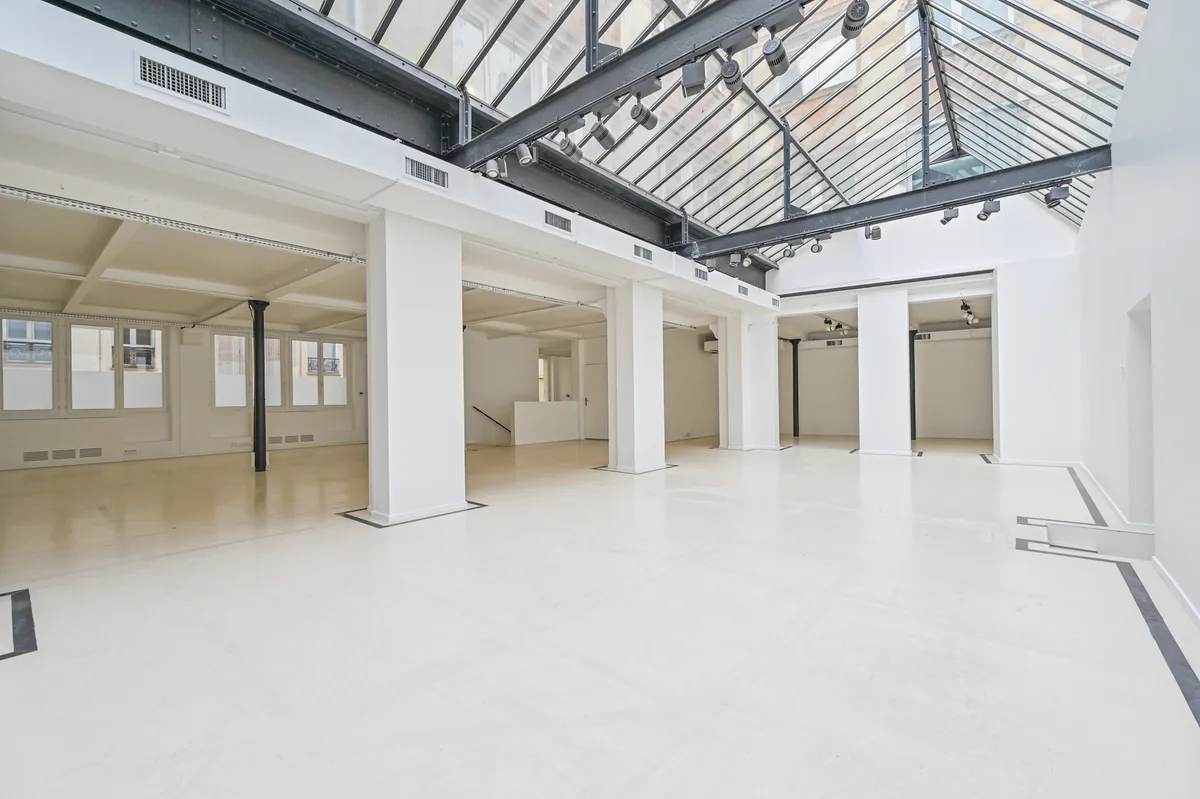
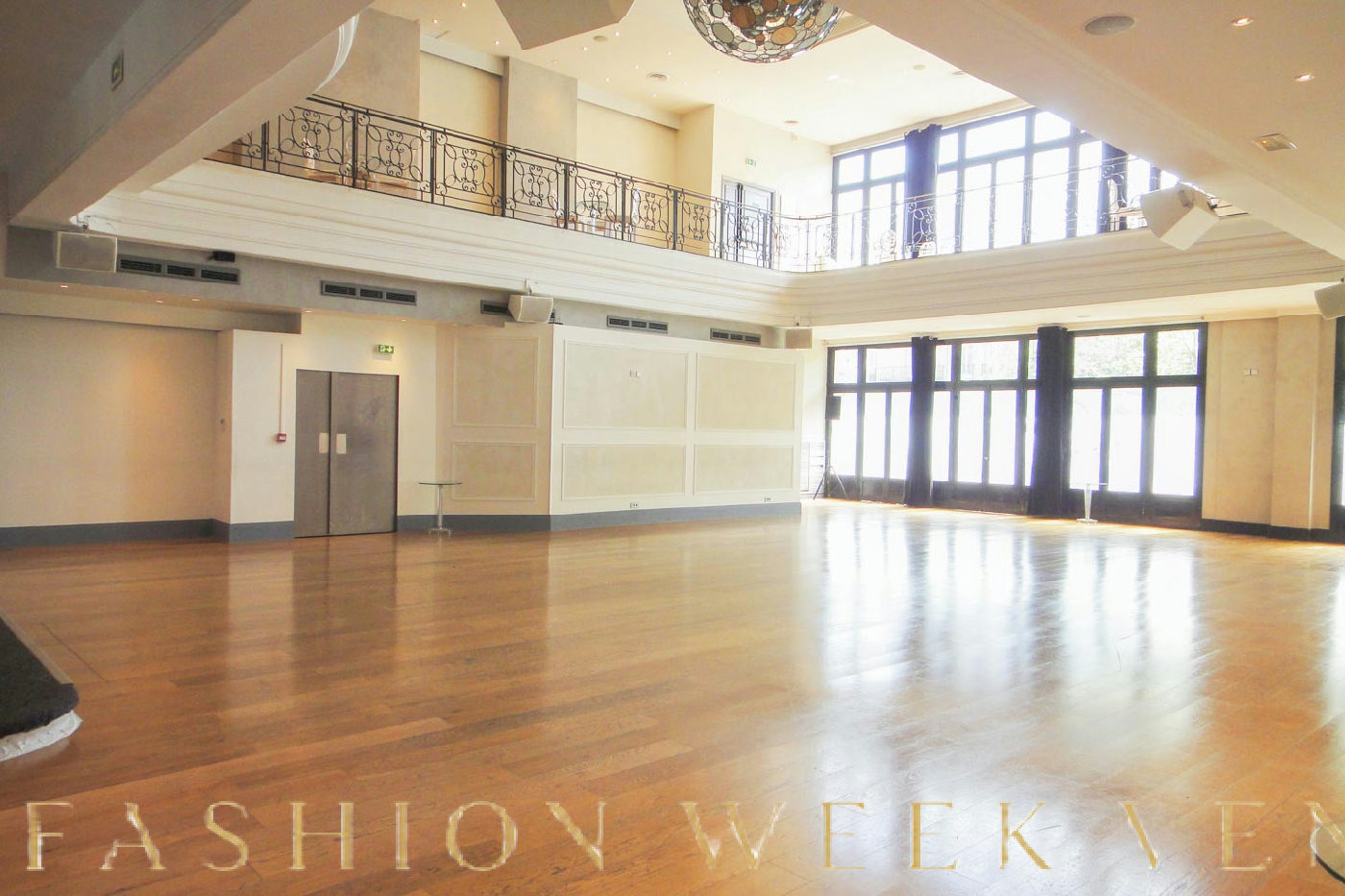
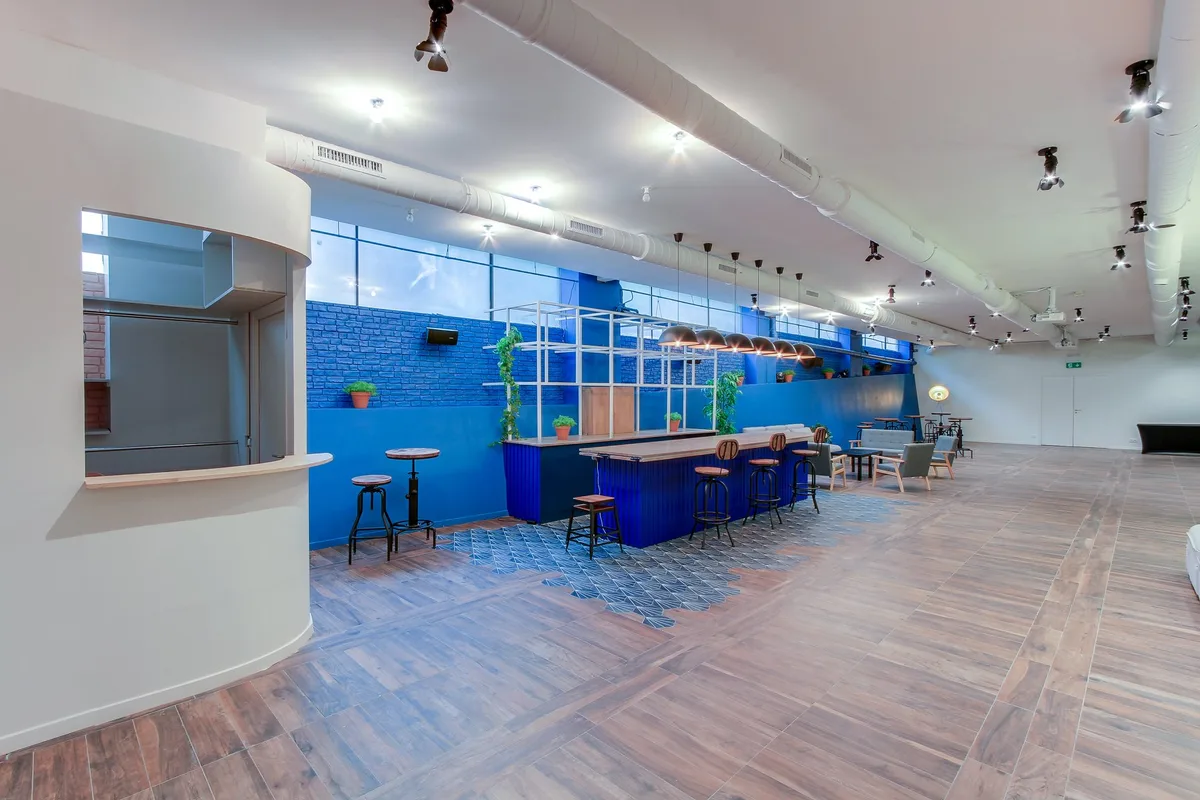
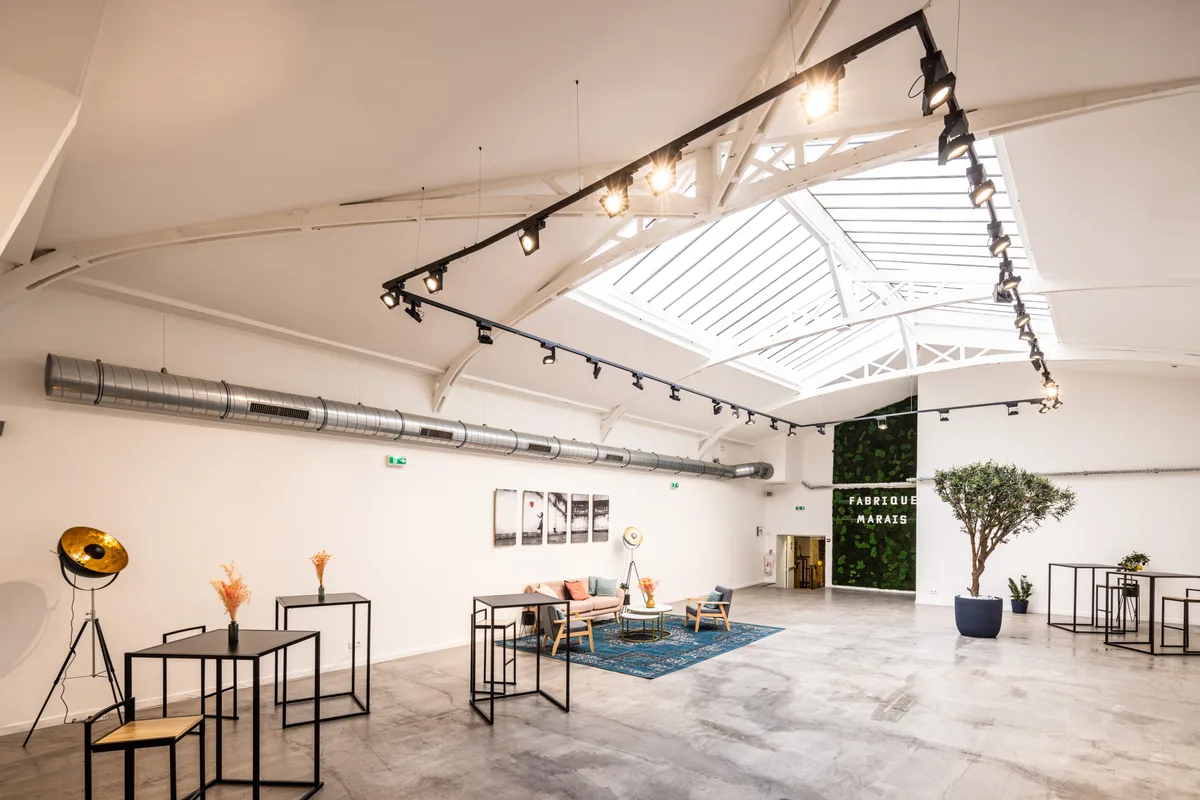
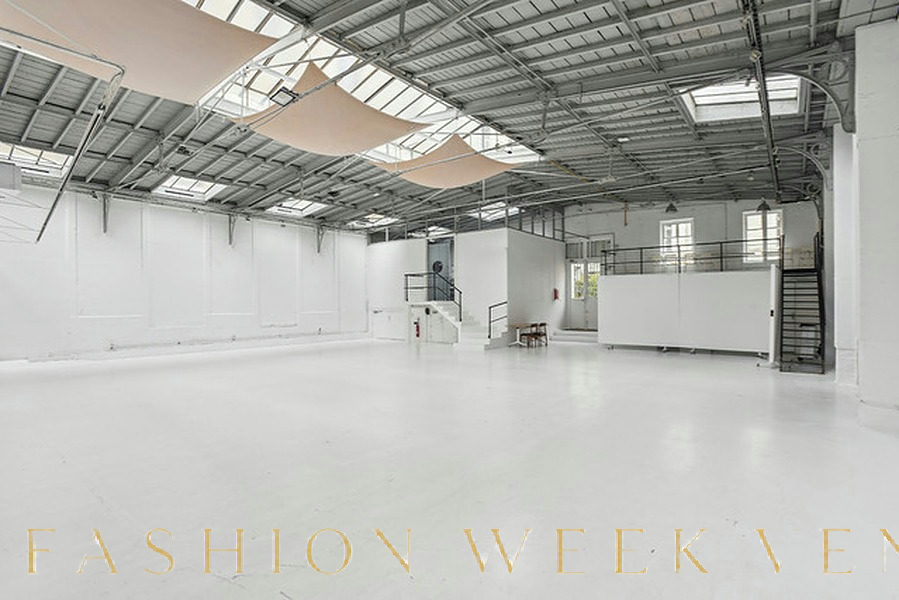
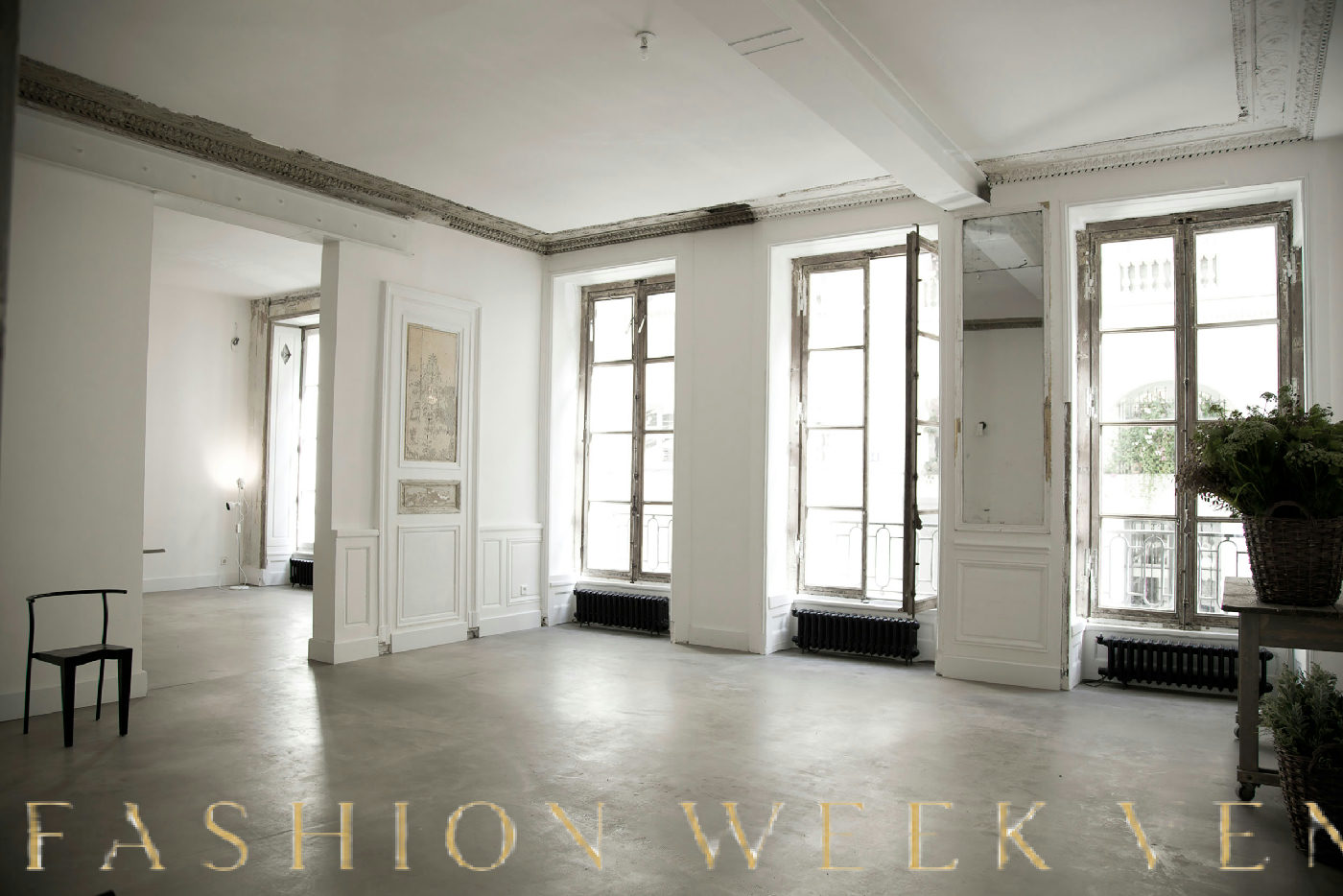
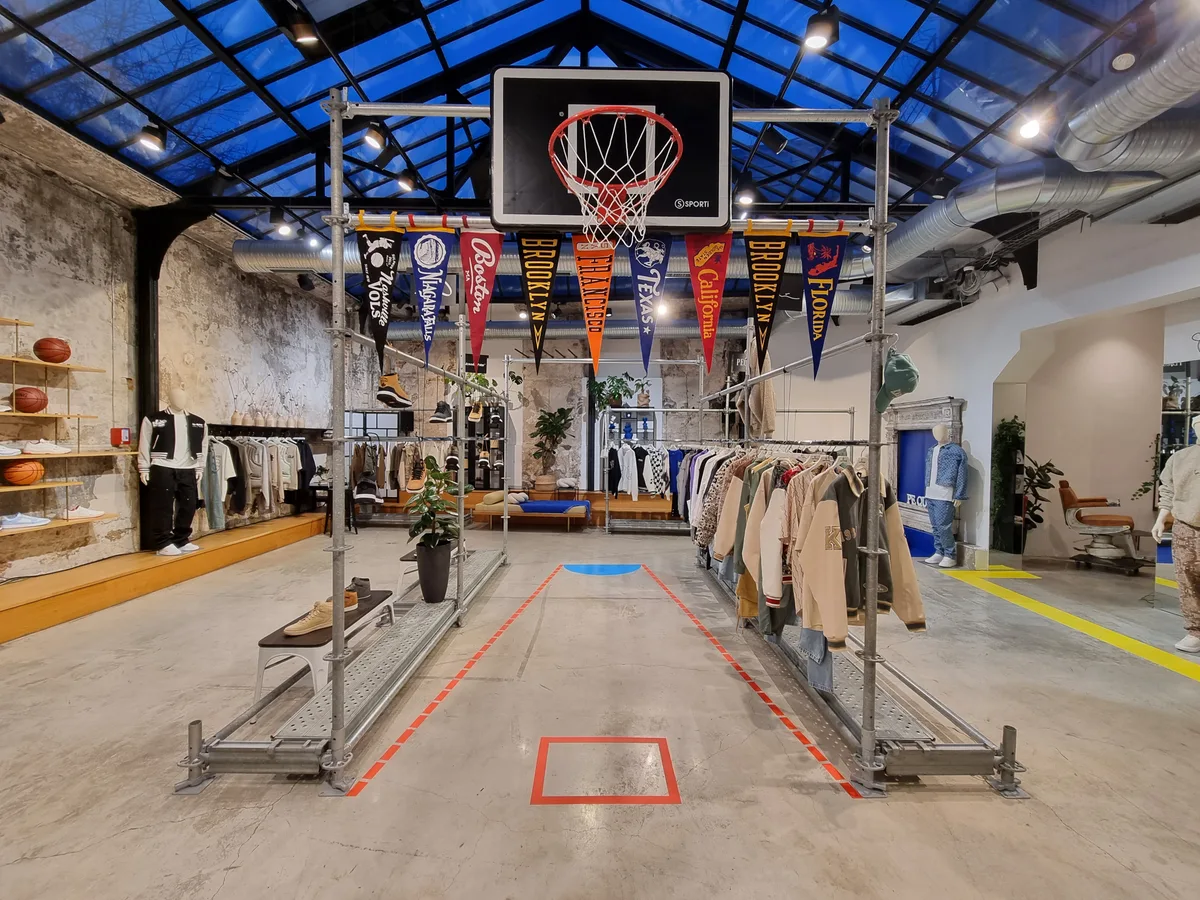
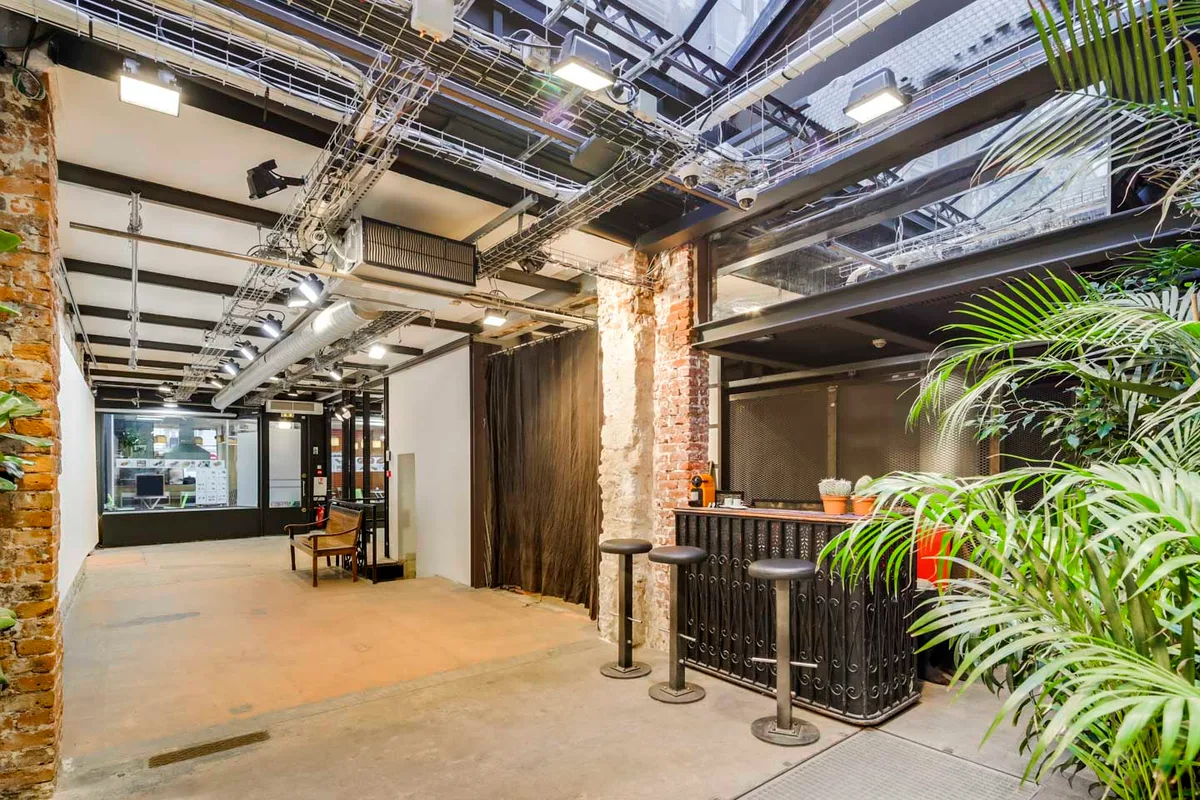
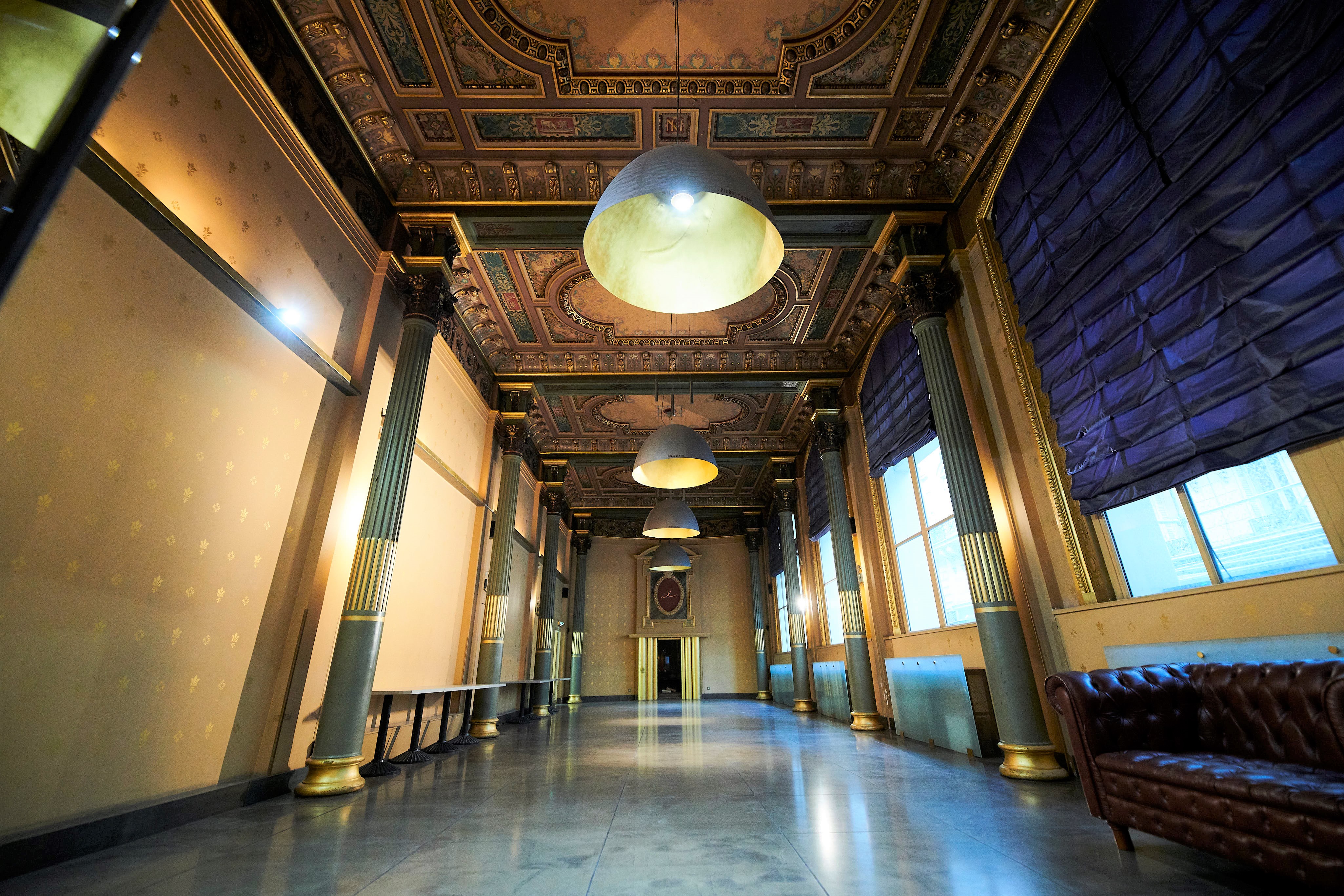
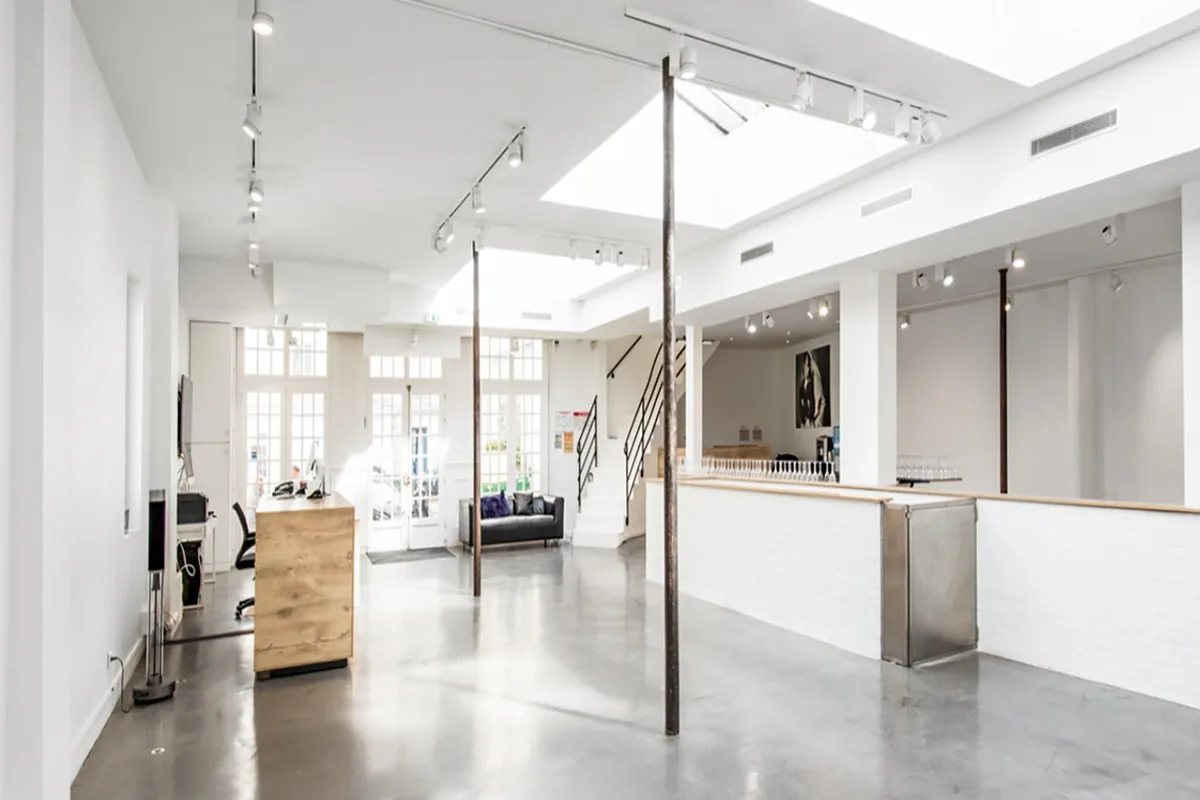
Fashion Week venues serve as vital stages for brands to showcase their latest collections, engage with industry influencers, and create unforgettable experiences. This ultimate guide will explore the essential facets of selecting and optimizing these venues, focusing on the Paris market, while leveraging the expertise of Fashion Week Venues. From strategic location decisions to understanding legal requirements, we cover everything you need to know to ensure your venue choice elevates your brand's profile and impact.
Navigating the Paris Fashion Venue Landscape
Paris, the heart of haute couture, offers an array of venue options tailored to the diverse needs of fashion brands. Navigating this vibrant landscape involves understanding key neighborhoods, each with distinct attributes and audiences. Le Marais, for instance, often appeals to more avant-garde and contemporary brands, while locations like Place Vendôme attract luxury names seeking an opulent setting.
Quick answer: Understanding Paris's key fashion districts helps brands strategically position their pop-up spaces for maximum visibility and audience engagement.
For international brands, entering the Parisian market demands knowledge not only of aesthetic elements but logistical ones. Accessibility, foot traffic, and proximity to fashion week activities can significantly influence venue choice. Additionally, the choice of setting, whether a historical building or a modern art gallery, can shape consumer perception and media narrative.
| Neighborhood | Characteristics | Type of Brands |
|---|---|---|
| Le Marais | Cultural, trendy, historic | Contemporary, avant-garde |
| Saint-Germain-des-Prés | Artistic, bohemian, intellectual | Artistic, literary, high-end |
| Place Vendôme | Luxurious, central, iconic | Luxury, flagship, high fashion |
KEY TAKEAWAY: Choosing the right Paris neighborhood aligns brand identity with the local culture and foot traffic, ensuring that your pop-up space captures desired consumer attention.
Outdoor spaces, such as those found near the Palais de Tokyo, offer unique opportunities for larger experiential displays. Venue sourcing becomes an invaluable service to identify these prime locations.
To make informed decisions and compare venue options easily, utilize the space comparison tool provided by Fashion Week Venues.
Understanding the logistical and cultural intricacies of each neighborhood is just one piece of the puzzle. Next, we'll delve into the essentials of permit and legal compliance required for hosting events in Paris.
Permit and Legal Compliance Essentials
The legal landscape surrounding the rental of fashion venues in Paris is intricate. Understanding the requirements for different types of leases, such as bail dérogatoire and AOT (Autorisation d’Occupation Temporaire), is crucial for mitigating legal risks. These permits are particularly relevant for temporary activations and can vary greatly depending on the arrondissement and type of venue.
Quick answer: Legal permits are essential for operating pop-up spaces in Paris; Fashion Week Venues' permit guidance tool is an invaluable resource.
Bail dérogatoire allows a business to operate in a space for a limited time without binding to long-term commercial lease obligations. Meanwhile, the AOT is necessary when using public or state-owned property, requiring adherence to specific regulations and processes, often needing an application months in advance.
DID YOU KNOW: The type of lease or permit you need depends on your venue's location, its historic significance, and the activities planned.
Ensuring compliance with all regulations not only avoids potential fines or legal challenges but also protects brand reputation. Consulting with a French legal advisor is generally recommended to navigate these complexities effectively.
| Type of Lease | Duration | Common Uses |
|---|---|---|
| Bail dérogatoire | Up to 3 years | Temporary retail, pop-ups, showrooms |
| AOT | Variable | Public spaces, state-owned buildings |
TIP: Start your permit applications at least six months prior to the planned event date for a smoother process.
Successful navigation of Paris's regulatory landscape involves a combination of precise legal compliance and strategic planning. The next focus is aligning your budget with your venue and activation aspirations.
Budgeting for a Successful Fashion Venue Activation
Budgeting is a foundational step in planning a fashion venue, affecting every facet of the event from location choice to marketing strategies. Understanding cost elements unique to Paris helps in creating a robust financial plan.
Quick answer: Accurate budgeting can make or break your fashion event planning; use Fashion Week Venues' budget calculator for precision.
Venue costs in Paris can vary significantly based on location, size, and historical value. Prime locations like Rue Saint-Honoré naturally command higher prices. Besides the venue cost, consider expenses such as permits, insurance, staffing, and decorations to avoid budget overruns.
| Expense Category | Cost Considerations |
|---|---|
| Venue Rental | Location, duration, size |
| Permits and Insurance | Type of events, compliance needs |
| Decor and Furniture | Style, historical relevance |
IMPORTANT: Avoid underestimating the budget; even minor expenses can add up significantly.
Brands should anticipate potential financial fluctuations and allow for contingency within their budget. The use of the ROI calculator aids in financially evaluating the potential return on investment from the activation.
With a budget in place, we can now examine strategies for logistical planning and day-to-day operations of hosting a successful pop-up space during Fashion Week.
Logistical Planning and Operations
Successful logistics and operations are the backbone of any fashion venue, directly influencing customer experience and event outcome. This process involves meticulous planning of elements such as staffing, product placement, inventory management, and technology integration for optimized sales and customer engagement.
Quick answer: Efficient operational logistics require an integrated approach combining staffing, technology, and inventory management.
Staffing, whether through direct hires or temporary agencies, must align with the brand image and event scale. The retail staffing service by Fashion Week Venues ensures trained personnel handle specific brand requirements.
Inventory management is another crucial element, ensuring that stock levels are maintained throughout the event. Real-time monitoring systems can assist in this management, providing insights and allowing for dynamic adjustments.
TIP: Utilize integrated POS systems to streamline transactions and reduce operational backlogs.
Consider innovations such as virtual try-ons or AI-powered personal shopping experiences to enhance customer interaction. This highlights the importance of having cutting-edge technology that aligns with the brand narrative, ultimately boosting consumer engagement.
KEY TAKEAWAY: Seamless logistics and operations directly impact the success of fashion venues, making sophisticated planning and execution paramount.
Operational efficiency not only enhances customer satisfaction but also maximizes sales outcomes, preparing us to explore how creative strategies can elevate brand identity through venue selection.
Creative Strategies for Venue Selection
Choosing a venue is more than just a logistical decision; it's a creative expression of brand identity. The right venue amplifies storytelling, resonating with target audiences and integrating with wider marketing campaigns.
Quick answer: Venue selection should align with brand storytelling, targeting audiences and integrating seamlessly with marketing campaigns.
Consider the visual and thematic aspects of a venue, such as architecture and ambiance, which play a crucial role in brand storytelling. A venue that complements the brand's aesthetic and narrative fosters an immersive experience for attendees.
Fashion Week Venues offers concept direction services, aiding in the creative convergence of venue aesthetics with brand identity. This service fosters a strategic blend of content, engagement, and environment that’s in sync with your vision.
DID YOU KNOW: Incorporating local artistry and design into venue decor can enhance cultural resonance and consumer connection.
To bolster brand visibility and audience engagement, consider collaborating with influencers and media partners. This strategic choice not only amplifies reach but also cultivates relationships that extend beyond the event lifetime.
KEY TAKEAWAY: A creatively chosen venue acts as a canvas for storytelling, shaping perception and driving deeper emotional connections with the audience.
Creative exploration of venue choices inevitably leads to the next critical aspect: timing and optimal scheduling for maximum impact.
Timing Is Everything: Scheduling Your Fashion Event
Understanding the optimal timing for hosting your event is imperative for maximizing participation and media coverage. Aligning with key dates on the Paris Fashion Week calendar amplifies visibility and impact.
Quick answer: Strategic timing, aligned with fashion week events and local calendars, boosts visibility and impact.
Fashion Week Venues' timeline tool assists in planning these schedules effectively across different timeframes and scenarios, incorporating international calendars and local weather patterns that may influence participation.
Seasonal trends, concurrent events, and consumer behaviour trends are all elements to consider when finalizing the schedule. Locating your event in close physical proximity to major venues during Fashion Week can also increase accidental footfall and broader brand exposure.
| Consideration | Impact |
|---|---|
| Paris Fashion Week Dates | Ensures participation by key industry figures |
| Local Holidays | Potential consumer availability and mood |
| Concurrent Events | Leverages or counterprograms against competing events |
TIP: Optimize crowd size by avoiding direct clashes with rival brand events.
Proper timing ensures that your brand can harness the natural energy of Paris during its peak fashion moments, enhancing the overall effectiveness of your activation.
With timing considerations settled, it is crucial to assess how integrated marketing can support and expand the reach of your activation.
Harnessing Integrated Marketing Strategies
Utilizing an integrated marketing strategy is essential for amplifying the reach and impact of your fashion event. Coordinated efforts across digital and traditional platforms create a cohesive brand message and increase consumer engagement.
Quick answer: Integrated marketing ensures a cohesive brand message, leveraging both digital and traditional platforms to enhance event reach.
Develop cross-platform campaigns that blend social media, influencer partnerships, and email marketing to generate buzz. Tools like Fashion Week Venues’ influencer marketing can assist brands in creating authentic connections with their audience.
Effective marketing strategies should include visual merchandising that aligns with the event's theme and informs the ground experience. Content generated and shared through these efforts further extends the event’s life and reach.
TIP: Use social media to live-stream events and broaden your audience beyond those physically present.
This comprehensive approach ensures that your marketing efforts not only bring people to the venue but also continue to engage them post-event, helping solidify brand loyalty.
KEY TAKEAWAY: A well-orchestrated marketing plan multiplies the impact of your fashion activation, by engaging more robustly with a broader audience.
Integrating marketing strategies lays the groundwork, and now we explore evaluating the return on investment for your activation efforts.
Evaluating Return on Investment
Measuring ROI is critical to understanding the success and value generated from your fashion venue activation. An ROI analysis provides crucial insights into financial performance and guides future investment decisions.
Quick answer: ROI analysis offers insights into the financial and strategic success of your fashion activation, guiding future planning and investment.
The ROI calculator tool by Fashion Week Venues helps in assessing both tangible and intangible returns, including sales uplift, media value, and brand sentiment changes.
Consider direct sales, customer acquisition, audience growth, and media mentions as key metrics. It's also important to factor indirect benefits, such as heightened brand visibility and enhanced consumer perception.
DID YOU KNOW: Positive media coverage can often outweigh direct sales as a success metric, especially for emerging brands.
Proper evaluation allows brands to substantiate the returns on their creative and financial investments in fashion week venues, equipping them with the data needed for more precise, impactful future activations.
KEY TAKEAWAY: Comprehensive ROI measurement captures both direct and indirect benefits of your event, informing strategic future investments.
Thorough evaluation leads us to consider how Fashion Week Venues can support your journey to a successful activation.
How Fashion Week Venues Supports Your Event
Fashion Week Venues acts as a holistic partner in planning and executing fashion activations. Offering a wide array of services—from venue selection to activation management—Fashion Week Venues ensures your event not only runs smoothly but also garners maximum impact.
Quick answer: Fashion Week Venues provides comprehensive support at every stage of fashion event planning, enhancing your activation's efficiency and impact.
The agency offers production and build services, ensuring your chosen venue is customized and fitted perfectly to your brand requirements. Alongside, the use of tools like the imagine tool aids in visualizing space potential and refining concepts.
Creative direction services and staffing solutions provide a cohesive brand experience tailored to your chosen setting and theme.
TIP: Partnering with an experienced team can help navigate complexities and reduce the stress of venue planning and execution.
Fashion Week Venues equips brand teams with the necessary resources and guidance, navigating challenges from concept to completion, ultimately achieving your brand goals.
KEY TAKEAWAY: Fashion Week Venues’ comprehensive services facilitate streamlined, creative, and impactful luxury fashion activations.
With an understanding of the supportive role that Fashion Week Venues plays, it's important to address misconceptions surrounding fashion venues and planning.
Common Myths Debunked
MYTH: You need a French legal entity to rent a space in Paris.
FACT: While having a French legal entity can facilitate certain administrative processes, it is not a prerequisite for renting a space. Numerous agencies and brokers provide assistance to international brands through the complex local regulations.
MYTH: Paris Fashion Week is the only viable calendar window for brand activations.
FACT: Although Paris Fashion Week offers immense visibility, other times throughout the year, aligned with local events and cultural moments, can also provide valuable exposure and unique opportunities suited to different brand goals.
MYTH: Commission brokers are the only way to find a suitable venue.
FACT: Leveraging modern platforms and agencies like Fashion Week Venues can provide more comprehensive, transparent, and often cost-effective solutions to identifying ideal venues without relying solely on commission-based brokers.
MYTH: Short-term leases are legally straightforward and don’t require specialist help.
FACT: The regulation around short-term leases, such as bail dérogatoire, can be complex and varies based on location and property type, often requiring specialized legal guidance to navigate effectively.
Debunking these myths underscores the importance of accurate information and resourceful partnerships in planning a successful fashion venue activation. Next, we address possible questions you might have regarding venue planning.
Frequently Asked Questions
What type of venue is ideal for luxury brand events?
Luxury brand events benefit from venues that epitomize opulence and exclusivity, such as historic buildings, art galleries, and premium locations like Place Vendôme. These settings enhance brand prestige and offer the perfect backdrop for high-end fashion showcases. The ambiance should align with the brand’s ethos and the desired experience they wish to convey.
How long should a typical pop-up store be open during Fashion Week?
Typically, a pop-up store during Fashion Week operates for one to two weeks. This duration allows brands to capitalize on heightened foot traffic while maintaining an air of exclusivity. However, considerations such as product type, marketing goals, and logistical factors might influence the optimal operation period.
What are the challenges of hosting an event in Paris?
Challenges include navigating complex legal requirements, aligning with cultural nuances, and managing logistics in a bustling city. Specific obstacles often involve securing the necessary permits, coordinating with local vendors, and synchronizing with the frenetic fashion calendar. Partnering with an experienced agency like Fashion Week Venues can mitigate many of these hurdles.
How does Paris's cultural landscape influence venue choice?
Paris's rich cultural tapestry significantly influences venue selection. Neighborhoods like Le Marais may infuse a historic or avant-garde vibe, while areas like Saint-Germain-des-Prés offer intellectual and artistic appeal. Selecting a venue that resonates with the local culture amplifies storytelling and enhances consumer intrigue.
How early should planning for a Fashion Week event start?
Planning should ideally commence 12 to 18 months before the desired event date. This timeline accommodates venue sourcing, permit acquisition, design conceptualization, and marketing strategy development. Early planning ensures ample time for adjustments and unforeseen challenges, ultimately contributing to a flawlessly executed event.
What permits are required for hosting a fashion event in Paris?
Key permits may include the bail dérogatoire for temporary spaces and the AOT for utilizing public areas. Ensuring complete compliance with French regulations is essential. Consulting with local regulatory experts or using tools like Fashion Week Venues' permit guide is advisable for streamlined approval processes.
What is the role of experiential elements in fashion venues?
Experiential elements play a pivotal role in engaging consumers and creating memorable brand impressions. These may include interactive installations, personalized shopping experiences, and virtual try-on technologies. Such elements facilitate deeper emotional connections with the brand, enhancing consumer loyalty and word-of-mouth promotion.
How is ROI measured for fashion venue activations?
ROI is measured by assessing direct financial returns, such as sales and new customer acquisitions, alongside non-financial factors like media value and brand sentiment shifts. Tools like the ROI calculator assist brands in quantifying both tangible and intangible returns, guiding strategic decisions.
Can small brands afford Paris fashion venues?
While the perception is that Paris venues are prohibitively expensive, small brands can find affordable options through strategic planning. Leveraging agencies like Fashion Week Venues can uncover cost-effective alternatives and flexible leasing arrangements, ensuring even smaller brands can access high-impact spaces aligned with their budget.
What is the significance of location within Paris?
Location is crucial due to its impact on visibility, accessibility, and brand perception. Key fashion districts like Opéra and Rue Saint-Honoré offer immense foot traffic and media attention. The choice of location should align with target demographics and overall marketing objectives, ensuring optimal audience engagement and brand resonance.
How does venue size impact event planning?
Venue size directly affects logistics, budgeting, and the overall experience. A smaller venue can create an intimate, exclusive atmosphere but may limit attendance, while larger spaces accommodate grander events but require more resources for effective management. Balancing size with desired experience and capacity is key to successful planning.
When is the best time to host a fashion event outside Paris Fashion Week?
The period after fashion week, during quieter cultural moments, can be ideal, allowing brands to capture more focused audience attention and media space. Off-peak times reduce competition for venues and resources, providing a more relaxed environment for event execution and heightened engagement opportunities.
Conclusion
Successfully navigating the challenges of hosting a fashion week venue in Paris demands a strategic approach integrating location, timing, budgeting, and creative execution. With the support of Fashion Week Venues, brands can harness comprehensive services and expert tools to optimize their activation impact. Whether through meticulous venue selection, innovative concepts, or robust logistical planning, each step significantly contributes to crafting memorable and effective brand experiences. To move from research to activation, start exploring available spaces on the Fashion Week Venues marketplace and build a focused brief for your target neighbourhood, space type, and calendar window.