
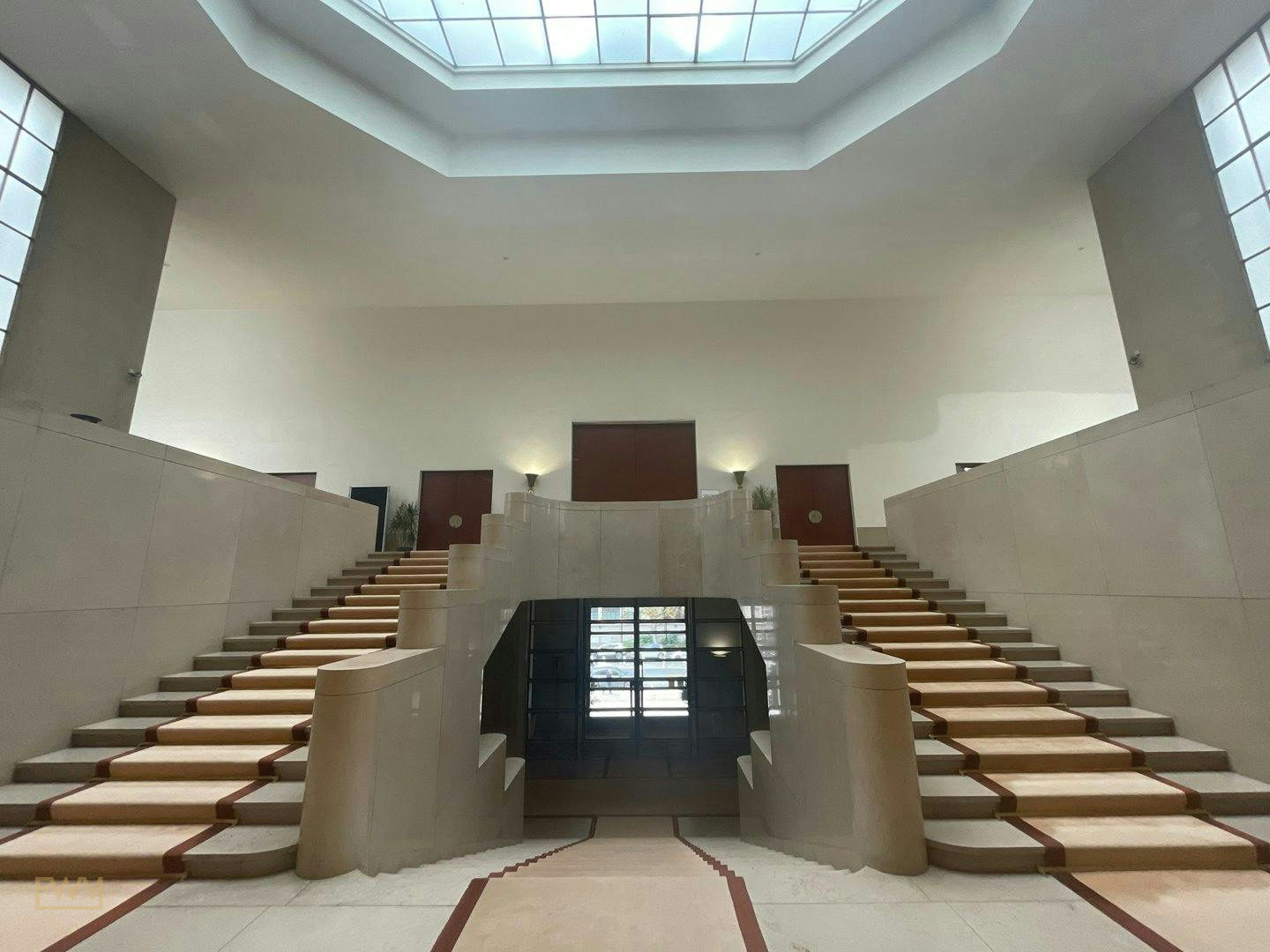
The world of fashion weeks offers brands an unparalleled opportunity to showcase creativity and innovation. For brands and designers, the strategic selection of venues plays a crucial role in curating unforgettable experiences. The primary focus of this article is to explore the dynamic landscape of Fashion Week Venues, identifying key factors such as location, size, and accessibility. Operating across major fashion capitals, Fashion Week Venues provides services and a marketplace facilitating seamless pop-up spaces, showrooms, and experiential activations. Whether you're a seasoned participant or a newcomer, mastering venue selection can dramatically impact brand perception and reach. This guide encapsulates vital considerations to maximize the impact of your presence during fashion weeks.
Why Choosing the Right Fashion Week Venue is Crucial
Choosing the right venue for Fashion Week is an essential strategic decision that can significantly bolster brand visibility and impact. The venue acts not just as a backdrop but as an integral component of the brand narrative that shapes audience perception. Selecting the perfect location and style aligns the event with the brand ethos, enhancing its story.
Key considerations for venue selection include location, capacity, logistic feasibility, and audience accessibility. For instance, a venue in a high-footfall district such as the historic Le Marais or the bustling Rue Saint-Honoré can amplify foot traffic and spur engagement.
Furthermore, compliance with local regulations, like obtaining a Bail Dérogatoire or temporary occupancy authorization (AOT), influences venue viability. Each arrondissement may impose distinct requirements, mandating a thorough review with a regional legal advisor.
KEY TAKEAWAY: The right venue is pivotal to brand success during Fashion Week, impacting visibility, accessibility, and alignment with brand narrative.
Understanding these components prepares you for the next strategic aspect of venue management—budget planning and cost optimization, driving efficiency without compromising quality.
Budgeting for Fashion Week Venues
Budget planning is a cornerstone of any successful Fashion Week venue strategy, requiring a nuanced understanding of associated costs and potential returns. Major expenses include venue rental, design, production, and staffing. Each expense must align with the event's overall objective and target audience engagement.
A typical budget breakdown involves cost estimates for:
- Venue Rental: Location, duration, and facility amenities directly influence pricing.
- Design and Production: Expenses related to styling, branding, and set construction.
- Staffing: Hiring skilled professionals for event management and customer interaction.
It's advisable to use tools like the budget estimation tool by Fashion Week Venues to model financial requirements precisely and identify areas for optimization. Determining ROI is also essential, offering insights into the financial benefits against expenditures, helping refine future strategies.
Quick answer: Budgeting requires detailed attention to venue rental, design, staffing, and ROI considerations to ensure alignment with business goals.
Examining budget components facilitates understanding complex logistics that accompany running successful Fashion Week events—a subject explored further under logistics management.
Logistics and Operational Considerations for Fashion Week Venues
Managing logistics for a Fashion Week venue demands meticulous attention to detail, facilitating smooth operations and ensuring adherence to schedules. This involves coordinating deliveries, managing space design implementations, and addressing venue-specific requirements.
Efficient logistics require strategic coordination with suppliers, staff, and designers. This ensures that every aspect of the venue aligns with the brand's vision. Additionally, issues such as transportation accessibility, setup timelines, and security must be carefully planned.
Using a venue like our production and build services streamlines these processes, leveraging expertise to preempt potential hurdles while ensuring flawless execution during venue setup.
KEY TAKEAWAY: Seamless logistics is essential for aligning the venue setup with brand vision, ensuring the timely and impactful execution of events.
Understanding logistics lays the groundwork for optimizing another critical aspect—venue permits and compliance, a crucial component ensuring legal readiness for your event.
Navigating Permits and Compliance for Events
The legal landscape surrounding fashion venues is complex, particularly in cities like Paris, where regulations vary by district. Necessary permits often include a Bail Dérogatoire—a non-renewable lease for a defined short period, or AOT for using public space temporarily.
Understanding these requirements, which differ for every venue based on duration, location, and intended use, is crucial. Non-compliance risks can lead to operational disruptions or even venue cancellations. Engaging a legal advisor familiar with French real estate and event laws is advisable, ensuring all permits align with municipal guidelines.
Our permits tool simplifies this process, offering an informed template to guide brands in navigating permit prerequisites efficiently.
Quick answer: Secure proper permits like Bail Dérogatoire and AOT to meet venue compliance requirements efficiently and avoid operational disruptions.
The knowledge gained here facilitates understanding of location and market dynamics, fostering better decision-making on venue selection based on district-specific audience engagement opportunities.
Paris as a Premier Venue Destination
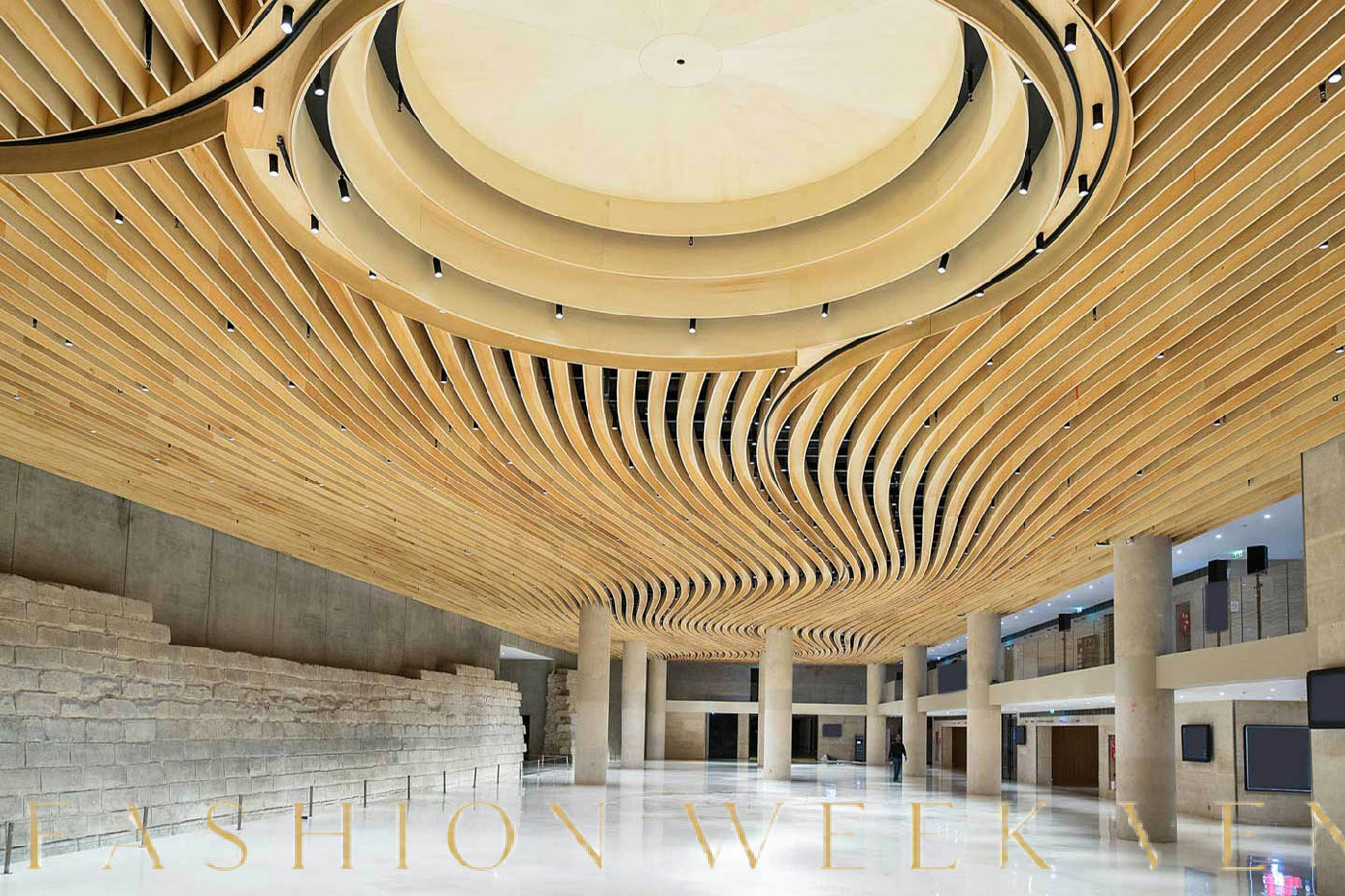
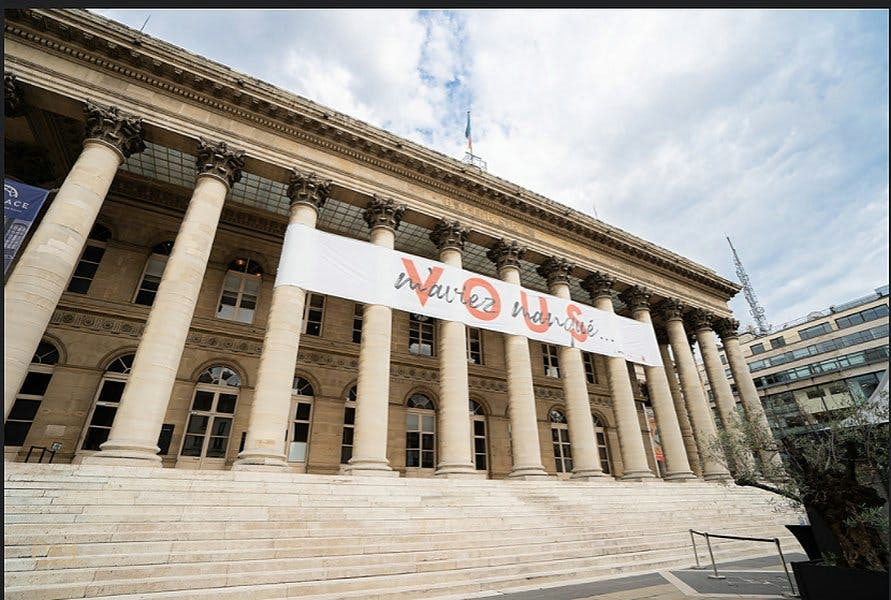
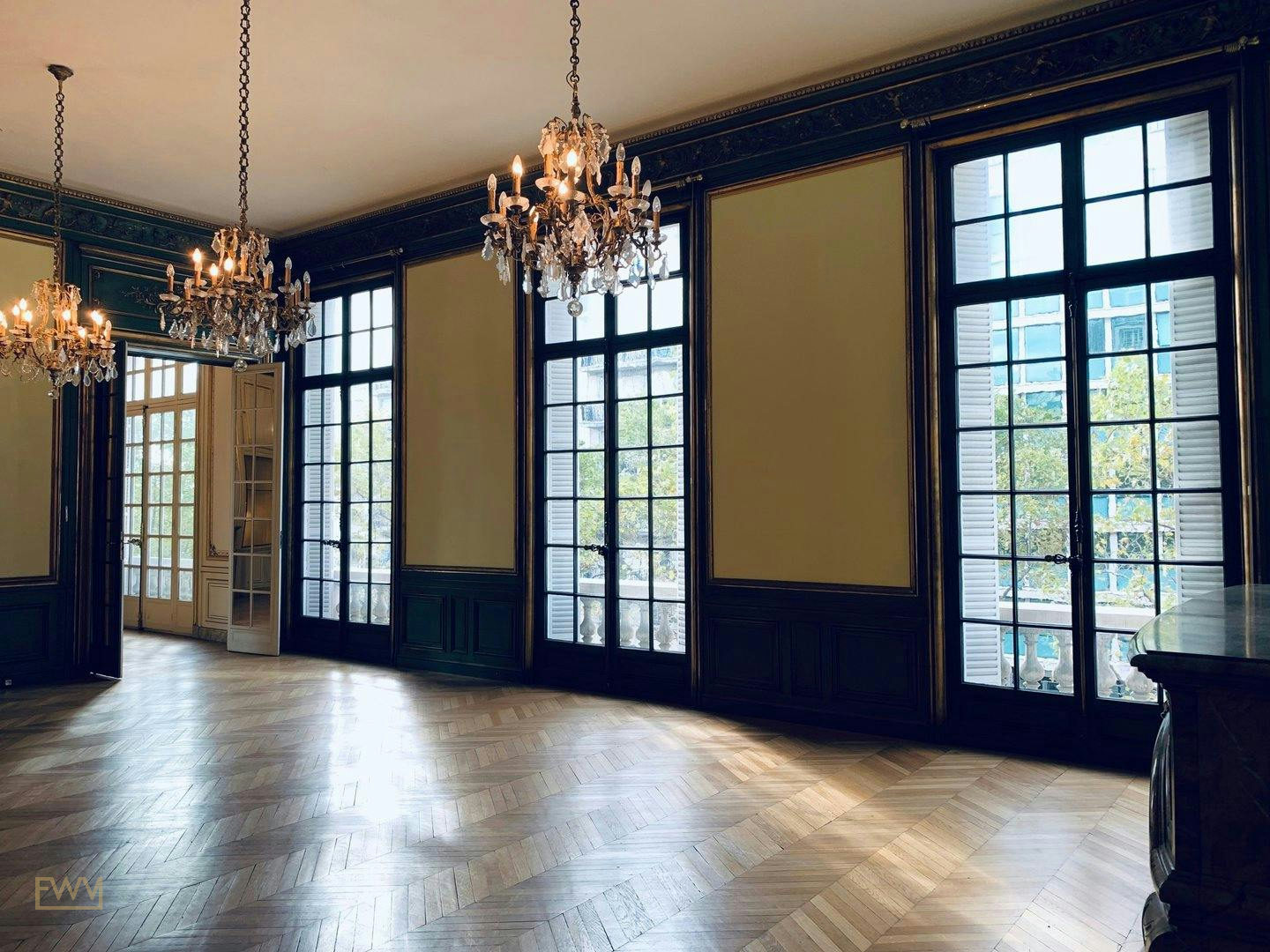
Paris stands as a pinnacle of fashion, attracting brands worldwide to its renowned venues for showcasing during Fashion Week. The city's rich heritage and iconic fashion culture make it a preferred destination, offering a diverse array of venue types.
Popular districts like Le Marais and Saint-Germain-des-Prés present historic settings that allure fashion aficionados. Meanwhile, areas like Opéra or Rue Saint-Honoré provide modern elegance mixed with luxury retail opportunities, fostering an ideal backdrop for brand showcases.
The Paris city hub by Fashion Week Venues offers a curated selection of spaces within these locales, tailored to various brand narratives and target audiences, simplifying venue selection.
DID YOU KNOW: Rue Saint-Honoré's reputation as a shopping haven is reinforced by its proximity to luxury fashion houses, enhancing visibility for pop-up venues.
In-depth knowledge of such location advantages accentuates the importance of innovative venue usage explored in subsequent discussions about experiential marketing and activations.
Utilizing Experiential Marketing through Fashion Week Venues
Experiential marketing transforms fashion events by engaging audiences and creating memorable brand experiences. It moves beyond traditional aesthetics by embedding interactive and immersive elements at the event, directly connecting consumers with the brand.
Examples include orchestrating live performances, AR experiences, or interactive product demonstrations within the event space. Such engagements captivate attendees, encouraging social sharing, which extends the event's reach.
Maximizing experiential marketing potential requires innovation and expertise, which our activation management services provide—transforming traditional spaces into interactive experiences that enhance brand value and recognition.
Quick answer: Experiential marketing transforms static events through creative engagement strategies, significantly boosting brand interaction and reach.
Comprehending experiential techniques enhances strategic considerations for event management, paving the way for insightful examination of temporary retail models such as pop-up shops.
Leveraging Pop-Up Shops during Fashion Week
Pop-up shops have emerged as a significant trend in modern retail, particularly effective during Fashion Week. These temporary setups enable brands to reach new audiences, test market reactions, and drive immediate sales without long-term commitments.
The transient nature of pop-up shops fosters an atmosphere of exclusivity and urgency. Successfully leveraging these spaces involves strategic location selection, effective branding, and a concept that resonates with the target audience.
Fashion Week Venues' marketplace offers a broad selection of potential spaces, whereas the twin co-activation concept expands the scope, enabling shared events, potentially enriching brand partnerships.
KEY TAKEAWAY: Pop-up shops are a powerful catalyst for brand engagement during Fashion Week, facilitating exclusive consumer interactions and immediate commerce opportunities.
Understanding the leverage of pop-up shops enriches your knowledge of notable activations, culminating in insights on optimizing venue usage in fashion-centric events.
Innovative Venue Concepts for Fashion Week
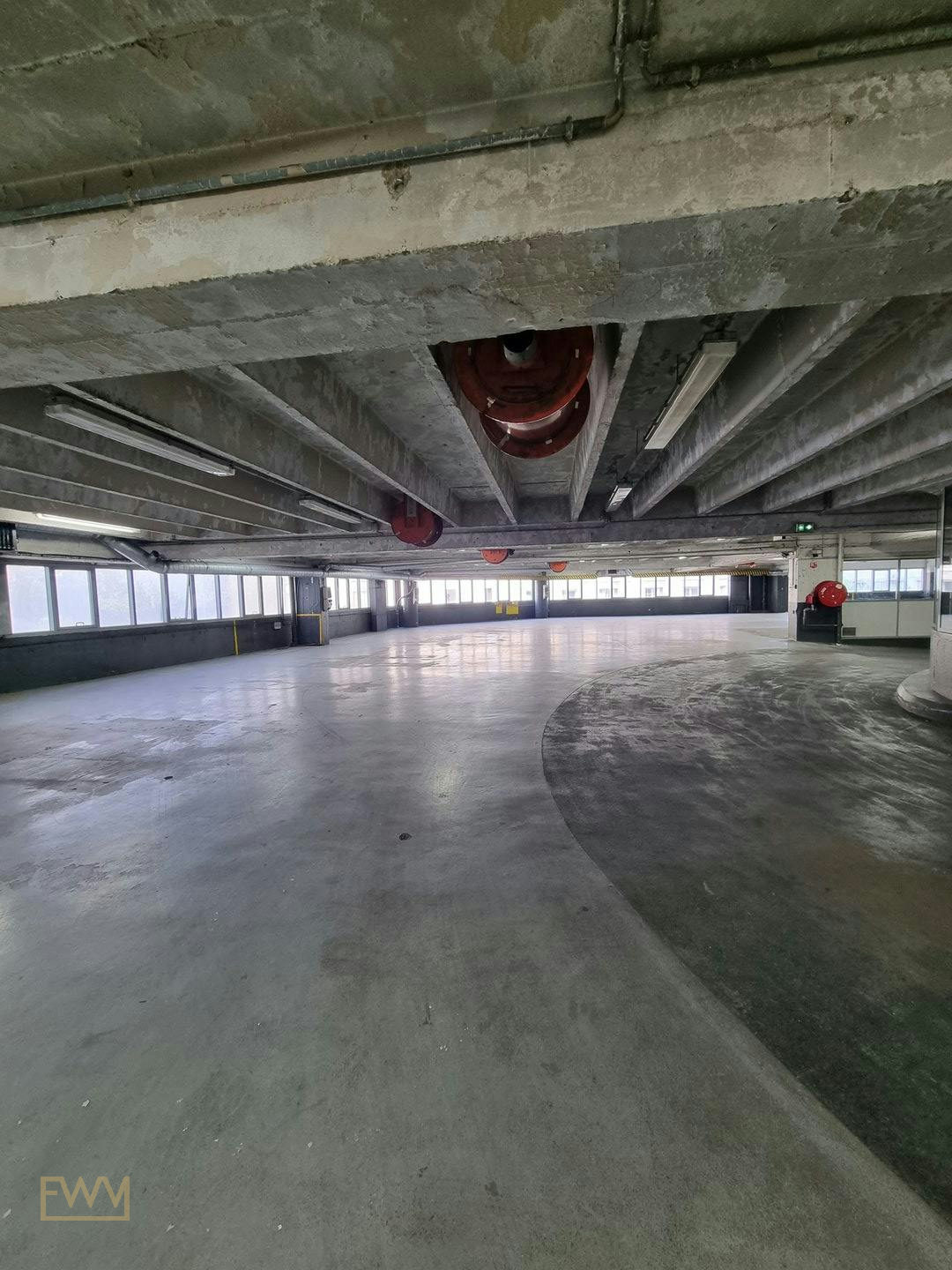
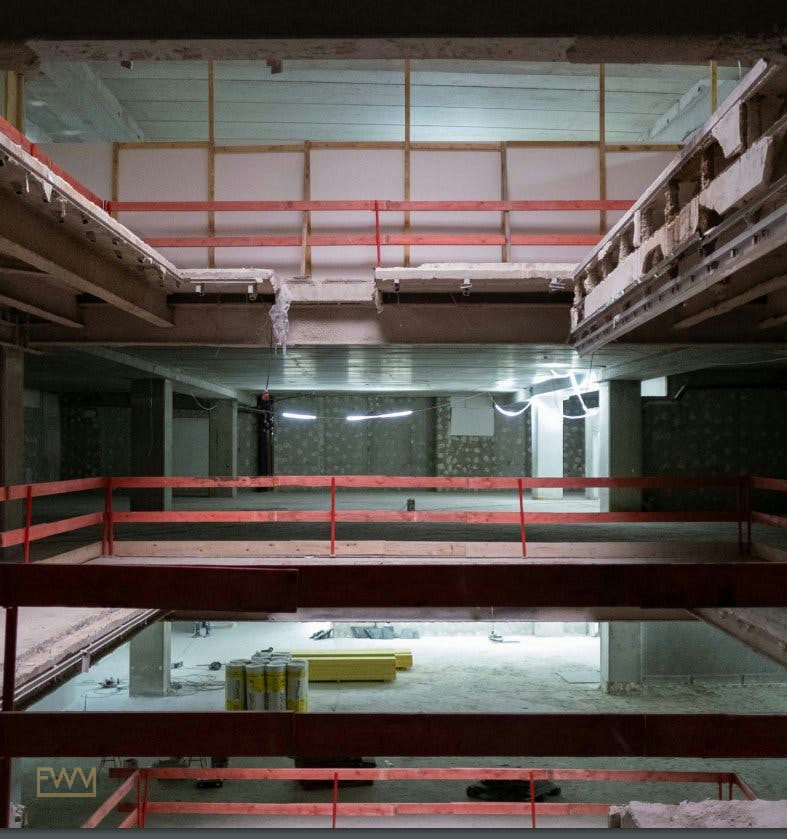
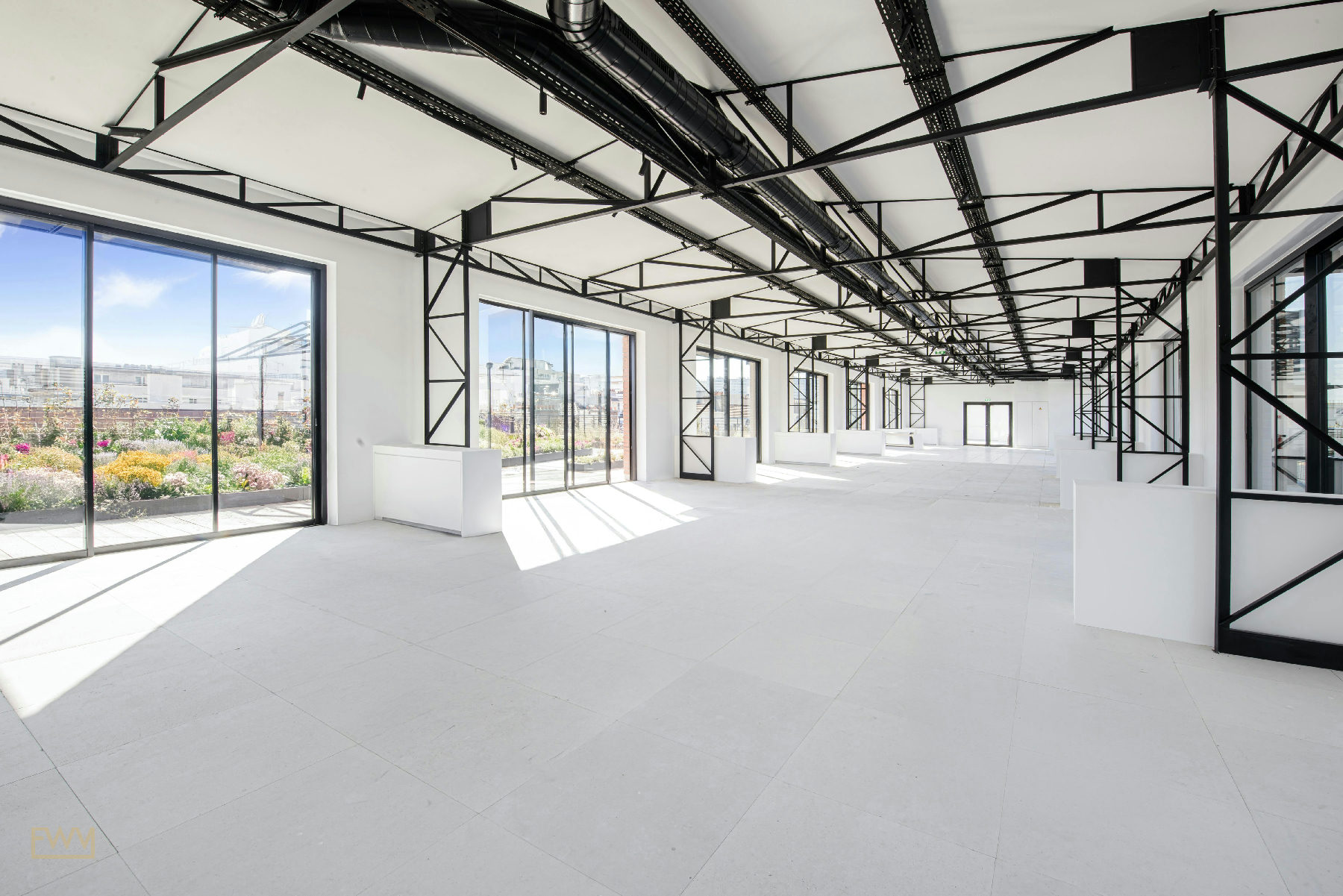
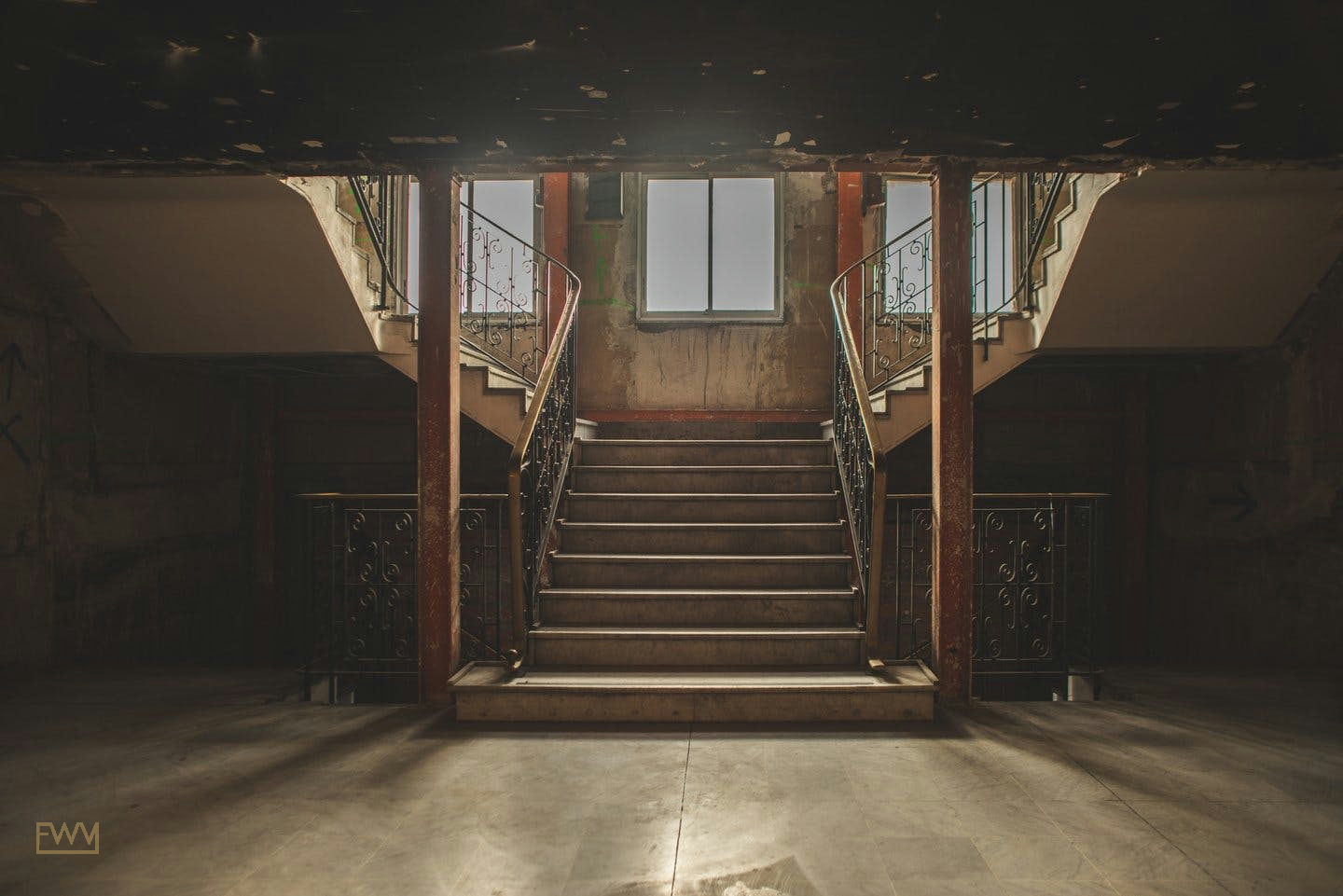
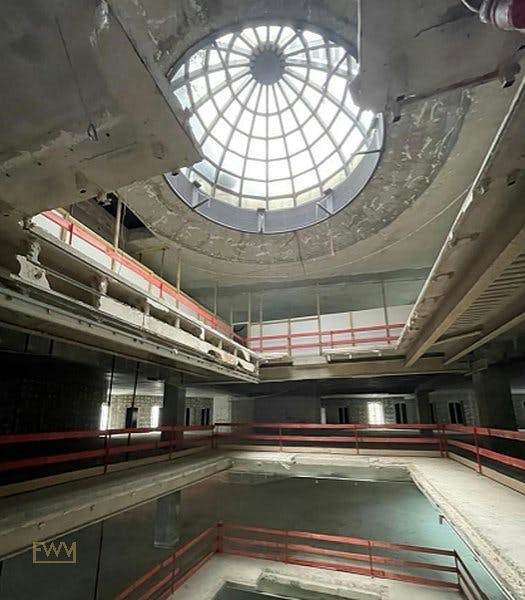
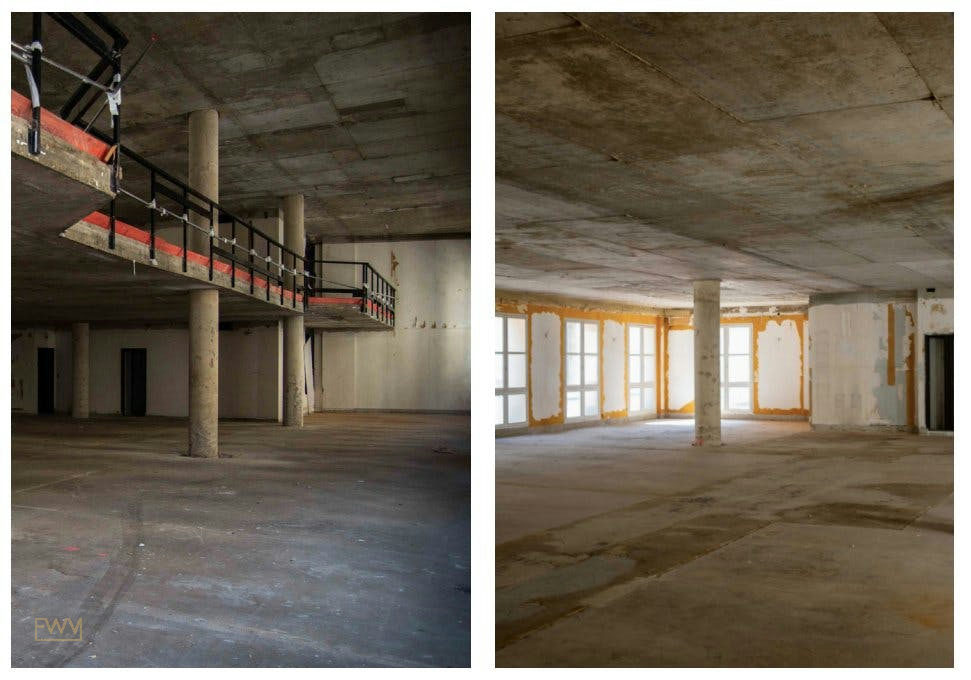
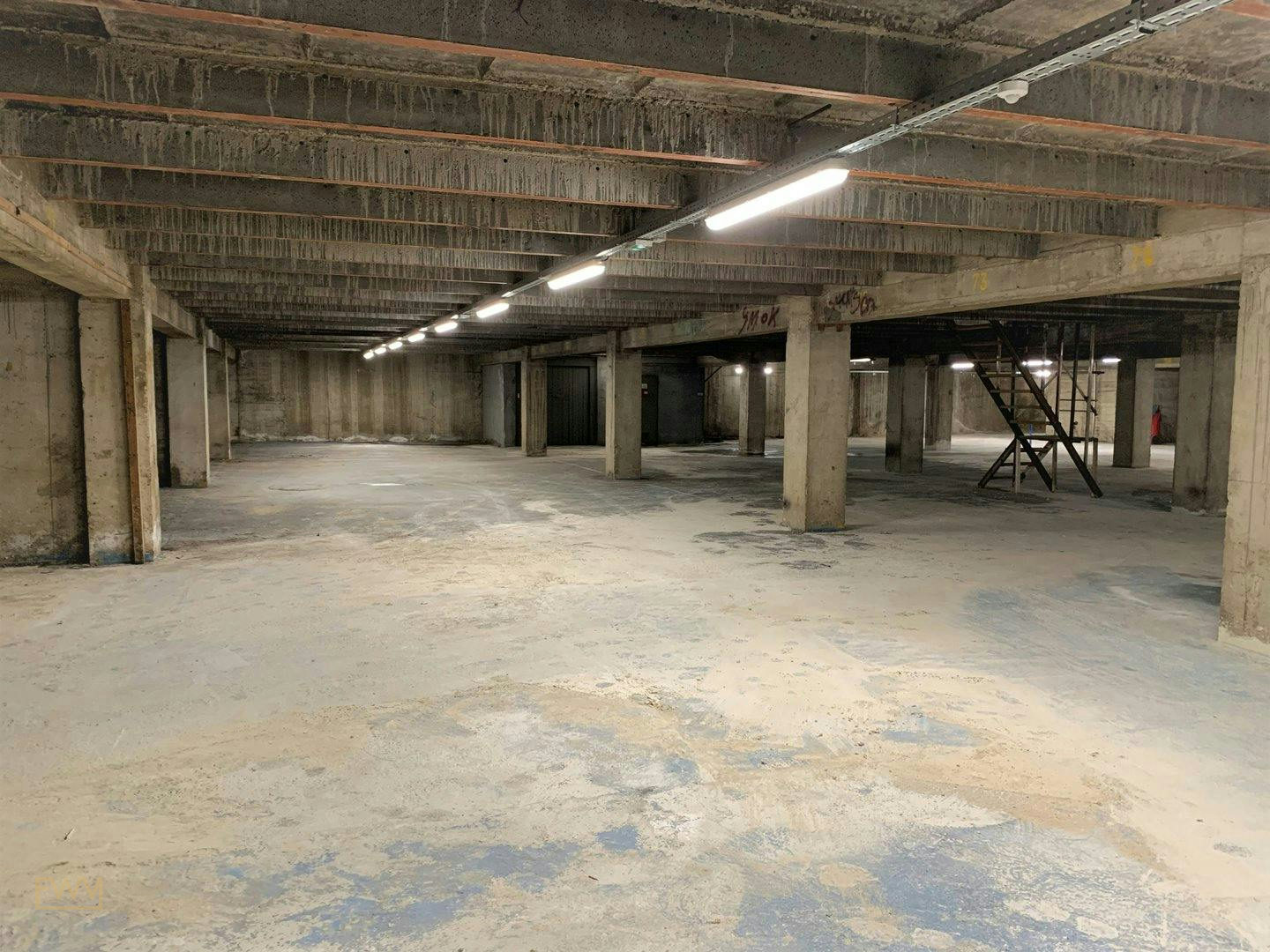
Creativity in venue usage maximizes the impact of Fashion Week presence by innovating through unconventional locations and setups. Innovative concepts may involve utilising non-traditional spaces such as industrial warehouses, rooftops, or converted gallery studios to evoke a specific brand narrative.
Consider incorporating bespoke immersive designs enhancing the thematic resonance and fostering unique consumer connections with your brand. These efforts often require skilled design and execution teams, where Fashion Week Venues excels in providing concept and creative direction.
Employing unconventional venues can aid in shaping unique brand stories, resonating deeply with both attendees and wider audiences who may experience the event digitally or through media coverage.
Quick answer: Innovative venues redefine brand storytelling, utilizing creative spaces to create impactful and memorable fashion events.
Exploring innovative venue realms leads us towards solutions and partnerships that enhance logistical capabilites—an entry into understanding the function and importance of venue services.
Choosing the Right Venue Services for Fashion Week Events
Efficient venue servicing is essential in delivering seamless, high-impact events during Fashion Week. Services span from venue sourcing, event production, to staffing and activation management, each integral to the event's success.
Selecting services tailored to event type can optimize time and resources. For venues, essential services often include:
- Venue Sourcing: Matching brand needs with the right locations and logistic capabilities.
- Design and Production: Crafting visually compelling environments aligned with the brand and audience expectations.
- Staffing and Activation: Engaging professionals to manage audiences and operational functions effectively.
Integrating comprehensive service suites ensures operational excellence and brand impact during fashion events.
Quick answer: Selecting an integrated venue service suite enhances operational effectiveness, ensuring successful and memorable fashion events.
Now equipped with understanding venue service coordination, turn your attention to deciding optimal timing within the Fashion Week calendar.
Optimizing Fashion Calendar Windows
The timing of your event during Fashion Week influences its success, necessitating strategic calendar alignment. Selecting the right days aligns with major shows, maximizing media presence and industry attention.
Understanding the preference for beginning or ending fashion weeks, where celebrity presence and media coverage peak, is vital. Avoiding competing with renowned high-fashion shows optimizes non-conflicted exposure for your brand.
Incorporating Fashion Week Venues' timeline tools can facilitate effective planning, aligning events with peak attending periods and industry scheduling strategies.
KEY TAKEAWAY: Strategic timing in the fashion week calendar enhances event visibility, optimizing attention and engagement within the industry.
With timing insights, the next crucial aspect involves enhancing partnership-preparedness with industry symbiosis solutions.
Partnership Opportunities for Fashion Week Success
Strategic partnerships amplify fashion week efforts, fostering collective influence and expanding brand reach. Collaboration with designers, influencers, and fellow brands enhances offering diversity and generates buzz.
Cross-promotions through social media co-hosting or joint events can extend engagement opportunities. Partnering with local businesses or influencers strengthens community ties and attracts varied audience demographics.
Fashion Week Venues' unique concepts, such as twin activations, cater to shared ventures that harness collaborative potential, enhancing synergy and overall impact during events.
DID YOU KNOW: Collaborations often unlock expanded audiences, providing cost-effective strategies and heightened media coverage.
Strengthening partnerships enhances engagement strategies, providing a foundation to discuss practical implications ensuring efficient, impactful implementation ahead.
How Fashion Week Venues Supports Brand Success
Fashion Week Venues assist brands in navigating the complexities of fashion event planning with tailored resources and expert guidance. Providing comprehensive venue options across key locations, our services enhance brand capabilities.
We manage every logistical aspect, from design and production to staffing and activation, ensuring seamless event execution. Our tools, including the permitting and budgeting tools, provide brands with the precise information required to make informed, strategic decisions.
This complete circle of services tailored to luxury and high-stakes fashion spaces empowers brands to transcend challenges and execute flawlessly on their vision, enhancing strategy success and market impact.
Quick answer: Fashion Week Venues extends beyond venues, offering comprehensive tools and support, ultimately elevating brand event strategy success.
Armed with this knowledge, you are now equipped to address common myths and misinformation within the Fashion Venue industry.
Common Myths Debunked
MYTH: You must have a French legal entity to rent a space in Paris.
FACT: While having a local entity simplifies operations, international brands often utilize specialized agencies to navigate local requirements, including permit acquisitions and lease negotiations.
MYTH: Paris Fashion Week is the only viable calendar window for brand exposure.
FACT: Though important, other city fashion weeks and off-season window alignments can offer high value opportunities, potentially providing more focused exposure and scheduling flexibility.
MYTH: Only commission brokers can find Fashion Week spaces.
FACT: Today, marketplaces like Fashion Week Venues offer efficient online space discovery and selection, often accompanied by advisory assistance, simplifying the process significantly.
MYTH: Short-term leases in Paris are straightforward, requiring no specialist help.
FACT: Leases such as bail dérogatoire or AOT have intricate stipulations; expert guidance ensures compliance, avoiding potential legal pitfalls.
These insights debunk common myths, reinforcing informed decision-making, and preparing you for the most common FAQ aspects frequently encountered by brands.
Frequently Asked Questions
What qualifies as a Fashion Week venue?
A Fashion Week venue is a location specifically utilized for fashion presentations, showcasing collections during global Fashion Weeks. They vary from traditional spaces like galleries and theaters to innovative settings like converted warehouses, emphasizing the brand and its story.
How can I secure a prime location?
Securing prime locations depends on early planning and clear articulation of brand objectives. Utilizing platforms like Fashion Week Venues for venue sourcing can provide access to a curated selection of spaces strategically chosen to meet brand needs.
What does a typical venue rental process involve?
Venue rental involves identifying suitable spaces, negotiating deals, and securing permits. It includes compliance verification, and setting up contracts tailored to the event's scale and scope.
What is a bail dérogatoire?
A bail dérogatoire is a French commercial lease permitting short-term use of a space, typically not renewable. It requires meticulous compliance with local regulations, often needing legal consultation.
Is there a cost advantage to choosing unconventional venues?
Unconventional venues can offer cost efficiencies due to non-standard pricing, while often providing a unique branding edge. They require strategic planning to ensure they align with brand aesthetics and audience expectations.
How can experiential marketing benefit my brand?
Experiential marketing enhances brand-consumer connection by offering immersive and interactive experiences. These events captivate audiences, leading to elevated brand recall, loyalty, and social engagement.
Can I host a pop-up shop without a physical storefront?
Yes, pop-up shops can be set up in various venue types without requiring a permanent storefront. Fashion Week Venues can assist in matching available spaces to fit the pop-up shop concept and brand strategy.
How important is timing during Fashion Weeks?
Timing impacts visibility and competitive space; scheduling events around peak show times or ancillary fashion events can increase audience turnout and media coverage.
Does Fashion Week Venues help with marketing?
Fashion Week Venues offers strategic activation services that include influencer outreach, event promotion, and audience engagement strategies, enhancing visibility and marketing success.
How should I plan my logistics for venue setup?
Logistical planning requires detailed strategies around transporting materials, scheduling, and resource allocation. Utilizing experienced service providers who anticipate risks and timely execution ensures smooth operations.
What role does local partnership play in venue selection?
Local partnerships can provide insights and connections that enhance location selection, access, and community engagement. Partnering with trusted local entities bolsters a brand's authenticity and integration within the region.
How can I ensure my event complies with Paris regulations?
Ensuring compliance involves securing the correct permits based on the space and planned activities. Expert assistance and legal consultations are recommended for navigating regulations effectively.
Are there alternative cities for Fashion Week to consider?
Paris remains prominent, but cities like Milan, New York, and Tokyo also provide valuable platforms with unique nuances and audiences, worth exploring as alternative venues.
Conclusion
Navigating Fashion Week venues involves strategic decisions across budget, location, logistics, and legal compliance. Leveraging the extensive resources and expertise of Fashion Week Venues can streamline this process, enabling brands to focus on delivering exceptional experiences, enhancing visibility and engagement during these pivotal events. To move from research to activation, start exploring available spaces on the Fashion Week Venues marketplace and build a focused brief for your target neighbourhood, space type, and calendar window.