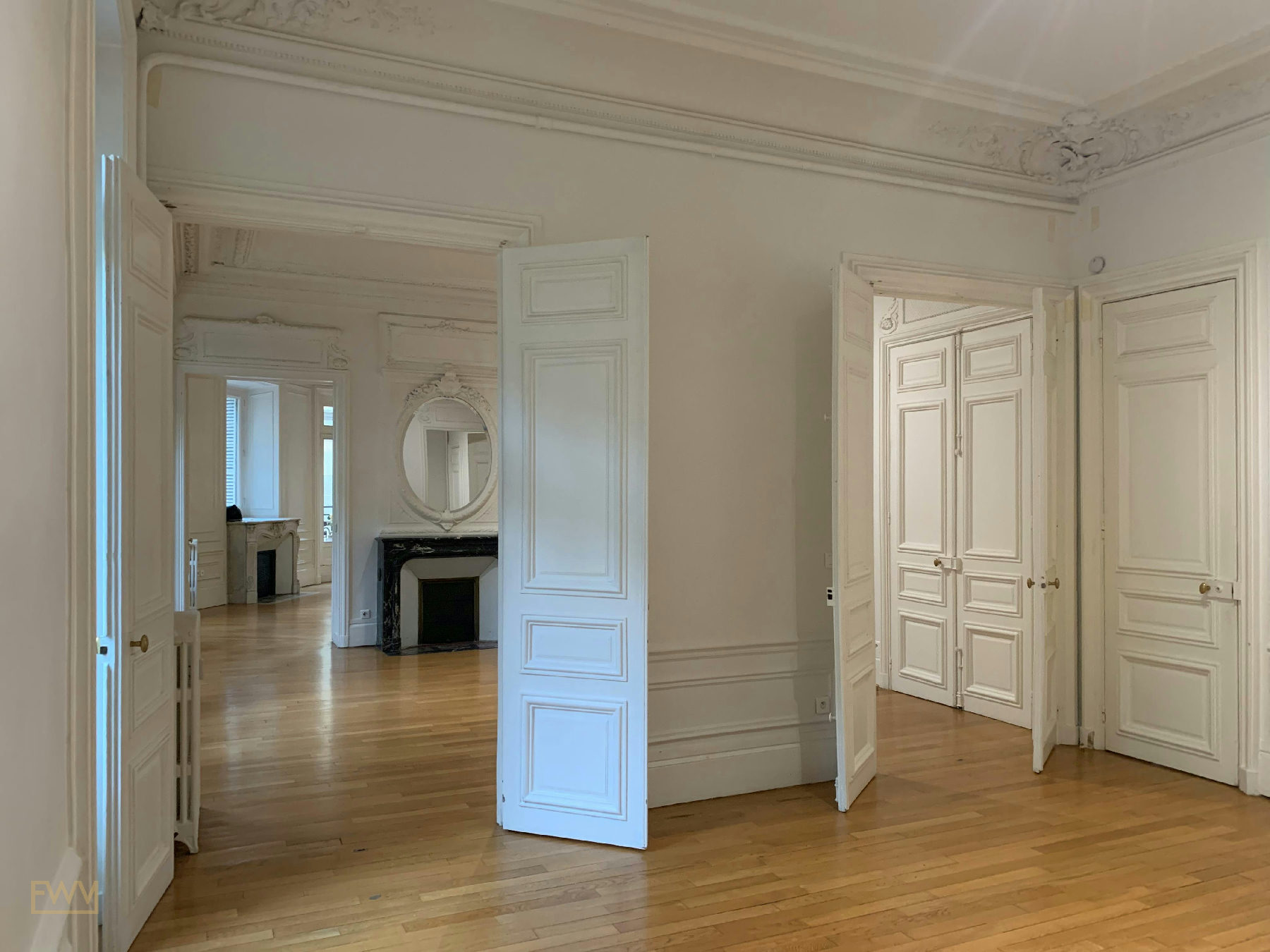
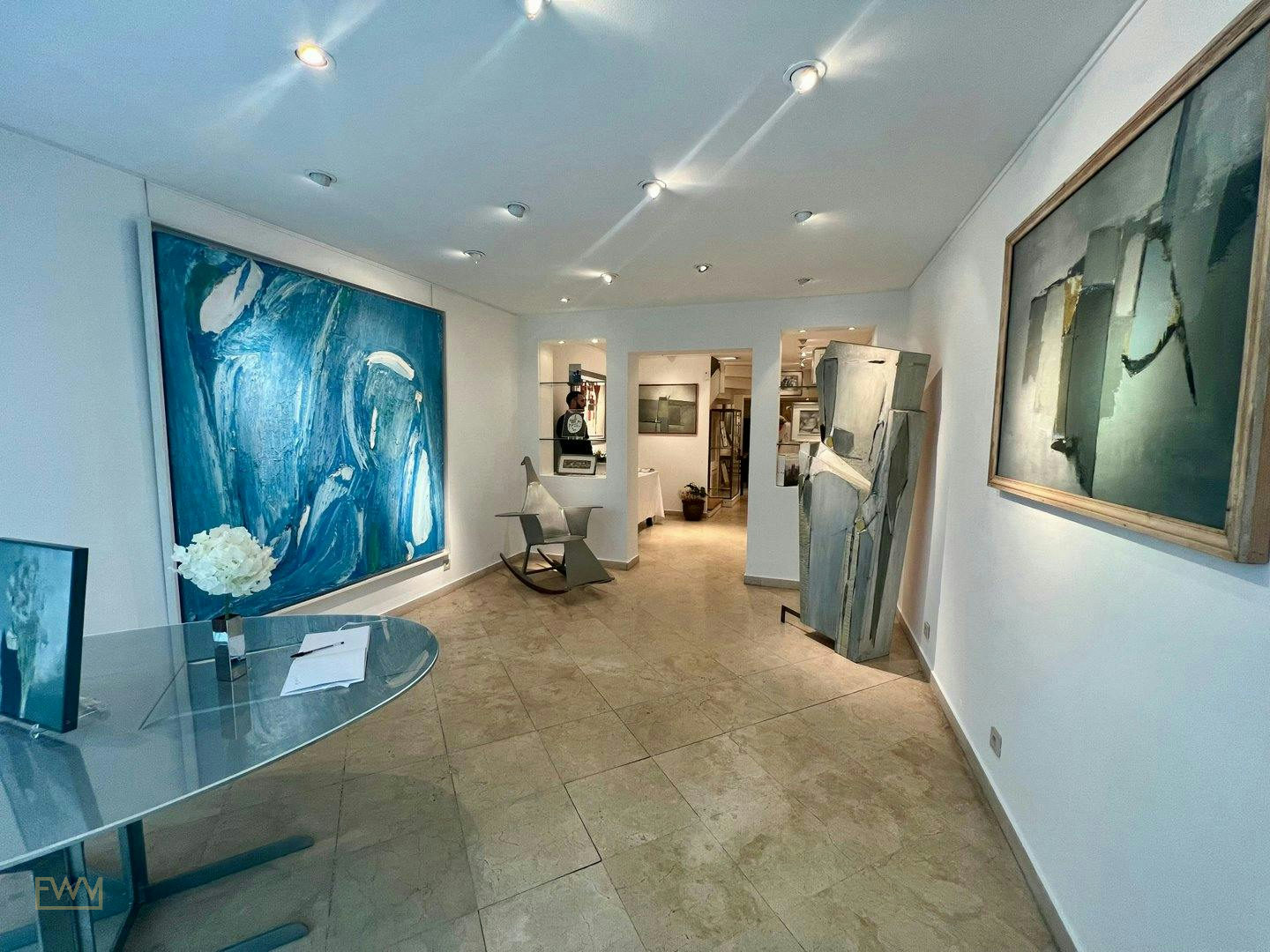
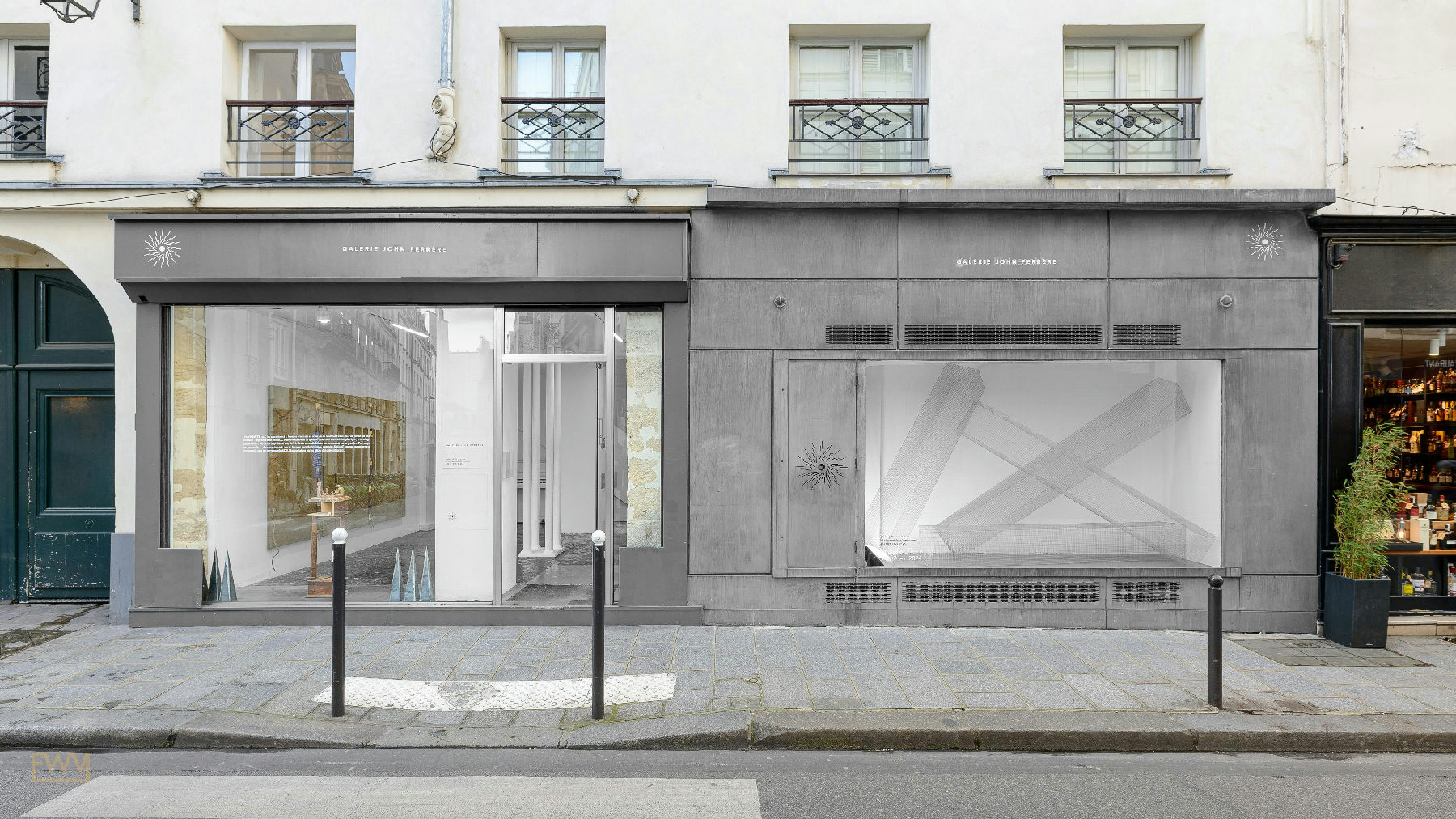
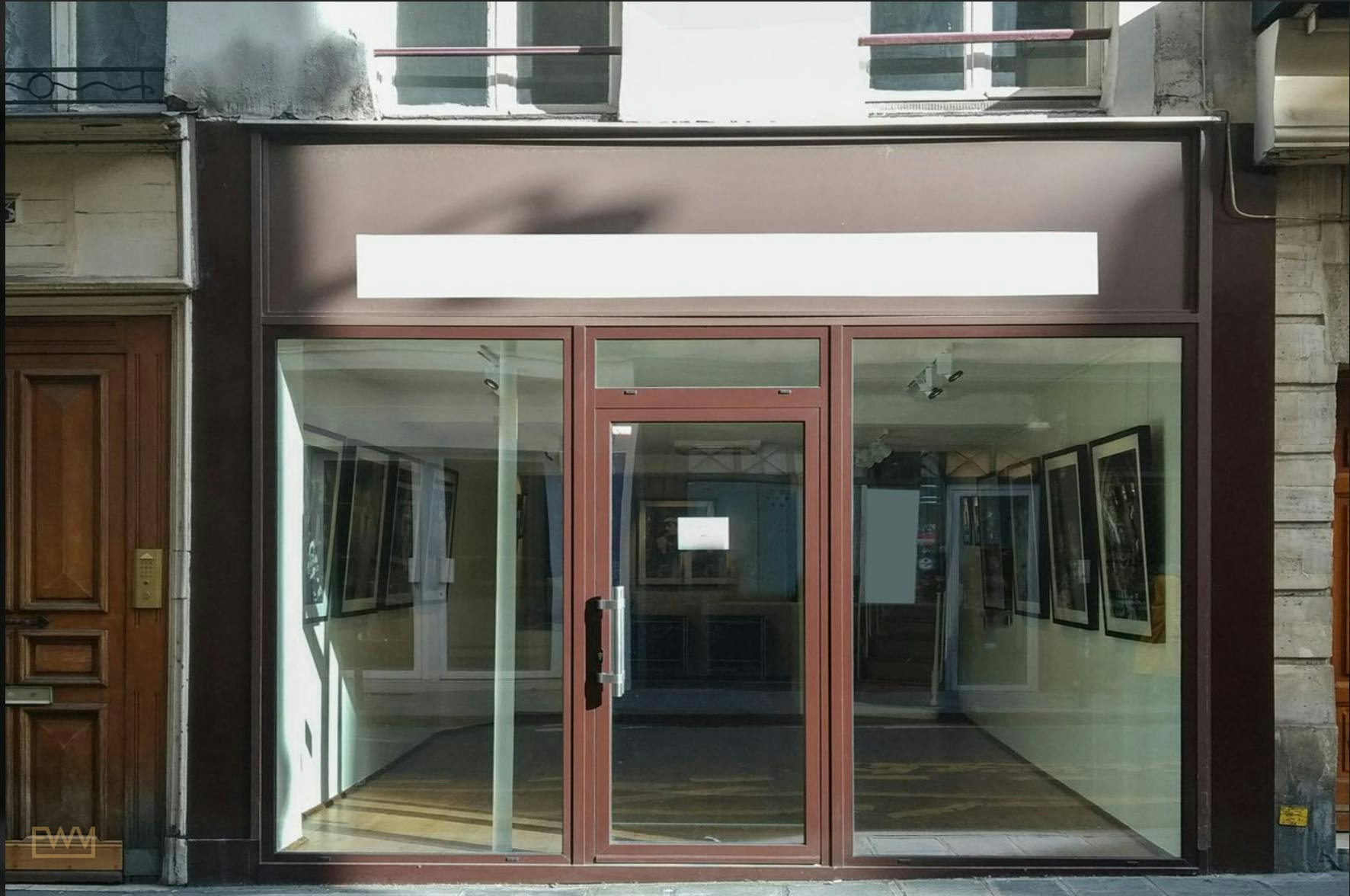
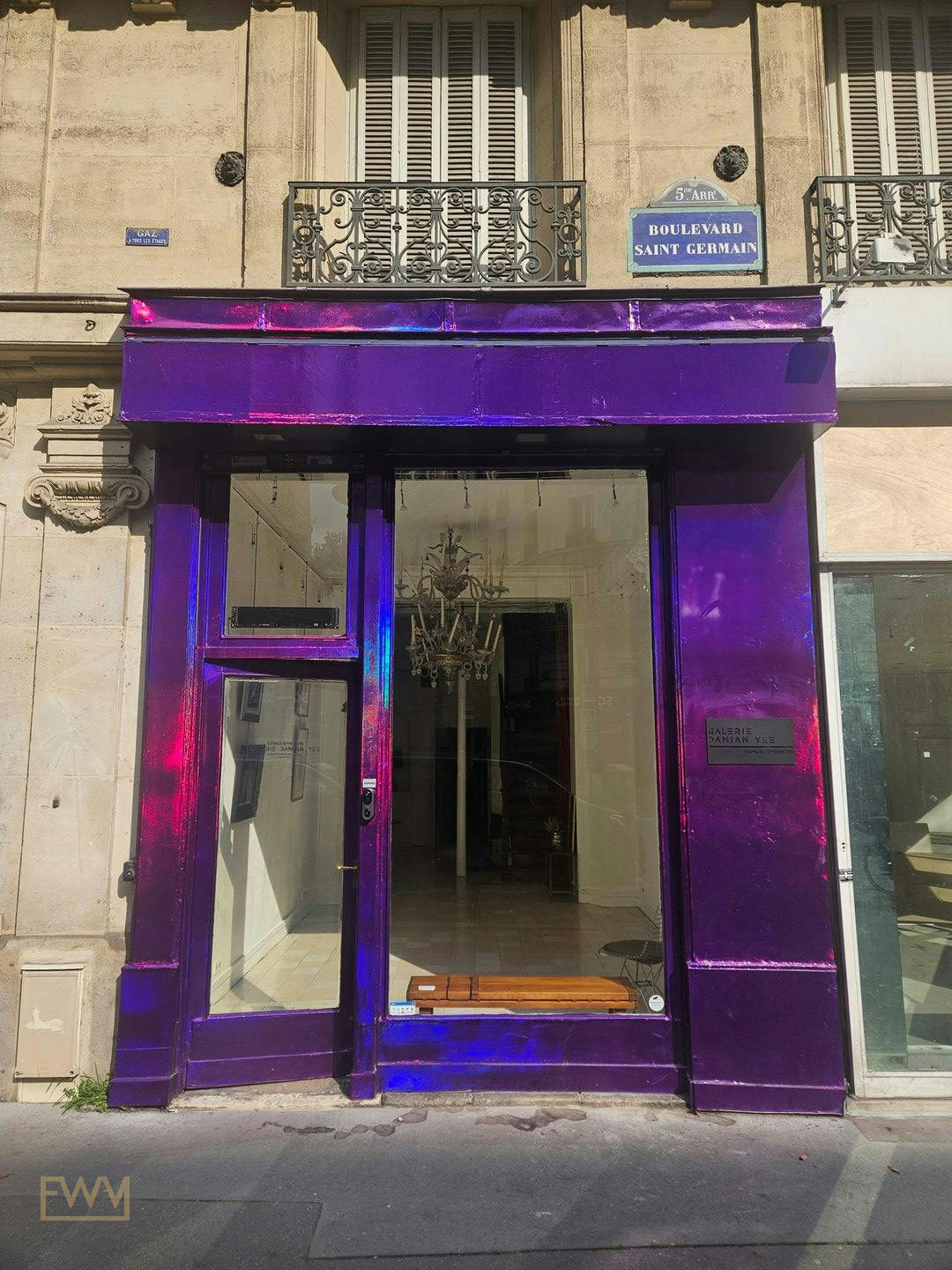
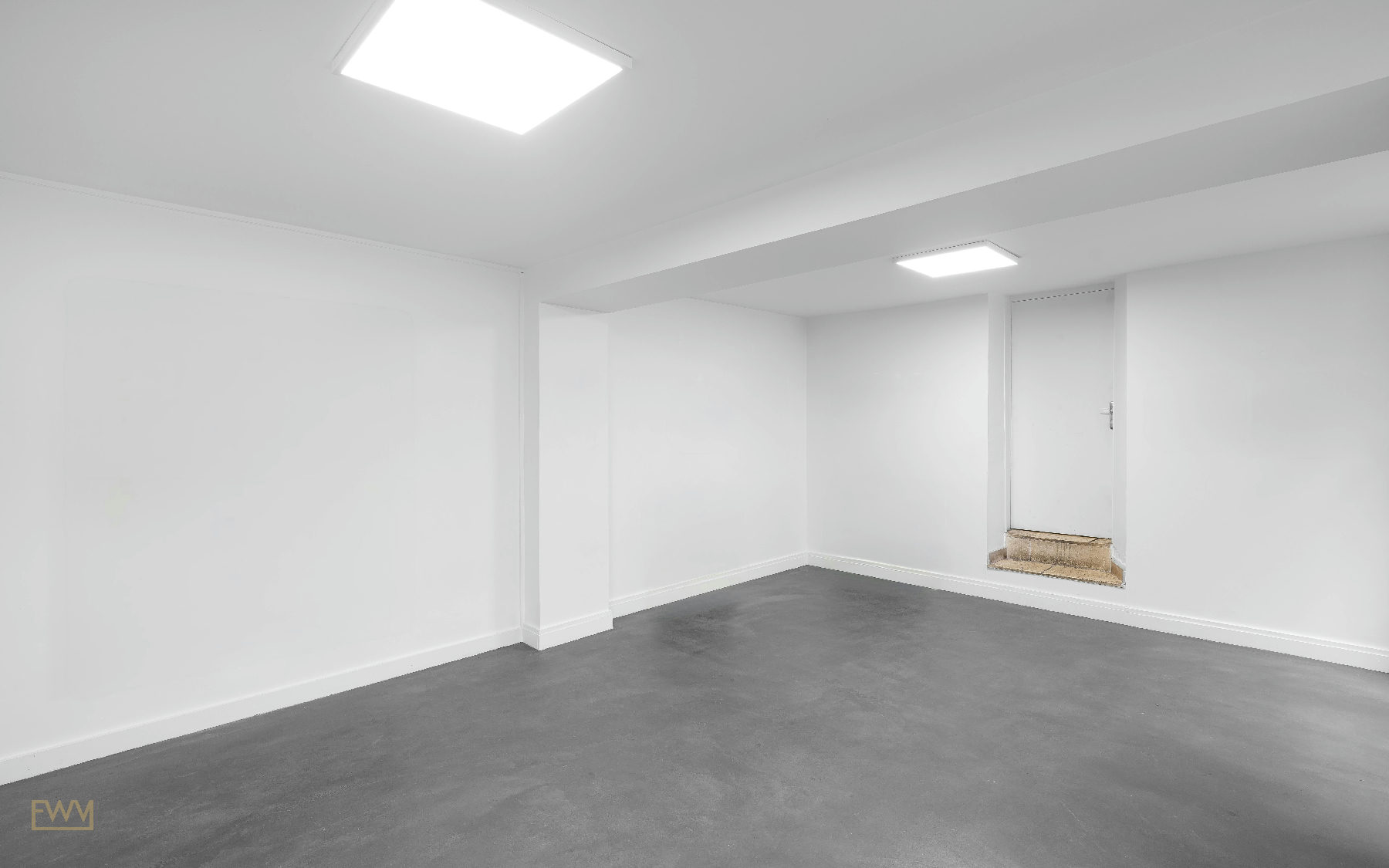
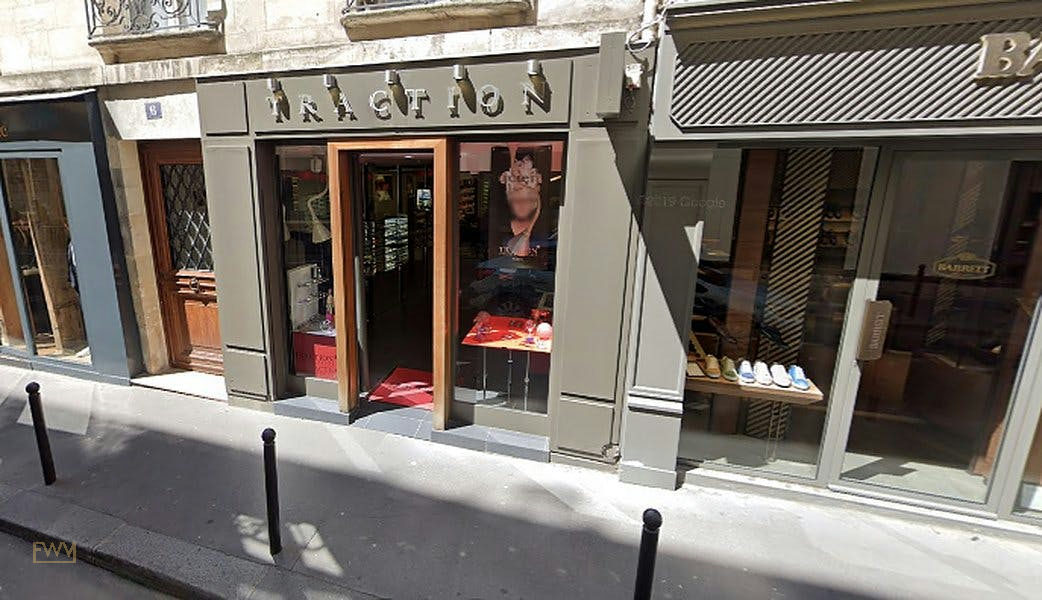
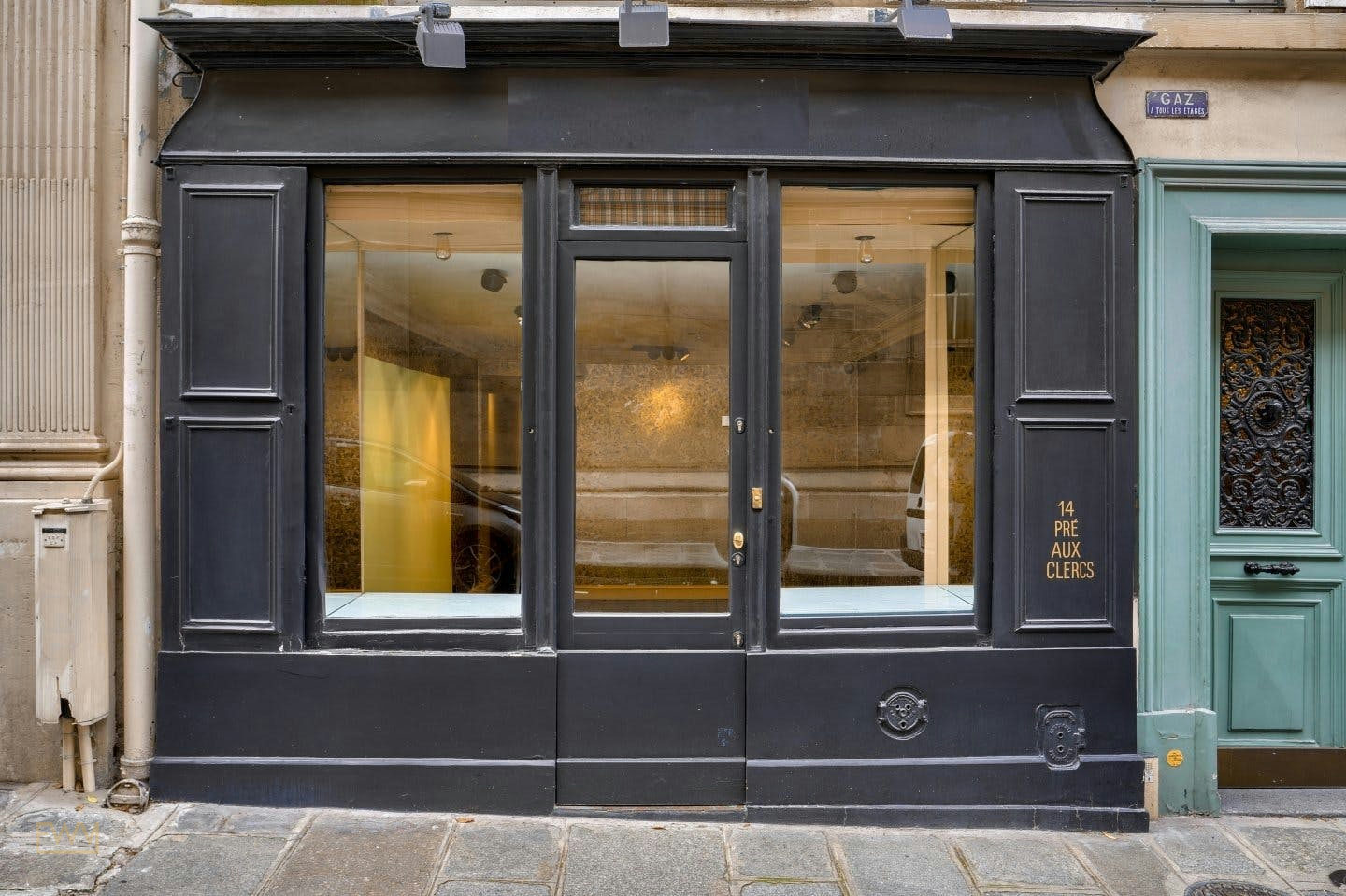
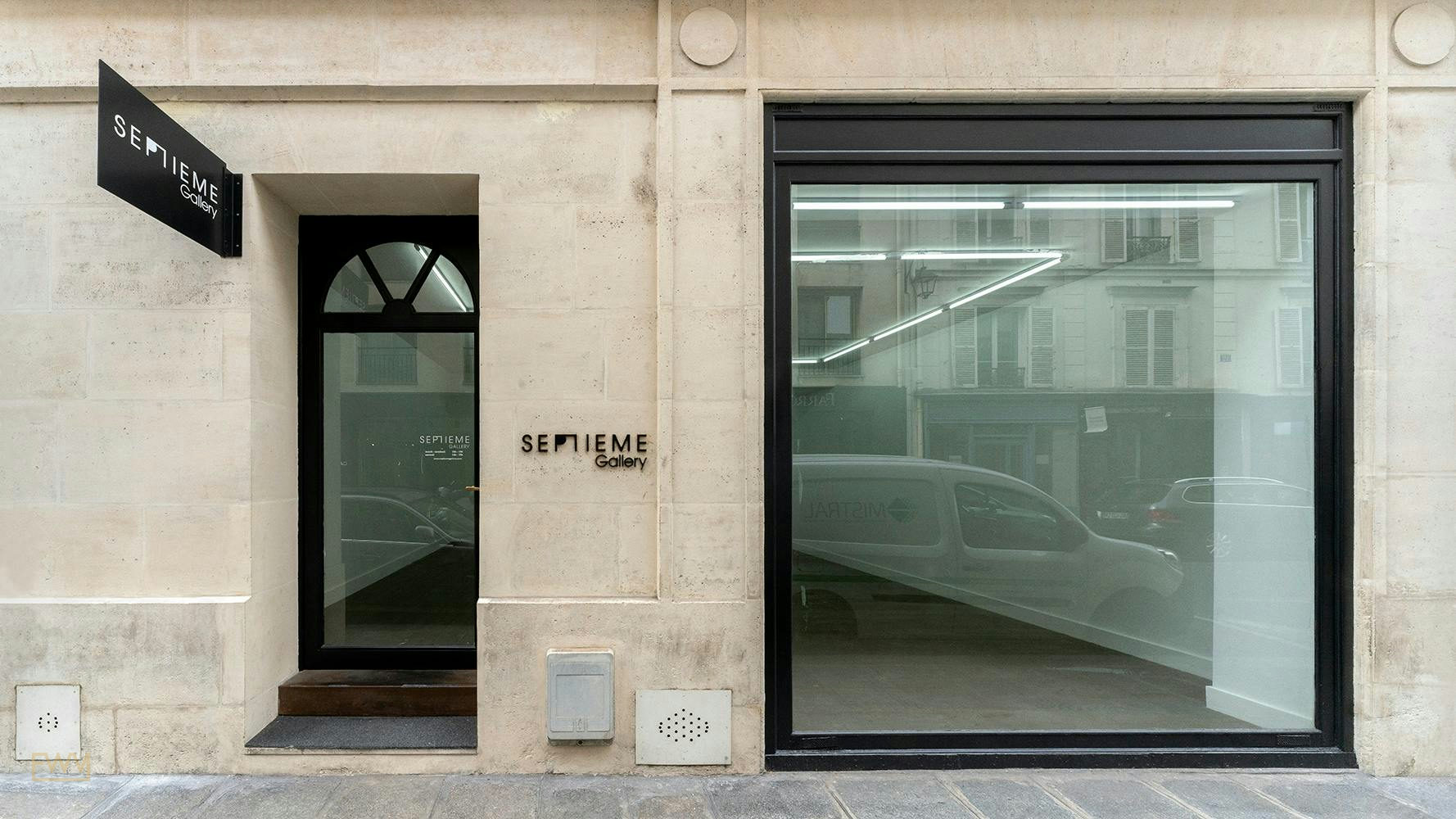
With the right venue, fashion brands can craft unforgettable experiences during Fashion Week. Choosing the perfect space can amplify your brand's presence, attract influential audiences, and make lasting impressions. At Fashion Week Venues, we specialize in providing comprehensive solutions for all your venue needs, whether it's sourcing the right location, designing your space, or managing the entire activation process.
The Importance of Venue Selection in Fashion Week
Selecting the right venue for Fashion Week is crucial as it sets the tone of your activation and shapes the audience's perception of your brand. The venue should align with the brand's aesthetic and target audience while offering functionality for events. Whether you're hosting a pop-up, showrooms, or exclusive rendezvous, the venue's vibe must resonate with your message to ensure a successful activation.
Practical considerations include location, size, foot traffic, and logistical amenities. For example, a venue in the heart of Paris, such as Le Marais or Saint-Germain-des-Prés, can offer vital foot traffic and accessibility, whereas a space in a quieter area may provide a more exclusive feel.
Key Takeaway: Venue selection impacts brand perception and operational success. Prioritizing functional and aesthetic alignment with your brand's ethos is essential.
Moving forward, understanding the types of venues and their suited experiences will clarify your decision-making process when it comes to venue selection.
Types of Venues for Fashion Week
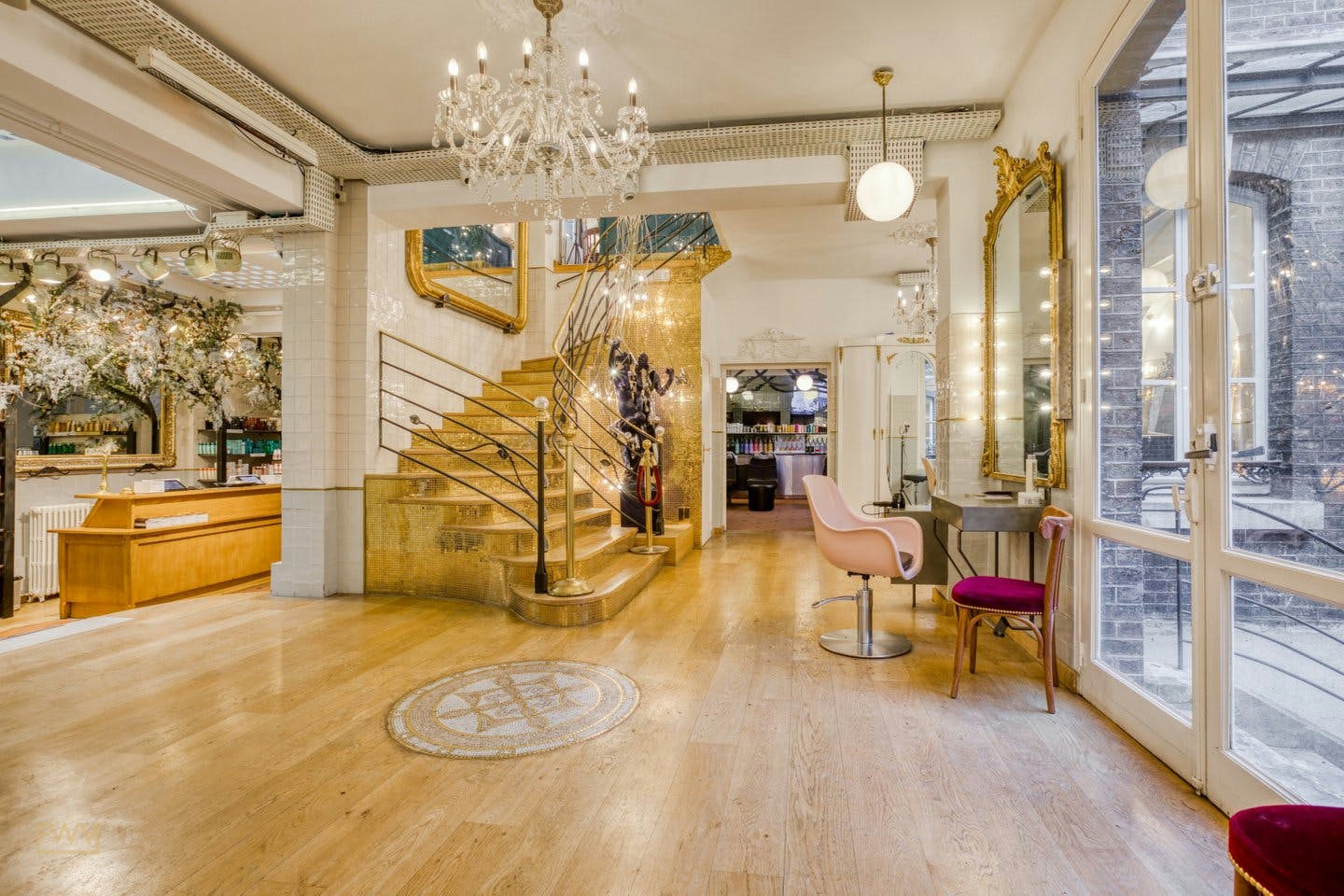
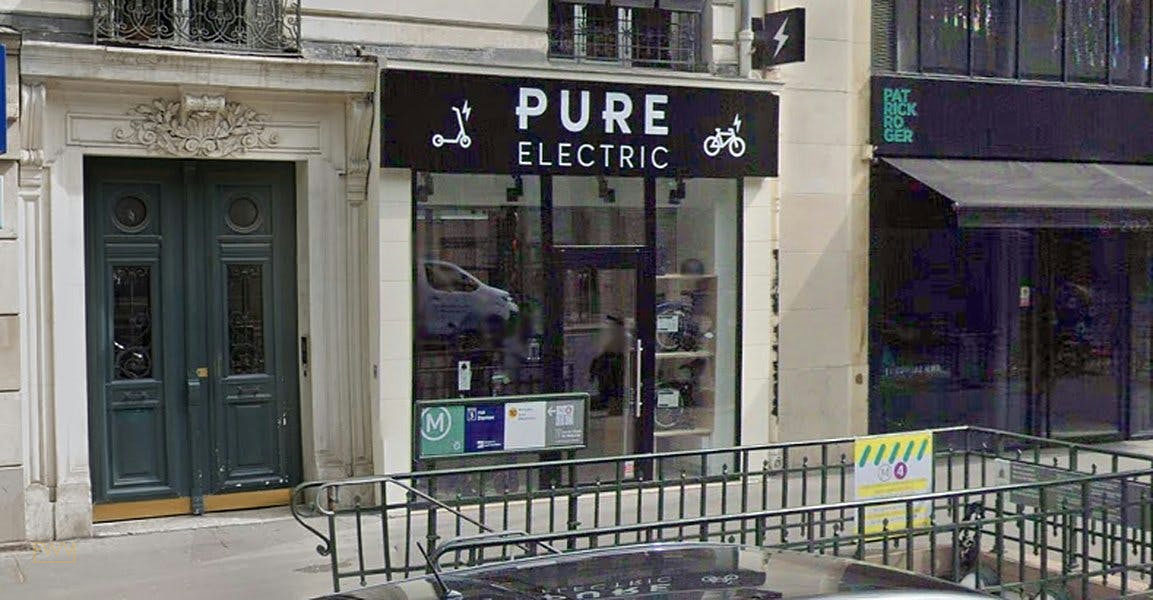
The type of venue chosen for Fashion Week can significantly impact the nature and success of your event. Commonly sought-after spaces include storefronts for pop-ups, urban lofts for showrooms, and grand halls for runway shows. Each offers unique benefits and challenges.
Showrooms in areas like Opéra or Rue Saint-Honoré provide prestige and draw a fashion-conscious crowd. Meanwhile, pop-up shops in high-traffic areas like Galeries Lafayette or Printemps offer ample branding opportunities and consumer engagement.
| Venue Type | Ideal For | Advantages | Disadvantages |
|---|---|---|---|
| Showrooms | Exclusive brand showings | Prestige, targeted audience | Higher cost, limited traffic |
| Pop-Up Shops | Brand activations, sales | High traffic, brand exposure | Short-term leases, setup complexity |
| Runway Spaces | Fashion shows | Large audience capacity, media coverage | High cost, complex logistics |
| Exclusive Venues | VIP launches, private events | Unique ambiance, high-end feel | Limited public exposure |
By understanding the dynamics of these venues, brands can better position their activations to achieve desired marketing outcomes.
KEY TAKEAWAY: Different spaces serve different purposes. Know the strengths and limitations of each type to align with your brand goals and event intent.
This strategic alignment leads directly into identifying ideal locations in Paris, which we will explore further.
Top Paris Neighbourhoods for Fashion Week Venues
Paris offers a tapestry of neighborhoods each with unique charms and strategic advantages for hosting Fashion Week events. From the chic streets of Le Marais to the classical elegance of Saint-Germain-des-Prés, choosing the right location can affect both accessibility and brand perception.
| Neighbourhood | Characteristics | Typical Venue Uses | Audience |
|---|---|---|---|
| Le Marais | Boutiques, trendy, high foot traffic | Pop-ups, small boutiques | Trendsetters, young professionals |
| Saint-Germain-des-Prés | High-end, cultural, historic | Showrooms, exclusive events | Luxury shoppers, art connoisseurs |
| Opéra | Modern, corporate, bustling | Large showrooms, mixed media | Tourists, business professionals |
| Canal Saint-Martin | Artistic, alternative, nightlife | Pop-ups, creative launches | Hipsters, creatives, locals |
Each district offers distinct benefits, from cultural attractions to consumer demographics, that brands must consider when planning their activations.
Quick answer: Le Marais and Saint-Germain-des-Prés are preferred for boutiques and luxury exhibitor spaces due to their fashionable reputations and high foot traffic.
KEY TAKEAWAY: Paris neighborhoods offer varied environments. Align your brand presence with the local audience and neighborhood characteristics for optimal impact.
Having identified strategic locations, let's delve into the pragmatic aspects of permits and compliance crucial for operating temporary spaces.
Understanding Permits and Compliance for Temporary Spaces
Entering the world of temporary retail in Paris necessitates a firm grasp of permits and compliance, often dictated by French legal stipulations. The principal legal structures for temporary spaces are the bail dérogatoire and Autorisation d’Occupation Temporaire (AOT), which allow brands to navigate non-permanent engagements within a legally sound framework.
The bail dérogatoire offers a relatively straightforward mechanism for short-term retail engagements typically lasting less than three years. In contrast, the AOT is pertinent to public spaces, demanding detailed applications and adherence to safety and accessibility standards dictated by the local enterprise authority.
Given these legal frameworks vary considerably based on space type, arrondissement, and duration, it is crucial to consult with a French legal advisor to navigate the complexities and avoid late-stage operational setbacks.
DID YOU KNOW: Authorizations such as the AOT are required for installations on public property, adding another layer of administrative diligence for prospective venues.
TIP: Utilize tools like the Fashion Week Venues Permits Tool to simplify the permit process and ensure regulatory compliance.
KEY TAKEAWAY: Regulatory compliance is non-negotiable. Ensure you fully understand requirements specific to your venue choice with adequate legal support to prevent compliance issues.
This administrative clarity leads us seamlessly to the subsequent topic of budget planning and financial forecasting for successful operational execution.
Budget Planning for Fashion Week Venues
Financial planning is a cornerstone of any successful fashion activation, encompassing venue costs, design expenses, staffing, and more. Brands must navigate these financial considerations to ensure returns align with investment goals.
| Cost Category | Typical Expenses | Examples |
|---|---|---|
| Venue Rental | 10,000-50,000 € | High-demand locations like Le Marais |
| Design & Build | 5,000-20,000 € | Custom store layout design |
| Staffing | 2,000-5,000 € | Temporary staff hires |
| Marketing | 3,000-10,000 € | Influencer collaborations |
Beyond venue rental, expenditures such as branded store design and influencer marketing can substantially augment operational budgets. Estimation tools can help foresee costs accurately, accounting for potential extras and location-specific surcharges.
Quick answer: Venue rentals can vary widely based on location and duration. Utilize the Fashion Week Venues Budget Tool to plan effectively.
By implementing strategic financial management, brands can balance costs while maximizing their presence during Fashion Week, essential for long-term ROI.
KEY TAKEAWAY: Financial strategy underpins effective event execution. Leverage budget forecasting tools for realistic financial planning that aligns with strategic goals.
Transitioning next, understanding the logistics involved in venue activation is essential for ensuring seamless event operations.
Logistics of Activating a Fashion Week Venue
Activating a venue for Fashion Week requires careful logistical planning to streamline setup, execution, and takedown stages. From conceptual design and production through to staffing and security, successful logistics ensure the event runs smoothly and meets brand expectations.
- Space Visualization: Leverage tools like Fashion Week Venues' Imagine Tool for virtual previews of layout concepts.
- Production Schedule: Develop a timeline using the Timeline Tool to plan installations and dismantle procedure efficiently.
- Staff Coordination: Secure skilled staff through retail staffing services for customer engagement and operational support.
- Operational Management: Ensure all regulatory checks are completed per the proposed logistics plan before the event launch.
Smart logistical execution not only fuels seamless brand activations but also minimizes unnecessary operational risks, creating room for innovation and spontaneity.
TIP: Engage with cross-functional teams early to streamline all activation elements seamlessly, from design through to consumer engagement strategies.
KEY TAKEAWAY: Comprehensive logistics planning optimizes brand activations, ensuring operations proceed without a hitch and leave lasting impressions.
Having covered logistics, we transition to explore how Fashion Week Venues can assist in streamlining all these discussed facets, contributing effectively to successful activations.
How Fashion Week Venues Can Help
Fashion Week Venues offers a suite of services designed to help brands navigate the complexities of event planning and execution in top fashion capitals like Paris. Whether it's through venue sourcing or comprehensive activation management, we position brands to maximize impact during key fashion events.
Our unique offerings, including concept direction, production and build, and influencer marketing, provide bespoke solutions for executing memorable activations.
With tools like ROI calculators and thorough venue comparison aids, we equip brands with data-driven insights to optimize returns on investments. Our services benefit creative directors, brand activation strategists, and international brands entering new markets, offering seamless integration into the competitive fashion landscape.
IMPORTANT: While we provide substantial support, market conditions and venue dynamics may introduce challenges, which necessitate agile responses.
KEY TAKEAWAY: Partnering with Fashion Week Venues streamlines the process of bringing creative visions to life. Our experienced team and tailored tools make even complex activations achievable and efficient.
This effectively rounds off our comprehensive guide on engaging venues for Fashion Week, but let's tackle some frequently asked questions to ensure thorough understanding.
Common Myths Debunked
MYTH: You need a French legal entity to rent a space in Paris.
FACT: While a French legal entity can simplify rental processes, it's not a requirement. Foreign entities can lease spaces under specific temporary rental agreements, like the bail dérogatoire, although expertise in such transactions is advised.
MYTH: Paris Fashion Week is the only viable time for activations.
FACT: While Paris Fashion Week draws significant media attention, strategically timed events outside these dates often yield greater engagement due to lesser competition for consumer focus.
MYTH: The only way to find a venue is through commission brokers.
FACT: Direct access to venues through platforms like Fashion Week Venues reduces dependency on brokers, allowing for greater control and negotiation over venue terms.
MYTH: Short-term leases are straightforward.
FACT: Short-term leases in Paris require an understanding of local laws and specific contract terms such as the bail dérogatoire, necessitating expert advice to avoid pitfalls.
Frequently Asked Questions
What are the different types of spaces available for Fashion Week activations?
Fashion Week in Paris offers a variety of spaces, including showrooms, pop-up shops, and exclusive venues. Each type serves different purposes: showrooms for exclusive viewings, pop-ups for high foot traffic and sales, and exclusive venues for VIP launches. The choice depends on your branding goals and target audience.
How can international brands engage with Paris Fashion Week?
International brands can excel at Paris Fashion Week by thoroughly understanding local market preferences, leveraging digital tools provided by Fashion Week Venues, and engaging with local influencers for targeted marketing. Strategic timing and selecting appropriate venues contribute significantly to their success.
How important is location for a pop-up shop in Paris?
Location is crucial as it determines foot traffic, visibility, and proximity to target consumers. Selecting neighborhoods like Le Marais or Rue Saint-Honoré can maximize audience reach and brand exposure. Analyze demographic data and align with areas that attract desired customer profiles.
What are 'bail dérogatoire' and 'AOT'?
'Bail dérogatoire' is a French lease for short-term rentals, often under three years, used for temporary retail. 'AOT' allows temporary use of public property. Both require adherence to local laws and regulations, and obtaining them may need professional assistance.
Can Fashion Week Venues assist with permits?
Yes, Fashion Week Venues offers a Permits Tool to guide brands through the regulatory landscape, ensuring compliance with local municipal requirements. This service simplifies an otherwise complex process, helping mitigate risks.
How can brands manage their budget effectively for Fashion Week?
Using tools like the Budget Tool, brands can estimate costs across venue rental, marketing, staffing, and more, allowing for better financial planning. Regular reviews and adjustments based on updated market conditions are essential for staying within budget.
What should be considered when designing a Fashion Week activation?
Design should reflect brand identity and resonate with the target audience. Consider spatial layout for optimal flow and interaction. Balancing aesthetics with practical functionality is key. Engaging a creative director or using visualization tools can enhance design outcomes.
How does Fashion Week Venues assist with activation logistics?
Fashion Week Venues provides comprehensive logistic services to streamline event flow, including venue setup, staffing, and operational management. Utilizing their experienced team and advanced tools ensures a smooth activation, aligning with brand schedules and objectives.
What audience should brands target for a Fashion Week venue?
Determining your target audience is key. Consider demographic factors such as age, interests, and lifestyle, then choose venues that match these characteristics. Engaging with specific influencer groups can further attract your desired audience effectively.
How far in advance should Fashion Week venues be secured?
Early planning is critical, with venues typically being secured six to twelve months in advance. This timeframe allows for comprehensive preparation and the flexibility to adapt to any changes in plans or landscape, ensuring smooth execution during the fashion season.
Is there a particular time of year better suited for fashion activations?
While Fashion Week itself is a high-profile period, activations outside these dates can benefit from reduced competition for venues and consumer attention. Considerations of seasonality, holidays, and local events may offer additional engagement opportunities.
What are the key elements of a successful Fashion Week brand activation?
Success hinges on a well-conceived concept, strategic venue choice, thorough market understanding, and integrated marketing approaches. Strong partnerships, clear brand messaging, and seamless logistics work harmoniously to elevate brand presence and engagement.
Can Fashion Week Venues aid with creative concept realization?
Absolutely. Fashion Week Venues offers concept and creative direction services to help brands develop and implement innovative ideas that capture the audience’s imagination and reinforce brand values.
What role does influencer marketing play in Fashion Week activations?
Influencer marketing connects brands with wider audiences through trusted figures in the fashion space. Crafting collaborative campaigns enhances credibility and consumer interest. Fashion Week Venues offers specialized services to create impactful influencer partnerships.
Conclusion and Next Steps
Choosing the right venue for Fashion Week involves far more than simply selecting a place. It's about understanding your brand's story, the audience, and the Parisian landscape to find a space that amplifies your message. From venue selection and legal compliance, to budgeting and logistics, each component is vital to the success of a fashion activation.
Partnering with Fashion Week Venues opens opportunities to navigate these complexities with tailored solutions that ensure your brand stands out in one of the world's most vibrant fashion capitals.
To move from research to activation, start exploring available spaces on the Fashion Week Venues marketplace and build a focused brief for your target neighborhood, space type, and calendar window.