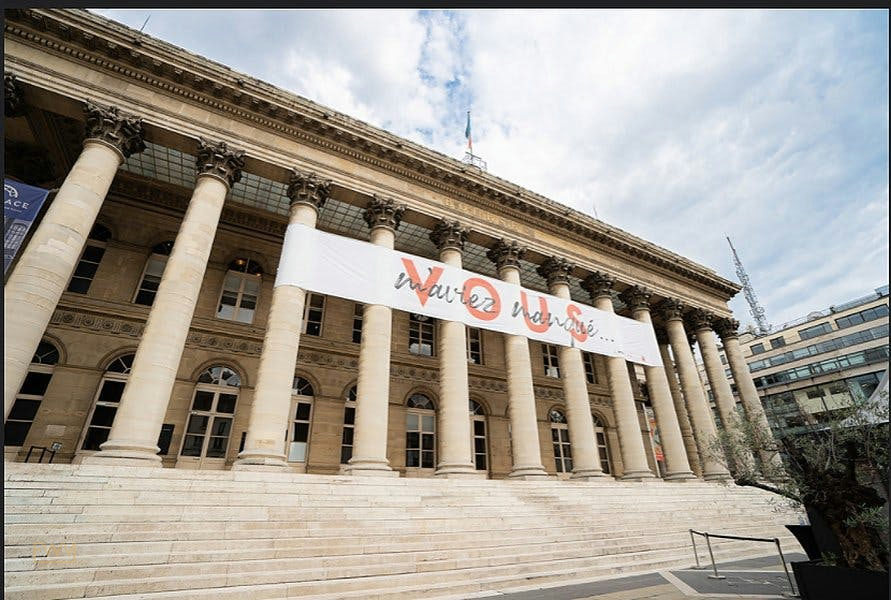

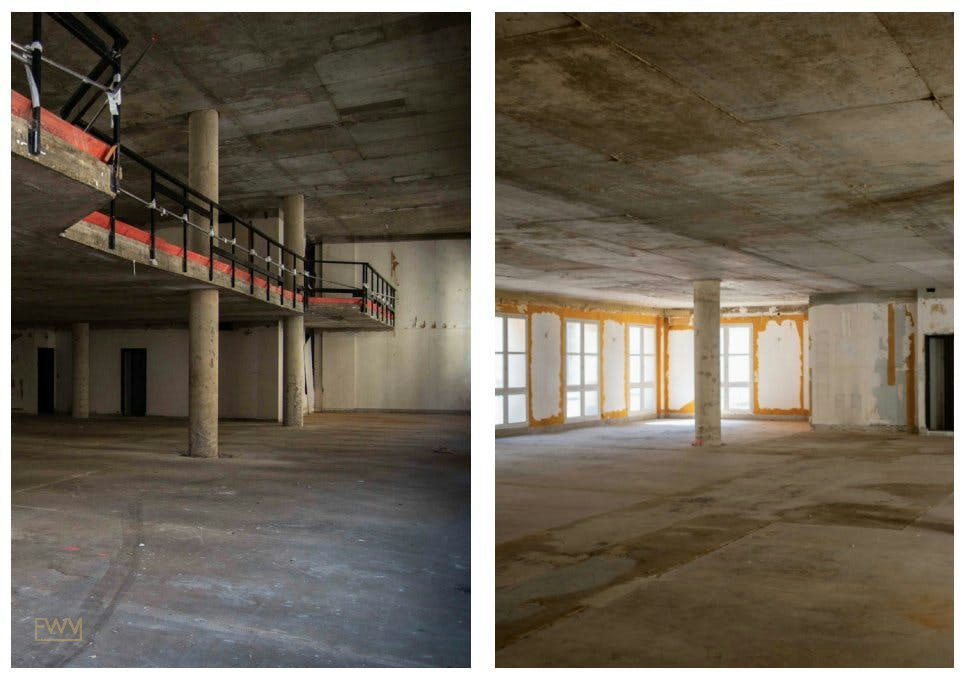
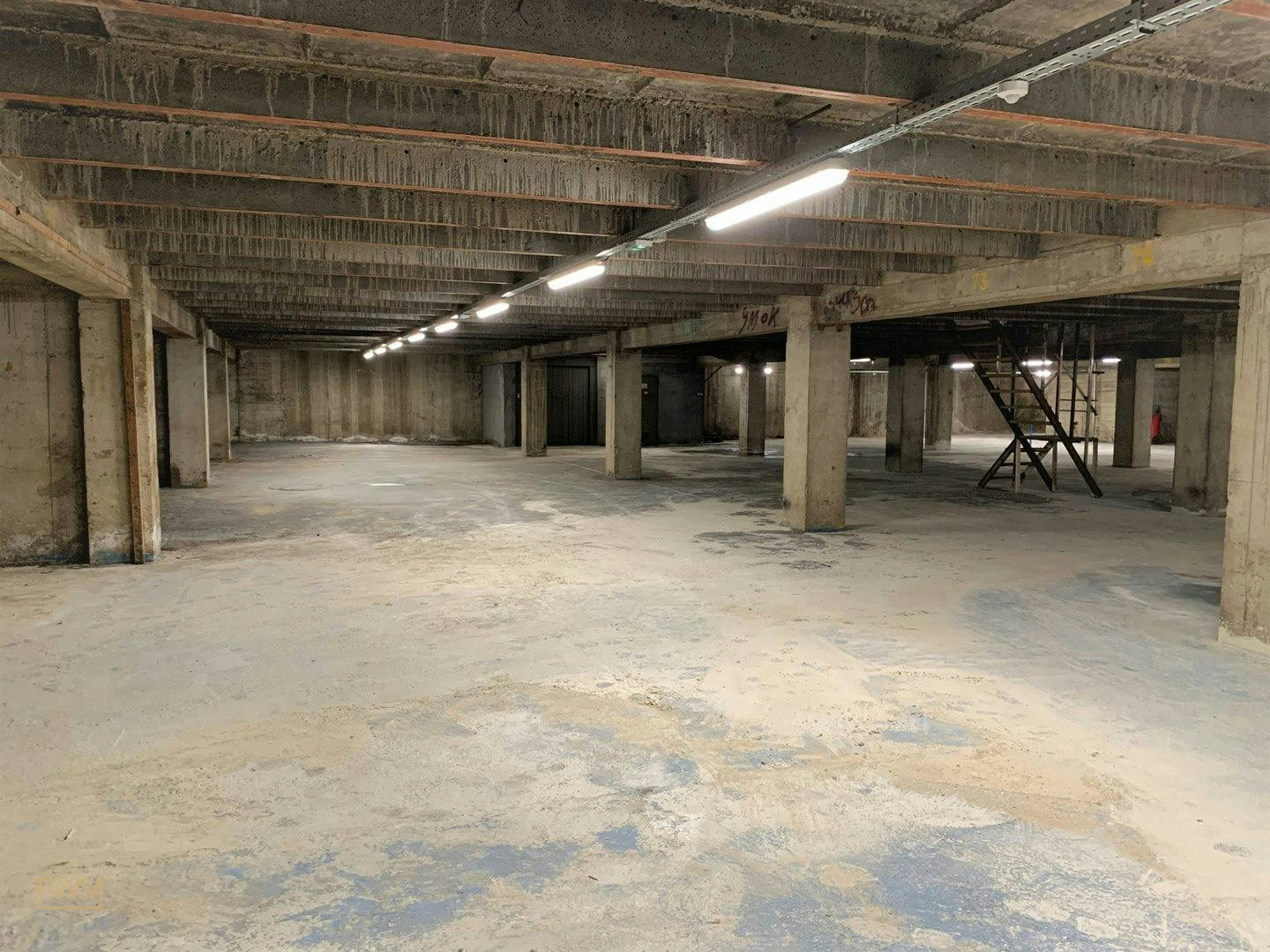
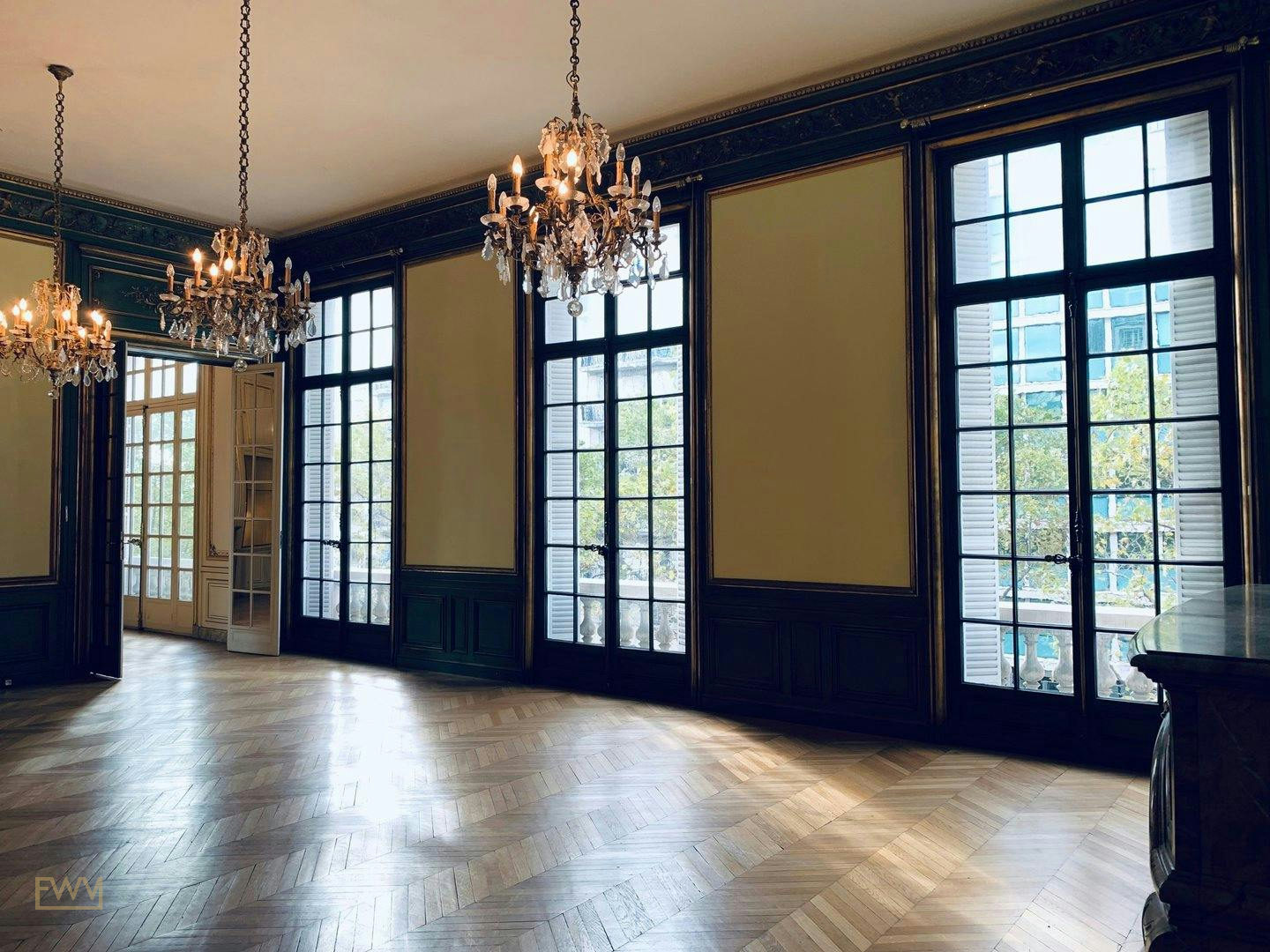
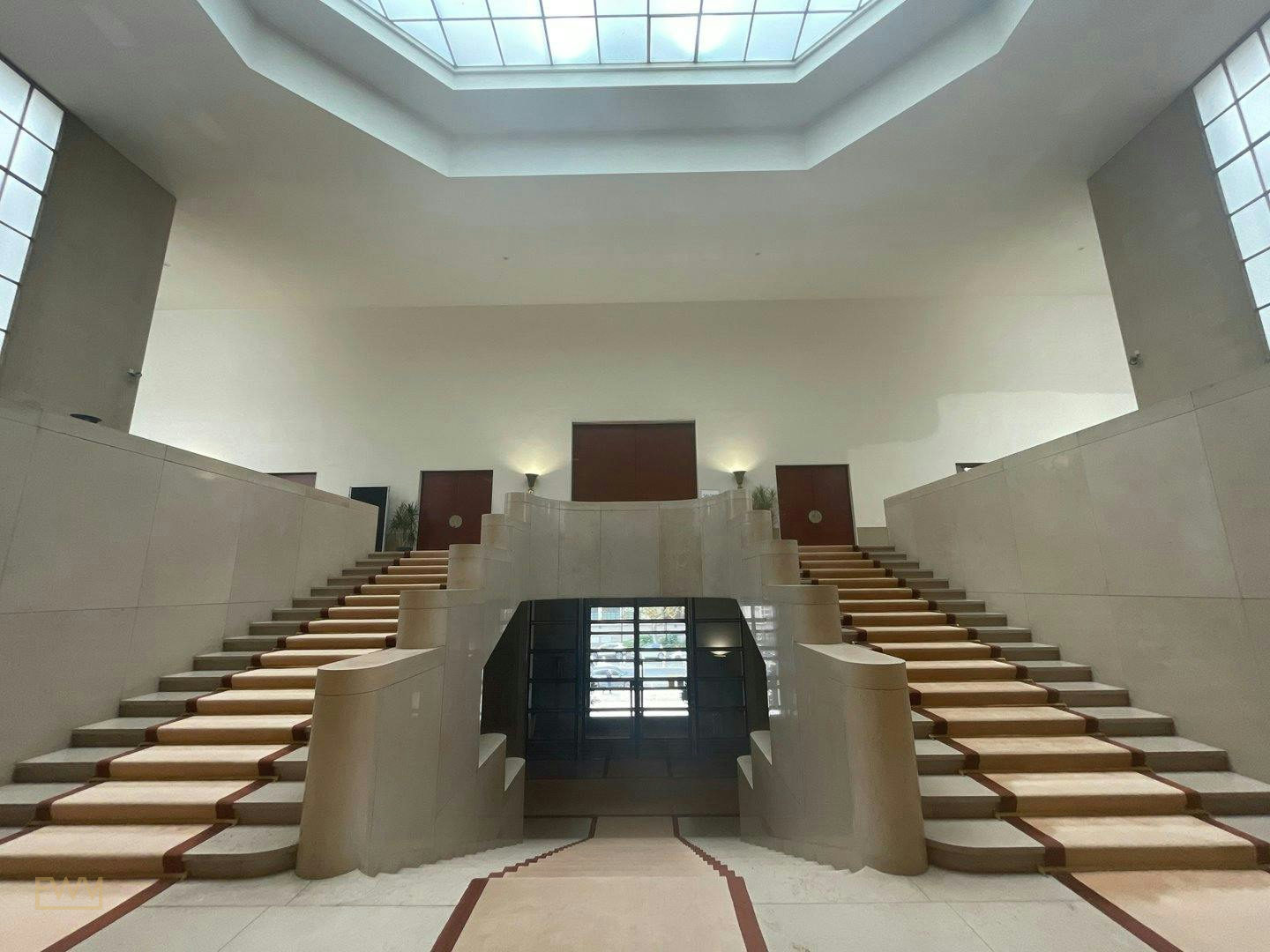
The selection of Fashion Week venues is the cornerstone of successful brand activations and showcases. Whether hosting an immersive pop-up shop or a high-profile fashion event in Paris, choosing the right venue blends strategy, creativity, and operational excellence. Fashion Week Venues stands as a premier agency and marketplace for brands seeking the perfect space in Paris's vibrant market—ranging from showrooms to temporary retail spots. This page delves into every aspect of venue selection and showcases practical insights that cater to brand activation managers and other decision-makers in the luxury retail space.
Understanding Fashion Week Venue Needs
Finding the right venue during Fashion Week involves a deep understanding of your brand needs and audience expectations. The venue acts as more than just a physical space; it is an extension of your brand's identity and message. Each city, especially Paris, offers a unique landscape of options, shaped by historical architecture, cultural vibrancy, and the shifting trends in luxury retail.
Quick answer: A successful venue choice reflects a synergy between the event's objective, audience profile, and operational feasibility. Prioritize your brand message and audience engagement in your venue choice.
Paris, known for its exclusive fashion events, provides an ideal backdrop for showcasing innovative designs. The city is divided into numerous neighborhoods (arrondissements), each with its distinctive character and style. For instance, the Marais district is prized for its artistic flair, while Saint-Germain-des-Prés offers a traditional, luxurious allure that's perfect for high-end brands.
| Neighborhood | Character | Typical Venues |
|---|---|---|
| Le Marais | Artistic and trendy | Galleries, Boutique Hotels |
| Saint-Germain-des-Prés | Classic and luxurious | Historical Buildings |
| Opera | Dynamic and commercial | Department Stores, Event Halls |
DID YOU KNOW: Choosing a venue in a trendy neighborhood can significantly enhance foot traffic and engagement due to the inherent reputation and frequent visitor influx.
KEY TAKEAWAY: Thoroughly analyze your target audience's preferences and the neighborhood's character to align your venue choice with both external and internal goals.
Considerations from this section must extend to choosing whether an open or closed venue better supports your objectives. Cost, logistics, and branding potential must all be balanced against these essentials. As we move forward, these factors will play crucial roles in shaping your Fashion Week event strategy.
Optimizing Venue Sourcing
Sourcing venues efficiently requires leveraging the right networks and expertise. In cities like Paris, where demand peaks during Fashion Week, securing venues demands early planning and reliable partnerships. Services like venue sourcing from Fashion Week Venues streamline this process, ensuring access to exclusive listings and insights into locale dynamics.
Quick answer: A strategic venue sourcing approach maximizes access to premier locations, often unavailable to general inquiries, by partnering with agency experts experienced in local markets.
By employing tools like a detailed venue locator or comparing anticipated returns using their services, brands can ensure that their chosen space meets all operational and strategic criteria. Using these resources helps identify ideal spaces that align with your brand's aesthetic and logistical needs, contributing to a seamless operational setup.
IMPORTANT: Early engagement with venue sourcing experts is crucial, particularly for high-demand fashion capitals like Paris, to avoid missing out on prime locations.
| Step | Description | Outcome |
|---|---|---|
| Define Objectives | Clarify brand and event goals | Aligned criteria for venue type |
| Research Market | Analyze potential locations | Shortlist of potential venues |
| Engage Experts | Consult with venue sourcing professionals | Access to exclusive options |
KEY TAKEAWAY: Partnering with a reputable venue sourcing agency optimizes your search efficiency and guarantees a well-aligned venue selection with your brand goals.
As we transition to understanding the financial aspects of venue selection, it’s vital to remember that the preliminary work in sourcing not only sets the stage for efficient operations but also strategically influences budgetary allocations.
Budgeting for Fashion Week Venues
Determining a precise budget for a Fashion Week venue involves multiple factors including location, duration, size, and additional services required. Precise budgeting ensures you remain within financial constraints while maximizing your venue's impact.
Quick answer: Accurate budgeting involves a comprehensive evaluation of venue-specific costs and supplementary expenses to avoid financial surprises and optimize ROI.
When budgeting, consider costs that include rental fees, permits, design and build-out, staffing, and potential marketing costs. The use of budget calculators, like those offered by Fashion Week Venues, assists in providing tailored estimates that align with specific brand needs.
Cost-structuring enhances transparency around each expense, allowing brand managers to adjust plans accordingly without sacrificing quality or engagement. As you draft your budget, retaining flexibility is crucial. Unexpected expenses may arise due to logistics challenges or last-minute changes, often seen in dynamic fashion environments.
| Cost Category | Description | Considerations |
|---|---|---|
| Rental Fees | Base cost for venue use | Varies with duration and location |
| Build-Out | Customization and setup | Depends on design complexity |
| Staffing | Operational team costs | Numbers depend on event size |
TIP: Allocate a contingency fund within your budget to accommodate unforeseen expenditures, ensuring resilience against unexpected shifts in costs.
KEY TAKEAWAY: Comprehensive budgeting that encompasses all potential expenses is key to a successful Fashion Week activation while preserving financial flexibility.
This section sets the groundwork for navigating complex compliance and permit needs, ensuring that these financial plans align with legal requirements and logistical guidelines.
Compliance and Permits for Fashion Week Venues
Securing a venue for Fashion Week in Paris requires an understanding of local compliance and permit regulations. Familiarity with specific legal frameworks ensures brand activations proceed without unexpected legal interruptions.
Quick answer: Adhering to compliance regulations such as Bail dérogatoire and AOT guarantees lawful venue usage, essential for smooth operation during Fashion Week.
French law often mandates specific permits for temporary events. The Bail dérogatoire, for instance, pertains to short-term leases differing significantly from standard commercial leases. Similarly, an AOT (Authorisation d'Occupation Temporaire) might be required, varying by arrondissement and venue use.
DID YOU KNOW: The landscape of permits in Paris is dynamic; engaging with experts or using tools like Fashion Week Venues’ permits guidance can provide necessary insights and keep you compliant.
It's paramount to liaise with local authorities or engage legal expertise to navigate these permits. This ensures that all venue operations align with city regulations, minimizing logistical mishaps.
For comprehensive compliance support, brands can leverage the permits tool on Fashion Week Venues, offering step-by-step guidance and up-to-date requirements for your selected location and activity.
KEY TAKEAWAY: Proactively managing permit and compliance needs through informed resources and expert advice secures your venue legally and operationally.
Equipped with this understanding, we now consider how specific timing affects these considerations, especially given the rigid calendar constraints of Fashion Week scheduling.
Navigating the Fashion Week Calendar
Fashion Week is a time-sensitive event requiring meticulous synchronization with the official fashion calendar. Misalignment can lead to missed opportunities and reduced brand visibility.
Quick answer: Proper calendar navigation ensures your event capitalizes on peak attendance periods, enhancing exposure and engagement.
The official Paris Fashion Week calendar is released by the Fédération de la Haute Couture et de la Mode and serves as a pivotal guide for international brands planning their events. The calendar typically encompasses a week of shows in February-March and September-October, offering robust visibility and networking potentials.
IMPORTANT: Given high demand for venues during Fashion Week, early reservations — often a year in advance — are critical to secure preferred dates and locations.
Using planning tools like the timeline feature on Fashion Week Venues allows brands to map out key milestones and booking deadlines. This structured approach avoids calendar conflicts and enhances strategic marketing aligned with peak fashion showcases.
| Phase | Timeline | Actions |
|---|---|---|
| Initial Planning | 12 months prior | Research and preliminary bookings |
| Venue Securing | 9-6 months prior | Finalize venue negotiations |
| Logistics Execution | 6-3 months prior | Prepare and build anticipation |
KEY TAKEAWAY: Aligning closely with the fashion calendar and utilizing strategic planning tools optimizes presence during these critical windows.
With this timing in mind, it is intuitive to bridge into understanding the various types of venues available and their specific demands, crucial for a well-rounded event strategy.
Exploring Venue Types for Fashion Activations
The diversity of venue types available for Fashion Week activations provides options to suit varied brand stories and event scales. Each type brings unique opportunities and challenges that impact your event's success.
Quick answer: Selecting the right venue type ensures an environment conducive to brand storytelling, guest experience, and operational efficiency.
From pop-up shops to grand event halls, each space offers distinct features. Pop-ups are ideal for short-term retail engagement, while showrooms offer controlled environments for detailed presentations.
- Pop-up Shops: Maximize retail engagement in high-foot traffic areas but require swift setup and promotional strategies.
- Showrooms: Best for press and buyers, providing tactile experiences with focused brand communication.
- Event Halls: Suitable for large-scale presentations with extensive attendee capacity and potential for media coverage.
TIP: The venue should align with the overall brand narrative and intended audience experience to ensure message clarity and impact.
Explore the Fashion Week Venues marketplace to discover varied venue options and select those that best fit your brand objectives and theme.
KEY TAKEAWAY: A well-matched venue type amplifies your event's potential, offering a distinct advantage when harmonized with your brand vision and audience expectations.
In the following section, we delve deeper into the decision-making process for selecting these spaces, with a focus on practical evaluation and selection criteria.
Evaluating and Selecting Fashion Week Venues
The evaluation and selection of a Fashion Week venue is a complex process that requires a multipronged approach, aligning brand objectives with operational realities. This strategic alignment ensures an optimal blend of aesthetic allure and logistical feasibility.
Quick answer: Effective evaluation of venues involves an analysis of location, facilities, capacity, cost, and alignment with brand objectives to ensure a memorable event.
Considerations extend beyond the surface appeal; infrastructure readiness, accessibility, and neighborhood dynamics play critical roles. Locations nearer to main event hubs like the Palais de Tokyo or Rue Saint-Honoré might offer increased visibility but could come with higher costs.
To effectively compare venues, utilize tools like the comparison tool that allows parallel assessment of key attributes across potential sites.
DID YOU KNOW: Proximity to other Paris Fashion Week events can significantly influence attendance and press coverage, making strategic selection crucial.
| Criteria | Consideration | Impact |
|---|---|---|
| Accessibility | Ease of access for guests and press | Enhances convenience and participation |
| Infrastructure | Existing facilities and adaptability | Reduces setup time and costs |
| Neighborhood Appeal | Reputation and foot traffic | Increases potential engagement and exposure |
KEY TAKEAWAY: An informed evaluation framework allows for strategic venue selection that optimizes logistical efficiency and enhances brand resonance with the audience.
Armed with this evaluative framework, the next progression is to consider the implementation of these choices into operational plans and execution strategies.
Implementing Venue Selections: From Planning to Activation
Once a venue is selected, a comprehensive plan transforms this choice into an actionable activation strategy. Efficient execution depends on meticulous planning and seamless integration of services.
Quick answer: Successful implementation requires detailed planning and coordination across design, logistics, and service elements to ensure a cohesive and impactful activation.
Operational plans should incorporate timeline benchmarks and coordination of core elements like setup, decor, staffing, and audience interaction strategies. Engaging with an experienced agency like Fashion Week Venues helps streamline these processes, from fit-out and production to activation management.
Services that include furniture rental, branded store design, retail staffing, and data analytics need to be synchronized to maintain an effective schedule. This coordination ensures that every interaction aligns with brand messaging and operational efficacy.
TIP: Use project management tools and checklists to track progress and performance against milestones, mitigating potential delays or disruptions.
KEY TAKEAWAY: A structured implementation plan turns strategic venue selections into vibrant, successful activations that resonate with audiences and stakeholders alike.
Following this comprehensive understanding of venue implementation, we now turn to debunking common myths that may affect strategic decisions in this domain.
Common Myths Debunked
MYTH: You need a French legal entity to rent a space in Paris.
FACT: While helpful, establishing a French legal presence is not strictly necessary for renting a venue in Paris. Many venues are available through agencies that facilitate rentals for international clients without a local entity.
MYTH: Paris Fashion Week is the only viable calendar window for brand exposure.
FACT: Beyond the official Fashion Week, Paris hosts numerous significant events throughout the year that provide opportunities for brand activations and engagement, spreading visibility across different seasons.
MYTH: Commission brokers are the only way to find a space.
FACT: Using a dedicated space marketplace such as Fashion Week Venues enables brands to explore, compare, and secure spaces themselves without reliance on brokers, enhancing cost efficiency and transparency.
MYTH: Short-term leases are straightforward and do not require specialist help.
FACT: Short-term leases often involve complex legal considerations, requiring expertise, especially concerning bail dérogatoire and local compliance elements that must be negotiated and understood thoroughly.
Frequently Asked Questions
What is a bail dérogatoire?
A bail dérogatoire is a type of lease in France used for short-term property use, different from long-term commercial leases. It allows tenants to lease a space for a limited period, traditionally up to three years, without the protections granted by a standard commercial lease. This type of lease is crucial for temporary events like Fashion Week activations.
Can international brands participate in Paris Fashion Week?
Yes, international brands can participate in Paris Fashion Week. The Fédération de la Haute Couture et de la Mode organizes this global event, encouraging diverse participation. Key involvement opportunities include runway shows, presentations, and pop-up activations, providing wide exposure in the fashion capital.
How early should I book a venue for Fashion Week?
Booking a venue at least 12 months in advance is recommended to ensure you secure a preferred location. Given the increased demand during Fashion Week, planning early helps avoid disappointment and allows ample time for logistical planning and compliance checks.
What is AOT, and when is it necessary?
AOT, or Authorisation d'Occupation Temporaire, is a temporary occupation permit required for occupying public or government spaces in France. It's necessary for events in areas such as parks or streets and ensures compliance with local laws and regulations.
How can I determine the ROI of my Fashion Week activation?
Evaluating ROI (Return on Investment) involves assessing both quantitative metrics, such as sales, and qualitative outcomes, like brand visibility and press coverage. Using tools like the ROI calculator can provide insights into financial impacts, enhancing decision-making for future activations.
Are there alternative events to Paris Fashion Week for activation?
Yes, Paris hosts numerous events beyond Fashion Week, like Tranoi and Who's Next, which can also serve as platforms for exposure and engagement. These events provide opportunities to connect with buyers, press, and influencers outside the main fashion calendar.
What services does Fashion Week Venues offer?
Fashion Week Venues offers comprehensive services, including venue sourcing, event production, activation management, and creative concept direction. These services cater to international brands seeking to establish a presence during Fashion Week or at other key fashion industry events globally.
How can I ensure my venue is legally compliant?
Ensuring legal compliance involves understanding specific lease terms (like bail dérogatoire) and obtaining necessary permits such as AOT. Consulting with legal advisors or using permit guidance tools like those offered by Fashion Week Venues can help ensure all local requirements are met efficiently.
Is a physical presence mandatory for Fashion Week involvement?
No, a physical presence is not mandatory. Many brands participate through digital and virtual platforms, leveraging online fashion shows and social media campaigns to engage audiences globally, complementing any physical activation.
How does Fashion Week Venues facilitate the planning process?
Fashion Week Venues simplifies planning using tailored tools such as budget calculators, ROI estimators, and deadline trackers. These resources aid brands in aligning logistical, financial, and creative efforts to efficiently launch impactful fashion activations.
Is it possible to share a venue during Fashion Week?
Yes, sharing a venue can be a practical option, often facilitated by co-activation concepts like Fashion Week Venues' twin model, enabling multiple brands to optimize space usage without diluting individual brand presence.
What should I look for in a Fashion Week venue contract?
When reviewing a venue contract, ensure details around rental period, fees, venue capacity, available facilities, and cancellation policies align with your event requirements. Legal terms such as bail dérogatoire should be clearly outlined to avoid future complications.
Can smaller brands afford venues during Fashion Week?
Yes, smaller brands can secure venues during Fashion Week by exploring diverse options such as short-term pop-up shops, collaborations with other brands, and using budget-friendly spaces outside the main event hubs. Strategic financial planning is key to staying within budget.
Conclusion
The effective management of Fashion Week venues involves strategic planning, expert partnerships, and meticulous execution. By aligning venue choices with brand objectives and ensuring compliance, brands can harness the momentum of major fashion events to achieve significant engagement and visibility. Fashion Week Venues offers unparalleled support in navigating these complex decisions, standing as a trusted partner in venue sourcing, compliance navigation, and event activation. To transition from research to action, explore available spaces on the Fashion Week Venues marketplace and build a focused brief tailored to your target audience and event goals.