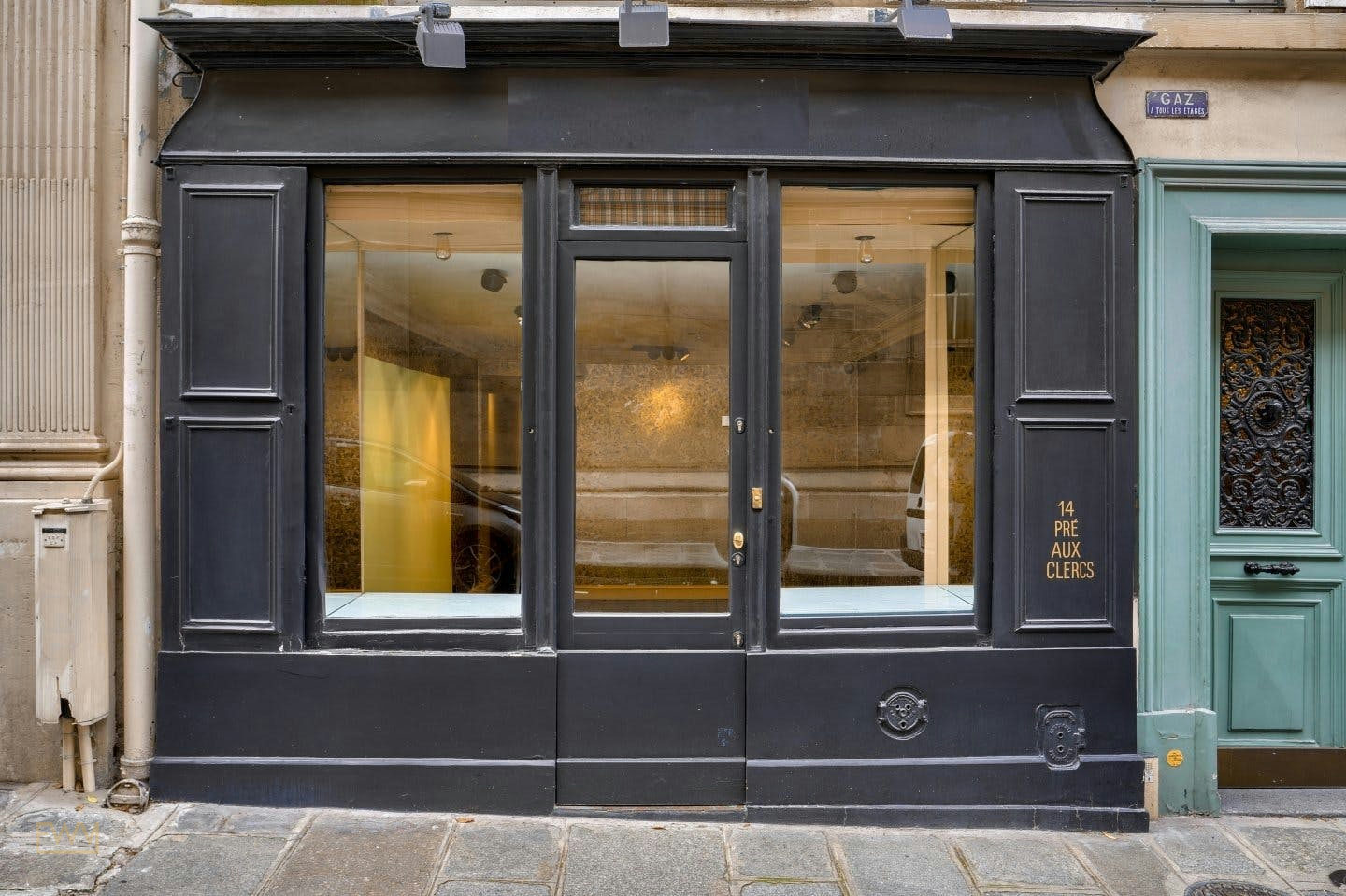

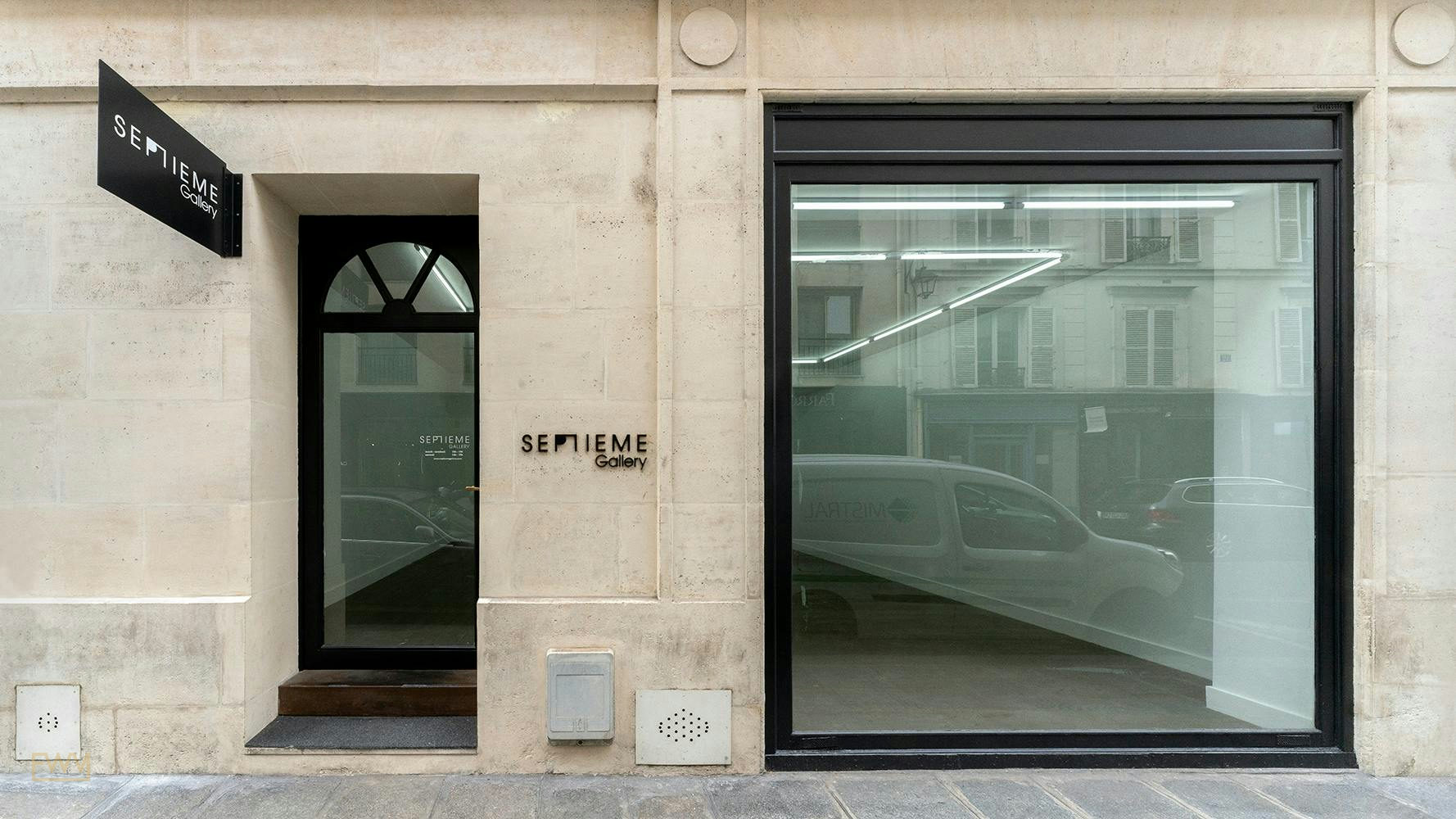
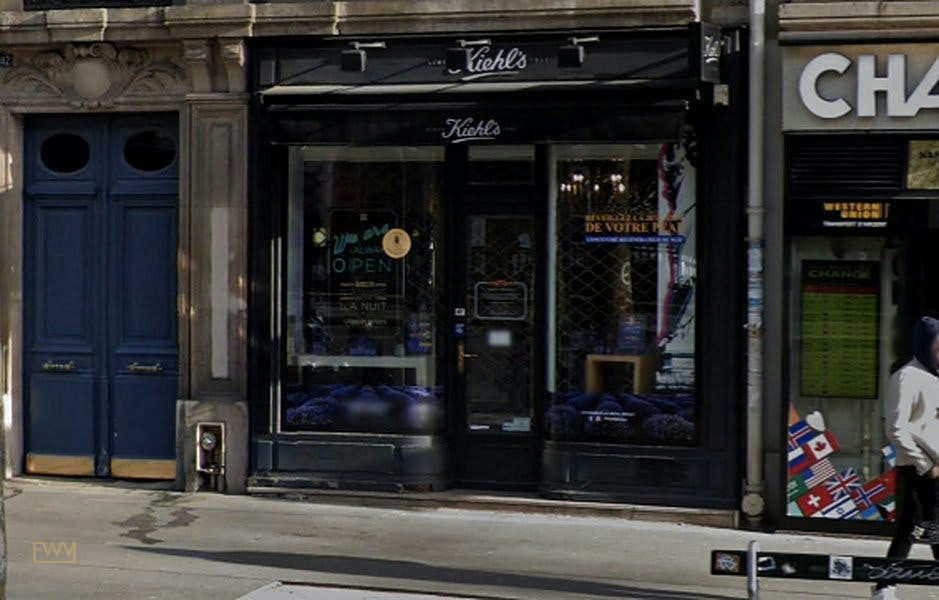
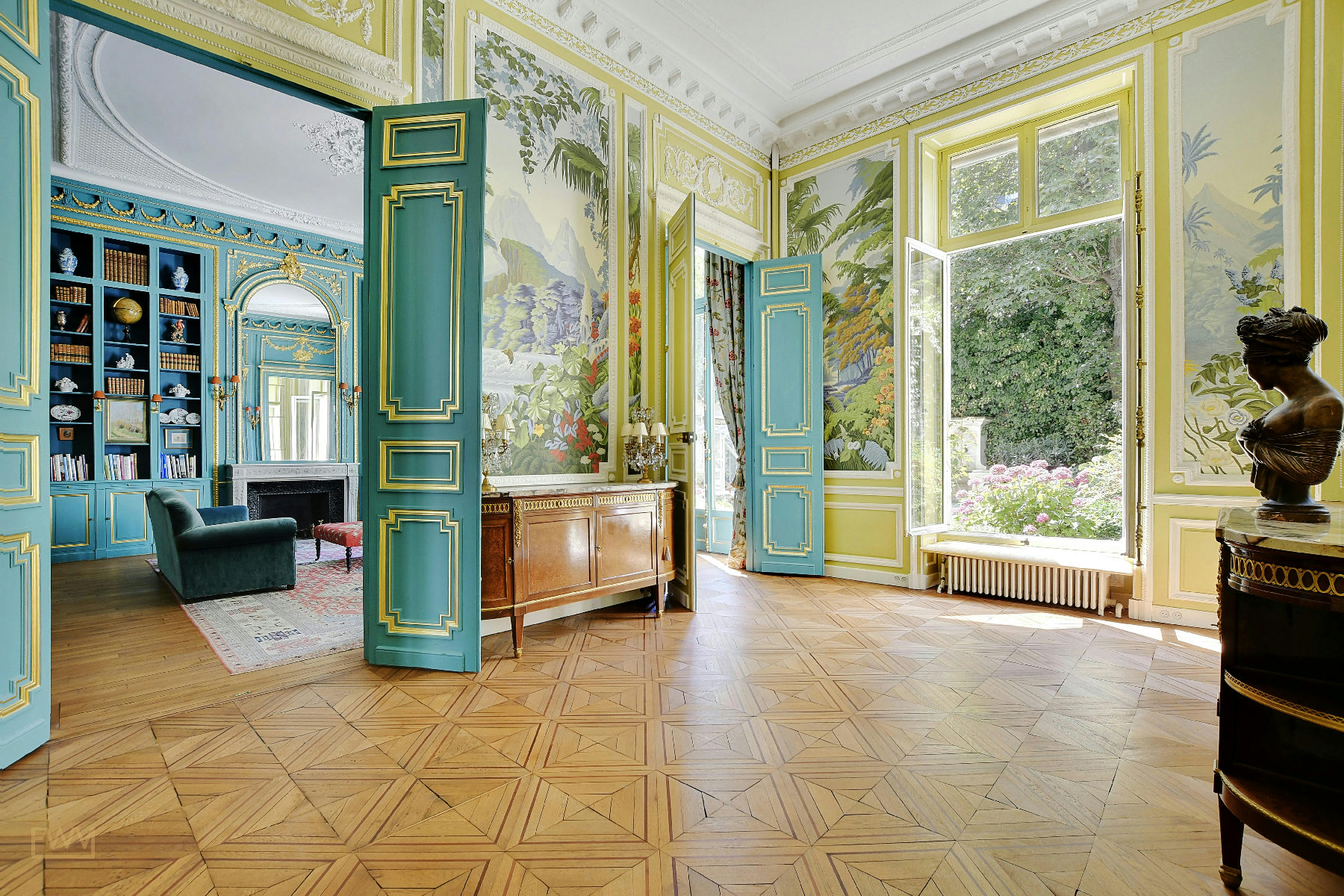
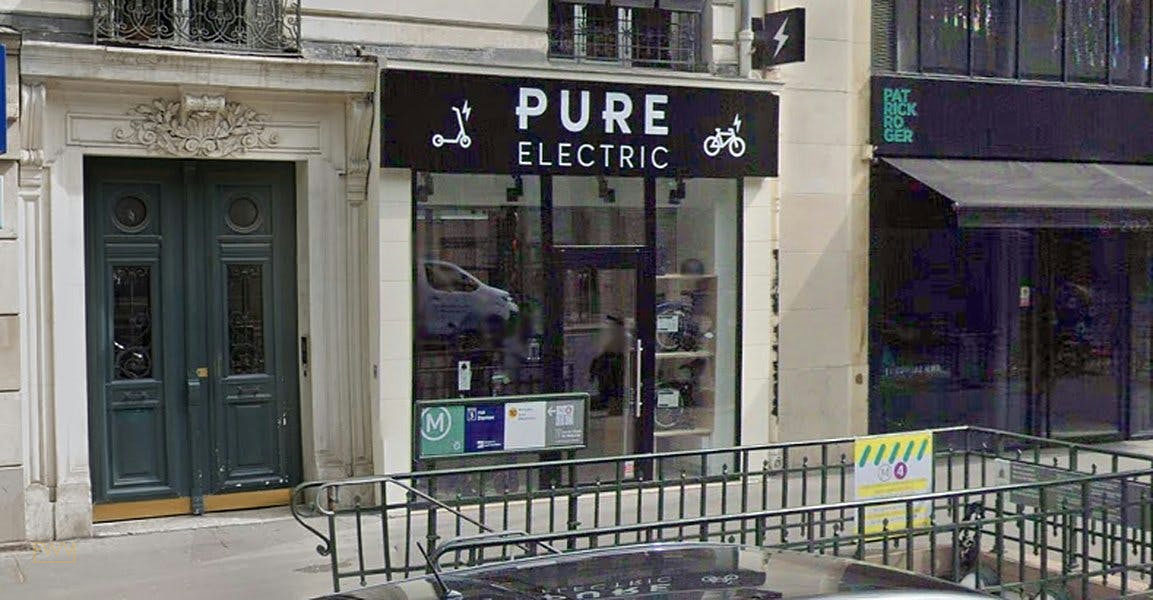
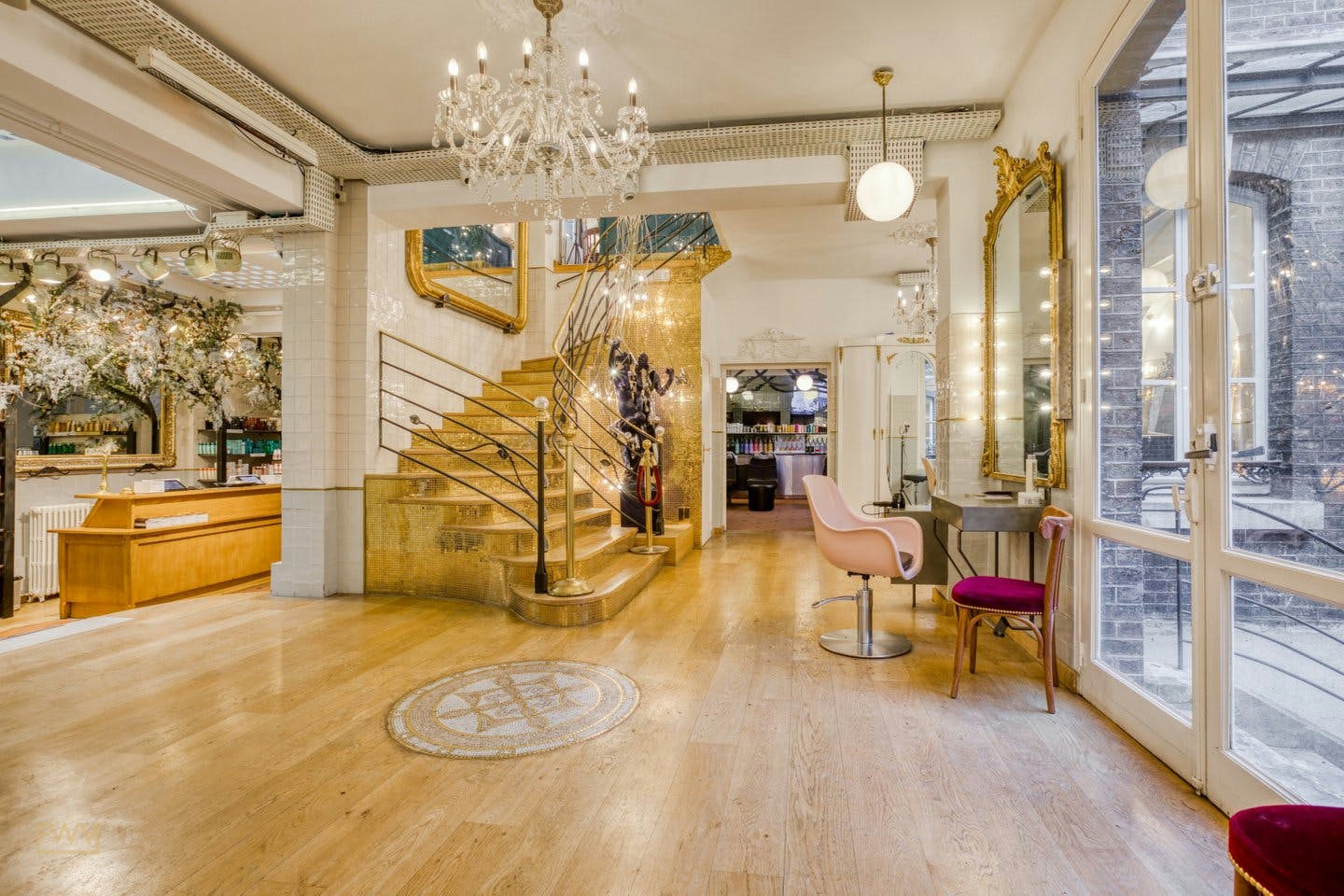
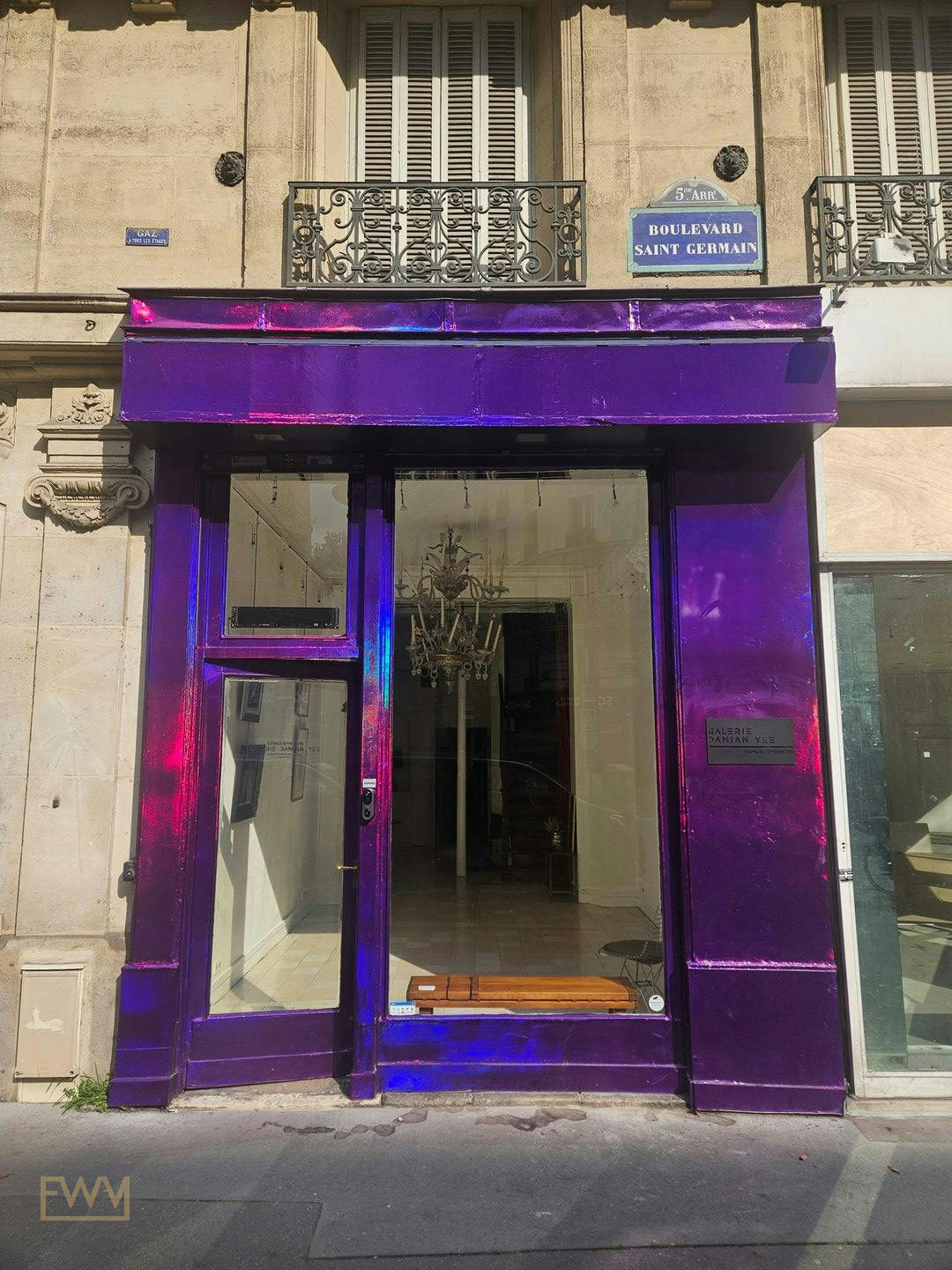
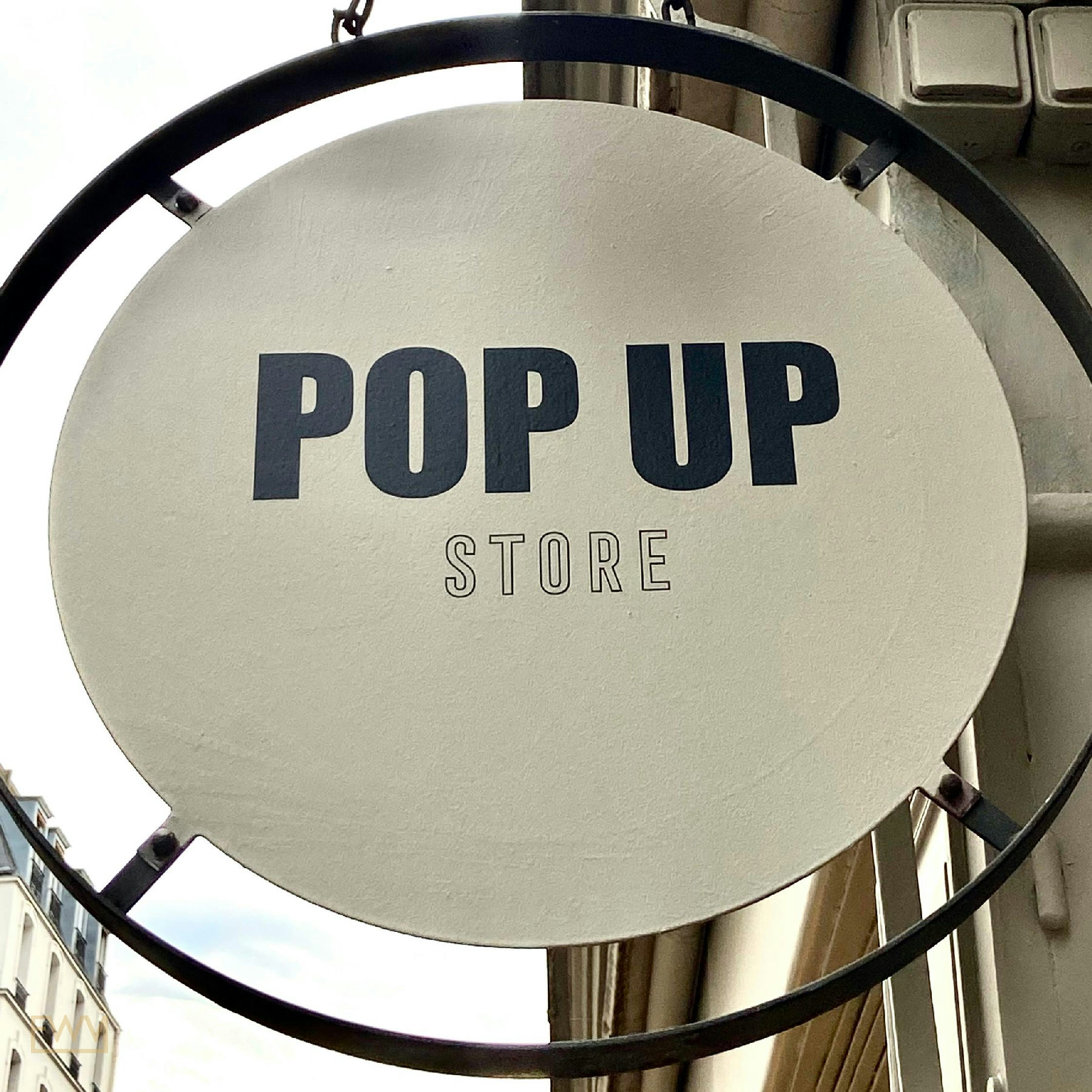
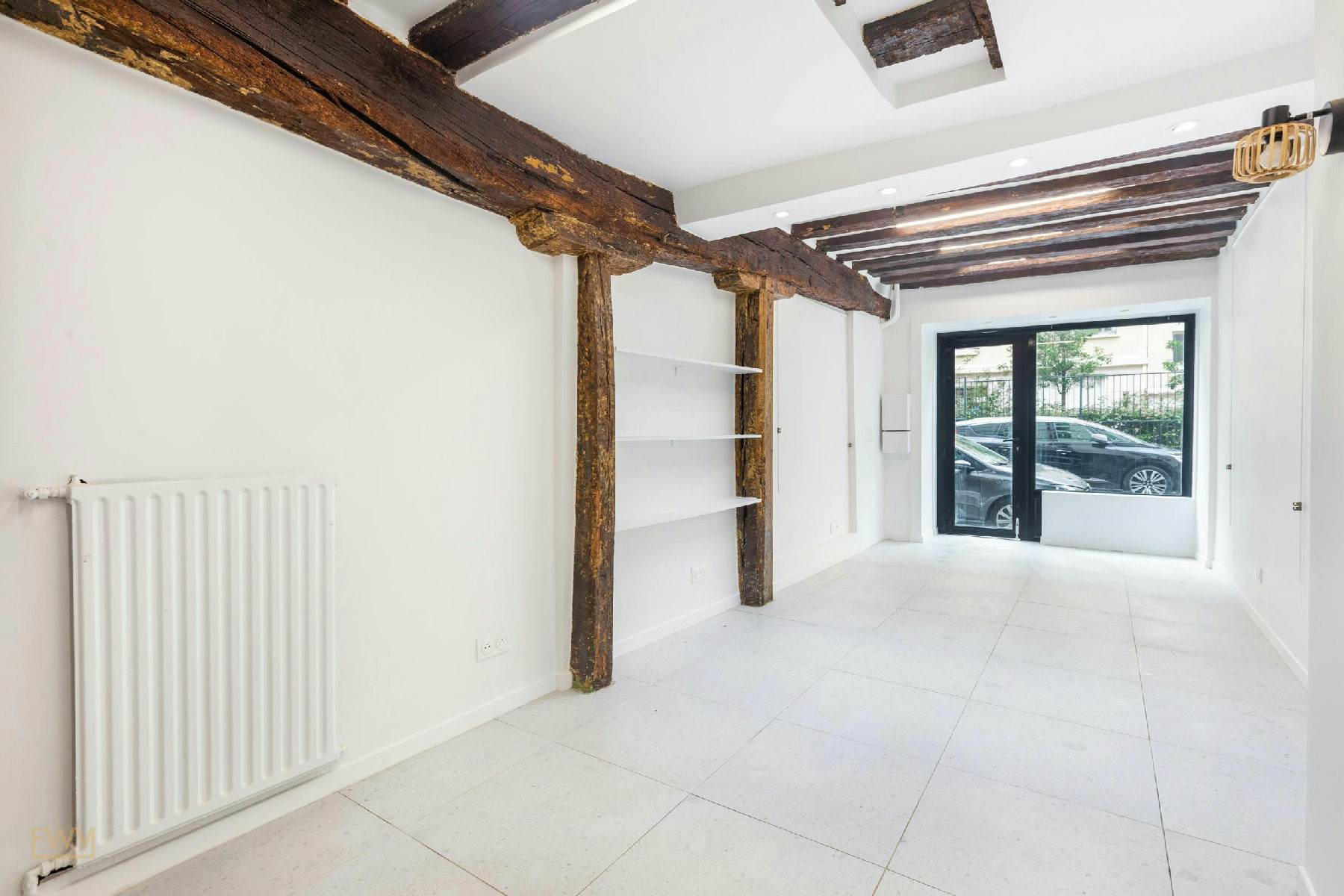
The choice of fashion week venues is pivotal for brands looking to make a statement in the global fashion landscape. With options across major cities like Paris, where Fashion Week Venues provides comprehensive services, the selection process involves strategic planning and an understanding of local markets. This allows brands to align their visual merchandising, experiential marketing initiatives, and retail activations with the vibrancy of fashion capitals. From venue sourcing to concept direction, Fashion Week Venues ensures every aspect of your event is methodically planned and executed, transforming each location into a stage that highlights your brand's unique narrative.
Understanding Fashion Week Venue Dynamics
Choosing the right venue for Fashion Week events involves more than just rental costs and location. It requires a deep understanding of the market dynamics, including consumer expectations, proximity to other fashion houses, and the influence of neighborhood culture on brand perception. A venue that complements the brand ethos and aligns with target demographic preferences can amplify event success.
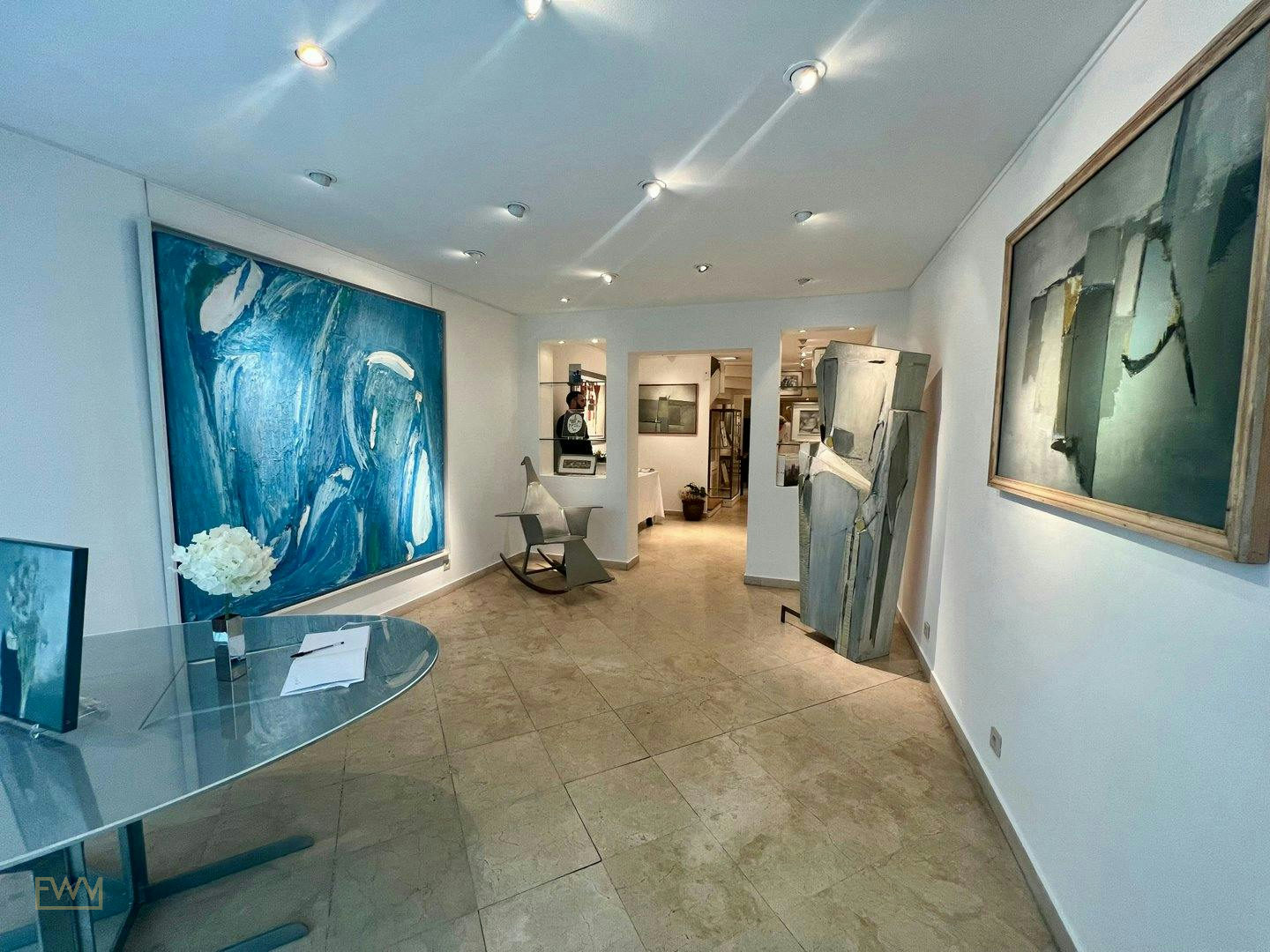
Paris, as a primary example, offers a variety of venues—from contemporary art spaces near Palais de Tokyo to historic buildings in Le Marais—that cater to diverse brand identities and showcase unique collections. The significance of choosing the right setting cannot be overstated.
Quick answer: The perfect fashion week venue enhances the brand's storytelling, caters to key audience demographics, and provides logistical efficiency, thereby maximizing impact and visibility.
Moreover, logistical considerations such as accessibility, capacity limits, technical infrastructure, and compliance with local regulations like bail dérogatoire for temporary use permits, are crucial. Ensuring these elements are in place creates an experience that resonates with attendees and solidifies brand loyalty.
KEY TAKEAWAY: Selecting a venue that aligns with your brand strategy and operational requirements is pivotal. Ensure venue dynamics are thoroughly analyzed to marry the space's cultural significance with brand goals.
Next, we will delve into how different venue types cater to various event themes and brand messages, highlighting the importance of space selection based on thematic alignment.
Types of Fashion Week Venues and Their Unique Appeals
The type of venue selected can significantly impact the perception and success of a fashion week event. From traditional showrooms in the iconic Rue Saint-Honoré to avant-garde spaces in Saint-Germain-des-Prés, each venue type offers distinct advantages and challenges that must be carefully weighed against the brand’s objectives.
Fashion houses often opt for showrooms to create intimate settings that foster personal interactions between designers and potential buyers. These spaces are ideal for displaying collections in an immersive environment, encouraging customer engagement through detailed storytelling and personal brand interactions.
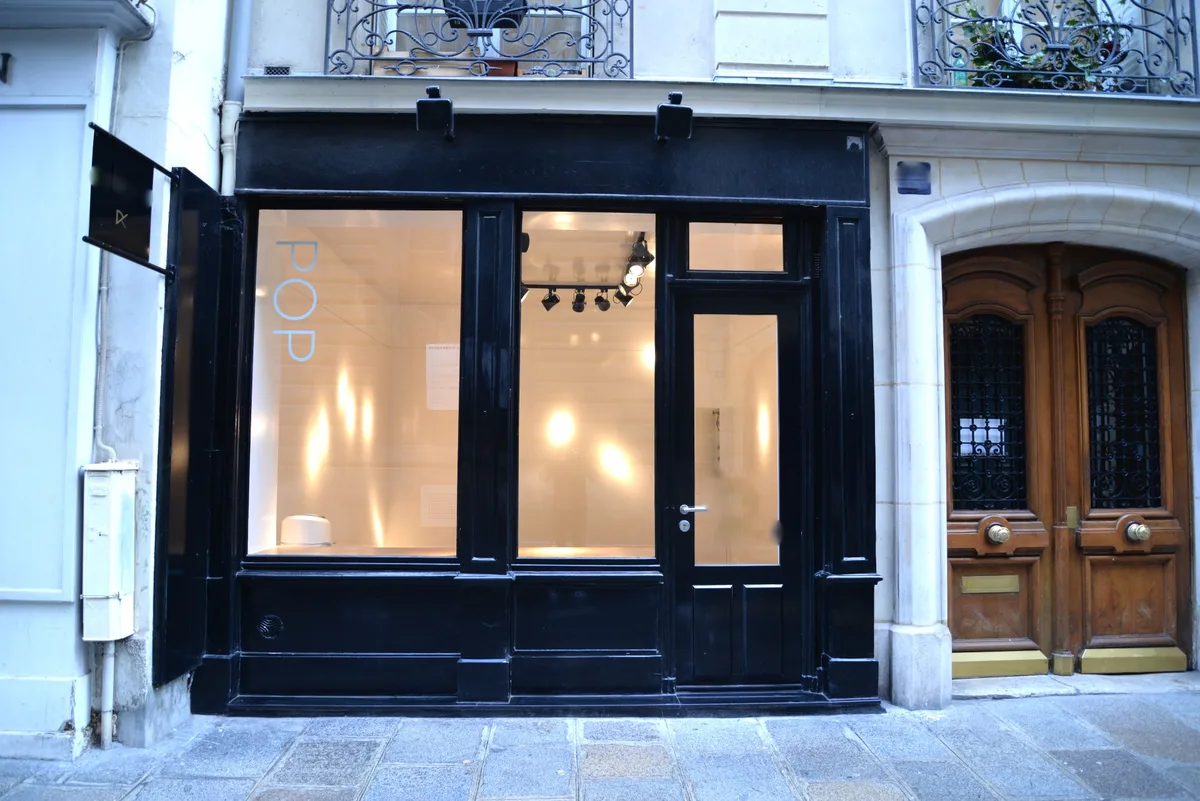
Alternatives include pop-up boutiques that embrace the ephemeral nature of fashion, capturing the zeitgeist and driving urgency and exclusivity. These venues excel in promoting new collections or collaborations, leveraging their temporary nature to draw interest and media coverage.
Quick answer: Choose among showrooms, pop-up shops, art galleries, and historic venues based on how they can uniquely support your event's theme and engagement goals.
Art galleries and museums lend an air of cultural prestige and refinement, making them fitting for luxury brands aiming to associate with high art and culture. Conversely, industrial spaces and warehouses offer raw, versatile environments that can be transformed to fit innovative and cutting-edge brand presentations that disrupt conventional aesthetics.
KEY TAKEAWAY: The choice of venue varies with event goals; prioritize venues that align with your brand philosophy and audience expectations to achieve authentic engagement.
We now turn to discuss essential logistical considerations in venue selection, which ensure operational smoothness and regulatory compliance.
Logistical Considerations for Venue Selection
Behind the allure of fashion week events lies the intricate logistics of venue management. Decisions around space dimensions, audience flow, technological capabilities, and regulatory permits are critical in shaping seamless experiences that resonate with attendees and leave lasting impressions.
Capacity management starts with understanding your audience profile and ensuring the venue's space can comfortably accommodate both the expected guests and equipment without compromising safety or comfort. This includes seating arrangements, backstage requirements, and traffic flow from entrances to exits.
Technological capabilities must be thoroughly vetted. Venues should support high-speed internet connectivity, lighting and sound installations for presentations, and digital screens for brand storytelling. Assessing these elements ahead of time helps avoid hitches that might detract from the event experience.
Quick answer: Prioritize venues that support your technological and capacity requirements to ensure event operations are smooth and impactful.
Legal considerations also come into play. For instance, bail dérogatoire and other permits are necessary for temporary events, with requirements depending on the arrondissement. Non-compliance can lead to fines or event cancellation, making it imperative to engage with a French legal advisor early in the planning process. Refer to Fashion Week Venues' permits tool for in-depth guidance.
KEY TAKEAWAY: Meticulous planning around logistics and legalities can elevate an event from memorable to legendary, highlighting the importance of choosing a venue that fits operational and regulatory needs.
Continuing this exploration, we next examine budget considerations in selecting a venue and executing a successful fashion week event.
Budgeting for Fashion Week Venues
Effective budget management is central to planning a successful fashion week event. Costs extend beyond mere rental fees and include decor, staffing, technology, catering, and compliance expenses. Understanding these facets helps in crafting a realistic budget that minimizes surprises and ensures no corner is overlooked.
Rental fees vary considerably based on venue type and location. Historically rich districts like Saint-Germain-des-Prés offer venues at premium prices, valued for their cultural cachet, while modern areas might offer competitive rates and flexibility. Evaluating these cost nuances ensures brands allocate resources efficiently without compromising event quality.
Services like furniture rental and staffing also affect costs. For instance, relying on an agency like Fashion Week Venues for staffing needs can provide reliable expertise, ensuring that the right talent represents your brand's ethos.
Quick answer: Comprehensive budgeting goes beyond venue rental to include services and logistics, ensuring all aspects of the event align with financial capabilities.
The budget estimation tool provided by Fashion Week Venues helps brands create tailored financial plans, highlighting hidden costs and offering detailed forecasts to manage spending efficiently.
KEY TAKEAWAY: Budget planning is integral to the successful execution of fashion week events; meticulous estimation ensures financial resources are aligned with strategic goals and logistical demands.
Beyond budgeting, our exploration moves towards the importance of timing, particularly how the Paris fashion calendar impacts venue availability and event planning.
The Importance of Timing in Venue Selection
When it comes to securing venues for fashion week, timing could be the difference between headline success and missed opportunity. Aligning events with key dates in the fashion calendar not only ensures availability but also maximizes audience engagement and media attention.
Paris Fashion Week is a beacon in the industry, with key windows that are highly sought after by brands globally. Understanding these periods, alongside major fashion events in other cities such as New York and Milan, is crucial for booking venues well in advance and optimizing brand exposure.
Quick answer: Securing venues in advance based on the fashion calendar enhances brand visibility and access to global fashion audiences.
Early planning allows brands to leverage promotional periods, aligning launches and showrooms with the natural peak in media and buyer activity. Fashion Week Venues offers tools like the timeline planning tool to guide strategic scheduling.
However, avoiding overly popular slots can also work to a brand's advantage by focusing attention during quieter periods where competition and media saturation are lower.
KEY TAKEAWAY: The strategic timing of your fashion event is essential in achieving maximum impact and can significantly affect venue availability and audience engagement.
Next, we explore how Fashion Week Venues supports brands in these elements of venue selection and planning.
How Fashion Week Venues Supports Brands
Fashion Week Venues stands as a cornerstone in the world of venue procurement, offering a full spectrum of services aimed at optimizing brand activation during Fashion Week. From space selection to event execution, our offerings are tailored to meet the diverse needs of fashion brands.
With a robust marketplace of venues, brands have access to a variety of spaces that fit different styles and strategic goals. Our emphasis on venue sourcing and concept direction ensures that the chosen space not only suits logistical needs but also enhances brand narratives. Our twin co-activation concept encourages collaborative initiatives that maximize impact through shared vision and resources.
Quick answer: Fashion Week Venues equips brands with the necessary tools and services to not just find the perfect venue, but also execute their vision with precision and flair.
The ROI calculation tool, among others, aids in evaluating the profitability and effectiveness of each event, while our staffing services ensure that your brand is represented with professionalism and knowledge.
KEY TAKEAWAY: Utilize the comprehensive services and tools offered by Fashion Week Venues to tailor your events to meet both brand objectives and operational needs efficiently.
Moving forward, we will unpack myths associated with fashion week venues, dispelling common misconceptions that could hinder effective planning and execution.
Common Myths Debunked
MYTH: You need a French legal entity to rent a venue in Paris.
FACT: While having a local entity simplifies certain processes, international brands can still secure venues in Paris without one. Engaging with agencies like Fashion Week Venues provides guidance on navigating these legalities efficiently.
MYTH: Paris Fashion Week is the only time to host a successful fashion event.
FACT: While Paris Fashion Week offers unparalleled exposure, hosting events outside these times can attract focused audience attention and media interest due to reduced competition.
MYTH: All brokers in Paris work on commission.
FACT: Not all venue sourcing requires a commission-based broker. Many options, especially through agencies like Fashion Week Venues, offer fixed-rate services that are transparent and predictable in terms of cost.
MYTH: Short-term leases are straightforward and require no specialist help.
FACT: Short-term leases often involve complex legal frameworks, like obtaining an AOT (Authorization for Temporary Occupation), making it advisable to consult with experts or agencies to ensure compliance and avoid potential legal pitfalls.
With these misconceptions clarified, we can better understand the strategic and logistical components essential for successful venue planning.
Frequently Asked Questions
What factors should I consider when choosing a Fashion Week venue?
When selecting a Fashion Week venue, consider location, atmosphere, technological capacity, and alignment with your brand's target audience. Additionally, assess contractual requirements and logistics, such as accommodation for guests and event equipment. Utilize services like those from Fashion Week Venues to streamline the venue selection process.
Can international brands rent spaces in Paris without a local entity?
Absolutely, international brands can rent spaces in Paris without forming a local entity. Agencies like Fashion Week Venues provide expertise in navigating the legal landscape, ensuring compliance with necessary permits and regulations to facilitate venue rental.
How far in advance should I book a venue for Fashion Week?
Securing a venue well in advance, often 6 to 12 months prior, is recommended to ensure availability, particularly for high-demand periods like Paris Fashion Week. Early planning also allows more time for tailoring the space to meet your event needs precisely.
How do I budget for a fashion event during Fashion Week?
Start by estimating rental costs, decor, technology needs, and staffing expenses. Consider additional fees like permits and taxes. Using tools such as Fashion Week Venues’ budget calculator can provide comprehensive financial insights and help manage costs effectively.
What kind of legal permits are required for hosting a temporary event in Paris?
Temporary events in Paris generally require a bail dérogatoire or similar permits depending on the venue's location and type. It’s crucial to consult with local legal experts or agencies that offer permit procurement services to ensure compliance within the intended timeframe.
Can pop-up shops be effective outside of Fashion Week?
Yes, pop-up shops can create buzz and exclusivity at any time. The key is strategic timing and location, coupled with a compelling narrative that engages your audience. Agencies like Fashion Week Venues can help identify prime locations and optimal timing outside traditional fashion calendars.
What are the advantages of using Fashion Week Venues services?
Fashion Week Venues offers end-to-end solutions from venue sourcing to retail staffing, ensuring a seamless process. Their in-depth market knowledge and comprehensive service suite provide brands with tailored, strategic guidance for memorable fashion activations.
How do I ensure my event stands out during Fashion Week?
Unique venue selection, innovative design, targeted marketing, and storytelling are key to standing out. Collaborating with agencies like Fashion Week Venues can leverage their expertise in creative direction and brand activation to help differentiate your event.
What logistics are critical for a successful Fashion Week event?
Consider guest accommodations, technical support for lighting and sound, logistical support staff, and compliance with local regulations. Detailed logistics planning ensures smooth operations and a memorable experience.
Is it possible to host a joint event with other brands?
Yes, co-hosting an event can maximize resources and audience reach. Fashion Week Venues' twin co-activation concept helps brands collaborate effectively, sharing venues and strategies for greater impact while maintaining individual brand identities.
Conclusion
Crafting a compelling event during Fashion Week hinges on strategic venue selection, effective logistics planning, and a clear understanding of legal requirements. By leveraging the comprehensive services and tools offered by Fashion Week Venues, brands can navigate these complexities with confidence, ensuring their event not only aligns with brand objectives but also captivates the fashion industry's attention. Begin your journey to impact by exploring available spaces on the Fashion Week Venues marketplace to build a focused and successful brand activation.