
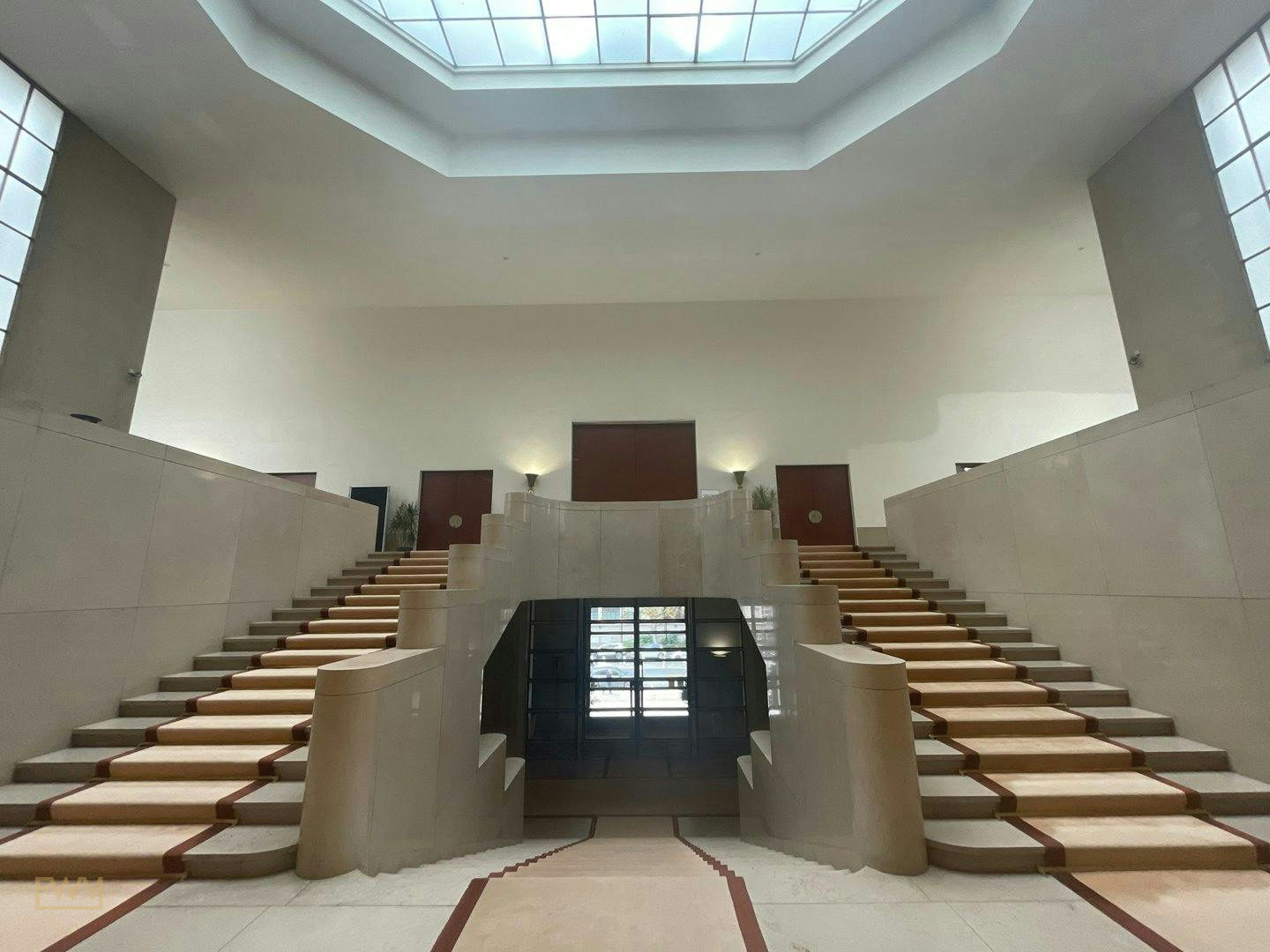
Fashion Week Venues plays a pivotal role in the dynamic landscape of global fashion shows, offering unparalleled opportunities for brands to shine. Securing the right venue, especially in fashion capitals like Paris, requires a strategic approach. Whether you're looking for a pop-up shop in Le Marais or setting up an extravagant showroom on Rue Saint-Honoré, understanding the nuances of venue sourcing during Fashion Week is crucial. This guide delves into the essentials of securing the perfect space, while highlighting how Fashion Week Venues supports brands through every stage of the process.
The Importance of Venue Selection During Fashion Week
Venue selection is the cornerstone of a successful Fashion Week presentation. The right venue not only complements your brand’s aesthetic but also optimizes exposure and engagement. Strategic location choices in districts like Opéra or Saint-Germain-des-Prés can amplify your brand's visibility, aligning with Paris' reputation as a fashion mecca.
A detailed understanding of the Paris landscape is essential. From the historical charm of the Canal Saint-Martin to the luxurious ambiance of Place Vendôme, each area offers distinct advantages. Venue selection impacts logistics, brand perception, and influencer engagement.
KEY TAKEAWAY: Prioritize venue location as it directly affects logistics, audience reach, and brand image.
Transitioning smoothly from understanding venue importance, let's explore the types of venues available for Fashion Week.
Types of Fashion Week Venues
Quick answer: Fashion Week venues range from traditional showrooms to innovative pop-up spaces and historic buildings, each offering unique benefits for brand activations.
Choosing the right type of venue is pivotal. Options include:
- Showrooms: Ideal for displaying collections comprehensively, offering controlled environments and privacy.
- Pop-up Shops: These temporary spaces are perfect for engaging directly with consumers and generating buzz.
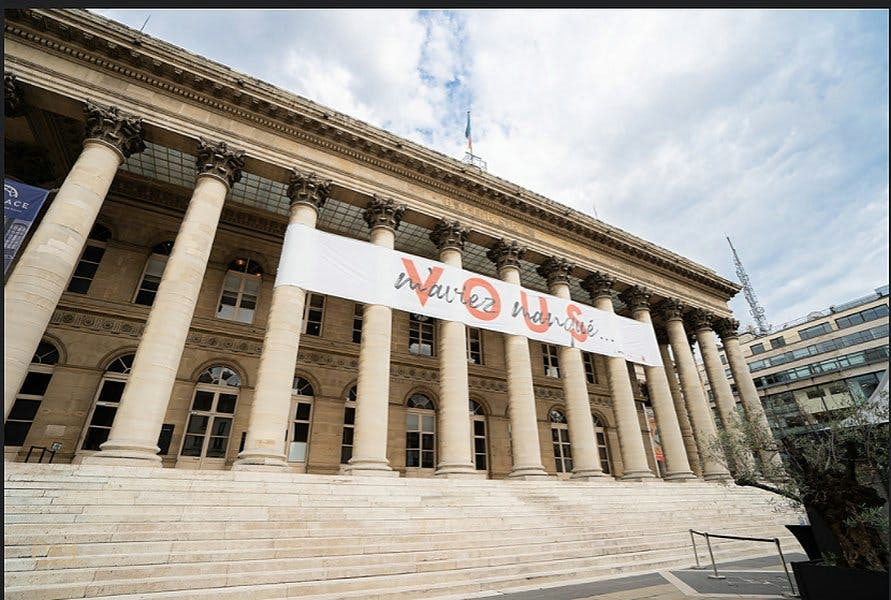
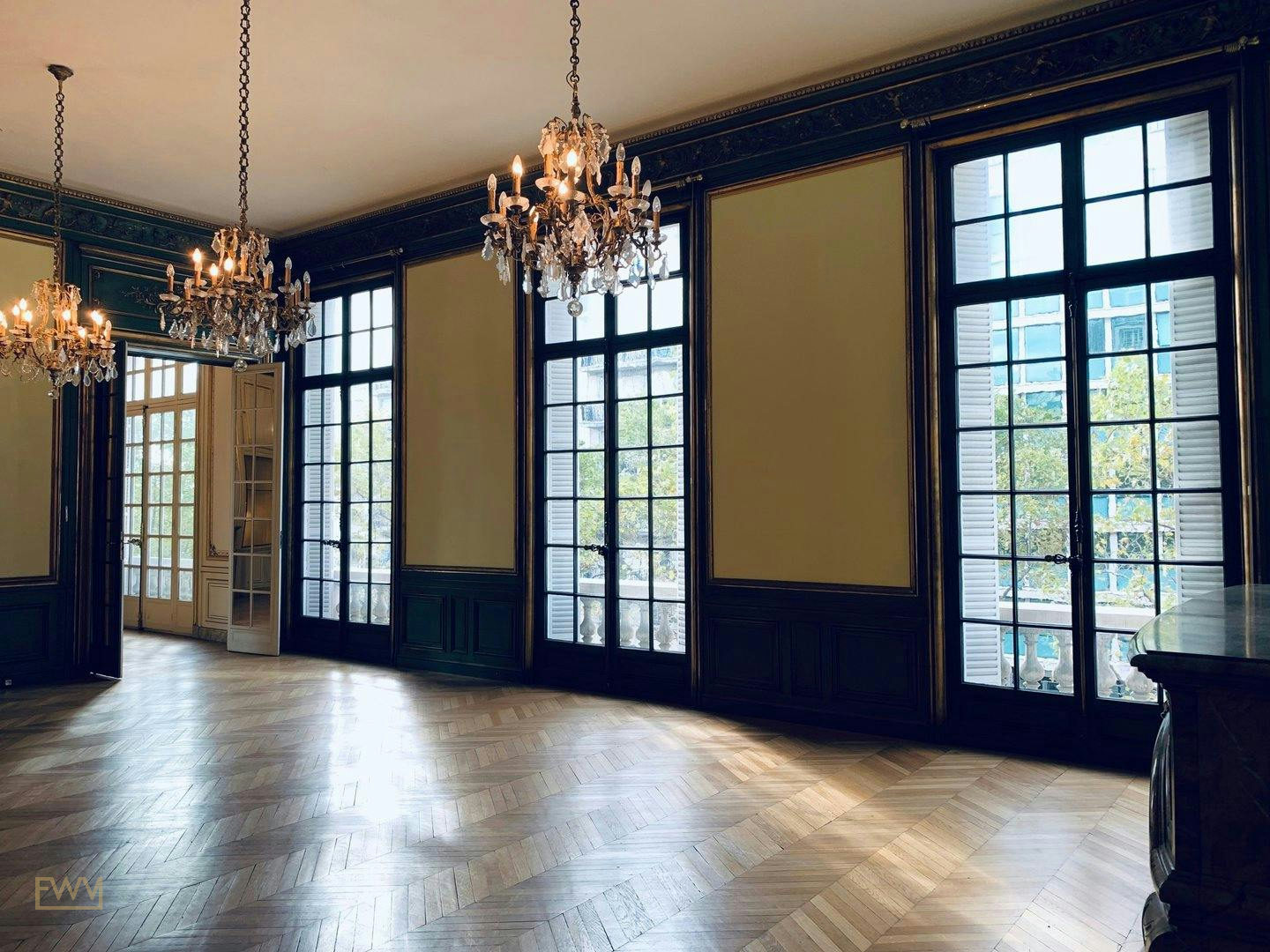
- Historic Buildings: Provides a sense of tradition and luxury, often located in premium areas such as Palais de Tokyo.
- Outdoor Spaces: Great for experiential marketing and large-scale brand activations.
The choice between these venues depends on the desired audience interaction, brand image, and logistical capabilities. For instance, a pop-up in Galeries Lafayette offers high foot traffic and brand exposure.
KEY TAKEAWAY: Match venue type with your brand's activation goals and audience engagement strategy.
Understanding the types of venues leads us to the criteria for selecting the perfect space.
Criteria for Selecting a Fashion Week Venue
Choosing the perfect venue involves balancing aesthetics, location, logistics, and audience reach. Key criteria include accessibility, capacity, and technological capabilities.
| Criteria | Considerations |
|---|---|
| Accessibility | Proximity to transportation hubs and accommodation. |
| Capacity | Ensure space fits the audience size and style. |
| Technological Facilities | Assess availability of advanced lighting, sound systems, and WiFi. |
A venue's adaptability to branding elements is crucial for maintaining a cohesive brand identity. Spaces like those on Rue Saint-Honoré allow for bespoke staging and customizable layouts.
KEY TAKEAWAY: Evaluate venues based on logistical feasibility and alignment with brand goals.
Having set the selection criteria, we next explore the benefits of different venues for brand exposure.
Maximizing Brand Exposure Through Venues
Quick answer: Successfully maximizing brand exposure during Fashion Week involves choosing venues in high-traffic areas and leveraging strategic partnerships for greater visibility.
Venues located in areas like Opéra or around major attractions such as Printemps are optimal for achieving high visibility and foot traffic. Collaborations with local influencers and media can amplify the impact of these venues.
Interactive elements and immersive experiences further enhance consumer engagement. Employing experiential marketing within venues can lead to shared content across social platforms, boosting brand visibility.
KEY TAKEAWAY: Select venues in high-exposure areas and integrate interactive elements to maximize brand engagement.
Next, let's explore how Fashion Week Venues can assist in finding your ideal space.
How Fashion Week Venues Assists Brands
Fashion Week Venues offers comprehensive services to ease the venue selection process. From venue sourcing to activation management, our tailored solutions cover all aspects of planning and executing events.
Tools like the budget estimator and permit guidance help brands navigate complex logistical requirements. Our expertise supports brands in creating impactful, memorable experiences.
KEY TAKEAWAY: Leverage Fashion Week Venues for streamlined, expertly managed activations.
Continuing, let's examine the legal considerations for renting Fashion Week venues in Paris.
Legal Considerations for Fashion Week Venues in Paris
Understanding legal and compliance requirements is essential when renting venues in Paris, particularly during Fashion Week. The bail dérogatoire and AOT (autorisation d'occupation temporaire) licenses are critical for temporary setups.
Quick answer: Ensure compliance with French legal norms by securing necessary permits and understanding local lease types.
Unlike standard commercial leases, bail dérogatoire provides more flexibility for short-term agreements but requires careful negotiation to align with French regulations. Entrepreneurs should consider consulting a French legal advisor to ensure all compliance needs are met.
Refer to our permit guidance tool for assistance in managing these requirements.
KEY TAKEAWAY: Secure appropriate permits and legal advice tailored to your venue type and activation.
Moving on, let's delve into the budgeting aspects critical for planning your venue strategy.
Planning and Budgeting for Fashion Week Venues
Budgeting is a foundational aspect of planning a Fashion Week event. Factors influencing costs include venue size, duration, and additional services like branded store design and retail staffing.
Quick answer: Optimize your budget by evaluating venue fundamentals and utilizing strategic tools like cost analysis and ROI calculators.
For comprehensive budgeting, utilize our budget calculation tool. This aids brands in aligning financial constraints with strategic goals, offering a meticulous breakdown of potential expenses.
KEY TAKEAWAY: Tailor your budget by accurately assessing all venue-related expenses early in the planning process.
Exploring timelines is essential when syncing your brand's calendar with venue booking windows, which we’ll discuss next.
Synchronizing Venue Timelines with Fashion Calendars
Aligning your venue timeline with fashion industry calendars is integral to a successful activation. Paris Fashion Week, along with interseason events, demands precise scheduling to secure optimal dates.
Quick answer: Customize timelines to align with fashion event schedules, ensuring maximal preparedness for crucial show dates.
| Event Stage | Preparation Timeline |
|---|---|
| Venue Sourcing | 6-12 months prior |
| Permits and Legal | 4-6 months prior |
| Activation Launch | 1 month prior |
Using the timeline tool, brands can efficiently coordinate their schedules with compatible venue availability and critical preparation steps.
KEY TAKEAWAY: Schedule venue bookings in advance in sync with industry events for seamless execution.
Next, we will address common myths about Fashion Week venues to clear up any misconceptions.
Common Myths Debunked
MYTH: You need a French legal entity to rent a space in Paris.
FACT: Many venues cater to international clients without requiring local incorporation. Consulting with legal experts can facilitate this process.
MYTH: Paris Fashion Week is the only viable calendar window.
FACT: Paris hosts multiple fashion-related events year-round, offering numerous opportunities for brand activations.
MYTH: Commission brokers are the only way to find a space.
FACT: Platforms like Fashion Week Venues marketplace provide direct access to diverse spaces, streamlining the selection process.
MYTH: Short-term leases are straightforward and don’t require specialist help.
FACT: Short-term agreements often involve intricate legal details that benefit from professional oversight.
Having demystified these misconceptions, let’s address specific FAQs related to fashion venues.
Frequently Asked Questions
What are the key benefits of using a showroom during Fashion Week?
Showrooms offer privacy and control, allowing brands to craft visually stunning displays away from the chaos of the main events. This setting is perfect for cultivating personal interactions with buyers, media, and high-profile clients.
How can I use interactive elements in my venue?
Incorporating digital installations, VR experiences, or live demonstrations can enhance visitor engagement and drive social media sharing, thus extending your brand's reach beyond the venue.
Why is location such an important factor when choosing a venue?
Location influences foot traffic, ease of access, and brand perception. Proximity to other major events or iconic city landmarks can significantly amplify brand visibility and draw more attendees to your space.
How do I estimate the logistics costs for a temporary retail space?
Consider factors such as transportation, setup, staffing, and operational supplies. Using tools like our budget estimator can provide a clearer picture of potential costs.
What is a bail dérogatoire?
A bail dérogatoire is a short-term lease allowing flexibility for temporary events, typically lasting less than three years. Unlike standard leases, it requires special attention to terms and compliance.
Can short-term venues be customized for brand events?
Many temporary venues offer customizable options to align with your brand aesthetics, providing flexibility in design and branding elements to create a unique retail experience.
What should I know about security for Fashion Week events?
Evaluate the location’s existing security measures and logistics, and consider additional guards or systems depending on the value of displayed merchandise and expected visitor traffic.
How do local laws impact international brands during Fashion Week?
Foreign brands must comply with French regulations, including advertising and labor laws. It's wise to consult legal experts familiar with international business operations in France.
Are there specific permits required if I want to host events in outdoor spaces?
Outdoor events typically require additional permits, especially concerning noise and safety regulations, and it's advisable to navigate this with a permits guide resource.
Why should I plan venue logistics so far in advance?
The lead time allows brands to secure desired spaces, align legal and budgetary considerations, and implement strategic marketing and activation plans efficiently.
Having addressed frequently asked questions, let’s conclude with actionable steps for booking your next Fashion Week venue.
Conclusion
Navigating the complexities of fashion week venue selection necessitates a strategic partnership. By collaborating with Fashion Week Venues, brands benefit from our comprehensive services, which guide from concept to activation execution. Achieve unparalleled exposure and a seamless experience through expertly managed pop-up shops, showrooms, and event spaces.
Get started by exploring the available spaces on the Fashion Week Venues marketplace, and structure a brief focusing on your preferred neighbourhood, space type, and event calendar.