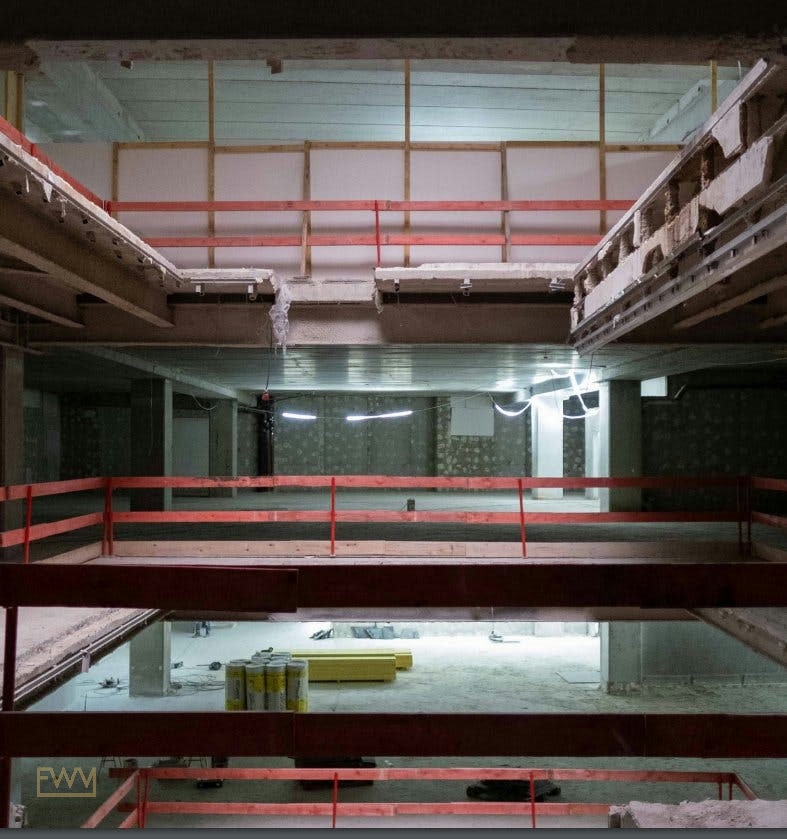
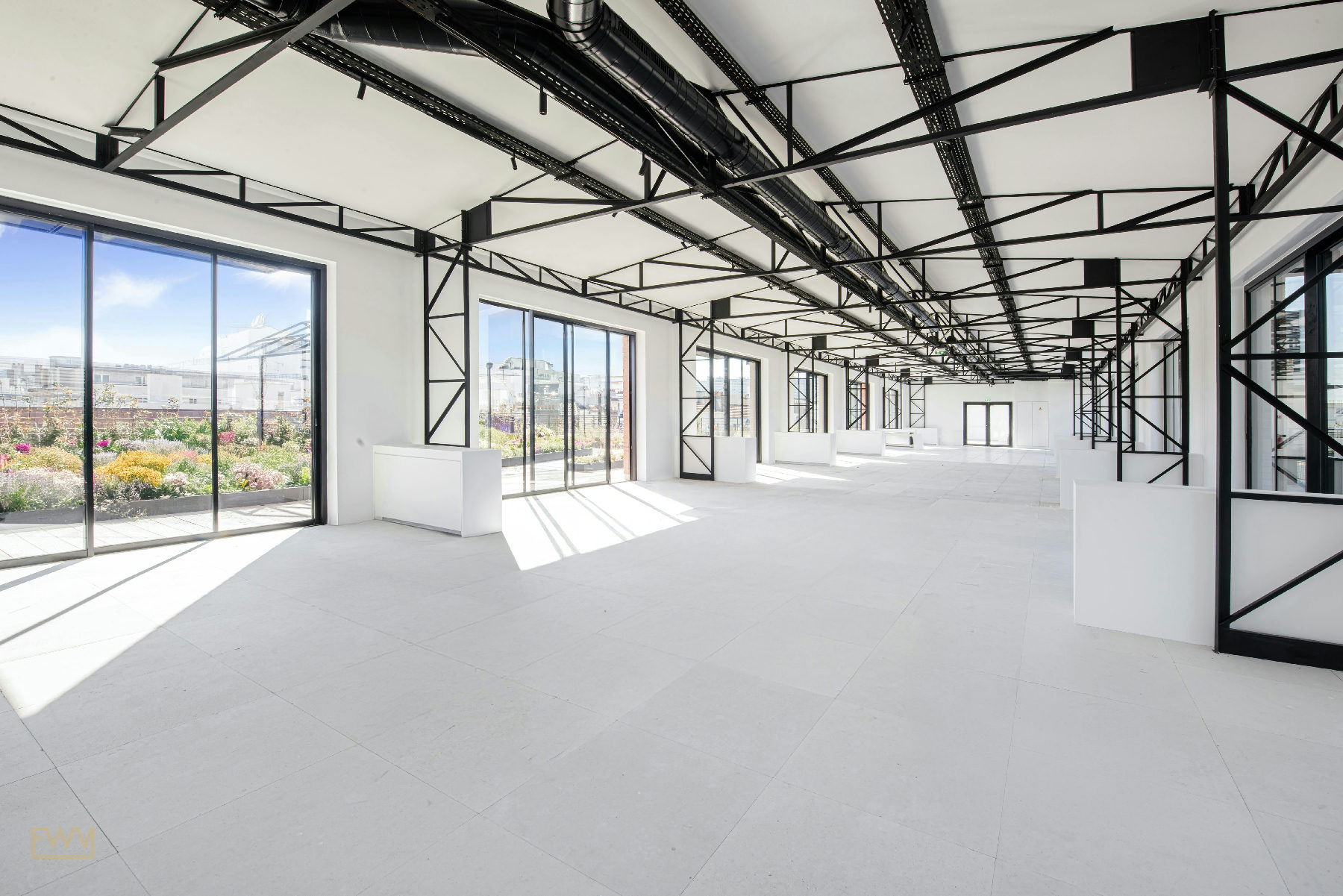
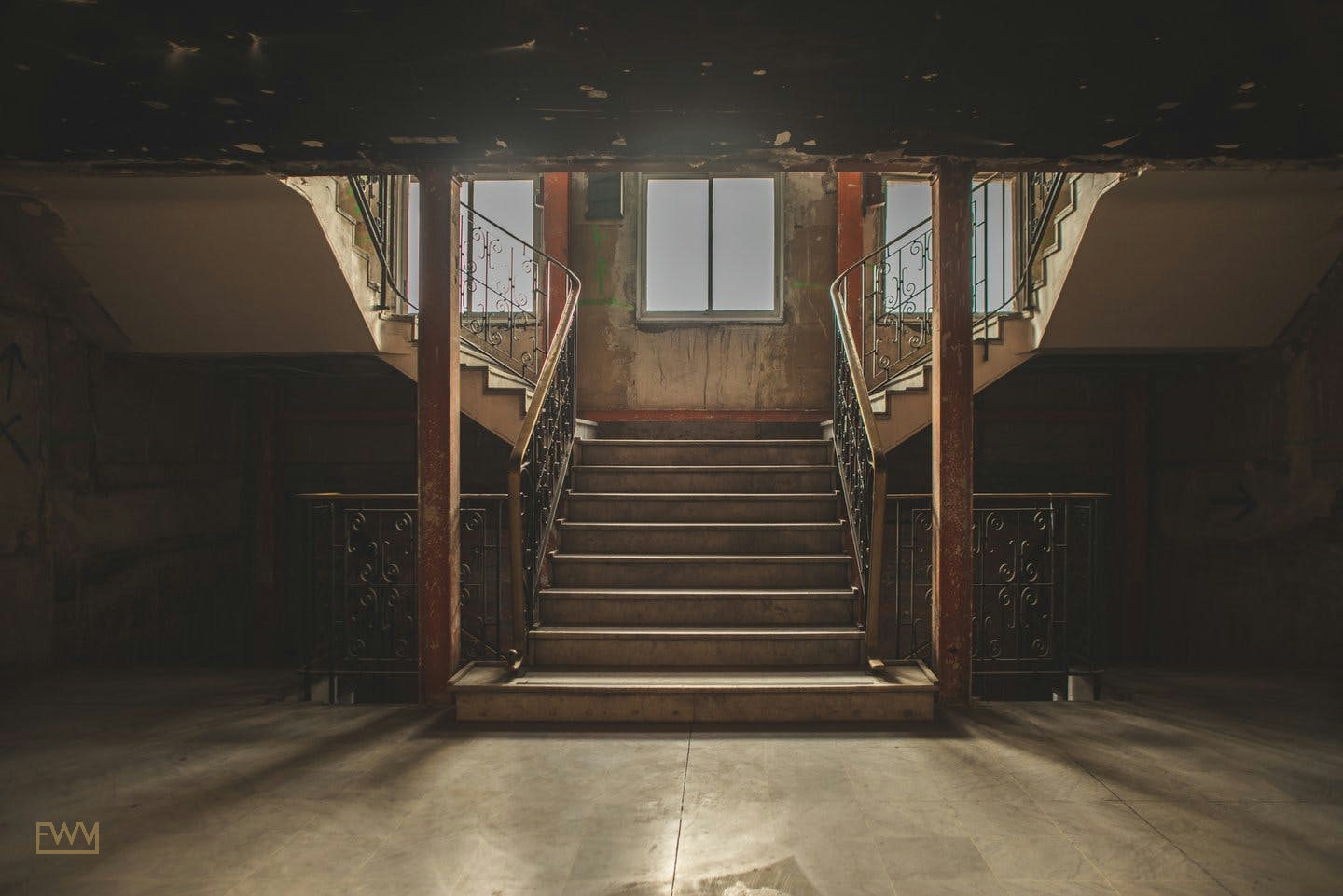
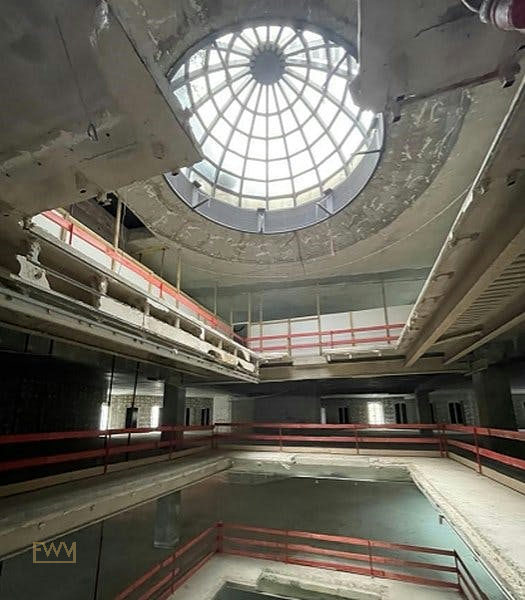

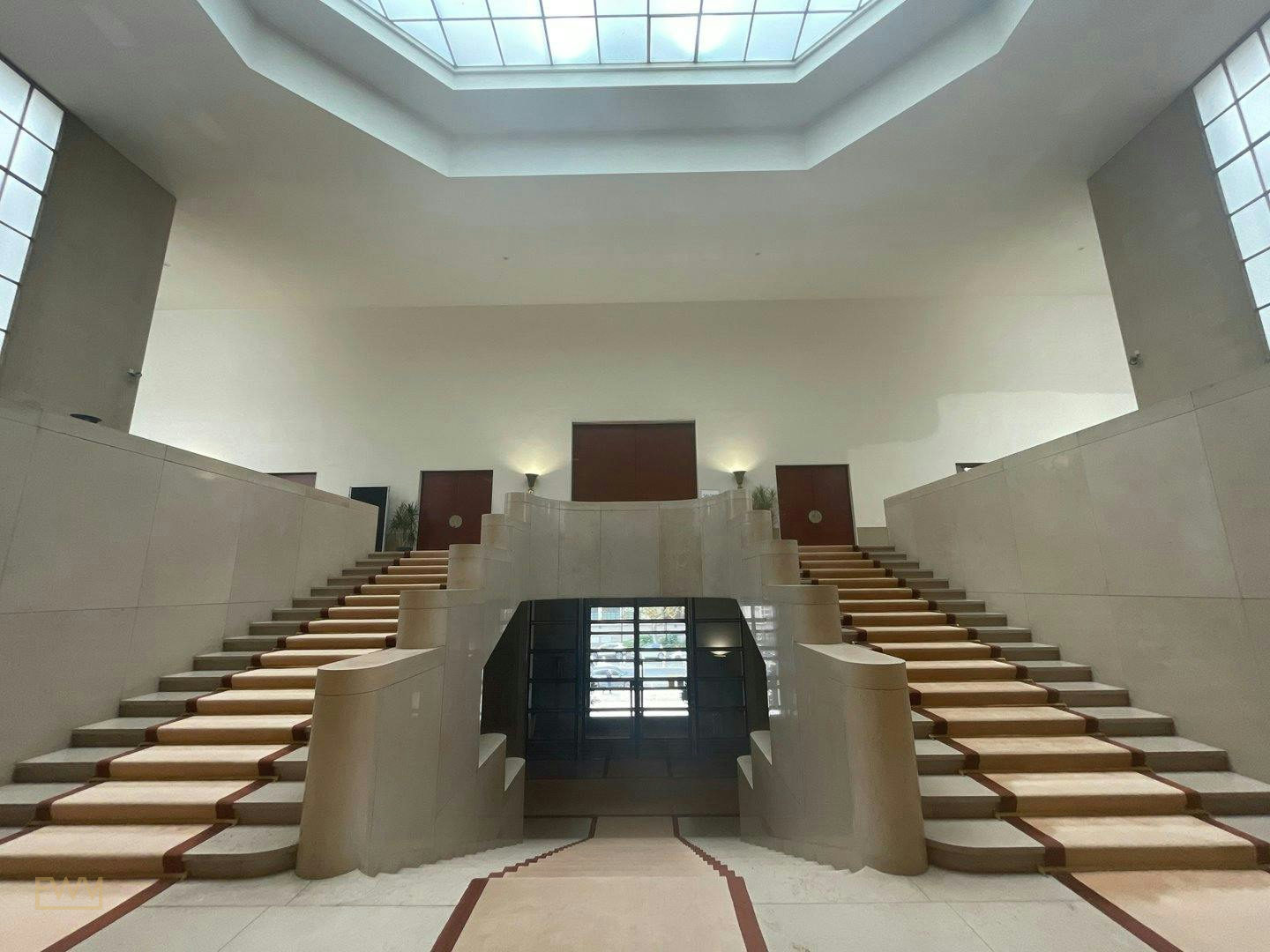
Fashion Week Venues represents the pinnacle for brands seeking pop-up spaces during international fashion weeks. With Paris being a primary focus, understanding the nuances of finding the right venue is essential. Whether you're a fashion brand looking to activate during Paris Fashion Week or exploring options in other major fashion capitals, this guide provides comprehensive insights. Discover how Fashion Week Venues facilitates this journey with their marketplace and full-service offerings.
Navigating Venue Sourcing for Fashion Week
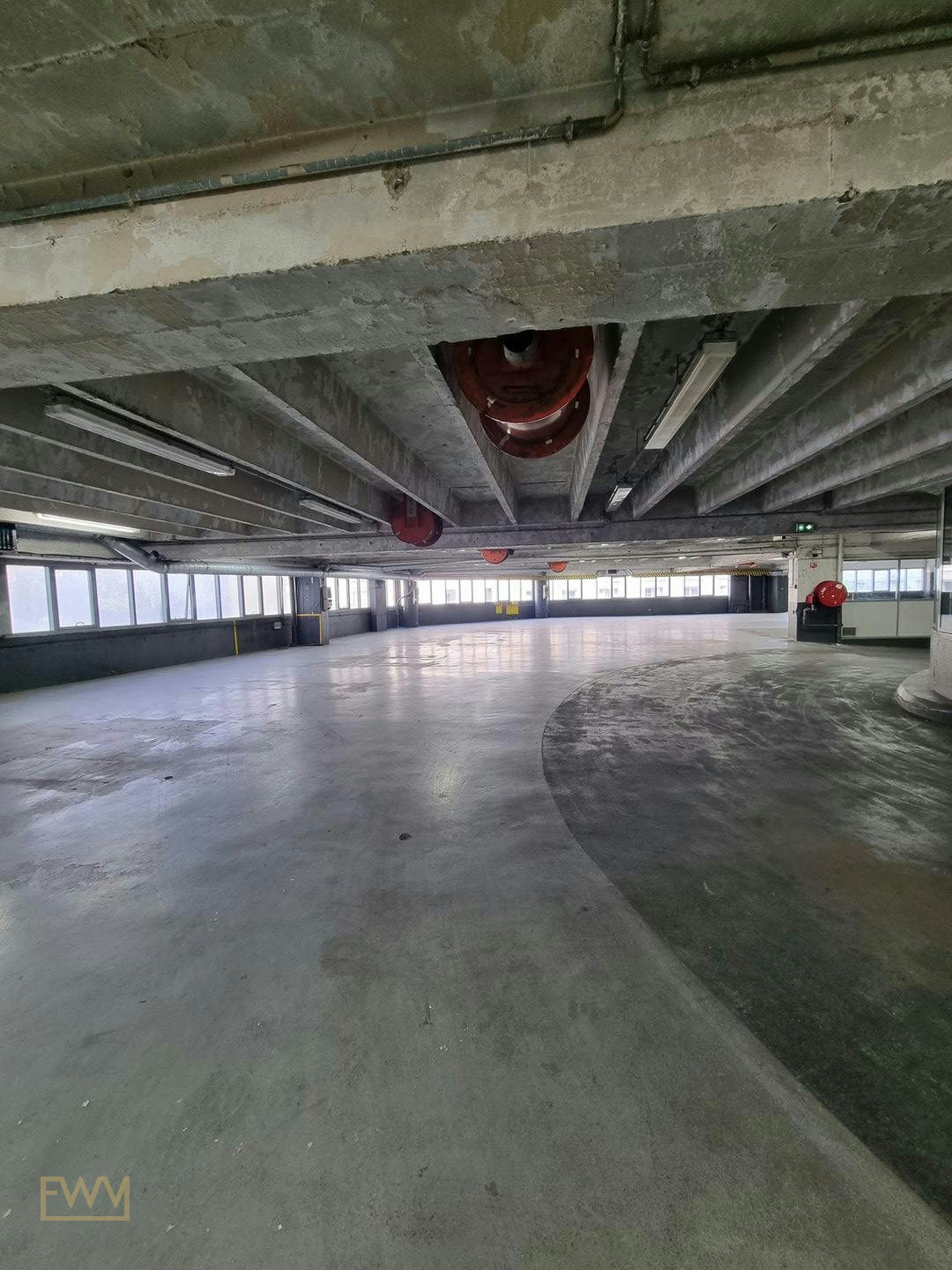
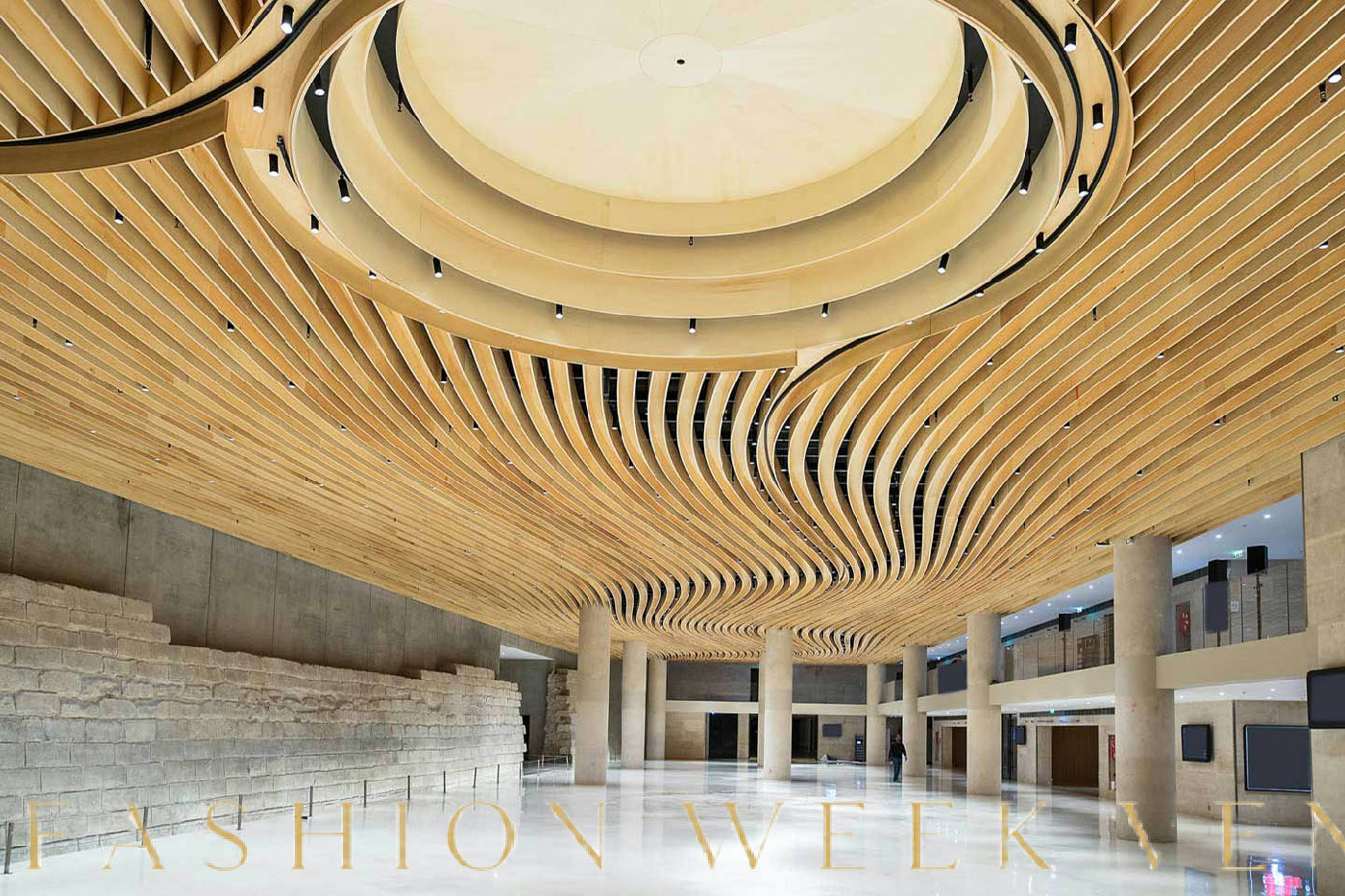
Choosing the right venue for a fashion week event is crucial. The venue not only sets the mood but also influences brand perception and audience engagement. For brands considering participation in events such as Paris Fashion Week, factors like location, capacity, and amenities become pivotal.
Quick answer: The ideal venue reflects your brand identity and meets logistical needs, enhancing the event experience for your audience.
Location is a major consideration. Areas like Le Marais or Saint-Germain-des-Prés are iconic for their vibrant atmosphere and proximity to key industry players. However, choosing the right area depends on the brand's target audience and the image it wishes to project. A luxury brand might prefer the upscale Rue Saint-Honoré, whereas a brand aiming for a younger audience might choose Canal Saint-Martin.
In addition to location, venue size matters. A space that's too small can create overcrowding, whereas a venue too large might feel sparse if not filled adequately. Matching the venue capacity with expected attendance ensures a balanced atmosphere.
Factors like acoustics, lighting, and available technology also play a role in the selection process. A venue with excellent lighting and sound equipment can enhance the presentation of a collection and create an unforgettable experience.
| Location | Audience Type | Style |
|---|---|---|
| Le Marais | Fashion forward, young professionals | Bohemian, artistic |
| Rue Saint-Honoré | Luxury consumers | Elegant, high-end |
| Canal Saint-Martin | Trendy youth | Modern, urban |
KEY TAKEAWAY: The venue selection should align with brand objectives, target audience, and event goals. Consider using Fashion Week Venues' venue sourcing services to find ideal spaces tailored to your specific brand needs.
As you transition into planning and designing your event, understanding the role of creative concept direction becomes the next critical step.
Creative Concept Direction: Defining Your Event's Identity
Establishing a clear and compelling creative concept is foundational for successful brand activation during fashion weeks. The creative concept encapsulates the theme, aesthetics, and overall messaging of your event, playing a pivotal role in how it's perceived and remembered.
Quick answer: A well-crafted concept defines the narrative and visual language of your event, ensuring coherence and emotional impact for attendees.
Successful fashion week events often share a distinct narrative that resonates with the brand’s ethos. This narrative is a unifying thread across various elements—decor, music, interactive experiences, and even the refreshments offered.
Consider how brands like Chanel routinely transform distinct venues into thematic universes, immersing their audience in the story behind each collection. Such transformations require careful planning and execution, aligning every detail with the overarching narrative.
Incorporating technology such as augmented reality (AR) can further enhance engagement, offering novel ways to interact with fashion collections.
DID YOU KNOW: Augmented reality features within fashion shows can increase audience engagement by over 30%.
Another critical aspect is the emotional impact. Crafting an event that stirs emotion can forge deeper connections with attendees, enhancing brand recall.
To facilitate this process, Fashion Week Venues offers concept direction services to help brands bring their visions to life. Their detailed guides can aid in crafting a compelling narrative that reflects your brand's identity.
Consider how these components interplay with logistical elements. As the next step, understanding production and build is essential for bringing your concept to fruition.
Production and Build: From Concept to Reality
Transforming a creative concept into a tangible event involves detailed planning and execution. The production and build phase entails constructing the physical and experiential environments aligned with your event's theme.
Quick answer: Effective production ensures that the event infrastructure aligns with the creative concept, providing a seamless experience from start to finish.
This phase covers several critical areas: venue layout, decor, technical requirements, and compliance with safety regulations. A well-thought-out floor plan ensures optimal use of space and smooth attendee flow.
Selection of materials and decor is crucial. Materials should not only be aesthetically pleasing but also durable and compliant with local safety standards. Sustainable materials can also underline a brand's commitment to eco-responsibility, an increasingly important consideration in today's market.
IMPORTANT: To avoid legal complications, compliance with Parisian safety standards, known as "ERP" (Établissement Recevant du Public), is mandatory for event venues.
The technical aspect of production also involves coordination of sound, lighting, and multimedia installations, requiring experienced professionals to ensure flawless execution. Complex installations, such as custom lighting rigs or multimedia displays, need expert handling to avoid last-minute issues.
| Element | Considerations | Role |
|---|---|---|
| Layout | Flow, accessibility | Maximizes space use |
| Decor | Thematic alignment | Creates ambiance |
| Technology | Integration, reliability | Enhances experience |
KEY TAKEAWAY: Seamless production transforms a static venue into a dynamic experience. Leveraging production and build services can enable flawless execution.
Understanding these aspects is vital as they set the stage for the next phase—activation management, which ensures the event reaches its full experiential potential.
Activation Management: Ensuring a Successful Event
Activation management ensures your event runs smoothly and achieves its intended impact. This involves coordinating all logistical and creative aspects during the event itself, ensuring everything operates as planned.
Quick answer: Activation management handles the seamless execution of the event, aligning logistical elements with creative vision to engage attendees effectively.
An effective activation team oversees everything from entry management and crowd control to the timing of multimedia presentations and transitions between segments. Their role is to react swiftly to any issues that may arise, ensuring minimal disruption.
Moreover, a professional activation approach ensures all sensory elements—visuals, sound, and even scent—cooperate to amplify the experience.
TIP: Engage professional staffing services to manage guest relations and logistics smoothly.
Data capture during the event is another aspect of activation management that can provide invaluable insights for post-event analysis. Engaging participants through interactive digital experiences can generate data useful for refining future strategies.
Many brands turn to Fashion Week Venues for their comprehensive support services, including activation management, ensuring all elements combine to deliver a memorable experience.
Once the event is activated, measuring its success through data and analytics is critical, which is the next focus.
Data and Analytics: Measuring Event Success
Post-event data and analytics provide a quantitative assessment of the event's success and areas for improvement. Understanding attendee behavior, engagement levels, and feedback helps refine future activation strategies.
Quick answer: Event analytics helps brands assess ROI and improve future strategies by understanding attendee engagement and behavior.
Key performance indicators (KPIs) such as attendance numbers, engagement rates, and sales conversions must be established early. These metrics are vital for evaluating the event's success in meeting its objectives.
Technology plays a crucial role in data collection. Digital check-ins, mobile apps, and interactive polls are effective tools for capturing real-time data. These tools provide immediate feedback on what's resonating with the audience and what isn't.
DID YOU KNOW: Utilising data analytics can improve future event planning efficiency by 25%.
Analyzing data also uncovers insights into consumer preferences, helping brands tailor their future events and marketing campaigns more effectively. This level of insight extends to understanding how different segments of the audience engaged with the experience, allowing more personalized follow-up communications.
The data and analytics service offered by Fashion Week Venues supports brands in this critical stage, enhancing the value derived from their events.
With insightful data at your disposal, the next logical step involves leveraging these insights for influencer marketing.
Influencer Marketing: Amplifying Reach
Influencer marketing during fashion weeks can significantly enhance a brand's visibility and engagement with targeted demographics. When done strategically, it can help to craft a compelling narrative around an event and extend its reach beyond the confines of the venue.
Quick answer: Strategically leveraging influencer partnerships during fashion events amplifies brand exposure and engagement.
Choosing the right influencers is critical—aligning their follower demographics with the brand's target market maximizes relevance and impact. Collaborations should go beyond mere attendance; they should involve participatory roles or exclusive content creation to deepen influencer-brand alignment.
Successful campaigns often involve pre-event teasers and live coverage to build anticipation and maintain momentum. Influencers can facilitate product launches or experiences, which can then be shared across multiple digital platforms.
Seamless integration of influencers into the event itself, such as hosting segments or participating in interactive experiences, enhances authenticity and audience connection.
TIP: Utilize Fashion Week Venues' influencer marketing services to identify and manage partnerships with influencers who align with your brand ethos.
Well-executed influencer strategies can also serve as a bridge to retail activation techniques, which is explored further in the following section.
Retail Activation: Engaging Consumers
Retail activation strategies during fashion weeks are powerful tools for increasing customer engagement and driving sales. These strategies bridge the gap between brand storytelling at events and consumer interaction in retail settings.
Quick answer: Effective retail activation transforms consumer interest into action, enhancing both in-store experiences and sales conversion.
Engaging retail activations often involve immersive experiences that bring the brand story to life. This could include interactive window displays, in-store events, and augmented reality showcases that provide consumers with a hands-on connection to the products and brand narrative.
Incorporating omnichannel approaches, such as linking in-store experiences with online platforms, ensures a seamless consumer journey. Customers might scan QR codes in-store to access digital content or take part in online surveys that connect them back to the physical experience.
KEY TAKEAWAY: A holistic retail activation strategy engages customers by blending physical and digital touchpoints, enhancing loyalty and conversion rates.
To refine your retail activation plans, consider Fashion Week Venues' diverse services, which can inform how to best utilize spaces and technology to connect with consumers effectively.
Understanding how all these elements come together is made possible by a comprehensive planning approach, including budget and timeline management, covered next.
Planning Your Fashion Week Activation: Budget and Timeline Considerations
Successful execution of a fashion week event hinges on meticulous planning of both budget and timelines. These elements ensure that every aspect of the event aligns perfectly, from concept to execution.
Quick answer: Effective budget and timeline planning ensures that every element of your event aligns seamlessly, maximizing efficiency and impact.
Begin by setting clear budgets, which can be notoriously complex given the myriad of elements involved in staging events at this scale. Costs span venue hire, production, marketing, and staffing. A realistic budget avoids unexpected expenses and helps prioritize spending on high-impact areas.
A timeline that maps out key milestones—from venue booking and design finalization to the activation day—ensures that all stakeholders are aligned. Critical path analysis can help identify the sequence in which tasks must occur to avoid disruptions.
budget estimation and timeline planning, aiding brands in aligning resources effectively.
By structuring both time and budget effectively, brands can focus their efforts on creating an impactful experience for attendees.
The next logical step is understanding the permitting landscape in Paris, essential for staying compliant and avoiding operational roadblocks.
Permits and Compliance: Navigating Legalities in Paris
Understanding the legal landscape in Paris is essential for executing a seamless fashion week activation. Familiarity with permits and compliance is necessary to avoid operational setbacks or legal complications.
Quick answer: Navigating permits for fashion events in Paris involves understanding local regulations like bail dérogatoire and AOT, often requiring specialist guidance.
The "bail dérogatoire" is a short-term commercial lease that allows temporary usage of a space without engaging long-term obligations. Meanwhile, "AOT" (Autorisation d’Occupation Temporaire) provides permissions for occupying public spaces or certain types of private installations.
It's important to understand that requirements for these permits can vary based on the space type, locality, and duration of the event. As these legalities often involve complex compliance criteria, consulting with a French legal advisor is advisable.
IMPORTANT: Always verify specific permit requirements with local authorities to ensure full compliance, and utilize permit guidance tools offered by Fashion Week Venues.
Mastering the legal environment transforms potential roadblocks into manageable tasks, helping brands focus on the creative and operational elements of their event instead.
Consider how concept direction and creative aspects contribute to overcoming these challenges as detailed in the next section.
How Fashion Week Venues Supports Brand Success
Fashion Week Venues is not just a space marketplace; it is a full-service agency that supports brands throughout every phase of their event planning and execution process during fashion weeks.
Quick answer: Fashion Week Venues provides integrated services that support brands in venue sourcing, creative direction, production, and activation, tailored specifically for fashion week environments.
Brands benefit from a comprehensive suite of services, including venue sourcing, creative direction, production and build, activation management, and post-event analytics.
These services are particularly beneficial for brand activation managers and creative teams who require tailored solutions that align with brand narratives and logistical requirements. The agency’s tools also assist in efficiently navigating budget constraints and compliance requirements.
KEY TAKEAWAY: By using Fashion Week Venues' services, brands ensure an integrated approach to event execution, leading to successful and impactful activations.
To bridge the gap between your initial research and final activation, turn your focus next to the frequently asked questions related to fashion week venues.
Common Myths About Fashion Week Venues Debunked
MYTH: A French legal entity is required to rent a venue in Paris.
FACT: While establishing a legal entity can offer advantages, many venues work with international brands without this requirement. Compliance and local partnerships can facilitate the process instead.
MYTH: Paris Fashion Week is the only viable time to activate for fashion brands.
FACT: Although it's a prime time due to high industry concentration, other periods can also be effective, especially if targeted to local consumer calendars or other major events.
MYTH: Using commission brokers is the only way to secure a venue.
FACT: Platforms like Fashion Week Venues offer alternative solutions where brands can directly connect with space owners, often saving on commission fees.
MYTH: Short-term leases in Paris are simple and don’t require specialized assistance.
FACT: Obtaining a short-term lease often involves specific legal requirements and compliance checks, necessitating expert advice.
Frequently Asked Questions
What is the most important factor in choosing a fashion week venue?
The most vital aspect of selecting a venue is ensuring it aligns with your brand's image and event objectives. Consider location, capacity, and the amenities available. The venue should enhance the intended experience and allow for smooth logistical operations. For more guidance, consult Fashion Week Venues' venue sourcing services.
How can I ensure my retail activation aligns with my brand's narrative?
Focus on creating a consistent storyline that extends across all touchpoints, from event decor to customer engagement strategies. Leveraging technologies like augmented reality can strengthen the narrative. For expert assistance, utilize Fashion Week Venues' concept direction services.
Are permits always required for temporary events in Paris?
Yes, permits are typically needed for temporary events in Paris, varying by event type and location. Understanding "bail dérogatoire" and other local requirements is critical. It's advisable to reference local authorities and Fashion Week Venues' permit guidance tools for specific advice.
What role does data play in measuring event success?
Data collection and analytics are crucial in assessing whether the event achieved its goals and understanding attendee behavior. They provide insights into engagement levels and areas for improvement. Using real-time data collection tools enhances feedback accuracy and allows for dynamic adjustment strategies.
Can influencer marketing really increase my event's reach?
Absolutely. By partnering with influencers whose followers match your demographic targets, you can reach a larger, yet highly relevant audience. Effective influencer marketing includes pre-event promotion and live coverage, which helps build anticipation and engagement.
How can I minimize unexpected costs in planning my fashion week venue?
To avoid unexpected expenses, detailed budget planning from the outset is crucial. Identify all components, including hidden costs, and prioritize investments on high-impact items. Utilizing Fashion Week Venues' budget estimation tools can help in the accurate forecasting of costs.
What is a 'bail dérogatoire' and how does it differ from a regular lease?
A 'bail dérogatoire' is a short-term lease specifically designed for temporary use of spaces, offering flexibility unsuitable for long-term commitments. It allows for legal occupation without the complexities of a full commercial lease, yet still requires adherence to specific French legalities.
How does Fashion Week Venues support international brands?
Fashion Week Venues offers comprehensive services ranging from venue sourcing to event activation management. Their international expertise and local Parisian knowledge help brands navigate complex aspects such as permits and local partnerships effortlessly, ensuring seamless execution of global brand strategies.
What should I consider in event production and build?
Event production involves more than just decor; it needs careful planning of layout, technology, and safety compliance (ERP standards). Selecting the right materials that align with both aesthetic and practical needs is crucial. Professional production services ensure all elements coalesce into a cohesive experience.
What are the benefits of a co-activation event approach?
Co-activation allows for cost-sharing and enhanced experiential offerings through shared space and audience resources. It provides exposure to a wider audience, fosters creative synergies among brands, and can lead to increased foot traffic and stronger brand partnerships.
Why is timeline planning important for fashion week events?
Timeline planning ensures that every event component aligns properly, preventing delays and inefficiencies. Critical path analysis can delineate necessary tasks and their sequenced execution, thus streamlining operations and ensuring timely delivery across the board.
Conclusion
Planning a fashion week venue is a complex but rewarding endeavor that involves careful consideration of multiple factors, from venue selection to post-event analysis. Fashion Week Venues stands as an indispensable partner, providing a comprehensive suite of tools and services that facilitate seamless event execution. To ensure your brand makes the desired impact, explore the available spaces on the Fashion Week Venues marketplace and create a tailored strategy that aligns with your brand objectives and logistical needs.