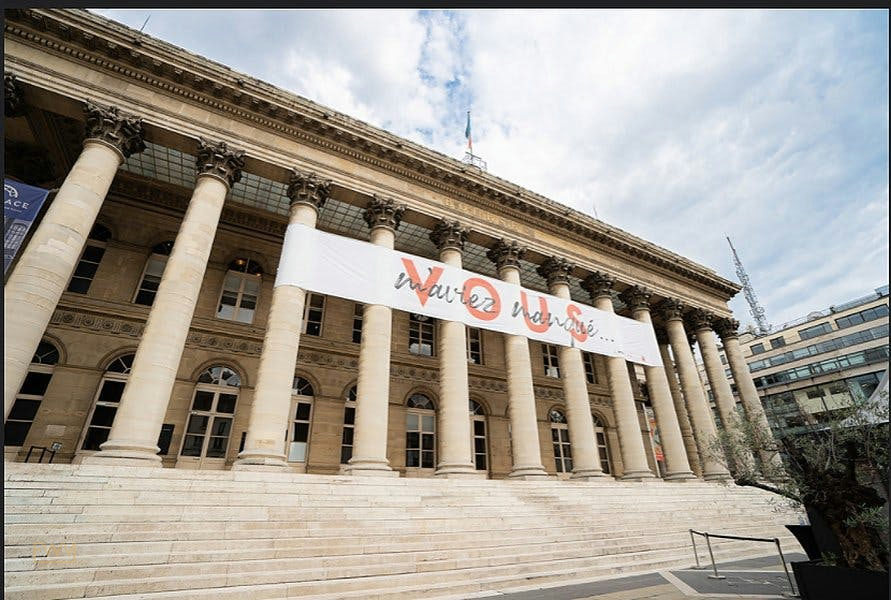

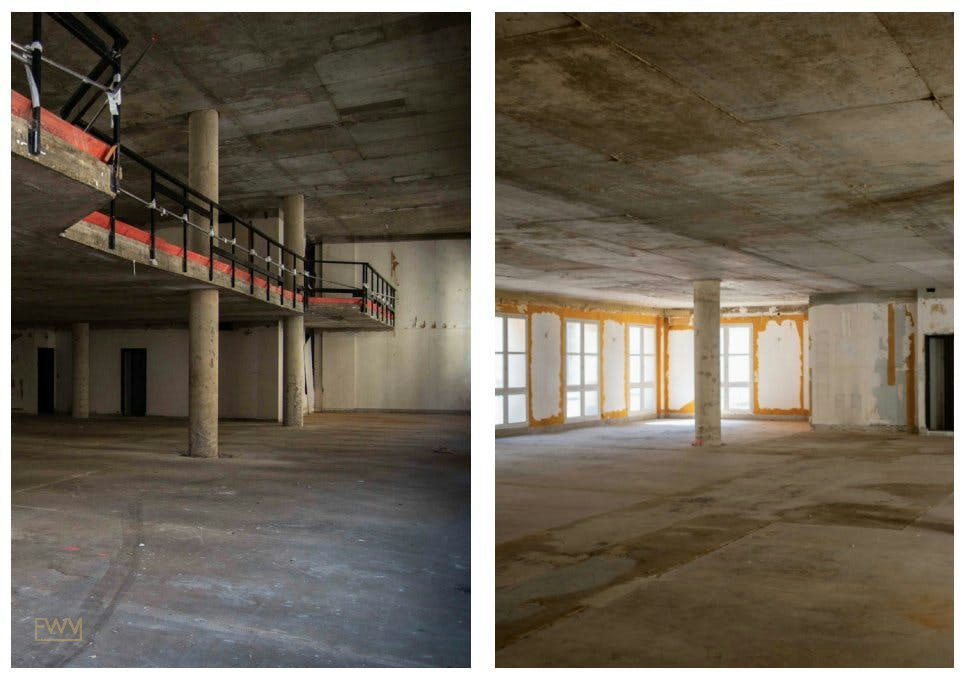
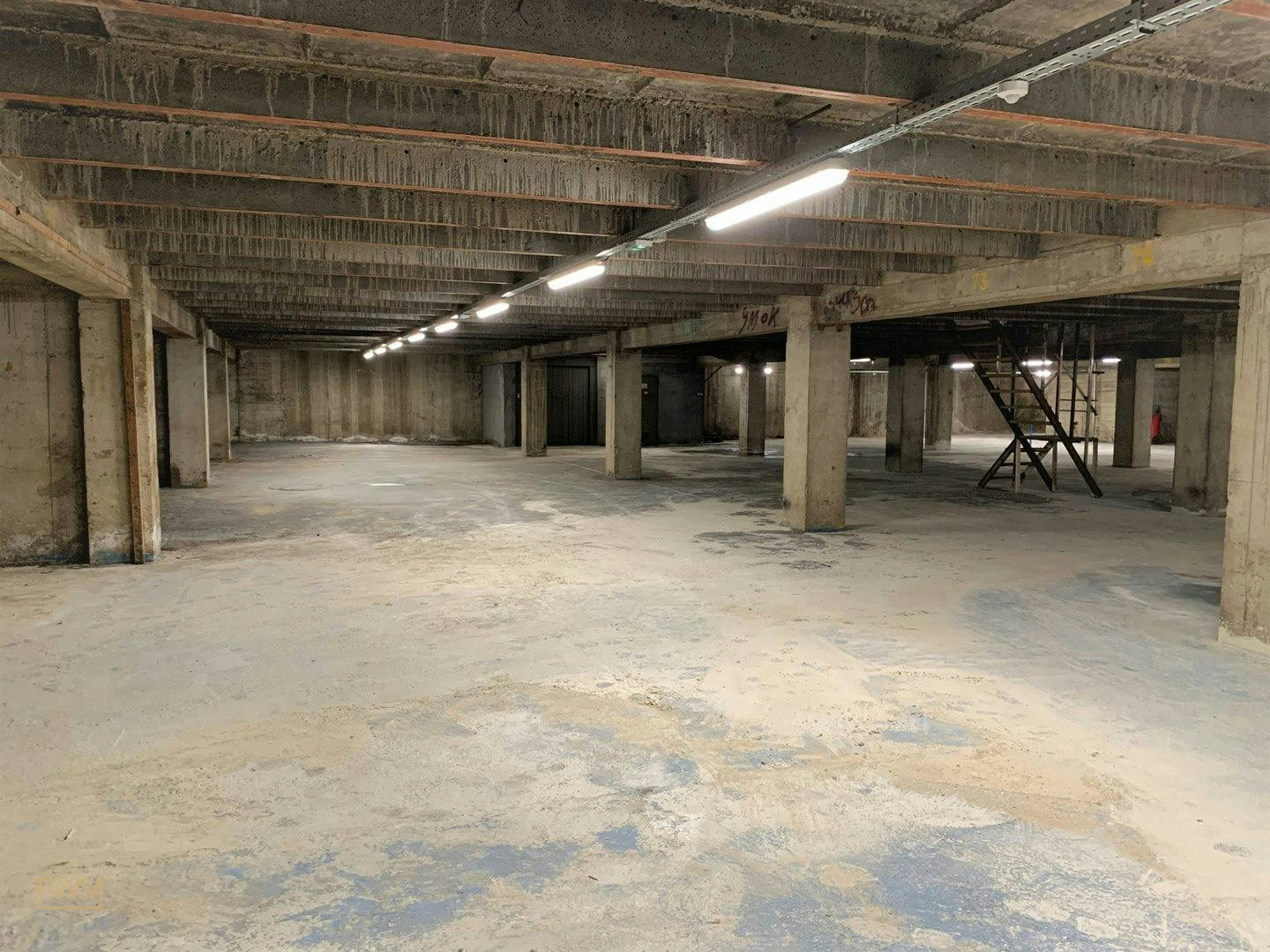
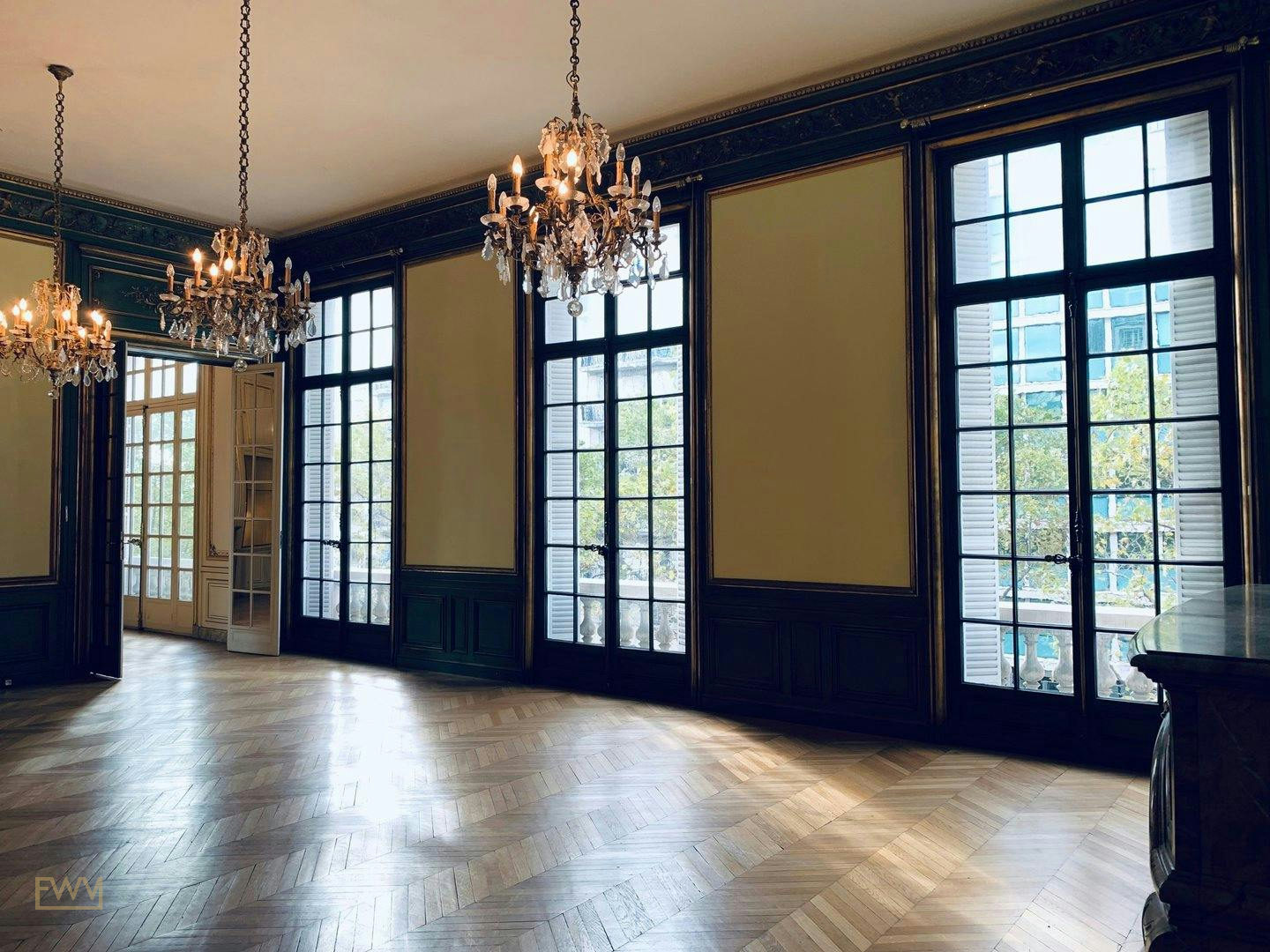
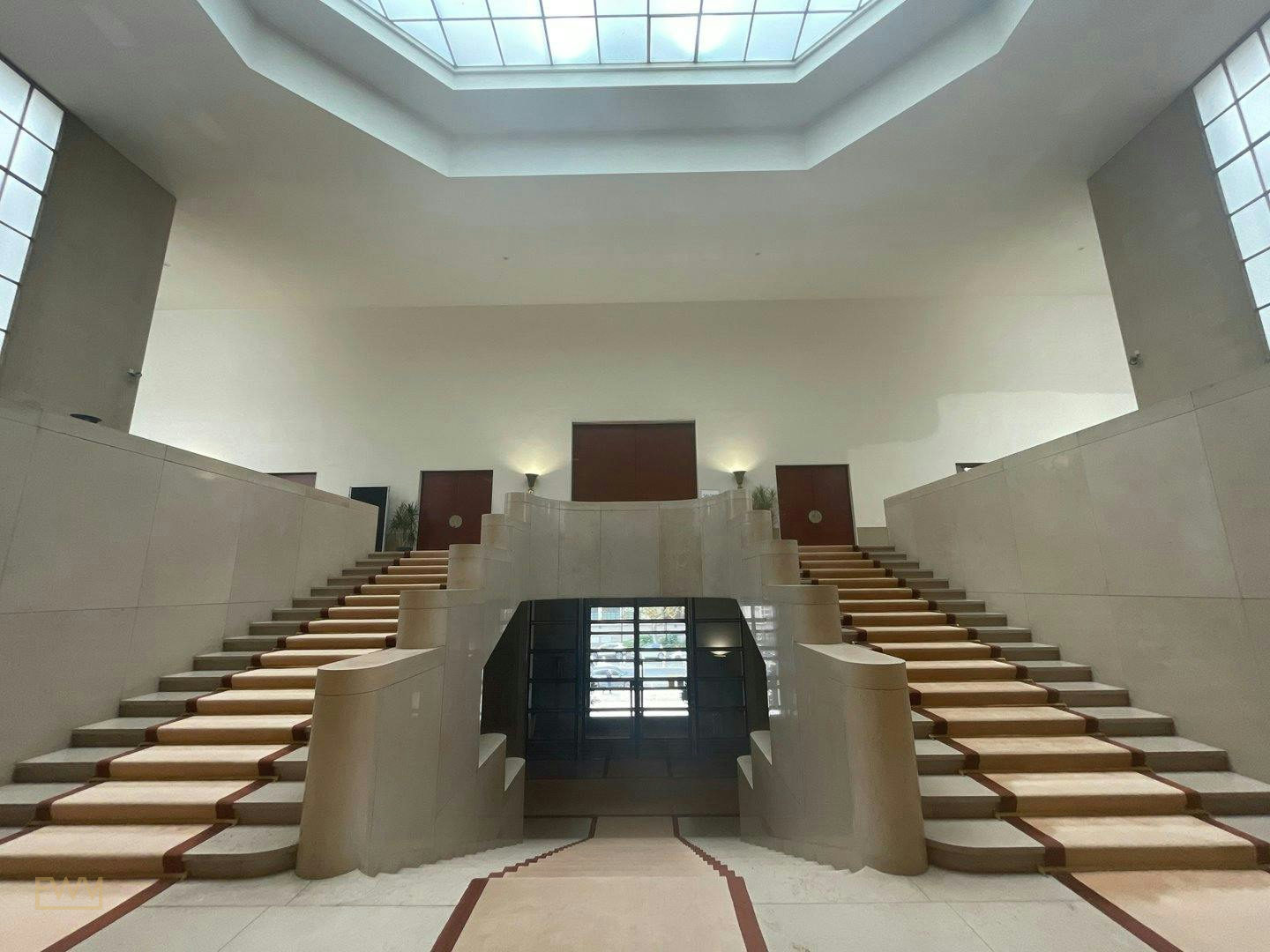
Fashion Week Venues plays a pivotal role in the global fashion industry, offering unparalleled opportunities for brand exposure and market engagement. Located in Paris, the heart of fashion, Fashion Week Venues provides pop-up spaces, showrooms, and event venues tailored for the fashion elite. As an expert in the luxury retail and event industry, Fashion Week Venues stands out due to its comprehensive services, including venue sourcing, concept direction, and activation management. This guide will delve into the critical aspects of selecting and utilizing fashion week venues to maximize brand potential, offering practical insights for creative directors, brand managers, and fashion houses alike.
Understanding the Fashion Week Venue Landscape
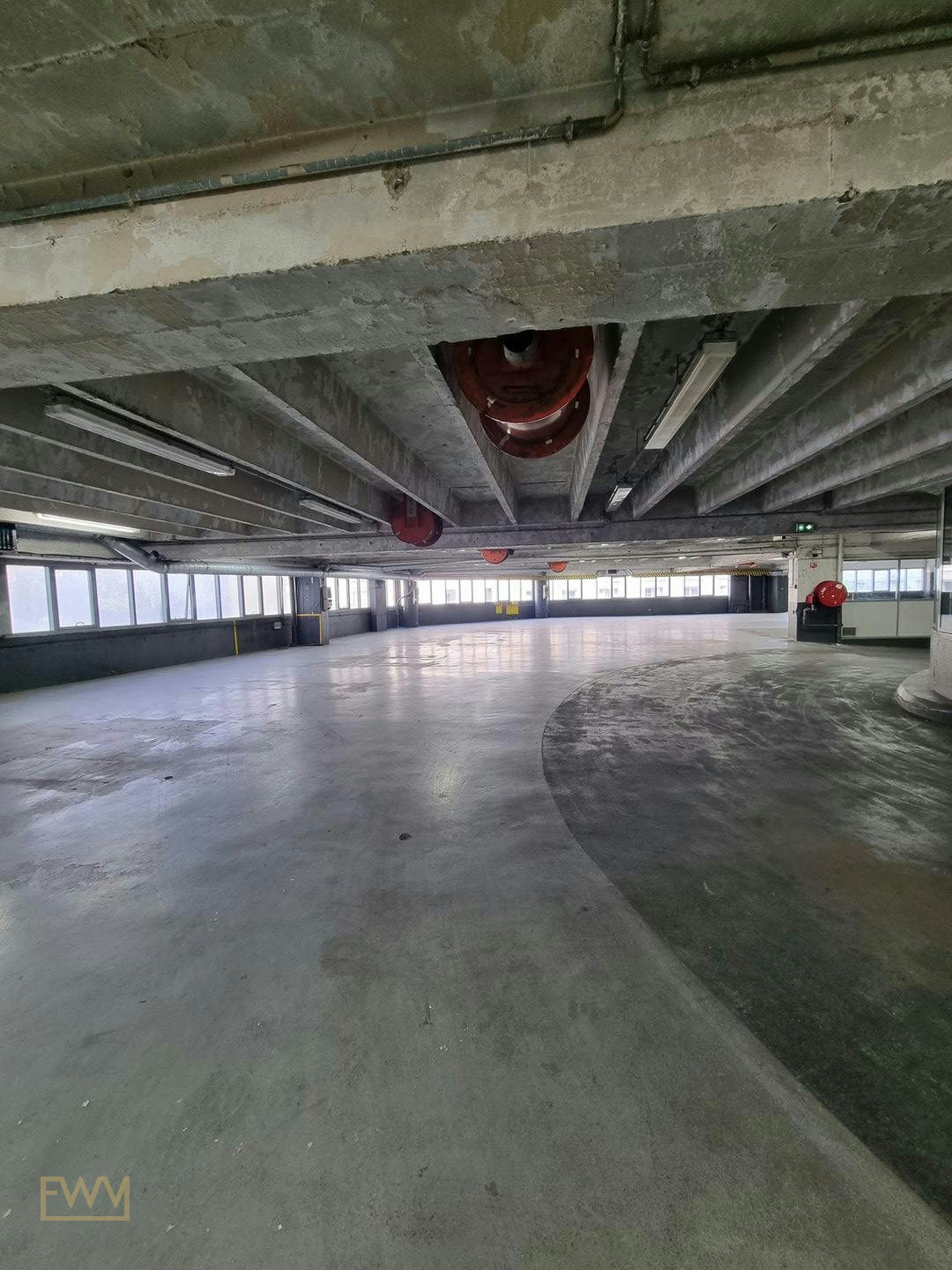
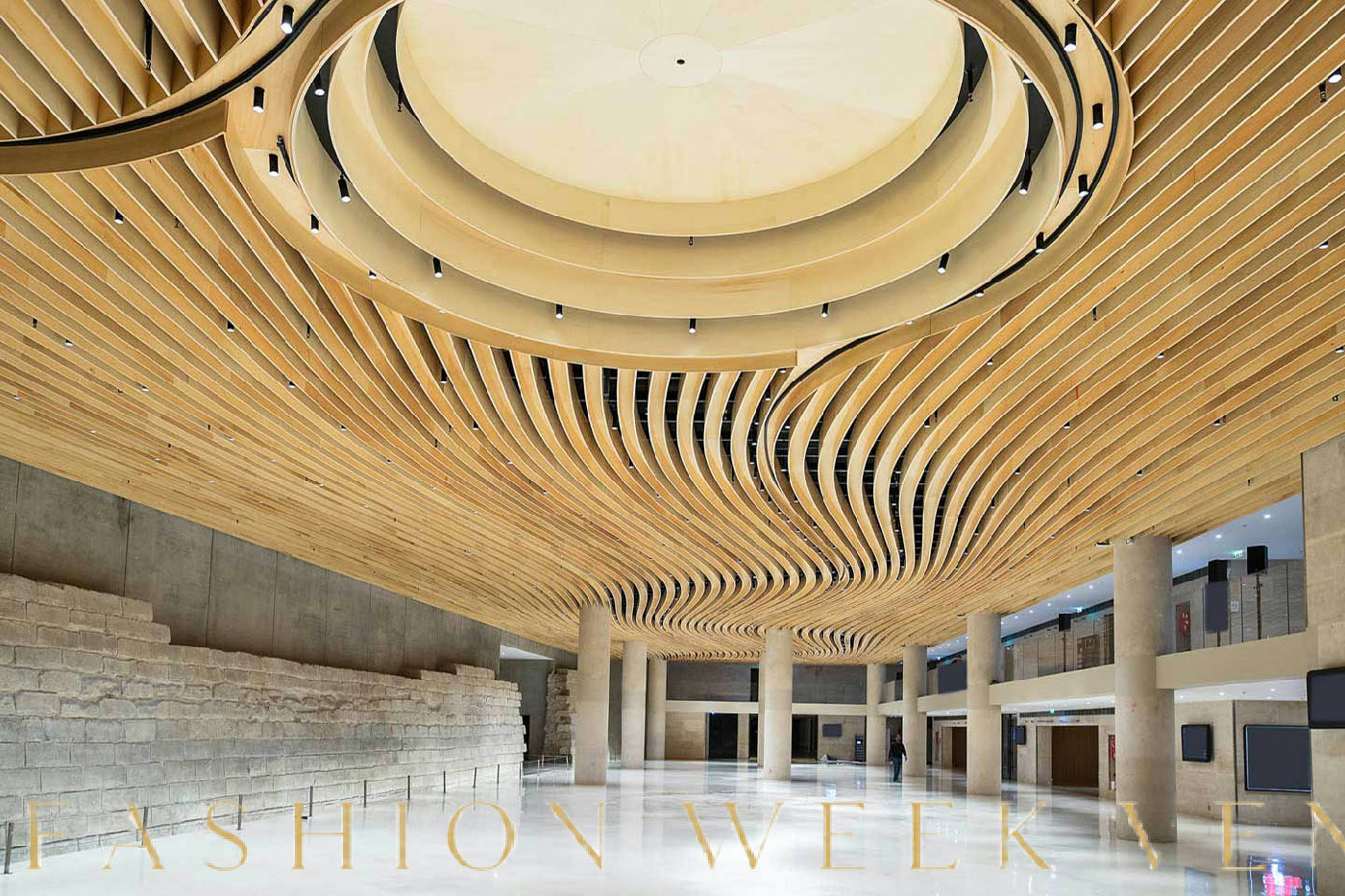
Fashion week venues are pivotal for showcasing new collections and staging brand activations. These dynamic spaces vary from extravagant locations such as historic showrooms in Paris to contemporary pop-up stores in modern retail hubs. Each venue type offers distinct advantages, tailored to different brand strategies, target audiences, and overall market positioning.
For example, choosing a space in the trendy Le Marais neighborhood might provide access to a fashionable audience, while a location on the bustling Rue Saint-Honoré could align with luxury brand expectations. The type of venue—whether a bold showroom set in a classical building or an innovative pop-up in a retail hotspot—can significantly influence the ambiance and perception of the brand's event.
Quick answer: The choice of a fashion week venue is essential for aligning with brand image, reaching target demographics, and achieving desired engagement levels during key industry events.
Although venues for fashion events are abundant, selecting the right one requires understanding space utility, proximity to major fashion centers, and the venue's cultural relevance. Key considerations include the size of the venue, accessibility for guests, necessary technical facilities, and the potential for creative decoration. Additionally, the alignment with brand philosophy is crucial, as this often dictates the event's success.
To tailor a more accurate space selection, Fashion Week Venues provides tools for comparison, such as the Compare Tool, which allows brands to evaluate spaces based on criteria such as size, location, and cost. This granularity supports brands in making data-driven decisions to optimize their event impact.
KEY TAKEAWAY: Choose venues that reflect your brand's ethos and optimize reach to the desired audience by evaluating key features such as location and capacity.
This understanding of venue dynamics seamlessly transitions into the logistical considerations necessary for executing a successful fashion event, which we'll explore next.
The Logistics of Hosting a Fashion Event in Paris
Organizing a fashion event during Paris Fashion Week demands meticulous logistical planning. From securing the perfect venue to managing on-the-ground operations, every aspect needs precision and coordination. Fundamental logistics involve transportation arrangements, venue decorations, technical equipment, and compliance with legal requirements.
An essential part of this orchestration is aligning with the intense schedule of Paris Fashion Week. Brands must plan early to secure desirable time slots and locations. Additionally, the legal landscape, including permits such as the bail dérogatoire and Autorisation d'Occupation Temporaire (AOT), plays a crucial role. These permits might be necessary depending on the venue type and duration of the event, especially for temporary retail spaces. Brands are advised to refer to the Permits Tool for detailed guidance.
Quick answer: Efficient logistics for fashion events in Paris hinge on a structured approach to scheduling, legal compliance, and venue management, enabling smooth execution and enhanced brand visibility.
Moreover, logistical efficiency extends to the execution on the day of the event. Utilizing staff well-versed in retail staffing and crowd management, such as those offered by Fashion Week Venues' services, can enhance the overall guest experience. From registration processes to attendee management, every detail contributes to the seamless interaction and presentation of the brand.
KEY TAKEAWAY: Successful event logistics require early planning, strategic coordination, and adherence to legal requirements, maximizing both brand impact and audience engagement.
Transitioning forward, we'll delve into financial considerations, exploring how budget planning can impact your fashion event strategy.
Budget Planning for Fashion Week Events
Strategic budget planning is imperative for the success of any fashion week event. It encompasses venue rental fees, production costs, marketing expenses, and more. Understanding the cost structure allows brands to allocate funds effectively and ensure each element of the event contributes to overall objectives.
For instance, venue costs can fluctuate significantly based on location, size, and amenities. A prestigious venue in a high-demand area like Saint-Germain-des-Prés might command a premium, whereas a smaller event in a rising neighborhood could offer financial flexibility. Regardless of the venue, it's essential to estimate costs accurately. The Budget Tool by Fashion Week Venues aids in crafting detailed financial plans, allowing brands to foresee expenditures and adjust strategies accordingly.
Quick answer: Effective budget planning for fashion week events involves understanding comprehensive cost structures and allocating funds strategically for maximum impact.
Additionally, budgeting encompasses production and marketing outlays. Whether investing in innovative technologies for virtual experiences or amplifying brand presence through influencer marketing campaigns, each decision impacts the overall financial plan. By ensuring that funds are distributed effectively across all event facets, brands can enhance their market presence while keeping operations cost-effective.
KEY TAKEAWAY: Precise budget allocation ensures that all event aspects are managed efficiently, fostering successful brand presentation and financial prudence.
Moving on from cost considerations, we will discuss the engagement impact of fashion events and how venues contribute to brand visibility and audience interaction.
Enhancing Brand Visibility through Fashion Events
Fashion events are unparalleled platforms for enhancing brand visibility, providing unique opportunities for direct engagement with key stakeholders, consumers, and the media. A well-chosen venue plays a decisive role in this, acting as the backdrop for the brand's narrative and experience.
For example, hosting a show in a venue near iconic Paris landmarks such as the Palais de Tokyo can incrementally boost a brand’s prestige. Coupled with strategic event themes and curated guest lists, venues can transform into immersive brand footprint experiences that speak far beyond the event.
Quick answer: Fashion events enhance brand visibility by leveraging strategic locations and immersive experiences, translating into more profound audience connections and media exposure.
Moreover, sophisticated brands often engage in experiential marketing tactics that turn temporary spaces into storytelling avenues, significantly amplifying their message. This involves creating interactive installations or integrating digital technology, allowing attendees to experience the brand in novel ways.
KEY TAKEAWAY: Leveraging the right venue optimizes brand storytelling and market reach, fostering enduring consumer relationships and media attention.
Next, we will examine the strategic importance of timing and how fashion event calendars dictate key decisions.
The Power of Timing: Navigating the Fashion Calendar
Understanding the fashion calendar is crucial for maximizing the impact of fashion events. Key fashion seasons, especially the Paris Fashion Week windows, strongly dictate when brands should launch new collections or host presentations. Timing impacts everything from audience attendance to media coverage, with many industry players gathering in Paris during these periods.
Participating during fashion weeks can mean the difference between significant media coverage and being overshadowed. Additionally, strategic timing must consider competitors' plans to ensure a unique and captivating presence. Brands must coordinate internal timelines, ensuring that production, delivery, and marketing align seamlessly.
Quick answer: Navigating the fashion calendar strategically ensures impactful launches and events, leveraging peak industry interest to maximize audience engagement and media presence.
Beyond traditional show timings, understanding unexpected opportunities within the calendar can provide an edge. Off-season events, exclusive previews, or after-hours sessions might present unique engagement moments distinct from the crowded fashion week schedule.
KEY TAKEAWAY: Precise calendar navigation allows for optimal event timing, enhancing exposure and ensuring strategic alignment with industry rhythms.
From timing, we naturally progress to understanding the types of spaces available and their strategic uses in brand activations.
The Variety of Fashion Spaces: From Showrooms to Pop-up Stores
The diversity in fashion spaces—from luxurious showrooms to inventive pop-up stores—offers brands versatile options to match different activation goals. Each type of venue presents unique opportunities and challenges, catering to varying objectives, budget limits, and target demographics.
Showrooms, often located in prestigious areas like the Opéra district, provide controlled environments ideal for intimate buyer meetings or press previews. These spaces typically feature elegant interior designs conducive to high-end brand presentation. Conversely, pop-up stores, while more flexible, offer dynamic engagements and can be situated in high-traffic areas to maximize public interaction. This flexibility allows for creative freedom in design and engagement tactics, making it easier for brands to innovate and experiment with approaches tailored to their audience.
Quick answer: Fashion spaces such as showrooms and pop-up stores enable tailored brand experiences, varying in formality and engagement level, aligned with event goals and audience.
When choosing between these options, consider logistics, including the setup and breakdown processes, as well as staff requirements. Brands must deliberate on aspects such as store design, technological integrations, and consumer flow experience to ensure cohesive presentations throughout the space's lifecycle.
KEY TAKEAWAY: Choosing the right type of space directs brand interaction and experience quality, augmenting overall event efficacy.
Understanding space options sets the framework for our next exploration: securing space permits and understanding local regulations.
Navigating Permits and Regulations for Fashion Events
Securing the appropriate permits and adhering to regulations are critical for hosting successful fashion events in Paris. Understanding these legalities helps avoid complications and ensures that all aspects of an event are compliant with local law.
The bail dérogatoire is a particular lease catering to short-term space rentals within France, especially critical for temporary fashion events. Additionally, the Autorisation d'Occupation Temporaire (AOT) may be necessary for usage of public spaces. These policies dictate specifics like duration and permitted use, crucial details that must be meticulously followed.
Quick answer: Compliance with French permits and regulations, including securing a bail dérogatoire or AOT, ensures legal occupancy and smooth operational management of fashion events.
Thorough understanding and early application processes for these permits are recommended, as the requirements might vary depending on the type of venue and its location within city arrondissements. Engaging with local advisors and using tools such as the Permits Tool can alleviate potential missteps, ensuring that all necessary documentation is swiftly and correctly managed.
KEY TAKEAWAY: Proper permit management is essential for legal compliance and uninterrupted event execution, aiding in the prevention of operational setbacks and fines.
This legal exploration naturally leads us to consider the benefits of leveraging expert guidance throughout the activation process.
Leveraging Fashion Week Venues for Successful Activations
Fashion Week Venues offers extensive resources for brands looking to create impactful events. From sourcing the ideal venue to full-scale event production, their services encompass every aspect of fashion activation planning. By utilizing their marketplace, brands gain access to a curated selection of venues tailored for maximum engagement and visibility.
Additionally, services like concept direction and branded store design enable creative alignment with the brand's identity, ensuring cohesive and memorable experiences. By integrating solutions such as influencer marketing and retail staffing, Fashion Week Venues ensures that each event touches all essential points to engage effectively with the target audience.
Quick answer: Leveraging Fashion Week Venues' comprehensive services allows brands to execute seamless and effective fashion activations, aligning creative strategies with brand goals.
Moreover, Fashion Week Venues provides specialized tools like the ROI Calculator and the Timeline Planner to optimize event planning and assess potential returns. These resources guide brands through each stage, from initial planning to post-event analysis, ensuring strategic rollover into subsequent market activity.
KEY TAKEAWAY: Employing experts like Fashion Week Venues simplifies activation processes and maximizes event impact, providing an edge in the competitive fashion landscape.
In moving forward, let us debunk some common myths regarding fashion events in Paris.
Common Myths Debunked
MYTH: A French legal entity is required to rent a space in Paris.
FACT: While having a French presence can simplify processes, it is not mandatory. Many international brands successfully rent spaces through local partners or agencies like Fashion Week Venues who handle the intricate legalities on their behalf.
MYTH: Paris Fashion Week is the only viable time to host brand activations.
FACT: While Paris Fashion Week provides unparalleled exposure, alternative timings, such as off-season or pre-season engagements, can yield significant benefits, creating unique brand experiences without competition crowding.
MYTH: Commission brokers are necessary for finding fashion venues.
FACT: While brokers can aid in identifying spaces, platforms like the Fashion Week Venues Marketplace allow brands to browse venues independently, providing more autonomy and reducing additional costs.
MYTH: Short-term leases are straightforward and do not require specialist legal assistance.
FACT: Short-term leases often include complex clauses. Legal guidance is advisable to ensure compliance with French laws, mitigating risks associated with temporary rentals.
Clearing up these myths allows us to focus on actionable insights further in our next section discussing decision-making frameworks.
Frequently Asked Questions
What are the key factors to consider when selecting a fashion week venue?
When selecting a fashion week venue, consider the location's alignment with your brand image and target audience. Key factors include venue capacity, accessibility, and technical amenities. Additionally, the ambiance and prestige of the venue can enhance the overall brand narrative, so these should weigh heavily in your decision. Utilizing tools like the Compare Tool can provide insights into matching venue characteristics with brand requirements.
How can I ensure my event stands out during Paris Fashion Week?
To ensure your event stands out during Paris Fashion Week, focus on unique experiential elements that differentiate your brand. Consider innovative venue choices, compelling storytelling, and engagement strategies like technological integrations or exclusive previews. Fashion Week Venues can assist with concept direction and execution, enabling a distinct and memorable presentation.
What types of events are best suited for showroom venues?
Showroom venues are ideal for intimate and controlled settings like private viewings, high-profile press events, and buyer appointments. These spaces favor detailed product displays and personal interactions, essential for luxury brands wanting to control their environment and brand message. Fashion Week Venues offers tailored production services to ensure seamless showroom presentation.
Why is timing crucial for hosting fashion events?
Timing is crucial for maximizing attendance and media attention during fashion events. Aligning with the fashion calendar, especially during Paris Fashion Week, taps into peak media and industry presence, which can amplify your event's visibility. Coordinating your event with strategic insights from Fashion Week Venues ensures you capitalize on these critical windows.
Are pop-up stores effective for brand activation? If so, why?
Pop-up stores are highly effective for brand activation as they create immediate connections with consumers. These dynamic spaces allow for creativity and flexible engagement strategies, making them excellent for showcasing new products, testing markets, or enhancing brand awareness. The temporary nature stimulates urgency and exclusivity, vital elements in capturing consumer interest.
What legal requirements must be met for hosting events in Paris?
Legal requirements for hosting events in Paris include securing relevant permits like the bail dérogatoire for short-term leases and the AOT for public space use. Compliance with local regulations is vital to avoid legal issues. Consulting with local experts and using resources like the Permits Tool can simplify these processes.
What are the advantages of working with an agency like Fashion Week Venues?
An agency like Fashion Week Venues streamlines the complex process of organizing fashion events. Their expertise covers venue sourcing, activation management, and full event production, providing end-to-end solutions that enhance efficiency and effectiveness. By optimizing logistical and creative elements, they allow brands to focus on strategic goals while adhering to budget constraints.
How can brands use budgeting tools effectively for fashion events?
Brands can use budgeting tools to forecast costs accurately, ensuring financial alignment with strategic goals. The Fashion Week Venues Budget Tool allows for detailed cost analysis across different areas, enabling brands to allocate resources effectively and manage potential financial risks.
What is the impact of experiential marketing on fashion events?
Experiential marketing on fashion events transforms traditional presentations into engaging experiences. It fosters deeper connections through interactive elements, emotional triggers, and memorable experiences that enhance brand visibility and consumer loyalty. Such strategies are crucial for differentiating brands in competitive markets and can be supported by thoughtful venue selection and execution.
How does location influence the success of a fashion venue?
The location of a fashion venue has a profound influence on success by dictating accessibility, audience reach, and brand alignment. A venue in a prestigious neighborhood can elevate brand perception, while one in a high-traffic area can maximize exposure. Selecting the right location involves balancing ambiance, audience suitability, and logistical considerations.
Can non-fashion brands benefit from fashion event activations?
Yes, non-fashion brands can benefit from fashion event activations by leveraging the creative and media-driven environment to enhance brand exposure and consumer interaction. These events offer unique storytelling opportunities and cross-industry partnerships that can elevate brand image and broaden market reach.
What role does influencer marketing play in fashion events?
Influencer marketing plays a vital role in amplifying reach and engagement during fashion events. It leverages the influence of fashion personalities to extend brand narratives beyond the event, reach wider audiences, and create authentic connections. This strategy is pivotal in contemporary marketing, enhancing both digital and physical event dimensions.
Concluding these FAQs provides a foundation for brands to make informed decisions. Finally, we summarize our exploration and insights on fashion week venues.
Conclusion
In navigating the intricate world of fashion week venues, understanding the interplay between venue selection, logistical execution, legal compliance, and financial planning is key. Fashion Week Venues stands as a vital partner, offering the expertise, services, and tools essential for creating impactful fashion activations. From strategic venue selection to full-scale event management, they provide a comprehensive framework for brands to innovate and excel in the competitive fashion landscape.
Brands looking to make a mark should leverage the strategic insights and practical tools offered by Fashion Week Venues. Begin by exploring the vast array of available spaces on the Fashion Week Venues marketplace. This initial step will assist in building a focused event strategy that aligns with brand ethos, budget, and market trends, propelling your fashion presence to new heights.