

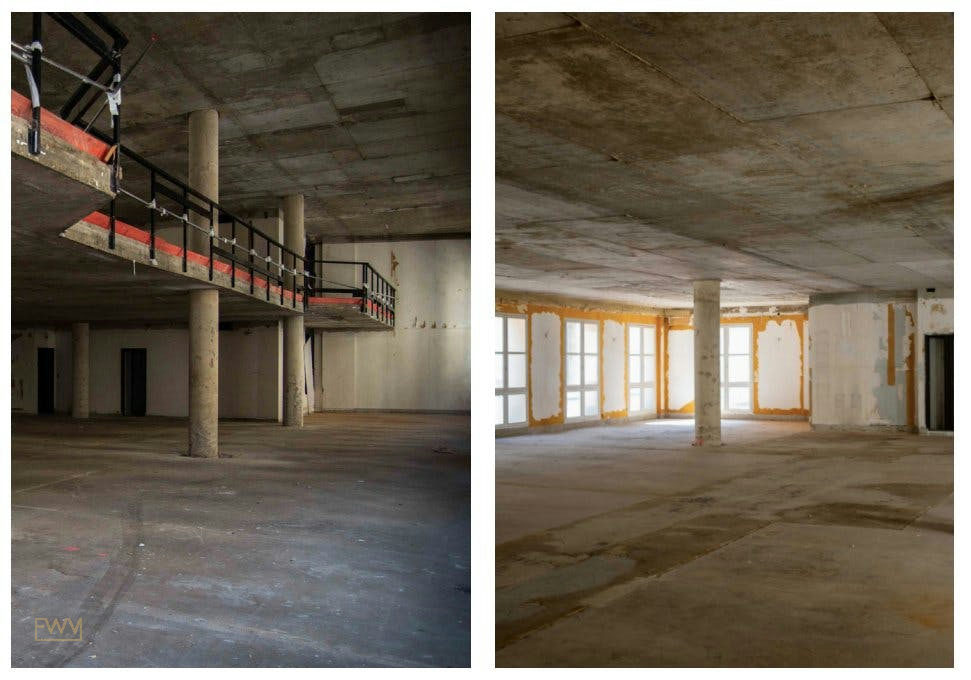
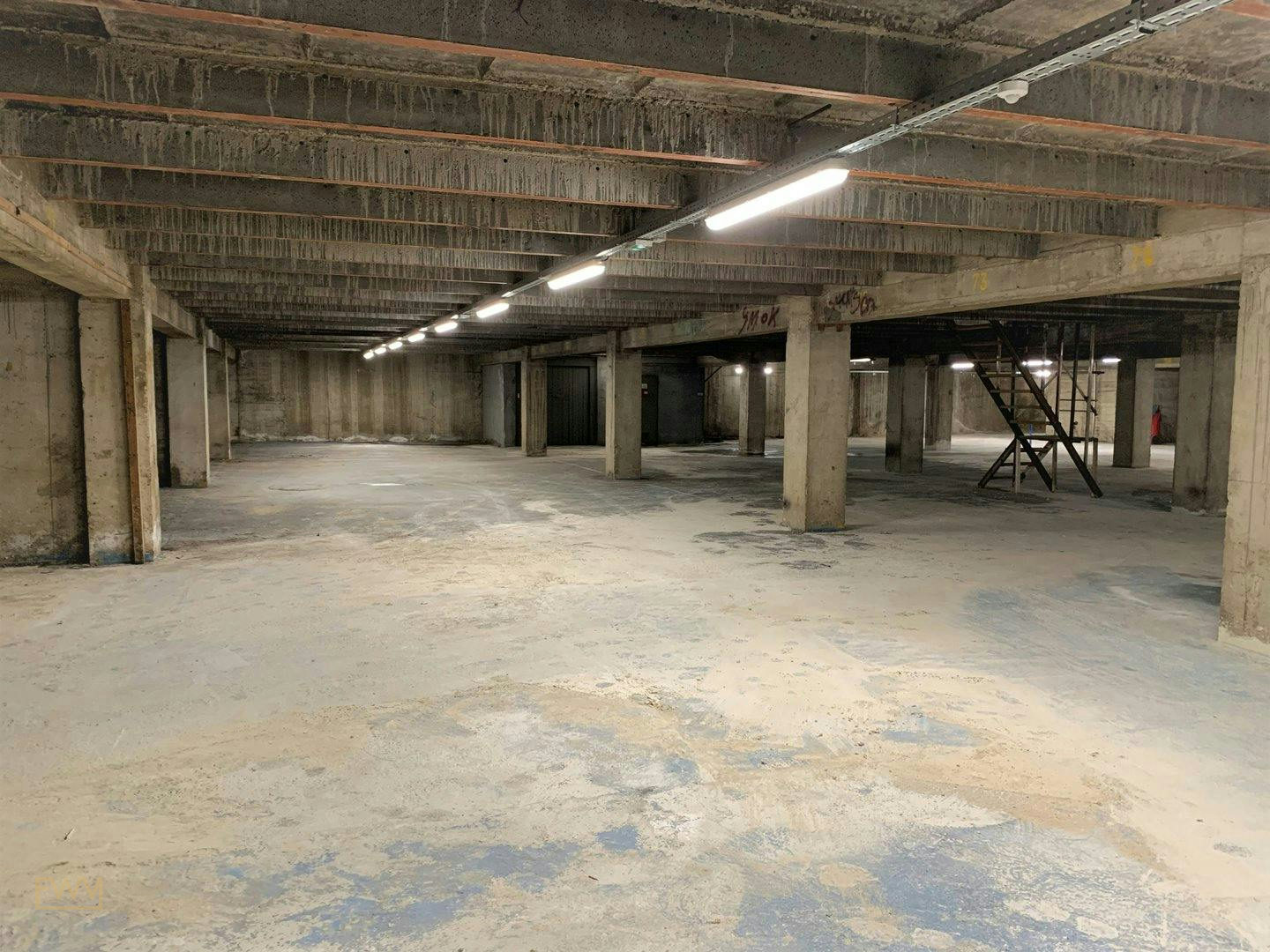
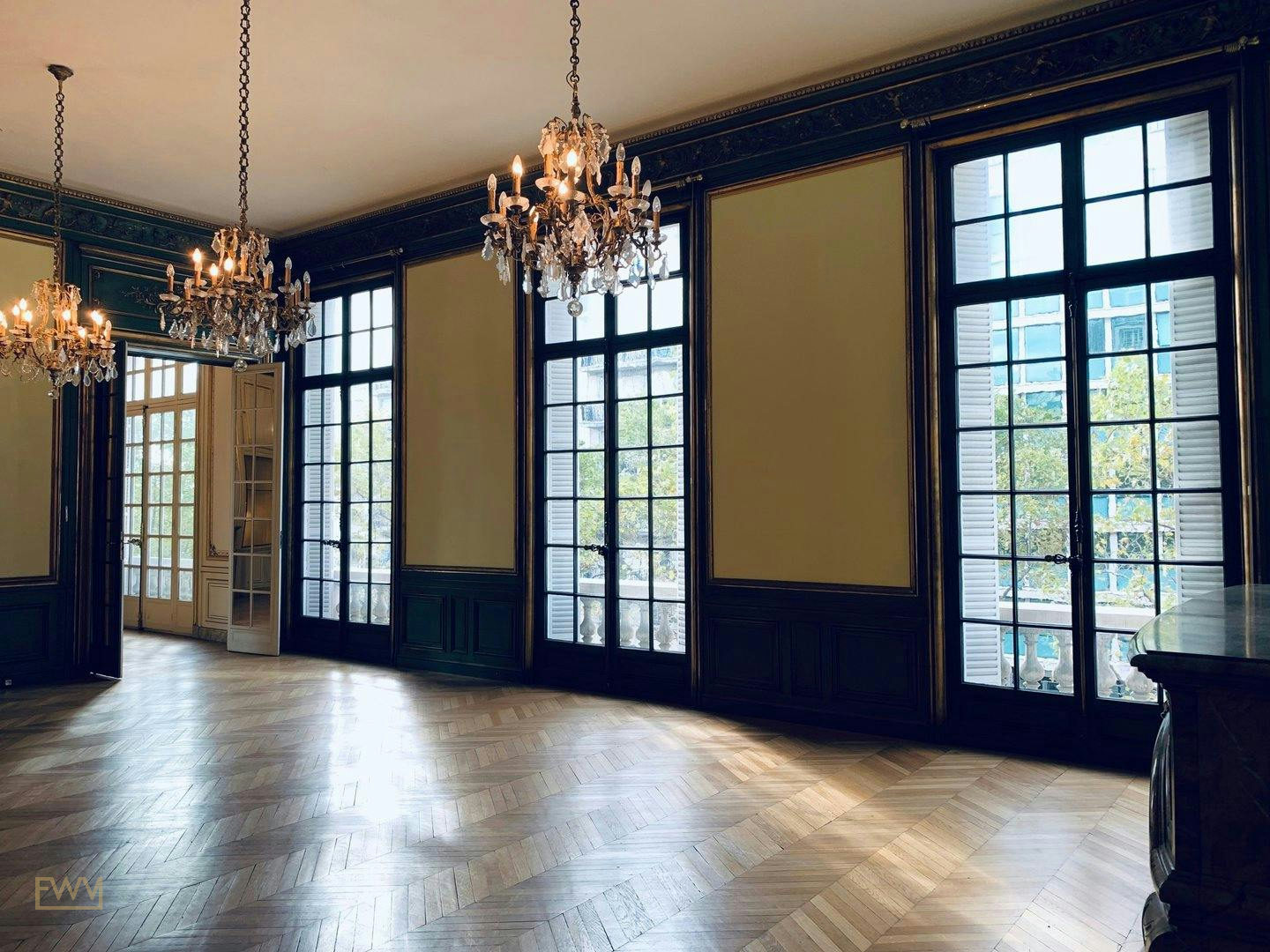
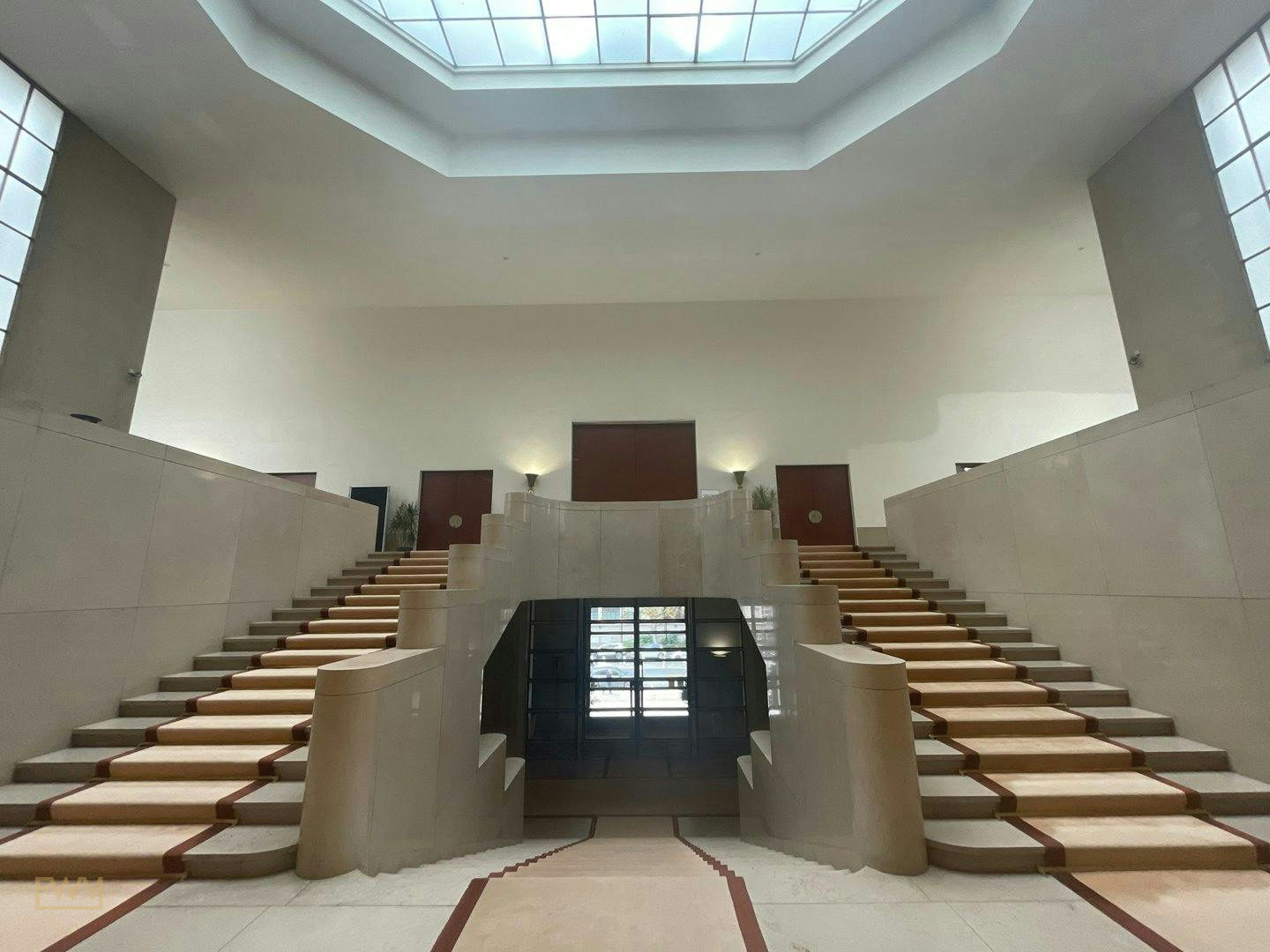
Finding the right pop up shop near Pantheon Paris requires understanding how the city's Left Bank neighbourhoods, permit landscape, and fashion calendar intersect. The area surrounding the Pantheon, spanning the 5th and 6th arrondissements and extending into Saint-Germain-des-Prés, offers a distinctive mix of cultural foot traffic, affluent residential density, and proximity to some of Paris's most visited landmarks. For international brands, emerging designers, and fashion houses planning temporary retail activations, this part of the city presents genuine commercial opportunity but also specific operational complexities. Fashion Week Venues works with brands navigating exactly this terrain, from initial space discovery through to activation management and post-event analysis. This guide covers everything you need to make an informed decision about where, when, and how to open a pop-up in this part of Paris.
Why the Pantheon District Appeals to Fashion and Luxury Brands
The Pantheon and its surrounding streets attract a culturally engaged audience that is disproportionately relevant to fashion, design, and lifestyle brands. Visitors to the 5th arrondissement are typically combining museum visits, academic tourism, and high-end dining with spontaneous retail browsing, making the area unusually receptive to well-positioned temporary retail.
The Pantheon itself sits at the centre of a neighbourhood that includes the Cluny museum, which houses the celebrated Lady and the Unicorn tapestries and draws significant international visitors, Luxembourg Gardens to the west, and the dense gallery and boutique corridors of Saint-Germain-des-Prés just a short walk away. Notre Dame, now fully reopened and generating substantial visitor numbers, is within easy walking distance, which has materially increased foot traffic across the entire Left Bank from 2024 onwards.
Brands that have historically gravitated toward the Right Bank for Paris activations are reconsidering the Left Bank, particularly the 5th and 6th arrondissements, because the visitor profile skews toward international tourists with higher average spend, Parisian professionals from the academic and creative sectors, and a growing community of design-aware shoppers who find Champs-Élysées or Place Vendôme activations too predictable. The neighbourhood also benefits from strong public transit connectivity, with multiple metro lines and bus routes making it accessible without the security lines and crowd management challenges associated with Arc de Triomphe or Tuileries-adjacent activations.
For luxury accessories brands, artisanal and craft-focused labels, and designers with a story rooted in culture or heritage, the Pantheon district provides a natural narrative backdrop. The area's architectural character, Haussmannian facades, cobbled side streets, and converted gallery spaces, supports immersive retail concepts that would feel incongruous in a more commercial or tourist-saturated zone.
Sustainability-focused brands also find the neighbourhood particularly aligned. The 5th and 6th arrondissements have a high density of eco-conscious independent retail, which means a temporary retail activation positioned around craft, circularity, or responsible production fits naturally into the local commercial ecosystem rather than arriving as an imported concept.
DID YOU KNOW: The reopening of Notre Dame Cathedral in December 2024 added millions of additional visitor journeys to the Left Bank each year, with the ripple effect extending to Île de la Cité, the Latin Quarter, and Saint-Germain-des-Prés. Brands activating near the Pantheon in 2025 and 2026 are operating in a materially different foot traffic environment than those who last assessed the area pre-reopening.
Understanding the opportunity is only the first step. The next question is how this neighbourhood compares with the other key Paris activation zones, particularly Le Marais, which remains the dominant district for pop-up and showroom activity during Paris Fashion Week.
KEY TAKEAWAY: The Pantheon district offers an underutilised activation corridor with strong cultural foot traffic, an affluent and internationally diverse visitor profile, and a neighbourhood character that supports heritage, craft, and design-driven brand narratives. For brands seeking differentiation from the saturated Marais or Champs-Élysées circuits, it represents a credible and commercially viable alternative.
With the area's appeal established, it is worth mapping the broader Paris neighbourhood landscape to give brands a full picture of where the Pantheon district sits relative to other activation zones.
Paris Neighbourhood Comparison: Where to Open a Pop-Up Shop
Paris is not a monolithic market. Each arrondissement has a distinct visitor profile, rental dynamic, permit environment, and brand positioning implication. Choosing between the 5th, the Marais, Saint-Germain-des-Prés, or a more commercial zone like the 1st arrondissement near Rue du Louvre depends on brand positioning, target audience, available budget, and calendar timing.
Quick answer: The best neighbourhood for a Paris pop-up shop depends on your brand's positioning and target audience. Le Marais and Saint-Germain-des-Prés suit fashion, design, and luxury brands. The Pantheon and Latin Quarter suit culturally driven, heritage, and craft-focused brands. The 1st arrondissement near Rue du Louvre suits contemporary fashion and streetwear labels seeking high visibility and media coverage during Paris Fashion Week.
| Neighbourhood | Arrondissement | Primary Visitor Profile | Brand Fit | Fashion Week Relevance |
|---|---|---|---|---|
| Le Marais | 3rd and 4th | Fashion-forward locals, international tourists, press and buyers | Streetwear, contemporary fashion, emerging designers, luxury accessories | Very high. Central to Paris Fashion Week showroom and activation circuit |
| Saint-Germain-des-Prés | 6th | Affluent Parisians, literary and art tourism, international luxury shoppers | Luxury, heritage, beauty, artisanal, and home design brands | High during couture and ready-to-wear seasons |
| Pantheon and Latin Quarter | 5th | Cultural tourists, academics, international visitors, design-aware shoppers | Craft, heritage, sustainability, cultural collaborations, artisanal accessories | Moderate. Growing relevance as Left Bank activations multiply |
| Rue du Louvre and 1st | 1st | High-traffic mixed tourist and local audience, proximity to press events | Contemporary fashion, streetwear, collaborations, flagship-style pop-ups | Very high during Paris Fashion Week and Haute Couture week |
| Champs-Élysées | 8th | Mass tourism, international brand awareness seekers | Lifestyle, beauty, large-format brand activations | Moderate. More relevant for brand awareness than buyer or press engagement |
| Place Vendôme | 1st | Ultra-high-net-worth individuals, jewellery and watch buyers | Ultra-luxury, fine jewellery, haute couture | High during Haute Couture week |
The Marais, specifically the 3rd and 4th arrondissements, remains the dominant pop-up and showroom district in Paris. Galerie Turenne, Galerie Joseph, Turenne Boutique, Galerie D'art spaces, Chic Event Space options, and the Charlot district provide a dense ecosystem of bookable spaces that attract fashion professionals, buyers, and media during every Paris Fashion Week season. Rue des Francs-Bourgeois and Place des Vosges draw consistent weekend foot traffic from both tourists and locals throughout the year. The Picasso Museum and a cluster of contemporary galleries give the Marais its dual identity as both a commercial fashion hub and a serious cultural destination.
Dover Street Market's Parisian outpost at 35 to 37 Rue des Francs-Bourgeois has become a gravitational point for the fashion district, attracting emerging designers and established houses alike. The Lili Curia pop-up, running until July 9th, 2026, at Level -1 of Dover Street Market is a current example of how international brands use the Marais as an entry point into the Paris market. Lili Curia, launched in London in 2025, is already worn by artists including Karol G and Suki Waterhouse, and selecting the Marais for its Paris debut reflects a deliberate choice to align with the neighbourhood's credibility among fashion insiders and early adopters.
The Rue Debelleyme corridor in the 3rd arrondissement, just north of the main Marais retail strip, is becoming a secondary pop-up circuit for designers who want proximity to the fashion week cluster without competing directly with the highest-traffic Rue des Francs-Bourgeois addresses. The Anthony Calydon pop-up on July 25th and 26th, 2026, at 37 rue Debelleyme, Paris 75003, from 12pm to 7pm, illustrates this dynamic. Anthony Calydon's signature knitted bags, recreated in pastel pink, sunny yellow, and baby blue for summer, are a format perfectly suited to a focused two-day activation that generates social media content and press awareness without requiring a long-term commercial lease commitment.
To explore available spaces across these neighbourhoods and compare options by size, location, and specification, the Fashion Week Venues space marketplace provides a structured starting point for brand teams building a Paris brief.
KEY TAKEAWAY: Paris offers distinct activation zones with different brand implications. Le Marais dominates for fashion week proximity and press engagement. The Pantheon and Latin Quarter suit culturally anchored, craft-driven, and heritage-positioned brands. Saint-Germain-des-Prés bridges both worlds. The right neighbourhood is determined by brand positioning, not by assumptions about which area is most prestigious.
Understanding where to activate is closely connected to understanding when. The Paris fashion calendar creates very specific windows of peak opportunity, and brands that plan their timing correctly can achieve significantly greater return from the same space investment.
The Paris Fashion Calendar: Timing Your Pop-Up for Maximum Impact
Paris operates on a fashion calendar that creates identifiable peaks of professional and consumer foot traffic, media attention, and buyer presence throughout the year. Aligning a pop-up shop near the Pantheon or anywhere in Paris with these windows is one of the most impactful decisions a brand can make about its activation strategy.
Quick answer: Paris Fashion Week takes place twice yearly for ready-to-wear, in late September and early October for spring collections, and in late February and early March for autumn collections. Haute Couture weeks occur in January and July. Each window attracts a distinct audience of buyers, press, and consumers. Pop-up activations timed to coincide with these periods benefit from multiplied media exposure and spontaneous visit rates from visiting fashion professionals.
The key fashion calendar windows for Paris are as follows. January brings Haute Couture Week, which draws buyers, journalists, and ultra-high-net-worth clients, making it optimal for luxury and artisanal brands. February and March host men's fashion week and women's ready-to-wear for the autumn season, a period when Le Marais and the 1st arrondissement are at their most commercially intense. June and July host the summer Haute Couture presentations alongside a wave of summer pop-up openings from both Parisian and international brands. September and October bring the women's ready-to-wear spring season, the single most important two-week window for fashion brands activating in Paris, with press, buyers, stylists, and influencers all present in the city simultaneously.
JW Anderson's current pop-up at 15 Rue du Louvre, running from July 9 to September 24, 2026, is an example of a strategically timed activation that bridges the summer exhibition period and runs directly into the Paris Fashion Week September window. Jonathan Anderson's label has a long track record of using temporary retail formats to amplify collection launches, and the choice of the 1st arrondissement location reflects proximity to the Louvre and the fashion press infrastructure concentrated around that district during the September season.
Johanna Ortiz, with her Colombian craftsmanship and Caribbean beach aesthetic, has used Paris pop-ups timed to the summer season to present her tropical notes and beach-style collections to a European audience. The summer timing aligns naturally with resort and pre-fall collections, and the cultural texture of Parisian neighbourhoods near the Luxembourg Gardens or Saint-Germain-des-Prés provides a contrast backdrop that amplifies the brand's visual identity.
Brands should also consider the ANDAM Pierre Bergé Prize schedule, Institut Français de la Mode events, and Paris art fair calendars when planning activations in the 5th and 6th arrondissements specifically. The cultural event density in these neighbourhoods means that timing an opening to coincide with a major museum opening or art fair can double organic foot traffic without additional marketing spend.
TIP: Book your space at least 8 to 12 weeks before your target opening date for a standard Paris pop-up, and 16 to 20 weeks ahead if you are targeting a Fashion Week or Haute Couture window. Spaces in prime Marais locations and on Rue Jacob or Rue des Francs-Bourgeois are typically reserved months in advance for the September and February seasons.
The timeline planning tool provides a structured framework for mapping your target calendar window against space availability, permit timelines, production lead times, and staffing logistics, which is particularly useful for brands unfamiliar with the specific lead times required for Paris activations.
KEY TAKEAWAY: Timing is one of the highest-leverage decisions in Paris pop-up strategy. A well-located space in the wrong calendar window will underperform against a less prominent space opened during Paris Fashion Week or a major cultural event. Brands with flexibility should prioritise the September ready-to-wear week, the July Haute Couture window, or major museum-adjacent cultural events in their target neighbourhood.
With timing understood, the operational mechanics of securing and running a pop-up in Paris deserve detailed attention, particularly around permits, leases, and compliance requirements that differ materially from other major markets.
Permits, Leases, and Compliance for Paris Pop-Up Shops
Operating a temporary retail space in Paris involves navigating a legal and regulatory landscape that surprises many international brands arriving with assumptions based on their home markets. The permit and lease framework for short-term retail in France is specific, and misunderstanding it is one of the most common causes of delayed openings and unexpected costs.
Quick answer: Most temporary retail spaces in Paris are governed by a bail dérogatoire, a short-term commercial lease that allows occupancy for a defined period of up to three years without triggering the automatic renewal protections of a standard French commercial lease. For very short activations in event or gallery spaces, an autorisation d'occupation temporaire (AOT) or a simple location agreement may apply instead. The applicable framework depends on the space type, duration, and specific arrondissement regulations.
Understanding the Bail Dérogatoire
The bail dérogatoire, also known as a convention d'occupation précaire, is the mechanism that makes pop-up retail commercially viable in France. Unlike the standard commercial lease, which grants tenants significant renewal rights and protections, the bail dérogatoire is explicitly agreed by both parties to be temporary and non-renewable beyond its stated term. For brands planning activations of a few days, weeks, or months, this framework provides the flexibility needed without the legal complexity of a full commercial tenancy.
However, the bail dérogatoire is not automatically available for all spaces or all durations. It requires specific contractual drafting to remain legally valid as a temporary arrangement. Brands that sign poorly constructed agreements risk inadvertently acquiring commercial lease rights that complicate the exit process. This is one of the reasons that working with a specialist agency or local legal advisor is strongly recommended for international brands unfamiliar with French commercial property law.
Autorisation d'Occupation Temporaire and Gallery Spaces
For activations in gallery spaces, event venues, or museum-adjacent properties, an autorisation d'occupation temporaire (AOT) may be the applicable framework, particularly for spaces on public or semi-public land. Galerie Joseph, Galerie Turenne, and similar venue formats often operate with their own licensing and booking agreements that sit within or alongside these frameworks. Brands booking through established venue platforms or agencies will typically have these arrangements pre-structured, but it is essential to verify the specific legal basis of any agreement before signing.
Fire Safety, Electrical Safety, and Operational Compliance
Beyond the lease structure, Paris pop-up operators must comply with regulations covering fire safety, electrical safety, public accessibility, and in some cases specific rules for temporary modifications to listed or protected buildings. The 5th and 6th arrondissements contain a significant number of Haussmannian and historically classified buildings where fit-out and signage permissions require additional approvals from the local mairie and potentially the Bâtiments de France authority.
Insurance is a non-negotiable requirement. Brands must carry adequate public liability insurance for the duration of the activation, and many landlords require evidence of this before handover. Contents insurance, employer liability if staffing the space, and specific coverage for high-value merchandise or custom fit-out elements should all be factored into the pre-opening checklist.
IMPORTANT: Requirements for permits, safety compliance, and building modifications vary significantly by space type, duration, arrondissement, and whether the building carries a heritage classification. Always verify the specific requirements applicable to your chosen space with a qualified French legal or compliance advisor before committing to a lease or activation agreement. Fashion Week Venues provides directional guidance, but compliance decisions require professional legal input.
For directional guidance on permit requirements relevant to your planned activation, the permits tool provides a structured starting framework based on space type, duration, and intended use.
KEY TAKEAWAY: The bail dérogatoire provides the legal mechanism for flexible short-term retail in France, but it must be correctly structured to remain valid. Combined with fire safety, electrical, insurance, and potentially heritage compliance requirements, the regulatory environment for Paris pop-ups is more complex than in many other major markets. Early engagement with specialist legal advice is not optional for international brands.
Understanding the regulatory environment is closely connected to understanding the full cost picture, which includes not just rent but fit-out, staffing, compliance, marketing, and operational costs that together determine whether an activation is commercially viable.
Budget Planning for a Paris Pop-Up Shop Near the Pantheon
Budgeting accurately for a Paris pop-up requires accounting for multiple cost categories beyond the headline rental figure. Brands that focus only on rent when evaluating feasibility consistently underestimate the total investment required and risk undercapitalising activations that then fail to meet commercial or brand objectives.
Quick answer: The total cost of a Paris pop-up shop includes rental fees, fit-out and production, permits and compliance, staffing, insurance, marketing and influencer activity, POS and payment infrastructure, logistics, and contingency. Rental costs in prime Marais locations and Saint-Germain-des-Prés are generally higher than in the Pantheon district or secondary Left Bank streets, but foot traffic and associated revenue potential also varies accordingly. Use a brand-specific budget tool rather than generic estimates to plan accurately.
| Cost Category | Description | Notes |
|---|---|---|
| Space rental | Daily, weekly, or monthly fee for the physical space | Varies significantly by arrondissement, size, and calendar timing |
| Fit-out and production | Design, construction, furniture, fixtures, and branded elements | Can range from minimal to significant depending on concept ambition |
| Permits and compliance | Local authority permits, fire safety checks, accessibility compliance | Heritage buildings may require additional approvals |
| Staffing | Sales associates, store manager, security, event staff | French labour law applies to all staff engaged during the activation |
| Insurance | Public liability, contents, employer liability | Mandatory. Required before key handover by most landlords |
| POS and payments | Card payment terminals, cash handling, transaction reporting | Multi-currency capability important for international visitor zones |
| Marketing and social media | Influencer partnerships, press outreach, paid social, event invitations | Critical for brand awareness activations, optional for trade showrooms |
| Logistics and inventory | Shipping, customs, storage, restocking | Inventory decisions and cashflow must be modelled in advance |
| Contingency | Buffer for unexpected compliance, production, or operational costs | Recommend minimum 10 to 15 percent of total budget |
Brands planning activations in the Pantheon district specifically should account for the fact that venue options in the 5th arrondissement may have fewer ready-to-use commercial pop-up spaces compared with the Marais, meaning higher fit-out costs may be required to make a cultural or gallery space function as a retail environment. Spaces near the Luxembourg Gardens or Cluny museum tend to be institutional or residential in character, which can require bespoke solutions for retail infrastructure, merchandising display, and POS integration.
Serapian, the Milanese leather goods house owned by Compagnie Financière Richemont, is an example of a brand that uses Paris pop-ups to present its Mestieri d'Arte craftsmanship narrative in environments that support the story of the brand's hand-braided leather technique and lambskin options. For a brand of this type, the fit-out investment is proportionally significant relative to the rental cost, because the physical environment is part of the brand communication. Mosaico Wall installations, photography by Guido Taroni, and references to Villa Mozart in Milan are elements that require careful spatial planning and production budgeting.
For brand-specific budget modelling, the budget estimation tool allows teams to input their space requirements, duration, staffing needs, and concept ambition to generate a directional cost range. This is a starting point for financial planning rather than a guaranteed quote, and final costs should be validated with suppliers and advisors in market.
KEY TAKEAWAY: Rental cost is typically only 30 to 50 percent of the total investment required for a well-executed Paris pop-up. Fit-out, compliance, staffing, and marketing costs can equal or exceed the rental figure, particularly for brands activating in heritage spaces or planning high-concept immersive retail environments. Budget planning should begin with a full cost category audit, not a rental search.
With budget parameters understood, brands need a clear operational workflow to manage the process from initial space search through to post-activation review. The next section maps this workflow in detail.
Step-by-Step Process for Opening a Pop-Up Shop in Paris
A successful Paris pop-up activation follows a defined sequence of decisions and actions. Brands that compress or skip steps in this process typically encounter delays, cost overruns, or compliance issues that reduce the effectiveness of the activation.
| Step | Action | Timing Before Opening |
|---|---|---|
| 1 | Define brand objectives: sales, awareness, press, buyer engagement, or data collection | 12 to 20 weeks |
| 2 | Set budget parameters across all cost categories | 12 to 20 weeks |
| 3 | Select target neighbourhood and space type based on brand positioning and calendar | 10 to 16 weeks |
| 4 | Source and shortlist spaces using a marketplace or specialist agency | 10 to 14 weeks |
| 5 | Conduct site visits and technical assessments for shortlisted spaces | 8 to 12 weeks |
| 6 | Negotiate and execute lease or booking agreement with appropriate legal review | 8 to 10 weeks |
| 7 | Submit permit applications and compliance documentation | 6 to 10 weeks |
| 8 | Finalise concept direction, design, and production brief | 6 to 8 weeks |
| 9 | Begin fit-out production and furniture sourcing | 4 to 8 weeks |
| 10 | Arrange staffing, POS infrastructure, and insurance | 4 to 6 weeks |
| 11 | Plan marketing, influencer partnerships, and press strategy | 4 to 6 weeks |
| 12 | Manage inventory shipment, customs, and on-site merchandising | 2 to 3 weeks |
| 13 | Soft open, technical check, and staff briefing | 1 to 3 days |
| 14 | Activation open period with daily operational management | Live period |
| 15 | Post-activation data review, ROI calculation, and next-step planning | 1 to 2 weeks after close |
For brands considering a pop-up near the Pantheon specifically, step three deserves extended attention. The 5th arrondissement has fewer dedicated commercial pop-up venues compared with the Marais, meaning brands may need to work with gallery spaces, converted residential-ground-floor retail units, or cultural institution partnerships to find suitable spaces. This affects the technical assessment in step five, particularly for brands with significant fixture requirements, high-value merchandise, or specific electrical load needs for lighting or digital installations.
TIP: When assessing spaces in heritage buildings near the Pantheon or Cluny museum, prioritise understanding what modifications are permitted under the building's classification status before commissioning any fit-out design work. Changes to walls, flooring, or facade signage in classified buildings require specific approvals that can add 4 to 8 weeks to the pre-opening timeline.
For guidance on the agency engagement and briefing process, the guide to hiring a pop-up agency sets out what to look for, what questions to ask, and how to evaluate proposals from different types of service providers.
KEY TAKEAWAY: The most common cause of Paris pop-up problems is compressed lead times. Brands that start the process 16 to 20 weeks before their target opening date have significantly more leverage in space negotiation, permit processing, and production planning than those who begin 6 to 8 weeks out. Planning early is the single highest-impact operational decision available to most brand teams.
The specific gallery and event spaces available in and around the Marais and Left Bank districts deserve detailed attention, as they represent the most practically relevant venue ecosystem for brands targeting this area of Paris.
Event Spaces, Galleries, and Venues in the Marais and Left Bank Paris
The Marais and Left Bank districts contain a dense ecosystem of event spaces, art galleries, and purpose-built pop-up venues that cater specifically to fashion and luxury brand activations. Understanding the character and positioning of these spaces helps brands identify the right match for their concept before beginning site visits.
Quick answer: The Marais is the primary district for fashion-focused temporary retail spaces in Paris, with venues including Galerie Joseph, Galerie Turenne, Turenne Boutique, and Charlot district event spaces. The Left Bank, including Saint-Germain-des-Prés and the 5th arrondissement near the Pantheon, offers a different typology of venues, including converted gallery spaces, cultural institution adjacent properties, and boutique retail units that suit smaller-format, high-concept activations.
The Marais District Venue Ecosystem
Le Marais District remains the dominant pop-up and showroom location in Paris for fashion brands. Galerie Joseph at 24 Rue Saint-Joseph and in its multiple other Marais locations is one of the city's best-known temporary event and pop-up venue operators, offering a range of spaces from intimate gallery rooms to large multi-floor event venues. The Galerie Joseph format has hosted activations from international brands and emerging designers across fashion, beauty, and lifestyle categories, and its locations are well-positioned for the Paris Fashion Week professional circuit.
Galerie Turenne and the Turenne Boutique corridor in the 3rd arrondissement provide a more boutique-scale option for brands wanting a dedicated retail character rather than a large-event-venue feel. The Charlot area, immediately north of the main Marais strip, has developed into a secondary cluster of Chic Event Space options and Galerie d'exception venues that attract a slightly more experimental and design-forward audience than the higher-footfall Rue des Francs-Bourgeois corridor.
Place des Vosges and the streets immediately surrounding it, including Rue de Birague and Rue du Pas de la Mule, offer premium boutique spaces in one of Paris's most architecturally distinctive locations. Brands using these spaces benefit from the square's year-round tourist draw and the association with Parisian heritage and elegance, but should account for the higher rental premiums that come with this positioning.
Saint-Germain-des-Prés and Rue Jacob
Saint-Germain-des-Prés, sitting at the intersection of the 6th arrondissement and the broader Left Bank cultural corridor, is home to La Plaza Rive Gauche and several other boutique event and retail spaces that cater to luxury, design, and lifestyle brands. Rue Jacob, which runs through the heart of the neighbourhood, hosts a concentration of antique dealers, art galleries, and design boutiques that make it a natural location for brands with heritage or craft narratives. The Chauvin Paris x L'Objet pop-up, which ran from June 11th to July 4th, 2026, at 30 Rue Jacob, Paris 6th, is a recent example of how this street functions as an activation corridor for design-adjacent brands. The collaboration between Chauvin Paris and L'Objet brought together craft and tableware design in a space that aligned naturally with the neighbourhood's existing retail character.
Left Bank Cultural Venues Near the Pantheon
The 5th arrondissement offers fewer purpose-built commercial pop-up venues, but the area compensates through a supply of culturally significant spaces that can be adapted for brand activations. The proximity to the Rodin Museum, the Cluny museum with its Lady and the Unicorn tapestries, and the Luxembourg Gardens means that brands can position their activations within a genuine cultural context that amplifies the storytelling potential of the space. Exhibition spaces within or adjacent to these institutions require institutional partnership or separate booking arrangements, but independent gallery spaces on the streets connecting the Pantheon to Saint-Germain-des-Prés are available for direct rental through marketplace platforms and local venue specialists.
The Jihan pop-up, which ran until July 4th, 2026, at 6 Rue Charles-François Dupuis in the 3rd arrondissement, is an example of a smaller-footprint activation using a boutique street location rather than a headline gallery venue, which can be an effective strategy for emerging designers with limited budgets who want a Marais address without the cost of a large-format venue.
To compare spaces across these neighbourhoods by size, available dates, and specification, the space comparison tool allows brand teams to evaluate multiple options side by side before committing to site visits.
KEY TAKEAWAY: The Marais remains the dominant venue ecosystem for Paris fashion pop-ups, but Saint-Germain-des-Prés and the Left Bank near the Pantheon offer a distinct typology of culturally anchored spaces that suit brands with heritage, craft, or design-led narratives. The right venue is a function of brand positioning and concept ambition, not solely of location prestige.
With the venue landscape mapped, it is worth examining how specific brands have used Paris pop-ups effectively, including the types of concepts, collaborations, and customer experiences that have generated the strongest commercial and media outcomes.
Fashion Brand Pop-Up Strategies in Paris: Concepts, Collaborations, and Consumer Experiences
The most commercially effective Paris pop-ups share a set of common strategic characteristics: a clear brand narrative, a specific target audience, a concept that is inherently shareable on social media, and a connection to the Parisian cultural moment in which the activation is taking place. Understanding how leading brands have applied these principles provides a practical framework for new activations.
Quick answer: Successful Paris pop-ups typically combine a strong visual concept with a specific product focus, social media content generation capability, a relevant calendar timing, and a neighbourhood match that reinforces the brand story. Collaborations between brands, such as the Chauvin Paris x L'Objet format or the Johanna Ortiz summer beach-style presentation, amplify reach and reduce individual activation costs.
Brand Collaborations and Co-Activations
Collaboration between brands for shared pop-up activations has become an increasingly common model in Paris, driven partly by rising rental costs and partly by the media amplification that comes from two audiences being exposed to a single activation. The twin co-activation model, where two complementary brands share a space and divide the concept, programming, and cost, is particularly effective in gallery-format venues where the spatial layout naturally separates brand zones without requiring additional construction.
Monsens and Souleiado, both with strong artisanal and regional French identity narratives, have used Parisian pop-up formats to introduce their Provençal village-inspired collections to a broader international audience. The seasonal alignment of Provençal textiles with the Paris summer calendar, when tourists from across Europe are visiting the city and retailers are refreshing their summer buying, makes June and July activations particularly well-timed for this type of brand.
For brands interested in exploring the twin co-activation model, the Fashion Week Venues twin concept provides a structured framework for identifying compatible brand partners and structuring shared space arrangements.
Immersive and Experience-Led Pop-Up Concepts
The rise of experience-driven retail has significantly changed what Paris pop-ups look like and how they perform. Brands that offer visitors something beyond product browsing, whether that is a workshop, a personalised service, a bespoke design consultation, or an immersive visual environment, consistently generate stronger social media output, longer dwell times, and higher average transaction values than those operating straightforward retail formats.
Johanna Ortiz's Paris activations are a consistent example of the experience-led approach. Her Colombian craftsmanship, Caribbean beaches inspiration, and tropical notes aesthetic translate naturally into immersive pop-up environments featuring beach-style stands, sandcastles, and visual storytelling that generates significant social media coverage. The summer exhibition format, with a defined programme of events and timed visits, creates urgency and media hooks that a standard retail opening cannot replicate. The All Bright and Sun-Kissed concept, with its Victoria-inspired colour palette and artisanal accessories narrative, is an example of how a brand can turn a temporary retail space into an editorial environment that functions as both a shop and a content studio.
Carhartt WIP, operating at the opposite end of the aesthetic spectrum from Johanna Ortiz, has used Paris pop-ups to build streetwear credibility with a French audience by positioning activations in districts with strong cultural and subcultural resonance. The brand's use of vintage-referencing visual merchandising, limited-edition packaging, and collaborations with local artists has made its Paris appearances events in their own right rather than transient retail exercises.
Luxury Artisanal and Heritage Brands
For luxury artisanal brands with craft narratives, Paris pop-ups serve a fundamentally different function than they do for streetwear or contemporary fashion labels. Serapian's activations in Paris use the temporary retail format to educate and immerse buyers and clients in the Mestieri d'Arte heritage, with Bespoke service consultations, hand-braided leather technique demonstrations, and Mosaico Wall installations that transform the space into an interactive craftsmanship showcase. The lambskin options and artisanal accessories range require an environment that supports tactile engagement and one-to-one sales conversations, which gallery-format spaces in Saint-Germain-des-Prés or the Marais provide more effectively than high-footfall commercial venues.
Le Monde Béryl's Parisian activations similarly leverage the temporary retail format to present an artisanal accessories narrative within a cultural context that reinforces the brand's positioning. The choice of Left Bank gallery spaces, with their association with Parisian cultural life and intellectual heritage, provides a spatial language that commercial retail units cannot deliver at equivalent cost.
DID YOU KNOW: Social media documentation of Paris pop-up activations now represents a significant proportion of earned media value for fashion brands. A well-designed installation in a photogenic Parisian space, particularly one near a landmark like the Pantheon, Luxembourg Gardens, or Place des Vosges, can generate media coverage equivalent to several times the activation's total cost through influencer and press photography alone.
KEY TAKEAWAY: The most commercially successful Paris pop-ups are built around a concept that serves at least three functions simultaneously: selling product, generating social media content, and communicating brand identity. Brands that approach temporary retail as a three-dimensional brand communication exercise consistently outperform those that treat it as a straightforward shop-in-a-box exercise.
Understanding how Fashion Week Venues specifically supports brands through this process is important for teams evaluating whether to use a specialist agency or manage a Paris activation independently.
How Fashion Week Venues Supports Paris Pop-Up Activations
Fashion Week Venues operates as a full-service pop-up agency and space marketplace with Paris as its primary and anchor market. For brands planning temporary retail activations in Paris, whether near the Pantheon, in the Marais, in Saint-Germain-des-Prés, or elsewhere in the city, Fashion Week Venues provides a range of services and tools designed to reduce the operational complexity and commercial risk of the activation process.
The core service offering covers the full activation lifecycle. Venue sourcing supports brands in identifying, evaluating, and securing spaces that match their brief, budget, and calendar requirements without requiring brands to navigate the Paris rental market independently. Concept and creative direction helps brands develop the spatial narrative and visual language for their activation before production begins. Fit-out and production services manage the physical transformation of a space from bare shell or existing interior to a branded retail environment. Activation management covers the day-to-day operational running of the pop-up once open, including staffing coordination, performance monitoring, and issue resolution.
Supporting services include retail staffing with French labour law-compliant arrangements, POS and payment infrastructure setup, furniture rental for brands that do not want to commission bespoke fit-outs, influencer marketing coordination, and data and analytics reporting that allows brands to measure the commercial and brand performance of their activation against pre-set objectives.
The tool suite available to brand teams includes a budget estimation tool for financial planning, an ROI calculator for post-activation analysis, a timeline tool for lead time management, a permits tool for directional compliance guidance, a space locator, and a compare tool for evaluating multiple venue options simultaneously. These tools do not replace professional advice but they provide brand teams with a structured framework for the research and planning phases of an activation.
Brand teams that benefit most from working with Fashion Week Venues include international brands entering Paris for the first time without existing relationships in the local real estate, logistics, or compliance ecosystem; established brands scaling their Paris activation programme and wanting specialist support for specific elements such as production or staffing; and emerging designers who need a partner capable of managing the full activation process while the creative team focuses on product and presentation.
IMPORTANT: Fashion Week Venues does not guarantee space availability, permit approvals, or specific commercial outcomes. The agency and marketplace operate as facilitators and service providers, and all activation decisions, including space selection, budget commitment, and operational choices, remain with the brand team. Results vary based on brand, product, concept quality, timing, and market conditions.
To explore how Fashion Week Venues has supported past activations, the work and case studies section provides examples of completed projects across Paris and other fashion capitals.
KEY TAKEAWAY: Fashion Week Venues reduces the operational complexity and local knowledge gap for international brands activating in Paris, offering everything from space sourcing and concept development through to production, staffing, and post-activation analytics. The value is greatest for brands without existing Paris market infrastructure and for those planning high-concept or time-sensitive activations where operational risk is highest.
Le Bon Marché and Retail Partnerships as an Alternative to Independent Pop-Ups
Not every brand seeking a Paris pop-up presence needs to operate an independent standalone space. Le Bon Marché Rive Gauche, the Left Bank's pre-eminent luxury department store, offers brand partnership and pop-up hosting programmes that give brands access to its established customer base, premium retail environment, and significant foot traffic without the full operational complexity of an independent activation.
Quick answer: Le Bon Marché offers concession-style and temporary pop-up formats for brands that want a Left Bank Paris presence within an existing luxury retail environment. This approach suits brands launching in Paris for the first time, those with limited operational capacity for independent activations, or those seeking the endorsement effect of a Le Bon Marché association. It is not a substitute for a fully branded independent pop-up but represents a legitimate alternative route to market.
La Samaritaine, the LVMH-owned department store on Rue de Rivoli near the 1st arrondissement, has also become an important venue for brand pop-up partnerships, hosting activations across fashion, beauty, and lifestyle categories in its landmark building. For brands that want the visibility of a high-profile Paris location without the independent operational burden, department store partnership remains a viable strategy, though it comes with different creative constraints and commercial terms than an independent venue.
Galerie Joseph and platforms such as Storefront and Go-PopUp have also developed curated programmes that allow brands to access vetted spaces across Paris with varying degrees of operational support. These platforms are particularly useful for brands that want to move quickly, have a clear brief, and need a range of options to evaluate before committing to a specific neighbourhood or space type.
For brands deciding between an independent pop-up, a department store partnership, or a gallery space format, the decision ultimately comes down to brand objectives. Department store and gallery partnerships offer reduced operational complexity but limited brand control. Independent pop-ups offer maximum brand expression but require full operational management. The hybrid approach, using a specialist agency for the operational complexity while retaining creative control, combines the advantages of both and is the model that Fashion Week Venues supports through its full-service offering.
To explore the full range of Paris spaces available through the Fashion Week Venues network, visit the Paris city hub, which provides a curated overview of the city's key activation zones, current space availability, and neighbourhood-specific guidance for brand teams in the research phase.
KEY TAKEAWAY: Department store pop-up partnerships, gallery spaces, and independent venue rentals each represent distinct strategic choices with different implications for brand control, operational complexity, and commercial potential. Brands should evaluate all three routes based on their specific objectives before committing to a format, rather than defaulting to the most familiar option.
Common Myths About Paris Pop-Up Shops Debunked
MYTH: International brands need a French legal entity to rent a pop-up space in Paris.
FACT: Many temporary retail agreements, including bail dérogatoire arrangements and gallery booking agreements, can be executed by foreign companies without a registered French entity. Requirements vary by space type, landlord, and agreement structure, and some arrangements do require a French guarantor or entity. Verifying the specific requirements of each agreement with a qualified French legal advisor before signing is essential, but the absence of a French company does not automatically prevent a brand from renting a Paris pop-up space.
MYTH: Paris Fashion Week is the only viable calendar window for a Paris pop-up.
FACT: While the September and February ready-to-wear weeks represent the highest-concentration windows for press and buyer engagement, Paris generates strong activation opportunities across multiple periods. Haute Couture in January and July, summer cultural events, major museum openings, and the general high tourist season from May through August all create commercially viable foot traffic windows. The best calendar window depends entirely on the brand's objectives and target audience, not on the assumption that Fashion Week proximity is always the priority.
MYTH: Working with a commission broker is the only way to find a quality pop-up space in Paris.
FACT: Online marketplaces, specialist agency networks, and direct landlord relationships have significantly expanded access to Paris pop-up spaces beyond the traditional commission broker model. Platforms and agencies can provide vetted options, transparent pricing, and full-service support without the opacity of traditional broker arrangements. Brands should evaluate the full range of discovery routes before assuming that a broker relationship is necessary or optimal for their brief.
MYTH: Short-term lease agreements in Paris are legally straightforward and do not require specialist help.
FACT: Short-term commercial property arrangements in France involve specific legal frameworks, including the bail dérogatoire, that must be correctly structured to avoid inadvertently granting the tenant standard commercial lease protections or exposing the landlord to liability. Heritage building compliance, insurance requirements, and permit obligations add further complexity. International brands without existing French legal relationships should engage specialist advice before signing any Paris commercial property agreement, regardless of the apparent simplicity of the arrangement.
MYTH: The Marais is the only Paris neighbourhood worth considering for a fashion pop-up.
FACT: While Le Marais is the dominant fashion activation district in Paris, it is not the only commercially viable option. Saint-Germain-des-Prés, the 1st arrondissement near Rue du Louvre, and the Left Bank near the Pantheon all offer genuine commercial opportunity for brands with the right positioning. The best neighbourhood is determined by brand story, target audience, and concept ambition, and brands that automatically default to the Marais may miss superior matches in other parts of the city.
Frequently Asked Questions About Pop Up Shops Near the Pantheon and in Paris
Where can you find the best pop-up stores in Paris right now?
The Marais district, particularly around Rue des Francs-Bourgeois, Rue Debelleyme, and the streets near Place des Vosges, is the primary location for current fashion pop-up activity in Paris. Recent examples include the Anthony Calydon pop-up at 37 rue Debelleyme in July 2026, the Lili Curia pop-up at Dover Street Market's Paris location at 35 to 37 Rue des Francs-Bourgeois, and the JW Anderson activation at 15 Rue du Louvre running through September 2026. Saint-Germain-des-Prés and the 6th arrondissement also host regular activations, including the Chauvin Paris x L'Objet pop-up on Rue Jacob. Brands can use the Fashion Week Venues marketplace to discover currently available spaces across these districts.
What is the difference between a bail dérogatoire and a standard commercial lease in France?
A bail dérogatoire is a short-term commercial property agreement that both parties explicitly agree is temporary, removing the automatic renewal protections that apply to standard French commercial leases. Standard commercial leases in France grant tenants significant rights, including the right to renew and protection against eviction, which are not appropriate for pop-up or temporary retail arrangements. The bail dérogatoire must be correctly drafted to remain legally valid as a temporary agreement. For spaces used for events rather than ongoing retail, alternative arrangements such as an autorisation d'occupation temporaire may apply instead. Always seek qualified French legal advice before signing either type of agreement.
How much does it cost to open a pop-up shop in Paris near the Pantheon?
Total costs depend on the size of the space, the duration of the activation, the fit-out concept, staffing requirements, marketing activity, and compliance costs. Rental in the 5th arrondissement near the Pantheon is generally lower than equivalent spaces in prime Marais or Saint-Germain-des-Prés locations, but fit-out costs in heritage buildings can partially offset this. The full cost picture should account for rent, production, permits, staffing, insurance, POS infrastructure, marketing, logistics, and contingency. Use the Fashion Week Venues budget estimation tool for a directional figure based on your specific parameters. Do not rely on headline rental costs alone as a proxy for total activation investment.
When is the best time to open a pop-up shop in Paris?
The best timing depends on your brand's objectives. The September and February Paris Fashion Week windows provide the highest concentration of buyers, press, and industry professionals. The July Haute Couture week suits luxury and artisanal brands. The summer period from June through August provides strong tourist foot traffic across the city, particularly near cultural landmarks like the Pantheon, Luxembourg Gardens, and Notre Dame. Brands targeting consumer awareness should consider the summer and September windows. Brands targeting trade and wholesale outcomes should align with relevant Fashion Week schedules. Use the Fashion Week Venues timeline tool to map your objectives against the Paris calendar.
Do I need a French company to rent a pop-up space in Paris?
Not always. Many temporary retail agreements can be executed by foreign companies, but requirements vary by space type, landlord preference, and the specific legal structure of the agreement. Some landlords require a French guarantor or registered entity for longer or higher-value arrangements. Shorter gallery bookings and platform-facilitated arrangements are often available to international companies without a French entity. Verify the specific requirements of your chosen space and agreement type with a qualified French legal advisor before proceeding. Fashion Week Venues can provide directional guidance but is not a substitute for legal advice.
What permits are required for a pop-up shop in Paris?
Permit requirements depend on the space type, intended use, duration, and arrondissement. Retail activity in a space already approved for commercial use may require minimal additional permits. Temporary modifications, external signage, specific event programming, or use of spaces in heritage buildings typically require additional authorisations from the local mairie or other regulatory bodies. Fire safety and electrical safety compliance is mandatory. The Fashion Week Venues permits tool provides directional guidance by space type and use case, but all compliance decisions should be verified with a qualified French legal or regulatory advisor. Requirements vary and change, and this article does not constitute legal or compliance advice.
What types of spaces are available for pop-up shops near the Pantheon in the 5th arrondissement?
The 5th arrondissement has a more limited supply of purpose-built commercial pop-up venues compared with the Marais, but offers converted gallery spaces, ground-floor boutique units, cultural institution-adjacent properties, and some spaces within or near the Luxembourg Gardens and Rue Mouffetard corridors. Brands seeking a Left Bank pop-up near the Pantheon typically need to work with a space platform or local agency to identify suitable options, as the supply is less visible through mainstream commercial property channels. The Fashion Week Venues marketplace and locator tool can assist in identifying currently available options in and around the 5th arrondissement.
How does the Anthony Calydon pop-up in the Marais fit into the current Paris activation landscape?
The Anthony Calydon activation at 37 rue Debelleyme, Paris 75003, on July 25th and 26th, 2026, is a compact two-day format focused on the brand's signature knitted bags in seasonal pastel colourways including pastel pink, sunny yellow, and baby blue. The Rue Debelleyme location in the 3rd arrondissement sits within the broader Marais activation cluster but on a quieter street than the main Rue des Francs-Bourgeois circuit, which suits the brand's targeted community engagement approach. The format is increasingly common among emerging designers who want a Marais address and a focused press and social media moment without the cost and complexity of a longer activation.
What should brands know about the Lili Curia pop-up at Dover Street Market Paris?
Lili Curia, a British footwear label launched in 2025 and already associated with artists including Karol G and Suki Waterhouse, chose Dover Street Market's Paris location at 35 to 37 Rue des Francs-Bourgeois in the 4th arrondissement for its Paris debut, running until July 9th, 2026. Dover Street Market operates at Level -1 of the building, which gives the brand access to the store's existing customer base of fashion-forward shoppers and its strong press and influencer relationships. For emerging labels, department store pop-up partnerships within Dover Street Market or comparable multi-brand retailers can provide market entry credentials that are difficult to replicate in an independent standalone activation of the same budget.
What is the JW Anderson pop-up at Rue du Louvre about?
Jonathan Anderson's brand is running a pop-up activation at 15 Rue du Louvre in the 1st arrondissement from July 9 to September 24, 2026. The location, near the Louvre and within close proximity to the fashion press infrastructure concentrated in the 1st arrondissement, positions the activation to capture both summer tourist traffic and the September Paris Fashion Week professional audience. JW Anderson has a consistent track record of using temporary retail formats to amplify collection launches and create editorial environments that generate significant media coverage. The Rue du Louvre location is a deliberate choice to maximise both consumer visibility and industry engagement.
How can brands measure the ROI of a Paris pop-up shop?
ROI measurement for a Paris pop-up should incorporate both direct commercial outcomes, including sales revenue, wholesale orders taken, and new client acquisitions, and brand value outcomes such as media coverage, social media reach, influencer impressions, and new market awareness. Setting clear objectives before the activation opens is essential to meaningful post-activation measurement. Tracking mechanisms should be in place for in-store sales, online traffic spikes linked to the activation, press mentions, and social media engagement. The Fashion Week Venues ROI calculator provides a structured framework for this analysis. Brands planning their next Paris step after a successful activation can also use the post-activation planning guidance available through Fashion Week Venues.
What makes a Paris pop-up concept work on social media?
Social media performance from a Paris pop-up is primarily driven by visual distinctiveness, location relevance, and content shareability. Activations in photogenic spaces near recognisable Paris landmarks, including the Pantheon, Luxembourg Gardens, Notre Dame, or Place des Vosges, benefit from the inherent social media currency of the location. Concept elements that are designed to be photographed, whether that is a striking installation, an interactive element, a product display with strong visual identity, or a space that references the brand's cultural narrative, generate organic content from visitors and influencers without requiring a dedicated social media budget. Brands should design every element of the pop-up space with the social media photograph in mind, treating the activation as a content environment as much as a retail environment.
Is it possible to run a pop-up shop in Paris as an emerging designer with a limited budget?
Yes, and Paris specifically offers a range of options that are accessible to emerging designers with limited budgets. Short-duration activations of two to five days, co-activation arrangements with complementary brands, gallery space bookings in secondary Marais streets or the 5th arrondissement near the Pantheon, and participation in curated multi-brand pop-up formats all represent lower-cost entry points into the Paris market. Emerging designers from programmes such as the ANDAM Pierre Bergé Prize or the Institut Français de la Mode also have access to networks and introductions that can facilitate favourable space arrangements. The key is to define objectives clearly and match the space format and budget to those objectives rather than attempting to replicate the scale of a larger brand activation.
What are the accessibility requirements for pop-up shops in Paris?
French law requires public-facing commercial spaces to comply with accessibility standards for visitors with reduced mobility. Requirements include accessible entrances, appropriate internal circulation dimensions, and in some cases adapted service counters and facilities. Older buildings in the 5th and 6th arrondissements may have structural constraints that complicate full compliance, but this does not remove the legal obligation. Brands should assess accessibility compliance as part of the technical site visit and factor any required adaptations into the production budget and timeline. The specific requirements vary by space type and building classification, and a French compliance specialist should be consulted where there is any uncertainty.
Should brands considering Paris also look at pop-up opportunities in London or New York?
Paris, London, and New York represent three distinct fashion capital markets with different audience profiles, fashion calendar windows, regulatory environments, and cost structures. For brands building an international pop-up programme, aligning activations across multiple cities to coincide with their respective fashion weeks can significantly amplify the total media and commercial impact of each individual activation. London Fashion Week in February and September, New York Fashion Week in the same months, and the Paris Fashion Week cycle collectively cover most of the year's major fashion industry moments. Fashion Week Venues operates city hubs for all three markets, as well as Milan, Dubai, and Tokyo, providing a consistent framework for multi-city activation planning. Brands exploring this expansion should review the equivalent city guidance available through the Fashion Week Venues cities section.
Conclusion: Planning Your Pop-Up Shop Near the Pantheon and Across Paris
Opening a pop up shop near Pantheon Paris is a viable and commercially compelling strategy for brands with a cultural, artisanal, heritage, or design-led narrative. The Left Bank's distinctive character, the Pantheon district's cultural foot traffic, and the proximity to Saint-Germain-des-Prés and the Luxembourg Gardens create an activation environment that supports brand storytelling in ways that more saturated commercial locations cannot replicate. For brands whose positioning aligns with the neighbourhood's cultural DNA, the 5th and 6th arrondissements offer a genuinely differentiated alternative to the Marais or Champs-Élysées circuits.
The operational requirements for a Paris pop-up, covering permit frameworks, lease structures, compliance obligations, staffing arrangements, and production logistics, are specific and require informed local expertise. Brands that approach these requirements early, plan their calendar timing strategically, budget accurately across all cost categories, and design their concept with social media and brand communication objectives clearly in mind will consistently achieve stronger outcomes than those treating temporary retail as a simpler exercise.
The broader Paris activation landscape, from the Marais galleries and Dover Street Market to the Left Bank cultural corridor and the 1st arrondissement fashion week district, provides a rich and varied set of options for brands at every scale and positioning. Current activations including JW Anderson at Rue du Louvre, Anthony Calydon at Rue Debelleyme, and Lili Curia at Dover Street Market demonstrate the range of formats, durations, and neighbourhood choices that are viable in 2026.
Fashion Week Venues exists to reduce the operational friction and local knowledge gap for brands navigating this landscape. Whether your activation is a two-day brand moment in the Marais, a month-long showroom in Saint-Germain-des-Prés, or an immersive experience-led format near the Pantheon, the combination of space marketplace, full-service agency support, and practical planning tools provides a structured path from research to live activation.
To move from research to activation, start exploring available spaces on the Fashion Week Venues marketplace and build a focused brief for your target neighbourhood, space type, and calendar window. The earlier you begin, the greater your leverage over the choices that most determine whether your Paris pop-up achieves its commercial and brand objectives.