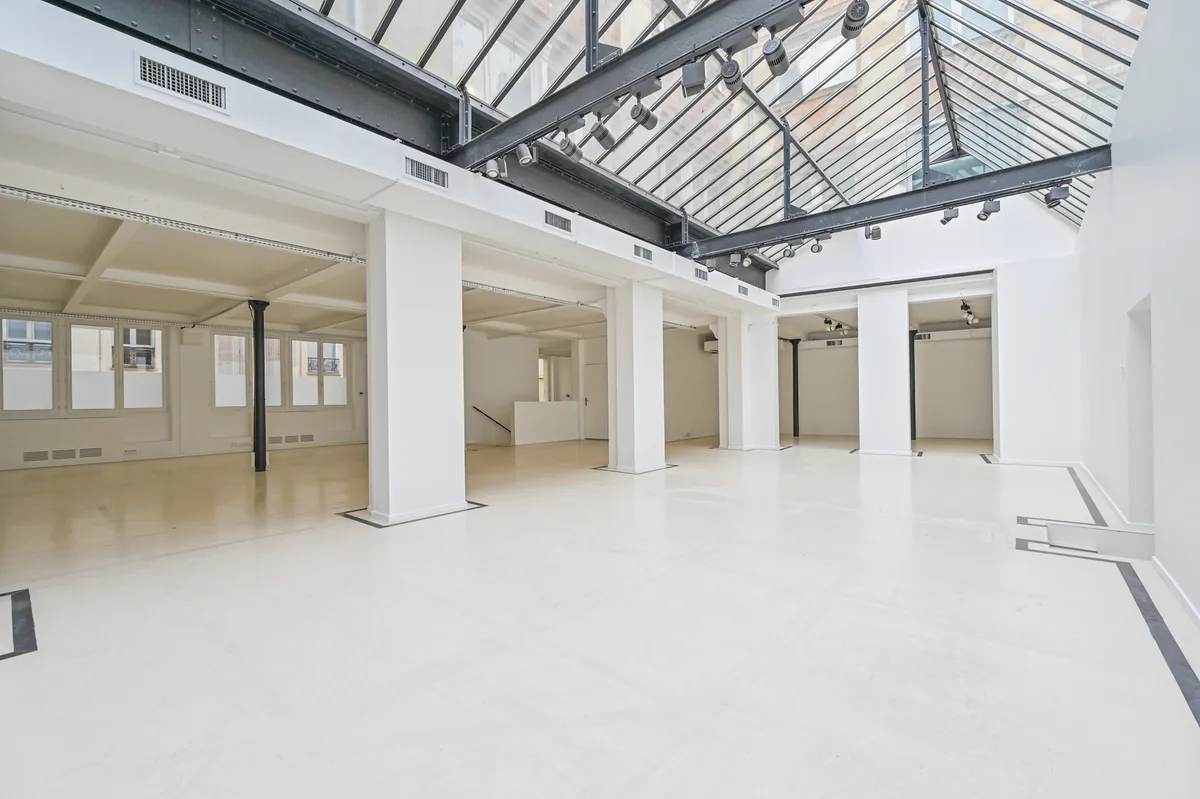
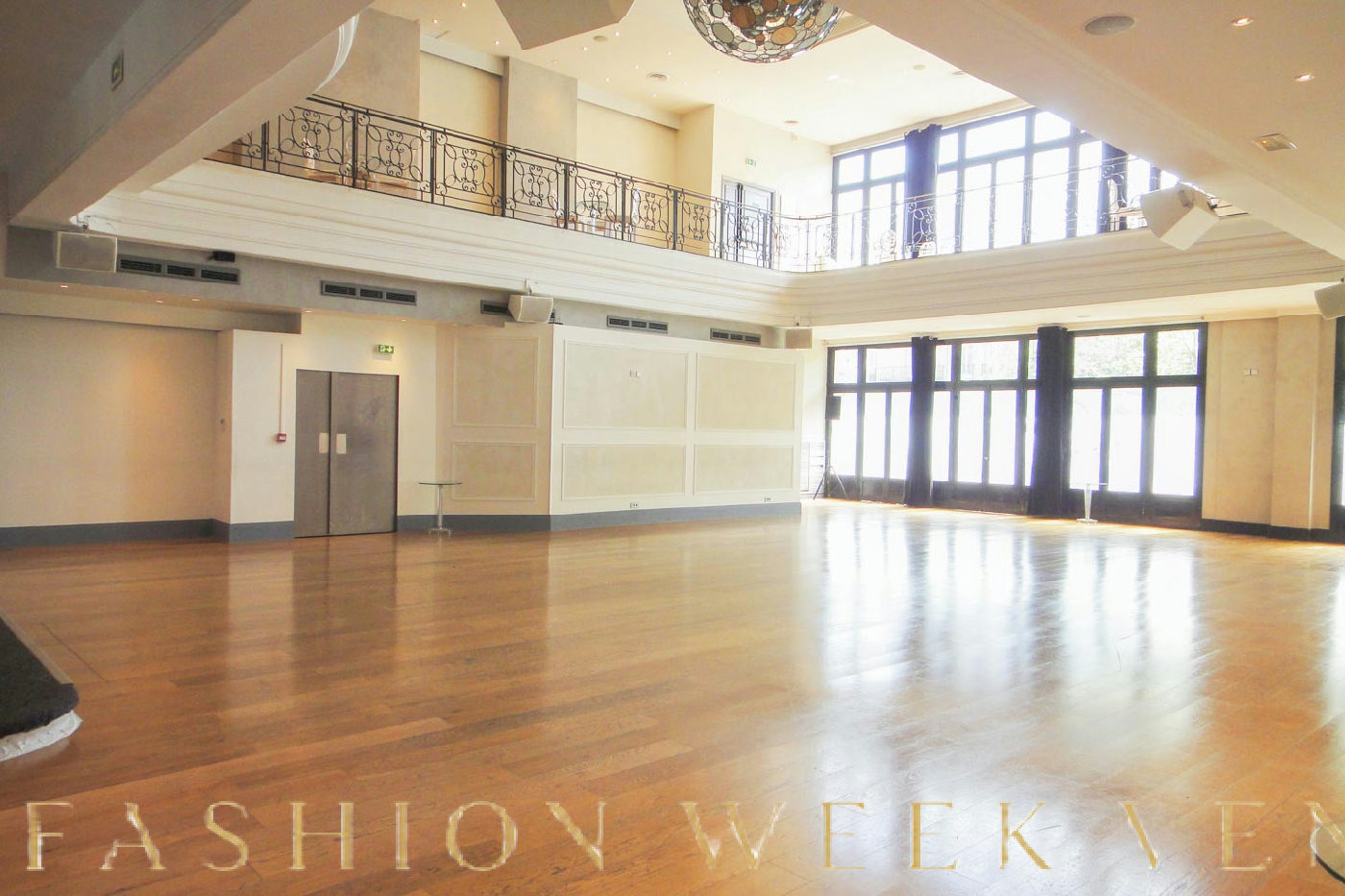
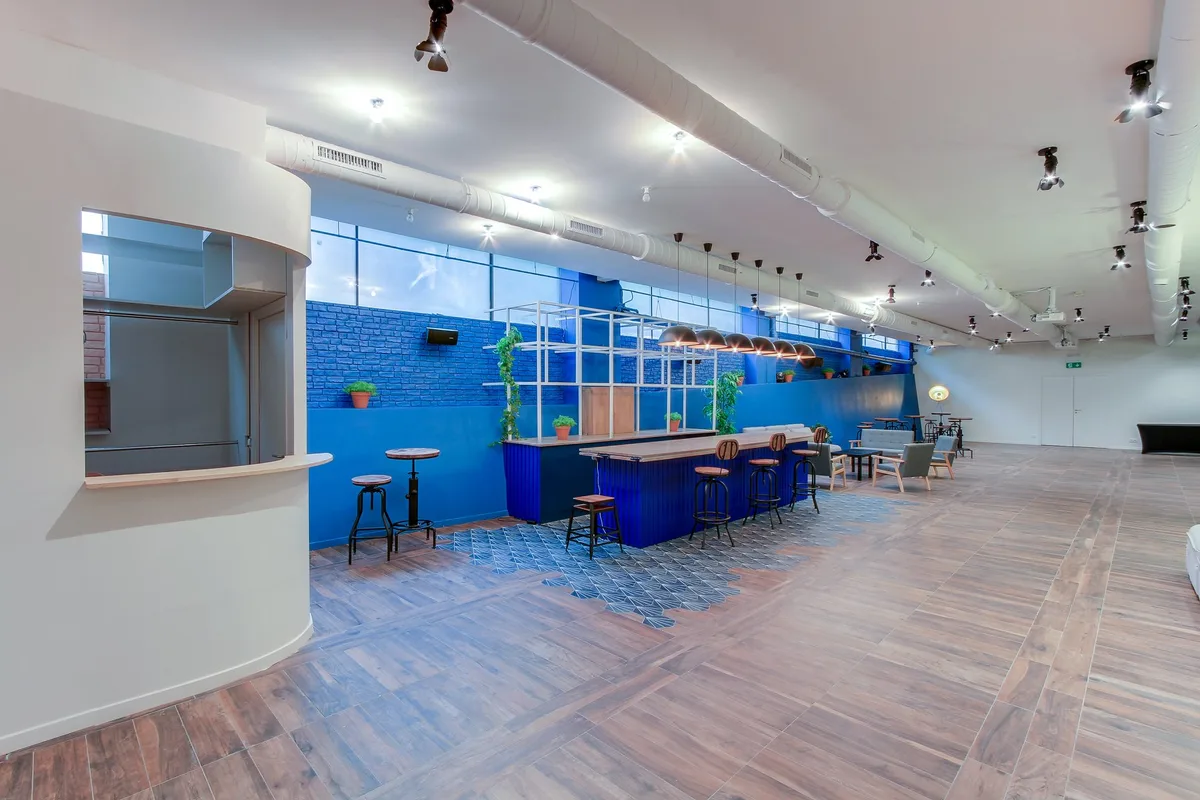
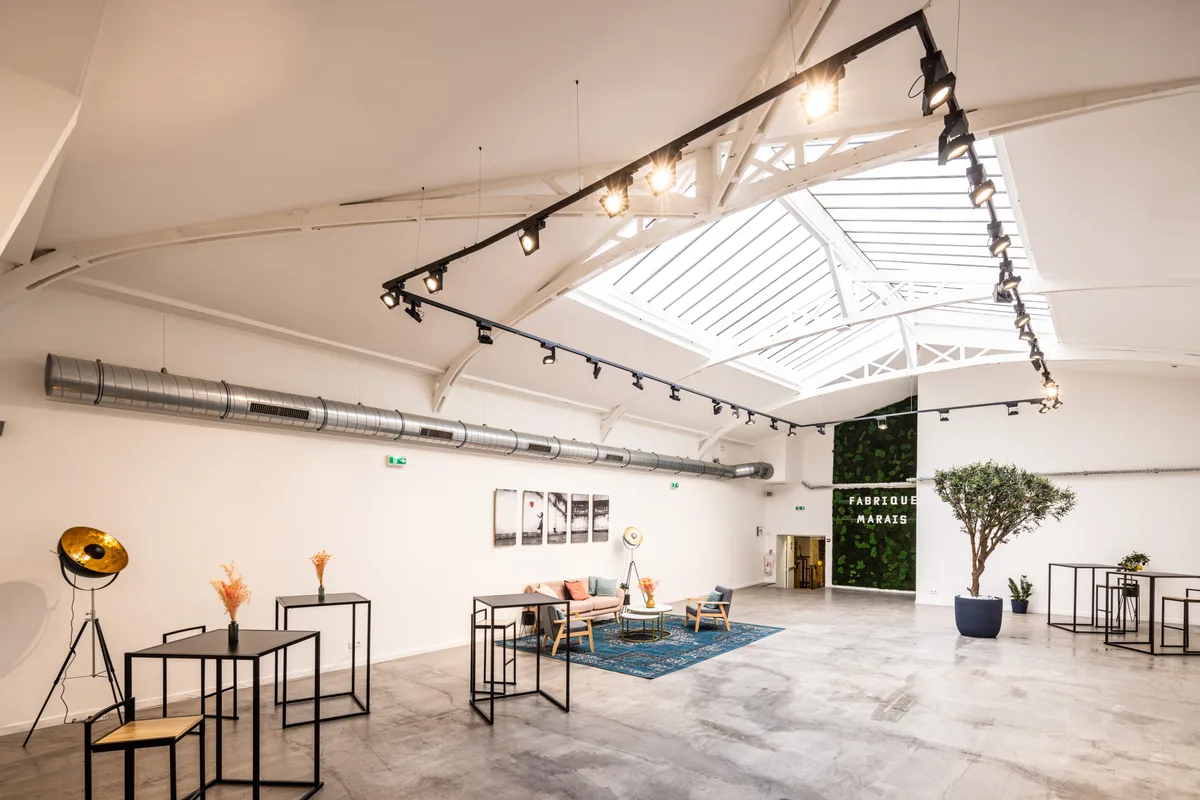
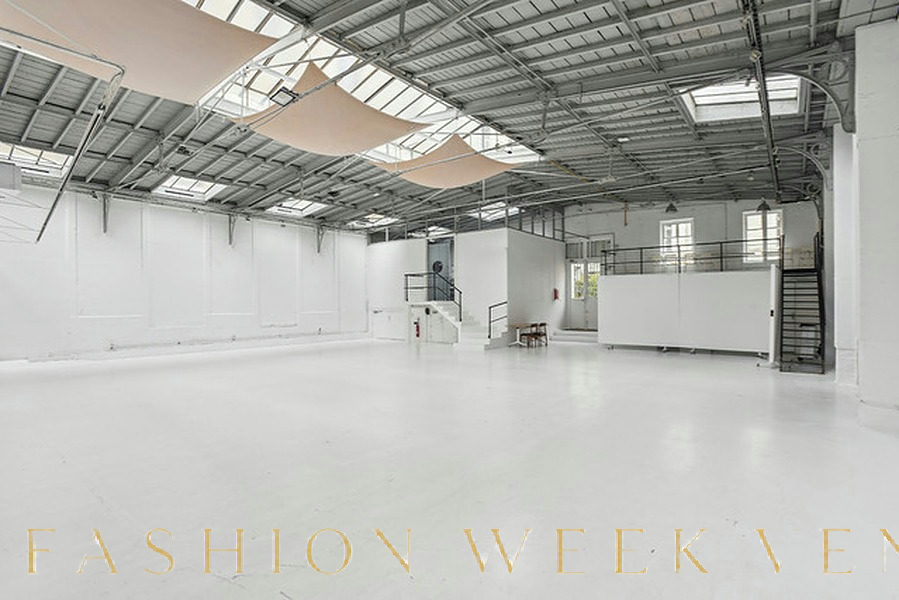
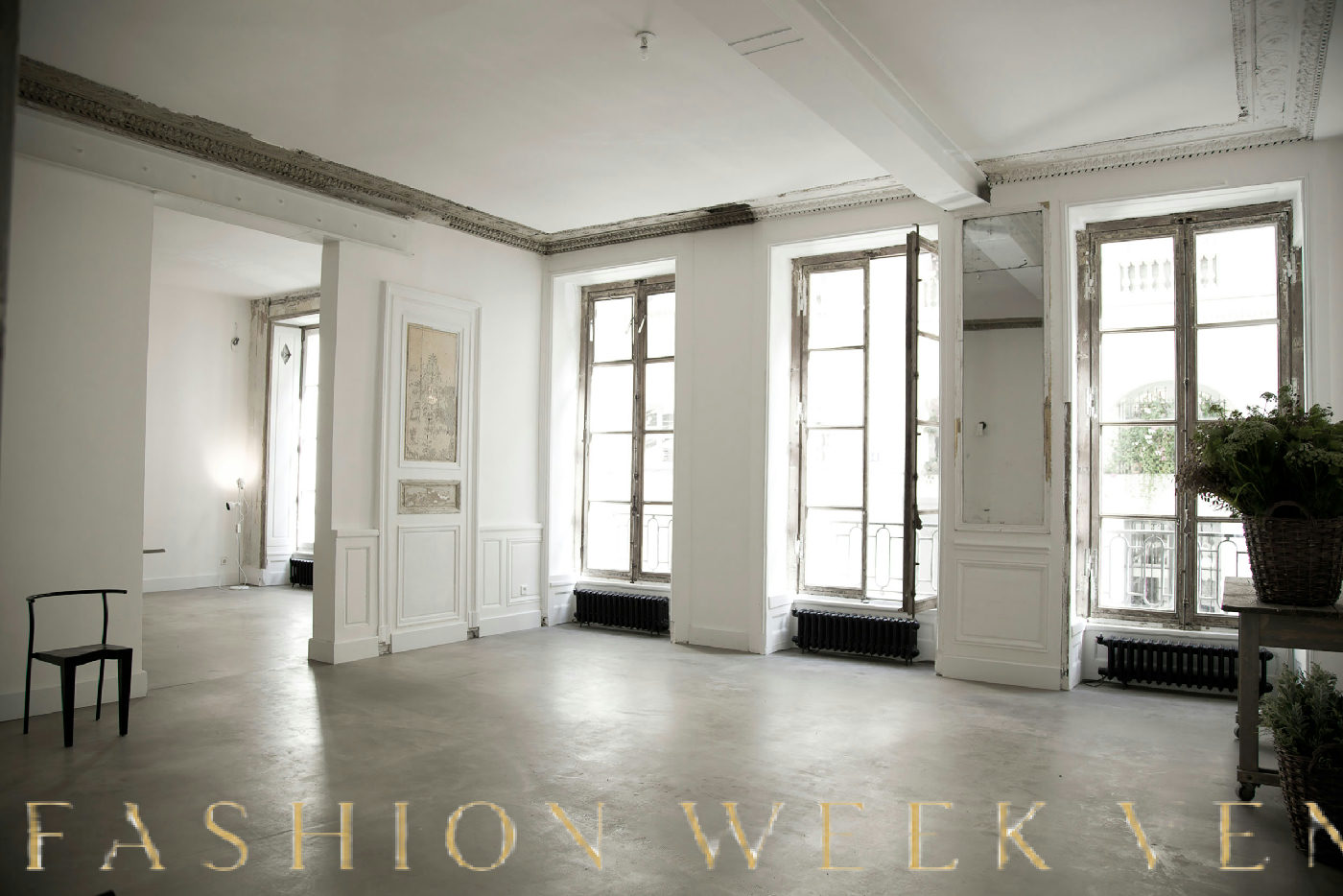
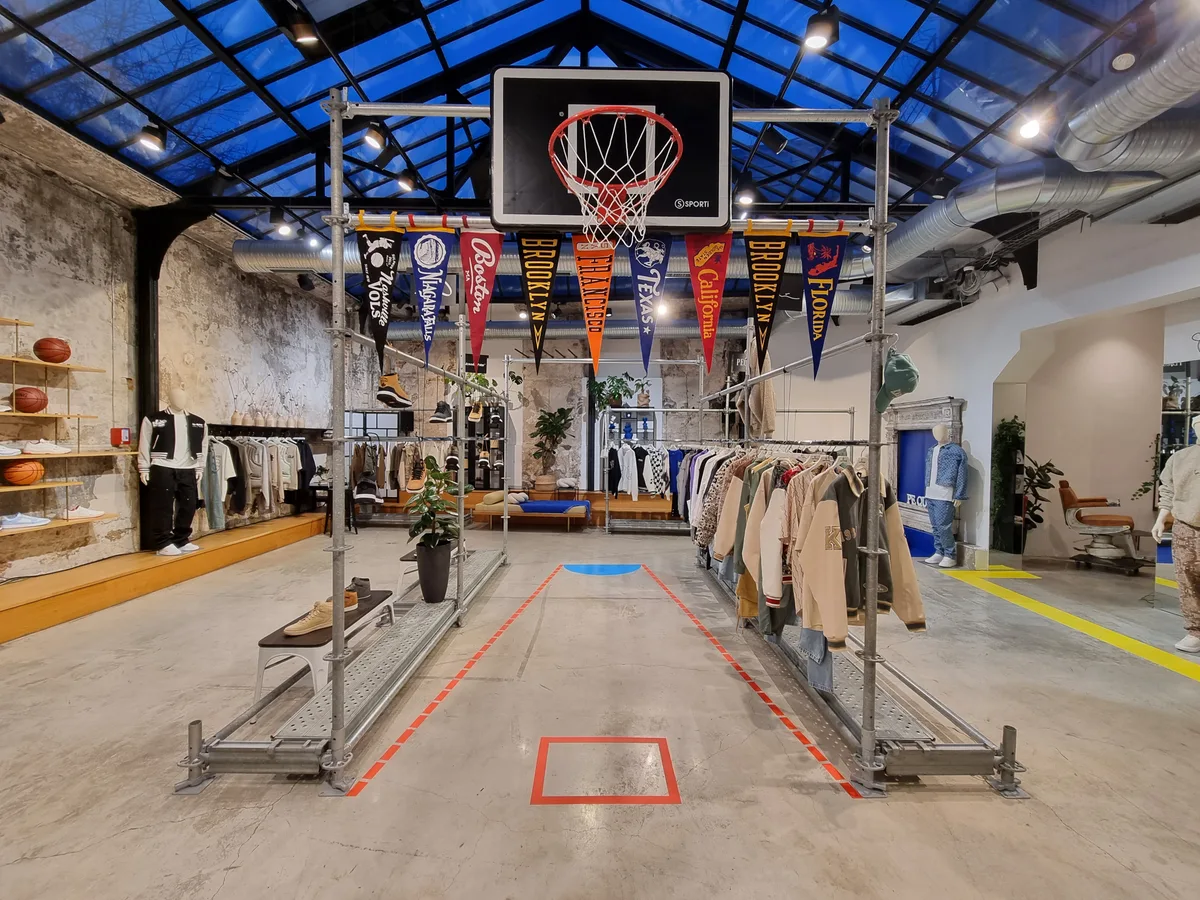
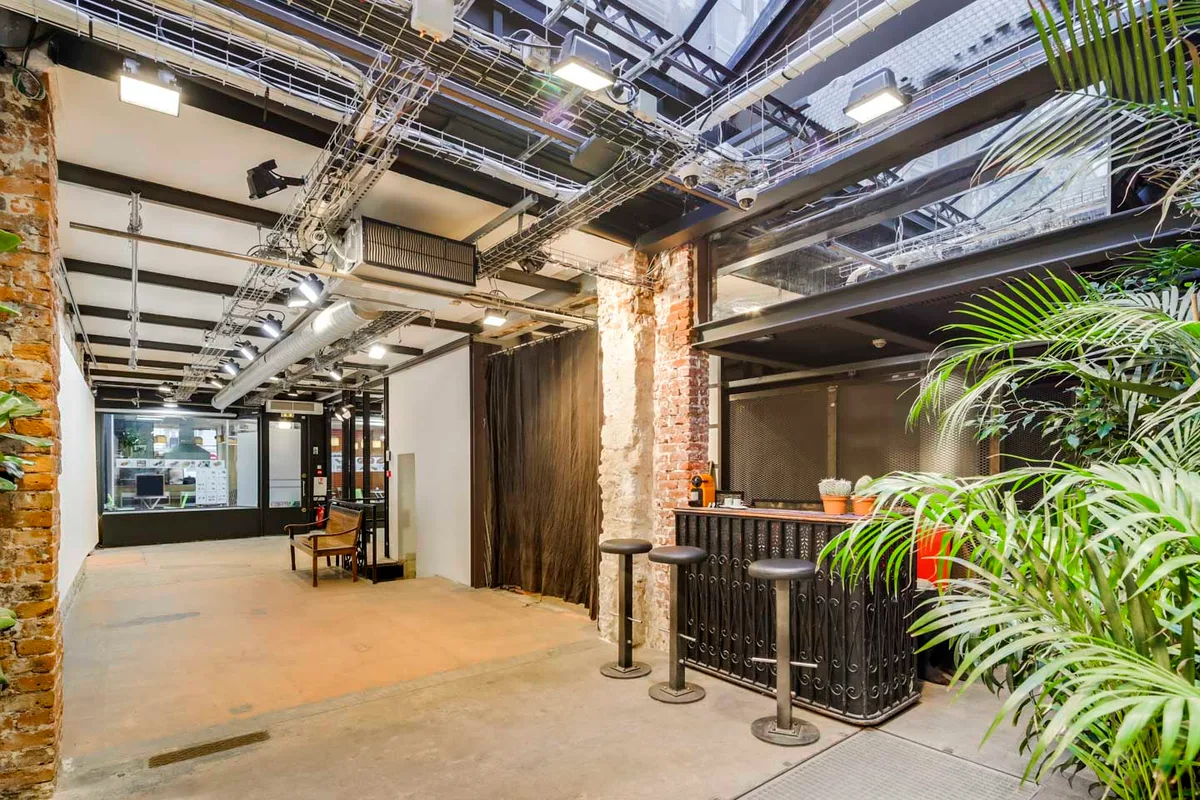
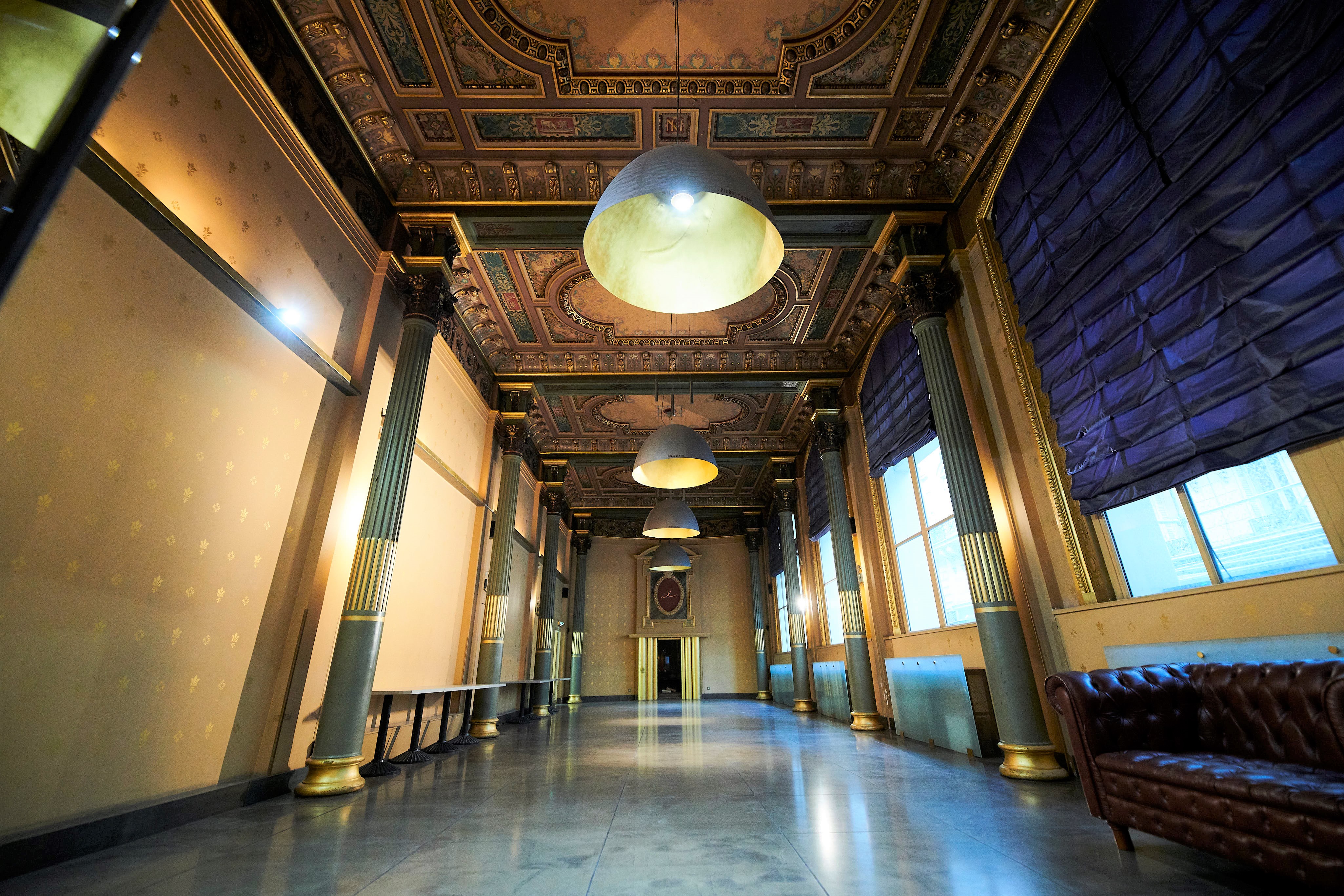
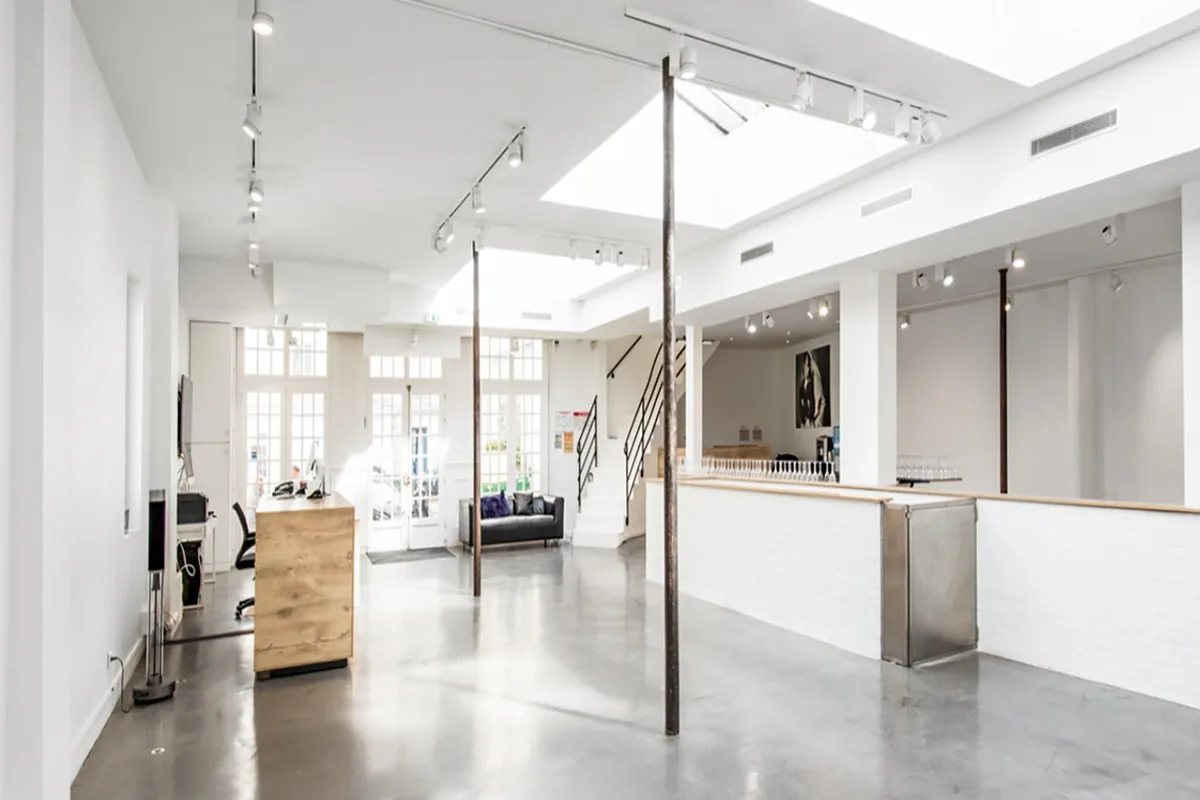
A pop up shop Paris Fashion Week mens activation is one of the most powerful brand-building moves available to designers, labels, and consumer brands in 2026. Paris remains the undisputed global centre for menswear, and the concentrated calendar of buyers, press, influencers, and cultural tastemakers that descends on the city during Paris Men's Fashion Week creates an unmatched window for temporary retail, showroom presentations, and experiential installations. Fashion Week Venues works with brand teams to source, design, produce, and manage these activations across the city's most strategic neighbourhoods. This guide covers every dimension of planning a successful menswear pop-up in Paris, from calendar timing and neighbourhood selection to permits, budgeting, format choice, and digital amplification.
Why Paris Fashion Week Is the Right Moment for a Mens Pop-Up Activation
Quick answer: Paris Fashion Week Mens concentrates the world's most influential menswear buyers, editors, stylists, and tastemakers in one city for approximately ten days, creating unmatched density of the exact audience every brand wants. A well-positioned pop-up or showroom during this window delivers press coverage, buyer relationships, community engagement, and media visibility that would take months to replicate through conventional marketing.
Paris Men's Fashion Week, officially anchored by the Fédération de la Haute Couture et de la Mode and governed by the Chambre Syndicale de la Mode Masculine, typically runs across the second and third weeks of June for Spring/Summer collections. The Paris Men's Spring Summer 26 season drew a condensed but powerful industry audience, and the SPRING/SUMMER 2027 calendar is expected to follow a similar structure with presentations, défilés, showrooms, and brand activations running in parallel.
The Chambre Syndicale de la Mode Féminine runs the women's calendar separately, and many brands choose to activate during both windows when their collections span womenswear and menswear. Haute Couture Week follows a different cadence, running in January and July, governed by the Haute Couture Committee with its own application procedure through the Fédération de la Haute Couture et de la Mode. The LE DEFI programme supports emerging designers with structured access to the Official Calendar, including visibility on the Fashion Weeks Agenda and communication through the SPHERE Paris Fashion Week platform.
Understanding which session is most relevant to your brand is the first strategic decision. A pure menswear label should anchor its activation to the Chambre Syndicale de la Mode Masculine calendar. A ready-to-wear brand with both menswear and womenswear lines may choose to activate during the women's calendar in February or September, when the volume of press and buyers is higher. A heritage label or a Haute Joaillerie house might target Haute Couture Week instead. Emerging designers with asymmetric collections often activate during the largest traffic window regardless of gender category, treating the pop-up as a discovery mechanism rather than a pure sales vehicle.
SPHERE Paris Fashion Week and the Fashion Weeks Agenda are official communication tools used by brands on the calendar. Brands not on the official calendar can still activate in parallel through private activations, pop-up stores, and showrooms in key neighbourhoods, which is where the majority of commercial and community-driven activity happens.
Notable brand activations that defined recent Paris Fashion Week moments include the PUMA Suede House at Palais Royal Garden, which built a full experiential installation around sneaker culture and sneaker customization workshops. Virgil Abloh consistently used Paris as a platform for conceptual pop-up installations that generated global press coverage. L'Oréal Paris and DS Automobiles have each used Fashion Week timing to position themselves within contemporary fashion conversations through event formats anchored to specific Paris locations. These examples demonstrate that the pop-up format is not exclusively for fashion brands; it works equally well for beauty, automotive, technology, and lifestyle brands seeking to borrow cultural relevance from the Fashion Week calendar.
DID YOU KNOW: The PUMA Suede House activation at Palais Royal Garden demonstrated how a heritage sneaker brand could generate significant media visibility and community engagement by building a fully immersive pop-up experience around a single product, the Puma Suede, during Fashion Week rather than relying solely on a traditional défilé or press event.
KEY TAKEAWAY: Paris Fashion Week Mens provides a compressed, high-density window of industry access that no other calendar moment replicates. Brands that plan their pop-up or showroom activation to align with this window capture press, buyers, influencers, and community audiences simultaneously, multiplying the return on their investment in temporary retail space.
Once you have confirmed which calendar window is right for your brand, the next question is which format best serves your objective: a pop-up store, a showroom, or a private activation.
Pop-Up Store, Showroom, or Private Activation: Choosing the Right Format for Paris Fashion Week Mens
Quick answer: The right format depends on your primary objective. A pop-up store is optimised for direct consumer engagement, product discovery, and retail revenue. A showroom is optimised for buyer appointments and press previews. A private activation is optimised for influencer content, press moments, and community events. Many brands combine two formats within the same space or across two adjacent spaces.
Each format carries distinct requirements for space type, location, permit framework, staffing, and budget. Understanding these differences before selecting a space prevents costly misalignments between the venue and the activation strategy.
Pop-Up Stores
A pop-up store is a temporary retail environment open to the public or a defined invited audience. It generates direct revenue from product sales, builds consumer brand equity through physical experience, and creates shareable moments that drive social media reach. During Paris Fashion Week Mens, a pop-up store positioned in the right neighbourhood attracts fashion week attendees, local consumers, and tourists simultaneously. The format works particularly well for brands selling ready-to-wear, accessories, jewelry, canvas tote bags, knitwear, or limited-edition items such as a capsule collection featuring silky plaid shirts, vintage-style necklines, or an American down jacket.
Pop-up stores require POS and payments infrastructure, retail staffing, fit-out and branded store design, and often furniture rental. The space must be publicly accessible, which triggers specific permit requirements depending on the arrondissement and the duration of the activation.
Showrooms
A showroom is a curated presentation environment designed for professional appointments. It is typically invite-only, oriented toward buyers, multi-brand retailers, press, and stylists rather than the general public. Showrooms are the dominant format for emerging designers and independent labels that are not yet on the official défilé calendar but need a professional environment to present their Spring/Summer collection to decision-makers. Spaces like Galerie Joseph in Le Marais and areas around Rue Saint-Honoré are established showroom corridors during Fashion Week.
Showrooms require less fit-out investment than pop-up stores but demand strong art direction, garment display infrastructure, and professional appointment management. The space should be visually compelling enough to support press photography and influencer content creation.
Private Activations
A private activation is an event format rather than a retail format. It may include a launch party, a preview dinner, a panel or workshop, a sneaker customization workshop, or a co-creation session. Private activations generate concentrated media coverage in a short time window and work well for brands focused on influencer content, press outreach, and community engagement rather than direct retail. They require less square footage, less retail infrastructure, and shorter permits, but they demand exceptional concept direction and creative production to justify the investment.
The twin concept operated by Fashion Week Venues allows two brands to co-activate within the same space, splitting costs while doubling the combined audience draw. This is particularly relevant for brands with complementary but non-competing positioning, for example a menswear label and a jewelry or Haute Joaillerie brand presenting together, or a ready-to-wear brand activating alongside an accessory or rings and jewelry brand.
| Format | Primary Objective | Ideal For | Space Size | Permit Type | Typical Duration |
|---|---|---|---|---|---|
| Pop-Up Store | Direct sales and consumer engagement | Ready-to-wear, accessories, limited editions | 50 to 300 sqm | Bail dérogatoire or commercial sublease | 7 to 21 days |
| Showroom | Buyer appointments and press previews | Emerging designers, independent labels | 40 to 200 sqm | Bail dérogatoire or AOT | 5 to 14 days |
| Private Activation | Media coverage and community events | Brand launches, influencer content, workshops | 80 to 500 sqm | AOT or event permit | 1 to 5 days |
| Twin Co-Activation | Shared cost, doubled audience | Complementary brands with adjacent audiences | 100 to 400 sqm | Bail dérogatoire or sublease | 7 to 14 days |
KEY TAKEAWAY: Choosing the right format before selecting a space prevents misalignment between venue type, permit framework, and activation objective. Define your primary goal, whether it is sales revenue, buyer access, press coverage, or community engagement, before shortlisting spaces.
With format defined, the next critical decision is neighbourhood. Paris is not a monolithic retail market, and the right arrondissement depends on your brand positioning, your target audience, and your budget.
Paris Neighbourhoods for a Fashion Week Mens Pop-Up: Where to Activate and Why
Quick answer: Le Marais (3rd and 4th arrondissements) and the Rue Saint-Honoré corridor (1st and 8th arrondissements) are the two primary zones for Fashion Week activations, serving different brand profiles and budget levels. Canal Saint-Martin (10th arrondissement) offers a more affordable and culturally credible alternative for contemporary and emerging brands. Palais Royal Garden and the areas around Palais de Tokyo serve specific experiential and institutional activation formats.
Each neighbourhood carries distinct audience composition, foot traffic patterns, rent levels, and cultural associations. Choosing the wrong neighbourhood, even with a well-designed pop-up, can mean the right audience never walks through the door.
Le Marais: The Epicentre of Contemporary Menswear
Le Marais is the most active neighbourhood for Fashion Week pop-ups, showrooms, and brand activations. It houses Dover Street Market Paris, one of the most influential multi-brand retailers in the world, as well as a dense concentration of independent boutiques, galleries, and showroom spaces. Brands such as Readymade, Capslock, Anatema Studio, and Arno Eyewear have used Le Marais spaces to present collections. The neighbourhood attracts a fashion-literate consumer who actively seeks out new designers and independent labels, making it ideal for contemporary fashion brands, streetwear labels, and emerging designers.
Spaces in Le Marais range from small gallery-format rooms to larger ground-floor retail units. Galerie Joseph on Rue de Bretagne is a well-known venue for showrooms and installations. The area around Rue des Archives, Rue Charlot, and the haut Marais is particularly dense with creative spaces suitable for pop-up retail. Rifet Ahmecanovic, Flora Rabitti, Alphonse Maitrepierre, Florania, Guido Vera, Taree, Studio Nino, and Bottega Bernard are among the designer names associated with Le Marais activations in recent seasons.
Rue Saint-Honoré and Avenue Montaigne: Luxury and Heritage Positioning
The corridor from Rue Saint-Honoré through to Avenue Montaigne is where luxury shoppers roam. This zone is dominated by established maisons including Christian Dior, whose headquarters and flagship sit here, and it is the natural territory for heritage labels, Haute Joaillerie brands, and brands seeking proximity to the luxury consumer. Rent levels are significantly higher than Le Marais, and space availability during Fashion Week is limited. Brands activating here benefit from the prestige of the address and the concentration of international high-net-worth visitors during Fashion Week season.
Canal Saint-Martin: Affordable Credibility for Emerging Brands
Canal Saint-Martin and the northern edge of Pigalle offer the most accessible rent levels in inner Paris while maintaining cultural credibility with a younger, trend-forward audience. This zone is well suited to digital-native brands, emerging designers, and brands seeking community engagement over luxury association. The neighbourhood attracts a local Parisian audience that is fashion-aware but not fashion-week-circuit, creating opportunities for authentic discovery moments rather than industry-facing activations.
Palais Royal Garden and Palais de Tokyo
Palais Royal Garden has been used for flagship experiential activations including the PUMA Suede House. The space offers an iconic Parisian backdrop that photographs exceptionally well for digital campaigns and social media content. Palais de Tokyo, as a major contemporary art institution, hosts brand collaborations, art installations, and hybrid fashion and art events. Brands seeking to position themselves at the intersection of art and fashion, or those with strong visual and installation-based concepts, should consider both locations.
Galeries Lafayette and Department Store Adjacency
Brands seeking maximum consumer footfall during Fashion Week can explore spaces adjacent to Galeries Lafayette on the Boulevard Haussmann or within the Galeries Lafayette Champs-Elysées. These locations attract a mass-luxury consumer and international tourist audience and are better suited to brands with broad consumer recognition than to niche or emerging designers.
| Neighbourhood | Arrondissement | Brand Profile | Audience Type | Relative Rent | Key Landmarks |
|---|---|---|---|---|---|
| Le Marais / Haut Marais | 3rd and 4th | Contemporary, streetwear, emerging | Fashion-literate local and international | Mid | Dover Street Market, Galerie Joseph |
| Rue Saint-Honoré | 1st and 8th | Luxury, heritage, Haute Joaillerie | High-net-worth, international luxury | High to very high | Christian Dior, luxury maisons |
| Canal Saint-Martin | 10th | Emerging, digital-native, community | Younger Parisian, trend-forward | Low to mid | Independent boutiques, creative spaces |
| Palais Royal Garden | 1st | Experiential, lifestyle, culture | Fashion week circuit, cultural | High | Palais Royal arcades, PUMA Suede House |
| Palais de Tokyo area | 16th | Art-fashion crossover, installation | Cultural, institutional, press | Mid to high | Palais de Tokyo, Musée d'Art Moderne |
To compare neighbourhoods and space types, explore the Paris city hub on Fashion Week Venues and shortlist spaces that match your brief, budget, and calendar window.
KEY TAKEAWAY: Neighbourhood selection is a brand positioning decision, not only a logistics decision. The right arrondissement communicates your brand values before a consumer even enters your space. Align your location choice with your target audience, budget, and the cultural story you want to tell.
With format and neighbourhood defined, the next layer of planning is the operational timeline. Spaces during Fashion Week sell out months in advance, and brands that begin planning late consistently face compromised choices.
Paris Fashion Week Mens 2026: Calendar, Timing, and How Early to Plan
Quick answer: Paris Fashion Week Mens for the Spring/Summer 2027 season typically runs in June 2026. Brands should begin space sourcing six to nine months in advance for premium locations, and no later than four months in advance for secondary locations. The SPRING/SUMMER 2027 calendar has not been officially confirmed at the time of writing, so verify current dates via the Fédération de la Haute Couture et de la Mode and the Fashion Weeks Agenda.
Strategic timing is the most frequently underestimated variable in Paris pop-up planning. Prime spaces in Le Marais, Rue Saint-Honoré, and Palais Royal Garden are often secured six months or more before the activation window. Brands that approach space sourcing three to four weeks before their target dates find that most desirable spaces are either committed or priced at a significant premium due to last-minute demand.
The Paris Fashion Week calendar operates across multiple sessions throughout the year. The primary sessions are:
- Paris Men's Fashion Week (June): Spring/Summer menswear collections, governed by the Chambre Syndicale de la Mode Masculine
- Paris Men's Fashion Week (January): Autumn/Winter menswear collections
- Paris Fashion Week Women's (February): Autumn/Winter ready-to-wear womenswear, governed by the Chambre Syndicale de la Mode Féminine
- Paris Fashion Week Women's (September/October): Spring/Summer ready-to-wear womenswear
- Haute Couture Week (January and July): Governed by the Haute Couture Committee with an application procedure through applicationpfw@fhcm.paris
Paris Fashion Week 2026 in the menswear calendar falls in June 2026 for the Spring/Summer 2027 season. Brands targeting this window should begin space sourcing in September or October 2025 at the latest for premium locations, with concept direction and production planning running in parallel from October onward.
IMPORTANT: The official calendar, including confirmed dates and the application procedure for the Official Calendar, is managed by the Fédération de la Haute Couture et de la Mode. Brands seeking to appear on the Official Calendar or the SPHERE Paris Fashion Week platform must contact the organisation directly. Independent activations and pop-up stores do not require calendar registration but benefit significantly from timing alignment with the official window.
Time allocation across the planning cycle is a critical operational discipline. A brand team planning a 10-day pop-up activation during Paris Men's Fashion Week should allocate time across the following phases:
| Planning Phase | Activity | Lead Time Before Activation |
|---|---|---|
| Strategy | Format, objective, and neighbourhood selection | 7 to 9 months |
| Space sourcing | Brief preparation, space shortlisting, site visits | 6 to 8 months |
| Legal and permits | Bail dérogatoire negotiation, AOT application, legal review | 5 to 6 months |
| Concept direction | Creative brief, design development, storytelling architecture | 4 to 6 months |
| Production planning | Fit-out specifications, furniture rental, build scheduling | 3 to 4 months |
| Staffing and operations | Retail staffing brief, POS setup, security planning | 2 to 3 months |
| Marketing | Digital campaign, influencer briefing, press outreach | 2 to 4 months |
| On-site build | Installation, dressing, technical setup | 3 to 7 days before opening |
| Activation | Live operation, event programme, content creation | Active window |
| Reporting | Data collection, ROI analysis, media monitoring | During and post activation |
The timeline planning tool on Fashion Week Venues allows brand teams to build a full activation schedule from brief to close, flagging dependencies and critical path items across the planning cycle.
KEY TAKEAWAY: Prime spaces for Paris Fashion Week Mens disappear fast. Begin planning at least six months before your target activation date for premium neighbourhoods. Use a structured timeline to manage dependencies across space, permits, production, staffing, and marketing simultaneously.
Once timing is established, the budget forecast becomes the most important planning document. Understanding the cost structure of a Paris pop-up helps brands allocate resources effectively and avoid the most common budget overruns.
Budget Forecasting for a Paris Fashion Week Mens Pop-Up
Quick answer: The total cost of a Paris Fashion Week Mens pop-up activation depends on space size, location, duration, fit-out complexity, staffing requirements, and marketing investment. Costs span rent, legal and permit fees, production and build, furniture rental, staffing, POS and payments infrastructure, and digital campaign spend. Brands should use a structured budget forecast tool rather than working from generic estimates.
Budget planning for a Paris pop-up is more complex than most brand teams anticipate, particularly for international brands entering the French market for the first time. The cost components are numerous, and unexpected items such as security deposits, waste removal, technical surveys, and notary fees for commercial agreements can add material cost to a poorly planned budget.
TIP: Do not budget for rent alone. The cost of a pop-up space in Paris during Fashion Week typically represents between 30 and 50 percent of the total activation budget when production, staffing, marketing, and logistics are properly accounted for.
The primary cost categories for a Paris Fashion Week Mens pop-up are:
- Space rental: Varies significantly by arrondissement, space size, duration, and season. Premium Fashion Week windows command higher rates than off-calendar periods. Rates are directional and vary; use the budget estimation tool for brand-specific figures.
- Legal and permits: Bail dérogatoire preparation, notary fees where applicable, AOT applications, insurance, and legal review costs for international brands without a French legal entity.
- Production and build: Fit-out, partitions, lighting, flooring, signage, art installations, display infrastructure, and the build crew day rate.
- Furniture rental: Branded and non-branded furniture, shelving, mannequins, lighting equipment, and AV hardware.
- Retail staffing: Brand ambassadors, sales staff, styling support, a security service if required, and a space manager.
- POS and payments: Point of sale system, card payment terminals, inventory management, and cash handling if applicable.
- Digital campaign: Social media content creation, influencer briefing fees, paid advertising on Instagram and TikTok, email campaign costs, and content production.
- Data and analytics: Footfall counters, sales data capture, media monitoring through tools such as Launchmetrics, and post-activation reporting.
For international brands, there is an additional layer of cost related to logistics, import documentation for garments and product, and VAT compliance. Brands entering France for the first time without an existing legal entity can still rent spaces through specific contractual structures, but this requires careful legal preparation.
The ROI calculator on Fashion Week Venues allows brand teams to model the expected return on a Paris pop-up activation by inputting revenue assumptions, brand equity multipliers, and media value estimates alongside cost inputs.
DID YOU KNOW: Media value generated through influencer content and press coverage during a Paris Fashion Week pop-up can represent a multiple of the direct retail revenue generated during the activation window, particularly for emerging and mid-market brands where brand awareness rather than immediate conversion is the primary return metric.
KEY TAKEAWAY: Build a complete budget forecast that covers all cost categories before committing to a space. Rent is only one component, and underestimating production, permits, and staffing is the most common cause of budget overruns in Fashion Week activations. Use structured tools to model costs and returns before signing any agreements.
Cost planning and ROI modelling are closely linked to understanding the legal and permit framework that governs temporary retail in Paris, which is the next critical area for brands to master.
Permits, Leases, and Legal Requirements for a Paris Pop-Up During Fashion Week
Quick answer: Temporary retail spaces in Paris typically operate under a bail dérogatoire (short-term derogatory lease) or, for outdoor and public-space activations, an autorisation d'occupation temporaire (AOT). Neither is a standard commercial lease, and both have specific legal requirements that vary by space type, duration, arrondissement, and intended use. International brands do not require a French legal entity to rent a space, but they do need appropriate contractual and insurance arrangements.
The French legal framework for commercial leases is governed primarily by the Statut des baux commerciaux, which imposes significant protections and obligations on both landlord and tenant. The bail dérogatoire is a specific exception that allows parties to agree on a short-term lease of up to 36 months without triggering the full protections of the commercial lease statute. For Fashion Week activations of 7 to 21 days, the bail dérogatoire is the most common legal instrument used.
Bail Dérogatoire
A bail dérogatoire allows a landlord and tenant to agree on a short-term lease outside the standard commercial lease framework. It is typically used for temporary retail, pop-up stores, showrooms, and exhibition spaces. The lease must explicitly state that the parties are opting out of the standard commercial lease statute, and both parties must agree in writing before the tenant takes possession of the space. The lease duration can range from a few days to up to 36 months, but if the tenant continues in occupation beyond 36 months, the standard commercial lease statute automatically applies.
For Fashion Week activations, bail dérogatoire agreements typically cover a window of 7 to 21 days, including build time before and after the activation itself. Brand teams should ensure the build and break-down periods are explicitly included in the lease term, as landlords sometimes negotiate these separately.
Autorisation d'Occupation Temporaire (AOT)
An AOT is required for activations that occupy public space, including outdoor areas, covered public passages, or spaces owned by public bodies. The PUMA Suede House activation at Palais Royal Garden would require this type of authorisation given the public-domain character of the location. AOT applications are submitted to the relevant local authority (mairie or préfecture) and involve a review process that can take several weeks. Brands planning outdoor or semi-public activations should factor AOT application timelines into their planning schedule.
International Brands Without a French Legal Entity
International brands without an established French legal entity can rent spaces in Paris through several contractual structures, including agreements as a foreign commercial entity or through a French intermediary. Requirements vary by space type, landlord requirements, and the nature of the activation. Working with an experienced local agency or legal advisor ensures the correct structure is in place before signing any agreement.
IMPORTANT: Requirements for permits and leases vary by space type, duration, arrondissement, and intended commercial activity. This guide provides general orientation only. Always verify specific requirements with a qualified French legal advisor before signing any lease or permit agreement. Fashion Week Venues recommends consulting the permit guidance tool as a starting point for understanding your obligations.
KEY TAKEAWAY: Do not assume that a short-term pop-up space comes without legal complexity. The bail dérogatoire and AOT frameworks exist specifically for temporary activations, but they require careful preparation to ensure compliance. International brands in particular should seek legal advice early in the planning process.
With the legal framework understood, the next dimension of planning is the design and storytelling strategy that will make your pop-up memorable in a competitive Fashion Week environment.
Design, Storytelling, and Brand Activation Strategy for Paris Fashion Week Mens
Quick answer: A successful Paris Fashion Week Mens pop-up is built on a clear creative concept that communicates brand values through physical space, product presentation, and experiential moments. Storytelling is the architecture that connects garments, installation design, digital content, influencer activity, and community engagement into a single coherent brand narrative.
The physical design of a pop-up space is the most immediate expression of brand identity. In a city where consumers and press have seen thousands of activations, generic or poorly considered design is invisible. The brands that generate lasting media coverage and cultural impact are those that invest in concept direction, art direction, and spatial storytelling that creates an unforgettable experience.
Concept Direction and Spatial Storytelling
Concept direction begins with a clear brief that connects the collection or product range to a cultural or emotional narrative. For a menswear brand presenting a Spring/Summer collection featuring knitwear, hiking shoes, silky plaid shirts, and an American down jacket, the concept might explore the tension between urban precision and outdoor freedom. For a jewelry brand presenting rings and Haute Joaillerie, the concept might draw on heritage craftsmanship and material provenance. The concept must be expressed consistently across the spatial design, product display, graphic language, digital campaign, and event programme.
Art installations are a particularly effective tool for generating press and social media content. An installation that is visually arresting and contextually relevant to the brand narrative creates a focal point that influencers and press will photograph and share, extending the reach of the activation far beyond the physical footfall of the space. Brands like Virgil Abloh and The New Black used installation-forward approaches to generate cultural conversation that outlasted the physical activation window.
Collection and Product Presentation
How garments and products are displayed within the space communicates brand values directly. A heritage label benefits from museum-quality display standards, archival references, and premium material choices in the fit-out. A contemporary fashion brand might use industrial or raw-finish spaces with graphic interventions that feel more democratic and accessible. Emerging designers from the LE DEFI programme often use their pop-up or showroom as an opportunity to show the full breadth of a collection in a way that a standalone lookbook or digital campaign cannot achieve.
For brands showing both garments and accessories, the spatial flow should guide visitors through a coherent narrative. A canvas tote placed alongside a sweatshirt and knitwear ensemble tells a lifestyle story. Rings and jewelry displayed in dialogue with the garments they were designed to complement creates a complete brand world rather than a product catalogue.
Digital Campaign Integration
A Paris Fashion Week Mens pop-up without a digital campaign is a missed opportunity. The physical activation generates content, but the digital campaign amplifies that content to audiences who will never visit the space in person. Instagram remains the dominant platform for visual storytelling in fashion, TikTok drives behind-the-scenes and process content, and YouTube Shorts extends reach to a global audience. A blended approach combining organic content from the activation with paid amplification on these platforms delivers the best synergy between physical presence and digital reach.
Influencer strategy during Fashion Week requires careful briefing. Paris Fashion Week attracts a high density of fashion influencers, stylists, and content creators who are actively seeking content opportunities. Brands that provide a well-designed, photogenic space with a compelling narrative and a clear invitation strategy convert influencer visits into high-quality organic content. Email outreach to a curated press and influencer list, combined with a personal invitation process, produces better results than mass communication.
TIP: Brief influencers on the concept narrative and key visual references before they visit the space. Influencers who understand the brand story create more coherent and brand-aligned content than those who arrive without context. Provide a clear visual cue or hero installation that anchors every piece of content to the same brand aesthetic.
Collaborations and Community Engagement
Collaborations amplify reach by bringing together two or more brand audiences around a shared activation. The twin concept operated by Fashion Week Venues is designed specifically for this type of co-activation, allowing two complementary brands to share a space and split costs while jointly programming events, workshops, and content. A menswear brand collaborating with a contemporary jeweler, for example, or a ready-to-wear label co-activating with a sneaker brand, creates a richer visitor experience and a broader combined media footprint.
Community engagement through workshops, talks, and participatory events transforms a passive retail visit into an active brand experience. Sneaker customization workshops, for example as demonstrated by the PUMA Suede House concept, turn a product into a platform for creative participation. Fashion convo events, styling workshops, or designer Q&A sessions create content opportunities and generate genuine community loyalty.
KEY TAKEAWAY: The most successful Paris Fashion Week Mens pop-ups combine a strong spatial concept, a coherent collection narrative, a disciplined digital campaign, and a community engagement programme. Each element reinforces the others, and the result is an activation with impact that extends well beyond the physical opening days.
Understanding how Fashion Week Venues supports brand teams across all of these dimensions is essential context for brands evaluating whether to work with an agency or manage an activation independently.
How Fashion Week Venues Supports Paris Fashion Week Mens Pop-Up Activations
Quick answer: Fashion Week Venues is a full-service pop-up agency and space marketplace that supports brands across every stage of a Paris Fashion Week Mens activation, from space sourcing and permit guidance through to concept direction, production, staffing, POS infrastructure, influencer marketing, and post-activation analytics. The platform also provides a suite of planning tools designed for brand teams managing complex, time-sensitive activations.
Fashion Week Venues was built for brand teams that need expert local knowledge, a curated network of spaces, and end-to-end production capability for short-term retail and event activations in major fashion capitals. Paris is the primary market, and the agency's network spans key neighbourhoods including Le Marais, Rue Saint-Honoré, Canal Saint-Martin, and Palais Royal Garden, as well as more specialist locations around Palais de Tokyo and Galeries Lafayette.
Services Available to Brand Teams
The venue sourcing service provides brands with a curated shortlist of spaces matched to their brief, budget, calendar window, and format requirements. Rather than navigating the Paris space market independently, which is time-consuming and requires French-language negotiation and local legal knowledge, brands work with Fashion Week Venues to identify and secure the right space efficiently.
Concept direction, production and build, branded store design, and furniture rental cover the physical transformation of a raw space into a compelling brand environment. Retail staffing provides trained brand ambassadors and sales staff familiar with Fashion Week activation dynamics. POS and payments infrastructure ensures the retail operation is functional from day one. Data and analytics services capture footfall, sales performance, and media value metrics throughout the activation.
Influencer marketing support includes briefing strategy, invitation management, and content coordination, ensuring the brand's influencer programme is aligned with the overall activation concept and delivers measurable media visibility.
Planning Tools
Fashion Week Venues provides a suite of tools designed to support brand teams at different stages of the planning process. The budget estimation tool generates directional cost ranges based on space size, location, duration, and service scope. The ROI calculator models expected returns based on revenue, media value, and brand equity inputs. The space comparison tool allows brand teams to evaluate multiple shortlisted spaces against a common set of criteria. The locator tool maps available spaces by neighbourhood and proximity to Fashion Week traffic zones. The permits tool provides guidance on the permit and legal requirements relevant to specific space types and activation formats.
The imagine tool supports space visualisation before commitment, allowing brand teams to explore how a concept might translate into a specific venue. The build planning tool helps production teams scope fit-out requirements and build timelines. The twin concept at Fashion Week Venues enables two brands to co-activate within a single space, sharing costs and programming while maintaining distinct brand identities within a shared environment.
Who Benefits Most
Fashion Week Venues is most useful for brand teams that are either entering the Paris market for the first time, working within a defined budget that requires efficient allocation, managing complex multi-format activations across more than one space or city, or working with compressed planning timelines that require rapid space identification and permit navigation. International brands without local Paris networks, in particular, benefit significantly from the agency's established landlord relationships and legal knowledge.
IMPORTANT: Fashion Week Venues does not guarantee space availability, permit approval, or specific activation outcomes. All space commitments, legal agreements, and permit applications are subject to availability, landlord acceptance, and regulatory approval. Brands should begin planning as early as possible to maximise options.
To understand how the agency has approached past activations and what outcomes were achieved, the work and case studies section provides detailed examples of completed projects across multiple cities and brand categories.
KEY TAKEAWAY: Fashion Week Venues combines a curated space marketplace with end-to-end agency services and a structured set of planning tools, giving brand teams both the resources and the expertise to plan and execute a Paris Fashion Week Mens pop-up with confidence. The agency is particularly valuable for international brands and teams managing their first Paris activation.
Brands, Designers, and Activations That Defined Paris Fashion Week Mens Pop-Up Culture
Quick answer: The history of Paris Fashion Week Mens pop-up and showroom activations includes landmark moments from Virgil Abloh's conceptual installations, PUMA's experiential PUMA Suede House at Palais Royal Garden, and a generation of emerging designers from the LE DEFI programme who used temporary retail and showroom formats to build international audiences without the resources of an established maison.
Understanding what has worked for other brands in the Paris context provides a practical foundation for brand teams planning their own activations. The most instructive examples span different scales, budgets, and objectives.
Experiential Brand Activations
PUMA's activation around the Puma Suede at Palais Royal Garden is one of the most cited examples of a non-fashion brand using Paris Fashion Week timing to generate genuine fashion industry credibility. The PUMA Suede House built a physical environment around the history and cultural legacy of the sneaker, incorporating sneaker culture storytelling, sneaker customization workshops, and a programme of events that attracted both the fashion week circuit and a broader sneaker culture audience. The activation generated significant social media content, press coverage, and community engagement far exceeding what a traditional advertising campaign of the same budget would have produced.
DS Automobiles has used Paris Fashion Week as a platform for brand repositioning activations that place the brand within a contemporary fashion and design context. L'Oréal Paris has activated during Fashion Week with event formats that blur the line between fashion, beauty, and cultural conversation, using the Fashion Week platform to reach press and influencer audiences simultaneously.
Emerging Designer Activations
Emerging designers supported by the LE DEFI programme and the Chambre Syndicale de la Mode Masculine use showroom and pop-up formats as their primary interface with the international fashion industry. Brands such as Anatema Studio, Arno Eyewear, Bottega Bernard, Readymade, Capslock, Alphonse Maitrepierre, Florania, Guido Vera, Taree, Studio Nino, Rifet Ahmecanovic, and Flora Rabitti represent the spectrum of contemporary menswear talent that activates during the Paris Men's Fashion Week window, often presenting collections that include garments spanning ready-to-wear, accessories, jewelry, and rings within compact showroom environments.
Contresens is an example of a Paris-based initiative that creates structured frameworks for emerging designers to present collections through showroom formats aligned to the official calendar. These formats provide professional presentation environments without the full cost of a standalone pop-up store, making them accessible to designers at earlier stages of development.
Heritage and Luxury Activations
Christian Dior and the established Parisian maisons use Fashion Week activations as complementary extensions of their défilé presentations, hosting private activations, press previews, and buyer appointments in spaces adjacent to their flagship boutiques or in dedicated presentation venues. The heritage label context is different from emerging designer activations, with a greater emphasis on heritage craftsmanship storytelling, archive references, and invitation-only access as a mechanism for maintaining exclusivity and media magnetism.
KEY TAKEAWAY: The most effective Paris Fashion Week Mens pop-up and showroom activations share a common quality: a clear, distinctive concept that is executed with discipline and communicated consistently across physical space, digital campaign, and community engagement. Brand scale matters less than conceptual clarity and execution quality.
Common Myths About Paris Fashion Week Mens Pop-Up Shops Debunked
MYTH: You need a French legal entity to rent a pop-up space in Paris during Fashion Week.
FACT: International brands can rent commercial spaces in Paris without a French legal entity by using appropriate contractual structures, working through a local intermediary, or using a bail dérogatoire agreement structured to accommodate a foreign commercial entity. Requirements vary by landlord, space type, and the nature of the activation. Legal advice from a qualified French advisor is strongly recommended before signing any agreement, but the absence of a French entity is not an automatic barrier to space rental.
MYTH: Paris Fashion Week Mens is the only viable calendar window for a pop-up activation in Paris.
FACT: Paris Fashion Week Mens is one of six or more major calendar windows available to brands throughout the year, including the Women's Fashion Week sessions in February and September, Haute Couture Week in January and July, and Maison et Objet in January and September for home and lifestyle brands. The right window depends on your brand category, target audience, and activation objective. Some brands achieve better results in less competitive windows when space availability is greater and costs are lower.
MYTH: Commission brokers are the only way to find a pop-up space in Paris.
FACT: Commission-based space brokers are one channel for space sourcing, but they are not the only option and may not always represent the best available spaces or the most transparent fee structures. Dedicated space marketplaces such as the Fashion Week Venues marketplace, agency-led venue sourcing services, and direct landlord relationships all provide viable alternative routes to securing the right space. Brands should evaluate multiple sourcing options and understand the full fee structure of any intermediary they engage.
MYTH: Short-term leases in Paris are legally straightforward and require no specialist help.
FACT: While the bail dérogatoire framework is designed to simplify short-term commercial leasing, it still involves specific legal requirements regarding the explicit opt-out from commercial lease statute protections, insurance obligations, deposit arrangements, and reinstatement clauses. Brands that sign space agreements without legal review expose themselves to unexpected costs and disputes. For international brands unfamiliar with French commercial law, specialist legal advice is not optional; it is a practical necessity for protecting the activation investment.
MYTH: A small or emerging brand cannot compete with established maisons for premium Paris pop-up locations.
FACT: Premium location and compelling activation are not synonymous. Many of the most culturally impactful pop-up activations during Paris Fashion Week Mens have been produced by emerging designers and independent brands in mid-market or secondary spaces. Concept quality, storytelling clarity, and execution discipline matter more than the prestige of the address. Canal Saint-Martin and Le Marais offer culturally credible spaces at accessible price points that have hosted some of the most talked-about activations of recent seasons.
Frequently Asked Questions
When is Paris Fashion Week Mens 2026?
Paris Men's Fashion Week for the Spring/Summer 2027 season typically runs in June 2026. The exact dates are set by the Fédération de la Haute Couture et de la Mode and the Chambre Syndicale de la Mode Masculine and are published on the Fashion Weeks Agenda and the SPHERE Paris Fashion Week platform. Brands should verify current confirmed dates directly with the Fédération or through the Official Calendar. Independent activations and pop-up stores do not need to be on the official calendar to benefit from the Fashion Week window, but timing alignment with the official schedule maximises the concentration of target audience in the city.
Which Paris Fashion Week session is best for a menswear pop-up?
For a pure menswear label, the Chambre Syndicale de la Mode Masculine calendar in June (Spring/Summer) or January (Autumn/Winter) is the most directly relevant session. Brands with both menswear and womenswear lines may prefer the September women's calendar, which attracts the highest overall volume of press and buyers. Heritage labels and Haute Joaillerie brands should consider Haute Couture Week. The best session is the one that most closely matches your target audience, product category, and the type of industry contacts you most need to reach during the activation window.
How early should brands start planning a Paris Fashion Week pop-up?
Brands targeting premium locations in Le Marais, Rue Saint-Honoré, or Palais Royal Garden should begin space sourcing six to nine months before the activation window. Secondary locations can be secured four to six months in advance. Legal and permit preparation, concept direction, and production planning should run in parallel with space sourcing from the earliest stages. Brands that begin planning less than three months before their target activation date will face significantly reduced space options and potentially higher costs due to last-minute availability dynamics. Early planning is the single most controllable factor in securing the right space at the right price.
How much does a pop-up space in Paris cost during Fashion Week?
Space rental costs during Paris Fashion Week vary significantly by arrondissement, space size, duration, and the specific window within the Fashion Week calendar. Premium locations on Rue Saint-Honoré or in Palais Royal Garden command higher rates than Canal Saint-Martin or secondary Le Marais streets. Rental cost is typically only 30 to 50 percent of the total activation budget when production, permits, staffing, and marketing are included. Rather than relying on generic estimates, brand teams should use the Fashion Week Venues budget estimation tool to model costs for their specific brief, or request a detailed proposal from the agency based on confirmed parameters.
Is a showroom better than a pop-up store for Paris Fashion Week?
Neither format is inherently superior; the right choice depends on your primary objective. A showroom is optimised for buyer appointments and press previews, making it the right choice for emerging designers seeking wholesale relationships and editorial coverage. A pop-up store is optimised for direct consumer engagement, retail revenue, and public brand presence. Many brands use a hybrid approach, dedicating part of the space to appointment-based showroom functions and part to public-facing retail. The twin concept on Fashion Week Venues supports co-activation models where two brands share a space and balance different format objectives within the same footprint.
Do I need a French legal entity to rent a pop-up space in Paris?
No. International brands without a French legal entity can rent pop-up spaces in Paris using appropriate contractual structures, including bail dérogatoire agreements structured for foreign commercial entities or arrangements made through a French intermediary. Requirements vary by landlord and space type, so legal advice from a qualified French advisor is strongly recommended before signing any agreement. Fashion Week Venues has experience supporting international brands through this process and can provide guidance on the appropriate contractual framework for your specific situation. The permits tool on the platform provides a useful starting orientation for understanding legal requirements.
What is a bail dérogatoire and why does it matter for a Fashion Week pop-up?
A bail dérogatoire is a French short-term commercial lease that operates outside the standard Statut des baux commerciaux, which would otherwise impose significant obligations and protections on both landlord and tenant. It allows parties to agree on a short-term lease of up to 36 months without triggering commercial lease statute rights. For Fashion Week activations of 7 to 21 days, the bail dérogatoire is the most common legal instrument. It must explicitly state that both parties are opting out of the standard commercial lease framework, and both parties must agree before the tenant takes possession. Brands should review this agreement with a French legal advisor to ensure full understanding of their rights and obligations.
Where do luxury shoppers roam during Paris Fashion Week?
The primary luxury shopping corridor during Paris Fashion Week runs from Rue Saint-Honoré through to Avenue Montaigne, encompassing the 1st and 8th arrondissements. This zone concentrates the flagship stores of the major luxury maisons, including Christian Dior, and attracts high-net-worth international visitors who combine Fashion Week attendance with premium retail. Brands seeking proximity to this audience should consider spaces within or adjacent to this corridor. However, brands targeting a fashion-forward contemporary consumer rather than a traditional luxury buyer will find Le Marais a more productive neighbourhood, as it attracts a fashion-literate audience actively seeking new designers and independent labels.
Which Paris neighbourhood offers the most accessible rents for an emerging brand?
Canal Saint-Martin in the 10th arrondissement and the northern edge of Pigalle offer the most accessible rent levels for temporary retail and showroom spaces in inner Paris while maintaining cultural credibility with a younger, trend-forward consumer. The 10th arrondissement has seen significant development of independent boutiques, creative studios, and gallery spaces over the past decade, making it a well-established zone for emerging brands seeking an authentic Parisian context without the premium associated with Le Marais or Rue Saint-Honoré. Brands should use the Fashion Week Venues locator tool to explore available spaces in this zone alongside other neighbourhoods.
Which social media platform is most important for a Paris Fashion Week pop-up activation?
Instagram remains the dominant platform for visual storytelling in fashion and is the primary channel for pop-up photography, editorial content, and brand announcement posts during Fashion Week. TikTok is the most effective platform for behind-the-scenes content, process videos, and authentic brand personality content that resonates with a younger audience. YouTube Shorts extends reach to a global audience that may not be on the Fashion Week circuit. A blended strategy combining organic content from the activation with paid amplification across these three platforms, combined with an email campaign to a curated press and buyer list, delivers the strongest synergy between physical presence and digital reach.
Can a non-fashion brand activate effectively during Paris Fashion Week Mens?
Yes. Some of the most memorable and culturally impactful Paris Fashion Week activations have been produced by non-fashion brands, including PUMA with the Puma Suede House, DS Automobiles with design-focused event formats, and L'Oréal Paris with beauty and fashion crossover activations. The key for a non-fashion brand is to identify a genuine and credible intersection between the brand's product world and the fashion conversation of the moment. A brand that activates authentically within the cultural context of Fashion Week, rather than simply borrowing the audience, generates far stronger media value and community engagement than one that forces an association that consumers and press find unconvincing.
What is the LE DEFI programme and how does it support emerging menswear designers?
LE DEFI is a programme operated by the Fédération de la Haute Couture et de la Mode to support emerging designers with access to the Official Calendar, professional visibility, and structural support within the Paris Fashion Week ecosystem. It provides a pathway for emerging designers who are not yet established enough to stage a full défilé to present their collections through showroom formats, pop-up presentations, and structured industry appointments. Designers supported by LE DEFI benefit from official communication through the SPHERE Paris Fashion Week platform and the Fashion Weeks Agenda, giving their activations professional context and credibility within the industry.
What is the application procedure for appearing on the Official Calendar?
The application procedure for the Official Calendar is managed by the Fédération de la Haute Couture et de la Mode. Brands and designers seeking to present on the Official Calendar, under the Chambre Syndicale de la Mode Masculine or the Chambre Syndicale de la Mode Féminine, must submit an application through the Fédération. The contact email for application enquiries is applicationpfw@fhcm.paris. The Haute Couture Committee manages applications for Haute Couture Week separately, with specific eligibility criteria. Independent activations and pop-up stores do not require Official Calendar registration but benefit from aligning their timing with the official schedule.
How does the Fashion Week Venues twin concept work for co-activations?
The twin concept on Fashion Week Venues enables two complementary brands to co-activate within the same space, sharing the rental cost, production investment, and event programming while maintaining distinct brand identities within a shared physical environment. This is particularly effective for brands with adjacent but non-competing audiences, for example a menswear ready-to-wear label and a jewelry or Haute Joaillerie brand, or a contemporary fashion label and a lifestyle accessories brand. The twin concept reduces individual budget requirements while doubling the combined audience draw and media footprint of the activation, making it a practical option for emerging brands and brands with constrained activation budgets.
What data and analytics should brands capture during a Paris Fashion Week pop-up?
Brands should capture footfall data using physical counters or sensor-based systems, sales data by product category and time period, social media reach and engagement generated during the activation window, press and editorial coverage tracked through a media monitoring tool such as Launchmetrics, and buyer appointment outcomes if the activation includes a showroom function. Post-activation, brands should model the earned media value of press and influencer coverage against the activation cost to understand the true ROI of the investment. The ROI calculator on Fashion Week Venues supports this modelling process, and the data and analytics service provides structured capture and reporting throughout the activation.
Conclusion: Building a Paris Fashion Week Mens Pop-Up That Earns Its Investment
A pop up shop Paris Fashion Week mens activation done well is one of the most effective brand-building investments available in the fashion industry calendar. The concentration of buyers, press, influencers, and culturally engaged consumers that Paris attracts during Men's Fashion Week creates an unmatched opportunity for brands at every scale, from emerging designers presenting their first collection to established labels extending their physical retail presence, and non-fashion brands seeking credible entry into the fashion conversation.
The key variables that determine whether an activation earns its investment are strategic timing aligned to the right calendar session, a clearly defined format matched to a specific primary objective, neighbourhood selection that places the brand in front of the right audience, a compelling concept that earns its own media coverage, a disciplined budget that accounts for all cost categories, and a legal and permit framework that protects the brand's investment from day one.
Brands that approach these variables with rigour, and that begin planning far enough in advance to secure the right space and build the right creative programme, consistently generate returns that exceed the direct retail revenue of the activation window through media value, buyer relationships, community engagement, and long-term brand equity.
Fashion Week Venues exists to make this process more navigable for brand teams operating in Paris, whether you are planning your first activation or your tenth. The combination of a curated space marketplace, end-to-end agency services, and a suite of practical planning tools means brand teams have the resources they need at every stage of the planning cycle.
To move from research to activation, start exploring available spaces on the Fashion Week Venues marketplace and build a focused brief for your target neighbourhood, space type, and calendar window.