

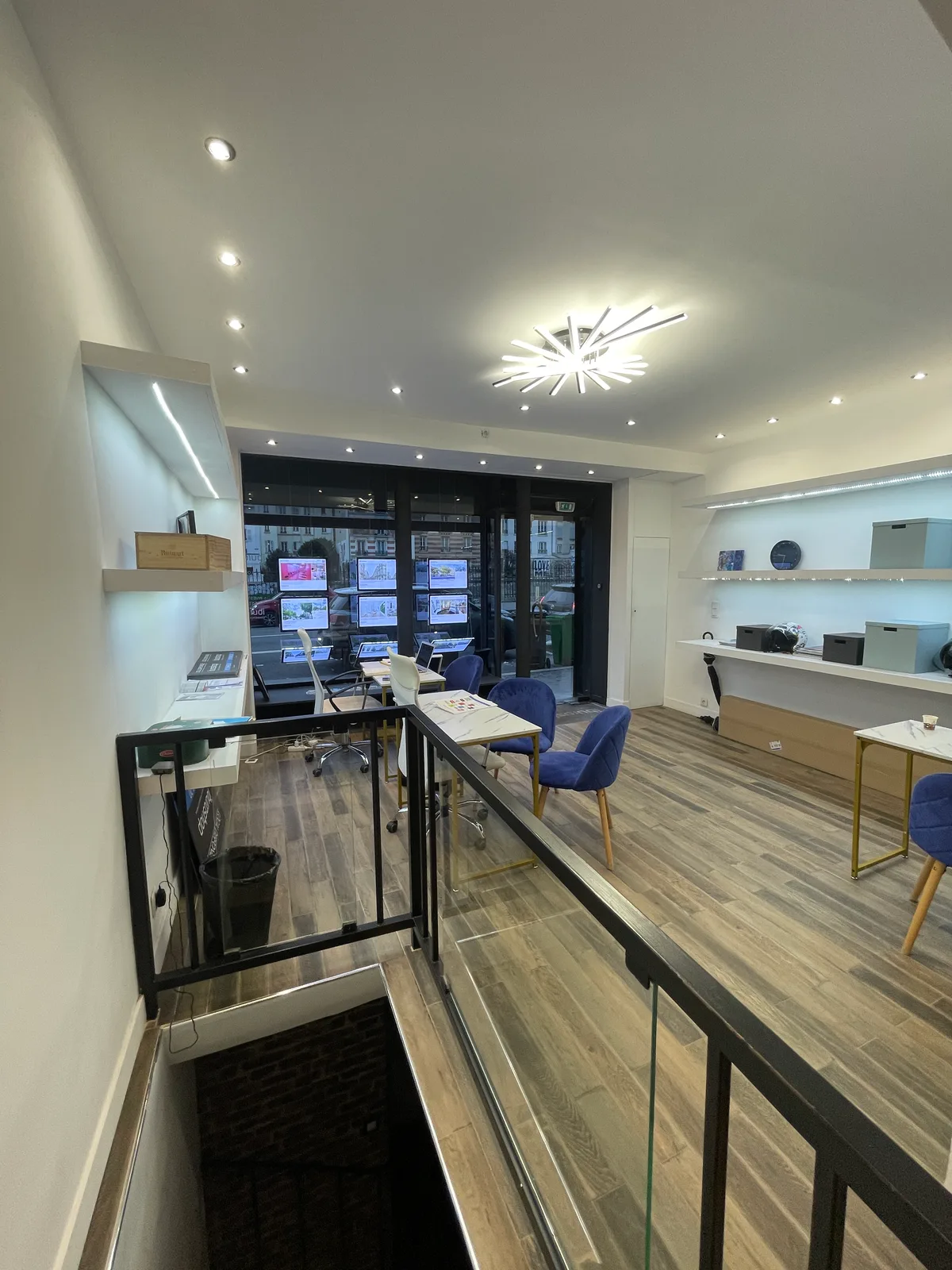
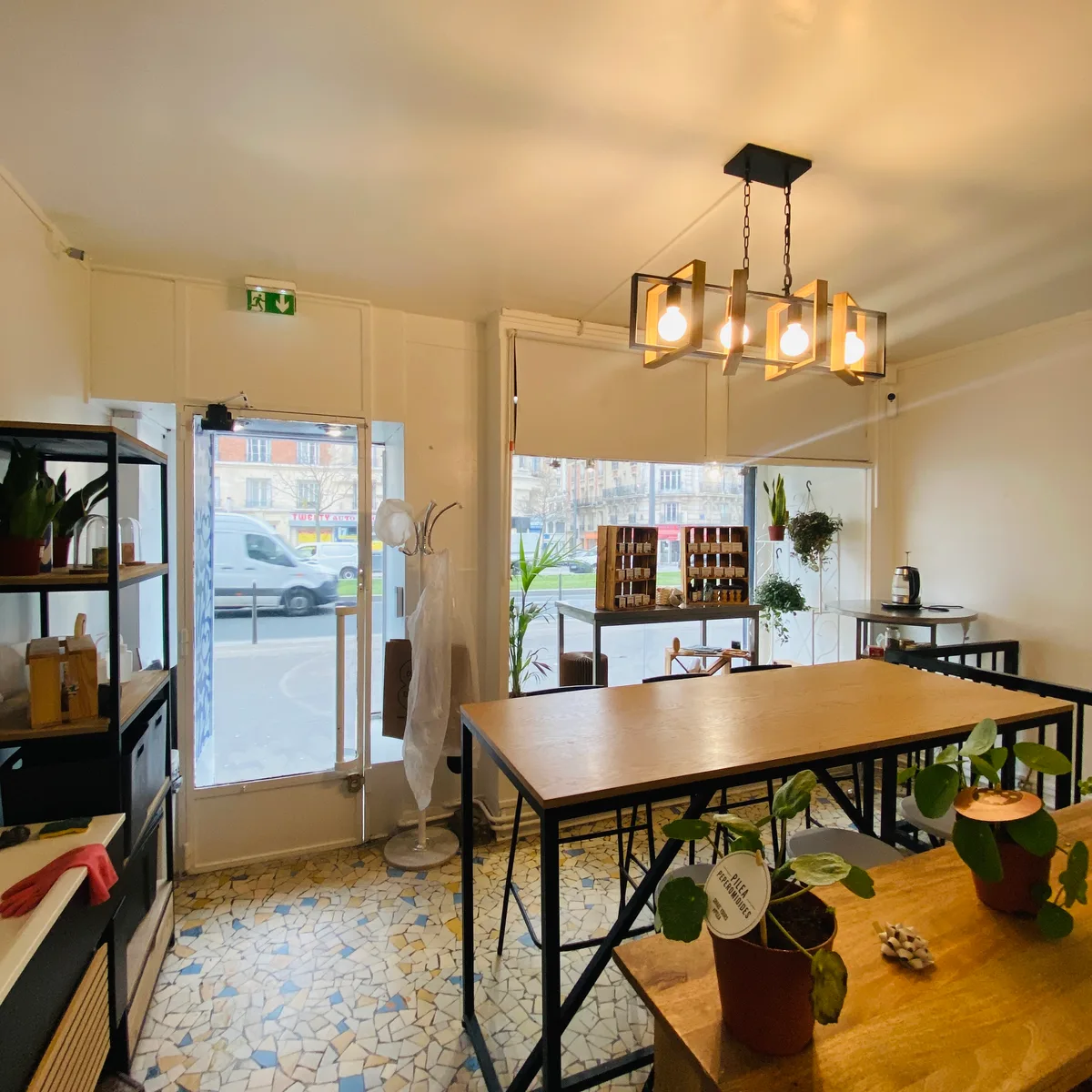
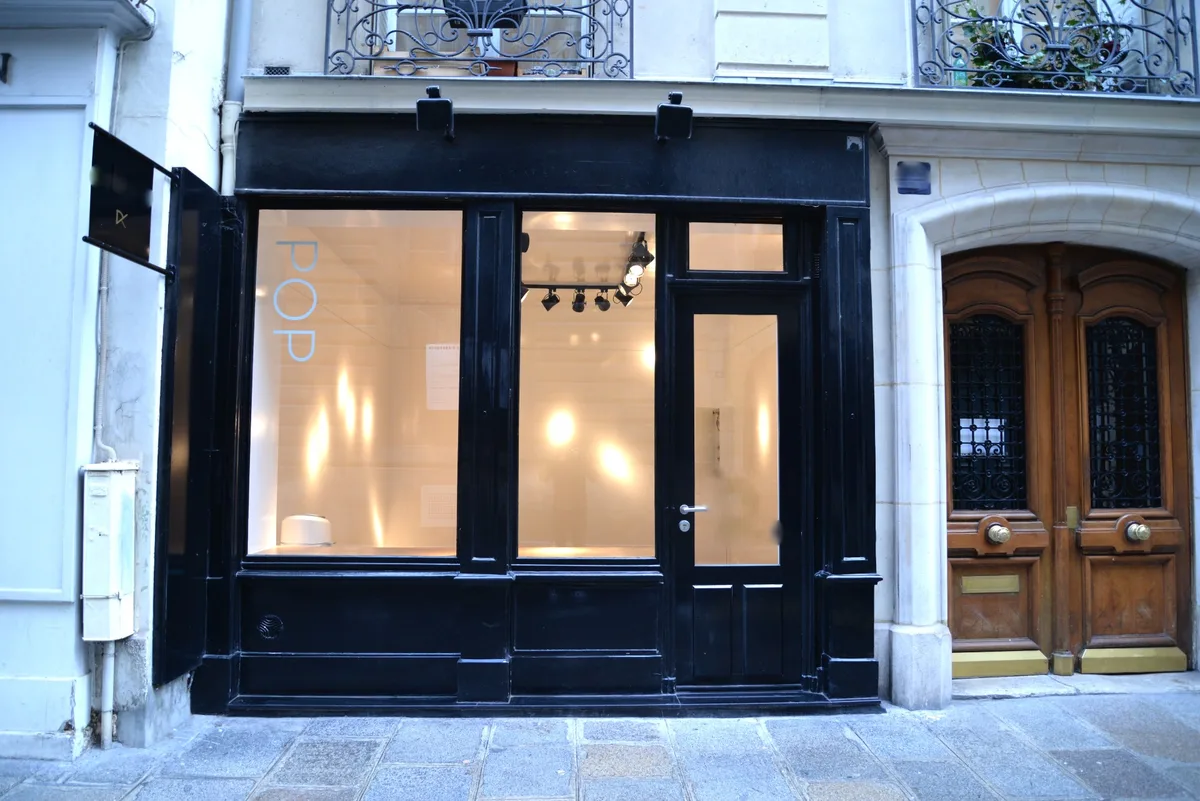
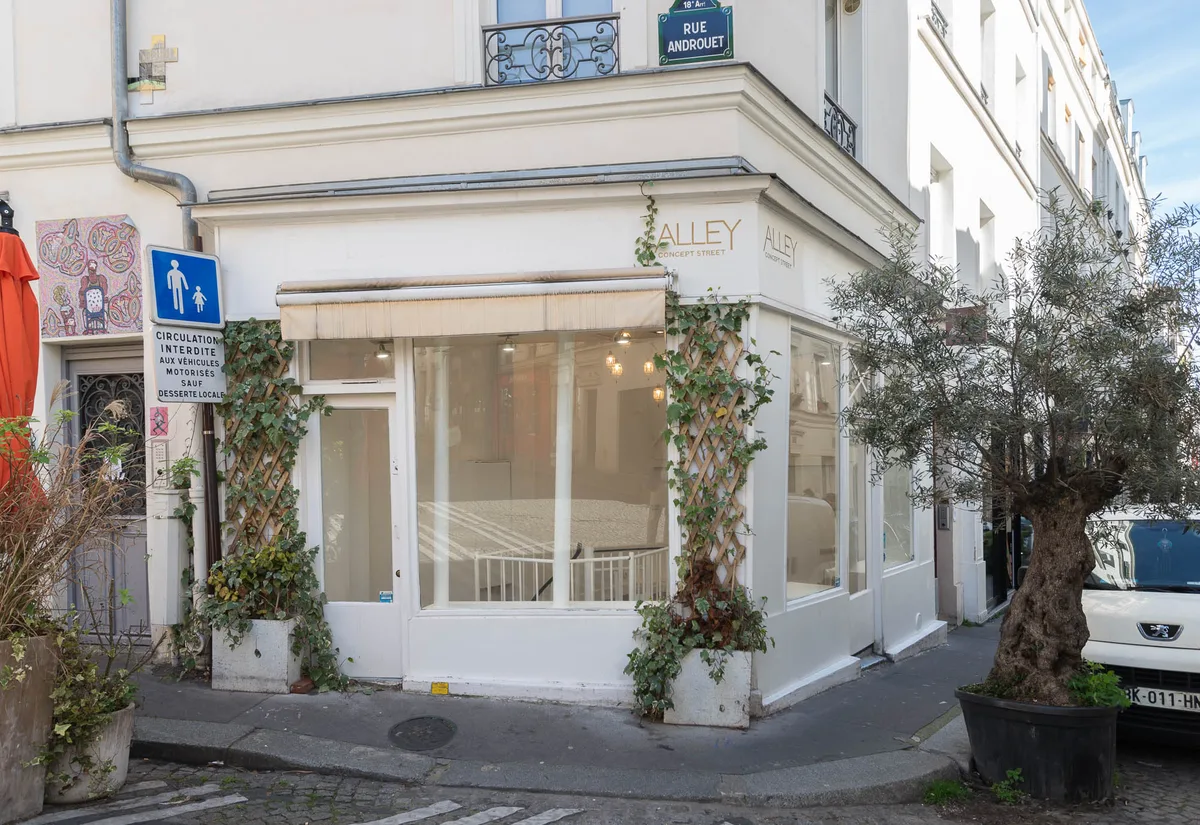
A pop up store Paris Fashion Week activation is one of the most concentrated opportunities in the global fashion calendar. Paris attracts international press, buyers, influencers, creative directors, and luxury consumers across four distinct Fashion Week sessions each year, making it the single most competitive and rewarding short-term retail environment on the planet. Whether your brand is seeking a showroom for press and buyer appointments, a retail pop-up in Le Marais for consumer engagement, or a private activation near the Palais Royal, the decisions you make on format, location, timing, and budget will determine whether the activation delivers lasting brand equity or simply disappears into the noise. This guide covers every dimension of planning, executing, and measuring a Paris Fashion Week pop-up in 2026, drawing on real brand examples, neighbourhood intelligence, permit obligations, and platform tools available through Fashion Week Venues' Paris city hub.
What Is a Pop-Up Store and Why Paris Fashion Week Makes It Essential
Quick answer: A pop-up store is a short-term retail or brand activation space, typically operating from a few days to a few months, designed to generate concentrated attention, test a market, launch a product, or deepen community engagement. During Paris Fashion Week, the format becomes a strategic tool for brands that want cultural relevance, media visibility, and direct consumer and trade access simultaneously.
The pop-up store format emerged from the recognition that permanent retail carries fixed costs and commitment that early-stage brands, heritage labels, and international entrants cannot always justify. The temporary nature of the format is not a limitation but a design feature. Scarcity and ephemerality create urgency. When a brand announces a three-day installation in the Marais district, the social media response, press coverage, and foot traffic are disproportionately larger than those generated by a permanent boutique of the same size opening in the same neighbourhood.
Paris amplifies this effect because the city operates multiple layers of cultural gravity simultaneously. Fashion Week sessions bring together the Fédération de la Haute Couture et de la Mode's official calendar with hundreds of off-schedule presentations, private activations, and brand experiences that together form the most densely packed brand visibility window in fashion. International brands use this window not just to sell product but to establish presence, signal relevance, and create content that sustains digital campaigns for months after the activation closes.
The format flexibility of the pop-up is also a strategic advantage. Brands may choose a classic retail pop-up with a checkout and branded fixtures, a showroom format limited to press and buyer appointments, a pop-up exhibition or installation with no direct sales function, a concept store combining retail with experience design, or a private activation for invitation-only audiences. Each format has different space requirements, permit obligations, staffing needs, and ROI metrics. Understanding which format aligns with your specific objectives is the first strategic decision, and it shapes every subsequent planning choice.
Recent activations in Paris illustrate the range of what the format can achieve. PUMA's Suede House installation turned sneaker culture into a participatory experience, combining sneaker customization workshops, community engagement programming, and retail in a single space. ATELIER BIRKENSTOCK brought orthopedic craftsmanship into the world of contemporary fashion through a pop-up that highlighted heritage and made it feel urgent and modern. Repetto used the pop-up format to celebrate the craft behind its iconic pointe shoes, connecting a heritage label's storytelling to a new generation of consumers. These activations share a common logic: the physical space is the amplifier, and the story is the signal.
DID YOU KNOW: Paris Fashion Week collectively spans Haute Couture, Men's, Women's Ready-to-Wear, and Haute Couture Resort sessions, giving brands multiple calendar windows throughout the year rather than a single annual moment.
KEY TAKEAWAY: A pop-up store during Paris Fashion Week is not simply a temporary shop. It is a concentrated brand platform that operates at the intersection of trade, press, consumer, and cultural audiences simultaneously. The format works because ephemerality creates urgency, and Paris Fashion Week provides the largest captive audience of relevant stakeholders in the fashion calendar.
Before selecting a format, brands need to understand which Paris Fashion Week session aligns with their category, audience, and commercial objectives. The next section maps the sessions, neighbourhoods, and strategic timing variables that determine the most effective activation window.
Paris Fashion Week 2026: Sessions, Calendar Windows, and Strategic Timing
Quick answer: Paris Fashion Week runs four primary sessions annually. Haute Couture takes place in January and July, Men's Ready-to-Wear in January and June, and Women's Ready-to-Wear in February and March and September and October. For Paris Fashion Week 2026, the Women's Ready-to-Wear session in September and October represents the largest audience concentration, while the Haute Couture Fashion Week in July offers a more exclusive, editorial-focused window.
The Fédération de la Haute Couture et de la Mode officially schedules and governs the Paris Fashion Week calendar. Brands seeking to activate during these windows must be aware that the official schedule does not include the vast majority of brand activations, pop-ups, showrooms, and installations. The official runway shows concentrate press and buyer attention, but the surrounding ecosystem of activations, dinners, openings, and brand experiences is where pop-up stores operate most effectively.
The Four Paris Fashion Week Sessions and Their Audiences
Each session draws a different mix of trade and consumer audiences. The January Haute Couture session is the most exclusive and attracts private clients, editors, and stylists who work in the highest-end segment of fashion. The January Men's Ready-to-Wear session runs concurrently and draws a streetwear and contemporary fashion audience alongside traditional menswear trade buyers. The Women's Ready-to-Wear sessions in February and March and September and October are the largest and most commercially significant, bringing the widest mix of international press, buyers, influencers, and consumers to Paris. The June Men's session and the July Haute Couture session represent smaller but highly curated windows with strong editorial and luxury brand relevance.
For international brands entering Paris for the first time, the Women's Ready-to-Wear session in September and October is typically the most appropriate activation window because it delivers the largest audience, the most media interest, and the widest range of neighbourhood activation possibilities. Established brands with a luxury or couture positioning may find the July Haute Couture session more appropriate for a more intimate, invitation-only format.
Strategic Timing: Why the Calendar Window Matters More Than You Think
Strategic timing is not just about activating during Fashion Week itself. The most effective activations open two to three days before the official schedule begins, capturing press and influencers arriving early, and remain open for several days after the official schedule ends to serve the extended consumer audience that visits Paris around the Fashion Week period. This extended window typically adds seven to ten days to the activation duration and increases the total audience significantly without proportionally increasing venue rental costs.
Events adjacent to Fashion Week also affect the activation calendar. The French Open at Roland-Garros in May and June, Paris Saint-Germain UEFA Champions League fixtures, and cultural events like exhibitions at the Palais de Tokyo or Grand Palais attract overlapping audiences of international visitors with strong disposable income and cultural interests. Brands in beauty, sportswear, and lifestyle categories have successfully timed activations around these adjacent events, extending the commercial rationale for a Paris presence beyond the Fashion Week window itself.
The Style Not Com community, sneaker culture platforms, and digital campaign calendars all operate on timelines that require content creation during the activation, which means brands must plan their social media production as a parallel workstream to the physical build and retail operation. Instagram remains dominant for visual storytelling, TikTok drives behind-the-scenes engagement, and YouTube Shorts extend global reach beyond the Paris audience.
IMPORTANT: Prime spaces in Le Marais, near the Palais Royal, and along Rue Saint-Honoré are frequently reserved six to nine months in advance for Fashion Week windows. Brands that begin planning in the same season they intend to activate are almost always too late to secure the most desirable locations.
KEY TAKEAWAY: Selecting the right Paris Fashion Week session requires matching your brand's category, price point, and audience profile to the specific mix of press, buyers, and consumers each session delivers. Strategic timing means activating around the official schedule, not just during it, and planning the space reservation and build timeline accordingly.
With the calendar context established, the next critical decision is choosing the right neighbourhood and space type for your activation objectives.
Paris Neighbourhoods for Pop-Up Stores: Where to Activate and Why
Quick answer: The most important neighbourhoods for pop-up stores during Paris Fashion Week are Le Marais, Rue Saint-Honoré and the first arrondissement, the Palais Royal area, Saint-Germain-des-Prés, and Canal Saint-Martin. Each offers a different audience, rent level, and brand positioning signal. Le Marais delivers the highest footfall and cultural relevance for contemporary fashion and lifestyle brands. Rue Saint-Honoré serves luxury and heritage labels seeking proximity to the established luxury corridor.
Le Marais and the Third Arrondissement (75003)
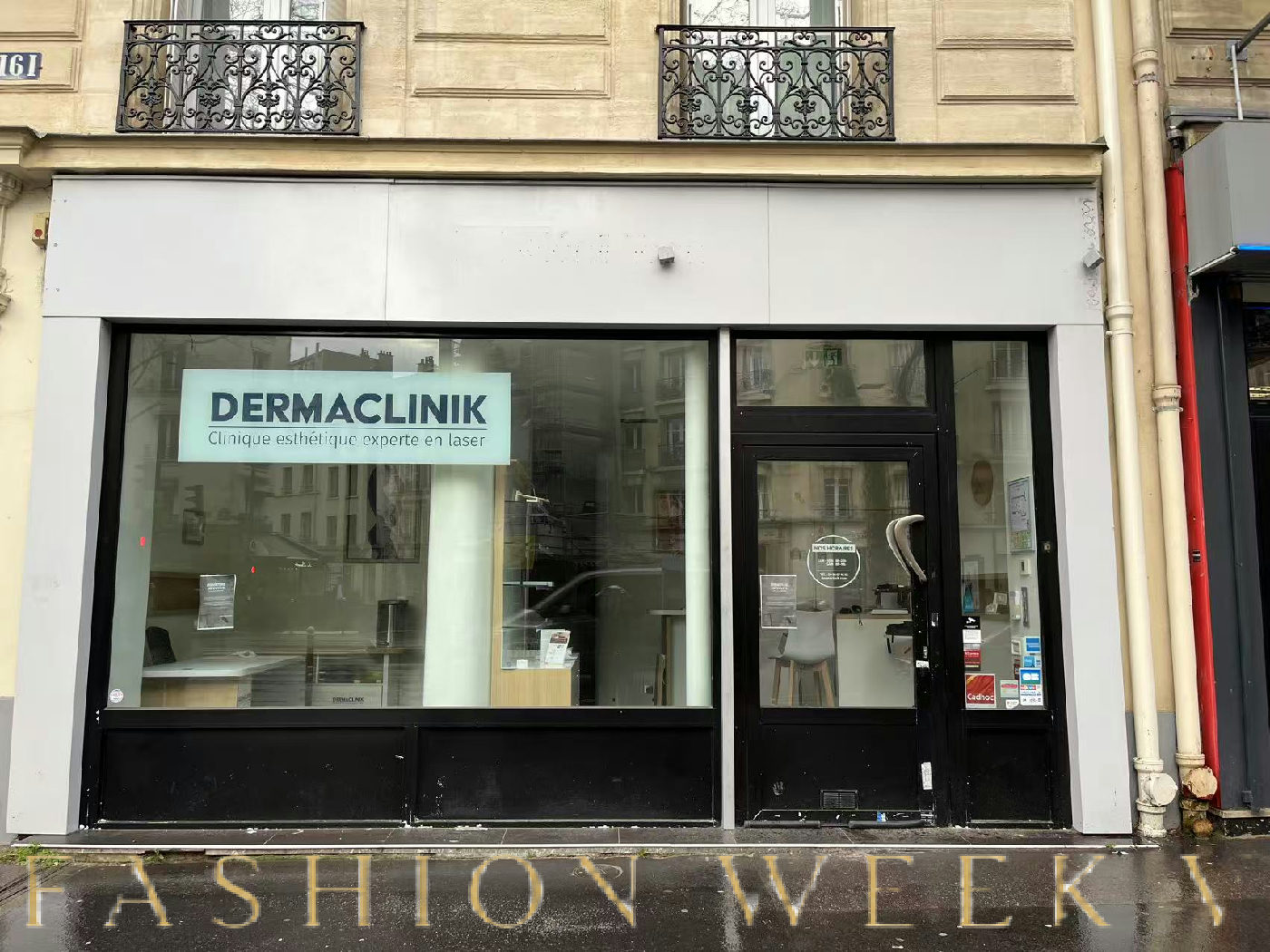
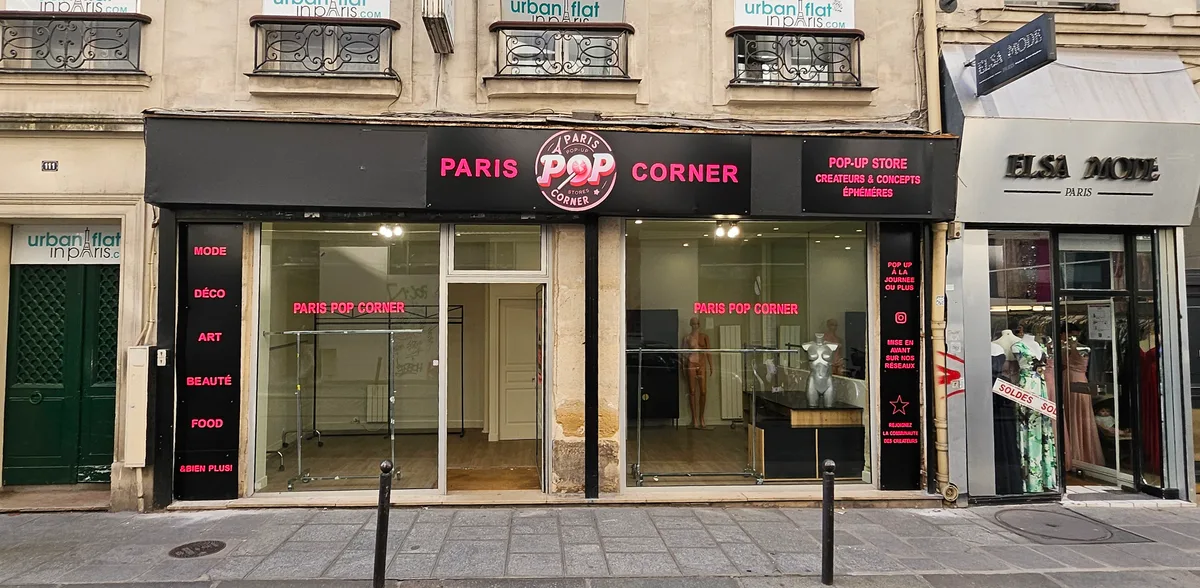
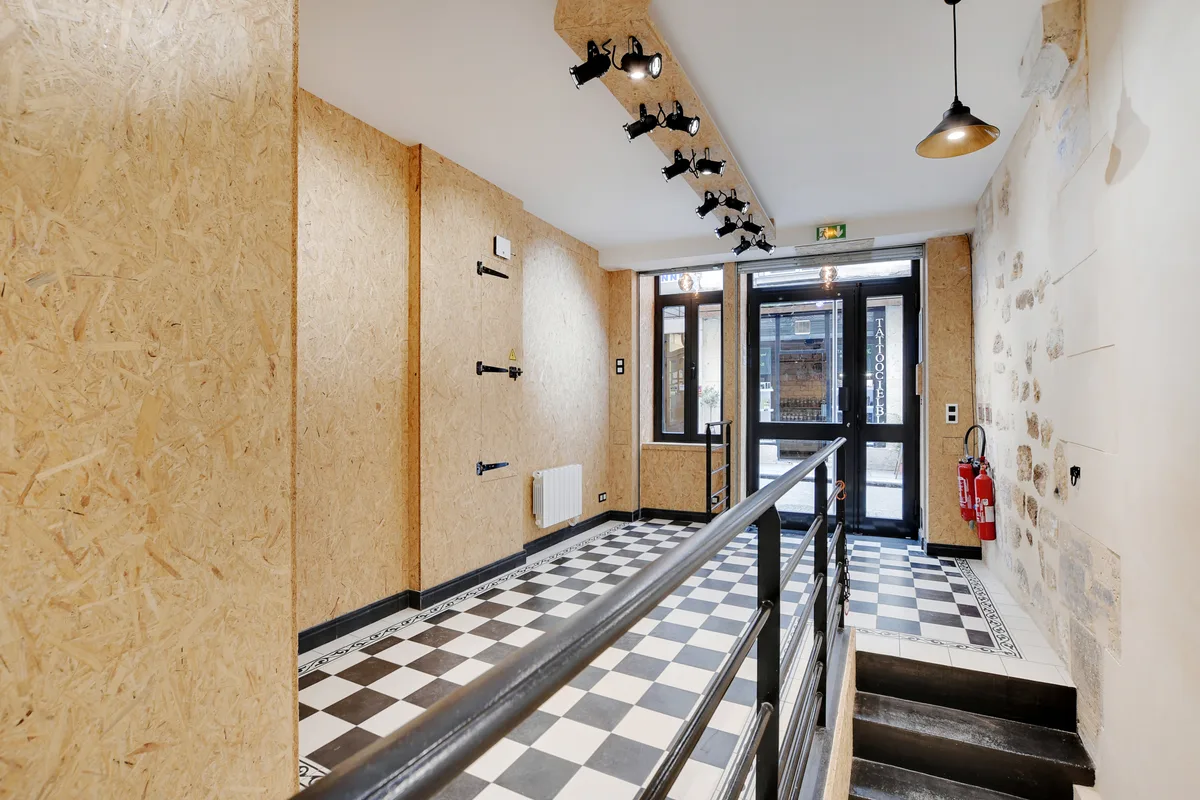
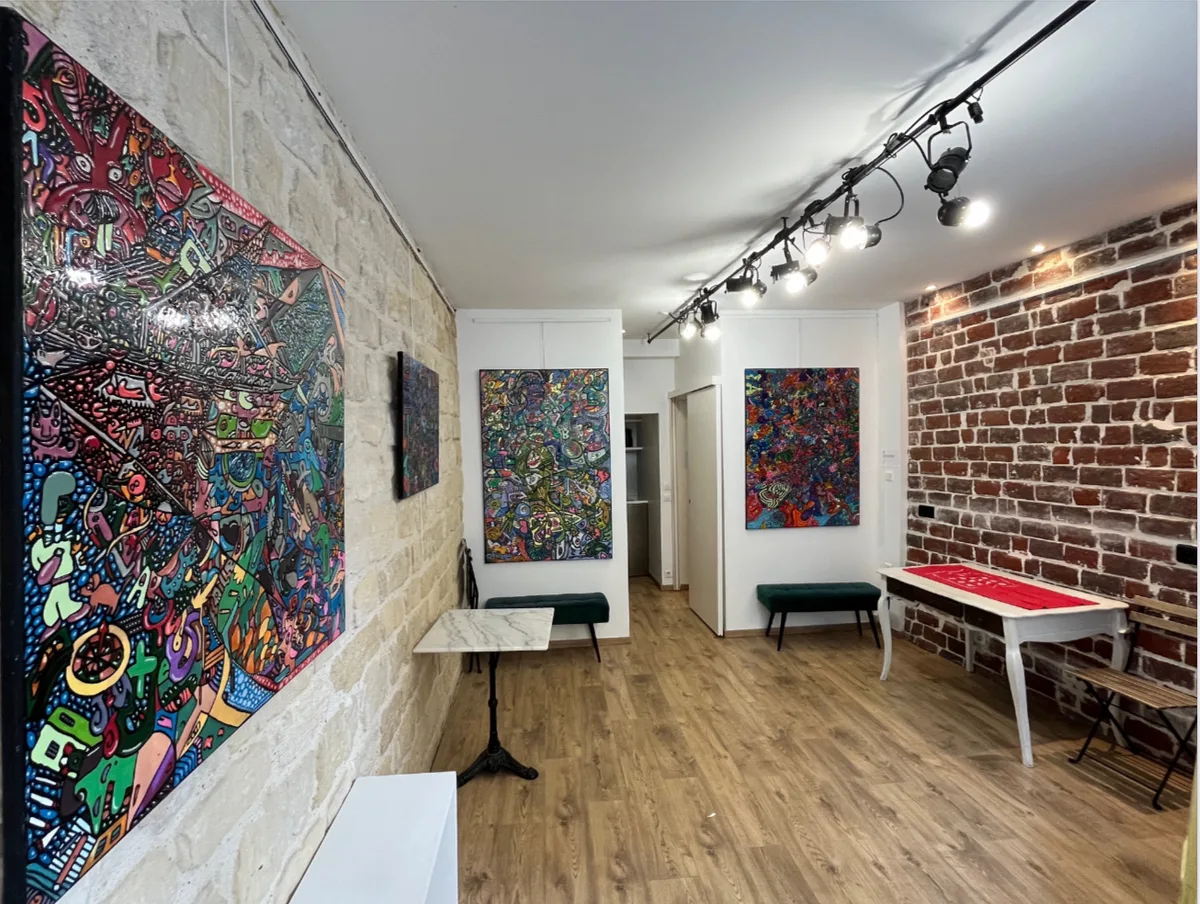
Le Marais is the most consistently popular neighbourhood for pop-up stores during Paris Fashion Week. The Marais district combines residential density with a high concentration of independent boutiques, concept stores, galleries, and restaurants that together create a permanent cultural circuit for fashion-aware consumers. The area around Place des Vosges, the streets of Paris surrounding Rue de Bretagne, and the blocks adjacent to the Musée Picasso and the Carreau du Temple all offer spaces that range from raw industrial interiors to historic Haussmann-era buildings with original architectural details.
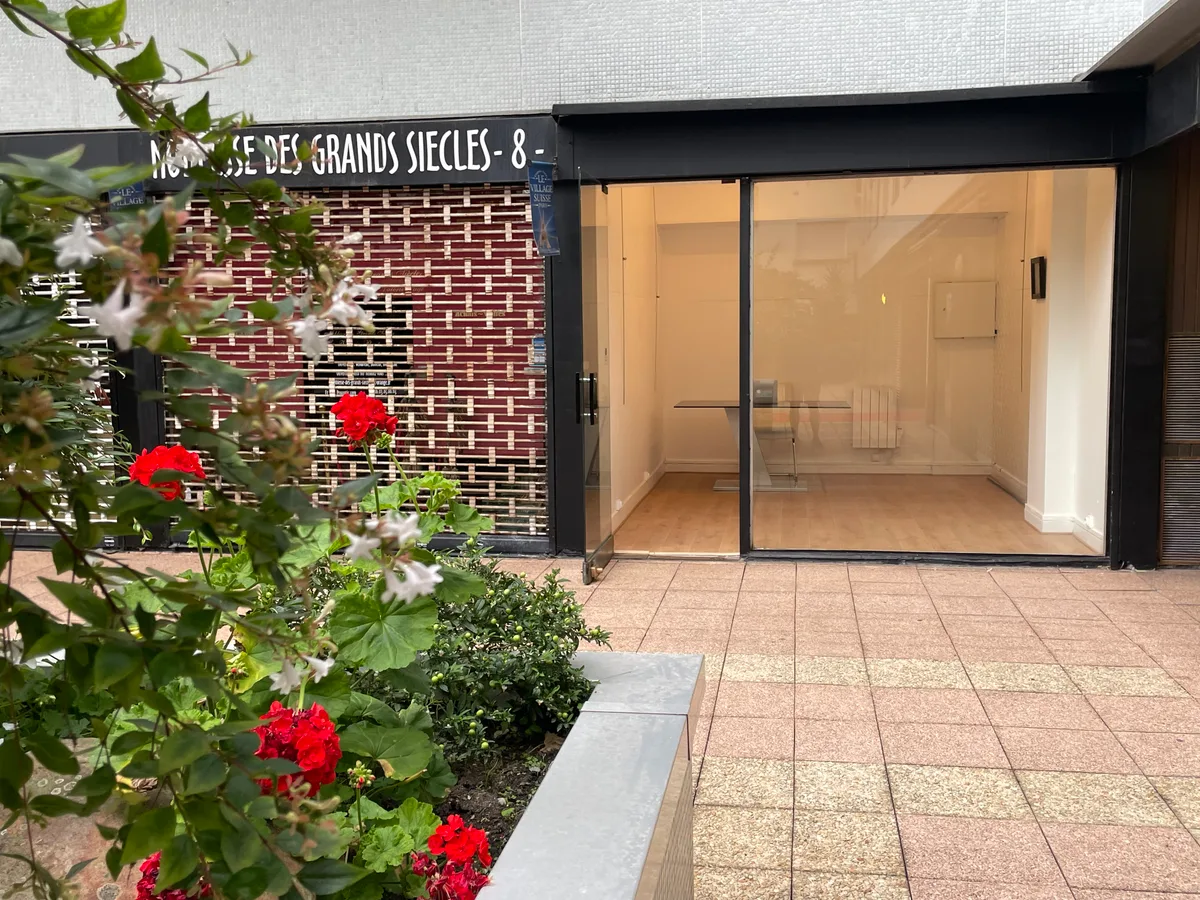
The postcode 75003 covers a significant portion of the northern Marais and includes some of the most requested pop-up spaces in Paris, with spaces in this area offering a range of sizes typically starting around 115 square metres up to larger 200 square metre formats. Rental rates for these spaces vary by property, condition, and Fashion Week timing, and directional estimates suggest daily rates in the range of USD 1,220 per day for a 200 square metre space and higher for premium addresses during peak windows. Brands should use the Fashion Week Venues budget calculator to build accurate estimates based on their specific brief rather than relying on published averages.
The Marais has hosted landmark activations including Dover Street Market Paris, located at 35 to 37 Rue des Francs-Bourgeois in the fourth arrondissement, which serves as a permanent anchor for the neighbourhood's fashion credibility and attracts a steady stream of international fashion visitors year-round. Pop-up activations in the Marais benefit from this proximity, as visitors combining a Dover Street Market visit with adjacent brand activations create natural foot traffic synergies.
Rue Saint-Honoré, the First Arrondissement, and Palais Royal
The luxury corridor between Rue Saint-Honoré and Avenue Montaigne represents the highest-prestige activation zone in Paris. Spaces along Rue de Rivoli, adjacent to the Palais Royal Garden, and within the galleries and covered passages of the first arrondissement signal luxury positioning with a clarity that no other Parisian neighbourhood can replicate. Heritage labels, international luxury houses, and brands seeking editorial and press coverage in the highest-tier fashion publications gravitate toward this zone.
The Palais Royal itself has hosted significant brand installations. A gigantic installation in the Cour d'Honneur of the Palais-Royal demonstrated the scale of what is possible in this location, attracting public visibility and press coverage that extended well beyond the Fashion Week audience. Les Halles and the surrounding streets of the first arrondissement offer a mix of accessible and premium retail spaces that can serve both consumer-facing pop-ups and invitation-only showroom formats.
Saint-Germain-des-Prés and the Sixth Arrondissement
Saint-Germain offers a more intellectual, literary, and established luxury positioning. Rue Jacob and the surrounding streets of the sixth arrondissement host independent boutiques and gallery spaces that suit beauty brands, heritage craft labels, and international brands seeking a more curated, less crowded activation environment. Spaces like those near Galerie Joseph, L'Hôtel Alfred Sommier, and the surrounding historic fabric of Saint-Germain offer a character and authenticity that is harder to replicate in more commercial zones.
Canal Saint-Martin and Northern Neighbourhoods
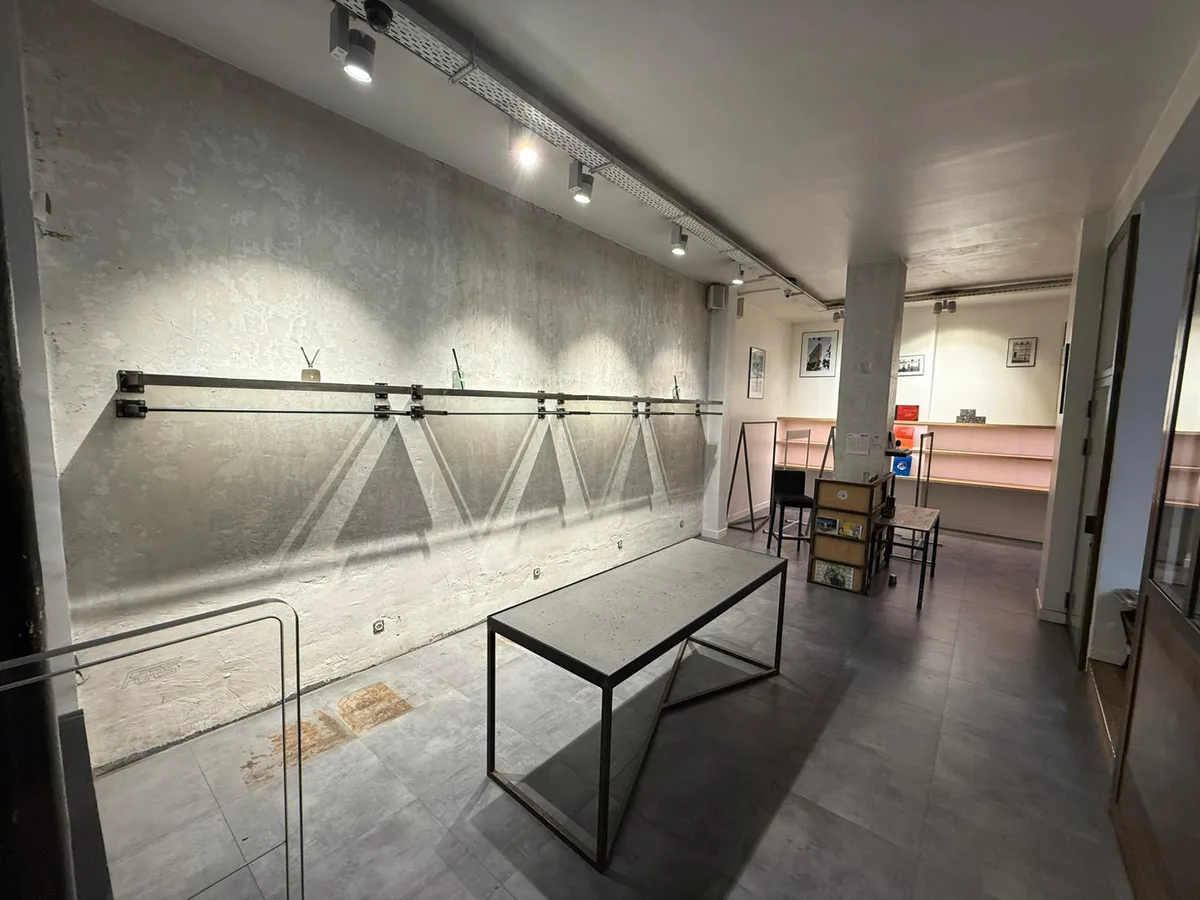
Canal Saint-Martin and the northern edge of Pigalle offer lower rental rates and a younger, more experimental audience profile. Brands in streetwear, sneaker culture, music-adjacent fashion, and emerging contemporary categories find the Canal Saint-Martin neighbourhood aligned with their community and storytelling. The neighbourhood also offers larger raw spaces at lower cost per square metre, which suits activations requiring significant build-out or installation work.
To compare neighbourhoods and space types side by side, explore the Paris city hub on Fashion Week Venues and shortlist spaces that match your brief, budget, and calendar window.
| Neighbourhood | Primary Audience | Best For | Relative Rent Level | Key Landmarks |
|---|---|---|---|---|
| Le Marais (75003/75004) | Fashion insiders, consumers, influencers | Contemporary fashion, streetwear, lifestyle | Medium to high | Place des Vosges, Dover Street Market, Musée Picasso |
| Rue Saint-Honoré / 1st arr. | Luxury buyers, press, private clients | Luxury, heritage, haute couture | Very high | Palais Royal, Rue de Rivoli, Les Halles |
| Saint-Germain (6th arr.) | Established luxury, beauty, editorial | Heritage craft, beauty, gallery format | High | Rue Jacob, Galerie Joseph, Palais Garnier adjacent |
| Canal Saint-Martin | Youth culture, emerging brands | Streetwear, sneaker culture, music | Low to medium | Canal banks, northern Pigalle |
| Grand Palais / Palais de Tokyo area | Cultural audiences, art collectors | Art installations, experiential luxury | High to very high | Grand Palais, Palais de Tokyo |
KEY TAKEAWAY: Neighbourhood selection is a brand positioning decision as much as a logistical one. The address your brand chooses communicates brand values, target audience, and price point to press, buyers, and consumers before they walk through the door. Match your neighbourhood to your brand story, not just your budget.
With the right neighbourhood identified, brands need to select the specific space format that matches their operational and strategic objectives. The next section breaks down format options and their respective trade-offs.
Pop-Up Store, Showroom, or Private Activation: Choosing the Right Format for Paris Fashion Week
Quick answer: The three primary format options for Paris Fashion Week activations are the consumer-facing retail pop-up, the trade and press showroom, and the private invitation-only activation. Each serves a different strategic objective and requires different space specifications, staffing models, permit types, and budget allocations. Many brands combine elements of multiple formats within a single space across different time slots.
The format decision should be driven by a clear answer to a prior question: what is the primary commercial or marketing objective of this activation? If the objective is generating immediate consumer sales and social content, a retail pop-up with a public-facing programme is the appropriate format. If the objective is scheduling appointments with international buyers and press for a collection presentation, a showroom format with controlled access is more appropriate. If the objective is creating an exclusive brand moment for a VIP customer or industry audience, a private activation format protects exclusivity while generating aspirational content.
Retail Pop-Up
A retail pop-up is a publicly accessible branded store operating for a defined period. It requires a point-of-sale system, trained retail staff, product merchandising, and in most cases a temporary fit-out that creates a branded environment. The retail pop-up is the most versatile format because it combines immediate revenue generation with brand storytelling, community engagement, and content creation. The best retail pop-ups during Paris Fashion Week operate as immersive environments that give visitors a reason to share their experience online, creating a digital amplification effect that extends the activation's reach far beyond its physical footfall.
Recent examples demonstrate the range of what this format can achieve. The PUMA Suede House combined retail with sneaker customization workshops, turning a product launch into a participatory community experience. ATELIER BIRKENSTOCK brought the brand's orthopedic craftsmanship into a contemporary fashion context, using display and materiality to communicate heritage in a way that felt urgent rather than nostalgic. Repetto's pop-up celebrating its pointe shoes used interactive elements including interactive fake cameras and a Human-Shaped Mirror created by Berlin-based artist Anatoly Shabalin K. to create a visually arresting environment that generated significant press and social media coverage.
Showroom
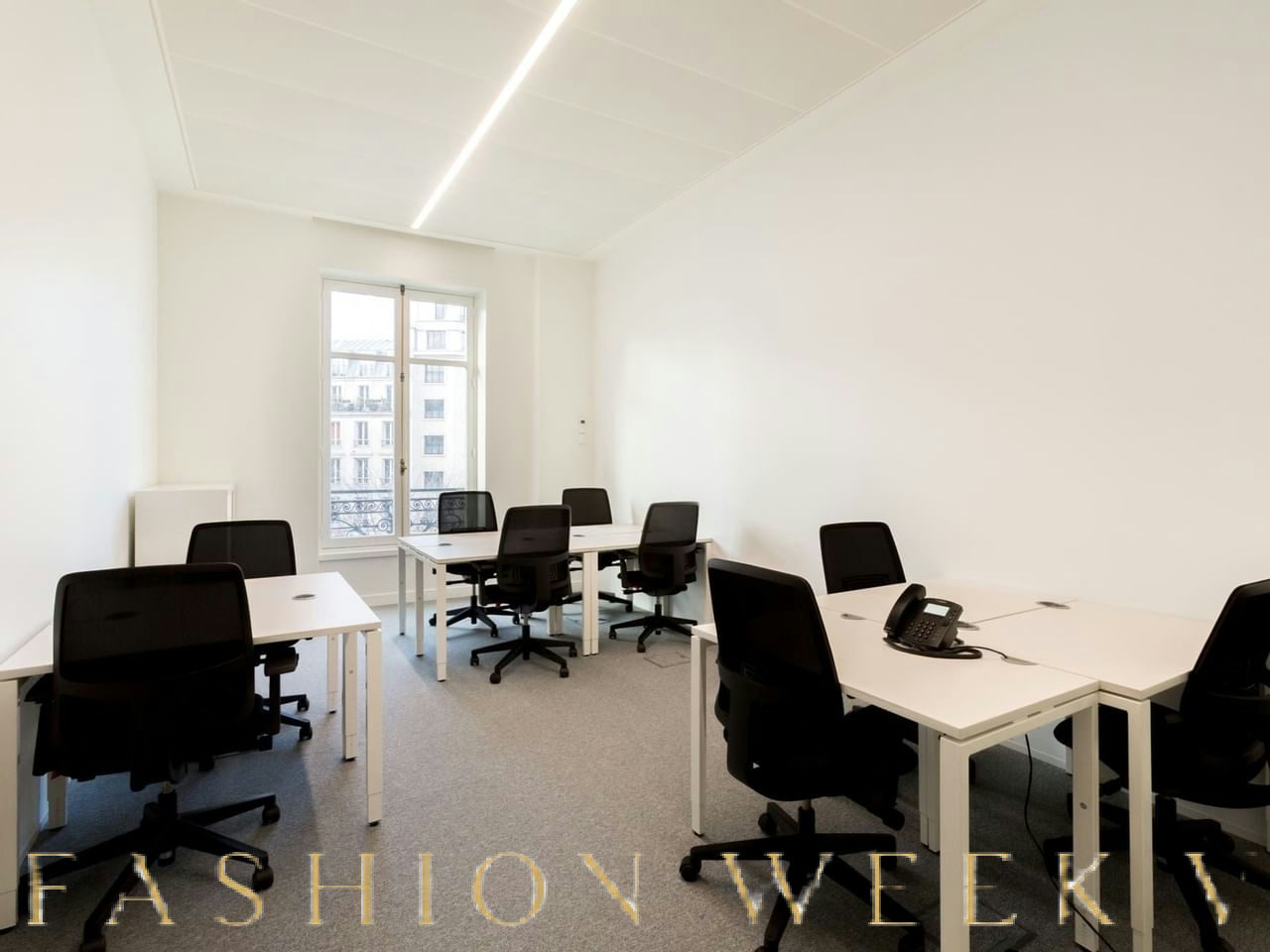
A showroom is a by-appointment space designed for trade and press access to a collection. It does not typically involve public retail sales and instead focuses on scheduled appointments with buyers, journalists, stylists, and brand partners. Showrooms during Paris Fashion Week are concentrated in the Marais, Saint-Germain, and the first and eighth arrondissements, and they typically operate for the duration of the relevant Fashion Week session. The space requirements for a showroom are different from a retail pop-up: the emphasis is on clean presentation surfaces, good natural light, meeting or appointment areas, and flexible display systems that can accommodate a full collection across multiple categories.
Private Activation
A private activation operates on an invitation-only basis and is designed to create a highly curated brand experience for a specific audience. This format is common among luxury brands, heritage labels, and brands using Paris Fashion Week to launch a significant new direction or collaboration. Private activations at spaces like L'Hôtel Alfred Sommier and similar historic Parisian properties combine the gravitas of the address with the exclusivity of controlled access to create an experience that press and influencers cover as an event rather than a store visit.
Hybrid Formats
Many of the most effective Paris Fashion Week activations use a hybrid format: a private preview or press appointment period in the first one to two days, followed by a public-facing retail or experiential period for the remainder of the activation. This approach serves both trade and consumer audiences from a single space, maximising the return on the fixed costs of fit-out, permit, and venue rental. Brands considering a hybrid format should plan their staffing model and space layout to accommodate both modes of operation without conflict.
| Format | Primary Objective | Audience | Space Requirements | Typical Duration |
|---|---|---|---|---|
| Retail Pop-Up | Consumer sales, brand awareness, content | Public, consumers, influencers | Branded fit-out, POS, stock storage | 7 to 21 days |
| Showroom | Buyer appointments, press previews | Trade buyers, press, stylists | Clean display, meeting area, good light | 5 to 10 days |
| Private Activation | VIP engagement, brand elevation | Invitation-only, press, clients | Premium address, curated environment | 2 to 5 days |
| Pop-Up Exhibition | Brand storytelling, cultural positioning | Public, press, cultural audiences | Installation space, high ceilings, flex layout | 10 to 30 days |
| Hybrid Format | Trade and consumer, combined ROI | Trade then public | Adaptable layout, dual access management | 10 to 21 days |
KEY TAKEAWAY: Format choice is a strategic decision that must precede space selection. The format determines the space specification, staffing model, permit type, and ROI measurement framework. Hybrid formats offer the best combined return but require more sophisticated planning and execution.
Once the format is established, the operational and financial planning begins. The next section covers budgeting, permits, logistics, and timeline planning for a Paris Fashion Week pop-up.
Operational Planning: Budget, Permits, Logistics, and Timeline for Paris Pop-Ups
Quick answer: A Paris Fashion Week pop-up activation involves venue rental costs, fit-out and production costs, staffing costs, permit and compliance costs, shipping and logistics costs, and marketing costs. Planning should begin six to nine months before the target activation date for premium locations, with permits and compliance verification beginning at least three months in advance.
Understanding Paris Pop-Up Costs
Venue rental costs in Paris during Fashion Week vary significantly by neighbourhood, space size, condition, and timing. Directional estimates suggest that spaces in the Marais district of 115 to 200 square metres can command daily rates in the range of USD 1,220 and above, with premium addresses and larger formats commanding higher daily rates. These figures are indicative and subject to negotiation, seasonal variation, and space-specific factors. Brands should treat published rates as a starting benchmark and use the Fashion Week Venues budget planning tool to generate a brand-specific estimate based on their format, size, duration, and target neighbourhood.
Beyond venue rental, the fit-out and production budget for a pop-up activation in Paris typically represents a significant cost component. A basic branded fit-out using modular fixtures and furniture rental can be cost-efficient for showroom formats, while a fully custom installation with raw steel structures, custom-made magnets, branded environmental graphics, and immersive lighting will require a substantially larger production budget. The choice of production approach affects not only cost but also the timeline required for design, fabrication, and installation.
Staffing costs must account for French labour regulations, which differ from those in the United States, the United Kingdom, and other major markets. International brands frequently underestimate the complexity of hiring temporary retail staff in France, including the contractual requirements, social charges, and language considerations that affect the customer experience. Specialist retail staffing through a local partner who understands French employment law is strongly recommended.
Shipping and logistics present another significant cost variable for international brands bringing product, display materials, and branded fixtures to Paris from international locations. Customs documentation, import duties, and local delivery logistics all require advance planning and local coordination. Brands shipping from outside the European Union should seek specialist customs clearance support and should not underestimate the lead times required for international freight during Fashion Week periods when freight capacity is constrained.
Permits and Legal Compliance for Paris Pop-Ups
The permit landscape for short-term retail and brand activations in Paris involves two primary legal frameworks that are distinct from standard commercial leases. The bail dérogatoire is a short-term commercial lease instrument in French law that allows a rental period of up to three years without triggering the protections and obligations of a standard commercial lease (bail commercial). It is the most commonly used structure for pop-up activations of more than a few days. The autorisation d'occupation temporaire (AOT) is a separate instrument applicable to public domain spaces, including streets of Paris, parks, and publicly owned buildings, where a brand wishes to use public space for a commercial or brand activation purpose.
Requirements vary significantly by space type, duration, neighbourhood, and arrondissement. The Département de Paris maintains specific regulations for public space activations that differ from those applicable to private commercial properties. Brands should not assume that a permit valid for one type of space or one arrondissement automatically applies to another context. Independent legal verification with a French legal advisor is strongly recommended before signing any lease or permit agreement. The Fashion Week Venues permit guidance tool provides a framework for understanding the permit landscape, but it does not substitute for professional legal advice.
IMPORTANT: International brands do not necessarily need to establish a French legal entity to rent a space in Paris for a short-term activation, but the legal structure of the rental agreement, tax obligations, and VAT registration requirements vary by duration, transaction value, and business structure. Always verify your specific situation with a French legal or tax advisor before committing to a space.
Timeline Planning for Paris Fashion Week 2026
The planning timeline for a Paris Fashion Week 2026 activation depends on the target session, format, and neighbourhood. The following table provides a general workflow for a Women's Ready-to-Wear session pop-up activation.
| Planning Phase | Timeline Before Activation | Key Actions |
|---|---|---|
| Strategic brief | 9 to 12 months | Define objectives, format, budget range, target neighbourhood |
| Space search and shortlisting | 6 to 9 months | Browse marketplace, compare options, arrange site visits |
| Space reservation | 5 to 7 months | Negotiate terms, sign bail dérogatoire, confirm dates |
| Concept and design | 4 to 6 months | Develop creative concept, space design, production brief |
| Permits and compliance | 3 to 5 months | Apply for relevant permits, verify legal structure |
| Production and fabrication | 2 to 4 months | Build branded fixtures, commission custom elements |
| Logistics and shipping | 6 to 10 weeks | Arrange international freight, customs, local delivery |
| Staffing and training | 4 to 8 weeks | Recruit French-speaking staff, product and brand training |
| Installation and dressing | 2 to 5 days before opening | On-site build, fit-out installation, stock merchandising |
| Activation and operation | Duration of activation | Daily operations, content creation, buyer and press appointments |
| Derig and data review | Within 1 week of close | Remove fixtures, return space, collect and analyse data |
Use the Fashion Week Venues timeline planning tool to map your specific activation against this framework and identify the critical path for your project.
KEY TAKEAWAY: Operational planning for a Paris Fashion Week pop-up is a multi-month process involving venue, legal, production, logistics, and staffing workstreams running in parallel. Brands that underestimate the lead time required for premium space reservation, permit processing, and production fabrication consistently face avoidable last-minute cost escalation and compromised creative outcomes.
Brand Strategy and Storytelling: What Makes a Paris Fashion Week Pop-Up Memorable
Quick answer: The pop-up activations that generate lasting brand equity during Paris Fashion Week share a common strategic foundation: a clear and specific brand story, a physical environment that makes that story tangible, a programme that gives visitors a reason to return and share, and a content strategy that extends the activation's reach beyond its physical audience.
Paris Fashion Week creates a highly competitive attention environment. During the Women's Ready-to-Wear season, hundreds of brands are simultaneously competing for press coverage, influencer content, and consumer attention across the same neighbourhoods. Brands that rely on product display alone, without a compelling spatial narrative, tend to be overlooked in this environment. The brands that achieve disproportionate media visibility typically do so by creating an experience that is visually distinctive, conceptually coherent, and emotionally resonant.
Storytelling Through Space Design
The design language of your pop-up communicates brand values before a single visitor reads a piece of signage or speaks to a member of staff. Material choices, lighting, spatial flow, sensory details, and the relationship between product and environment all contribute to the brand story. ATELIER BIRKENSTOCK's activations communicate orthopedic craftsmanship through material honesty and precision detailing. Barbour's activations communicate heritage and outdoor culture through material choices and archival references. PROTÉMOA's activations use the pop-up format to build community around a distinctive aesthetic sensibility.
The System of a Down pop-up in Paris demonstrated how music culture can translate directly into a fashion brand activation, using the band's visual identity and the pop culture magnetism of the music community to create a retail environment that felt authentic to its audience rather than commercially manufactured. The activation attracted a specific community that would not have been reachable through conventional fashion retail channels.
Collaborations are a powerful tool for amplifying storytelling. When Virgil Abloh brought his conceptual practice to activations in Paris, the collaborations generated cultural conversations that extended far beyond the fashion industry press. Collaborations between fashion brands and artists, between heritage labels and contemporary designers, and between fashion houses and lifestyle categories consistently outperform solo brand activations in terms of press coverage and social media reach during Paris Fashion Week.
Community Engagement and Interactive Programming
The most commercially successful pop-up activations during Paris Fashion Week are not passive retail environments. They are programmed spaces that give visitors a reason to spend time, engage, share, and return. Workshops, customization stations, live demonstrations, and interactive installations all contribute to dwell time and social media content generation. The PUMA Suede House's sneaker customization workshops created a participation mechanic that turned visitors into advocates and generated authentic user-created content that extended the activation's digital reach significantly.
Gachapon machines, manga figurines, interactive cameras, figurines, and gadgets as activation mechanics have been used by brands targeting youth and pop culture audiences to create moments of surprise and delight that drive social sharing. These mechanics need to be genuinely connected to the brand story to work effectively. When they feel like an afterthought or a generic activation tactic, they undermine rather than reinforce brand credibility.
Digital Campaign Integration
A Paris Fashion Week pop-up that operates without an integrated digital campaign is leaving a significant portion of its potential reach untapped. The physical activation should function as the anchor for a digital content programme that begins before the opening, runs throughout the activation period, and continues for several weeks after closing. Pre-opening content including behind-the-scenes build footage, teaser visuals of the space design, and influencer seeding creates anticipation and drives foot traffic. During-activation content including live stories, short-form video content, and influencer visits sustains momentum. Post-activation content including brand film, editorial photography, and data-informed case study content extends the activation's ROI beyond its physical duration.
The platform mix for a Paris Fashion Week activation should be calibrated to the brand's target audience. Instagram remains the dominant platform for fashion visual storytelling and press coverage. TikTok drives behind-the-scenes engagement and has become increasingly important for reaching younger fashion consumers. YouTube Shorts extend global reach beyond the Paris-based audience. Paid media and organic content should work together, using paid amplification to extend the reach of organic content that is already generating engagement.
KEY TAKEAWAY: Brand storytelling through physical space is the primary differentiator in the crowded Paris Fashion Week activation landscape. The brands that achieve lasting brand equity from their pop-up investments do so by creating environments that are genuinely connected to a specific brand story, programmed with experiences that create participation and sharing, and integrated with a digital campaign that extends reach beyond the physical audience.
Inspiring Paris Fashion Week Pop-Up Examples: What Brands Have Done and Why It Worked
Quick answer: The most instructive Paris Fashion Week pop-up examples share common success factors: a distinctive physical environment, a community-relevant programme, a clear brand story, and a content strategy that amplified the physical activation through digital channels. From sneaker culture to haute couture craftsmanship, the format has proven effective across brand categories, price points, and audience types.
Understanding what specific brands have achieved with the pop-up format in Paris provides a practical framework for brands planning their own activations. The following examples are drawn from documented activations across a range of categories and formats.
PUMA Suede House: Sneaker Culture as Community Platform
The PUMA Suede House activation in Paris used the pop-up format to celebrate the Puma Suede's cultural heritage while engaging the contemporary sneaker community through customization workshops, community programming, and retail. The activation combined sneaker culture storytelling with participatory mechanics that gave visitors something to do rather than simply something to look at. The result was a pop-up that functioned as a cultural destination rather than a store, generating press coverage and social content that extended well beyond the Fashion Week audience.
ATELIER BIRKENSTOCK: Heritage Craftsmanship in a Contemporary Fashion Context
ATELIER BIRKENSTOCK used the Paris pop-up format to position the brand's orthopedic craftsmanship heritage within the language of contemporary fashion. The activation communicated the brand's artisanal roots through display, material, and spatial design in a way that felt credible to a fashion-literate audience. The pop-up generated significant press coverage in fashion media that had not previously covered the brand in a fashion context, demonstrating how the Paris pop-up can serve as a repositioning tool as well as a sales channel.
Repetto: Dance Heritage and Interactive Art
Repetto's activation celebrating its pointe shoes used interactive art elements including a Human-Shaped Mirror created by Berlin-based artist Anatoly Shabalin K. and interactive fake cameras to create a visually distinctive environment that linked the brand's dance heritage to contemporary visual culture. The collaboration with an established artist gave the activation credibility within the Paris art and fashion community and generated editorial coverage that a straightforward retail pop-up would not have achieved.
Barbour: The American Down Jacket Meets Paris
Barbour's Paris activations have consistently used the pop-up format to communicate the brand's British heritage and outerwear craftsmanship to a French and international audience. The brand has used bucket hats and heritage garment references as visual anchors for its activations, positioning the American down jacket and British outdoor clothing tradition within the contemporary Paris fashion context. The result is an activation that speaks to both a heritage audience and a contemporary fashion consumer without alienating either.
Maison Néo and The Fridge: Emerging Contemporary Format
Maison Néo and The Fridge represent the emerging end of the Paris pop-up landscape, using concept store formats in the Marais and Canal Saint-Martin neighbourhoods to build community around contemporary fashion brands that do not yet have the marketing budgets of established luxury houses. These activations demonstrate that the pop-up format is accessible across brand scale and budget, provided the brand story is clear and the space is chosen to match the audience profile.
Notable Current Activations in Paris 2026
Several activations currently operating or recently announced in Paris illustrate the range of what the format can achieve in 2026. Lili Curia, a British footwear label launched in London in 2025 and worn by artists including Karol G and Suki Waterhouse, has established a pop-up at Dover Street Market Paris at 35 to 37 Rue des Francs-Bourgeois in the fourth arrondissement, running until July 9th, 2026. JW Anderson has established a pop-up at 15 Rue du Louvre in the first arrondissement, running from July 9 to September 24, 2026. Jihan maintained a pop-up at 6 Rue Charles-François Dupuis in the third arrondissement until July 4th, 2026. Chauvin Paris in collaboration with L'Objet operated a pop-up at 30 Rue Jacob in the sixth arrondissement from June 11th to July 4th, 2026. Anthony Calydon brought its signature knitted bags in pastel pink, sunny yellow, and baby blue to 37 rue Debelleyme in the third arrondissement on July 25th and 26th, 2026. These activations collectively demonstrate the geographic spread, brand diversity, and format variety that characterise the Paris pop-up landscape during Fashion Week periods.
DID YOU KNOW: Galeries Lafayette Paris Haussmann hosts brand activations and pop-up spaces within its retail environment, giving brands access to the department store's existing footfall and the credibility of the Galeries Lafayette association. This represents an alternative to independent space rental for brands seeking guaranteed consumer traffic alongside Fashion Week timing.
KEY TAKEAWAY: The most instructive pop-up examples in Paris demonstrate that format, design, programme, and story must be aligned to produce a commercially effective activation. The physical space is the platform; the brand story is the content; and the community programme is the engine of sharing and return visits. Studying what has worked for brands in adjacent categories is a valuable starting point for your own brief.
How Fashion Week Venues Supports Paris Pop-Up Activations
Fashion Week Venues is a full-service pop-up shop agency and space marketplace with Paris as its primary market. For brands planning a pop-up store, showroom, or private activation during Paris Fashion Week, the agency provides end-to-end support across space sourcing, concept development, production, activation management, staffing, data, and influencer marketing. This section explains how Fashion Week Venues works, which brand teams benefit most, and what to expect from the engagement.
Space Discovery and Venue Sourcing
The starting point for most brand engagements is space discovery. Fashion Week Venues operates a curated marketplace of short-term retail and activation spaces across Paris and other major fashion capitals. Brands can browse available spaces by neighbourhood, size, format, and price range, and use the compare tool to evaluate multiple options side by side before committing to a site visit. The locator tool helps brands identify spaces geographically relative to key Fashion Week venues, transport links, and competitor or complementary brand activations. For brands with a specific brief, the venue sourcing service provides a curated shortlist based on the brand's requirements, saving the time and local knowledge investment required to navigate the Paris space market independently.
Concept Direction and Branded Store Design
For brands that need creative support beyond space selection, Fashion Week Venues offers concept direction and branded store design services. These services cover the development of a spatial concept that expresses the brand's identity and campaign narrative, the design of branded fixtures and environmental elements, and the creative direction of the activation's visual language from entry to exit. The Imagine tool allows brands to visualise how a space will look before committing to a design direction, reducing the risk of misalignment between concept and physical reality.
Production, Build, and Furniture Rental
The production and build service covers the fabrication and installation of branded environments in Paris, working with local suppliers and production partners to deliver fit-outs on schedule and within budget. For brands that do not require fully custom fabrication, furniture rental provides a cost-effective way to achieve a credible branded environment using curated furniture and display systems available at short notice.
Retail Staffing and POS
Fashion Week Venues provides access to trained retail staffing in Paris, including French-speaking sales staff, brand ambassadors, and event hosts who understand both the brand experience expectations of Paris Fashion Week and the operational requirements of French retail employment. The POS and payments service ensures that the technical infrastructure for retail transactions is in place from day one, including card payment systems, inventory tracking, and till management appropriate for a short-term retail operation.
Data, Analytics, and ROI
Post-activation data is frequently the most underinvested component of Paris Fashion Week pop-up planning. Fashion Week Venues' data and analytics service captures footfall, dwell time, sales conversion, press and influencer reach, and social media engagement metrics that allow brands to evaluate the commercial and marketing return of their activation. The ROI calculator tool helps brands frame their expected return before the activation begins, enabling more realistic budget conversations internally and more meaningful performance evaluation after closing.
Who Benefits Most
Fashion Week Venues is most valuable to international brands entering Paris for the first time who lack the local market knowledge, supplier network, and regulatory understanding to plan and execute a Paris Fashion Week activation independently. It is also valuable to established brands that have previously managed Paris activations through internal teams but want to reduce operational complexity, improve creative output, or access spaces they have not previously worked with. Brand activation managers, creative directors, retail strategists, and event producers all benefit from the agency's combined marketplace and service offering. Brands seeking to review agency credentials and past activation case studies can explore the Fashion Week Venues work section and the process page before initiating contact.
KEY TAKEAWAY: Fashion Week Venues provides a structured path from initial space discovery to post-activation data analysis, reducing the complexity and risk of planning a Paris Fashion Week pop-up independently. The combination of marketplace access and full-service agency support is particularly valuable for international brands and for activations that require bespoke creative and production work within compressed Fashion Week timelines.
Common Myths About Pop-Up Stores at Paris Fashion Week Debunked
MYTH: International brands need to establish a French legal entity before renting a pop-up space in Paris.
FACT: International brands can rent short-term spaces in Paris without establishing a French company, using bail dérogatoire agreements that do not require French corporate registration. However, tax obligations, VAT registration thresholds, and the specific legal structure of the rental agreement vary by duration, transaction value, and business structure. Brands should verify their specific situation with a French legal or tax advisor before committing to any space.
MYTH: Paris Fashion Week is the only viable calendar window for a Paris pop-up activation.
FACT: Paris Fashion Week sessions create concentrated audience windows, but Paris attracts fashion-relevant footfall year-round. Major cultural events, sports events including the French Open and Paris Saint-Germain UEFA Champions League fixtures, and the city's permanent status as a global luxury destination create viable activation windows outside the official Fashion Week calendar. Brands with flexible timing should evaluate multiple windows and match the activation period to the specific audience they want to reach.
MYTH: Commission brokers and informal connections are the most effective way to find pop-up space in Paris.
FACT: Commission-based brokers offer access to a limited portion of the available space inventory and may not provide the legal, operational, or creative support that international brands need for a successful activation. Specialist platforms and agencies with curated marketplace access, legal compliance knowledge, and full-service support capabilities consistently deliver better outcomes for brands entering the Paris market. Exploring the guide on hiring an agency for a Paris activation provides a practical framework for evaluating your options.
MYTH: Short-term leases in Paris are legally straightforward and can be arranged without specialist help.
FACT: The bail dérogatoire and AOT instruments that govern most short-term retail activations in Paris involve specific legal obligations, duration limits, and permit requirements that differ significantly from standard commercial leases and from the equivalent instruments in other markets. Brands that sign short-term lease agreements without specialist legal support frequently encounter unexpected obligations, cost overruns, and compliance issues that could have been avoided with proper advice. The permit and legal compliance dimension of a Paris pop-up requires the same level of professional attention as the creative and operational dimensions.
MYTH: A Paris Fashion Week pop-up only delivers value if it generates immediate retail sales.
FACT: Many of the most commercially valuable Paris Fashion Week activations do not measure success primarily through immediate retail sales. Press coverage, influencer content, buyer appointments, brand equity signals, and market testing intelligence all contribute to a comprehensive ROI framework. Showroom formats, private activations, and pop-up exhibitions generate brand value that translates into downstream commercial returns over months or years following the activation. The ROI calculator tool helps brands frame a multi-dimensional return framework before the activation begins.
Frequently Asked Questions
When is Paris Fashion Week 2026?
Paris Fashion Week runs across four sessions in 2026. The Men's Ready-to-Wear and Haute Couture January sessions take place in January 2026. The Women's Ready-to-Wear session runs in February and March 2026. The Men's and Resort sessions return in June and July 2026, with the Haute Couture July session following. The Women's Ready-to-Wear September and October 2026 session is the largest and most commercially significant. Exact dates for each session are confirmed and published by the Fédération de la Haute Couture et de la Mode. Brands should verify precise session dates directly with the Fédération and plan their activation around the specific session most relevant to their category and audience.
Which Paris Fashion Week session is best for a pop-up store?
The Women's Ready-to-Wear sessions in February and March and September and October are the most appropriate for the majority of brands because they deliver the largest concentration of international press, buyers, influencers, and consumers. The January Haute Couture and Men's sessions are better suited to luxury, heritage, and menswear brands seeking a more curated audience. The July Haute Couture session offers an exclusive window with strong editorial interest but a smaller total audience. Brands should match their session choice to their category, price point, and the specific audience they want to reach during the activation.
How early should brands plan a Paris Fashion Week 2026 activation?
For premium spaces in Le Marais, near the Palais Royal, or along Rue Saint-Honoré, brands should begin the space search process six to nine months before their target activation date. For the Women's Ready-to-Wear September and October 2026 session, this means beginning the search in early 2026 at the latest. Permit applications, production fabrication, and international logistics require parallel lead times that make early planning essential. Brands that begin planning less than three months before their target activation date will find the most desirable spaces already reserved and will face compressed timelines that increase both cost and risk.
How much does a pop-up space in Paris cost during Fashion Week?
Venue rental costs vary significantly by neighbourhood, space size, condition, and timing. Directional estimates for spaces in the Marais district suggest daily rates in the range of USD 1,220 and above for spaces of 115 to 200 square metres, with premium addresses and larger formats at higher daily rates. These figures are indicative only and subject to significant variation. Taxes, service charges, and additional costs including deposits and cleaning fees add to the total rental cost. Brands should use the Fashion Week Venues budget planning tool to build accurate estimates based on their specific brief, format, and target neighbourhood rather than relying on published averages.
Is a showroom better than a pop-up during Paris Fashion Week?
The relative value of a showroom versus a retail pop-up depends entirely on the brand's primary objective for the activation. If the objective is scheduling appointments with international buyers and press for a collection presentation, a showroom format is more appropriate and cost-effective. If the objective is generating consumer sales, social content, and community engagement, a retail pop-up delivers better results. Many brands use a hybrid format that operates as a showroom during the first one to two days and opens to the public for the remainder of the activation, combining trade and consumer objectives from a single space investment.
Do international brands need a French legal entity to rent a pop-up space in Paris?
International brands do not necessarily need to establish a French legal entity to rent a short-term pop-up space in Paris. The bail dérogatoire instrument allows short-term rental without French corporate registration in many cases. However, tax obligations, VAT registration requirements, and the specific legal structure of the rental agreement vary depending on the brand's country of incorporation, the duration of the rental, the transaction value of sales made in the space, and other factors. Verifying your specific legal and tax position with a French legal advisor before signing any agreement is strongly recommended.
What permits are required for a pop-up store in Paris?
Permit requirements depend on the type of space, the nature of the activation, and the arrondissement. For private commercial properties, a bail dérogatoire is the most common legal instrument for short-term occupancy. For activations in public spaces, streets of Paris, or publicly owned buildings, an autorisation d'occupation temporaire (AOT) from the Département de Paris may be required. Specific requirements vary by space type, location, and intended use, and requirements can change. Always verify current permit requirements with a French legal advisor and allow sufficient lead time for permit applications, which can take several weeks or longer to process.
Which neighbourhoods in Paris are best for luxury pop-up activations?
Luxury pop-up activations are most effectively positioned in the first arrondissement corridor encompassing Rue Saint-Honoré, the Palais Royal area, and the streets connecting to Avenue Montaigne. This corridor concentrates the highest density of luxury shoppers, editorial press, and private clients attending Fashion Week. Saint-Germain-des-Prés offers an alternative luxury positioning for beauty, heritage craft, and established fashion brands seeking a more intimate and intellectually positioned environment. Le Marais suits contemporary luxury and concept-driven activations that want to reach a fashion-forward consumer audience alongside the traditional luxury buyer profile.
What should brands include in a Paris Fashion Week pop-up brief?
A strong brief for a Paris Fashion Week pop-up should include the activation objective, target audience profile, preferred neighbourhood and space type, desired size range, activation dates and duration, budget range for venue rental and total activation cost, format choice (retail, showroom, private activation, or hybrid), key brand and campaign messaging, any technical or operational requirements such as specific electrical capacity or loading access, and the expected content and press programme. The clearer and more specific the brief, the more effective the space search and agency engagement will be. Vague briefs consistently result in wasted time and mismatched space options.
How can brands measure the ROI of a Paris Fashion Week pop-up?
ROI for a Paris Fashion Week pop-up can be measured across multiple dimensions: immediate retail sales revenue, press and media coverage value, influencer and social media reach and engagement, buyer appointments and conversion to wholesale orders, brand equity signals such as new audience acquisition and social media follower growth, and market intelligence gathered through consumer interactions. Brands should establish their measurement framework before the activation begins, ensuring that the data collection infrastructure is in place from day one. The ROI calculator on Fashion Week Venues provides a structured framework for framing expected returns and evaluating actual performance post-activation.
What are the most common mistakes brands make when planning a Paris Fashion Week pop-up?
The most common mistakes include starting the space search too late and losing access to the most desirable locations, underestimating the complexity of French permit and compliance requirements, underbudgeting for fit-out and production costs, failing to integrate a digital content strategy with the physical activation, choosing a neighbourhood based on cost alone rather than audience alignment, and neglecting to plan the data collection infrastructure needed to evaluate ROI. International brands also frequently underestimate the logistical complexity of shipping product and branded materials to Paris from outside the European Union. Beginning the planning process early and working with a local specialist significantly reduces the likelihood of these errors.
Can emerging brands afford a Paris Fashion Week pop-up?
Yes. The range of space types, neighbourhoods, and formats available in Paris means that brands at different budget levels can find viable activation formats. Canal Saint-Martin and the northern neighbourhoods offer lower rental rates and suit emerging brands in streetwear, sneaker culture, and contemporary fashion categories. Smaller formats of 50 to 100 square metres in secondary Marais streets offer more accessible rental rates than flagship locations on Place des Vosges or Rue Saint-Honoré. The twin co-activation format explored on Fashion Week Venues allows two brands to share a single space, splitting rental and fit-out costs while doubling the programming potential of the activation.
How important is social media content creation during a Paris Fashion Week pop-up?
Social media content creation is now a core operational component of a successful Paris Fashion Week pop-up, not an optional extra. The digital reach of a well-executed activation can exceed its physical footfall by a factor of ten or more, making content creation as important as the physical experience itself. Brands should plan their content programme in parallel with the space design and physical build, allocating specific budget and staff resources to content creation during the activation. Instagram, TikTok, and YouTube Shorts each serve different audience segments and content functions, and a multi-platform strategy delivers greater combined reach than a single-platform focus.
What is the difference between a bail dérogatoire and a standard commercial lease in France?
A bail dérogatoire is a short-term commercial lease in French law that allows an occupancy period of up to three years without triggering the protections and tenant rights that apply under a standard commercial lease (bail commercial). For pop-up activations, the bail dérogatoire is the most appropriate instrument because it provides flexibility, defined duration, and a clear exit without the long-term obligations of standard commercial leases. However, it has specific requirements regarding written agreement, duration limits, and renewal conditions. If a tenant remains in occupation beyond the defined period without a new agreement, the lease can convert to a standard bail commercial with significantly different obligations. Legal advice before signing is essential.
Where can brands find available pop-up spaces in Paris for Fashion Week 2026?
Fashion Week Venues operates a curated marketplace of short-term retail and activation spaces across Paris, updated with current availability. Brands can search by neighbourhood, size, format, and price range, and use the comparison and locator tools to evaluate options before arranging site visits. The venue sourcing service provides a personalised shortlist for brands with specific brief requirements that are not easily addressed through self-service marketplace browsing. Beginning the search process as early as possible is strongly recommended for Fashion Week windows, as the most desirable spaces in Le Marais, the first arrondissement, and Saint-Germain are frequently reserved months in advance.
Conclusion: Paris Is Ready for Your Brand Activation in 2026
A pop up store at Paris Fashion Week represents one of the most concentrated opportunities in the global brand activation calendar. The city's fashion authority, international audience density, neighbourhood diversity, and cultural infrastructure create a platform that no other city replicates. But the opportunity is proportional to the preparation. Brands that invest in early space reservation, a clear strategic brief, a compelling spatial story, and a rigorously planned operational framework consistently generate returns that justify the investment many times over. Brands that treat Paris as an afterthought, beginning the process too late and underestimating the complexity of local logistics, permits, and creative execution, rarely achieve the outcomes they set out to create.
The Paris Fashion Week 2026 calendar offers multiple activation windows across Haute Couture, Men's, and Women's Ready-to-Wear sessions, each with a distinct audience profile and strategic opportunity. Le Marais, Rue Saint-Honoré, Saint-Germain, Canal Saint-Martin, and the Palais Royal area each offer a different brand positioning signal, audience mix, and rental environment. Format choice between retail pop-up, showroom, private activation, pop-up exhibition, and hybrid formats should be driven by a clear primary objective, not by convention or imitation of competitor activations.
The examples of PUMA Suede House, ATELIER BIRKENSTOCK, Repetto, Barbour, and the wave of emerging brand activations from Lili Curia to Anthony Calydon collectively demonstrate that the pop-up format works across brand categories, price points, and audience types when the story, space, programme, and content strategy are aligned. The strategic formula is consistent: unforgettable experience in the right place at the right time, amplified by an integrated digital campaign, generates lasting brand equity that extends well beyond the activation's physical duration.
To move from research to activation, start exploring available spaces on the Fashion Week Venues marketplace and build a focused brief for your target neighbourhood, space type, and calendar window. The most desirable spaces will not be available indefinitely, and the brands that act earliest consistently secure the best locations, the best terms, and the most time to build something genuinely extraordinary.