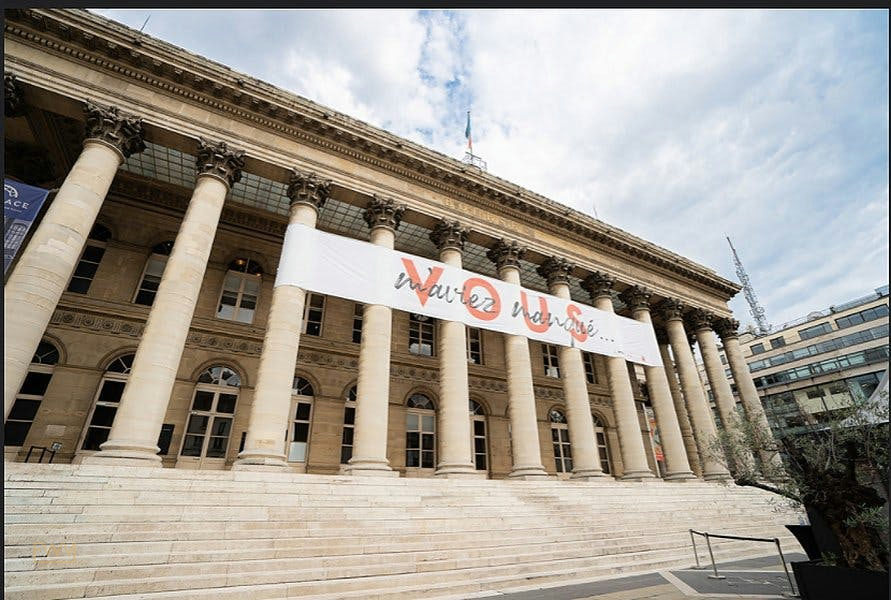
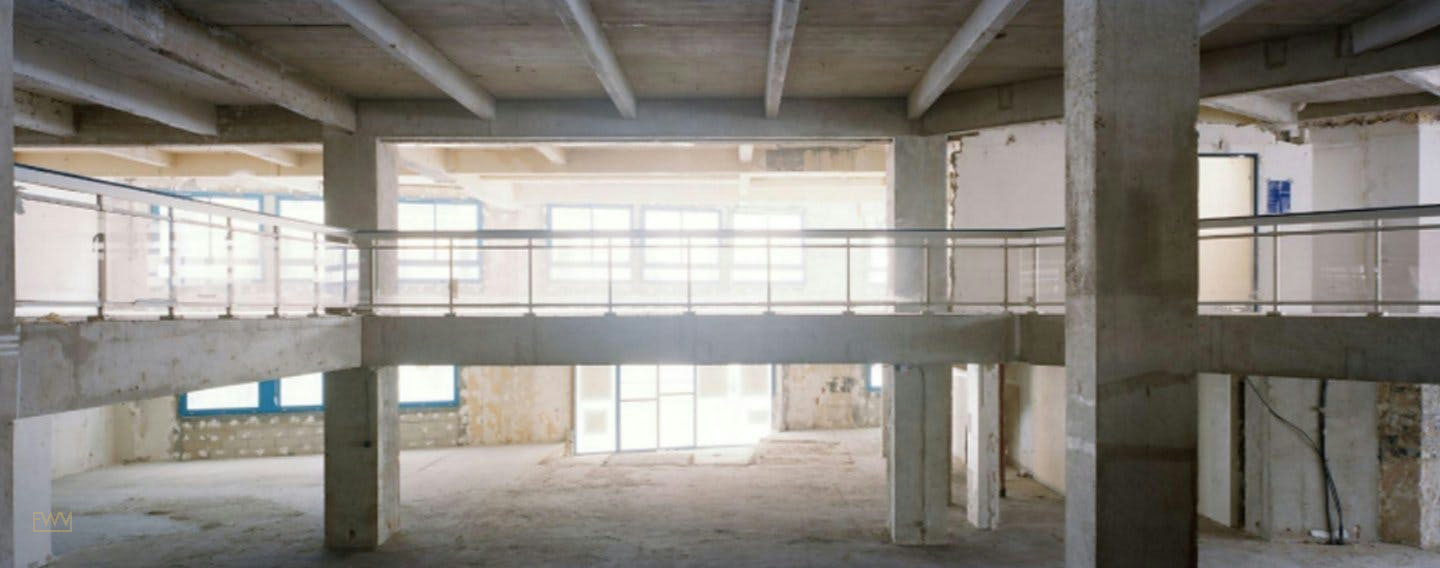
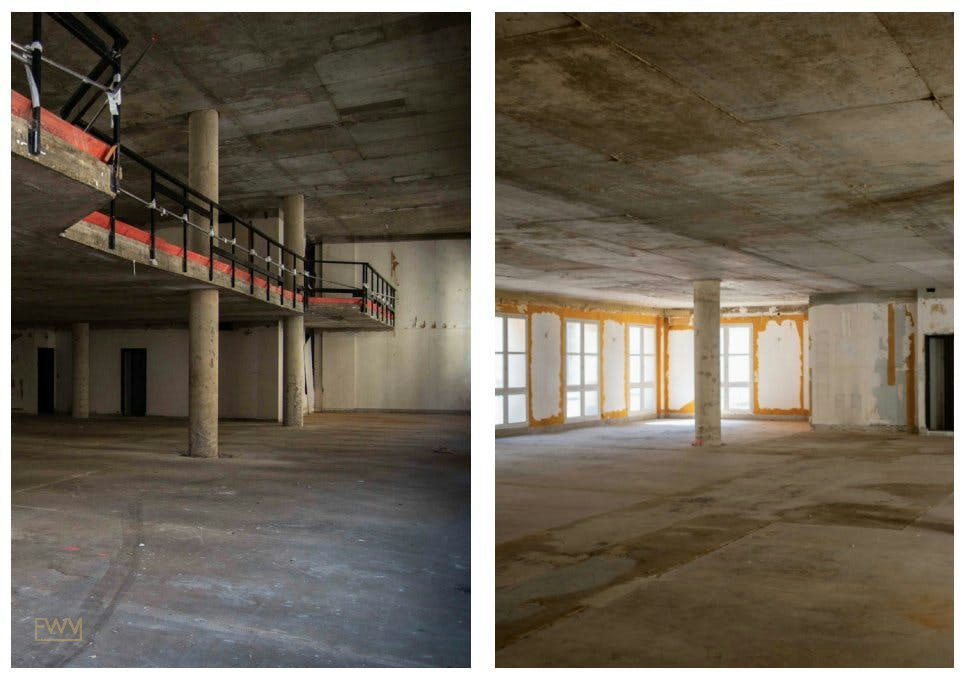
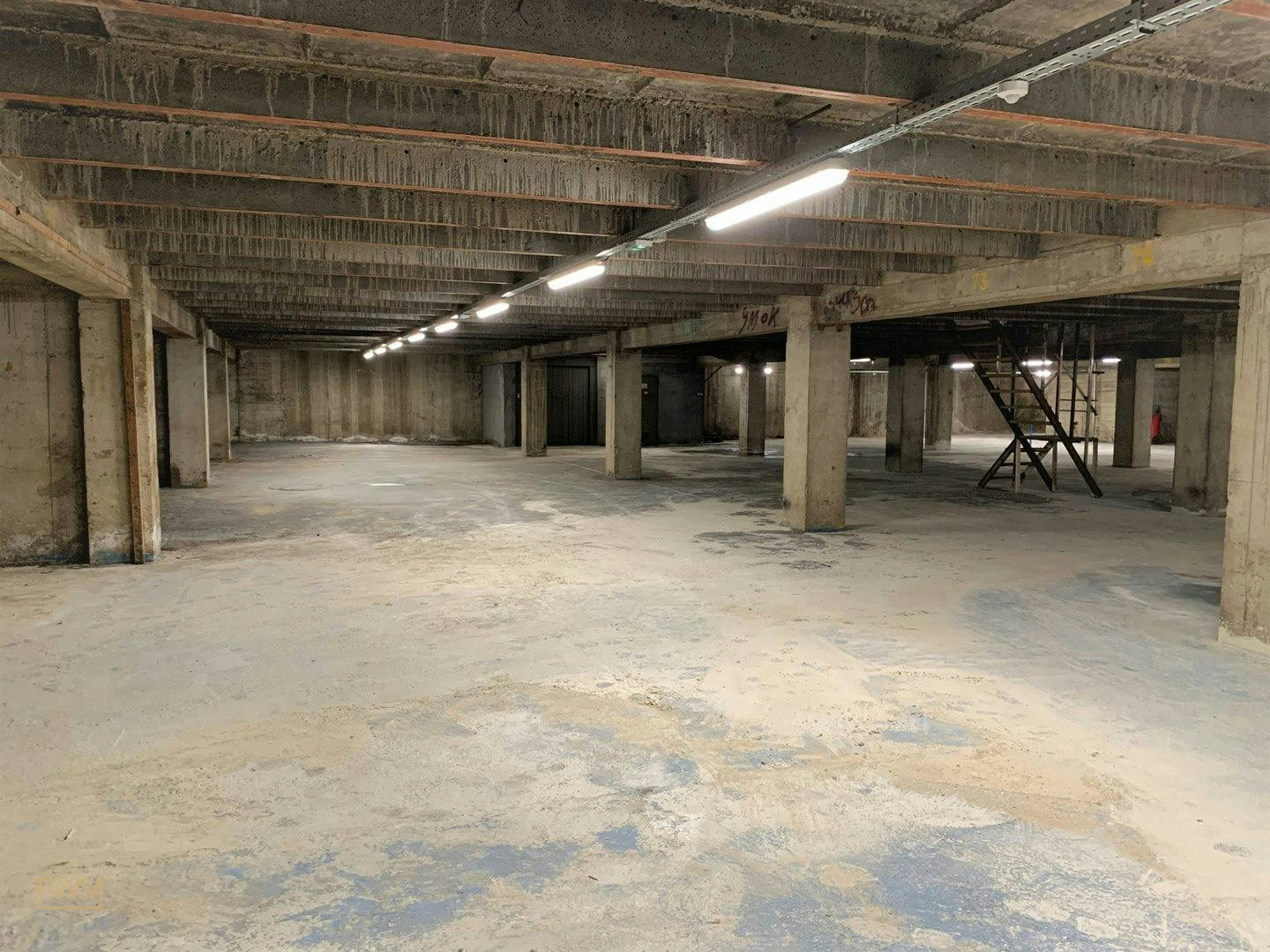
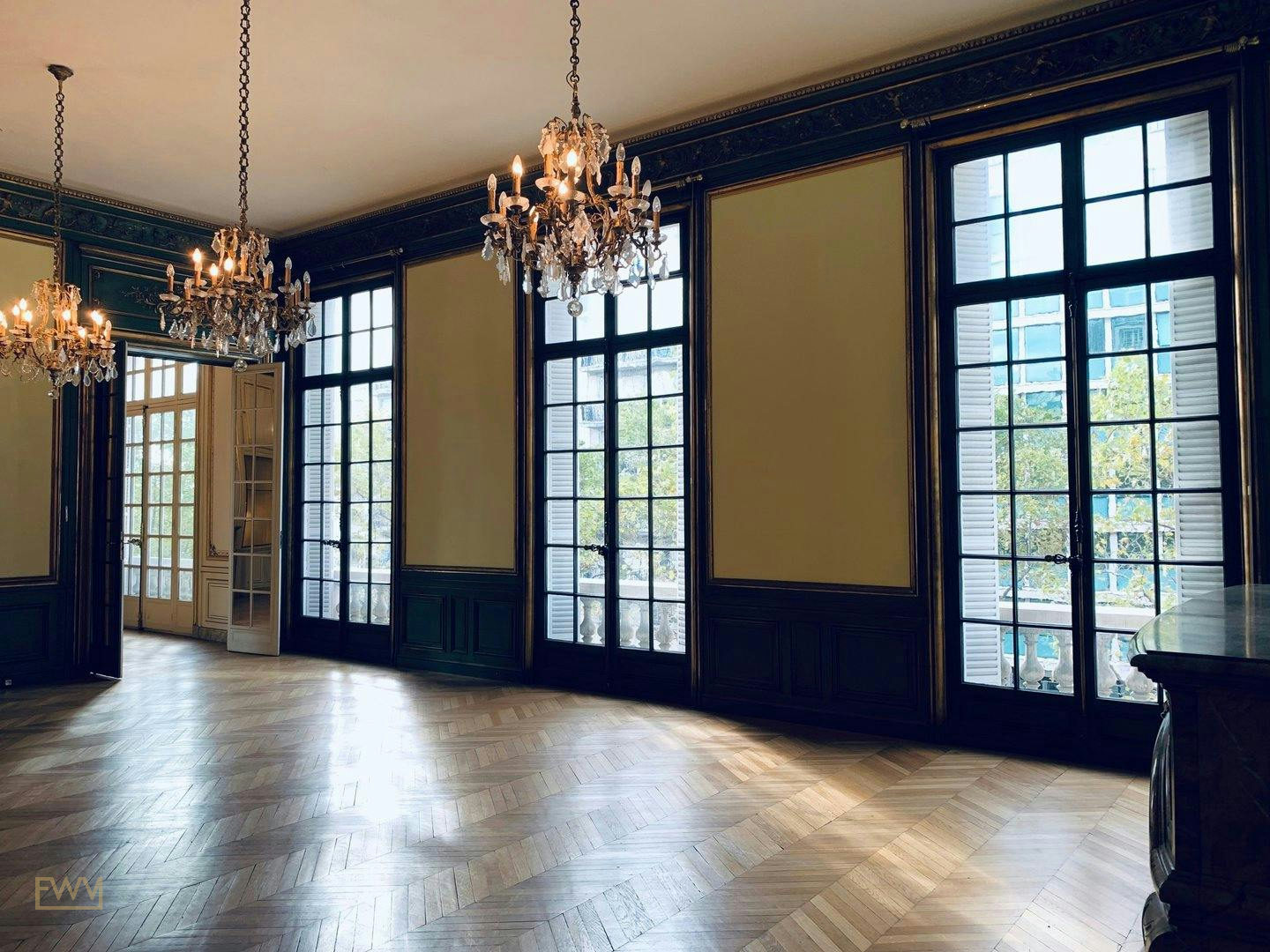
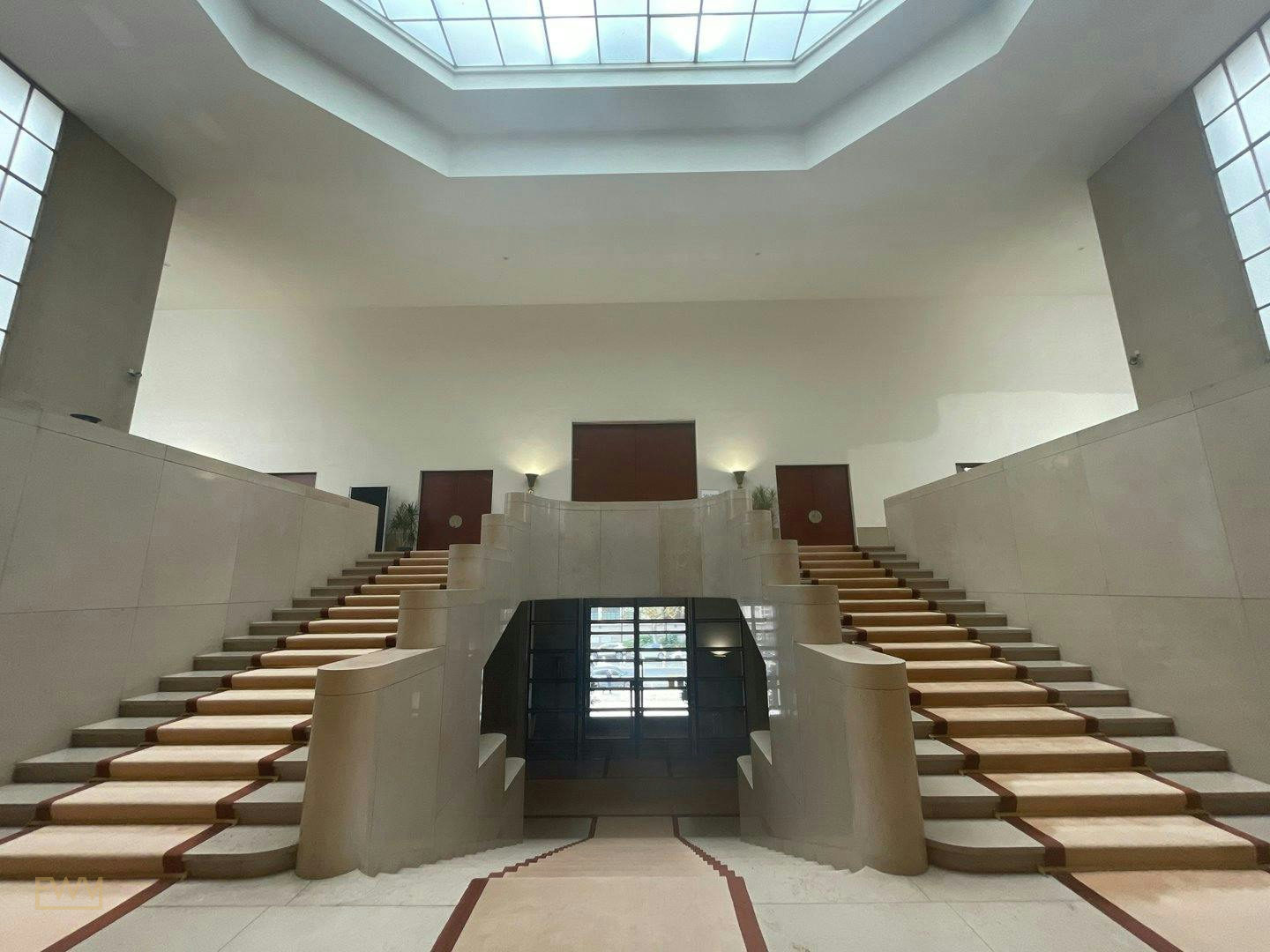
Fashion Week Venues is your go-to partner for securing prime pop-up spaces, showrooms, and event venues during the bustling fashion weeks in Paris. As a luxury brand or creative director, understanding how to choose the right venue is critical for a successful activation. This comprehensive guide covers the ins and outs of selecting the ideal space, ensuring your brand stands out in the competitive Parisian landscape.
Understanding the Fashion Week Venue Landscape
The Paris fashion scene is a vibrant tapestry of luxurious venues, each offering unique advantages. From art galleries in Marais to elegant salons in Saint-Germain-des-Prés, the options are varied and can be overwhelming. Identifying a venue that aligns with your brand's identity and event goals is crucial.
Venues in Paris are categorized by their location, size, and ambiance. Major districts like Le Marais and Rue Saint-Honoré are known for their trendsetting fashion boutiques and are extremely popular during Fashion Week. Meanwhile, areas like Canal Saint-Martin are favored by avant-garde and edgy brands.
For luxury retail brands, choosing an exclusive venue on Place Vendôme or near Galeries Lafayette can elevate the brand's prestige and visibility. Understanding these nuances helps persuade the right audience and media to engage with your brand.
KEY TAKEAWAY: The choice of venue impacts not just the logistical execution of your event but also its reception. Align your venue choice with your brand's image and target audience for maximum impact.
With this understanding of the venue landscape, we can now explore the types of spaces available to fashion brands in Paris, ensuring a well-informed decision-making process.
Types of Spaces and Their Suitability
Fashion shows, pop-ups, and showroom events each require distinct types of spaces. Pop-up shops may thrive in high foot-traffic areas like Opéra, leveraging the vibrant energy of passing consumers. In contrast, intimate showrooms may benefit from a quieter, more exclusive setting in areas like Saint-Germain-des-Prés.
Here is a breakdown of popular space types:
| Type of Space | Best For | Popular Areas |
|---|---|---|
| Pop-Up Shops | Product launches and retail experiments | Le Marais, Opéra |
| Showrooms | Private viewings and B2B meetings | Saint-Germain-des-Prés |
| Gallery Spaces | Artistic installations and collaborations | Palais de Tokyo, Canal Saint-Martin |
Choosing the correct type of space requires an understanding of your event's objectives and your audience's expectations. For instance, a gallery space in Palais de Tokyo will appeal to art enthusiasts and influencers looking for the next innovative collaboration.
Quick answer: Selecting the appropriate space type and location hinges on aligning the event's goals with the environment and audience engagement.
With the right space in mind, let's delve into the financial planning aspect of securing a venue in Paris.
Budgeting for Fashion Week Venues
Budgeting is a critical aspect of planning a venue for Fashion Week in Paris. Costs can vary significantly based on location, space size, and duration. High-demand areas like Le Marais command premium prices, but they offer unmatched exposure and foot traffic, which is invaluable for retail activations.
When budgeting, consider all associated costs including the venue hire, production costs, retail staffing, and promotional activities. Using a tool like the budget calculator can provide tailored estimates based on your specific needs.
Typical cost breakdown:
| Expense Item | Percentage of Total Budget |
|---|---|
| Venue Hire | 40% |
| Fit-out and Production | 25% |
| Marketing and Promotions | 20% |
| Staffing | 15% |
By planning your budget meticulously and accounting for unexpected expenses, you can prevent financial strain and ensure a smooth event execution. A precise budget also aids in ROI calculations, helping gauge the financial success of your activation.
KEY TAKEAWAY: Budget planning requires a meticulous approach, factoring in both direct costs and indirect expenses such as marketing and staffing.
With your budget top of mind, it's essential to navigate the intricacies of permits and legal requirements next.
Navigating Permits and Legalities in Paris
Securing the right permits is crucial when planning a temporary retail activation in Paris. The legal landscape can be complex, particularly with instruments like the bail dérogatoire and temporary permits (AOT - Autorisation d'Occupation Temporaire).
The bail dérogatoire allows short-term leases without the long-term obligations of standard commercial leases, making it ideal for pop-up events. However, its approval isn't guaranteed and varies by arrondissement and space type.
Understanding and complying with regulations involves coordination with local authorities. Engaging with a French legal advisor or leveraging tools like the permit guidance tool can simplify this process.
DID YOU KNOW: Temporary events might also require compliance with ERP (Etablissements Recevant du Public) regulations, which govern public accessibility and safety.
Quick answer: Legal and permit requirements vary across Paris, and expertise is crucial for navigating these successfully.
Once your legalities are clear, aligning them with your activation strategy is the next step to ensure a cohesive execution.
Activation Strategy and Logistics
With a venue and permits secured, your next focus is on executing an effective activation strategy. Retail activation involves creating a memorable brand experience that resonates with attendees and the broader press. Considerations include store design, customer flow, and the integration of technology.
Key components of a successful activation strategy:
- Concept Direction: Develop a cohesive theme that aligns with your brand vision. Utilize services like concept and creative direction.
- Production and Build: Ensure that your space is functional and on-brand. Cost and logistics can be managed using production and fit-out services.
- Staffing: Hire trained staff who can effectively engage with customers, which is crucial for enhancing the customer experience.
- Technology Integration: Use digital touchpoints like interactive displays or AR to enhance customer engagement.
Optimizing these components ensures operational efficiency and enhances the overall guest experience.
IMPORTANT: Ensure all team members understand their roles during the activation to avoid any operational hiccups.
The next step in this journey is analyzing the event's performance to ensure objectives are met and to gather insights for future activations.
Measuring Success and ROI
A successful fashion week venue activation in Paris is measured through multiple metrics, including brand visibility, sales, and audience engagement. While financial return is a crucial indicator, intangible benefits like brand perception and media coverage also play a significant role.
Implement tools like the ROI calculator to evaluate your event's performance. Metrics to consider include foot traffic, social media mentions, post-event sales, and press coverage.
| Metric | Importance | Goal |
|---|---|---|
| Foot Traffic | High | Increase 20% over benchmark |
| Social Media Engagement | Medium | Double the interaction rates |
| Sales Conversion | Critical | Achieve a 30% sales uplift |
TIP: Consistently collecting feedback from both customers and staff can provide qualitative insights that quantitative data may not capture.
Successful measurement not only validates your current strategies but also shapes future activations, ensuring continual improvement and growth.
Having considered these elements, we next explore how Fashion Week Venues can significantly streamline your event process.
How Fashion Week Venues Can Help
Fashion Week Venues offers a full suite of services that simplify the complexities of event planning and execution in Paris. Our marketplace enables you to easily browse and select from a curated list of top venues tailored to your brand's needs.
Key services include:
- Venue Sourcing: Access a wide array of prime spaces through our venue sourcing service.
- Activation Management: End-to-end management with a focus on brand consistency and impact.
- Creative and Production: Leverage our concept direction and production services to transform your vision into reality.
- Data and Analytics: Use comprehensive data insights to enhance decision-making and event performance.
Our clients range from emerging designers to established luxury labels, benefiting from tailored support and industry expertise. With limitations such as Paris's regulatory environment, leveraging our insights ensures full compliance and smooth operations.
To compare neighbourhoods and space types, explore the Paris city hub on Fashion Week Venues and shortlist spaces that match your brief, budget, and calendar window.
Having illustrated the advantages of using Fashion Week Venues, we'll now address and debunk common myths in the industry to help you make better-informed decisions.
Common Myths Debunked
MYTH: You need to establish a French legal entity to rent a space in Paris.
FACT: While having a local legal presence can streamline certain transactions, it is not mandatory to rent a space. Many agencies, like Fashion Week Venues, facilitate space rentals without requiring foreign brands to create a French entity.
MYTH: Paris Fashion Week is the only viable calendar window for a successful retail activation.
FACT: While Paris Fashion Week is a high-visibility period, other significant fashion or cultural events throughout the year also provide viable opportunities for brand activation, often with less competition and cost.
MYTH: The only way to find a space is through commission brokers.
FACT: While brokers are an option, platforms like Fashion Week Venues offer a direct and efficient way to find and book spaces without the added brokerage fees, saving time and costs.
MYTH: Short-term leases are straightforward and do not require specialist help.
FACT: Short-term leases involve specific legal frameworks such as the bail dérogatoire, which can be complex and typically warrant specialist guidance to ensure full compliance with local regulations.
These myths highlight the importance of informed decision-making in the fast-paced world of fashion events. With a clear understanding of these misconceptions, let's move on to answering common questions to further aid in your planning.
Frequently Asked Questions
What is the bail dérogatoire and why is it important?
The bail dérogatoire is a short-term lease agreement in France, providing flexibility for temporary retail operations. It allows businesses to bypass the constraints of standard commercial leases, but understanding its terms is crucial for avoiding legal pitfalls. Consult the permit guidance tool for better insights.
How can I choose the best neighborhood for my fashion event?
Selection should consider your brand's image, target audience, and event goals. Utilize tools like the Fashion Week Venues space locator to find areas that best align with strategic objectives. High-traffic locations often suit pop-ups, while exclusive areas may be suited for high-end events.
What should be the duration of my pop-up event during fashion week?
Typically, any duration from a few days to a week aligns well with fashion week. This duration captures maximum foot traffic and media attention. However, evaluating past event performances can help tailor the length to specific goals.
What legal permits are typically required for hosting an event in Paris?
Permits depend on the type and location of the event. Many require temporary occupancy permits (AOT) and compliance with ERP standards. Consult local authorities or use the Fashion Week Venues permits tool for specific guidance.
How early should I secure a venue for Paris Fashion Week?
Booking 6-12 months in advance is advisable due to high demand. This timeframe allows ample time for permits, logistics, and creative planning, securing an ideal space before competition heats up.
How to handle unexpected costs during the event planning?
Maintaining a contingency fund of 10-15% of the total budget can cover unforeseen expenses. Regular budget reviews and using tools like the budget calculator help anticipate financial hurdles.
What type of staffing is recommended for retail activations?
Staff should be trained in customer engagement and product knowledge to enhance interaction quality. Temporary staffing solutions can be secured through services like retail staffing, ensuring quality service aligned with brand values.
What kind of return on investment should I expect from a pop-up store?
The return depends on metrics like sales volume and brand exposure. Tools like the ROI calculator can provide projections, helping to evaluate financial success against expectations.
How do experiential events differ from traditional retail activations?
Experiential events prioritize memorable interactions over immediate sales, often incorporating technology and creativity to foster deeper brand engagement. Such events can drive long-term customer loyalty and media buzz beyond direct sales.
Can I host a fashion event in multiple cities simultaneously?
Yes, with strategic planning and use of platforms like Fashion Week Venues, concurrent activations are feasible. The twin co-activation concept supports multi-city presence, maximizing outreach and brand impact efficiently.
Conclusion
Choosing the right venue for Fashion Week in Paris is pivotal to a successful brand activation. By understanding venue options, budgetary constraints, legal requirements, and strategic execution, brands can craft impactful experiences that resonate with their audience and industry peers. Relying on Fashion Week Venues not only streamlines this intricate process but also ensures a professional approach to navigating the competitive Parisian market.
To move from research to activation, start exploring available spaces on the Fashion Week Venues marketplace and build a focused brief for your target neighbourhood, space type, and calendar window.