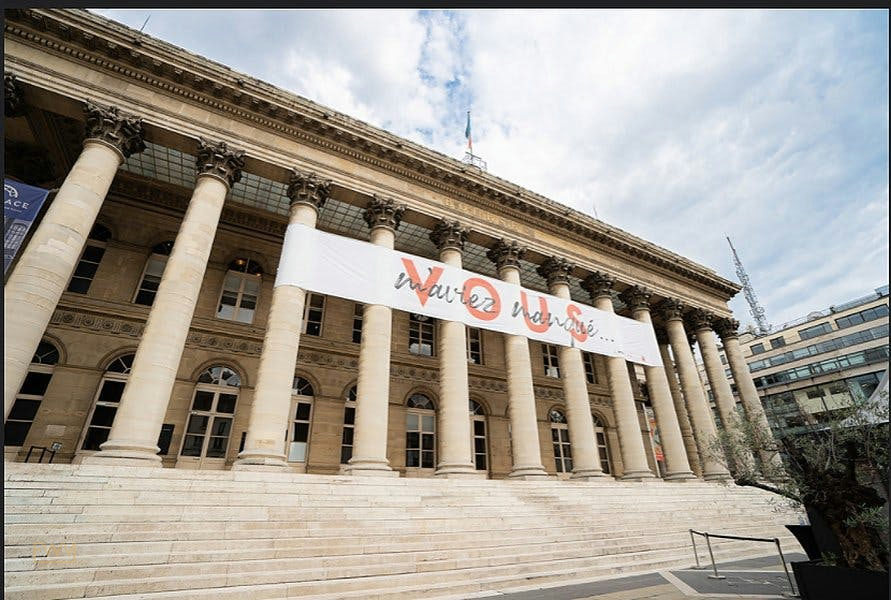
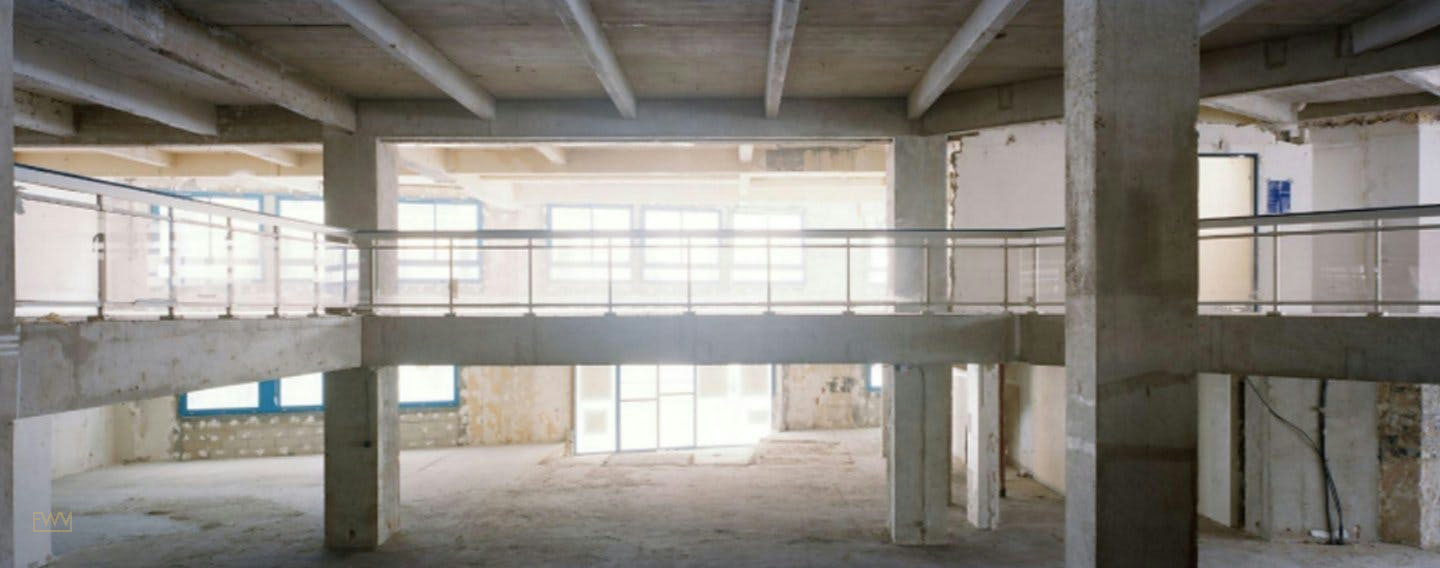
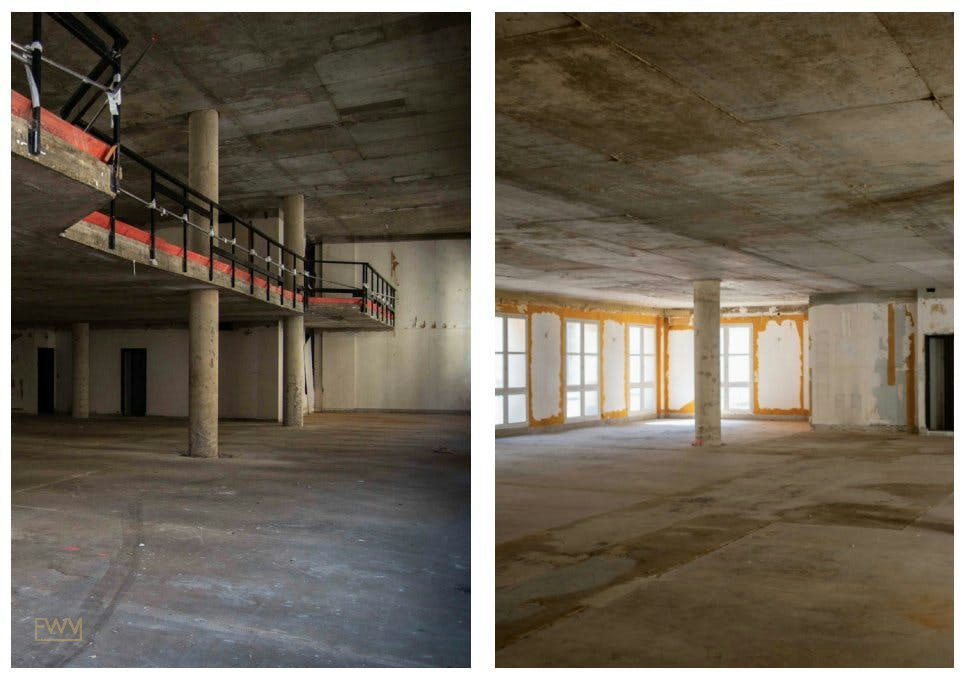
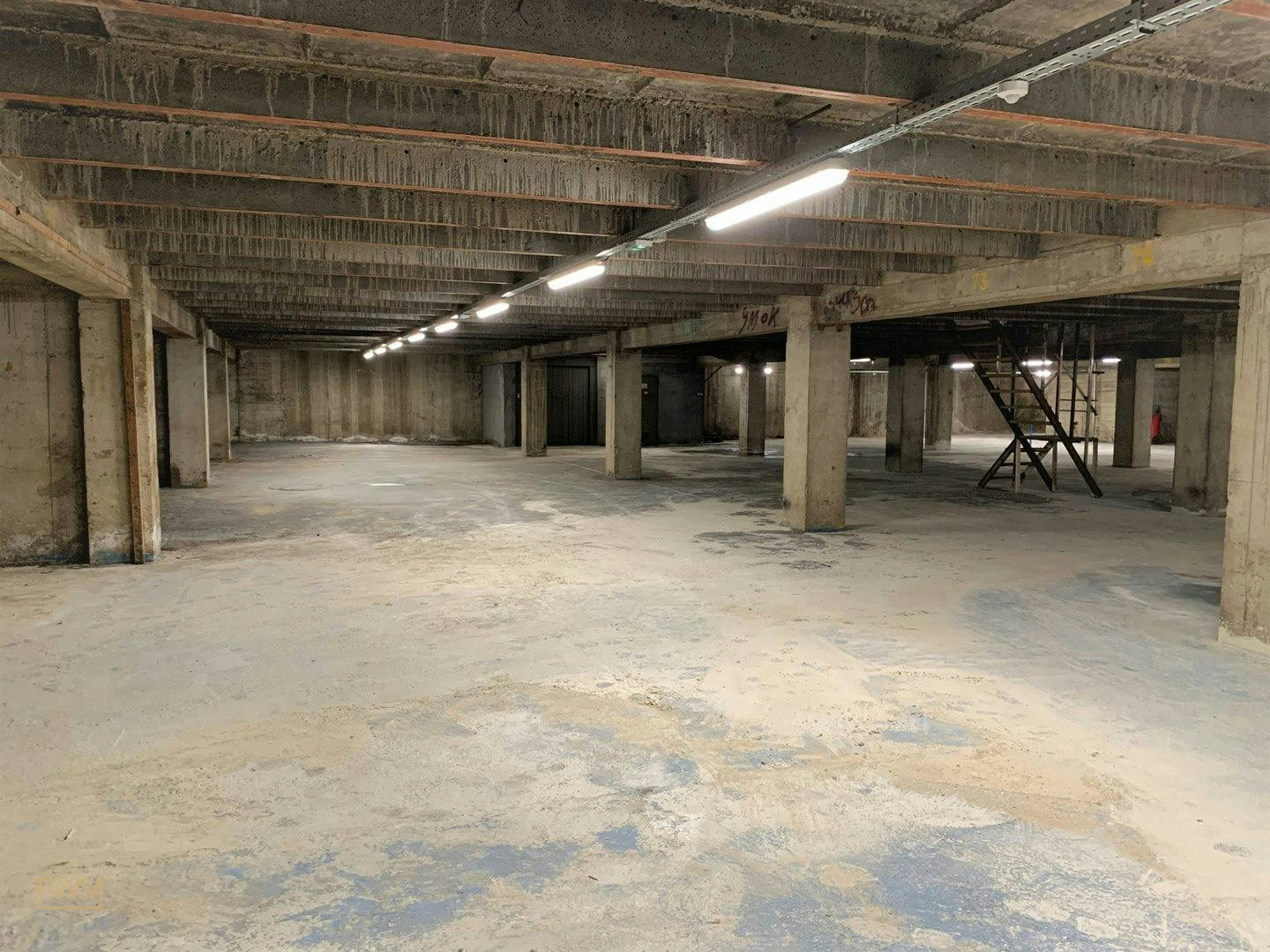
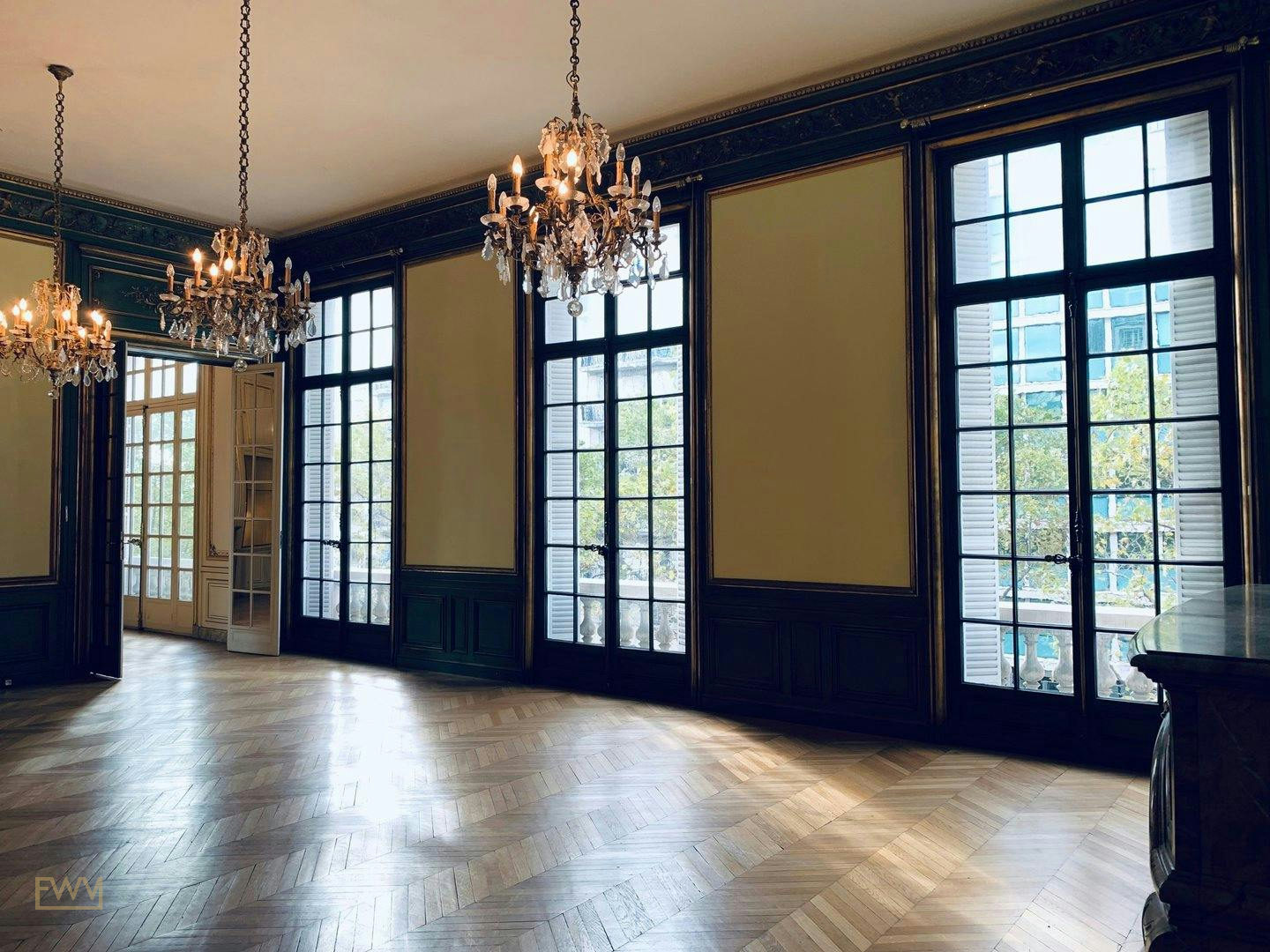
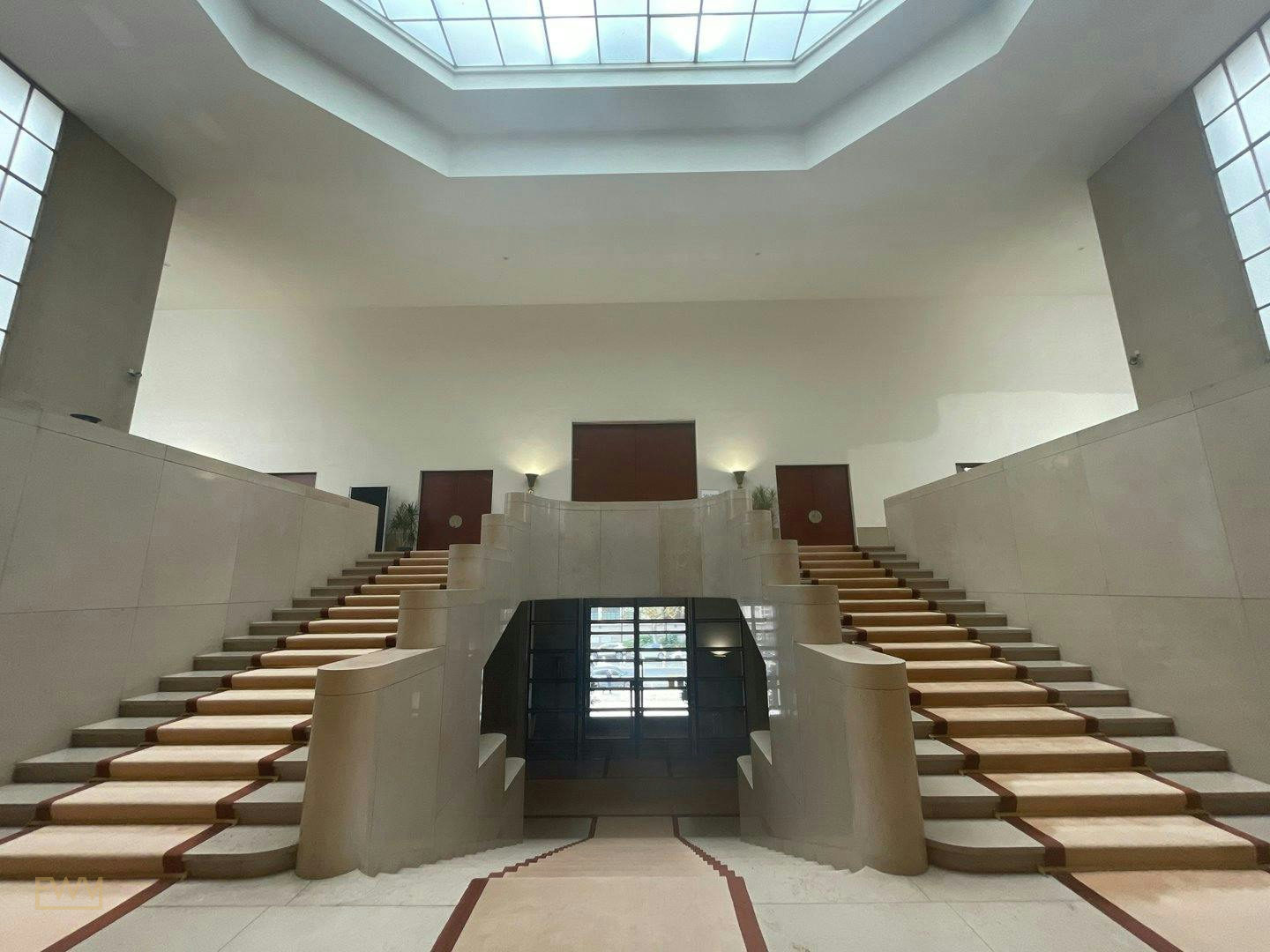
Fashion Week Venues are pivotal for brands looking to make a statement during the highly competitive international fashion seasons. This guide provides a comprehensive look into sourcing and managing pop-up spaces in Paris, the epicenter of fashion. Whether you're an emerging label or an established brand, understanding the intricacies of venue selection, legalities, and activation strategies is crucial. Fashion Week Venues offers unparalleled services in venue sourcing, concept direction, and activation, making it an essential partner in your retail strategy.
The Importance of Fashion Week Venues for Brand Success
Securing the right venue during fashion week can make or break a brand's seasonal success. A well-chosen location enhances visibility, appeals to a target audience, and solidifies brand positioning. The venue is not just a physical space; it's a platform for storytelling and brand engagement. During Paris Fashion Week, the choice of venue plays a significant role in media coverage, influencer engagement, and potential sales opportunities.
Quick answer: A strategically selected venue amplifies brand narrative, maximizes audience engagement, and optimizes media impressions during critical fashion events.
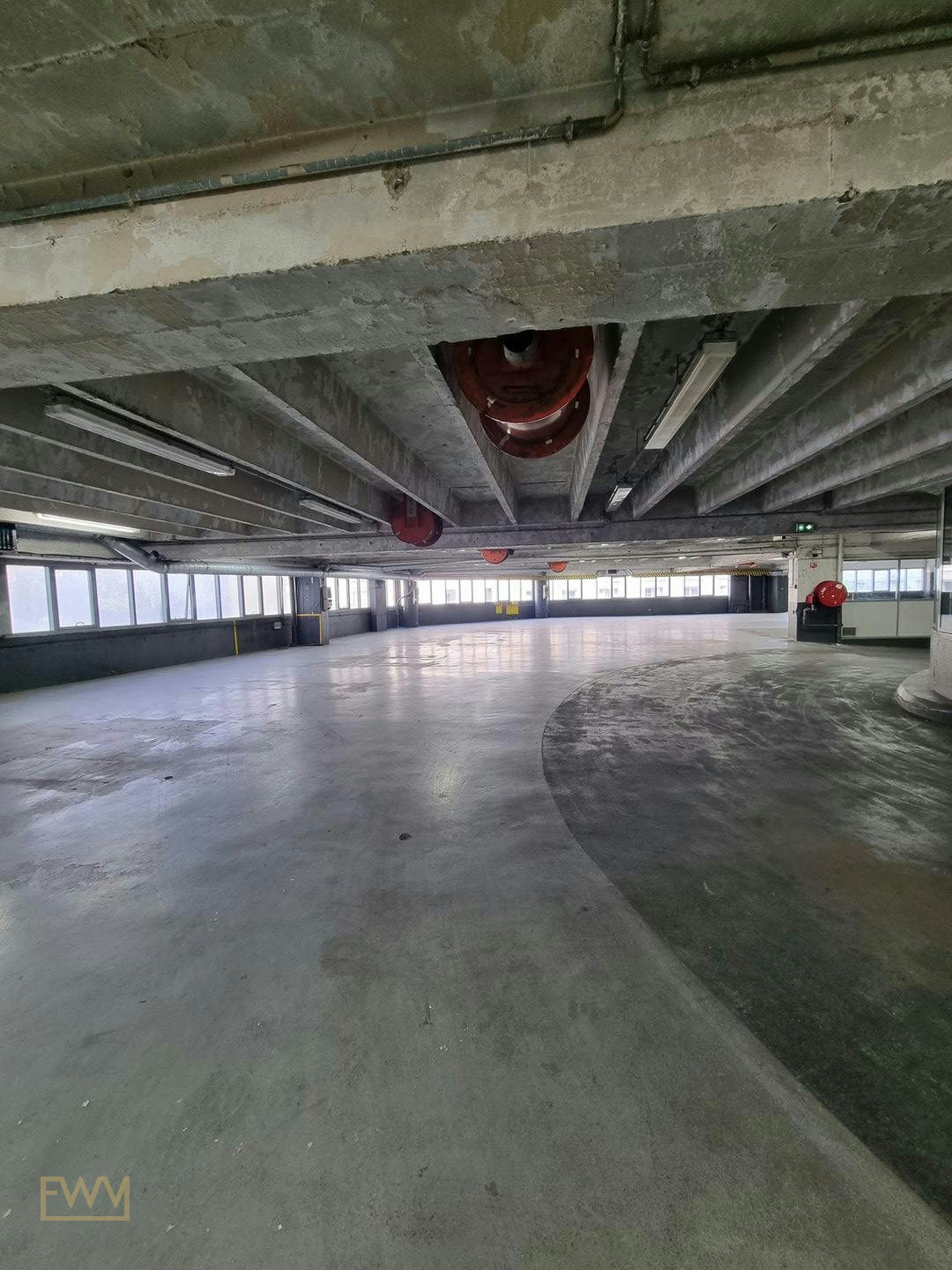
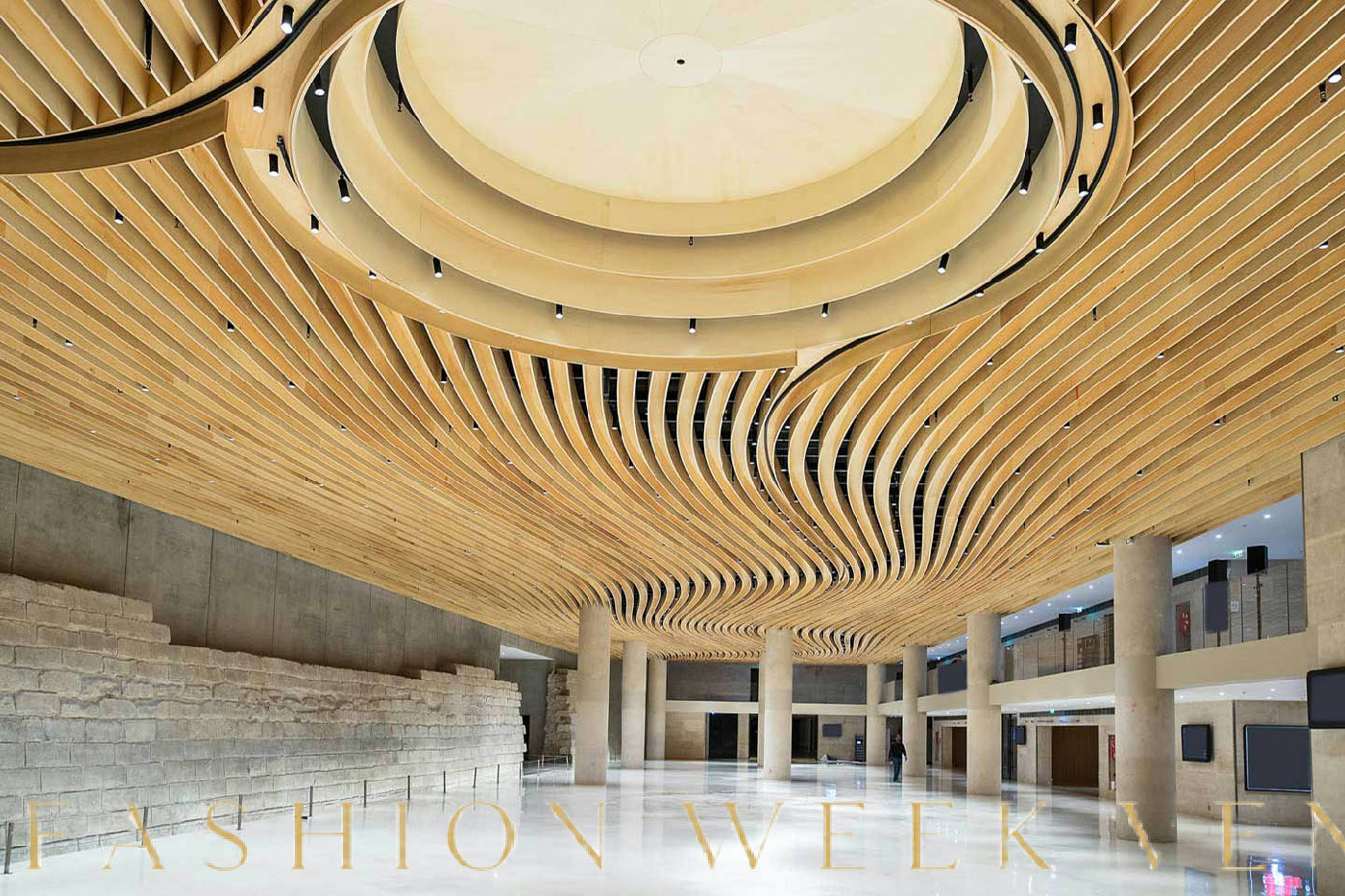
Typically, fashion brands aim to secure venues months in advance to lock in prime locations and ensure alignment with their creative vision. The right space sets the tone for the brand’s narrative and enhances the overall consumer experience. Paris offers a wide variety of venues, from historical landmarks to modern gallery spaces, each capable of transforming a brand's vision into reality.
With the rise of experiential retail, venues serve as more than a backdrop; they become an integral part of the shopping experience. This shift emphasizes the importance of choosing the right space to facilitate an immersive brand journey. Factors such as foot traffic, space layout, and neighborhood demographics must align with brand objectives.
KEY TAKEAWAY: The ideal venue not only aligns with brand aesthetics but also supports strategic goals like media exposure and audience interaction.
Next, we explore how Fashion Week Venues facilitates the venue selection process to optimize brand activation in Paris.
How Fashion Week Venues Simplifies Venue Sourcing
Fashion Week Venues excels at simplifying the intricate venue sourcing process, leveraging their extensive network within Paris's bustling fashion scene. For brands, this means gaining access to exclusive locations and tailored support that aligns with their unique requirements. The agency provides comprehensive services that include scouting, negotiations, and compliance with local regulations.
Quick answer: Fashion Week Venues offers a streamlined venue sourcing service, connecting brands with bespoke spaces aligned to their aesthetic and logistical needs.
The agency’s platform, which serves as a space marketplace, allows brands to explore a curated selection of top-tier venues, facilitate easy comparisons, and streamline decision-making. This platform is particularly beneficial during high demand periods like fashion weeks when securing a venue can be competitive and time-sensitive.
This process involves detailed consultations where the brand’s goals, budget, and target audience demographics are analyzed to suggest the most appropriate locations. Furthermore, their Locator tool helps brands pinpoint venues with the perfect blend of functionality and aesthetic appeal, ensuring that the environment matches their creative vision.
Fashion Week Venues also provides strategic insights on neighborhood dynamics, demographic data, and visitor patterns, helping brands make data-driven decisions. From artsy Marais to chic Saint-Germain-des-Prés, each area offers distinct opportunities that can be harnessed for effective retail activations.
KEY TAKEAWAY: With Fashion Week Venues, brands gain a competitive edge through access to exclusive spaces and expert-driven insights.
This leads us to understanding the types of venues and locations that are most sought after in Paris.
Types of Venues and Location Analysis in Paris
Paris offers a diverse range of venues, each with unique characteristics that cater to different brand needs. The diversity is not just in space design but also in the types of activations they support, such as showrooms, retail pop-ups, and art installations. Understanding these differences is crucial for selecting a venue that maximizes impact.
Quick answer: Choosing the right Paris venue involves matching the space type with the brand's activation goals, whether it's a showroom, a retail pop-up, or an event space.
| Venue Type | Ideal For | Key Features |
|---|---|---|
| Gallery Spaces | Art Exhibitions, Launch Events | Open floor, adaptable layout |
| Historic Buildings | Luxury Brands | Prestigious, historic aura |
| Retail Pop-ups | New Product Launches, Experiential Retail | High foot traffic, brand visibility |
| Lofts | Intimate Events, Showrooms | Cozy, boutique feel |
Key locations like Rue Saint-Honoré, Saint-Germain-des-Prés, and Le Marais are highly sought after due to their high foot traffic and demographic appeal. These areas cater to both high-end luxury brands and contemporary labels looking for cultural resonance.
Each neighborhood offers distinct advantages. For instance, Le Marais is known for its artsy vibe and chic boutiques, making it ideal for brands targeting a young, fashion-forward audience. Meanwhile, Rue Saint-Honoré is lined with prestigious brands, perfect for those aiming for upscale clientele.
KEY TAKEAWAY: Understanding the characteristics of different venue types and neighborhoods is essential for aligning your brand message with the target audience.
Next, we delve into the complexities of compliance and permitting, essential for executing a successful venue activation.
Understanding Compliance and Permit Needs in Paris
Navigating the legalities of temporary retail spaces in Paris requires familiarity with several laws and permits, such as the bail dérogatoire and temporary Occupation Authorisation (AOT). These permits cater to short-term leases, typically covering the duration of Paris Fashion Week, and are distinct from standard commercial contracts.
Quick answer: For temporary spaces, understanding and acquiring the correct permits, like bail dérogatoire and AOT, is crucial to meet Parisian legal requirements and avoid setbacks.
Bail dérogatoire offers a temporary occupancy contract, frequently used in pop-up scenarios, allowing brands to lease a space for up to three years without committing to a traditional long-term lease. This flexibility is crucial during fashion weeks, but it comes with specific legal obligations and restrictions.
AOT permits grant use of public space for events and are crucial for brands planning launches in outdoor or unconventional venues. The application process varies based on factors such as location, intended use, and duration. Consulting with a local legal advisor or utilizing tools such as the Permits tool from Fashion Week Venues can facilitate these processes and mitigate potential risks.
KEY TAKEAWAY: Successful venue activation in Paris hinges on comprehensive understanding of compliance standards and strategic use of permits.
Next, we will provide actionable insights into planning the timeline and logistics of your activation.
Planning Timelines and Logistics for Optimal Activation
The success of a pop-up store or event during fashion week is intricately tied to effective timeline management and logistical planning. Starting preparations well in advance is critical to ensure that all components align seamlessly.
Quick answer: An effective timeline, starting 6-12 months in advance, ensures seamless execution of fashion week activations, covering planning, permits, design, and marketing.
Creating a detailed timeline that spans from initial concept to post-event debriefing is essential. Using a timeline tool, such as the Timeline tool, helps brands stay organized, ensuring no critical detail is overlooked. Key milestones to include are site selection, permit acquisition, design and build, marketing rollout, and staffing.
Logistics management involves coordinating with multiple stakeholders, including suppliers, venue managers, and retail staff. Effective communication channels need to be established from the outset to manage these dynamics efficiently.
KEY TAKEAWAY: Consistent timeline management and robust logistical planning are pivotal for success during Paris Fashion Week.
With logistics under control, let's examine how creating an immersive brand experience can enhance your pop-up activation.
Enhancing Brand Experience Through Immersive Pop-Up Design
An immersive retail environment can significantly elevate the consumer experience, turning casual visitors into brand advocates. Designing such an environment requires a blend of creativity, market insight, and technological integration.
Quick answer: Immersive pop-up designs, incorporating storytelling and technology, enhance consumer engagement and bolster brand loyalty during fashion week.
To craft a unique customer journey, brands can utilize elements such as interactive installations, augmented reality (AR), and thematic decor that resonate with their brand ethos. Immersive designs not only attract foot traffic but also encourage social media sharing, amplifying reach beyond physical boundaries.
The success of these elements often hinges on meticulous planning and creative execution, areas where Fashion Week Venues’ concept direction services can provide invaluable guidance.
KEY TAKEAWAY: Utilizing immersive design strategically enhances brand storytelling, engages consumers, and boosts both immediate and long-term brand recognition.
As we enhance brand experiences, budgeting becomes the next critical focus for successful pop-up activations.
Budgeting and ROI Considerations for Fashion Week Activations
Effective budgeting for pop-up activations during fashion weeks requires careful planning and strategic allocation of resources. It's crucial to balance costs with expected returns to ensure a healthy ROI.
Quick answer: Using budgeting tools to forecast costs and calculate returns ensures financially viable fashion week activations with favorable ROI.
Brands should utilize comprehensive tools like the Budget Calculator and ROI Calculator to estimate costs and potential earnings accurately. These tools provide crucial insights into market-standard costs, including venue leasing, staffing, production, and marketing expenses, facilitating more informed financial decisions.
Moreover, understanding the financial metrics that matter most, such as conversion rates, foot traffic analysis, and post-event sales, helps refine future strategies. By tracking these metrics, brands can adjust tactics for better performance in future events.
KEY TAKEAWAY: Strategic budgeting and ROI analysis empower brands to optimize financial outcomes and refine future activation strategies.
As we conclude budgeting, let's discuss the potential challenges and best practices for overcoming them in these activations.
Challenges and Best Practices in Executing Fashion Week Pop-Ups
Despite meticulous planning, executing a successful fashion week pop-up comes with its challenges. Brands often encounter issues related to logistics, budget overruns, and legal hurdles. Identifying these challenges early and applying best practices can improve the likelihood of success.
Quick answer: Navigating common challenges with strategic planning and best practices ensures smoother execution of fashion week pop-ups.
Logistical issues may arise from delayed shipments or last-minute design changes. Maintaining a contingency plan and flexible partnerships can mitigate these disruptions. Additionally, budget overruns can be addressed by setting realistic financial limits and conducting regular budget reviews throughout the project’s lifespan.
Legal challenges often involve permit compliance and contractual obligations. Leveraging the expertise of agencies like Fashion Week Venues, which offers comprehensive guidance on permits and negotiations, can prevent costly legal missteps.
KEY TAKEAWAY: Anticipating challenges and applying best practices from the outset mitigate risks and enhance the effectiveness of fashion week activations.
Let's explore common myths and facts to clear up misconceptions about hosting fashion week events.
Common Myths Debunked
MYTH: You need a French legal entity to rent a space in Paris.
FACT: While beneficial, having a French entity is not mandatory for renting a space. Many agencies can assist with this process, offering alternative solutions through short-term leases and bail dérogatoire permits.
MYTH: Paris Fashion Week is the only viable window for brand visibility.
FACT: While this is a high-profile period, many brands achieve successful launches during other fashion weeks or even outside traditional calendars, leveraging strategic marketing and well-chosen venues.
MYTH: Commission brokers are the only way to secure a pop-up space in Paris.
FACT: Platforms like the Fashion Week Venues Marketplace offer streamlined, no-broker access to premium spaces, enhancing convenience while reducing costs.
MYTH: Short-term leases in Paris are legally straightforward and do not require specialist help.
FACT: Short-term leases involve specific legalities and regulations unique to Paris. Expert advice ensures compliance and avoids potential pitfalls with lease agreements and permits.
Understanding these realities allows brands to make informed decisions without falling prey to common misconceptions. Next, we address frequently asked questions to provide clarity on common concerns.
Frequently Asked Questions
What is the best time to book a venue for Paris Fashion Week?
Booking a venue six months in advance is ideal, allowing for better choice among popular locations and thorough planning. Early booking provides ample time to secure necessary permits and craft an effective marketing strategy tailored to the venue and audience.
Do you need special permits for hosting a pop-up in Paris?
Yes, you typically need a bail dérogatoire for short-term space usage. Additionally, an AOT might be necessary for public space usage. Utilizing a permits tool or consulting local experts ensures you obtain the appropriate documentation and adhere to French regulations.
How has the demand for pop-up spaces evolved in Paris?
The demand for pop-up spaces in Paris has grown steadily, driven by the rise of experiential retail and the need for short-term engagement strategies. This trend encourages brands to innovate in customer engagement through creative, temporary retail experiences.
How does Fashion Week Venues support international brands?
Fashion Week Venues provides comprehensive services tailored for international brands, including venue sourcing, legal compliance guidance, and cultural insights about Parisian markets. These services help brands navigate local intricacies and optimize their retail activations for success.
What are the typical costs involved in setting up a pop-up in Paris?
Costs vary widely based on location, size, and duration. Key expenses include venue rental, permits, staffing, and marketing. Tools like a budget calculator can provide brand-specific estimates to better prepare financially for pop-up activations.
Can I host multiple activations in Paris simultaneously?
Yes, hosting multiple activations is possible. A twin concept or co-activation approach can enhance brand exposure and allow different facets of a brand to be showcased effectively across varied venues and audiences.
How do neighbourhoods in Paris affect the success of a pop-up?
Each neighbourhood offers unique advantages, influencing foot traffic and audience demographics. Selecting a location aligned with your brand’s target market is crucial for maximizing both engagement and sales potential during the activation period.
Is it better to work with an agency for venue sourcing in Paris?
Working with an agency like Fashion Week Venues can be advantageous. They offer expert insights, access to exclusive venues, and end-to-end services that streamline the entire process from venue selection to activation, helping brands to focus on their creative vision.
What role does technology play in modern pop-up activations?
Technology, including AR and VR, enhances customer interaction and provides deeper brand engagement. These tools not only attract foot traffic but also allow brands to collect valuable consumer data, informing future activation strategies.
How can Fashion Week Venues improve my activation's ROI?
Fashion Week Venues enhances ROI by providing a strategic framework for venue selection, activation design, and performance measurement using advanced tools like ROI calculators and analytics, tailoring each aspect to optimize brand engagement and returns.
Conclusion
In navigating the vibrant landscape of Paris during fashion weeks, the right venue choice can significantly influence a brand's success. With the expert backing of Fashion Week Venues, brands gain access to the best spaces, receive comprehensive support, and utilize sophisticated tools to optimize their retail strategies. By understanding compliance, enhancing the brand experience, and balancing budget with returns, brands can achieve successful, impactful activations. To move from research to activation, start exploring available spaces on the Fashion Week Venues marketplace and build a focused brief for your target neighbourhood, space type, and calendar window.