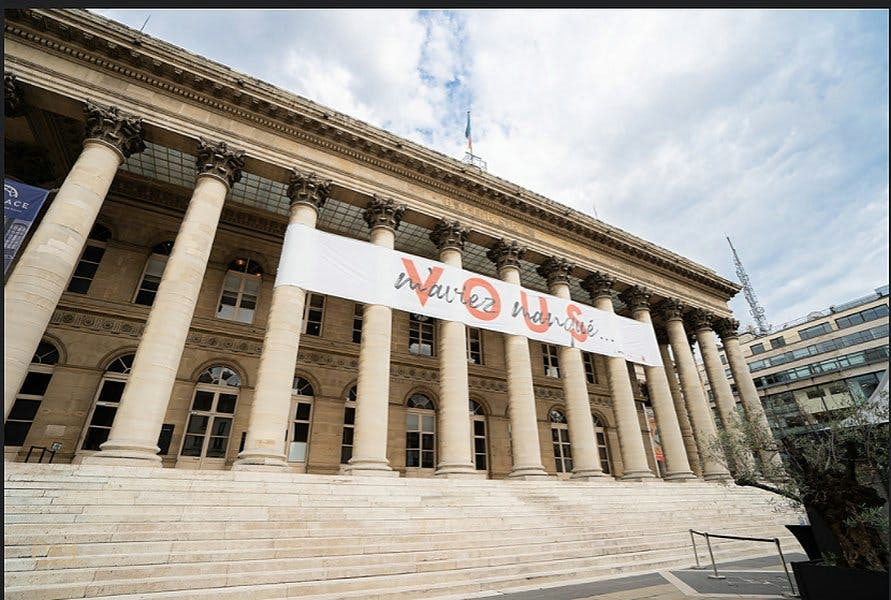

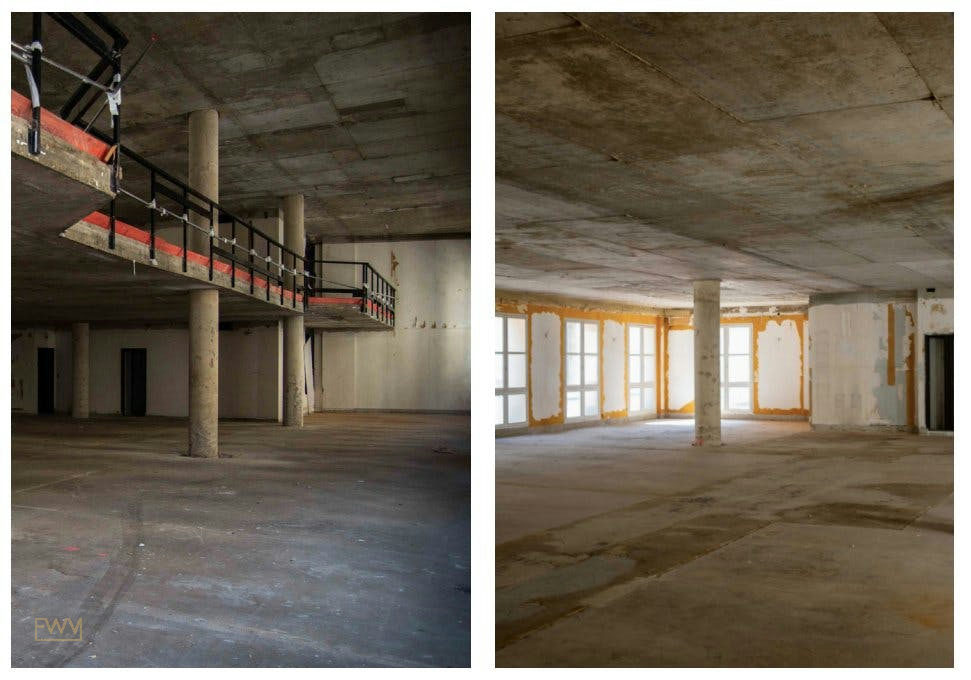
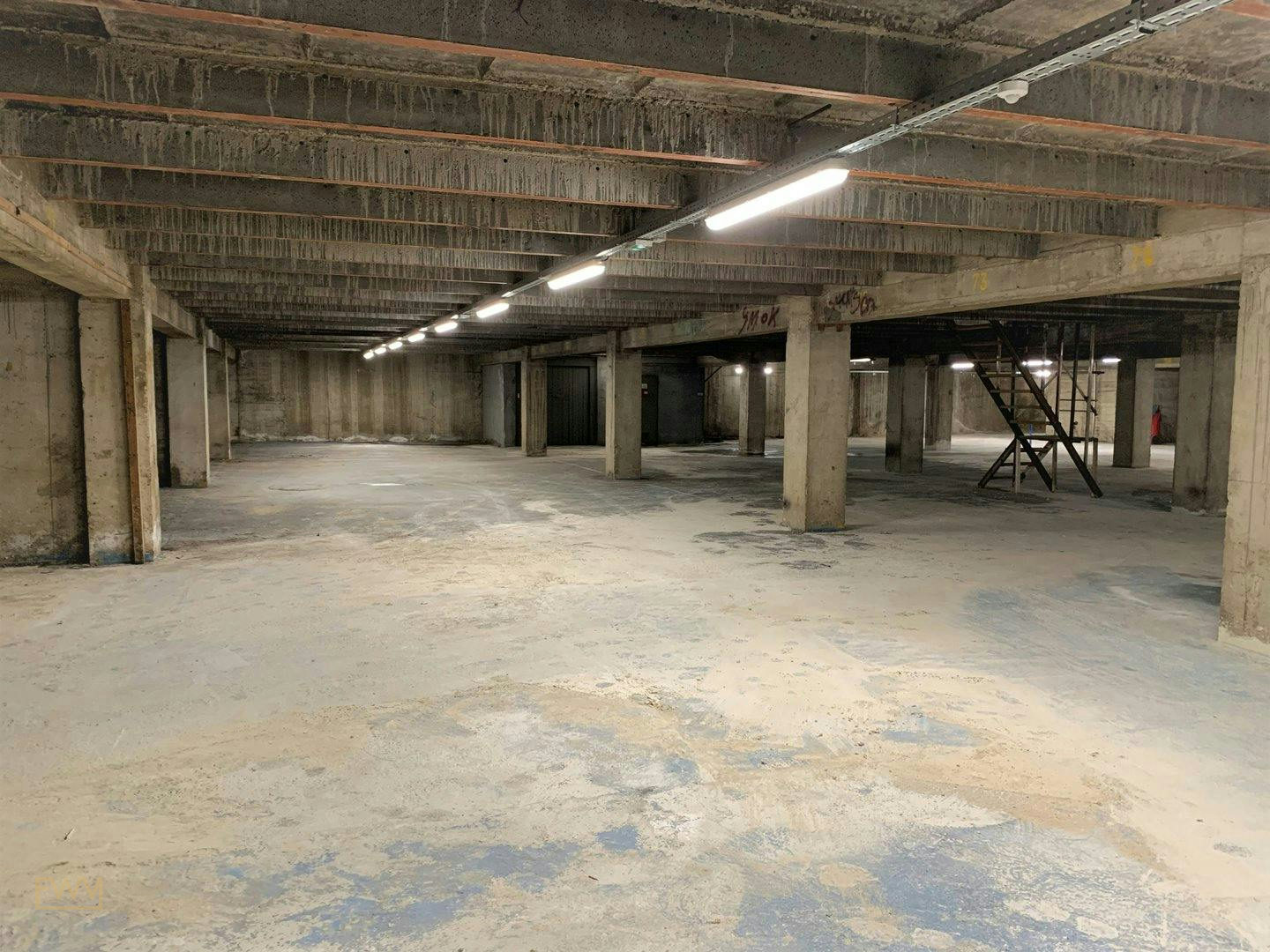
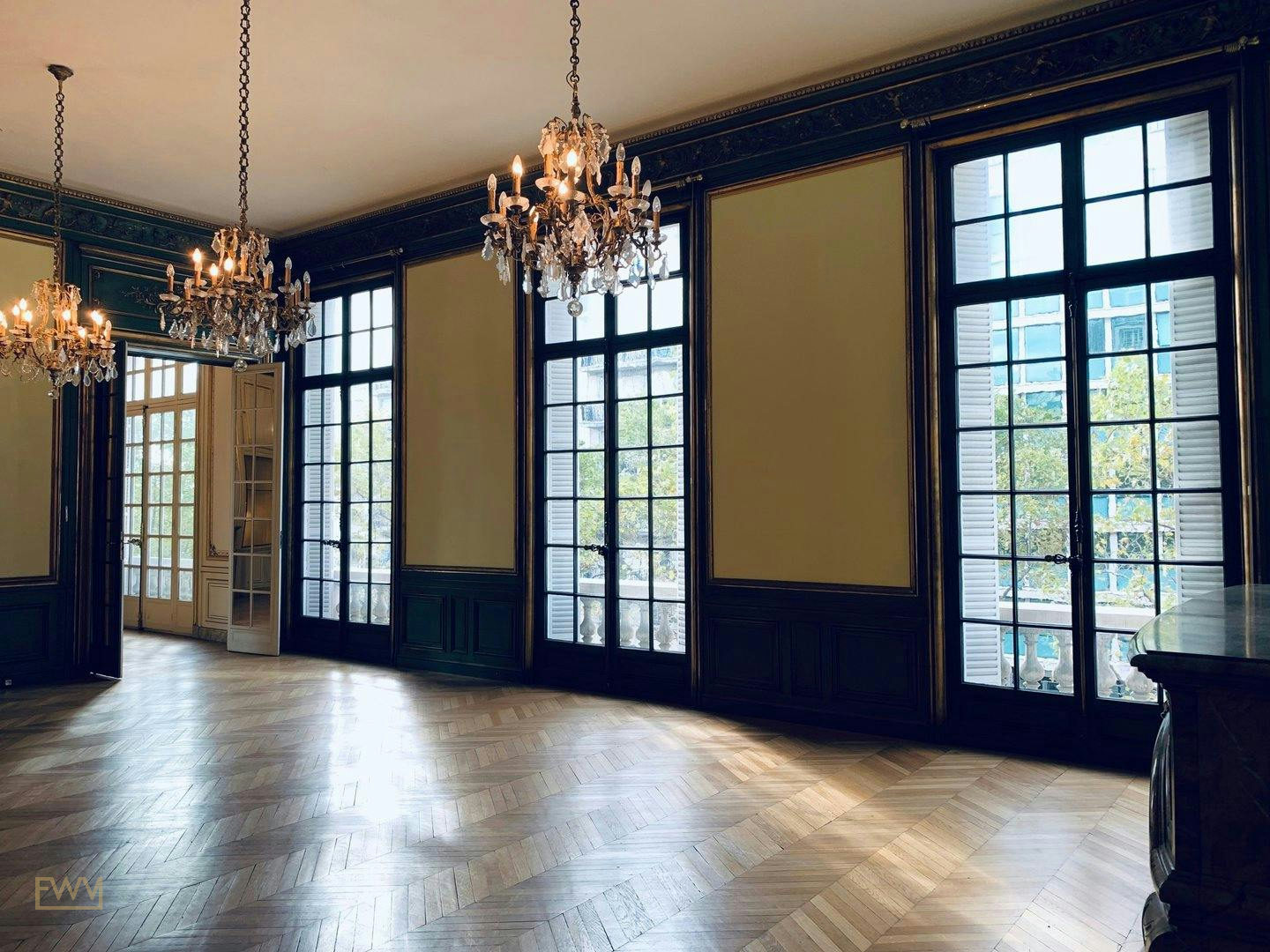
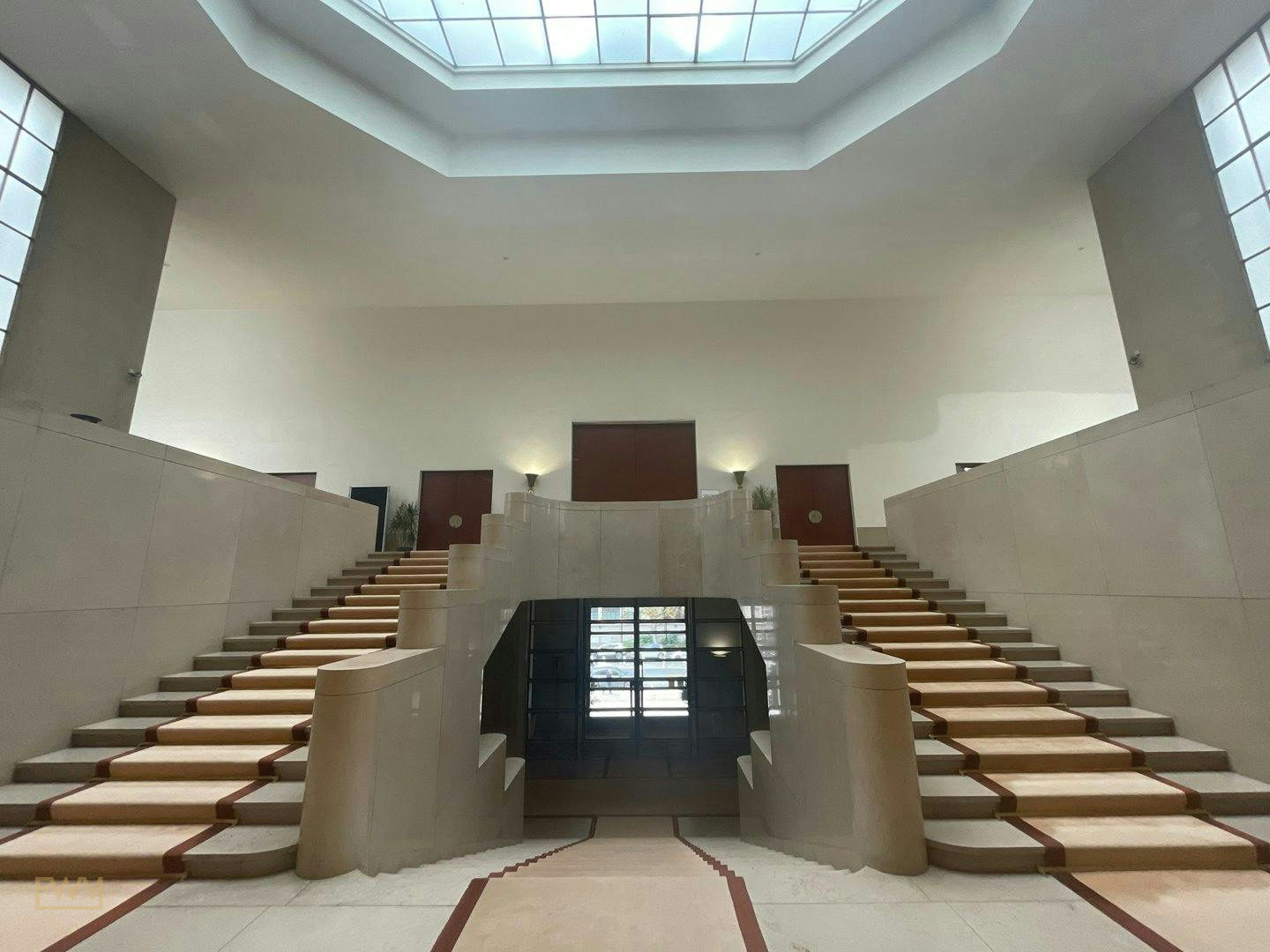
Navigating the complexities of Fashion Week venues is essential for brands aiming to make a significant impact during these globally celebrated events. Fashion Week Venues specializes in facilitating this process by offering a robust marketplace and agency services that span venue sourcing, concept direction, and activation management. Understanding the nuances of selecting and securing the ideal venue can significantly enhance a brand's reputation and success, particularly in cities like Paris, the epicenter of fashion innovations. This guide delves into every aspect—logistics, legalities, and strategies—essential for a seamless brand activation during Fashion Weeks around the world.
Understanding the Fashion Week Venue Marketplace
The Fashion Week Venue marketplace serves as a critical platform where brands can discover, secure, and optimize spaces to launch their collections and host memorable events. This marketplace simplifies the often complex process of locating ideal venues by providing a centralized hub that connects brands with space owners and logistic firms.
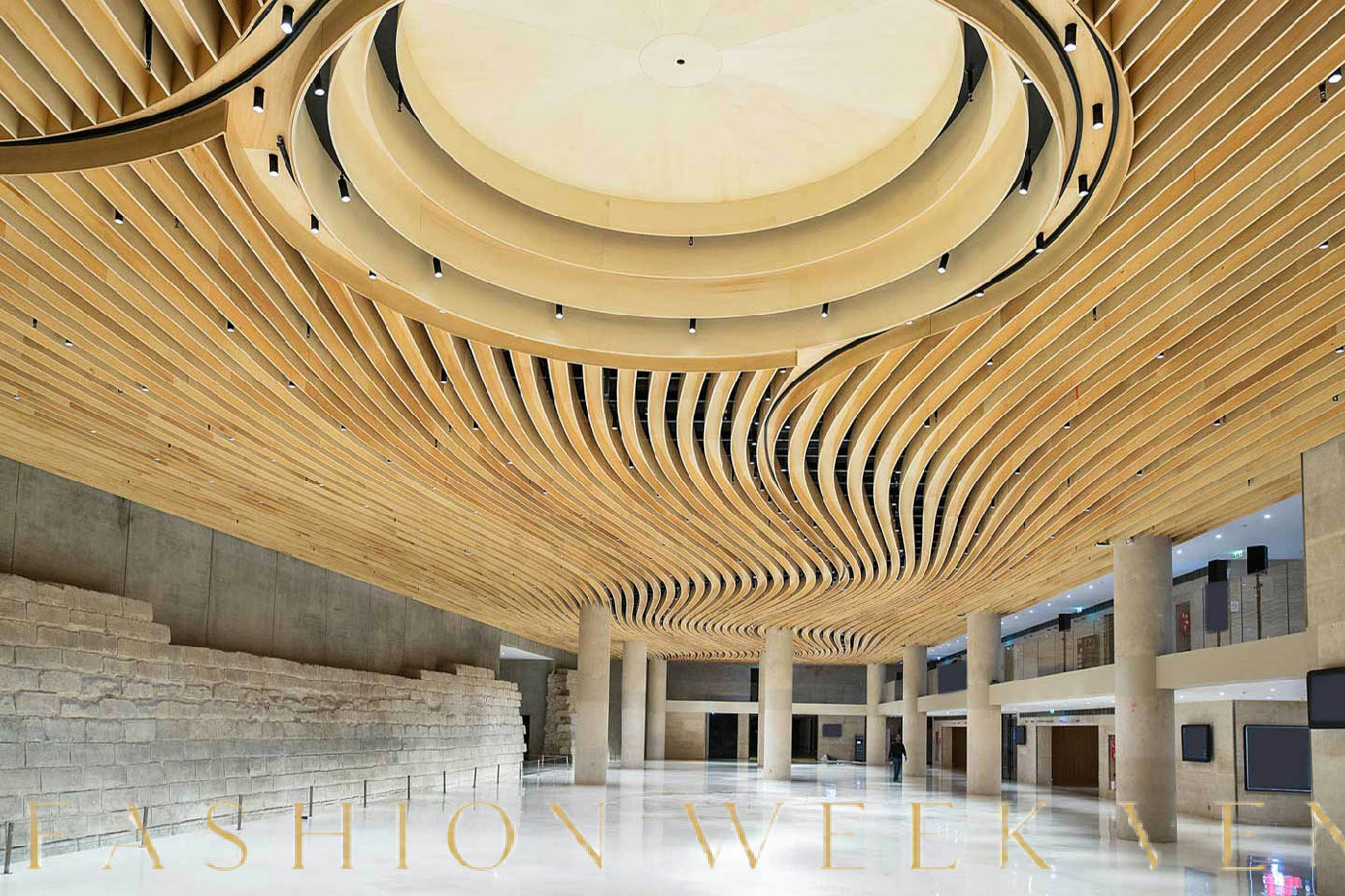
Within this marketplace, brands can explore various types of spaces—from showrooms to pop-up shops—that best fit their thematic and logistical needs. The interface allows users to filter venues based on location, size, types, and amenities, ensuring that the selection process aligns perfectly with a brand’s vision and operational requirements.
For example, a luxury brand may opt for an elegant venue near Place Vendôme for a high-end appeal, while streetwear labels might choose a trending hub around Canal Saint-Martin for a more urban vibe. Such strategic choices are crucial as the venue should reflect the brand's ethos while complementing its collection.
KEY TAKEAWAY: The Fashion Week Venue marketplace is a pivotal tool for brands to identify ideal spaces that align with their marketing and aesthetic goals, enhancing the overall impact of their Fashion Week presence.
To compare neighbourhoods and space types, explore the Paris city hub on Fashion Week Venues and shortlist spaces that match your brief, budget, and calendar window.
The Strategic Importance of Venue Selection
Choosing the right venue is more than just securing a location; it's about aligning the event space with your brand identity and the message you want to send to attendees. Different categories of fashion events—from runway shows to showroom, to pop-up activations—dictate different requirements in terms of space, ambience, and technical capacity.
For brands, the location of a venue can make or break the success of their event. A venue in Saint-Germain-des-Prés, known for its artistic flair, might appeal to avant-garde fashion houses looking to draw in discerning crowds. Conversely, a showroom on Rue Saint-Honoré can provide luxury brands with the upscale setting they demand.
Additionally, functionality within the chosen space is crucial. Factors such as technical infrastructure, accessibility, and experiential potential often determine the suitability of a venue. For instance, does the venue facilitate easy installation of lighting for a runway, or does it support the digital capabilities needed for innovative presentations?
KEY TAKEAWAY: Strategic venue selection enhances brand storytelling, optimizes logistical operations, and leverages location advantages to attract and engage the target audience effectively.
Legal Aspects of Leasing a Venue in Paris
Renting a venue in Paris entails navigating various legal frameworks, primarily revolving around the "bail dérogatoire" and the "autorisation d’occupation temporaire" (AOT). These agreements differ from standard commercial leases, allowing flexibility for short-term occupation necessary for events like Fashion Weeks.
The bail dérogatoire is a lease type that suits temporary setups, sparing brands from the obligations of long-term commitments. However, it requires careful consideration of the property's intended use to avoid legal complications.
The AOT permits use of public domain spaces for limited periods, ideal for street-level or landmark activations. Brands must secure this authorization through a detailed proposal reflecting how their use aligns with public interest and safety standards.
IMPORTANT: Securing the appropriate permits is essential to a compliant and successful event. Since regulations can vary by arrondissement, always verify requirements with a legal advisor familiar with French real estate law.
KEY TAKEAWAY: Thorough understanding of local leasing frameworks, with expert guidance, ensures legal compliance and smooth execution of temporary retail and event spaces in Paris.
Fashion Week Venue Logistics: Planning and Execution
Effective planning and execution are vital for successful events during Fashion Weeks. This encompasses everything from venue setup and dismantling to managing entry logistics and ensuring a seamless operational flow.
A thorough timeline, accessible through the timeline planning tool, can assist brands in mapping out key milestones, including setup dates, rehearsals, and the actual event day. This planning ensures that all logistics are coordinated, minimizing the risk of last-minute issues.
It's crucial that all technical requirements, such as lighting, sound systems, and staging, are planned well in advance to prevent disruptions. By leveraging resources and experts available through Fashion Week Venues, brands can optimize their logistics to align perfectly with their event goals.
Finally, considering the unpredictability of event management, having contingency plans in place is a best practice that mitigates risks related to weather, technical malfunctions, or vendor delays.
KEY TAKEAWAY: Detailed logistical planning is critical to executing seamless events, with tools and expert advice available to support brands every step of the way.
Leveraging Technology for Space Visualization and Planning
Advanced tools like Fashion Week Venues' imagine tool allow brands to visualize potential spaces through virtual simulations. This technology provides a realistic depiction of how a venue can be transformed to suit specific themes and branding elements.
Using virtual reality and 3D modeling, brands can effectively plan layouts, from seating arrangements to runway configurations, ensuring that logistics align with their vision and audience experience. Such technology not only optimizes space use but also aids in visual merchandising and design alignment before any physical setup begins.
Moreover, these tools facilitate better communication between brand teams, designers, and event planners, reducing misunderstandings and ensuring everyone is aligned with the project's cinematic vision.
KEY TAKEAWAY: Embrace technology to enhance event planning and execution, ensuring visual coherence and operational efficiency through advanced space visualization tools.
Budgeting for Fashion Week Venues: Planning and Allocation
Budget planning for Fashion Week venues involves strategic allocation to ensure all elements of the event—from venue hire to activation features—stay within financial limits. Using the budget calculator, brands can estimate all associated costs effectively and allocate funds smartly.
The comprehensive budget involves considering venue cost, design and decoration expenses, logistics, staffing, and contingency funds for unexpected expenses. It's vital to align your budget with your marketing goals, ensuring the investment correlates with potential brand exposure and return on investment (ROI).
The ROI calculator tool helps brands gauge potential financial returns against their budget by simulating different scenarios. This feature is essential in evaluating whether the financial outlay matches the brand's strategic objectives.
KEY TAKEAWAY: Adequate budget planning using specialized tools helps in balancing costs and projected benefits, ensuring fiscally responsible event management.
Common Myths Debunked
MYTH: You must have a French legal entity to rent a space in Paris.
FACT: While having a local entity can facilitate certain processes, international brands can still secure temporary leases through agents familiar with French regulations, letting them legally conduct business without establishing a permanent presence.
MYTH: Paris Fashion Week is the only viable calendar window for fashion events.
FACT: Paris hosts multiple important fashion and trade events throughout the year. Successful activations can occur outside the main fashion weeks, embedding brands into exclusive off-schedule gatherings that attract high-profile attendee segments.
MYTH: Commission brokers are the only way to find a space.
FACT: Online platforms, like Fashion Week Venues, offer a direct and competitive alternative to traditional brokers. They provide extensive listings and support without the hefty brokerage fees typically associated with commission-based services.
MYTH: Short-term leases are straightforward without specialist help.
FACT: Leasing short-term spaces involves specific regulations and paperwork. Expertise from agencies specialized in these contracts ensures compliance and prevents operational hiccups.
Frequently Asked Questions
What types of venues are popular during Fashion Week?
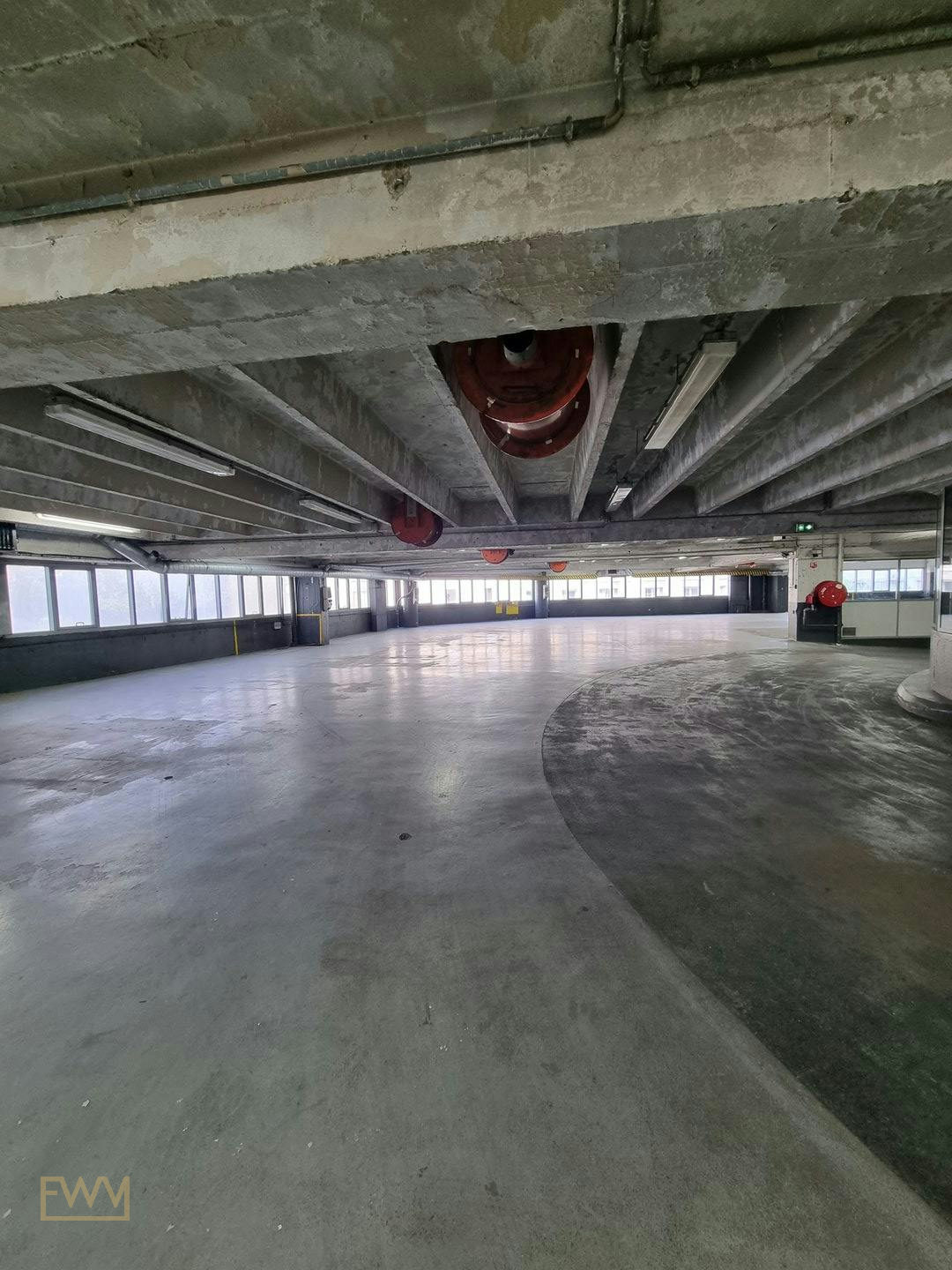
During Fashion Weeks, venues range from avant-garde lofts and industrial spaces to chic storefronts and lavish showrooms. The choice depends on your brand's image and the vibe you wish to present. For luxury events, iconic spaces near landmarks like the Palais de Tokyo or Place Vendôme are sought after, whereas creative brands often lean towards more eclectic areas like the Marais or Canal Saint-Martin.
How far in advance should I secure a venue for Fashion Week?
It is advisable to secure your venue at least six to twelve months in advance. This timeframe allows you to find a space that aligns perfectly with your brand aesthetic and logistical needs, and ensures ample time for all necessary planning and preparations, including permits and staffing, especially in high-demand areas like Paris.
What is the role of Fashion Week Venues in securing an event space?
Fashion Week Venues streamlines the venue selection process through its marketplace and agency services. The platform provides venue sourcing, logistical planning, and creative concept direction, making it easier for brands to manage the complexities of event spaces, design integral marketing strategies, and execute effectively with minimal hassle.
How do I ensure that a venue meets my technical requirements?
Conduct a thorough assessment of technical capabilities early in planning, focusing on essential facilities like lighting, sound systems, and internet connectivity. Leverage resources such as Fashion Week Venues' production build service to evaluate and enhance these aspects where necessary, ensuring comprehensive support for your event vision.
Does Fashion Week Venues offer assistance with permits in Paris?
Yes, Fashion Week Venues provides guidance through its permit tool, helping brands navigate the legal requirements for temporary leasing and public space use. While the site offers extensive information, consulting with a legal advisor familiar with Parisian regulations is also recommended for complex cases.
Can I use Fashion Week Venues for events outside of Paris?
Absolutely. Fashion Week Venues operates across major fashion cities including New York, London, Milan, Tokyo, and Dubai. Each city hub provides tailored insights and listings, allowing brands to expand their presence at major international events seamlessly, supported by local expertise specific to each market.
How does the timeline tool help in planning my event?
The timeline tool is essential in setting up a detailed plan and schedule for your event, from initial preparations to the actual event day. By highlighting critical milestones and deadlines, such as rehearsals, setup, and dismantling, it ensures you maintain the organization and fluidity required for a successful execution.
What are the benefits of using a co-activation space?
Co-activation spaces harness the benefits of collaboration, allowing brands to share costs and bring unique selling points together for enhanced experiences. This method typically attracts more foot traffic and media attention, creating a more dynamic and engaging event environment beneficial for visibility and networking.
How can Fashion Week Venues help with brand activations?
Fashion Week Venues offers activation management services that cover from logistics to creative execution, ensuring your brand activation aligns with target audience expectations. Their expertise streamlines the coordination of design elements, staffing, and event flow, allowing brands to focus on their core messaging.
What is the difference between short-term leases and standard leases for event spaces?
Short-term leases, including the bail dérogatoire in Paris, are designed for temporary events and offer flexibility in terms of duration and obligations. Standard commercial leases, however, often involve longer commitments and stricter terms. Understanding the distinctions and legal implications is crucial for compliance and operational efficiency.
Conclusion
Navigating the landscape of Fashion Week venues demands strategic planning, a clear understanding of legal frameworks, and effective use of technology and tools. Fashion Week Venues offers an invaluable resource for brands looking to secure and optimize event spaces across major fashion capitals, ensuring seamless activations that resonate with their audience. By strategically leveraging these offerings, brands can not only enhance their presence but do so in a way that aligns with their broader marketing goals.
To move from research to activation, start exploring available spaces on the Fashion Week Venues marketplace and build a focused brief for your target neighbourhood, space type, and calendar window.