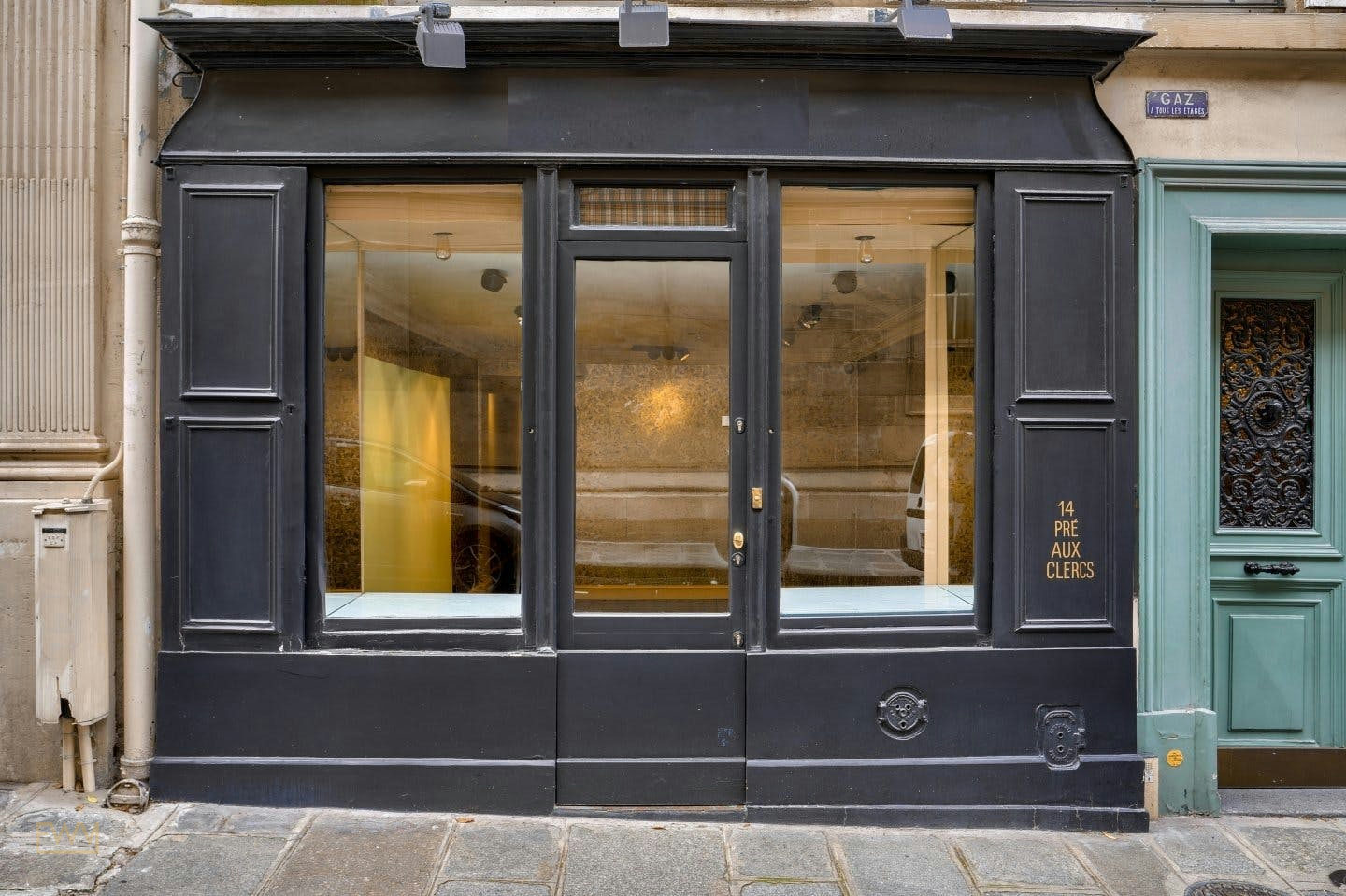
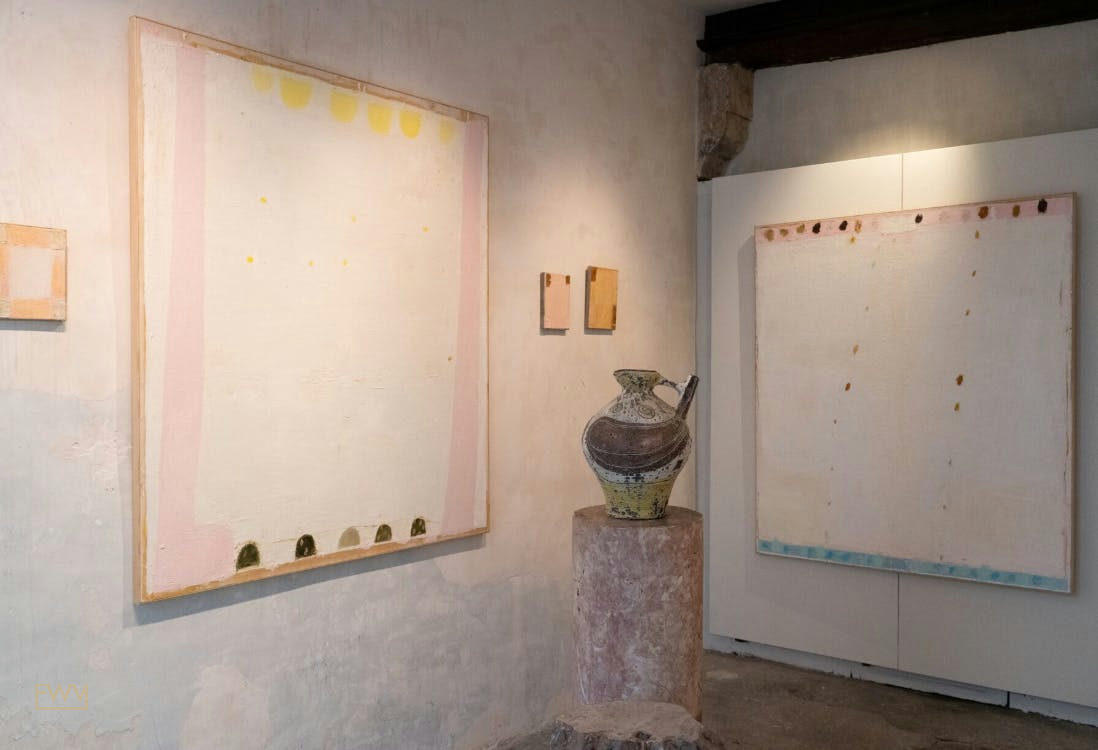
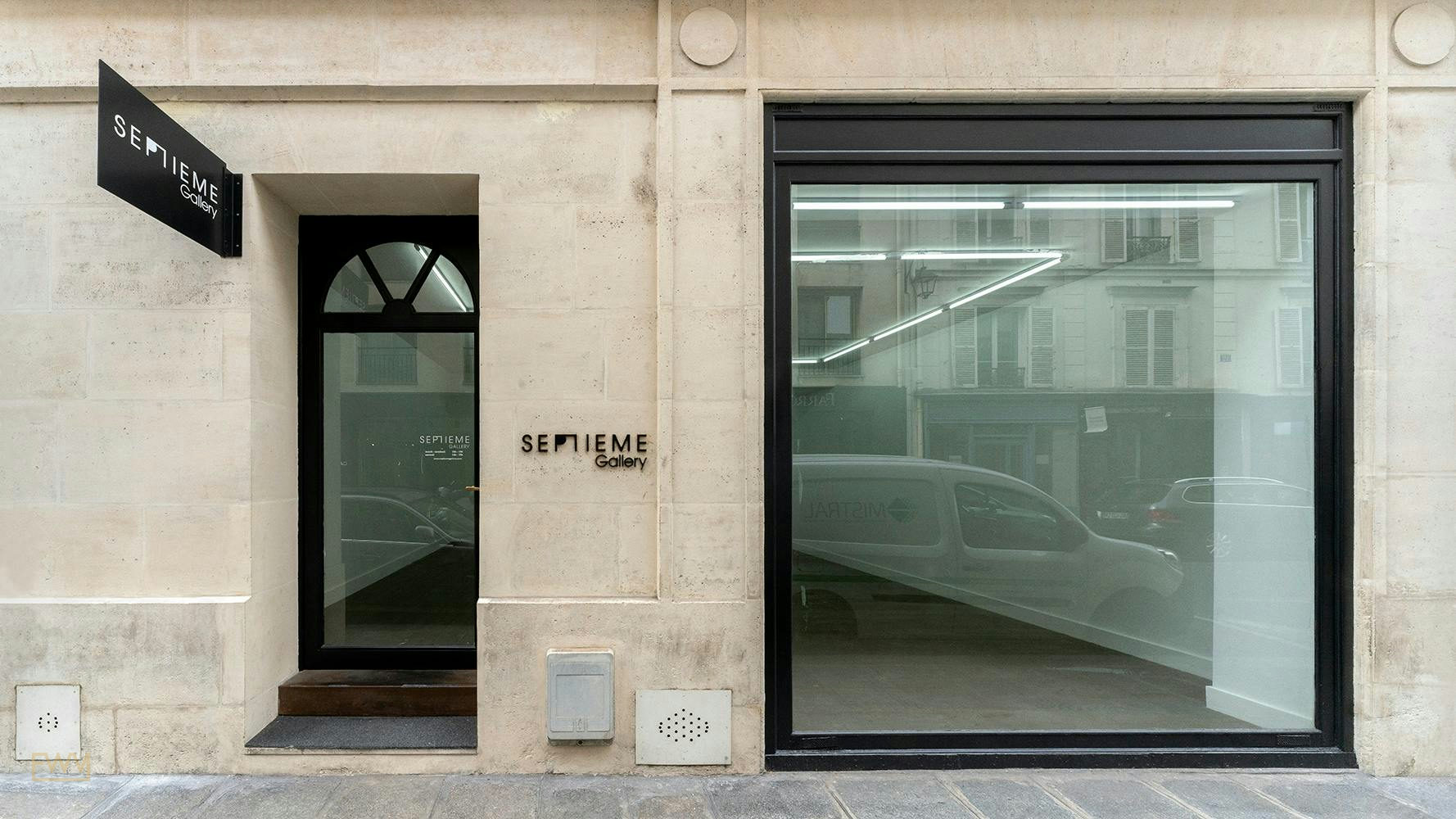
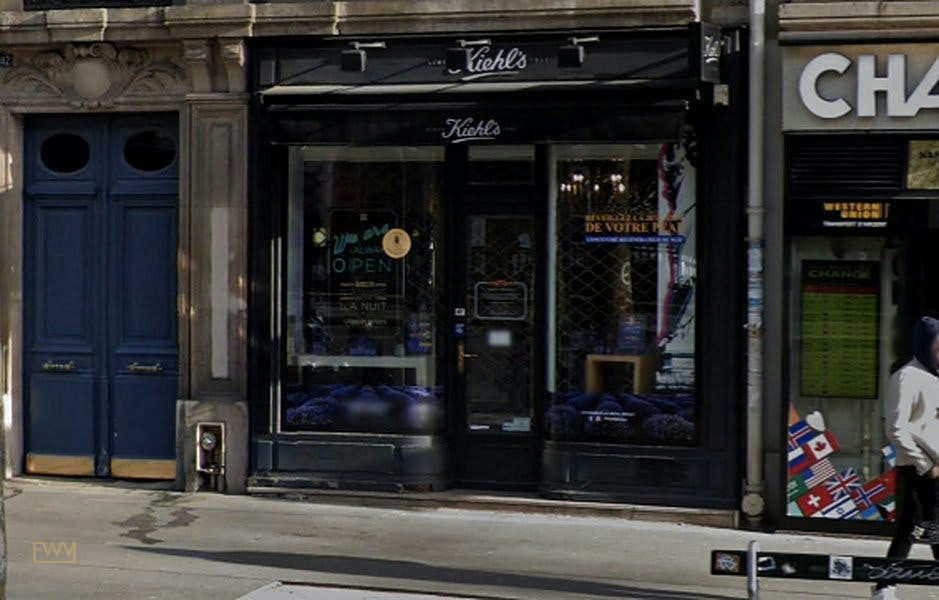
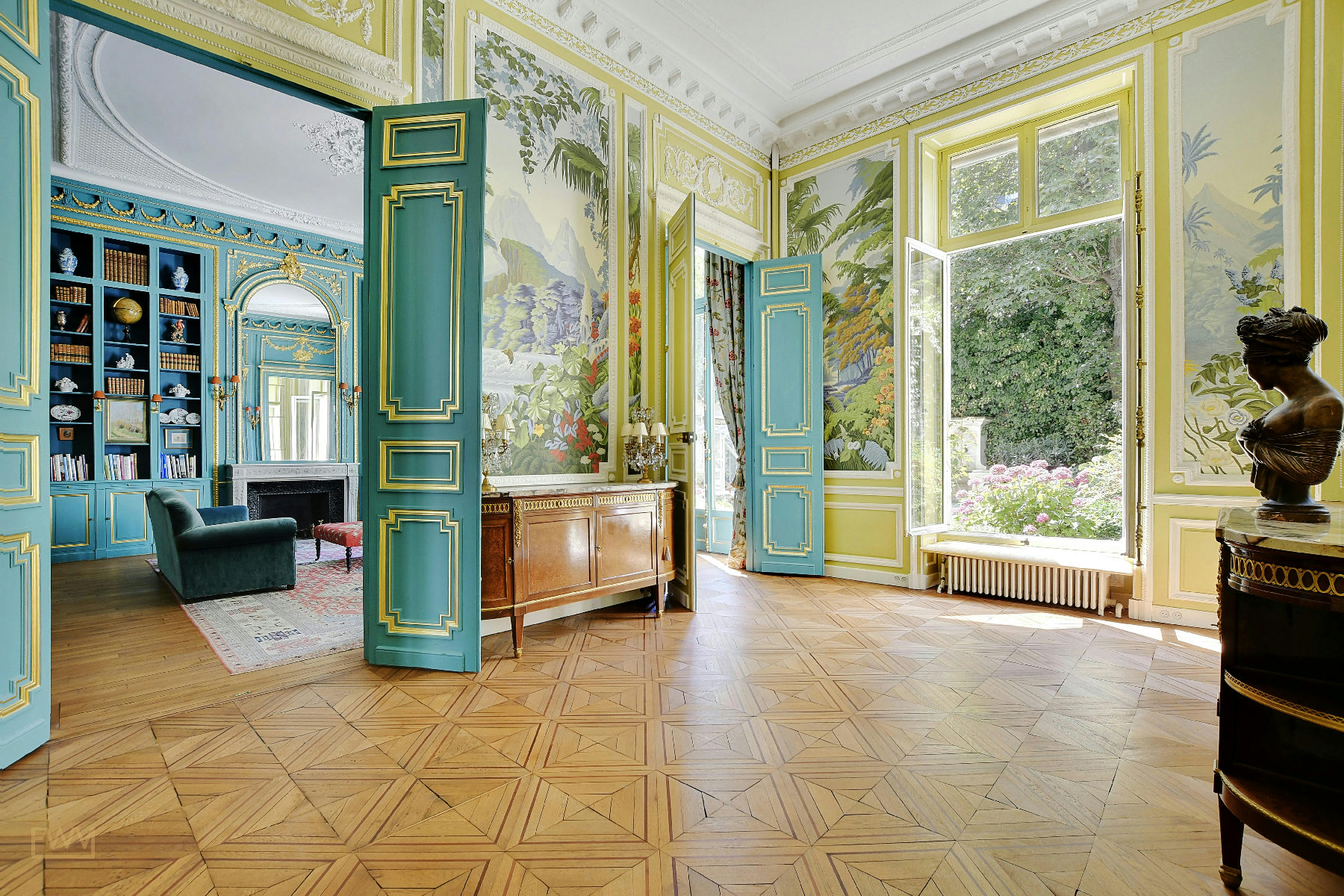
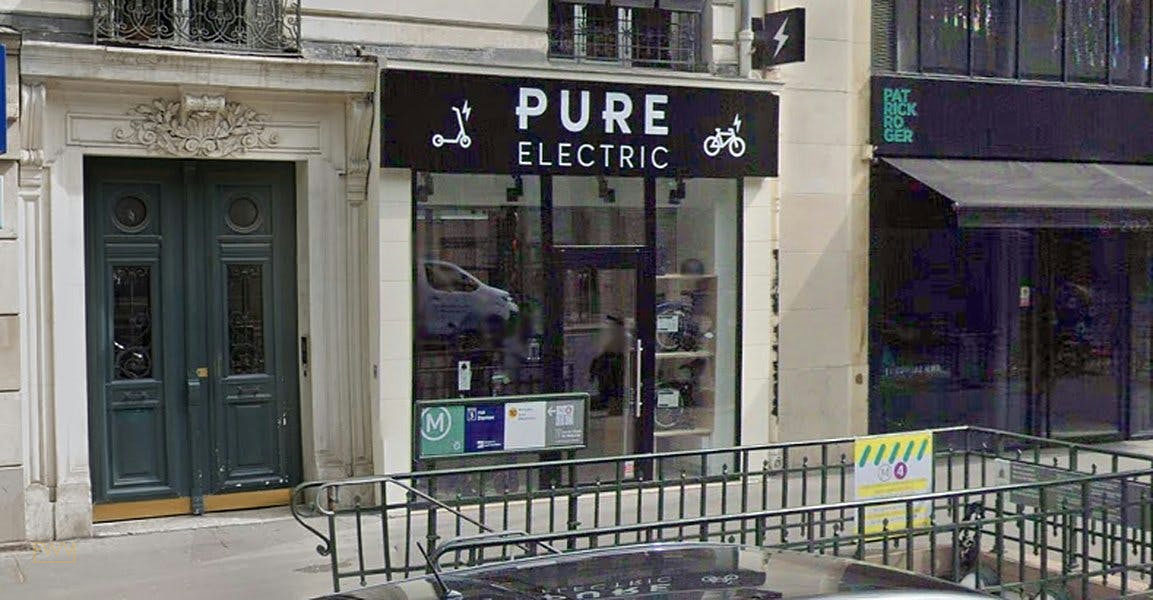
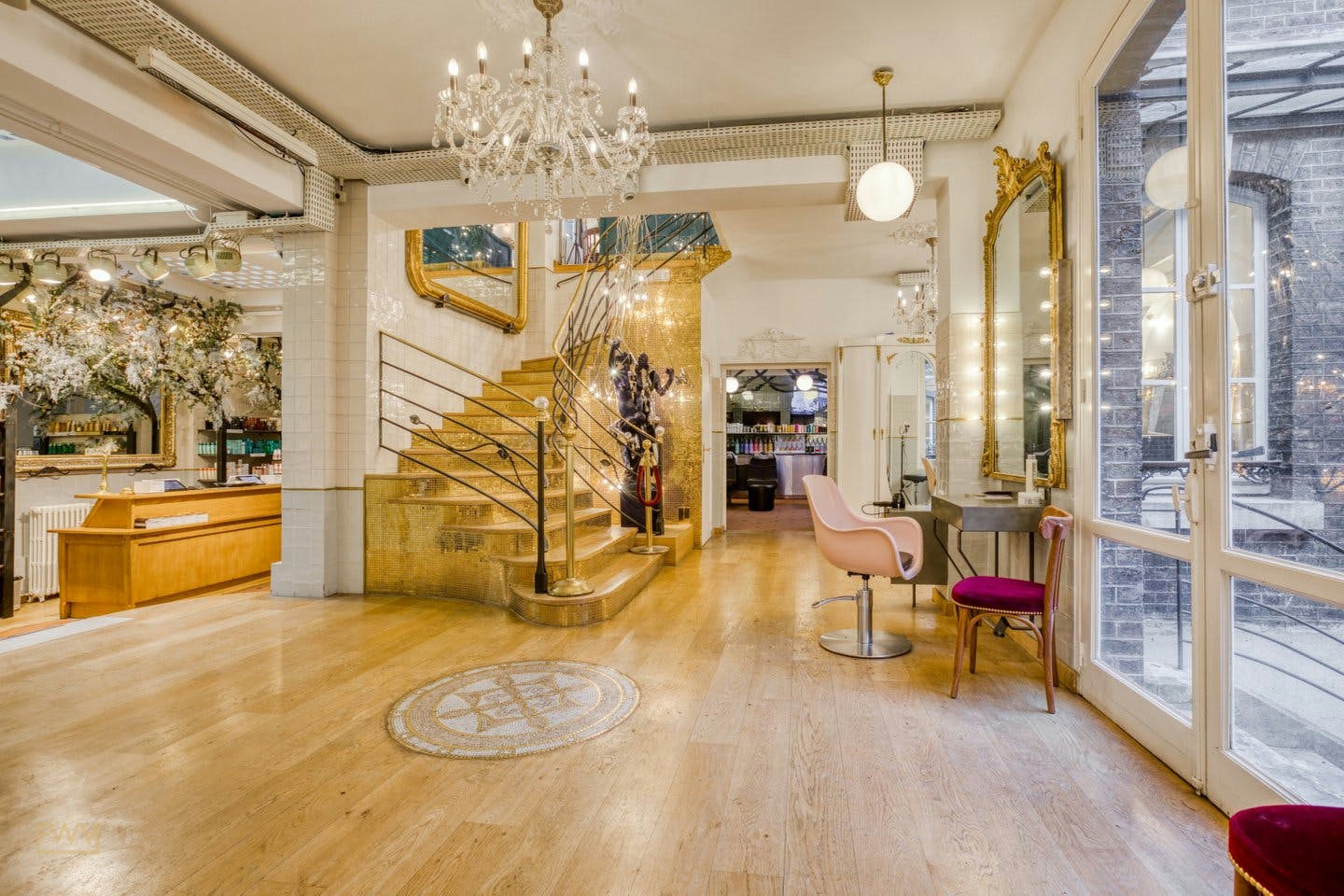
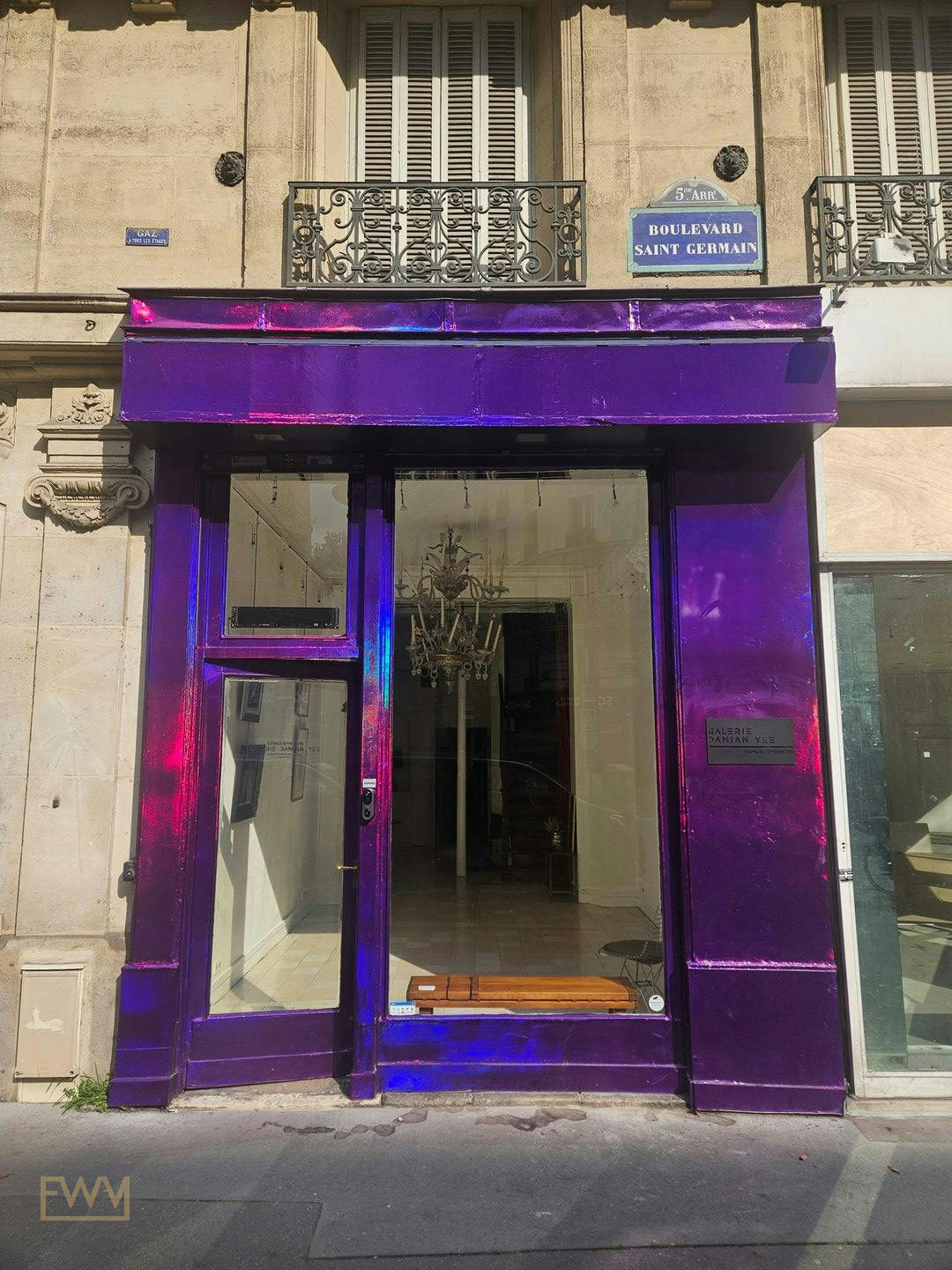
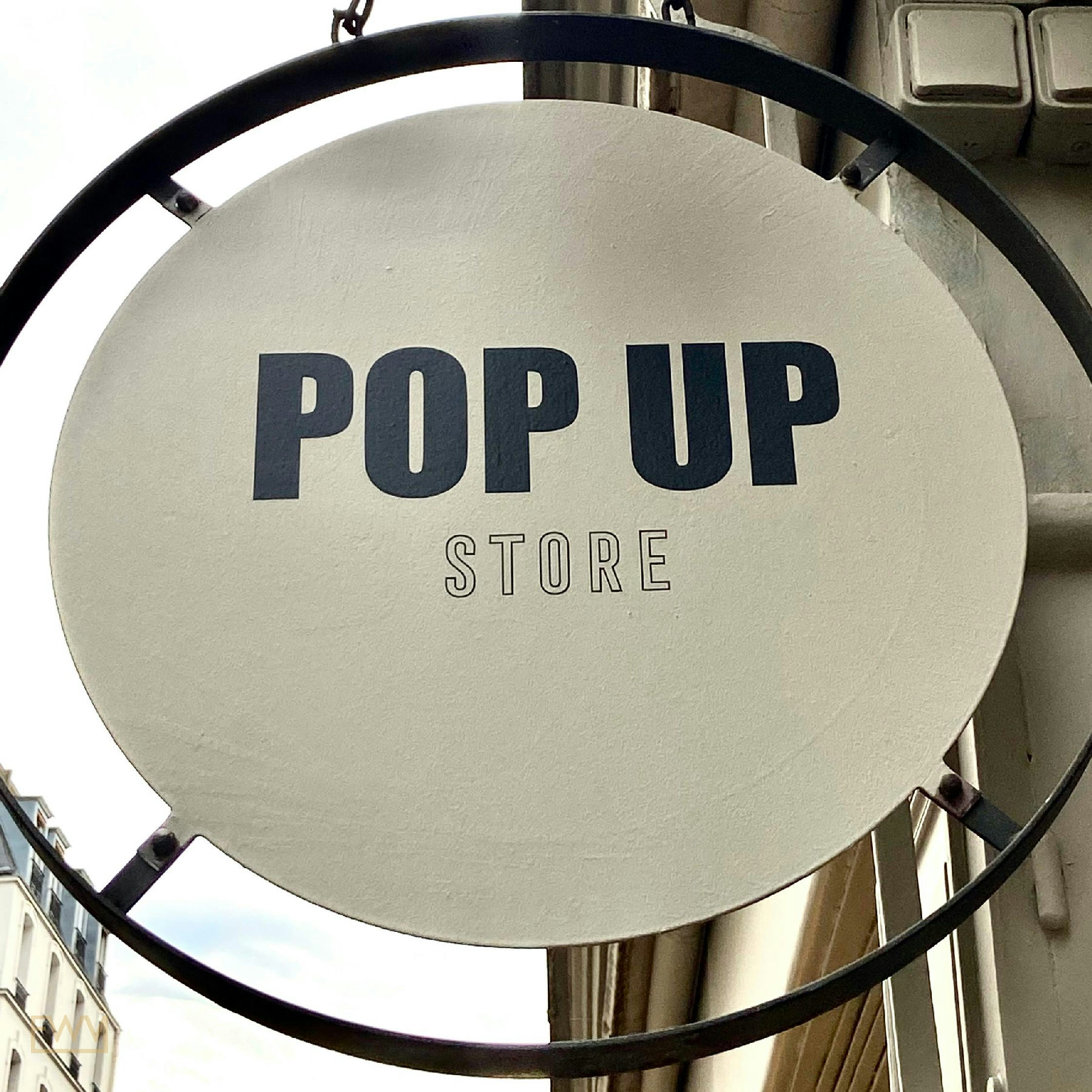
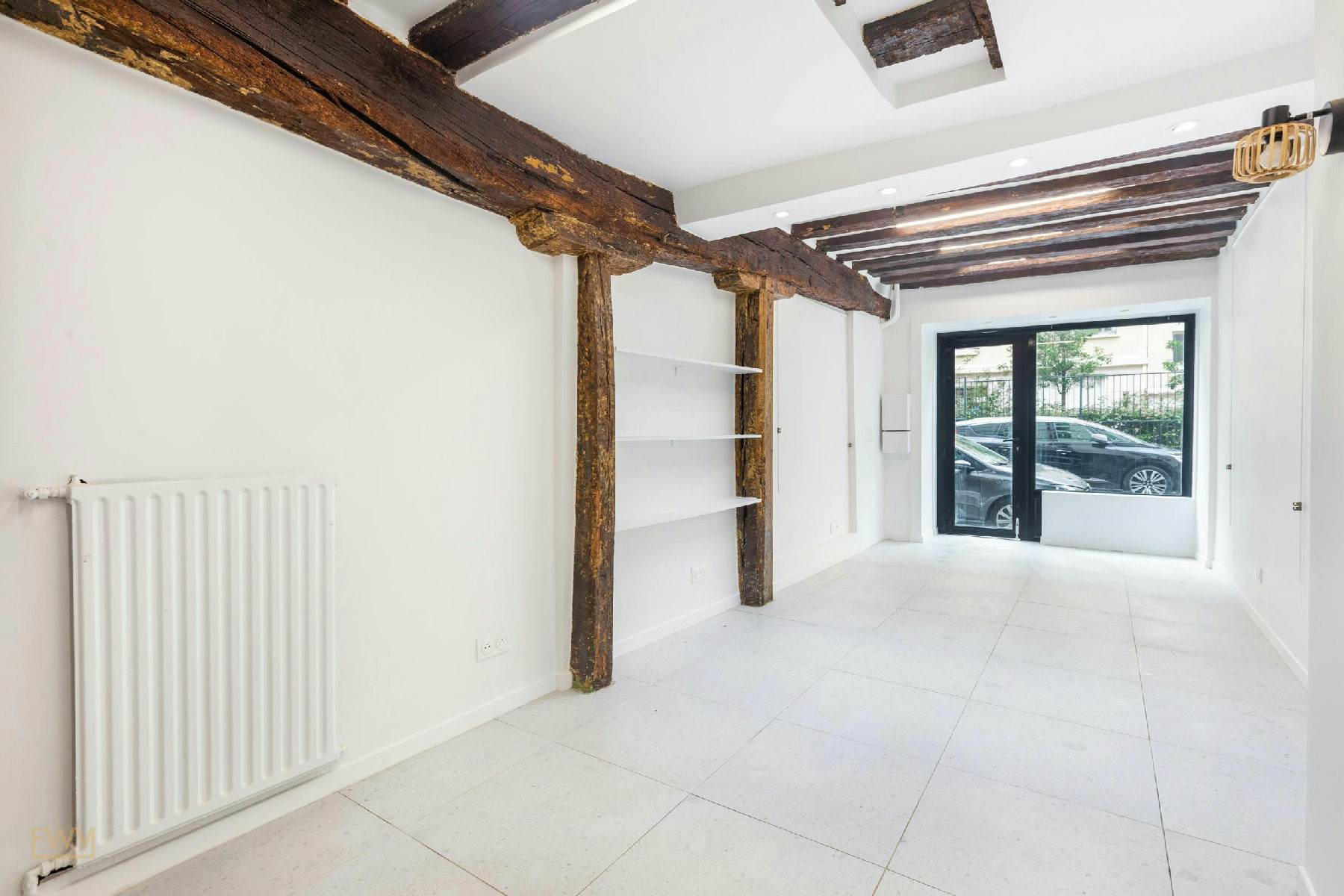
With Paris recognized as a global fashion hub, finding the perfect venue for Fashion Week requires strategic planning and insider knowledge. The primary factor in hosting a successful fashion week event is securing the right space that not only fits the brand's aesthetic but also adheres to logistical needs. Working with Fashion Week Venues, a full-service agency, can simplify this process with expert guidance and a marketplace of curated options around the city. Whether seeking a pop-up store or a luxurious showroom, understanding each neighborhood's unique benefits and the nuances of logistics can transform your activation into an unforgettable brand experience.
The Role of Venue Sourcing in Fashion Week Success
Venue sourcing is a critical component of planning for Fashion Week. The choice of venue influences everything from guest experience to press coverage. Strategic venue selection should align with brand goals, target demographics, and logistical parameters. Understanding the role of venue sourcing applies key frameworks to maximize brand exposure and optimize operational efficiency.
Venue location, capacity, facilities, and the potential for customization are key considerations. For instance, a brand targeting luxury clientele might prefer prestigious locales like Place Vendôme, whereas emerging designers might benefit from the creative hubs around Canal Saint-Martin known for artistic influence.
Quick answer: Venue sourcing in Paris involves assessing location, aesthetics, and logistical fit with brand strategy.
KEY TAKEAWAY: Strategic venue selection enhances brand image and assures a memorable Fashion Week presence. Aligning venue attributes with brand objectives is essential.
To deepen your venue strategy, understanding Paris's multifaceted neighborhoods is crucial, which we will explore next.
Navigating Paris's Diverse Neighborhoods
Paris is a tapestry of diverse and culturally rich neighborhoods, each offering a distinct atmosphere conducive to varied fashion event needs. Le Marais, known for its historical allure and eclectic vibe, is ideal for fashion-forward brands seeking a blend of vintage and modern elegance. Meanwhile, Saint-Germain-des-Prés offers a sophisticated backdrop perfect for high-end collections.
| Neighborhood | Characteristics | Ideal For |
|---|---|---|
| Le Marais | Mix of historical and contemporary, artsy vibe | Edgy and innovative brands |
| Saint-Germain-des-Prés | Sophisticated, affluent | Luxury and classic brands |
| Opéra | Central, high-traffic | Mainstream and established brands |
| Canal Saint-Martin | Trendy, youthful | Emerging and unconventional labels |
Choosing the right neighborhood is an intricate aspect of venue selection, impacting not only the event atmosphere but also guest accessibility and brand perception.
TIP: Use a venue comparison tool like Fashion Week Venues’ comparison tool to evaluate potential spaces efficiently.
Quick answer: Selecting the right Paris neighborhood for your fashion event can significantly affect its success and should align with brand image and audience.
KEY TAKEAWAY: Identifying the optimal neighborhood tailors the event atmosphere to reflect brand identity. Market presence is bolstered when the venue and locale are in harmony.
Understanding the multifaceted characteristics of Parisian districts helps optimize impact as we delve deeper into space categorization next.
Exploring Venue Types and Their Use Cases
The diversity of venue types available during Fashion Week can accommodate varying brand needs, from intimate showrooms to expansive event spaces. Choosing the right type depends on the objective of the activation and the intended message. For instance, a pop-up shop in Rue Saint-Honoré can generate spontaneous street-level engagement, while a showroom in the Palais de Tokyo offers an artful setting for an exclusive collection preview.
| Venue Type | Features | Best Suited For |
|---|---|---|
| Showrooms | Exclusive, customizable, controlled environment | High-end brand launches and private viewings |
| Pop-up Shops | Short-term, flexible, retail space | Awareness campaigns and direct sales |
| Event Spaces | Large capacity, versatile | Runway shows and large gatherings |
| Studio Spaces | Creative, blank canvas | Interactive activations and collaborations |
DID YOU KNOW: Showrooms tailored with branded interiors magnify visual merchandising impact, enticing key audiences more effectively.
Each venue type supports specific fashion event functions, emphasizing the importance of aligning space features with the strategic goals of the activation.
Quick answer: Fashion Week venues range from showrooms to pop-up shops, each fitting different marketing strategies and audience interactions.
KEY TAKEAWAY: Venue variety provides strategic leverage in crafting influential brand narratives. Choosing the right venue type is crucial to maximize consumer interaction and brand visibility.
With venues categorized, the next pivotal aspect involves understanding the nuances of permits and compliance.
Decoding Permits and Compliance in Paris
Understanding the legal backdrop of hosting an event in Paris is crucial for ensuring a smooth activation. This includes navigating permits like the bail dérogatoire and AOT (temporary authorisations) unique to French commercial property laws. These permits differ from standard commercial leases and usually provide the flexibility needed for short-term activation during Fashion Week.
Acquiring an AOT requires understanding parameters set by the local arrondissement, as they dictate space types and permissible activities. Similarly, the bail dérogatoire provides a flexible leasing structure but requires due diligence to avoid compliance pitfalls. For more details on navigating permits, visit Fashion Week Venues’ permit tool.
IMPORTANT: Parisians value compliance with nuanced local regulations. It is highly recommended to consult a French legal advisor to ensure all permits align with municipal codes and operational needs.
Quick answer: Securing necessary permits in Paris includes navigating bail dérogatoire and AOT, each offering specific advantages for short-term leasing.
KEY TAKEAWAY: Due diligence in compliance fosters hassle-free operations. Anticipating legal nuances assures alignment with Paris's intricate regulatory environment.
Ensuring compliance establishes a foundation as we next explore budgeting essentials for Fashion Week activations.
Effective Budgeting for Fashion Week Activations
Budgeting for Fashion Week in Paris is a multifaceted task involving numerous variables. These include venue rental, production design, staffing, marketing, and unexpected contingencies. Using a budget tool like Fashion Week Venues’ can offer forecasts tailored to individual brand scenarios, aiding in precise financial planning.
| Expense Category | Description | Considerations |
|---|---|---|
| Venue Rental | Cost depends on location and capacity | Short-term vs. long-term implications |
| Production | Includes design, building, and setup | Creative elements tailored to brand aesthetics |
| Marketing | Influencer partnerships, digital campaigns | Align with brand goals and target audience |
| Staffing | Event management, hospitality, sales | Ensure effective visitor engagement |
Quick answer: Budgeting for Paris Fashion Week should encompass venue, production, marketing, and staffing to ensure a robust financial plan.
TIP: Regularly using budget estimation tools like Fashion Week Venues’ budget calculator can optimize financial diligence.
KEY TAKEAWAY: Comprehensive budgeting ensues resource allocation aligns with event goals. Anticipating every contingency assures financial agility.
Budgeting insights streamline operational execution as we evaluate the timing and logistics of Fashion Week planning next.
Understanding Fashion Week Timelines and Logistics
Successfully scheduling a Fashion Week event involves a deep understanding of timelines and logistic complexities. Each phase—from lead time planning to post-event analysis—requires meticulous attention to detail. Early coordination ensures accessibility to sought-after venues and maximizes brand exposure opportunities.
| Stage | Task | Considerations |
|---|---|---|
| Preparation | Site sourcing, budget agreement | Begin 6-12 months prior |
| Execution | Event build-out, activation | On-time and on-brand deliverables |
| Completion | Breakdown, data analysis | Gather lessons learned |
Effective use of a timeline planning tool helps synchronize each logistic aspect, from sourcing and negotiations to activation and debrief.
DID YOU KNOW: Planning ahead can prevent unforeseen logistic hurdles, ensuring a seamless brand experience.
Quick answer: Fashion Week timelines encompass preparation, execution, and post-event analysis, demanding rigorous attention to each phase.
KEY TAKEAWAY: A systematic approach to scheduling reduces the risk of logistical oversights, facilitating seamless event execution. Understanding timelines is critical for logistical success.
With logistics in perspective, knowing how Fashion Week Venues supports this process highlights brand empowerment next.
How Fashion Week Venues Supports Your Activation Strategy
Fashion Week Venues offers comprehensive support through expert services and tools tailored to fashion week preparations. Our range of services—from concept direction to activation management—ensures that every brand can navigate complex scenarios with precision and confidence.
The tools provided, such as the ROI calculator and space locator, allow for precise financial planning and location scouting. These resources guide brands through each stage, reducing risk and enhancing efficiency.
Fashion Week Venues is designed to assist teams in achieving a cohesive narrative, from emerging designers to established luxury houses. However, it's vital for brands to have a clear vision and goals to maximize these resources effectively.
Quick answer: Fashion Week Venues offers tailored services and tools to optimize Fashion Week activations from concept to execution.
KEY TAKEAWAY: Practical use of agency expertise and advanced planning resources enhances industry presence and activation success.
Empowered by these capabilities, navigating the common myths can clarify misconceptions we address next.
Common Myths Debunked
MYTH: Needing a French legal entity to rent a space in Paris.
FACT: While having a local entity can facilitate processes, it is not a strict requirement to secure a venue. Numerous international brands operate successfully without a French registration, often partnering with local agencies to streamline operations.
MYTH: Paris Fashion Week being the only viable calendar window.
FACT: While Paris Fashion Week is a highlight, other periods in the fashion calendar offer strategic opportunities. Consider times like pre-fall previews when venues are less competitive, allowing ample scope for creative activations.
MYTH: Commission brokers being the only way to find a space.
FACT: Online platforms, like the Fashion Week Venues marketplace, offer direct browsing to find a suitable venue without broker involvement, often reducing time and cost.
MYTH: Short-term leases being legally straightforward without specialist help.
FACT: Short-term leases in Paris still require detailed attention to French property law. Engaging a specialist ensures compliance with local regulations and circumvents potential pitfalls.
Frequently Asked Questions
What is the best neighborhood for a luxury brand pop-up in Paris?
Choosing the right neighborhood depends on the brand's target audience. Luxury brands often benefit from areas like Saint-Germain-des-Prés or Rue Saint-Honoré, known for their affluent clientele and elegant ambiance. These areas provide the right blend of exclusivity and accessibility, aligning with luxury brand aesthetics.
Can international brands activate during Paris Fashion Week without a French entity?
Yes, international brands can host events in Paris without establishing a local entity. However, engaging with local agencies or partners like Fashion Week Venues can assist in navigating local regulations and ensuring seamless activation.
What types of permits are required for short-term retail in Paris?
Short-term retail operations commonly require a bail dérogatoire or an AOT. It is essential to confirm specific requirements with local authorities as they vary by arrondissement and event scope. Consulting with a French legal advisor or using the Fashion Week Venues permit tool can offer additional insights.
How far in advance should planning for Paris Fashion Week start?
IIt is recommended to begin planning 6 to 12 months prior, depending on the complexity of your event. Early planning secures the best locations and creates a buffer for logistical arrangements. Utilizing timeline planning resources aids in managing long-term schedules effectively.
What role does Fashion Week Venues play in event success?
Fashion Week Venues plays a crucial role by offering services like venue sourcing, concept direction, and activation management, which are tailored to meet specific brand requirements. The marketplace and tools facilitate efficient planning and execution, ultimately ensuring impactful brand experiences during Fashion Week.
How do you calculate ROI for a Fashion Week activation?
ROI calculation involves analyzing cost against outcomes like brand exposure, sales, and customer engagement. Tools provided by Fashion Week Venues, such as their ROI calculator, simplify this process by accounting for various metrics and offering insights specific to fashion events.
Is there a way to compare different venue options easily?
Yes, venues can be compared using the Fashion Week Venues comparison tool, which evaluates factors such as location, capacity, and facilities. This enables brands to make informed decisions quickly and align venue choices with strategic objectives.
What is the typical cost range for a Fashion Week showroom?
Costs for showrooms vary widely based on location, size, and amenities. While precise costs depend on specific brand needs, utilizing the budget tools on Fashion Week Venues can offer a directional estimate tailored to your scenario.
Are pop-ups more effective than showrooms during Fashion Week?
The effectiveness of pop-ups versus showrooms depends on the brand’s goals. Pop-ups offer dynamic interaction and direct sales opportunities, while showrooms provide an exclusive environment for deeper brand storytelling and relationship building with influential attendees.
How can Fashion Week Venues help with logistics for an activation?
Fashion Week Venues provides comprehensive logistic support, including venue sourcing, staffing, and equipment rental. This holistic approach aids brands in executing seamless events, ensuring that every logistical aspect is covered and aligned with the overall event strategy.
Conclusion
Securing the ideal venue for your Paris Fashion Week activation is paramount to reinforcing your brand's impact within the competitive fashion landscape. By leveraging strategic neighborhood insights, understanding local legal frameworks, and utilizing innovative planning tools, brands can transform challenges into memorable opportunities. Partnering with experts like Fashion Week Venues enhances the efficacy of each phase—ensuring that each activation not only meets but exceeds strategic objectives within the world's fashion capital. Ready to transition from planning to execution? Start the journey with Fashion Week Venues’ bespoke resources and vision-driven marketplace.