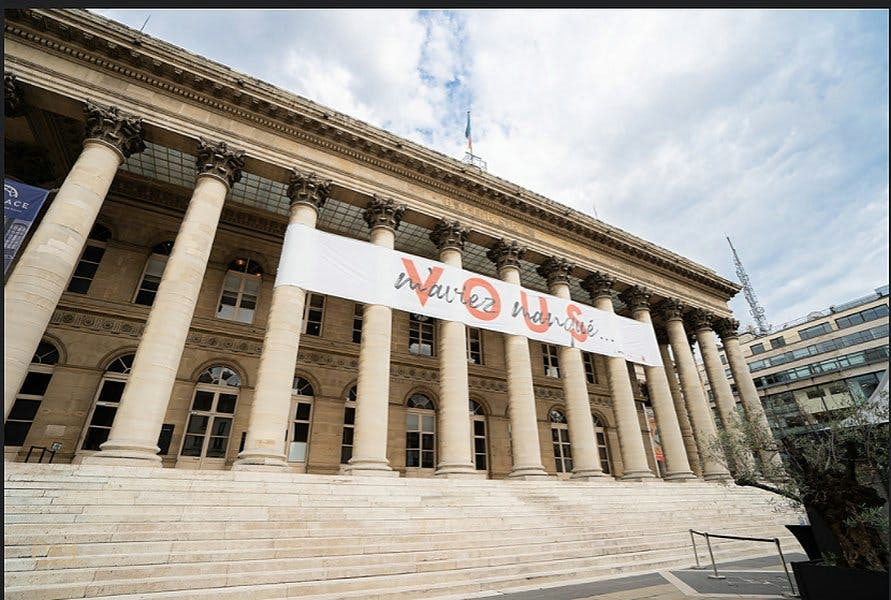

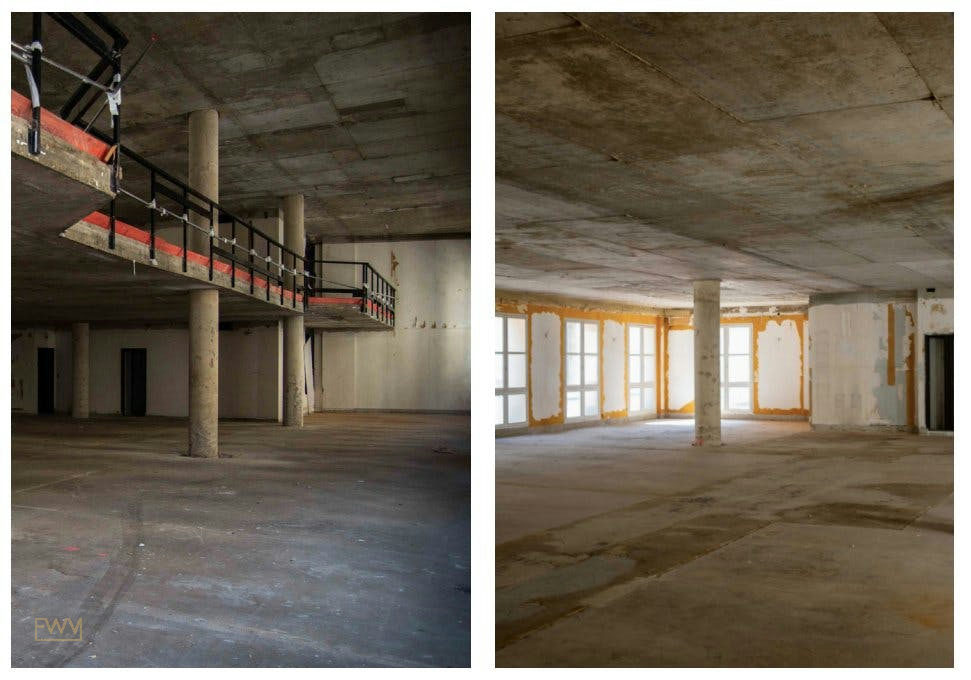
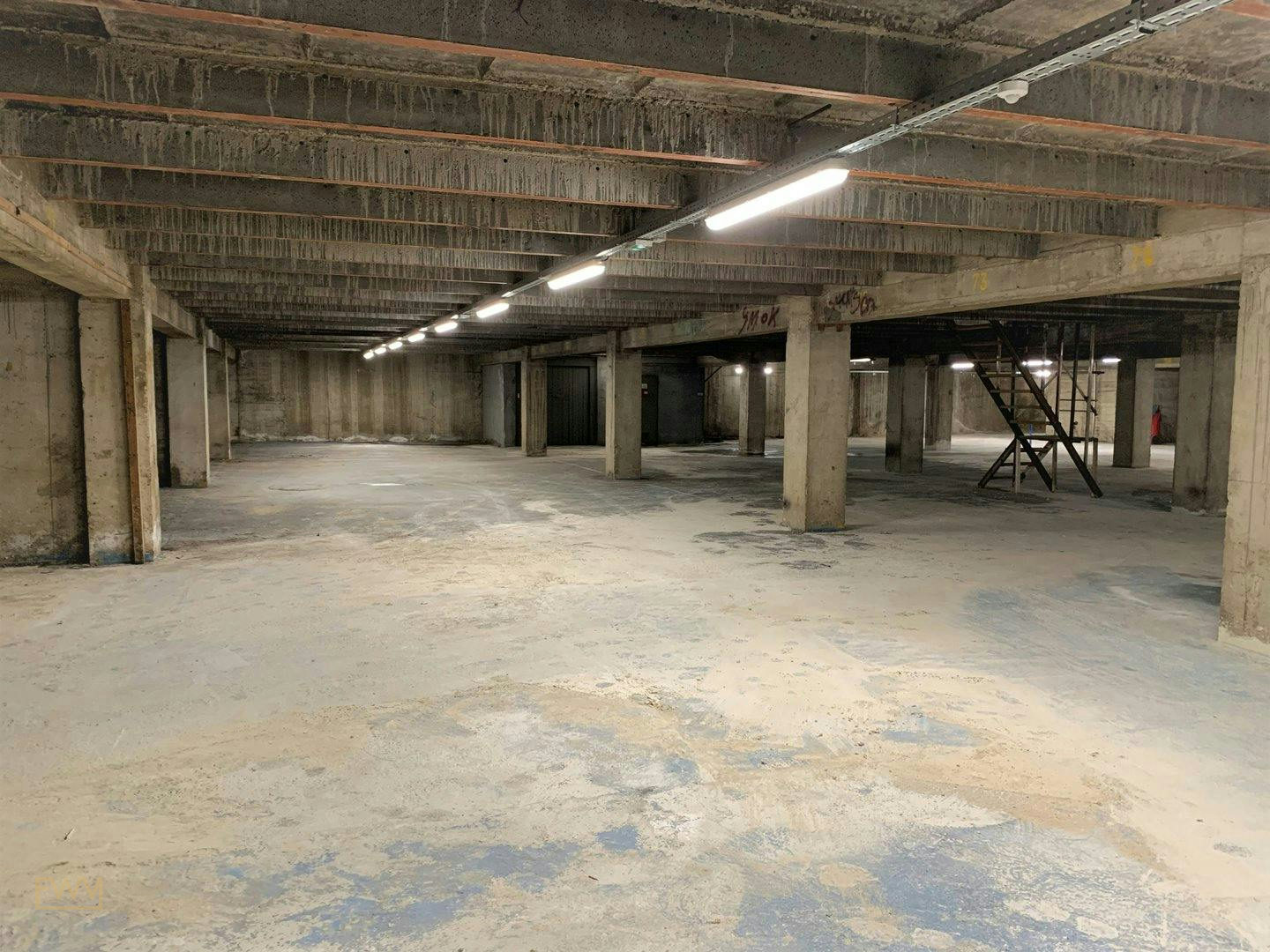
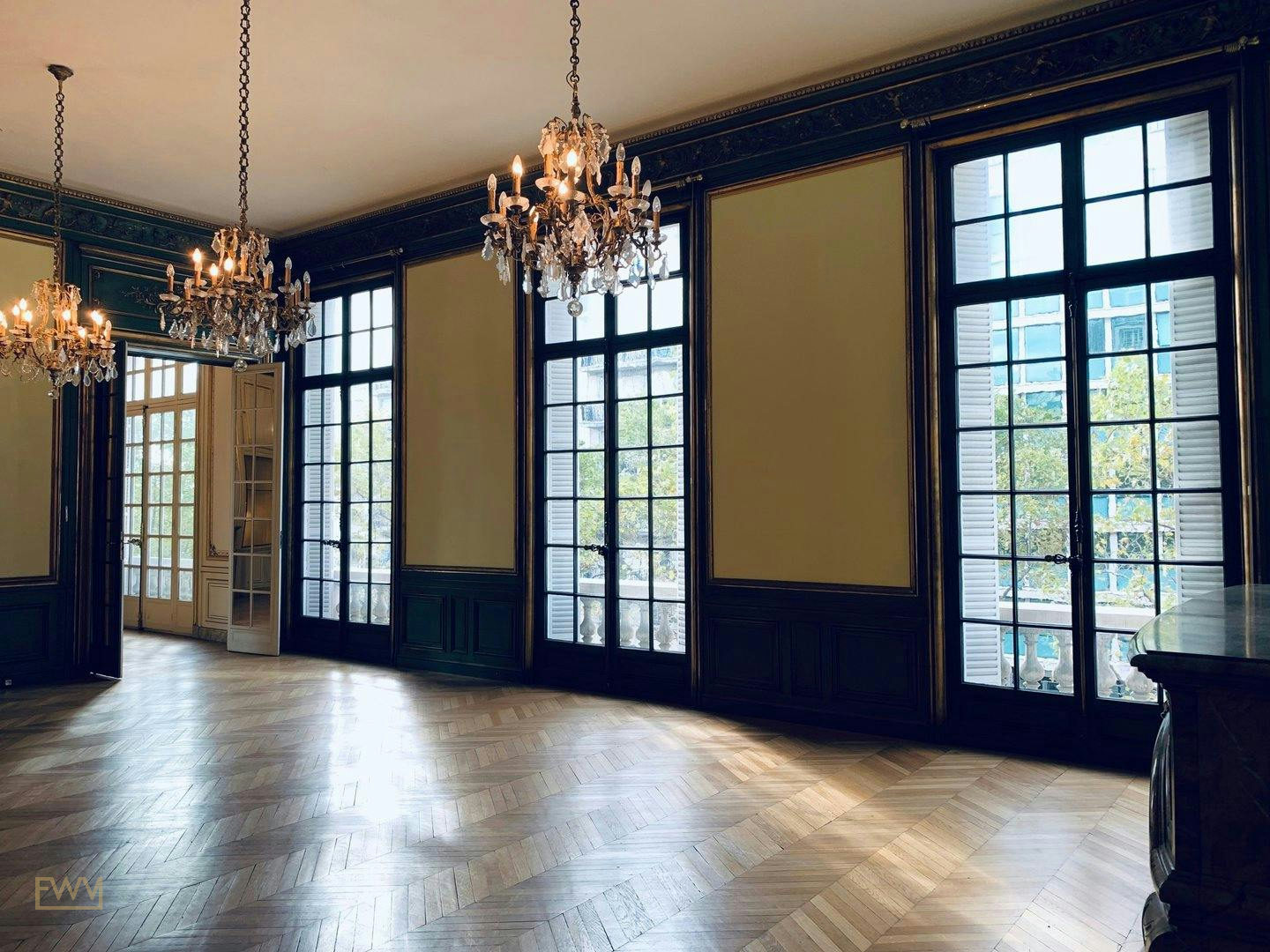
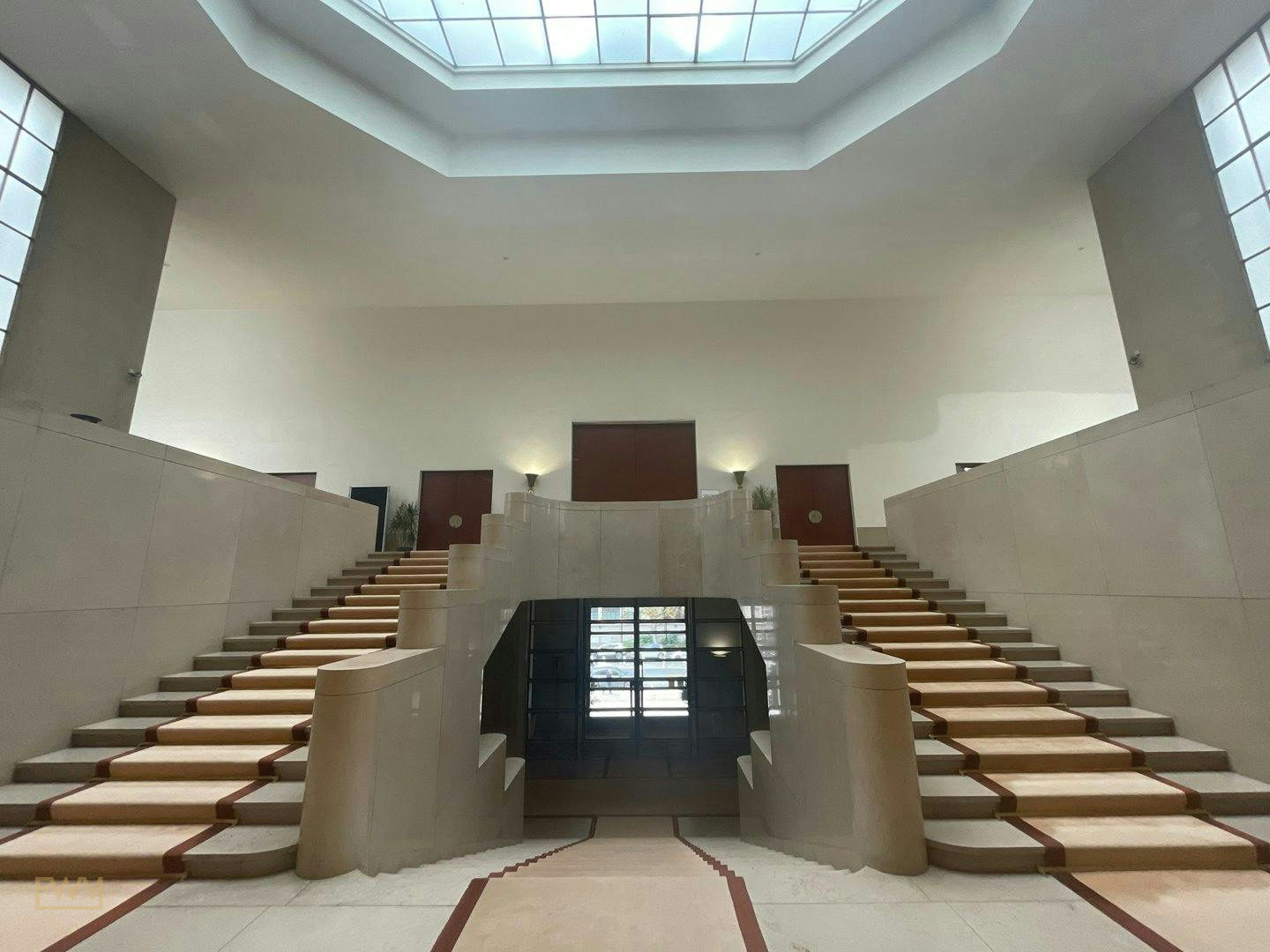
Fashion Week Venues seamlessly integrate into your strategy for brand expansion and visibility, especially when you are targeting major fashion capitals. Understanding the nuances of selecting the right Fashion Week Venue is essential for successful brand activation. At Fashion Week Venues, we offer a comprehensive range of services that help brands navigate the complexities of finding the perfect pop-up space, showroom, or event venue. Whether you're aiming to create buzz during Paris Fashion Week or looking to establish a presence in another city, our expertise and suite of tools make the process straightforward and efficient.
Understanding Fashion Week Venues: The Essentials
Fashion Week Venues are prime locations optimized for brand exposure during key fashion events. They offer unique opportunities for pop-up shops, showrooms, and brand activations. This section provides a direct answer to what constitutes a Fashion Week Venue and explains its significance in the fashion calendar.
These venues are strategically located in high-traffic areas like Le Marais, Saint-Germain-des-Prés, and near venues like the Palais de Tokyo. The significance of these spaces lies in their ability to attract the right audience, providing brands with the exposure and interaction required during fashion week.
Quick answer: Fashion Week Venues are specialized spaces located in high-profile areas that are ideal for brand activations and pop-up events during key fashion events, providing brands with unparalleled exposure and engagement opportunities.
A Fashion Week Venue isn't just about the location; it's about the entire ambiance of the space, amenities available, and how these align with the brand’s image and marketing strategy. Brands often opt for customized setups that reflect their identity and theme, offering an immersive experience to their audience.
For example, during Paris Fashion Week, selecting an iconic venue close to landmarks such as the Louvre or Galeries Lafayette ensures foot traffic not only from fashion professionals but also from tourists and locals, maximizing visibility.
KEY TAKEAWAY: The right Fashion Week Venue aligns with your brand's mission, audience, and the story you wish to convey, transforming standard events into memorable experiences that resonate with attendees.
Selecting the ideal venue requires an understanding of the target audience, the brand’s goals, and the logistical feasibility of the space in terms of setup and operations. This foundational understanding acts as a precursor to effective venue sourcing, which is vital for successful activations.
The Process of Venue Sourcing
Venue sourcing is a meticulous process that involves identifying, evaluating, and securing locations that align with the brand's goals and audience. Our venue sourcing service aids in making informed decisions by providing comprehensive insights into potential venues.
The first step in effective venue sourcing is defining the brand’s objectives and the demographic it seeks to engage. This involves understanding the fashion calendar and aligning the brand’s schedule to maximize impact during peak periods such as Paris Fashion Week.
Quick answer: Effective venue sourcing requires a deep understanding of the brand's goals, audience, and logistical needs, ensuring the chosen space perfectly complements the overall marketing strategy during fashion weeks.
Evaluating potential venues includes assessing location, accessibility, ambiance, and the available facilities. For example, a brand targeting a youthful, eco-conscious audience might favor venues in emerging districts like Canal Saint-Martin.
A critical aspect of venue sourcing is understanding legal requirements like permits and accommodations for installations. Each arrondissement in Paris, for example, may have distinct regulations affecting short-term leasing or installation permissions.
KEY TAKEAWAY: A strategic approach to venue sourcing considers not only the location’s appeal but also its compliance with legal and logistical requirements, ensuring seamless execution of brand activations.
Fashion Week Venues provides a comprehensive checklist and comparison tool that aids brands in evaluating potential spaces, enabling a streamlined decision-making process that aligns with their strategic goals.
Creating Compelling Brand Activations
Branded activations during fashion weeks are pivotal in creating buzz and engaging directly with consumers and industry insiders. Our activation management services ensure these experiences are perfectly aligned with your brand's identity.
Successful activations often include interactive elements, exclusive previews, and immersive environments that enhance brand storytelling. For instance, a luxury fashion brand might opt for a pop-up gallery that displays its latest collection while integrating digital touchpoints for consumer engagement.
Quick answer: Brand activations during fashion weeks leverage interactive and immersive elements to enhance consumer engagement and effectively communicate brand stories, leading to increased visibility and brand affinity.
The creative aspect involves concept direction and experiential design. Ensuring the chosen venue aligns with this creative direction is crucial to create a cohesive and engaging brand narrative that captivates the audience.
Moreover, integrating influencer marketing can significantly amplify reach. By selecting influencers who resonate with the brand's ethos and have a strong presence in the fashion industry, brands can extend their message beyond the event’s immediate audience.
KEY TAKEAWAY: Effective brand activations require cohesive integration of creative concepts, interactive elements, and influencer partnerships to create a compelling narrative that resonates with the audience.
Through thoughtful strategy and execution, brand activations transform from simple showcases to memorable events, fostering deep connections with current and potential customers.
Leveraging Fashion Week for Retail Pop-Ups
Fashion weeks are not just about runway shows; they offer an immense opportunity for retail pop-ups, allowing brands to connect directly with consumers. Utilizing spaces for short-term retail during these peak times maximizes exposure and sales potential.
Retail pop-ups provide a platform for brands to test new products, gather insights, and drive immediate sales. They capitalize on the influx of international buyers and fashion enthusiasts flocking to fashion capitals during these events.
Quick answer: Retail pop-ups during fashion weeks offer brands a dynamic platform to test products, engage with consumers, and capitalize on heightened foot traffic during these global events, boosting sales and brand visibility.
An effective pop-up strategy involves meticulous planning of the retail experience, from store design to product placement and staffing. Incorporating innovative technologies like AR and AI-enhanced displays can further enrich customer experiences.
Choosing the right neighborhood is also crucial, as it influences the type of foot traffic. For example, Rue Saint-Honoré, known for its luxury retail, presents an ideal location for high-end brands aiming to interact with affluent customers.
KEY TAKEAWAY: Successful retail pop-ups during fashion weeks require a strategic blend of location choice, innovative retail experiences, and targeted marketing to maximize both impact and return on investment.
For brands looking to execute an impactful retail strategy, leveraging data analytics to track footfall and consumer behavior can provide valuable insights, enabling informed decisions for future campaigns.
To explore available pop-up spaces and plan your next activation, visit the Fashion Week Venues marketplace.
Legal Considerations and Permit Requirements
Navigating the legal landscape of securing a venue for Paris Fashion Week involves understanding the specific requirements of bail dérogatoire, AOT, and other permit processes. This section demystifies these complex legal aspects.
Bail dérogatoire is a temporary lease framework in France allowing for short-term leases. However, the specifics can vary significantly based on the type of event and location. This makes it crucial to consult with legal experts familiar with local regulations.
Quick answer: Navigating legal and permit requirements for Paris Fashion Week venues requires understanding bail dérogatoire and AOT, consulting with legal experts to ensure compliance and smooth event execution.
AOT, or temporary occupation authorization, is another critical consideration, especially for outdoor or unique locations. Securing these permits involves liaising with local authorities, which can be facilitated through expert guidance.
Permits can differ based on the size, scope, and location of the event. Brands must ensure compliance with the city's safety regulations (ERP) and other local laws, which vary by arrondissement.
KEY TAKEAWAY: Understanding and complying with Paris's legal requirements and permits is crucial for a successful venue selection and event execution, necessitating professional guidance for securing necessary authorizations.
Fashion Week Venues offers tools and advisory services that guide brands through the permit process, ensuring that all legal obligations are met seamlessly. For detailed guidance, explore our permit guidance tool.
Understanding the Costs Involved
Planning an event at a Fashion Week Venue involves a thorough understanding of the various costs associated beyond just the space rental. Detailed budgeting is crucial to avoid unforeseen expenses and align with the brand's financial goals.
Costs can include venue rental, production build, furniture rental, staffing, and marketing expenses. Moreover, logistics such as transportation and setup also contribute to the overall budget.
Quick answer: Budgeting for Fashion Week Venues involves accounting for space rental, setup, staffing, marketing, and logistics to ensure financial control and strategic allocation of resources for maximum impact.
Utilizing budgeting tools can help brands forecast and manage their expenses effectively. Fashion Week Venues provides a budget estimation tool that aids brands in aligning their financial planning with their strategic objectives.
| Expense Type | Estimated Percentage of Total Budget |
|---|---|
| Venue Rental | 30% - 40% |
| Production and Build | 20% - 30% |
| Marketing | 10% - 20% |
| Staffing | 15% - 25% |
| Logistics | 10% - 15% |
KEY TAKEAWAY: A comprehensive budgeting strategy, leveraging estimation tools, is essential for efficiently managing the various costs associated with hosting events at Fashion Week Venues, ensuring optimal resource allocation and financial viability.
Assessing detailed budgetary requirements ensures that brands can allocate resources wisely, meeting both strategic and operational needs effectively.
The Impact of Fashion Week Calendars
Fashion Week Calendars play a pivotal role in planning brand activations as they dictate peak times for visibility and engagement opportunities. Understanding these calendars is crucial for optimizing brand exposure.
The most prominent fashion weeks in cities like Paris, New York, and Milan not only attract fashion insiders but also global media attention, offering unparalleled visibility. Timing your event to coincide with these peaks can amplify your brand impact.
Quick answer: Fashion Week Calendars are critical in planning brand activations, maximizing visibility, and ensuring alignment with globally recognized fashion events for strategic brand exposure.
Our tools enable brands to pinpoint the best moments within these calendars for their specific objectives, ensuring that they capture the most relevant audience segments. Planning around these calendars allows brands to synchronize their launches or activations with industry movements and consumer moods.
Furthermore, knowing when key buyers and decision-makers are present helps tailor events to those buyers’ interests, optimizing their potential to convert engagements into meaningful business relationships.
KEY TAKEAWAY: Leveraging Fashion Week Calendars enables brands to align their activations with peak industry periods, ensuring maximal engagement and media coverage, thereby enhancing overall brand presence.
For detailed fashion week calendar insights and planning tools, consider visiting our Paris city hub for comprehensive guidance.
Maximizing ROI from Fashion Week Events
Understanding and maximizing return on investment (ROI) from Fashion Week events involves strategic planning and evaluation. It ensures that the financial and branding outcomes justify the resources expended.
Calculating ROI begins with setting clear objectives such as brand awareness, sales targets, or engagement metrics and analyzing these post-event. ROI should encompass both tangible returns such as immediate sales and intangible like brand impressions.
Quick answer: Maximizing ROI from Fashion Week events requires strategic planning, clear objective setting, and comprehensive post-event analysis to ensure that financial and brand engagements justify the expenditures.
Utilizing an ROI calculator tool can provide insights into performance, helping brands focus on the most impactful areas. Enhancing ROI might include leveraging data collection during the event and using these insights to refine future campaigns.
Measuring both qualitative and quantitative outcomes is essential. Variables like consumer sentiment, media reach, and lead generation should factor into the overall assessment.
KEY TAKEAWAY: To maximize ROI, brands must integrate thorough pre-event planning, strategic objective setting, and post-event analysis, focusing on both direct financial returns and broader brand impact.
This holistic approach ensures that brands not only realize financial returns but also strengthen their market position and consumer relationships in the long term.
Strategies for International Brands Entering Paris
Entering the Paris market requires international brands to navigate cultural nuances, regulatory environments, and market expectations. These factors are crucial for a successful market entry and sustained growth.
International brands must tailor their activation strategies to French consumer preferences, which are often characterized by a blend of tradition and innovation in luxury markets. Understanding local tastes can inform both product offerings and marketing strategies.
Quick answer: For successful market entry in Paris, international brands must align their strategies with local consumer preferences, regulatory requirements, and cultural nuances, integrating traditional and innovative approaches in their campaigns.
Early engagement with partners like Fashion Week Venues can provide invaluable insights. We offer services ranging from concept direction to local compliance navigation, ensuring informed decisions that align with market dynamics.
Networking with local influencers and adopting a localized yet globally resonant approach in marketing campaigns can help bridge cultural divides and bolster brand acceptance.
KEY TAKEAWAY: Leveraging local expertise and cultural insights boosts international brands’ success in the Paris market, ensuring their offerings resonate well with the target demographics.
Understanding the French regulatory and market landscape is key to executing successful campaigns and building long-term, fruitful relationships with Parisian consumers.
The Role of Experiential Marketing in Fashion Week
Experiential marketing revolutionizes how brands interact with their audience by creating memorable, immersive brand experiences during Fashion Week. This strategy drives deeper consumer engagement and enhances brand loyalty.
Central to experiential marketing is the creation of meaningful interactions that go beyond traditional sales pitches. This can involve live demonstrations, interactive experiences, or multimedia storytelling that captivates and retains audience attention.
Quick answer: Experiential marketing transforms consumer interaction by creating immersive and memorable brand experiences during Fashion Week, enhancing engagement and fostering stronger brand connections.
Brands leveraging experiential marketing witness increased consumer trust and loyalty, as interactive and personalized experiences foster closer relationships with their audience. They often utilize elements like art installations, virtual reality, and personalized services to create a unique brand narrative.
For example, a brand may set up an experiential pop-up featuring digital try-ons powered by augmented reality, allowing customers to experience products first-hand within an innovative environment.
KEY TAKEAWAY: By focusing on immersive and interactive consumer experiences, brands can enhance their impact during Fashion Week, reinforcing brand presence and customer loyalty.
This approach not only enhances immediate engagement but also serves as a strategy for long-term brand building by embedding genuine emotional connections with the brand’s target audience.
To enhance your experiential marketing strategy, consider utilizing Fashion Week Venues' suite of tools and services by visiting the Imagine Tool.
Common Myths Debunked
MYTH: Renting a space in Paris requires having a French legal entity.
FACT: While having a French legal entity can facilitate some processes, it is not strictly required to rent a space. Many vendors provide mechanisms for international brands to secure spaces without forming local entities. However, engaging with experts familiar with local laws can streamline the process.
MYTH: Paris Fashion Week is the only viable time on the fashion calendar for brand exposure.
FACT: Despite its prestige, opportunities for brand exposure in Paris extend beyond Fashion Week. Events like Paris Fashion Men’s Week and Haute Couture Week also present significant opportunities for engagement with specific segments of the fashion industry.
MYTH: Using commission brokers is the only way to find a pop-up space in Paris.
FACT: Although brokers can assist in sourcing spaces, platforms like Fashion Week Venues marketplace provide direct access to a variety of spaces. This allows brands to bypass middlemen, offering more flexibility and often reducing costs.
MYTH: Short-term leases in Paris are straightforward and require no specialist guidance.
FACT: Short-term leases, including bail dérogatoire, can involve complex regulations. Specialist guidance ensures compliance and smooth execution. It's important to verify legal requirements and utilize advisory services to adhere to all regulatory obligations.
Frequently Asked Questions
What are Fashion Week Venues?
Fashion Week Venues are specialized locations used for brand activations, pop-ups, and showrooms during key events in fashion capitals such as Paris. These venues provide an opportunity for brands to gain significant exposure by being part of the fashion industry’s most dynamic periods. They are typically situated in high-traffic areas known for attracting industry professionals, influencers, and fashion enthusiasts.
How do I choose the right venue for my brand?
Choosing the right venue involves understanding your brand's objectives, target audience, and logistical needs. Consider factors like location, capacity, ambiance, and compliance with local regulations. Tools that assess these criteria, such as those offered by Fashion Week Venues, can streamline this process and help align your venue choice with your strategic goals.
Do I need to have a French business entity to rent a space in Paris for Fashion Week?
No, it is not mandatory to have a French business entity to rent a space in Paris. However, understanding local regulations and engaging with advisors who know the local market can facilitate the process and help you navigate any necessary legal requirements effectively.
What is a bail dérogatoire?
Bail dérogatoire is a type of temporary lease agreement used in France, typically for pop-up shops and short-term rentals. This lease is more flexible than traditional commercial leases but may still involve specific regulations and requirements that vary by arrondissement. It’s advisable to consult with a legal expert to understand its implications fully.
How can Fashion Week Venues help with my event planning?
Fashion Week Venues provides a comprehensive range of services, including venue sourcing, concept development, activation management, and compliance guidance. These services support all aspects of event planning, ensuring that brand activations are executed smoothly and effectively. Our suite of tools also helps with budgeting, permits, and space visualization.
Are short-term leases difficult to manage in Paris?
Managing short-term leases in Paris can be complex due to varying regulations and permit requirements across arrondissements. It’s essential to understand these legalities and seek expert guidance. Fashion Week Venues offers advisory services that provide the necessary insights and legal knowledge to negotiate these leases successfully.
What types of events can be held at Fashion Week Venues?
Fashion Week Venues host a wide range of events, including pop-up shops, showrooms, launch parties, influencer events, and private viewings. These venues are tailored to accommodate high-profile brand activations and are equipped with the resources needed to create impactful experiences that resonate with target audiences.
How can I ensure my brand activation aligns with the Fashion Week calendar?
Aligning your brand activation with the Fashion Week calendar involves careful planning and understanding key dates and industry trends. By leveraging tools and insights from Fashion Week Venues, brands can synchronize their events with peak industry moments, ensuring maximum visibility and impact.
What are the benefits of using Fashion Week Venues over traditional brokers?
Using Fashion Week Venues over traditional brokers offers benefits such as direct access to a wide array of curated spaces without commission fees. Our marketplace empowers brands to choose spaces that align precisely with their needs, supported by additional tools and services to streamline the activation process.
Can international brands benefit from hosting events in Paris during Fashion Week?
Yes, international brands can significantly benefit from hosting events in Paris during Fashion Week due to the global visibility and engagement opportunities. These events allow brands to connect with industry leaders, media, and influencers, providing a platform for building international brand recognition.
What regulatory challenges should I be aware of for an event in Paris?
Regulatory challenges in Paris include obtaining the necessary permits, adhering to safety regulations, and meeting local compliance standards, which may vary depending on the arrondissement. Consulting with local legal advisors or using Fashion Week Venues' permit guidance tools can help manage these challenges effectively.
How does Fashion Week Venues support concept development for brand activations?
Fashion Week Venues supports concept development by offering creative direction services that align with your brand’s identity and objectives. We help visualize spaces, craft immersive brand narratives, and integrate innovative design elements to ensure your activation resonates with audiences.
What should be included in my budget for a Fashion Week Venue event?
Your budget should include venue rental, production costs, marketing, staffing, logistics, and contingency funds for unforeseen expenses. Fashion Week Venues provides a budget estimation tool that helps plan and track financials, ensuring that all elements align with your strategic objectives and financial targets.
How do pop-up shops during Fashion Week enhance my brand's visibility?
Pop-up shops during Fashion Week enhance brand visibility by offering unique, engaging spaces that attract fashion enthusiasts, media representatives, and industry professionals. They create direct consumer interaction opportunities, facilitating immediate sales and feedback, and amplify your brand’s presence through innovative and memorable experiences.
Why is experiential marketing important for fashion brands?
Experiential marketing is crucial for fashion brands as it allows for the creation of immersive, memorable interactions between the brand and consumers. These experiences foster deeper emotional connections and enhance brand loyalty, proving beneficial in an age where consumers value meaningful engagement over traditional advertising methods.
Conclusion
Navigating the intricate landscape of Fashion Week Venues demands strategic foresight but offers immense potential for elevating your brand. From selecting the perfect venue to ensuring legal compliance and executing engaging activations, each element plays a pivotal role. By leveraging the comprehensive services of Fashion Week Venues, brands can execute optimally timed, well-executed activations that resonate strongly with their target audience. With a clear understanding of the logistics and strategic alignment, brands can harness the power of Fashion Week to maximize exposure, engagement, and ROI. To move from research to activation, start exploring available spaces on the Fashion Week Venues marketplace and build a focused brief for your target neighbourhood, space type, and calendar window.