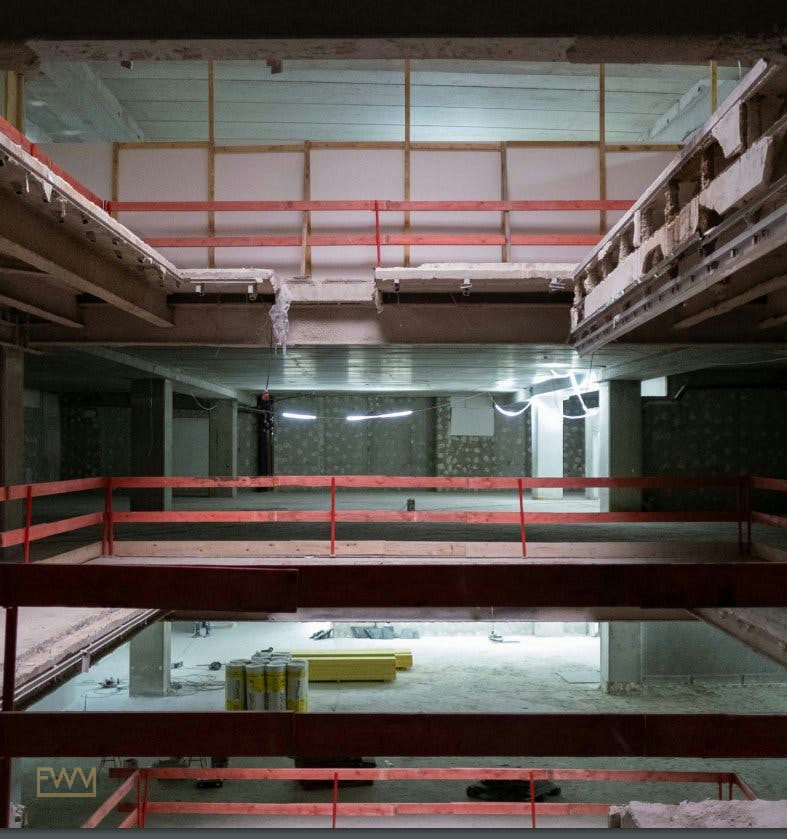
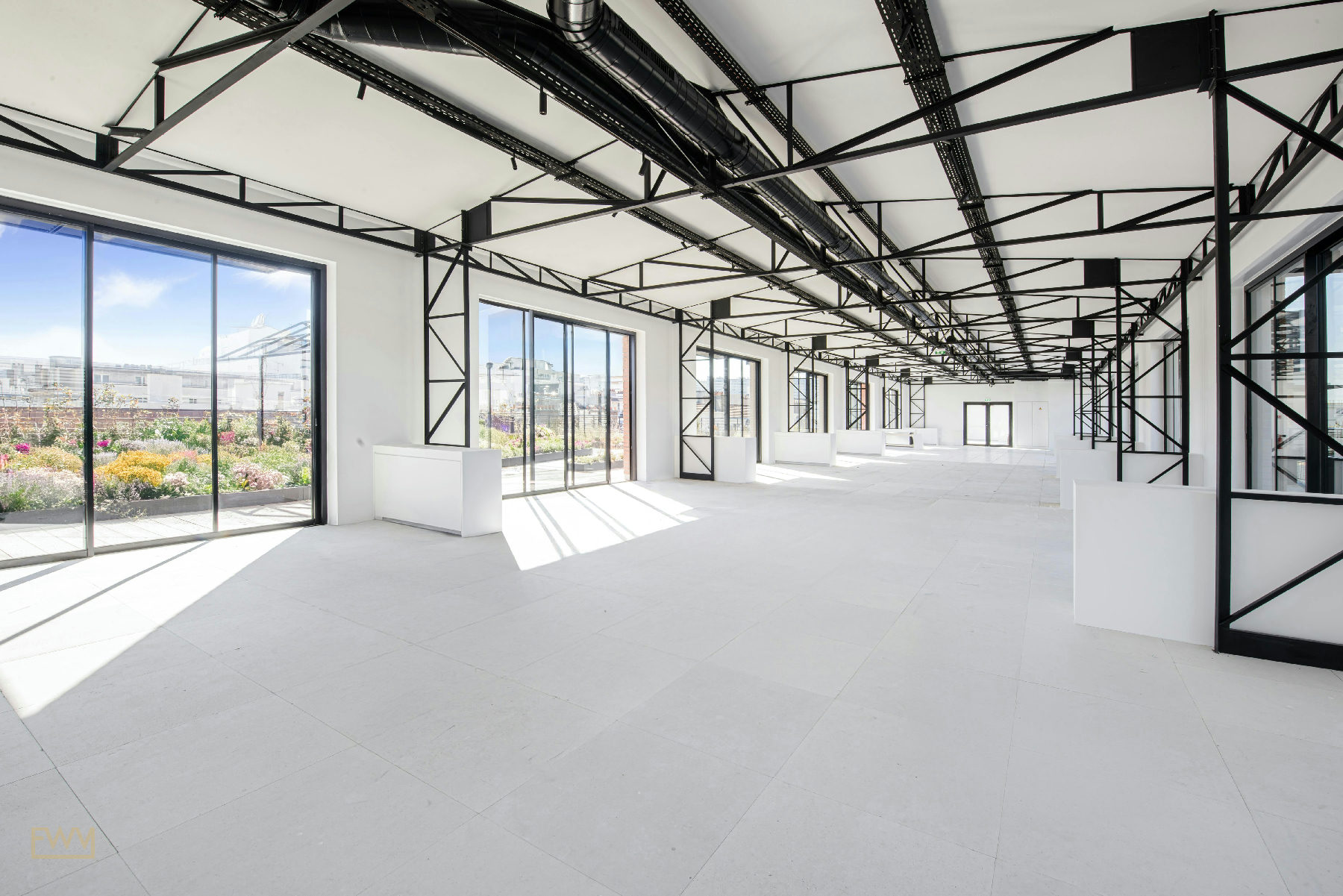
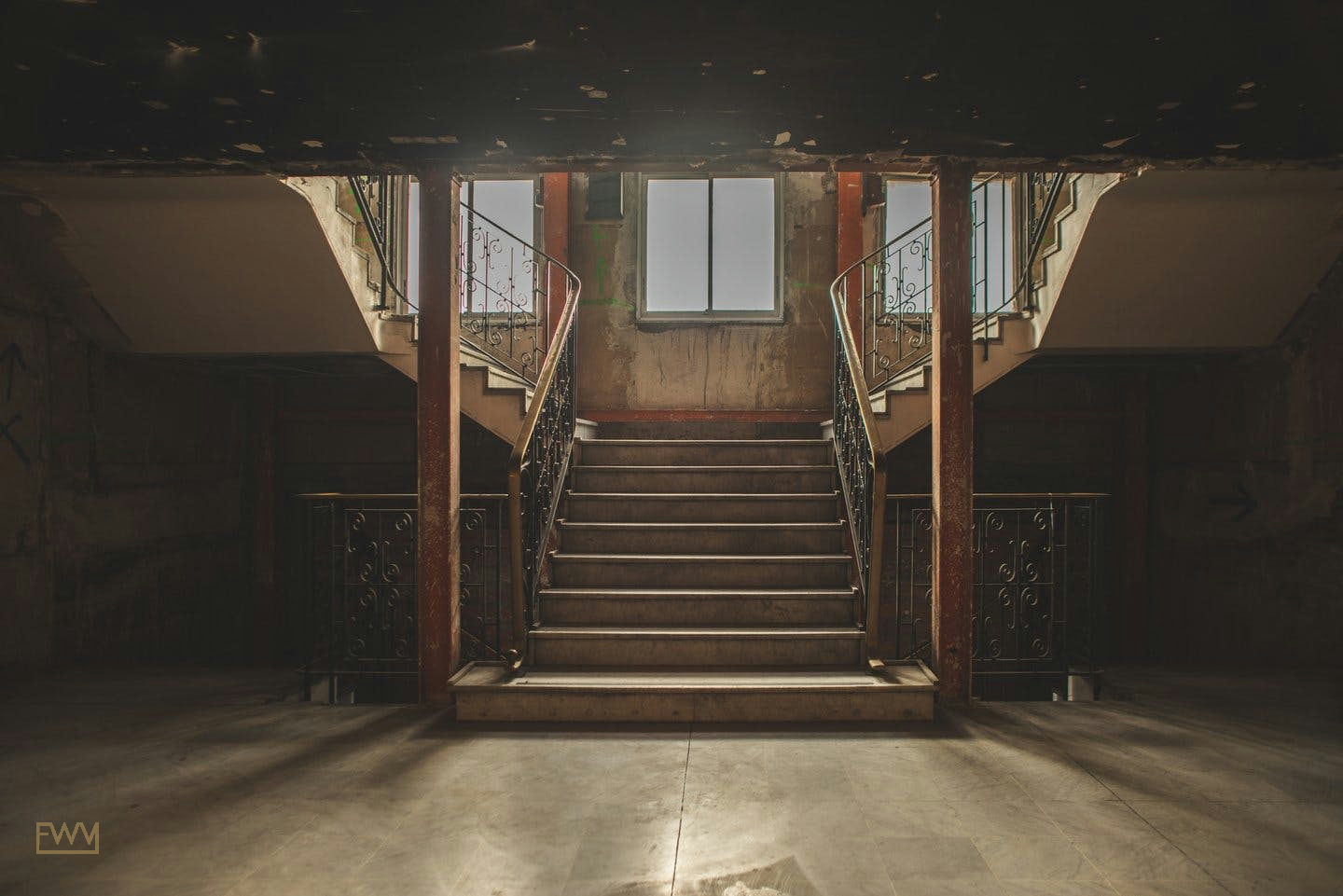
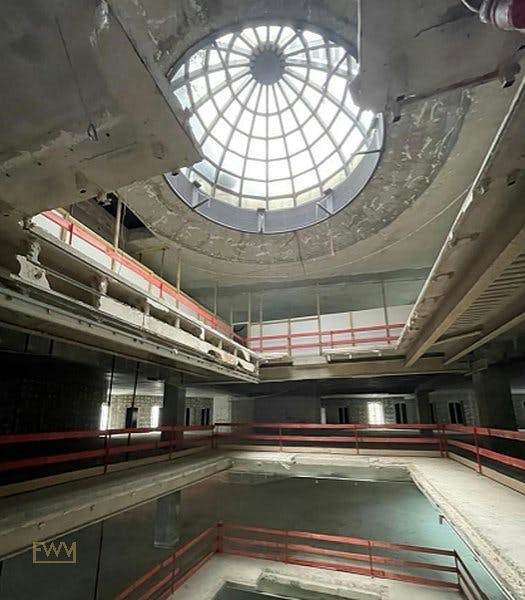
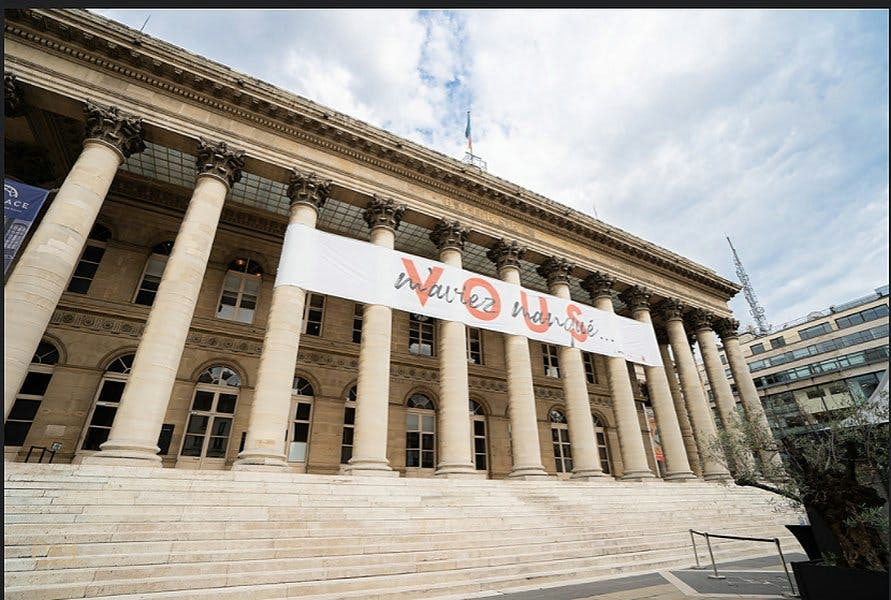
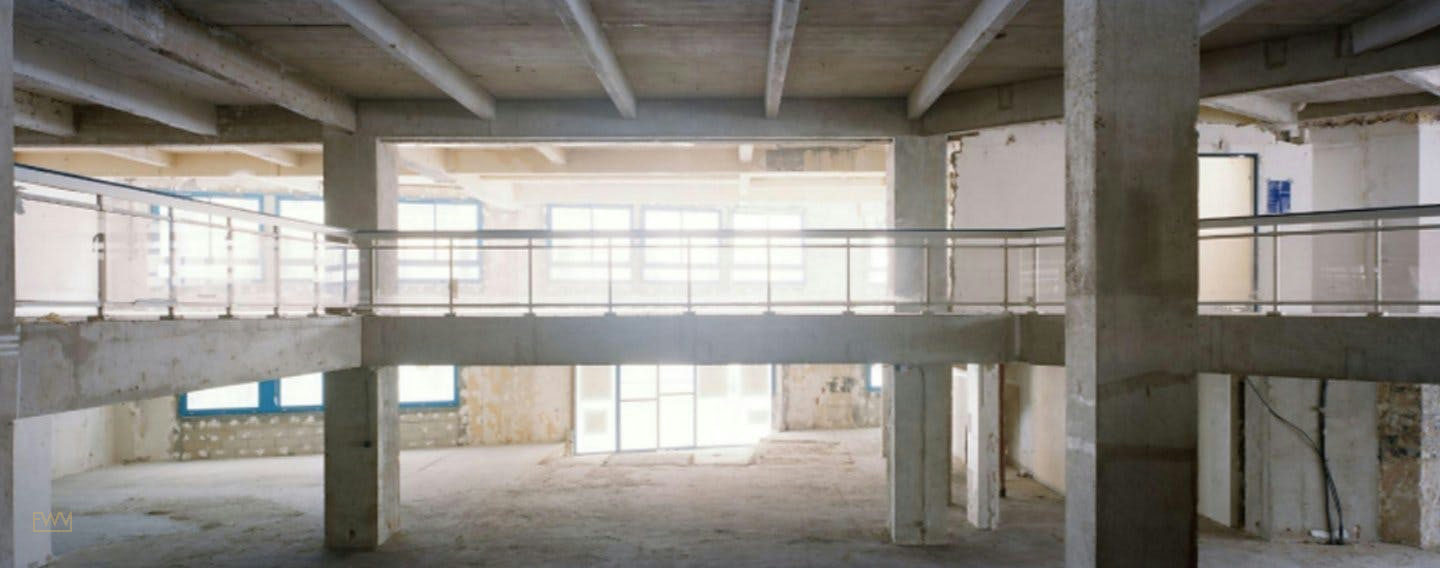
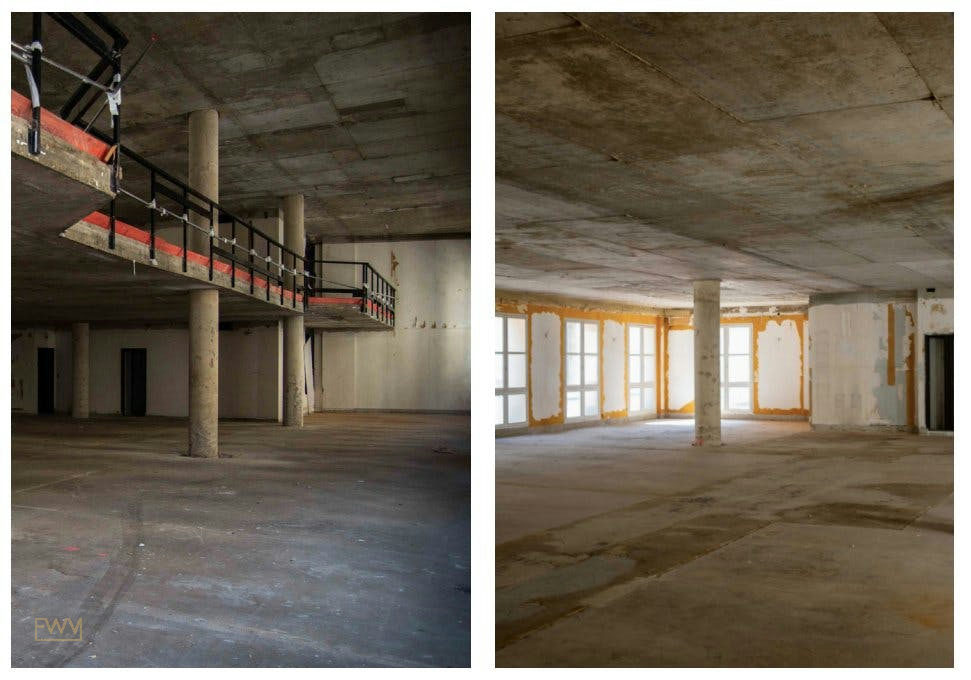
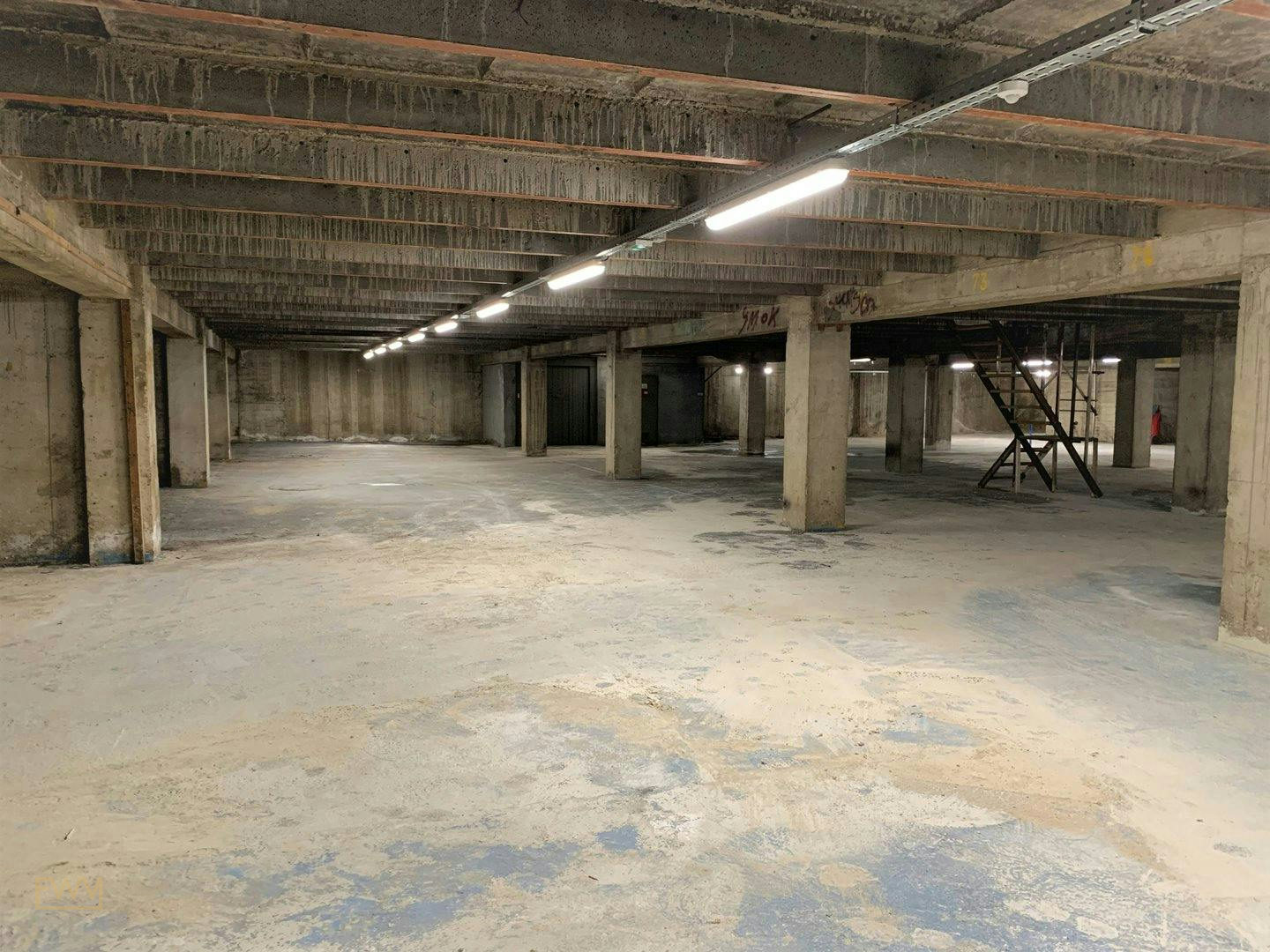
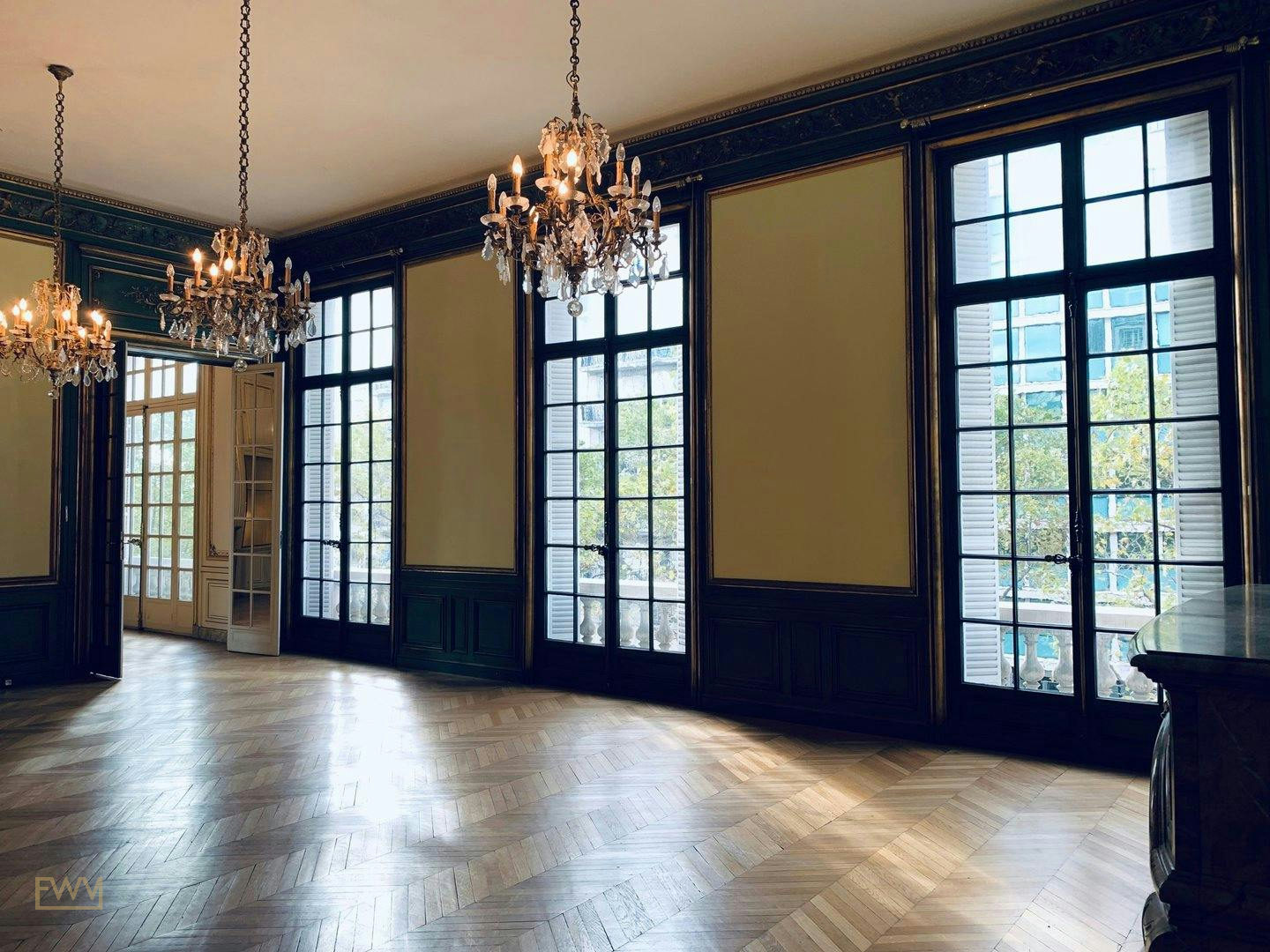
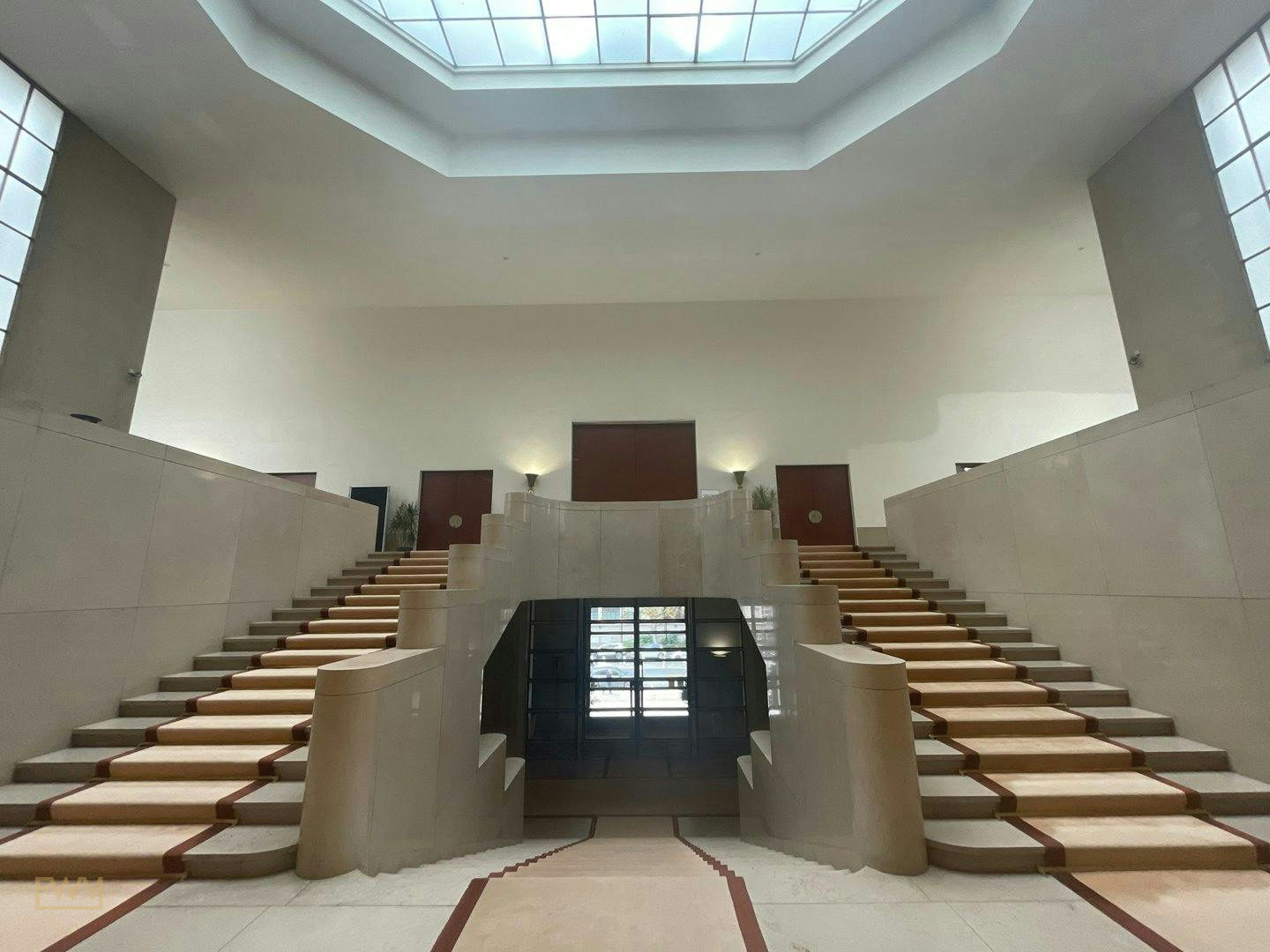
Opening a pop up store in the 16th arrondissement Paris places your brand in one of the French capital's most prestigious residential and cultural districts, a neighbourhood defined by old-money elegance, Haussmannian architecture, proximity to the Trocadéro, the Eiffel Tower, and the Fondation Louis Vuitton. For brands targeting affluent Parisian consumers, international tourists, and fashion-forward visitors during Paris Fashion Week and beyond, the 16th offers a compelling alternative to more saturated districts. Exploring pop-up spaces in Paris through a dedicated platform helps brand teams understand exactly how the 16th fits within the broader Paris activation landscape and how to secure the right space for the right window.
Why the 16th Arrondissement Deserves Serious Consideration for Your Paris Pop-Up
The 16th arrondissement is not the first neighbourhood most brand teams name when they think of Paris pop-up retail, but that is precisely what makes it strategically interesting. While Le Marais and Saint-Germain-des-Prés draw the largest crowds of trend-conscious shoppers, the 16th delivers something different: a high-net-worth residential catchment area, excellent transport connectivity via the RER C and multiple metro lines, significant footfall from cultural institutions including the Fondation Louis Vuitton and the Trocadéro esplanade, and a relatively lower density of competing activations during peak fashion calendar windows.
The arrondissement stretches across the western edge of central Paris, bordered by the Bois de Boulogne to the west and the Seine to the south. Its internal neighbourhoods include Passy, Auteuil, Muette, and Chaillot, each carrying distinct residential and commercial characteristics. Passy and Muette in particular offer high-street retail environments where temporary activations can integrate naturally alongside established boutiques and concept stores. Avenue des Ternes, which marks the northern edge of the arrondissement, connects directly into the 17th and offers exceptional pedestrian flow from morning through evening.
For brands in fashion, beauty, lifestyle, and luxury accessories, the 16th presents an audience with genuine purchasing power. The district has one of the highest concentrations of high-income households in Paris, and its proximity to the Champs-Élysées, Saint-Honoré, and the Triangle d'Or means that visitors who already shop in those corridors move naturally through this neighbourhood for cultural visits, dining, and residential errands. A well-placed pop-up store here can intercept that audience in a context that feels curated rather than commercial.
The arrondissement also benefits from institutional anchor points that generate consistent international foot traffic regardless of season. The Trocadéro remains one of the most-photographed locations in Paris, drawing hundreds of thousands of visitors annually. The Fondation Louis Vuitton on the edge of the Bois de Boulogne consistently pulls design-literate, brand-aware audiences to the western parts of the city. A pop-up activation in the 16th positioned in proximity to either of these landmarks benefits from that audience energy without competing directly with the retail density of more central arrondissements.
DID YOU KNOW: The Fondation Louis Vuitton attracted over one million visitors in its first year of operation and continues to draw significant international cultural tourism to the western edge of Paris, making the surrounding streets a viable activation zone for luxury and contemporary brands.
KEY TAKEAWAY: The 16th arrondissement offers brand teams a prestigious, high-income catchment area with reduced competition, strong cultural anchors, and a resident and visitor profile that aligns well with luxury, lifestyle, and contemporary fashion activations.
Understanding how the 16th compares to other Paris neighbourhoods for pop-up retail requires a closer look at the different space types available across the city, which the next section addresses in detail.
Pop-Up Store Space Types Available in the 16th Arrondissement and Across Paris
Paris offers an unusually diverse range of space types for temporary retail, and the 16th arrondissement is no exception. Brand teams looking at short-term rentals in this neighbourhood will encounter retail boutiques, gallery-style spaces, apartment lofts, terraces, and occasional event venues, each suited to different activation formats and brand aesthetics.
The following breakdown covers the most common space typologies relevant to pop-up and showroom activations in Paris, with notes on where each type tends to appear within the city's arrondissement geography.
| Space Type | Best For | Typical Characteristics | Common Paris Locations |
|---|---|---|---|
| Boutique Galerie | Fashion, accessories, jewellery, art-led brands | White walls, polished floors, natural light, 40 to 150 sqm | Le Marais, Passy, Saint-Germain |
| Apartment Loft | Lifestyle brands, beauty, intimate showrooms | Residential feel, editorial aesthetic, flexible layout | 16th, 7th, 9th arrondissements |
| Terrasse Space | Summer activations, food and drink brands, experiential | Outdoor or semi-outdoor, weather-dependent, high visibility | Trocadéro area, Right Bank riverfront |
| Retail Storefront | Full commercial pop-up, product sales, brand flagship | Street-level access, shop window, 50 to 300 sqm | Passy, Champs-Élysées, Saint-Honoré |
| Galerie d'Art | Luxury positioning, collector audiences, fashion-art crossover | Exhibition lighting, neutral palette, curated feel | 16th, 8th, Le Marais |
| Salle de Conférence / Event Space | Press days, trade showrooms, brand presentations | AV-equipped, flexible seating, professional setting | Hotel spaces, business centres, cultural institutions |
| Penthouse | VIP activations, exclusive brand events, influencer hosting | Panoramic views, premium finishes, limited capacity | 8th, 16th, 7th arrondissements |
Within the 16th specifically, apartment-style lofts and galerie-type spaces are the most frequently available typologies for short-term rental. These spaces suit brands that want an editorial, residential aesthetic rather than a conventional retail environment. Brands in contemporary fashion, beauty, homewares, and accessories tend to find that the intimate scale and curated feel of these spaces supports premium positioning more effectively than a stripped-out commercial unit.
For brands that need higher footfall and direct street visibility, the shopping streets of Passy, including rue de Passy and the La Muette area, offer more conventional retail storefronts on a short-term basis. These locations are frequented by local residents with high disposable income and by visitors moving between the Trocadéro and the residential interior of the arrondissement.
Brands that want to combine the prestige of the 16th with the energy of a more active retail district can also consider cross-neighbourhood activations. The twin co-activation model allows a brand to run simultaneous or sequenced activations in two Paris locations, pairing for example a showroom in the 16th with a consumer-facing pop-up in Le Marais or on rue de Rivoli.
Quick answer: The 16th arrondissement offers boutique galeries, apartment lofts, terrasse spaces, and premium retail storefronts for pop-up activations. Boutique galeries and loft-style spaces dominate the short-term rental market in this neighbourhood, making it best suited to brands seeking an editorial, intimate, or luxury-positioned temporary retail format.
KEY TAKEAWAY: Matching your space type to your brand's aesthetic and operational requirements is as important as selecting the right arrondissement. The 16th excels for loft, galerie, and terrace formats that suit premium and lifestyle positioning.
Choosing the right space type is closely linked to understanding which Paris neighbourhoods compete with or complement the 16th, which the next section maps in practical terms.
Paris Neighbourhood Comparison: How the 16th Stacks Up Against Le Marais, Saint-Germain, and the Champs-Élysées
Selecting the right arrondissement for a Paris pop-up is one of the most consequential decisions a brand team will make. Each neighbourhood carries a distinct identity, consumer profile, rent expectation, footfall pattern, and operational dynamic. The 16th arrondissement competes and contrasts with Le Marais, Saint-Germain-des-Prés, and the Champs-Élysées corridor in ways that are worth understanding precisely.
| Neighbourhood | Consumer Profile | Footfall Intensity | Brand Positioning Fit | Typical Space Availability |
|---|---|---|---|---|
| 16th Arrondissement (Passy, Muette, Chaillot) | Affluent Parisians, cultural tourists, Fondation LV visitors | Moderate to low | Luxury, lifestyle, heritage, contemporary | Lofts, galeries, storefronts, terraces |
| Le Marais (3rd and 4th arrondissements) | Fashion-forward shoppers, tourists, creatives, younger affluent consumers | Very high | Streetwear, contemporary, design, food, beauty | Boutique galeries, concept stores, storefronts |
| Saint-Germain-des-Prés (6th arrondissement) | Literary, intellectual, mature affluent consumers | High | Premium fashion, art books, beauty, heritage brands | Boutiques, gallery spaces, concept stores |
| Champs-Élysées (8th arrondissement) | International tourists, luxury consumers, high-volume visitors | Extremely high | Global luxury, flagship concepts, entertainment | Large storefronts, flagship-scale spaces |
| Saint-Honoré and Triangle d'Or (1st and 8th) | Ultra-high-net-worth, fashion week attendees, luxury buyers | High with strong quality filter | Haute couture, jewellery, premium accessories | Boutiques, hotel venues, private spaces |
Le Marais remains the most competitive and most active neighbourhood for pop-up retail in Paris. Streets including rue Vieille-du-Temple, rue des Francs-Bourgeois, rue des Rosiers, and the area around Place des Vosges and the Picasso Museum generate exceptional pedestrian traffic from both tourists and Parisian shoppers. Brands like Supreme, Glossier, and Méduse sandals have used Le Marais specifically because it concentrates a culturally curious, trend-aware audience in a small geographic footprint. The result is high visibility and significant social media amplification, but also intense competition for the best spaces and elevated rental rates during Fashion Week windows.
Saint-Germain-des-Prés on the Left Bank offers a more composed, intellectually positioned retail environment. Le Bon Marché Rive Gauche anchors the neighbourhood's premium retail identity, and the surrounding streets support activations for brands that want to project cultural depth rather than trend energy. Brands that have activated in this neighbourhood benefit from an older, wealthier Parisian audience and from the neighbourhood's continued association with French art de vivre.
The Champs-Élysées corridor is the highest-footfall retail street in France and one of the most visited in Europe, but it commands corresponding costs and favours large-format activations with genuine spectacle. Brands without the budget or format to justify presence here often achieve better returns per euro spent in lower-competition neighbourhoods like the 16th or in carefully selected Marais sub-streets.
Quick answer: The 16th arrondissement suits brands seeking a prestigious, lower-competition environment with a high-income resident and cultural tourist audience. Le Marais delivers higher raw footfall and trend visibility. The right choice depends on your brand's positioning, format, budget, and activation objectives.
To compare neighbourhoods and space types in detail, explore the Paris city hub on Fashion Week Venues and shortlist spaces that match your brief, budget, and calendar window.
KEY TAKEAWAY: The 16th arrondissement is not a fallback from Le Marais or the Champs-Élysées. It is a distinct strategic choice that suits specific brand profiles, activation formats, and consumer targeting objectives.
Understanding neighbourhood fit is only one layer of the decision. The operational mechanics of opening a pop-up store in Paris, including permits, insurance, and compliance, require equal attention.
Permits, Regulations, and Legal Considerations for a Pop-Up Store in Paris
Opening a pop-up store in Paris involves navigating a legal and administrative framework that is meaningfully different from short-term retail in other major cities. Brand teams unfamiliar with French commercial property law often underestimate the complexity involved and encounter delays or complications that could have been avoided with earlier specialist guidance.
IMPORTANT: The information below is provided for general orientation only. Requirements vary by space type, lease duration, arrondissement, intended use, and individual property circumstances. Always verify your specific situation with a qualified French legal advisor before signing any lease or committing to an activation timeline.
Bail Dérogatoire: The Short-Term Lease Structure for Pop-Ups
The most common legal instrument for temporary retail in Paris is the bail dérogatoire, sometimes called a bail précaire. This is a short-term commercial lease that allows landlords and tenants to bypass the protections of the standard French commercial lease, known as the bail commercial, which would otherwise grant the tenant a statutory right to renew after three years. A bail dérogatoire can run for a period of up to three years in total, but individual agreements are typically structured for one, three, six, or twelve months depending on the space and the landlord's requirements.
For pop-up brands, the bail dérogatoire is attractive because it is faster to execute, requires less legal infrastructure, and does not create the long-term obligations of a full commercial lease. However, it does require that both parties explicitly acknowledge and agree to its dérogatoire nature in writing, and it must be entered into voluntarily without the expectation of renewal rights. A brand that occupies a space under a bail dérogatoire and then continues to operate beyond the agreed term without formalising a new agreement risks inadvertently triggering the protections of a standard bail commercial, which carries significant legal and financial implications.
Autorisation d'Occupation Temporaire (AOT)
Where a brand wants to activate on public land, including terraces, pavements, public squares, or the Trocadéro esplanade, an Autorisation d'Occupation Temporaire issued by the relevant municipal authority is required. AOT processes vary depending on the exact location, the duration of the occupation, and the nature of the activation. Applications typically require advance notice, detailed plans of the proposed installation, and in some cases evidence of the brand's insurance and safety provisions.
Brands considering terrace-style or outdoor activations in proximity to the Trocadéro or along the Seine riverfront in the 16th should begin AOT enquiries well in advance of their target activation date, particularly during Paris Fashion Week when multiple competing applications are submitted simultaneously.
Fire Safety, Electrical Safety, and Accessibility
Any space open to the public in France is classified as an Etablissement Recevant du Public and must comply with specific fire safety, electrical safety, and accessibility regulations. The applicable standards depend on the size of the space and the category of public it receives. A small boutique-scale activation in a pre-existing retail unit will typically inherit the compliance status of the space itself, but any structural modifications, additional electrical installations, or changes to egress routes require review and in some cases advance approval from the relevant prefecture or safety commission.
Electrical safety is a particular consideration for brands planning elaborate visual merchandising, illuminated displays, or production-heavy builds. Fit-outs must meet French electrical standards, and any work carried out by third-party contractors should be documented with appropriate certification.
TIP: Use the permit guidance tool on Fashion Week Venues to get an initial orientation on the permit and compliance landscape for your specific activation type and location before engaging a French legal advisor.
Insurance Requirements
Brands operating a pop-up store in Paris are typically required to hold public liability insurance covering the duration of the occupation, as well as property damage coverage that satisfies the landlord's minimum requirements. Some spaces also require product liability coverage if physical goods are being sold on-site. Insurance requirements should be confirmed in writing with the landlord or space owner before the lease is signed, and coverage should be in place before the activation opens.
KEY TAKEAWAY: Permit and compliance management for a Paris pop-up is achievable but requires early planning, specialist guidance, and careful attention to the specific requirements of your space type, location, and activation format. Do not leave permit enquiries to the final weeks before your planned opening date.
With the legal framework in place, the next critical question for most brand teams is how to plan and manage the operational build of the activation itself.
Planning and Building Your Pop-Up Store in the 16th Arrondissement: Timeline, Fit-Out, and Staffing
A successful pop-up store in Paris does not happen in isolation from a disciplined planning process. Brand teams that treat the pop-up as a smaller version of a permanent store opening often encounter the same complications but with significantly less time to resolve them. The production and build phase in particular requires a clear brief, a realistic timeline, and reliable contractor relationships that understand both the physical constraints of Parisian spaces and the compliance requirements of the French regulatory environment.
Realistic Timeline Planning for a Paris Pop-Up
The minimum lead time for a well-executed Paris pop-up activation is typically eight to twelve weeks from initial brief to opening day, assuming the space is already identified. For activations during Paris Fashion Week, where demand for premium spaces peaks and logistics across the city become compressed, twelve to sixteen weeks is a more practical planning horizon. Brands entering the Paris market for the first time should add additional buffer time to account for the learning curve involved in French administrative processes and supplier relationships.
The following workflow table outlines the standard planning stages for a Paris pop-up activation from brief to close.
| Stage | Activity | Typical Duration | Key Dependencies |
|---|---|---|---|
| 1. Brief and Strategy | Define objectives, budget, audience, calendar window, neighbourhood | 1 to 2 weeks | Internal brand alignment |
| 2. Space Search | Shortlist and visit spaces, compare locations and formats | 2 to 4 weeks | Market availability, budget range |
| 3. Legal and Lease | Negotiate bail dérogatoire, confirm insurance, review compliance | 1 to 3 weeks | French legal advisor, landlord agreement |
| 4. Concept and Design | Develop spatial concept, produce design drawings, confirm material spec | 2 to 3 weeks | Brand guidelines, space measurements |
| 5. Production and Build | Procure materials, build fixtures, dress the space | 1 to 2 weeks on-site | Contractor availability, access windows |
| 6. Staffing and POS | Hire and brief staff, install POS system, test payments | Parallel with build stage | Staff sourcing, POS provider |
| 7. Activation and Operations | Run the pop-up, manage inventory, collect data, engage media | Duration of activation | All prior stages complete |
| 8. Close and Debrief | Dismantle, reinstate space, compile data, evaluate ROI | 1 to 3 days post-close | Lease exit terms, reinstatement obligations |
The timeline planning tool on Fashion Week Venues allows brand teams to map their specific activation against this workflow and identify the earliest viable start date for each stage.
Fit-Out and Branded Store Design
The physical build of a pop-up store in the 16th arrondissement must balance creative ambition with practical constraints. Many of the available spaces in this neighbourhood are located within Haussmannian buildings that carry restrictions on structural modifications, drilling, and any intervention that might affect the fabric of the property. Brand teams working with historic or classified buildings should confirm modification limitations with the landlord before committing to a concept that requires wall fixings, ceiling installations, or significant electrical work.
Within these constraints, the quality of fit-out and visual merchandising remains critical to the activation's performance. A well-designed pop-up store communicates brand positioning within the first seconds of a visitor's entry, and in a neighbourhood like the 16th where the ambient aesthetic standard is already high, a poorly executed interior will stand out for the wrong reasons. Investing in considered branded store design, quality furniture and fixtures, and a coherent visual narrative from window to interior is not a luxury for a 16th arrondissement activation. It is a baseline requirement.
Retail Staffing for Paris Pop-Ups
Staffing a Paris pop-up requires sourcing team members who combine retail sales skills with French language capability and ideally a genuine understanding of the brand. For international brands entering Paris for the first time, this typically means working with a local staffing partner rather than relying on international team members to relocate for the duration of the activation. French employment law is specific regarding working hours, contracts, and social contributions, and brands should not assume that the informal arrangements that might work in other markets translate directly to France.
Quick answer: A Paris pop-up activation requires a minimum of eight to twelve weeks of lead time and involves space search, legal review, concept design, fit-out production, staffing, and POS setup as distinct sequential and parallel workstreams. Planning compression below this threshold significantly increases risk.
KEY TAKEAWAY: Treat the planning and build process for a Paris pop-up as a project with clearly defined stages, owners, and deadlines. The brands that execute well in Paris do so because they plan comprehensively, not because they improvise efficiently.
With the operational framework in place, brand teams need to understand the marketing and audience engagement dimensions of a 16th arrondissement activation, including how to drive footfall, generate social media content, and measure commercial results.
Marketing, Social Media, Footfall, and Brand Activation Strategy for the 16th Arrondissement
A pop-up store in the 16th arrondissement will not generate its own footfall without a deliberate marketing strategy. Unlike Le Marais or the Champs-Élysées, where ambient pedestrian traffic provides a baseline of walk-in visitors, the 16th relies more heavily on pre-planned audience activation to drive attendance. This is not a weakness of the neighbourhood. It is a characteristic that, when understood correctly, allows brands to build a more targeted, higher-quality audience engagement than is possible in high-footfall but noisy retail environments.
Pre-Launch Audience Building and Social Media Strategy
The most effective Paris pop-ups in any arrondissement build their audience before the doors open. For the 16th, this means a coordinated pre-launch campaign that combines organic social media content with targeted paid promotion, influencer seeding, press outreach, and direct community engagement. Instagram and TikTok remain the primary social platforms for fashion pop-up amplification in Paris, with content formats centred on behind-the-scenes build content, neighbourhood context, and the visual assets of the space itself.
Brands that create genuinely Instagrammable moments within their space, whether through a striking installation, an unusual material treatment, a view of the Eiffel Tower from a terrace, or a conceptually coherent visual environment, generate organic content from visitors that extends the reach of the activation far beyond its physical audience. This earned media dimension is one of the most commercially valuable outputs of a well-designed pop-up and should be planned into the concept from the outset rather than added as an afterthought.
The proximity of the 16th to iconic Parisian landmarks including the Trocadéro and the Eiffel Tower provides a ready-made visual context that brands can incorporate into their social media strategy. Content that places the brand within this recognisable Parisian frame resonates strongly with international audiences and supports global brand awareness objectives even when the activation is physically limited to a few hundred square metres.
Influencer Marketing in the Context of Paris Pop-Ups
Paris Fashion Week remains one of the highest-profile influencer marketing moments in the global fashion calendar, and brands with a physical presence in the city during this window benefit from the concentration of content creators, editors, buyers, and media professionals that descend on Paris each season. A pop-up in the 16th during Fashion Week can serve as an influencer hosting venue, a press appointment space, and a consumer-facing activation simultaneously, provided the format and scheduling are designed to accommodate these different audience layers.
Brands without an established influencer roster in France should begin building these relationships several months in advance of the activation. The most effective influencer partnerships for Paris pop-ups are with creators who have genuine local credibility and a Parisian or French-speaking audience rather than purely global reach. For brands launching in France for the first time, these local creator relationships build the community recognition that drives foot traffic from Parisian consumers rather than simply generating international content impressions.
Customer Interaction, Feedback, and Inventory Decisions
One of the most undervalued dimensions of a pop-up store is its function as a real-time research environment. Direct customer interaction in a physical space yields qualitative insights about product response, pricing reaction, packaging appeal, and brand perception that are impossible to replicate through digital channels alone. Brands that brief their retail staff to capture structured customer feedback, observe which products attract attention and which are passed over, and record questions and objections they hear most frequently return from a Paris pop-up with a genuinely richer understanding of their French market position.
Inventory decisions for a Paris pop-up should be informed by this research function as much as by pure sales projections. The risk of overproduction for a single pop-up window is real, and brands should plan inventory levels conservatively, with a focus on hero products that communicate the brand's positioning clearly and a supporting range that allows genuine browsing and discovery. The cashflow implications of unsold inventory at the close of a short-term activation are a practical operational concern that should be modelled in advance.
Quick answer: Marketing a pop-up store in the 16th arrondissement requires a proactive pre-launch audience building strategy that combines social media, influencer seeding, and press outreach. The neighbourhood's ambient footfall is lower than Le Marais, so the brand must generate its own visitor pull through deliberate marketing rather than relying on passing trade.
KEY TAKEAWAY: The marketing investment required for a successful 16th arrondissement pop-up is a feature, not a bug. Brands that invest in pre-launch marketing, influencer relationships, and social content creation turn a lower-footfall neighbourhood into a high-quality, targeted activation environment.
Understanding the marketing mechanics of a Paris pop-up is inseparable from understanding how to budget for the full activation, including marketing costs alongside space rental, production, and staffing.
Budgeting for a Pop-Up Store in the 16th Arrondissement Paris
Budgeting accurately for a Paris pop-up is one of the areas where brand teams most frequently encounter unexpected costs. The visible line items of space rental and fit-out are typically well understood, but the supporting costs of insurance, permits, staffing, POS and payment systems, marketing, logistics, and reinstatement at close often add significantly to the total investment. Understanding the full cost structure before committing to a space is essential for making informed decisions about arrondissement, space size, and activation duration.
Because rental rates in Paris vary substantially by neighbourhood, space type, size, condition, and season, it is not possible to provide reliable market-rate figures without current market data. What can be stated is that the 16th arrondissement typically commands lower short-term rental rates than equivalent-size spaces on the Champs-Élysées or in prime Le Marais streets, and higher rates than comparable spaces in less central or less prestigious parts of the city. The trade-off is between cost and footfall: lower rent in the 16th is partly offset by the need for greater marketing investment to drive visitors.
The cost categories that brands most frequently underbudget include: landlord-required deposits and advance payments; space reinstatement and cleaning obligations at lease exit; French social contributions on staffing costs; POS system setup and transaction fees; permit application and legal advisory fees; and logistics costs for importing merchandise into France, including any applicable customs duties and VAT registration requirements for non-EU brands.
TIP: Use the budget estimation tool on Fashion Week Venues to build a realistic cost model for your Paris activation that reflects your specific space size, duration, format, and service requirements.
Return on investment for a Paris pop-up should be evaluated across multiple dimensions rather than direct sales revenue alone. Brand awareness uplift, social media reach, press coverage, customer acquisition, trade relationships established during Fashion Week, and qualitative market intelligence are all legitimate outputs of a well-executed activation. The ROI calculator on Fashion Week Venues helps brand teams quantify these dimensions in a structured framework before and after the activation.
Quick answer: Budgeting for a Paris pop-up must cover space rental, fit-out, staffing, POS, insurance, permits, marketing, and reinstatement as distinct cost categories. The 16th arrondissement typically offers lower rental rates than the Champs-Élysées or prime Le Marais but requires a higher marketing investment to drive equivalent footfall.
KEY TAKEAWAY: Build your Paris pop-up budget from a complete list of cost categories rather than leading with space rental as the dominant variable. Many brands spend appropriately on space and under-invest on marketing, which is the inverse of what a lower-footfall neighbourhood like the 16th requires.
With budget planning addressed, the next dimension worth examining is how Fashion Week Venues specifically supports brands navigating all of these decisions in Paris.
How Fashion Week Venues Supports Brands Activating in Paris
Fashion Week Venues operates as a full-service pop-up shop agency and space marketplace with Paris as its anchor market. For brand teams planning a pop-up store, showroom, or brand activation in the 16th arrondissement or any other Paris neighbourhood, Fashion Week Venues offers a coordinated range of services and tools that address each stage of the activation journey from initial brief to post-activation evaluation.
The core value proposition of Fashion Week Venues is the combination of space access and service capability under a single relationship. Brand teams that use the platform benefit from a curated marketplace of vetted Paris spaces, specialist venue sourcing support, concept and creative direction services, production and fit-out management, branded store design, furniture rental, retail staffing, POS and payment systems, data and analytics, and influencer marketing coordination. Each service is available individually or as part of a managed end-to-end activation.
For brand teams in the earlier stages of their Paris planning, the platform's suite of tools provides practical decision support without requiring a commercial commitment. The space comparison tool allows teams to evaluate multiple shortlisted spaces against each other on the dimensions that matter most to their brief. The imagine tool provides a visualisation environment for testing spatial concepts against real space dimensions. The build tool supports production planning, and the budget and ROI calculators provide financial modelling capability that most brand teams do not have internally for this type of activation.
The brands that benefit most from Fashion Week Venues are international brands entering Paris for the first time or on an irregular basis, established brands that want to activate at a higher frequency than their internal team capacity allows, and emerging brands that want to produce a polished Paris activation without the internal resources of a larger fashion house. For each of these brand profiles, the agency model reduces the time and risk involved in navigating a market with its own distinct legal, logistical, and cultural requirements.
Fashion Week Venues does not guarantee specific spaces, outcomes, or results. The agency works to connect brands with the best available options for their brief and supports execution across all stages, but the success of any activation depends on the quality of the brand's concept, the appropriateness of the space selection, and the effectiveness of the marketing strategy in driving audience attendance.
To understand how the agency has approached past activations, the work section on the Fashion Week Venues website provides case study detail on previous projects. For brands that want to understand the agency's methodology before engaging, the process page outlines how Fashion Week Venues manages each stage from brief through to close.
Quick answer: Fashion Week Venues provides venue sourcing, full-service activation management, branded store design, production, staffing, POS, data analytics, and influencer marketing for brands activating in Paris and other major fashion capitals. The platform also offers a space marketplace and a suite of planning tools for brand teams at every stage of the decision process.
KEY TAKEAWAY: Whether a brand needs end-to-end managed activation support or targeted assistance with specific stages, Fashion Week Venues provides a structured, Paris-specialist resource that reduces the time, complexity, and risk of opening a pop-up store in the 16th arrondissement or any other Paris neighbourhood.
Ephemeral Commerce and Brand Strategy: Why Pop-Up Retail Continues to Grow in Paris
The pop-up store model has evolved significantly from its origins as a clearance mechanism and brand experiment into a mature, strategically sophisticated channel that major global brands use deliberately alongside their permanent retail and digital commerce operations. Paris has become one of the global epicentres of this evolution, with a concentration of brands, agencies, landlords, and cultural institutions that have developed a sophisticated infrastructure for temporary retail.
The appeal of ephemeral commerce for brands is rooted in several converging forces. The reduction in overproduction risk associated with a limited-run activation aligns with broader sustainability commitments that fashion brands are increasingly required to communicate and demonstrate. The scarcity dynamic of a temporary space, which is physically available only for a defined period, creates purchase urgency that permanent retail cannot replicate. The direct customer interaction of a physical pop-up provides qualitative market intelligence that digital channels alone cannot deliver. And the cultural resonance of a thoughtfully positioned Paris activation, in a neighbourhood like the 16th with its association with Parisian taste and refinement, generates brand positioning value that extends well beyond the duration of the physical space.
Global brands including Louis Vuitton, Glossier, and Tesla have used pop-up formats in Paris and other major cities not to replace their core retail infrastructure but to create targeted consumer moments that generate disproportionate media and cultural impact relative to their physical footprint. The Méduse sandals brand, with its reference to French beaches, pop colors, and summer breeze, demonstrated through Paris pop-up activations that a niche product with a strong aesthetic identity can achieve significant brand positioning uplift from a relatively modest physical presence in the right Paris location. Hello Kitty and Les Garçons Glaciers have similarly used the pop-up format in Paris to create Instagrammable moments that translate aesthetic identities into physical consumer experiences.
Contemporary concept stores like those found in Le Marais and Saint-Germain have further developed the model by blending retail, hospitality, culture, and community into spaces that function as destinations in their own right. For brands activating in the 16th, the concept store model is particularly relevant because it reframes the question from where can we open a temporary shop to what experience can we offer that makes this neighbourhood a destination for our audience.
DID YOU KNOW: The global pop-up retail market has grown significantly over the past decade, driven by increasing brand interest in experiential commerce, the rise of social media as a primary retail marketing channel, and the structural changes in long-term commercial lease markets that have made short-term rental more commercially viable for landlords.
KEY TAKEAWAY: Pop-up retail in Paris is a mature strategic channel, not a trend or experiment. Brands that approach it with the same rigour they apply to permanent retail decisions will extract substantially more value from their activation than those that treat it as a low-commitment marketing exercise.
The strategic case for a Paris pop-up is clear. The practical question for most brand teams is how to avoid the most common misconceptions that lead to poor decision-making, which the next section addresses directly.
Common Myths About Pop-Up Stores in Paris Debunked
MYTH: You need a French legal entity to rent a pop-up space in Paris.
FACT: Many Paris spaces are available to international brands without a French legal entity, particularly under short-term rental arrangements such as the bail dérogatoire. However, the specific requirements depend on the landlord, the space, and the duration of the agreement. Some landlords will require a French guarantor or a substantial deposit in lieu of an established French business entity. Engaging a French legal advisor early in the process clarifies exactly what is required for your specific situation and avoids the assumption that the process is either simpler or more prohibitive than it actually is.
MYTH: Paris Fashion Week is the only viable calendar window for a Paris pop-up activation.
FACT: While Paris Fashion Week generates the highest concentration of industry professionals, buyers, press, and brand-aware consumers in the city, it represents only one of several high-value activation windows across the calendar year. Paris also hosts Maison et Objet, Paris Retail Week, international trade fairs, cultural events, and peak tourist seasons in spring and summer that generate substantial footfall and consumer engagement opportunities. Many brands achieve their strongest results during the weeks immediately surrounding Fashion Week rather than during the compressed Fashion Week period itself, when logistics are strained and competition for press and influencer attention is at its most intense.
MYTH: Commission brokers are the only way to find a pop-up space in Paris.
FACT: Commission-based space brokers are one route to market, but they are not the only option and are not always the most appropriate choice for brands with complex requirements. Dedicated pop-up platforms and full-service agencies provide access to curated space inventories with transparent terms and the added benefit of integrated activation services. Direct approaches to landlords, particularly in neighbourhoods with lower vacancy rates, are also viable for brands with the time and local knowledge to pursue them. Understanding the range of available routes before committing to any single one is important for brands that want to optimise both space quality and cost.
MYTH: Short-term leases in Paris are legally straightforward and do not require specialist advice.
FACT: The bail dérogatoire and AOT frameworks are well-established but contain specific legal requirements that, if not properly observed, can expose brands to unintended obligations under French commercial property law. The requirement that a bail dérogatoire be entered into voluntarily and explicitly, the rules governing what happens when a tenant remains in occupation beyond the agreed term, and the compliance requirements of the AOT process for public space occupation all benefit from specialist legal review. The cost of professional legal advice at the outset is substantially lower than the cost of resolving an avoidable dispute or compliance failure during or after the activation.
MYTH: A lower-footfall neighbourhood like the 16th arrondissement means a less successful pop-up activation.
FACT: Footfall volume and activation success are not the same metric. A brand that generates 500 highly engaged, high-intent visitors in a curated 16th arrondissement space may extract significantly more commercial and brand value than one that generates 2,000 low-engagement pass-by interactions in a high-traffic Le Marais street. The appropriate measure of success depends on the brand's objectives, and for many activations, quality of audience and depth of interaction matter more than raw visitor numbers.
Frequently Asked Questions
What makes the 16th arrondissement a good location for a pop-up store in Paris?
The 16th arrondissement combines a high-income resident catchment area with significant cultural tourism anchored by the Trocadéro, the Eiffel Tower, and the Fondation Louis Vuitton. It offers a less commercially saturated environment than Le Marais or the Champs-Élysées while maintaining strong brand prestige associations. Brands in luxury, lifestyle, contemporary fashion, beauty, and accessories find that the neighbourhood supports premium positioning in a way that more commercial districts sometimes undermine. The trade-off is that brands must invest more actively in driving their own footfall through marketing rather than relying on ambient pedestrian traffic.
How does the 16th arrondissement compare to Le Marais for a fashion pop-up?
Le Marais delivers higher raw footfall, stronger trend credibility among younger fashion consumers, and greater organic social media visibility from ambient visitor traffic. The 16th offers higher average income demographics, less competition from other activations, a more composed and prestigious neighbourhood context, and typically lower rental rates for comparable space sizes. The right choice depends on your brand's target audience, activation format, budget, and whether you are prioritising volume of brand exposure or quality of brand association. Some brands solve this by running parallel activations in both neighbourhoods during the same window.
What type of space works best for a pop-up in the 16th arrondissement?
Boutique galerie-style spaces, apartment lofts, and premium retail storefronts on streets like rue de Passy and in the La Muette area are the most commonly available and most suitable formats for pop-up activations in the 16th. For brands seeking outdoor or terrace-format activations, the Trocadéro area offers possibilities subject to the relevant AOT permit. Gallery-style spaces with white walls, polished floors, and flexible layouts are particularly well suited to fashion, accessories, beauty, and lifestyle brands that want to control every dimension of the consumer environment.
What is a bail dérogatoire and why does it matter for Paris pop-ups?
A bail dérogatoire is a short-term commercial lease that allows landlords and tenants to agree to a temporary occupation without triggering the renewal rights of a standard French commercial lease. For pop-up brands, it provides a legally recognised framework for occupying a space for a defined short period, typically one to twelve months, without creating long-term tenancy obligations. It must be explicitly agreed to by both parties in writing. Brands that occupy a space beyond the agreed bail dérogatoire term without formalising a new agreement risk inadvertently acquiring commercial tenancy rights, which has significant legal and financial implications. Always confirm your lease structure with a French legal advisor.
Do I need a French company to rent a pop-up space in Paris?
Not necessarily, but requirements vary by space, landlord, and lease structure. Some landlords will rent to international entities under a bail dérogatoire with appropriate deposit or guarantee arrangements. Others will require a French legal entity or guarantor. Non-EU brands should also consider VAT registration obligations if they are making direct sales to consumers in France, which is a tax compliance matter distinct from the lease agreement itself. Verifying both the lease and tax requirements with appropriate advisors at the outset of planning is strongly recommended.
When should I start planning a Paris pop-up during Fashion Week?
For a Paris Fashion Week activation, a planning horizon of twelve to sixteen weeks before your intended opening date is realistic for first-time entrants to the Paris market. This allows sufficient time for space search, lease negotiation, legal review, concept development, production and fit-out, staffing, and permit applications. Brands that begin their search within eight weeks of Fashion Week will encounter significantly reduced space availability and compressed logistics timelines that increase the risk of execution errors. The timeline planning tool on Fashion Week Venues can help you map your specific project against this framework.
What permits are required for a pop-up store in the 16th arrondissement?
Requirements depend on the type of space, the nature of the activation, and whether any public land is involved. Activations within an existing private retail or commercial space operating under an established ERP classification may require minimal additional permits beyond the lease agreement, insurance, and compliance confirmation. Activations on public land, terraces, or pavements require an Autorisation d'Occupation Temporaire from the relevant municipal authority. Any structural modifications, additional electrical installations, or significant fit-out works may require prior approval. Always verify specific permit requirements with a French legal advisor and use the permit guidance tool on Fashion Week Venues as an initial orientation resource.
How much does a pop-up space in the 16th arrondissement cost?
Rental rates for pop-up spaces in the 16th arrondissement vary depending on the size, type, location, condition, and duration of the rental, as well as the time of year and market conditions at the point of enquiry. As a general orientation, the 16th typically commands lower short-term rental rates than equivalent spaces on the Champs-Élysées or in the most active Le Marais streets, while maintaining a premium over less central Paris neighbourhoods. The total cost of a pop-up activation also includes fit-out, staffing, marketing, insurance, permits, and reinstatement costs. Use the budget estimation tool on Fashion Week Venues to build a cost model that reflects your specific activation parameters.
How do I drive footfall to a pop-up store in the 16th arrondissement?
A proactive multi-channel marketing strategy is essential for any pop-up in the 16th, given the neighbourhood's moderate ambient footfall compared to more central districts. Effective approaches include pre-launch social media campaigns on Instagram and TikTok, targeted paid promotion to Paris-based and visiting consumers, influencer seeding and invitation, press outreach to French fashion and lifestyle media, email and community engagement with existing customers based in France, and event programming within the space to create specific reasons to visit on defined dates. Brands that invest in marketing before the space opens consistently outperform those that rely on organic discovery after launch.
Can I run a showroom and a consumer pop-up in the same Paris activation?
Yes, and many brands do. The key is designing the format, scheduling, and space layout to serve both functions effectively. A common approach is to use the mornings or weekdays for trade showroom appointments and the afternoons, evenings, or weekends for consumer-facing activation. In the 16th, apartment loft-style spaces are particularly well suited to this dual-purpose format because they communicate a premium brand environment appropriate for both trade and consumer audiences. Ensuring that the space is properly branded, adequately staffed for both contexts, and that inventory and presentation are aligned with both buyer and consumer expectations requires deliberate planning from the outset.
What sustainability considerations apply to Paris pop-up activations?
Sustainability is an increasingly prominent dimension of brand activation strategy, and Paris pop-ups are no exception. Brands are expected to demonstrate consideration of material sourcing, waste management, energy consumption, and reinstatement at the close of the activation. Practical sustainability measures for a Paris pop-up include specifying recyclable or reusable fit-out materials, working with local production suppliers to reduce logistics emissions, planning inventory levels to minimise unsold stock, and selecting spaces that already have good energy efficiency credentials. Sustainability commitments that are communicated authentically as part of the brand narrative can also enhance the pop-up's appeal to the design-literate, values-conscious audience that the 16th arrondissement tends to attract.
Should I use a specialist agency for my Paris pop-up, or can I manage it independently?
Both approaches are viable depending on your team's capacity, Paris market knowledge, and the complexity of the activation you are planning. Brands with experienced in-house retail and production teams that already have established supplier relationships in Paris may be able to manage independently. For international brands without prior Paris experience, brands with small internal teams, or brands planning complex multi-service activations during high-demand calendar windows, a specialist agency provides access to market knowledge, supplier networks, and administrative capabilities that would take significantly longer and cost more to assemble independently. The guide on hiring an agency on Fashion Week Venues provides a structured framework for evaluating this decision.
What are the best Paris neighbourhoods for pop-up stores beyond the 16th arrondissement?
The most active neighbourhoods for pop-up retail in Paris include Le Marais across the 3rd and 4th arrondissements, particularly streets like rue Vieille-du-Temple, rue des Francs-Bourgeois, and the area around Place des Vosges; Saint-Germain-des-Prés in the 6th; the Champs-Élysées and Saint-Honoré corridor in the 8th; and the Châtelet and rue de Rivoli area in the 1st. Each neighbourhood has a distinct consumer profile, footfall pattern, space availability, and rental rate dynamic. The right choice depends on your brand's target audience and activation objectives. The Paris city hub on Fashion Week Venues provides neighbourhood-by-neighbourhood detail to support this decision.
How do I measure the success of a Paris pop-up store?
Success metrics for a Paris pop-up should be defined before the activation opens and should reflect the full range of objectives it is designed to serve. Sales revenue is an important metric but rarely the only one. Relevant success dimensions also include total visitor numbers and audience quality indicators; social media reach, engagement, and earned content generated; press and influencer coverage secured; trade buyer relationships established or deepened; customer acquisition data captured; qualitative brand perception insights gathered from direct customer interaction; and net promoter scores or equivalent satisfaction indicators. A pre-defined measurement framework ensures that the evaluation at close of the activation is comprehensive and comparable across future activations.
Can a brand activate in the 16th arrondissement and another Paris neighbourhood simultaneously?
Yes. The twin co-activation model offered by Fashion Week Venues is specifically designed for brands that want to run parallel activations in two Paris locations during the same calendar window. This approach allows a brand to serve different audience segments, achieve a wider geographic footprint, and generate more media coverage than a single-location activation while sharing some of the fixed costs of agency management, concept development, and logistics. A typical pairing might combine a showroom-format activation in the 16th with a consumer-facing pop-up in Le Marais or the Champs-Élysées corridor, capturing both trade and consumer audiences during the same Paris Fashion Week period.
Conclusion: Making Your Pop-Up Store in the 16th Arrondissement Work
A pop up store in the 16th arrondissement Paris is a credible, strategically sound choice for brands that want to activate in the French capital with a premium positioning, an affluent and design-literate audience, and a neighbourhood context that communicates quality, taste, and Parisian cultural authority. It is not the right choice for every brand or every activation format, but for those whose target audience, brand aesthetic, and activation objectives align with what the 16th offers, it provides a genuinely differentiated platform relative to the more competitive and more saturated central arrondissements.
Success in the 16th, as in any Paris arrondissement, depends on rigorous planning across space selection, legal and permit compliance, concept and fit-out quality, staffing, marketing, and financial management. Brands that approach the process with the same discipline they apply to permanent retail investments consistently outperform those that treat the pop-up as a lower-stakes experiment. The questions of which space type to choose, which neighbourhood to activate in, how to structure the lease, how to drive footfall, and how to measure results all have clear and practical answers when approached with the right information and the right specialist support.
For guidance on the agency selection question specifically, the guide to hiring a pop-up agency on Fashion Week Venues provides a structured framework for evaluating your options. To move from research to activation, start exploring available spaces on the Fashion Week Venues marketplace and build a focused brief for your target neighbourhood, space type, and calendar window.