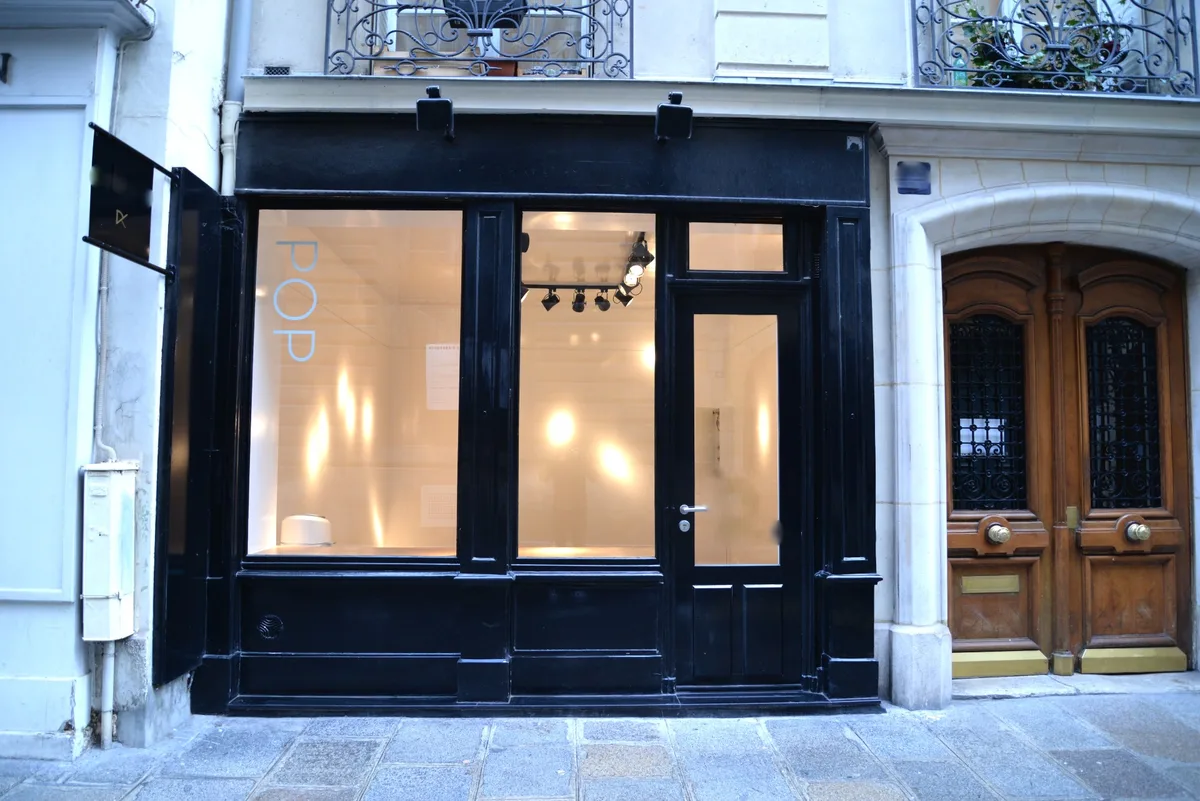
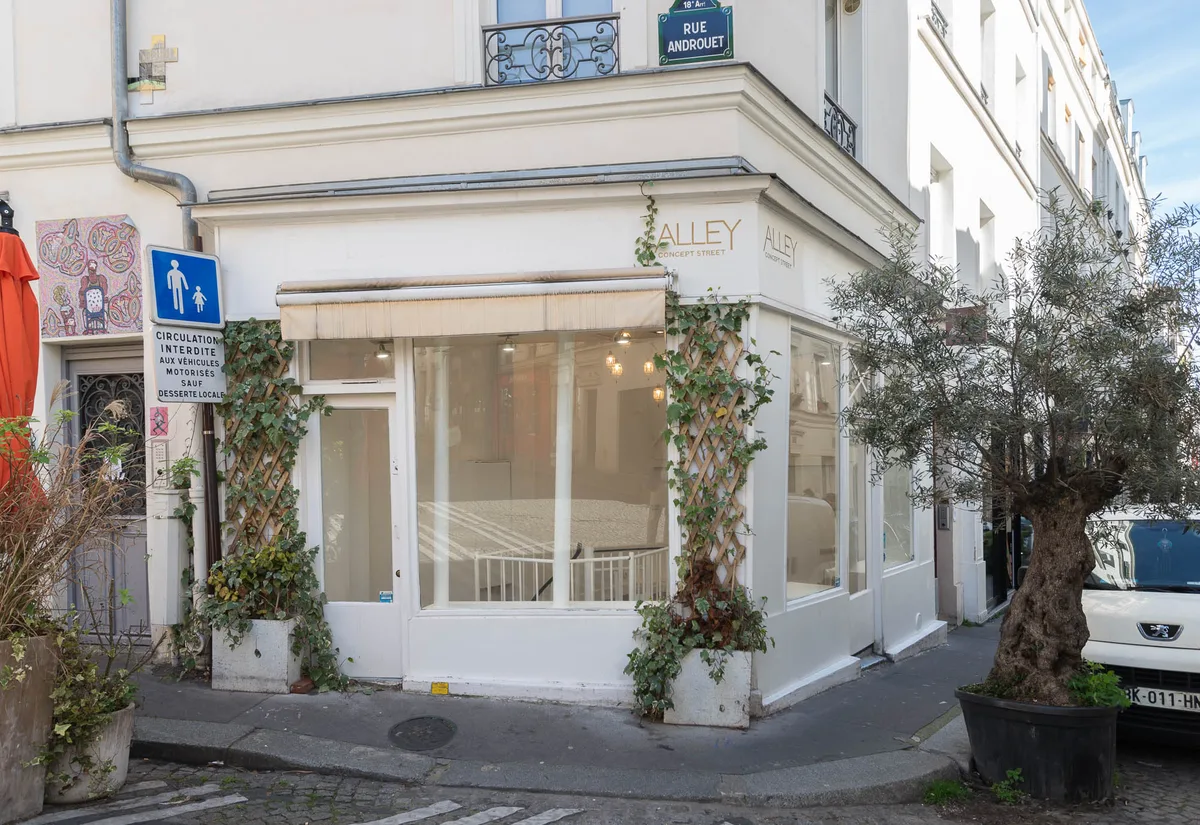
Opening a pop up store in the 11th arrondissement Paris is one of the most strategically intelligent moves an emerging or established brand can make in the French capital. The 11th sits at a cultural crossroads, bordered by the creative energy of Oberkampf, the foot traffic of Bastille, and the aspirational pull of the adjacent Le Marais, offering short-term retail spaces that combine genuine neighbourhood authenticity with exceptional brand visibility. Whether you are planning around Paris Fashion Week, a seasonal product launch, or a long-term brand-building strategy in Paris, the 11th provides a range of venue types, price points, and community touchpoints that few other arrondissements can match. Fashion Week Venues supports brands at every stage of this process, from space discovery to full activation management.
Why the 11th Arrondissement Is a Prime Pop-Up Destination in Paris
Quick answer: The 11th arrondissement offers a rare combination of creative credibility, competitive rental rates, diverse venue types, and strong foot traffic from both Parisian locals and international visitors, making it one of the most attractive short-term retail districts in the city for fashion, beauty, and lifestyle brands.
The 11th arrondissement, designated by its postal code 75011 Paris, is one of the most densely populated and culturally active districts in all of Île-de-France. Unlike the more tourist-saturated neighbourhoods near rue de Rivoli or Galeries Lafayette, the 11th retains a genuine neighbourhood character that resonates deeply with Parisian locals, younger creative professionals, and the international design and fashion community. This authenticity is exactly what brand teams are searching for when they want a pop-up that feels embedded in a real community rather than staged in a sanitised commercial corridor.
The district's geographic positioning is a significant asset. It borders the 3rd arrondissement to the northwest, placing it within direct walking distance of Le Marais and the Haut Marais, two of the most coveted pop-up territories in Paris. Its southern edge connects to Bastille, while its northern axis runs through Oberkampf and into the Canal Saint-Martin corridor. Boulevard du Temple slices through the arrondissement and connects Place de la République to the broader eastern Paris circuit, creating a natural flow of foot traffic from multiple directions throughout the day and evening.
The Folie-Méricourt neighbourhood within the 11th has become a particular hotspot for independent retailers, concept stores, and short-term brand activations. Streets such as Rue de la Fontaine au Roi and the surrounding blocks attract a clientele that is fashion-aware, culturally engaged, and predisposed to discovering new brands. This is not a passive tourist crowd but an active, engaged local and creative community that forms precisely the kind of audience that streetwear labels, independent designers, vintage concepts, and digital-native brands are trying to reach.
From a logistical standpoint, the 11th offers excellent accessibility. Multiple Metro lines serve the arrondissement, including lines 1, 3, 5, 8, 9, and 11, along with several major bus routes. This accessibility ensures that your pop-up attracts not just neighbourhood regulars but visitors arriving from across central Paris. Spaces in the 11th tend to offer more floor area per euro than equivalent venues in the 1st, 4th, or 6th arrondissements, which makes the district particularly attractive for brands that need room to create immersive scenography without exceeding their budget forecast.
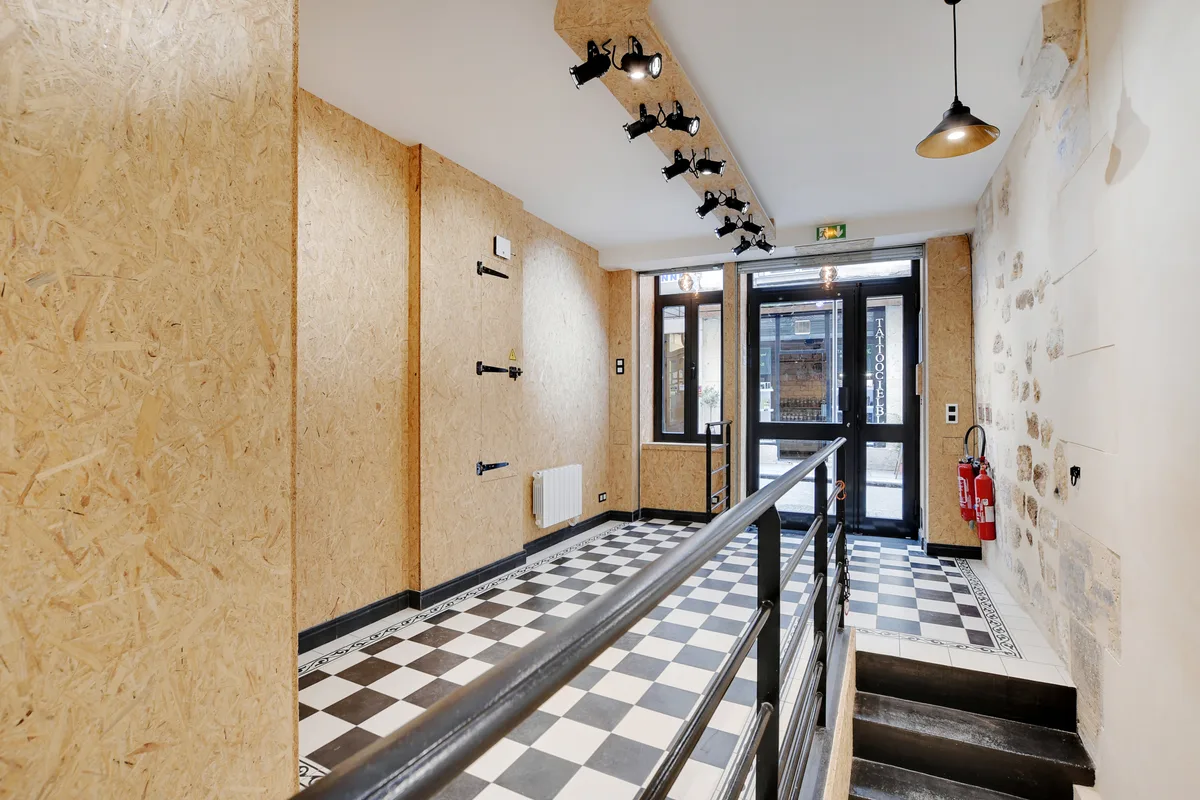
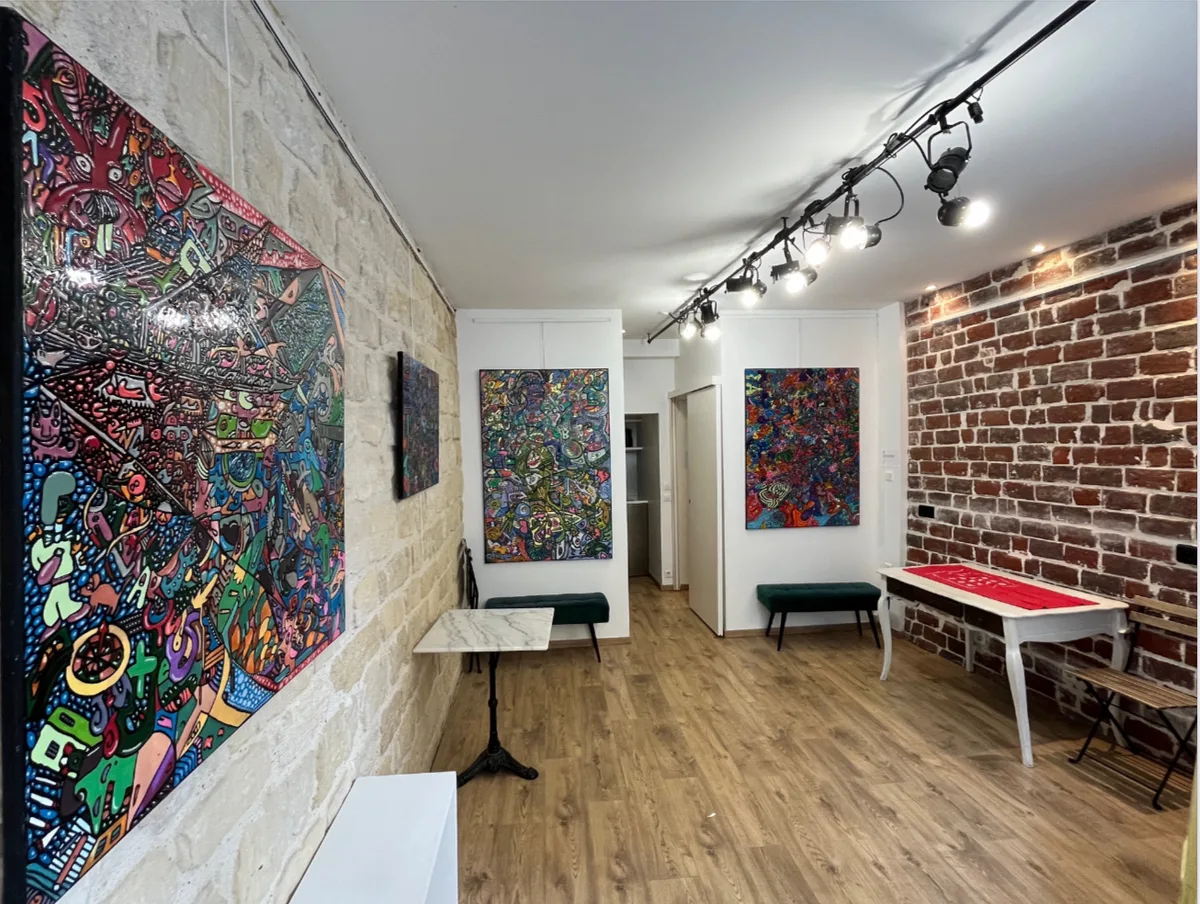
The venue typology in the 11th is equally diverse. Former industrial workshops with raw concrete floors and high ceilings coexist alongside apartment-style spaces with parquet floors, polished concrete gallery environments, and classic Haussmannian boutiques with period architectural detailing. This variety means that whether your brand universe requires an artisanal, intimate setting or a large-format industrial backdrop for a streetwear drop or runway-adjacent showcase, the 11th is likely to offer a suitable option.
DID YOU KNOW: The 11th arrondissement is home to more independent retailers per square kilometre than almost any other district in central Paris, which makes it an ideal testing ground for brands exploring the Parisian market before committing to a permanent retail presence.
KEY TAKEAWAY: The 11th arrondissement combines creative credibility, venue diversity, competitive rental rates, and strong cross-demographic foot traffic, making it one of Paris's most strategically sound pop-up destinations for fashion, lifestyle, and design brands at any scale.
Understanding the specific neighbourhoods and streets within the 11th will help you make a more precise space decision, and the next section breaks down the key micro-zones that matter most for brand activations.
Key Neighbourhoods and Streets Inside Paris 11 for Pop-Up Stores
Quick answer: Within the 11th arrondissement, the Oberkampf corridor, the Folie-Méricourt quarter, and the streets surrounding Bastille and Place de la République each offer distinct brand environments, foot traffic profiles, and space typologies suited to different activation strategies.
The 11th is not a monolithic district. It contains several distinct micro-neighbourhoods, each with its own atmosphere, community character, and retail dynamics. Understanding these differences is essential before you commit to a specific address or space type.
Oberkampf and Folie-Méricourt
The Oberkampf corridor is the creative and cultural heart of the 11th. Centred around the Metro station of the same name, this area is known for its concentration of independent boutiques, concept stores, galleries, and creative studios. Rue de la Fontaine au Roi, which connects Oberkampf northward toward République, is a street that has gained considerable traction as a location for fashion-forward pop-up stores and brand launches. The Folie-Méricourt quarter, which occupies the northwestern section of the 11th, shares the energy of the Haut Marais without the premium pricing. Brands such as independent designers, streetwear labels, and community-driven retail concepts have activated here with considerable success.
Bastille and the Southern 11th
The Bastille area, shared between the 11th, 12th, and 4th arrondissements, is one of the highest foot traffic zones in eastern Paris. Place de la Bastille itself draws locals and tourists throughout the year, while the streets fanning northeast into the 11th offer a combination of neighbourhood dining, independent retail, and creative workspace that supports sustained pop-up visibility. This area is well suited to beauty brands, lifestyle concepts, and fashion labels seeking both daytime shopping traffic and evening event audiences.
Boulevard du Temple and Place de la République
Boulevard du Temple connects the 11th to Place de la République, one of the most significant public squares in Paris and a natural gathering point for Parisian civic and cultural life. Spaces on or near this boulevard benefit from significant passing traffic and strong transit connectivity. The République end of the 11th is also increasingly attractive for brand activations targeting a younger, digitally connected Parisian audience that gravitates toward the bars, restaurants, and creative venues clustered around this hub.
The Marais Border and Haut Marais Overflow
The northwestern edge of the 11th borders directly onto the 3rd arrondissement, where Le Marais and Haut Marais are located. Brands that cannot secure space in the Marais itself, where venues such as Dover Street Market at 35 to 37 Rue des Francs-Bourgeois and the iconic Place des Vosges draw an international luxury clientele, often find that a well-positioned 11th arrondissement space captures much of the same overflow audience at a more accessible rental rate. Rue des Francs-Bourgeois draws luxury shoppers from the 3rd and 4th arrondissements, and any pop-up within a short walk of this corridor benefits from that residual energy.
| Micro-Neighbourhood | Primary Audience | Best Space Types | Relative Rental Rate |
|---|---|---|---|
| Oberkampf / Folie-Méricourt | Creatives, independents, fashion-aware locals | Industrial workshops, studios, former ateliers | Moderate |
| Bastille South | Mixed locals, tourists, evening crowds | Boutiques, gallery spaces, storefronts | Moderate to high |
| Boulevard du Temple / République | Young Parisians, transit users, event-goers | Apartments, showrooms, reception spaces | Moderate |
| Marais border (3rd arrondissement edge) | Luxury shoppers, tourists, international visitors | Gallery formats, curated boutiques | Higher |
To compare specific neighbourhoods and shortlist spaces across these micro-zones, explore the Paris city hub on Fashion Week Venues and build a focused brief around your target audience and calendar window.
KEY TAKEAWAY: Each micro-neighbourhood within Paris 11 serves a distinct brand positioning and audience profile. Matching your brand universe to the right street and space type is the single most important decision you will make in your pop-up planning process.
Once you have identified your preferred neighbourhood, the next step is to understand which venue and space formats are actually available in the 11th and what each one offers a brand activation team.
Space Types and Venue Formats Available in the 11th Arrondissement
Quick answer: The 11th arrondissement offers a wide range of pop-up venue formats including former industrial workshops, gallery spaces, apartment-style showrooms, dedicated storefronts, and reception spaces, with floor types ranging from parquet floors and polished concrete to raw concrete floors and original stone, depending on the building's heritage and conversion status.
Selecting the right space type is as important as selecting the right neighbourhood. The physical character of your venue will determine how your scenography lands, how your clientele experiences the brand, and whether your production and build team can deliver the installation you have planned within your timeline and budget.
Former Industrial Workshops and Old Warehouses
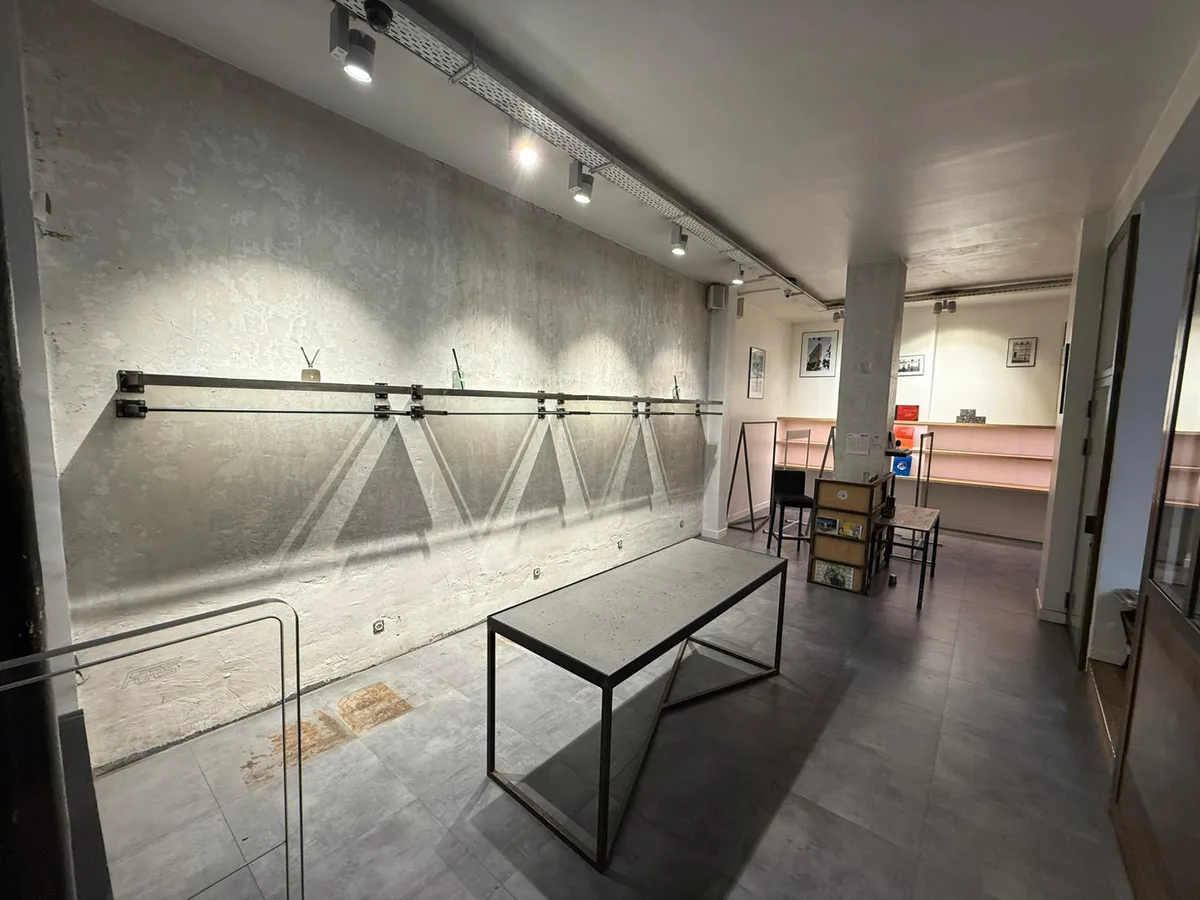
The 11th arrondissement developed historically as a manufacturing and artisan district, and many of the former workshops and old warehouses in the area have been converted into event and retail spaces while retaining their original architectural character. These spaces typically feature raw concrete floors, high ceilings, exposed structural elements, and generous floor plates that can accommodate large installations, runway shows, or immersive brand experiences. They are a natural fit for streetwear brands, music and culture labels, and any brand universe that draws on industrial or artisan aesthetics.
Gallery Spaces and Exposition Formats
Several gallery-format spaces operate throughout the 11th, offering white-wall environments with professional spotlights, polished concrete floors, and the kind of neutral backdrop that allows fashion or design product to speak for itself. These spaces work particularly well for fashion showrooms, product launches, limited-edition drops, and collaborative expositions where the product or art direction should be the focal point. Galerie-style spaces also tend to attract an art and fashion-literate clientele that is predisposed to discovery and purchase.
Apartment-Style and Residential Showrooms
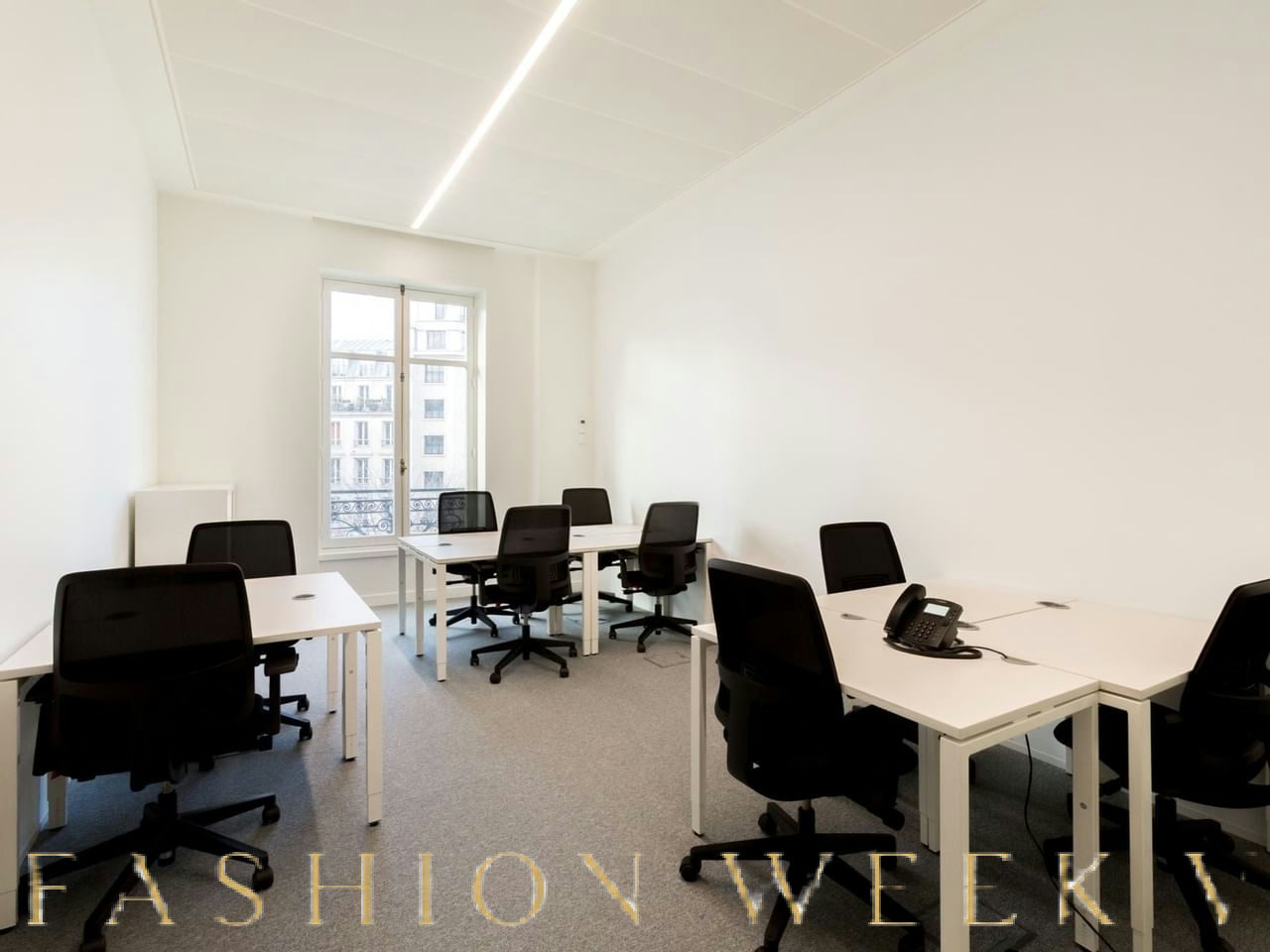
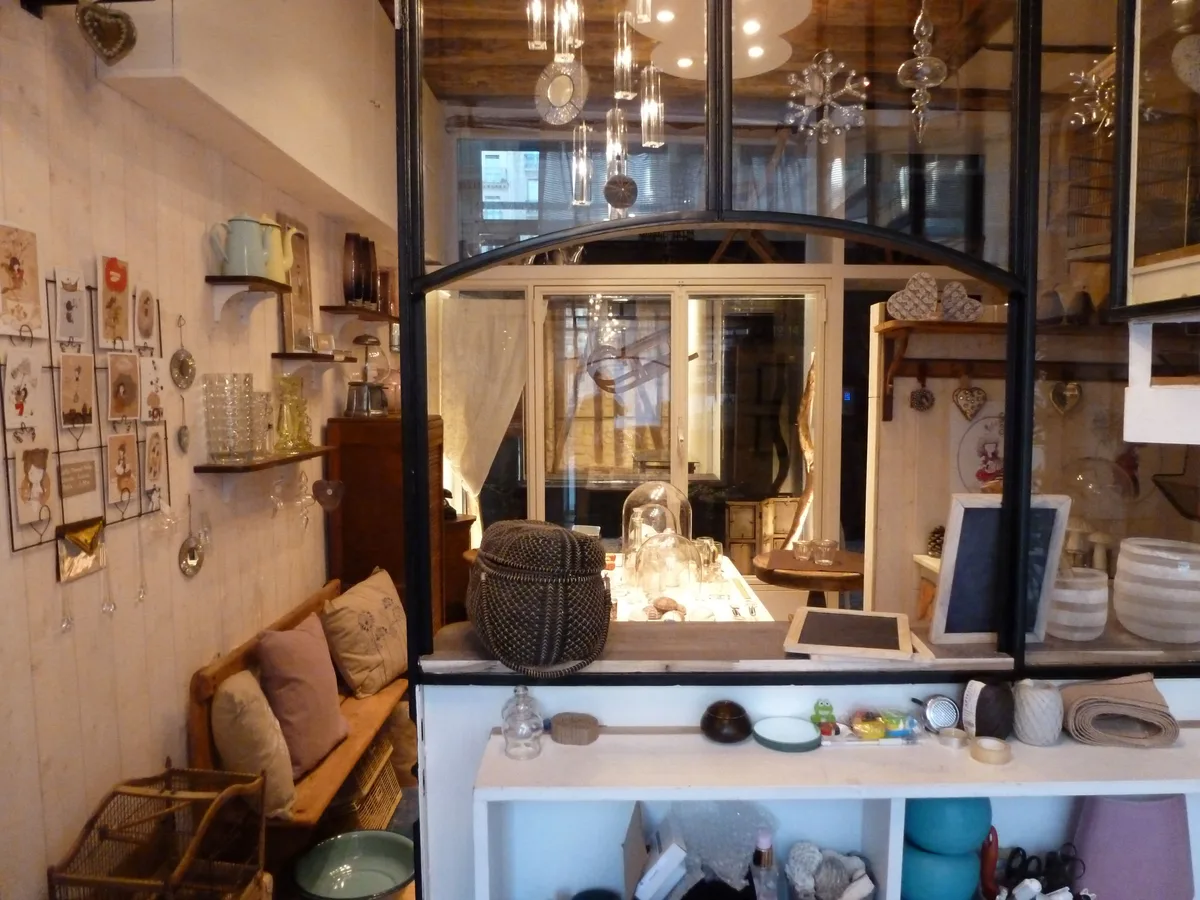
A number of apartment-style spaces in the 11th have been made available for short-term rental as pop-up showrooms or intimate boutique activations. These spaces often feature parquet floors, period cornices, open kitchens, and a domestic warmth that creates a very different brand experience from a gallery or industrial format. They suit beauty brands, jewellery labels, lifestyle and home design concepts, and any brand that wants to create an intimate, curated environment reminiscent of a private Paris apartment or atelier.
Storefronts and Commercial Boutiques
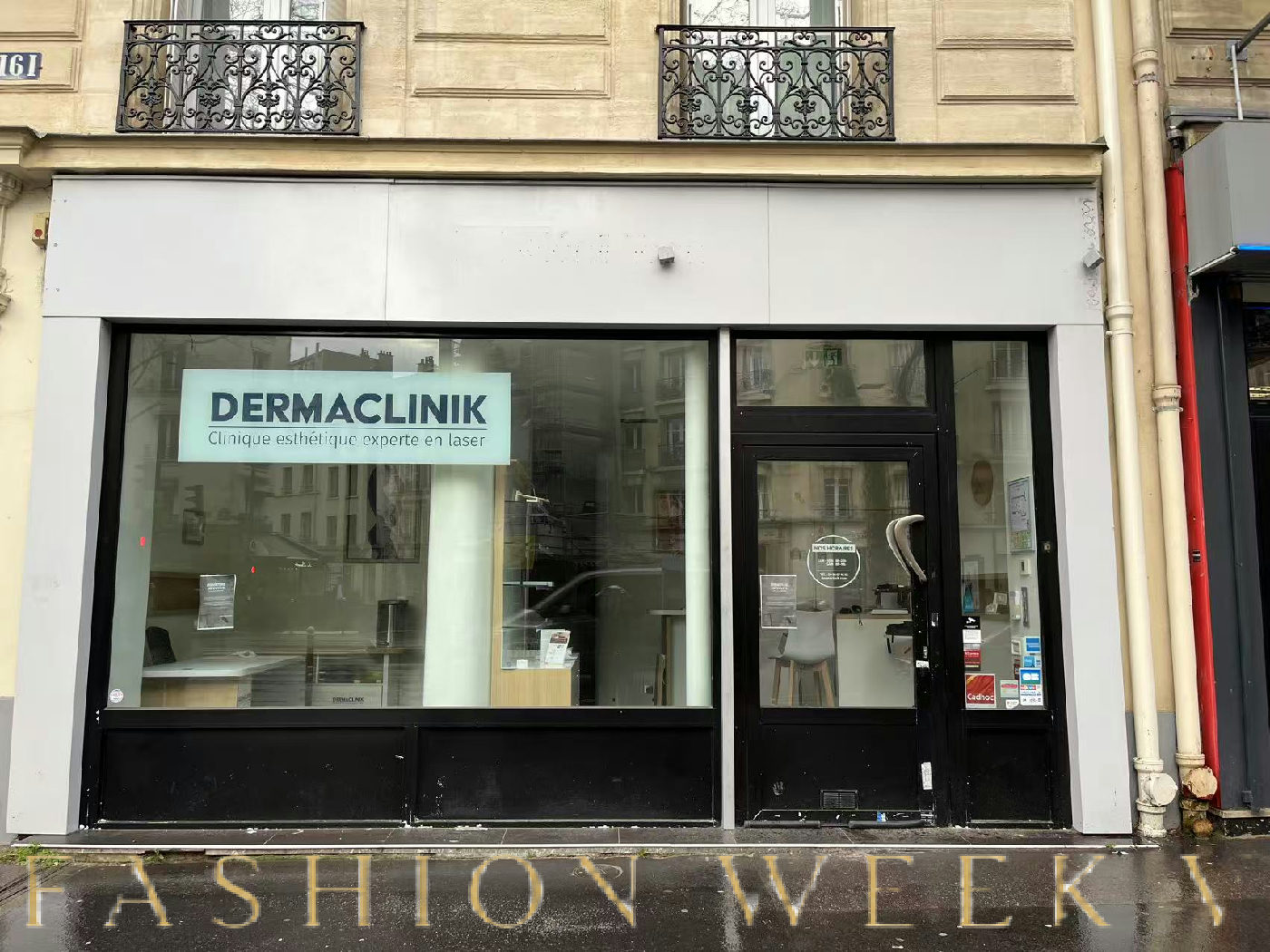
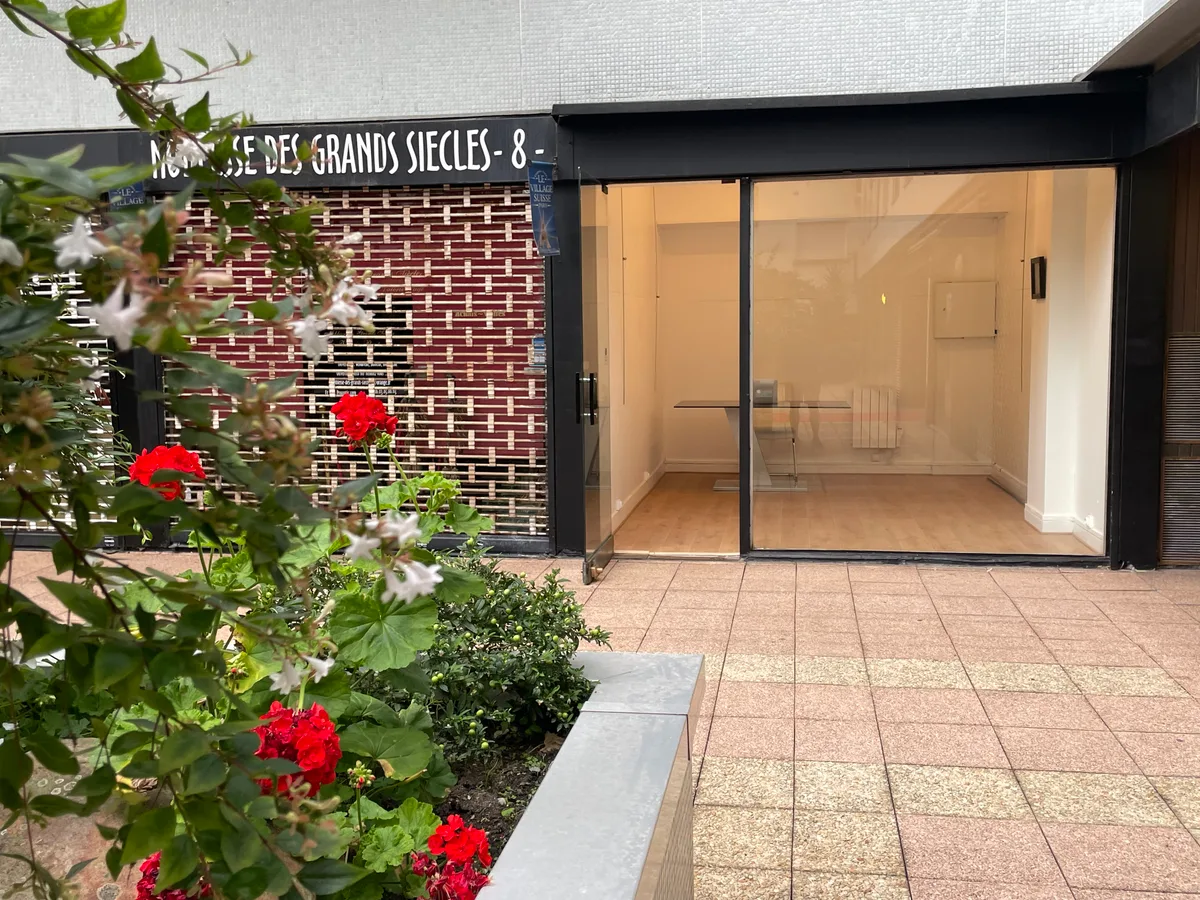
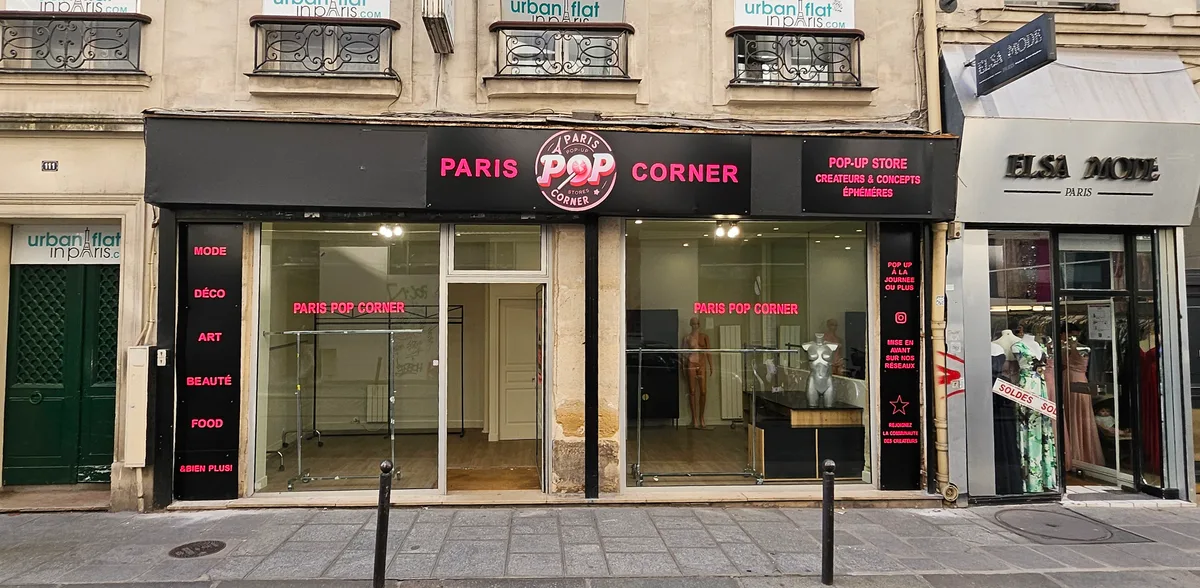
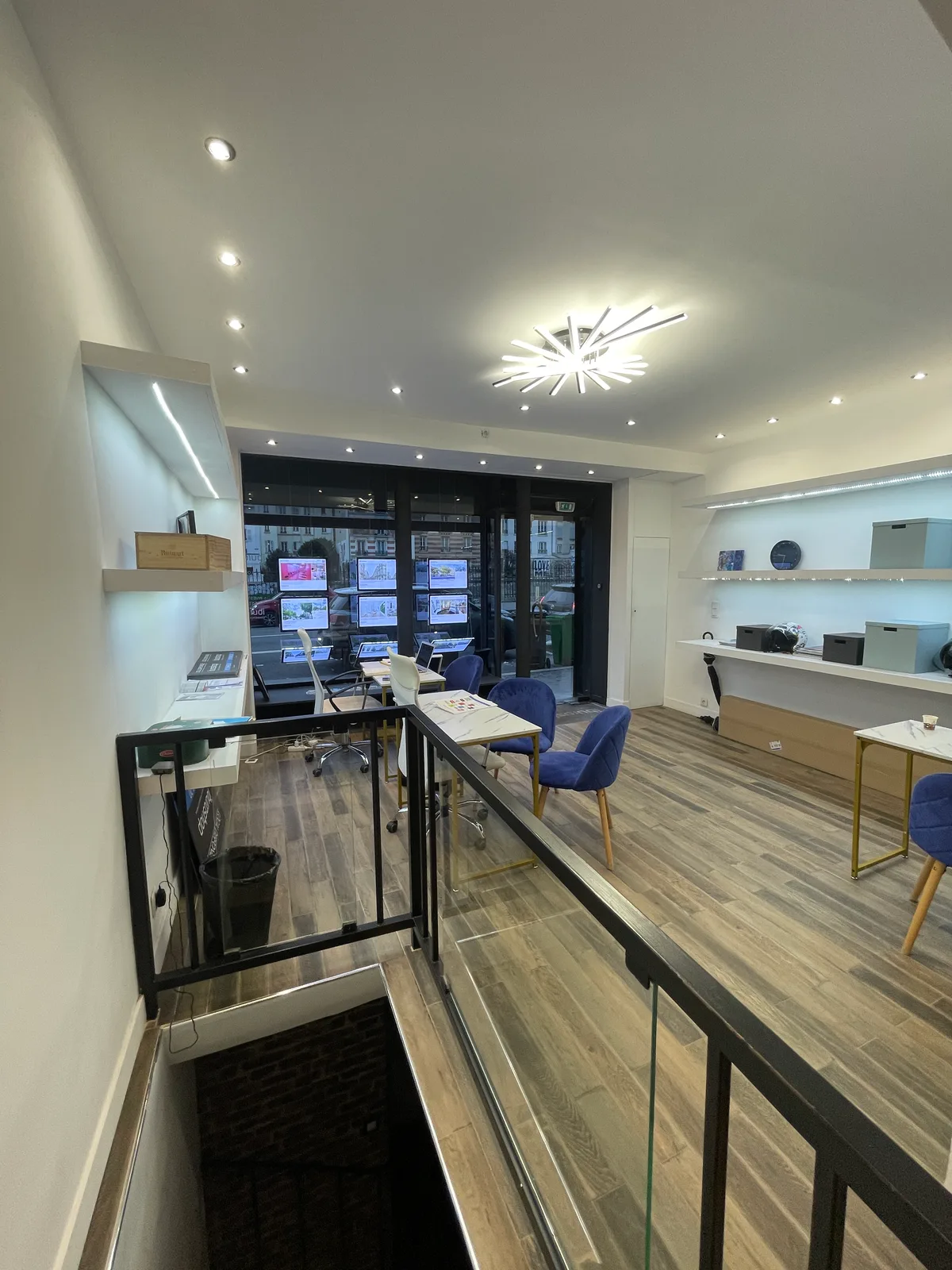
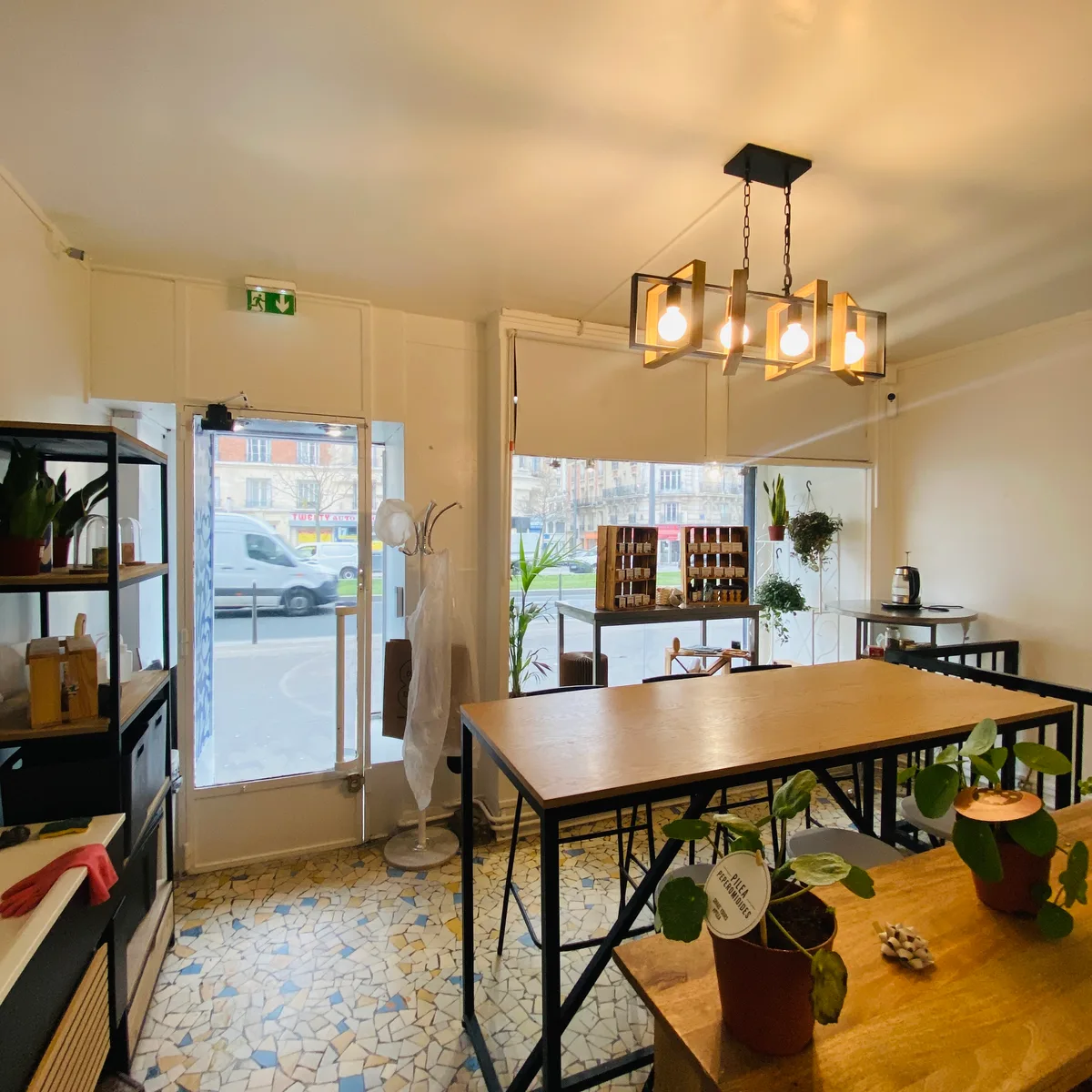
Traditional storefront units on the commercial streets of the 11th offer direct pavement exposure and standard retail configurations. These spaces, with their existing shopfronts and retail infrastructure, allow brands to enter the market quickly and benefit from passing foot traffic without the setup complexity of a blank-canvas venue. Many include existing POS infrastructure, air conditioning, sound systems, and basic retail furniture, which can reduce production lead times and costs significantly.
Espace de Réception and Multi-Use Venues
A number of spaces in the 11th are designed and licenced as reception spaces, making them particularly suitable for launch events, press appointments, influencer dinners, and trade showroom formats during Paris Fashion Week. These espaces de réception often feature built-in catering infrastructure including an open kitchen, audio-visual systems, and flexible room layouts that can transition between daytime retail and evening event configurations.
| Space Type | Typical Floor Type | Best Activation Use | Key Feature |
|---|---|---|---|
| Former industrial workshop | Raw concrete, original stone | Streetwear, installations, brand experiences | High ceilings, large floor plates |
| Gallery format | Polished concrete, timber | Fashion showrooms, product launches | Professional spotlights, neutral walls |
| Apartment showroom | Parquet floors, stone | Beauty, jewellery, lifestyle brands | Intimate atmosphere, domestic warmth |
| Storefront boutique | Various | Quick-to-market retail drops | Pavement exposure, existing infrastructure |
| Espace de réception | Various | Press events, influencer dinners, showrooms | Catering kitchen, AV systems |
TIP: Before booking any space in the 11th, confirm the specific floor type, ceiling height, load-bearing capacity, air conditioning system, and whether the space has an existing système sonore. These technical details directly affect your scenography brief and production costs.
KEY TAKEAWAY: Matching your brand's visual language and activation format to the physical character of the space is critical. A streetwear label in an apartment showroom and a jewellery brand in a raw industrial warehouse both risk brand-environment misalignment that undermines the entire investment.
Understanding the full financial picture of running a pop-up in Paris is the next critical step, and the following section breaks down the key cost categories and budget considerations specific to the 11th arrondissement.
Budget, Rental Rates, and Financial Planning for a Pop-Up in Paris 11
Quick answer: Rental rates in the 11th arrondissement vary significantly by space type, size, location, and duration. As a general directional estimate, short-term pop-up spaces in the 11th tend to be more affordable than equivalent venues in the 1st, 4th, or 6th arrondissements, but total activation costs must account for production, staffing, permits, insurance, and logistics in addition to the base rental rate.
One of the most common mistakes brands make when planning a Paris pop-up is focusing exclusively on the rental rate while underestimating the total cost of activation. The rental fee is only one component of a budget that typically includes production and build, branded store design, furniture rental, retail staffing, POS and payment infrastructure, insurance, permits, logistics, and marketing support. Each of these categories requires a realistic budget forecast before you can make an informed decision about space selection.
Rental Rate Benchmarks
While it would be misleading to quote specific per-square-metre rental figures without knowing the precise space, duration, and market conditions at the time of booking, some directional guidance is useful. Spaces in the Oberkampf and Folie-Méricourt zones of the 11th generally command lower rental rates than comparable square meterage in the Marais, Saint-Germain, or the 1st arrondissement near the Palais Royal Garden. This pricing differential is one of the 11th's most significant advantages for brands with a constrained budget but high production ambitions. For brand-specific estimates based on your space type, duration, and activation scope, use the Fashion Week Venues budget calculator to generate a realistic projection before you begin shortlisting spaces.
Duration and Pricing Structures
Short-term pop-up agreements in Paris can range from a single weekend to several months under a pop-up longue durée arrangement. Weekend and week-long activations typically command a premium per-day rate compared to monthly agreements, but they allow brands to test the market with limited financial exposure. Longer-duration activations in the 11th may benefit from negotiated rates and provide the continuity needed to build community engagement and repeat customer visits over time.
Additional Cost Categories
Beyond the rental fee, brands should budget for production and build, including any fit-out, display structures, lighting, and branded store design elements. Furniture rental can significantly reduce upfront costs compared to purchasing bespoke pieces. Retail staffing costs in Paris must account for French employment regulations, which can be complex for international brands without a local legal entity. POS and payments infrastructure, data and analytics tools, and any influencer marketing or digital campaign activity all represent additional line items that should be included in your total budget forecast from the outset.
IMPORTANT: Do not base your financial planning solely on rental rates. Total activation cost for a fashion pop-up in Paris typically includes at minimum ten distinct cost categories beyond the space rental itself. Brands that fail to budget comprehensively often find themselves unable to deliver the activation quality they planned once they have committed to a specific space.
KEY TAKEAWAY: The 11th arrondissement offers competitive rental rates relative to premium Paris districts, but total activation cost management requires rigorous upfront budget planning across all cost categories. Use specialist tools and agency support to build a complete and realistic financial picture before committing to a space.
With budget planning underway, the next critical consideration is the legal framework governing short-term commercial space use in Paris, including the specific permit and lease structures that apply to pop-up activations in the 11th arrondissement.
Permits, Leases, and Legal Compliance for Pop-Up Stores in Paris
Quick answer: Short-term commercial space use in Paris is governed by specific legal frameworks including the bail dérogatoire and, for temporary use of public or semi-public spaces, the autorisation d'occupation temporaire. International brands planning a pop-up in the 11th arrondissement should seek specialist legal advice and begin the permit process early, as requirements vary by space type, duration, and location within the arrondissement.
Legal compliance is one of the most frequently underestimated aspects of Paris pop-up planning, particularly for international brands that lack experience with French commercial law. The French legal framework for short-term retail space use is distinct from what brands may be accustomed to in the United Kingdom, the United States, or other markets, and the consequences of non-compliance can range from operational disruption to financial penalty.
The Bail Dérogatoire
The bail dérogatoire, sometimes called the bail précaire or short-term commercial lease, is the primary legal instrument for temporary commercial occupation in France. Unlike a standard bail commercial, which carries a mandatory minimum nine-year term, the bail dérogatoire allows landlords and tenants to agree on commercial occupancy for a period of up to three years without triggering the full protections and obligations of a standard commercial lease. This makes it the standard mechanism for pop-up store agreements in Paris. However, the bail dérogatoire must meet specific formal requirements to be legally valid, and any errors in drafting or execution can inadvertently create long-term lease obligations for the occupying brand.
Autorisation d'Occupation Temporaire
The autorisation d'occupation temporaire, commonly abbreviated as AOT, applies when a brand wishes to use public or semi-public space, including certain courtyards, passages, or publicly accessible areas within a building or complex. AOT permits are issued by the relevant public authority and typically require advance application, demonstration of insurance coverage, and payment of an occupation fee. Requirements and processing times vary by location and are not guaranteed by any service provider. Always verify current requirements directly with the relevant authority or through a qualified French legal advisor.
International Brands and French Legal Entities
A common concern for international brands is whether they need a French legal entity to rent a commercial space in Paris. In many cases, a bail dérogatoire can be entered into by a foreign company, but landlords, accountants, and legal advisors will typically require proof of corporate identity, insurance documentation, and in some cases a personal or bank guarantee. The specific requirements vary by landlord and space type. For guidance on permit requirements specific to your activation type and location, use the Fashion Week Venues permits tool to understand what documentation and steps are typically involved.
IMPORTANT: This section is provided for informational purposes only and does not constitute legal advice. Requirements change and vary by arrondissement, space type, and duration. Always verify current permit and lease requirements with a qualified French legal advisor before signing any agreement.
KEY TAKEAWAY: Legal compliance for Paris pop-ups is complex and consequential. The bail dérogatoire and AOT are the primary instruments, but each has formal requirements that must be met precisely. International brands should engage specialist legal advice and begin the permits process well in advance of their planned activation date.
With permits and legal compliance understood, the next critical strategic question is timing, and specifically how Paris Fashion Week and the broader fashion calendar should inform your pop-up planning in the 11th arrondissement.
Paris Fashion Week Timing and the 11th Arrondissement Activation Calendar
Quick answer: Paris Fashion Week generates an exceptional concentration of fashion industry professionals, international press, buyers, and brand-aware consumers in the city during each edition, making it one of the most strategically valuable windows for pop-up store activations in Paris. For the July 2026 Haute Couture edition, runway shows, exhibitions, and happenings are scheduled from approximately July 6 to 9, 2026, with surrounding brand activations running across the broader Parisian calendar both before and after the official programme.
Paris hosts multiple fashion week editions each year, covering Haute Couture, Prêt-à-Porter Womenswear, Prêt-à-Porter Menswear, and Accessories. Each edition draws a distinct professional and consumer audience, and the intensity of brand activation activity in the city increases dramatically during these windows. For brands targeting the fashion industry, this calendar alignment is a fundamental element of strategic timing.
The July 2026 Haute Couture Window
The July 2026 Haute Couture edition of Paris Fashion Week is scheduled to anchor its core runway programme from July 6 to July 9, 2026. During this window, the city fills with fashion editors, buyers, creative directors, influencers, and brand teams from across the global fashion industry. The adjacent weeks see a surge in pop-up activity, brand launches, press presentations, and showroom openings from both established fashion houses and independent labels seeking to leverage the increased professional and media concentration in Paris.
Several notable brand activations are already confirmed for this period and the surrounding weeks. Anthony Calydon, the London-based label known for its distinctive knitwear and accessories, is taking over a space at 37 Rue Debelleyme in the 3rd arrondissement on July 25th and 26th, 2026, running from 12pm to 7pm. The highlight of the Anthony Calydon pop-up is the brand's signature knitted bags, recreated in pastel pink, sunny yellow, and baby blue for the summer season, making them the standout accessory purchase for a modern summer look. The Marais location ensures exposure to exactly the kind of international fashion-literate audience that values British emerging design.
Lili Curia, one of British fashion's most compelling recent entrants, launched in London in 2025 and has already built a following that includes artists Karol G and Suki Waterhouse. The footwear label's Paris pop-up runs until July 9th, 2026, at Level -1 of Dover Street Market at 35 to 37 Rue des Francs-Bourgeois in the 4th arrondissement. The Dover Street Market positioning places Lili Curia within one of Paris's most curated and coveted retail environments, reinforcing its credibility as a brand with genuine fashion industry magnetism.
JW Anderson, the label founded by ANDAM Pierre Bergé Prize winner Jonathan Anderson, is running an extended pop-up from July 9 to September 24, 2026, at 15 Rue du Louvre in the 1st arrondissement, demonstrating how established fashion houses are using temporary retail as a tool for sustained narrative and brand equity building across multiple fashion calendar windows.
Additional activations in the broader Paris calendar during this period include the Jihan pop-up at 6 Rue Charles-François Dupuis in the 3rd arrondissement until July 4th, 2026, and the Chauvin Paris x L'Objet collaboration at 30 Rue Jacob in the 6th arrondissement from June 11th to July 4th, 2026, illustrating the density and diversity of pop-up activity that characterises Paris during and around its fashion calendar peaks.
Strategic Timing Beyond Fashion Week
While Paris Fashion Week windows are the highest-intensity periods for pop-up activations, the 11th arrondissement maintains strong retail traffic throughout the year. Brands focused on community engagement, local clientele, and longer-duration concepts should consider the full calendar, including the summer season, September through November trade periods, and the pre-Christmas retail window, as equally valid strategic timing choices depending on their objectives. Use the Fashion Week Venues timeline tool to map your activation against the Paris fashion calendar and ensure your planning lead times are realistic.
KEY TAKEAWAY: Strategic timing is one of the most powerful levers available to brands planning a Paris pop-up. Aligning your activation with Paris Fashion Week or adjacent calendar moments dramatically increases media exposure and professional audience concentration, but longer-duration concepts in the 11th can build equally strong brand equity through sustained community engagement outside the peak windows.
One of the most distinctive and commercially successful examples of cultural pop-up strategy in Paris in recent years has emerged from the Japanese lifestyle and design community, and the 11th arrondissement has been a key venue for these activations.
Japanese Culture, Lifestyle Pop-Ups, and the 11th Arrondissement Connection
Quick answer: The intersection of Japanese lifestyle, design, and pop culture with the Parisian pop-up market has produced some of the most distinctive and commercially successful short-term retail activations in recent years, with concepts drawing on wabi-sabi aesthetics, gachapon machines, vintage kimonos, kokeshi dolls, antique furniture, and curated Japanese tableware finding a natural home in the culturally open spaces of the 11th and adjacent Marais districts.
Paris and Tokyo share a deep cultural affinity that extends far beyond the fashion industry. Both cities value craftsmanship, curation, and the art of the retail experience at a level that few other urban markets can match. This shared sensibility has made Paris one of the most receptive markets in the world for Japanese lifestyle and design concepts, and the pop-up format is ideally suited to the kind of immersive, time-limited discovery experience that Japanese brands and curators excel at creating.
The Japanese Flea Market and Vintage Format
Japanese flea market-style pop-ups have become a significant cultural moment in Paris, drawing queues of enthusiastic shoppers who come to discover curated selections of vintage kimonos, antique furniture, kokeshi dolls, ceramics, tableware, and carefully sourced Japanese lifestyle objects. These events operate in spaces across the 11th and adjacent arrondissements, leveraging the industrial workshop and gallery formats of the district to create an experience that feels genuinely transported from a Tokyo flea market or artisan district.
BEAMS JAPAN and the Lifestyle Retail Model
BEAMS JAPAN, the Japanese retailer known for its celebration of Japanese craftsmanship, pop culture, and lifestyle across categories including apparel, accessories, and homewares, represents a sophisticated model of how Japanese retail culture translates into a Paris pop-up context. The BEAMS approach of curating across categories, from traditional craft objects to cutting-edge gadgets and figurines, appeals to the same fashion-literate, culture-hungry Parisian audience that shops the independent boutiques of the 11th and Haut Marais.
Gachapon Machines, Figurines, and Pop Culture Moments
The introduction of gachapon machines, the Japanese capsule toy dispensers associated with pop culture collectibles, figurines, and branded merchandise, into Paris pop-up concepts has proven to be an exceptionally effective social media activation tool. These interactive elements generate organic content creation, social sharing, and the kind of playful, participatory brand experience that digital-native audiences engage with on Instagram, TikTok, and beyond. Brands incorporating gachapon elements into their Paris activations report significantly increased dwell time and social media mentions during their pop-up windows.
Koji Fukushima and the Wabi-Sabi Aesthetic
Creative concepts curated by figures such as Koji Fukushima, who brings a wabi-sabi sensibility to the selection and presentation of Japanese lifestyle objects in Paris, demonstrate how individual creative vision can transform a temporary retail space into a genuinely memorable cultural destination. The wabi-sabi philosophy, which finds beauty in imperfection, transience, and the passage of time, resonates powerfully with the Parisian appreciation for patina, heritage craftsmanship, and objects with narrative and history. In the context of a pop-up store in the 11th, these values translate into exhibition-quality display, intimate scale, and a curatorial intelligence that distinguishes truly memorable activations from mere temporary retail.
DID YOU KNOW: Japanese lifestyle pop-ups in Paris typically generate a higher proportion of their customer traffic through word-of-mouth and social media sharing than almost any other pop-up category, making organic social strategy a critical component of their activation planning.
KEY TAKEAWAY: Japanese lifestyle, vintage, and pop culture pop-up concepts have found a uniquely receptive audience in Paris, and the industrial and gallery spaces of the 11th arrondissement provide ideal physical environments for these culturally rich, visually distinctive activations. The combination of heritage craftsmanship, pop culture energy, and immersive scenography creates a format that drives both foot traffic and significant social media amplification.
The creative and marketing professionals behind Paris pop-up activations play as important a role as the spaces themselves, and the following section examines how brand storytelling, digital campaigns, and creative direction translate a temporary space into a lasting brand moment.
Brand Storytelling, Creative Direction, and Digital Campaigns for Paris Pop-Ups
Quick answer: The most successful pop-up store activations in Paris are built on a foundation of strong brand storytelling, a clear creative concept, and a coordinated digital campaign strategy that extends the impact of the physical space far beyond its immediate local audience through social media, influencer partnerships, and digital content creation.
A pop-up store that delivers an extraordinary physical experience but fails to amplify that experience through digital channels leaves significant brand value on the table. In 2026, the expectation is that a Paris pop-up operates simultaneously as a physical retail and experiential space and as a content production hub that feeds a coordinated digital campaign across Instagram, TikTok, and YouTube Shorts. Getting this dual-track strategy right requires specialist creative and marketing expertise alongside the logistical and operational execution.
Anthony Calydon and the Power of Narrative
Anthony Calydon's decision to activate in the Marais during the Paris Fashion Week adjacent calendar is a masterclass in brand storytelling strategy. By choosing a curated neighbourhood location, developing a signature product range in seasonally resonant colourways, and timing the activation to coincide with peak fashion industry concentration in Paris, the brand creates a narrative arc that extends from the physical pop-up into press coverage, social sharing, and digital content. The signature knitted bags in pastel pink, sunny yellow, and baby blue are not just products but visual anchors that photograph beautifully, generate organic social content, and reinforce the brand's aesthetic identity with every share and story.
Digital-Native Brands and the Paris Platform
For digital-native brands, a Paris pop-up functions primarily as a brand legitimacy event rather than a transactional retail operation. The physical presence in Paris, particularly during or adjacent to Paris Fashion Week, signals to the global fashion community that the brand has reached a level of credibility and ambition that extends beyond its digital origins. This legitimacy effect amplifies the impact of every digital campaign element, from behind-the-scenes TikTok content to influencer collaborations and press coverage in international fashion media.
Creative Professionals: Yeaahstudio and the Scenography Imperative
Studio collectives such as Yeaahstudio, which specialises in spatial design and scenography for fashion and cultural events in Paris, represent the kind of creative partnership that elevates a pop-up from a temporary retail space to an unforgettable experience. Scenography that takes full advantage of a space's architectural character, whether raw concrete floors and industrial columns or the ornate parquet floors of a period apartment, communicates brand values spatially in a way that no amount of digital content can fully replicate. Investing in skilled scenography is one of the highest-return expenditures in a pop-up budget.
Social Media Strategy for Paris Pop-Ups
Instagram remains the dominant platform for visual storytelling in the Paris fashion and lifestyle context, making it the primary social media tool for pop-up documentation and amplification. TikTok excels at behind-the-scenes content, building anticipation before opening and capturing the energy of the space during its live operation. YouTube Shorts extends reach globally, particularly for audiences in markets that are less directly accessible through Instagram or TikTok. A coordinated strategy across all three platforms, blending organic content with a targeted paid campaign, delivers the strongest overall result. Brands that treat social media as an afterthought rather than an integral component of their activation strategy consistently underperform relative to their investment.
TIP: Brief your influencer partners and content creators on the specific brand narrative, key visual moments, and product hero before the pop-up opens. Uncoordinated influencer content that contradicts the brand's creative direction is more damaging than no influencer activity at all.
KEY TAKEAWAY: Brand storytelling and digital campaign strategy are not optional additions to a Paris pop-up. They are core components of the activation that determine whether a temporary physical moment translates into lasting brand equity, media coverage, and community growth. Allocate budget and creative resource to both the physical and digital dimensions from the outset of your planning process.
Understanding how a specialist agency can support every dimension of a Paris pop-up in the 11th arrondissement is the natural next step, and the following section explains precisely how Fashion Week Venues structures its services to serve brand teams at every scale and stage.
How Fashion Week Venues Supports Pop-Up Activations in the 11th Arrondissement
Fashion Week Venues operates as a full-service pop-up agency and space marketplace with Paris as its primary market and the 11th arrondissement firmly within its scope of coverage. The agency's model is designed to serve brand teams that need more than a space listing, offering coordinated support across every stage of the activation process from initial concept development through to post-activation analysis.
Space Discovery and Venue Sourcing
The Fashion Week Venues marketplace aggregates available short-term retail and event spaces across Paris, including venues in the 11th arrondissement, the Marais, and all major activation districts. Brand teams can browse available spaces by neighbourhood, size, space type, and availability window, then use the compare tool to evaluate options against each other on key criteria. The venue sourcing service goes beyond the marketplace listing to provide dedicated search and negotiation support for brands with specific briefs that require a tailored approach.
Concept Direction and Branded Store Design
The agency's concept direction team works with brand teams to develop the spatial narrative, aesthetic direction, and customer journey that will govern the activation. This service is particularly valuable for brands entering Paris for the first time, who may have a clear brand identity but lack experience translating that identity into a physical Parisian space with the cultural specificity and creative precision the market demands. The branded store design service delivers the visual execution of the agreed concept, covering everything from window display to interior zones, product presentation, and materials specification.
Production, Build, and Fit-Out
The production and build team manages the physical creation of the space, coordinating with local contractors, suppliers, and installers to deliver the finished environment on time and within budget. For international brands unfamiliar with the Parisian supply chain, having an agency manage this process significantly reduces the risk of delays, cost overruns, and quality shortfalls. Furniture rental is available as a complementary service, reducing both cost and logistical complexity compared to purchasing bespoke pieces for a short-term activation.
Retail Staffing and Activation Management
Running a successful pop-up requires skilled, brand-trained retail staff who can deliver the customer experience the brand has designed. Fashion Week Venues provides retail staffing solutions and activation management services that ensure the space operates professionally throughout its open period. For brands planning their pop-up around Paris Fashion Week, having experienced local staff familiar with both French retail culture and the specific demands of fashion industry clientele is a critical operational advantage.
Tools, Data, and Planning Support
The agency's suite of planning tools supports brands at every stage of the decision-making process. The budget calculator generates realistic cost estimates based on space type, duration, and activation scope. The ROI calculator helps brand teams model expected returns against their investment. The timeline tool maps the full activation process against the Paris fashion calendar, and the locator tool provides neighbourhood-level space discovery. To explore the full suite of planning resources, visit the Fashion Week Venues ROI calculator and begin modelling your activation's expected return.
Who Benefits Most
Fashion Week Venues is structured to serve fashion brands, beauty and lifestyle labels, creative agencies activating on behalf of clients, international brands entering the Paris market for the first time, and established fashion houses seeking high-quality short-term retail or showroom space during Fashion Week windows. The agency is not positioned as a commission broker or a simple listing platform but as an integrated operational partner that covers the full lifecycle of a Paris pop-up from initial brief to final analytics report.
KEY TAKEAWAY: Fashion Week Venues provides end-to-end support for pop-up activations in Paris, covering space discovery, concept development, production, staffing, and data analytics. The agency's tools and team are designed to reduce the complexity and risk of operating a temporary retail space in Paris for brands at every scale, particularly international brands navigating the French market for the first time.
Step-by-Step Process for Launching a Pop-Up in the 11th Arrondissement
Quick answer: Successfully launching a pop-up store in Paris 11 requires a structured planning process that typically begins eight to twelve weeks before the intended opening date, covering space identification, legal agreements, concept development, production, permit applications, staffing, and marketing preparation in a coordinated sequence.
Brands that approach a Paris pop-up without a structured planning process consistently encounter avoidable problems: spaces that are unavailable by the time they are ready to commit, production timelines that cannot be delivered in the available window, permit applications submitted too late for processing, and marketing campaigns that have insufficient lead time to build audience anticipation. The following workflow provides a practical framework for avoiding these common failure points.
| Phase | Key Activities | Typical Timeline | Key Decision Points |
|---|---|---|---|
| 1. Brief and Strategy | Define objectives, target audience, calendar window, budget range, neighbourhood preference | 10 to 12 weeks before opening | Which neighbourhood? Which space type? Which calendar window? |
| 2. Space Discovery | Browse marketplace, shortlist options, conduct viewings, compare spaces | 9 to 10 weeks before opening | Does the space match the brand universe and production requirements? |
| 3. Legal and Permits | Draft and sign bail dérogatoire, apply for any required AOT, secure insurance | 8 to 9 weeks before opening | Has legal review confirmed the lease structure? Are permits applied for? |
| 4. Concept and Design | Develop spatial narrative, scenography brief, branded store design | 7 to 8 weeks before opening | Has the concept been signed off? Are all production drawings complete? |
| 5. Production and Build | Commission contractors, order furniture, manage installation | 3 to 6 weeks before opening | Are all elements on schedule? Are contingency plans in place? |
| 6. Staffing and Operations | Recruit and brief retail staff, set up POS and payments, finalise logistics | 2 to 3 weeks before opening | Are staff trained on brand narrative and product range? |
| 7. Marketing and Digital Launch | Begin social media campaign, brief influencers, issue press release | 2 to 4 weeks before opening | Is the digital campaign aligned with the physical brand experience? |
| 8. Opening and Operations | Launch pop-up, manage daily operations, collect data, respond to audience | Duration of activation | Are sales, traffic, and engagement data being captured consistently? |
| 9. Close and Analysis | Deconstruct space, compile data, evaluate ROI, document learnings | Immediately after closing | What worked? What would be done differently? What is the next step? |
For brands working to an accelerated timeline, some phases can be compressed, but the legal and permits phase should never be shortened without specialist guidance. Premature entry into a space without a correctly executed lease or the required permits creates significant legal and reputational risk. The Fashion Week Venues process page provides a detailed overview of how the agency structures its client engagements from brief to completion.
KEY TAKEAWAY: A structured eight to twelve week planning process is the minimum realistic timeframe for a well-executed Paris pop-up. Brands that begin planning late consistently face a choice between compromising on space quality, production quality, or marketing impact. Starting early is the single most effective risk-mitigation strategy available.
Common Myths About Pop-Up Stores in the 11th Arrondissement Paris
MYTH: You need a French legal entity to rent a pop-up space in Paris.
FACT: In many cases, a bail dérogatoire can be entered into by a foreign company without a French legal entity, though landlords will typically require proof of corporate identity, valid insurance, and may request additional financial guarantees. The specific requirements vary by landlord, space type, and duration. Always verify the exact requirements for your specific situation with a qualified French legal advisor before proceeding.
MYTH: Paris Fashion Week is the only viable calendar window for a pop-up in the 11th arrondissement.
FACT: While Paris Fashion Week windows generate exceptional professional and media concentration, the 11th arrondissement maintains strong foot traffic and commercial viability throughout the year. Brands focused on community engagement, local clientele, and longer-duration concepts have achieved significant success outside the peak fashion calendar windows, often benefiting from lower rental rates and greater space availability during off-peak periods.
MYTH: Commission brokers are the only way to find a pop-up space in Paris.
FACT: Specialist pop-up agencies and space marketplaces such as Fashion Week Venues provide direct access to curated space listings, neighbourhood expertise, and full-service support without the opacity of a pure commission-broker model. Brands can browse available spaces directly through the marketplace, compare options using specialist tools, and engage agency support at the level they require, from space-only to full activation management.
MYTH: Short-term leases in Paris are legally straightforward and do not require specialist advice.
FACT: French commercial lease law is complex and the distinction between a valid bail dérogatoire and a standard bail commercial carries significant legal and financial consequences. A lease that fails to meet the formal requirements of a bail dérogatoire can inadvertently create long-term commercial lease obligations. Specialist legal advice is not optional for any brand entering into a commercial space agreement in France, regardless of the intended duration of the activation.
MYTH: The 11th arrondissement is only suitable for budget or emerging brands.
FACT: The 11th arrondissement hosts a wide range of space types, rental rates, and activation formats that are appropriate for brands across the commercial and creative spectrum. Heritage labels, international fashion houses, and premium lifestyle brands have all activated successfully in the 11th, drawn by its authentic neighbourhood character, diverse venue typology, and access to a culturally sophisticated Parisian clientele that values discovery and experience over brand heritage alone.
Frequently Asked Questions
Why should I rent a pop-up store in the 11th arrondissement rather than the Marais or Saint-Germain?
The 11th arrondissement offers a combination of creative credibility, venue diversity, and competitive rental rates that few other Paris districts can match. While the Marais and Saint-Germain command premium pricing and attract a more tourist-heavy audience, the 11th provides access to a genuine local creative community, diverse space types from former industrial workshops to gallery formats, and strong foot traffic corridors connecting Oberkampf, Bastille, and République. Brands that want to embed themselves in a culturally authentic Parisian neighbourhood rather than operate in a sanitised retail corridor consistently find the 11th more aligned with their brand values and budget realities.
What are the best streets in Paris 11 for a pop-up store?
Key streets and areas include Rue de la Fontaine au Roi in the Folie-Méricourt quarter, the Oberkampf corridor connecting to République, and the streets surrounding Bastille in the southern 11th. Each offers a distinct audience and atmosphere. Rue de la Fontaine au Roi attracts a creative, fashion-aware local audience. The Oberkampf corridor captures both daytime shopping traffic and evening cultural audiences. The Bastille area delivers high foot traffic from a mixed local and tourist clientele throughout the day and evening.
Do I need a French company to sign a pop-up lease in Paris?
In many cases, a foreign company can enter into a bail dérogatoire without a French legal entity. However, landlords commonly require proof of corporate identity, valid insurance coverage in France, and may request a bank or personal guarantee. The specific requirements vary significantly by landlord and space type. This is a nuanced legal area and the requirements change. Always verify the current requirements for your specific situation with a qualified French legal advisor before signing any agreement. Use the Fashion Week Venues permits tool for initial orientation on the documentation typically required.
What is a bail dérogatoire and how does it differ from a standard commercial lease in France?
A bail dérogatoire is a short-term commercial occupancy agreement that allows landlord and tenant to agree on commercial use of a space for up to three years without triggering the full protections and obligations of a standard French bail commercial, which carries a mandatory minimum nine-year term. The bail dérogatoire must meet specific formal requirements to be valid. If those requirements are not met, the agreement may be reclassified as a standard commercial lease, creating long-term obligations for the occupying brand. Always use a qualified French legal advisor to draft or review any bail dérogatoire before signing.
When is the best time of year to open a pop-up in Paris?
The optimal timing depends on your objectives. Paris Fashion Week windows in January, March, June and July, and September generate the highest concentration of fashion industry professionals, international press, and brand-aware consumers in the city and offer the greatest media amplification potential. The pre-Christmas period in November and December is optimal for consumer retail and gifting concepts. Spring and summer seasons suit beauty, lifestyle, and community-engagement concepts. The 11th arrondissement maintains year-round viability, and brands focused on community rather than industry concentration often find quieter windows more conducive to building genuine local relationships.
What floor types and technical features should I look for in a Paris 11 pop-up space?
The most important technical features to confirm before booking are floor type and condition, ceiling height, natural light levels, load-bearing capacity for any heavy installation elements, electrical capacity, air conditioning, existing sound system, accessibility for customers with mobility needs, and logistics access for deliveries and installation. Parquet floors suit intimate boutique and showroom formats. Polished concrete and raw concrete floors suit gallery and industrial concepts. Always request a detailed technical specification sheet from the space owner or listing platform before committing, and share it with your production team for feasibility assessment.
How much does it cost to run a pop-up in the 11th arrondissement?
Total activation cost depends on space size, duration, production ambition, staffing requirements, and marketing scope. The rental fee is only one component. A complete budget should include production and build, scenography and display, branded store design, furniture rental, retail staffing, POS and payments infrastructure, insurance, permits, and marketing and influencer costs. The 11th generally offers more competitive rental rates than the Marais, Saint-Germain, or the 1st arrondissement, but total costs can still vary significantly. Use the Fashion Week Venues budget calculator to generate a realistic projection based on your specific brief before shortlisting spaces.
Where do luxury shoppers in Paris concentrate?
The primary luxury retail corridors in Paris run between Rue Saint-Honoré in the 1st arrondissement and Avenue Montaigne in the 8th, covering the Golden Triangle and the Faubourg Saint-Honoré strip. The Marais, particularly around Rue des Francs-Bourgeois and Place des Vosges, attracts a fashion-literate luxury audience blending international visitors with discerning Parisian locals. The 11th arrondissement's proximity to the Marais means that well-positioned activations near the border of the 3rd and 4th arrondissements can capture overflow from this luxury shopping circuit.
Which social media platforms work best for promoting a Paris pop-up?
Instagram remains the dominant platform for visual storytelling in the Paris fashion and lifestyle context, making it essential for documenting the space, product, and atmosphere of your pop-up. TikTok excels at behind-the-scenes content, building anticipation before opening and capturing live energy during the activation. YouTube Shorts extends global reach, particularly for audiences in markets not primarily served by Instagram. A coordinated strategy blending organic content with a paid campaign across all three platforms consistently delivers stronger results than any single-platform approach. Brief influencer partners on the brand narrative before the pop-up opens to ensure content coherence.
What is the typical planning lead time for a Paris pop-up?
A realistic minimum planning timeline for a well-executed Paris pop-up is eight to twelve weeks from initial brief to opening day. This covers space identification and booking, legal review and lease execution, permit applications, concept development and production drawings, contractor engagement and build, staffing recruitment and training, and marketing campaign preparation. Brands that begin planning later than eight weeks before their intended opening date consistently face difficult trade-offs between space quality, production quality, and marketing impact. For Fashion Week windows, spaces are typically booked months in advance, making early planning even more critical.
What is the ANDAM Pierre Bergé Prize and why does it matter for Paris pop-up strategy?
The ANDAM Pierre Bergé Prize is one of France's most prestigious fashion industry awards, designed to support emerging French and international fashion designers with funding, mentorship, and industry exposure. Jonathan Anderson, founder of the JW Anderson label, is among its notable recipients. Winning or being shortlisted for the ANDAM Prize confers significant credibility within the Paris fashion industry and opens doors to partnerships, collaborations, and retail opportunities including pop-up activations at premium Paris venues. For brands seeking to build brand equity in the Paris market, awareness of the ANDAM ecosystem is a useful strategic intelligence point.
Can two brands share a single pop-up space in the 11th arrondissement?
Co-activation, where two complementary brands share a single pop-up space, is an increasingly popular model in Paris. It reduces rental and production costs for both parties, creates a more diverse product offering for the shared audience, and can generate stronger press interest through the collaborative narrative. The Fashion Week Venues twin concept is specifically designed to facilitate brand co-activations, matching complementary brands to shared spaces in a structured way that protects both parties' creative and commercial interests. This model works particularly well in the gallery and industrial workshop formats common in the 11th arrondissement.
What makes Japanese lifestyle and design pop-ups particularly successful in Paris?
The cultural affinity between Paris and Tokyo runs deep, with both cities sharing a reverence for craftsmanship, curation, and the quality of the retail experience. Japanese lifestyle concepts, whether based on wabi-sabi aesthetics, vintage kimonos and antique furniture, pop culture collectibles and gachapon machines, or the curated multi-category model exemplified by BEAMS JAPAN, resonate powerfully with Parisian audiences who value discovery, authenticity, and objects with narrative and cultural depth. The interactive and visually distinctive nature of Japanese pop-up concepts also generates exceptional social media content, amplifying reach well beyond the physical space's immediate audience.
How do I know if a pop-up space in Paris 11 is right for my brand?
The right space for your brand is the one that aligns your brand's visual identity and narrative with the physical character and audience of the venue, within your budget and timeline constraints. Start by defining your brand universe clearly: is it industrial and raw, or intimate and artisanal? Is your target audience local creatives, international fashion professionals, tourist luxury shoppers, or young digital natives? Then match that profile to the neighbourhood and space type accordingly. Use the Fashion Week Venues compare tool to evaluate shortlisted spaces against each other on the criteria that matter most to your brief before making a final decision.
Can I find a pop-up space in Paris that is available for just a weekend during Paris Fashion Week?
Short-duration pop-ups covering a single weekend or a few days are entirely feasible in Paris, including during Fashion Week windows. However, demand for short-duration spaces in premium locations during Fashion Week is extremely high, and the most desirable spaces in the 11th, Marais, and other key districts are typically booked weeks or months in advance of the target window. Brands that wait until two or three weeks before Fashion Week to begin their space search will find limited availability. Begin your search and planning as early as possible, and use the Fashion Week Venues marketplace to browse current availability across all Paris districts.
Conclusion: Making the 11th Arrondissement Work for Your Brand
The 11th arrondissement stands out as one of Paris's most strategically compelling pop-up destinations precisely because it combines genuine neighbourhood authenticity with operational practicality. From the industrial workshops of Folie-Méricourt to the gallery spaces of Oberkampf, from the Bastille foot traffic corridors to the overflow audience from Le Marais, the 11th offers a breadth of space types, price points, and community audiences that few other Paris districts can match.
The brands activating most successfully in the 11th and across Paris during windows like the July 2026 Haute Couture season understand that a pop-up store is not simply a temporary retail operation but a brand narrative moment, a community engagement platform, a content production environment, and a signal of creative ambition to the international fashion industry simultaneously. Whether you are drawing on the magnetism of Japanese lifestyle and vintage design, the heritage craftsmanship of an established fashion house, or the cutting-edge energy of a digital-native streetwear label, the 11th provides the physical, cultural, and logistical infrastructure to make that vision real.
The secret, stated plainly, is this: strategic timing combined with an unforgettable physical experience creates the kind of lasting brand equity that no purely digital activation can replicate. Paris is the city where that combination has the greatest potential impact, and the 11th arrondissement is one of the most rewarding places in Paris to make it happen.
Spaces in the most desirable locations fill quickly, particularly around Fashion Week windows. To move from research to activation, start exploring available spaces on the Fashion Week Venues marketplace and build a focused brief for your target neighbourhood, space type, and calendar window before the best options are taken.