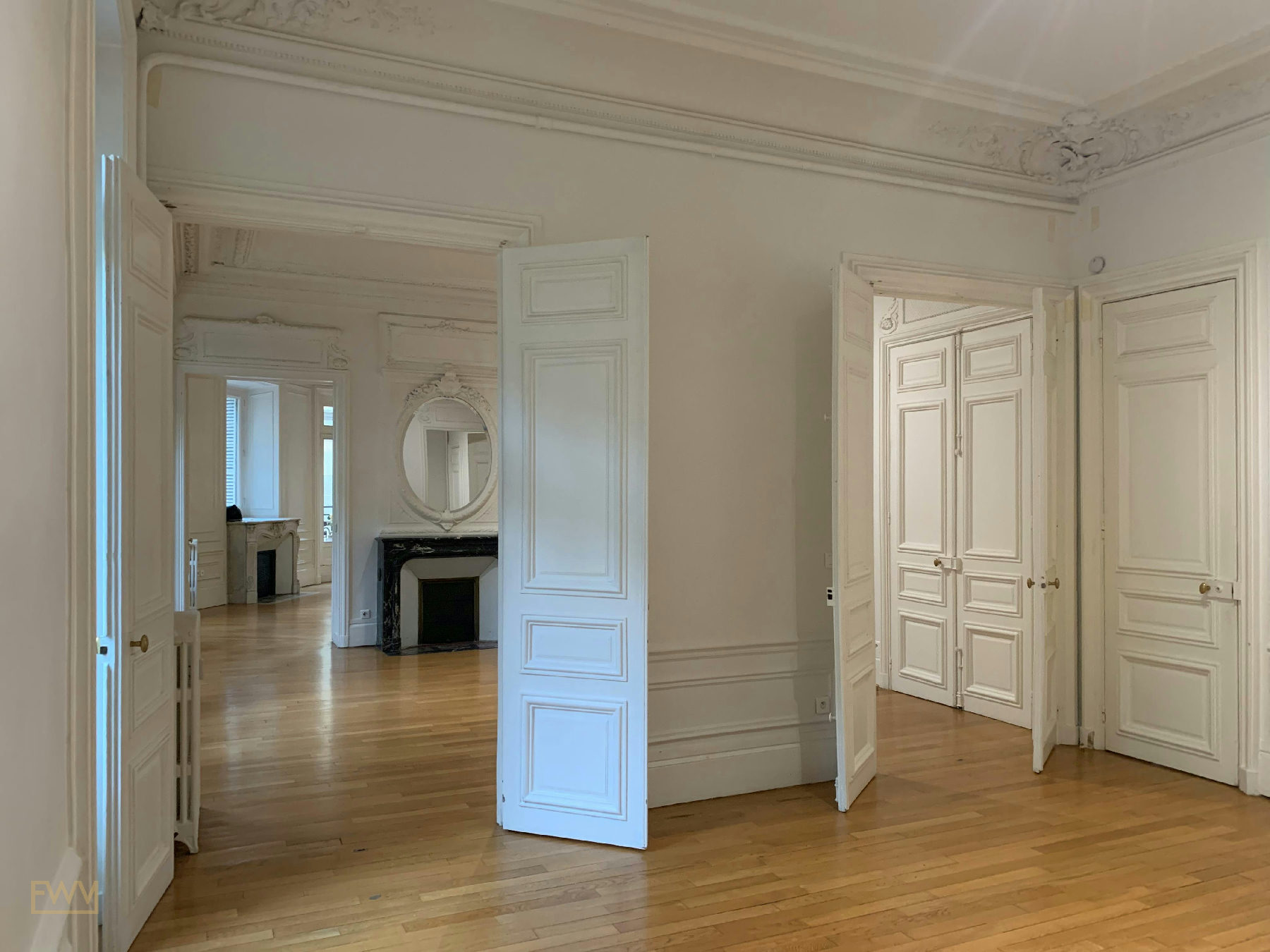
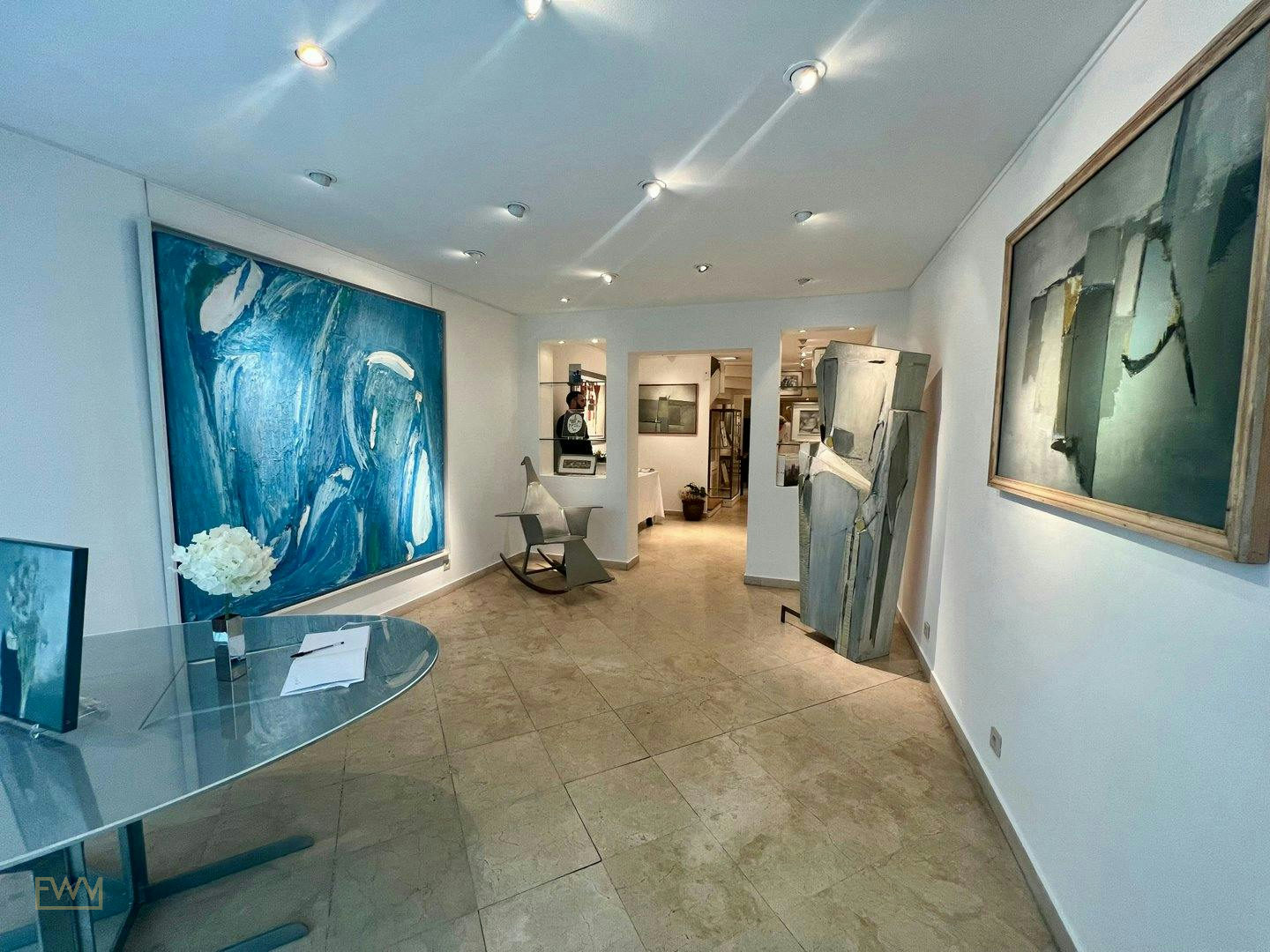
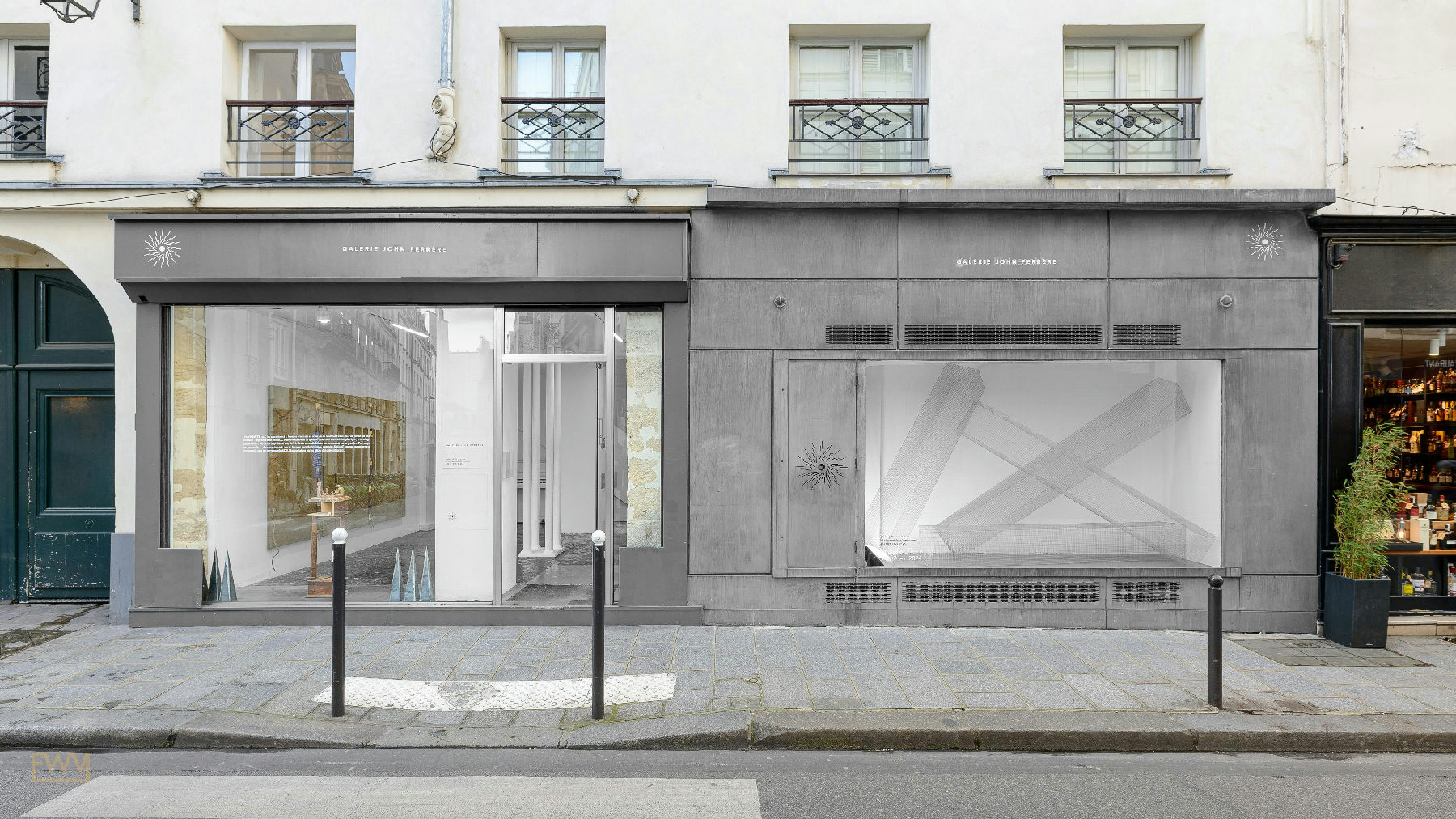
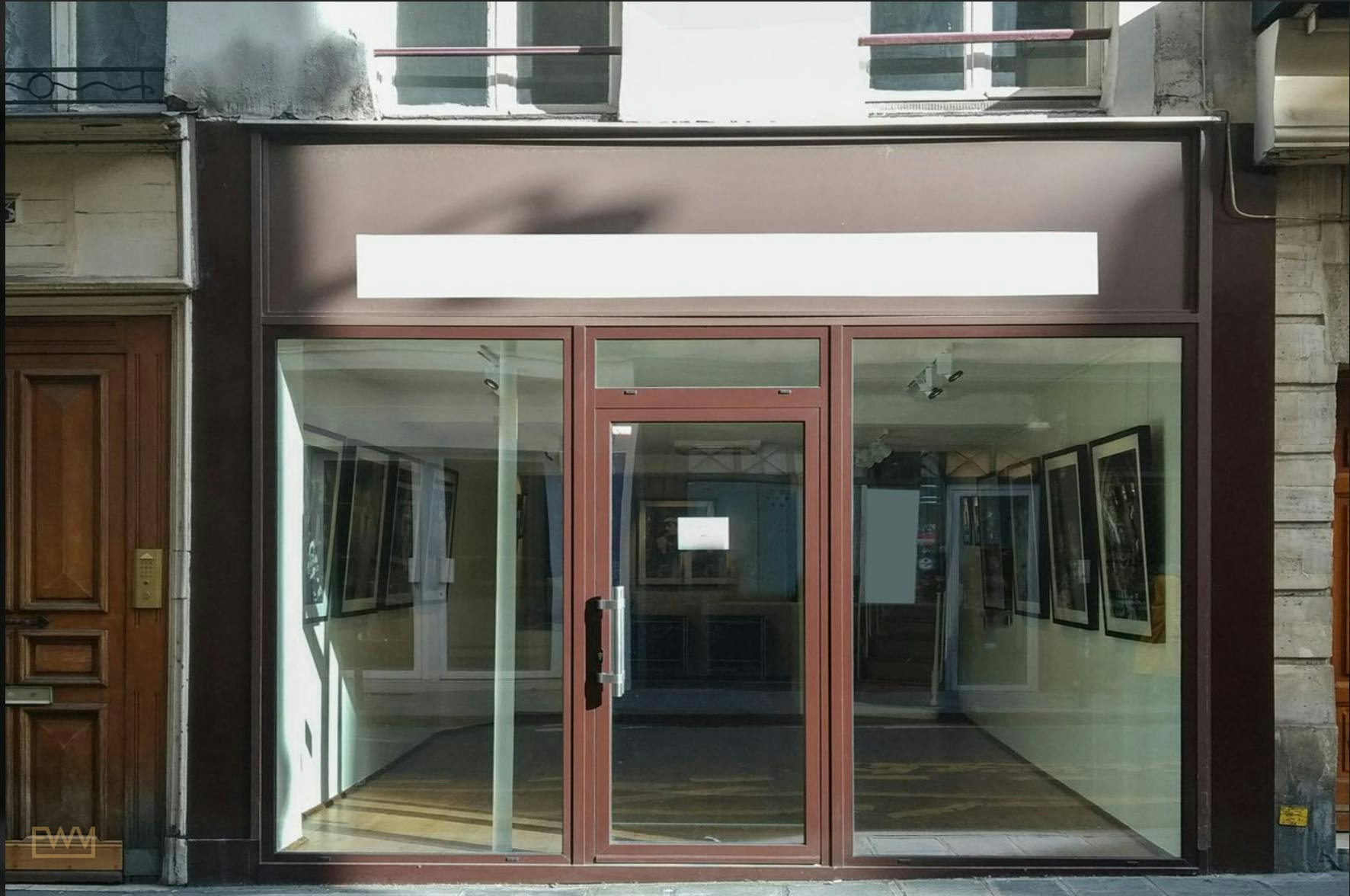
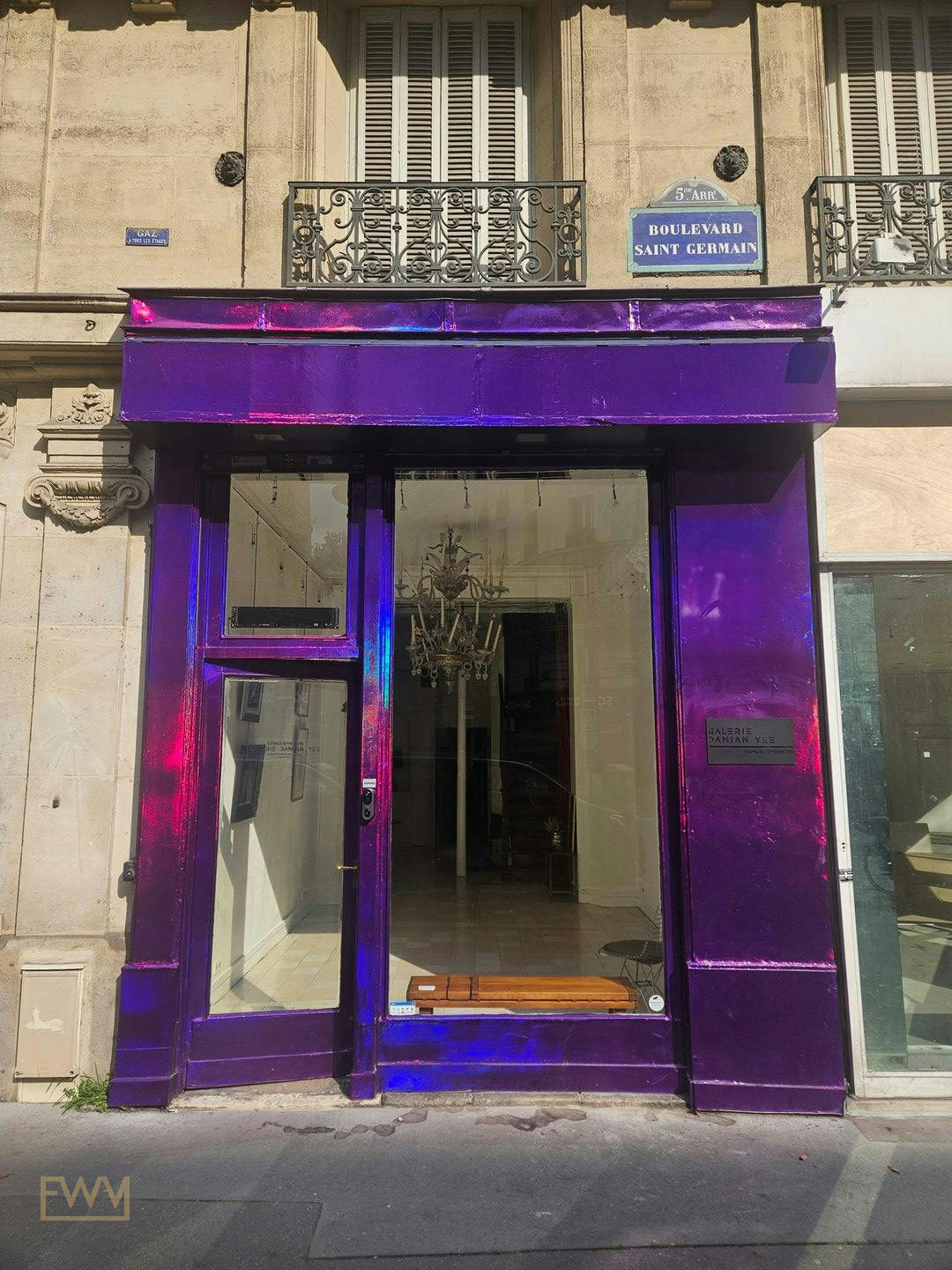
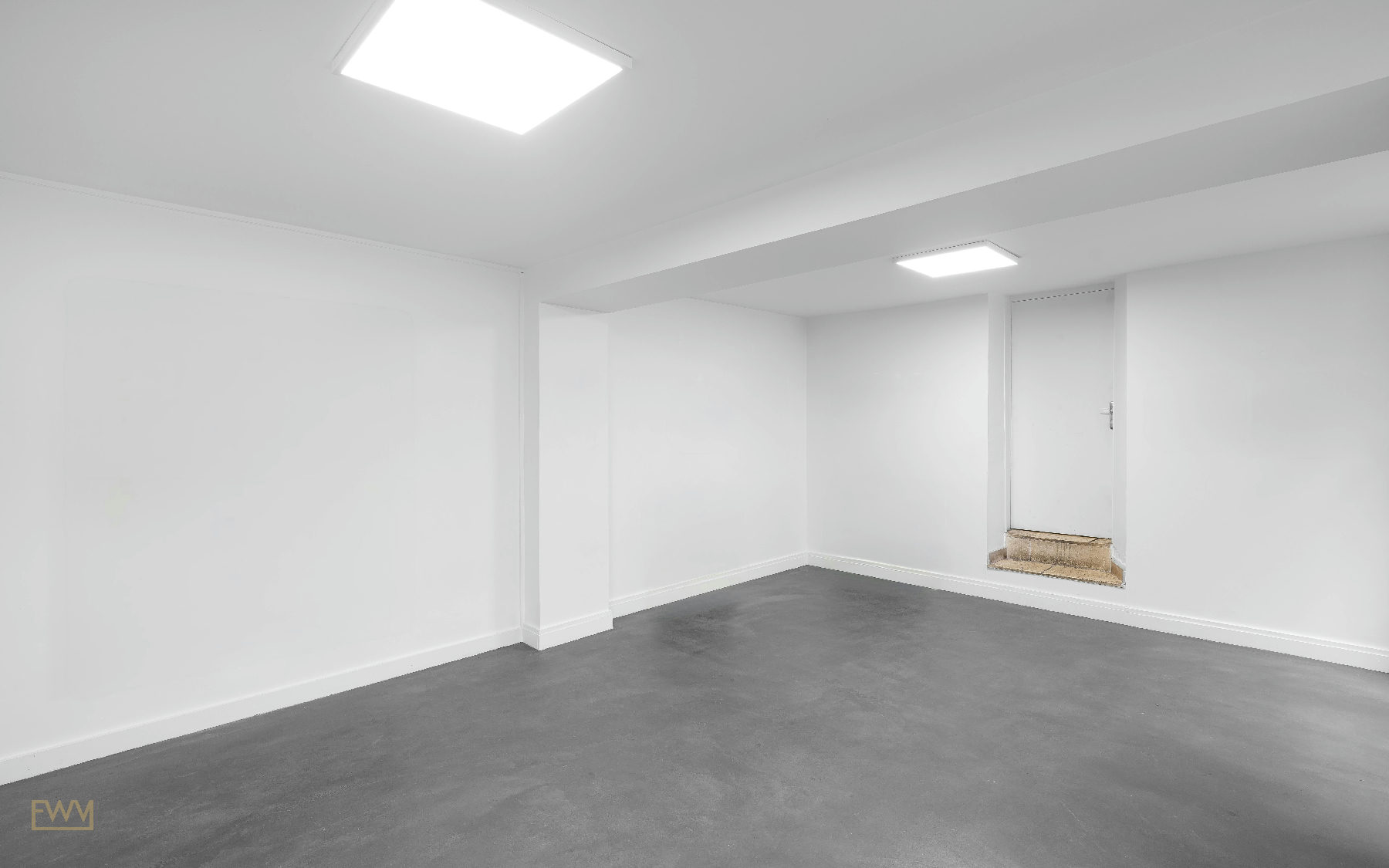
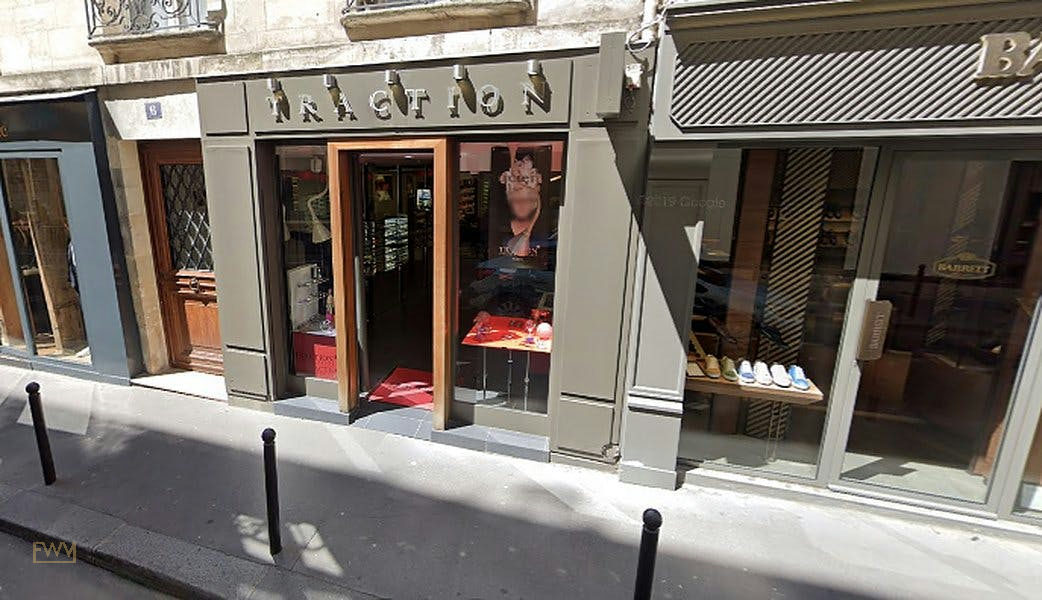
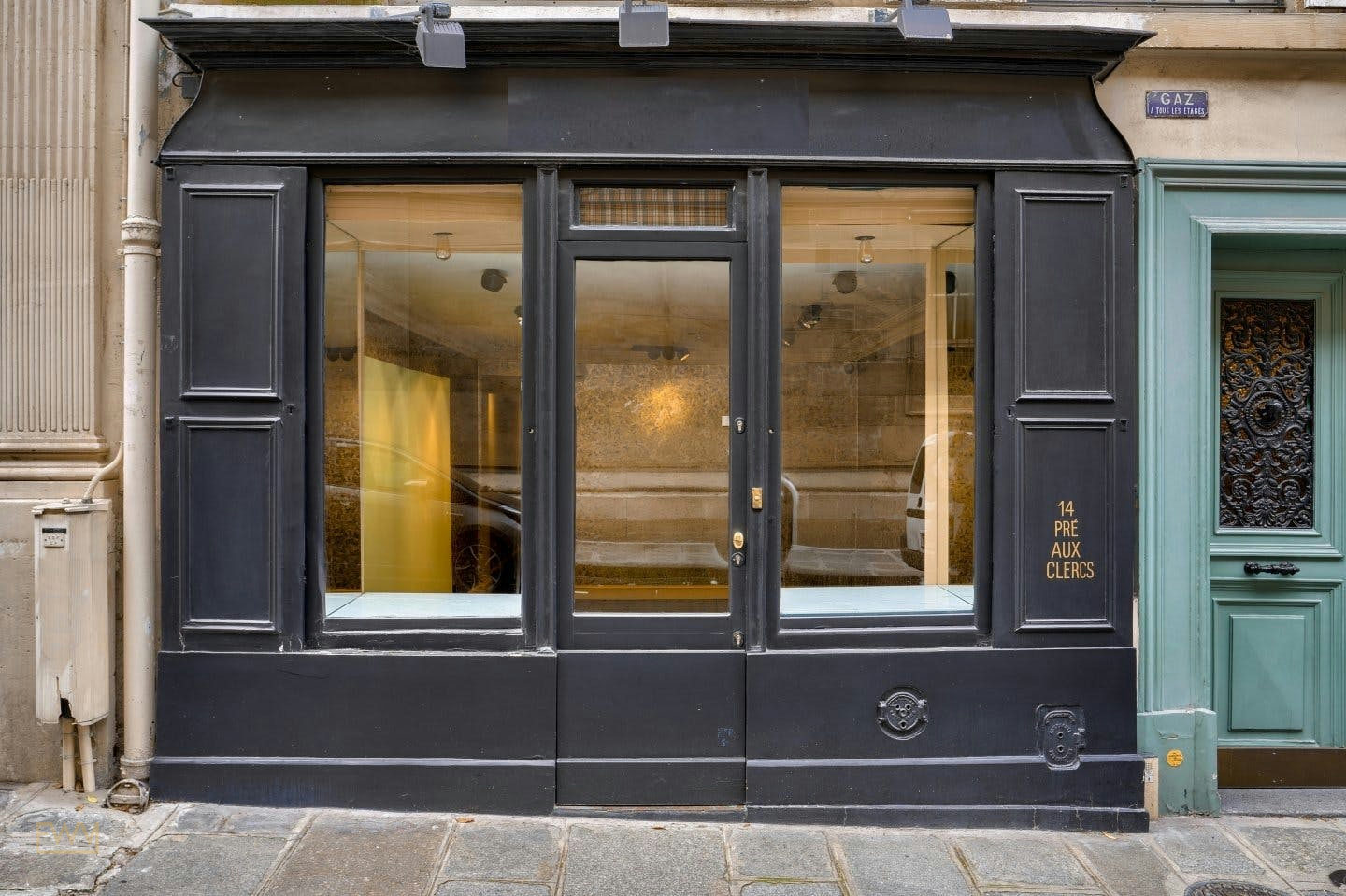
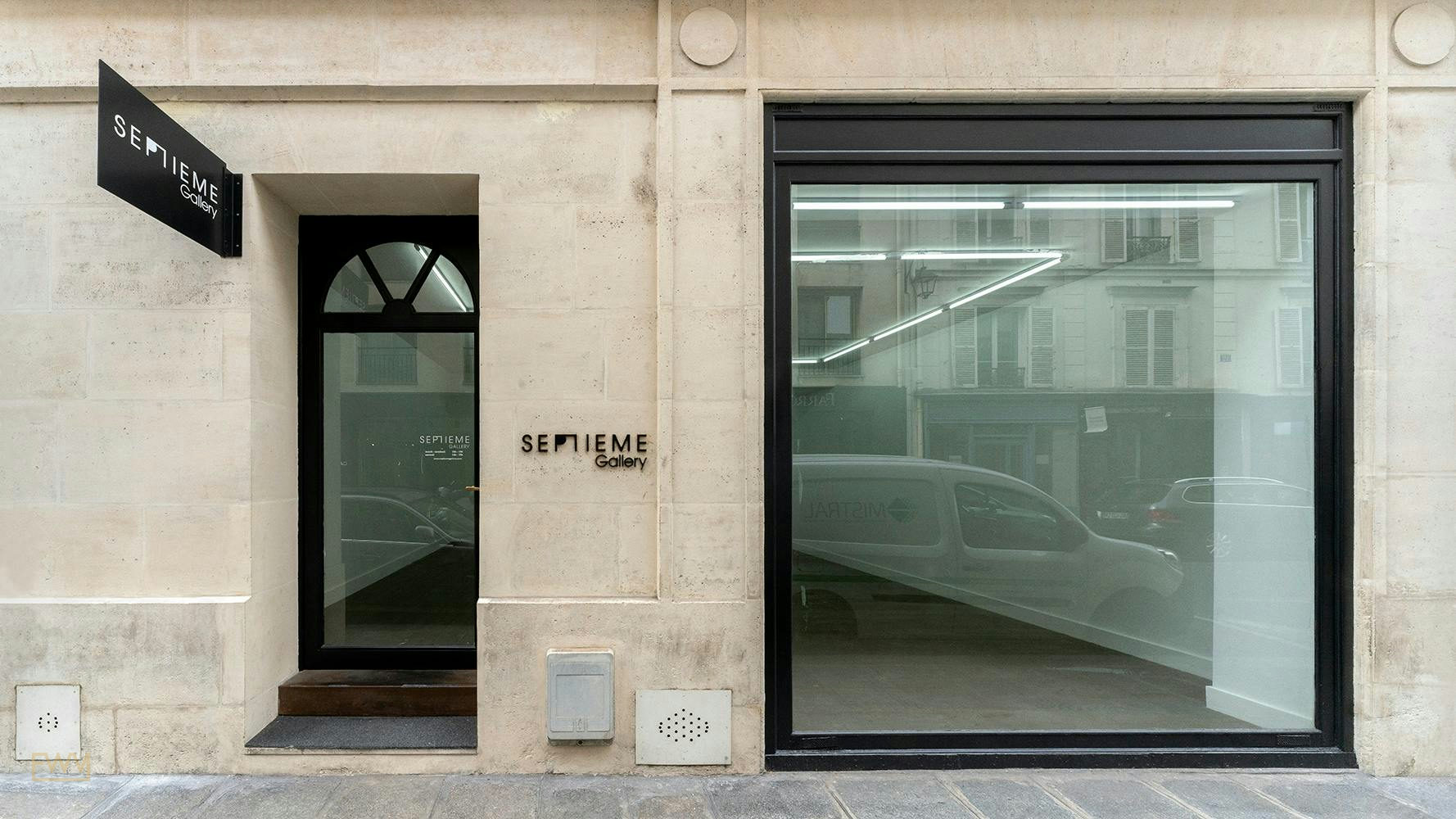
Planning a pop-up space during Fashion Week can propel your brand into the international spotlight. The strategic choice of venue can significantly influence the success of your fashion activation. At Fashion Week Venues, we understand these nuances, providing a suite of services that streamline the process from conception to execution. As a hub for world-class temporary retail spaces, our mission is to empower brands to maximize their impact during this highly coveted calendar period across major fashion capitals.
Understanding the Pop-Up Phenomenon in Fashion Capitals
The pop-up phenomenon has revolutionized the retail landscape, offering brands dynamic opportunities to engage consumers directly. Rooted in spontaneity and exclusivity, pop-up shops allow fashion brands to test markets, build buzz, and create a sense of urgency among consumers. Fashion capitals like Paris, New York, and Milan lead this trend, providing fertile ground for innovative brand experiences.
Pop-up stores, by their temporary nature, offer unique advantages such as lower costs compared to permanent locations, and the ability to customize spaces for specific branding needs. The temporary aspect also aligns seamlessly with seasonal events like Fashion Week, where the condensed time frame necessitates swift and impactful interactions.
Understanding these dynamics is essential for brands aiming to leverage the pop-up model effectively. By creating a limited-time opportunity, brands can boost engagement and drive quick conversions from curious visitors to avid customers. This approach contrasts with the enduring presence of traditional retail but can prove equally, if not more, effective in garnering brand loyalty and attention.
KEY TAKEAWAY: Embracing the pop-up model allows fashion brands to capitalize on limited-time events such as Fashion Week, promoting exclusivity and driving immediate consumer engagement.
The next section will delve into how Fashion Week Venues can assist in optimizing your pop-up strategy, ensuring that your brand is perfectly positioned to capture the eyeballs of the fashion world.
How Fashion Week Venues Optimizes Your Brand Activation
Fashion Week Venues serves as a comprehensive partner in executing successful brand activations, providing services such as venue sourcing, concept direction, and activation management. Each service is designed to address a unique phase of the pop-up planning and execution process.
Quick answer: Fashion Week Venues ensures seamless brand activations by handling venue sourcing, branding, and production logistics, allowing brands to focus on creative execution.
Our services begin with precise venue sourcing, utilizing our extensive marketplace for space browsing and discovery. We offer a multitude of venues across key fashion capitals tailored to your brand's aesthetic and logistical needs. Coupled with our concept direction, we assist in crafting an immersive brand narrative that resonates with your audience.
Beyond the initial planning, our activation management handles execution, including branded store design, production, and staffing. Each element is meticulously coordinated to deliver a cohesive and immersive experience that aligns with your brand ethos and goals. Our extensive network within the fashion industry ensures that every activation not only launches smoothly but also leaves a lasting impression.
KEY TAKEAWAY: Fashion Week Venues streamlines the pop-up activation process, providing tailored solutions that allow brands to focus on creative impact and consumer engagement.
As we move forward, it's crucial to understand the legalities involved with pop-up venues, especially in Paris. The next section will explore this, shedding light on essential permits and compliance issues.
Essential Permits and Compliance for Pop-Ups in Paris
Navigating permits and compliance is critical when setting up a pop-up in Paris. Understanding the legal frameworks such as the bail dérogatoire and Autorisation d’Occupation Temporaire (AOT) is essential for a successful activation.
Quick answer: Securing a bail dérogatoire or AOT is vital for legal temporary pop-ups in Paris, necessitating careful planning and potential legal advisement.
A bail dérogatoire is a short-term lease differing from standard commercial leases, allowing for a temporary presence without the long-term obligations. The AOT permits temporary use of public spaces, often necessary for large-scale outdoor activations. Both require careful navigation, contingent on the location, duration, and nature of your pop-up.
Paris's unique zoning laws further complicate these processes, with regulatory requirements varying by arrondissement and space type. Therefore, advising with legal professionals conversant in French real estate law is recommended. Fashion Week Venues offers a permits tool to assist in guiding you through this intricate compliance landscape.
DID YOU KNOW: Each neighborhood in Paris, known as an arrondissement, has its own unique permitting requirements for pop-up venues.
KEY TAKEAWAY: Proper permits and compliance are critical when organizing a pop-up event in Paris. Utilizing expert resources can ensure adherence to local laws and successful venue operation.
Next, we will explore strategic venue selection tips to align your pop-up with brand objectives and audience engagement.
Strategic Venue Selection for Impactful Pop-Ups
Choosing the right venue for your pop-up is crucial for maximizing brand impact. Location not only influences foot traffic but also reflects your brand's identity and values. In iconic cities like Paris, each neighborhood offers distinct advantages that can enhance or detract from your brand activation.
Le Marais, for instance, is known for its eclectic mix of fashion-forward boutiques and a vibrant cultural scene, making it ideal for contemporary fashion brands. Meanwhile, the chic and luxurious ambiance of Rue Saint-Honoré suits high-end luxury brands aiming to attract a sophisticated clientele.
| Neighbourhood | Target Audience | Brand Fit |
|---|---|---|
| Le Marais | Young, Trendy | Contemporary, Creative |
| Rue Saint-Honoré | Luxury Shoppers | High-end, Exclusive |
| Opéra | Tourists, Shoppers | Mainstream, International |
| Saint-Germain-des-Prés | Cultural Enthusiasts | Artistic, Heritage |
Key considerations for venue selection include proximity to major transit routes, foot traffic patterns, and competitive landscape analysis. Utilize tools like venue comparison and location-specific insights to make informed decisions. Fashion Week Venues offers extensive support through its venue sourcing service, ensuring a tailored match for your brand's needs.
KEY TAKEAWAY: Aligning your pop-up venue with your brand's identity and audience is essential for maximizing foot traffic and engagement during Fashion Week.
Following venue selection, optimizing the budgeting process to align with activation goals is crucial. The next section will guide you through building a comprehensive budget for your pop-up event.
Building a Comprehensive Budget for Your Pop-Up Event
A well-structured budget is foundational for any successful pop-up. Understanding the financial commitments involved, from venue rental to marketing, ensures that your activation remains financially viable and impactful.
Quick answer: Building a comprehensive pop-up budget involves accounting for venue costs, design, staffing, marketing, and unforeseen expenses to ensure financial feasibility and project success.
Key components of a pop-up budget include venue lease fees, interior design and fit-out costs, staffing (both temporary and on-site), marketing and PR expenses, and contingency funds for unforeseen circumstances. It’s important to obtain detailed quotes for each aspect to prevent budget overruns and to incorporate ROI analysis tools for evaluating potential profit versus investment.
Fashion Week Venues provides a budget calculator tool to aid in precise financial forecasting, allowing brands to balance monetary constraints with creative aspirations. This tool streamlines budget management by detailing typical expenses and helping predict cost variations based on location and configuration.
TIP: Allocate at least 10% of your total budget as a contingency fund to manage unforeseen expenses effectively.
KEY TAKEAWAY: A methodically planned budget ensures resources are optimally utilized, allowing for flexibility and creativity in the execution of your pop-up event.
With the budget in place, understanding data and analytics post-activation can help measure success. In the next section, we evaluate the role of data in capturing the impact of your pop-up strategy.
Leveraging Data and Analytics for Pop-Up Success
Data and analytics are critical in understanding the effectiveness of your pop-up activation. By leveraging these tools, brands can gain insights into consumer behavior, engagement metrics, and ROI, which inform future strategic decisions.
Quick answer: Utilizing data and analytics during and after pop-up events helps brands measure engagement, track conversions, and optimize future strategies for greater impact.
Data-driven insights can be gleaned from various touchpoints, including POS systems, customer feedback surveys, and digital interactions. Metrics such as foot traffic, average transaction value, and conversion rates provide a quantifiable measure of success. Further, consumer feedback and sentiment analysis can offer qualitative insights into brand perception and experiential effectiveness.
Fashion Week Venues offers robust data and analytics services, assisting brands in deciphering complex datasets to derive actionable insights. By aligning data with specific campaign objectives, brands can adjust strategies and refine future activations to better meet their target audiences' needs.
IMPORTANT: Consistently analyze both quantitative and qualitative data to develop a holistic understanding of your pop-up’s impact.
KEY TAKEAWAY: Effective use of data and analytics can significantly improve the outcome of your pop-up activation, guiding strategic adjustments and enhancing overall brand performance.
Next, we will discuss integrating digital aspects to enhance the consumer experience at your pop-up, crucial for modern retail environments.
Integrating Digital and Physical Experiences in Pop-Ups
The fusion of digital and physical elements within pop-ups creates immersive retail experiences that captivate and engage today’s tech-savvy consumers. Such integrations are essential in maintaining a competitive edge during Fashion Week.
Quick answer: Integrating digital elements, like virtual try-ons and interactive displays within pop-ups, can enhance consumer engagement and provide a seamless shopping experience.
Incorporating technology can take various forms, such as virtual fitting rooms, interactive walls, or app-based inventory browsing. These technologies personalize customer interactions, offering innovative ways for consumers to connect with products and brand stories. Additionally, leveraging social media integration encourages on-the-spot sharing, amplifying brand visibility.
| Digital Element | Benefit | Example |
|---|---|---|
| Virtual Try-Ons | Enhanced Interaction | See products in real-time |
| Interactive Displays | Engagement | Product storytelling |
| AR Shopping | Novel Experience | Virtual product placement |
Fashion Week Venues supports brands in integrating digital strategies into their activations, providing creative direction and execution tools. This ensures that pop-ups are not only visually appealing but also technologically advanced, appealing to modern consumers.
KEY TAKEAWAY: Digital integration is key to crafting engaging pop-up experiences that resonate with today’s consumer expectations and preferences.
In the following section, explore how the timeline planning impacts the success of your pop-up project.
Crafting a Timeline for Effective Pop-Up Execution
A well-defined timeline is essential for the seamless execution of a pop-up event. It ensures that every phase, from brainstorming to execution, is aligned and effective in meeting the project’s deadlines and objectives.
Quick answer: Building a detailed timeline helps manage each phase of your pop-up project efficiently, ensuring timely execution and delivery.
Developing a timeline involves breaking down the project into phases: concept development, logistics planning, on-site setup, activation, and teardown. Each phase should have specific deadlines, deliverables, and responsible stakeholders to ensure accountability and progress.
| Phase | Timeline | Actions |
|---|---|---|
| Concept Development | 4-6 months prior | Idea generation, budget setting |
| Logistics Planning | 3-4 months prior | Venue booking, permits |
| Execution | 1-2 weeks prior | Space setup, staffing |
| Activation | Event week | Launch, manage |
| Teardown | 1 week post-event | Space clearance, post-mortem |
Using the timeline planning tool from Fashion Week Venues can assist in mapping out these phases effectively. This ensures key milestones are achieved and the project remains on track.
DID YOU KNOW: Effective timeline mapping can reduce unforeseen delays and enhance overall project quality.
KEY TAKEAWAY: A structured timeline is crucial for executing a successful pop-up, keeping the project streamlined and aligned with strategic goals.
In the next section, we'll explore how to measure the return on investment (ROI) from your pop-up event, a critical factor in evaluating its success.
Measuring ROI and Evaluating Pop-Up Success
Determining the return on investment (ROI) for your pop-up is crucial for assessing its financial and strategic success. This involves analyzing various metrics that reflect both direct financial returns and broader brand benefits.
Quick answer: Evaluating pop-up ROI involves assessing sales data, brand exposure, and customer engagement to determine overall success and guide future investments.
Common metrics for evaluating pop-up ROI include total revenues generated, cost per acquisition, social media reach, and customer acquisition rates. These indicators offer insights into how different elements of the pop-up contributed to your brand's objectives, such as revenue generation or brand awareness amplification.
Fashion Week Venues provides an advanced ROI calculator tool to help brands break down these elements and gain a comprehensive view of their pop-up’s performance. This tool analyzes costs against revenues and engagement impact, providing a clear picture of the activation's overall effectiveness.
TIP: Regularly track these metrics across multiple activations to identify patterns and refine future strategies for more effective engagements.
KEY TAKEAWAY: Accurate ROI measurement is essential for optimizing future pop-up strategies, ensuring both financial investment and brand objectives are met effectively.
Up next, we'll discuss common myths surrounding pop-up activations and the reality behind these misconceptions.
Common Myths Debunked
MYTH: You need a French legal entity to rent a space in Paris.
FACT: While it is beneficial, it is not strictly necessary to have a French legal entity to rent a space in Paris. Many international brands operate through agencies or consultants who handle legalities on their behalf, including navigating complexities such as bail dérogatoire and AOT. Engaging with an agency like Fashion Week Venues can streamline this process.
MYTH: Paris Fashion Week is the only viable calendar window for pop-up activations.
FACT: While Paris Fashion Week offers high visibility, other periods throughout the year also present lucrative opportunities for pop-up activations, such as summer sales and Christmas holidays, which see significant foot traffic and consumer engagement. Tailoring your activation to seasonal events can enhance brand visibility outside of the traditional fashion week schedule.
MYTH: Commission brokers are the only way to find a space.
FACT: While brokers are one avenue for space procurement, agencies like Fashion Week Venues provide a more integrated approach, offering a comprehensive marketplace of pre-vetted spaces that fit your specific needs, complete with support services that enhance your activation experience.
MYTH: Short-term leases are legally straightforward without specialist help.
FACT: The legal landscape for short-term leases, especially in Paris, can be complex and must be navigated with care. Provisions such as bail dérogatoire demand specific legal knowledge, making it advantageous to enlist professionals who are familiar with the intricacies of French leasing laws to ensure compliance and mitigate risk.
Frequently Asked Questions
What is the role of a bail dérogatoire in pop-up leasing?
A bail dérogatoire allows businesses to establish a pop-up shop with a lease agreement lasting up to two years, avoiding long-term rental commitments. This type of lease is ideal for temporary events like Fashion Week, providing the flexibility needed for short-term retail ventures while ensuring legal compliance.
How can Fashion Week Venues assist with venue sourcing?
Fashion Week Venues specializes in venue sourcing by leveraging a diverse marketplace of spaces tailored to your brand's specifications. From researching ideal locations to negotiating lease terms, their comprehensive approach ensures you find the perfect space to suit your activation needs.
What are the key criteria for selecting a pop-up location in Paris?
The selection criteria include understanding target demographics, accessibility, foot traffic, and the competitive landscape. Each Paris neighborhood offers unique characteristics; for instance, Le Marais appeals to a younger demographic, while Rue Saint-Honoré targets luxury consumers.
What digital integrations can enhance a pop-up experience?
Digital enhancements such as virtual try-on stations, interactive displays, and augmented reality elements can significantly enhance consumer engagement. These tools allow customers to interact with products in innovative ways, ultimately fostering a memorable shopping experience that aligns well with modern consumer expectations.
How is the ROI for a pop-up event calculated?
ROI is calculated by comparing total revenue against the costs incurred from the pop-up, including production, marketing, and operational expenses. Considerations also include analyzing increased brand exposure and customer acquisition figures to present a holistic view of success.
Do I need special permits for setting up a pop-up in Paris?
Yes, specific permits such as Autorisation d’Occupation Temporaire (AOT) are necessary for certain spaces, particularly public or outdoor locations. It’s advisable to verify requirements with local authorities or legal consultants specialized in French leasing laws to ensure full compliance.
Can a pop-up shop drive long-term customer engagement?
Absolutely. While inherently short-lived, pop-ups can create lasting impressions and drive long-term customer loyalty. By crafting unique and engaging experiences, brands can capture the interest of consumers who are likely to return or follow through on purchases even after the pop-up has ended.
What are the dangers of poorly planned pop-ups?
Poor planning can result in several issues such as financial loss, legal problems, and a lack of customer engagement. Without thorough research and strategic planning, brands might face challenges in executing a successful pop-up, impacting their brand reputation and return on investment.
Why choose temporary activation over a permanent store?
Temporary activations offer flexibility and lower risk compared to permanent stores. They allow brands to test new markets, experiment with brand concepts, and engage with consumers in a dynamic manner without committing to long-term leases and associated costs.
How does Fashion Week Venues ensure compliance with local regulations?
Fashion Week Venues provides a permit and compliance guidance service, offering tools like their permits tool, and connects brands with local legal experts to navigate French permitting requirements effectively, ensuring that activations adhere to all necessary legalities.
Conclusion
Selecting the right fashion week venue can elevate a brand’s presence, offering unparalleled engagement opportunities during these pivotal events. By leveraging the expertise of Fashion Week Venues, brands gain access to tailored solutions that address every aspect of the pop-up process, from strategic venue sourcing to data-driven post-event analysis. As a result, brands can confidently explore available spaces on the Fashion Week Venues marketplace with an understanding of how to make the most impactful decisions for their next pop-up activation.