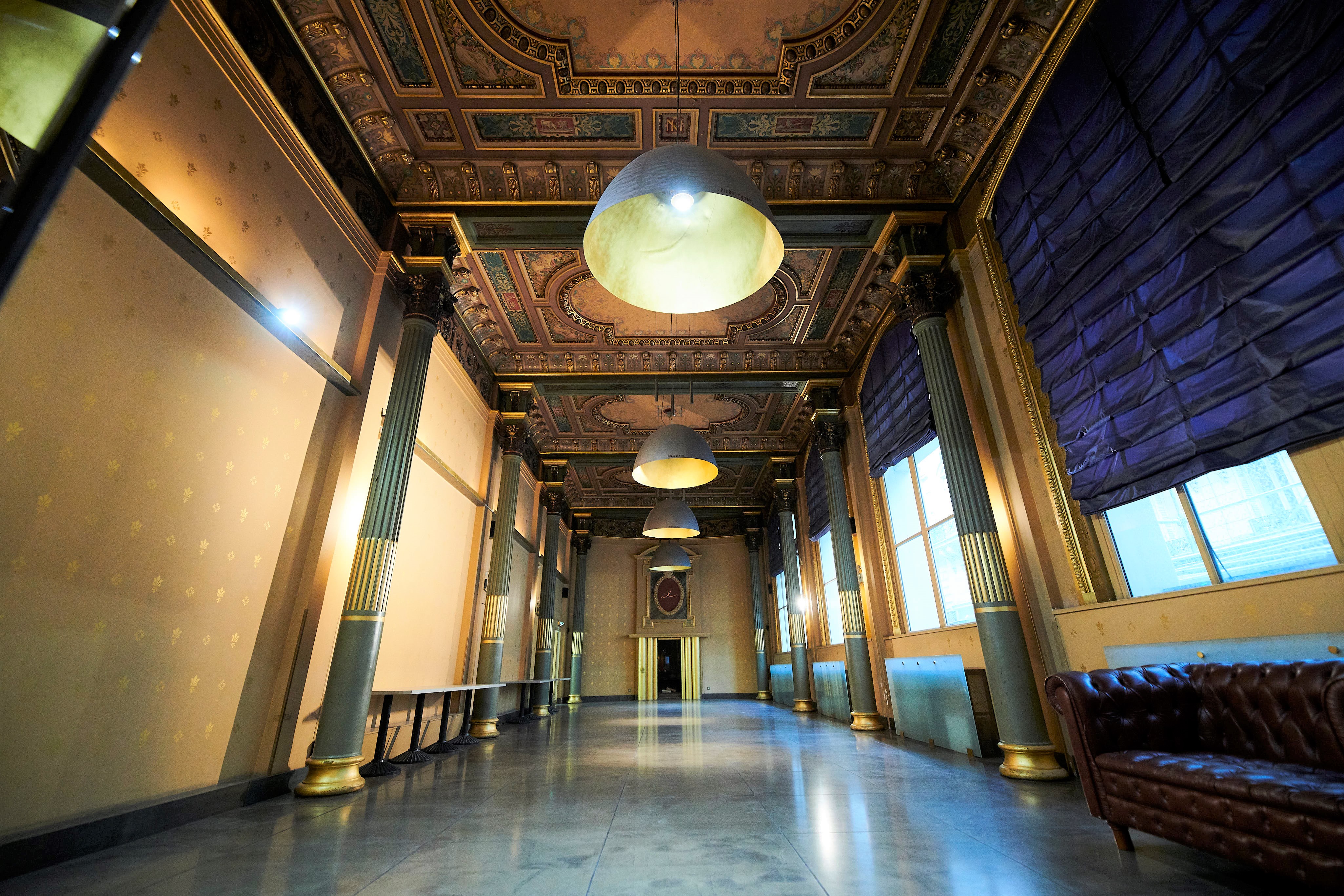
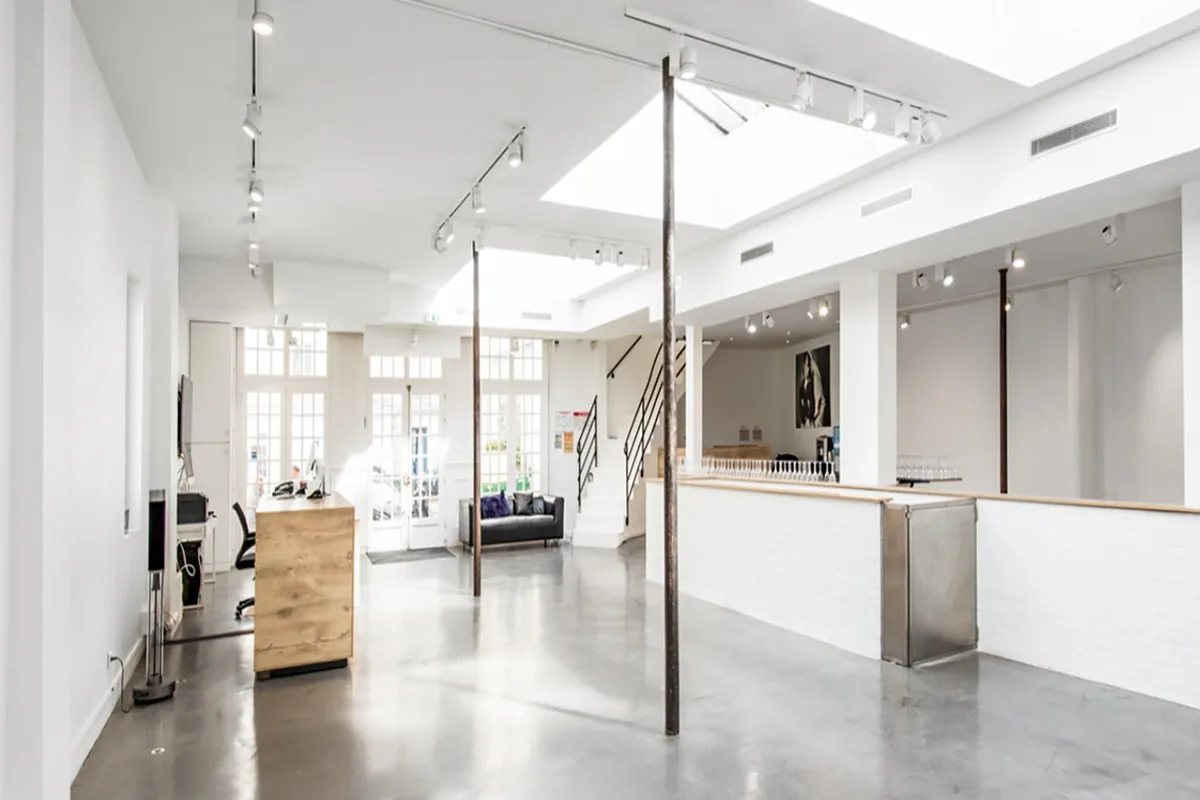
The right venue during Fashion Week can make or break a brand's activation strategy. As fashion capitals across the globe gear up for their bi-annual showcases, choosing the appropriate space in a bustling city like Paris becomes vital for brands seeking to make a memorable impact. Fashion Week Venues stands out as a pivotal resource, leveraging its extensive marketplace and comprehensive services to help brands navigate this complex arena. Through strategic venue sourcing, creative concept direction, and complete production and activation support, Fashion Week Venues equips brands with the tools needed to thrive amidst the glamour and competition of Fashion Week.
Understanding Venue Sourcing for Fashion Week
Venue sourcing during Fashion Week requires a nuanced understanding of both the industry dynamics and the unique attributes of different city locales. When navigating this landscape, one must consider the nature of the event, logistical details, and the intended audience.
Quick answer: Venue sourcing for Fashion Week involves identifying spaces that align with the brand's identity and operational needs, ranging from showrooms to pop-up stores and exclusive event venues. Each option offers distinct opportunities for image building and audience engagement.
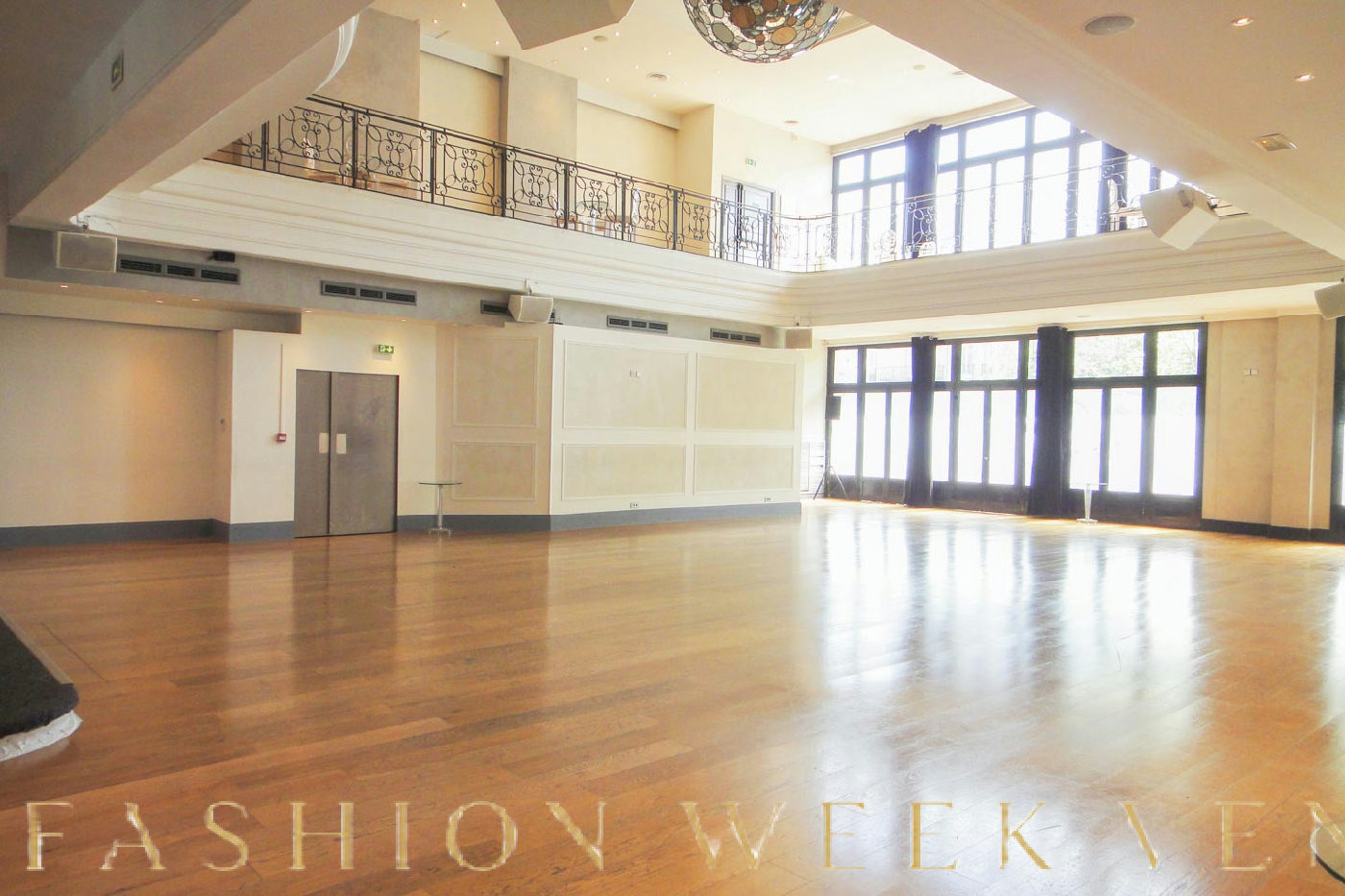
Brands often seek spaces that not only enhance their runway shows but also offer immersive environments for customer interaction. Whether in opulent locations like Champs-Élysées or trendy districts such as Le Marais, the space needs to reflect the brand’s ethos while accommodating technical requirements. Fashion Week Venues helps navigate these challenges with expert venue sourcing services, ensuring that the chosen location amplifies a brand's presence.
| Aspect | Considerations | Benefits |
|---|---|---|
| Location | Distance from main runway shows | Increased foot traffic and visibility |
| Size | Capacity to host attendees and displays | Comfortable, engaging environments |
| Ambiance | Alignment with brand aesthetic | Enhanced brand storytelling |
Identifying prime locations in Paris such as Saint-Germain-des-Prés or near cultural landmarks like Palais de Tokyo ensures that brands can attract the desired audience. Furthermore, leveraging tools like Locator tool simplifies the search process by pinpointing available spaces based on specific criteria.
KEY TAKEAWAY: Effective venue sourcing combines strategic location selection with an understanding of brand nuances to deliver optimal engagement opportunities during Fashion Week.
Next, let us delve into the various types of venue spaces available and how they cater to different brand objectives.
Types of Venues for Pop-Up Spaces During Fashion Week
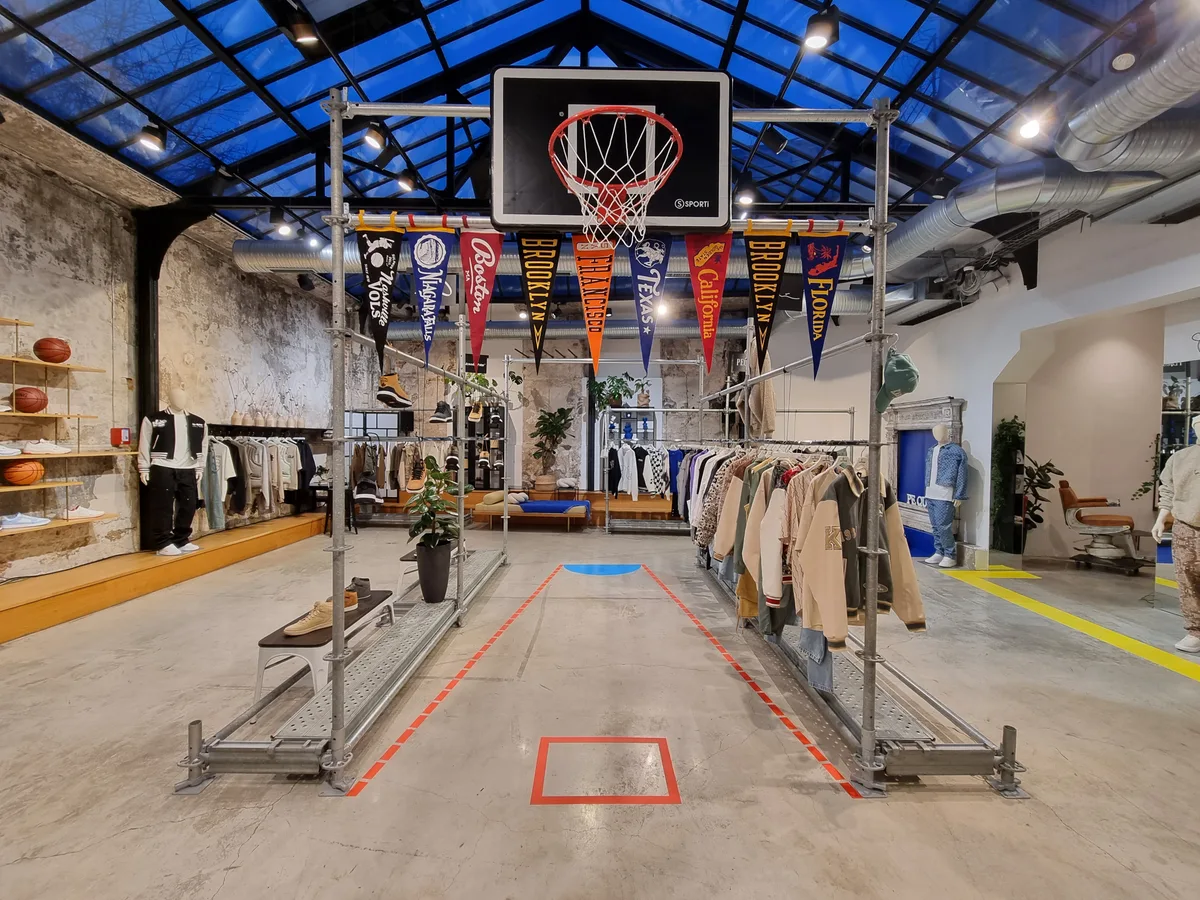
Pop-up spaces during Fashion Week vary widely, each offering unique benefits and catering to diverse marketing and engagement strategies. Brands commonly choose between flagship spaces, gallery-style venues, and versatile industrial lofts, depending on their campaign goals.
Quick answer: Pop-up spaces during Fashion Week can be categorized into luxury retail spaces, art gallery venues, and multifunctional lofts, each providing distinct environments to enhance brand interaction and visibility.
Luxury retail spaces, often found on streets like Rue Saint-Honoré, provide an elegant backdrop for high-end brands looking to mirror their luxury positioning with opulent surroundings. These spaces are especially popular for brands wishing to convey exclusivity and sophistication.
DID YOU KNOW: Rue Saint-Honoré is home to some of the world’s most prestigious luxury brands, enhancing the brand's alignment with high fashion standards.
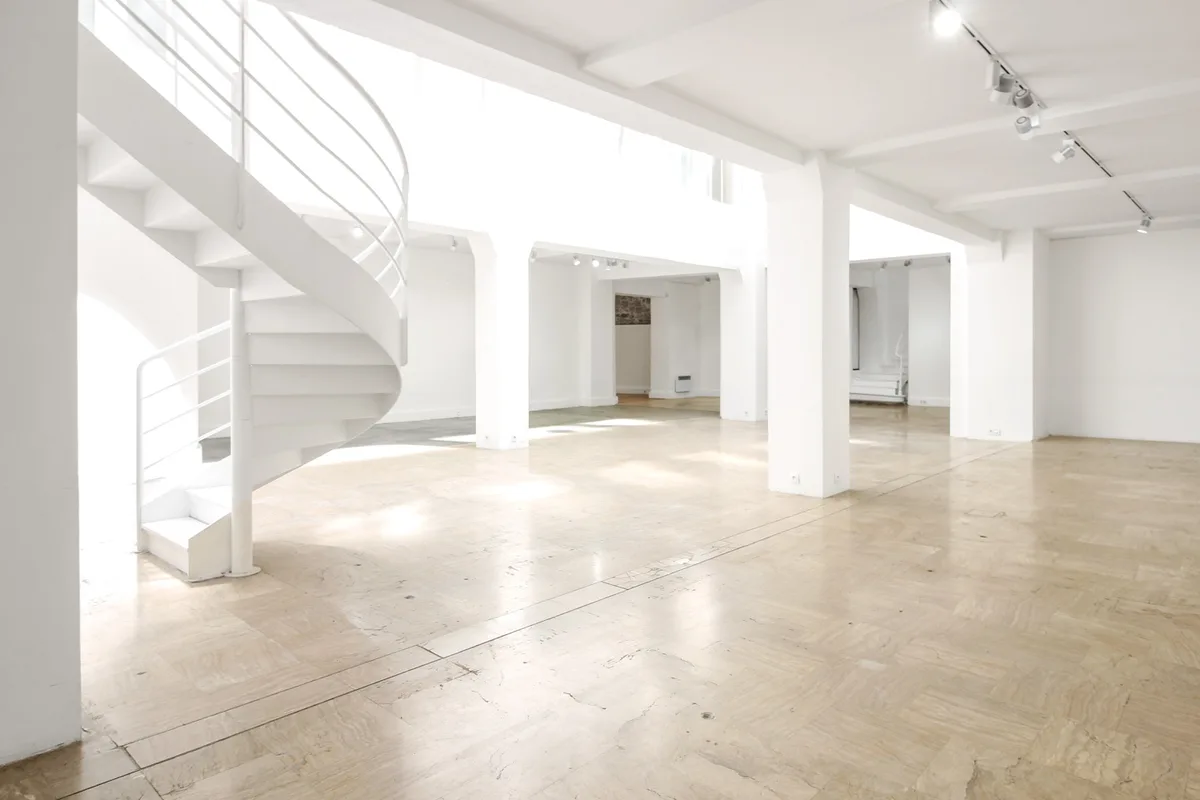
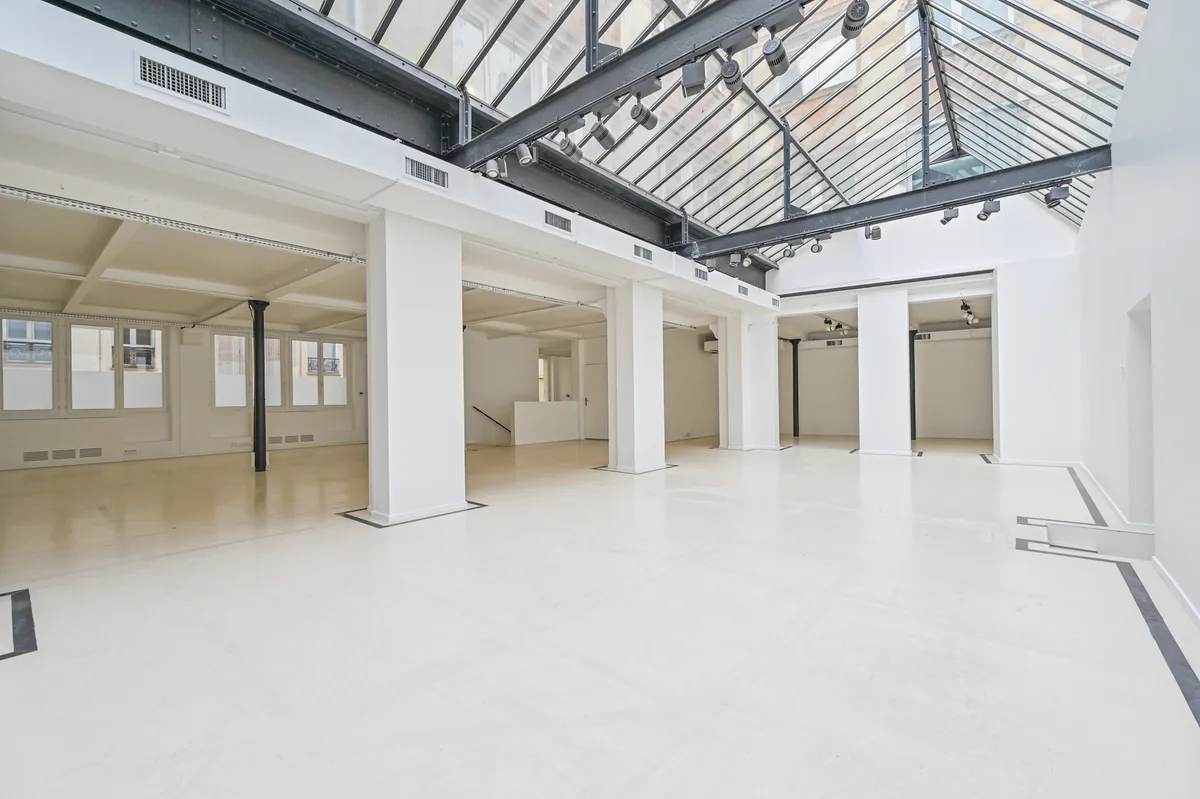
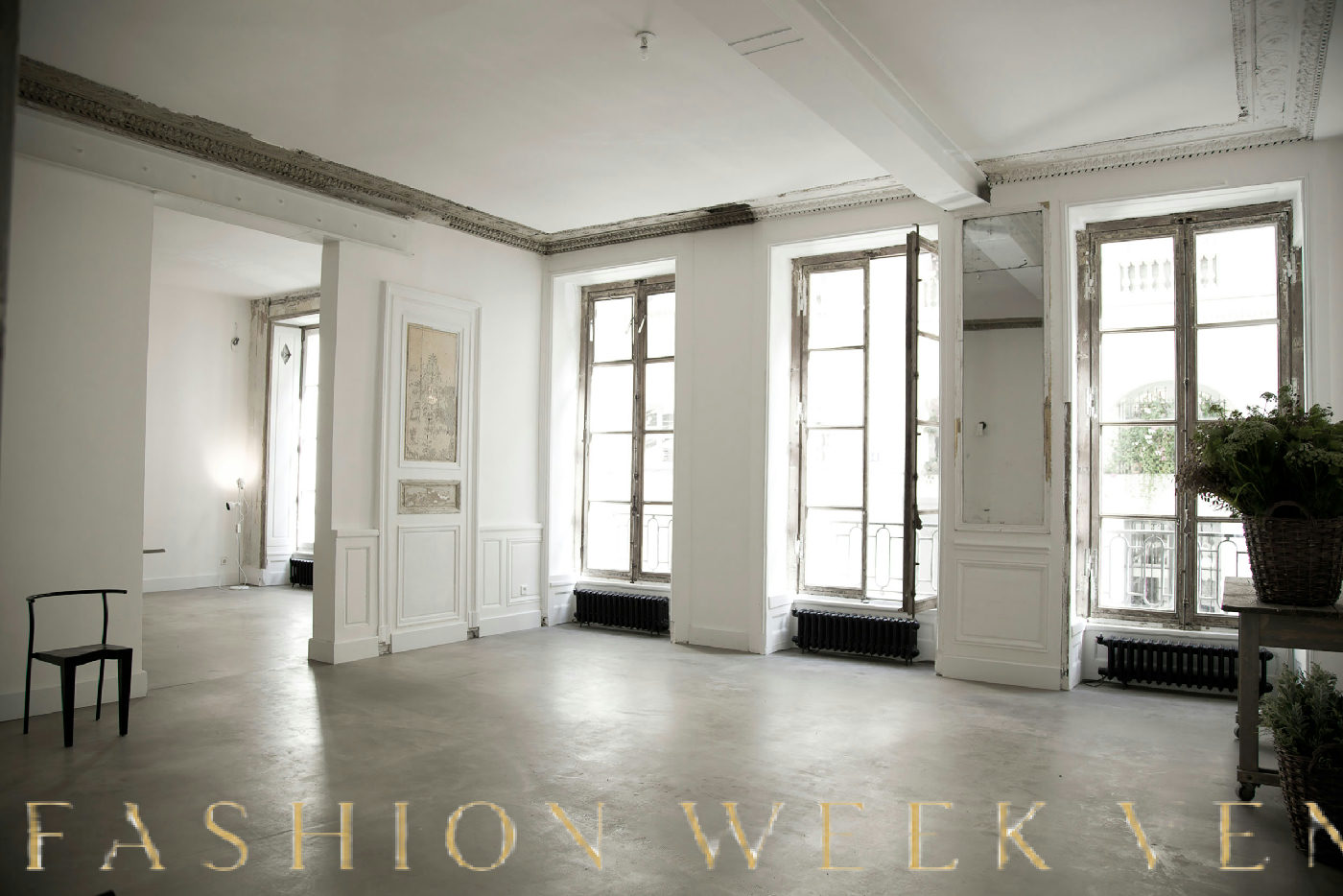
Art gallery venues offer a clean, minimalist setting ideal for avant-garde and emerging designers who prioritize creativity and unique presentations. These venues allow for flexible arrangements, from exhibitions to interactive installations.
- Enhances artistic displays
- Provides a neutral canvas for creative storytelling
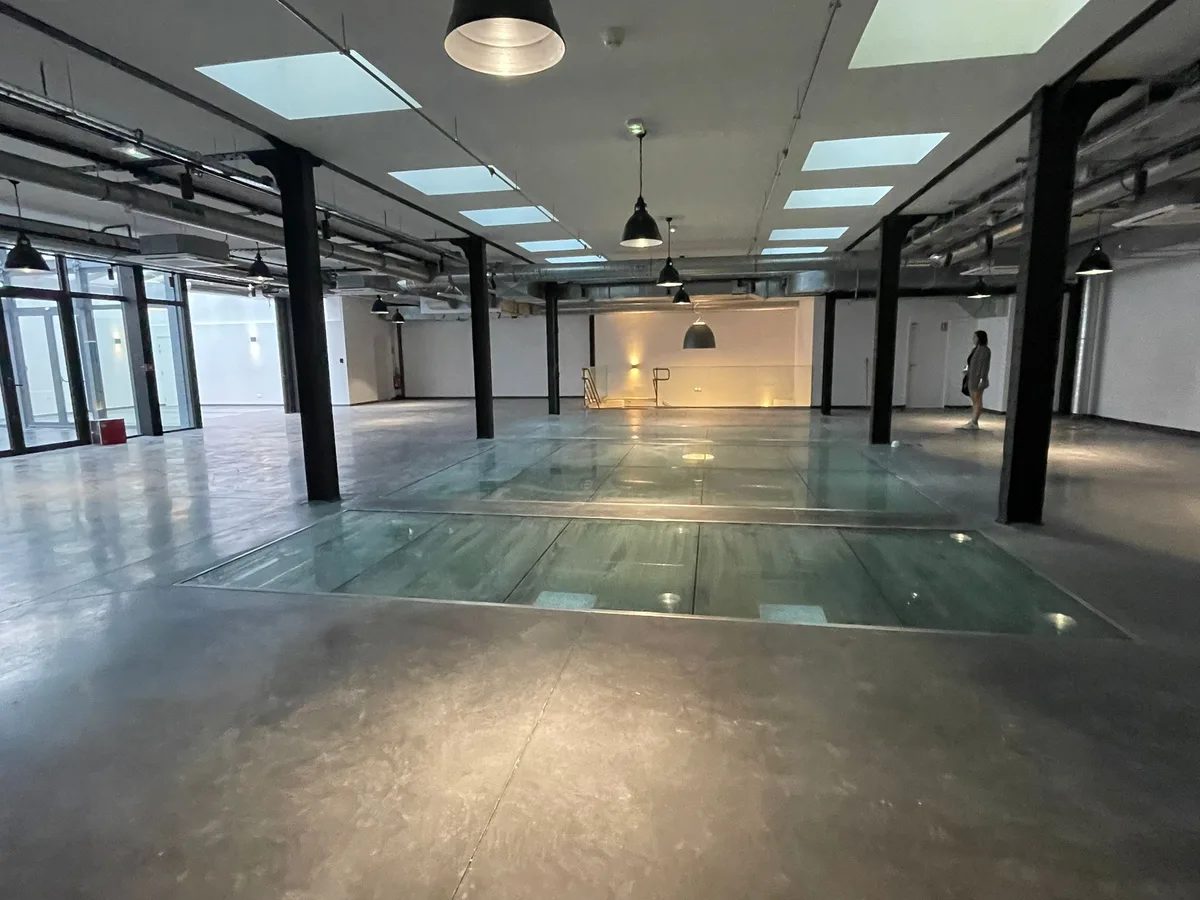
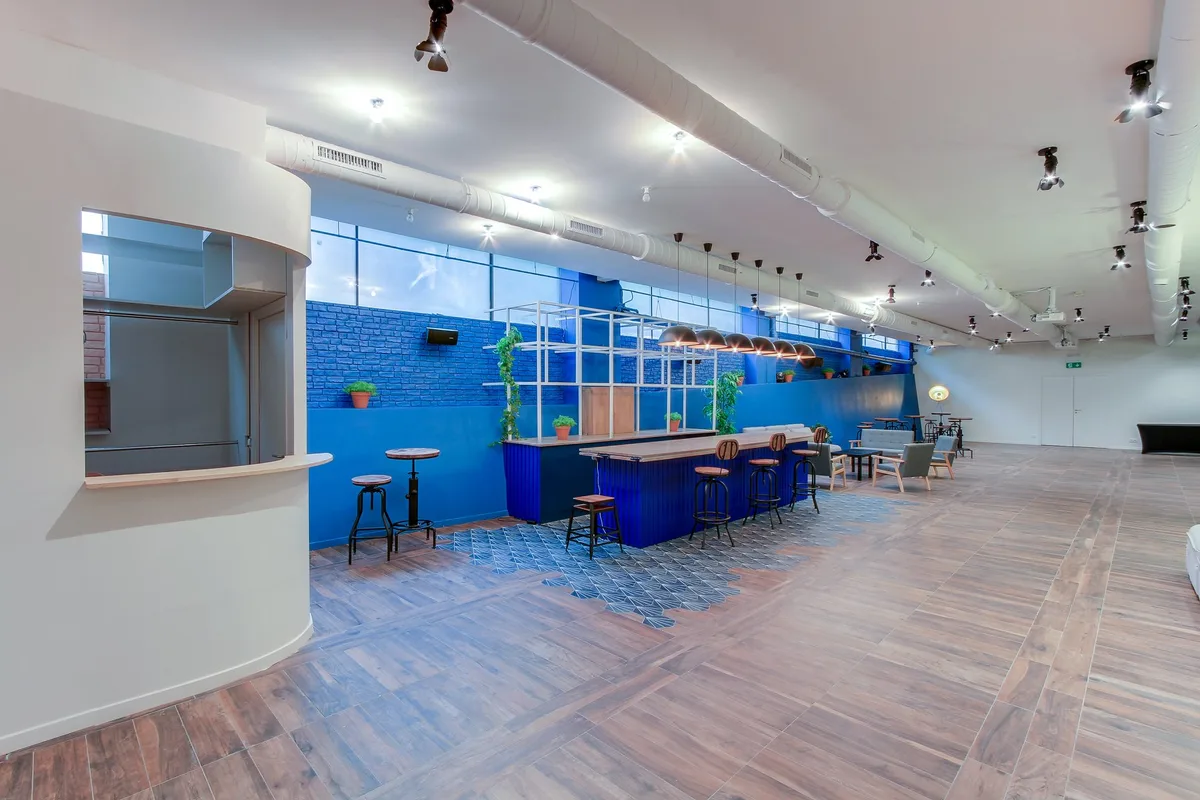
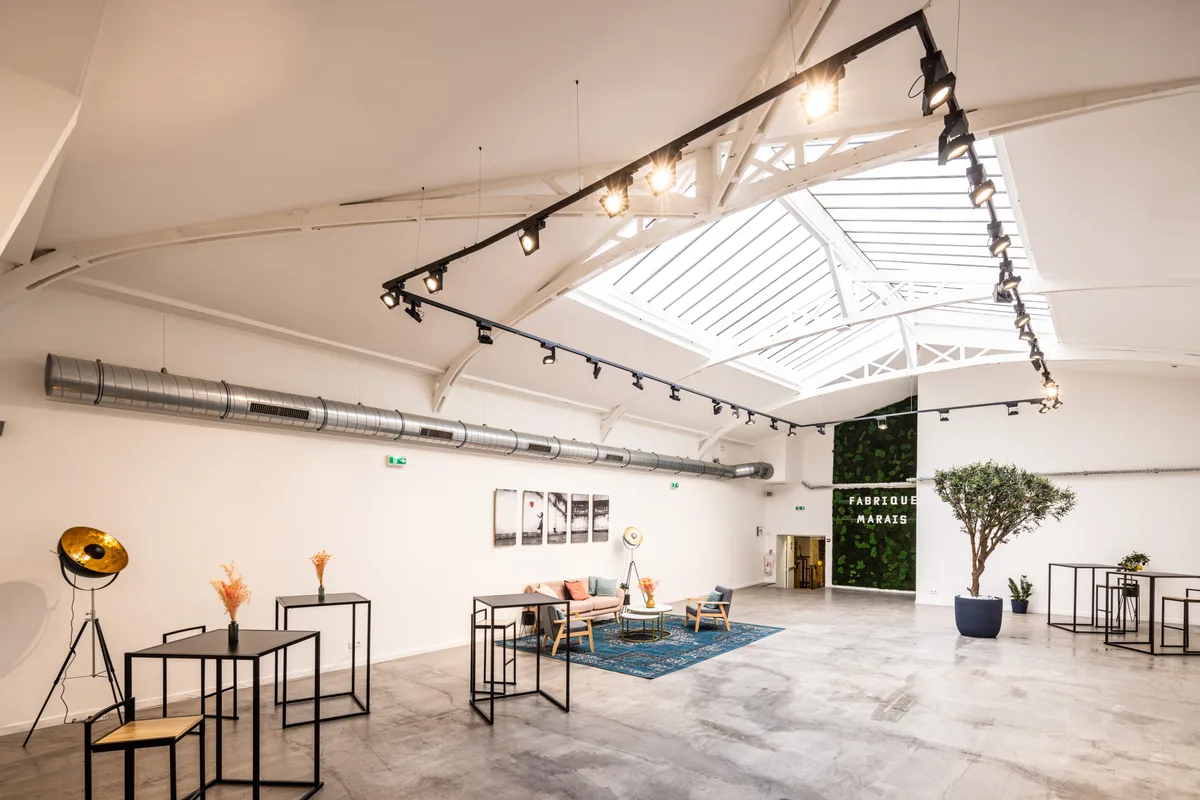
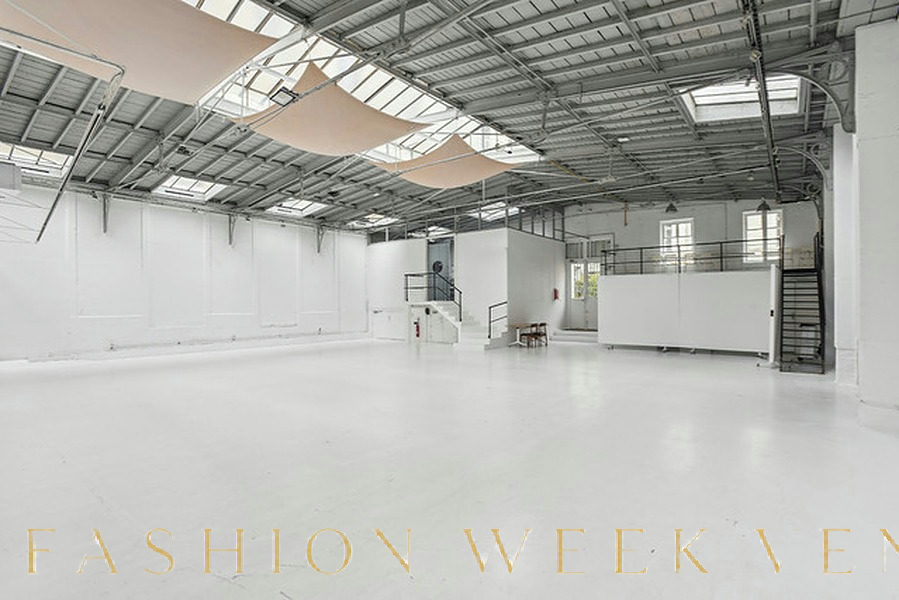
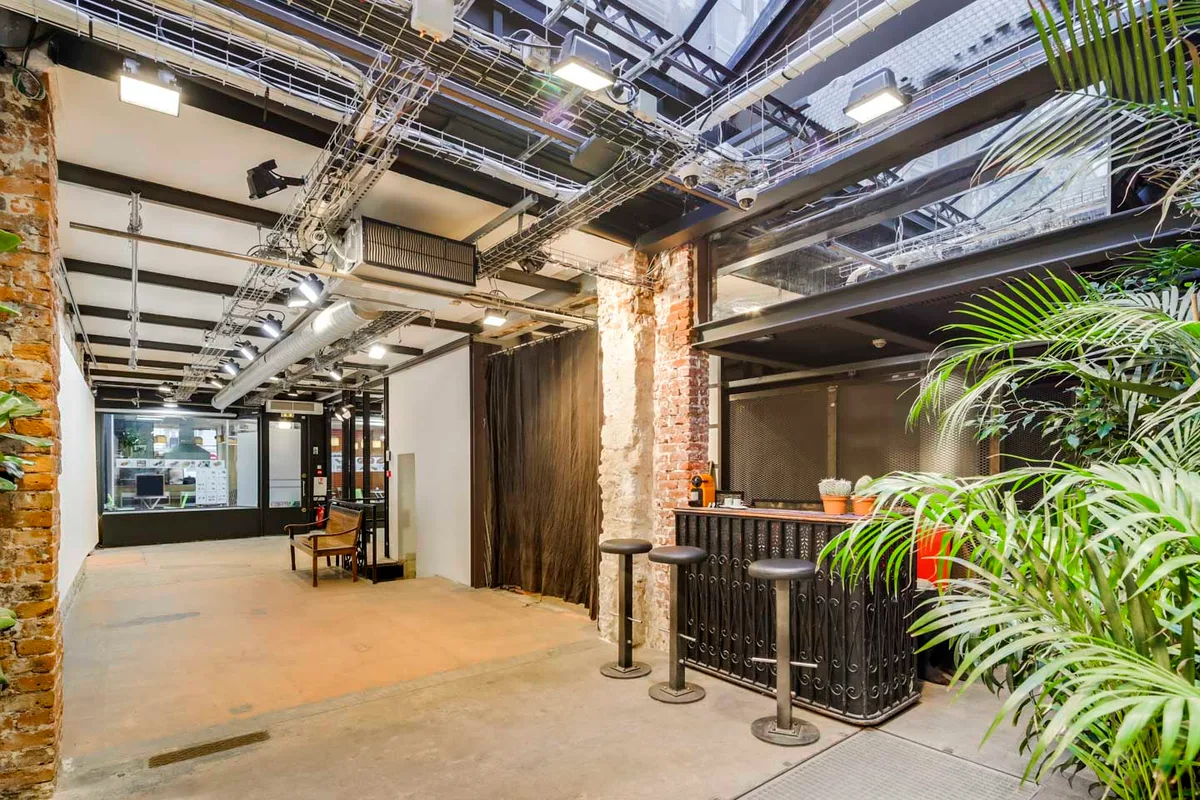
Multifunctional lofts, often located in areas like Canal Saint-Martin, cater to brands needing adaptable spaces that can transition between retail, showroom, and event settings. These areas offer raw, industrial aesthetics that appeal to contemporary and tech-forward labels.
Each venue type holds advantages depending on the brand’s message and target audience. Fashion Week Venues offers a robust marketplace that helps brands explore these options, ensuring alignment with their narrative and marketing goals.
| Venue Type | Typical Features | Ideal For |
|---|---|---|
| Luxury Retail Space | High-end finishes, central location | Exclusivity and luxury brand positioning |
| Art Gallery | Neutral setup, adaptable interiors | Creative and experimental presentations |
| Multifunctional Loft | Industrial design, flexible space | Diverse brand activities and events |
KEY TAKEAWAY: Selecting the right pop-up space type hinges on understanding the brand's message and how it wishes to engage with its audience during Fashion Week.
With venue types explored, the next focus is on the legal and compliance aspects necessary for smoothly executing a fashion activation in Paris.
Legal and Compliance Aspects in Paris for Fashion Week
Navigating the legal and compliance landscape in Paris is imperative for a successful Fashion Week activation. This involves understanding specific permits and lease types that govern temporary retail operations.
Quick answer: Ensuring legal compliance for Fashion Week activations in Paris includes obtaining the necessary bail dérogatoire or AOT permits, which differ from standard leases and require careful planning.
The bail dérogatoire is a short-term lease agreement designed for temporary usage, such as pop-up stores during Fashion Week. This lease offers flexibility but necessitates diligent adherence to local regulations. Meanwhile, the Autorisation d'Occupation Temporaire (AOT) is essential when occupying public spaces, allowing brands to utilize prominent city locales legally.
IMPORTANT: Requirements vary by arrondissement and project scope; always consult with a French legal advisor to navigate these regulations effectively.
Variances in compliance obligations also arise based on whether a venue is classified as an Établissement Recevant du Public (ERP), which introduces additional safety and accessibility mandates. Utilizing resources like the permits tool ensures that brands remain informed of their obligations and avoid potential fines or delays.
Case studies illustrate how compliance missteps can lead to costly setbacks. For instance, failure to secure an AOT in busy districts can result in events being shut down by city officials.
KEY TAKEAWAY: Staying abreast of Parisian legal requirements for temporary space usage is crucial, with specialist guidance often necessary to ensure all permits are secured well in advance.
Transitioning from legalities, the following section will discuss the importance of timing and how Fashion Week Venues assists with strategic planning.
The Role of Timing in Venue Success at Fashion Week
Timing is a pivotal element of strategic planning during Fashion Week. With multiple events vying for attention, selecting the optimal time slot can significantly impact a brand's visibility and engagement.
Quick answer: Effective timing, considering prime slots within the Fashion Week schedule, boosts a brand's exposure and competitive advantage during this high-stakes period.
Fashion brands must not only align with the official Paris Fashion Week calendar but also consider key periods where their target demographic is most active. As events unfold across the city, choosing a window outside peak slots can sometimes offer a less congested audience experience, enhancing authentic interactions.
Utilizing timeline planning tools assists in identifying ideal launch windows by balancing existing commitments, transportation logistics, and marketing efforts for maximum impact. Historical data from past events also plays a critical role in mapping the most effective activation timeline.
Seasonal considerations further influence timing decisions. Whether a launch benefits more from a daytime or evening slot can vary depending on the type of product and audience preferences. For instance, luxury brand events often thrive under the night’s allure, where intimate settings emphasize exclusivity.
TIP: Look beyond the Fashion Week umbrella and consider significant local holidays or international events that may affect visitor numbers and demographics.
| Time Aspect | Considerations | Impact |
|---|---|---|
| Morning | Foot traffic, commuter patterns | Engagement with working professionals |
| Afternoon | Cultural events, shopping peaks | Higher footfall, diverse audience |
| Evening | Social gatherings, nightlife synergy | Exclusive, upscale brand events |
KEY TAKEAWAY: Thoughtful timing aligned with both Fashion Week and broader city dynamics amplifies a brand's reach and audience resonance.
With timing set, our next section will explore how Fashion Week Venues supports comprehensive activation strategies.
How Fashion Week Venues Supports Your Activation Strategy
Fashion Week Venues is instrumental in executing successful brand activations by providing a suite of services and tools tailored for Fashion Week. From venue sourcing to operations, this comprehensive service facilitates seamless execution for brands at every step.
Quick answer: Fashion Week Venues offers end-to-end solutions, including venue sourcing, concept direction, production, and activation management, to elevate brand impact during Fashion Week.
The agency's activation management expertise ensures that brands can focus on content and audience without the logistical burdens common in event planning. Tools like the budget calculator and ROI estimator aid in financial forecasting, while the permits tool navigates legal hurdles with ease.
Key services include concept direction for storytelling magic and retail staffing to support operations and enhance customer experience. With staffing provided by seasoned professionals, brands gain invaluable insight into managing high-stakes environments effectively.
- Custom venue sourcing fitting brand ethos
- End-to-end production and design management
- Data analytics tools for performance tracking
Brands looking to make a mark during Fashion Week benefit from these strategic partnerships by seamlessly integrating multiple aspects of the event process into a singular coordinated effort, saving time and resources without sacrificing quality.
KEY TAKEAWAY: Fashion Week Venues offers comprehensive services that streamline event execution from concept to activation, adding strategic value throughout the process.
The following section will address the cost involved in organizing a Fashion Week pop-up and how to budget effectively.
Budgeting for a Successful Fashion Week Activation
Budgeting effectively for a Fashion Week activation is crucial to achieving a successful outcome. With costs varying widely based on venue type, location, and engagement strategies, brands need to plan meticulously.
Quick answer: A well-structured budget covers venue fees, production, staffing, marketing, and miscellaneous costs, ensuring no aspect of the activation is underfunded.
To begin with, venues form a significant portion of the budget. Highly sought-after spaces in prime locations such as Saint-Germain-des-Prés demand higher rates, but they also guarantee substantial footfall and prestige. Production costs will depend on the complexity of the setup, ranging from basic decor to elaborate stages with immersive technology.
Staffing costs must be anticipated, including temporary hires for customer service, security, and event management. Marketing expenses cover influencer engagement, PR outreach, and social media promotions.
TIP: Ensure there is room to accommodate unexpected costs, which could arise from last-minute changes or permit delays.
| Cost Component | Description | Estimated Share of Budget |
|---|---|---|
| Venue Fees | Rental and location-specific charges | 30-40% |
| Production | Design, build, and logistics | 25-35% |
| Staffing | Temporary hires for event execution | 15-20% |
| Marketing | Promotional campaigns, influencer fees | 10-15% |
| Miscellaneous | Permits, insurance, other unplanned costs | 5-10% |
Brands can utilize Fashion Week Venues’ comprehensive budgeting tools to better estimate and control expenses, creating a clear financial path from inception to evaluation. The budget calculator is particularly useful in aligning financial projections with operational goals.
KEY TAKEAWAY: Comprehensive budgeting ensures each element of a Fashion Week activation is funded appropriately, allowing brands to deliver on their strategic vision effectively.
Next, we will explore the logistics of running a pop-up in such a high-pressure environment and the organizational strategies involved.
Logistics of Organizing a Fashion Week Pop-Up
Managing the logistics of a Fashion Week pop-up involves a complex combination of planning, execution, and organizational prowess. With multiple stakeholders and tight timelines, coordination becomes key.
Quick answer: Effective logistics management for Fashion Week pop-ups includes planning layout and flow, coordinating deliveries, managing vendors, and ensuring seamless setup and tear-down.
A detailed timeline is essential, documenting each stage from initial setup to closure. Leveraging the timeline planning tool, brands can effectively allocate resources, identify potential bottlenecks, and ensure all logistical elements are synchronized.
Vendor management, often involving multiple suppliers for decor, technology, and catering, requires diligent coordination. Clear communication channels and defined responsibilities are crucial in maintaining workflow and quality standards during the high-pressure environment of Fashion Week.
Additionally, the layout of the space should facilitate easy movement and enhance visitor experiences. Considerations such as entry and exit points, traffic flow, and interaction zones are integral to successful executions.
- Setup and breakdown timing
- Efficient vendor coordination for seamless operations
- Visitor flow optimization for enhanced engagement
A dedicated logistics team ensures all facets— from staffing to technology integrations— harmonise seamlessly. This coordination guarantees the pop-up not only functions efficiently but also aligns with the brand’s strategic goals.
KEY TAKEAWAY: Comprehensive logistics planning is vital to integrate all operational aspects harmoniously, underpinning the success of a Fashion Week pop-up.
Moving forward, the following section will address the impact of brand storytelling in these activations.
The Importance of Brand Storytelling in Venue Activation
Crafting a compelling narrative is an integral part of any successful venue activation during Fashion Week. Authentic storytelling helps brands differentiate themselves in a crowded marketplace.
Quick answer: Effective brand storytelling during Fashion Week involves weaving a cohesive narrative that resonates with audiences, enhancing both brand perception and loyalty.
By integrating storytelling into venue design and customer interactions, brands can create immersive experiences that go beyond traditional retail. Elements such as strategic use of visual merchandising, thematic displays, and interactive installations play pivotal roles in conveying the brand’s narrative.
The narrative should align seamlessly with the brand’s overarching values and objectives. Whether showcasing sustainability through eco-friendly designs or highlighting heritage through curated galleries, every aspect of the activation should contribute to the brand’s story.
DID YOU KNOW: Brands that incorporate storytelling are 22% more likely to create a memorable experience for their customers, according to a study by the Journal of Consumer Research.
Fashion Week Venues assists in developing these narratives with concept direction services, guiding brands through creative processes to authentically convey their messages.
KEY TAKEAWAY: A detailed and engaging storytelling approach enhances the brand experience, fostering deeper connections with customers during Fashion Week activations.
The subsequent section explores how data analytics can drive success in these activations.
Harnessing Data Analytics for Enhanced Activation Outcomes
In today’s retail landscape, data analytics plays a crucial role in understanding customer behavior and optimizing activation strategies during Fashion Week.
Quick answer: Employing data analytics in Fashion Week activations involves tracking and analyzing customer interactions and engagement metrics to refine and enhance retail strategies.
Utilizing real-time data, brands can make informed decisions, tweak on-the-ground strategies, and optimize displays and engagements. Metrics such as foot traffic, dwell time, and conversion rates are invaluable in interpreting the effectiveness of an activation.
Tools provided by Fashion Week Venues, including data analytics services, empower brands to gather insights necessary for strategic advancements. These analytics not only support immediate adjustments but also inform future marketing campaigns.
Data-driven insights support more personalized customer experiences, tailoring interactions that resonate on an individual level, boosting both engagement and sales potential.
- Real-time engagement monitoring
- Performance insights to influence future campaigns
- Customized customer interactions for increased loyalty
TIP: Continuously analyzing data post-event provides a deeper understanding of success factors and areas for improvement, tailoring future strategies more effectively.
KEY TAKEAWAY: Integrating data analytics fosters informed strategy adjustments and enhances engagement through personalized experiences during Fashion Week activations.
Our next focus will be on overcoming common myths associated with Fashion Week venues.
Common Myths Debunked
MYTH: You need a French legal entity to rent a space in Paris.
FACT: While having a local legal entity can facilitate some processes, international brands can often lease spaces through their existing corporate structures, especially with the support of agencies like Fashion Week Venues that offer comprehensive compliance guidance.
MYTH: Paris Fashion Week is the only viable calendar window for brand activations.
FACT: Although Paris Fashion Week is an iconic event, activations can successfully occur at other strategic times, such as around major art fairs or other fashion events, to reach different demographics and avoid the competition intensity.
MYTH: Commission brokers are the only way to find an appropriate venue.
FACT: Agencies like Fashion Week Venues provide a more holistic approach to venue selection than traditional brokers, incorporating concept development and activation strategies that align with brand objectives.
MYTH: Short-term leases are legally straightforward and don’t require special help.
FACT: Short-term leases in Paris, such as the bail dérogatoire, have specific legal requirements and nuances that benefit from professional guidance to avoid potential pitfalls and ensure compliance.
Frequently Asked Questions
What is the benefit of using Fashion Week Venues over traditional brokers?
Unlike traditional brokers who focus purely on space acquisition, Fashion Week Venues provides a comprehensive suite of services including creative direction, staffing, and post-event analytics, ensuring a holistic approach to brand activations.
How does one secure a venue for Fashion Week in Paris?
Securing a venue involves leveraging a platform like Fashion Week Venues’ marketplace, where spaces can be browsed and selected based on specific needs such as location, size, and availability.
What are the key permits required for hosting an event in Paris?
The key permits include the bail dérogatoire for venue leasing and the Autorisation d'Occupation Temporaire (AOT) for public space usage. It is advisable to use permit tools and consult with legal experts.
How early should I start planning for a Fashion Week activation?
Planning should commence at least six months in advance to secure optimal venues, align with marketing campaigns, and ensure all legal compliance and logistical aspects are covered.
What costs should be anticipated for a Fashion Week activation?
Costs typically include venue fees, production and staffing costs, marketing, and unforeseen expenses. Utilizing a budget calculator tool can help in defining and controlling costs effectively.
Can activations be successful outside Paris Fashion Week?
Yes, activations can thrive outside Paris Fashion Week by targeting complementary events or timing, which can offer less competition and unique audience engagement opportunities.
How does data analytics enhance a Fashion Week activation?
Data analytics offer insights into customer behavior and engagement levels, enabling real-time event optimization and informing future strategies, thereby enhancing activation success.
What role does storytelling play in pop-up activations?
Storytelling fosters emotional connections with audiences, enhancing brand perception and loyalty. A well-crafted narrative can significantly elevate the immersive experience offered at a pop-up.
Is on-the-ground logistics management critical for success?
Yes, effective logistics management ensures seamless execution of event components, from setup to tear-down, mitigating risks and ensuring efficiency.
What advantages does short-term leasing offer for brands?
Short-term leasing provides flexibility in activation strategy, allowing brands to engage dynamically with audiences while managing cost efficiencies and testing new markets without long-term commitments.
Conclusion
Fashion Week represents a pinnacle opportunity for brands to make an impactful statement. Properly sourced venues combined with strategic execution play a vital role in ensuring engagement and success. Fashion Week Venues offers unmatched expertise and resources, from exploring space options to providing logistical solutions tailored to brand needs. As brands venture into the dynamic environment of Fashion Week, leveraging these services distinguishes them from competitors. To move from research to activation, start exploring available spaces on the Fashion Week Venues marketplace and build a focused brief for your target neighbourhood, space type, and calendar window.