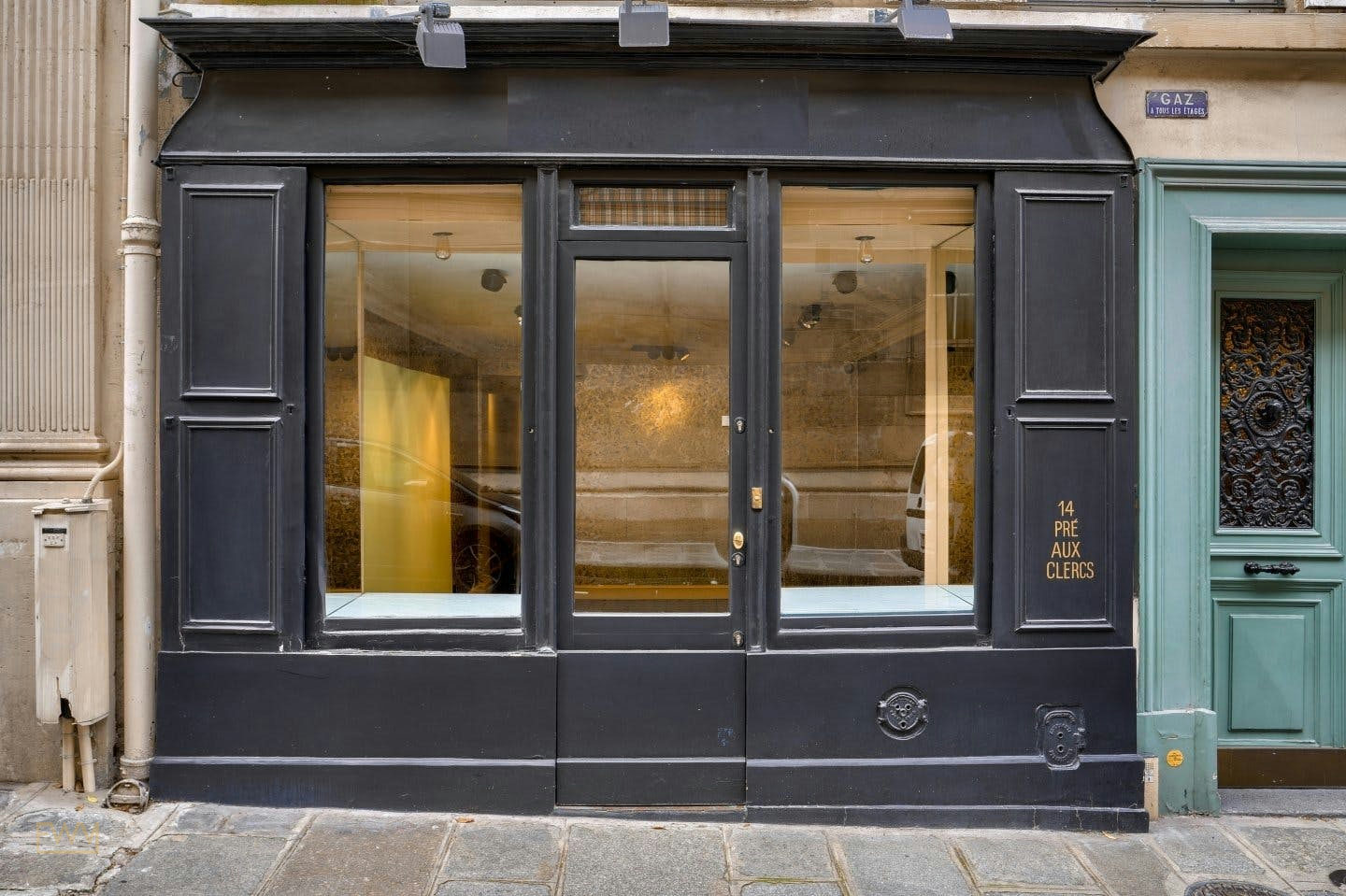
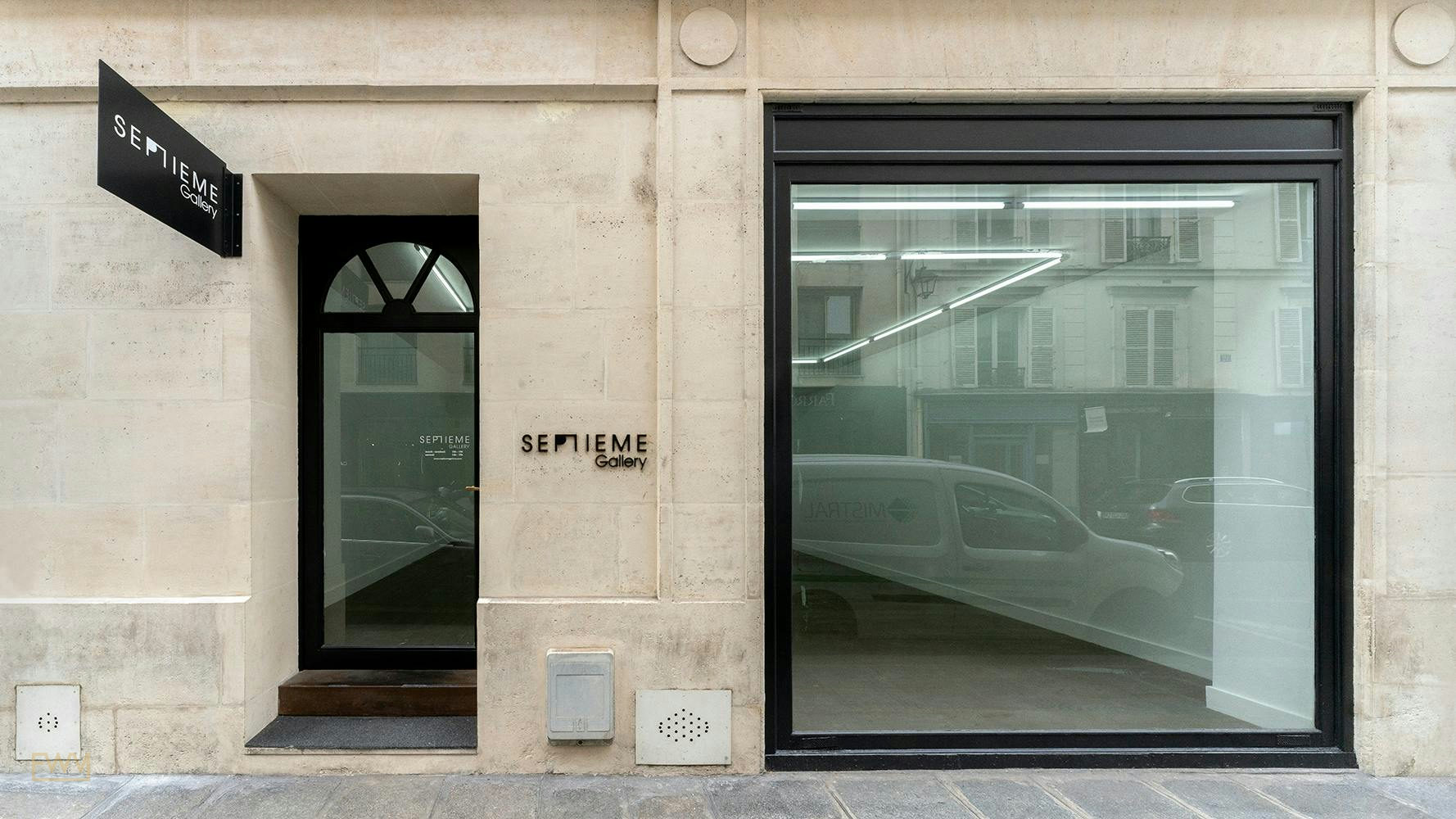
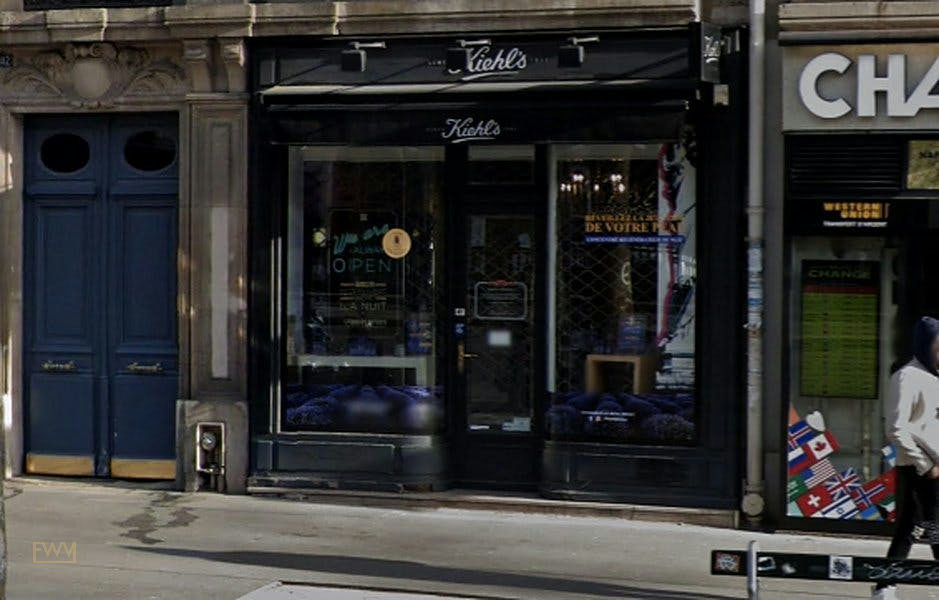
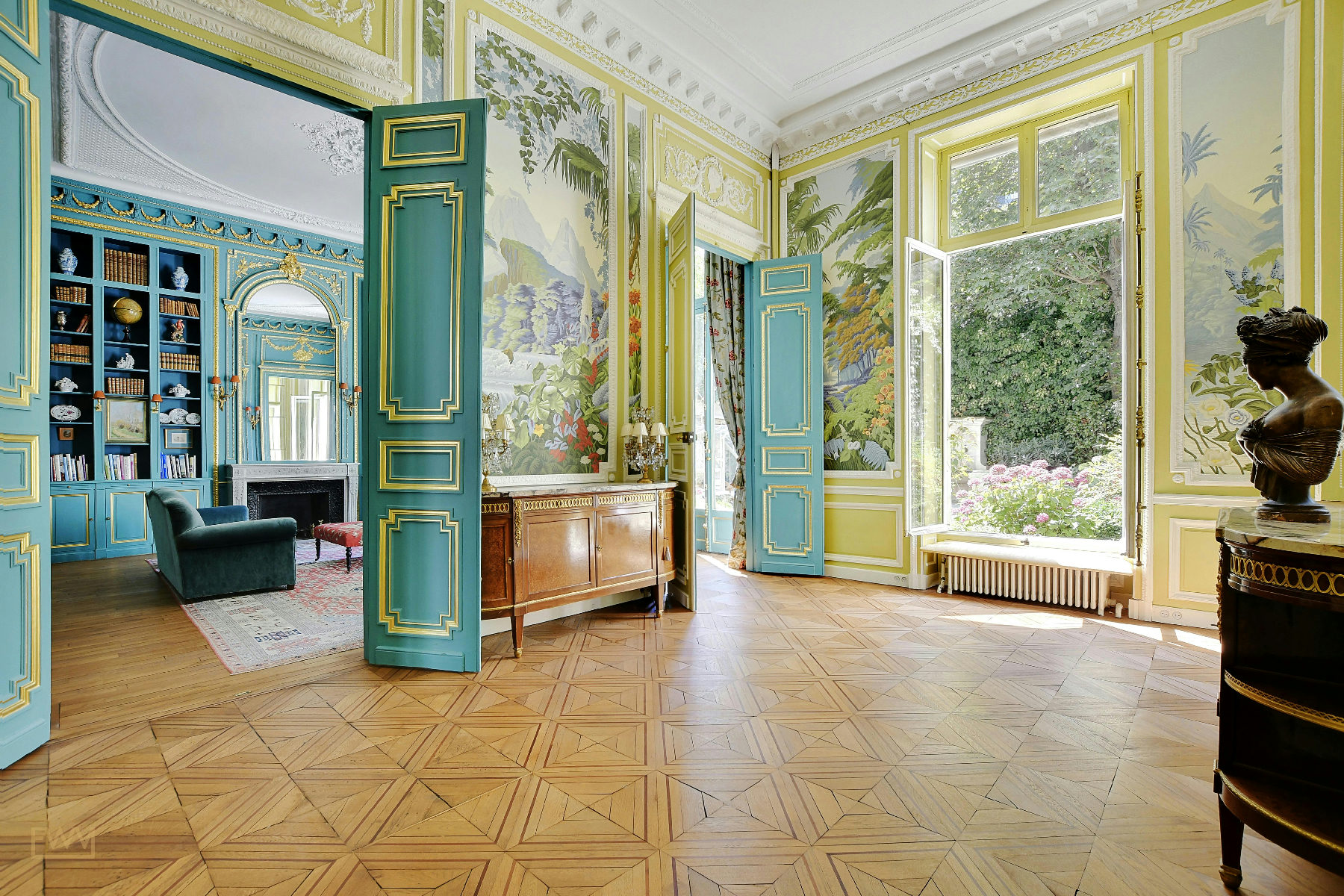
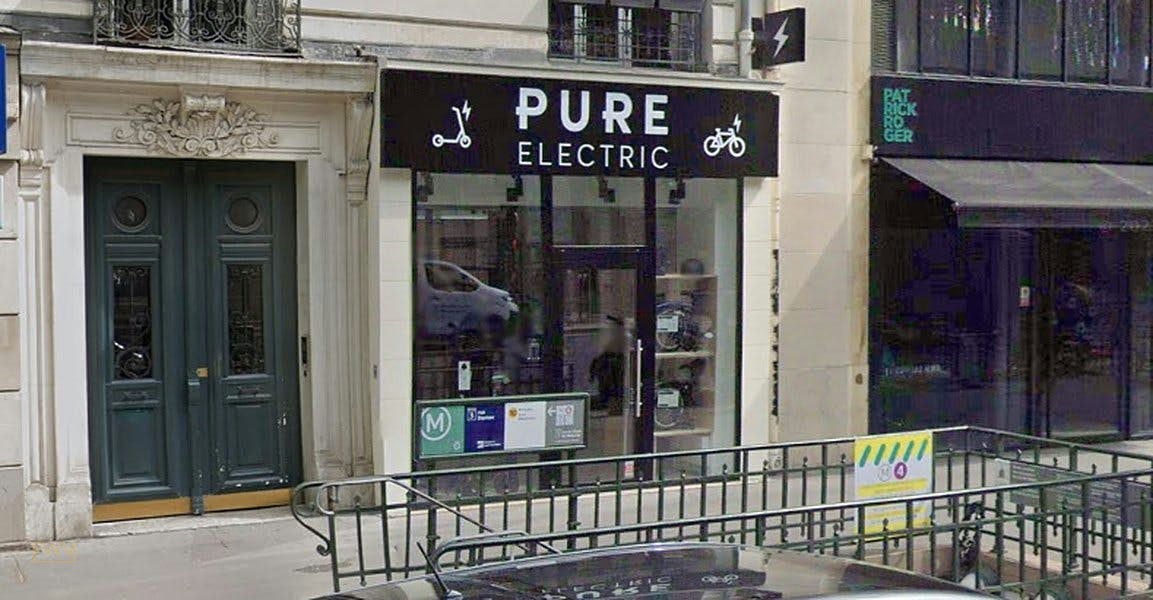
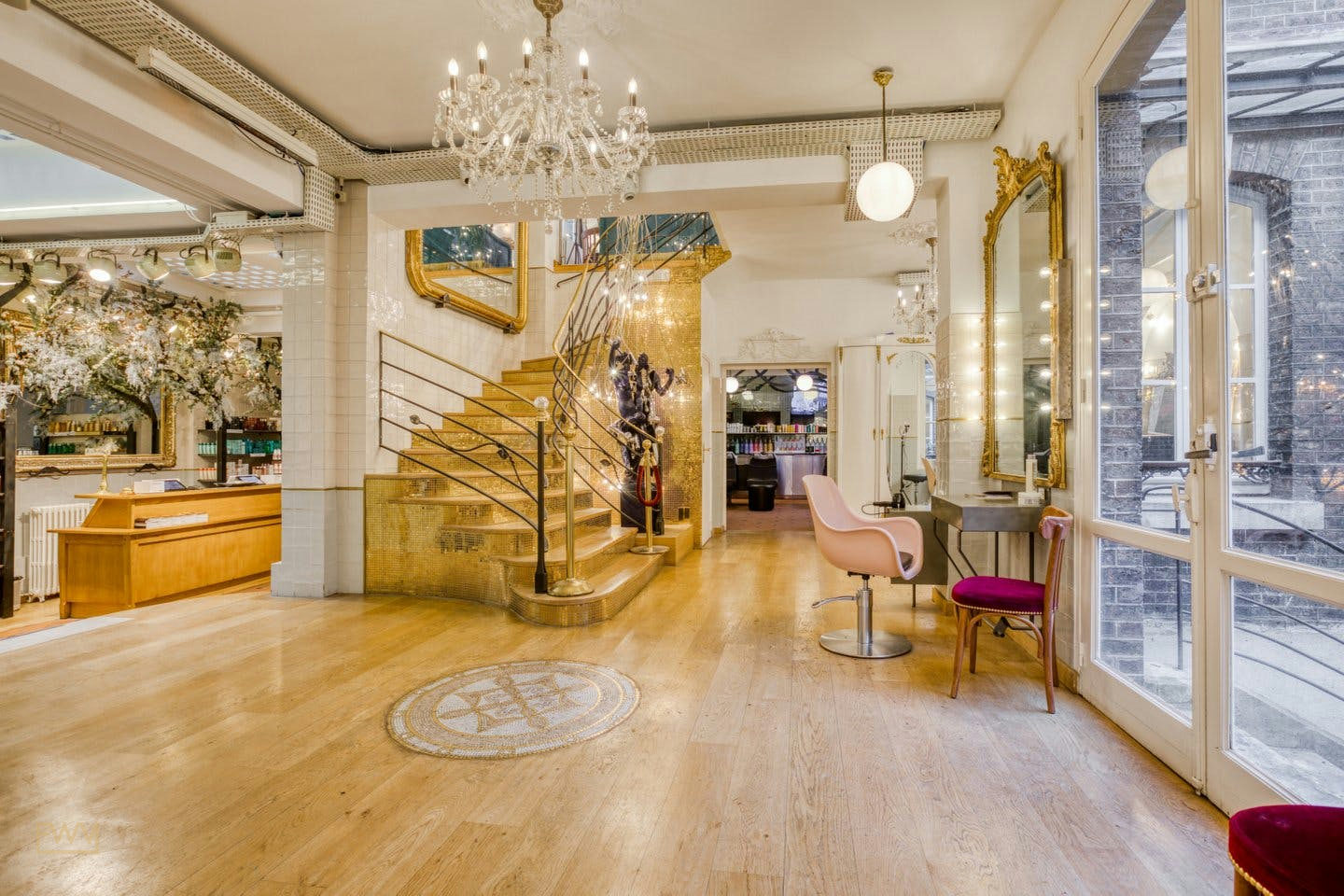
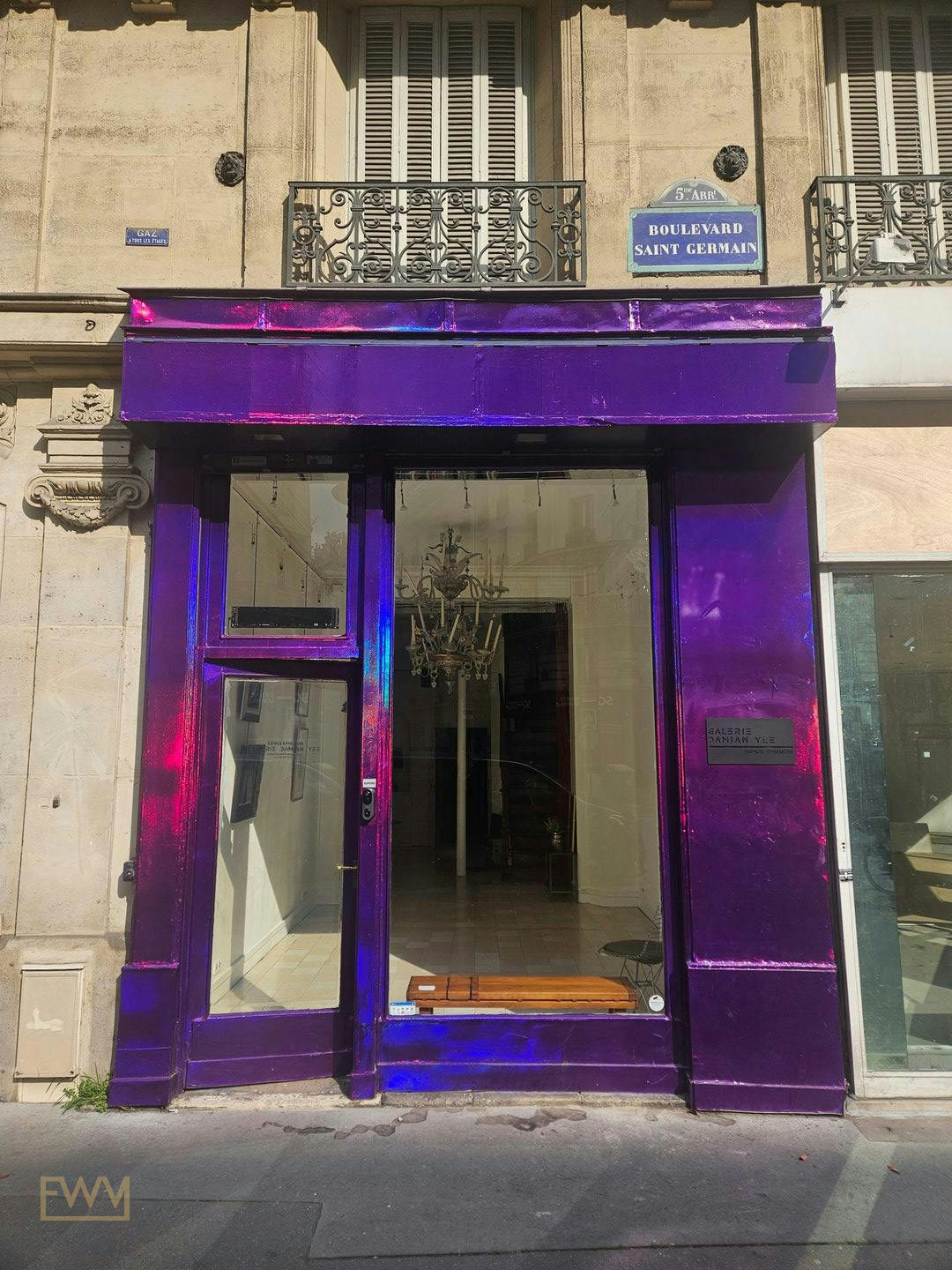
A pop up store Rue Saint-Honoré is one of the most strategically powerful retail activations a fashion brand, independent designer, or international maison can execute in Paris. Rue Saint-Honoré and its extension, Rue du Faubourg Saint-Honoré, represent the gold standard of French luxury retail geography, attracting a dense mix of international clientèle, fashion press, buyers, and high-net-worth consumers throughout the year. Whether you are planning a seasonal boutique éphémère, a showroom for Fashion Week, an immersive brand experience, or a private exhibition, this corridor connects your brand directly to Paris's most commercially significant audience. Fashion Week Venues works with brands navigating this market, providing venue sourcing, production, activation management, and compliance support across Paris's most competitive neighbourhoods.
Why Rue Saint-Honoré Is the Benchmark Address for Pop-Up Retail in Paris
Rue Saint-Honoré functions as a gravitational centre for luxury retail, concept stores, and brand activations in Paris. Few streets in any global fashion capital concentrate so much commercial, cultural, and media energy within a walkable distance.
Stretching from the Louvre-Rivoli axis westward through the 1st arrondissement, the street sits within what many retail strategists describe as the hyper-centre parisien. Within a fifteen-minute walk you reach the Louvre, Les Halles, Châtelet, the Palais-Royal, Place Vendôme, and the beginning of the Faubourg Saint-Honoré. The Métro stations at Tuileries, Concorde, Pyramides, and Louvre-Rivoli provide direct access from across the city, while bus lines connecting Gare du Nord, Gare de Lyon, Gare St Lazare, and Gare de l'Est feed significant footfall from both domestic and international travellers. This concentration of transport infrastructure makes the street genuinely accessible to the broadest possible clientèle internationale.
The retail environment on and immediately around Rue Saint-Honoré is defined by a layered mix of flagship boutiques, independent galeries, concept stores, showrooms, and short-term retail spaces. The galerie du 136 Rue St-Honoré, for example, has become a recognised address for independent créateurs and créatrices launching pop-up stores, private exhibitions, and collection previews. The street supports both established maisons and emerging labels simultaneously, creating a distinctive atmosphere where design contemporain and savoir-faire traditionnel coexist within a few metres of each other.
For brands at the emerging and mid-tier level, the address carries immediate notoriété value. Being able to communicate a Rue Saint-Honoré location to press, wholesale partners, or online audiences creates an instant credibility shortcut that other Paris neighbourhoods do not replicate as efficiently. For international brands entering France for the first time, the address functions as a market entry signal. For established brands, it serves as a campaign amplification point during Fashion Week, holiday seasons, and major collections launches.
The commercial logic is reinforced by the proximity to iconic Paris retail landmarks. Rue de Rivoli runs parallel to the south, feeding foot traffic from the Louvre museum complex. Rue du Marché Saint-Honoré connects the main street to a quieter residential catchment. The Place Vendôme jewellery cluster draws an ultra-high-net-worth consumer who also passes through the Rue Saint-Honoré corridor. This is not a street where foot traffic is accidental. Every person walking this stretch is, in some sense, already in a buying or experiencing mindset.
DID YOU KNOW: The stretch between Louvre-Rivoli and Place de la Madeleine hosts more luxury brand flagship stores per square kilometre than almost any other street in Europe, making a pop-up activation here visible to an audience that includes both consumers and industry peers.
KEY TAKEAWAY: Rue Saint-Honoré delivers a combination of luxury adjacency, transport connectivity, international footfall, and brand credibility that makes it the most strategically concentrated pop-up location in Paris for fashion, design, and lifestyle brands.
Understanding the geography of this street is only the starting point. The next step is understanding how different space types on and around the street serve different activation objectives.
Space Types Available for Pop-Up Stores on and Around Rue Saint-Honoré
The variety of space formats available on and around Rue Saint-Honoré is broader than most brands expect. From compact boutique-format units to full galerie conversions, the street and its immediate surroundings support a wide range of retail éphémère and showroom concepts.
Gallery-Style Spaces with White Walls and Wooden Floors
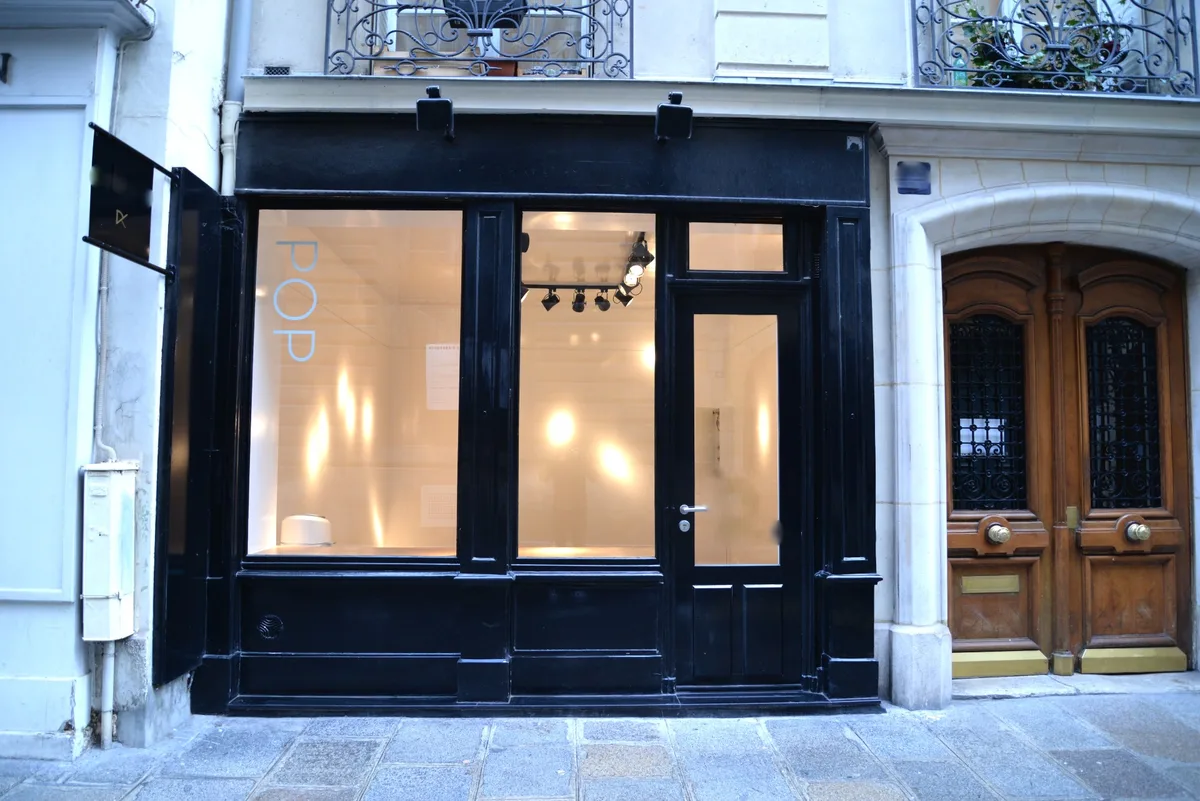
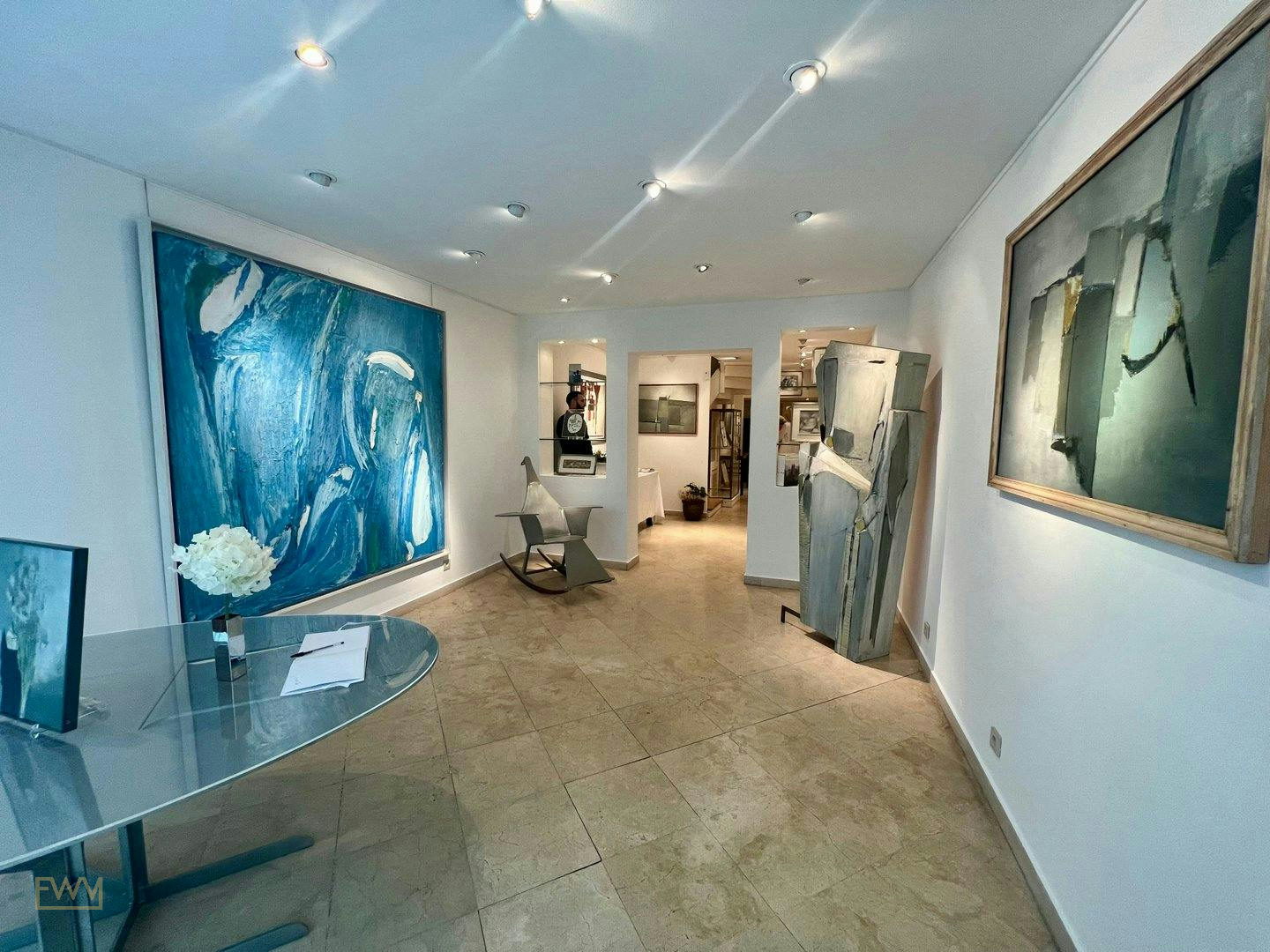
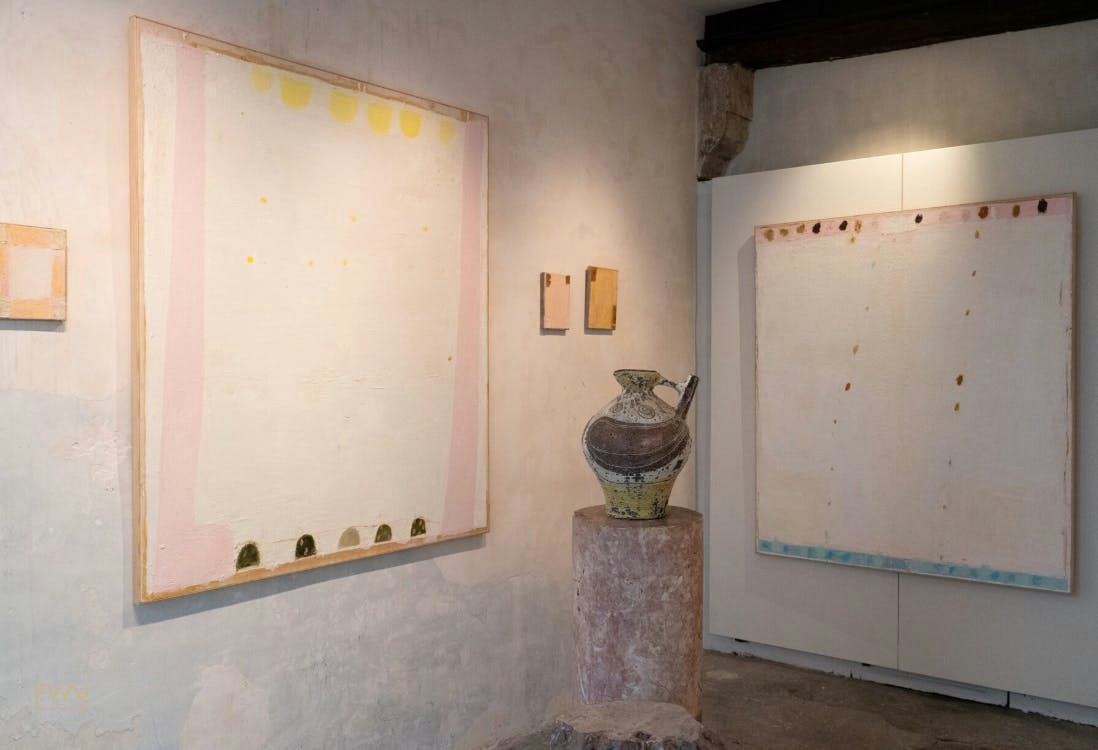
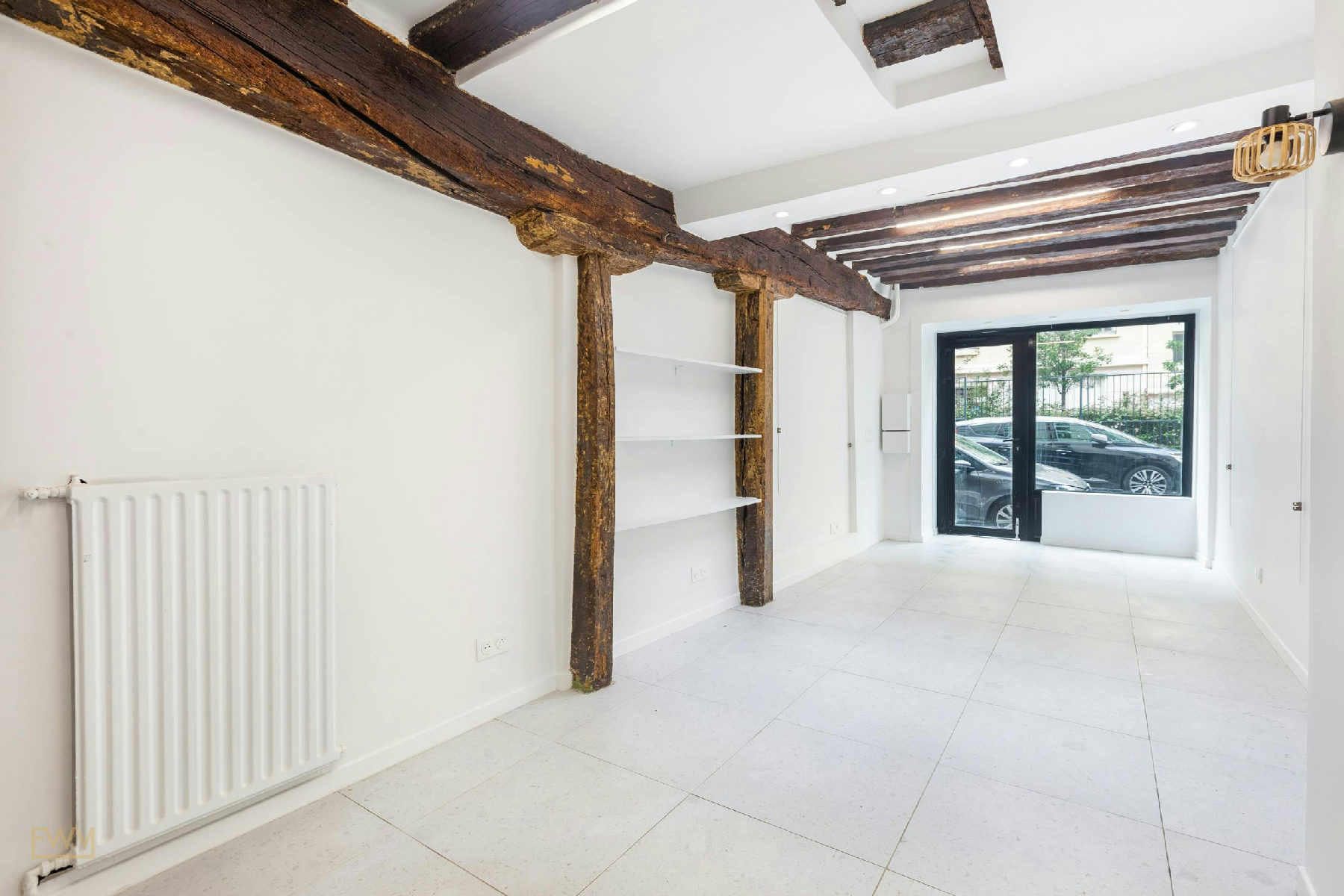
The most sought-after format for fashion and art-adjacent brands is the gallery-style espace with white walls, wooden floors, and a private entrance. These spaces support both retail sales and private exhibition formats simultaneously, allowing a brand to run a sales floor during the day and host art openings or private sales events in the evenings. The clean, neutral environment supports any design aesthetic without requiring significant build-out investment.
The galerie du 136 Rue St-Honoré has become a reference address for this format, hosting a rotating programme of créateurs, créatrices, and independent maisons. Brands like Bijouterie d'Art Shizu have used gallery-format spaces on this street for private exhibition events and direct sales, combining the authenticité of a curated art space with the commercial function of a boutique éphémère.
Showroom Formats for Fashion Week Presentations
During Paris Fashion Week, the demand for showroom space on Rue Saint-Honoré and within the 1st and 8th arrondissements intensifies sharply. A showroom in this location serves a different function to a retail pop-up. The primary audience is trade: buyers from international department stores, press, stylists, and wholesale clients. The space needs to support hanging rails, lookbook displays, meeting areas, and often a seated presentation area.
Brands using the street for showroom activations during Fashion Week benefit from the concentration of industry professionals already moving through the area between appointments at nearby houses and press offices. Minou France and Phone Book of the World are among the independent and collectif-format brands that have leveraged Rue Saint-Honoré showroom spaces to reach international wholesale clients during Paris Fashion Week calendar windows.
Concept Store and Multi-Brand Pop-Up Formats
The concept store format, where multiple brands share a curated space under a single editorial identity, has become increasingly popular on Rue Saint-Honoré. Operators like Cremeries de Paris, Nestore, and Rosamia have pioneered this shared pop-up model in Paris, allowing emerging labels to access prestigious addresses at a proportionally lower cost per brand. This collectif de créatrices et créateurs model reduces individual rental rates while maintaining the address credibility and footfall advantages of a prime location.
The MOJJERE studio model offers another variation, where a single brand uses a concept-store-format space to present collections MOJJERE across multiple product categories simultaneously, combining Mode Femme pieces, home objects, and lifestyle accessories under a single narrative. This approach reflects a broader shift in boutique éphémère strategy, where the space itself communicates brand identity rather than simply displaying product.
Immersive and Experiential Formats
The expérience immersive format has grown significantly as brands seek to differentiate pop-up activations beyond pure sales events. Spaces on Rue Saint-Honoré that offer flexible floor plans, high ceilings, and distinctive architectural features support installations, sensory environments, and interactive brand experiences. Haut Les Arts and İuso Création have both demonstrated how an artisanale, experience-first approach can generate significant press coverage and social content from a Rue Saint-Honoré address.
Quick answer: The main space types available for a pop-up store on Rue Saint-Honoré include gallery-format retail units with white walls and wooden floors, showroom-configured spaces for Fashion Week trade presentations, multi-brand concept store formats, and fully immersive experiential spaces. Each format serves a different commercial and communication objective and requires a different fit-out budget and operational approach.
KEY TAKEAWAY: Brands should define their primary activation objective before selecting a space type. A trade showroom, a direct-to-consumer boutique éphémère, a press event venue, and an immersive brand experience each require different spatial configurations and have different footfall and layout requirements.
Once you have identified the right space type, the critical next step is understanding the surrounding neighbourhood context and how nearby districts can complement or extend your Rue Saint-Honoré activation.
Paris Neighbourhoods Surrounding Rue Saint-Honoré: A Strategic Comparison
Rue Saint-Honoré sits at the intersection of several distinct Paris retail zones, each with its own consumer profile, rent levels, and brand positioning implications. Understanding these neighbourhoods helps brands make informed decisions about whether to concentrate their activation on the street itself or combine it with a complementary presence elsewhere in the city.
| Neighbourhood | Primary Consumer Profile | Best For | Key Landmarks |
|---|---|---|---|
| Rue Saint-Honoré / 1st arr. | International luxury shoppers, fashion industry | Premium launches, Fashion Week showrooms | Louvre, Palais-Royal, Place Vendôme |
| Le Marais / 3rd and 4th arr. | Design-forward, mixed age, international tourists | Emerging brands, concept stores, art activations | Musée Picasso, Place des Vosges, Carreau du Temple |
| Saint-Germain-des-Prés / 6th arr. | Affluent Parisians, literary and art crowd | Lifestyle brands, maison concepts, private sales | Café de Flore, Musée d'Orsay, Rue du Bac |
| Canal Saint-Martin / 10th arr. | Young creative professionals, Parisian locals | Streetwear, independent labels, community activations | Canal Saint-Martin, République |
| Batignolles / 17th arr. | Local Parisian families, creative professionals | Neighbourhood retail, sustainable brands | Square des Batignolles, Marché Batignolles |
| Opéra / Les Halles / 2nd and 9th arr. | High footfall, mixed tourist and local | High-volume retail pop-ups, Christmas gifting | Galeries Lafayette, Châtelet-les-Halles, Opéra Garnier |
Le Marais: The Creative Counterpart
Le Marais functions as the natural creative counterpart to Rue Saint-Honoré's luxury positioning. The Marais district spans the 3rd and 4th arrondissements and contains one of the highest concentrations of independent concept stores, galeries, and short-term retail spaces in Paris. Place des Vosges, Rue des Francs-Bourgeois, and the streets around the Musée Picasso and Carreau du Temple all support a consumer who actively seeks out new brands and emerging designers. Brands that find Rue Saint-Honoré rental rates beyond their budget often find equivalent positioning in Le Marais at more accessible terms, while reaching a consumer who may be even more receptive to discovery-led retail experiences.
Saint-Germain-des-Prés: The Lifestyle and Maison Quarter
Saint-Germain-des-Prés attracts a Parisian consumer with strong brand loyalty, high discretionary spending, and a preference for considered, intimate retail experiences. For brands in the maison, lifestyle, artisanat, and Dolce Vita categories, Saint-Germain-des-Prés provides a neighbourhood context that reinforces brand narrative. Brands presenting collections with a strong sense of traditions artisanales, art des origines, or savoir-faire will find the neighbourhood's identity a natural extension of their own storytelling.
Canal Saint-Martin: The Independent Brand Incubator
Canal Saint-Martin has become Paris's most active zone for emerging brands, streetwear labels, and creative collectifs. The neighbourhood's industrial spaces, former workshops, and converted storefronts provide flexible rental formats at lower costs than central Paris addresses. Brands like Thurn & Taxis and Cybercafe de Paris have used Canal Saint-Martin spaces for sessions-format activations, combining retail with event programming, DJs, and community engagement. For brands targeting a younger Parisian consumer or seeking to build organic community before scaling to a central address, Canal Saint-Martin is a logical starting point.
To compare neighbourhoods and space types, explore the Paris city hub on Fashion Week Venues and shortlist spaces that match your brief, budget, and calendar window.
KEY TAKEAWAY: Rue Saint-Honoré delivers the highest brand credibility and international consumer density in Paris, but Le Marais, Saint-Germain-des-Prés, and Canal Saint-Martin each serve distinct brand positioning and budget profiles. Many brands run simultaneous activations across two neighbourhoods during Fashion Week to maximise both trade and consumer reach.
With neighbourhood strategy defined, the operational mechanics of securing and running a pop-up space on Rue Saint-Honoré become the critical next consideration.
How Pop-Up Leases Work in Paris: Bail Dérogatoire, AOT, and Commercial Terms
Securing a pop-up store on Rue Saint-Honoré requires navigating France's commercial lease framework carefully. The legal structure of short-term retail rental in Paris differs significantly from other major fashion capitals, and brands that approach the process without specialist guidance regularly encounter unexpected complications.
Quick answer: Short-term retail spaces in Paris are most commonly structured as either a bail dérogatoire, a convention d'occupation précaire, or an autorisation d'occupation temporaire (AOT). Each has different duration rules, renewal restrictions, and legal obligations. Standard French commercial leases (bail commercial) carry a nine-year minimum commitment and are entirely unsuitable for pop-up activations. Brands should always verify their specific situation with a qualified French legal advisor.
Bail Dérogatoire: The Short-Term Commercial Lease
The bail dérogatoire is the most commonly used legal framework for temporary commercial occupation in France. It permits a maximum total duration of three years across all successive agreements at the same premises. Critically, the tenant does not acquire the right to lease renewal or commercial property rights (droit au bail) that attach to a standard bail commercial. This makes the bail dérogatoire the appropriate vehicle for genuine pop-up activations, short-term showrooms, and seasonal boutiques éphémères. Requirements vary by space type, duration, and arrondissement, and the specifics should always be verified with a French legal advisor before signing any documentation.
AOT: Autorisation d'Occupation Temporaire
For spaces within publicly owned buildings, cultural institutions, museums, or properties managed by public bodies, the legal framework is typically an autorisation d'occupation temporaire (AOT). AOTs are often used for spaces in or adjacent to museums, transport hubs, and publicly managed galeries. They are not leases in the traditional sense but rather permissions to occupy, and they carry different rights and obligations. Spaces near the Louvre-Rivoli axis, within museum precincts, or in buildings managed by public entities may fall under this framework. Understanding which framework applies to a specific space is essential before beginning any negotiation.
Rental Rates and Duration: What to Expect
Rental rates on Rue Saint-Honoré and in premium Paris 1st arrondissement locations reflect both the commercial value of the address and the short-term premium typically applied to temporary occupation agreements. Space rental on this street is priced at a significant premium over equivalent permanent commercial leases, and rightfully so, given the address credibility, turnkey availability, and short minimum duration that most operators offer. Minimum duration requirements vary by operator, with some spaces available for as few as three days for a specific event or private sales activation, while others require a minimum of one week or one month.
Directional budget estimates require a brand-specific brief to be meaningful. For accurate planning, use the pop-up budget calculator to generate a realistic cost framework before approaching landlords or operators.
Availability Calendars and Fashion Week Booking Lead Times
Availability calendars for prime Rue Saint-Honoré spaces during Paris Fashion Week windows fill significantly in advance. The January-February window (Men's Fashion Week and Haute Couture) and the September-October window (Womenswear Fashion Week) are the two most competitive booking periods. Brands that wait until six to eight weeks before their preferred activation date to begin searching typically find that the best spaces at premium addresses are already committed. A minimum lead time of three to four months is advisable for Fashion Week windows on Rue Saint-Honoré. The activation timeline planning tool helps brands map critical path milestones from brief to opening day.
IMPORTANT: Do not assume that short-term leases in Paris are legally straightforward without specialist support. The distinction between a bail dérogatoire, a convention d'occupation précaire, and an AOT has significant legal and financial implications. Always verify your specific situation with a qualified French legal advisor and, where applicable, use specialist permit guidance tools.
KEY TAKEAWAY: Pop-up retail in Paris operates within a well-defined but nuanced legal framework. Brands that understand the difference between lease types, verify compliance requirements early, and book spaces well in advance of Fashion Week windows will avoid the most common and costly operational mistakes.
With legal and commercial frameworks understood, the question becomes what it actually takes to design, build, and operate a successful pop-up store on Rue Saint-Honoré.
Designing and Producing a Pop-Up Store on Rue Saint-Honoré: From Concept to Opening
The design and production process for a pop-up store on Rue Saint-Honoré involves significantly more decisions than brands typically anticipate when they first begin planning. The combination of a prestigious address, demanding consumer expectations, and a compressed timeline means that every element of the fit-out, branding, and operational setup requires careful advance planning.
Concept Direction and Brand Identity
The starting point for any successful boutique éphémère is a clear concept. For a Rue Saint-Honoré activation, the concept must justify the address. Consumers who frequent this street encounter world-class retail environments daily and have correspondingly high expectations. A pop-up that simply transfers standard trade show fixtures into a white-walled space will not generate the press coverage, social content, or commercial conversion that the address investment justifies.
Strong concepts for this address tend to share common characteristics: a clear editorial narrative, a distinctive visual identity that extends from the shopfront to the packaging, a spatial flow that guides discovery, and a sensory ambience that reinforces brand values. Brands with a strong artisanale story, a distinctive Dolce Vita aesthetic, a savoir-faire narrative around meubles, tables de fête, or Maison categories, or a design contemporain identity tend to perform particularly well in Rue Saint-Honoré spaces.
The concept direction service at Fashion Week Venues works with brands at the brief stage to develop a spatial concept that is both commercially effective and creatively distinctive for their specific neighbourhood and address.
Production, Fit-Out, and Furniture Rental
Production timelines for a Rue Saint-Honoré pop-up typically require a minimum of four to six weeks for the fit-out phase alone, assuming the space is available for installation before the public opening. Custom joinery, bespoke fixtures, and branded signage all require fabrication lead times that brands underestimate. Standard fit-out elements such as display tables, clothing rails, shelving, seating, and point-of-sale counters can often be sourced through furniture rental, reducing both cost and logistical complexity compared to custom manufacture.
The production and build phase must also account for the specific constraints of the space: ceiling height, floor load, natural light conditions, ventilation, electrical capacity, and any restrictions imposed by the landlord or by the heritage status of the building. Many spaces on Rue Saint-Honoré occupy historic Haussmann-era buildings with specific conservation constraints that limit the extent of permitted fit-out works.
Staffing, POS, and Operational Setup
A pop-up store on Rue Saint-Honoré serving an international clientèle requires staff who can communicate confidently in English, French, and ideally at least one additional language. Retail staffing for short-term activations in Paris requires advance planning, particularly during Fashion Week when demand for experienced bilingual retail staff peaks sharply across the city simultaneously.
Point-of-sale and payment infrastructure also requires advance setup. International brands must be able to accept payments in multiple currencies and via multiple payment methods. The POS and payments service provides turnkey payment infrastructure suitable for short-term activations without requiring brands to establish permanent French banking relationships.
TIP: For brands running a combined retail and private exhibition format, consider a phased daily programme: trade and press appointments in the morning, open retail in the afternoon, and invitation-only private sales or art openings in the evening. This structure maximises the commercial utility of a single space and creates multiple communication moments throughout the activation.
Step-by-Step Production Workflow for a Rue Saint-Honoré Pop-Up
| Phase | Activity | Typical Lead Time Before Opening |
|---|---|---|
| 1. Brief | Define objectives, budget, duration, target audience, and calendar window | 16 to 20 weeks |
| 2. Space Search | Identify shortlist of spaces, request availability and commercial terms | 14 to 18 weeks |
| 3. Legal Review | Review lease type, verify compliance obligations, engage French legal advisor | 12 to 16 weeks |
| 4. Concept Design | Develop spatial concept, visual identity, and customer journey | 10 to 14 weeks |
| 5. Production Planning | Specify fixtures, furniture, signage, and technology requirements | 8 to 12 weeks |
| 6. Permit and Compliance | Confirm permit requirements for signage, trading, and space modification | 6 to 10 weeks |
| 7. Build and Installation | Fit-out, furniture installation, technology setup, and visual merchandising | 2 to 4 weeks |
| 8. Staffing and Training | Recruit and brief retail staff, confirm operational procedures | 2 to 3 weeks |
| 9. Opening and Activation | Launch event, press day, influencer programme, public opening | Day 1 |
| 10. Data and Debrief | Collect sales data, footfall metrics, press coverage, and social analytics | During and post-activation |
KEY TAKEAWAY: Successful pop-up store production on Rue Saint-Honoré is a process that begins at least four months before opening day. Brands that compress this timeline without specialist support consistently encounter last-minute cost inflation, compliance delays, and quality compromises that undermine the impact of an otherwise strong concept.
The production process answers the question of how to build the space. The equally important question is how to fill it with the right audience once the doors open.
Brand Activation, Influencer Marketing, and Building Notoriété from a Rue Saint-Honoré Pop-Up
Opening a pop-up store on Rue Saint-Honoré is not itself a marketing strategy. The address provides the stage; the activation plan determines what happens on it. Brands that invest in a prestigious location without a parallel communication and audience strategy typically see returns well below what the address should deliver.
Quick answer: Effective brand activation for a Rue Saint-Honoré pop-up requires a coordinated programme combining press outreach, influencer events, social content, trade appointments, private sales, and community programming. The address amplifies your communication, but it does not replace it. A structured activation plan running from four to six weeks before opening through to post-activation coverage is the minimum investment for a commercially meaningful campaign.
Developing Notoriété Through a Pop-Up Activation
For emerging brands and independent créateurs and créatrices, a Rue Saint-Honoré pop-up represents a significant opportunity to develop notoriété with both press and consumers simultaneously. The address signals market seriousness in a way that trade fairs, showrooms in secondary locations, or digital-only campaigns cannot replicate. The challenge is converting the address into lasting brand awareness rather than a single event moment.
The most effective notoriété-building activations build a programme around the space rather than simply opening it for retail. A private vernissage on the opening evening attended by press, buyers, and cultural figures generates coverage that extends well beyond the activation itself. Sessions programming, where the space hosts regular events such as artist talks, styling workshops, or product demonstrations throughout the rental period, creates multiple coverage opportunities and keeps the activation visible in social feeds and press calendars throughout its run.
Influencer and Press Programmes
Paris-based influencers with a fashion and lifestyle focus regularly move through the Rue Saint-Honoré corridor during Fashion Week and maintain an ongoing presence in the area throughout the year. Brands that programme specific influencer preview events, providing early access to product, exclusive experiences, or personalised content opportunities, generate organic social content with authentic Parisian address context. This combination of location credibility and organic content creation is particularly valuable for international brands building a French audience for the first time.
Press outreach for a Rue Saint-Honoré activation should begin six to eight weeks before the opening date, with embargoed media materials, a press day invitation programme, and follow-up editorial pitches prepared in advance. The influencer marketing service at Fashion Week Venues supports brands in identifying and engaging the right Parisian talent for their specific category and consumer target.
Private Sales, Art Openings, and Xperience and Loyalty
Private sales events held within a Rue Saint-Honoré space create an exclusivity narrative that reinforces premium positioning. The format is particularly effective for brands with a strong existing customer base in Paris or among the international fashion community. An invitation-only private sale evening, presented as a preview before the public activation opens, generates social scarcity signals and press interest simultaneously.
Art openings and private exhibitions within the same space extend the cultural credibility of the activation beyond pure retail. Brands with a creative or artisanale identity, particularly those working with an authenticité and art des origines narrative, benefit significantly from framing their pop-up as both a commercial and cultural event. The Xperience and Loyalty dynamic, where a consumer's relationship with a brand deepens through a memorable physical experience rather than a transactional purchase, is particularly powerful in the Rue Saint-Honoré context.
KEY TAKEAWAY: A Rue Saint-Honoré pop-up that functions only as a sales space leaves significant brand value unrealised. The most commercially successful activations use the space as an event platform, running a rolling programme of press days, private sales, influencer events, and community sessions that generate ongoing coverage well beyond the physical opening.
Understanding activation strategy brings the conversation back to the practical question of how to find, book, and manage the right space and support team for your specific brand and brief.
How Fashion Week Venues Supports Brands Seeking a Pop-Up Store on Rue Saint-Honoré
Fashion Week Venues operates as a full-service pop-up shop agency and space marketplace with Paris as its primary market. For brands planning a pop-up store, showroom, or brand activation on Rue Saint-Honoré or in any of Paris's major retail neighbourhoods, Fashion Week Venues provides an integrated support structure covering every phase from initial brief to post-activation analysis.
The core value proposition is the combination of a curated space marketplace with agency-grade services. Rather than navigating the Paris rental market through commission brokers, general real estate agents unfamiliar with short-term retail, or cold outreach to individual building owners, brands can use the venue sourcing service to access a pre-vetted portfolio of spaces with confirmed availability, transparent commercial terms, and an understanding of the specific requirements of fashion and design activations.
Services Relevant to Rue Saint-Honoré Activations
The full service offering at Fashion Week Venues covers every operational layer of a Paris pop-up activation. Venue sourcing identifies and secures the right space. Concept direction develops the spatial narrative and brand identity. Production and build manages the fit-out, fixtures, and installation. Activation management coordinates the operational programme from opening through to close. Retail staffing provides trained, bilingual floor staff. POS and payments delivers turnkey payment infrastructure. Data and analytics captures footfall, conversion, and sales performance throughout the activation. Influencer marketing connects brands with relevant Parisian content creators and press contacts.
For brands managing their own production but needing support with a specific element, individual services are available without requiring a full-service mandate. The permit guidance tool helps brands understand the compliance obligations relevant to their specific space type, duration, and activation format. The ROI calculator allows brands to model expected returns against activation costs before committing to a space.
Who Benefits Most
Fashion Week Venues is most directly useful to four categories of brand team. International brands entering the Paris market for the first time, who need local market knowledge, supplier relationships, and compliance guidance. Established brands that run seasonal activations in Paris but lack a permanent local team to manage production and operations. Independent designers and collectif-format labels who want access to premium addresses without the full overhead of a standalone agency relationship. Brands in the fashion, lifestyle, maison, jewellery, and artisanat categories planning activations during Fashion Week windows, who need to manage the compressed timelines and elevated demand that those periods create.
Tools for Independent Research and Planning
For brands at the research and planning stage, the Fashion Week Venues tools section provides a set of independent planning resources. The budget calculator generates directional cost estimates based on space size, duration, and service requirements. The timeline tool maps the critical path from brief to opening. The space comparison tool allows brands to evaluate multiple shortlisted spaces against each other on consistent criteria. The locator tool maps available spaces by neighbourhood, allowing brands to explore the geographic relationship between a Rue Saint-Honoré space and complementary locations in Le Marais, Saint-Germain-des-Prés, or Canal Saint-Martin.
For brands considering a shared or co-activation model, the twin concept provides a framework for two complementary brands to co-activate a single space, sharing costs while maintaining distinct brand identities. This format is particularly relevant for smaller brands seeking a Rue Saint-Honoré presence that would be commercially difficult to justify on a single-brand basis.
KEY TAKEAWAY: Fashion Week Venues provides brands with a combination of space access, specialist agency services, and independent planning tools that reduces both the cost and the risk of running a premium Paris pop-up activation. The most effective use of the platform combines the space marketplace for discovery with the agency services for execution.
With a clear picture of what Fashion Week Venues offers, the next section addresses the specific timing and calendar strategy that determines when a Rue Saint-Honoré pop-up delivers maximum return.
Calendar Strategy: When to Activate on Rue Saint-Honoré for Maximum Impact
Timing a pop-up store on Rue Saint-Honoré correctly is as important as selecting the right space. The street experiences distinct footfall and consumer profile shifts throughout the year, and different activation objectives are better served by different calendar windows.
Quick answer: The highest-value calendar windows for a Rue Saint-Honoré pop-up are Paris Fashion Week (January and September-October), the Fête de Noël and cadeaux de Noël season (November through December), and the summer tourist peak (June through August). Each window brings a different consumer mix, different competitive intensity, and different rental availability conditions. Brands should select their window based on their primary activation objective, not simply on brand awareness of Fashion Week.
Paris Fashion Week Windows
The Paris Fashion Week calendar creates two principal activation windows each year. The January window covers Men's Fashion Week and Haute Couture Week. The September-October window covers Womenswear Fashion Week. Both windows bring a concentrated influx of international buyers, press, stylists, photographers, and fashion-adjacent consumers to the 1st and 8th arrondissements. For brands with a trade and wholesale objective, these windows are the primary activation opportunities. For brands with a consumer-facing objective, Fashion Week brings a highly qualified but also highly saturated audience, where standing out requires a particularly strong concept and communication programme.
The Holiday Season: Cadeaux de Noël and the Boutique Éphémère Peak
The November through December period represents the peak season for boutique éphémère activations in Paris, including on Rue Saint-Honoré. The combination of domestic Parisian Christmas shopping, international tourist footfall, and the cultural weight of French retail at the end of the year creates conditions where a well-positioned pop-up can achieve exceptional sales volume. Brands in the gift, jewellery, artisanat, maison, and lifestyle categories particularly benefit from this window, as the cadeaux de Noël purchasing mindset aligns naturally with discovery-led retail formats.
Summer and Off-Peak Windows
The summer months bring a different but commercially significant audience to Rue Saint-Honoré: international tourists with high discretionary spending and a strong appetite for both luxury retail and authentic Parisian experiences. For brands targeting American, Middle Eastern, Asian, and Northern European consumers, the summer window on Rue Saint-Honoré can deliver outstanding direct-to-consumer results with lower competitive intensity and, in some cases, greater availability of premium spaces than Fashion Week periods.
DID YOU KNOW: Many brands run their most commercially productive Paris pop-up activations during the November-December holiday window rather than during Fashion Week, precisely because the consumer is in an active purchasing mindset and the competitive noise from industry events is lower.
Paris Fashion Week Calendar Overview
| Calendar Window | Month(s) | Primary Audience | Best Activation Type | Lead Time Required |
|---|---|---|---|---|
| Haute Couture Week | January | Press, buyers, ultra-high-net-worth consumers | Private showroom, gallery exhibition | 4 to 5 months |
| Men's Fashion Week | January | Trade buyers, press, menswear consumers | Trade showroom, concept pop-up | 4 to 5 months |
| Womenswear Fashion Week | September-October | Global fashion industry, international press | Brand showroom, launch event, press activation | 4 to 6 months |
| Holiday Season | November-December | International tourists, Parisian Christmas shoppers | Retail boutique éphémère, gift-led concept | 3 to 4 months |
| Summer Tourist Peak | June-August | International tourists, American and Middle Eastern visitors | Consumer retail, immersive experience | 2 to 3 months |
| Prêt-à-Porter Trade Window | February and October | Wholesale buyers, trade press | Multi-brand showroom, collection preview | 3 to 4 months |
KEY TAKEAWAY: Calendar strategy should be driven by activation objective first and then matched to the window where the right audience is most concentrated. Fashion Week windows deliver industry audiences; holiday windows deliver consumer purchasing intent; summer windows deliver international tourist spend. Each requires a different space format, operational setup, and communication approach.
With calendar strategy established, the final major operational consideration is how international brands without a French legal entity can practically approach the Paris market.
International Brands and Paris Pop-Up Logistics: Entity, Compliance, and Market Entry
One of the most common operational questions from international brands planning a pop-up store on Rue Saint-Honoré concerns the requirement for a French legal entity. This question generates more confusion and more unnecessary deterrence than almost any other aspect of Paris market entry.
Quick answer: International brands do not necessarily need to establish a French legal entity to rent a pop-up space in Paris and conduct short-term retail sales. The legal and tax requirements depend on the specific structure of the occupation agreement, the nature and duration of commercial activity, the tax residency of the brand, and any applicable double-taxation treaties. The specifics must always be verified with a qualified French legal and tax advisor, but the absence of a French entity is not an automatic barrier to a Paris pop-up activation.
Entry Routes for International Brands
International brands entering the Paris pop-up market most commonly use one of three routes. The first is direct occupation through a specialist short-term space operator who holds the commercial lease and sublets or licences the space to the brand for the activation period. This model places the primary commercial lease obligation with the operator rather than the brand, significantly simplifying the brand's own legal exposure. The second route is engaging a local agency with its own legal entity and market relationships to handle the commercial relationship with the landlord on behalf of the brand. The third route is establishing a temporary French presence through a registered representative or operating through a French partner brand or distributor.
For brands using Fashion Week Venues as their agency, the market entry logistics are handled as part of the activation management service, including coordination with local legal and compliance advisors where required.
Practical Logistics: Transport, Storage, and Access
Paris's transport infrastructure makes Rue Saint-Honoré genuinely accessible for logistical operations despite the central location. The proximity to Gare du Nord, Gare St Lazare, and Gare de l'Est via direct Métro and bus lines means that stock deliveries, production materials, and team movements can be coordinated effectively without reliance on private transport. The ligne de Bus network provides supplementary access for smaller deliveries and team movements when Métro capacity is constrained during peak periods.
Storage for stock, packaging materials, and operational supplies is a logistical challenge in central Paris spaces, where retail floor areas tend to be compact and back-of-house storage is often limited. Brands should factor external storage or pre-positioned distribution into their production planning from the outset rather than attempting to manage all stock from within the space itself.
IMPORTANT: For brands planning to import product from outside the European Union for a Paris pop-up, customs classification, import duties, VAT registration, and temporary importation rules all require early specialist advice. These logistics can add significant time and cost if not planned well in advance of the activation date.
KEY TAKEAWAY: International brands can access the Paris pop-up market without a pre-existing French legal entity, but the route to market requires specialist legal, tax, and logistics planning. Working with an agency experienced in international brand market entry reduces both the compliance risk and the operational complexity of a first Paris activation.
Common Myths About Pop-Up Stores on Rue Saint-Honoré and in Paris
MYTH: You need a French legal entity to rent a pop-up space on Rue Saint-Honoré.
FACT: International brands do not automatically require a French legal entity to access short-term pop-up spaces in Paris. Many spaces are available through short-term licence agreements or via agency structures that handle the primary commercial relationship with the landlord. However, the specific tax, VAT, and legal obligations that apply to your brand depend on your business structure, country of origin, and the nature of your commercial activity in France. Always verify your situation with a qualified French legal and tax advisor before committing to any commercial activity in Paris.
MYTH: Paris Fashion Week is the only viable calendar window for a Rue Saint-Honoré pop-up.
FACT: Paris Fashion Week generates significant industry footfall and media attention, but it is far from the only commercially productive window for a Rue Saint-Honoré activation. The November to December holiday season delivers exceptional direct-to-consumer sales volume. The summer tourist peak from June through August brings high-spending international visitors. The February and October prêt-à-porter trade windows serve wholesale buyers effectively. Many brands achieve their strongest commercial results in windows outside Fashion Week, where competitive noise is lower and consumer purchasing intent is higher.
MYTH: Commission brokers are the only practical way to find a pop-up space on Rue Saint-Honoré.
FACT: Commission brokers represent one route to market, but they are neither the only option nor necessarily the most efficient one for short-term retail activations. Specialist short-term space platforms, pop-up agency space marketplaces, and direct relationships with landlords who actively programme temporary activations all provide viable alternatives. The key advantage of a specialist platform or agency over a general commission broker is the pre-vetting of spaces for short-term retail suitability, transparent commercial terms, and an understanding of the specific requirements of fashion and design activations.
MYTH: Short-term leases in Paris are simple and legally straightforward to navigate without specialist help.
FACT: Short-term commercial occupation in France involves a specific legal framework that differs significantly from other major markets. The distinction between a bail dérogatoire, a convention d'occupation précaire, an AOT, and a standard bail commercial has significant legal and financial implications. Brands that sign occupation agreements without understanding which framework applies, what rights and obligations attach, and what renewal restrictions exist regularly encounter costly complications. Specialist legal advice is not optional for any brand treating Paris pop-up retail seriously as a market entry or brand development strategy.
MYTH: A prestigious Rue Saint-Honoré address automatically generates press coverage and commercial success.
FACT: The address is a powerful signal, but it does not replace a coherent activation strategy. Brands that open a pop-up on Rue Saint-Honoré without a structured press outreach programme, an influencer engagement plan, a compelling concept, and an operational programme that creates multiple communication moments throughout the activation period regularly find that the location investment is not matched by the commercial or media return. The address amplifies what you do; it does not substitute for doing it well.
Frequently Asked Questions About Pop-Up Stores on Rue Saint-Honoré
What is the minimum rental duration for a pop-up store on Rue Saint-Honoré?
Minimum rental duration varies significantly by space and operator. Some gallery-format and shared concept store spaces on and around Rue Saint-Honoré are available for as few as three to five days for specific event formats such as private sales, art openings, or press activations. Standard boutique éphémère formats more typically carry minimum durations of one to two weeks for consumer-facing retail. Fashion Week showroom spaces often require a minimum booking aligned to the Fashion Week calendar window, typically one to two weeks. Longer activations of one month or more may qualify for more favourable per-day rates. Always confirm minimum duration requirements directly with the space operator or through your agency before beginning negotiations.
Do I need to speak French to manage a pop-up activation on Rue Saint-Honoré?
French language capability is helpful but not essential for managing a Paris pop-up, particularly when working through a specialist agency or platform. Space operators, suppliers, and production teams working specifically with international fashion brands are accustomed to conducting business in English. However, legal documents, permit applications, and compliance communications will typically be in French, making specialist advisory support important for brands without in-house French language capability. Retail staff facing a Rue Saint-Honoré clientèle should be able to communicate in French and English at minimum, with additional language capability a genuine commercial advantage given the international composition of the consumer base on this street.
How far in advance should I book a pop-up space on Rue Saint-Honoré for Paris Fashion Week?
For Paris Fashion Week windows, a booking lead time of four to six months is strongly advisable for spaces on and directly adjacent to Rue Saint-Honoré. The most sought-after spaces at premium addresses in the 1st and 8th arrondissements commit well in advance of the Fashion Week dates, and brands that begin their search fewer than eight weeks before their target opening date regularly find that their preferred locations are already allocated. For non-Fashion Week windows such as the holiday season or summer period, a lead time of two to three months is more typical, though this varies by space and year.
What is a bail dérogatoire and how does it apply to a pop-up store in Paris?
A bail dérogatoire is a type of short-term commercial lease permitted under French law, allowing occupation of commercial premises for a maximum total period of three years across successive agreements at the same location. Unlike a standard bail commercial, a bail dérogatoire does not grant the tenant rights to lease renewal or commercial property rights. This makes it the appropriate legal framework for genuine temporary retail activations, showrooms, and boutiques éphémères. The specific terms, obligations, and restrictions of a bail dérogatoire vary by agreement and must be reviewed by a qualified French legal advisor before signing. Requirements also vary depending on the type of space, the nature of the commercial activity, and the arrondissement in which the space is located.
Can an international brand without a French company run a pop-up store on Rue Saint-Honoré?
In many cases yes, but the specific legal and tax requirements depend on the brand's country of origin, the structure of the occupation agreement, the nature and duration of commercial activity in France, and any applicable tax treaties. Many short-term space operators and specialist agencies can structure the commercial relationship in a way that does not require the brand to hold a French legal entity for the duration of the activation. However, VAT obligations, customs requirements for imported product, and employment law considerations for retail staff all require specialist advice. Always verify your specific situation with a qualified French legal and tax advisor before committing to any commercial activity in France.
What neighbourhoods in Paris are most comparable to Rue Saint-Honoré for pop-up activations?
The closest comparables to Rue Saint-Honoré in terms of brand positioning and international consumer density are the Faubourg Saint-Honoré extension into the 8th arrondissement, the Palais-Royal area, and the Place Vendôme surroundings. For brands seeking comparable cultural credibility at potentially more accessible rental levels, Saint-Germain-des-Prés in the 6th arrondissement and the Marais district in the 3rd and 4th arrondissements both support high-quality pop-up activations with strong press and consumer audiences. Canal Saint-Martin in the 10th arrondissement offers the most accessible formats for emerging brands and creative collectifs targeting younger Parisian consumers.
What types of events work well in a Rue Saint-Honoré pop-up space?
Rue Saint-Honoré spaces are well suited to a broad range of event formats including private sales, art openings, collection launches, press preview days, influencer events, product demonstrations, styling sessions, and invitation-only trade appointments. The combination of a prestigious address, a typically refined spatial aesthetic with white walls and wooden floors, and a clientèle that is already in a premium consumption mindset makes the street particularly effective for event formats that combine commercial and cultural objectives. Multi-day activations that programme different event types across the rental period tend to generate more sustained coverage and commercial return than single-day or single-format activations.
How do I estimate the budget for a pop-up store on Rue Saint-Honoré?
A meaningful budget estimate requires a brand-specific brief that defines the space size, rental duration, fit-out requirements, staffing needs, technology infrastructure, activation programming, and communication budget. General ranges are difficult to state reliably without this information, and figures cited without a brand-specific brief should be treated as directional at best. The budget calculator tool on Fashion Week Venues allows brands to input their specific parameters and generate a more accurate directional estimate. This tool is most useful at the brief stage, before beginning formal space negotiations, as it establishes a realistic cost framework that can be tested against actual space rental terms as they emerge.
What is the galerie du 136 Rue St-Honoré and what types of brands use it?
The galerie du 136 Rue St-Honoré is a gallery-format space at this central Paris address that has become a recognised destination for independent créateurs, créatrices, and small fashion and design brands seeking a premium Rue Saint-Honoré presence for short-term activations. The space has hosted a range of activations including private exhibitions, collection launches, jewellery presentations, and multi-brand pop-up formats. It represents the type of independently programmed cultural-commercial space that characterises the Rue Saint-Honoré ecosystem, where the distinction between retail and gallery is deliberately blurred to create a more compelling brand and consumer experience than a purely transactional boutique format would deliver.
What is a collectif de créatrices et créateurs and how does this model work for Paris pop-ups?
A collectif de créatrices et créateurs is a collaborative group of independent designers and makers who share a retail or exhibition space and associated costs under a shared curatorial identity. This model allows individual brands that could not justify the rental and operational costs of a standalone Rue Saint-Honoré space to access a premium address collectively, each presenting their work within a curated shared environment. The collectif model also creates a more engaging retail proposition for the consumer, who encounters a range of complementary products and design perspectives within a single space. Platforms like Cremeries de Paris and Nestore have developed this model specifically for the Paris pop-up market.
What permit requirements apply to a pop-up store on Rue Saint-Honoré?
Permit requirements for a pop-up store on Rue Saint-Honoré depend on the type of space, the nature of the planned activity, the duration of the activation, and any specific constraints attached to the building or the relevant arrondissement. External signage, changes to the facade, amplified sound events, and serving food and drink all typically require specific authorisations. Some buildings on Rue Saint-Honoré carry heritage or conservation designations that restrict the extent of permitted fit-out works and external modifications. Requirements vary and must be verified in advance with the relevant authorities. The permits tool on Fashion Week Venues provides guidance on the permit landscape for Paris pop-up activations.
How does the twin co-activation concept work for a Rue Saint-Honoré pop-up?
The twin co-activation concept pairs two complementary brands within a single shared space, allowing both to benefit from the address, footfall, and production investment while each maintaining a distinct brand identity and dedicated area within the space. This model is particularly useful for brands where a solo activation at a Rue Saint-Honoré address would represent a disproportionate cost relative to their current revenue or activation budget. The twin format also creates a more commercially interesting space for consumers, who benefit from the editorial tension between two distinct brand perspectives. Partners are typically selected on the basis of complementary rather than competing product categories and a broadly compatible aesthetic and positioning.
What data and analytics should I capture from a Rue Saint-Honoré pop-up activation?
The most commercially useful data from a Paris pop-up activation includes footfall by day and time, conversion rate from visitor to purchaser, average transaction value, product category and SKU performance, customer origin data where collectible, social content reach and engagement generated by the activation, press coverage volume and quality, and wholesale or trade appointment outcomes if applicable. Capturing this data systematically throughout the activation, rather than attempting to reconstruct it retrospectively, enables meaningful ROI calculation and informs decision-making for future activations. The data and analytics service at Fashion Week Venues provides the technology and operational framework for structured data capture throughout the activation period.
Are there specific space formats better suited to artisanal and Maison brands on Rue Saint-Honoré?
Artisanal and Maison brands benefit particularly from gallery-format spaces with a clean, neutral architectural backdrop that allows product quality and craftsmanship to speak without visual competition from an overly designed environment. White walls, wooden floors, natural light, and a considered spatial flow create the conditions for the consumer to engage with product at the level of detail that savoir-faire and artisanat demand. The Rue Saint-Honoré context, with its adjacency to both luxury retail and cultural institutions, reinforces the positioning of brands working with traditions artisanales, art des origines, and an authenticité narrative. For brands presenting meubles, tables de fête, or Maison categories, spaces with higher ceilings and larger floor areas allow the product to be presented at scale rather than compressed into a boutique-format display.
Conclusion: Planning Your Pop-Up Store on Rue Saint-Honoré
A pop-up store on Rue Saint-Honoré represents one of the most commercially and culturally significant retail activations available to a fashion, design, or lifestyle brand anywhere in the world. The street delivers a combination of international clientèle, luxury adjacency, media visibility, and Fashion Week calendar relevance that no other single address in Paris replicates. But the address is a starting point, not a guarantee. The brands that extract maximum value from a Rue Saint-Honoré activation are those that combine a compelling spatial concept with a structured activation programme, early operational planning, compliance awareness, and a clear definition of what success looks like before the doors open.
The practical considerations are significant: lease type and legal framework, permit and compliance requirements, production timelines, staffing needs, calendar strategy, and the specific operational challenges of a central Paris address. Each of these requires specialist knowledge that most brand teams do not hold in-house, and the cost of getting any one of them wrong in a compressed Fashion Week timeline is disproportionately high relative to the investment in specialist support.
Whether you are planning your first Paris activation or your tenth, working with a specialist agency and platform that understands both the real estate market and the activation mechanics of Paris pop-up retail is the most reliable route to a result that justifies the investment.
To move from research to activation, start exploring available spaces on the Fashion Week Venues marketplace and build a focused brief for your target neighbourhood, space type, and calendar window.