
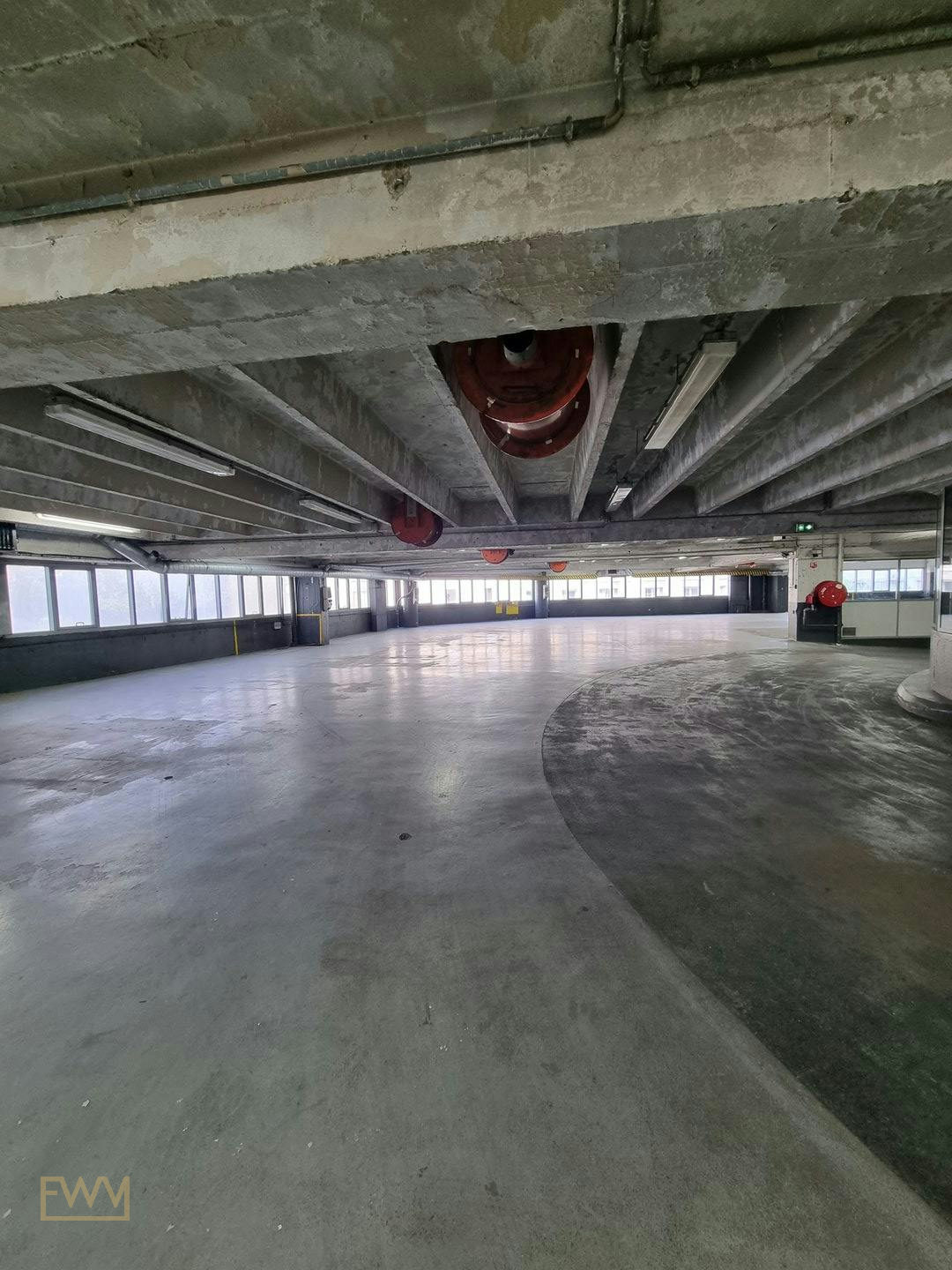
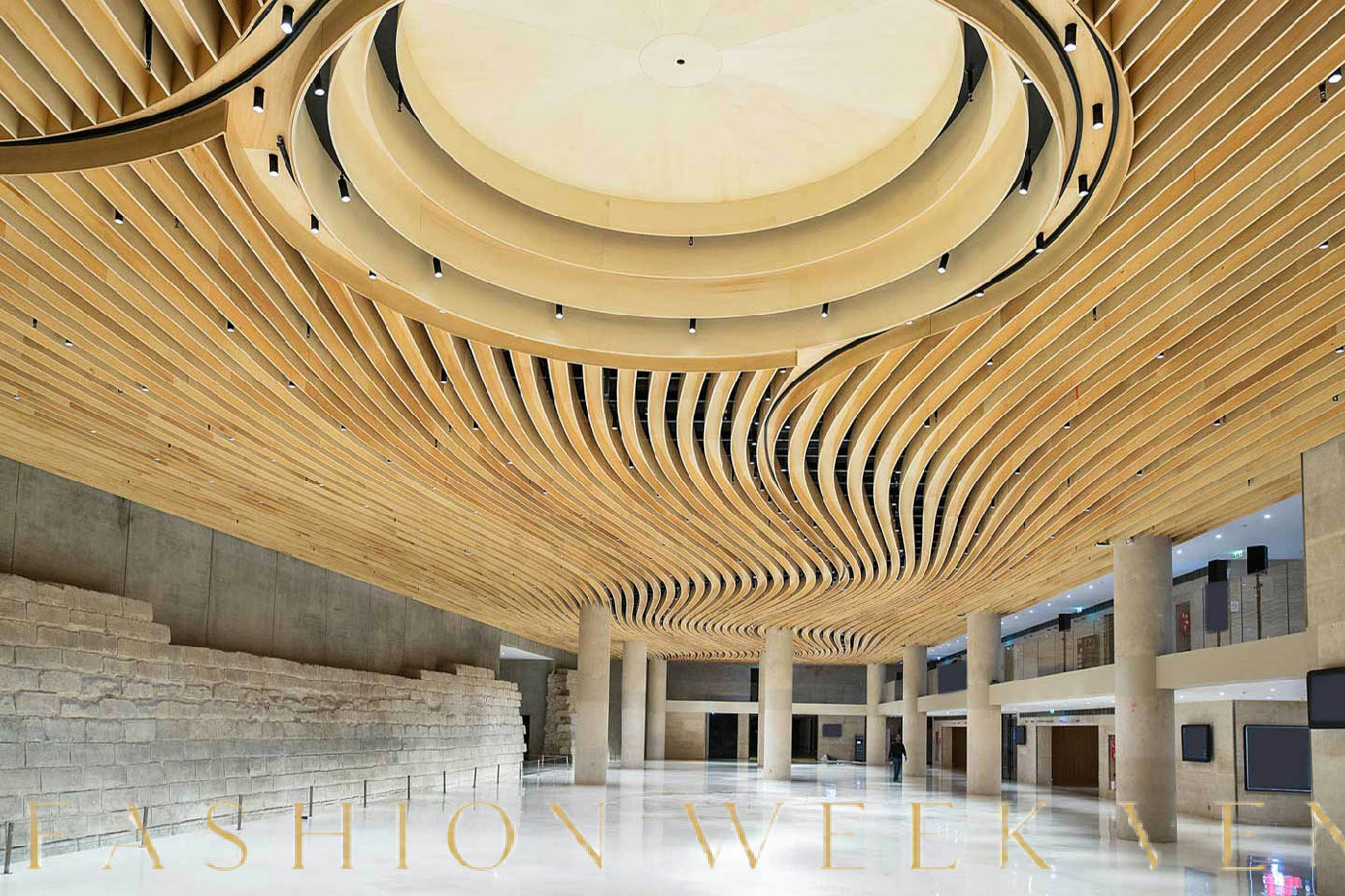
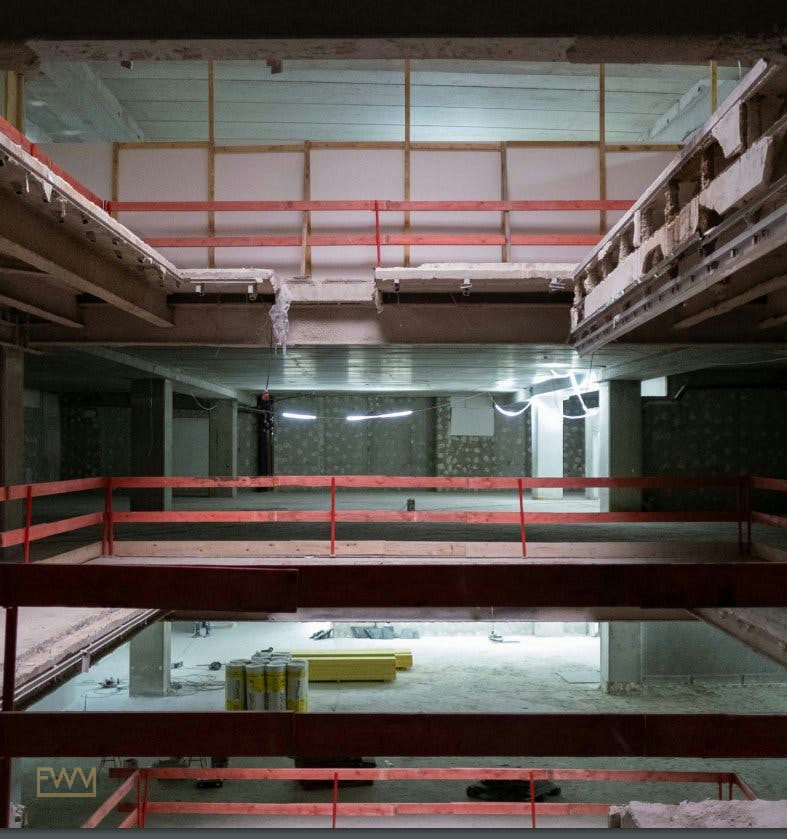


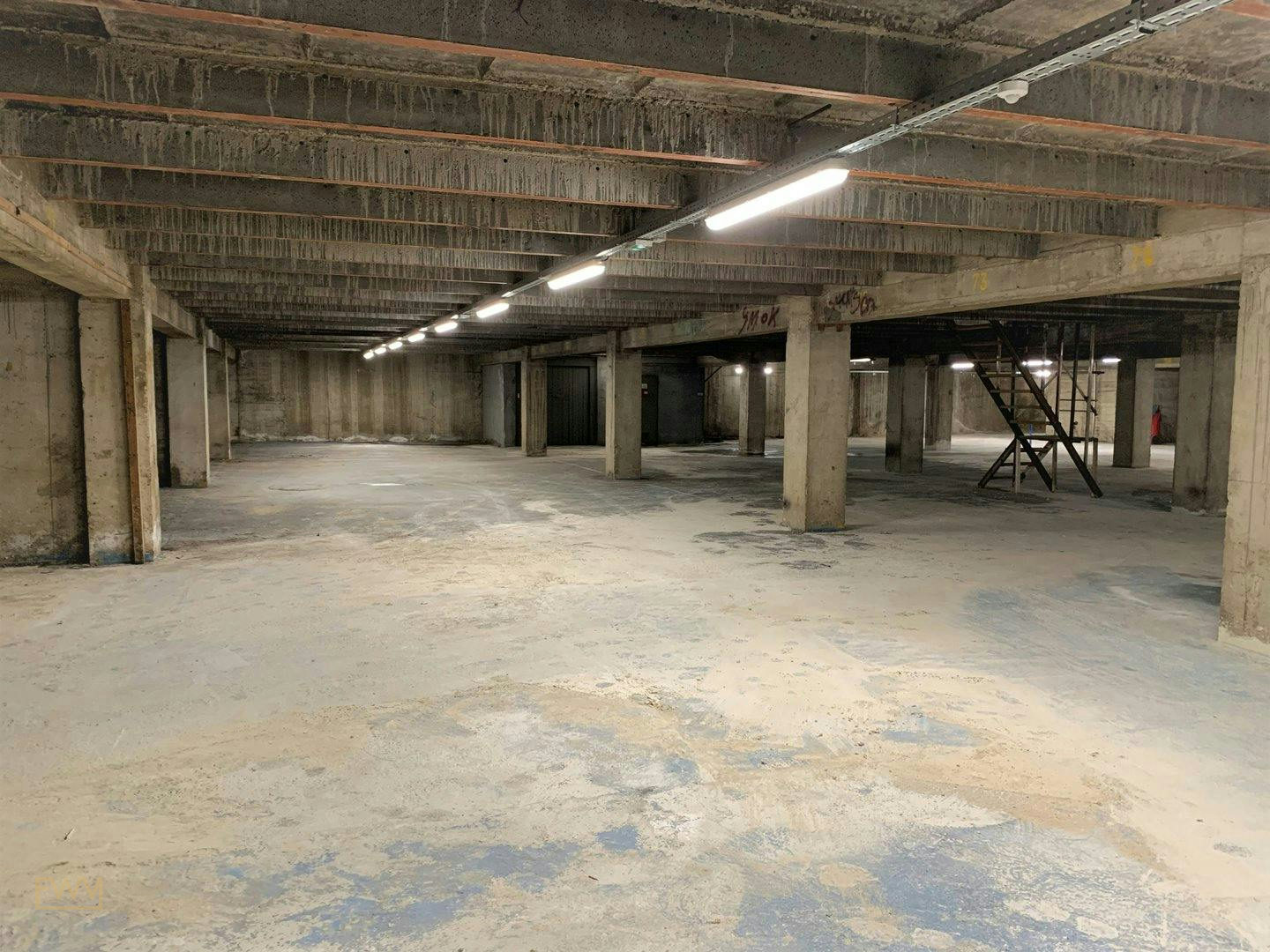
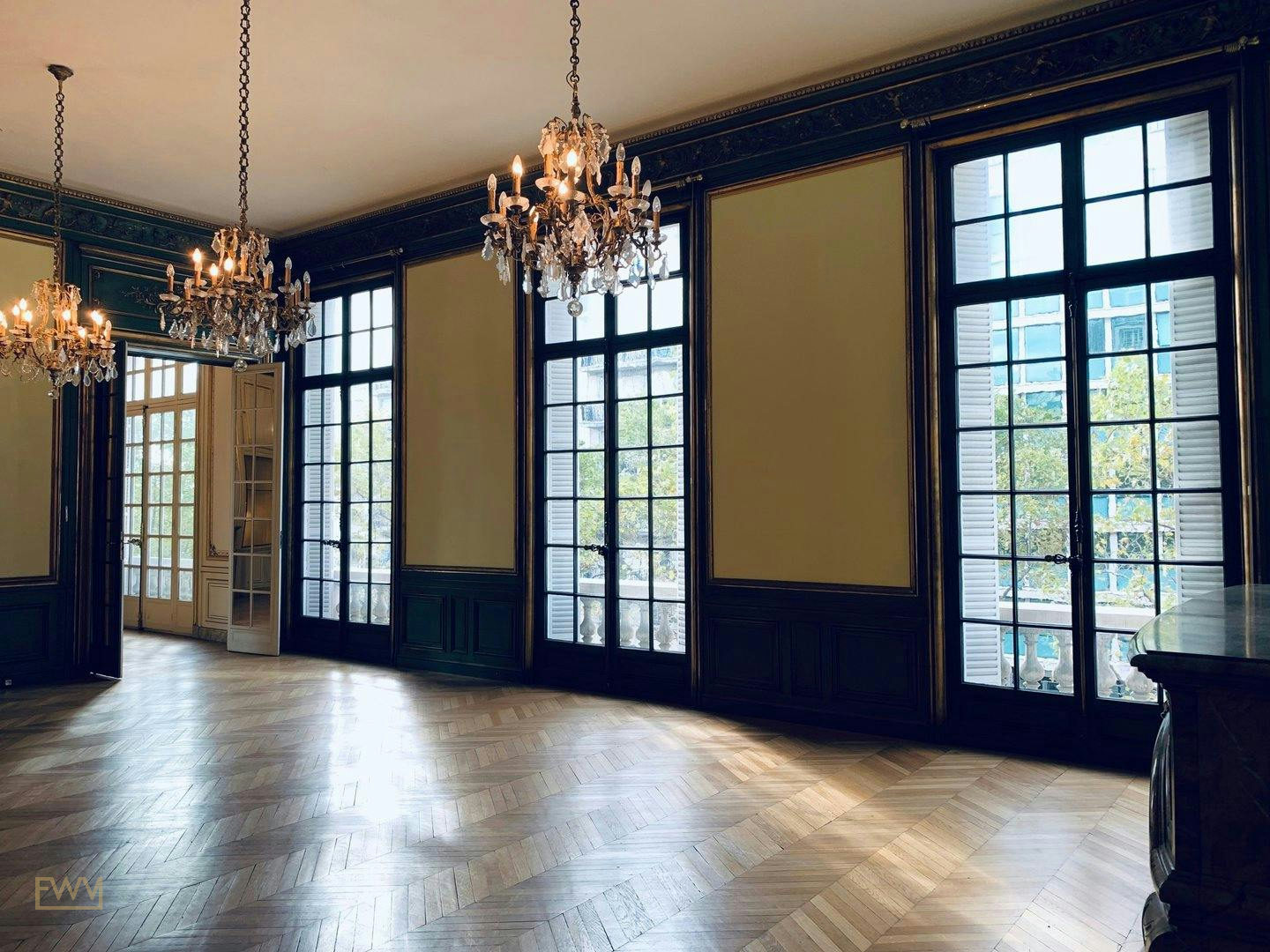
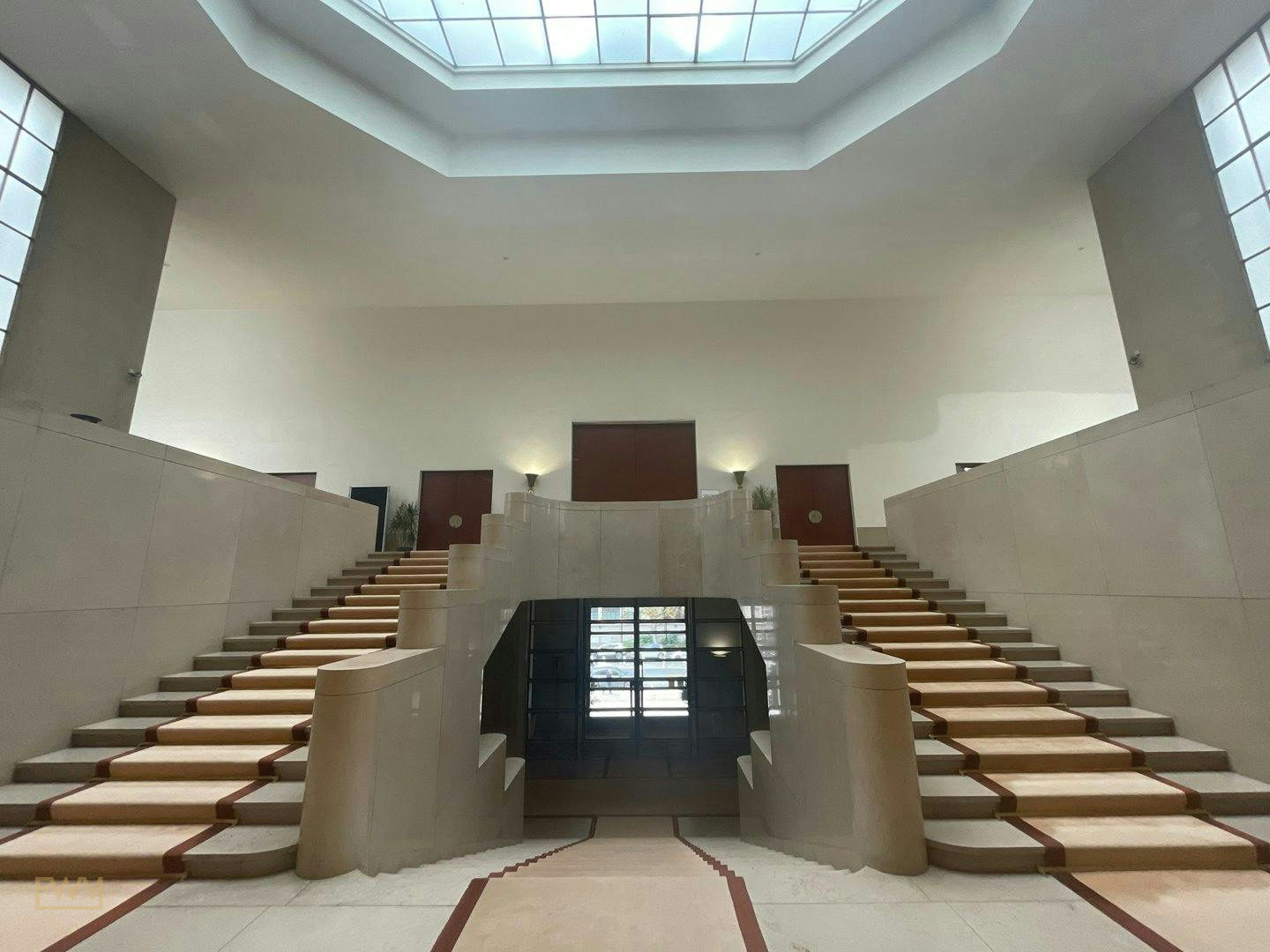
Fashion Week Venues are pivotal in the world of luxury retail, offering brands unique opportunities for pop-up spaces, showrooms, and event venues in fashion capitals like Paris. Our comprehensive guide unravels the complexities and opportunities presented by these venues. By leveraging the expertise of Fashion Week Venues, brands can access a marketplace and suite of services that streamline venue sourcing and activation management. This guide will delve into crucial aspects of choosing and utilizing fashion week venues effectively.
Understanding Fashion Week Venues
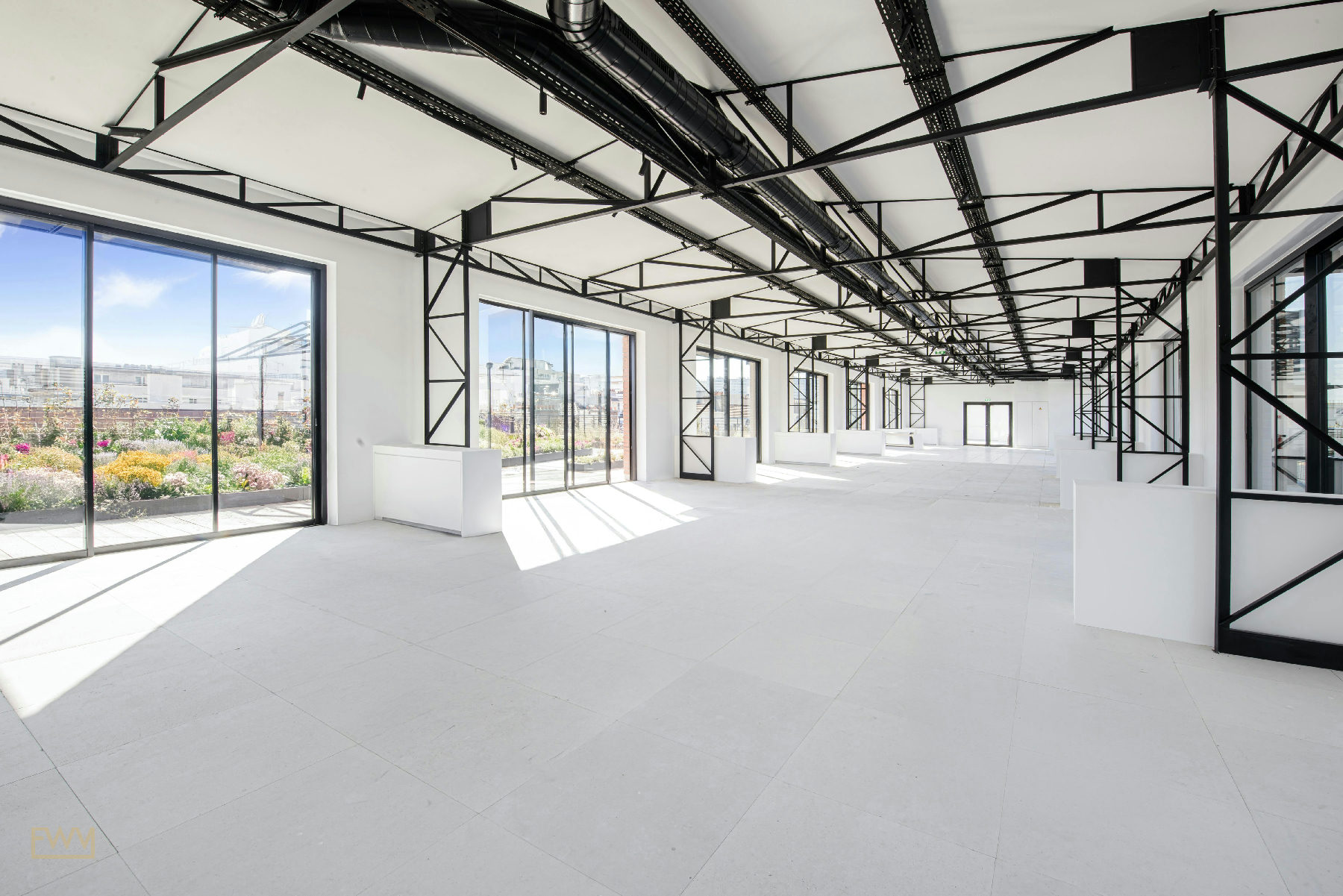
Fashion week venues are specialized locations used primarily for events, pop-up shops, and brand activations during key fashion industry events such as Paris Fashion Week. These venues provide brands with the opportunity to showcase collections to buyers, the media, and consumers in highly curated environments.
Generally, fashion week venues are selected within prime locations that attract significant foot traffic and align with the brand’s image. For example, in Paris, areas like Le Marais, Saint-Germain-des-Prés, and Rue Saint-Honoré are popular due to their mix of luxury retail spaces and cultural vibrancy.
Using a pop-up space not only elevates a brand’s visibility during fashion week but also creates a memorable shopping experience that can enhance brand loyalty. By choosing the right location and building an immersive environment, brands can distinguish themselves in a saturated market.
KEY TAKEAWAY: Fashion week venues offer strategic advantages for brand exposure, requiring careful location selection and experiential design to maximize impact.
In the following section, we explore the different types of venue spaces and how to select them based on brand objectives and budget.
Types of Fashion Week Venues
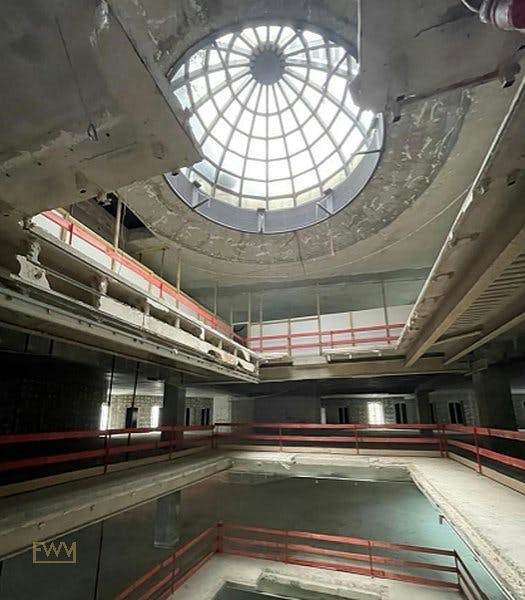
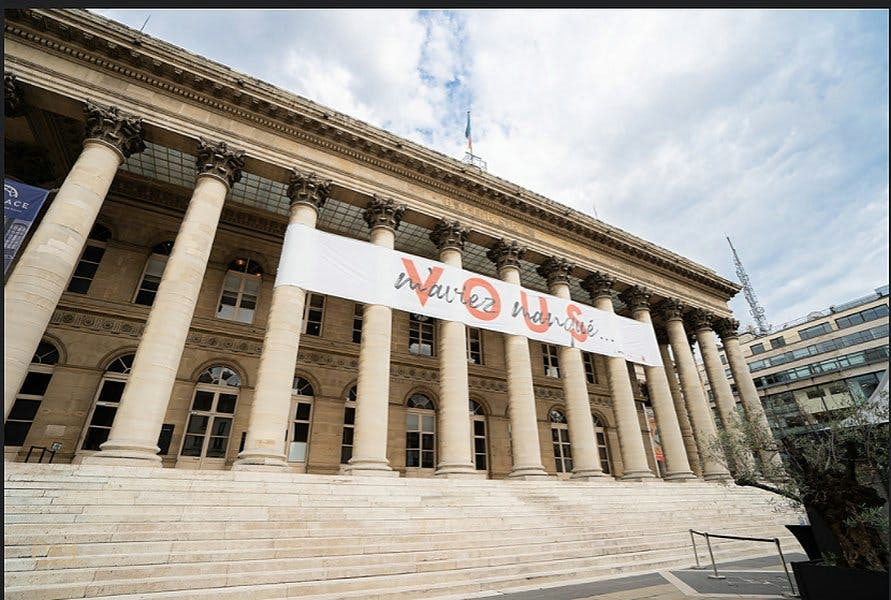
When considering fashion week venues, brands have a myriad of venue types to choose from, each offering its unique advantages. These can range from traditional showrooms to non-conventional spaces such as art galleries and historical buildings.
| Venue Type | Description | Ideal For |
|---|---|---|
| Showroom | Dedicated spaces for designer collections, typically more intimate and private. | Brands focusing on wholesale and media appointments. |
| Pop-up Shop | Temporary retail spaces that engage direct consumer sales and brand experiences. | Retail-focused brands looking for consumer engagement. |
| Event Space | Large venues suitable for runway shows and high-profile events. | Brands launching new collections with a focus on media impact. |
| Gallery | Spaces that offer a unique aesthetic, ideal for high-end fashion presentations. | Luxury brands seeking minimalist and elegant backdrops. |
Quick answer: Fashion week venues come in various forms, from traditional showrooms to innovative pop-up shops and galleries, each catering to different brand objectives and audiences.
Selecting the right venue type involves aligning the space’s characteristics with your brand's marketing goals. Considerations include foot traffic potential, venue amenities, and alignment with brand image. For instance, high-end brands might prefer galleries for their exclusivity and aesthetic appeal.
KEY TAKEAWAY: The decision on venue type should be driven by brand goals, target audience, and desired level of engagement during the fashion week.
Next, we will dive into practical considerations for renting a venue, including legal and logistical challenges unique to Paris.
Legal and Compliance Considerations
Renting a venue for fashion week activities in Paris involves unique legal and compliance considerations. Two principal mechanisms exist for short-term rentals: the bail dérogatoire and the Autorisation d'Occupation Temporaire (AOT).
| Criteria | Bail Déragatoire | AOT |
|---|---|---|
| Duration | Maximum of 36 months | Typically less than 12 months |
| Flexibility | Relatively flexible, with fewer regulatory requirements | Highly flexible, but subject to administrative approval |
| Best For | Brand stores and long-term activations | Short-term pop-up events |
The bail dérogatoire is ideal for brands looking to manage a store without a long-term commitment. Meanwhile, the AOT is more suited for short-term engagements and pop-up stores but often requires interaction with local authorities for permits and compliance.
Quick answer: Navigating the legal landscape of renting fashion week venues in Paris requires understanding local permits like bail dérogatoire and AOT, which vary in duration and compliance complexity.
IMPORTANT: Landlords typically require a robust compliance plan to ensure legal security. Brands are advised to consult legal experts for precise guidance tailored to their specific circumstances. To streamline the process, consider using the permit guidance tools available at Fashion Week Venues.
KEY TAKEAWAY: Engaging with local legal advisors can mitigate risks and streamline the permit acquisition process, ensuring a smooth legal alignment for your activation.
With this foundation, we'll transition to the critical element of budgeting your fashion week venue experience.
Budgeting for Fashion Week Venues
Estimating a proper budget for a fashion week venue activation is crucial for aligning fiscal expectations with strategic goals. While exact costs depend on several variables like timing, venue type, and location prominence, it's critical to develop a flexible budget that accommodates unexpected expenses.
Brands can utilize tools like Fashion Week Venues’ budget calculator to obtain customized estimates based on specific brand requirements. This tool can help anticipate costs including venue rent, build-out fees, staffing, and permits.
To illustrate, the general cost breakdown may include:
| Expense | Estimated Cost Percentage |
|---|---|
| Venue Rental | 50%-60% |
| Build and Production | 15%-20% |
| Staffing | 10%-15% |
| Permits and Compliance | 5%-10% |
| Miscellaneous | 5%-10% |
Quick answer: Budgeting effectively for a fashion week venue involves allocating roughly half of your budget to venue rental, with other major expenses including build-out, staffing, and permits.
TIP: Plan for a contingency fund to cover unforeseeable costs such as last-minute decor changes or extended staffing needs, ensuring flexibility when unexpected changes arise.
KEY TAKEAWAY: A comprehensive budgeting approach, supported by tools, ensures financial preparedness and enhances execution flexibility across the venue activation lifecycle.
With budgeting covered, the next section will explore in-depth the concept of experiential marketing and its application within fashion week venues.
Experiential Marketing in Fashion Week Venues
Experiential marketing transforms a static retail environment into an engaging, memorable experience. During fashion weeks, brands leverage this approach to create unique, immersive spaces that reflect the brand's core identity while engaging consumers on a deeper level.
Brands might employ multisensory elements such as interactive displays, live demonstrations, or even VR installations to enhance consumer engagement. These elements not only attract foot traffic but also foster emotional connections that can translate into stronger brand loyalty.
The choice of venue is critical for experiential marketing. For instance, historical landmarks like the Palais de Tokyo offer an aura of grandeur that elevates brand perception when used as fashion week venues. Similarly, spaces like the Canal Saint-Martin can cater to brands that seek to communicate a chic and avant-garde image.
Quick answer: Experiential marketing in fashion week venues crafts immersive brand interactions through sensory-rich environments, enhancing customer engagement and loyalty.
DID YOU KNOW: Implementing experiential marketing strategies has seen retail brands achieve up to 70% increases in consumer interaction rates during events.
When devising an experiential marketing strategy, detailed planning is essential. This involves selecting appropriate sensory elements, designing the consumer journey, and ensuring that all components align with the brand’s messaging.
KEY TAKEAWAY: Effective experiential marketing in fashion week venues is predicated on creating unique, engaging spaces that reflect the brand's ethos and resonate with targeted consumers.
Next, we'll discuss how Fashion Week Venues can directly support brands in these endeavors.
How Fashion Week Venues Supports Brands
Fashion Week Venues offers comprehensive support services tailored to execute seamless pop-up events, showrooms, and activations in international fashion capitals like Paris. Among their prime offerings are venue sourcing, concept direction, and activation management, which are crucial in translating brand identity into physical form.
- Venue Sourcing: Identifies optimal locations that align with brand goals and maximize visibility.
- Concept Direction: Crafts unique design strategies to deliver impactful brand narratives.
- Activation Management: Ensures operations are flawlessly conducted from concept to execution.
Crucially, their suite of tools—such as the ROI calculator and budget planner—enables brands to fine-tune their financial strategies and assess potential returns on investment. Teams responsible for financial planning, marketing, and logistics can benefit significantly from these services.
Quick answer: Fashion Week Venues supports brands by providing venue sourcing, concept direction, and activation management, ensuring superb execution of fashion week events.
The expert support offered by Fashion Week Venues equips brands with the insights and resources needed to make informed decisions and boost activation effectiveness. Visit their work page for case studies that showcase successful brand collaborations.
KEY TAKEAWAY: Leveraging the services and tools offered by Fashion Week Venues equips brands to execute impactful and strategically aligned activations during fashion weeks.
We now move to address common myths surrounding the utilization of fashion week venues.
Common Myths Debunked
MYTH: A French legal entity is necessary to rent a space in Paris.
FACT: While engaging local legal expertise is beneficial, non-French entities can secure rentals through well-structured agreements. The process is intricate but manageable with proper legal guidance.
MYTH: Paris Fashion Week is the only viable calendar window for successful activations.
FACT: Although Paris Fashion Week is prominent, numerous events throughout the year provide alternative windows for brand activation. Coordinating with the local fashion calendar can uncover these opportunities.
MYTH: Commission brokers are the sole option for finding suitable spaces.
FACT: While brokers offer convenience, platforms like Fashion Week Venues provide a direct marketplace for venue sourcing, which can often be more tailored to specific brand needs without added commission costs.
MYTH: Short-term leases are automatically straightforward and don’t require specialized help.
FACT: Even short-term leases can involve complex negotiations and compliance checks. Professional assistance ensures all legal and logistical aspects are correctly managed.
KEY TAKEAWAY: Understanding the myths about fashion week venues can lead to more informed decisions and strategic planning.
Let's proceed to address frequently asked questions about fashion week venues.
Frequently Asked Questions
What types of spaces are available for fashion week events?
A variety of spaces, including showrooms, pop-up shops, galleries, and event venues, are available during fashion weeks. Each type serves different brand needs, from intimate showrooms for media appointments to dynamic pop-up stores for consumer engagement.
How can brands effectively use experiential marketing in fashion week venues?
Brands can incorporate sensory elements such as interactive displays and live demonstrations to enhance consumer engagement. The key is to align these elements with the brand's identity and create a coherent consumer journey that resonates emotionally.
Are there specific legal considerations when renting a venue in Paris?
Yes, understanding local rental laws such as bail dérogatoire and AOT is crucial. These differ in duration and flexibility. Engaging with a French legal advisor is recommended to navigate these complexities effectively.
What should be included in a budget for a fashion week venue?
A comprehensive budget should include venue rental, build and production, staffing, permits, and a contingency for unforeseen expenses. Utilizing tools like Fashion Week Venues’ budget calculator can help forecast these costs accurately.
Can international brands easily activate in Paris with Fashion Week Venues?
Fashion Week Venues offers the necessary services, from venue sourcing to activation management, streamlining the activation process for international brands entering Paris. Their resources cover logistics, legal, and marketing aspects efficiently.
How can Fashion Week Venues tools aid in planning an event?
Fashion Week Venues provides tools like the ROI calculator, permits guidance, and budget planner, which help in strategic financial planning and operational management, ensuring events are successful and aligned with brand objectives.
What are the benefits of a pop-up shop during fashion week?
Pop-up shops offer unique opportunities for direct consumer engagement, allowing brands to test new products, generate buzz, and drive immediate sales. They serve as an effective platform for immersive brand storytelling.
Why is Paris considered a prime location for fashion events?
Paris is synonymous with fashion, offering iconic locations that attract global media attention and affluent consumers. Its rich cultural backdrop amplifies brand narratives, providing a prestigious platform for high-profile fashion events.
What services does Fashion Week Venues offer beyond venue sourcing?
Beyond venue sourcing, Fashion Week Venues offers services such as concept direction, production build, activation management, and retail staffing, each designed to enhance the holistic execution of fashion week activations.
How can brands manage costs effectively for their fashion week activations?
Effective cost management involves detailed budgeting, using strategic tools, and planning for contingencies. Considering venue type, duration, and the extent of build-out required can minimize financial risks.
These FAQs address common concerns and provide insights into maximizing opportunities within fashion week venues.
Conclusion
Fashion week venues offer unmatched opportunities for brands to immerse themselves in the fashion capital landscape, establishing impactful brand narratives through strategic location and design choices. Understanding venue types, legal frameworks, and budgeting essentials are critical for successful activations. Leveraging services from agencies like Fashion Week Venues can greatly enhance execution, ensuring that each element aligns with brand objectives and market demands. For those ready to move forward, start by exploring the available spaces on the Fashion Week Venues marketplace to build your strategic brief. This groundwork ensures you're prepared to engage effectively during major international fashion events and maximize the return on your activation investments.