If your brand is planning a Paris activation, the decision to rent a pop-up shop in the 10th arrondissement Paris deserves serious strategic attention. The 10th sits at the intersection of three of the city's most compelling cultural and commercial currents: the creative energy of Canal Saint-Martin, the international transit power of Gare du Nord, and the emerging independent retail scene along Rue du Faubourg Saint-Denis and Rue Beaurepaire. For fashion brands, beauty labels, lifestyle concepts, and artisanal brands seeking temporary retail in Paris, this arrondissement offers something that more saturated neighbourhoods cannot: genuine discovery potential at directionally lower rental rates. Fashion Week Venues supports brands across Paris, with specialist knowledge of the 10th and surrounding neighbourhoods.
Why the 10th Arrondissement Is a Serious Option for Pop-Up Retail in Paris
Quick answer: The 10th arrondissement combines strong foot traffic from Gare du Nord and Canal Saint-Martin with an independent retail culture that favours authentic brand presentations. It offers short-term rental opportunities across storefronts, showrooms, and concept spaces at a range of price points, making it accessible to brands of varying scale.
Paris is one of the world's most competitive cities for retail activation, and neighbourhood selection is one of the most consequential decisions a brand team will make. The 10th arrondissement, often overlooked in favour of Le Marais or Saint-Germain-des-Prés, has developed into one of the most strategically interesting areas in the city for pop-up stores. This is not an accident. It reflects a series of structural changes in how Parisians and visitors shop, socialise, and discover new brands.
The Canal Saint-Martin corridor, running along Quai de Valmy and Quai de Jemmapes, has been a focus for independent retail, cafés, and concept stores for over a decade. The streets feeding into it, including Rue Beaurepaire and Rue des Vinaigriers, now carry a consistent pedestrian flow from a demographic that skews younger, culturally engaged, and brand-literate. These are people who respond to pop-up stores because they are already predisposed to discovery shopping. A well-positioned boutique or temporary retail space on these streets generates organic social media coverage because the environment itself is photogenic and associated with lifestyle content.
Gare du Nord, the northern anchor of the arrondissement, is a different proposition entirely. It is one of the busiest railway stations in Europe, serving Eurostar connections to London, Thalys services to Brussels and Amsterdam, and extensive domestic and regional traffic. The streets immediately surrounding the station carry extraordinary daily foot traffic, and the area around Rue du Faubourg Saint-Denis has seen significant independent retail development in recent years. For brands targeting an international audience or seeking maximum daily exposure, proximity to this transit hub is a genuine commercial advantage.
The arrondissement also borders the Sentier district, historically Paris's garment and textile quarter, which now houses a cluster of creative agencies, showrooms, and independent fashion businesses. The Montorgueil corridor, running through the 2nd but closely connected to the northern 10th, further extends this creative commercial zone. For fashion brands specifically, being adjacent to these fashion-industry-adjacent neighbourhoods provides a useful professional context for showroom activations and press-facing events.
DID YOU KNOW: The 10th arrondissement borders six other arrondissements, giving brands positioned here convenient proximity to Le Marais, Sentier, and République without the premium rental rates typically associated with those locations.
The neighbourhood profile attracts a diverse mix of activation types. Independent fashion labels use storefronts along Canal Saint-Martin for seasonal collections. Beauty brands and lifestyle concepts use the area for product launches targeted at a younger urban consumer. International brands entering the French market for the first time often test in the 10th before committing to a longer-term presence in higher-cost areas. The arrondissement rewards brands that bring genuine concept direction and authentic visual identity, as the local culture is sophisticated enough to distinguish between a real brand experience and a generic retail exercise.
KEY TAKEAWAY: The 10th arrondissement is not a compromise choice for brands who cannot afford Le Marais or Saint-Germain-des-Prés. It is a deliberate strategic selection for brands that want cultural credibility, genuine discovery potential, and access to a commercially active, international pedestrian audience.
Understanding the specific micro-locations within the 10th is essential before signing any agreement, and the section below breaks down the key streets and zones in detail.
Key Streets and Micro-Locations in the 10th Arrondissement for Pop-Up Stores
Quick answer: The 10th arrondissement contains several distinct micro-locations for pop-up retail, each with a different audience profile, rent level, and visual character. Canal Saint-Martin streets offer lifestyle and editorial appeal, while the Gare du Nord zone offers volume and transit-driven exposure. Sentier-adjacent streets serve fashion showrooms and trade-facing activations.
The 10th is not a homogeneous neighbourhood. Treating it as a single retail zone is a strategic error that leads to mismatched spaces and disappointing activations. The following breakdown covers the primary micro-locations that matter for pop-up stores and temporary retail.
Canal Saint-Martin: Quai de Valmy and Quai de Jemmapes
The canals themselves are among the most recognisable backdrops in Paris for lifestyle and fashion content. Quai de Valmy on the western bank and Quai de Jemmapes on the eastern bank are lined with ground-floor storefronts, converted workshop spaces, and small concept stores. Retail here draws customers from the surrounding residential population, visitors to the canal, and a steady flow of younger Parisians who treat the area as a weekend destination. For a pop-up store targeting a fashion-forward, digitally active audience, the canal streets deliver both physical foot traffic and strong social media context. Natural light in many of the storefronts is excellent, making spaces functional as photo studios or hybrid retail and content production environments.
Rue Beaurepaire and Rue des Vinaigriers
These two parallel streets running perpendicular to the canal are among the most active independent retail corridors in the arrondissement. Rue Beaurepaire in particular has developed a concentration of boutiques, gallery spaces, and concept stores that attract a consistent and commercially engaged audience. Rue des Vinaigriers carries a similar demographic but with a slightly more residential character. Both streets are excellent for brands that want a genuine neighbourhood retail experience rather than a high-footfall, high-competition pitch.
Rue du Faubourg Saint-Denis and Gare du Nord Proximity
This street runs north from the Grands Boulevards to the Gare du Nord and has undergone significant retail and hospitality development. It carries strong daily foot traffic driven by the station and the dense residential population. Spaces here range from ground-floor storefronts to larger converted retail units. For brands seeking maximum exposure and are less concerned with curated aesthetic context, this zone is highly effective. The international transit audience at Gare du Nord also makes this area relevant for brands targeting travellers or testing cross-border appeal ahead of UK or Benelux expansion.
Arts et Métiers and the Sentier Border
The southern edge of the 10th, approaching the Arts et Métiers metro station and the Sentier district, connects into the fashion and creative industry cluster. Showrooms, press-facing presentations, and trade activations work particularly well in this zone. The adjacent Carreau du Temple in the 3rd arrondissement is a well-known venue for fashion events and provides useful contextual proximity. Brands operating in this corridor benefit from proximity to the Marais district without paying Marais-level rates.
Quartier Montorgueil Border
While the quartier Montorgueil sits primarily within the 2nd arrondissement, its northern edge connects directly into the southern 10th. This is a high-footfall pedestrianised retail and dining zone that draws tourists and locals in roughly equal measure. Spaces bordering this area can leverage the established retail traffic without the premium positioning of full Montorgueil addresses.
| Micro-Location | Primary Audience | Best For | Character |
|---|---|---|---|
| Quai de Valmy / Quai de Jemmapes | Young creatives, lifestyle consumers, visitors | Fashion pop-ups, lifestyle brands, photo studio use | Scenic, editorial, photogenic |
| Rue Beaurepaire / Rue des Vinaigriers | Independent shoppers, neighbourhood locals | Boutique retail, concept stores, artisanal brands | Independent, curated, boutique |
| Rue du Faubourg Saint-Denis | Commuters, international travellers, residents | Volume sales, brand awareness, beauty launches | High footfall, diverse, energetic |
| Arts et Métiers border | Fashion industry, press, trade buyers | Showrooms, press days, trade activations | Industry-adjacent, professional |
| Montorgueil border | Tourists, local shoppers, food and lifestyle consumers | Accessible retail, product sampling, seasonal activations | Busy, pedestrianised, established |
KEY TAKEAWAY: Every micro-location within the 10th arrondissement has a distinct audience and character. Matching your brand concept to the right street is as important as choosing the arrondissement itself.
Once you have identified the right micro-location, the next step is understanding what types of spaces are available and which formats are most appropriate for your activation objectives.
Types of Pop-Up Spaces Available in the 10th Arrondissement Paris
Quick answer: Brands renting in the 10th arrondissement can access ground-floor storefronts, converted workshop spaces, showrooms, art gallery formats, photo studio hybrid spaces, kiosks, and larger open-plan venues. The format you choose should be driven by your brand objectives, team size, product type, and activation duration.
Paris's short-term rental market has evolved significantly, and the 10th arrondissement reflects this diversity. The format options available to brands are now genuinely wide-ranging, which means brand teams need to be deliberate about matching space type to activation purpose rather than simply selecting the largest space within budget.
Ground-Floor Storefronts
These are the most common format for retail pop-up shops. Ground-floor storefronts on the canal streets and Faubourg Saint-Denis typically range from small boutique units to larger corner sites. They offer direct street presence, window display opportunity, and natural customer flow. They are well-suited to direct-to-consumer sales, product launches, and seasonal activations. Larger ground-floor storefronts can accommodate a hybrid model combining retail, seating, and event use.
Showroom Spaces
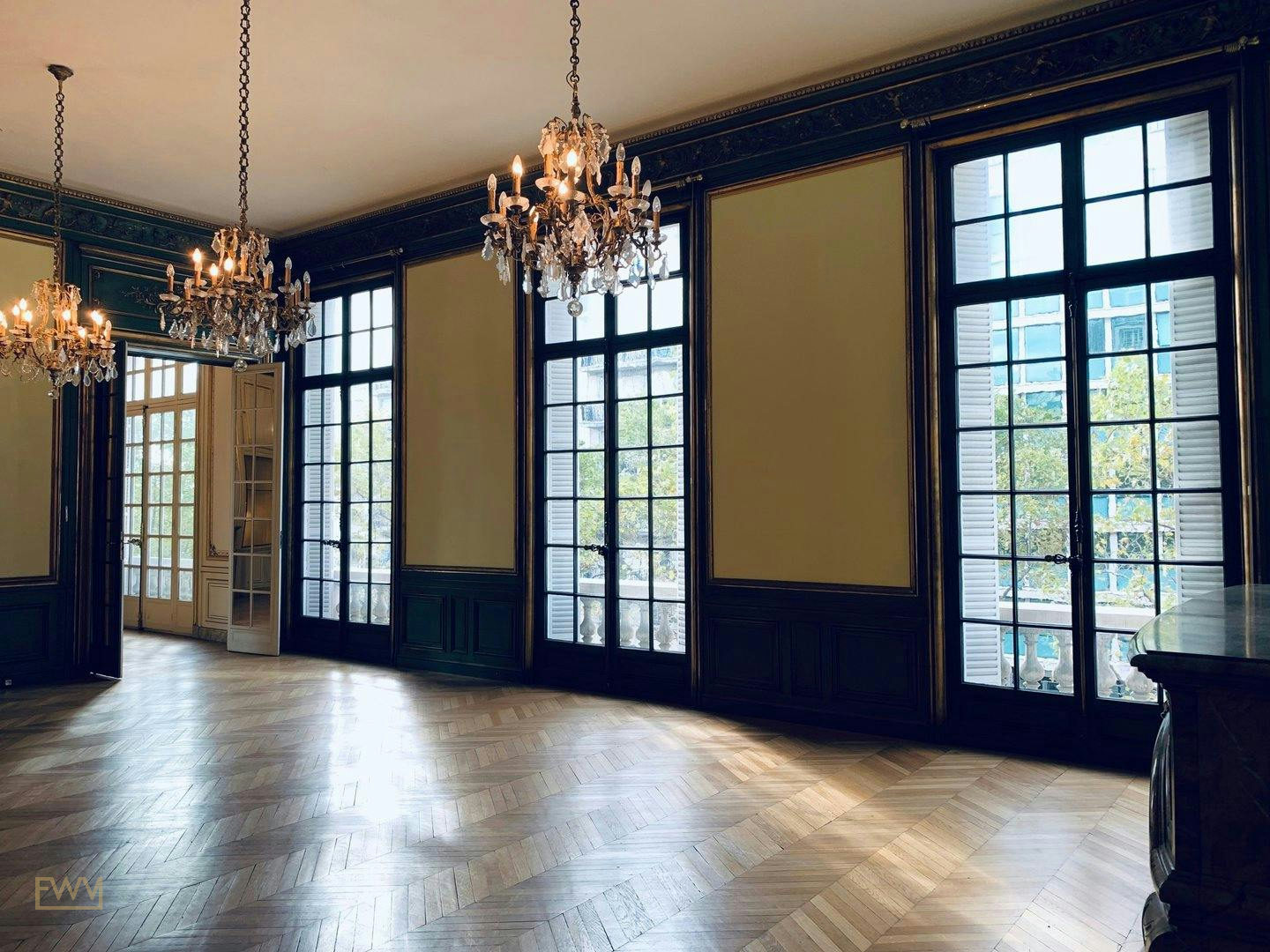
Fashion showrooms in the 10th are typically found in Haussmann-era buildings with high ceilings, parquet floors, and natural light from tall windows. These spaces work well for press presentations, buyer meetings, collection launches, and private exhibitions. A fashion showroom in this area benefits from proximity to the Sentier and Marais fashion industry clusters while offering a more residential, less commercialised environment that suits intimate brand presentations.
Art Gallery and Gallery Hybrid Spaces
The Canal Saint-Martin area contains a number of spaces that operate as galleries or have a gallery character: white walls, polished concrete or parquet floors, and flexible open layouts. These spaces work well for brands that want to position their activation as a brand experience or private exhibition rather than a conventional retail event. Fashion, beauty, and lifestyle brands with a strong art direction component often favour this format.
Photo Studio and Content Production Spaces
Several spaces in the 10th are set up or adaptable as photo studios with good natural light, neutral backdrops, and open floor plans. For brands that want to combine a retail activation with content production, a photoshoot, or a social media event, these spaces are practical and efficient. The canal backdrop also provides an immediately recognisable outdoor setting for content that reads as authentically Parisian.
Kiosks and Market-Format Spaces
For shorter activations, lower budgets, or brands that want a presence without committing to a full storefront, kiosk formats at covered markets or within larger retail environments can be effective. These formats work well for product sampling, brand awareness, and seasonal activations where dwell time and one-to-one customer interaction are the primary objectives.
Larger Event and Multi-Use Venues
Some spaces in the 10th, particularly in the Gare du Nord zone and around République, can accommodate larger activations: brand launch events, pop-up restaurants, multi-brand markets, or combined retail and hospitality formats. These require more complex production and fit-out but offer significant scale for brands running major campaigns.
| Space Type | Typical Use | Minimum Practical Duration | Suitable For |
|---|---|---|---|
| Ground-floor storefront | Direct retail, product launch, seasonal pop-up | 3 to 7 days | Fashion, beauty, lifestyle, food |
| Showroom | Press days, buyer meetings, collection launch | 2 to 5 days | Fashion brands, luxury, accessories |
| Gallery hybrid | Brand experience, private exhibition, editorial | 3 to 10 days | Fashion, art-adjacent brands, collaborations |
| Photo studio | Content production, social media event, shoot | 1 to 3 days | All brand categories |
| Kiosk or market format | Sampling, brand awareness, seasonal activation | 1 to 5 days | Beauty, food, accessories, lifestyle |
| Large event venue | Launch events, multi-brand markets, hospitality | 1 to 3 days | Brands with significant production budgets |
TIP: Before shortlisting spaces, define whether your primary objective is sales, press coverage, brand experience, or content production. Each objective suggests a different space type, and the most common mistake brand teams make is selecting a space before they have answered this question clearly.
KEY TAKEAWAY: The 10th arrondissement offers a genuine range of short-term retail space formats. The format selection should follow a clear brief, not precede it.
With a clear understanding of the space formats available, the next critical consideration is the legal and administrative framework that governs short-term commercial rental in Paris.
Legal Framework, Permits, and Regulations for Pop-Up Shops in Paris
Quick answer: Short-term commercial rental in Paris is governed primarily by the bail dérogatoire, a derogatory lease that allows tenancies of up to three years without the tenant protections of a standard commercial lease. Temporary retail activations of shorter durations may also use licence agreements or autorisation d'occupation temporaire arrangements. Requirements vary by space type, duration, and arrondissement, and brands should verify all requirements with a qualified French legal advisor.
The legal and administrative dimension of renting a pop-up shop in Paris is one of the areas where international brands most frequently encounter problems. The French commercial property framework is detailed, and the short-term rental structures used for pop-up stores differ meaningfully from both standard commercial leases and the short-term residential rental models that international teams may be more familiar with.
The Bail Dérogatoire
The bail dérogatoire is the standard legal instrument for short-term commercial tenancies in France. It allows a lease of up to three years without triggering the tenant protections of a standard nine-year commercial lease known as the bail commercial. For pop-up shops and temporary retail activations, the bail dérogatoire is the most commonly used structure when the tenancy is measured in weeks or months. It must be agreed by both parties and documented correctly. At the end of the bail dérogatoire period, if the tenant remains in occupation without a new agreement, French law may automatically reclassify the arrangement as a full commercial lease with all associated protections and obligations. International brands should not assume that informal occupation arrangements are legally safe.
Licence d'Occupation and Convention Précaire
For very short activations measured in days or a small number of weeks, a licence agreement or convention précaire may be used in place of a bail dérogatoire. These arrangements offer less legal protection to the tenant but are simpler to execute and appropriate for genuinely temporary use. They are commonly used for single-event pop-ups, press days, and short seasonal activations.
Autorisation d'Occupation Temporaire
Some pop-up locations in public or semi-public spaces, including certain market halls, covered passages, or publicly owned properties, may require an autorisation d'occupation temporaire, known as an AOT. This is a formal administrative permission from the relevant authority, which may be the mairie, a public body, or a property management organisation. The process for obtaining an AOT varies by location and the nature of the planned use, and timelines can be longer than brands accustomed to more straightforward commercial rental processes expect.
Commercial Activity Permits and Notifications
Depending on the nature of the commercial activity, brands may need to register the activity with the relevant Chambre de Commerce or notify the local mairie. Requirements vary by the type of goods sold, the duration of the activation, and the specific regulations of the arrondissement. Food and beverage activations, events with amplified sound, and activations that involve a change of use for a property carry additional requirements. Brands should not assume that a lease or licence agreement alone constitutes full compliance with local regulations.
Insurance Requirements
Most landlords and space operators in Paris require tenants to hold appropriate commercial liability insurance for the duration of their occupation. International brands may need to arrange specific French-compliant insurance, and the requirements should be confirmed with the landlord before signing any agreement. Failure to provide required insurance documentation is a common cause of delays in the space confirmation process.
IMPORTANT: The information above is a general guide and does not constitute legal advice. Requirements vary by space type, duration, arrondissement, and the specific nature of your commercial activity. Always verify requirements with a qualified French legal advisor before committing to a space.
The Fashion Week Venues permit guidance tool provides a useful starting framework for understanding what documentation and approvals may be required for your specific activation type.
KEY TAKEAWAY: The legal framework for short-term commercial rental in Paris is well-established but requires specific knowledge. Using the right legal structure from the outset avoids costly complications and protects both the brand and the landlord.
With the legal framework in place, the next consideration is budget. Understanding what drives rental costs in the 10th and how to structure a realistic activation budget is essential before beginning any space search.
Budget Planning for a Pop-Up Shop in the 10th Arrondissement Paris
Quick answer: Rental costs for pop-up spaces in the 10th arrondissement Paris vary significantly based on location within the arrondissement, space size, duration, and season. Directional daily rates for established spaces in Paris range broadly, and the total cost of a pop-up activation includes fit-out, staffing, permits, insurance, logistics, and marketing in addition to the base rent. Use a dedicated budgeting tool for a brand-specific estimate.
Budget planning for a Paris pop-up shop is a discipline that brand teams underestimate at their cost. The rental rate is rarely the largest line item in a fully-costed activation. Understanding the full cost structure before beginning a space search prevents the common scenario where a brand commits to a space based on rental cost alone and then discovers that fit-out, staffing, and logistics consume budget that has not been allocated.
Rental Rate Drivers
In the 10th arrondissement, rental rates for short-term retail spaces are driven primarily by four factors: the specific street and its foot traffic, the size of the space in square metres, the duration of the rental, and the season or calendar event during which the activation takes place. Canal Saint-Martin spaces on Quai de Valmy command higher rates than spaces on parallel side streets. Fashion Week windows, Paris Design Week, and FIAC calendar periods all attract premium pricing. Spaces that are already fitted out and require minimal build work typically cost more per day than empty shells that require full production.
Published reference figures for spaces in comparable Paris arrondissements suggest daily rates can range from under a thousand dollars per day for smaller units to several thousand dollars per day for larger, well-located spaces during peak periods. These figures are directional only and should not be used for budget planning without verification. Use the Fashion Week Venues budget calculator to build a brand-specific cost model based on your space type, size, duration, and location requirements.
Beyond the Base Rent: The Full Cost of a Pop-Up Activation
A realistic pop-up budget includes all of the following cost categories in addition to base rent: space deposit and legal documentation costs, fit-out and production including furniture, fixtures, and branded installations, retail staffing for the duration of the activation, point-of-sale systems and payment processing, logistics including product transport and storage, insurance, permit applications and administrative fees, influencer and press coverage if planned, and post-activation defit and restoration costs. For international brands renting in France for the first time, translation, legal advice, and local liaison costs should also be included.
Duration and Cost Efficiency
Shorter activations of two to five days tend to have a higher cost per day than longer activations of two to four weeks, partly because landlords price short durations at a premium and partly because fixed costs like fit-out are amortised over fewer trading days. Brands that are cost-sensitive should consider whether a slightly longer activation window improves the overall cost per day and allows a more ambitious brand experience within the same total budget.
Calendar Timing and Rate Premiums
Paris Fashion Week, Paris Design Week, and FIAC create significant demand spikes for short-term retail spaces. During these windows, available spaces are fewer and rates are higher. Brands that want to activate during these periods should begin their search at least three to six months in advance. Brands that have flexibility on timing should consider activating in the weeks immediately following major calendar events, when spaces are available at lower rates and the city still has a strong visitor and press presence.
| Cost Category | Notes | Planning Consideration |
|---|---|---|
| Base rent | Varies by location, size, duration, season | Confirm all-in rate including service charges |
| Fit-out and production | Furniture, fixtures, branded installations | Often equals or exceeds base rent for first-time activations |
| Retail staffing | Bilingual staff, management, security | Budget minimum two staff per shift for retail operations |
| POS and payments | Card terminals, software, cash management | Confirm payment methods accepted for your customer base |
| Insurance | Commercial liability, contents, public liability | French-compliant policy required by most landlords |
| Permits and admin | AOT, mairie notifications, Chambre de Commerce | Allow time for processing, especially for public spaces |
| Logistics | Shipping, customs if applicable, local delivery | Factor in EU customs requirements for non-EU brands |
| Marketing and influencer | Press outreach, social media, influencer partnerships | Budget separately from operational costs |
KEY TAKEAWAY: The base rental rate is one component of the total cost of a Paris pop-up activation. Brands that plan only for rent and discover additional costs mid-project risk under-delivering on the brand experience they have committed to the space and the season.
To compare the 10th arrondissement against other Paris neighbourhoods before making a final location decision, the next section covers the broader Paris neighbourhood landscape for pop-up retail.
Paris Neighbourhood Comparison: How the 10th Stacks Up Against Le Marais, Saint-Germain, and Other Key Districts
Quick answer: Le Marais, Saint-Germain-des-Prés, and the Vendôme and Saint-Honoré areas are the most prestigious and expensive pop-up locations in Paris. The 10th arrondissement offers comparable creative credibility in specific micro-locations at directionally lower rates, making it a strong choice for brands that prioritise authentic audience engagement over prestige address.
Understanding where the 10th sits in the Paris retail hierarchy helps brands make an informed neighbourhood decision rather than defaulting to the most recognisable address. Each major Paris neighbourhood has a distinct brand positioning and a different customer profile.
Le Marais and the 3rd Arrondissement
Le Marais, particularly the Marais district around Place des Vosges, Rue de Turenne, and the streets surrounding the Musée Picasso, is the most competitive and prestigious pop-up location in Paris for fashion and lifestyle brands. The area combines established luxury retail, independent concept stores, art galleries including Galerie Joseph-style spaces, and a consistently strong tourist and local audience. Galerie D'art spaces and Pop-up and Gallery formats in Le Marais carry premium rates that reflect the address value. Carreau du Temple, just inside the 3rd, is a well-known event and pop-up venue with strong name recognition. For brands with a significant budget and a clear rationale for the Marais address, it remains the benchmark Paris pop-up location. For brands seeking a more discoverable, less saturated environment, it can feel crowded and competitive.
Saint-Germain-des-Prés and the 6th Arrondissement
Saint Germain des Prés offers a more refined, literary, and arts-adjacent retail environment than Le Marais. It attracts a slightly older, higher-income demographic and is well-suited to luxury fashion, art, and heritage brands. Rental rates are among the highest in Paris, and the competition for short-term spaces is intense. For brands with a clear Saint-Germain audience alignment, it is a powerful location. For brands seeking a younger or more culturally diverse audience, it may not deliver the right customer profile.
Rue Saint-Honoré and the Vendôme Area
The Rue Saint-Honoré corridor and the area around Place Vendôme represent the highest tier of Paris retail positioning. These locations are appropriate for luxury brands making a major Paris statement, and the rental rates reflect this. For emerging brands or brands testing Paris for the first time, this zone carries significant cost and expectation pressures that may not be appropriate.
Montmartre and Pigalle
Montmartre and the adjacent Pigalle district attract a creative and independent-minded audience with strong tourist overlay. Rental rates are generally lower than Marais or Saint-Germain, and the environment suits bohemian, artistic, and independent brand narratives. The challenge is that foot traffic is more tourist-dependent and less commercially focused than Canal Saint-Martin or Faubourg Saint-Denis.
Champs-Élysées and Rue de Rivoli
These central corridors offer maximum volume foot traffic but in a highly competitive, increasingly tourist-dominated retail environment. Brand positioning here risks being lost in a high-density retail landscape. These locations work for mass-market activations and brand awareness campaigns rather than curated brand experiences.
To compare Paris neighbourhoods in detail and identify the best location for your specific brief, explore the Paris city hub on Fashion Week Venues and shortlist spaces that match your brand positioning, budget, and calendar window.
KEY TAKEAWAY: The 10th arrondissement occupies a strong middle position in the Paris pop-up hierarchy: more accessible than Le Marais and Saint-Germain, more creatively credible than the Champs-Élysées zone, and increasingly recognised by international brands as a legitimate and strategically valuable location.
Planning a successful pop-up in the 10th also means understanding the Paris Fashion Week and seasonal calendar and how timing affects your activation strategy.
Fashion Week, Seasonal Calendars, and the Best Timing for a 10th Arrondissement Activation
Quick answer: Paris Fashion Week is the most strategically significant calendar window for fashion brand activations in Paris, but it is not the only viable window. Paris Design Week, FIAC, and the pre-Christmas and early spring seasons also offer strong commercial and brand-building opportunities. The 10th arrondissement performs well across multiple seasonal windows due to its mixed audience of locals, professionals, and visitors.
Timing a Paris pop-up activation correctly is a decision that affects both the cost and the commercial outcome of the project. The city operates on a series of distinct seasonal and calendar peaks, each attracting a different mix of press, buyers, consumers, and tourists.
Paris Fashion Week Windows
Paris Fashion Week occurs twice a year in the ready-to-wear calendar: once in late February or early March for the autumn/winter collections, and once in late September or early October for the spring/summer collections. The haute couture calendar adds additional windows in January and July. During Fashion Week, the city's press, buyer, and brand community is concentrated and highly active. Short-term retail spaces, showrooms, and pop-up stores that align with Fashion Week dates benefit from elevated media attention, influencer presence, and industry foot traffic. The 10th arrondissement, adjacent to the Sentier and Marais fashion districts, is well-positioned to benefit from Fashion Week activity without requiring a premium-priced Marais address.
Paris Design Week and FIAC
Paris Design Week, held each September, brings a strong creative and design-industry audience to the city. FIAC, the international contemporary art fair, generates significant cultural traffic. Brands in design, lifestyle, beauty, and art-adjacent fashion benefit from activating around these events. The Canal Saint-Martin area, with its gallery and concept store character, is particularly well-suited to activations during design and art-focused calendar periods.
Pre-Christmas and January Sales Periods
The pre-Christmas retail period from mid-November through to Christmas Eve generates strong consumer spending, and Paris's status as a gift destination for European visitors amplifies this effect. January sales, known as soldes, create additional consumer traffic. These windows are effective for direct-to-consumer pop-up retail, particularly in the higher-footfall zones of the 10th around Faubourg Saint-Denis.
Early Spring and Summer
March through May and June through August represent strong tourist seasons that drive consistent foot traffic in the Canal Saint-Martin area specifically. For brands targeting an international tourist audience or running a lifestyle-oriented seasonal activation, these are effective windows with generally more available space and less competitive pricing than Fashion Week periods.
TIP: Use the Fashion Week Venues timeline planning tool to map your activation calendar against Paris seasonal events and identify the optimal window for your brand objectives and budget.
KEY TAKEAWAY: Fashion Week is the most visible calendar window for Paris activations, but it is not the only viable one. Brands with flexibility should evaluate multiple calendar windows and select the one that best matches their audience, budget, and brand objectives.
Beyond timing, a successful pop-up activation requires a clear brand concept, professional fit-out, and operational management. The section below covers how to approach the activation process end-to-end.
How to Rent a Pop-Up Shop in the 10th Arrondissement: Step-by-Step Process
Quick answer: Renting a pop-up shop in the 10th arrondissement Paris involves defining your brief, identifying and shortlisting spaces, conducting due diligence, agreeing terms and legal documentation, planning fit-out and production, obtaining any required permits, managing the operational period, and closing down the space responsibly. Each stage requires specific expertise, and brands new to Paris benefit from working with an agency that knows the local market.
The process of renting and running a pop-up shop in Paris is more complex than renting a short-term space in some other markets. The combination of French legal requirements, language barriers for international brands, local permit processes, and the need for a high-quality brand execution makes a structured, professional approach essential.
| Stage | Key Actions | Typical Lead Time |
|---|---|---|
| 1. Define the brief | Confirm objectives, audience, space type, budget, calendar window, location preferences | Before search begins |
| 2. Search and shortlist | Use a marketplace or agency to identify spaces matching the brief | 2 to 8 weeks before activation |
| 3. Due diligence | Visit spaces, assess condition, confirm permitted uses, review landlord requirements | During shortlisting phase |
| 4. Negotiate and agree terms | Confirm duration, rate, deposit, permitted activities, access and handover arrangements | 4 to 8 weeks before activation |
| 5. Legal documentation | Execute bail dérogatoire, licence agreement, or convention précaire with legal review | 4 to 6 weeks before activation |
| 6. Permit applications | Apply for any required AOT, mairie notifications, or activity permits | 4 to 8 weeks before activation |
| 7. Fit-out and production | Plan and execute branded build, furniture, fixtures, signage, POS setup | 2 to 4 weeks before activation |
| 8. Staffing and operations | Recruit and brief retail staff, confirm security, set up POS and payments | 1 to 2 weeks before activation |
| 9. Activation period | Manage daily operations, sales, customer experience, social media, influencer visits | Duration of activation |
| 10. Close-down and defit | Remove branded installations, restore space to agreed condition, return keys | Within 24 to 48 hours of end date |
Defining Your Objectives Before You Search
The most important stage of the process is the first one. Before looking at any space, your team should have clear answers to the following questions: What is the primary objective of the activation, whether that is direct sales, press and media coverage, brand experience, product testing, or influencer content? Who is the target audience in terms of age, lifestyle, and purchasing behaviour? What is the total budget including all cost categories, not just rent? What dates are fixed and what dates are flexible? What is the minimum and maximum space size? What specific features does the space need, such as natural light, changing rooms, storage, or external signage rights?
Space Search and Shortlisting
Space search in Paris can be conducted through a dedicated marketplace, through an agency with existing relationships, or through direct landlord outreach. Each approach has trade-offs. A marketplace offers breadth and transparency. An agency offers relationships, negotiation expertise, and project management capability. Direct outreach can occasionally surface spaces not publicly listed but requires significant time and local knowledge. For brands that want to compare multiple options efficiently, the space comparison tool on Fashion Week Venues allows side-by-side evaluation of shortlisted spaces.
Fit-Out, Concept, and Brand Experience
The physical brand experience in the space is what converts a rented room into a meaningful brand activation. Concept direction, branded store design, furniture selection, visual merchandising, and signage all contribute to the quality of the customer experience. For brands without an in-house production team, working with a specialist agency that covers fit-out and production alongside concept and creative direction is the most efficient way to achieve a high-quality result.
KEY TAKEAWAY: A successful pop-up activation in the 10th arrondissement requires planning that begins months before the opening date. The space search is just one component of a complex multi-stage process.
How Fashion Week Venues Supports Brands Renting in the 10th Arrondissement Paris
Quick answer: Fashion Week Venues is a full-service pop-up agency and space marketplace operating across Paris and other major fashion capitals. For brands renting in the 10th arrondissement, the agency provides venue sourcing, concept direction, production and fit-out, activation management, staffing, and data analytics, alongside a suite of planning tools covering budgets, ROI, permits, timelines, and space comparison.
Fashion Week Venues is positioned as the specialist agency for brands that want professional support across the full pop-up activation process in Paris. Rather than operating as a commission-only space broker, the agency offers integrated service capability from the initial brief through to post-activation data and reporting.
Venue Sourcing in the 10th and Beyond
The venue sourcing service identifies spaces that match your brief in terms of location, size, format, and budget. For the 10th arrondissement specifically, this means access to Canal Saint-Martin storefronts, Faubourg Saint-Denis retail units, showroom spaces, and gallery-format venues that may not be publicly listed on general property platforms. The sourcing process is guided by your activation brief rather than by space availability, which means the team works from your objectives backward to the space rather than the other way around.
Concept, Design, and Production
Once a space is identified, the agency's concept direction team can develop the full brand narrative for the activation, covering spatial design, visual merchandising, furniture selection, signage, and the customer journey through the space. The production and build team then executes the fit-out to the specified design, working within the timeframes and budget agreed. For brands that want to visualise a space before committing, the Fashion Week Venues imagine tool allows spatial visualisation against proposed concepts.
Operational Support: Staffing, POS, and Analytics
Running a pop-up shop in Paris requires operational capability that many brand teams do not have in-country. The agency provides retail staffing covering bilingual sales staff, space management, and security. Point-of-sale and payment systems are configured for the French market and the specific needs of the activation. Post-activation, data and analytics reporting covers foot traffic, sales performance, customer behaviour, and social media metrics to provide a clear picture of the activation's return on investment.
Planning Tools for Brand Teams
For brand teams doing their own initial research and planning, Fashion Week Venues provides a set of free planning tools. These cover budget estimation, ROI modelling, permit requirements, timeline planning, space comparison, and space location. These tools are designed to help brand teams move from a general interest in Paris pop-up retail to a structured brief that they can bring to an agency conversation or use to assess spaces independently.
Who Benefits Most
Fashion Week Venues is most useful for brands in the following situations: international brands entering Paris for the first time without local operational infrastructure, brands planning Fashion Week activations that require speed and precision, brands that want a fully managed activation without deploying significant internal project management resource, and brands that have run Paris pop-ups before but want to improve the quality, efficiency, or data output of their activation. The agency works across fashion, beauty, lifestyle, and adjacent brand categories.
IMPORTANT: Fashion Week Venues does not guarantee space availability, permit approval, or specific commercial outcomes. The agency provides professional services and marketplace access to support brands in achieving their activation objectives. Results depend on the quality of the brief, the selected space, the activation concept, and the brand's own product and marketing strategy.
KEY TAKEAWAY: Fashion Week Venues provides specialist support across the full pop-up activation process for brands renting in the 10th arrondissement and across Paris, combining a space marketplace with integrated agency services and planning tools.
Brand Strategy and Activation Planning for the 10th Arrondissement
Quick answer: A pop-up shop in the 10th arrondissement should be planned as an integrated brand activation rather than a standalone retail event. The most effective activations combine a clear brand narrative, a well-designed physical space, a targeted social media and influencer strategy, and a data collection approach that generates insight for future investment decisions.
Paris pop-up stores that perform well share a set of characteristics that go beyond the quality of the space itself. The brand experience they create is coherent, the visual identity is strong, the staff understand and represent the brand narrative, and the activation generates content that extends the brand's reach beyond the customers who physically visit the store.
Social Media and Influencer Strategy
The Canal Saint-Martin area in the 10th arrondissement is one of the most content-friendly environments in Paris. The canal backdrop, the independent retail character, and the photogenic storefronts create a natural setting for social media content. Brands that incorporate a content strategy into their activation planning, identifying specific moments, backdrops, and product presentations that are designed to generate shareable content, consistently achieve a higher reach per activation than brands that treat social media coverage as a secondary consideration.
Influencer partnerships can amplify this effect significantly. The 10th arrondissement, with its established creative community, is a natural environment for influencer-led activations. Brands that invite relevant influencers to exclusive previews, private exhibitions, or styled visits during the activation window generate content that reaches audiences many times the size of the physical foot traffic. The influencer marketing service at Fashion Week Venues supports brands in identifying and managing these partnerships.
Product Launches and Seasonal Activations
The 10th is well-suited to product launches because its audience is commercially active, culturally engaged, and willing to discover new brands. A product launch here can serve multiple objectives simultaneously: generating direct sales, producing press coverage, creating social media content, and gathering real-world consumer feedback. The combination of consumer and press audiences during Fashion Week windows makes the arrondissement particularly effective for launches that need to reach both communities.
Retail Concepts and Brand Positioning
For brands with a strong concept direction, the 10th arrondissement offers the freedom to execute an unconventional retail concept without the expectation pressures of a more established retail address. Concept stores, hybrid retail and hospitality formats, collaborative pop-ups, and experimental merchandising approaches all find a receptive audience in this neighbourhood. The twin co-activation concept offered by Fashion Week Venues, where two complementary brands share a space, can be particularly effective in the 10th's collaborative retail culture.
Measuring Success: Data and ROI
Every pop-up activation should be designed with a clear set of success metrics defined in advance. These might include total sales revenue, average transaction value, number of new customer records captured, social media reach and engagement generated, press coverage value, and conversion rate from visitor to purchaser. The ROI calculator on Fashion Week Venues helps brands model expected returns against planned investment before committing to a space, and post-activation data analysis confirms actual performance against projections.
KEY TAKEAWAY: A pop-up shop in the 10th arrondissement performs best when it is planned as a multi-channel brand activation with clear objectives, strong concept direction, and a disciplined approach to measuring and reporting results.
Common Myths About Renting a Pop-Up Shop in Paris Debunked
MYTH: You need a French legal entity to rent a short-term retail space in Paris.
FACT: International brands regularly rent short-term commercial spaces in Paris without a French legal entity. The legal instruments used for pop-up retail, including the bail dérogatoire and licence agreements, can be structured for foreign entities. However, the documentation requirements and the process differ from those for French-registered businesses, and specialist legal advice is recommended to ensure the arrangement is correctly structured.
MYTH: Paris Fashion Week is the only viable timing for a Paris pop-up activation.
FACT: Paris Fashion Week is one of several strong calendar windows for brand activations in Paris. Paris Design Week, FIAC, the pre-Christmas season, and the tourist peaks of spring and early summer all offer commercially effective windows for pop-up retail. Fashion Week commands premium pricing and competition for spaces is intense. Brands with flexibility on timing should evaluate multiple windows based on their audience, objectives, and budget before defaulting to Fashion Week dates.
MYTH: A commission broker is the only way to find a short-term retail space in Paris.
FACT: Dedicated pop-up space marketplaces, full-service agencies with existing landlord relationships, and direct outreach to property owners are all viable alternatives to commission-only brokers. Marketplaces offer transparency and breadth. Agencies offer integrated services including sourcing, production, and management. The most appropriate approach depends on the brand's internal capability, timeline, and the complexity of the activation.
MYTH: Short-term commercial leases in Paris are legally straightforward and require no specialist input.
FACT: The French commercial property framework is detailed and contains important protections and obligations for both parties. The bail dérogatoire, licence agreements, and AOT arrangements each have specific legal requirements that must be met correctly. An incorrectly structured short-term lease can inadvertently create commercial lease rights for the tenant or expose the landlord to liabilities they did not intend to accept. Both parties benefit from legal review before signing any commercial property agreement in France.
MYTH: The 10th arrondissement is only suitable for budget brands that cannot afford Le Marais.
FACT: The 10th arrondissement, particularly the Canal Saint-Martin corridor, has developed a genuine creative and commercial identity that attracts fashion brands, beauty labels, lifestyle concepts, and international brands specifically because of its authentic neighbourhood character and culturally engaged audience. The choice of the 10th over Le Marais is increasingly a strategic positioning decision rather than a budget constraint.
Frequently Asked Questions About Renting a Pop-Up Shop in the 10th Arrondissement Paris
Why rent a pop-up shop in the 10th arrondissement Paris specifically?
The 10th arrondissement combines three commercially valuable assets: the creative, lifestyle-oriented audience of the Canal Saint-Martin corridor, the high-volume transit traffic of the Gare du Nord zone, and proximity to the Sentier and Marais fashion industry clusters. It offers directionally lower rental rates than Le Marais or Saint-Germain-des-Prés while delivering a culturally credible, commercially active environment. For fashion brands, beauty labels, lifestyle concepts, and international brands entering Paris, the 10th represents a strong balance of audience quality, foot traffic, and cost efficiency.
What is a pop-up shop and how does it differ from a standard retail store?
A pop-up shop is a temporary retail presence occupying a space for a defined period, ranging from a single day to several months. Unlike a permanent retail store, a pop-up does not commit the brand to a long-term lease and is typically used for specific strategic purposes such as product launches, seasonal activations, brand experience events, press and influencer events, or market testing. Pop-up stores in Paris are governed by short-term legal instruments including the bail dérogatoire and licence agreements rather than standard commercial leases, which gives both parties more flexibility.
How much does it cost to rent a pop-up shop in the 10th arrondissement Paris?
Rental costs in the 10th arrondissement vary significantly based on street location, space size, condition and fit-out level, duration, and the calendar period. Directional daily rates for spaces in Paris range broadly, and the total cost of an activation including fit-out, staffing, permits, insurance, and logistics can significantly exceed the base rental cost. The Fashion Week Venues budget calculator provides a more precise estimate based on your specific brief. Always confirm all-in costs with the landlord before agreeing terms, as service charges and deposit requirements vary.
Do I need a permit to open a pop-up shop in Paris?
Permit requirements depend on the type of space, the nature of the commercial activity, the duration of the rental, and the specific location within the arrondissement. Some short-term commercial tenancies in private premises require no specific permit beyond the lease agreement itself, while others may require notification to the mairie, registration with the Chambre de Commerce, or an autorisation d'occupation temporaire if the space is in a public or semi-public property. Brands selling food or beverages, hosting events with amplified sound, or making material changes to a property face additional requirements. Use the Fashion Week Venues permit guidance tool and consult a French legal advisor to confirm requirements for your specific activation.
How far in advance should I begin searching for a pop-up space in the 10th?
For standard activation windows, a search beginning six to eight weeks before the desired start date is generally workable for smaller or less complex activations. For Fashion Week windows, Paris Design Week, or FIAC dates, beginning the search three to six months in advance is strongly recommended, as demand for quality spaces during these periods significantly outstrips supply. For complex activations requiring significant fit-out or permit applications, additional lead time is needed to allow for production planning and administrative processes.
What types of pop-up spaces are available near the Canal Saint-Martin?
The Canal Saint-Martin area in the 10th offers ground-floor storefronts on Quai de Valmy and Quai de Jemmapes, converted workshop spaces, gallery and gallery-hybrid formats, photo studio spaces with natural light, and smaller boutique units on the connecting side streets including Rue Beaurepaire and Rue des Vinaigriers. The format range suits fashion pop-ups, lifestyle brand activations, product launches, press events, private exhibitions, and content production. Space sizes typically range from small boutique units to mid-size open-plan spaces.
Can international brands without a French company rent pop-up spaces in Paris?
Yes, international brands regularly rent short-term commercial spaces in Paris as foreign legal entities. The documentation and structuring requirements differ from those for French-registered businesses, and the process benefits significantly from specialist legal advice and local representation. Working with an agency that has existing landlord relationships and experience managing international brand activations in Paris simplifies this process considerably, as the agency can manage the local administrative requirements on the brand's behalf.
How long can I rent a pop-up shop in the 10th arrondissement?
Short-term retail spaces in the 10th arrondissement are available for periods ranging from a single day to several months, depending on the landlord and the specific space. The most common activation durations for fashion and lifestyle brands are between three days and four weeks. Longer activations of one to three months are also available and may qualify for the bail dérogatoire structure, which allows tenancies of up to three years. Brands should be aware that very short activations of one to three days typically carry a higher cost per day than longer rentals.
Why is Gare du Nord a strategically interesting location for a pop-up shop?
Gare du Nord is one of the busiest railway stations in Europe, handling Eurostar services from London, Thalys trains from Brussels and Amsterdam, and extensive French national and regional services. The area surrounding the station generates extraordinary daily foot traffic from a diverse international audience. For brands seeking maximum daily visitor volume, international audience reach, or proximity to travellers making aspirational purchases, the Gare du Nord zone within the northern 10th arrondissement offers a distinctly different proposition from the lifestyle-oriented Canal Saint-Martin streets.
What is the difference between a bail dérogatoire and a standard commercial lease in France?
A standard French commercial lease, known as a bail commercial, is typically for nine years and carries significant tenant protections including a right to renewal. The bail dérogatoire is a derogatory arrangement that departs from this standard, allowing a short-term commercial tenancy of up to three years without triggering full commercial lease protections. It must be explicitly agreed by both parties in writing. If the tenant remains in occupation after the bail dérogatoire expires without a new agreement, French law may automatically convert the arrangement to a full commercial lease. This is why careful legal documentation is essential for all short-term commercial rentals in France.
What makes Canal Saint-Martin different from other Paris pop-up locations?
Canal Saint-Martin has developed a distinct cultural and commercial identity based on independent retail, creative businesses, hospitality concepts, and a lifestyle-oriented local population. The physical environment, including the canal itself, the tree-lined quays, and the architectural character of the buildings, creates a visually distinctive setting that photographs well and reads as authentically Parisian. The audience that the area attracts is commercially active, brand-literate, and engaged with fashion, lifestyle, and culture. This combination makes it a strong location for brand activations that prioritise quality of audience and social media context over maximum volume foot traffic.
Should I work with an agency or source a space independently?
This depends on your team's internal capability, local knowledge, time availability, and the complexity of the activation. Brands with strong Paris networks, French language capability, and experienced project management can source and manage spaces independently. Brands entering Paris for the first time, running complex activations, or working to tight timelines typically achieve better results working with a specialist agency that brings existing landlord relationships, local expertise, production capability, and operational infrastructure. The guides section on Fashion Week Venues covers the key considerations for agency selection in more detail.
How do I measure the return on investment from a Paris pop-up activation?
Return on investment from a pop-up activation can be measured across multiple dimensions: direct sales revenue generated during the activation, new customer data and contacts acquired, social media reach and earned media value, press coverage generated, brand awareness uplift, and longer-term sales or distribution effects resulting from the activation. Brands should define their success metrics before the activation begins and ensure that data collection systems, including foot traffic counters, POS analytics, social media monitoring, and customer sign-up mechanisms, are in place from the first day. The Fashion Week Venues ROI calculator helps brands model expected returns before committing to a space.
What is the twin co-activation concept and is it relevant for the 10th arrondissement?
The twin co-activation concept, offered through Fashion Week Venues, involves two complementary brands sharing a single space for a joint activation. This can reduce the rental cost for each brand, create a richer brand experience for visitors, and generate cross-brand audience exposure through each brand's marketing channels. It works particularly well for brands with complementary but non-competing product categories, such as a fashion brand paired with a beauty or accessories label. The Canal Saint-Martin area, with its culture of creative collaboration and concept retail, is well-suited to this format.
Are pop-up stores common in Paris and is the market competitive?
Pop-up retail is well-established in Paris and has grown significantly as a format over the past decade. The city supports a mature market of short-term retail spaces, dedicated marketplaces, and specialist agencies. Competition for the best spaces in the most desirable locations during peak calendar periods is intense, and brands that do not plan and move quickly risk losing the spaces that match their brief. Outside of peak periods, the market is more accessible and brands have more negotiating leverage. The 10th arrondissement, while increasingly recognised, remains less saturated than Le Marais or Saint-Germain and generally offers more available inventory across activation periods.
Conclusion: Making Your Pop-Up Shop in the 10th Arrondissement Paris Work
Renting a pop-up shop in the 10th arrondissement Paris is a strategically sound decision for brands that match the neighbourhood's strengths with their own objectives. The arrondissement offers a genuine combination of creative credibility along Canal Saint-Martin, international transit audience at Gare du Nord, proximity to the Sentier and Marais fashion industry clusters, and a culturally active local consumer base that is predisposed to discovering and engaging with new brands. It is not a default choice for brands that cannot afford Le Marais. It is an intentional selection for brands that want authentic engagement, a distinctive brand environment, and a more accessible entry point into the Paris market.
The most successful activations in the 10th, and in Paris more broadly, share a set of characteristics: a clearly defined brief developed before any space search begins, a well-matched space that serves the brand's concept rather than constraining it, a production and fit-out approach that creates a genuinely memorable physical experience, an integrated social media and influencer strategy, and a rigorous approach to measuring and reporting results.
The legal and administrative framework for short-term retail in France is detailed and requires specific expertise, particularly for international brands. Permit requirements, insurance obligations, and lease structure all need to be addressed correctly before the activation begins, and the cost of getting these wrong, whether through invalid documentation, unexpected permit requirements, or insurance gaps, is far higher than the cost of professional advice at the outset.
Whether you are planning a Fashion Week showroom presentation, a product launch along the canal, a seasonal pop-up in the Faubourg Saint-Denis zone, or a longer brand residency, the planning process benefits from specialist support at every stage. The combination of market knowledge, landlord relationships, production capability, and operational infrastructure that an experienced agency brings to an activation significantly increases the probability of a high-quality result.
To move from research to activation, start exploring available spaces on the Fashion Week Venues marketplace and build a focused brief for your target neighbourhood, space type, and calendar window.