
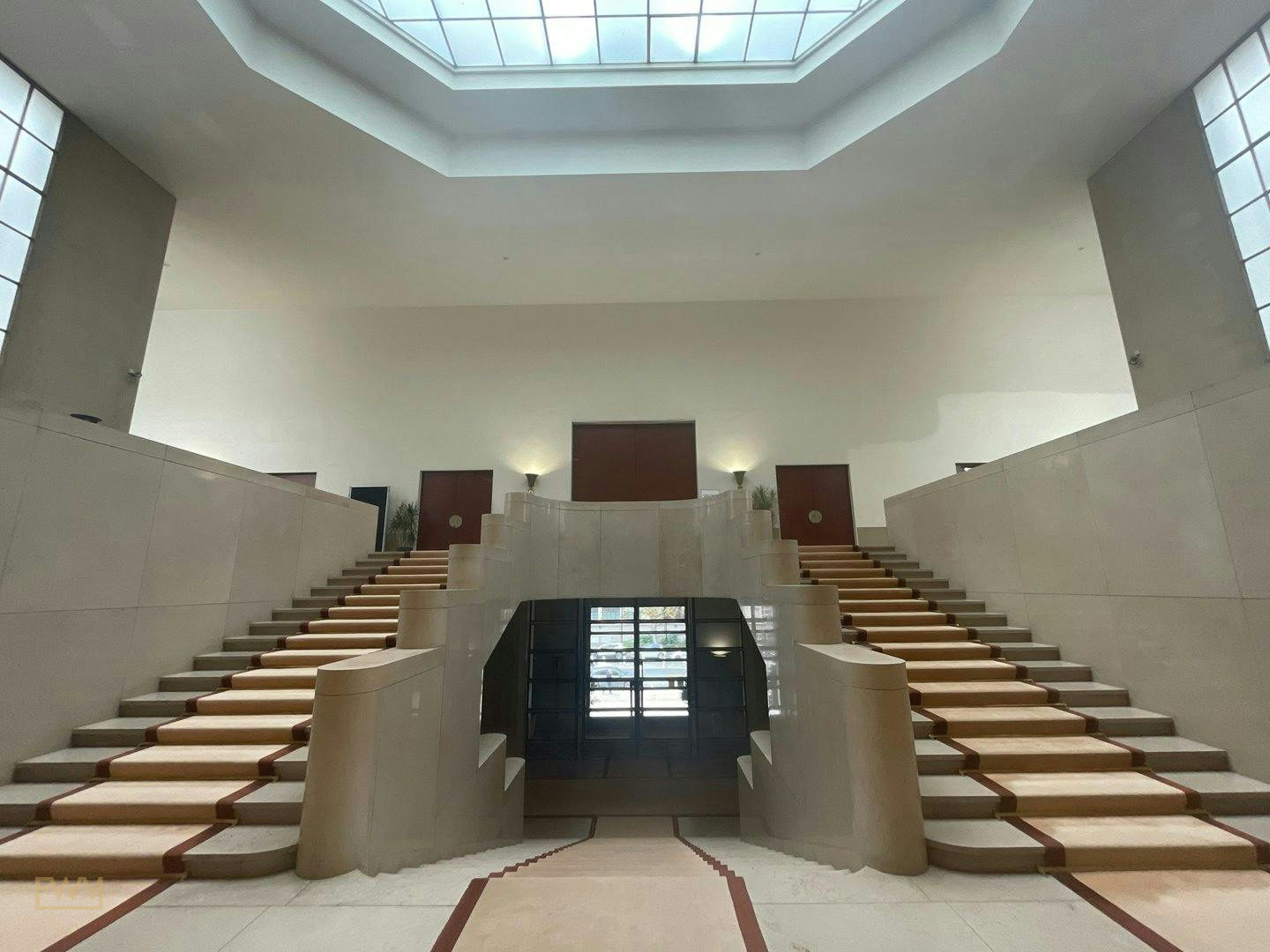
Fashion Week venues are pivotal to creating an impactful brand presence during the globally anticipated event. Selecting the right space not only enhances brand visibility but also aligns with thematic expressions and audience engagement strategies. Fashion Week Venues offers a wealth of options, from elegant showrooms to vibrant pop-up spaces in Paris and beyond, simplifying the selection process. This guide details all aspects of choosing, preparing, and optimizing your venue to maximize your participation and highlight your brand in these iconic settings.
Understanding the Types of Fashion Week Venues
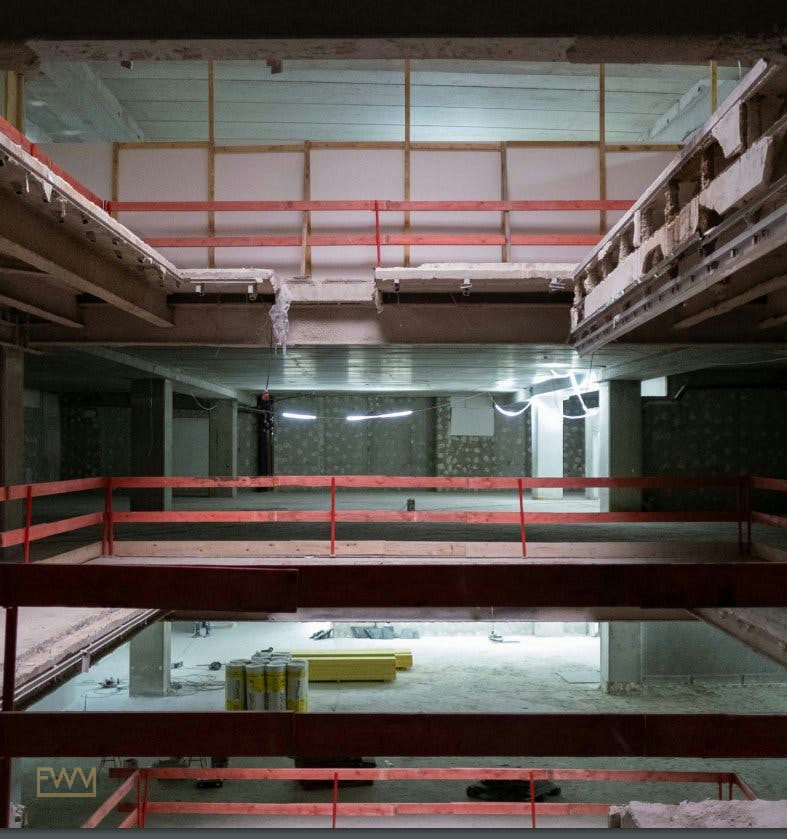
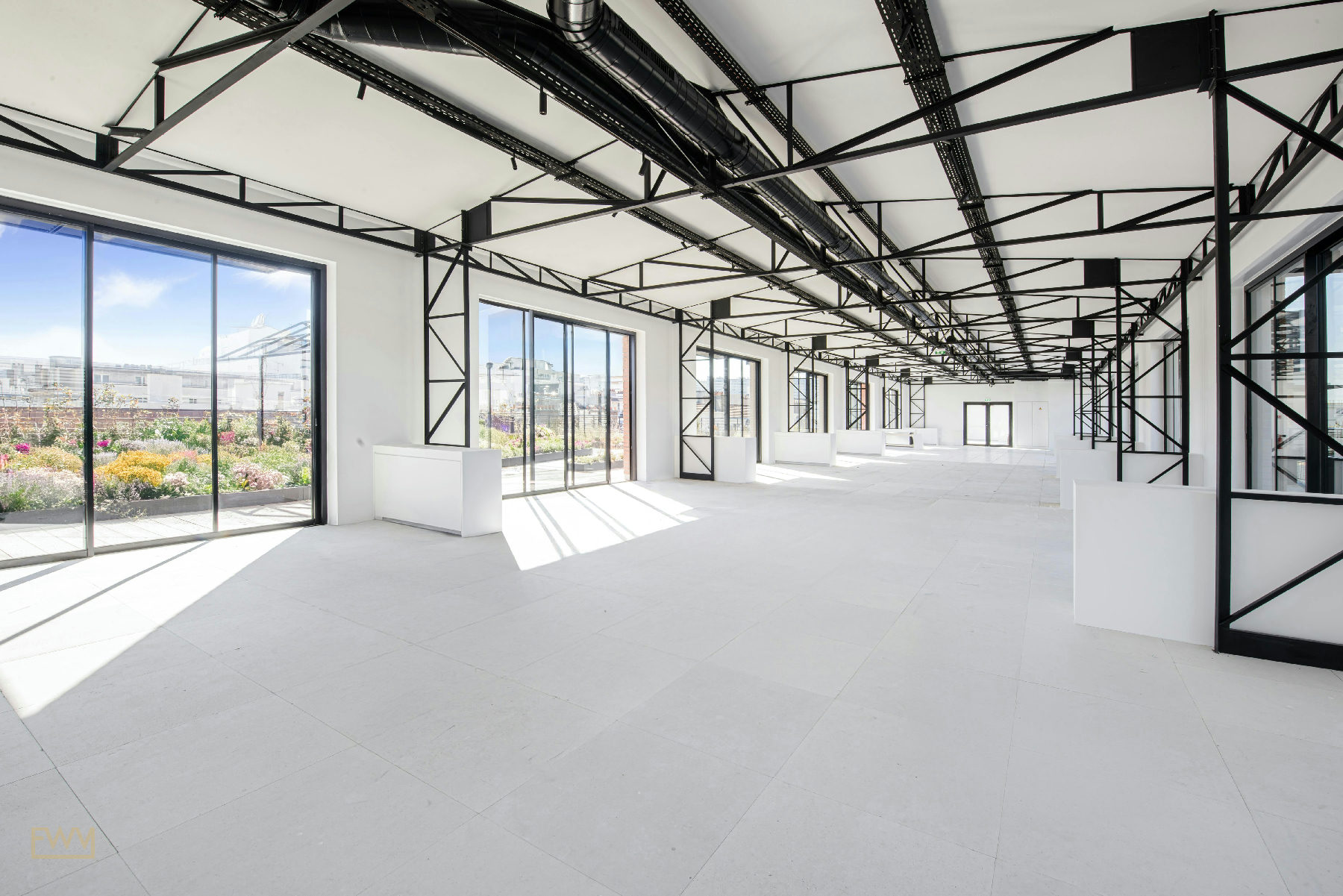
The types of venues available for fashion week events are diverse and varied, catering to different brand needs and audience experiences. Pop-up shops, showrooms, and temporary event spaces are some of the most sought-after types. A pop-up shop provides an interactive retail experience, allowing brands to create a buzz around limited-time products or exclusive collections. Showrooms, on the other hand, offer a more controlled environment to display collections to buyers and media, enhancing the presentation aspect.
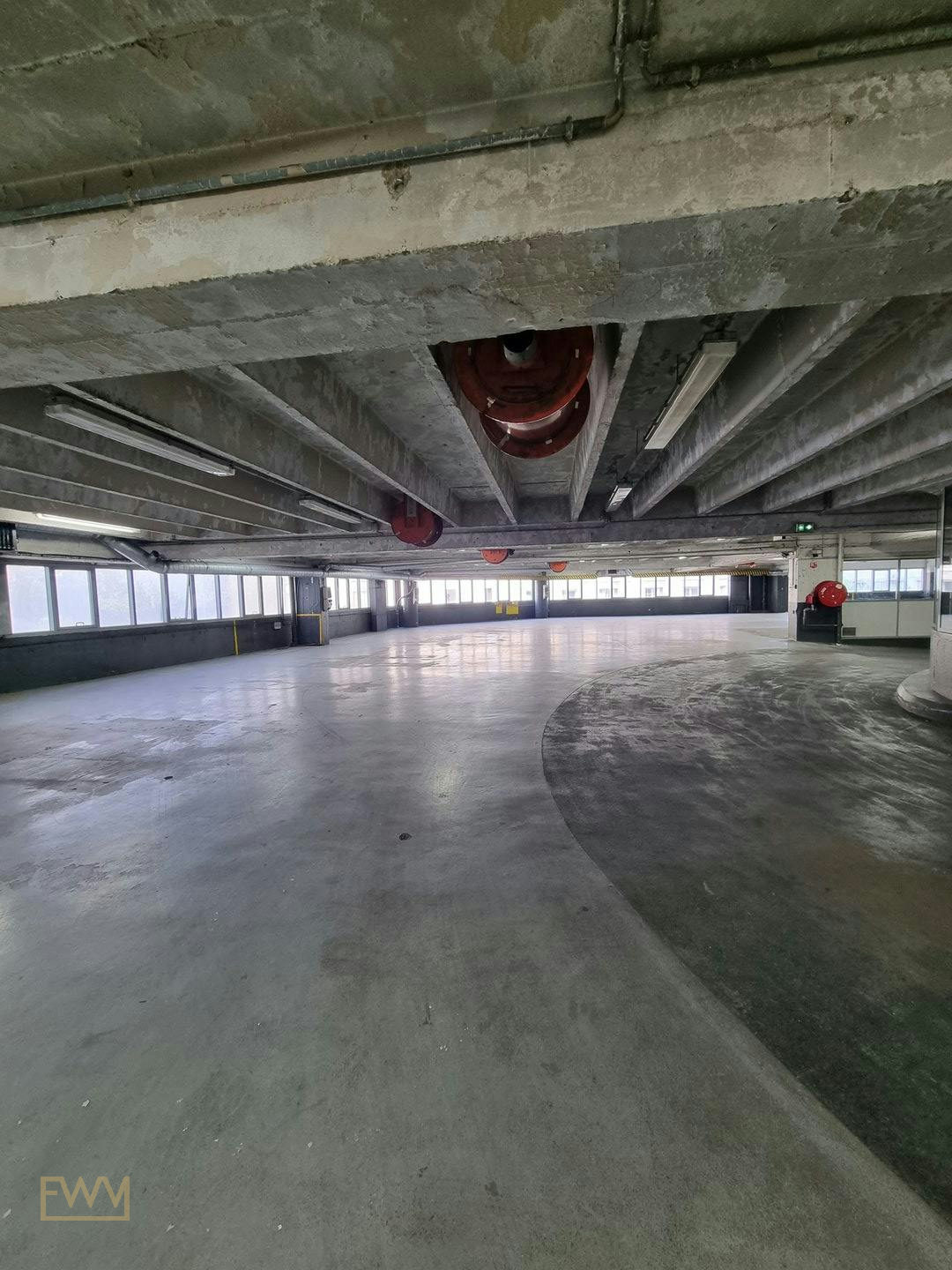
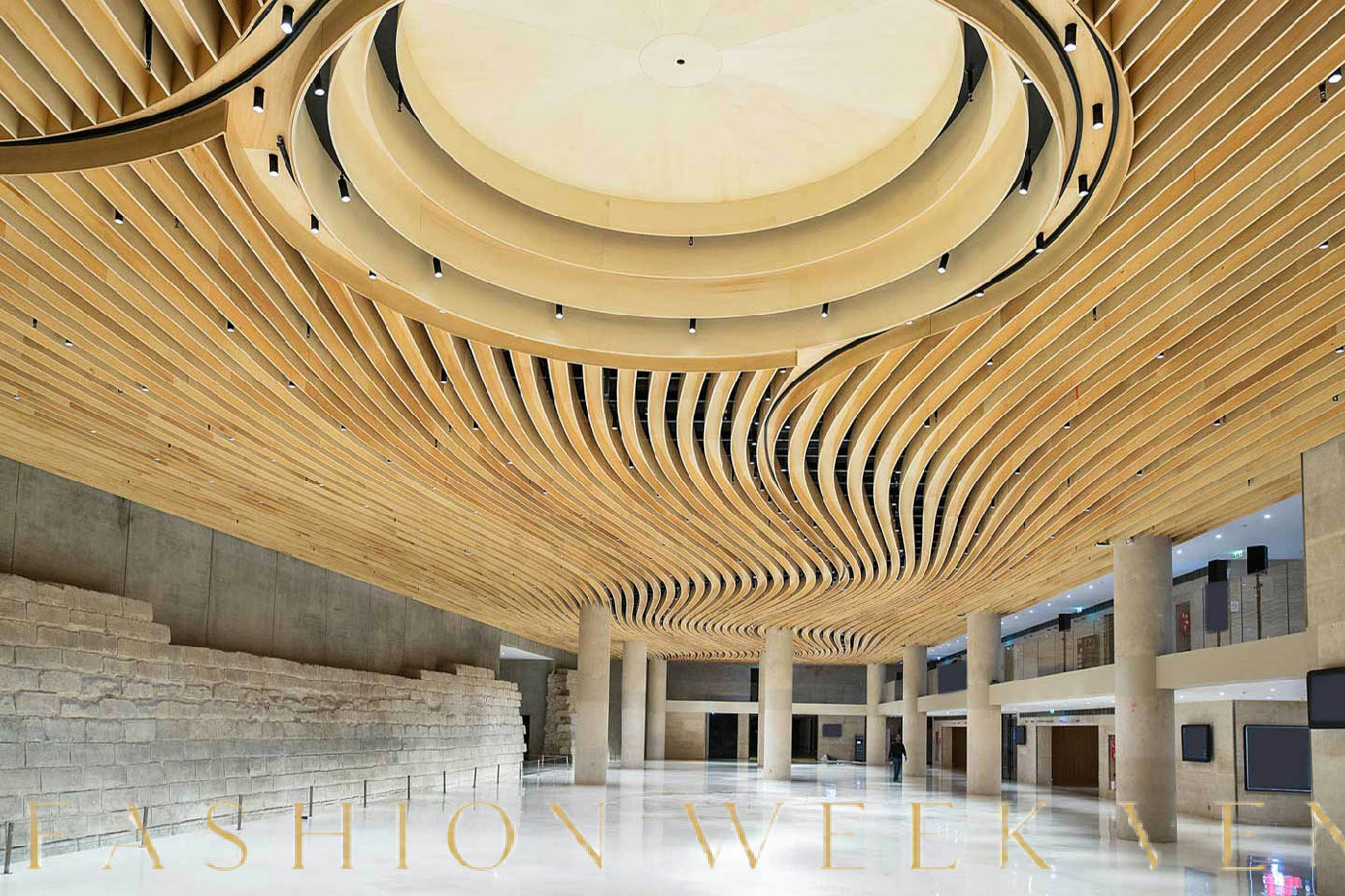
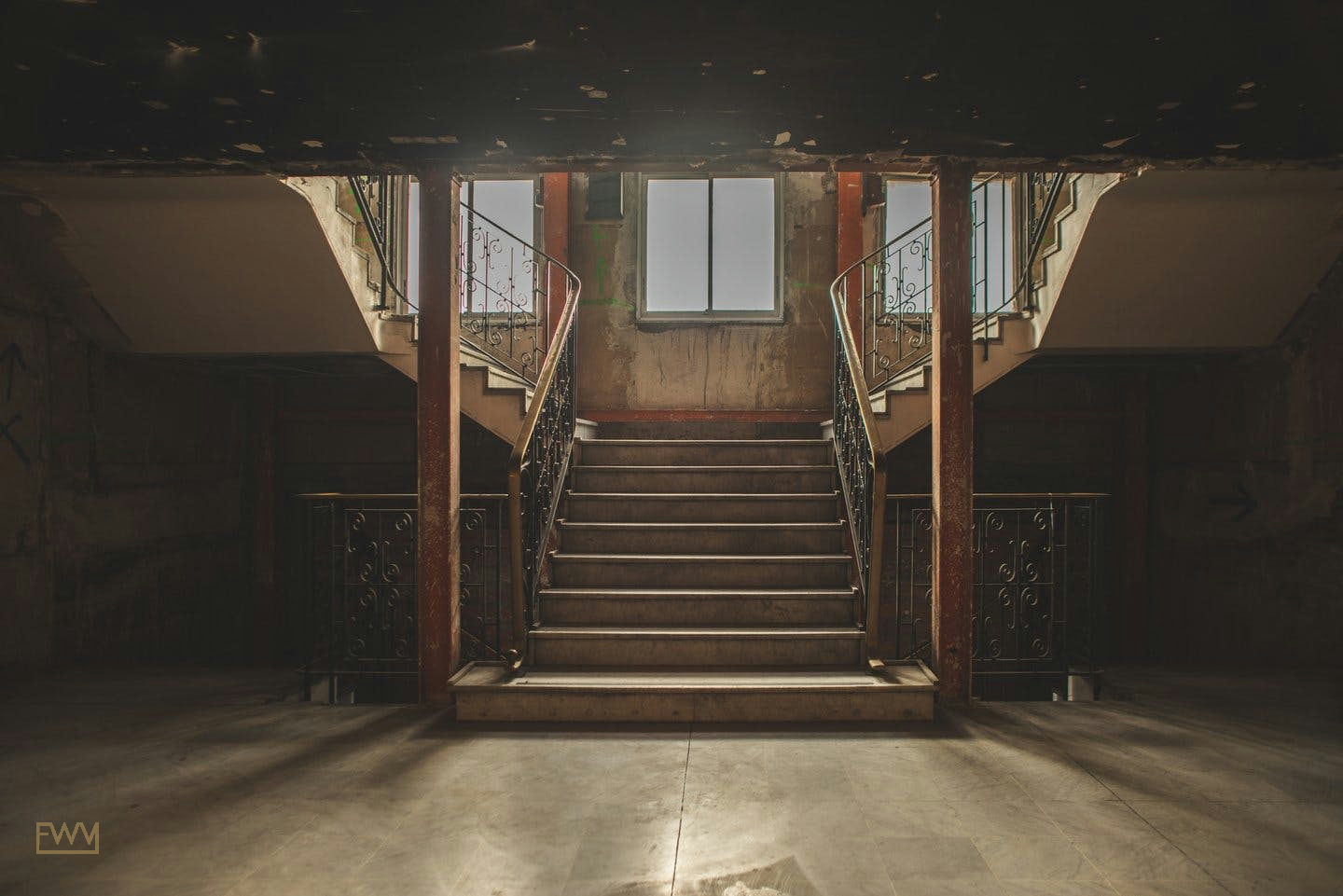
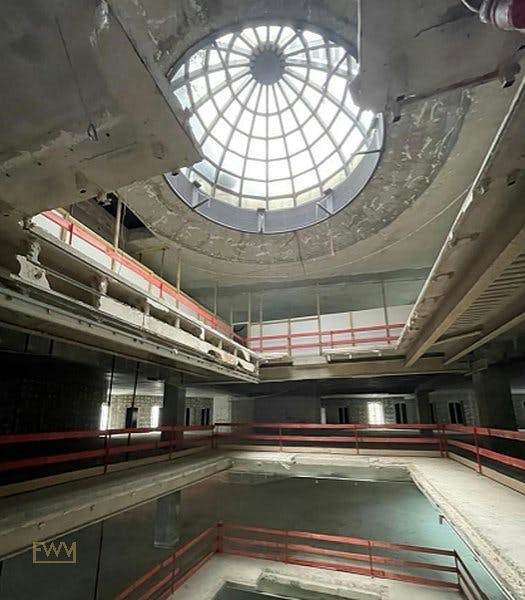
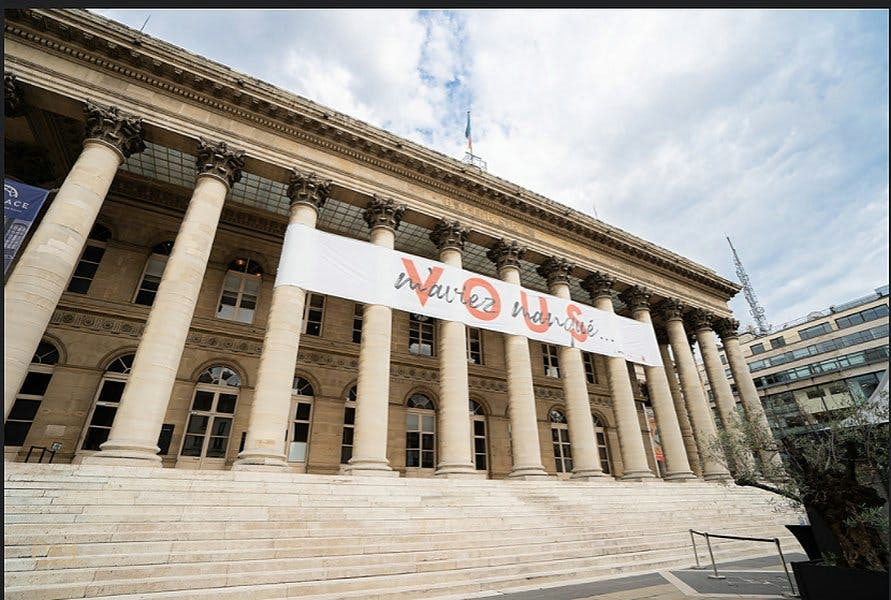
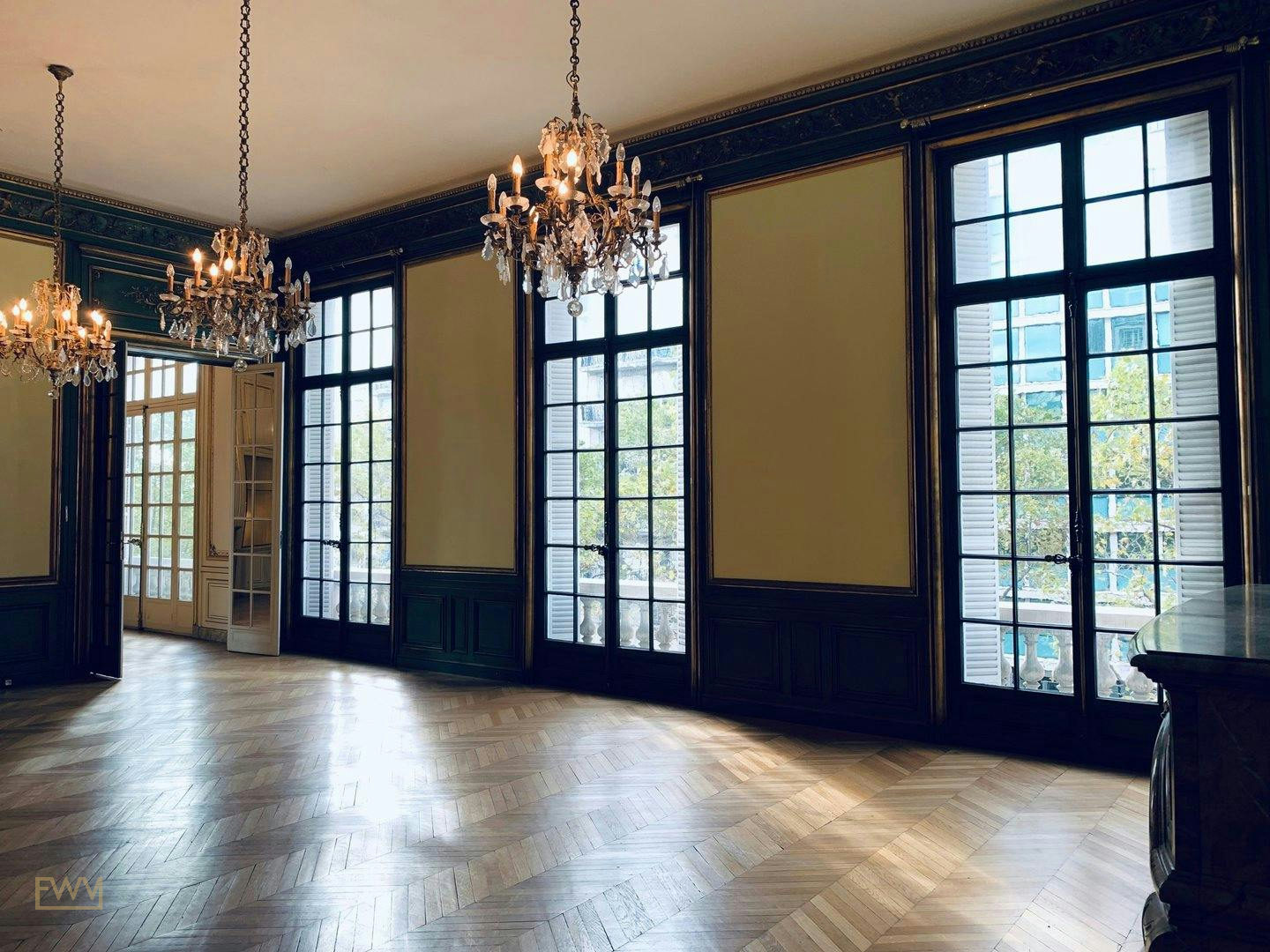
Paris Fashion Week, in particular, is known for its diverse venue options, which can include historical buildings, modern galleries, and even outdoor spaces. Le Marais, Saint-Germain-des-Prés, and Rue Saint-Honoré are some of the notable neighborhoods housing these venues.
The choice between an elegant showroom and a pop-up space largely depends on the brand’s objectives. A pop-up may be ideal for experiential marketing and direct customer engagement, while a showroom suits brand activation focused on media and industry insider attendance. Moreover, unique locations like Galeries Lafayette or the Palais de Tokyo add a distinctive edge to fashion events.
KEY TAKEAWAY: The type of venue selected should align with your brand's goals, whether that's broad consumer engagement, a focus on industry showcasing, or an exclusive feel to enhance brand prestige.
Understanding these options sets the stage for exploring location specifics, which we will delve into in the next section.
Strategic Location Selection for Fashion Venues
Choosing the right location for your Fashion Week venue is crucial to your event’s success. Popular areas like Le Marais and Opéra offer high foot traffic and are culturally significant, appealing to fashionistas and insiders alike.
While proximity to other events can enhance visibility, it may also mean higher costs. Consequently, balancing traffic potential with budget constraints is pivotal. Space in premium districts like Saint-Germain-des-Prés or Canal Saint-Martin might offer greater brand association benefits but at a premium.
Neighborhoods like Rue Saint-Honoré are ideal for luxury brands aiming for an opulent backdrop. In contrast, areas around Canal Saint-Martin can cater to trendsetting brands seeking a hip, urban appeal. Each location carries its historical and aesthetic nuances, which can either support or clash with a brand’s identity.
Quick answer: The location for your fashion venue during Fashion Week should match your brand’s aesthetic and target demographic while considering logistical needs and budget priorities.
KEY TAKEAWAY: Strategic location selection integrates with brand image, audience access, and practicality of logistics, influencing the event’s overall success and brand perception.
With location planning addressed, we next explore the vital aspect of permits and compliance in setting up in these strategic spots.
Navigating Permits and Compliance for Paris Fashion Week
Succeeding with venue setup in Paris dictates compliance with local permit requirements such as the bail dérogatoire and AOT (Autorisation d’Occupation Temporaire). These permits allow short-term use of commercial spaces, distinguishing from standard commercial leases which often require longer commitments.
The bail dérogatoire offers flexibility but also entails specific legal requirements that vary significantly depending on the arrondissement and the space type. AOT, on the other hand, is necessary for occupying public areas or adapting non-retail venues for retail purposes.
Acquiring these permits can be complex, necessitating guidance from a local legal advisor. This ensures that specific nuances, like zoning laws or heritage site restrictions, are met, minimizing potential legal pitfalls.
IMPORTANT: Always validate permit necessities and ensure compliance with local regulations to prevent disruptive legal complications during your event.
For comprehensive permit guidance and support, brands can utilize the permit guidance tools provided by Fashion Week Venues, which helps streamline the application process.
KEY TAKEAWAY: Meticulous navigation of local permits and compliance is imperative for the smooth execution of an event in Paris, focusing especially on variable legal frameworks and diligent planning.
Next, understanding cost structures is essential for effective budgeting, which we will explore in the following section.
Effective Budget Planning for Fashion Week Venues
Budget planning is pivotal to ensuring your event is both impactful and economically viable. Understanding cost components like venue rental fees, permits, staffing, and marketing spend is a core aspect of this process.
Venue rental costs can vary widely based on location, size, and the prestige of the venue. For instance, spaces in high-demand areas like Place Vendôme command higher rates, while more cost-effective options may be found in less central locations.
Setting a realistic budget involves anticipating additional costs such as permit fees, security, and insurance. Furthermore, factoring in unexpected expenses ensures flexibility and preparedness.
DID YOU KNOW: Using tools such as Fashion Week Venues’ budget estimation tool can help brands tailor financial plans to their specific needs and forecast expenses with greater accuracy.
The following table outlines key budget planning considerations:
| Category | Considerations |
|---|---|
| Venue Rental | Location, size, prestige, accessibility |
| Permits and Compliance | Legal fees, permits required, compliance checks |
| Staffing | Number of staff, training, compensation packages |
| Marketing and Promotion | Advertising, influencer partnerships, media coverage |
| Unexpected Expenses | Contingency funds, rapid response to unforeseen issues |
KEY TAKEAWAY: A thorough understanding of your budgetary landscape and proactive cost management will significantly support the financial feasibility and success of your event.
Following budget considerations, let’s now look at logistical planning and timelines crucial to successful event execution.
Detailed Timeline and Logistics Management for Fashion Events
Planning a successful event during Fashion Week requires meticulous logistics and timeline management. Effective planning ensures that all aspects, from venue setup to marketing campaigns, are seamlessly integrated.
Developing a detailed timeline that includes milestones such as venue selection, permits, staffing appointments, and promotional activities is critical. Starting preparations a year prior is recommended to secure the best venues and services in a competitive environment.
The use of timeline planning tools, like those offered by Fashion Week Venues timeline tools, assists brands in creating structured schedules that account for vital checkpoints and flexibility to adapt to unexpected changes.
TIP: Coordinating logistics involves aligning multiple teams such as event planners, marketing specialists, and designers to work towards cohesive and timely event execution.
The following table outlines a basic timeline framework for Fashion Week:
| Timeline Phase | Key Actions |
|---|---|
| 12 Months Prior | Initial planning, budget forecasting, concept ideation |
| 9 Months Prior | Venue selection, initial marketing strategy, securing permits |
| 6 Months Prior | Finalize contracts, secure staffing, open marketing channels |
| 3 Months Prior | Begin promotional activities, detail logistics, review permits |
| Event Month | Final preparation, execution, post-event analysis |
KEY TAKEAWAY: Structuring a comprehensive timeline and meticulously managing logistics are vital for the seamless orchestration of a successful Fashion Week event.
As we gain insights into logistics, let’s explore how Fashion Week Venues can aid in this comprehensive preparation process.
How Fashion Week Venues Supports Successful Event Execution
Fashion Week Venues provides an extensive support system to streamline the event planning process. Offering services such as venue sourcing, concept direction, and activation management, the agency covers all facets of your event’s lifecycle.
With a diverse marketplace of spaces, Fashion Week Venues caters to different brand needs, from centrally located showrooms to unique pop-up spaces. The company’s tools such as the compare tool, ROI calculator, and locator tool offer clear advantages for strategizing the best possible event setup.
The support extends beyond logistics and planning, including retail staffing and influencer marketing, ensuring every aspect aligns with the brand’s overall vision and goals. However, it’s critical to recognize the need for clear communication and realistic expectations to harness these resources effectively.
KEY TAKEAWAY: Leveraging the comprehensive suite of services and tools from Fashion Week Venues can significantly enhance the efficiency and effectiveness of your event planning and execution process.
Now, let's move onto understanding common myths in the fashion event planning space and confronting these misconceptions with facts.
Common Myths Debunked
MYTH: You need a French legal entity to rent a space in Paris.
FACT: While being a French entity can ease the paperwork, it is not mandatory. Many international brands successfully rent spaces by collaborating with agencies like Fashion Week Venues, which manage legal requirements efficiently on behalf of the client.
MYTH: Paris Fashion Week is the only viable calendar window.
FACT: Although Paris Fashion Week remains a key moment, the city hosts numerous fashion-related events throughout the year, offering ample opportunity for brand exposure at various times.
MYTH: Commission brokers are the only way to find a venue.
FACT: Direct agency platforms and marketplaces like Fashion Week Venues offer comprehensive tools and options for space sourcing without the necessity of traditional brokerage fees.
MYTH: Short-term leases are legally straightforward without specialist help.
FACT: While shorter in duration, these leases can be complex due to specific compliance requirements. Professional guidance aids in navigating the nuances effectively.
Frequently Asked Questions
How soon should I start planning for Paris Fashion Week?
Ideally, initial planning should begin at least a year in advance. This timeline allows ample time to secure permits, finalize a venue, coordinate with marketing and design teams, and deal with any unforeseen challenges.
Can I host a pop-up store outside of Paris Fashion Week?
Absolutely. Paris is a hub for fashion all year round. Hosting a pop-up store outside of Fashion Week can target different audiences and take advantage of unique marketing angles.
Do I need a specific type of permit to operate in Paris?
Yes, permits like bail dérogatoire or AOT are necessary depending on the venue type and location. These permits facilitate legal operation in temporary spaces and should be managed early in your planning process.
How can I manage my budget effectively for a fashion event?
Using detailed budgeting tools like Fashion Week Venues' budget estimator helps in planning and forecasting costs. It's crucial to account for unexpected expenses and variable costs such as staffing and permits.
What role does Fashion Week Venues play in event planning?
Fashion Week Venues offers end-to-end solutions including venue sourcing, concept direction, and activation management, providing a seamless planning experience tailored to meet brand-specific requirements.
What are the benefits of choosing a venue in a prime Paris location?
A prime location can significantly enhance visibility and attract premier clientele, media, and fashion insiders, which can elevate the profile of your event. However, it often comes with higher costs.
What should I include in my logistic plan for an event?
Your logistic plan should cover every detail from setup and staffing to transportation and post-event breakdown. Including checkpoints for every phase ensures smooth operations.
How does leasing short-term venues differ from long-term leases?
Short-term leases are often more flexible but require strict adherence to temporary use permits and can involve different logistical considerations compared to long-term commitments.
What options do I have for marketing my event during Fashion Week?
Leveraging influencer partnerships, strategic advertising, and media coverage are essential. Using services like Fashion Week Venues’ influencer marketing can enhance your event's reach.
Is it possible to achieve a strong ROI with a pop-up shop?
Yes, with strategic planning and execution, pop-up shops can yield a substantial ROI. Tools like the ROI calculator help in developing strategies to optimize profitability.
Conclusion
Selecting a venue for Fashion Week involves strategic planning, from understanding venue types and strategic location selections to navigating legalities and effective budgeting. Fashion Week Venues provides vital support for these components, facilitating streamlined processes and tailored solutions. As you move from research to execution, consider using their tools and services to enhance your planning efficiency. To start this journey, explore the available spaces on the Fashion Week Venues marketplace and build your focused event plan today.