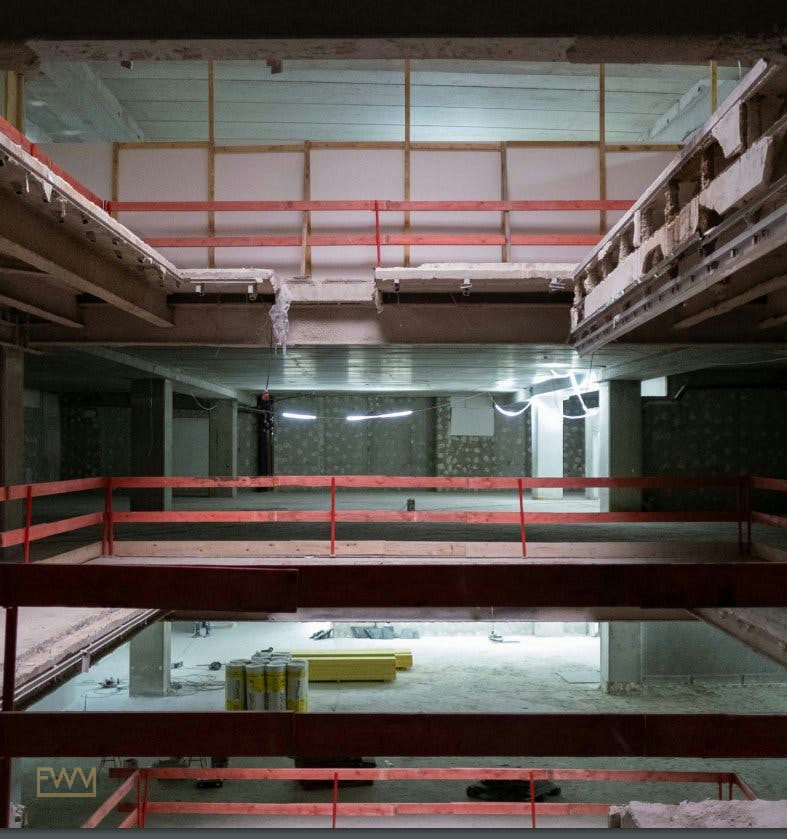
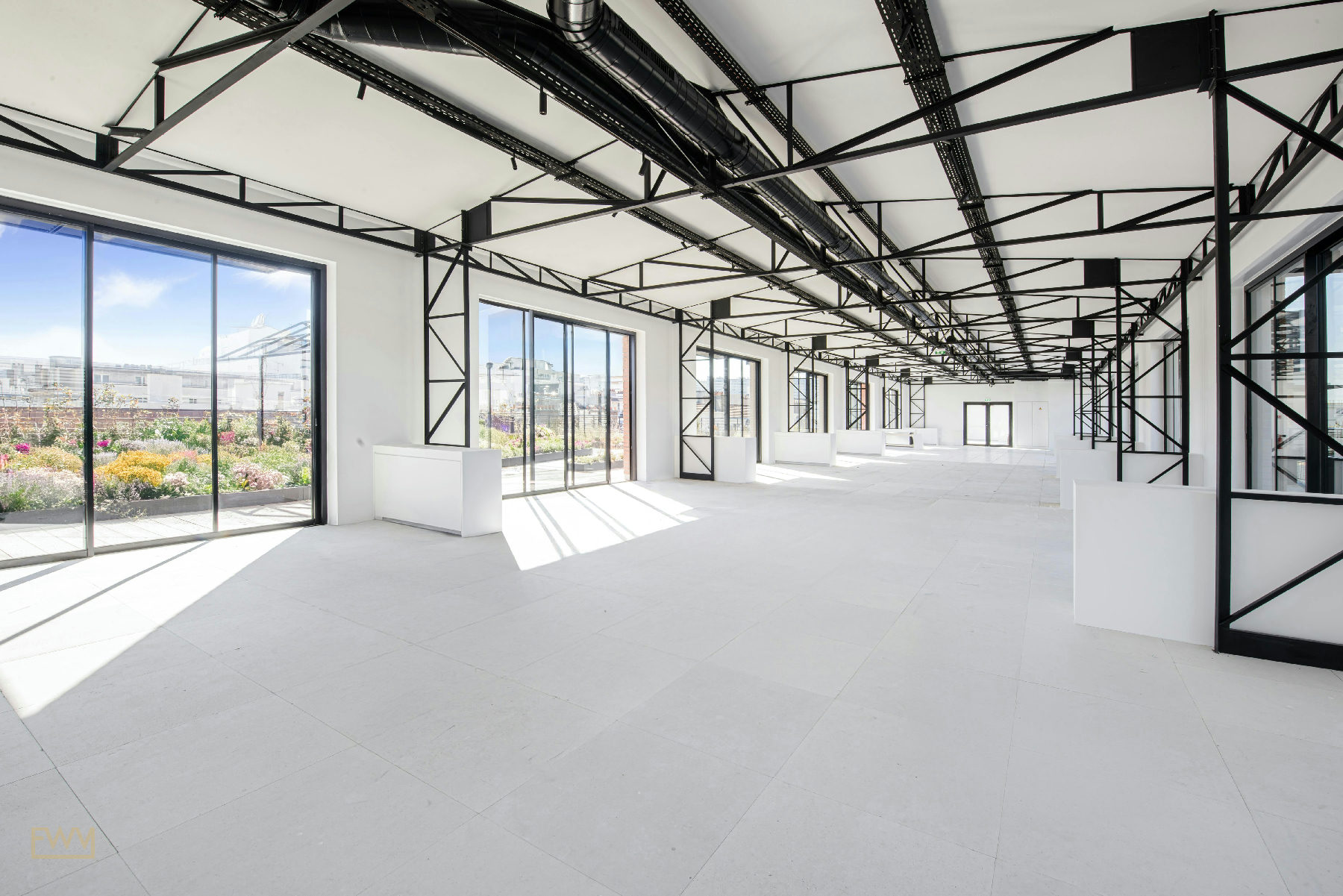
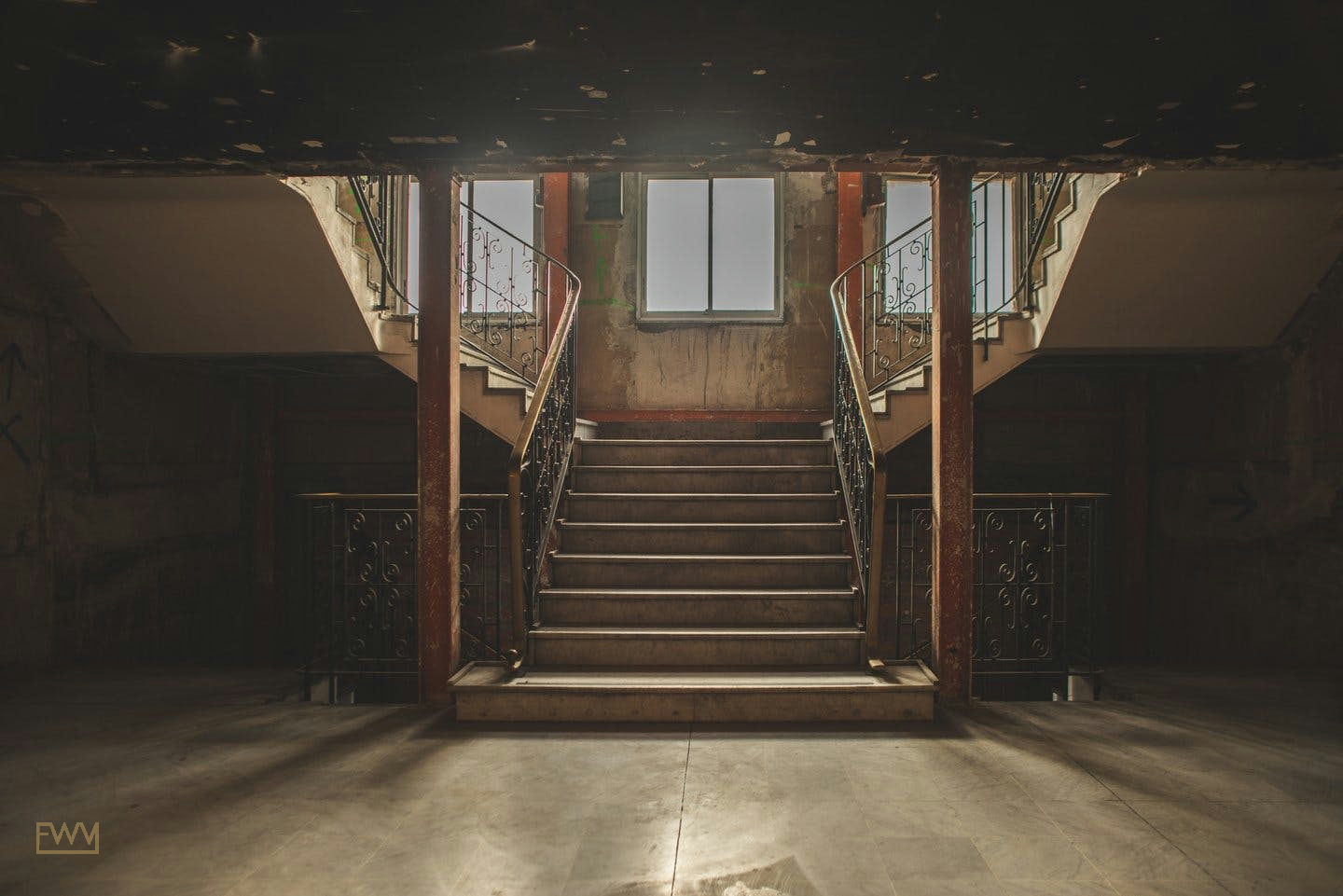
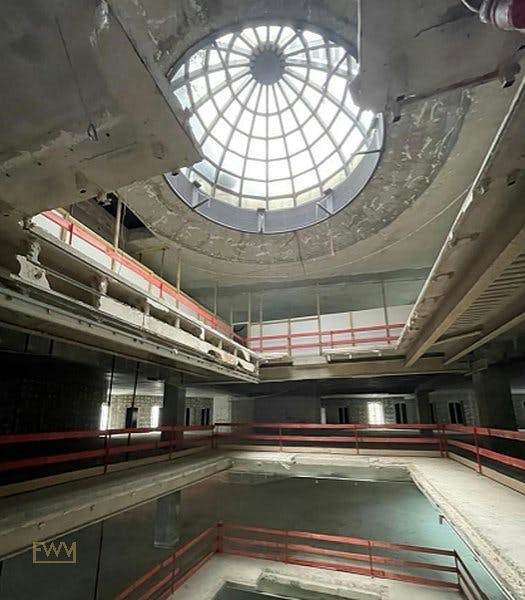
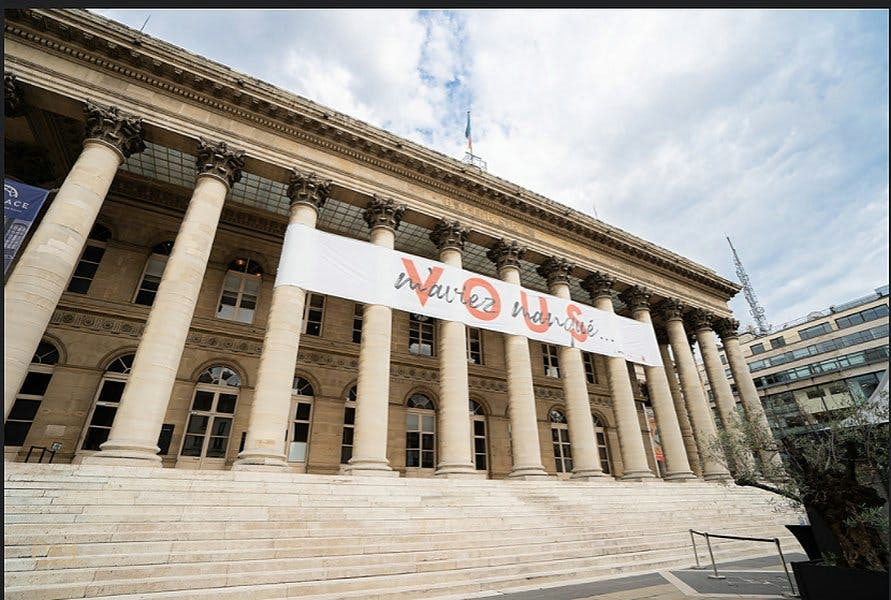
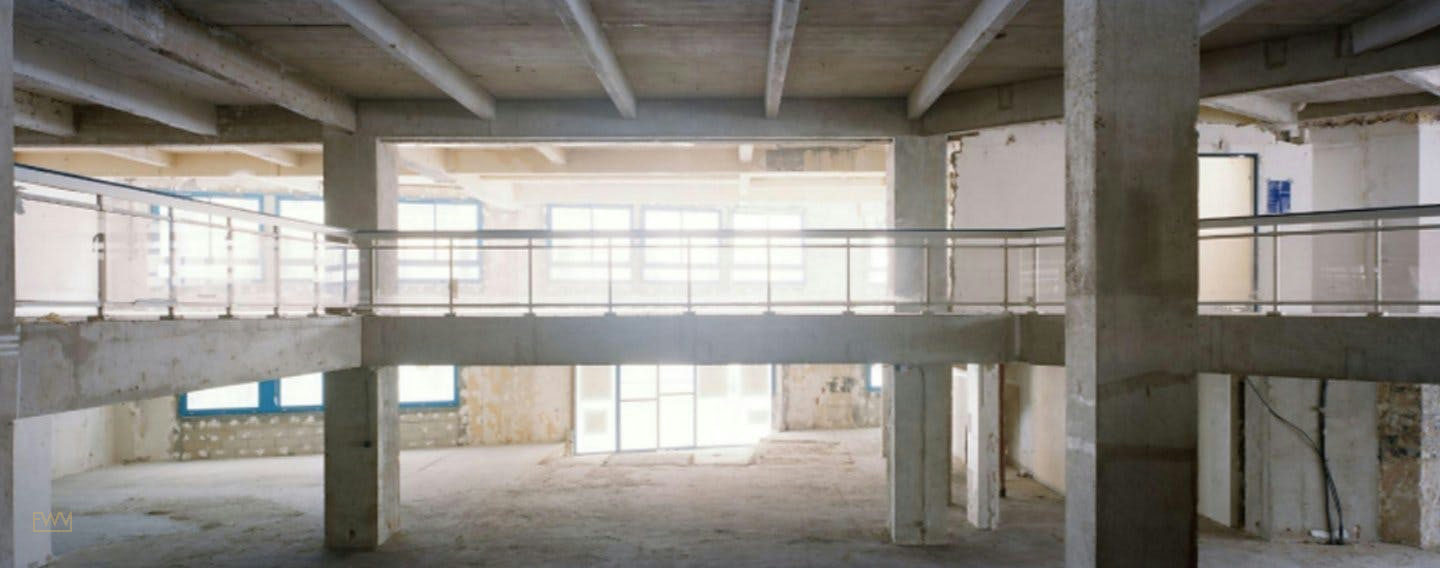
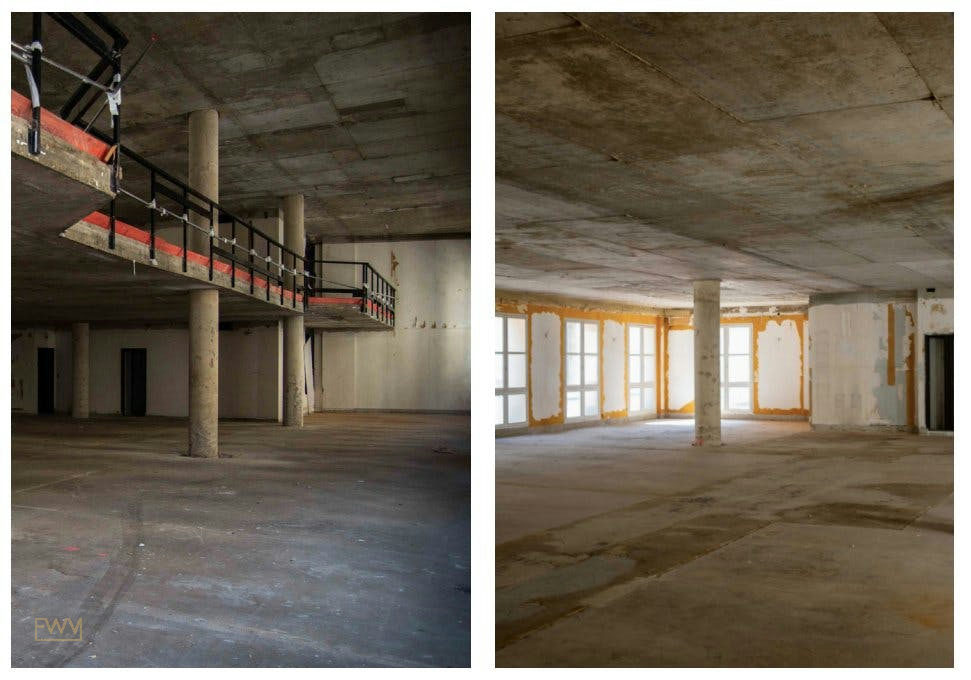
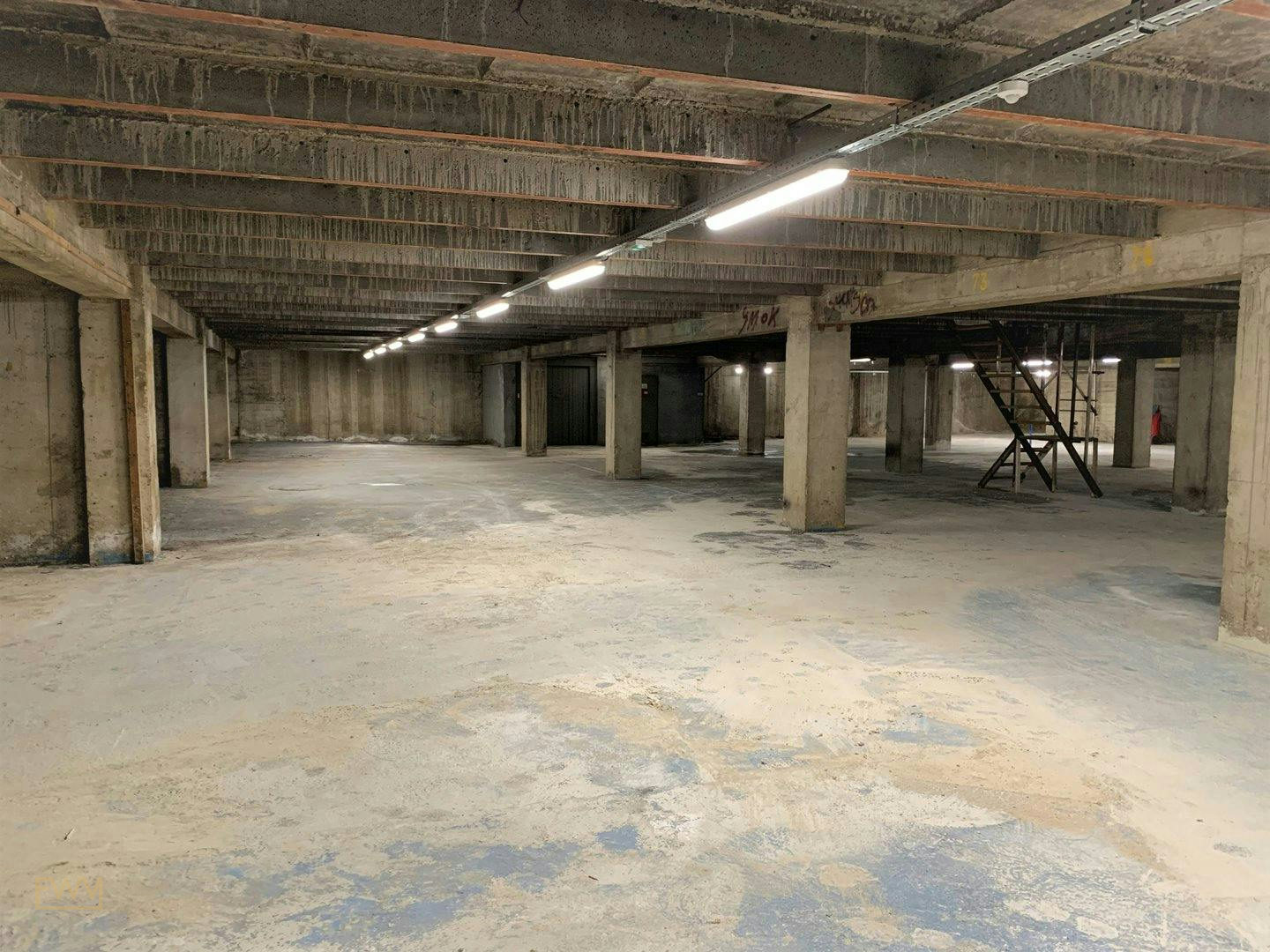
The decision to rent a pop-up shop in the 4th arrondissement Paris is one of the most strategically sound moves a brand can make in any major fashion calendar. Le Marais sits at the intersection of heritage architecture, high foot traffic, design-literate consumers, and global tourist flows, making it the most consistently productive short-term retail district in the City of Light. Whether your goal is a fashion showroom during Paris Fashion Week, a product launch boutique, a private exhibition space, or a temporary retail activation, the 4th arrondissement offers a depth and variety of spaces that few other districts in France can match. Fashion Week Venues sources, manages, and activates pop-up spaces across Paris, with Le Marais as a core focus, giving brands a single point of access to everything from venue selection through to production, staffing, and analytics.
Why the 4th Arrondissement Is the Right Location for Your Pop-Up Store
Quick answer: The 4th arrondissement, home to Le Marais, combines centuries-old architecture with a living culture of concept stores, independent boutiques, and fashion-forward consumers. Its location between the Seine and the historic Marais district means a pop-up here benefits from both tourist volume and loyal local shoppers, making it one of the highest-performing short-term retail locations in Paris.
Le Marais is not simply a neighbourhood. It is a retail ecosystem built on cultural density, architectural distinction, and commercial momentum that has been developing since the 1980s when the district began its transformation from a working-class quartier into one of the most visited areas in Europe. The streets running between the Musée Picasso, Place des Vosges, Rue des Rosiers, and the Carreau du Temple form a natural circuit for shoppers who are actively seeking novelty, design quality, and brand storytelling that cannot be found in a generic shopping centre.
The postcode 75003 and the broader 4th arrondissement attract a distinctly different consumer profile from the Champs-Élysées or Saint-Germain-des-Prés. Visitors to Le Marais tend to dwell longer, explore side streets more readily, and engage more directly with independent and pop-up retail formats. The area has housed Dover Street Market, Galerie Joseph, and countless international brand activations precisely because the local culture rewards creative retail concepts.
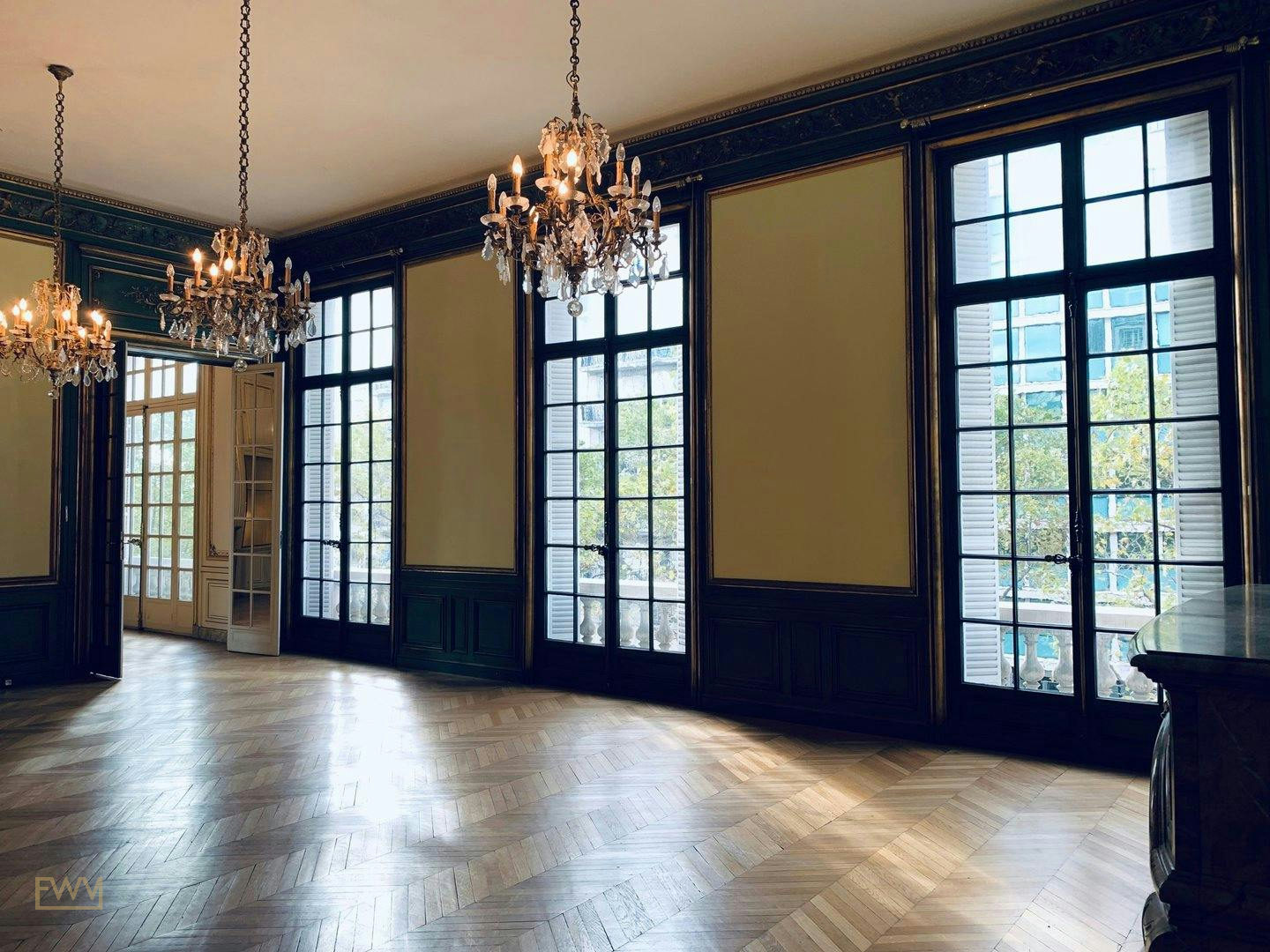
The architecture itself is a commercial asset. Vaulted cellars, exposed brick walls, original beams, parquet floors, polished concrete floors, and courtyard gardens are standard features in the Marais district's retail spaces. A venue with a 200 square metre floor plate and original 17th-century architecture provides an automatic backdrop for storytelling that no purpose-built retail unit can replicate. The physical environment does part of your brand communication work before a single product is placed on display.
Foot traffic in the Marais is consistent across seasons, which is strategically important for brands that cannot afford to time a pop-up perfectly within a single Fashion Week window. The neighbourhood draws international visitors year-round, domestic Parisian shoppers on weekends, and a mid-week professional and cultural audience that tends to have high disposable income. The rue de Rivoli corridor feeds into the northern edge of the 4th arrondissement, providing an additional volume of shoppers moving between the Châtelet area and the central Marais.
Brands entering Paris for the first time often underestimate the importance of neighbourhood selection. Being in Le Marais positions a brand differently than being on the Champs-Élysées, near the Palais Royal Garden, or in Canal Saint-Martin. Each of those districts communicates something specific about brand identity, price positioning, and consumer targeting. The 4th arrondissement communicates creative credibility, design authority, and cultural relevance, which are exactly the signals that fashion, lifestyle, and design brands need to send during a launch or activation.
DID YOU KNOW: The Place des Vosges, located at the heart of the Marais district within the 4th arrondissement, is the oldest planned square in Paris, dating from 1612. Retail spaces surrounding or adjacent to it benefit from year-round visitor footfall that includes international tourists, fashion professionals, and design-conscious locals.
KEY TAKEAWAY: The 4th arrondissement's combination of architectural character, cultural positioning, and sustained foot traffic makes it the single strongest short-term retail location in Paris for brands seeking to communicate creative identity while generating genuine sales and awareness.
Understanding why Le Marais performs so well commercially is only part of the picture. To act on that knowledge, you need a clear process for finding, securing, and activating the right space, which is what the following sections address in detail.
Types of Pop-Up Spaces Available in the 4th Arrondissement
Quick answer: The 4th arrondissement offers a wide range of short-term rental formats including boutique storefronts, gallery spaces, concept store shells, showroom-ready units, courtyard venues, and multi-floor retail buildings. Each format suits different brand objectives, audience sizes, and budget levels, so matching space type to activation purpose is the first critical decision in the planning process.
The variety of spaces available for rent in Le Marais is one of the district's defining commercial advantages. Unlike purpose-built retail destinations that offer only standardised units, the Marais district presents brands with spaces that each carry their own character, layout, and spatial narrative. Understanding the major categories helps brands shortlist more efficiently and avoid paying for features they will not use.
Boutique Storefronts on Primary and Secondary Streets
Street-facing boutique spaces remain the most common pop-up shop format in the 4th arrondissement. These spaces typically range from approximately 30 to 120 square metres and sit directly on pedestrianised or high-traffic streets. They offer maximum visibility for passersby, natural window display opportunities, and direct access to impulse shoppers. Many of these storefronts have been previously occupied by independent boutiques, which means they often come equipped with basic fitting room infrastructure, display rails, and sometimes rudimentary POS counters that can be adapted or removed.
Primary streets including rue des Rosiers, rue de Bretagne (for spaces in the northern 3rd arrondissement that form part of the broader Marais circuit), and streets adjacent to the Carreau du Temple command higher daily rates and generate the highest walk-in volume. Secondary and tertiary streets within the Marais district can offer lower rental rates while still benefiting from spillover traffic from major pedestrian routes.
Gallery and Exhibition Spaces
The Marais has a deep tradition of contemporary art galleries, and many of these spaces are available for short-term commercial hire during non-exhibition periods. Gallery spaces typically feature polished concrete floors, white walls, high ceilings, and strong artificial lighting infrastructure, making them ideal for fashion showrooms, private exhibitions, product launches, and runway presentations on a small scale. Galerie Joseph, one of the most recognisable event venue spaces in the area, has hosted fashion shows and brand activations. Brands seeking a fashion showroom format during Paris Fashion Week frequently target these spaces precisely because the gallery aesthetic communicates editorial authority.
Courtyard and Garden Spaces
Parisian architecture in the Marais frequently features inner courtyards, known locally as cours, hidden behind street-facing facades. These courtyards can be hired as standalone event spaces for cocktail parties, product launches, photo shooting, or filming, or they can be combined with an adjoining ground-floor space to create a two-zone activation. Toits-terrasses, or rooftop terraces, are less common in the 4th arrondissement than in newer districts but do exist and command premium rates for brand events that benefit from an elevated outdoor setting.
Multi-Floor Retail Buildings and Concept Store Shells
For brands requiring 150 to 300 square metres or more, the Marais district offers multi-floor townhouse buildings that have been converted into retail shells. These spaces often feature original beams, vaulted cellars, and period architectural details across multiple levels. A space of this scale suits brands launching a seasonal collection, running a flagship-style pop-up boutique, hosting press and media alongside retail, or combining a showroom with a consumer-facing retail floor. At this scale, production and build investment becomes proportionally more significant.
| Space Type | Typical Size | Best For | Key Features |
|---|---|---|---|
| Boutique Storefront | 30 to 120 sqm | Direct retail, product launches | Street visibility, window display, walk-in traffic |
| Gallery Space | 80 to 200 sqm | Showroom, fashion week presentations, exhibitions | High ceilings, white walls, polished concrete, lighting rigs |
| Courtyard or Terrace | 50 to 300 sqm | Events, cocktail parties, filming, photo shooting | Outdoor setting, architectural backdrop |
| Multi-Floor Building | 150 to 500 sqm | Flagship pop-up, press and retail combined | Period architecture, beams, vaulted cellars, multiple zones |
| Workshop or Studio | 40 to 100 sqm | Seminars, workshops, small group events | Flexible layout, good natural light, accessible location |
TIP: When evaluating spaces, always confirm the actual usable surface area rather than relying solely on the advertised square metres. Structural columns, service areas, and stairwells can reduce effective retail floor space significantly in historic Marais buildings.
KEY TAKEAWAY: The diversity of space types in the 4th arrondissement means that brands of almost any size and format can find a venue that fits their physical requirements. The critical step is matching space type to activation purpose before beginning the search, which prevents wasted viewings and budget pressure.
Once you have a clear picture of the space type you need, the next practical challenge is navigating the process of actually securing a short-term rental in Paris, which involves specific legal frameworks and local regulations that differ substantially from standard commercial leasing.
How to Rent a Pop-Up Shop in Paris: Legal Frameworks and Permits
Quick answer: Renting a pop-up shop in Paris for a short term typically falls under either a bail dérogatoire (a short-term commercial lease of up to 36 months, often used for periods of one to twelve months) or an autorisation d'occupation temporaire (AOT, a temporary occupancy permit for public or semi-public spaces). Understanding which framework applies to your chosen space is essential before signing any contrats or committing to a timeline.
France has a distinct legal framework governing commercial property that differs substantially from the standard commercial leases brands may be familiar with in the UK, the US, or other markets. Standard French commercial leases (baux commerciaux) run for a minimum of nine years, which is entirely impractical for pop-up activations. The legal alternatives that make short-term retail possible in Paris are worth understanding clearly.
Bail Dérogatoire
The bail dérogatoire is a short-term commercial lease specifically designed to fall outside the protections of the standard nine-year commercial lease statute. It can be agreed for any period up to 36 months, and in practice it is commonly used for pop-up shops, temporary boutiques, and seasonal retail activations lasting anywhere from a few days to several months. A key characteristic is that both parties must agree explicitly that the lease is dérogatoire, meaning it intentionally derogates from the standard legal framework. If a tenant remains in the space after the bail dérogatoire period expires without a clear new agreement, there is a risk that French law interprets the continued occupation as the beginning of a standard nine-year commercial lease, which creates significant legal exposure for brands.
Autorisation d'Occupation Temporaire (AOT)
For pop-up shops in publicly owned spaces, market halls, or spaces within buildings owned by the City of Paris or public institutions, an AOT is the relevant mechanism. The Carreau du Temple, for example, which sits within the broader Marais area, operates under a public management structure and requires specific occupancy authorisations for commercial events. AOT applications involve urban planning considerations and may require engagement with local authorities and, in some cases, the Chamber of Commerce and Industry.
Permits and Insurance Requirements
Beyond the lease framework, brands renting pop-up spaces in the 4th arrondissement typically need to address fire safety compliance, electrical safety certification, and public liability insurance before opening. Some landlords require proof of insurance as a condition of the rental agreement. Fire safety requirements in historic Marais buildings can be more complex than in modern retail units because of original structural features, limited emergency exit options, and listed building constraints. Electrical safety checks are particularly important when brands plan to install their own lighting rigs, Bluetooth sound systems, or digital campaign infrastructure in spaces that may have ageing electrical panels.
IMPORTANT: Requirements for permits, insurance, and compliance vary significantly by space type, intended use, duration of occupation, and arrondissement. Always verify your specific obligations with a qualified French legal advisor before signing any lease or occupancy agreement. The permit guidance tool on Fashion Week Venues provides a framework for understanding what you may need, but it does not substitute for professional legal advice.
Brands without an existing French legal entity can still rent spaces in Paris. Many short-term rental arrangements are structured to accommodate international businesses without a French company registration, though the specific contractual requirements depend on the landlord and the nature of the space. This is one of the most frequently misunderstood aspects of Paris pop-up planning, and it is addressed directly in the Myths section of this guide.
KEY TAKEAWAY: The bail dérogatoire is the standard mechanism for short-term retail leases in Paris and provides the legal clarity both landlord and tenant need for pop-up activations. Always engage a French legal advisor before signing, and never allow a bail dérogatoire to expire without a clear written agreement about what happens next.
Navigating the legal side is far more manageable when you also have a clear view of the neighbourhoods within and around the 4th arrondissement that will best serve your specific brand and audience.
Key Neighbourhoods and Micro-Locations Within and Around the 4th Arrondissement
Quick answer: The 4th arrondissement's internal geography matters significantly for a pop-up strategy. Locations around Place des Vosges skew toward luxury and heritage positioning. The rue des Rosiers corridor attracts younger fashion consumers. The Châtelet edge connects to mass tourist flows. Each micro-location within Le Marais performs differently depending on what you are selling and to whom.
Le Marais is not a homogeneous district. Its retail energy varies considerably depending on which streets and sub-zones a space sits within. Understanding these micro-location differences allows brands to align their pop-up shop location with their precise consumer target and brand positioning.
Place des Vosges and Surrounding Streets
The arcaded galleries surrounding Place des Vosges represent the most historically prestigious retail micro-location in the 4th arrondissement. Rents here reflect both the prestige and the limited availability of spaces under the arches. Brands seeking to communicate luxury heritage, jewellery, high-end fashion, or bespoke design benefit most from this location. Foot traffic includes a high proportion of international cultural tourists who are actively engaged with Parisian history and tend to have above-average spending power. The architecture itself creates a branded environment that amplifies any activation held within or adjacent to the square.
Rue des Rosiers and the Central Marais
Rue des Rosiers is arguably the most visited street in the entire Marais district, combining its historic Jewish cultural identity with a dense concentration of independent fashion boutiques, design shops, and food destinations. Pop-up shops on or immediately adjacent to rue des Rosiers benefit from very high foot traffic across the full day, with a consumer profile that skews toward fashion-literate 25 to 45 year olds, both Parisian and international. This is where Le Pop Up Du Marais and similar formats have found natural audiences. Rental rates reflect the street's popularity.
The Châtelet Edge and Rue de Rivoli
The western edge of the 4th arrondissement, where it meets the Châtelet transport hub, sees the highest volume of passing traffic but the least curated consumer profile. The rue de Rivoli corridor here is dominated by souvenir retail and mass-market tourism, which may not suit every brand. However, for brands with broad consumer appeal seeking maximum visibility for a short activation, particularly around a cultural event or Fashion Week moment, a space on the Châtelet edge can deliver volume that more selective Marais streets cannot match.
Carreau du Temple
Technically sitting on the border between the 3rd and 4th arrondissements, the Carreau du Temple is a covered market hall that has become one of the most versatile event and pop-up venues in the Marais area. Its double-height iron and glass architecture is both practical and visually distinctive. It has hosted fashion shows, brand seminars, trade exhibitions, and consumer pop-up events. Brands seeking a non-traditional setting with a strong architectural identity and built-in audience through the venue's own programming calendar should assess this space as part of their 4th arrondissement shortlist.
Comparing Nearby Districts for Context
Understanding the 4th arrondissement's position relative to other Paris districts helps brands make the right neighbourhood choice. Canal Saint-Martin to the north of the Marais offers lower rental rates and a younger, more avant-garde consumer profile, making it suitable for emerging brands on tighter budgets. Saint-Germain-des-Prés to the south of the Seine provides a more literary and established luxury positioning. The Palais Royal Garden area and rue Saint-Honoré corridor sit at the apex of luxury retail positioning in Paris, commanding the highest rental rates and attracting the most affluent luxury shoppers. The Champs-Élysées offers maximum tourist volume but limited creative credibility for fashion brands.
| Location | Consumer Profile | Brand Positioning Fit | Relative Rental Cost |
|---|---|---|---|
| Place des Vosges, 4th | Affluent cultural tourists, luxury locals | Heritage luxury, high-end design | High |
| Rue des Rosiers, 4th | Fashion-literate 25-45, international visitors | Contemporary fashion, lifestyle | Medium to high |
| Châtelet edge, 4th | Mass tourist volume, commuters | Broad consumer brands, visibility plays | Medium |
| Carreau du Temple, 3rd/4th border | Mixed event audience, design community | Events, fashion shows, brand experiences | Medium |
| Canal Saint-Martin | Young, creative, local | Emerging brands, sustainability, streetwear | Lower |
| Rue Saint-Honoré | Luxury shoppers, international HNW visitors | Premium luxury, flagship activations | Very high |
To compare neighbourhoods and space types in detail, explore the Paris city hub on Fashion Week Venues and shortlist spaces that match your brief, budget, and calendar window.
KEY TAKEAWAY: Micro-location within the 4th arrondissement is as important as the district selection itself. Place des Vosges, rue des Rosiers, and the Châtelet edge each serve different brand objectives and consumer profiles. Align your location choice with your specific activation goals before shortlisting spaces.
Once you have chosen a micro-location, the next dimension to plan is the operational and logistical framework that will determine whether your pop-up runs smoothly or becomes a costly exercise in crisis management.
Planning and Operating a Pop-Up Shop in the 4th Arrondissement: Logistics and Operations
Quick answer: Successful pop-up operations in the 4th arrondissement require advance planning across six core areas: lease and permits, fit-out and production, staffing, inventory, digital campaign and social media, and data collection. Brands that treat any of these as afterthoughts typically underperform against both commercial and brand-building objectives.
The operational complexity of a Paris pop-up is frequently underestimated, particularly by brands entering France for the first time. The following framework covers the major planning dimensions that determine whether an activation delivers on its objectives.
Timeline and Space Sourcing
Prime spaces in Le Marais can disappear from availability three to six months in advance of Paris Fashion Week and other high-demand calendar windows. Brands that begin their time allocation planning too late frequently find themselves choosing between inferior spaces or escalating their budget to secure a late-available option at a premium. A realistic planning timeline for a well-executed 4th arrondissement pop-up shop is a minimum of eight to twelve weeks from brief to keys, and longer for activations requiring significant production and build work.
The timeline planning tool on Fashion Week Venues helps brands map out their specific milestones based on activation type, scale, and calendar date, which reduces the risk of critical path failures in the pre-opening phase.
Fit-Out, Production, and Design
The architectural quality of Marais spaces is a major asset, but it also creates specific production challenges. Installing temporary fittings in a listed building or a space with vaulted cellars and original beams requires careful planning to avoid causing damage that would trigger dilapidation charges from landlords. Many landlords in the 4th arrondissement include specific clauses in their short-term rental contracts about what can and cannot be fixed to walls, floors, or ceilings. Furniture rental is often more practical than purchasing and transporting custom pieces, both for cashflow reasons and for the logistical simplicity of using a provider already familiar with Paris access and delivery constraints.
Brands planning photo shooting or filming within the space need to check whether the landlord's insurance framework covers commercial production activity, and whether any additional permits are required from the City of Paris for external shooting on public streets adjacent to the venue.
Staffing and Customer Service
Temporary staff for a Paris pop-up need to be bilingual at minimum for any location in the 4th arrondissement, given the high proportion of French-speaking locals alongside international visitors. Staff need to understand the brand narrative well enough to deliver storytelling consistently, handle sales transactions, manage inventory decisions in real time, and represent the brand positively across all customer interactions. Poor staffing is one of the most common sources of negative customer feedback from pop-up activations in Paris.
Inventory and Merchandising
Inventory planning for a short-term retail space requires a different logic from permanent retail. Overproduction is a genuine risk if brands approach a pop-up with permanent store replenishment assumptions. A pop-up shop in Paris typically runs for between one week and six weeks, meaning inventory depth needs to be calibrated to the expected daily throughput, the size of the space, and the merchandising density that the space's architecture supports. Packaging decisions also matter more in the Marais than in many other locations, because consumers who buy in this neighbourhood tend to be attuned to brand quality signals, and packaging is one of the most immediate of those signals.
Social Media and Digital Campaign
A pop-up in the 4th arrondissement without a social media strategy is a missed opportunity. The Marais is one of the most photographed retail districts in Europe, and its architectural backdrops generate organic content sharing from visitors who do not even know a brand's name. A planned digital campaign that leverages the space's visual identity, the Paris Fashion Week calendar, and influencer marketing can multiply the brand's reach far beyond the physical footfall of the activation itself. Instagram remains the dominant platform for visual brand storytelling in Paris, TikTok drives behind-the-scenes engagement, and YouTube Shorts extends reach to global audiences. Paid and organic content strategies work best in combination during a pop-up window.
TIP: Brief your temporary staff on your social media handles and brand hashtags before opening. Customers who love the space and the product will look for your brand online immediately, and a staff team that can direct them accurately converts curiosity into lasting brand equity. A common complaint from visitors to pop-up shops is being unable to find the brand's Instagram or online store after visiting in person.
Data and Analytics
Pop-up shops generate valuable data if brands build in the infrastructure to collect it. Foot traffic counters, POS transaction data, email capture at the point of sale, and structured customer feedback systems all contribute to a data set that can inform future inventory decisions, digital campaign targeting, and market entry strategy. Many brands that run their first Paris pop-up without data collection infrastructure later regret the lost intelligence. Even simple systems deliver meaningful insights over a two to four week activation period.
KEY TAKEAWAY: Operational planning for a 4th arrondissement pop-up covers at least six interdependent workstreams. Failing to plan any single one of them adequately creates risk that spills over into the others. Starting earlier and planning more thoroughly than feels strictly necessary is almost always the right approach for brands entering Paris for the first time.
Understanding the full cost picture is essential for making confident decisions about whether and how to invest in a Le Marais pop-up, which brings us to the budget and ROI framework that brands need to work with before committing to a space.
Budgeting for a Pop-Up Shop Rental in the 4th Arrondissement Paris
Quick answer: Daily rental rates for pop-up spaces in the 75003 and 75004 postcodes of Paris vary significantly by size, location quality, and available amenities. Published marketplace listings in this area have shown indicative rates such as USD 1,220 per day for spaces around 200 square metres and USD 1,830 per day for premium spaces around 180 square metres in the same postcode, though these figures are illustrative of the market range and should not be relied upon as fixed pricing. Use a dedicated budgeting tool to generate a realistic estimate for your specific requirements.
Budget planning for a Paris pop-up involves more than the headline daily rental rate. Brands that focus only on the rental line item frequently encounter budget overruns from production, staffing, permits, insurance, logistics, and marketing spend that collectively can exceed the rental cost itself.
The Full Budget Breakdown
A complete pop-up shop budget in the 4th arrondissement typically needs to account for the following cost categories. Space rental is the anchor line item and varies by duration, size, and location quality. Fit-out and production costs cover temporary fixtures, branded store design elements, lighting, and any structural adaptations, all of which need to be reversible in historic Marais spaces. Furniture rental can cover display units, seating, and merchandising furniture rather than purchasing and transporting permanent pieces. Staffing costs cover temporary staff recruitment, briefing, and daily labour for the duration of the activation. Permits and insurance are non-negotiable costs that brands sometimes overlook when building an initial budget. Marketing and influencer activity costs vary widely depending on the campaign scale. Logistics cover transportation of inventory, equipment, and packaging to and from the space.
For brands concerned about cashflow, the short-term rental model has one structural advantage over permanent leases: the financial commitment is bounded and time-limited. There is no nine-year lease liability, no dilapidation fund requirement at the scale of a permanent tenancy, and no ongoing rent commitment beyond the agreed activation period. This makes the pop-up model particularly attractive for brands testing a new market, launching a new product category, or exploring Paris positioning before making a longer-term investment.
DID YOU KNOW: Rental rates for pop-up spaces in the Marais district are typically quoted per day for short activations of one to seven days and per week or per month for longer durations. The per-day rate often decreases as duration increases, so brands that can commit to a longer window frequently find better value per day even if total spend is higher.
To build a realistic and brand-specific budget estimate, use the budget estimation tool on Fashion Week Venues, which allows you to input your space type, duration, size requirements, and service needs to generate a directional cost framework.
KEY TAKEAWAY: The rental rate is only one component of a pop-up shop budget. Build a comprehensive cost model that includes fit-out, staffing, permits, insurance, logistics, and marketing before comparing spaces on price alone. The cheapest space often becomes the most expensive when all costs are considered.
With the budget framework understood, the next decision most brand teams face is whether to manage the activation independently or engage a specialist agency, a choice that has significant implications for risk, quality, and time.
How Fashion Week Venues Supports Your Paris Pop-Up Activation
Fashion Week Venues operates as a full-service pop-up shop agency and space marketplace with Paris as its primary market, offering brands the combination of curated space access and end-to-end activation support that makes the difference between a competently executed pop-up and a genuinely high-performing one.
The agency's venue sourcing service goes beyond simple listing aggregation. The team applies knowledge of specific Le Marais micro-locations, space availability patterns across the fashion calendar, and landlord relationships to match brands with spaces that fit their brief rather than simply their budget. This is particularly valuable in the 4th arrondissement, where the best spaces for fashion activations are often available through off-market relationships rather than public listings alone.
Beyond venue sourcing, Fashion Week Venues offers concept direction, production and build management, branded store design, furniture rental, retail staffing, POS and payments infrastructure, data and analytics, and influencer marketing as either individual services or as part of a fully managed activation package. Brand teams that do not have internal Paris expertise or local supplier relationships can lean on the agency's operational network to avoid the delays, cost overruns, and quality failures that come from managing Paris logistics remotely for the first time.
The agency also operates a range of planning and decision tools that brands can use independently during their research phase. The ROI calculator helps brands project returns against total activation investment. The space comparison tool allows side-by-side evaluation of different venues. The space locator maps available spaces by neighbourhood and type. These tools reduce the research burden on brand teams and accelerate the decision-making process.
The twin concept at Fashion Week Venues enables co-activation, where two complementary brands share a space, split costs, and benefit from each other's audiences. This model is particularly effective in the Marais district, where a fashion brand and a beauty or lifestyle brand sharing a 150 square metre space can create a more compelling destination experience than either would achieve independently, while halving the rental and production cost.
Brand teams considering whether to work with an agency or manage a Paris pop-up independently should read the guide to hiring a pop-up agency on Fashion Week Venues, which outlines the key questions to ask, the services where agency expertise adds the most value, and the scenarios where independent management is viable.
IMPORTANT: Fashion Week Venues does not guarantee space availability, permit approvals, or specific commercial outcomes. All space listings are subject to availability and landlord confirmation. The agency's role is to apply expertise and relationships to maximise the probability of a successful activation, not to guarantee results.
KEY TAKEAWAY: For brands entering Paris for the first time or managing a time-sensitive activation around Fashion Week, the cost of agency support is typically offset by faster space access, avoided operational errors, and better output quality compared with attempting to manage all workstreams independently from outside France.
Architecture and Design in 4th Arrondissement Pop-Up Spaces
Quick answer: The architectural character of Le Marais is one of the most commercially valuable features of renting a pop-up space in the 4th arrondissement. Exposed brick walls, original wooden beams, vaulted cellars, parquet floors, and stone facades create a visual environment that no purpose-built retail unit can replicate, and they do a significant portion of brand storytelling work before a single product is displayed.
When a brand chooses a space in the Marais district, it is making a deliberate architectural statement alongside a retail one. The built environment communicates values of heritage, craft, authenticity, and creative curiosity that align naturally with the positioning of fashion, design, beauty, jewellery, and lifestyle brands at the premium end of the market.
Interior Features That Add Brand Value
Exposed brick walls are perhaps the most iconic interior feature of Marais spaces, particularly in buildings dating from the 17th and 18th centuries. They provide a warm, textured backdrop that works particularly well for fashion and accessories photography, and they require minimal additional styling to create a visually compelling retail environment. Original wooden beams add a similar quality of crafted permanence that resonates with brands communicating artisanal or heritage values. Vaulted cellars within multi-floor spaces can be used as intimate secondary retail zones, press lounges, or storage areas depending on their size and ceiling height.
Parquet floors in upper-floor spaces and polished or raw concrete floors in ground-level commercial units provide contrasting aesthetic options within the same neighbourhood. Parquet skews warmer and more residential, making it particularly effective for lifestyle and homewares brands. Concrete skews more editorial and gallery-adjacent, making it the preferred choice for fashion and contemporary art-aligned activations.
Technical Considerations in Historic Spaces
While the architectural features of Marais spaces are commercially powerful, they also create technical constraints that brand teams need to anticipate. Electrical capacity in historic buildings may be limited, meaning brands planning intensive lighting installations, Bluetooth sound systems, or significant digital campaign infrastructure need to verify electrical panel capacity before committing to a production design. Access for deliveries in narrow Marais streets requires careful logistics planning, particularly for brands bringing in large display fixtures or significant inventory volumes. Weight load tolerances on original timber floors need checking before installing heavy display furniture or retail fixtures.
Buildings designated as listed structures or those within the protected architectural perimeter of the Marais require any temporary installations to be reversible and non-invasive. This means no drilling, adhesives, or mechanical fixings to original surfaces without explicit landlord permission, which should be confirmed in writing before production planning begins.
KEY TAKEAWAY: The architecture of a 4th arrondissement space is both a brand asset and a technical constraint. Budget for the production adaptations needed to work with historic features, and always confirm with your landlord exactly what installation methods are permitted before finalising your fit-out design.
Fashion Week and Seasonal Calendar: Timing Your 4th Arrondissement Pop-Up
Quick answer: Paris Fashion Week is the highest-demand calendar window for pop-up spaces in the 4th arrondissement, but it is not the only commercially viable timing. The Marais performs strongly across multiple seasonal windows including Prêt-à-Porter, Haute Couture, and the broader summer and autumn tourist peak periods, giving brands genuine flexibility in their timing strategy.
Paris Fashion Week, held twice annually for womenswear (February and September/October) and for menswear and Haute Couture (January and July), concentrates an extraordinary density of fashion press, buyers, influencers, and brand professionals in Paris for periods of approximately one week each. The 4th arrondissement is a natural operational base during Fashion Week because of its proximity to major runway venues, its high concentration of showrooms and press offices, and its status as a social hub for the fashion community during market weeks.
Fashion showrooms rented in the Marais during Fashion Week serve a dual purpose: they host trade appointments and press presentations during daytime hours, while functioning as brand experience venues for consumer-facing events or cocktail parties during evening hours. This dual-use approach maximises the return on a short-term rental that might last only five to ten days during the market window.
Outside the Fashion Week calendar, the 4th arrondissement's year-round foot traffic and tourist base mean that brands can run effective pop-up activations in almost any month. The summer peak from June to August brings very high tourist volumes to the Marais but reduced French consumer presence due to the holiday period. September and October combine returning Parisian consumers with the Fashion Week halo effect. November and December benefit from holiday shopping behaviour and the decorative investment the neighbourhood makes in seasonal displays.
DID YOU KNOW: International brands that schedule their Paris pop-up activations to overlap with Paris Fashion Week by even a few days typically report significantly higher press coverage and social media impressions than those that run identical activations in off-calendar periods, even when the consumer footfall figures are comparable.
The timeline tool on Fashion Week Venues allows brands to map their activation against the Paris fashion calendar and identify the optimal window for their specific objectives, whether that is maximum press exposure during Fashion Week or maximum consumer volume during the summer peak.
KEY TAKEAWAY: Timing a pop-up shop in the 4th arrondissement to overlap with Paris Fashion Week amplifies press and influencer exposure significantly, but the Marais performs commercially across the full calendar year, giving brands genuine flexibility to choose a window that suits their logistics and budget as well as their marketing calendar.
Common Myths About Renting a Pop-Up Shop in the 4th Arrondissement Paris
MYTH: You need a French legal entity to rent a pop-up space in Paris.
FACT: Many short-term rental arrangements in Paris, particularly those structured as bail dérogatoire agreements, can accommodate international businesses without a French company registration. The specific requirements depend on the landlord, the space, and the structure of the agreement. A specialist agency or French legal advisor can help international brands navigate this without needing to establish a local entity before their first activation.
MYTH: Paris Fashion Week is the only commercially viable calendar window for a pop-up in the 4th arrondissement.
FACT: Le Marais generates strong commercial performance across the entire year, with particularly high foot traffic during summer tourist season, the September Rentrée period, and the November-December holiday shopping period. Fashion Week creates a spike in press and influencer value, but brands with purely consumer-facing objectives may find better availability and more favourable rental rates outside the Fashion Week windows.
MYTH: Commission-based brokers are the only way to find a pop-up space in Paris.
FACT: The Paris pop-up space market now operates through multiple channels including dedicated space marketplaces, direct landlord relationships, agency networks, and platforms that allow brands to search and shortlist spaces directly. A full-service agency like Fashion Week Venues combines marketplace access with direct landlord relationships and operational support, which is more comprehensive than a pure brokerage model. Brands can also begin their search independently through the Fashion Week Venues marketplace before deciding whether to engage full agency support.
MYTH: Short-term commercial leases in Paris are legally straightforward and do not require specialist guidance.
FACT: The bail dérogatoire framework requires explicit contractual language to function as intended, and failure to include the correct clauses can inadvertently trigger the protections of a standard nine-year commercial lease. Fire safety, electrical safety, insurance requirements, and any permits required for specific uses add further complexity. Brands operating in Paris without local legal guidance regularly encounter avoidable contractual and compliance problems that specialist support would have prevented.
MYTH: A pop-up shop in the Marais is only viable for established or well-funded brands.
FACT: The range of spaces available in the 4th arrondissement and neighbouring parts of the Marais district includes options at a variety of price points and scales. Smaller boutique spaces, co-activation models where two brands share costs, and shorter activation windows all make the Marais accessible to emerging brands with more limited budgets. The co-activation twin concept available through Fashion Week Venues is specifically designed to make high-quality Paris locations financially viable for brands that cannot justify the full cost of a standalone activation.
Frequently Asked Questions
What is a pop-up shop and how does it work in Paris?
A pop-up shop is a temporary retail space that a brand occupies for a defined period, typically ranging from a few days to several months, to sell products, present collections, host events, or build brand awareness. In Paris, pop-up shops are most commonly structured under a bail dérogatoire, which is a short-term commercial lease that allows occupation without triggering the standard nine-year French commercial lease statute. The brand takes the space, fits it out according to its concept, operates for the agreed duration, and restores the space to its original condition before handing back the keys.
How much does it cost to rent a pop-up shop in the 4th arrondissement Paris?
Rental rates vary significantly depending on the size of the space, its location within the arrondissement, the quality of its features, and the duration of the rental. Published market data for the 75003 postcode indicates daily rates for spaces around 200 square metres at approximately USD 1,220 per day, with premium spaces reaching USD 1,830 per day or more. These are directional figures only. Total activation cost must also include fit-out, staffing, permits, insurance, logistics, and marketing. Use the budget tool on Fashion Week Venues to generate a brand-specific estimate based on your actual requirements.
Why is the 4th arrondissement one of the best areas for a pop-up shop in Paris?
The 4th arrondissement, centred on Le Marais, combines sustained year-round foot traffic with an architecturally distinctive retail environment and a consumer profile that is highly receptive to independent, creative, and fashion-forward brands. The neighbourhood's cultural density, including the Musée Picasso, Place des Vosges, and numerous concept stores, creates a commercial ecosystem where pop-up shops feel natural and expected. Its proximity to Paris Fashion Week venues and its established role as a fashion district hub during market weeks add further strategic value for fashion brands.
Do I need a French company to rent a pop-up space in Paris?
Not necessarily. Many short-term rental agreements in Paris can be structured to accommodate international businesses that do not have a French legal entity. The specific contractual requirements vary by landlord and space type. Working with a specialist agency or a French legal advisor who understands short-term commercial leasing in France is the most reliable way to navigate this question correctly for your specific situation without making assumptions that could create legal exposure.
How far in advance should I book a pop-up space in the Marais?
For activations timed around Paris Fashion Week, prime spaces in Le Marais can be reserved three to six months in advance. For off-calendar activations, lead times of eight to twelve weeks are generally sufficient for most space types, though popular spaces with strong architectural features tend to book out earlier. Starting the search earlier always provides more options and reduces the pressure to accept a space that does not fit the brief perfectly. The timeline tool on Fashion Week Venues helps brands map out their planning milestones from brief to opening day.
What permits do I need for a pop-up shop in the 4th arrondissement?
Permit requirements depend on the type of space, its designated use, the nature of the planned activity, and the duration of occupation. A standard short-term retail pop-up under a bail dérogatoire typically requires proof of public liability insurance and compliance with fire safety and electrical safety standards. Some spaces, particularly those in publicly managed buildings or requiring external street elements, may require additional authorisations from the City of Paris or the relevant arrondissement authority. Always verify requirements with a qualified French legal advisor before opening. The permits tool on Fashion Week Venues provides a practical framework for understanding what you are likely to need.
Can I use a pop-up space in the Marais as a fashion showroom during Paris Fashion Week?
Yes. Many brands rent spaces in the 4th arrondissement specifically to operate as trade showrooms during Paris Fashion Week, hosting press, buyers, and wholesale appointments during market hours and sometimes opening to consumers or hosting evening brand events outside appointment hours. Gallery spaces, multi-floor townhouse units, and boutique storefronts all work well for this purpose depending on the scale of the presentation and the number of attendees expected. The space's aesthetic compatibility with the brand's visual identity is particularly important for showroom use, as press and buyer visitors form strong impressions from the environment as well as the collection.
What is a bail dérogatoire and why does it matter for pop-up shops in Paris?
A bail dérogatoire is a short-term commercial lease under French law that explicitly derogates from the standard nine-year commercial lease statute. It allows landlords and tenants to agree a temporary occupation arrangement, typically for periods of one day to 36 months, without either party incurring the full obligations of a standard commercial tenancy. It is the standard legal mechanism used for pop-up shops, temporary boutiques, and short-term retail activations in Paris. If the correct contractual language is not used, or if the tenant remains in the space after expiry without a clear new agreement, French law may interpret the situation as the beginning of a standard commercial lease, which creates significant legal and financial exposure.
What is the difference between a pop-up shop and a virtual showroom?
A pop-up shop is a physical, temporary retail or brand experience space that consumers, press, and buyers visit in person. A virtual showroom is a digital environment where collections, products, or brand presentations can be viewed and accessed remotely, typically through a dedicated online platform. Many brands now use both in combination, operating a physical pop-up space in Le Marais for in-person appointments and consumer traffic while simultaneously hosting a virtual showroom for international buyers and press who cannot travel to Paris. The physical and digital channels reinforce each other when coordinated as part of a unified brand activation strategy.
How can two brands share a pop-up space in the Marais?
Co-activation, where two complementary brands share a single pop-up space, is a model that reduces cost for both parties while creating a more compelling retail destination. Effective co-activation pairs brands with compatible aesthetics and non-competing product categories, for example a fashion brand and a jewellery brand, or a clothing brand and a fragrance brand. The twin concept available through Fashion Week Venues is specifically designed to facilitate this model, matching brands with suitable co-activation partners and managing the shared space and operational logistics. This approach can make premium Marais locations financially accessible for brands with more limited budgets.
Which social media platforms work best for promoting a pop-up shop in Paris?
Instagram remains the primary platform for visual storytelling around a Paris pop-up, particularly for fashion and lifestyle brands. The architectural quality of Marais spaces and the cultural backdrop of Paris generate strong organic content from visitors. TikTok is highly effective for behind-the-scenes content, opening day coverage, and real-time activation updates that convey energy and exclusivity. YouTube Shorts extends reach to global audiences beyond the immediate Paris market. Combining organic content with a targeted paid campaign during the activation window typically delivers better results than relying on organic reach alone, particularly for brands with a limited existing following in France.
Can I use a 4th arrondissement space for events other than retail?
Yes. Many spaces available for short-term rental in the Marais can be used for a range of purposes including fashion shows, cocktail parties, private exhibitions, product launches, photo shoots, filming, brand seminars, and press presentations. The permitted uses vary by space and landlord, and some uses such as commercial filming or public-facing events above a certain attendance threshold may require additional permits or insurance cover. Always confirm the range of permitted uses explicitly with the landlord before signing a rental agreement, and verify any additional permit requirements with a French legal advisor or a specialist agency.
What data should I be collecting during a pop-up activation in Paris?
The most valuable data points from a pop-up activation typically include daily foot traffic counts, conversion rate from visitor to purchaser, average transaction value, email capture volume, social media engagement metrics tied to the activation, product-level sales data, and structured customer feedback. Brands that build even simple data collection systems into their pop-up operations consistently report better decision-making in subsequent activations. The data and analytics service available through Fashion Week Venues can help brands design a measurement framework that is proportionate to the scale of the activation and actionable for future planning.
Is sustainability relevant to pop-up shops in the Marais?
Sustainability is increasingly a consideration for brands planning pop-up activations, both because Marais consumers are attuned to brand values and because the production and logistics of a temporary space can generate significant material waste if not planned thoughtfully. Using furniture rental rather than purchasing disposable display fixtures, designing for reuse or recycling of branded installations, minimising packaging waste, and choosing spaces with good natural light to reduce energy consumption are all practical steps that reduce the environmental footprint of a pop-up while also reducing costs. Brands that communicate genuine sustainability commitments during their activation tend to generate stronger positive responses from Marais consumers than those whose sustainability messaging is superficial.
How do I find the right pop-up space in the 4th arrondissement for my brand?
The most efficient starting point is to define your objectives clearly before beginning the space search. Identify whether your primary goal is direct retail sales, brand awareness, press and media exposure, trade showroom activity, or a combination of these. Then define your required size, your target micro-location within the Marais, your available budget for the total activation, and your preferred duration. With those parameters in place, you can search the Fashion Week Venues marketplace, use the space locator and compare tools, and engage the venue sourcing team if you want hands-on assistance finding and securing the right space for your brief.
Conclusion: Take Action on Your 4th Arrondissement Pop-Up
The 4th arrondissement of Paris, anchored by Le Marais, remains the most strategically compelling location in Europe for brands seeking to combine architectural distinction, fashion credibility, and genuine commercial performance in a short-term retail format. The combination of sustained foot traffic, a sophisticated and design-literate consumer base, unmatched architectural variety, and proximity to the Paris Fashion Week calendar creates conditions that very few locations in any other city can replicate.
Brands that plan carefully, understand the legal framework, select the right micro-location for their consumer target, and invest appropriately in production, staffing, and digital campaign consistently report that a well-executed 4th arrondissement pop-up delivers brand equity and commercial returns that justify the investment many times over. The key variables are timing, space quality, operational preparation, and the clarity of the brand story being told within the space.
Whether you are a fashion brand planning your first Paris activation, an established retailer testing a new concept, or a creative agency delivering a client brief in one of the world's most demanding retail markets, the combination of specialist venue sourcing, local operational knowledge, and end-to-end service that Fashion Week Venues provides is designed to reduce risk, improve quality, and accelerate your path from brief to open doors.
Paris is ready. The spaces, the audiences, and the calendar windows exist. The question is whether your brand is prepared to act on the opportunity before the best spaces are reserved by brands who moved faster.
To move from research to activation, start exploring available spaces on the Fashion Week Venues marketplace and build a focused brief for your target neighbourhood, space type, and calendar window.