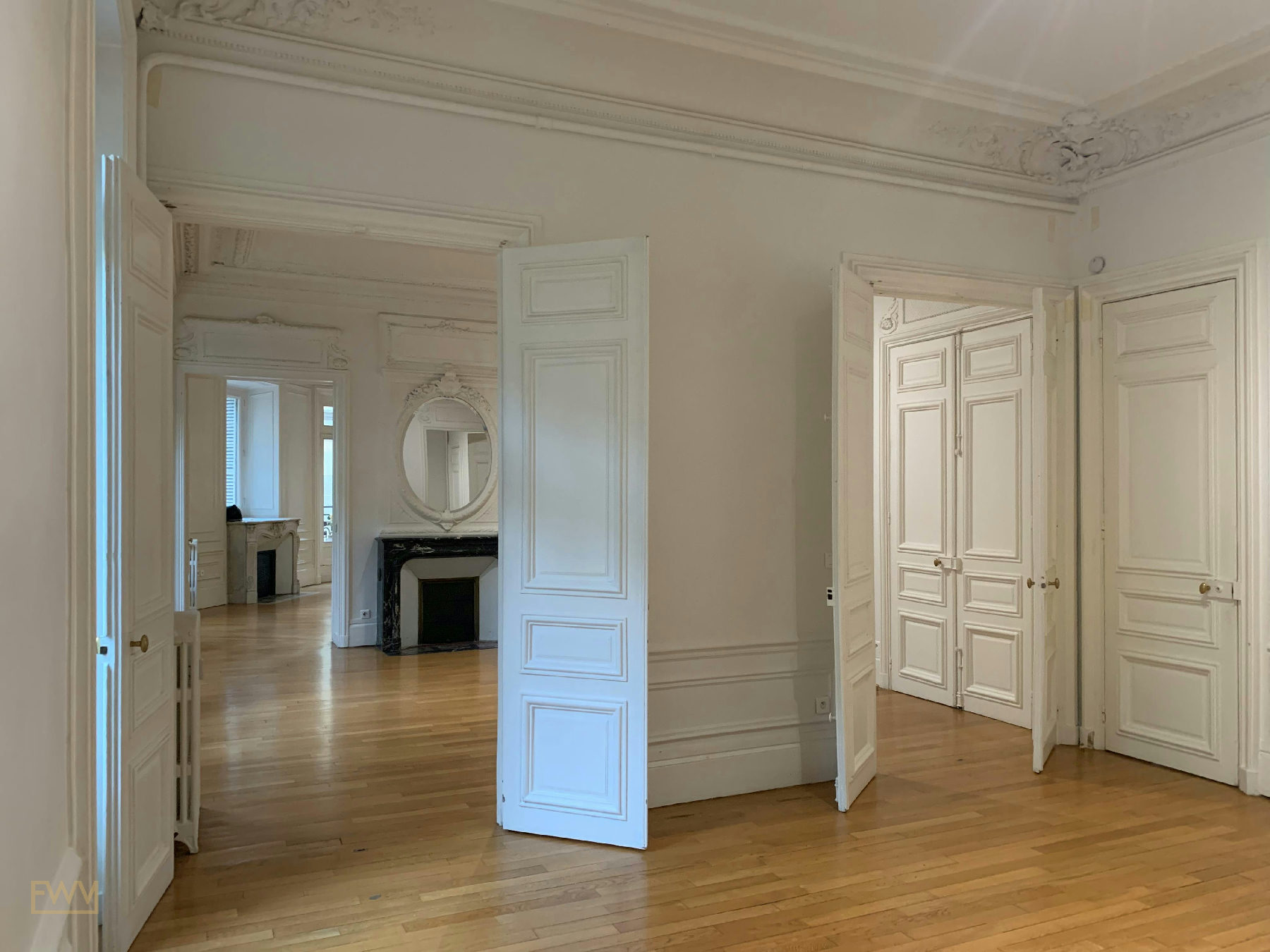
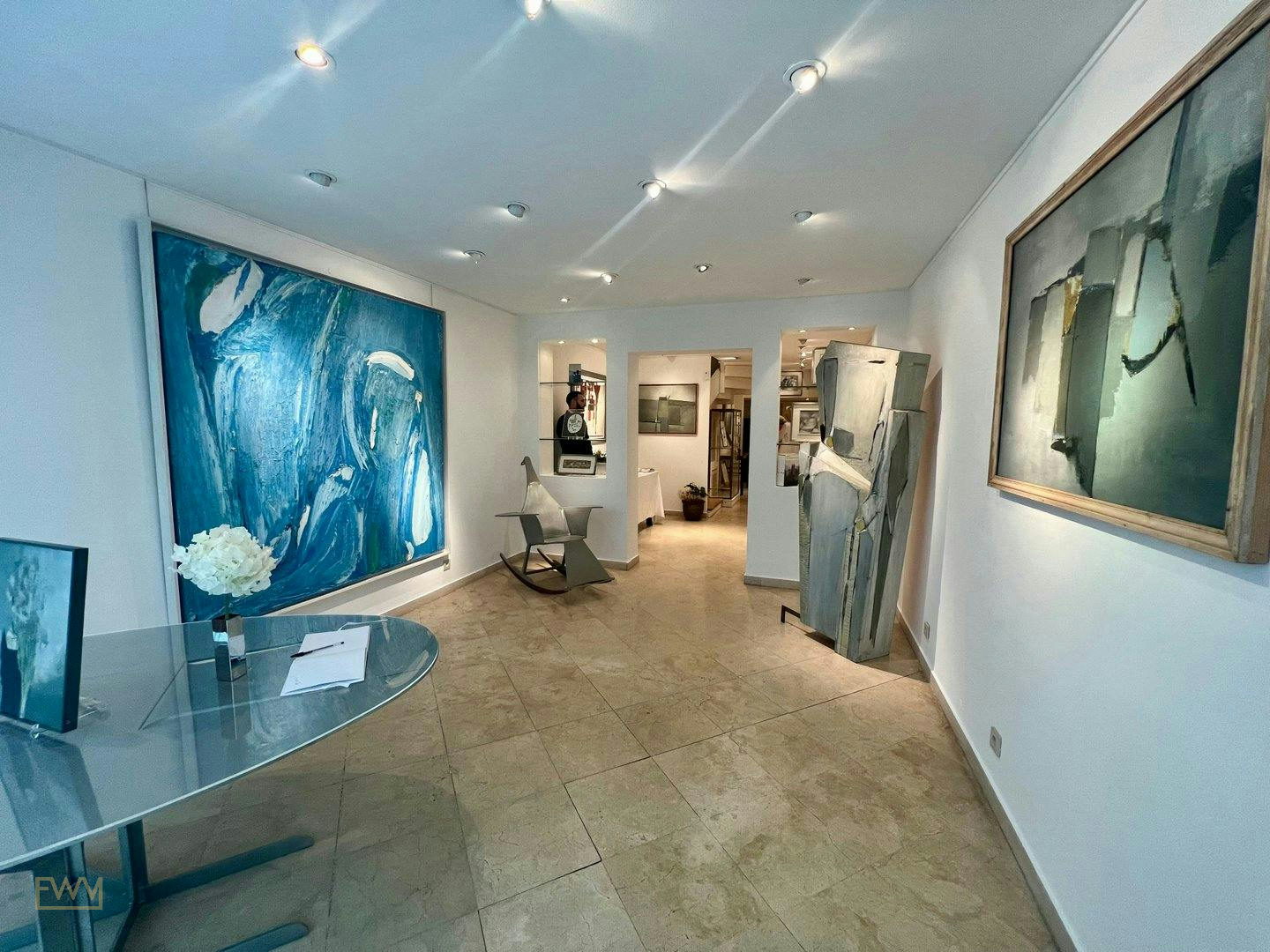
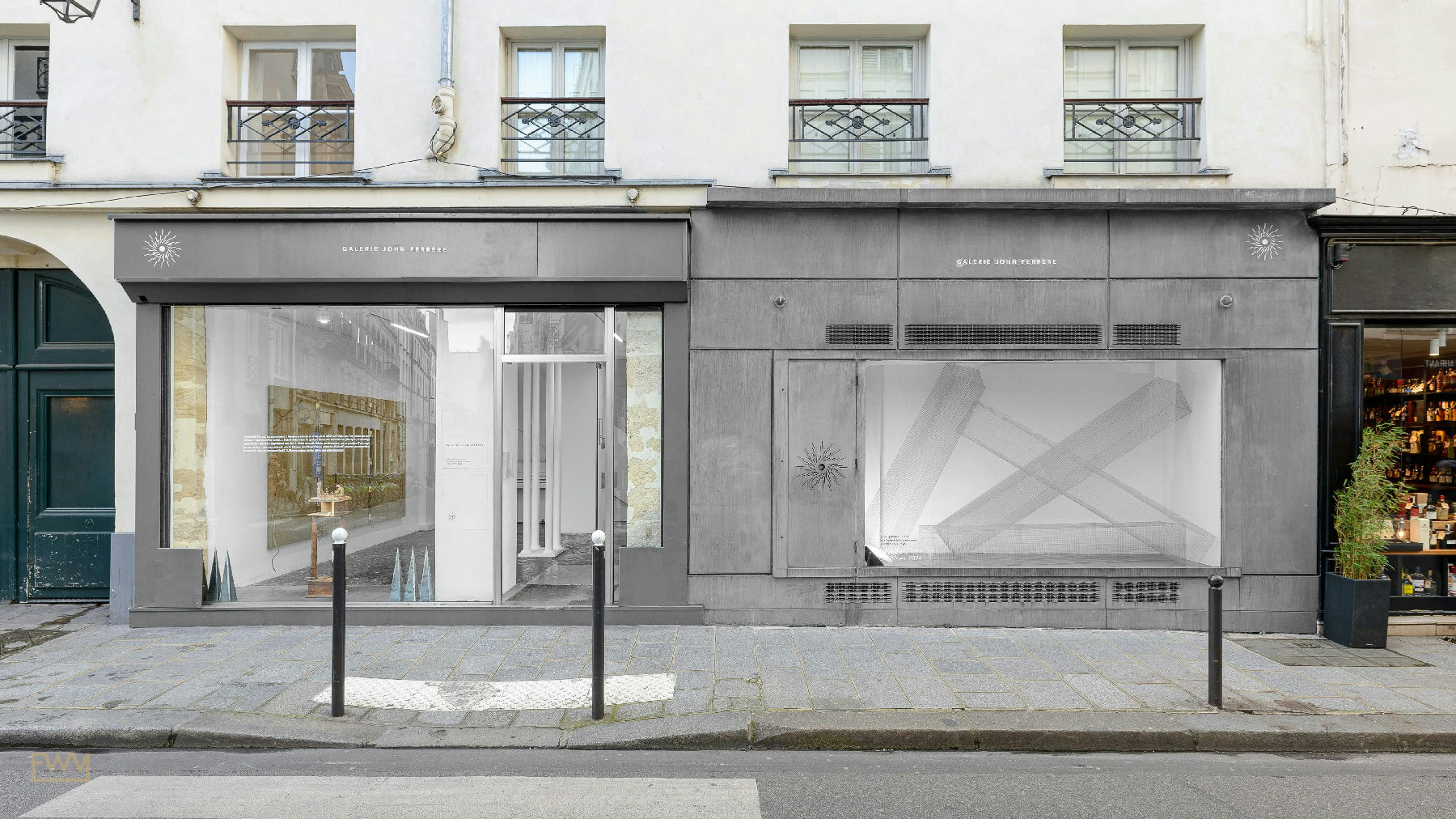
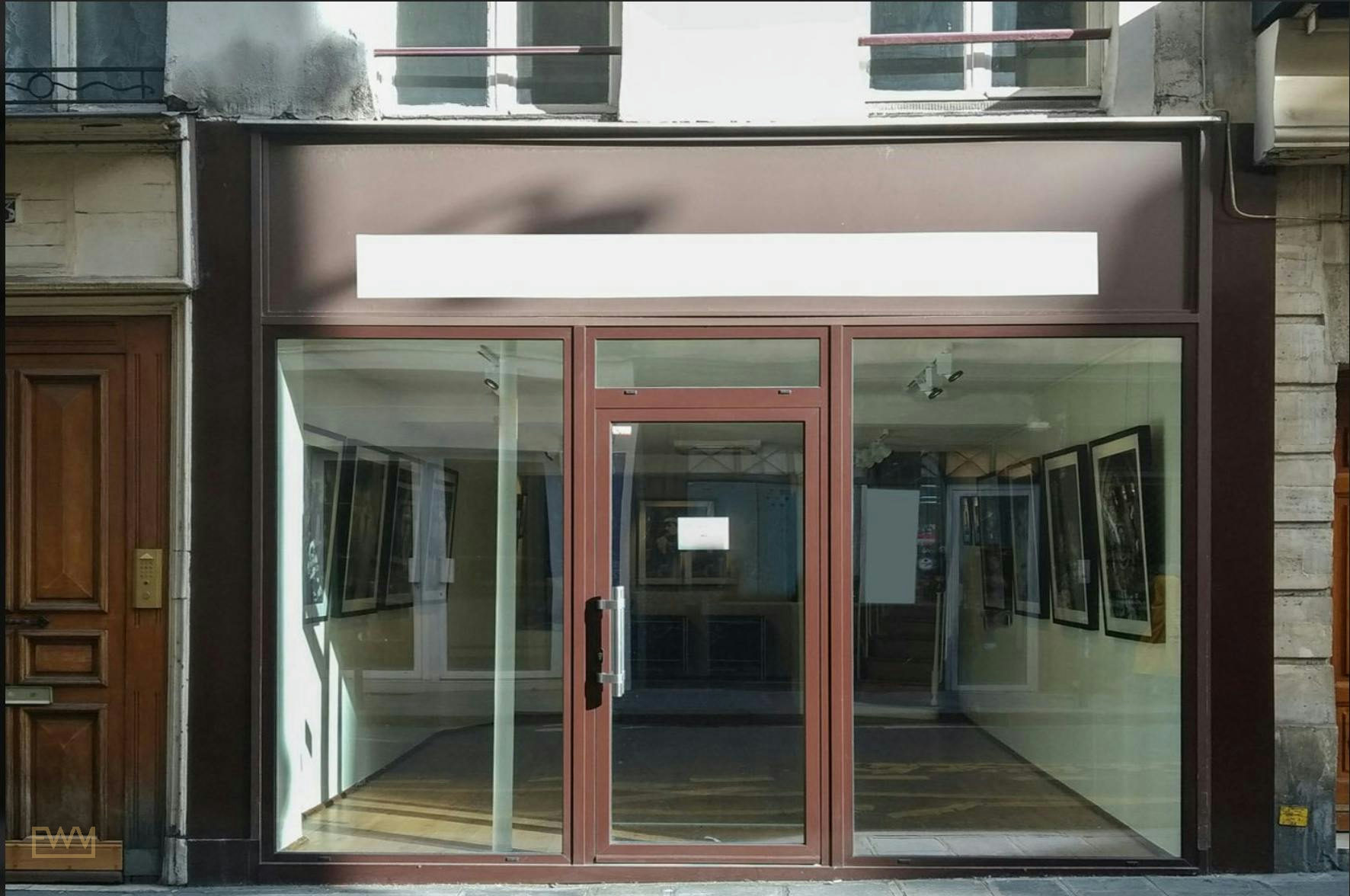
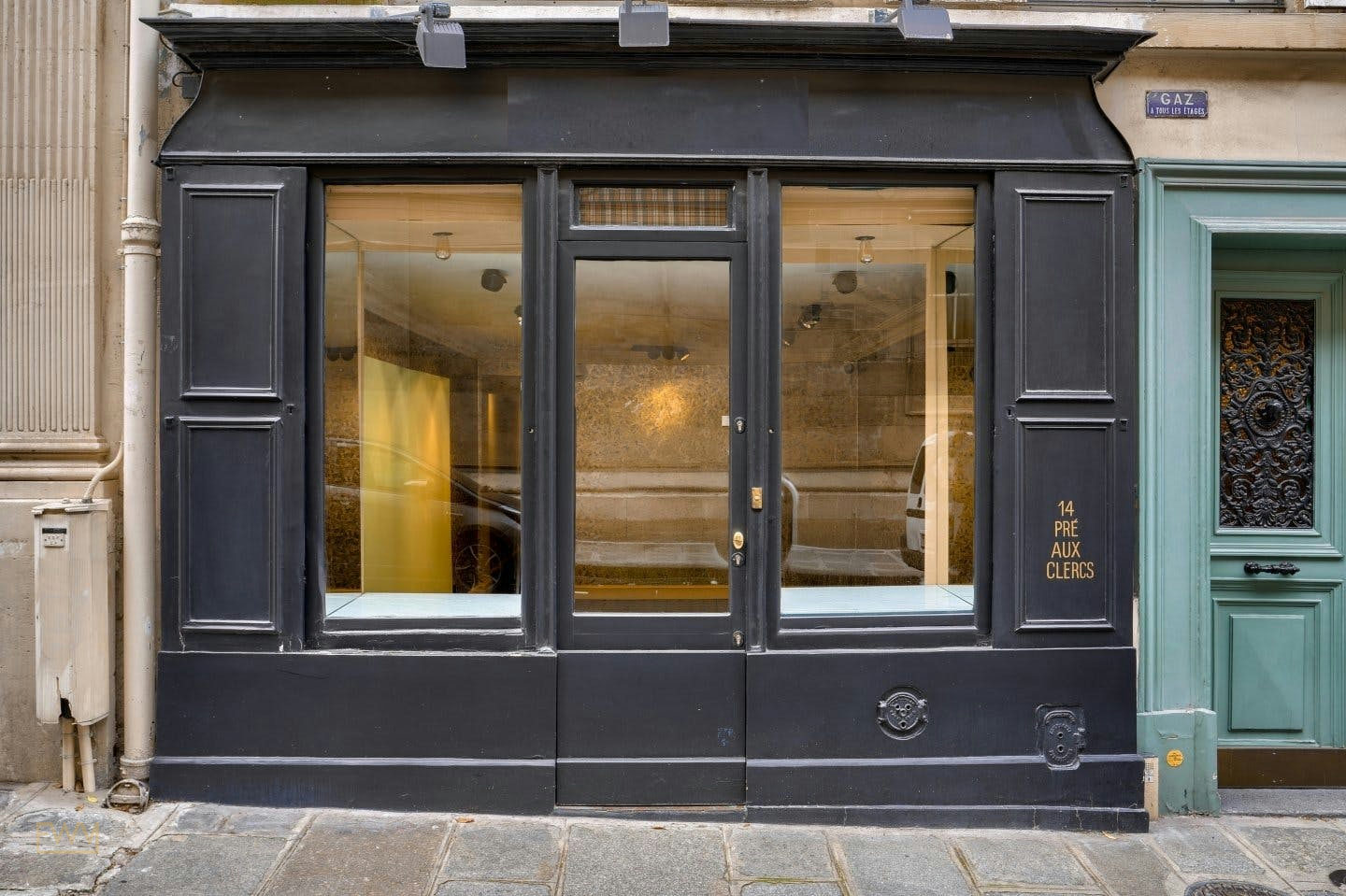
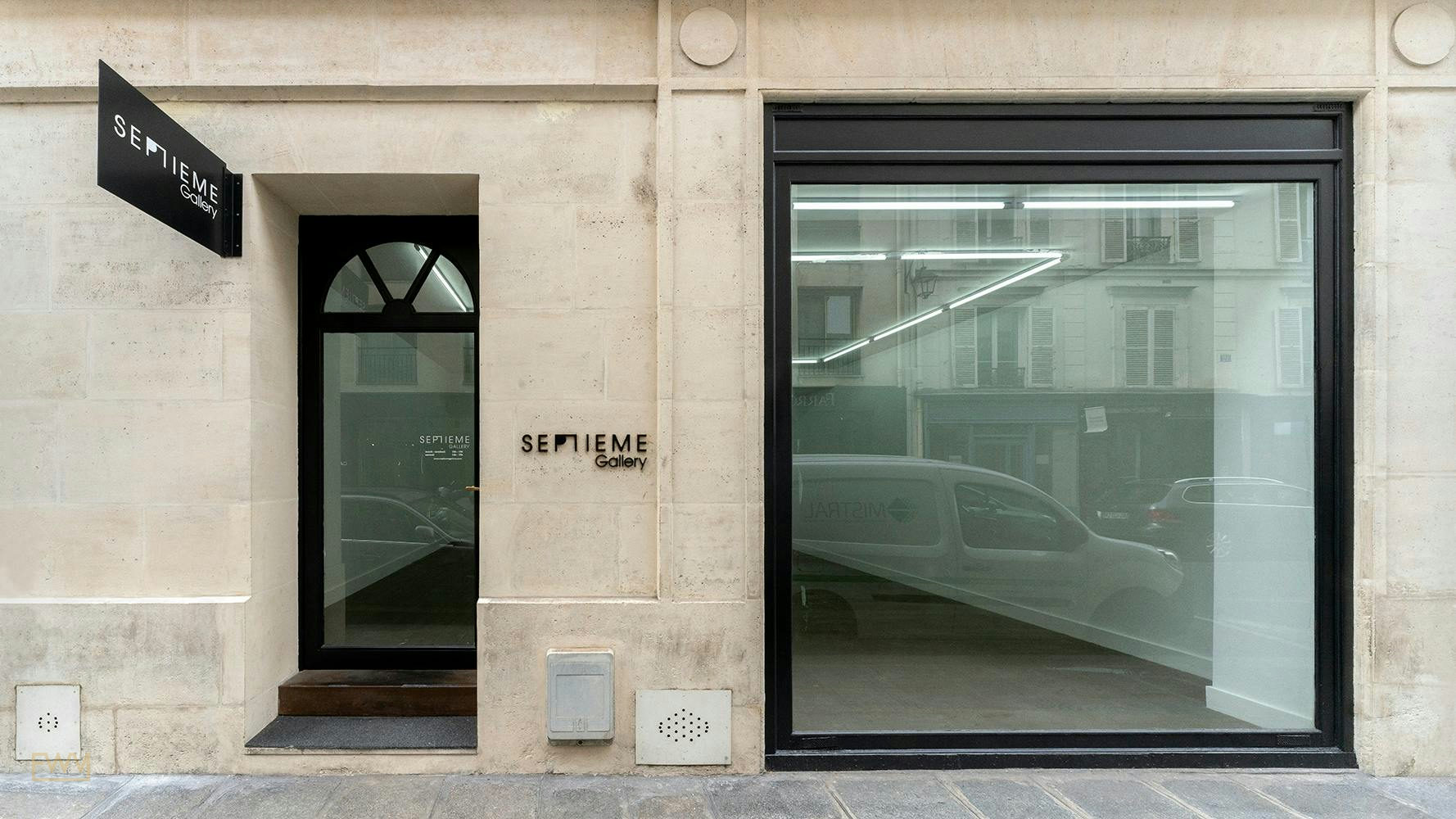
To rent retail space in the 6th arrondissement of Paris is to place your brand at the heart of one of the world's most culturally prestigious neighbourhoods. Saint-Germain-des-Prés and its surrounding streets form a district where intellectual heritage, luxury commerce, and contemporary fashion intersect daily. Whether you are planning a pop-up shop, a fashion showroom, an art gallery activation, or a temporary boutique, the 6th arrondissement offers a breadth of commercial spaces that serve both global flagship brands and independent labels seeking cultural credibility. Fashion Week Venues supports brands activating across Paris, including in the 6th, with full-service sourcing, production, and activation management tailored to short-term commercial needs.
Why Saint-Germain-des-Prés Is a Priority Destination for Retail Activations
Quick answer: The 6th arrondissement, anchored by Saint-Germain-des-Prés, draws high-net-worth local residents, international tourists, and fashion-conscious visitors year-round. Its blend of art galleries, independent boutiques, luxury heritage brands, and culturally significant institutions creates a clientele profile that few other Parisian neighbourhoods can match for quality of footfall.
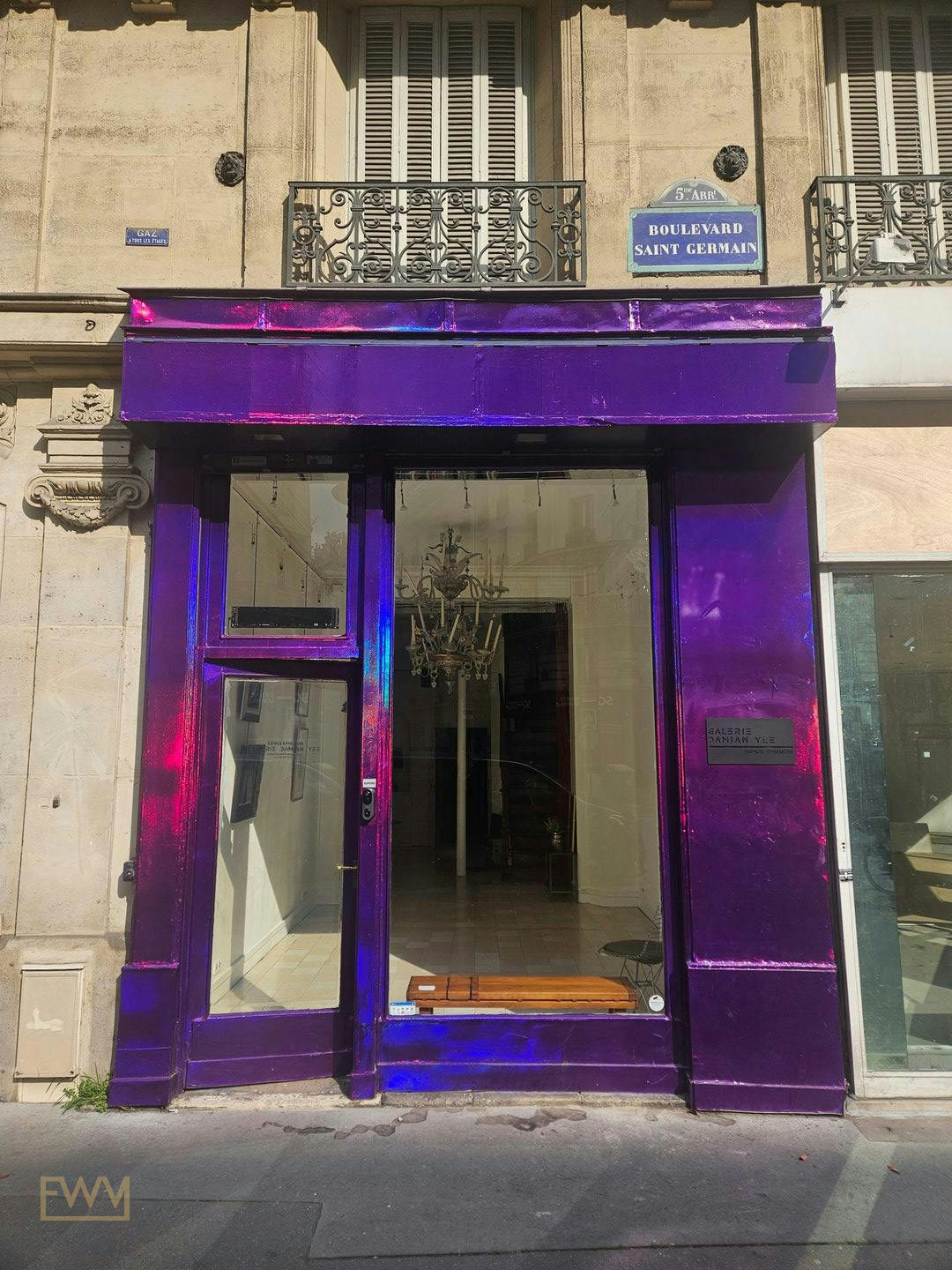
The 6th arrondissement sits on the Left Bank of the Seine, bordered by the Latin Quarter to the east, Montparnasse to the south, and the 7th arrondissement to the west. Boulevard Saint Germain acts as the district's primary artery, lined with cafes, bookshops, and fashion boutiques that have traded there for decades. Streets such as Rue de Seine, Rue de Lille, Rue Jacob, and Rue Bonaparte carry a concentration of art galleries, design studios, and independent retail that attract affluent visitors with strong purchasing intent.
The neighbourhood's cultural landmarks anchor foot traffic in ways that purely commercial districts cannot replicate. The Musée du Louvre sits just north across the Seine, the Panthéon anchors the eastern edge of the arrondissement, and the Palais-Royal is within easy walking distance. These institutions draw millions of visitors annually, many of whom extend their visits into Saint-Germain for dining, shopping, and gallery browsing. For brands seeking visibility among an educated, design-aware, and financially capable audience, the 6th arrondissement delivers a calibre of clientele that justifies its rental premiums.
The presence of legacy brands along Boulevard Saint Germain and its side streets signals the neighbourhood's commercial credibility. Ladurée, with its iconic patisserie and tea room, has anchored the area's identity as a destination for experiential luxury consumption. This atmosphere communicates directly to consumers that a brand choosing to open here belongs in that conversation.
For pop-up shops and temporary retail activations, the 6th arrondissement is particularly effective during Paris Fashion Week. The twice-yearly calendar, in late February to early March and late September to early October, draws press, buyers, stylists, and international brand teams whose schedules and movements overlap heavily with Saint-Germain-des-Prés. A well-positioned pop-up store on Rue de Seine or near the Galeries Lafayette outpost at Saint-Germain can capture precisely the fashion-adjacent traffic that drives awareness and sell-through.
DID YOU KNOW: The 6th arrondissement has one of the highest concentrations of art galleries per square kilometre of any neighbourhood in Paris, making it the natural home for gallery-style retail formats and showroom activations.
KEY TAKEAWAY: The 6th arrondissement combines cultural prestige, high-value foot traffic, and a physical environment of charming boutiques and gallery spaces that elevate brand perception. This is not simply a commercial district; it is a stage for brand storytelling that resonates with the world's most discerning consumers.
Understanding exactly which streets and micro-zones within the 6th best suit your brand's format, price point, and audience requires moving beyond neighbourhood-level analysis to a granular understanding of space types and their commercial characteristics.
Space Types Available When You Rent Retail Space in the 6th Arrondissement
Quick answer: The 6th arrondissement offers a diverse inventory of short-term commercial spaces including ground-floor storefronts, gallery spaces with white walls and track lighting, fashion showrooms, studio photo spaces, loft formats, and charming boutiques in Haussmannian buildings. Each space type serves different brand objectives, audience types, and activation formats.
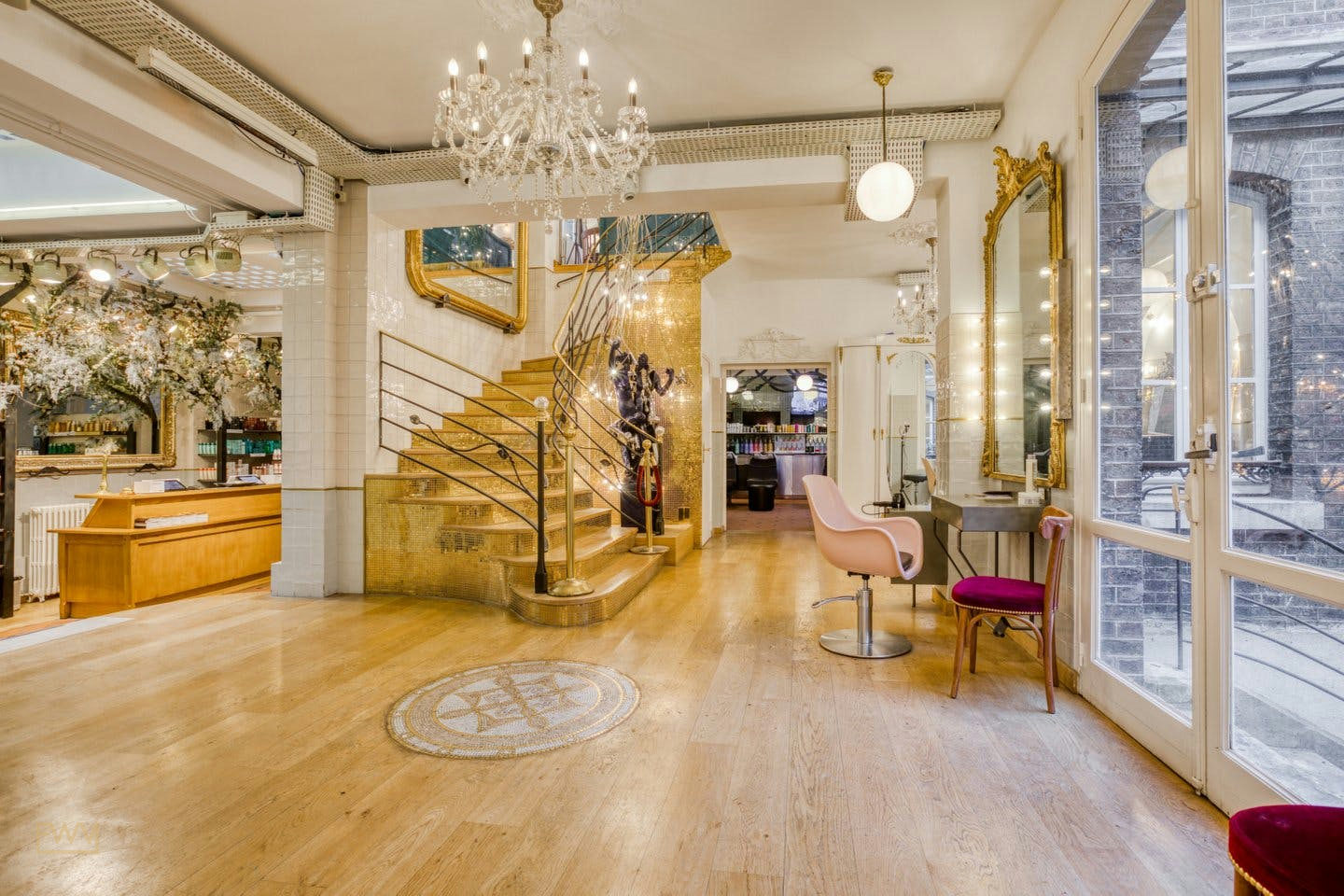
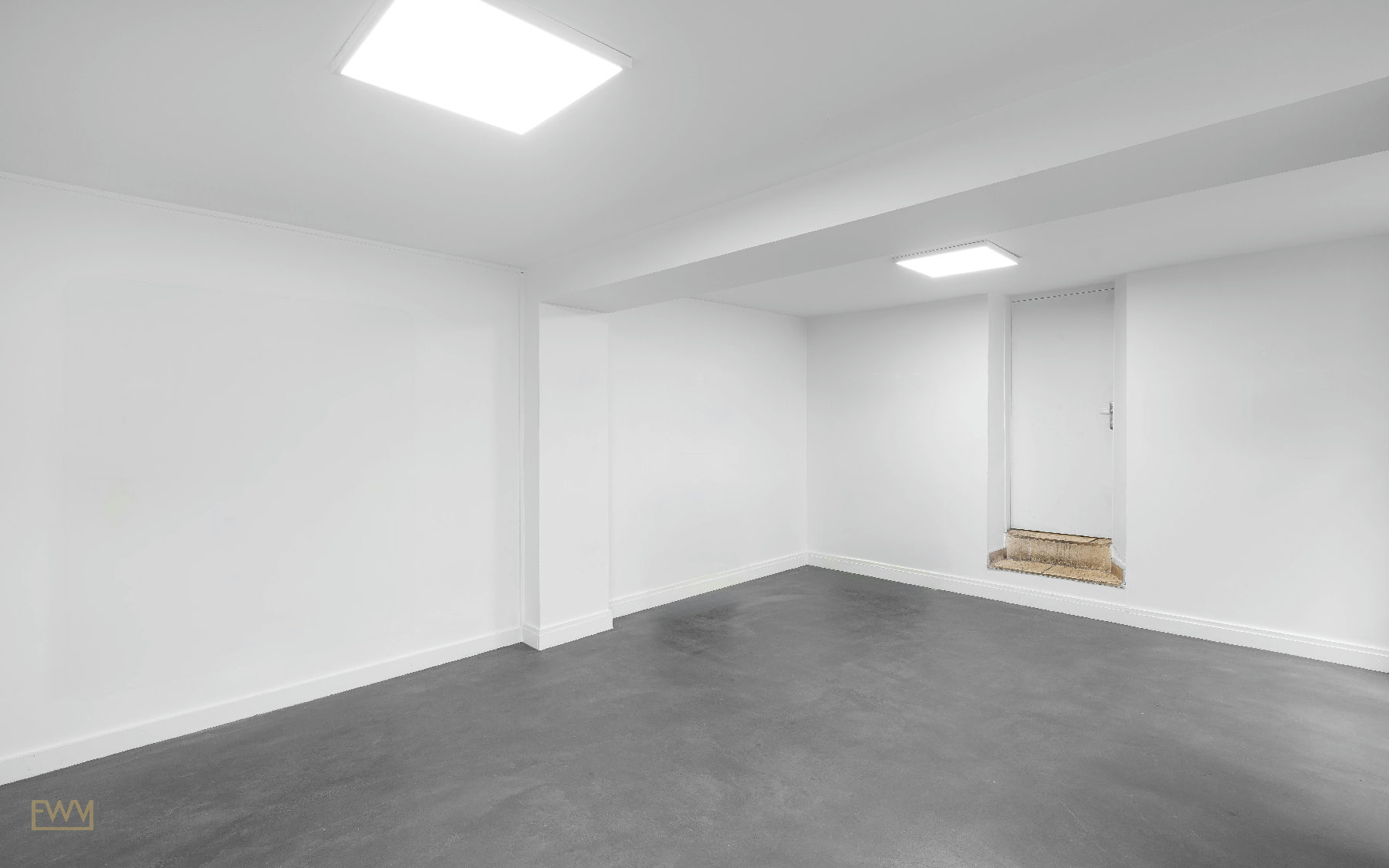
Unlike purpose-built retail districts designed for mass-market commerce, the 6th arrondissement's commercial property stock reflects its architectural history. Ground floors of Haussmannian buildings often feature high ceilings, large windows, and stone detailing that create a distinctly Parisian retail atmosphere. Art gallery spaces, many of which make their floors available during off-programme periods, typically feature white walls, polished concrete or tiled flooring, and professional track lighting or spotlights that translate directly into retail-ready environments.
Storefronts and Boutique Retail
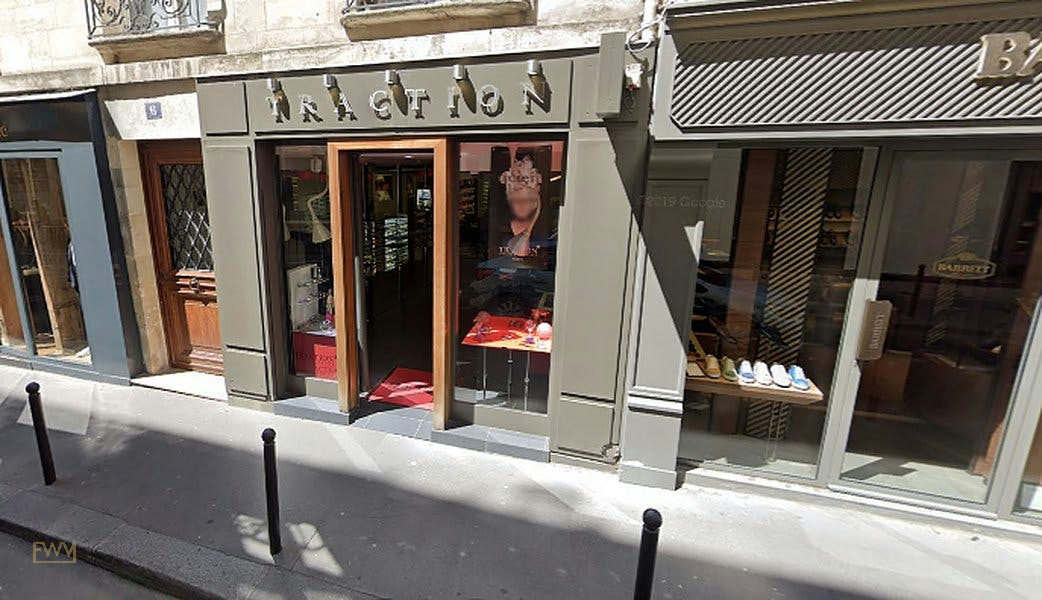
Traditional storefronts on Boulevard Saint Germain and its tributaries are the most recognisable format. These spaces generally range from compact boutique dimensions suited to jewellery, accessories, or perfume brands through to larger ground-floor commercial spaces that can accommodate full ready-to-wear collections. Wood-panelled interiors, stone floors, and period architectural features are common in the most coveted addresses. These charming boutiques provide immediate brand credibility through their physical context alone.
Gallery and Showroom Spaces
The gallery space model dominates Rue de Seine and the surrounding streets east of Boulevard Saint Germain. These spaces feature open-plan layouts with high ceilings, white walls, and flexible lighting rigs including track lighting configurations that allow for sophisticated visual merchandising. Fashion showrooms within this typology offer neutral, professional environments for trade presentations, press days, and buyer appointments, making them ideal during Fashion Week when a steady stream of industry visitors requires a controlled, brand-coherent backdrop.
Loft and Studio Formats
Converted loft spaces and studio photo formats appear with greater frequency in the streets closer to Saint-Germain's borders with the 5th and 7th arrondissements. These formats feature raw concrete floors or polished concrete surfaces, exposed structural elements including steel pillars, and generous natural light from skylights or north-facing windows. They accommodate brand launches, content creation, product photography, and multi-format activations that combine retail, events, and media production in a single space.
Apartment and Residential-Style Spaces
Paris has a long tradition of showroom spaces that occupy apartment-format properties, particularly for luxury and ready-to-wear brands. These spaces replicate the intimacy of a private Parisian home, creating the feeling of discovery rather than commercial transaction. They are particularly effective for small-run launches, press preview events, and VIP client experiences where exclusivity is the primary currency.
| Space Type | Typical Features | Best For | Common Streets |
|---|---|---|---|
| Storefront Boutique | High ceilings, street frontage, Haussmannian details | Ready-to-wear, accessories, beauty | Boulevard Saint Germain, Rue Bonaparte |
| Gallery Space | White walls, track lighting, open plan | Fashion showroom, art activations, press days | Rue de Seine, Rue Mazarine |
| Loft / Studio | Concrete floors, steel pillars, raw finishes | Brand launches, content production, events | Rue de Lille, side streets near Odéon |
| Apartment Showroom | Residential character, intimate scale | VIP events, luxury previews, trade presentations | Rue Jacob, Rue de Verneuil |
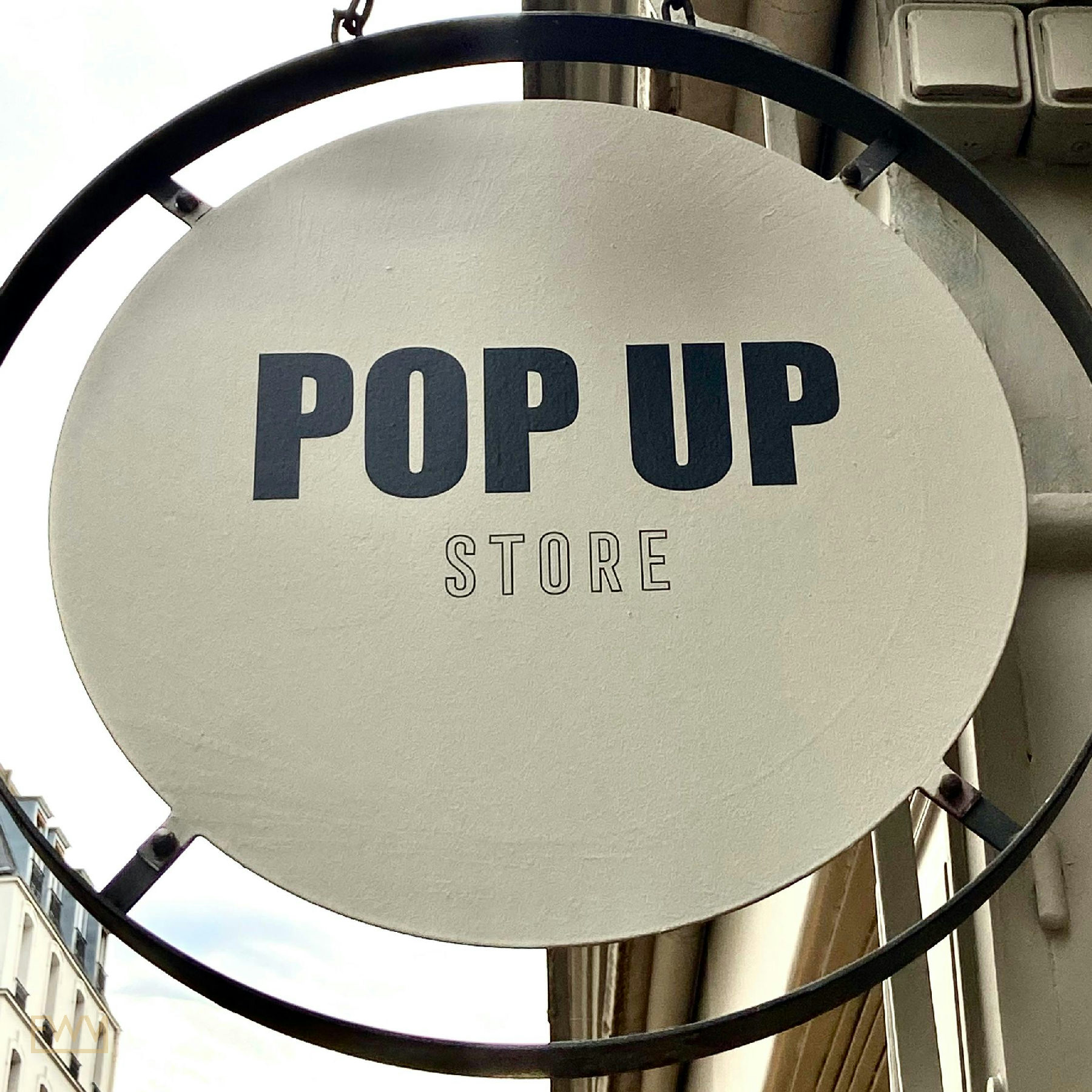
| Pop-Up Storefront | Short-term lease ready, flexible fit-out | Seasonal campaigns, test retail, Fashion Week | Rue de Rennes, near Saint-Sulpice |
KEY TAKEAWAY: The 6th arrondissement's commercial property stock is shaped by its architectural heritage and cultural history. Brands should map their visual identity and activation format against the specific space typology available rather than treating all rentable square metres as equivalent.
Once you have identified the right space type, the next step is understanding the surrounding Parisian commercial landscape and how the 6th compares to competing neighbourhoods for short-term retail investment.
Most Sought-After Locations for Renting Commercial Space in Paris
Quick answer: The most competitive addresses for short-term commercial rental in Paris span several distinct zones: Saint-Germain-des-Prés in the 6th, Le Marais in the 3rd and 4th, the Golden Triangle around the Avenue des Champs-Élysées in the 8th, Place Vendôme and Rue Saint-Honoré in the 1st, and Montmartre and Pigalle in the 18th and 9th. Each zone serves different brand positioning strategies and audience profiles.
Paris's commercial retail geography is organised around a series of distinct neighbourhood ecosystems, each with its own clientele, foot traffic patterns, competitor landscape, and rental market dynamics. Understanding how these zones compare is essential for brands deciding where within Paris their activation investment will generate the highest return.
The 6th Arrondissement: Saint-Germain-des-Prés
As explored above, the 6th combines cultural prestige with a high-quality clientele. It draws art collectors, luxury consumers, academics, international tourists visiting Left Bank institutions, and fashion professionals during seasonal windows. Rental rates reflect this premium positioning, and competition for the best storefronts on Boulevard Saint Germain can be intense, particularly ahead of Fashion Week.
Le Marais: 3rd and 4th Arrondissements
Le Marais is the primary competitor to Saint-Germain for pop-up store activations. Its concentration of contemporary art spaces, concept stores, independent fashion boutiques, and weekend tourists creates very high foot traffic volumes across a diverse demographic. Rue de Bretagne, Rue Vieille du Temple, and the streets around the Marais's historic squares offer a mix of gallery spaces, lofts, and boutique storefronts. Brands targeting younger, trend-aware consumers often find Le Marais a stronger fit than the more established luxury positioning of the 6th.
The Golden Triangle and Champs-Élysées
The 8th arrondissement's Golden Triangle, bordered by the Avenue des Champs-Élysées, Avenue Montaigne, and Avenue George V, represents Paris's highest-profile luxury retail address. Avenue des Champs-Élysées remains one of the world's most visited retail streets, with Galeries Lafayette and Printemps drawing enormous visitor numbers. Louis Vuitton's flagship presence on the Champs-Élysées anchors the area's identity as a global luxury benchmark. Short-term commercial space here commands significant premiums, and the competitive environment is dominated by major global brands.
Place Vendôme, Rue Saint-Honoré, and Palais-Royal
The 1st arrondissement's luxury core around Place Vendôme, Rue Saint-Honoré, and the Palais-Royal is home to haute couture, high jewellery, and the most exclusive fashion addresses in Paris. Commercial space in this zone is extremely limited for short-term rental and typically requires significant lead time and established brand credentials.
Montmartre and Pigalle
Montmartre and Pigalle, straddling the 9th and 18th arrondissements, offer a distinctly different proposition: creative energy, strong social media visual appeal, and foot traffic from both tourists and local young professionals. Rental rates are generally lower than in the 6th or 8th, and the physical character of the spaces, from converted workshops to former galeries d'art, suits brands in contemporary fashion, streetwear, beauty, and culture.
| Neighbourhood | Arrondissement | Primary Audience | Best Brand Fit | Rental Pressure |
|---|---|---|---|---|
| Saint-Germain-des-Prés | 6th | Luxury consumers, art buyers, fashion press | Heritage, contemporary luxury, showrooms | High |
| Le Marais | 3rd / 4th | Young professionals, tourists, creatives | Contemporary fashion, streetwear, concept | High |
| Golden Triangle / Champs-Élysées | 8th | International luxury tourists | Global flagship, luxury retail | Very High |
| Vendôme / Saint-Honoré | 1st | Ultra-high net worth, couture buyers | Haute couture, high jewellery | Extremely High |
| Montmartre / Pigalle | 9th / 18th | Creatives, tourists, local youth | Contemporary, beauty, culture, streetwear | Moderate |
To compare neighbourhoods and space types side by side, explore the Paris city hub on Fashion Week Venues and shortlist spaces that match your brief, budget, and calendar window.
KEY TAKEAWAY: The 6th arrondissement sits at the intersection of cultural credibility and commercial sophistication, making it the preferred address for brands that want to associate with Parisian heritage without the extreme access limitations of the 1st arrondissement's couture corridor.
Location selection is inseparable from the question of cost. Understanding what it actually means to rent retail space in Paris, both in terms of direct costs and associated operational expenses, is critical for budget planning.
The Cost of Renting Retail Space in the 6th Arrondissement of Paris
Quick answer: Rental costs for short-term commercial space in the 6th arrondissement of Paris vary significantly based on square metres, street prominence, duration, fit-out specification, and seasonal demand. During Paris Fashion Week, premium spaces command the highest rates. Directional estimates should be used for initial planning only, and brand-specific calculations should be developed using a dedicated budget tool.
Pricing for temporary retail space in Paris operates very differently from standard commercial leases. Short-term commercial space in Saint-Germain-des-Prés is typically priced per day or per week rather than per annum, reflecting the demand-driven nature of the pop-up and activation market. Several cost variables interact to determine the total investment required for a successful activation in the 6th.
Factors That Drive Rental Cost
Street prominence is the single largest cost driver. A storefront directly on Boulevard Saint Germain or adjacent to a high-traffic intersection near Odéon or Saint-Sulpice will command a significant premium over a comparable space on a quieter residential street. Visibility to passing foot traffic from tourists, residents, and fashion industry visitors translates directly into higher landlord expectations and competitive demand from multiple brands at any given time.
Space size measured in square metres affects daily rates proportionally, but smaller spaces in premium locations can carry higher per-square-metre costs than larger spaces in secondary positions. A compact gallery space of 40 to 60 square metres on a prime Left Bank street may cost more per day than a 200-square-metre loft on a quieter road in the same arrondissement.
Seasonal demand affects pricing substantially. The Fashion Week windows in late February and late September represent the peak demand periods for short-term commercial space across Paris. During these windows, landlords who are willing to short-let typically price accordingly. Brands that plan well in advance and commit early to their chosen spaces can often negotiate more favourable terms than those seeking space in the weeks immediately before their target activation date.
Fit-out specification and the condition of the space also affect total cost. A fully fitted gallery-standard space with white walls, professional track lighting, polished concrete floors, and spotlights already installed requires less production investment than a raw or unfurnished commercial property. However, raw spaces often offer more freedom to create a bespoke branded environment that differentiates your activation from adjacent competitors.
Beyond Rent: Total Activation Cost Considerations
Rent is one component of total activation investment. Brands planning to rent retail space in the 6th arrondissement must also account for fit-out and production costs, furniture rental, retail staffing, point-of-sale and payments infrastructure, permits and regulatory compliance, social media and influencer marketing, insurance, and logistics for product and fixture delivery. These costs collectively can represent multiples of the base rental cost, depending on the ambition of the activation.
IMPORTANT: Do not rely on generic published price ranges for budgeting purposes. Rates for specific spaces in the 6th arrondissement vary considerably based on timing, space condition, duration, and negotiated terms. Use the Fashion Week Venues budget calculator to develop brand-specific estimates that account for your space type, activation format, and calendar window.
TIP: Brands that can commit to longer activation durations of two to four weeks often achieve more favourable per-day rates than those seeking weekend-only or three-day slots. Landlords value the reduced transaction friction and administration of slightly longer terms within the short-let framework.
KEY TAKEAWAY: Budgeting accurately for a short-term retail space in the 6th arrondissement requires modelling the full activation cost stack, not just the headline rental rate. Production, staffing, permits, and marketing can all add substantially to the investment required for a commercially successful activation.
Cost management is only possible once you understand the legal and regulatory framework that governs short-term commercial rental in France. This is an area where many international brands encounter unexpected complexity.
French Permits, Leases, and Legal Frameworks for Temporary Retail in Paris
Quick answer: Renting a short-term commercial space in Paris involves navigating French commercial property law, temporary lease structures such as the bail dérogatoire, and in some cases public space authorisation rules. International brands must understand these frameworks before committing to a space or signing any agreement.
France has a sophisticated and highly regulated commercial property market. Standard French commercial leases, known as baux commerciaux, are typically structured as nine-year agreements with three-year break options, a framework entirely unsuited to pop-up shops, showrooms, and temporary retail activations. The legal architecture for short-term commercial use differs materially from long-term leasing, and understanding the relevant instruments is essential for brands operating in Paris.
The Bail Dérogatoire
The bail dérogatoire, sometimes called a short-term commercial lease, allows parties to agree to a commercial tenancy outside the protections of standard commercial lease law. Under French law, a bail dérogatoire can be agreed for a maximum period of three years. After this point, if the tenant continues to occupy the space, the tenancy may automatically convert to a full commercial lease with the statutory protections that accompany it. For pop-up activations of days, weeks, or a few months, the bail dérogatoire provides the contractual structure that allows short-term occupation without triggering long-term lease protections for either party.
The key requirement for a valid bail dérogatoire is that both parties must explicitly agree in writing that they intend to derogate from standard commercial lease law. The agreement must be clear about the short-term nature of the tenancy. Brands should always have any bail dérogatoire reviewed by a qualified French legal advisor before signing.
Autorisation d'Occupation Temporaire (AOT)
For activations in public or semi-public spaces, including certain covered passages, publicly owned buildings, market spaces, or areas on public land, an Autorisation d'Occupation Temporaire, or AOT, may be required. This is a permission granted by the relevant public authority to temporarily occupy a public or publicly administered space. AOTs are also relevant for activations in certain historic buildings or spaces managed by public institutions.
The specific permit requirements for any given space in the 6th arrondissement depend on the nature of the property, its ownership status, the intended use, and the duration of the activation. Requirements vary by space type, duration, and arrondissement. Brands should always verify compliance requirements with a French legal advisor and confirm the permit status of any space before committing contractually.
Commercial Activity and Retail Trading Regulations
Beyond the lease structure, trading commercially in France involves compliance with French consumer law, display and pricing regulations, and, for non-EU brands, potential customs and VAT implications for goods sold in France. International brands entering Paris for the first time should seek specialist advice on their specific trading structure before activating.
For initial orientation on permit requirements specific to your activation format and chosen space, the Fashion Week Venues permits tool provides a starting framework. This should be supplemented with advice from a qualified French legal advisor.
IMPORTANT: Short-term commercial leases in France are not the same as equivalent instruments in the UK, US, or other markets. Do not assume that your existing legal team's experience with short-term leases in other jurisdictions translates directly to the French market. Specialist French commercial property legal advice is strongly recommended.
KEY TAKEAWAY: The bail dérogatoire and AOT frameworks enable legitimate short-term retail activation in Paris, but they require careful drafting and compliance. International brands should build legal review costs into their activation budget from the outset and allow adequate lead time for permit and lease processes.
Even with the right space and the correct legal framework in place, the success of a retail activation in the 6th arrondissement depends significantly on planning, production quality, and operational execution.
Planning and Producing a Retail Activation in the 6th Arrondissement
Quick answer: A successful retail activation in Saint-Germain-des-Prés requires a structured planning process spanning space identification and negotiation, concept direction and design, fit-out production and installation, staffing, POS and payments, and operational management during the activation window. Lead times for Paris Fashion Week windows should begin at least three to six months in advance.
The gap between finding a space and opening a commercially effective activation is wider than many brand teams anticipate. The physical quality of spaces in the 6th arrondissement is high, but they rarely arrive pre-configured for your brand's visual language. The planning and production phase transforms a raw or neutral commercial space into an environment that communicates your brand's identity, serves your customers, and generates the business outcomes that justify the investment.
Timeline and Lead Time
Paris Fashion Week activations, in particular, require early commitment. The best spaces in prime 6th arrondissement locations are claimed months before the seasonal calendar opens. Brands that approach space search within six weeks of their target date are likely to find the highest-quality options already secured. A realistic planning timeline for a Fashion Week-aligned activation begins with brief development and space shortlisting at least four to six months in advance, with legal review, concept design, and production planning running concurrently in the three months prior to activation.
The Fashion Week Venues timeline tool allows brand teams to map their specific activation requirements against a structured planning calendar, identifying dependencies and critical path milestones from initial brief through to post-activation reporting.
Concept Direction and Space Design
The concept direction phase translates your brand strategy into a spatial language that works within the physical constraints and opportunities of the chosen venue. For a gallery space on Rue de Seine, this might mean working with existing white walls and track lighting to create a curated product presentation that references the art world context. For a loft with raw concrete floors and steel pillars, the concept direction might lean into industrial aesthetics while introducing brand-specific colour and furniture to anchor the identity.
Design decisions made at this stage, including floor access requirements, lighting specification whether track lighting, spotlights, or ambient fixtures, wall treatment whether white walls, wood panelling, or bespoke wallcoverings, and furniture selection determine the production scope and cost. Every design decision has a budget implication and a lead time consequence.
Fit-Out Production and Installation
Physical fit-out in Paris requires coordination with local suppliers, compliance with building management rules, and careful logistics planning for deliveries in a city where access to narrow Left Bank streets can be restricted. Brands working without local production knowledge frequently encounter delays, cost overruns, and regulatory complications during installation that compress the time available for merchandising and team preparation.
Staffing and Operations
French employment law applies to all retail staff working in France, regardless of the brand's country of incorporation. Short-term retail staffing for pop-up activations in Paris typically involves a combination of brand-provided personnel and locally sourced bilingual staff with fashion retail experience. POS and payment systems must comply with French consumer regulations, and inventory management for a temporary store requires a different approach to stock control and replenishment than a permanent location.
| Phase | Key Activities | Lead Time Before Opening |
|---|---|---|
| Brief and Strategy | Define objectives, target audience, budget, and calendar window | 6 months |
| Space Search and Shortlisting | Identify candidate spaces, evaluate against brief, negotiate access | 5 to 6 months |
| Legal and Permit Review | Bail dérogatoire review, AOT applications, trading compliance | 4 to 5 months |
| Concept Direction and Design | Spatial concept, material selection, visual merchandising plan | 3 to 4 months |
| Production and Procurement | Furniture rental, fixture fabrication, supplier coordination | 2 to 3 months |
| Staffing and POS Setup | Team recruitment, training, payment systems installation | 4 to 6 weeks |
| Installation and Fit-Out | Physical build, VM installation, technical checks | 1 to 2 weeks |
| Activation and Operations | Trading, events, social media, influencer management | During activation |
| Strike and Reporting | Defit, space return, data analysis, ROI reporting | Post-activation |
KEY TAKEAWAY: The production and operational complexity of a retail activation in the 6th arrondissement is significant. Brands that invest in structured planning and local expertise from the outset consistently achieve better commercial outcomes than those who prioritise speed over preparation.
Understanding how the activation planning process connects to a full-service agency offering is central to how brands in this market navigate complexity without sacrificing quality or brand integrity.
How Fashion Week Venues Supports Brands Renting Retail Space in the 6th Arrondissement
Fashion Week Venues operates as a full-service pop-up shop agency and space marketplace with Paris as its primary market. The platform and agency services are designed specifically for brand teams navigating the complexity of short-term commercial retail activation in fashion capitals, with the 6th arrondissement representing one of the most requested and competitive activation territories in Paris.
For brands approaching the 6th arrondissement market for the first time, the starting point is typically venue sourcing through Fashion Week Venues, which draws on an established network of property owners, building managers, and space intermediaries across Saint-Germain-des-Prés and the wider Paris market. Rather than navigating cold outreach to landlords or relying on commercial property portals that typically reflect standard long-term leasing inventory, Fashion Week Venues maintains active relationships with space owners who are familiar and comfortable with short-term brand activations.
Services Relevant to the 6th Arrondissement
Once a space is identified and terms are agreed, Fashion Week Venues can manage the complete activation production chain. Concept direction translates a brand brief into a spatial design proposal suited to the chosen space's physical character. Production and build coordinates the physical installation, working with Paris-based suppliers familiar with the access and logistics constraints of the Left Bank. Furniture rental provides brand-appropriate fixtures without the cost and complexity of international shipping. Retail staffing sources bilingual, fashion-experienced staff for the activation period. POS and payments ensures compliant, brand-coherent transaction systems are operational from day one.
For brands focused on data-driven decision-making, Fashion Week Venues offers data and analytics services that track footfall, dwell time, transaction volumes, and conversion rates during the activation. This data feeds directly into ROI calculation, which can be modelled in advance using the Fashion Week Venues ROI calculator.
The influencer marketing service is particularly relevant for activations in Saint-Germain-des-Prés, where the neighbourhood's visual character, from art gallery interiors to classic Parisian street frontages, provides naturally compelling content. Coordinating influencer visits during the activation window requires local knowledge of who the right voices are for a given brand audience and how to structure access and content agreements appropriately.
Tools That Support Planning in the 6th Arrondissement
Beyond agency services, Fashion Week Venues provides a suite of planning tools relevant to brands considering space in the 6th. The compare tool allows side-by-side evaluation of candidate spaces across multiple criteria. The locator tool maps available spaces geographically, helping teams visualise proximity to Fashion Week venues, press offices, competitor brands, and transport connections. The budget calculator models total activation cost, and the timeline tool structures the planning process against the target calendar window.
The imagine tool provides a visualisation capability, allowing brand teams to see how their visual identity and proposed design direction might translate into a specific space before committing to production costs. The build planning tool supports production scheduling, and the twin concept offers a co-activation model that allows two compatible brands to share a space and split costs without diluting either brand's identity.
Who Benefits Most
Brand teams that benefit most from Fashion Week Venues' support in the 6th arrondissement include international fashion brands entering Paris for the first time, established brands seeking to move beyond their existing agency relationships for a specific seasonal activation, creative directors and brand managers who need production support to execute a spatially ambitious concept, and independent labels that lack the internal infrastructure to manage the full activation lifecycle without specialist support.
TIP: Review the guide to hiring a pop-up agency before beginning conversations with any service provider, including Fashion Week Venues. Understanding what questions to ask, what to expect from a briefing process, and how to evaluate agency capability will make your selection process more efficient and your eventual activation more successful.
KEY TAKEAWAY: Fashion Week Venues combines marketplace access to spaces with end-to-end agency services and planning tools, allowing brand teams to manage the full 6th arrondissement activation journey from a single relationship rather than coordinating multiple independent suppliers across language and timezone barriers.
Comparing the structured agency approach against alternative methods of finding and renting space in Paris helps brands make a well-informed decision about which route to take.
Comparing Routes to Market: Agency, Platforms, and Direct Search
Quick answer: Brands seeking short-term retail space in Paris can approach the market through a full-service agency, via pop-up-specific platforms, through commercial property portals, or through direct landlord outreach. Each route has distinct advantages, limitations, and cost implications that should be evaluated against the brand's timeline, budget, and local knowledge.
The market for short-term commercial space in Paris is not as transparent or standardised as permanent commercial leasing. Unlike markets where platforms such as LoopNet or CoStar provide comprehensive inventory of available commercial properties, the short-term and pop-up space market in Paris operates through a combination of established agency relationships, specialist platforms, and private networks. This opacity can be frustrating for brands approaching the market independently for the first time.
Full-Service Agency Approach
A full-service agency with established Paris market knowledge handles space identification, negotiation, legal framing, and production coordination as an integrated offering. The primary advantage is efficiency: a single relationship replaces multiple independent vendor negotiations. The limitation is cost, as agency fees add to the total activation budget. For brands with limited Paris market experience or complex activation requirements, the agency route typically delivers better outcomes than the cost premium might initially suggest.
Pop-Up Specific Platforms
Platforms such as The Storefront, known in French-speaking markets as Storefront, provide a marketplace of spaces listed specifically for short-term rental. These platforms allow brands to search by location, space type, and available dates, providing transparency around what is available and indicative pricing. The limitation is that the best spaces, particularly those in prime 6th arrondissement locations, are often secured through agency or private relationships before they appear on open marketplace listings. Platform searches work best for brands with flexible location requirements or longer booking lead times.
Commercial Property Portals
Portals that aggregate commercial real estate listings, including French-language platforms focused on Paris commercial property such as those used by broker professionals and Agence Paris networks, typically reflect standard long-term leasing inventory rather than short-term or pop-up formats. Searching these platforms for temporary retail space requires significant filtering and direct outreach to landlords or brokers who may not be familiar with short-term activation requirements. This route is time-intensive and better suited to brands with in-house legal and real estate expertise.
Direct Landlord Outreach
Some brands, particularly those with existing Paris networks, secure spaces through direct landlord relationships or referrals. This route can yield very favourable terms when it works, but it requires existing connections and fluency in the French commercial property market. For most international brands entering Paris for the first time, direct landlord outreach without local intermediary support carries significant risk of wasted time and missed opportunities.
| Route | Inventory Access | Production Support | Cost | Suitable For |
|---|---|---|---|---|
| Full-Service Agency | High (private networks) | Comprehensive | Higher total investment | Complex activations, new to Paris |
| Pop-Up Platforms | Moderate (public listings) | None | Rent only | Flexible brands, early planners |
| Commercial Property Portals | Low for short-term | None | Variable | Brands with in-house expertise |
| Direct Landlord | Low without network | None | Lowest if successful | Brands with Paris relationships |
KEY TAKEAWAY: The route to market for short-term retail space in the 6th arrondissement should be chosen based on the brand's existing Paris market relationships, internal production capability, timeline urgency, and complexity of the planned activation. No single route suits all brands, but full-service agencies consistently reduce execution risk for brands without established local networks.
With route to market established, brands should also understand how the 6th arrondissement activation market connects to the broader Paris Fashion Week calendar and why the timing of an activation can be as strategically important as the location itself.
Paris Fashion Week and the 6th Arrondissement Activation Calendar
Quick answer: Paris Fashion Week takes place twice annually: the womenswear editions in late February to early March and in late September to early October, with menswear and couture weeks occurring in January and July respectively. The 6th arrondissement is one of the primary activation territories during these windows, given its proximity to key show venues, press offices, and the movement patterns of international industry visitors.
Paris Fashion Week is the most commercially significant short window in the global fashion calendar for brand activations. The concentration of international press, buyers, stylists, influencers, creative directors, and retail decision-makers in a small geographic area during a compressed timeframe creates an unparalleled opportunity for brand visibility and relationship-building that no other calendar window can replicate.
The 6th arrondissement's role during Fashion Week is multifaceted. It hosts showrooms for brands presenting off-schedule or choosing to receive appointments outside official show venues. It provides the backdrop for press events, buyer previews, and VIP dinners that form the social infrastructure of the week. Its streets, galleries, and cafes are the settings where industry relationships are renewed and new conversations begin. A well-positioned pop-up store or showroom in Saint-Germain-des-Prés during Fashion Week operates as both a commercial proposition and a brand statement.
The seasonal windows are not the only viable calendar positions for activations in the 6th. Summer tourism peaks, the Christmas and New Year gifting season, and the Printemps and Galeries Lafayette sale windows all generate distinct foot traffic profiles that suit different brand objectives. A beauty brand, for example, might find that a June to August activation in a Rue de Seine gallery space captures the highest volume of international tourist traffic while competing against fewer fashion-specific activations from peer brands.
DID YOU KNOW: The Paris Fashion Week schedule, officially coordinated by the Fédération de la Haute Couture et de la Mode, draws an estimated 10,000 industry accredited attendees per season across womenswear, menswear, and couture calendar windows, according to industry reporting. Saint-Germain-des-Prés is consistently cited as one of the primary gathering points for off-schedule meetings and brand activations during these windows.
Fashion Week Venues operates across all major fashion capital calendar windows. To understand how the Paris calendar interacts with London, Milan, New York, and other city activation opportunities, the Fashion Week Venues cities hub provides city-by-city calendar and market context.
KEY TAKEAWAY: Timing an activation to coincide with Paris Fashion Week in the 6th arrondissement amplifies reach and industry visibility, but it also increases competition for the best spaces and raises rental rates. Brands must weigh peak-window premiums against the strategic value of being visible during the industry's most concentrated attention window.
The strategic and operational depth required to successfully rent and activate a retail space in the 6th arrondissement means that many brands hold misconceptions about the process. Addressing these directly helps brand teams approach the market with accurate expectations.
Common Myths About Renting Retail Space in the 6th Arrondissement of Paris
MYTH: International brands need a French legal entity to rent short-term commercial space in Paris.
FACT: While having a French legal entity can simplify certain aspects of a commercial tenancy, it is not always a requirement for short-term pop-up activations under a bail dérogatoire or similar temporary lease structure. Many international brands have activated in Paris, including in the 6th arrondissement, without a locally incorporated entity, often using a combination of agency intermediaries, landlord agreements, and specialist legal structures. Requirements vary by space type, lease structure, and landlord, so independent legal advice for your specific situation is essential.
MYTH: Paris Fashion Week is the only viable calendar window for a pop-up or showroom activation in the 6th arrondissement.
FACT: While Paris Fashion Week generates the highest concentration of industry traffic and the strongest press and buyer access for fashion brands, the 6th arrondissement operates as a high-footfall commercial district year-round. Summer tourism, holiday retail seasons, trade fair windows, and standalone brand launch campaigns all provide commercially viable activation contexts outside the Fashion Week calendar. Brands targeting end consumers rather than industry professionals may actually find non-Fashion-Week windows less expensive and less crowded with competitor activations.
MYTH: The only way to find a short-term retail space in the 6th arrondissement is through a commission-based broker or a public listing platform.
FACT: Commission brokers and public listing platforms represent only a fraction of the available short-term commercial space inventory in Saint-Germain-des-Prés. Many of the best spaces are managed through private agency networks and direct landlord relationships that are not publicly listed. Full-service agencies with established Paris networks access a significantly broader inventory than is visible through open platforms, and they negotiate on behalf of brands with landlords who are experienced in short-term activation terms.
MYTH: Short-term commercial leases in France are legally simple and do not require specialist review.
FACT: French commercial property law is complex and highly protective of tenant rights under standard commercial leases. Short-term instruments such as the bail dérogatoire exist specifically to allow parties to contract outside these protections, but they must be correctly drafted to be legally valid. An improperly structured short-term lease can inadvertently trigger full commercial lease protections with significant financial and legal consequences for both parties. Specialist French commercial property legal advice is strongly recommended before signing any short-term commercial lease in Paris.
MYTH: Pop-up stores in the 6th arrondissement are only viable for luxury fashion brands with large activation budgets.
FACT: While the 6th arrondissement's prime locations command premium rates, the neighbourhood contains a range of space types at varying price points. Smaller gallery spaces, apartment-format showrooms, and off-main-street storefronts provide entry points for brands with more modest activation budgets. Shared formats such as the twin co-activation model can also allow two compatible brands to share a prime address and split costs, making the 6th arrondissement accessible to a wider range of brand investment levels.
Frequently Asked Questions
Why rent a temporary retail space in the 6th arrondissement of Paris rather than a permanent commercial lease?
A temporary retail space allows brands to test the Paris market, activate around a specific calendar event such as Paris Fashion Week, or create a time-limited brand experience without the long-term financial and legal commitment of a standard French commercial lease. Standard commercial leases in France run for nine years minimum with three-year break clauses. For brands exploring Paris as a new market, validating a concept, or activating seasonally, a short-term format under a bail dérogatoire provides the operational flexibility to act decisively without overcommitting to a permanent address. The 6th arrondissement specifically offers a prestigious entry point that communicates brand credibility to a discerning audience.
What is a bail dérogatoire and how does it apply to pop-up retail in Paris?
A bail dérogatoire is a short-term commercial lease used in France to allow parties to agree to a commercial tenancy outside the protections of standard commercial lease law. It can be used for periods of up to three years and must explicitly state that the parties intend to derogate from the standard framework. For pop-up shops, showrooms, and temporary retail activations in Paris, the bail dérogatoire is the most common legal instrument. It protects landlords from inadvertently creating long-term lease obligations with short-term tenants. All bail dérogatoire agreements should be reviewed by a qualified French commercial property legal advisor before signature.
What are the most sought-after streets for renting retail space in Saint-Germain-des-Prés?
Boulevard Saint Germain is the neighbourhood's primary commercial artery and commands the highest rents and greatest visibility. Rue de Seine is particularly sought after for gallery-format and art-adjacent brand activations. Rue Bonaparte, running south from the Seine toward Saint-Sulpice, carries strong pedestrian traffic and a concentration of design and fashion boutiques. Rue Jacob and Rue de Verneuil are favoured for more intimate showroom and apartment-format activations. Rue de Rennes provides access to a broader consumer demographic near the Montparnasse border, with high footfall from local shoppers as well as tourists.
How much does it cost to rent a pop-up space in Saint-Germain-des-Prés?
Rental costs vary significantly based on the size of the space in square metres, the prominence of the street, the condition and fit-out of the property, and the timing of the activation relative to Paris Fashion Week and other demand peaks. Daily rates for short-term commercial space in the 6th arrondissement can range from modest sums for small off-street spaces to significant per-day premiums for prime Boulevard Saint Germain storefronts during Fashion Week. Total activation costs also include production, staffing, permits, and marketing. Use the Fashion Week Venues budget calculator to develop a brand-specific estimate based on your space type and activation format rather than relying on generic published ranges.
What is the ideal duration for a pop-up shop activation in Saint-Germain-des-Prés?
The ideal duration depends on your brand's objectives. For Fashion Week press and trade activations, durations of one to two weeks aligned with the official show calendar are common. For consumer-facing pop-up stores, durations of three to six weeks allow sufficient time to build word-of-mouth, generate social media amplification, and drive repeat visits. Longer durations of one to three months are used by brands validating the Paris market before committing to a permanent address. Durations beyond three years under a bail dérogatoire may inadvertently trigger standard commercial lease protections, so legal advice should inform any decision to extend an initial term.
Do I need permits to operate a pop-up store in the 6th arrondissement?
Permit requirements depend on the specific property, its ownership status, the nature of the activation, and the duration of the tenancy. Private commercial properties let under a bail dérogatoire typically do not require separate trading permits beyond the lease agreement itself, though French commercial trading regulations still apply. Activations in publicly owned or managed spaces, or in certain historic buildings, may require an Autorisation d'Occupation Temporaire. Requirements vary by space type, duration, and arrondissement. Brands should verify their specific requirements with a French legal advisor. The Fashion Week Venues permits tool provides initial orientation on the permit landscape for Paris activations.
What space features should I prioritise when renting a gallery or showroom in the 6th arrondissement?
The priority features depend on your activation format. For a fashion showroom receiving press and buyers, prioritise clean white walls, professional track lighting or spotlights, polished concrete or timber floors, and a neutral backdrop that allows your collection to lead visually. For a consumer-facing pop-up store, prioritise street-level visibility and window display potential, high ceilings for dramatic visual merchandising, and a floor plan that allows comfortable customer flow. For content and photography-led activations, natural light quality, ceiling height, and the absence of disruptive architectural elements such as structural columns are key. Always inspect any shortlisted space in person or via a verified agent walkthrough before committing.
How does the 6th arrondissement compare to Le Marais for a pop-up shop?
Both neighbourhoods are premium destinations for pop-up shops and short-term retail activations in Paris, but they attract distinct audience profiles. Saint-Germain-des-Prés draws higher proportions of luxury consumers, art buyers, and international fashion professionals, making it the stronger choice for heritage brands, luxury ready-to-wear, and showroom formats. Le Marais draws larger absolute foot traffic volumes from a younger, more diverse demographic including contemporary fashion consumers, tourists, and weekend shoppers. The right choice depends on your target clientele, visual positioning, and activation objectives rather than on a single ranking of the two neighbourhoods.
Can international brands rent retail space in the 6th arrondissement without a French company?
In many cases, yes. International brands regularly activate in Paris, including in the 6th arrondissement, without a locally incorporated French entity, often through agency intermediaries or by structuring the tenancy agreement to accommodate a foreign legal entity. The specific requirements vary by landlord, space type, and lease structure. Some landlords require a French guarantor or a significant deposit to offset the additional risk of contracting with a foreign entity. Specialist legal advice specific to your brand's corporate structure is essential before negotiating or signing any short-term commercial lease in France.
What is the twin co-activation model and how does it apply to the 6th arrondissement?
The twin co-activation model allows two compatible, non-competing brands to share a single space and split rental and production costs while maintaining distinct brand identities within the space. This model is particularly relevant for the 6th arrondissement, where premium space costs can be prohibitive for smaller brands or labels with limited activation budgets. A twin format allows both brands to occupy a prime Saint-Germain address, share the operational overhead, and benefit from each other's audiences and media coverage. The model requires careful curation of brand pairing to ensure that the two identities are complementary rather than confusing to visitors.
How far in advance should I start looking for a pop-up space in the 6th arrondissement during Paris Fashion Week?
For Fashion Week-aligned activations in prime 6th arrondissement locations, the search should begin at minimum four to six months before the target opening date. The best storefronts and gallery spaces on Boulevard Saint Germain and Rue de Seine are often secured six months or more before the seasonal window. Brands that begin their search within eight weeks of Fashion Week will find the highest-quality options already committed, limiting their choices to secondary locations or less desirable spaces. Early commitment also allows sufficient time for legal review, concept development, production planning, and staffing, all of which require lead time to execute at the quality level appropriate to a premium Paris address.
What role does social media and influencer marketing play in a 6th arrondissement pop-up activation?
Social media and influencer marketing are critical amplification channels for pop-up activations in Saint-Germain-des-Prés. The neighbourhood's visual character, including Haussmannian architecture, gallery interiors, and street scenes near the Seine and Palais-Royal, generates naturally compelling content that performs strongly on visual platforms. Coordinated influencer visits during the activation window can generate significant reach among fashion and lifestyle audiences globally, extending the physical footprint of a limited-duration activation far beyond the visitors who enter the space in person. Fashion Week windows amplify this effect further, as attending press and industry figures are actively creating content throughout the week.
Are there commercial property platforms that list short-term retail spaces in the 6th arrondissement?
Several platforms aggregate short-term commercial space listings in Paris, including pop-up-specific marketplaces and general commercial property search tools. However, the inventory visible on public platforms represents only a portion of the total available short-term space, particularly in high-demand areas like Saint-Germain-des-Prés. Many prime spaces are managed through private agency networks and are not publicly listed. Brands relying solely on open platforms for their space search may miss the best addresses. A combined approach using a specialist marketplace alongside direct agency relationships typically yields a more comprehensive view of available inventory.
What data and metrics should I track during a pop-up retail activation in Saint-Germain-des-Prés?
Key metrics for a short-term retail activation in the 6th arrondissement include daily and total footfall, average dwell time, conversion rate from visitor to customer, average transaction value, total revenue, social media reach and engagement generated by the activation, press coverage and earned media value, and any brand awareness or sentiment data captured through activation-specific research. These metrics feed into ROI calculation, allowing brands to assess whether the investment in a Paris activation delivered commercial and brand returns commensurate with total costs. Post-activation data also informs future decisions about location, duration, format, and calendar timing.
How does the Samaritaine and Galeries Lafayette affect retail dynamics in the broader Paris market?
The Samaritaine, reopened on Rue de Rivoli in 2021 after extensive renovation, and the Galeries Lafayette flagship on Boulevard Haussmann are two of Paris's highest-footfall retail destinations. Both attract enormous volumes of international tourists and domestic shoppers, creating halo effects for surrounding commercial real estate. For brands considering a pop-up in the 6th arrondissement, proximity to these anchor destinations is less relevant than in districts adjacent to them, as Saint-Germain-des-Prés draws its own distinct consumer profile. However, the broader health and vibrancy of Paris's premium retail market, anchored in part by these flagship department stores, supports the commercial case for all Paris activations.
Conclusion: Making the Most of Your 6th Arrondissement Retail Strategy
Renting retail space in the 6th arrondissement of Paris represents one of the most strategically compelling opportunities in global brand activation. Saint-Germain-des-Prés combines cultural prestige, architectural beauty, high-quality clientele, and a physical environment of gallery spaces, charming boutiques, and loft formats that elevate brand perception in ways that few other urban territories can match. The neighbourhood operates at the intersection of art, fashion, luxury, and intellectual life, attracting the quality of visitor and the calibre of press attention that brands invest in Paris precisely to access.
Success in this market requires accurate budgeting, early planning, a clear understanding of French commercial lease structures including the bail dérogatoire, and production quality that matches the neighbourhood's exacting visual standards. It requires choosing the right space type for your activation format, whether that is a gallery space with track lighting and white walls for a showroom, a storefront on Boulevard Saint Germain for a consumer pop-up, or a loft with raw concrete floors for a brand launch event. And it requires a calendar strategy that positions your activation to capture the right audience at the right time, whether that means aligning with Paris Fashion Week or deliberately choosing a less competitive seasonal window to maximise return on investment.
To move from research to activation, start exploring available spaces on the Fashion Week Venues marketplace and build a focused brief for your target neighbourhood, space type, and calendar window. The combination of marketplace access, full-service agency support, and specialist planning tools means your 6th arrondissement activation can be executed with the quality and confidence that this exceptional Parisian address deserves.