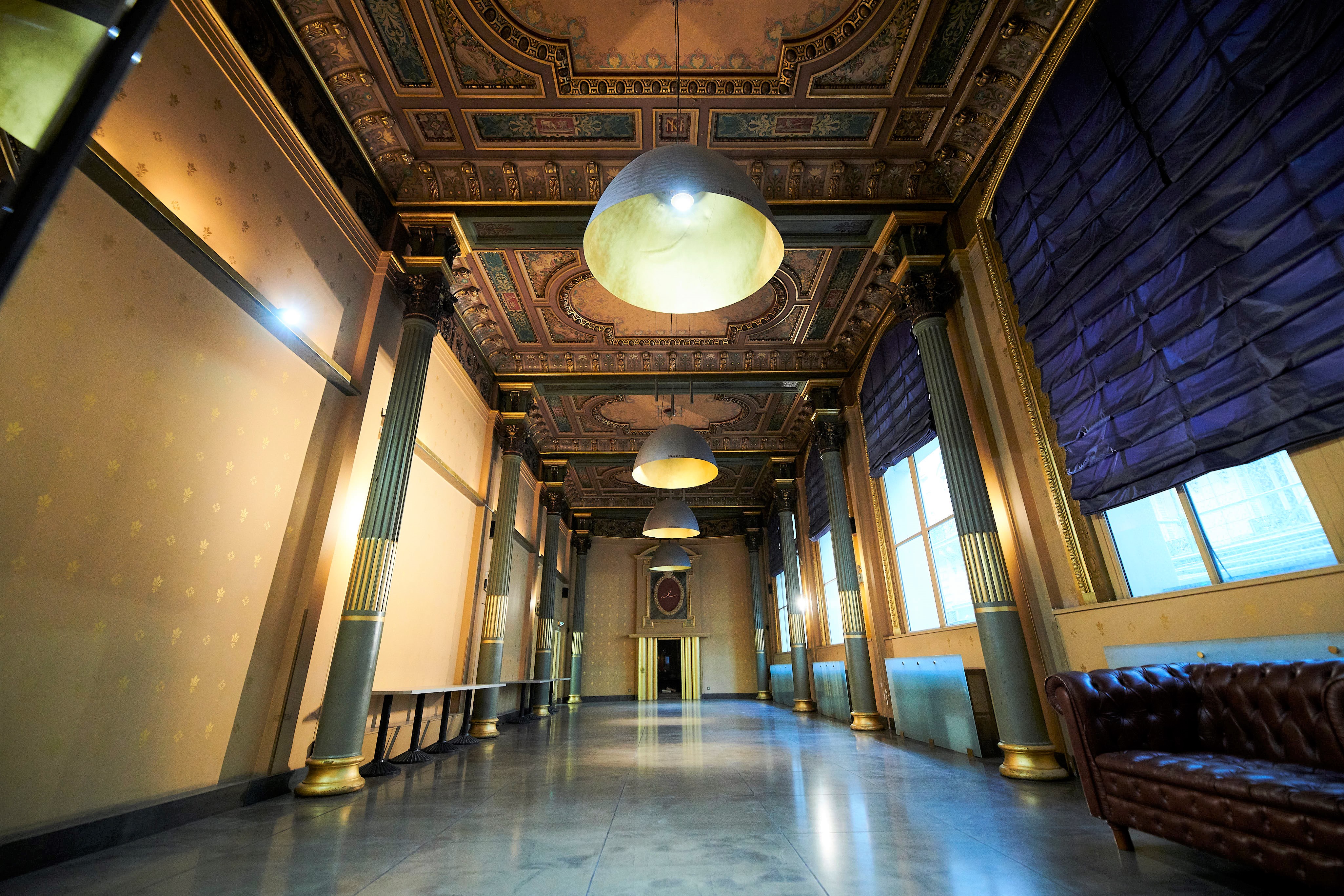
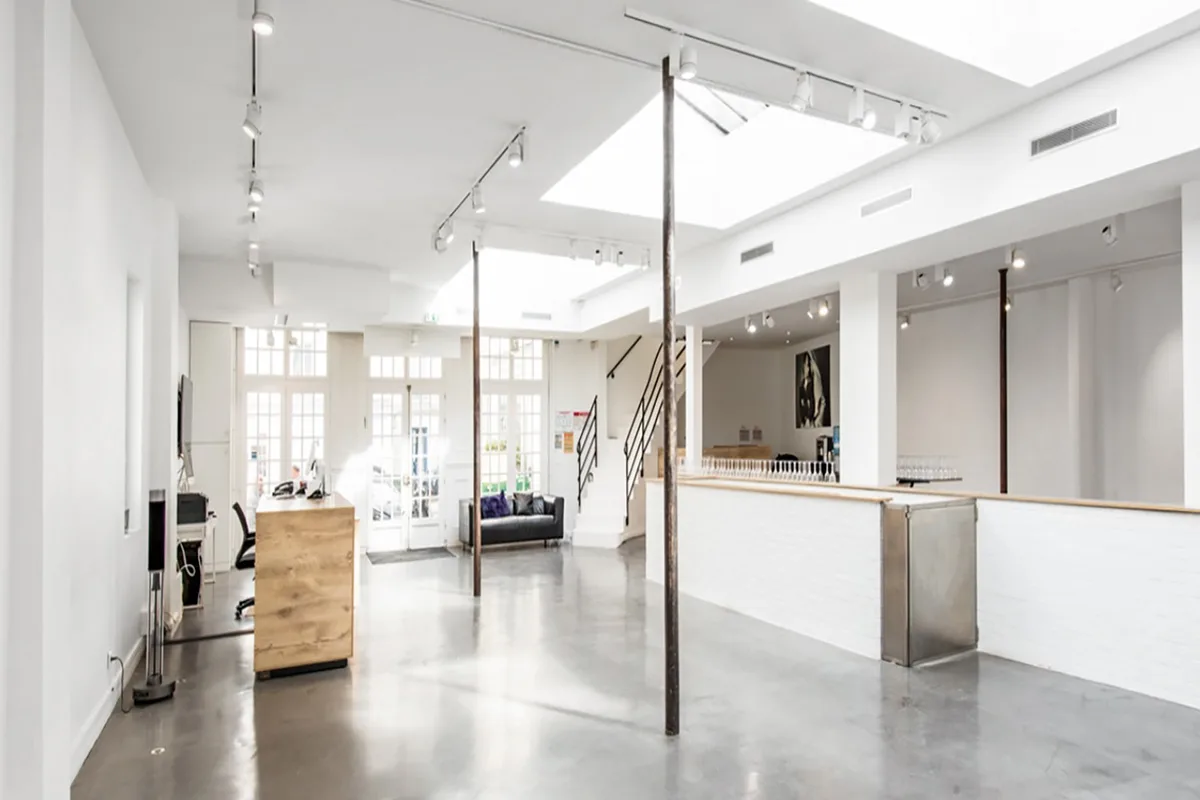
If your brand is ready to activate in one of the most prestigious addresses in Europe, renting a pop-up shop in the 7th arrondissement Paris places you at the intersection of institutional culture, diplomatic prestige, and genuinely affluent consumer traffic. The 7th is home to the Musée d'Orsay, the Eiffel Tower, Rue du Bac, and Rue de Grenelle, streets where independent boutiques, concept stores, and luxury flagships coexist with a residential neighbourhood of extraordinary purchasing power. For fashion brands, beauty labels, lifestyle concepts, and creative studios considering short-term retail in Paris, this arrondissement offers a compelling case. Fashion Week Venues helps international and domestic brands find, design, produce, and manage pop-up spaces across Paris, including the 7th, and this guide covers everything your team needs to know before committing to a space.
Why the 7th Arrondissement Belongs in Your Paris Pop-Up Strategy
The 7th arrondissement is not typically the first neighbourhood that brand activation teams mention when planning a Paris pop-up, but that is precisely why it deserves closer attention. The Marais, Saint-Germain-des-Prés, and the Champs-Élysées corridor absorb the majority of pop-up demand during Fashion Week and beyond, which means the 7th offers comparatively lower competition for premium retail space while delivering a consumer profile that few other arrondissements can match.
The resident population of the 7th is among the most affluent in the City of Light. The neighbourhood is dominated by government ministries, embassies, grand haussmannian apartments, and world-class cultural institutions. Rue du Bac runs through the heart of the neighbourhood and supports a dense concentration of antique dealers, independent fashion and design boutiques, florists, and lifestyle retailers. Rue de Grenelle extends westward through the 7th and connects into the 6th, creating a natural retail corridor that bridges the 7th with Saint-Germain-des-Prés and its established reputation for cultural and creative commerce.
For brands in fashion, beauty, homeware, jewellery, and art, the 7th provides a backdrop of institutional credibility that few arrondissements can replicate. A pop-up in the shadow of the Musée d'Orsay carries a visual and associative weight that supports brand positioning in a way that a generic commercial unit in a peripheral arrondissement simply cannot. When your team is building earned media coverage and social media content, the visual richness of 7th arrondissement architecture, from Napoleon III buildings to classic Haussmann facades and tree-lined boulevards, becomes a genuine asset.
The 7th is also well connected. The Invalides and Varenne metro stations provide access to residents and visitors arriving from central Paris, and the neighbourhood is a logical walking or cycling extension for visitors already spending time in Saint-Germain-des-Prés or along the Seine. During Paris Fashion Week, press, buyers, and brand guests move across the Left Bank in concentrated patterns, and a well-positioned 7th arrondissement pop-up can intercept that movement with minimal friction.
DID YOU KNOW: The 7th arrondissement has the second highest average household income of any arrondissement in Paris, making it one of the most commercially valuable residential neighbourhoods in France for premium and luxury brand activations.
The combination of high-net-worth foot traffic, architectural beauty, relative scarcity of pop-up activations compared to the Marais or Châtelet, and proximity to Saint-Germain-des-Prés makes the 7th a strategically underutilised but commercially powerful location for temporary retail. Understanding how to navigate its specific rental landscape, permit requirements, and space typologies is the starting point for any brand serious about activating here.
KEY TAKEAWAY: The 7th arrondissement combines affluent residential foot traffic, iconic Parisian architecture, proximity to Saint-Germain-des-Prés, and reduced pop-up saturation, making it a strategically valuable but often overlooked location for fashion and lifestyle brand activations.
Before exploring which space types work best in the 7th, it helps to understand how Paris pop-up rental frameworks operate across the city, because the legal and contractual structures you will encounter here differ significantly from what most international brands expect.
Understanding Paris Pop-Up Rental Frameworks: Short-Term Leases and Legal Structures
Renting a pop-up shop in Paris requires an understanding of the legal frameworks that govern short-term commercial space access in France. The rules differ substantially from short-term retail arrangements in the United Kingdom, the United States, or other European markets, and failing to understand them in advance leads to delays, cost overruns, and compliance risks.
The Bail Dérogatoire: France's Short-Term Commercial Lease
The primary legal instrument for short-term commercial rentals in France is the bail dérogatoire, also known as the bail précaire. This is a commercial lease agreement of up to 36 months that sits outside the protections of the standard French commercial lease regime, known as the bail commercial. The bail dérogatoire gives landlords and tenants flexibility to agree on short durations without triggering the extensive renewal rights, eviction procedures, and tenant protections that attach to a full bail commercial.
For a pop-up brand seeking a space for two weeks, a month, or a single Fashion Week season, the bail dérogatoire is the standard instrument. However, there are important conditions. The lease must explicitly state that it is a bail dérogatoire and that both parties waive the protection of the standard commercial lease regime. If a tenant occupies the space after the bail dérogatoire expires without a new agreement, French law may automatically trigger the protections of the bail commercial, which dramatically complicates exit.
IMPORTANT: Requirements for bail dérogatoire agreements vary by space type, duration, and the specific terms negotiated with each landlord. Always verify your contractual position with a qualified French legal advisor before signing any commercial lease in Paris, regardless of how the space is marketed.
Autorisation d'Occupation Temporaire for Public and Semi-Public Spaces
Certain pop-up activations in Paris take place in publicly owned or managed spaces, including covered markets, municipal buildings, passages, and some grand domain properties. In these cases, the access instrument is not a lease at all but an Autorisation d'Occupation Temporaire, commonly abbreviated as AOT. The AOT grants a private party the right to temporarily occupy and use public property for commercial purposes without conferring any property rights or tenant protections.
AOTs are subject to administrative approval, and the terms, duration, and fees are set by the relevant public authority. They are commonly used for activations in covered passages, public squares, railway station concourses, and institutional spaces. Understanding whether a space you are considering requires an AOT rather than a bail dérogatoire is important because the approval timeline, documentation requirements, and compliance obligations differ significantly.
Commercial Lease Compliance and Local Regulations
Beyond the lease instrument itself, pop-up operators in Paris must navigate planning and zoning rules, accessibility requirements, signage regulations, and, in some cases, arrondissement-specific urban planning restrictions. The 7th arrondissement, as a historically significant area within Paris's protected architectural zone, applies additional scrutiny to exterior modifications, signage installations, and facade alterations. Any work that touches the exterior of a building or pavement, even temporary signage or branded wrapping, may require approval from the Paris urban planning authority, the Direction de l'Urbanisme.
Brands planning to serve food or beverages, operate amplified sound, or hold events with public access in the 7th will encounter additional regulatory layers including notification requirements with the local mairie and, in some cases, the Paris Prefecture of Police.
For brands navigating this complexity, the permit guidance tool on Fashion Week Venues provides a structured starting point to identify which authorisations your activation may require based on space type, planned activities, and duration.
KEY TAKEAWAY: Short-term retail rental in Paris operates under the bail dérogatoire framework, which offers genuine flexibility but requires careful drafting and legal oversight. International brands should never assume that verbal agreements, platform-mediated bookings, or informal arrangements provide adequate legal protection for a commercial pop-up activation in France.
With the legal framework clear, the next critical question is which space types and physical configurations are available in and around the 7th arrondissement, and which best suit specific brand objectives.
Paris Pop-Up Space Types: From Boutiques to Ateliers and Lofts
Paris offers a diverse portfolio of short-term retail space types, each carrying different aesthetic qualities, technical capabilities, and commercial dynamics. Choosing the right space type is not simply a matter of size and budget. It shapes how your brand is perceived, how efficiently your team can set up and operate, and how well the space performs against your specific activation objectives.
Quick answer: Paris pop-up spaces range from traditional boutiques and storefronts to converted ateliers, gallery spaces, loft apartments, event spaces, and espace polyvalents. The right space type depends on your brand's aesthetic, target audience, activation format (retail, press day, showroom, exhibition), technical requirements, and budget. The 7th arrondissement primarily offers boutique-format storefronts, gallery-adjacent spaces, and apartment-style venues with Haussmannian architectural character.
Storefronts and Boutique Formats
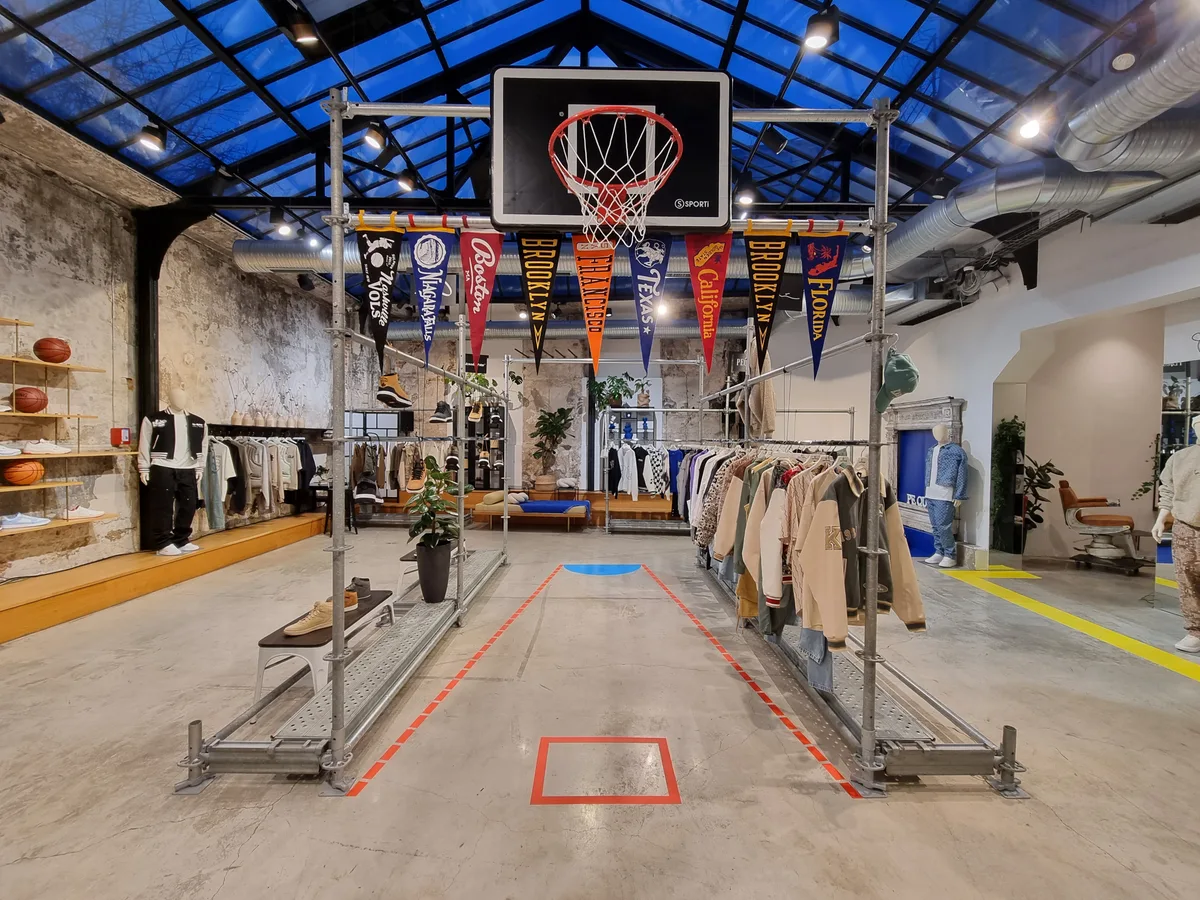
The classic Paris pop-up space is a boutique-format storefront on a retail street, typically ranging from 30 to 150 square metres over one or two levels. In the 7th arrondissement, storefronts on Rue du Bac, Rue de Grenelle, and Rue Saint-Dominique tend to feature Haussmannian facades, original timber floors, high ceilings, and display windows of varying size. These spaces suit fashion brands, jewellery labels, beauty concepts, and lifestyle retailers who want a traditional retail presentation within an architecturally rich context.
Window frontage is an important commercial variable. A 12-linear-metre window on a well-trafficked street in the 7th delivers substantial passive brand visibility to pedestrians and, increasingly, to social media content creators and influencers documenting their walks through the neighbourhood. Spaces with double access, meaning both a street-facing entrance and a secondary entrance from a courtyard or passage, provide operational flexibility for brands managing product deliveries, press arrivals, and customer flow simultaneously.
Gallery and Atelier Spaces
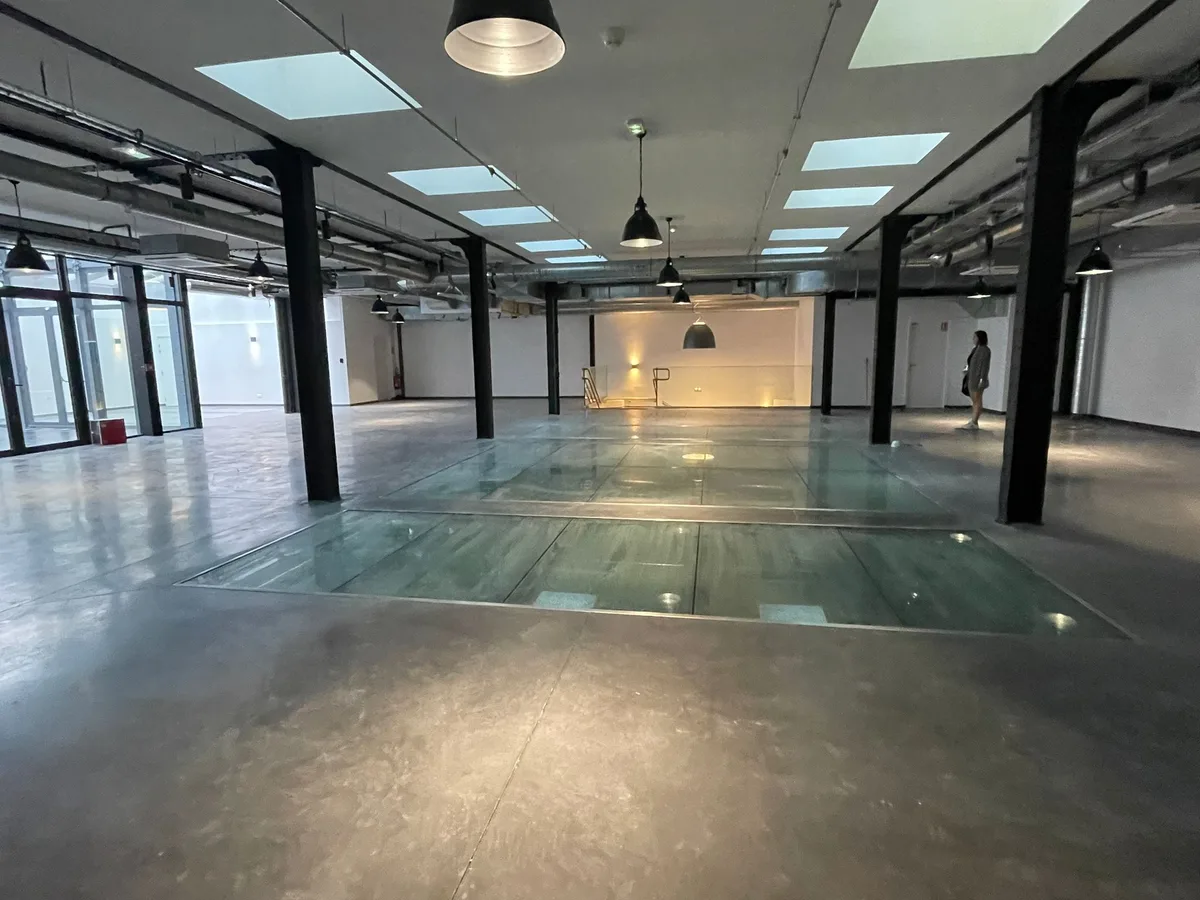
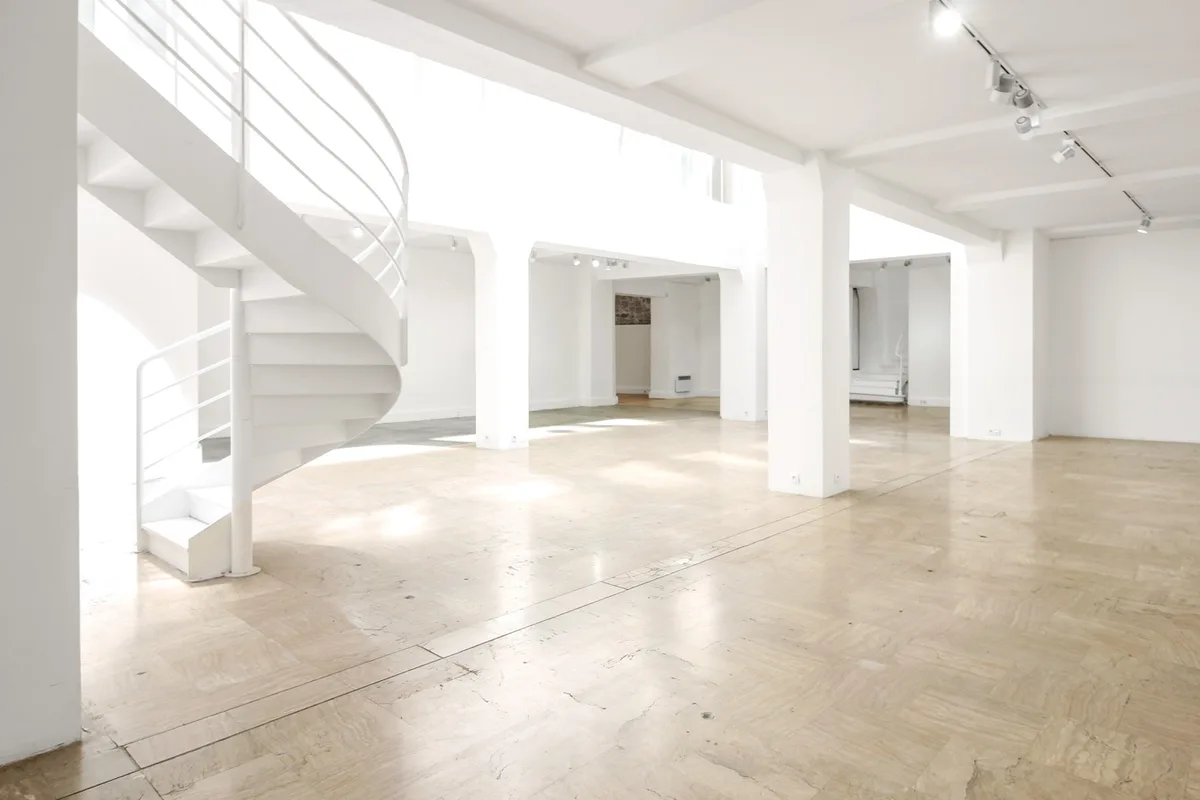
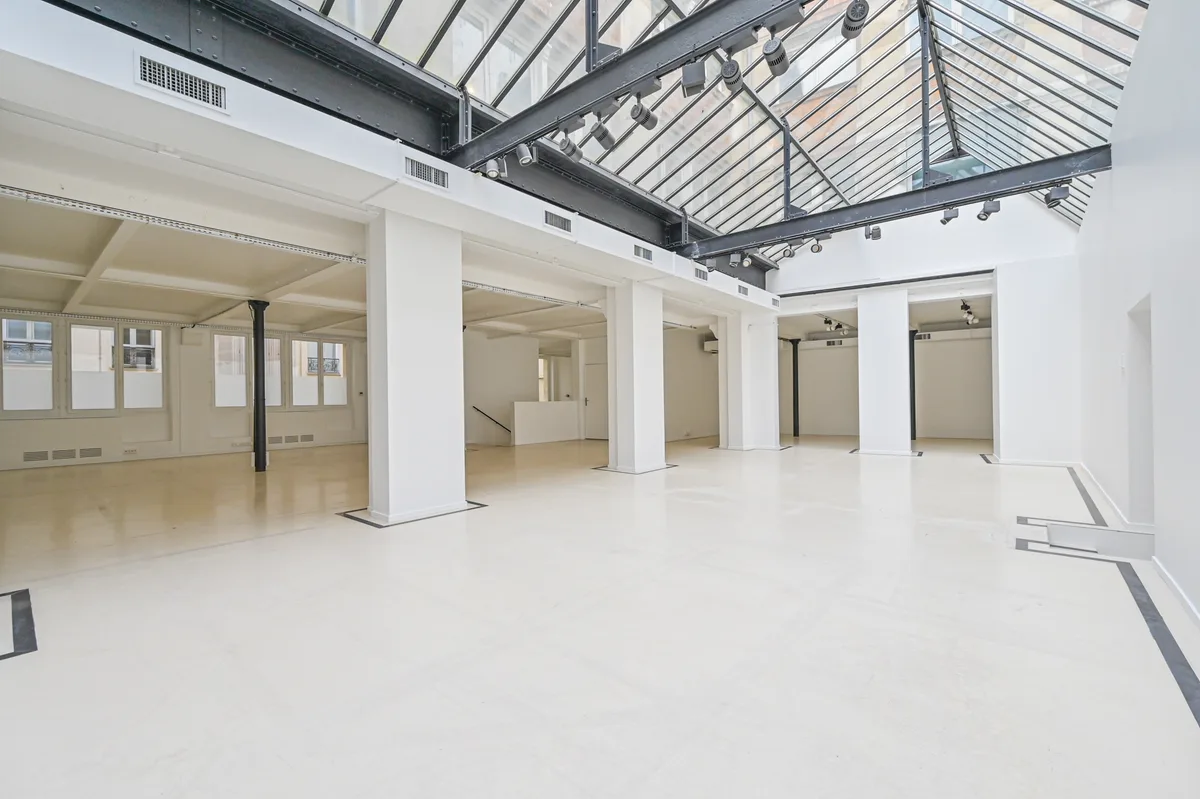
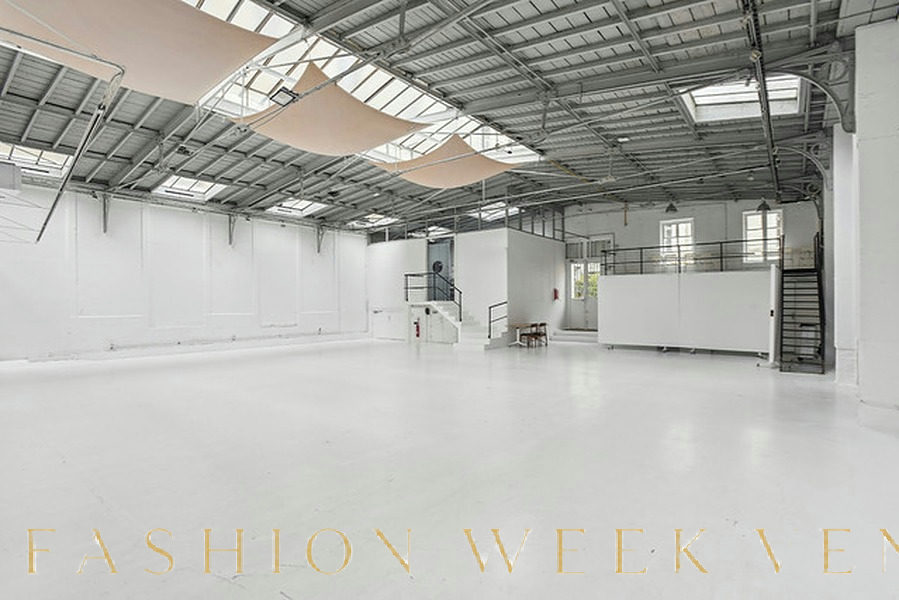
Paris's gallery and atelier spaces are particularly well suited to fashion showrooms, press days, exhibitions, cocktail events, and product launches. These spaces tend to prioritise architectural neutrality, flexible lighting, and open floor plans that accommodate bespoke scenography and spatial planning. Some of the most sought-after gallery spaces in the Marais, particularly around Saint-Sébastien-Froissart and the Place des Vosges, offer raw material finishes, exposed concrete or brick, natural finishes in white to dark grey tones, and high ceilings that allow dramatic visual installations.
A well-configured gallery space of 300 square metres in Le Marais, for example, might offer three levels with a 12-linear-metre window frontage, a sound system, lighting rigs, a video projector, clothing racks, WiFi infrastructure, and basic furniture rental options. This type of space is available for event organisation, press days, showrooms, cocktails, filming, and photo shoots, making it highly versatile for brands operating across multiple activation formats within a single residency.
Loft Apartments and Multi-Level Residential Conversions
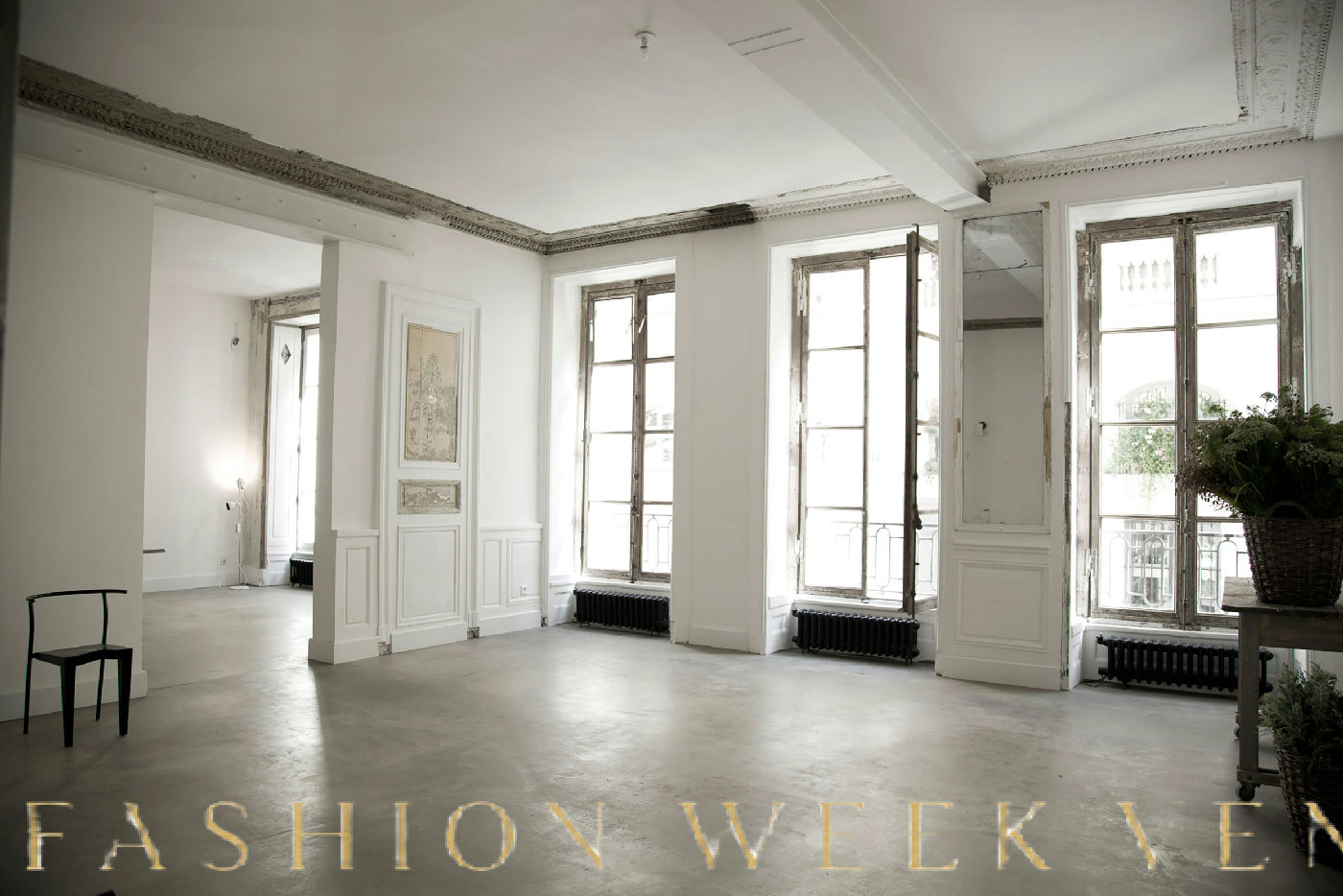
Loft-format spaces and converted apartments are a distinctive feature of the Paris short-term rental market. These spaces blend residential aesthetic with commercial function, offering brands a warm, immersive environment that conventional storefronts rarely achieve. In the 7th arrondissement and the adjacent 6th, apartment-format spaces in Haussmannian buildings with original parquet floors, fireplaces, tall windows, and period architectural details provide a backdrop that resonates powerfully with luxury and lifestyle brand narratives.
Apartment spaces typically range from 60 to 200 square metres and are well suited to intimate press days, influencer events, small-scale showrooms, and high-ticket product presentations where the environment itself communicates brand values. Storage facilities in these spaces vary considerably, so brands planning significant product volumes should confirm storage room availability before committing.
Studios and Espace Polyvalents
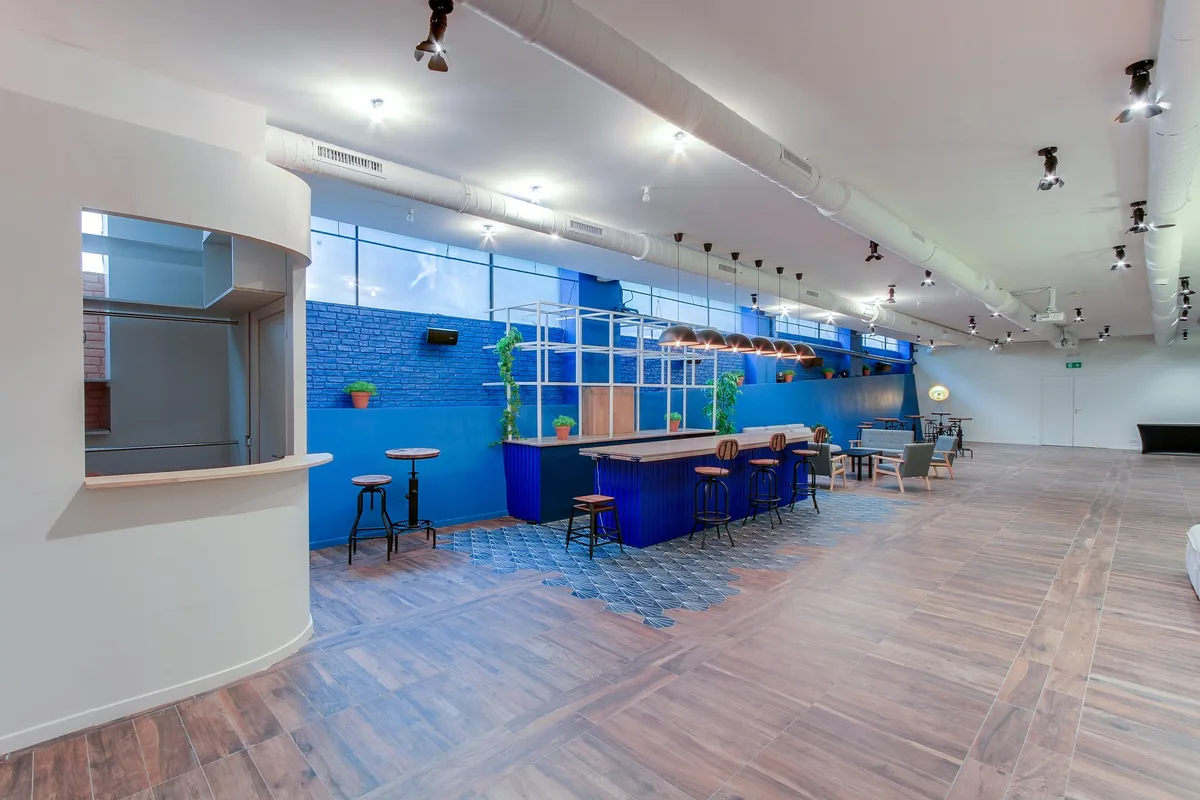
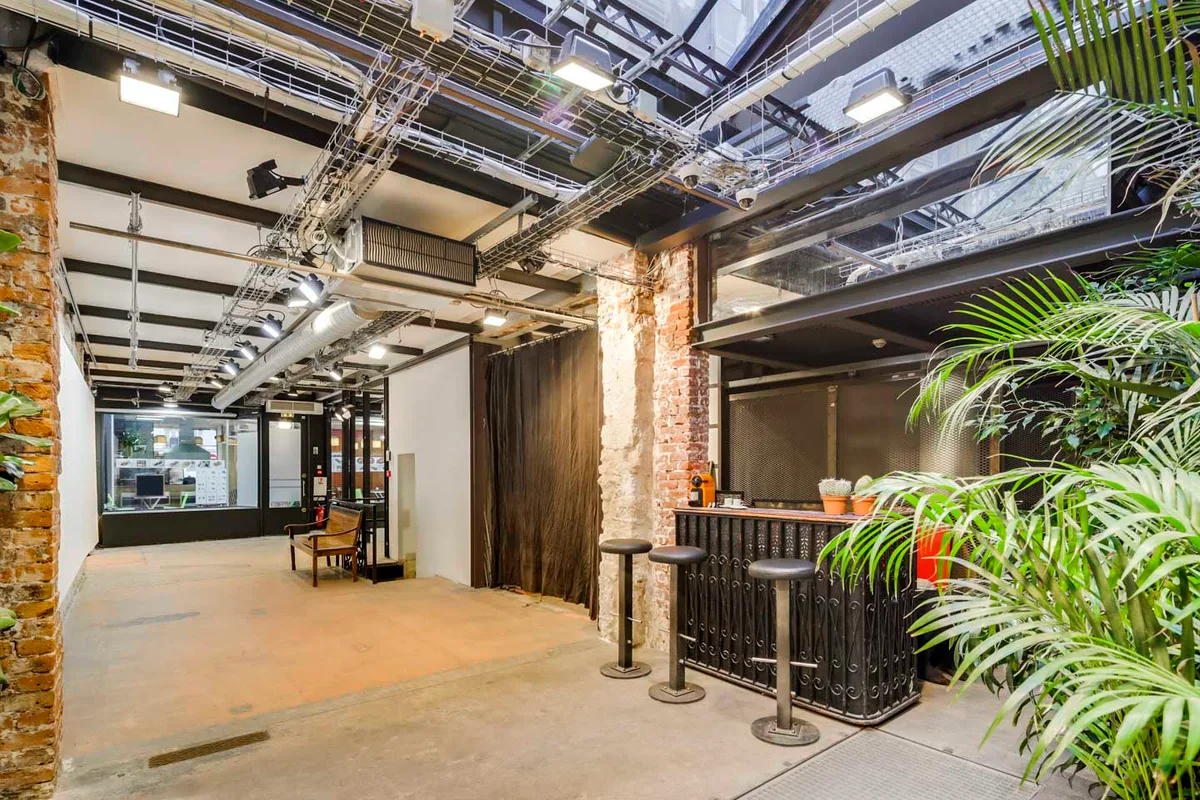
Studios and espace polyvalents are purpose-designed flexible spaces that prioritise technical capability. These spaces are equipped with professional-grade lighting infrastructure, sound systems, vinyl turntables, video projection, and adaptable layouts. They are most commonly used for brand events, release parties, seminars, filming, photo shoots, and cocktail parties, though many can also function as short-term retail spaces with the right fit-out.
TIP: When reviewing an espace polyvalent for a fashion activation, confirm the exact ceiling height, the location and load capacity of any rigging points, the type and flexibility of the existing lighting grid, and whether the space has independent climate control, as French buildings of different eras vary enormously in thermal management capability.
KEY TAKEAWAY: Paris offers seven or more distinct space typologies for pop-up activations, from boutique storefronts and gallery spaces to lofts, ateliers, studios, and espace polyvalents. Each type carries different aesthetic, technical, and commercial characteristics. Matching the space type to your activation format is as important as matching the location to your target audience.
Understanding which neighbourhoods in Paris best serve different brand objectives helps narrow the space search before engaging with individual listings or agencies.
Paris Pop-Up Neighbourhoods: A Comparative Guide for Brand Teams
Paris's arrondissements each carry distinct commercial cultures, consumer profiles, architectural characters, and levels of pop-up activity. Choosing the right neighbourhood is a strategic decision that affects foot traffic quality, media visibility, permit complexity, rental costs, and brand positioning. The following overview covers the most significant neighbourhoods for pop-up retail in Paris.
Quick answer: The most popular Paris pop-up neighbourhoods for fashion and lifestyle brands are Le Marais (3rd and 4th arrondissements), Saint-Germain-des-Prés (6th), the 7th arrondissement, the 1st arrondissement around Châtelet and Vendôme, Montmartre and the Canal Saint-Martin area in the 18th and 10th arrondissements, and the Champs-Élysées corridor in the 8th. Each serves different brand profiles and activation objectives.
| Neighbourhood | Arrondissement | Consumer Profile | Best For | Pop-Up Activity Level |
|---|---|---|---|---|
| Le Marais | 3rd and 4th | Fashion-forward, culturally engaged, international visitors | Fashion, streetwear, art, beauty, food concepts | Very high |
| Saint-Germain-des-Prés | 6th | Affluent, culturally sophisticated, literary heritage | Luxury, lifestyle, design, fashion showrooms | High |
| 7th Arrondissement | 7th | Very affluent residential, diplomatic, institutional | Premium fashion, beauty, homeware, jewellery, exclusive events | Moderate |
| Châtelet and 1st | 1st | High volume mixed tourist and Parisian | Mass premium, accessible luxury, entertainment brands | High |
| Vendôme and 1st | 1st | Ultra-luxury, international high-net-worth | Fine jewellery, haute couture, bespoke experiences | Low to moderate |
| Montmartre and 18th | 18th | Creative, tourist-heavy, emerging brand friendly | Art, craft, emerging fashion, experiences near Sacré-Coeur and Moulin Rouge | Moderate |
| Canal Saint-Martin | 10th | Young creative, independent, neighbourhood-rooted | Emerging brands, lifestyle, vintage, sustainable fashion | Moderate |
| Champs-Élysées | 8th | Mass international tourist, luxury shopper | Global brand flagships, high-visibility launches | Moderate to high |
Le Marais: Paris's Pop-Up Capital
Le Marais remains the most active neighbourhood for pop-up retail in Paris. The concentration of art galleries, fashion boutiques, concept stores, and cultural venues in the 3rd and 4th arrondissements creates a self-reinforcing ecosystem where brands benefit from spillover foot traffic between activations. Streets including Rue de Bretagne, Rue des Francs-Bourgeois, Rue Vieille-du-Temple, and the area around Saint-Sébastien-Froissart carry consistently high volumes of fashion and culture-curious pedestrians. The Place des Vosges, Paris's oldest planned square, provides a dramatic backdrop for premium activations seeking both media coverage and affluent visitor traffic.
Gallery spaces in Le Marais vary considerably in size, technical capability, and available finish. Some of the best-known event and gallery spaces in the neighbourhood, including Galerie Joseph, offer flexible multi-level configurations suited to showrooms, press events, cocktail parties, exhibitions, and retail simultaneously.
Saint-Germain-des-Prés: Culture, Commerce, and Creative Credibility
Saint-Germain-des-Prés in the 6th arrondissement carries a cultural authority rooted in its literary and philosophical history and sustained by a current retail landscape of independent fashion boutiques, design galleries, and internationally regarded lifestyle stores. Opening a pop-up in Saint-Germain-des-Prés communicates a specific set of brand values: discernment, cultural engagement, and an understanding of the relationship between fashion and ideas.
The neighbourhood is particularly well suited to fashion showrooms, press days, and brand experiences targeting press, buyers, and culturally motivated consumers. Foot traffic is high quality if not always high volume, and the architectural consistency of the area, period buildings, intimate courtyards, and quiet side streets, supports a curated, experiential retail approach.
The 7th Arrondissement: Prestige with Intimacy
As covered in detail above, the 7th arrondissement offers brands a combination of prestige address, affluent residential consumer base, and comparative scarcity of competing pop-up activations. For brands that want to distinguish themselves from the volume of Marais activations while still operating within the Left Bank cultural corridor, the 7th represents a genuinely differentiated positioning choice.
To compare neighbourhoods and space types in detail, explore the Paris city hub on Fashion Week Venues and shortlist spaces that match your brief, budget, and calendar window.
KEY TAKEAWAY: Le Marais dominates Paris pop-up volume, but the 7th arrondissement, Saint-Germain-des-Prés, Vendôme, and Canal Saint-Martin each serve distinct brand profiles and activation objectives. Neighbourhood selection should be driven by target consumer profile, brand positioning, and the type of foot traffic that serves your specific commercial goal, not simply by name recognition.
Once a neighbourhood is selected, brands need to think carefully about the physical and technical requirements their space must meet before beginning the sourcing process.
Venue Features and Technical Requirements for Paris Pop-Up Spaces
Assessing a Paris pop-up space requires a structured evaluation of physical, technical, and operational features. Brands that focus only on aesthetics and location during the shortlisting phase frequently encounter operational problems during fit-out, setup, and the activation itself.
Quick answer: When evaluating a Paris pop-up space, assess floor area, ceiling height, window frontage, level configuration, fitting rooms, storage rooms, loading access, electrical capacity, lighting infrastructure, sound systems, WiFi quality, furniture provisions, and any landlord restrictions on works, signage, or sound. Confirm all technical specifications directly with the venue before signing any agreement.
Physical Configuration Variables
Floor area alone does not determine a space's suitability. A 100-square-metre space distributed across two levels separated by a narrow staircase may function less effectively for retail than a compact 60-square-metre ground-floor boutique with double access and a large window frontage. Level configuration matters enormously for customer flow, product presentation, and operational management.
Window frontage is a key commercial variable in Paris retail spaces. A 12-linear-metre window on a pedestrian street in Le Marais or the 7th provides significant passive brand exposure, supports window display installations, and creates a visual anchor that draws foot traffic from a distance. Brands investing in a short-term residency should treat window display as a media channel, not an afterthought.
Fitting rooms and storage rooms are often overlooked during initial space assessments but become critical operational requirements during the activation. Fashion brands selling garments need private, well-lit fitting rooms. Brands with significant product inventory need dry, secure storage accessible from the sales floor without disrupting the customer experience. Confirming the presence, quality, and location of both before committing to a space saves significant time and cost during fit-out.
Technical Infrastructure
Technical infrastructure in Paris pop-up spaces varies from bare raw spaces with no services to fully equipped studios with professional lighting grids, integrated sound systems, video projection, and high-capacity WiFi. For brands planning press days, filming, photo shoots, seminars, or release parties alongside retail activity, the existing technical infrastructure of the space determines how much additional equipment hire and installation work is required.
| Technical Feature | Relevance to Activation Type | Questions to Ask |
|---|---|---|
| Lighting infrastructure | Retail, photo shoots, exhibitions, press days | Is the grid fixed or adjustable? What is the colour temperature? Is dimming available? |
| Sound system | Release parties, cocktail events, brand experiences | What is the speaker configuration? Are vinyl turntables available? What are the sound limits? |
| Video projection | Brand presentations, exhibitions, press days, seminars | What is the resolution and throw distance? Is a screen or white wall available? |
| WiFi | POS systems, influencer content creation, data analytics | What is the bandwidth? Is it business-grade? Can it support multiple simultaneous devices? |
| Electrical capacity | All activations | What is the total amperage? Are there dedicated circuits for kitchen or AV equipment? |
| Clothing racks | Fashion showrooms, retail pop-ups | Are they included? What is the weight capacity? How many are available? |
| Storage room | Retail, product launches | What is the area? Is it climate controlled? Is it lockable? |
Furniture, Fit-Out, and Raw Spaces
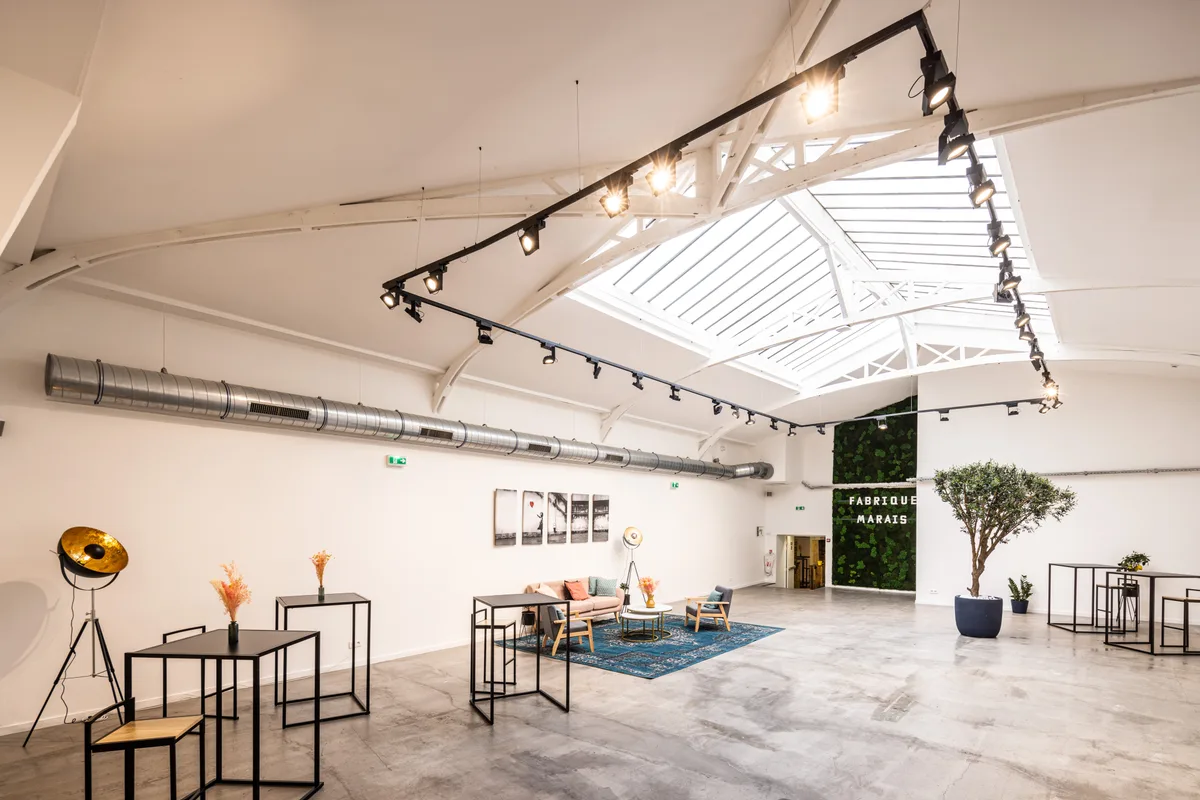
Many Paris pop-up spaces are offered in raw or semi-raw condition, with minimal furniture and no branded fit-out. This is particularly common in gallery spaces, ateliers, and loft formats. Raw spaces with natural finishes, white to dark grey colour palettes, exposed raw materials, and Napoleon III architectural detailing are highly prized in the market because they offer maximum creative flexibility without the need to disguise or neutralise existing interior design.
Brands working with raw spaces need to plan and budget for furniture rental, clothing rack provision, lighting additions, and any bespoke installation or scenography elements. The furniture rental service on Fashion Week Venues provides access to a curated inventory of rental pieces suited to fashion, beauty, and lifestyle pop-up activations in Paris.
KEY TAKEAWAY: Technical and physical due diligence on a Paris pop-up space is as important as location assessment. Overlooking fitting rooms, storage capacity, electrical load, WiFi infrastructure, or sound limitations during the shortlisting phase creates operational and financial problems during the activation itself.
Technical readiness and space configuration are only part of the operational picture. The logistics of planning, staffing, communication, and running the activation itself require equally careful preparation.
Planning and Running a Paris Pop-Up Activation: A Step-by-Step Approach
A successful Paris pop-up requires structured planning that begins weeks or months before opening day. The most common reason brand activations in Paris underperform is not poor product or bad location choices. It is inadequate lead time, insufficient operational planning, and the absence of a clear brief against which every decision, from space selection to staffing to social media, can be tested.
Define Your Objective Before Searching for a Space
Before approaching any space marketplace, agency, or landlord, your team needs a clear answer to the foundational question: what is this activation for? Are you selling directly to consumers, testing a new retail concept, meeting press and buyers, launching a product, or building brand awareness in the Paris market? The answer shapes every subsequent decision, from the neighbourhood and space type you target to the staffing model, the technical requirements, and the communication strategy.
Common objectives for Paris pop-up activations include direct-to-consumer retail, trade showrooms for press and buyers during Fashion Week, influencer and media events, product testing with real consumer feedback, brand positioning in a new market, and earned media generation through social media content and press coverage. Some activations pursue multiple objectives simultaneously, which requires a larger space, more complex staffing, and a more carefully managed schedule.
The Pop-Up Planning Workflow
| Phase | Timing Before Opening | Key Tasks | Tools and Resources |
|---|---|---|---|
| Brief and Strategy | 12 to 16 weeks | Define objectives, target audience, budget envelope, calendar window, neighbourhood preference, space type | Budget calculator, ROI calculator |
| Space Search and Shortlisting | 10 to 14 weeks | Review marketplace listings, shortlist spaces by location, size, type, and technical features | Space marketplace, locator tool, compare tool |
| Site Visits and Due Diligence | 8 to 12 weeks | Visit shortlisted spaces, verify technical specifications, assess logistics, review permit requirements | Permits tool, concept direction consultation |
| Legal and Contractual | 6 to 10 weeks | Negotiate and sign bail dérogatoire, confirm insurance requirements, verify access schedule | French legal advisor |
| Design and Concept | 6 to 8 weeks | Develop spatial planning, scenography, branded store design, window display concept | Imagine tool, concept direction service, branded store design service |
| Production and Fit-Out | 3 to 5 weeks | Order furniture, lighting, fixtures, signage, branded elements; confirm installation schedule with venue | Production and build service, furniture rental |
| Staffing and Training | 2 to 4 weeks | Recruit and brief temporary retail staff, confirm POS and payments setup, train on brand protocols | Retail staffing service, POS and payments service |
| Communications and Marketing | 3 to 6 weeks | Prepare press outreach, social media content plan, influencer partnerships, email communications | Influencer marketing service |
| Activation and Management | Opening week | Manage daily operations, monitor consumer data, capture content, respond to press and influencer requests | Activation management service, data analytics service |
| Closure and Reporting | Post-activation | Vacate space, restore to original condition, compile sales and consumer data, evaluate against objectives | Data analytics service, ROI calculator |
Logistics, Transport, and Product Management
Once you have secured your space, logistics planning becomes the critical path. How will your products travel to Paris? If shipping from outside the European Union, customs clearance timelines, documentation requirements, and duty calculations need to be built into the planning schedule well in advance of the activation opening date. For brands shipping from within Europe, delivery scheduling with the venue must account for access restrictions, elevator capacity, staircase dimensions, and any building rules around delivery hours.
Product storage within the space and, if necessary, in external bonded or climate-controlled storage, needs to be confirmed before goods arrive. Brands frequently underestimate the volume of packaging, display materials, branded fixtures, and operational consumables that accompany a pop-up activation, and running out of usable storage space mid-activation creates serious operational problems.
Staffing, Reception, and Customer Service
Temporary retail staff in Paris need to be briefed on your brand values, product range, customer service protocols, and any specific sales objectives for the activation. French language capability is a significant asset for staff working in a Paris pop-up, particularly in residential neighbourhoods like the 7th where local residents represent a meaningful share of the consumer base. For international brands, bilingual staff who can serve both French-speaking local customers and English-speaking visitors, press, and trade guests are the operational standard.
The retail staffing service on Fashion Week Venues supports brands in sourcing, briefing, and managing temporary retail teams in Paris, including staff with specific luxury retail, fashion, and customer service experience.
KEY TAKEAWAY: Successful Paris pop-up activations are built on structured planning with adequate lead time, clear objectives, and disciplined operational management. Brands that begin the planning process at least 10 to 12 weeks before their intended opening date are significantly better positioned to secure the right space, manage costs, and deliver a coherent brand experience.
With planning and operations covered, the question of budget and return on investment needs to be addressed directly, because the financial model for a Paris pop-up is often misunderstood by brands approaching the market for the first time.
Budgeting for a Pop-Up Shop in Paris: What to Plan For
Budgeting accurately for a Paris pop-up requires a comprehensive view of all cost categories, not just the rental cost of the space itself. Many brands enter the market with a rental budget in mind and find that fit-out, staffing, logistics, compliance, insurance, and marketing collectively exceed the rental cost several times over.
Quick answer: The total cost of a Paris pop-up shop activation typically includes space rental, fit-out and production, furniture rental, signage, staffing, logistics and delivery, insurance, permits and compliance costs, POS and payments infrastructure, marketing and influencer activity, and agency fees where applicable. Rental costs in Paris vary significantly by neighbourhood, space type, size, and duration. Use a dedicated planning tool for brand-specific estimates rather than relying on generic market ranges.
Key Cost Categories
Space rental in Paris is priced per day, per week, or per month depending on the space and the landlord's preferences. Premium locations in Le Marais, Saint-Germain-des-Prés, and the 7th arrondissement command higher rates than equivalent spaces in the 18th or peripheral arrondissements. Spaces offered through curated marketplaces and agencies typically include basic services such as WiFi and utilities within the rental cost, but this varies by listing and should always be confirmed explicitly.
Fit-out and production costs depend entirely on the condition of the space and the complexity of the brand's installation. A raw gallery space requiring a full bespoke scenography will carry significantly higher production costs than a partially furnished boutique format where the brand primarily needs to add product, signage, and branded elements. Getting a realistic production estimate requires a site visit and a detailed brief, not a back-of-envelope calculation based on square metres alone.
Insurance is mandatory for commercial pop-up activities in France. At minimum, brands need public liability insurance valid for France covering the duration of the activation plus access and setup periods. Some venues require additional insurance instruments including insurance covering the venue's own fixtures and fabric. Confirming insurance requirements with the venue and with your insurance broker before signing any agreement is essential.
For a structured approach to estimating your specific activation costs, the budget planning tool on Fashion Week Venues allows teams to input their space parameters, activation duration, and service requirements to generate a directional cost framework.
TIP: When building your budget, include a contingency line of at least 10 to 15 percent of total projected costs to cover unforeseen fit-out requirements, permit delays, last-minute staffing needs, and any equipment hire that was not identified during the initial planning phase.
Measuring Return on Investment
Return on investment for a Paris pop-up activation is rarely captured solely in direct sales revenue. Sophisticated brand teams measure ROI across multiple dimensions including direct sales, consumer data captured, press coverage and earned media value, social media content generated, influencer activity, new customer acquisition, and the long-term brand positioning impact of a credible Paris presence during Fashion Week or a strategic activation window.
The ROI calculator on Fashion Week Venues provides a framework for mapping investment against these multiple value dimensions, helping brand teams build a business case for the activation and assess actual performance against projections post-activation.
KEY TAKEAWAY: The total cost of a Paris pop-up activation significantly exceeds the cost of rental alone. Brands that budget comprehensively across all cost categories and measure ROI across multiple value dimensions, not just direct revenue, are better equipped to evaluate the activation's true commercial and strategic return.
Understanding how a specialist agency approaches the market differently from a DIY or broker-mediated approach is important context for brands evaluating their options.
How Fashion Week Venues Supports Paris Pop-Up Activations
Fashion Week Venues operates as a full-service pop-up agency and space marketplace with Paris as its primary anchor market. The platform and agency serve fashion brands, beauty labels, lifestyle concepts, creative studios, and international brands entering the Paris market for the first time or scaling their presence across multiple activation formats and calendar windows.
Quick answer: Fashion Week Venues offers an integrated service covering venue sourcing, concept direction, branded store design, production and build, furniture rental, retail staffing, POS and payments, data and analytics, influencer marketing, and activation management. The platform also includes a space marketplace and a suite of planning tools covering budget, ROI, permits, timeline, space comparison, and location research. This integrated model serves brands that need either end-to-end support or specific service components alongside their own internal capabilities.
Venue Sourcing and the Space Marketplace
The core entry point for most brands engaging Fashion Week Venues is the space marketplace, which provides access to a curated portfolio of pop-up spaces, showrooms, galleries, ateliers, lofts, and event venues across Paris and other major fashion capitals. The marketplace allows brand teams to search by neighbourhood, space type, size, technical features, and calendar availability, and to compare shortlisted spaces using the dedicated compare tool.
For brands with complex briefs that go beyond what can be matched through the marketplace alone, the venue sourcing service provides active brokerage support, including access to off-market spaces and landlord relationships that are not publicly listed.
Design, Production, and Creative Services
Fashion Week Venues supports brands from concept through to completed fit-out. The concept direction service translates brand briefs into spatial narratives, with artistic direction and scenography planning that aligns the physical environment with the brand's visual identity and activation objectives. The production and build service manages the physical realisation of the concept, from fixtures and furniture to branded architectural elements and technical installations.
The Imagine tool on Fashion Week Venues allows brand teams to visualise how a space will look with different design treatments before committing to a concept, reducing the risk of misaligned expectations between the creative brief and the physical reality of the space.
Operational Services
Beyond design and production, Fashion Week Venues supports the operational dimensions of a Paris pop-up through retail staffing, POS and payments infrastructure, data and consumer analytics, and influencer and press marketing. These services allow brands to launch in Paris without needing to build a local operational infrastructure from scratch, which is particularly valuable for international brands entering the market for the first time.
The activation management service covers day-to-day operational oversight of the pop-up, including staff management, vendor coordination, consumer data collection, press and influencer liaison, and issue resolution. This service is most valuable for brands whose Paris teams are small or whose headquarters are outside France.
Planning and Decision Support Tools
Fashion Week Venues provides a suite of planning tools designed to support brand teams at each stage of the decision-making process. The timeline tool helps teams map activation milestones against their target calendar window. The permits tool provides structured guidance on which authorisations may be required for different space types and activation formats. The compare tool allows side-by-side evaluation of shortlisted spaces. The locator tool maps available spaces against target neighbourhoods.
These tools do not replace professional legal or regulatory advice, and Fashion Week Venues does not guarantee permit approvals, space availability, or specific activation outcomes. Brands should use these tools as a structured starting point for planning, not as a substitute for direct verification with landlords, legal advisors, and local authorities.
To understand how Fashion Week Venues approaches the full process from brief to activation, the process page outlines the agency's methodology and the sequence in which services are delivered.
KEY TAKEAWAY: Fashion Week Venues provides both a space marketplace for self-directed space search and a full agency model for brands that need end-to-end support. The platform's planning tools support informed decision-making at every stage, but brands should complement these tools with direct verification, professional legal advice, and on-the-ground expertise for complex activations in Paris.
Paris Fashion Week and the Calendar Strategy for Pop-Up Timing
Paris Fashion Week creates the most concentrated window of fashion industry attention, press movement, buyer activity, and brand-relevant foot traffic in the city's annual calendar. However, timing a pop-up activation exclusively around Fashion Week is a strategic choice with both significant advantages and real limitations that brand teams need to weigh carefully.
Quick answer: Paris Fashion Week occurs twice annually, in late January and February for the menswear and haute couture seasons, and in late September and early October for womenswear ready-to-wear. These windows create the highest concentration of fashion press, buyers, influencers, and brand-aligned consumers in the city. However, space demand surges during these windows, lead times extend, and rental rates typically increase. Brands with more flexible calendars can often secure better spaces at lower costs by activating in adjacent windows.
Fashion Week Timing: Advantages and Competition
Activating during Paris Fashion Week positions your brand within the single most concentrated event in the global fashion calendar. Press teams, buyers, stylists, photographers, content creators, and fashion-interested consumers are all physically present in Paris during this window, and a well-executed pop-up with a clear brand narrative and strong communications can generate earned media and social media coverage that far exceeds what the same activation would achieve at a quieter time of year.
The challenge is that every other brand with a similar strategy is competing for the same spaces, the same press attention, the same influencer partnerships, and the same consumer awareness during this window. Space availability contracts significantly during Fashion Week, and brands that begin their search less than 8 to 10 weeks before their intended opening date during a Fashion Week window frequently find that the most desirable spaces in Le Marais, Saint-Germain-des-Prés, and the 7th arrondissement are already committed.
Adjacent Calendar Windows
Many experienced brand activation teams have found that activating in the weeks immediately before or after Paris Fashion Week allows them to benefit from the residual attention and energy of the season without competing directly for the most contested spaces. Late summer and early autumn activations in September, for example, allow brands to be present as the fashion season builds, to invite press and buyers to private previews before the official calendar congestion, and to capture consumer traffic from Parisians returning from the summer break.
Brands with longer residencies, spanning four to eight weeks, can deliberately straddle a Fashion Week window, opening before and continuing after the peak period to benefit from both the pre-season build and the post-Fashion Week consumer moment when local Parisian shopping activity increases.
DID YOU KNOW: The Paris fashion calendar also includes trade events including Première Vision and the Salon du Prêt-à-Porter, which bring additional waves of industry professionals to the city at different points in the year. Brands in fabric, textiles, accessories, and emerging fashion can align activations with these calendar events to reach a specifically trade-oriented audience.
KEY TAKEAWAY: While Paris Fashion Week creates the highest-intensity window for brand activations, adjacent calendar periods offer strategic opportunities for brands willing to plan ahead and who want less competition for premium spaces. A well-timed activation outside the Fashion Week peak can deliver equivalent or superior ROI with greater space availability and more manageable operational complexity.
Common Myths About Renting a Pop-Up Shop in Paris
MYTH: You need a French legal entity or registered French company to rent a commercial space in Paris for a pop-up.
FACT: Many Paris landlords and agencies work with international companies renting on a short-term basis without a French legal entity, particularly for activations structured under a bail dérogatoire. However, specific requirements vary by landlord, space type, and the nature of the agreement. Some landlords do require a French guarantor, a bank guarantee, or proof of financial standing. Verify requirements early and work with a legal advisor familiar with French commercial property to structure the arrangement correctly for your specific situation.
MYTH: The only viable time to run a Paris pop-up is during Fashion Week.
FACT: Fashion Week creates the highest concentration of fashion industry attention, but it also creates the highest competition for space, press, and influencer attention. Brands activating in the spring, early summer, or late autumn can often secure better spaces at more favourable rates, with more media bandwidth available from press and content creators who are less saturated with Fashion Week commitments. The right calendar window depends on your specific objectives, not on a universal rule that Fashion Week is always the correct timing.
MYTH: The only way to find a pop-up space in Paris is through a commission broker who sources listings on request.
FACT: Paris now has multiple sourcing channels for short-term retail spaces, including specialist marketplaces, agency-managed portfolios, direct landlord relationships, and platform-based discovery tools. Commission brokers remain one option, but they are not the only option, and they may not have visibility of the full market, particularly for off-market spaces or premium curated venues that are not publicly listed. Using a specialist marketplace alongside direct agency relationships gives brand teams a more complete view of available inventory.
MYTH: Short-term leases in Paris are legally straightforward and do not require specialist legal oversight.
FACT: The bail dérogatoire and AOT frameworks in France contain specific legal conditions that, if not properly observed, can expose tenants to unintended obligations under the full bail commercial regime. An international brand signing a short-term lease in Paris without reviewing the agreement with a qualified French commercial property lawyer is taking a meaningful legal and financial risk, regardless of how the lease is described or marketed by the landlord or intermediary.
MYTH: A Paris pop-up in the 7th arrondissement will not attract the same fashion-forward consumer as a Marais activation.
FACT: The consumer base in the 7th arrondissement is among the most affluent in Paris, with strong purchasing power and genuine engagement with premium fashion, beauty, and lifestyle brands. While the neighbourhood does not carry the streetwear and emerging-brand associations of Le Marais, it is highly relevant for established fashion brands, luxury lifestyle concepts, jewellery labels, and beauty activations targeting a sophisticated, high-income consumer. The right brand in the right 7th arrondissement space can generate both direct sales and significant earned media.
Frequently Asked Questions
What is a pop-up shop and how does it differ from a permanent retail store?
A pop-up shop is a temporary retail or brand activation space occupied for a fixed, short-term period rather than on a long-term commercial lease. In Paris, pop-up shops typically operate under a bail dérogatoire, which allows durations from a few days to up to 36 months without triggering the tenant protections of the standard French commercial lease. Unlike a permanent store, a pop-up is designed to serve a specific strategic objective, whether that is product testing, brand awareness, Fashion Week trade activity, or direct-to-consumer retail, within a defined calendar window and budget.
How far in advance should a brand start planning a Paris pop-up?
For a Fashion Week activation, the planning process should begin at least 10 to 14 weeks before the intended opening date to allow adequate time for space sourcing, legal review, fit-out design and production, staffing, logistics, and communications planning. For activations targeting peak Paris calendar windows such as September womenswear or January menswear, starting 16 weeks in advance is advisable given the high competition for premium spaces. Brands with flexible calendar windows can work to shorter lead times, though 8 weeks should be considered an absolute minimum for any activation requiring bespoke fit-out.
Do I need a French company to rent a pop-up space in Paris?
Not always, but requirements vary by landlord, space type, and the structure of the rental agreement. Many landlords and agencies work with international companies on short-term activations without requiring a French legal entity, particularly for bail dérogatoire arrangements. However, some landlords require a French guarantor, a bank deposit, or proof of financial standing from the parent company. Always verify specific requirements with the landlord or their representative, and have any agreement reviewed by a qualified French commercial property lawyer before signing.
What is the best neighbourhood in Paris for a pop-up shop?
There is no single best neighbourhood, as the right location depends on your brand profile, target audience, activation objectives, and budget. Le Marais offers the highest volume of fashion-forward foot traffic and the widest variety of available spaces. Saint-Germain-des-Prés delivers cultural credibility and an affluent, sophisticated consumer. The 7th arrondissement provides prestige and a very high-net-worth residential base with relatively less pop-up competition. Châtelet and the 1st offer volume and tourist traffic. Canal Saint-Martin suits emerging and creative brands. Vendôme serves ultra-luxury activations.
How much does a pop-up shop in Paris cost?
The total cost of a Paris pop-up activation depends on space rental, fit-out and production, staffing, logistics, insurance, permits, POS infrastructure, and marketing. Space rental varies significantly by neighbourhood, space type, size, and duration. Fit-out costs range from minimal for furnished spaces to substantial for bespoke raw-space installations. There is no single market-wide figure that applies universally. For a brand-specific estimate, use the budget planning tool on Fashion Week Venues, which allows teams to input their parameters and generate a directional cost framework.
What permits are required for a pop-up shop in the 7th arrondissement?
Permit requirements depend on the type of space, the nature of the activities planned, the duration of the activation, and the specific building and street location. Activities such as serving food and beverages, operating amplified sound, holding events with public access, installing exterior signage, or modifying facade elements may require notification to or approval from the local mairie, the Direction de l'Urbanisme, or the Paris Prefecture of Police. The 7th arrondissement applies additional scrutiny to exterior modifications given its architectural heritage status. Always verify specific requirements with a French legal advisor and the relevant local authority.
What types of spaces are available in Le Marais for a pop-up?
Le Marais offers one of the most diverse inventories of short-term retail and event spaces in Paris, including boutique storefronts on pedestrian streets, multi-level gallery spaces with raw or finished interiors, ateliers and studios with professional technical infrastructure, loft apartments with Haussmannian or industrial character, and purpose-designed espace polyvalents. Some of the best-known spaces in the neighbourhood, such as Galerie Joseph, offer large multi-level configurations suited to showrooms, press days, cocktail events, exhibitions, and retail. Space availability in Le Marais during Fashion Week is highly competitive, and early engagement with a space marketplace or agency is strongly recommended.
Can a non-French brand open a pop-up during Paris Fashion Week?
Yes. International brands regularly operate pop-up activations in Paris during Fashion Week without a French legal entity, using the bail dérogatoire framework and engaging local agency support for logistics, staffing, permits, and operations. The keys are adequate lead time, correct legal structuring of the rental agreement, appropriate insurance coverage valid for France, compliance with local regulations for the planned activities, and operational support from a team with Paris market experience. Fashion Week Venues specifically serves international brands entering the Paris market for the first time or scaling their activation ambitions.
What is a bail dérogatoire?
A bail dérogatoire is a short-term commercial lease arrangement in France that sits outside the protections of the standard French commercial lease regime, known as the bail commercial. It allows landlords and tenants to agree on short durations, from a few days to a maximum of 36 months, without triggering the tenant renewal rights, eviction protections, and other obligations that apply under a full bail commercial. The agreement must explicitly state that both parties are waiving these protections. If a tenant continues to occupy the space after the bail dérogatoire expires without a new agreement, French law may automatically apply bail commercial protections. Always verify with a French legal advisor.
How do I find pop-up spaces in the 7th arrondissement of Paris?
Pop-up spaces in the 7th arrondissement can be found through specialist space marketplaces such as Fashion Week Venues, through agency-managed portfolios with knowledge of the local landlord market, through direct landlord outreach on key retail streets including Rue du Bac, Rue de Grenelle, and Rue Saint-Dominique, and through off-market networks accessible via specialist agencies. The 7th has a smaller publicly visible inventory of short-term retail spaces than Le Marais or the 1st arrondissement, which makes agency-mediated sourcing particularly valuable for this neighbourhood. Engaging early and being flexible on space type significantly improves availability.
What is the difference between a pop-up shop and a showroom in Paris?
A pop-up shop is typically open to the general public and combines brand experience with direct-to-consumer retail. A showroom in the Paris context is usually a private or semi-private space used to present collections to press, buyers, stylists, and trade guests rather than to the public. The same physical space can function as both depending on how it is programmed: a brand might hold a press and buyer showroom during the first few days of a Fashion Week residency and then open the same space to consumers for the remainder of the activation. The key distinction is the audience and the primary commercial purpose.
What is the Twin concept from Fashion Week Venues?
The Twin concept from Fashion Week Venues is a co-activation model designed for two brands to share a single larger space, splitting the cost while each occupying a distinct zone within the venue. This model suits complementary brands, such as a fashion label and a beauty brand, that share a target audience but do not compete directly. It allows each brand to access a premium space that may be outside their individual budget when rented solo, while also creating an editorial proposition, a multi-brand destination, that generates greater media and consumer interest than a single-brand activation in the same space. The twin model requires careful curation of brand partnerships and clear spatial planning to ensure each brand's identity is coherently expressed.
How do I communicate about my Paris pop-up before opening?
Effective pre-launch communication for a Paris pop-up typically combines press outreach to fashion, lifestyle, and local Paris media, social media content that builds anticipation through behind-the-scenes fit-out content, location teaser posts, and influencer partnerships, email communications to existing customer bases with location, dates, and exclusive preview invitations, and targeted paid social media activity to reach Paris-based audiences within your brand's demographic profile. Timing is important: initiating press outreach three to five weeks before opening and social media content two to three weeks before allows sufficient runway to generate coverage and consumer awareness before doors open.
Are pop-up shops common in Paris outside of Fashion Week?
Yes. Paris supports a year-round pop-up and temporary retail market across multiple sectors including fashion, beauty, food, art, technology, and lifestyle. While Fashion Week windows create the highest concentration of fashion-specific activations, the city's short-term rental infrastructure, including dedicated marketplaces, agency networks, and landlord familiarity with bail dérogatoire structures, operates continuously throughout the year. Many landlords actively prefer to use bail dérogatoire arrangements to test tenants or maintain flexibility on properties under consideration for longer-term repositioning, creating a genuine supply of short-term retail space throughout the calendar year.
What should I look for in a pop-up agency in Paris?
When evaluating a Paris pop-up agency, look for demonstrated experience in the specific arrondissements and space types relevant to your brief, transparency about fees and service scope, access to a genuine curated space inventory rather than simply brokering publicly available listings, capability across the full service range from design and production to staffing and compliance, and verifiable case studies from brands in your sector. Understand clearly whether the agency operates as a full-service partner managing all dimensions of the activation or as a specialist in one or two service areas. The guide to hiring an agency on Fashion Week Venues provides a structured framework for evaluating agency options and making a well-informed decision.
Conclusion: Taking Your Paris Pop-Up from Concept to Activation
Renting a pop-up shop in the 7th arrondissement Paris, or in any of the city's compelling retail neighbourhoods, requires more than finding a suitable space. It requires a clear brand brief, a thorough understanding of the French short-term lease landscape, disciplined operational planning, and a realistic budget that accounts for all cost categories, not just rental. The 7th arrondissement offers a genuinely powerful combination of affluent residential foot traffic, architectural prestige, and relative pop-up scarcity that positions it as a strategically valuable alternative or complement to the Marais and Saint-Germain-des-Prés for premium and luxury brand activations.
The most successful Paris pop-up activations are built on early planning, careful space selection, rigorous technical due diligence, and operational support from teams with genuine Paris market experience. Whether your brand is planning its first Paris activation or scaling an established presence across multiple Fashion Week calendar windows, the framework and resources in this guide provide the foundations for a well-informed, commercially sound approach.
To move from research to activation, start exploring available spaces on the Fashion Week Venues marketplace and build a focused brief for your target neighbourhood, space type, and calendar window.