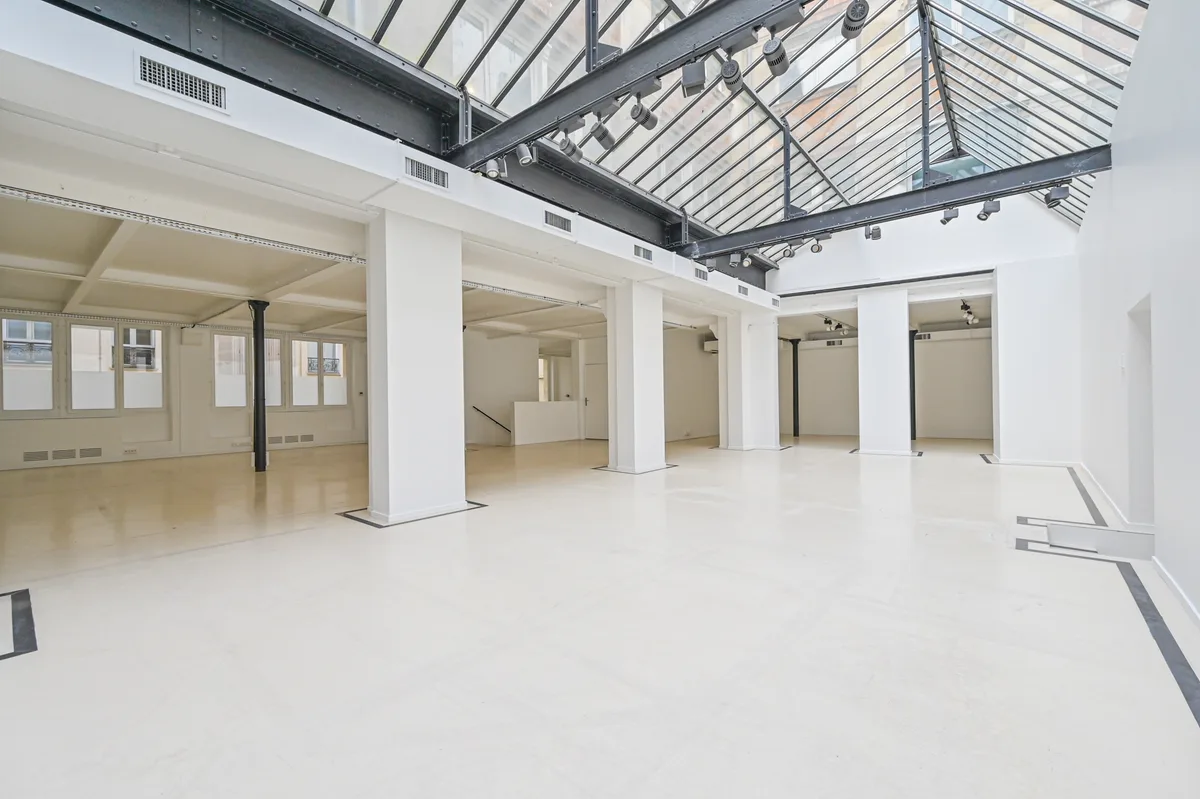
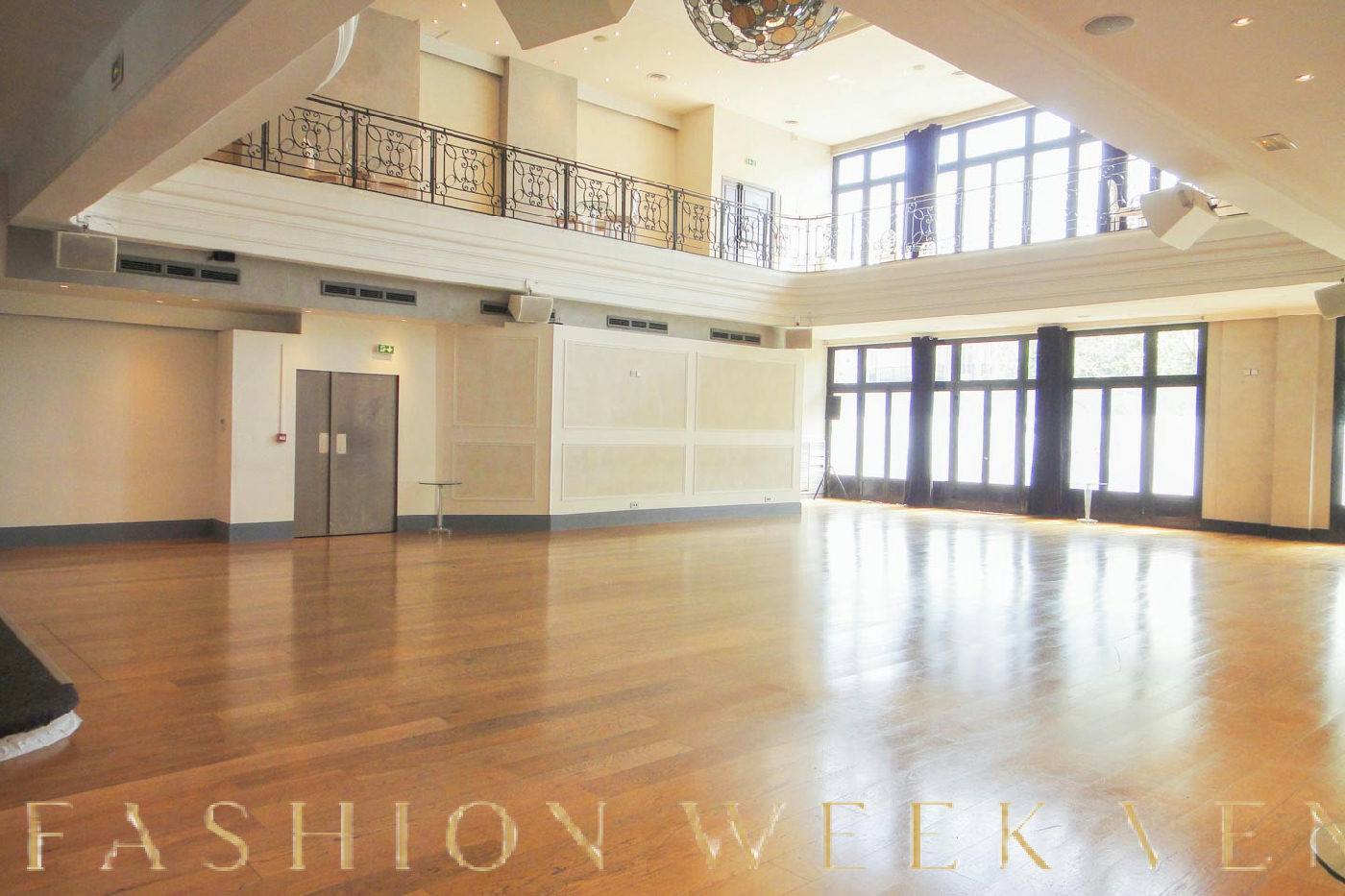
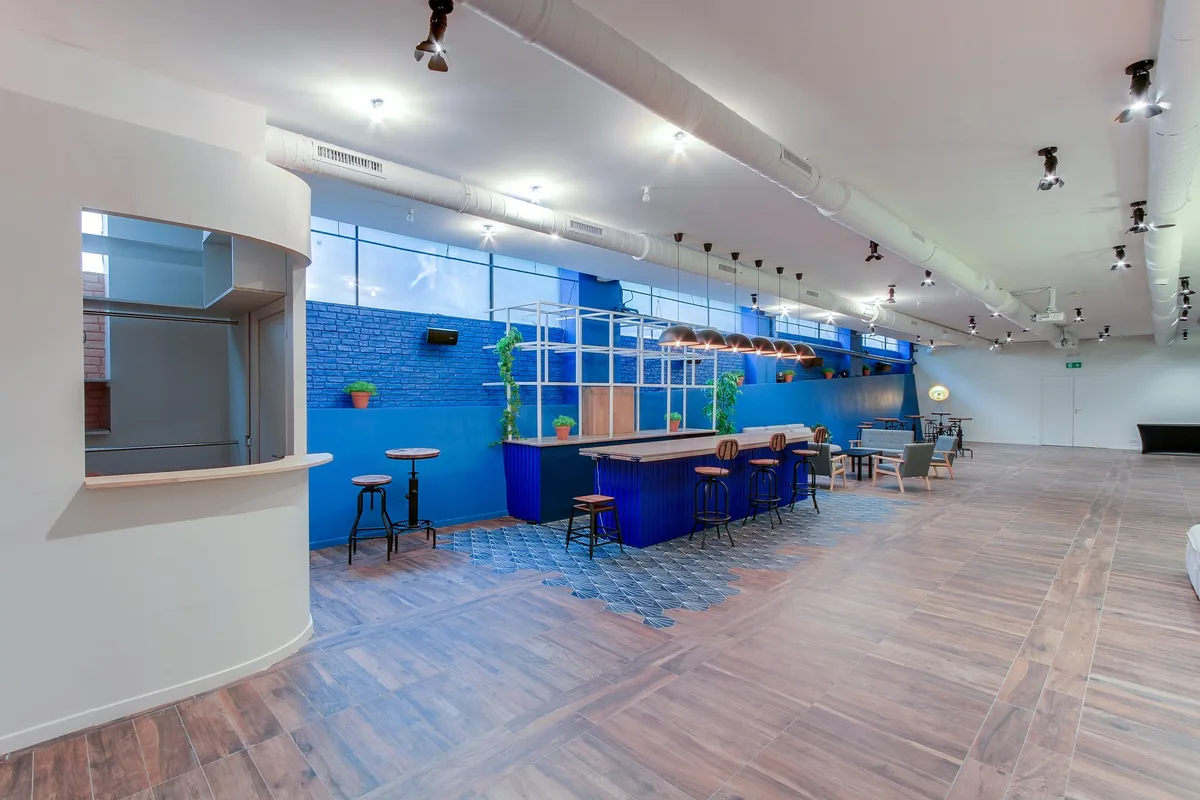
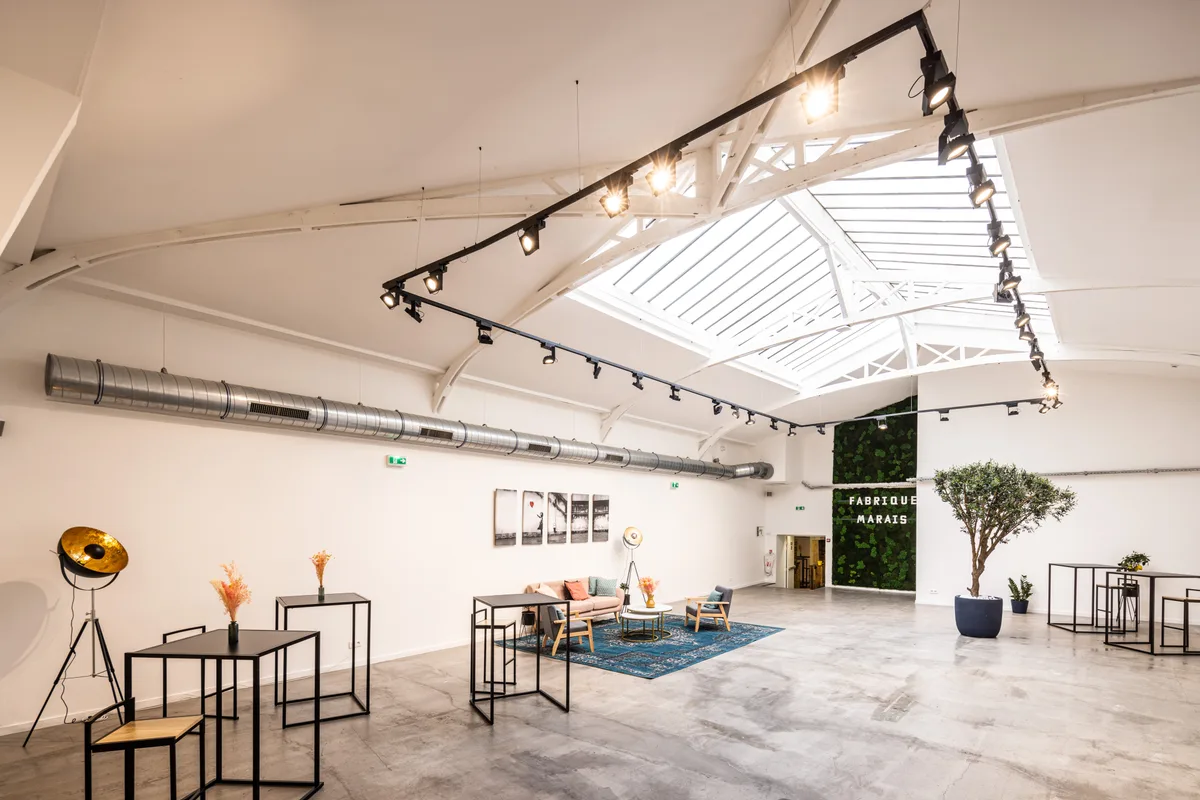
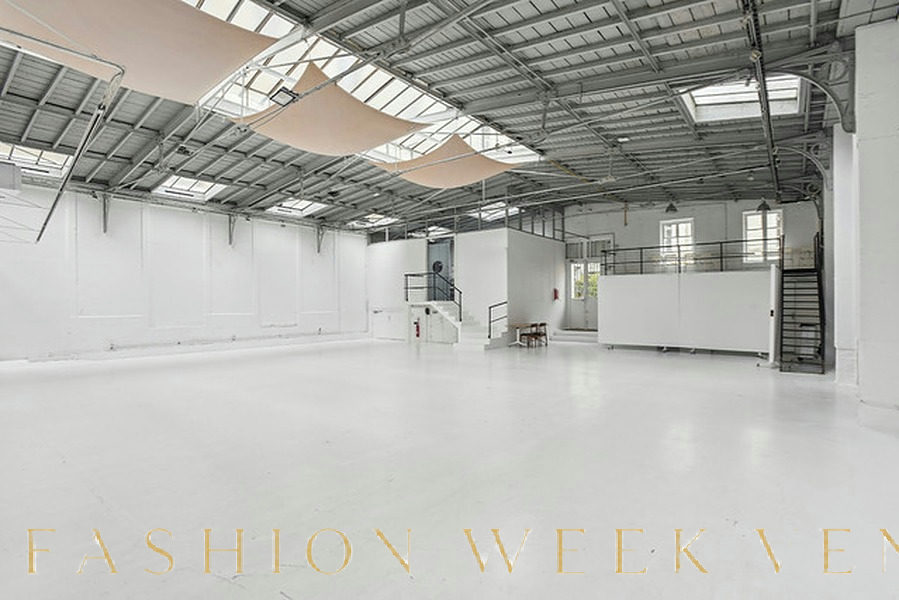
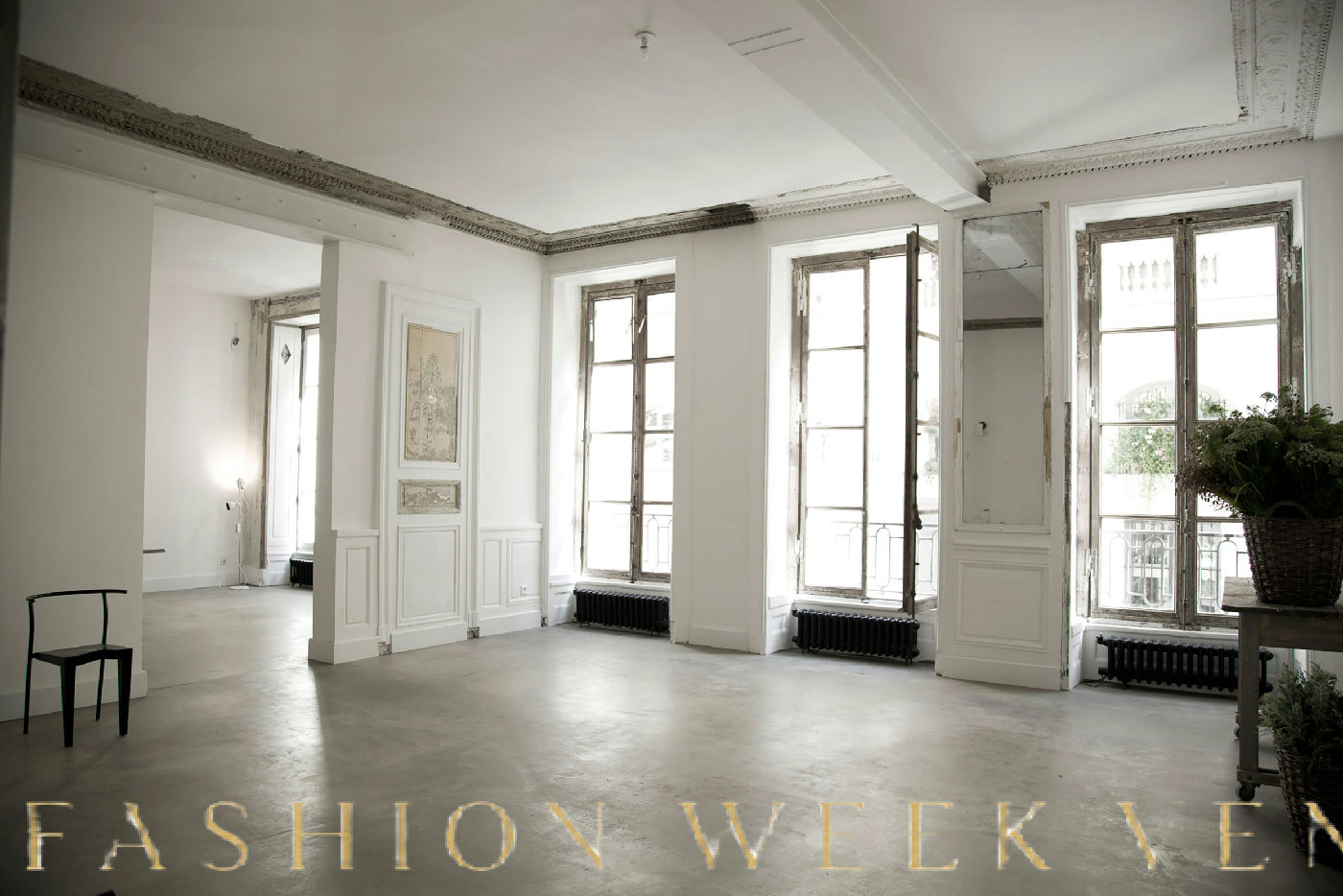
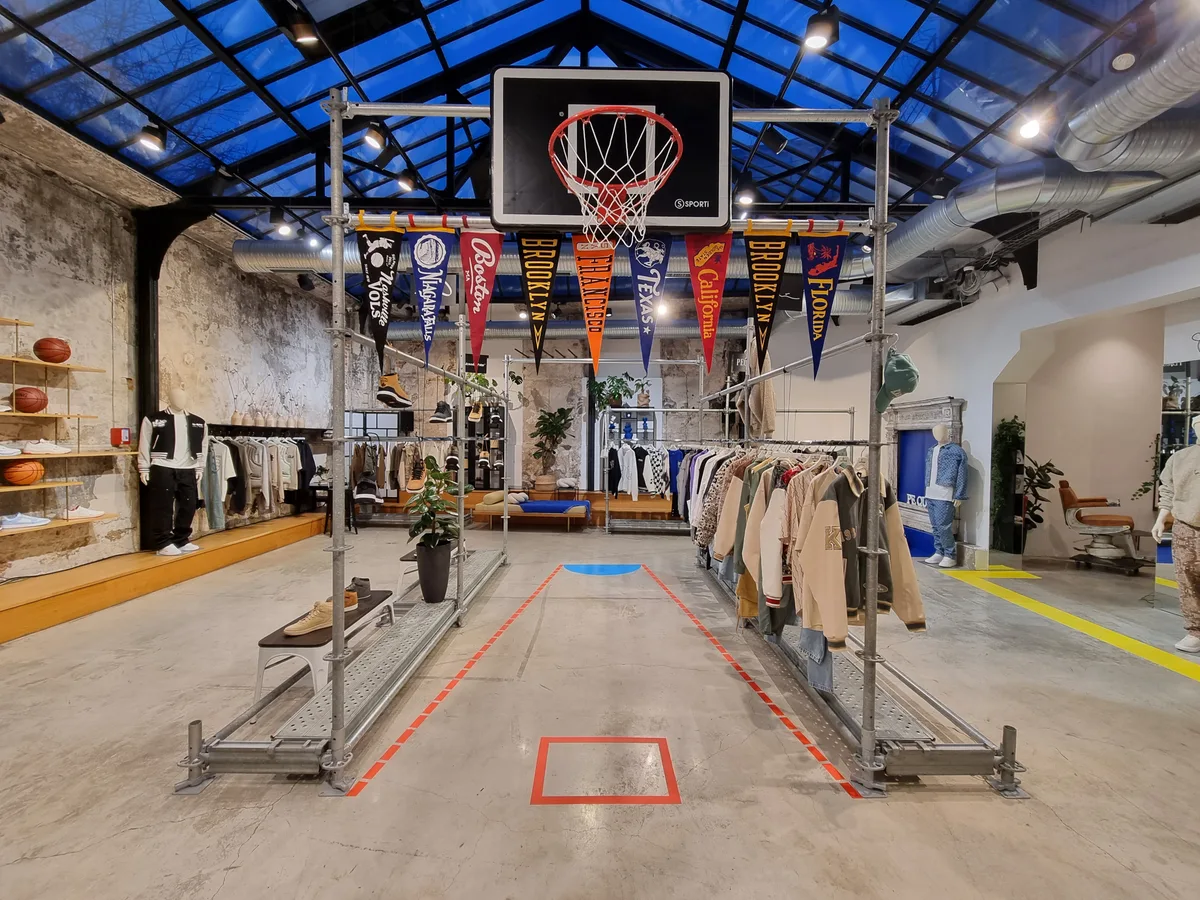
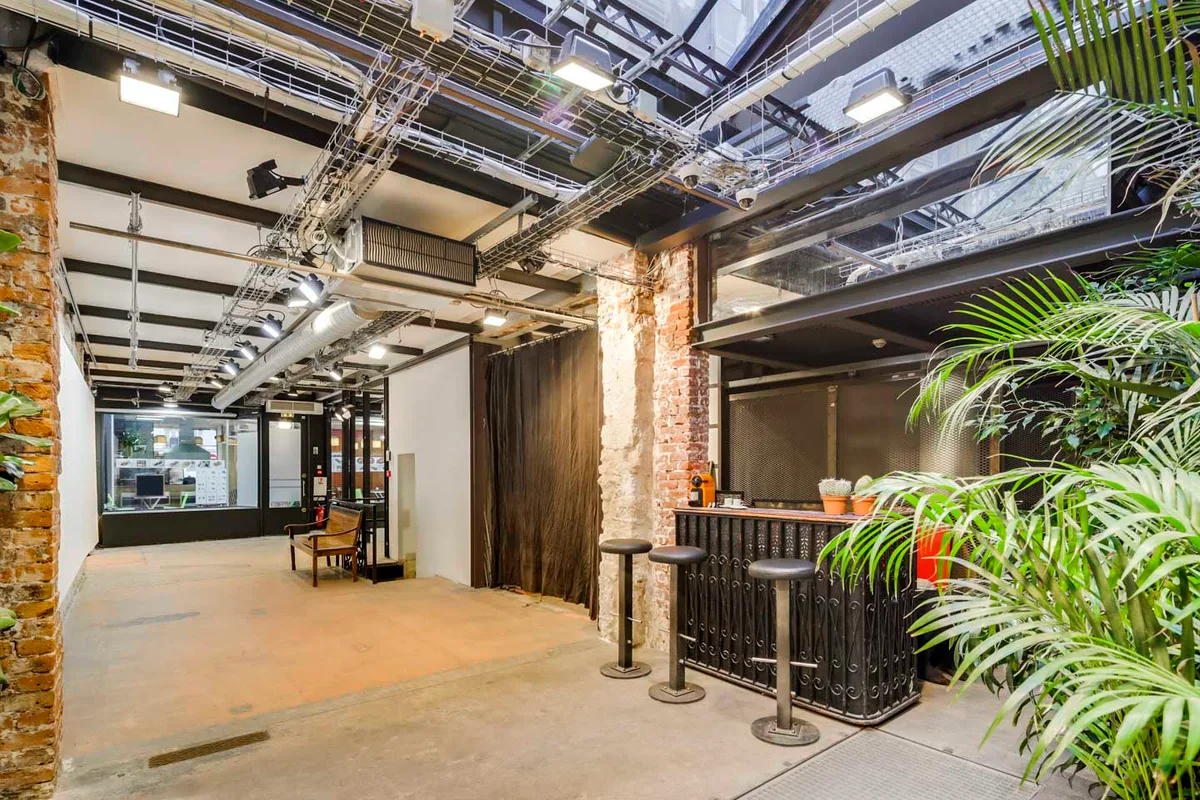
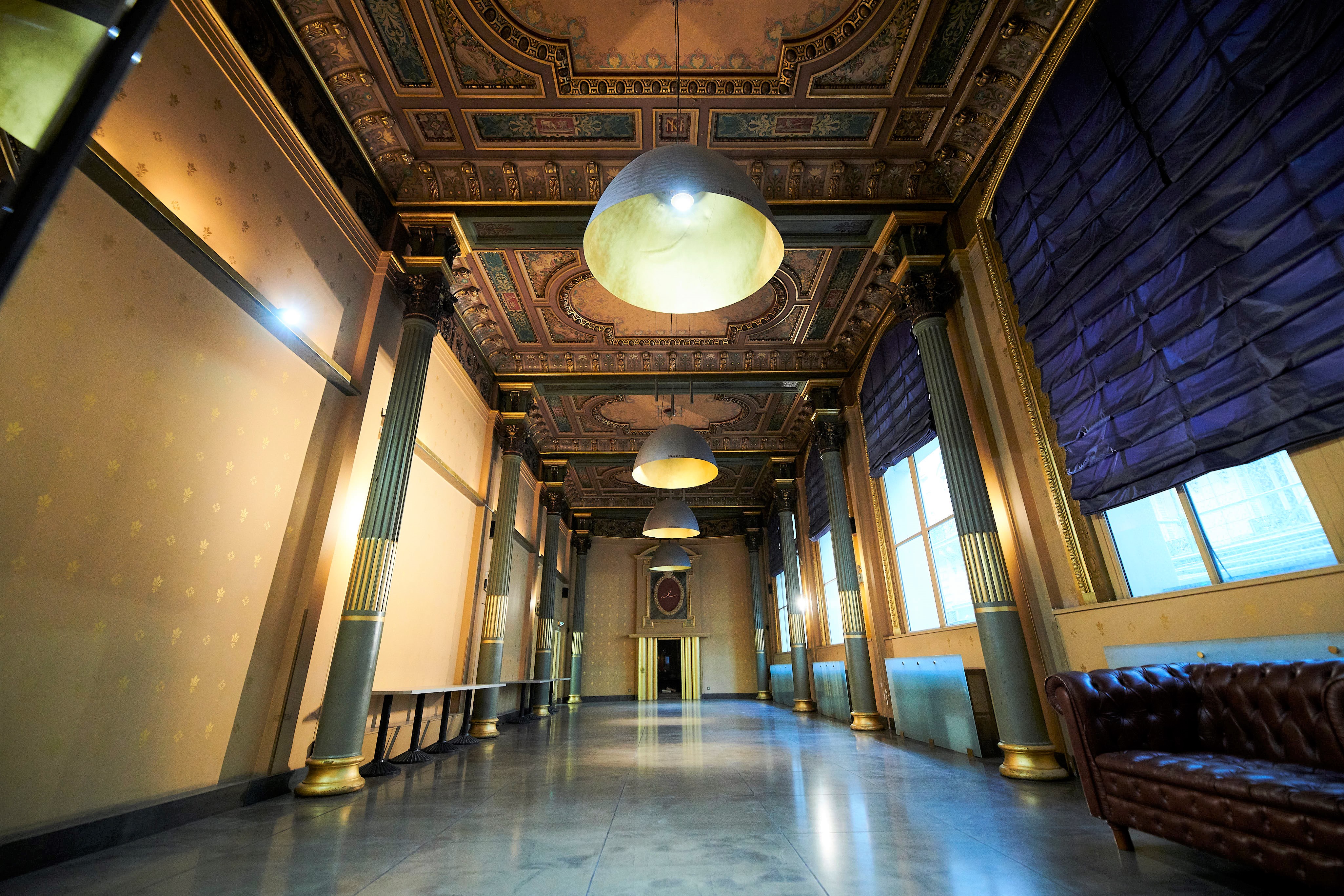
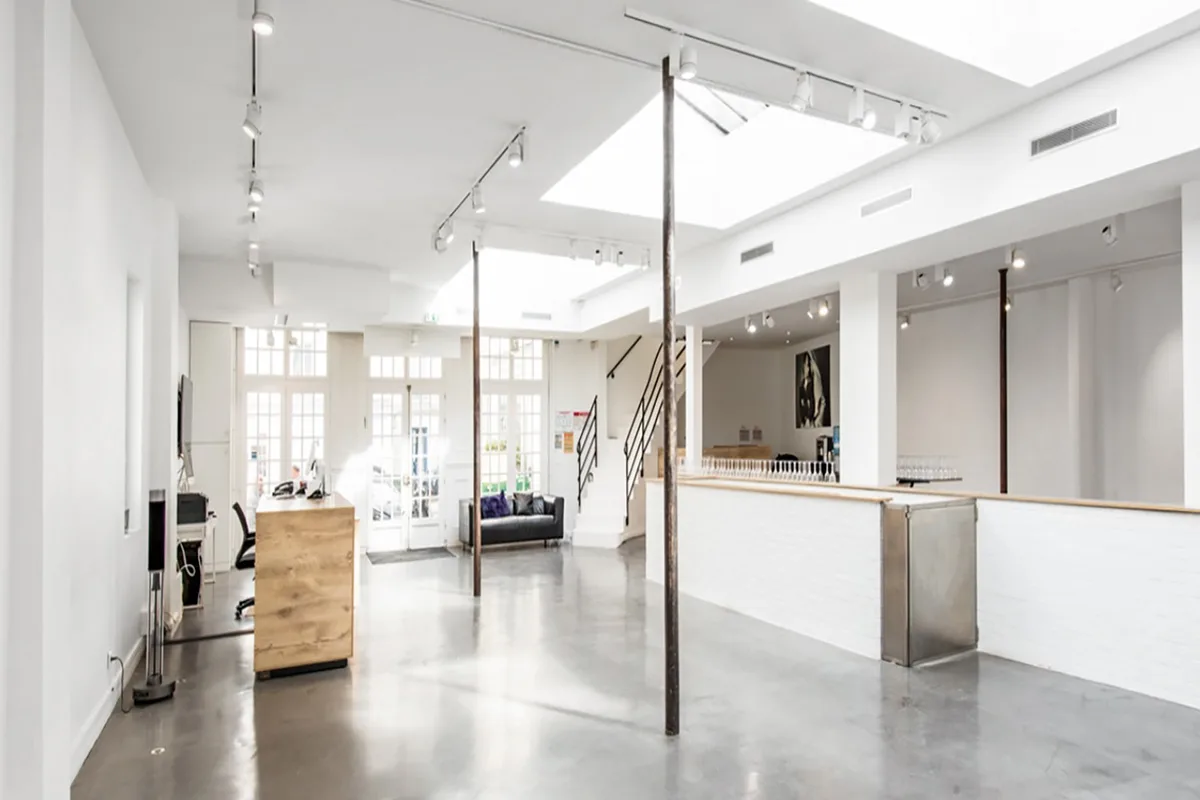
If your brand is planning a pop-up shop in the 8th arrondissement Paris, you are targeting one of the most commercially powerful and brand-appropriate districts in the entire city. The 8th arrondissement sits at the intersection of luxury retail heritage and high-density international footfall, anchored by the Champs-Élysées, rue du Faubourg Saint-Honoré, Place Vendôme, and Avenue Montaigne. For fashion brands, beauty labels, lifestyle concepts, and international names entering the Paris market, this arrondissement consistently delivers visibility, prestige, and qualified audiences. Fashion Week Venues works with brands across Paris and other major fashion capitals to source, produce, and manage short-term retail spaces and showrooms that align with both creative ambitions and commercial objectives.
Why the 8th Arrondissement Is Paris's Most Competitive Pop-Up Address
Quick answer: The 8th arrondissement offers the densest concentration of luxury flagships, international hotel guests, high-net-worth shoppers, and press-facing retail real estate in Paris. For brands seeking immediate brand positioning alongside established luxury names, no other arrondissement offers the same combination of heritage address value and concentrated foot traffic.
The 8th arrondissement earned its reputation as Paris's luxury axis over more than a century of concentrated investment from the world's most recognised fashion and beauty houses. The rue du Faubourg Saint-Honoré alone houses the flagship boutiques of Hermès, Chanel, Gucci, Valentino, and dozens of other internationally recognised names within a single walkable stretch. Avenue Montaigne, running south toward the Seine, carries similar density from Dior, Louis Vuitton, and Prada. The Champs-Élysées anchors the district's northern boundary, drawing in excess of 100,000 visitors daily according to Paris tourism data, though individual brand outcomes vary significantly based on space type, position on the street, and activation quality.
Place Vendôme sits just east of the arrondissement's core and while technically straddling the 1st, it draws the same audience of jewellery buyers, hotel-dwelling international clientele, and luxury enthusiasts who circulate through the 8th's streets. The concentration of five-star palace hotels including the Ritz, the Bristol, and Le Royal Monceau means that any pop-up activation positioned within comfortable walking distance benefits from a captive audience of ultra-high-net-worth international visitors who are already predisposed to luxury discovery.
For fashion brands specifically, the 8th arrondissement delivers something the Marais, Saint-Germain-des-Prés, and other popular pop-up districts cannot easily replicate: immediate proximity to the fashion press circuit during Paris Fashion Week. The showrooms, hotels, and presentation spaces used by the international fashion press cluster tightly around the 8th and the adjacent 1st arrondissement, making it a practical choice for brands hosting press previews, wholesale appointments, and buyer showrooms alongside their retail activations.
Short-term retail spaces in this district carry rental rates that reflect the address premium. Brands considering this location should approach budgeting with realistic expectations and build a strong justification for cost per impression, cost per qualified contact, and brand association value before committing. The Fashion Week Venues budget estimation tool can help teams model costs against activation objectives before entering negotiations.
KEY TAKEAWAY: The 8th arrondissement is the correct address for brands that need their Paris activation to carry immediate luxury credibility, press visibility, and international audience reach. The cost premium is real but so is the brand association return, provided the space type, location within the district, and activation quality are properly matched to the brand's objectives.
Understanding which streets, space types, and calendar windows suit different brand profiles within the 8th is the next critical step before beginning a serious search.
The Key Streets and Microlocations Inside the 8th Arrondissement
Quick answer: The 8th arrondissement contains several distinct retail microzones, each with its own character, footfall profile, and typical tenant mix. Rue du Faubourg Saint-Honoré, Avenue Montaigne, the Champs-Élysées, and the streets surrounding the Triangle d'Or each attract different audience segments and suit different brand profiles and budget levels.
Most brands approach the 8th arrondissement as a single monolithic luxury district, but experienced retail strategists recognise that the arrondissement contains at least four meaningfully different commercial microenvironments. Choosing the right microlocation is as important as choosing the right arrondissement.
Rue du Faubourg Saint-Honoré
This street is the spiritual home of French luxury fashion retail. The combination of heritage flagships, historic ateliers, and contemporary concept spaces creates a highly curated retail atmosphere where brand positioning is immediately communicated by address. Short-term rental spaces here are rare, typically command significant premiums, and are almost always sourced through specialist networks rather than mainstream listing platforms. Brands occupying even a modest temporary space on this street benefit from the implicit endorsement that comes from the address. The street attracts a highly informed, brand-literate audience including domestic luxury consumers, international buyers, and fashion press.
Avenue Montaigne and the Triangle d'Or
Avenue Montaigne is the more theatrical of the 8th's luxury corridors, lined with the most visually ambitious flagships in Paris. The area known as the Triangle d'Or, bounded by Avenue Montaigne, Avenue George V, and the Champs-Élysées, represents the geographical heart of Parisian haute couture. Pop-up and temporary retail opportunities here are limited and almost always involve hôtels particuliers, gallery spaces attached to established maisons, or purpose-cleared retail voids. The audience skews toward ultra-high-net-worth international visitors rather than domestic Parisian shoppers.
The Champs-Élysées
The Champs-Élysées presents a fundamentally different commercial proposition from Saint-Honoré and Montaigne. Footfall is genuinely massive and international, but the audience is more mixed in terms of purchasing intent and brand sophistication. Pop-up activations on or immediately adjacent to the Champs-Élysées often work better for brand awareness and experiential marketing objectives than for high-value direct retail. The format suits product launches, experiential installations, and brand discovery moments. Rental rates vary significantly by position, floor, and building type.
The Madeleine and Surrounding Streets
The area surrounding the Madeleine church and stretching toward Boulevard Haussmann offers a more accessible entry point into the 8th's retail ecosystem. Spaces here attract a blend of Parisian professionals, international tourists navigating toward the department stores at the top of Boulevard Haussmann, and lunch-trade visitors from the surrounding offices and ministries. This microlocation suits brands seeking 8th arrondissement positioning without the full cost premium of Saint-Honoré frontage.
| Microlocation | Primary Audience | Best For | Typical Space Types |
|---|---|---|---|
| Rue du Faubourg Saint-Honoré | Luxury consumers, fashion press, buyers | Fashion brands, jewellery, accessories | Boutique storefronts, gallery conversions, rez-de-chaussée retail |
| Avenue Montaigne and Triangle d'Or | Ultra-high-net-worth international visitors | Haute couture, fine jewellery, premium beauty | Hôtel particulier, brand-adjacent gallery spaces |
| Champs-Élysées | Mass international tourists, aspirational shoppers | Brand awareness, experiential activations, product launches | Storefronts, gallery spaces, kiosks, temporary retail units |
| Madeleine and Haussmann adjacent | Paris professionals, domestic shoppers, tourists | Beauty, lifestyle, accessible luxury, showrooms | Gallery spaces, concept store formats, loft conversions |
KEY TAKEAWAY: Choosing a microlocation within the 8th arrondissement should be driven by audience alignment first and address prestige second. The right street for a fragrance launch is different from the right street for a fashion showroom or an experiential beauty activation.
Once you have identified the right microlocation, the next decision concerns which type of venue or space format will best serve the activation's objectives.
Venue Types Available for Pop-Up Rental in the 8th Arrondissement
Quick answer: The 8th arrondissement offers a range of venue formats for temporary retail, including converted boutique storefronts, gallery spaces, hôtels particuliers, showroom floors, loft-style spaces, and dedicated temporary retail units. Each format carries different cost structures, permit requirements, and suitability for different brand activation types.
Paris as a whole offers remarkable variety in its temporary retail venue landscape, and the 8th arrondissement, while concentrated at the luxury end of the market, still contains a meaningful range of space formats. Understanding what each format delivers operationally is essential before beginning a search.
Boutique Storefronts and Retail Voids
Traditional retail voids, either purpose-vacated by their permanent occupant or commercially available between tenants, offer the most straightforward pop-up retail proposition. Street-level frontage, existing retail infrastructure including fitting rooms and payment points, and established foot traffic patterns make these the simplest spaces to activate. In the 8th, these spaces are highly sought after and typically require significant lead time to secure, particularly for Fashion Week calendar windows.
Gallery and Exhibition Spaces
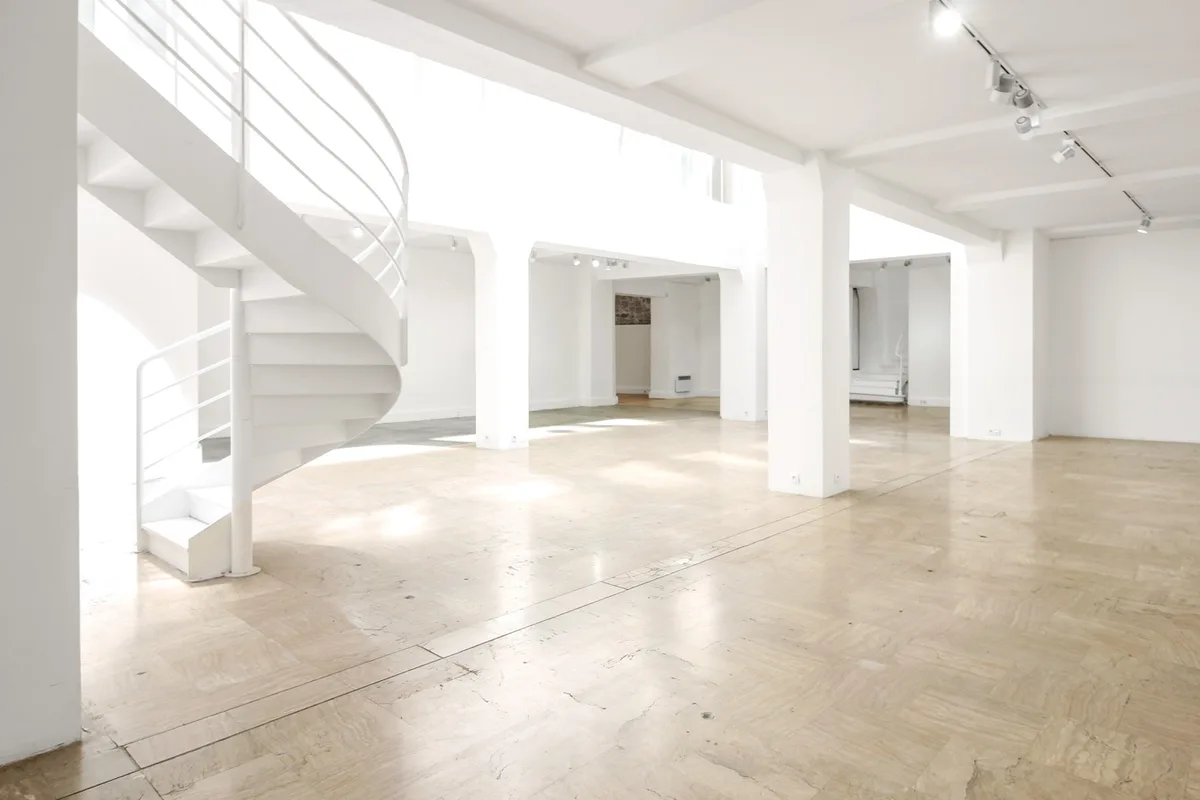
Paris has a long tradition of converting gallery spaces for temporary retail, and the 8th arrondissement contains a number of privately operated galleries that make their spaces available for brand activations when not hosting art exhibitions. These spaces typically offer high ceilings, considered lighting design, polished concrete or parquet flooring, and a cultural cachet that translates well to fashion and beauty brand storytelling. The concept and creative direction required to activate a gallery space effectively differs from standard retail fit-out and requires specialist input to avoid the space feeling underdressed or over-commercialised.
Hôtels Particuliers
The hôtel particulier is one of Paris's most distinctive and sought-after venue formats. These grand private mansions, many dating from the 17th and 18th centuries, offer an architectural backdrop that is genuinely unavailable anywhere else in the world. In the 8th arrondissement, several privately owned hôtels particuliers are available for short-term rental for brand events, private exhibitions, press previews, and VIP retail activations. The format suits heritage fashion brands, luxury goods presentations, and high-value private client events. Operational complexity and permit requirements are typically higher for these spaces.
Showroom Spaces and Fashion Showrooms
The fashion showroom format occupies a distinct niche between wholesale trade presentation and consumer-facing retail. In the 8th arrondissement, dedicated showroom floors in and around the rue du Faubourg Saint-Honoré corridor are used extensively during Paris Fashion Week by international and domestic brands hosting press, buyers, and stylists. Many of these spaces are available for short-term rental outside of peak season at more accessible price points. The showroom format typically requires less fit-out investment than a full consumer retail activation.
Loft and Multi-Use Spaces
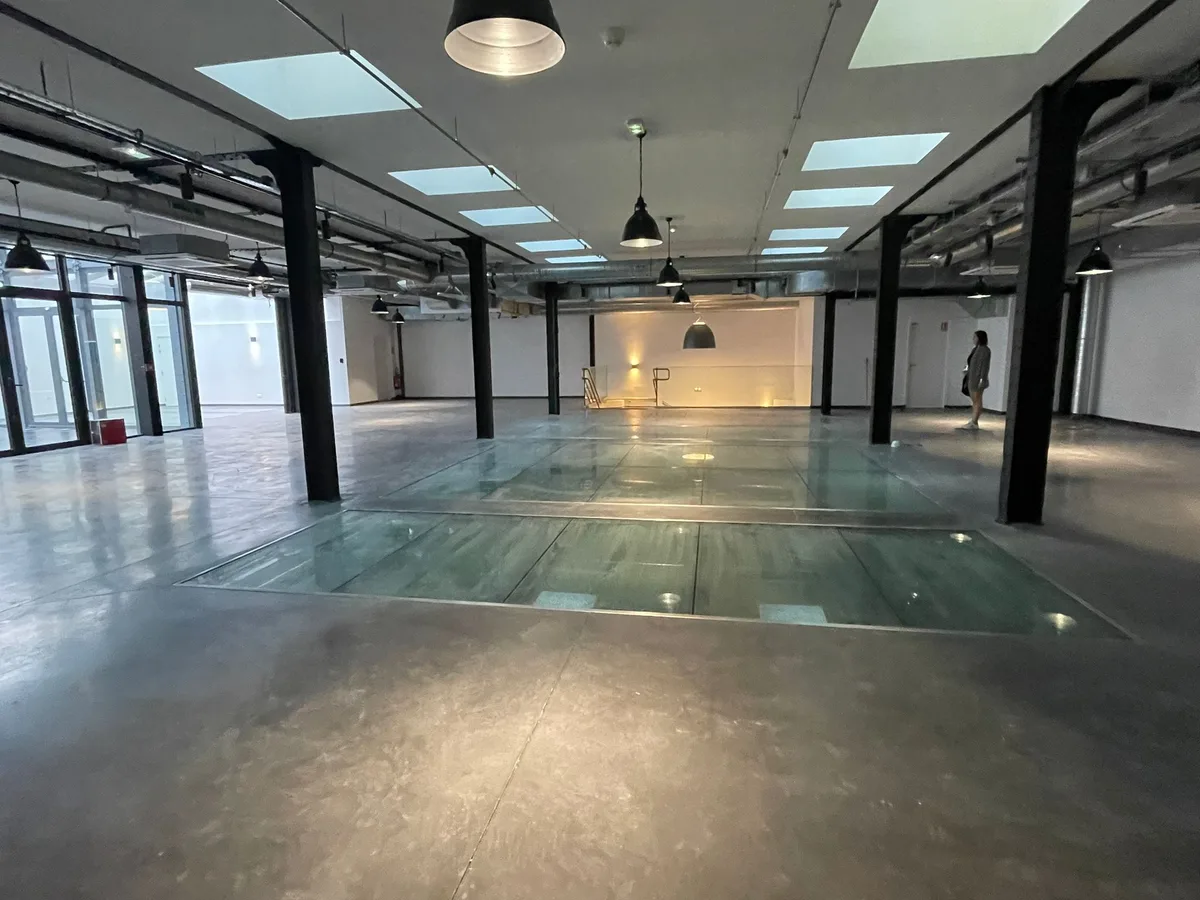
A smaller but growing category within the 8th includes loft-style and multi-use commercial spaces that can be configured for retail, showroom, event, or hybrid uses. These spaces tend to offer more flexibility in terms of layout and use category and may carry different permit and regulatory requirements than dedicated retail units. They are particularly well suited to brands running combined press events, consumer retail activations, and social media content creation within a single space and window.
DID YOU KNOW: Paris hosts more pop-up retail activations per calendar year than any other European fashion capital, with the 8th arrondissement consistently ranking among the top three most-requested districts for luxury and fashion brand activations.
KEY TAKEAWAY: The venue format should be chosen based on activation type, audience profile, operational capacity, and permit appetite rather than aesthetic preference alone. A hôtel particulier is spectacular but operationally demanding. A converted gallery offers cultural credibility but requires experienced production to activate commercially. Match the format to the brief before falling in love with the space.
With the right microlocation and venue format identified, brands must then navigate the practical, legal, and logistical requirements of renting short-term space in Paris.
How to Rent a Pop-Up Shop in Paris: Process, Permits, and Practical Steps
Quick answer: Renting a pop-up shop in Paris involves identifying your objective, selecting a venue format and neighbourhood, understanding the applicable lease framework, securing relevant permits, completing fit-out, staffing, and logistics planning, and activating the space. Each stage has legal, logistical, and financial implications that differ from short-term retail in other markets.
The process of renting a pop-up space in Paris is more structured than many international brands expect. French commercial real estate law, local municipality regulations in each arrondissement, and the specific requirements of the 8th's building stock all create a more complex operating environment than equivalent activations in London or New York.
| Stage | Key Actions | Typical Lead Time | Who Is Responsible |
|---|---|---|---|
| 1. Brief and objective setting | Define sell, exhibit, press, or test objectives; confirm budget range; confirm calendar window | 6 to 12 weeks before activation | Brand team |
| 2. Venue sourcing and shortlisting | Review available spaces; assess location, format, size, and cost fit; visit shortlisted venues | 5 to 10 weeks before activation | Agency or brand direct |
| 3. Lease negotiation and signing | Review bail dérogatoire or convention terms; clarify permitted uses, reinstatement obligations, and deposit requirements | 4 to 8 weeks before activation | Legal advisor and brand |
| 4. Permit and compliance | Confirm applicable permits for signage, commercial activity, and any public-facing events; obtain insurance | 4 to 6 weeks before activation | Agency or legal advisor |
| 5. Concept and design | Finalise spatial design, fixture plan, visual merchandising, and brand communication | 4 to 6 weeks before activation | Creative director or agency |
| 6. Production and fit-out | Complete build, furniture installation, technology setup, and security configuration | 1 to 2 weeks before activation | Production team or agency |
| 7. Staffing and operations | Hire and brief sales staff, security, and operations personnel; confirm POS and payment systems | 1 to 2 weeks before activation | Staffing agency or brand HR |
| 8. Activation and reporting | Run the activation; collect data, sales, and engagement metrics; manage press and influencer visits | During activation period | Brand team with agency support |
| 9. Reinstatement and closeout | Remove all fixtures and fittings; return space to agreed condition; manage deposit return | Within agreed period post-activation | Production team or agency |
Understanding the Bail Dérogatoire and Short-Term Lease Frameworks
French commercial property law provides for a specific short-term lease instrument known as the bail dérogatoire, sometimes called a bail précaire. This contract allows a landlord and tenant to agree a commercial tenancy of up to three years in duration without triggering the full protections and obligations of the standard nine-year French commercial lease, known as the bail commercial. For pop-up activations lasting days, weeks, or a few months, the bail dérogatoire is typically the applicable legal framework.
Critically, a bail dérogatoire must be explicitly agreed as such by both parties from the outset. If a tenant continues to occupy a space after the contract period expires without a new agreement being put in place, French law may recognise the arrangement as having converted into a full bail commercial, with all of the associated legal obligations and tenant protections that this entails. Brands must ensure that their exit from the space is clean, documented, and completed within the contractual period.
In addition to the lease framework, brands operating in certain space categories or undertaking specific commercial activities may need to obtain an autorisation d'occupation temporaire, or AOT, which governs the temporary use of certain privately or publicly owned spaces. Requirements vary by space type, ownership structure, and the nature of the commercial activity being conducted. The Fashion Week Venues permits tool provides guidance on the permit landscape for Paris activations, though brands are strongly advised to verify all requirements with a qualified French legal advisor.
Insurance Requirements for Paris Pop-Ups
French landlords and venue owners consistently require proof of adequate commercial liability insurance as a condition of lease execution. For pop-up brands, this typically includes public liability coverage, product liability coverage, and in many cases an assurance multirisque professionnelle policy that covers the physical space against damage caused by the tenant. International brands using European insurance policies should verify with their insurer that the policy extends to commercial activity in France and meets French landlord requirements. Bespoke short-term event and retail insurance is available through specialist brokers and is often the most practical solution for brands conducting a single activation.
IMPORTANT: Do not assume that your existing international commercial insurance policy automatically covers a pop-up activation in France. Verify coverage with your insurer and your legal advisor before signing any lease or access agreement.
KEY TAKEAWAY: The legal and compliance framework for a Paris pop-up is more structured than many international brands anticipate. Build sufficient lead time into your planning calendar, work with advisors who know the French market, and never assume that the process will work identically to short-term retail in other cities.
To manage timeline planning effectively across all of these stages, the timeline planning tool on Fashion Week Venues helps brands map their activation calendar against realistic lead times for each stage.
Paris Fashion Week and the 8th Arrondissement: Calendar Strategy for Pop-Up Brands
Quick answer: Paris Fashion Week, held twice annually in February to March for Womenswear and September to October for Womenswear Resort and Menswear in June, creates the highest demand and highest rental rate environment for pop-up spaces in the 8th arrondissement. Brands should book well in advance for these windows and consider adjacent calendar events for more accessible pricing.
Paris Fashion Week is the defining calendar event for the 8th arrondissement pop-up market. During the ten days of official programming, the district's hotels, showrooms, presentation venues, and retail spaces operate at maximum occupancy. International press, buyers, stylists, photographers, and brand representatives circulate intensively through the arrondissement and adjacent districts, creating unparalleled earned media opportunity for brands that are correctly positioned.
For brands running showrooms during Fashion Week, the 8th arrondissement offers proximity to the press circuit, easy access to the major hotel venues where editors and buyers are based, and the implicit communication that comes from sharing a postcode with the world's most recognised fashion houses. Showroom formats in this window typically combine wholesale appointment sessions in the morning and early afternoon with press preview and editorial visits later in the day and into the evening.
Beyond the official Fashion Week calendar, Paris hosts a number of other significant events that create concentrated demand for short-term spaces in the 8th and adjacent arrondissements. Paris Design Week, typically held in September, draws a design-literate audience and suits brands with strong aesthetic or product design credentials. FIAC, the international contemporary art fair, attracts a collector and cultural audience that overlaps meaningfully with luxury fashion consumers. Maison et Objet, held twice annually, draws a primarily trade and design professional audience. Each of these events creates a distinct opportunity profile for pop-up brands.
Brands that can plan activations in the weeks immediately before or after major Fashion Week programming often find more accessible rental rates and greater venue availability while still benefiting from the residual press and buyer presence in the city. The strategic flexibility to shift an activation window by seven to fourteen days can meaningfully improve both cost efficiency and space quality.
DID YOU KNOW: Paris Fashion Week is one of the four major international fashion weeks and typically attracts thousands of international buyers, press representatives, and industry professionals to the city across its official programming period, with significant satellite activity continuing for several weeks before and after the official dates.
KEY TAKEAWAY: Calendar strategy is as important as location strategy for Paris pop-up planning. Fashion Week windows deliver the highest audience quality but also the highest costs and most competitive space availability. Brands with flexibility in their activation timing should model multiple calendar scenarios before committing.
Comparing the 8th arrondissement against other Paris pop-up districts helps brands make informed decisions about whether this location genuinely matches their brief or whether an adjacent district offers a better return on investment.
Comparing the 8th Arrondissement Against Other Paris Pop-Up Districts
Quick answer: The 8th arrondissement competes primarily with Le Marais, Saint-Germain-des-Prés, and the 1st arrondissement for fashion and luxury pop-up business. Each district has a distinct audience profile, cost structure, space availability landscape, and brand positioning implication. The right choice depends on the brand's audience, budget, and activation objectives rather than address prestige alone.
Paris is exceptionally well served for pop-up retail real estate across multiple arrondissements, and experienced brand teams benefit from understanding how the key districts compare before committing to a location. The 8th does not automatically produce the best return for every brand type.
Le Marais and the 3rd and 4th Arrondissements
Le Marais is Paris's most active and internationally recognised pop-up district outside the luxury axis. The area centred on the Marais district, stretching from Arts et Métiers in the north to Place des Vosges in the south and bounded by rue de Turenne to the east, offers the greatest density and variety of short-term retail spaces in Paris. The Marais attracts a younger, more culturally engaged consumer profile than the 8th, with strong representation from the local fashion community, international tourists with creative industry backgrounds, and the Paris-based arts, culture, and media industries. Spaces around the Carreau du Temple, the Musée Picasso, and the historic Place des Vosges arcades offer compelling physical contexts for fashion and lifestyle activations. The Galerie Joseph on rue du Temple is perhaps the most internationally recognised of the Marais's pop-up venues. Rental rates are generally more accessible than the 8th, though premium Marais spaces command significant premiums during Fashion Week.
Saint-Germain-des-Prés and the 6th Arrondissement
Saint-Germain-des-Prés offers a different kind of prestige from the 8th: more intellectual, more literary, more Parisian in the cultural rather than commercial sense. The district attracts a sophisticated domestic Parisian consumer alongside international visitors with a strong cultural orientation. Fashion brands with a heritage or craft narrative, beauty brands with a pharmacie or apothecary positioning, and lifestyle brands rooted in considered design find this district particularly resonant. Short-term spaces here include gallery conversions, former bookshop floors, and boutique retail voids. The rue de Rivoli, which runs along the northern boundary of the 6th and connects through the 1st to the Marais, is one of Paris's highest-footfall retail streets and hosts a number of temporary retail formats.
The 1st Arrondissement and the Châtelet Area
The 1st arrondissement, adjacent to and partly overlapping with the western edge of the Marais, offers a blend of institutional gravity from the Louvre and Palais Royal, commercial intensity around Forum des Halles and the Châtelet transport hub, and the luxury shopping credentials of rue de Rivoli and the Palais Royal arcades. This district is particularly strong for brands that want to reach a genuinely diverse Paris audience across tourist, domestic professional, and fashion-literate segments simultaneously.
To compare available spaces across these districts, the space comparison tool on Fashion Week Venues allows brands to evaluate multiple venues side by side against their specific brief criteria.
| District | Primary Audience Profile | Cost Level | Best Brand Types | Key Venues and Landmarks |
|---|---|---|---|---|
| 8th arrondissement | Luxury consumers, international visitors, press and buyers | High to very high | Luxury fashion, premium beauty, fine jewellery, heritage brands | Faubourg Saint-Honoré, Avenue Montaigne, Champs-Élysées, Place Vendôme |
| Le Marais (3rd and 4th) | Creative consumers, young fashion audience, international tourists | Medium to high | Contemporary fashion, streetwear, lifestyle, emerging brands | Carreau du Temple, Galerie Joseph, Place des Vosges, Marais district boutiques |
| Saint-Germain-des-Prés (6th) | Sophisticated domestic Parisians, culturally oriented tourists | Medium to high | Heritage fashion, craft beauty, considered lifestyle brands | Rue de Grenelle, Boulevard Saint-Germain, gallery spaces |
| 1st arrondissement | Mixed: tourists, professionals, fashion-literate consumers | Medium to very high | Accessible luxury, concept retail, experiential brands | Palais Royal, rue de Rivoli, Châtelet area, Louvre adjacent spaces |
KEY TAKEAWAY: The 8th arrondissement is the optimal choice when luxury brand positioning, press proximity, and ultra-premium audience quality are the primary objectives. For brands prioritising creative credibility, audience diversity, or more accessible rental economics, Le Marais and Saint-Germain-des-Prés offer compelling alternatives that should be seriously evaluated.
Understanding how Fashion Week Venues can help brands navigate all of these decisions and manage the full activation process is the natural next step.
How Fashion Week Venues Helps Brands Rent and Activate in Paris
Fashion Week Venues operates as a full-service pop-up shop agency and space marketplace with Paris as its primary market. The agency works with fashion brands, beauty labels, lifestyle brands, international retailers, and emerging labels across every stage of the pop-up activation process, from initial brief and venue search through to production, staffing, data reporting, and space reinstatement.
For brands seeking to source a venue in Paris, the agency brings access to spaces across all major Paris arrondissements including the 8th, maintains ongoing relationships with venue owners and managers, and can identify spaces that are not listed publicly on aggregator platforms. This matters particularly in the 8th arrondissement, where the most sought-after spaces are typically filled through direct networks rather than public listings.
Beyond venue sourcing, Fashion Week Venues offers a complete suite of activation support services that cover every operational requirement of a Paris pop-up. The fit-out and production service manages the physical transformation of a raw space into a brand environment, coordinating contractors, furniture, fixtures, lighting, and technology installation within tight timelines. The retail staffing service provides bilingual sales staff, floor managers, and brand ambassadors who understand both the French retail environment and international brand expectations.
For brands entering Paris for the first time, the agency's process-led approach reduces the risk of navigating an unfamiliar regulatory, logistical, and cultural environment without local expertise. The full service model is not the only option: brands with existing Paris operational capacity may prefer to use the marketplace and specific point services rather than the full managed activation package. The agency works with both models.
The Fashion Week Venues toolset supports brands at the research and planning stage before a formal agency brief is placed. The ROI calculation tool helps brand teams build an internal business case by modelling expected return against activation cost. The space locator tool allows brands to explore available venue options by arrondissement, space type, and size. The timeline tool maps the activation planning process against realistic lead times so that teams can identify whether their calendar allows sufficient preparation time.
Brands planning co-activations or looking to share space costs with a complementary partner brand can explore the twin co-activation concept, which allows two brands to jointly occupy and activate a single space within a coordinated framework.
To explore past activations and understand how the agency has delivered for comparable brands, the work and case studies section provides reference examples across different brand types, space formats, and Paris locations.
TIP: If you are evaluating whether to use a full-service agency or manage the Paris activation independently, the guide on selecting a pop-up agency provides a framework for making that decision based on your brand's internal capacity, budget, and risk appetite.
KEY TAKEAWAY: Fashion Week Venues offers both managed activation services and standalone tools and marketplace access. Brands benefit most from the full service when entering Paris for the first time, operating on tight timelines, or managing complex multi-format activations. Brands with established Paris networks may prefer to use specific services on a point basis.
To compare neighbourhoods and space types before briefing an agency or beginning independent negotiations, explore the Paris city hub on Fashion Week Venues and shortlist spaces that match your brief, budget, and calendar window.
Activation Planning for the 8th Arrondissement: Design, Logistics, and Merchandising
Quick answer: A successful pop-up activation in the 8th arrondissement requires a detailed operational plan covering spatial design and brand communication, product transport and logistics, staffing and reception management, furniture and fixture planning, technology and payment systems, and a clear plan for managing VIP, press, and social media visitors alongside general consumer footfall.
The physical quality of retail environments in the 8th arrondissement is exceptionally high. Neighbouring permanent boutiques typically represent years of interior design investment from world-class architects and brand designers. A pop-up that looks underdressed or poorly considered against this backdrop risks undermining the very brand positioning that motivated the 8th address choice. This is not a district where a minimal or rough installation reads as creative; it reads as underprepared.
Spatial Design and Brand Communication
The spatial design of the pop-up must communicate the brand's identity, values, and product positioning clearly and immediately. In the 8th arrondissement, where the consumer audience is both sophisticated and visually literate, the design brief needs to be precise, well-resourced, and executed without visible compromise. Key design considerations include the treatment of the facade and window display, the internal circulation route that guides visitors through the product narrative, the use of lighting to direct attention and create atmosphere, and the material quality of all surfaces that visitors touch and interact with. Visual merchandising in this context is not a secondary consideration; it is a primary brand communication tool.
Product Transport and Logistics
Brands operating from outside France need a clear plan for transporting product to the activation space. For brands bringing collections from outside the European Union, customs clearance requirements add significant lead time and cost to the logistics plan. Within the EU, transport logistics are more straightforward but still require careful coordination with the space access schedule, build timeline, and activation opening date. Temporary importation under the ATA Carnet system is commonly used for samples and display goods that will return to the country of origin after the activation.
Staffing and Reception Management
The quality of the staff team in an 8th arrondissement pop-up is a critical brand communication variable. Consumer and press visitors arriving at a luxury or premium brand activation expect to be received by staff who are knowledgeable about the brand, fluent in both French and English as a minimum, and capable of managing both retail transactions and the more nuanced relationship-building conversations that characterise high-value luxury retail. Brands should invest appropriately in briefing, training, and incentivising their Paris team regardless of the activation's duration.
Furniture, Fixtures, and Meubles
Most short-term rental spaces in Paris are let in white box or stripped condition, meaning that all furniture, display fixtures, rails, shelving, lighting, and ancillary meubles must be sourced, transported, installed, and then removed by the tenant. Furniture rental services allow brands to access quality display and operational furniture without the cost and logistics of purchase and ownership. Brands should confirm the condition standard required for space return and document the space's existing condition comprehensively at the point of access.
Technology, POS, and Payments
Payment infrastructure in a Paris pop-up requires more careful planning than many international brands anticipate. French consumers have high expectations for contactless payment, card terminal reliability, and receipt provision. International brands must ensure that their POS system is compatible with French fiscal requirements and that their payment processing agreement covers French transactions. Social media content creation infrastructure, including reliable WiFi, ring lighting, and content-ready zones, has become an increasingly important consideration for activations where organic social media amplification is a key objective.
KEY TAKEAWAY: The operational quality of the activation is as important as the location choice in the 8th arrondissement. Invest proportionately in design, staffing, logistics, and technology to ensure that the physical experience matches the address premium and the brand positioning objectives that motivated the location choice.
Social Media, Influencer Strategy, and Earned Media for Paris Pop-Ups
Quick answer: A Paris pop-up activation in the 8th arrondissement creates significant organic social media and earned media opportunity, particularly during Fashion Week windows. Maximising this opportunity requires deliberate design of shareable brand moments, a structured influencer and press outreach plan, and a clear strategy for converting social media visibility into longer-term brand equity and audience growth.
Paris occupies a unique position in the global social media landscape for fashion, beauty, and luxury brands. Content created in Paris carries a provenance value that is immediately recognisable to a global audience. A pop-up activation in the 8th arrondissement, particularly one that is visually distinctive and correctly timed relative to the Fashion Week calendar, can generate social media reach that exceeds the brand's owned audience by a significant multiple if the earned media strategy is properly executed.
The physical design of the space should incorporate deliberate consideration of where and how visitors will photograph and film within the activation. This does not require gimmicky or purely Instagrammable installations at the expense of brand coherence; it means ensuring that the lighting, backdrop, product presentation, and spatial flow create naturally compelling visual content opportunities at every point in the visitor journey.
Influencer and press outreach for a Paris pop-up requires both a local and an international strategy. French influencers, particularly those based in Paris with strong fashion and lifestyle audiences, offer access to the domestic market and to the international followers who follow French fashion accounts precisely for Paris content. International influencers who are already in Paris for Fashion Week represent an efficient and high-value outreach target, as their followers are typically primed for Paris content during the Fashion Week period. The influencer marketing service on Fashion Week Venues helps brands build and execute an outreach strategy integrated with the physical activation.
Earned media from the fashion press and trade publications follows a different logic from social media but is equally important for brands targeting wholesale buyers, retail partners, and long-term brand building rather than immediate consumer sales. A well-documented press preview at a 8th arrondissement address, with high-quality imagery, a clear brand narrative, and access facilitated for the right editorial contacts, can generate coverage across international fashion media that would cost multiples of the activation budget to buy as advertising.
KEY TAKEAWAY: Social media and earned media amplification are not passive byproducts of a Paris pop-up. They are active strategic opportunities that must be designed into the activation plan from the outset, with dedicated resource allocated to outreach, content creation facilitation, and press relationship management.
Common Myths About Renting a Pop-Up Shop in the 8th Arrondissement Paris
MYTH: You need a French legal entity to rent a pop-up space in the 8th arrondissement Paris.
FACT: Many international brands successfully rent short-term spaces in Paris without a French registered company. Landlords and venue owners frequently enter into bail dérogatoire agreements with foreign entities, though they may require additional security deposits, guarantors, or insurance documentation. The specific requirements vary by landlord, space type, and lease duration. A French legal advisor can help structure the arrangement appropriately without the need to establish a formal French entity for a short-term activation.
MYTH: Paris Fashion Week is the only viable calendar window for a pop-up activation in the 8th arrondissement.
FACT: While Fashion Week windows create the highest density of press and buyer traffic, numerous other calendar moments generate strong commercial and brand-building conditions in the 8th arrondissement. Paris Design Week, FIAC, the summer luxury tourism season, and the pre-Christmas retail period all create concentrated high-value audience moments. Brands that avoid Fashion Week windows often access better spaces at more accessible rental rates while still reaching a highly qualified Paris audience.
MYTH: The only way to find a pop-up space in the 8th arrondissement is through a commission-based broker.
FACT: Commission brokers are one channel for space discovery but are far from the only option. Specialist agencies such as Fashion Week Venues maintain direct venue relationships and marketplace listings that give brands access to spaces without necessarily engaging a traditional broker. Direct approaches to venue owners, referrals through brand and agency networks, and specialist marketplace platforms all offer viable alternatives depending on the brand's timeline, budget, and familiarity with the Paris market.
MYTH: Short-term leases in Paris are legally simple and require no specialist advice.
FACT: French commercial property law is detailed and contains important provisions that can significantly affect a brand's rights and obligations, even in short-term arrangements. The conversion risk from bail dérogatoire to bail commercial if a tenant overstays, the specific reinstatement obligations that apply in many 8th arrondissement building types, and the permit requirements for commercial signage and public-facing events all require specialist legal input to navigate correctly. The cost of French legal advice is small relative to the cost of getting these elements wrong.
MYTH: A pop-up in the 8th arrondissement will automatically generate significant foot traffic simply by virtue of its location.
FACT: Location creates access to potential foot traffic, but converting that traffic into engaged visitors, customers, and media contacts requires deliberate activation strategy. Brands that invest in the address but underinvest in the activation itself, the window display, the press outreach, the social media strategy, and the in-store experience, consistently underperform against their expectations. Location is the foundation, not the strategy.
Frequently Asked Questions
What is a pop-up shop and how does it differ from a permanent retail space?
A pop-up shop is a temporary retail or brand activation space occupied under a short-term rental arrangement, typically for a period ranging from a single day to several months. Unlike a permanent retail space governed by a standard long-term commercial lease, a pop-up operates under a short-term contract such as the French bail dérogatoire, which limits both the tenure and the long-term obligations of the tenant. Pop-up formats are used for product launches, brand awareness activations, seasonal retail campaigns, press and buyer showrooms, experiential marketing events, and market testing. They allow brands to occupy high-value locations in major cities without the financial commitment and operational complexity of permanent retail.
How much does a pop-up shop cost in Paris's 8th arrondissement?
Rental rates for pop-up spaces in the 8th arrondissement vary significantly by microlocation, space size, venue type, and calendar window. Spaces on or near rue du Faubourg Saint-Honoré and Avenue Montaigne command significant premiums over spaces in the Madeleine or Haussmann adjacent areas. Fashion Week calendar windows typically attract higher rates than off-peak periods. Beyond the base rental cost, brands must budget for fit-out, furniture, staffing, insurance, permits, logistics, and reinstatement. For a brand-specific cost estimate that accounts for all of these variables, the budget estimation tool on Fashion Week Venues provides a useful starting framework before entering formal negotiations with venue owners.
Do I need a French company to rent a pop-up space in Paris?
Not necessarily. Many international brands rent short-term spaces in Paris as foreign entities under bail dérogatoire agreements. Landlords may require additional security deposits, international insurance documentation, or guarantor arrangements from foreign tenants, but the absence of a French registered company does not automatically prevent an international brand from renting. Requirements vary by landlord and space. Working with a local agency or French legal advisor who can provide guidance on structuring the rental arrangement as a non-French entity will reduce friction and risk significantly.
What is a bail dérogatoire and why does it matter for pop-up brands?
A bail dérogatoire is a short-term commercial lease instrument under French law that allows landlords and tenants to agree a commercial tenancy of up to three years without triggering the obligations and tenant protections of the standard nine-year French bail commercial. For pop-up brands, the bail dérogatoire is typically the correct legal framework for activations lasting days, weeks, or a few months. It is critically important that the agreement explicitly states its dérogatoire status and that the tenant vacates within the agreed term. Overstaying without a new agreement can trigger an automatic conversion to a full commercial lease with significantly different obligations.
What permits do I need for a pop-up shop in the 8th arrondissement?
Permit requirements for a pop-up activation in Paris depend on the space type, the nature of the commercial activity, any external signage or facade modifications, and whether the activation involves public-facing events or assemblies. Common permit considerations include declarations of commercial activity, signage permits governed by the local municipality, and autorisation d'occupation temporaire requirements for certain space categories. Requirements vary by arrondissement, building type, and specific use. The permits tool on Fashion Week Venues provides guidance on the Paris permit landscape. All permit requirements should be verified with a qualified French legal advisor before committing to a lease.
What is the best time of year to rent a pop-up space in the 8th arrondissement?
The optimal timing depends on the brand's objectives and budget. Paris Fashion Week windows in February to March and September to October create the highest density of press, buyer, and fashion industry traffic and are ideal for showrooms and press-focused activations, though rental costs and competition for spaces are at their highest. The summer luxury tourism season, running from June through August, generates high-quality international consumer footfall at generally more accessible rental rates. The pre-Christmas period from late November through December is strong for consumer retail activations. Paris Design Week in September and FIAC in October create additional audience concentrations for brands with design or cultural positioning.
How far in advance should I book a pop-up space for Paris Fashion Week?
For Fashion Week calendar windows, brands should begin their venue search at least eight to twelve weeks in advance of the intended activation start date, and ideally earlier for the most sought-after spaces in the 8th arrondissement. The best spaces in premium microlocations are typically committed well in advance of the Fashion Week window. Brands that begin their search with less than six weeks of lead time will find their options significantly restricted and may need to consider adjacent locations or alternative calendar windows. The timeline planning tool on Fashion Week Venues helps brands identify the appropriate lead times for each stage of the activation process.
Are pop-up stores common in Paris and are they well accepted by local consumers?
Pop-up retail is well established and culturally accepted in Paris across all major commercial districts. French consumers and the Paris press have a long familiarity with temporary retail formats, and a well-executed pop-up in the right location generates genuine curiosity and engagement from Parisian shoppers. The format is particularly well received when the activation offers something genuinely distinctive, either in terms of the brand story, the product offering, or the physical experience, rather than simply replicating a standard permanent retail environment in a temporary space. Parisian consumers are discerning and respond well to brands that demonstrate genuine investment in the quality of the experience.
What types of spaces are available for pop-up rental in the 8th arrondissement?
The 8th arrondissement offers a range of short-term rental formats including boutique storefronts, gallery and exhibition spaces, hôtels particuliers, fashion showroom floors, loft and multi-use commercial spaces, and dedicated temporary retail units. Each format carries different cost structures, typical available sizes, permit requirements, and suitability for specific activation types. The most prestigious and sought-after spaces, including hôtels particuliers and prime Saint-Honoré frontage, are typically sourced through specialist networks rather than public listing platforms. The Fashion Week Venues marketplace and venue sourcing service provide access across the full range of available space formats.
Can I run a fashion showroom and consumer pop-up in the same space at the same time?
Many brands successfully run combined trade showroom and consumer retail activations from a single space, particularly during Paris Fashion Week when both press and buyer traffic and consumer interest are elevated simultaneously. Effective combined activations typically involve a considered spatial separation between the trade showroom function and the consumer retail area, with different scheduling and access management for each audience type. The combined format maximises the return on a single space rental but adds operational complexity in terms of staffing, scheduling, and the management of different audience expectations within the same physical environment.
How does Fashion Week Venues help brands find spaces in the 8th arrondissement?
Fashion Week Venues operates both a venue sourcing service and a marketplace that gives brands access to available spaces across Paris including the 8th arrondissement. The agency maintains direct relationships with venue owners and managers, provides guidance on the permit and compliance landscape, and can identify spaces that are not publicly listed. For brands that need full activation management beyond venue sourcing, the agency offers a complete service covering concept direction, production, staffing, POS, data reporting, and influencer marketing. Brands can begin exploring available spaces and tools independently before placing a formal brief.
What should I look for when comparing pop-up spaces in the 8th arrondissement?
Key evaluation criteria when comparing spaces include the precise microlocation and its audience alignment with the brand's target consumer, the space's floor area and ceiling height relative to the activation's spatial requirements, the existing condition and fit-out level of the space, the flexibility of the lease terms including access periods and reinstatement obligations, the building's permit history for commercial and event use, the space's natural lighting and existing electrical infrastructure, and the landlord or venue manager's track record with pop-up brands. The space comparison tool on Fashion Week Venues supports systematic evaluation of multiple shortlisted spaces against these criteria.
What is the difference between a pop-up shop and a showroom in Paris?
A pop-up shop is a consumer-facing temporary retail space where products are sold directly to end consumers. A showroom is a trade-facing presentation space where products are displayed for press, buyers, stylists, and industry contacts without necessarily being available for direct consumer purchase. In practice, many Paris activations during Fashion Week combine elements of both formats, with a showroom function serving press and buyers during specific appointment windows and a retail or consumer engagement function operating during broader opening hours. The distinction matters for permit purposes, insurance coverage, and operational planning.
Do I need insurance for a pop-up shop in Paris?
Yes. Insurance is both a legal requirement and a practical necessity for any commercial pop-up activation in Paris. French landlords and venue owners require proof of adequate public liability insurance and typically require a multi-risk commercial policy that covers the physical space against damage caused by the tenant. International brands must verify that their existing commercial insurance extends to French commercial activity and meets French landlord requirements. If existing coverage does not extend appropriately, specialist short-term event and retail insurance is available through brokers familiar with the French market. Never sign a Paris lease or access agreement without confirming insurance coverage.
How do I define my objectives before renting a pop-up space in Paris?
Defining clear objectives before beginning a venue search is the most important step in the entire process. The four primary pop-up objectives are selling product directly to consumers, exhibiting or showcasing product to press and buyers, testing a new concept or market in a low-commitment format, and building brand awareness and social media presence in a high-profile location. These objectives have different implications for the ideal space type, microlocation, calendar window, fit-out investment level, staffing profile, and success metrics. Brands that enter the search process with mixed or undefined objectives consistently find it harder to select the right space and consistently underperform against their expectations.
Conclusion: Finding and Activating the Right Pop-Up Space in the 8th Arrondissement Paris
The 8th arrondissement Paris represents the most prestigious and commercially powerful address available to brands seeking a pop-up shop in the French capital. Rue du Faubourg Saint-Honoré, Avenue Montaigne, the Champs-Élysées, and the broader luxury axis of this arrondissement offer immediate brand positioning credibility, proximity to the international fashion press circuit, and access to a uniquely concentrated audience of luxury consumers, international visitors, and industry professionals. For brands for whom these qualities align directly with their activation objectives, the 8th is the correct choice and the rental premium is a justifiable investment in brand communication.
Executing a successful pop-up in this district requires rigorous preparation across every dimension: location strategy and microlocation selection, venue type matching to activation objectives, legal and compliance navigation using the bail dérogatoire framework, permit and insurance securing, spatial design and fit-out investment at a level appropriate to the neighbourhood standard, staffing quality commensurate with the audience, and a deliberate earned media and social media strategy that maximises the return on the activation investment. Brands that invest seriously in each of these dimensions consistently outperform those that invest in the address alone.
The practical complexity of a Paris activation, particularly for international brands entering the French market for the first time, makes specialist support genuinely valuable. Understanding the local regulatory environment, navigating landlord relationships, sourcing quality venue options before they are committed to other brands, and managing the logistics of production and reinstatement within tight Fashion Week timelines are all areas where local expertise materially reduces risk and improves outcomes.
To move from research to activation, start exploring available spaces on the Fashion Week Venues marketplace and build a focused brief for your target neighbourhood, space type, and calendar window.