To rent a shop in Paris successfully, brands need more than a listing and a lease. They need a clear understanding of the right neighbourhood, the correct legal framework, realistic budgets, and a production plan that fits the calendar. Paris remains the most competitive short-term retail market in the world, drawing international brands, emerging designers, and established luxury houses to its streets every season. Whether you are planning a fashion week showroom, a temporary retail activation, or a longer-term boutique presence, the process involves navigating French commercial property law, local permit requirements, and a market where the best spaces rarely stay available for long. Fashion Week Venues helps brand teams move through this process efficiently, from venue sourcing to full activation management across every major Paris neighbourhood.
What It Actually Means to Rent a Shop in Paris
Renting a shop in Paris covers a broad range of arrangements, from a 72-hour pop-up in Le Marais to a six-month commercial lease in Saint-Germain-des-Prés. The term encompasses storefronts, showrooms, art galleries repurposed for retail, apartments converted into selling spaces, photo studios with retail function, and short-term licences within shopping centres like Galeries Lafayette or Printemps. Each arrangement carries different legal structures, cost profiles, and operational requirements.
In French commercial property law, a standard commercial lease, known as a bail commercial, typically runs for nine years with a three-year break clause and is heavily regulated. Most international brands and pop-up operators working in Paris do not need or want a bail commercial. Instead, they use a bail dérogatoire, also called a short-term derogatory lease, which allows a tenancy of up to three years without the protections and obligations that apply to standard commercial leases. This is the most common legal instrument for temporary retail in Paris.
For truly short activations, typically under six months and sometimes as brief as a few days or weeks, many brands use a convention d'occupation précaire or a licence d'utilisation, which are even more flexible but require the landlord to demonstrate a legitimate reason for the short-term arrangement. In some public or semi-public spaces, brands work under an autorisation d'occupation temporaire, or AOT, which is a permit granted by public authorities for the use of public land or buildings.
Understanding these distinctions before you begin searching is essential. Signing the wrong type of agreement can expose a brand to unexpected obligations, particularly around reinstatement costs, notice periods, and property tax liability. French commercial property law also distinguishes clearly between retail space and office or showroom space, and the classification of a space affects what activities are legally permitted within it.
Quick answer: Renting a shop in Paris means entering one of several legal arrangements, from short licences of a few days to derogatory leases of up to three years. The right structure depends on your activation duration, space type, and intended use. Most pop-up brands use a bail dérogatoire or licence d'utilisation rather than a full commercial lease.
DID YOU KNOW: Paris has 20 arrondissements, each with distinct planning rules, foot traffic profiles, and commercial real estate dynamics. A showroom in the 8th arrondissement near Place Vendôme operates under different market conditions than a boutique in the 3rd arrondissement near Les Enfants Rouges.
The structure of the Paris retail market also means that the best short-term spaces are often not listed on general commercial real estate platforms like LoopNet or CoStar, which tend to focus on longer lease terms and investment properties. Specialist marketplaces and agencies that focus on pop-up and temporary retail are typically more relevant for brands looking for spaces of days, weeks, or a few months.
KEY TAKEAWAY: Before searching for a shop in Paris, clarify your legal structure, duration, intended activities, and budget. This will determine which type of space and which type of agreement is appropriate, and will prevent costly errors when negotiating with landlords or space owners.
Once you understand the legal landscape, the next priority is choosing the right neighbourhood. Paris is a city of distinct retail micro-markets, and location has an outsized effect on foot traffic, brand perception, and commercial outcomes.
Paris Locations and Neighbourhoods for Retail and Pop-Up Spaces
Paris is not a single retail market. It is a collection of tightly defined commercial districts, each with its own audience, rental dynamics, planning character, and brand associations. Choosing the right arrondissement and street is one of the most consequential decisions in any Paris retail project.
Le Marais and the 3rd and 4th Arrondissements
Le Marais remains the most in-demand neighbourhood for contemporary fashion, art, beauty, and lifestyle pop-up stores. The 3rd arrondissement in particular has become synonymous with independent retail, emerging designers, and international brand activations. Streets around Les Enfants Rouges market and Rue de Bretagne attract a fashion-forward, culturally engaged audience with strong purchasing power. The 4th arrondissement, home to Place des Vosges, draws a mix of tourists and affluent Parisians and suits brands with a heritage or luxury positioning. Spaces in Le Marais range from raw loft-style venues and converted ateliers to polished boutiques with high-spec interiors. Availability is competitive, and lead times for sourcing a quality space can run to several months for peak fashion week windows.
Saint-Germain-des-Prés and the 6th Arrondissement
Saint-Germain-des-Prés is associated with intellectual credibility, luxury retail, and an older, wealthier Parisian clientele. It suits brands with a premium or artisanal positioning and those seeking showroom-style spaces for trade appointments or press presentations. The neighbourhood has a lower density of pop-up activity than Le Marais, which can work in favour of brands seeking to stand out. Rents per square metre are high, and landlords in this area tend to be selective about the brands they host.
The Golden Triangle: Champs-Élysées, Saint-Honoré, and Vendôme
The 8th arrondissement's Golden Triangle, anchored by Avenue des Champs-Elysées, Rue du Faubourg Saint-Honoré, and Place Vendôme, represents the apex of Paris luxury retail real estate. Brands activating in this area benefit from association with the world's leading luxury houses and from extremely high visitor volumes, particularly on the Champs-Élysées. However, space in this zone is expensive, tightly controlled, and often requires connections or agency relationships to access. Short-term rentals in this area frequently operate through direct landlord negotiations or via specialist intermediaries rather than public listings. For fashion week showrooms, proximity to the major couture and ready-to-wear venues concentrated in the 1st and 8th arrondissements makes this zone strategically valuable.
Montmartre and Pigalle
Montmartre and neighbouring Pigalle offer a different proposition: creative energy, strong tourist foot traffic, and lower rental costs than the central arrondissements. These areas suit brands with an arts, music, or youth-culture positioning. The 18th arrondissement around Montmartre has seen increasing interest from lifestyle, streetwear, and beauty brands seeking to reach a younger audience in an authentic Parisian setting. Pigalle, straddling the 9th and 18th arrondissements, has become a recognised destination for streetwear and limited-edition retail.
Châtelet, Rue de Rivoli, and the 1st Arrondissement
The Châtelet area and Rue de Rivoli in the 1st arrondissement offer some of the highest pedestrian volumes in Paris, driven by proximity to the Louvre, the Centre Pompidou, and major transport hubs. Spaces here suit brands targeting broad consumer audiences rather than niche fashion clientele. Shopping centres and mall environments in this zone provide a high-traffic alternative to standalone storefronts, with the operational simplicity that comes from managed retail environments.
To compare neighbourhoods and space types, explore the Paris city hub on Fashion Week Venues and shortlist spaces that match your brief, budget, and calendar window.
| Neighbourhood | Arrondissement | Best For | Relative Rent Level | Foot Traffic Profile |
|---|---|---|---|---|
| Le Marais | 3rd and 4th | Fashion, art, contemporary brands | High | Fashion-forward, local and international |
| Saint-Germain-des-Prés | 6th | Luxury, premium, showroom | Very high | Affluent Parisians, international visitors |
| Golden Triangle | 8th | Luxury, fashion week activations | Highest | Global luxury shoppers, tourists |
| Montmartre | 18th | Arts, lifestyle, youth culture | Medium | Tourists, creative community |
| Pigalle | 9th and 18th | Streetwear, music, beauty | Medium | Young, culturally engaged |
| Châtelet and Rue de Rivoli | 1st | Mass market, high volume | High | Very high, mixed demographic |
KEY TAKEAWAY: Each Paris neighbourhood serves a different brand positioning strategy. Matching your target audience, product category, and brand values to the right arrondissement is more important than simply finding the cheapest or largest available space.
With neighbourhood strategy established, the next decision concerns what type of space actually fits your concept, team capacity, and operational model.
Types of Retail Spaces Available to Rent in Paris
Paris offers a wider variety of short-term retail space types than most other European cities. Understanding the differences between them helps brands match their concept to a space that functions well operationally and communicates the right message to customers and visitors.
Storefronts and Boutiques
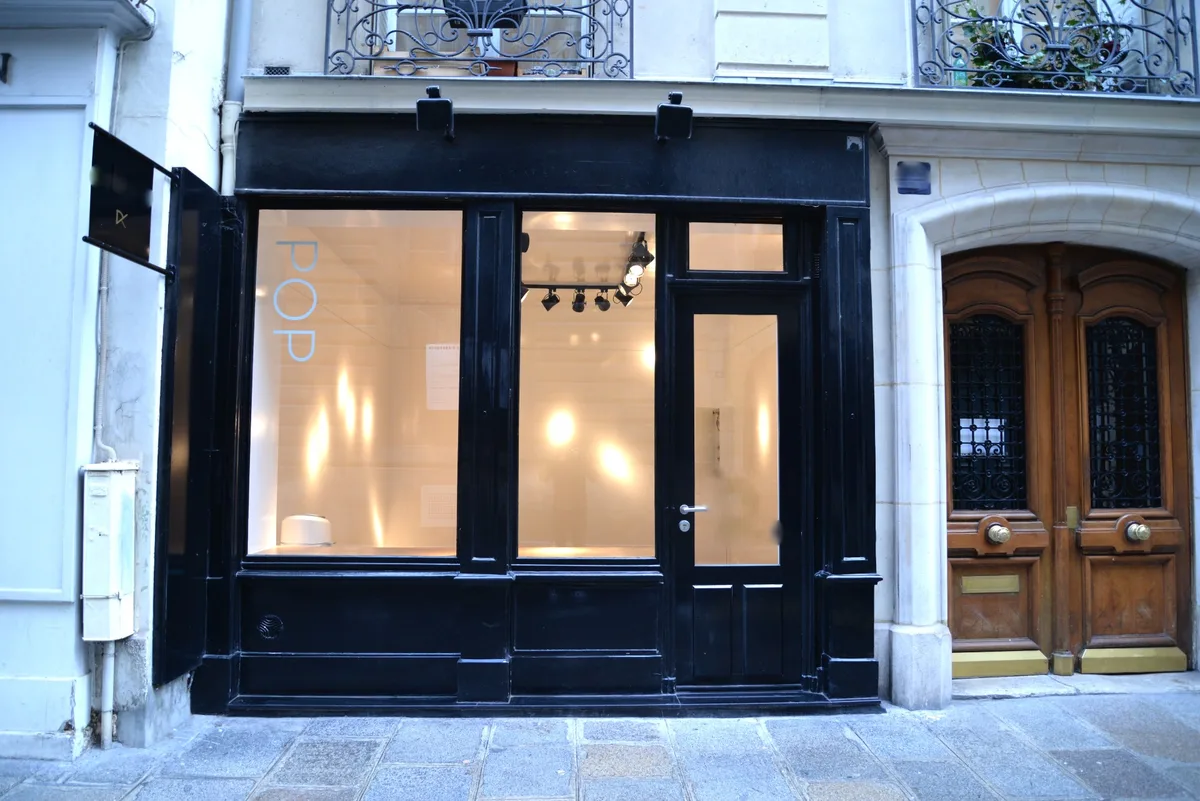
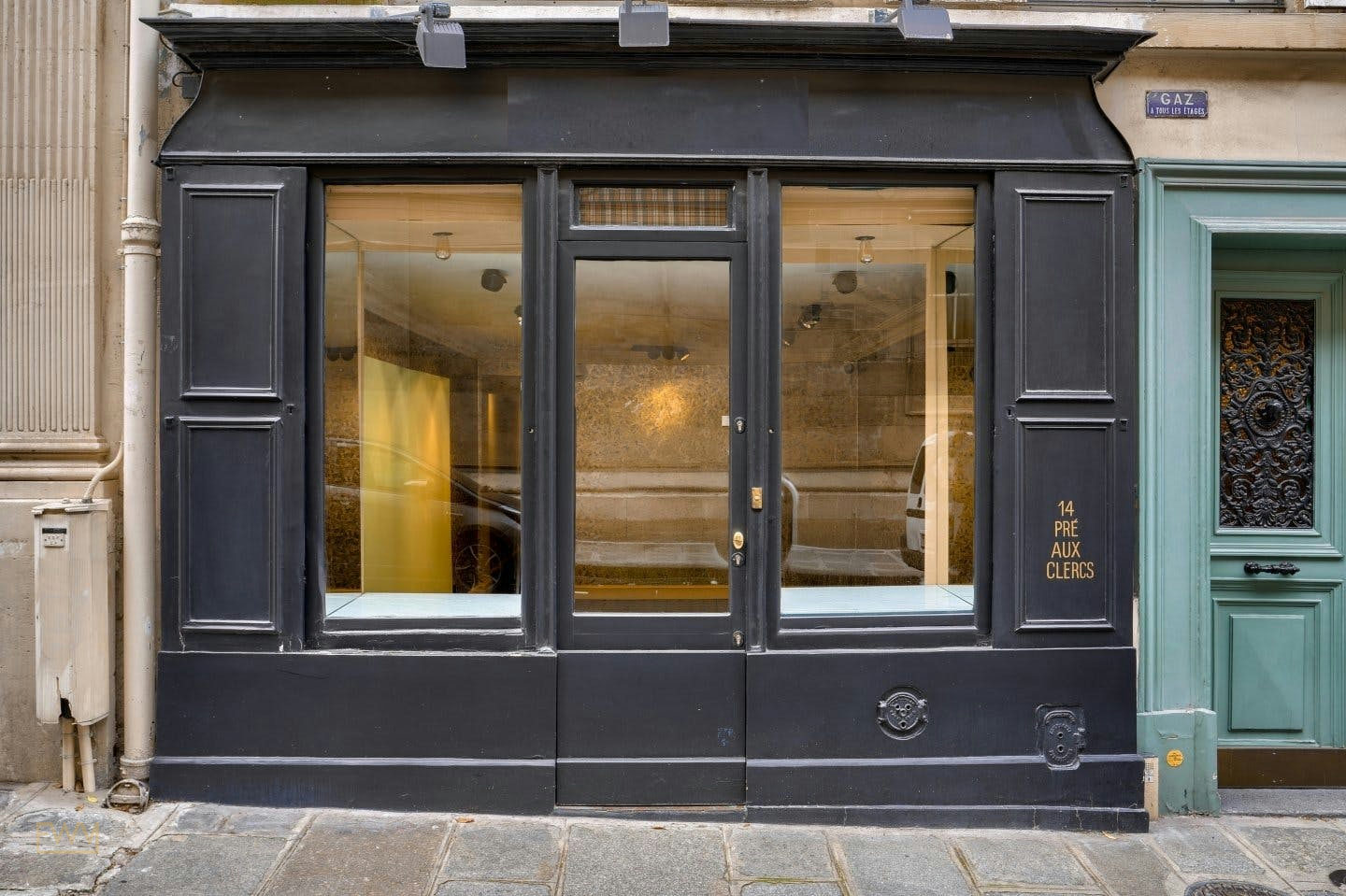
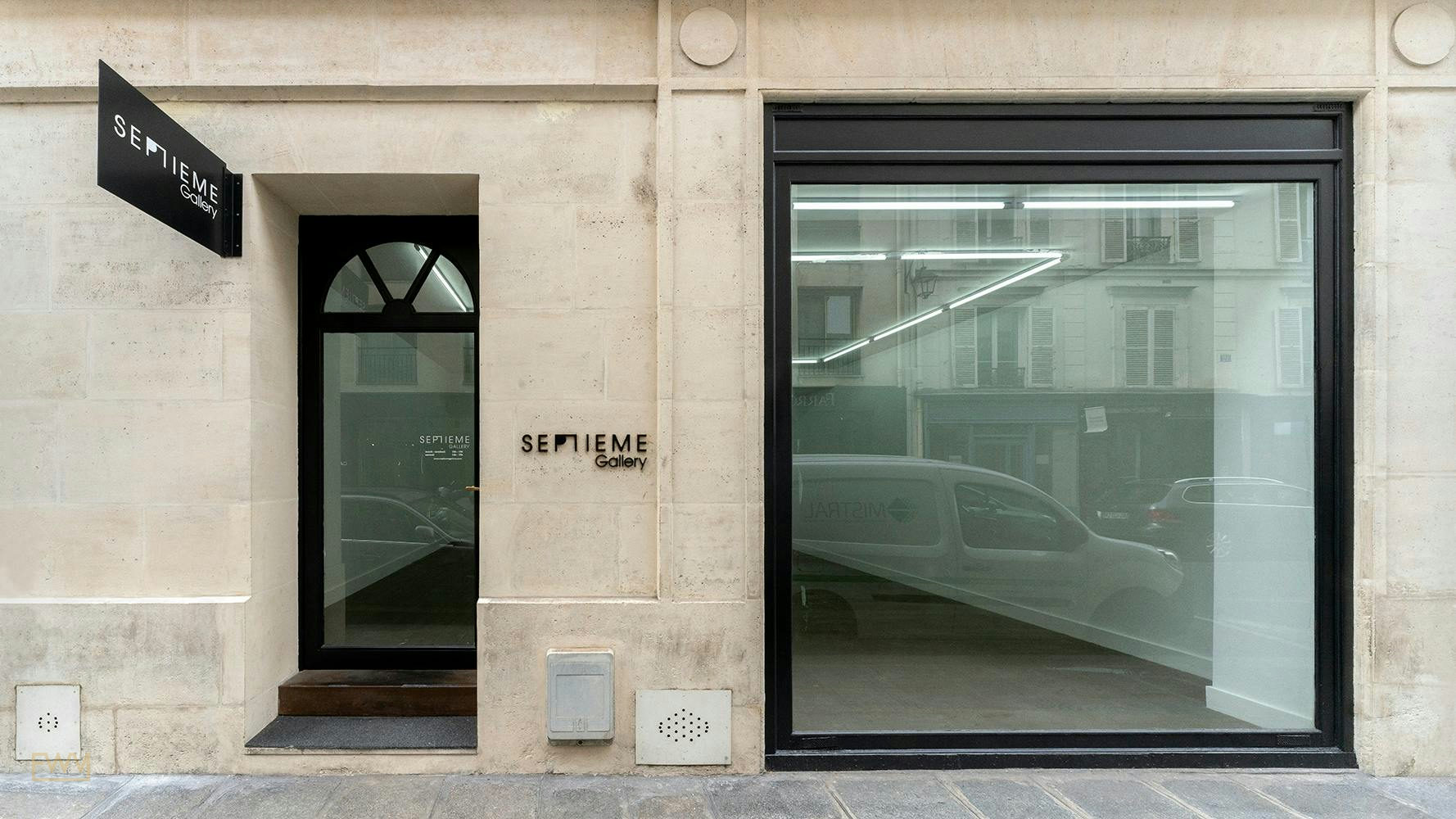
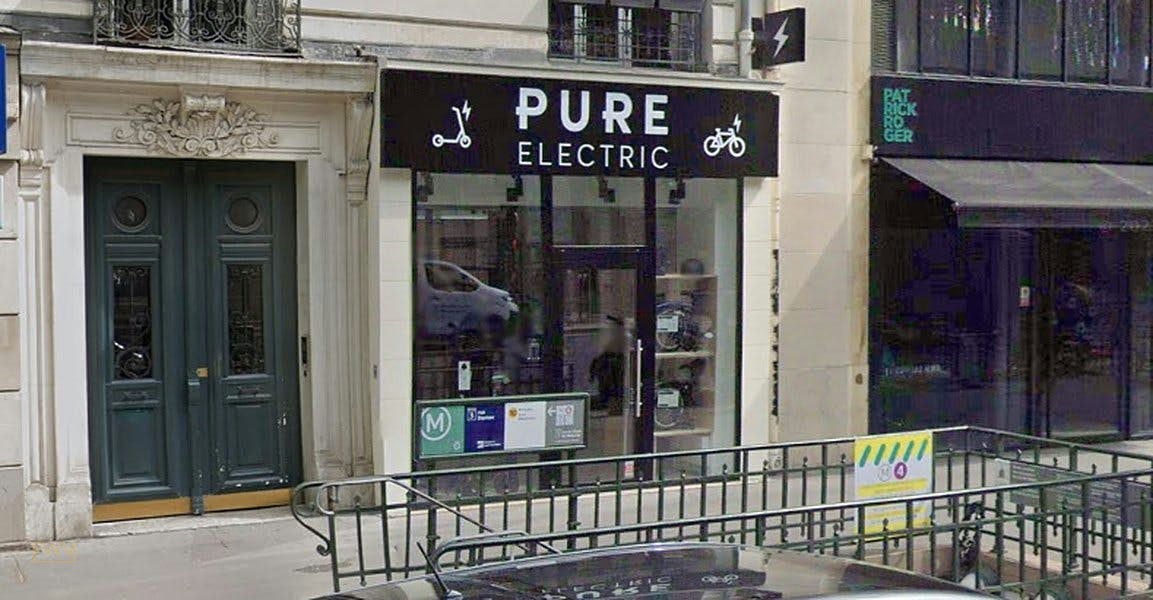
A traditional storefront or boutique is the most recognisable format for retail in Paris. These ground-floor commercial spaces on high-street locations offer direct pedestrian access, display windows for visual merchandising, and a familiar retail environment for customers. Sizes vary considerably, from 20 square metres to several hundred square metres. In prime locations, even very small boutiques command significant rental fees due to their address value and foot traffic.
Showrooms
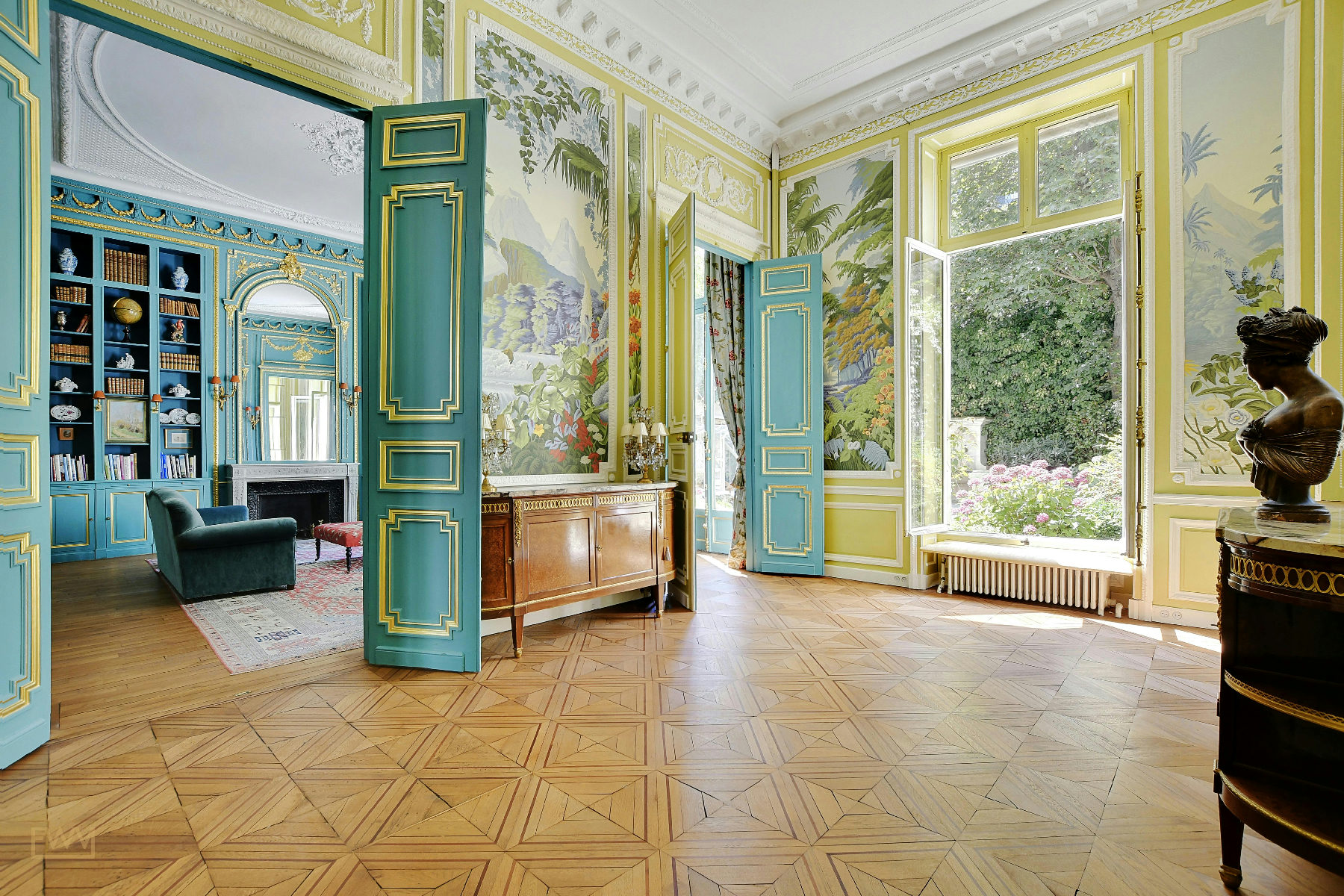
Fashion showrooms are a core use case for short-term rentals in Paris, particularly during Fashion Week windows. A showroom differs from a retail boutique in that it is designed for trade buyers, press, and wholesale appointments rather than direct consumer sales. Showrooms are often found in apartment buildings, especially in the 1st, 2nd, and 8th arrondissements, and can offer a more intimate, curated environment than a ground-floor retail space. A fashion showroom in a Haussmann-style apartment on a key street near the fashion week schedule offers enormous strategic value for emerging designers and established brands alike.
Art Galleries and Cultural Spaces
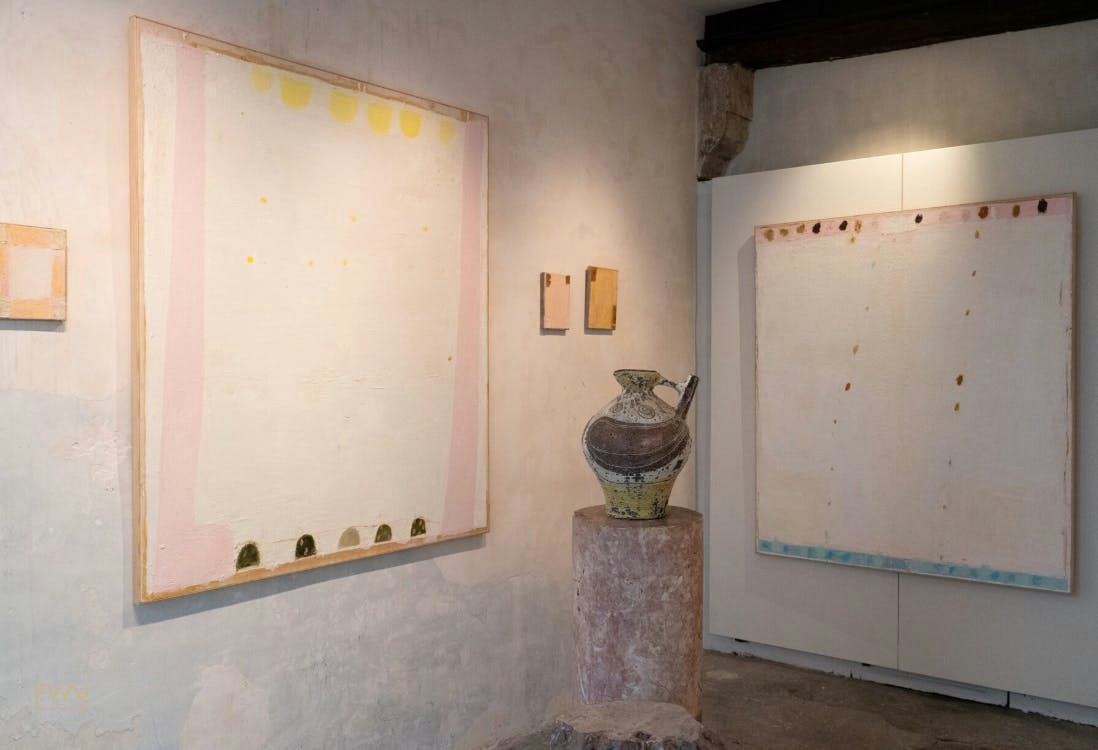
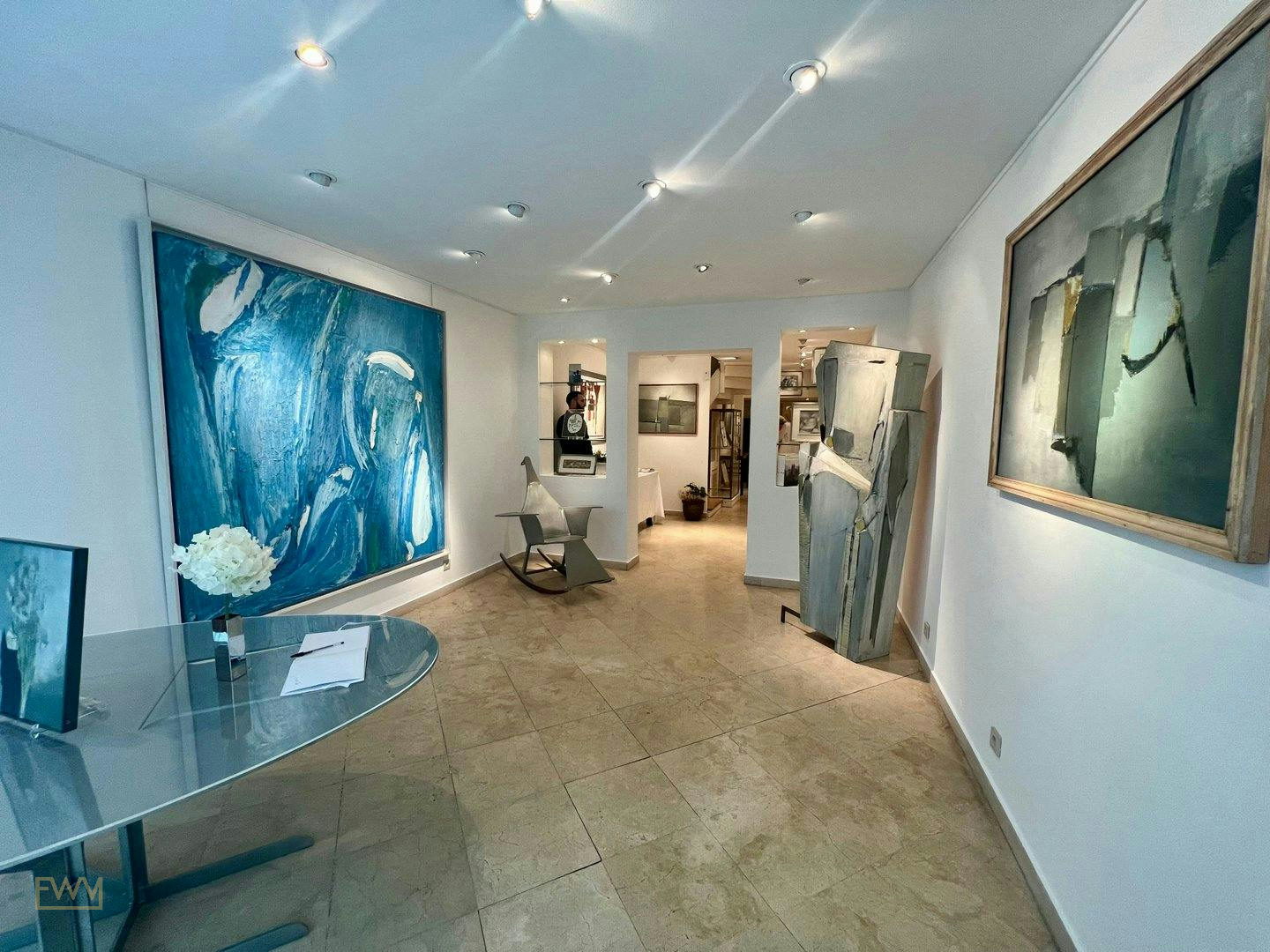
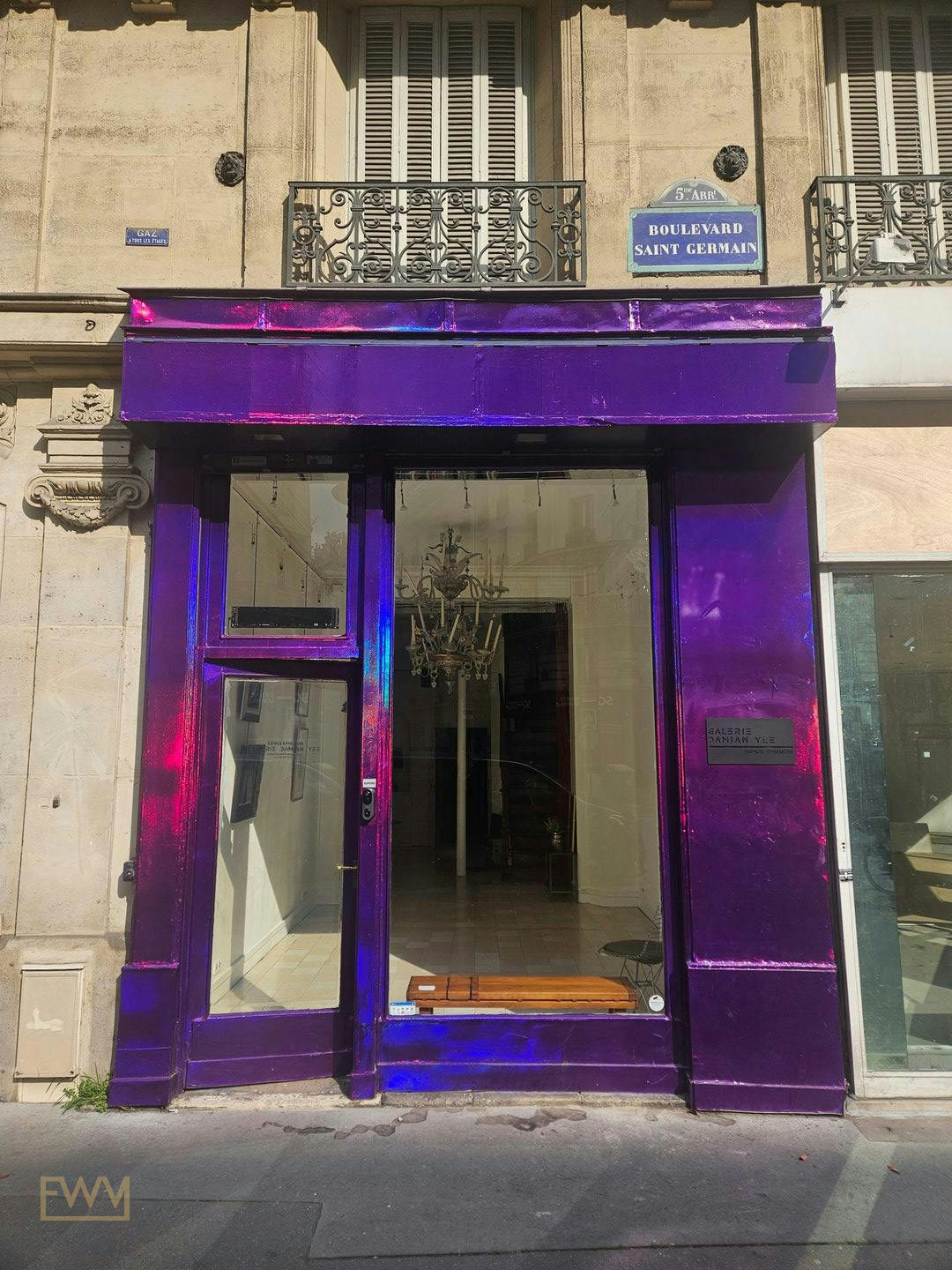
Art galleries repurposed as temporary retail spaces are popular in Le Marais, where the concentration of contemporary art spaces is high. These venues typically feature white walls, polished concrete or raw concrete floors, professional lighting with spotlights, and generous ceiling heights. They suit brands that want a creative or editorial aesthetic and brands launching products that benefit from gallery-style display. The art gallery format also signals cultural credibility, which resonates with the Paris fashion audience.
Apartments and Residential-Style Spaces
One of Paris's distinctive retail formats is the apartment-style space, where a residential interior serves as the setting for a brand experience. These spaces allow brands to create an intimate, immersive environment that a conventional storefront cannot replicate. They are particularly effective for beauty brands, homewares, lifestyle concepts, and fashion brands that want to evoke a sense of Parisian living. Regulatory requirements for these spaces are specific and vary by arrondissement, so verifying permitted use with the relevant authority is essential before signing.
Photo Studios with Retail Function
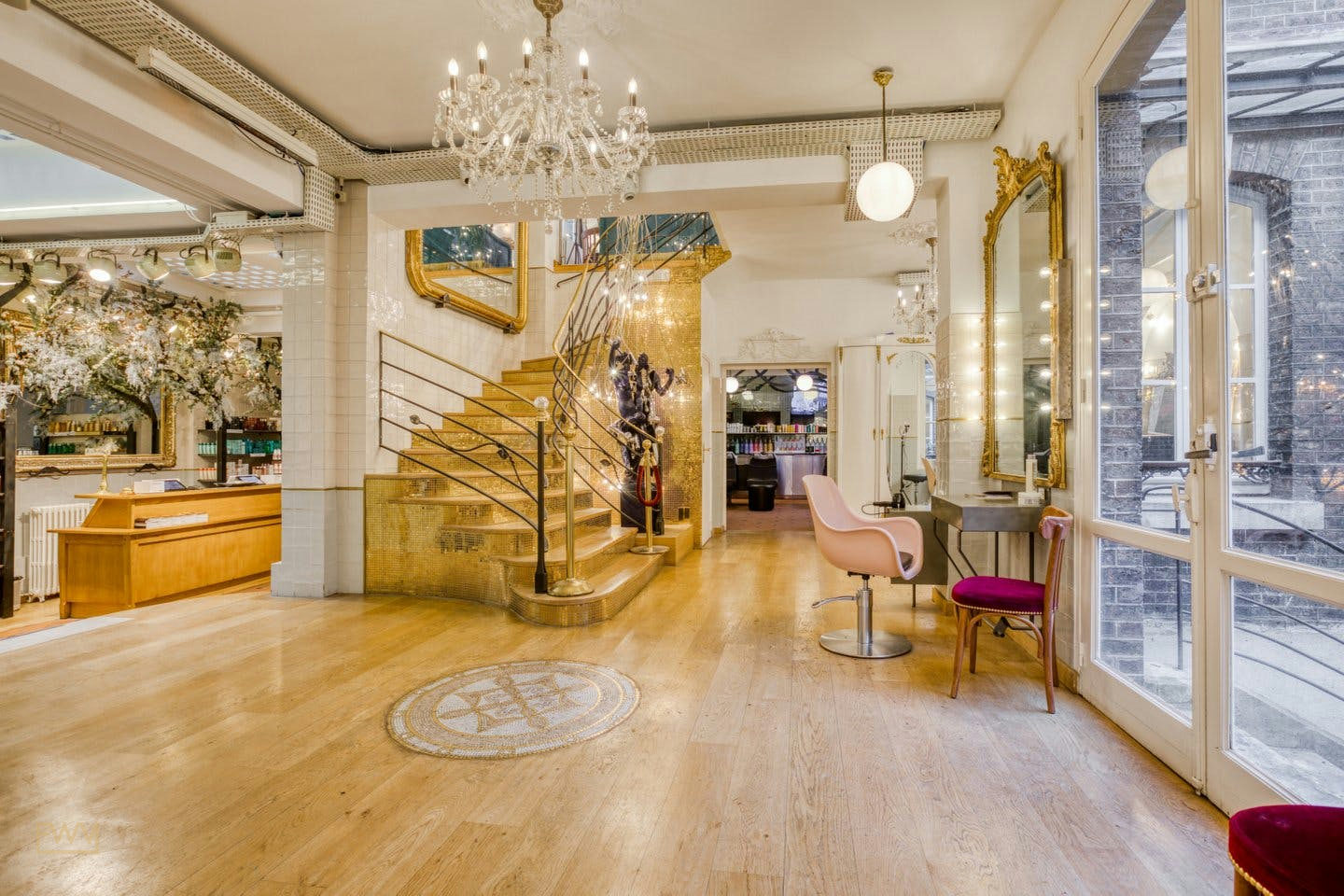
Studio photo spaces that also function as retail or showroom environments have become a practical hybrid for brands that need content creation capability alongside their commercial activation. These spaces typically feature controllable lighting rigs, neutral backgrounds, and open floor plans that can be reconfigured for selling events, press days, or influencer visits.
Shopping Centre and Mall Spaces
Spaces within Galeries Lafayette, Printemps, and other shopping centres offer access to extremely high foot traffic in a managed retail environment. Mall's high traffic zones within these destinations are particularly valuable for brands seeking broad consumer reach rather than a niche fashion audience. These arrangements are typically negotiated directly with the centre management and involve different terms than standalone street-level leases.
Quick answer: Paris retail spaces available for short-term rental include storefronts, showrooms, art galleries, apartment-style venues, photo studios, and shopping centre units. Each format suits different brand objectives, audiences, and budgets. Showrooms and gallery-style spaces dominate the fashion week activation market.
| Space Type | Typical Use | Key Features | Usual Duration |
|---|---|---|---|
| Storefront and boutique | Direct-to-consumer retail | Display window, pedestrian access, signage | Days to months |
| Fashion showroom | Trade and press appointments | Apartment-style, curated, private access | Days to weeks |
| Art gallery | Brand experience, product launch | White walls, spotlights, concrete floors | Days to weeks |
| Apartment-style space | Immersive brand experience | Residential aesthetic, intimate setting | Days to weeks |
| Photo studio | Content creation and retail hybrid | Lighting rigs, open plan, neutral background | Days |
| Shopping centre unit | High-volume consumer retail | Managed environment, very high foot traffic | Weeks to months |
KEY TAKEAWAY: Choosing the right space type is as important as choosing the right neighbourhood. The format of the space shapes the customer experience, the operational requirements, and the brand story that the activation can tell.
Once you have identified the right neighbourhood and space type, the question of budget and pricing becomes central to the decision-making process.
What Does It Cost to Rent a Shop in Paris
Rental costs for short-term retail spaces in Paris vary significantly depending on location, space size, space type, season, and duration. There is no single price per square metre that applies across the market, and published figures from commercial real estate platforms often reflect longer-term lease rates rather than short-term activation pricing.
Quick answer: The cost to rent a shop in Paris for a pop-up or short-term activation depends on the arrondissement, size, duration, and season. Prime locations in the Golden Triangle or Le Marais during fashion week command significant premiums. Use a purpose-built estimation tool to generate brand-specific budget projections rather than relying on generic market figures.
Several cost components typically apply to any Paris retail rental. The first is the base rental fee, which is the headline cost of occupying the space. The second is a refundable security deposit, which varies by landlord and space type. The third is operating costs, which in some arrangements include utilities, cleaning, and building services, and in others are charged separately. The fourth is insurance coverage, which is legally required and must be obtained before occupying any commercial space in France.
Beyond the space itself, brands need to budget for fit-out and production, furniture rental, staffing, point-of-sale systems, marketing and social media activation, permits where applicable, and contingency. The total cost of a Paris pop-up activation is typically significantly higher than the base rental fee alone.
Seasonal and calendar premiums are a significant factor in Paris. Spaces during Paris Fashion Week, Paris Couture Week, FIAC, and Paris Design Week attract premium pricing because demand exceeds supply. Brands that secure spaces outside peak calendar windows can find significantly better value, particularly in neighbourhoods that are active year-round rather than purely during fashion week.
TIP: Use the Fashion Week Venues budget calculator to build a realistic cost model for your Paris activation before committing to a space. This tool accounts for space rental, production, staffing, and operational costs specific to your brief.
Property tax, known as taxe foncière, is the liability of the property owner rather than the occupying brand in most short-term arrangements. However, it is worth confirming this in any short-term agreement to avoid unexpected charges. Similarly, business licence requirements vary by the nature of the activity being conducted, and brands selling goods directly to consumers may need to register commercial activity with French authorities.
Rental fees on a per-month basis for quality short-term retail space in prime Paris locations are typically at the upper end of European retail markets. Brands should plan for this realistically and consider whether a shorter, higher-quality activation in a prime location delivers better return on investment than a longer activation in a secondary location.
KEY TAKEAWAY: Budgeting for a Paris retail rental requires accounting for all cost components, not just the headline space fee. Insurance, fit-out, staffing, permits, and seasonal premiums all add to the total investment. Use a purpose-built budget tool to model your specific scenario accurately.
Understanding the full cost picture connects directly to the question of what legal and permit requirements apply to your specific activation.
Permits, Regulations, and Legal Requirements for Paris Retail Spaces
Navigating permits and legal requirements is one of the most complex aspects of renting a shop in Paris, particularly for international brands with no existing French legal entity. Requirements vary significantly by space type, location, duration, and the nature of the activity being conducted.
Bail Dérogatoire and Short-Term Leases
The bail dérogatoire is the most widely used legal instrument for short-term retail in Paris. It allows a tenant to occupy commercial premises for a period of up to three years without acquiring the rights associated with a standard nine-year bail commercial. Both parties must explicitly agree in writing that the derogatory arrangement applies. If the tenant remains in occupation after the three-year limit without a new agreement, French law automatically converts the arrangement into a full commercial lease, with all the associated protections and obligations. This is a risk that international brands should be aware of and manage carefully.
Convention d'Occupation Précaire and Licence d'Utilisation
For very short activations, a convention d'occupation précaire is appropriate when there is a legitimate and documented reason for the temporary nature of the arrangement. This instrument is more flexible than a bail dérogatoire but also more restricted in its applicability. A licence d'utilisation is another short-term instrument sometimes used for pop-up activations, particularly in shared or managed spaces.
Autorisation d'Occupation Temporaire (AOT)
Brands seeking to activate in publicly owned spaces, such as certain heritage buildings, public squares, or government-managed venues, will typically need an autorisation d'occupation temporaire. This is a permit granted by the relevant public authority and involves an application process, timeline requirements, and in some cases public interest criteria. Securing an AOT can take considerably longer than arranging a private short-term lease, and brands should factor this into their planning timeline.
Business Licences, Insurance, and Compliance
Any brand conducting commercial sales in France, including through a temporary retail space, may need to register business activity with the relevant French authorities. The specific requirements depend on the legal structure of the brand, whether it has an existing French entity, and the nature of the sales activity. Insurance coverage is mandatory for all commercial occupiers in France, and the policy must typically be in place before the occupation begins. Outdoor spaces and temporary structures such as market stalls or pop-up kiosks on public land require separate permissions and may involve applications to the relevant arrondissement's mairie.
IMPORTANT: French commercial property law and permit requirements are complex and vary by space type, duration, arrondissement, and activity. Always verify your specific requirements with a qualified French legal advisor before signing any agreement or beginning any construction or fit-out work. The information in this guide is for general orientation only and does not constitute legal advice.
For structured permit guidance specific to your activation type, consult the Fashion Week Venues permits tool, which provides an orientation framework for common permit scenarios in Paris.
Quick answer: International brands renting a shop in Paris must navigate French commercial property law, including bail dérogatoire for short-term leases, insurance requirements, business activity registration, and in some cases AOT permits for public spaces. Requirements vary significantly by situation. Specialist legal advice is essential before signing any agreement.
KEY TAKEAWAY: Permit and legal compliance is non-negotiable in Paris. Brands that proceed without proper guidance risk unexpected obligations, reinstatement costs, or activity restrictions that can undermine an entire activation. Build legal and compliance costs into your timeline and budget from the start.
With the legal framework in mind, the next practical challenge is understanding how to actually find and secure the right space in a competitive market.
How to Search for and Secure a Retail Space in Paris
Finding the right space to rent in Paris requires a more targeted approach than browsing general commercial real estate portals. The short-term retail market operates differently from the standard commercial property market, and the best spaces are often not publicly listed at all.
Where Spaces Are Listed and How to Search
General commercial real estate platforms such as LoopNet, CoStar, and local French portals primarily serve the long-term lease and investment property market. They may include some short-term listings but are not optimised for pop-up and temporary retail searches. Specialist pop-up space marketplaces are more relevant for brands seeking short-term storefronts, showrooms, and gallery spaces. These platforms allow searches by neighbourhood, space type, size in square metres, floor and access requirements, space features such as polished concrete floors, spotlights, or outdoor spaces, and availability windows aligned to specific calendar events.
Setting up saved searches and email alerts on specialist platforms is useful because quality spaces in prime Paris locations are taken quickly. Blue listings or featured listings on some platforms indicate promoted or high-quality spaces that landlords are actively marketing, which can be a useful filter when shortlisting.
Working with Brokers and Local Agents
Broker professionals and local property agents, including iad agents and specialist retail space consultants, can provide access to off-market spaces and help navigate landlord negotiations. Using a specialist agency rather than a generalist commercial real estate broker is typically more effective for short-term retail, as the agency will have established relationships with landlords who are open to temporary arrangements and will understand the specific legal instruments involved.
The advantage of working with an agency that specialises in pop-up and temporary retail is that they can compress timelines considerably, handle permit applications, manage fit-out production, and provide staffing and operational support alongside the space search. For international brands entering the Paris market for the first time, this full-service model significantly reduces execution risk.
The Space Search and Shortlisting Process
A structured space search process typically begins with defining the brief: neighbourhood preference, space type, minimum and maximum size, required features, budget range, and calendar window. From this brief, a shortlist of spaces is generated and assessed against criteria including foot traffic data, access and logistics suitability, technical specifications such as power supply and lighting, and brand aesthetic fit. Spaces are then compared against each other before a preferred option is selected for negotiation.
| Step | Action | Key Consideration | Typical Timeline |
|---|---|---|---|
| 1 | Define the brief | Neighbourhood, type, size, budget, calendar | Day 1 |
| 2 | Search and longlist | Marketplace, agency, broker relationships | Week 1 to 2 |
| 3 | Site visits and shortlisting | Foot traffic, technical specs, aesthetic fit | Week 2 to 3 |
| 4 | Compare and evaluate | Cost, terms, logistics, permit requirements | Week 3 to 4 |
| 5 | Negotiate and agree terms | Lease type, insurance, security deposit | Week 4 to 5 |
| 6 | Sign and secure | Legal review, insurance in place | Week 5 to 6 |
| 7 | Begin fit-out and production | Build timeline, permit clearance | Week 6 onwards |
TIP: For fashion week windows, the entire search and securing process should begin at least three to six months in advance. The most sought-after spaces in Le Marais and the Golden Triangle are reserved well before the official fashion week calendar is published.
The Fashion Week Venues timeline tool can help you plan backwards from your target activation date to establish when each step in the process needs to begin.
KEY TAKEAWAY: Searching for a pop-up space in Paris requires a structured, proactive approach. Set up saved searches on specialist platforms, engage agency or broker relationships early, and begin the process significantly earlier than you think is necessary, particularly for peak calendar windows.
Securing the space is only the beginning. The business operations, marketing, and merchandising decisions that follow determine whether the activation delivers commercial and brand results.
Business Operations, Marketing, and Merchandising for Paris Pop-Ups
A Paris retail activation lives or dies not just on location but on execution. The operational and marketing decisions that shape the customer experience, the quality of transactions, and the brand story being told are as important as the space itself.
Brand Positioning and Target Audience
Every Paris retail project should begin with a clear articulation of what the brand is communicating and to whom. Paris attracts a sophisticated, internationally aware clientele that is accustomed to high production values and original concepts. A generic retail fit-out or a poorly conceived brand story will underperform against the expectations of Parisian visitors and the international fashion audience that congregates in the city during key calendar moments. Brand positioning decisions affect everything from the design of the space to the training of retail staff, the visual merchandising approach, and the social media content strategy.
Design, Lighting, and Merchandising
The interior design of a Paris pop-up or short-term retail space is a primary communication tool. Choices about floor finish, whether polished concrete, raw concrete, timber, or carpeted, signal different brand values. Spotlight placement and lighting design affect how products are perceived and how the space feels to visitors. Merchandising decisions, including product hierarchy, density, and the rhythm of the customer journey through the space, directly affect conversion rates and average transaction values. For fashion showrooms, the presentation logic for garments and accessories affects how buyers and press experience the collection.
Social Media, Influencer Marketing, and Content Creation
A Paris retail activation has significant potential reach beyond the physical visitors to the space. Social media documentation of the space, the products, and the brand experience is a core part of the marketing strategy for most contemporary activations. Brands working with influencers during Paris Fashion Week or at major cultural events like FIAC or Paris Design Week can amplify the reach of a physical space to audiences that are orders of magnitude larger than the number of people who visit in person. Planning for content creation, including the aesthetic suitability of the space for photography and video, should happen at the brief stage rather than as an afterthought.
Foot Traffic, Feedback, and Data
Understanding how visitors interact with a space, what products attract the most attention, and what the conversion rate looks like are all important inputs for evaluating the success of an activation and planning future ones. Basic foot traffic counters, customer feedback mechanisms, and point-of-sale data can provide actionable intelligence. More sophisticated data collection, including dwell time analysis and heat mapping, is available through specialist retail analytics tools. Brands that treat their Paris activation as a data-gathering exercise as well as a commercial opportunity will get more value from the investment.
POS, Payments, and Logistics
Point-of-sale systems for temporary retail in Paris need to accommodate card payments, contactless transactions, and in many cases multiple currencies for international visitors. Security considerations for cash handling and inventory management are relevant for any retail space, particularly in high-footfall areas. Logistics for stock delivery, storage within the space, and returns need to be planned before the activation opens. For international brands, customs and import considerations for stock entering France from outside the European Union add another layer of planning complexity.
Quick answer: Running a Paris pop-up shop successfully requires aligning brand positioning, interior design, merchandising, social media strategy, influencer marketing, data collection, and logistics before the doors open. Execution quality in Paris is high, and visitors' expectations are calibrated accordingly.
DID YOU KNOW: Paris Fashion Week draws thousands of international buyers, press, and influencers to the city each season. Brands with a well-positioned pop-up during this window benefit from a concentration of industry attention that is unmatched anywhere else in the fashion calendar.
KEY TAKEAWAY: Operational and marketing excellence is what separates Paris activations that build lasting brand equity from those that simply occupy a space. Invest in concept direction, interior design, staffing quality, and digital amplification as seriously as you invest in the space itself.
Understanding the full scope of what a successful Paris activation requires leads naturally to the question of whether to manage it independently or work with a specialist agency.
How Fashion Week Venues Helps Brands Rent and Activate Spaces in Paris
Fashion Week Venues is a full-service pop-up shop agency and space marketplace with Paris as its primary and anchor market. The agency serves fashion brands, beauty brands, luxury houses, emerging designers, and international brands entering the French market for the first time.
The core challenge that Fashion Week Venues addresses is the gap between a brand's vision for a Paris activation and the practical complexity of executing it. Finding the right space, understanding the correct legal instrument, obtaining insurance and permits, designing and building the interior, staffing the space, setting up payments, and managing the marketing simultaneously requires specialist knowledge across multiple disciplines. Few brand teams have all of these capabilities in-house, and the consequences of gaps in any area can be significant.
Services Available Through Fashion Week Venues
Fashion Week Venues offers a comprehensive service range that can be engaged as a full-service package or modularly depending on the brand's existing capabilities and budget. Venue sourcing is the starting point for most clients, drawing on the agency's network of off-market and marketplace-listed spaces across Paris and other fashion capitals. Concept direction services help brands develop a spatial concept that communicates their brand story and suits the chosen space. Production and build services manage the physical fit-out, from design drawings to installation and reinstatement. Activation management coordinates all operational elements during the live period. Branded store design creates a cohesive visual identity for the space. Furniture rental provides curated pieces appropriate to the brand aesthetic. Retail staffing sources and trains sales associates who understand the brand and the Paris market. POS and payments services set up the transactional infrastructure. Data and analytics services provide performance measurement during and after the activation. Influencer marketing services connect brands with the right Paris-based and international influencers for amplification.
Tools Available Through Fashion Week Venues
Alongside agency services, Fashion Week Venues provides a suite of planning tools for brand teams at every stage of the decision-making process. The budget calculator helps brands build a realistic cost model. The ROI calculator helps brands evaluate the potential return from a Paris activation. The compare tool allows side-by-side evaluation of shortlisted spaces. The timeline tool helps teams plan backwards from a target activation date. The permits tool provides orientation on permit requirements by space type and activation category. The locator tool helps brands identify spaces by neighbourhood and category.
Who Benefits Most
Brand teams that benefit most from Fashion Week Venues include those entering Paris for the first time without existing local relationships, those with tight timelines that cannot accommodate a lengthy independent search process, those whose brand standards require a high level of production quality that needs specialist management, and those seeking to activate across multiple cities in a single season. The twin co-activation concept is particularly relevant for brands seeking to share a space and split costs with a complementary brand, which can make prime Paris locations accessible at a lower individual investment.
Understanding the Limitations
Fashion Week Venues does not guarantee the availability of specific spaces, the outcome of permit applications, or the commercial results of any activation. Space availability depends on landlord decisions and market conditions. Permit approvals depend on the relevant authorities. Commercial outcomes depend on brand strength, market conditions, and execution quality. The agency's role is to provide expert guidance, reduce execution risk, and compress timelines through established relationships and specialist knowledge.
To understand how the agency works in practice, review the Fashion Week Venues process page and explore past activations in the work section.
KEY TAKEAWAY: Fashion Week Venues provides brand teams with the agency relationships, market knowledge, tooling, and operational services needed to execute a Paris retail activation without building all of that capability from scratch. Engaging the agency early in the planning process maximises the quality and speed of outcomes.
Before making any decisions about agency engagement or space selection, it is worth examining some of the most common misconceptions that affect how brands approach the Paris retail market.
Common Myths About Renting a Shop in Paris Debunked
MYTH: You need a French legal entity to rent a retail space in Paris.
FACT: International brands without a French legal entity can rent short-term retail spaces in Paris through appropriate agreements, though the process requires careful structuring. Many space owners and specialist agencies facilitate arrangements for foreign brands without a registered French company, particularly for short-term licences and bail dérogatoire agreements. That said, the specific requirements depend on the space owner, the duration, and the nature of the commercial activity, so legal advice from a qualified French advisor is essential.
MYTH: Paris Fashion Week is the only viable calendar window for a Paris pop-up activation.
FACT: While Paris Fashion Week creates the highest concentration of industry attention, Paris is a year-round retail destination with strong consumer and trade activity throughout the calendar. Events such as FIAC, Paris Design Week, the Paris Couture calendar, and the general tourist season in spring and summer all offer commercially viable windows for brand activations. Brands that activate outside peak fashion week dates often find better space availability, more competitive pricing, and less operational competition from other activating brands.
MYTH: Commission brokers are the only way to find a pop-up space in Paris.
FACT: Specialist pop-up marketplaces, agency relationships, and direct landlord connections are all viable routes to finding quality short-term retail space in Paris. While broker professionals can provide useful market access, the pop-up and temporary retail sector has developed its own dedicated platforms and agency networks that are often better suited to short-term search requirements than traditional commercial real estate brokers who focus primarily on long-term investment properties.
MYTH: Short-term leases in Paris are legally straightforward and do not require specialist help.
FACT: Short-term commercial leases in Paris involve specific French legal instruments such as the bail dérogatoire, convention d'occupation précaire, and autorisation d'occupation temporaire, each with distinct conditions, risks, and obligations. Signing the wrong type of agreement or failing to include the correct clauses can result in unexpected long-term obligations, difficulty terminating the arrangement, or disputes over reinstatement costs. Specialist legal advice and agency support are strongly recommended, particularly for international brands unfamiliar with French commercial property law.
MYTH: The best Paris pop-up spaces are always available on public listing platforms.
FACT: Many of the most sought-after short-term retail spaces in prime Paris locations, particularly in Le Marais, Saint-Germain-des-Prés, and the Golden Triangle, are not publicly listed. They are filled through agency relationships, direct landlord contacts, and word-of-mouth referrals. Brands that rely solely on public listings will miss a significant portion of the available market, particularly during peak fashion week windows when competition for prime spaces is most intense.
Frequently Asked Questions
What is a pop-up store?
A pop-up store is a temporary retail space that a brand opens for a defined period, ranging from a single day to several months, and then closes. Pop-up stores are used for product launches, seasonal activations, fashion week showrooms, brand awareness campaigns, market testing, and direct-to-consumer sales events. They offer brands the flexibility to test new markets, reach specific audiences, and create a sense of exclusivity and urgency without the long-term financial commitment of a permanent lease. In Paris, pop-up stores range from intimate apartment-style spaces to fully fitted storefronts on major commercial streets.
How much does a pop-up shop cost in Paris?
The cost of a pop-up shop in Paris varies significantly by location, space size, duration, season, and the scope of services required. Base rental fees for short-term spaces in prime locations are at the upper end of European retail markets. Total activation costs, including fit-out, staffing, insurance, permits, and marketing, are typically substantially higher than the headline rental figure. Brands should build a detailed budget before beginning their search. The Fashion Week Venues budget calculator provides a structured way to model total costs for a specific brief rather than relying on generic market estimates.
What is the difference between a bail dérogatoire and a standard commercial lease in Paris?
A bail commercial, the standard French commercial lease, runs for a minimum of nine years and grants the tenant significant legal protections, including the right to renew. It also imposes substantial obligations on both parties. A bail dérogatoire is a short-term derogatory lease of up to three years that bypasses these protections and obligations by mutual written agreement. It is the most common legal instrument for temporary retail in Paris. If the tenant remains after the three-year limit without a new agreement, French law automatically converts the arrangement into a full bail commercial, which is a risk that must be carefully managed.
What neighbourhoods are best for pop-up retail in Paris?
The best neighbourhood for a Paris pop-up depends on the brand's target audience and positioning. Le Marais, particularly the 3rd arrondissement around Les Enfants Rouges and Place des Vosges, is the most popular zone for fashion and lifestyle brands. Saint-Germain-des-Prés suits premium and luxury brands seeking an affluent Parisian audience. The Golden Triangle, covering the 8th arrondissement around Champs-Élysées, Saint-Honoré, and Place Vendôme, is the apex of luxury retail but commands very high costs. Montmartre and Pigalle offer creative energy at lower price points. Châtelet and Rue de Rivoli deliver high pedestrian volumes for mass-market strategies.
Do I need a French legal entity to rent a pop-up space in Paris?
International brands without a French legal entity can access short-term retail spaces in Paris through appropriate legal arrangements, including bail dérogatoire agreements and short-term licences. However, the feasibility of this depends on the specific space owner, the type of commercial activity being conducted, and the duration of the arrangement. Some space owners require a French guarantor or registered entity. Others will work with international brands directly, particularly through specialist agencies with established landlord relationships. Legal advice from a qualified French advisor is always recommended before committing to any arrangement.
Are pop-up stores common in Paris?
Pop-up stores are extremely common in Paris and have been a feature of the city's retail landscape for many years. Paris attracts pop-up activations from luxury fashion houses, emerging designers, global beauty brands, technology companies, and food and beverage businesses. The concentration of industry events, including Paris Fashion Week, Paris Couture Week, FIAC, and Paris Design Week, creates regular peaks of pop-up activity throughout the year. Le Marais in particular has become one of the most recognised pop-up retail destinations in the world.
How far in advance should I start planning a Paris pop-up?
For activations during peak fashion week windows, brands should begin planning and searching for space at least three to six months in advance. The most sought-after spaces in prime locations are secured well ahead of the official calendar. For activations outside peak calendar windows, a two to four month lead time is typically sufficient for a straightforward activation, though complex builds with significant fit-out requirements may need longer. The Fashion Week Venues timeline tool helps teams plan backwards from a target activation date to establish when each phase of the process needs to begin.
What permits do I need to run a pop-up shop in Paris?
Permit requirements for a Paris pop-up depend on the space type, the arrondissement, the nature of the commercial activity, and whether the space is on public or private land. Brands operating in privately owned commercial spaces under a bail dérogatoire or short-term licence typically need commercial insurance and may need to register business activity in France. Outdoor spaces, temporary structures, and spaces on public land require authorisation from the relevant authority, often in the form of an autorisation d'occupation temporaire. Requirements vary significantly by situation, and specialist legal advice is essential. The Fashion Week Venues permits tool provides a useful orientation framework.
Can I find Paris pop-up spaces on commercial real estate platforms like LoopNet or CoStar?
General commercial real estate platforms such as LoopNet and CoStar primarily serve the long-term lease and investment property market. While they may include some short-term commercial listings, they are not optimised for pop-up and temporary retail searches. Specialist pop-up marketplaces and agency networks provide much better access to the short-term retail space market in Paris, particularly for prime locations in Le Marais and the Golden Triangle. Setting up saved searches and email alerts on specialist platforms helps brands move quickly when suitable spaces become available.
What insurance do I need to rent a shop in Paris?
Commercial insurance is legally required for any brand occupying a commercial space in France. At minimum, a brand needs civil liability insurance covering the occupied premises. Depending on the space type and activity, additional coverage for stock, public liability, employer's liability if staff are employed, and property damage may be required. Insurance must typically be in place before the occupation period begins, and proof of coverage may be required by the landlord before keys are handed over. Insurance requirements should be confirmed with a French insurance advisor and the space owner before finalising any agreement.
What is the difference between a showroom and a retail pop-up in Paris?
A showroom in Paris is a space primarily used for trade buyer appointments, press presentations, and wholesale order-taking rather than direct consumer sales. A retail pop-up is open to the general public and operates as a selling space. The distinction matters legally and operationally. Showrooms often operate in apartment buildings or more private settings and are associated with the fashion week trade calendar. Retail pop-ups are typically in ground-floor commercial spaces with street access and display windows. Some activations combine both functions, particularly during fashion week when a brand may receive trade during the day and open to consumers in the evenings.
How do I know which type of commercial space is best suited to my brand in Paris?
The best space type for your brand depends on who your primary audience is, what activity is taking place in the space, what brand story you are telling, and what your budget and operational capacity allows. A fashion showroom suits trade and press appointments. A gallery-style boutique suits brands with a strong visual or artistic identity. An apartment-style space suits immersive brand experiences. A street-level storefront suits direct consumer retail. Answering these questions clearly in your brief before beginning the search will significantly improve the relevance of spaces that are surfaced and will prevent wasted time on unsuitable options.
Can international brands share a space in Paris to reduce costs?
Yes. Shared or co-activation arrangements allow two complementary brands to occupy the same space and split the rental and production costs. This model is particularly useful for accessing prime locations that would be cost-prohibitive for a single brand at short notice. The twin co-activation concept offered by Fashion Week Venues is specifically designed for this scenario, pairing brands that share a target audience but do not compete directly. Co-activation requires careful planning around space division, scheduling, staffing, brand identity, and customer experience to ensure that both brands benefit without diluting each other's message.
What calendar events in Paris create the most opportunity for pop-up retail?
Paris Fashion Week, held twice annually for ready-to-wear and additionally for couture and menswear, creates the highest concentration of industry and consumer attention. FIAC, the international contemporary art fair, draws a wealthy international audience with strong purchasing power. Paris Design Week attracts a design-conscious audience and suits lifestyle, homeware, and luxury brands. The general tourist season from spring through summer provides sustained foot traffic across all consumer-facing neighbourhoods. Brands should match their chosen calendar window to their target audience and the nature of their activation rather than defaulting automatically to fashion week.
Why should I use an agency rather than searching for a Paris pop-up space independently?
An agency that specialises in short-term retail in Paris brings established landlord relationships, knowledge of off-market spaces, expertise in French commercial property law, and operational capabilities that most brand teams cannot replicate independently, particularly on tight timelines. The value of agency engagement is especially high for international brands entering the Paris market for the first time, brands with complex production requirements, and brands activating during competitive peak windows when the best spaces are taken quickly. The guides section on Fashion Week Venues provides a detailed overview of what to consider when selecting an agency for a Paris activation.
Conclusion: Making the Right Decision to Rent a Shop in Paris
Renting a shop in Paris is one of the most strategically significant decisions a fashion, luxury, or lifestyle brand can make. The city's concentration of media, buyers, influencers, and affluent consumers during key calendar moments creates commercial and brand-building opportunities that are genuinely difficult to replicate anywhere else. But the complexity of the Paris retail market, from the specific legal instruments required to the competitive dynamics of prime neighbourhood spaces, means that execution quality determines whether the investment delivers.
The brands that succeed in Paris approach the process with clarity, discipline, and specialist support. They define their neighbourhood, space type, audience, and brand story before they begin searching. They understand the legal requirements and budget for all cost components, not just the headline rental fee. They plan their timelines to account for the realities of the Paris market, particularly during fashion week windows when lead times are long and spaces are scarce. And they invest in the execution quality, design, staffing, merchandising, and marketing that the Paris audience expects.
Fashion Week Venues exists to make this process faster, lower-risk, and better-executed for brands at every stage of their Paris journey. From the initial search and legal navigation to full production and activation management, the agency and its tooling provide the specialist support that transforms a concept into a successful Paris presence.
To move from research to activation, start exploring available spaces on the Fashion Week Venues marketplace and build a focused brief for your target neighbourhood, space type, and calendar window.