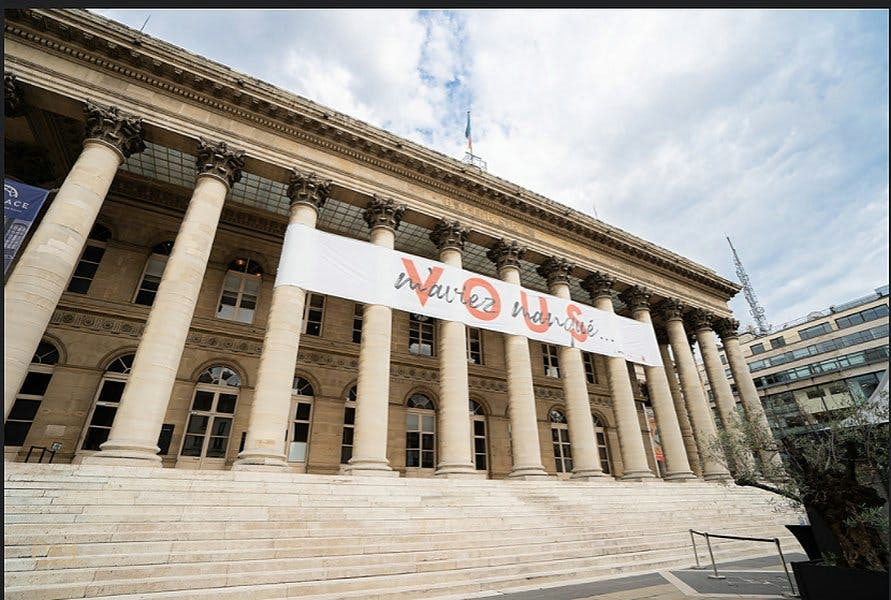
If you want to rent a pop up shop in the 9th arrondissement Paris, you are choosing one of the city's most commercially active, culturally rich, and strategically positioned districts. The 9th arrondissement sits at the intersection of Grands Boulevards retail energy, Montmartre artistic identity, and Opéra-quarter luxury density, making it a compelling alternative to Le Marais or Saint-Germain-des-Prés for brands seeking temporary retail space with genuine footfall. Whether you are planning a fashion showroom during Paris Fashion Week, a product launch ahead of a major trade calendar, or a concept store testing a new retail idea, the 9th offers space formats, landlord flexibility, and neighbourhood visibility that match a wide range of brand objectives. Fashion Week Venues supports brands activating across Paris with venue sourcing, production, and end-to-end activation management.
Why Rent a Pop Up Shop in the 9th Arrondissement Paris?
Quick answer: The 9th arrondissement Paris offers a rare combination of high pedestrian footfall from Galeries Lafayette and Opéra, strong residential density in its upper neighbourhoods, and a growing creative scene around Pigalle and South Pigalle (SoPi). For brands seeking temporary retail outside of the saturated Le Marais or expensive Saint-Honoré markets, Paris 9ème delivers accessible spaces, diverse formats, and genuine consumer traffic year-round.
Paris is a city of distinct neighbourhood identities, and the 9th arrondissement is one of its most layered. The southern edge of the arrondissement is defined by the Opéra Garnier, the grand department stores of Galeries Lafayette and Printemps, and the dense commercial flow of Boulevard Haussmann. This area alone attracts millions of international visitors and Parisian consumers annually, creating organic footfall that few neighbourhoods in any European city can rival. For a pop-up store or fashion showroom positioned within walking distance of these anchors, visibility is essentially built into the geography.
Moving north within the 9th, the neighbourhood character shifts. The streets around Pigalle have been transformed over the past decade into one of Paris's most dynamic creative quarters. What was once primarily known as an entertainment district is now home to independent concept stores, influential menswear boutiques like Bonne Gueule and Noyoco, wine bars, and design-forward residential spaces. South Pigalle, which locals and the press often abbreviate to SoPi, has attracted a younger, trend-sensitive demographic that makes it particularly relevant for fashion brands, beauty activations, and lifestyle concepts seeking cultural credibility alongside commercial reach.
The middle band of the arrondissement, running through streets like rue des Martyrs and the Saint-Georges neighbourhood, offers a quieter but still commercially viable environment. Rue des Martyrs has become one of Paris's celebrated food and lifestyle streets, drawing a local but affluent clientele that responds well to independent retail and curated temporary offerings. This creates a very different activation context from the mass-market Boulevard Haussmann corridor, and brands can choose their positioning deliberately depending on whether they want volume traffic or quality engagement.
The 9th also benefits from excellent transport infrastructure. Multiple metro lines serve the district, including lines 7, 8, and 9 at Opéra, line 2 at Pigalle and Anvers, and line 12 at Saint-Georges, among others. This connectivity means that a pop-up in the 9th is easily accessible for press, buyers, influencers, and consumers arriving from across Paris and from major transport hubs including Gare du Nord and Gare Saint-Lazare, both of which are adjacent to the arrondissement.
For international brands entering the Paris market, the 9th arrondissement also offers practical advantages. Rental rates across the district vary considerably by sub-area, but directional estimates suggest that spaces in the Pigalle and Saint-Georges neighbourhoods may offer more competitive terms than equivalent formats in the 4th or 6th arrondissements. Brands can explore directional cost modelling using the Fashion Week Venues budget calculator to frame realistic expectations before beginning any landlord conversation.
KEY TAKEAWAY: The 9th arrondissement offers brands a layered set of activation environments, from the high-volume commercial strip at Boulevard Haussmann to the creative and culturally credible streets of Pigalle and SoPi. Choosing the right sub-area within the 9th is as strategically important as choosing the arrondissement itself.
Understanding the different sub-areas of the 9th brings us naturally to the wider question of how Paris pop-up retail geography works and how the 9th compares to other key districts brands typically consider.
Paris Pop-Up Neighbourhoods Compared: 9th Arrondissement vs Le Marais, Saint-Germain-des-Prés, and Beyond
Quick answer: Le Marais remains the most in-demand district for fashion pop-ups, particularly the Haut-Marais around rue de Bretagne and Arts et Métiers. Saint-Germain-des-Prés suits luxury and heritage brands. The 9th arrondissement offers differentiated footfall profiles, more flexible space formats, and creative positioning in areas like Pigalle, with potentially more competitive rental dynamics than the most saturated districts.
Every Paris arrondissement presents a distinct retail environment, and brands planning temporary retail activations need to match their audience, their concept, and their calendar window to the right neighbourhood before beginning any search. The table below provides a directional comparison of the key districts most frequently considered for pop-up and short-term retail in Paris.
| Neighbourhood / Arrondissement | Best For | Typical Space Types | Footfall Profile | Considerations |
|---|---|---|---|---|
| 9th arrondissement (Opéra / Grands Boulevards) | Mass-market fashion, beauty, accessible luxury, press events | Storefronts, galleries, commercial units | Very high, tourist and commuter mix | Competitive adjacency to Galeries Lafayette |
| 9th arrondissement (Pigalle / SoPi) | Independent fashion, concept stores, creative brands, influencer events | Boutiques, apartments, studio spaces | Mixed, trend-conscious residential | Strong cultural credibility, lower volume than Opéra |
| Le Marais / Haut-Marais (3rd and 4th) | Fashion, luxury accessories, art, design | Galleries, storefronts, townhouse spaces | High, fashion-forward tourist and local mix | High demand, competitive rates, limited availability during Fashion Week |
| Saint-Germain-des-Prés (6th) | Luxury brands, heritage fashion, art books, beauty | Boutiques, gallery floors, private apartments | Affluent, slower-paced, high-quality | Premium rates, conservative landlords |
| Champs-Élysées / 8th arrondissement | Global flagship activations, luxury launches | Large-format storefronts, event spaces | Very high, heavily tourist-driven | High cost, logistical complexity, permit requirements |
| Montmartre (18th, bordering 9th) | Art, lifestyle, niche creative brands | Ateliers, small boutiques, gallery spaces | Tourist-heavy, seasonal variation | Logistical access challenges on elevated streets |
Le Marais, and specifically the Haut-Marais area around rue de Bretagne, rue Charlot, Arts et Métiers, and Turenne, has dominated Paris pop-up demand for over a decade. The density of fashion-forward consumers, the existing concentration of concept stores, galleries like Galerie Turenne, and cultural institutions like the Musée Picasso and the Carreau du Temple have made the Marais district the default choice for many international fashion brands. Spaces like those around rue Turenne and the broader Marais area attract showroom visitors, press, and buyers throughout the year, with particular intensity during Paris Fashion Week.
However, Le Marais's popularity has also created real operational constraints. Space availability during key calendar windows including Paris Fashion Week, FIAC, and Paris Design Week can be severely limited. Landlords in the most sought-after streets have adapted to demand and pricing has risen accordingly. For brands with more flexible location criteria, the 9th arrondissement offers a meaningful alternative without sacrificing access to Paris's fashion, press, and retail ecosystem.
Saint-Honoré and the area around Place Vendôme remain relevant for luxury activations, particularly those requiring association with Paris's highest-prestige retail addresses. Rue de Rivoli provides a more commercial register, while Le Bon Marché Rive Gauche on the Left Bank continues to attract brands seeking collaboration with established department store formats. Each of these options carries different cost, permit, and operational implications that brands must evaluate against their specific activation brief.
For brands that want the creative energy of Le Marais without the same level of competition for space, the 9th arrondissement's SoPi neighbourhood increasingly functions as a credible alternative. Its concentration of independent retailers, its press and influencer recognition, and its demographic profile all support fashion, beauty, and lifestyle pop-ups seeking cultural resonance alongside genuine consumer engagement.
KEY TAKEAWAY: No single Paris neighbourhood is universally optimal. The 9th arrondissement offers distinct advantages in specific sub-areas that can match or exceed the performance of more established pop-up districts, depending on your brand profile, target audience, and activation format.
Understanding where to activate is only the first decision. The next question is what format of space will serve your brand's specific objectives most effectively.
Pop-Up Space Formats in Paris: Storefronts, Showrooms, Galleries, and More
Quick answer: Paris offers a wide range of temporary retail formats including street-level storefronts, gallery spaces, apartment showrooms, studio spaces, event venues, and purpose-built pop-up units. The right format depends on your activation objectives, your product category, your team size, your visitor management approach, and your budget. Each format carries different permit, access, and operational requirements.
One of the most important planning decisions when you rent a pop up shop in Paris is matching your space format to your activation goals. The city offers a far wider range of temporary space types than most brands initially anticipate, and the Paris 9th arrondissement reflects this diversity.
Storefronts and Boutique Spaces
Street-level storefronts are the most intuitive format for consumer-facing pop-up retail. They provide direct pedestrian access, natural visibility from the street, and a familiar shopping environment that requires less contextual explanation for walk-in customers. In the 9th arrondissement, storefronts range from small boutique units on characterful side streets to larger commercial floors on higher-traffic arteries. These spaces typically operate under short-term commercial agreements that must be structured carefully to comply with French commercial tenancy law, which is discussed in more detail in the permit and compliance section below.
Gallery and Art Gallery Spaces
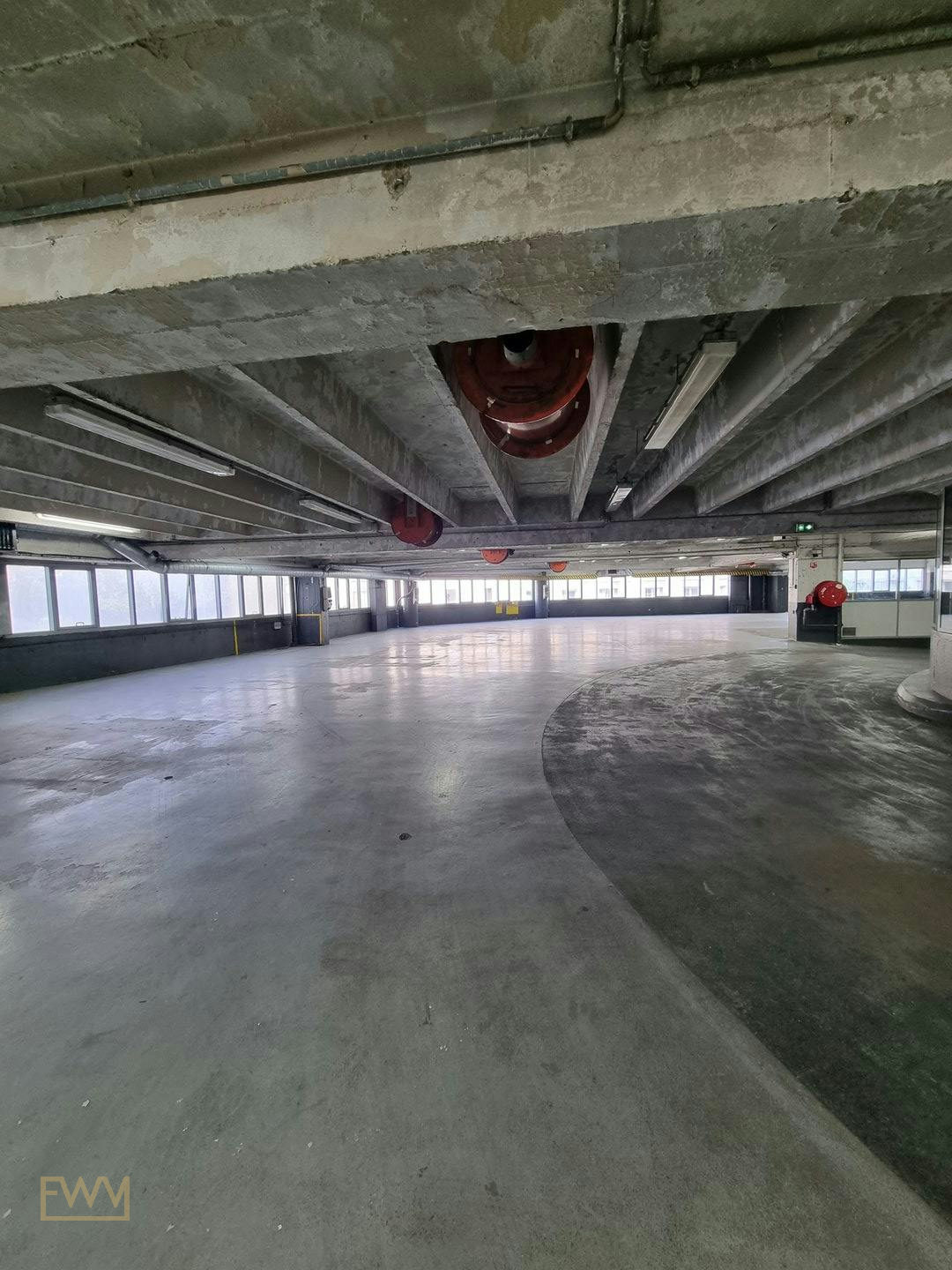
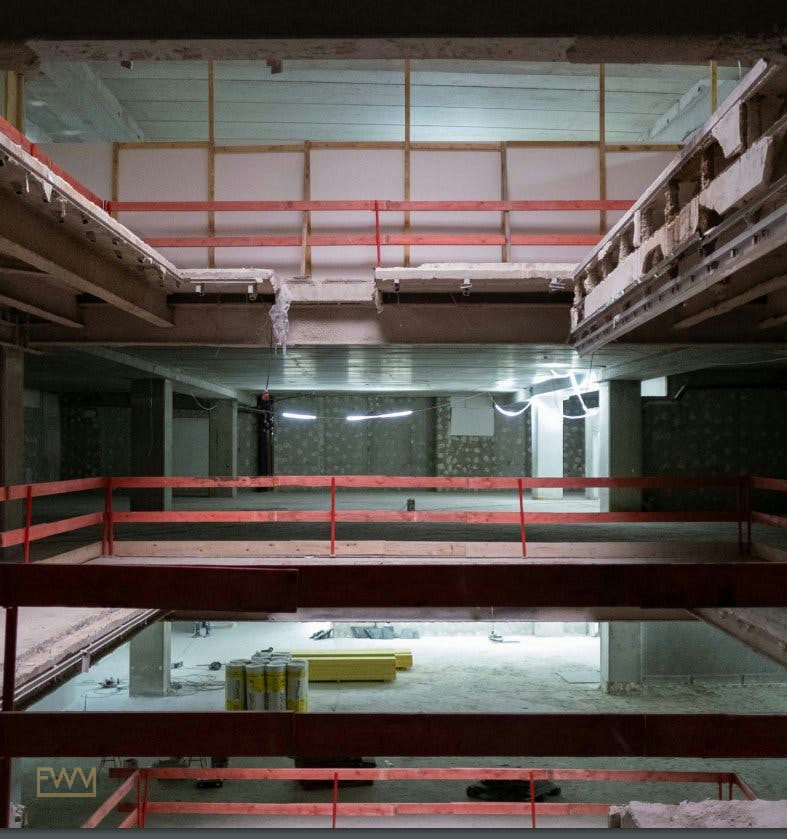
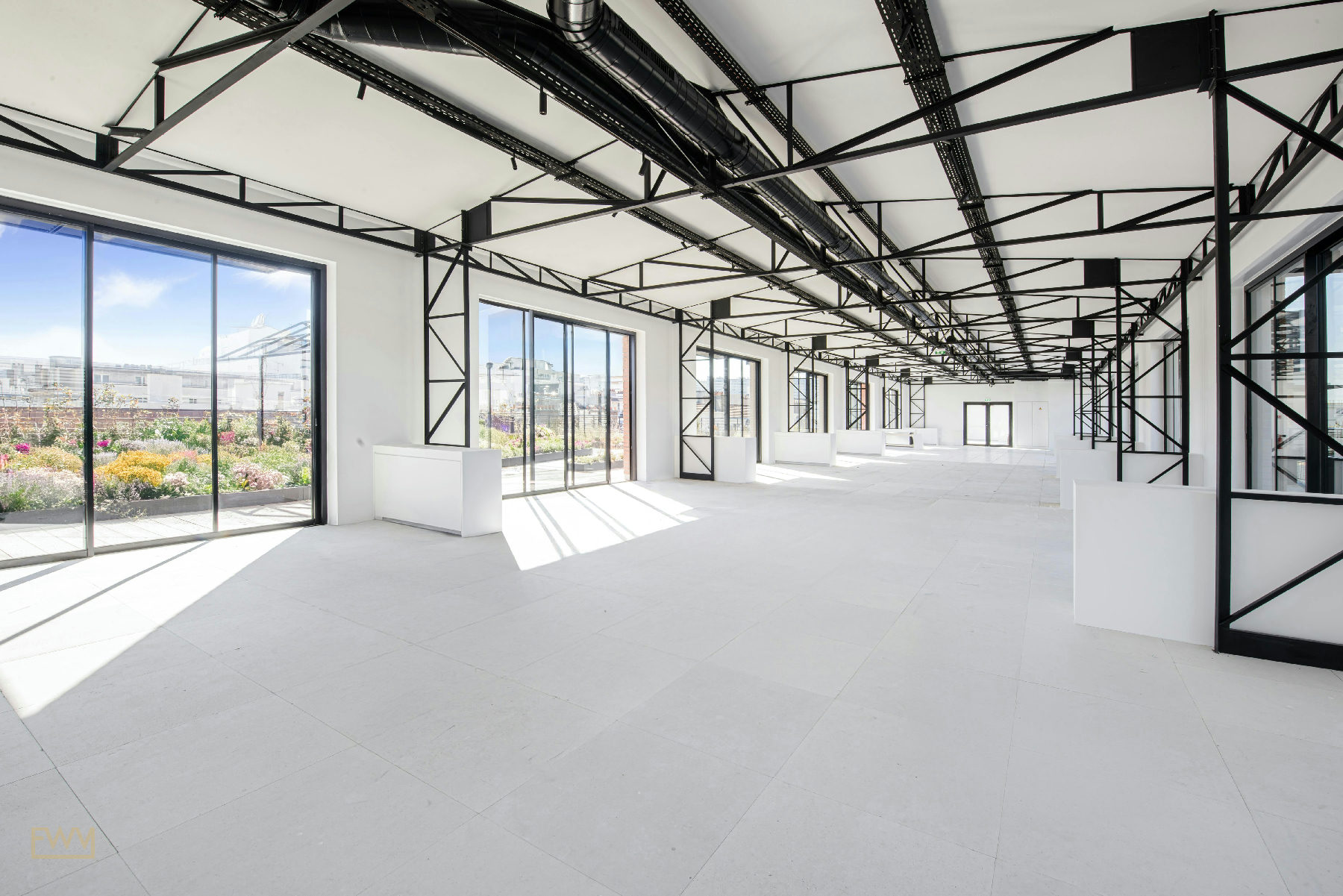
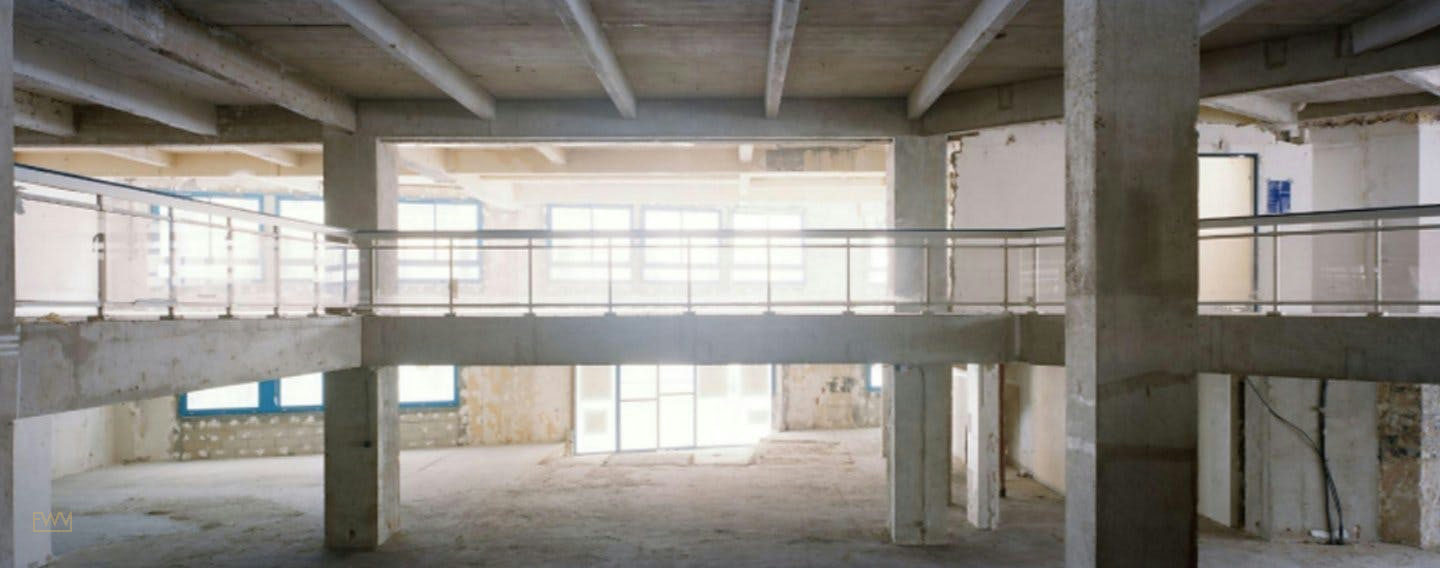
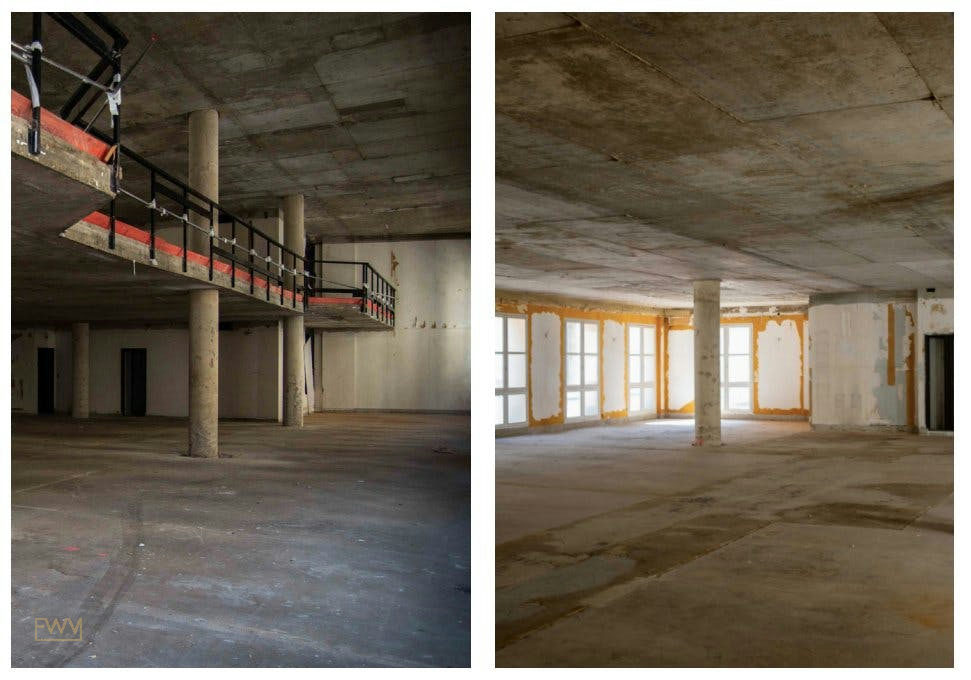
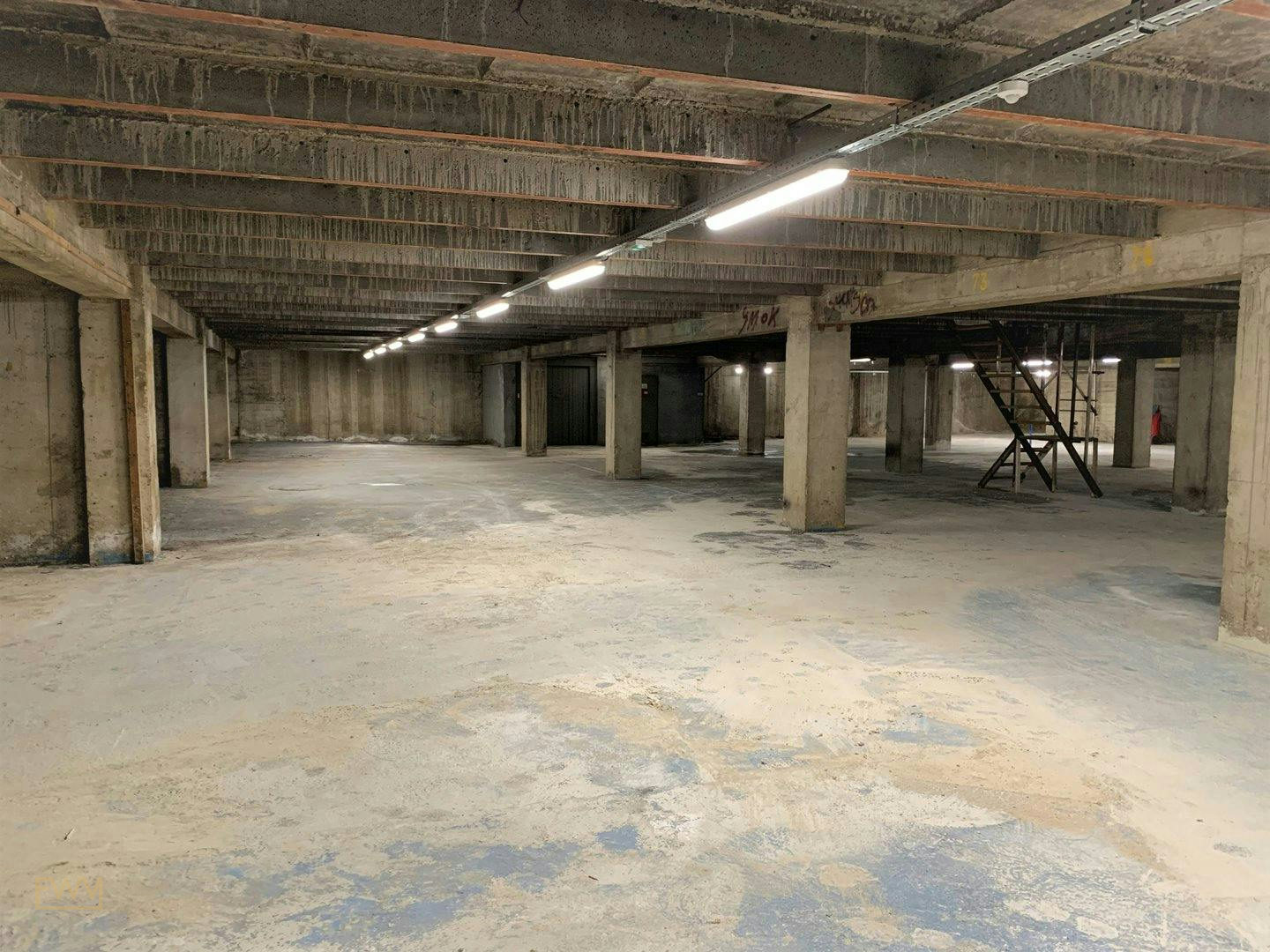
Gallery formats, including dedicated art gallery spaces and galeries d'exception, are popular for fashion brands because they provide a neutral, design-forward backdrop that elevates product presentation. Spaces described as boutique éphémère or espace événementiel typically combine gallery aesthetics with retail functionality. In and around the 9th arrondissement and the adjacent Le Marais district, gallery spaces often feature raw concrete floors, exposed steel pillars, spotlights, and high ceilings that photograph exceptionally well for social media content. These environments are particularly suited to fashion showrooms, product launch events, and private exhibition formats.
Apartment and Private Space Formats
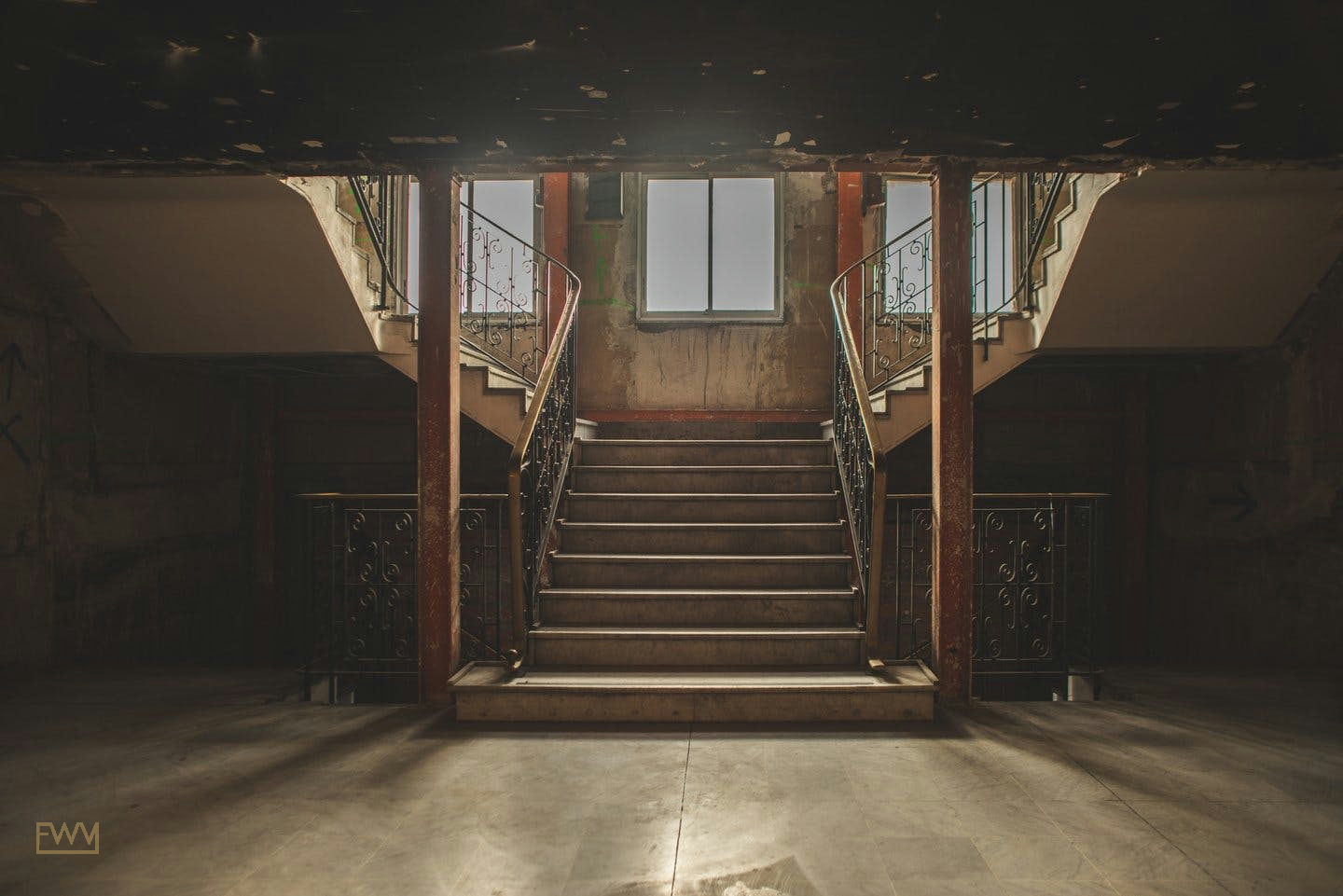
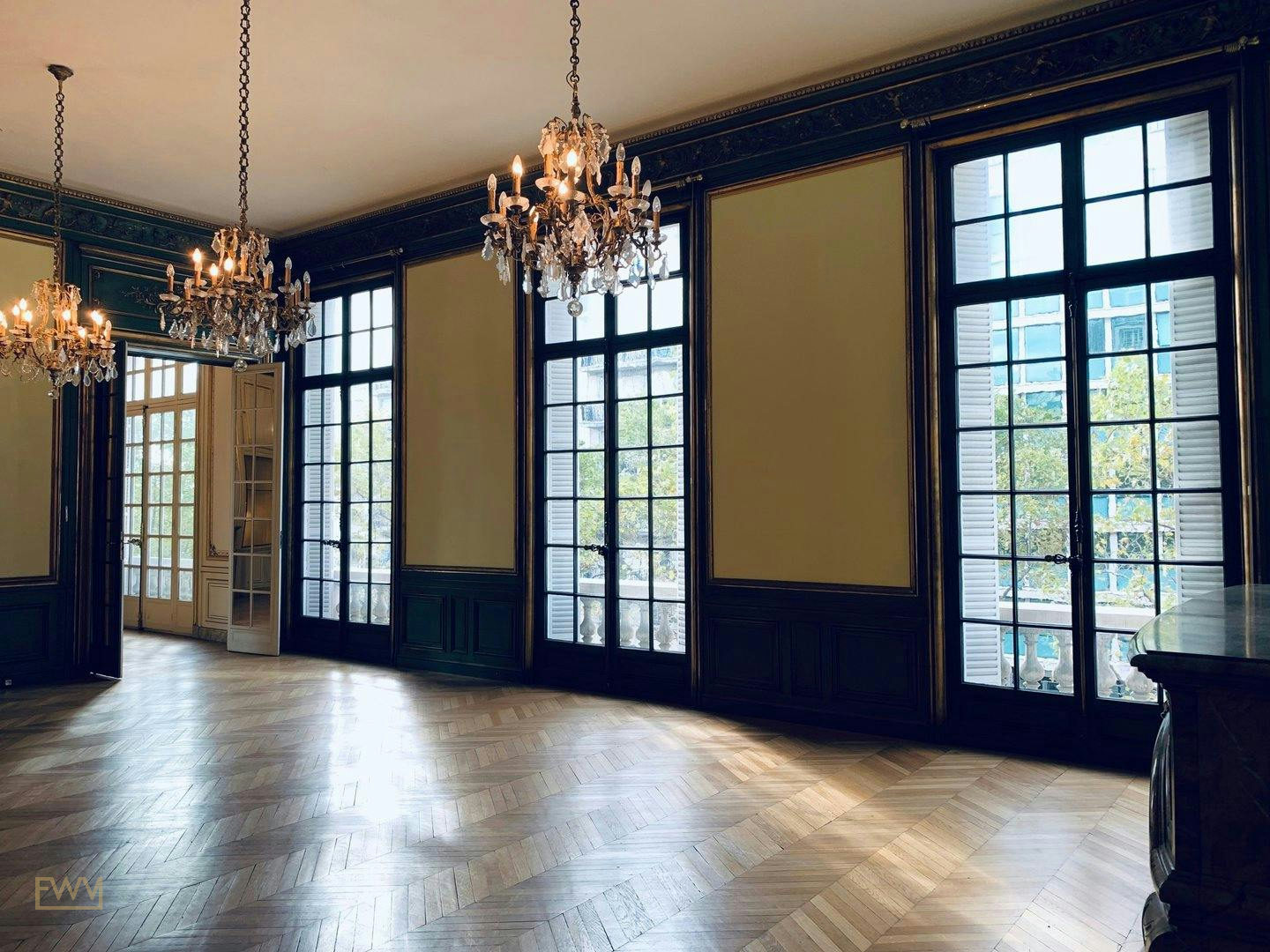
A Haussmannian apartment conversion is a distinctly Parisian pop-up format that several brands have used to create intimate, editorial retail experiences. These spaces, often located on upper floors of classic 19th-century buildings, offer character, natural light, and a non-commercial atmosphere that encourages longer visit durations and deeper brand engagement. Apartment formats are particularly well-suited to showroom presentations, press appointments, buyer meetings, and invitation-only activations. The 9th arrondissement, with its concentration of classic Haussmannian residential buildings, offers access to this format in neighbourhoods that combine aesthetic quality with central accessibility.
Studio, Workshop, and Conference Spaces
Some brands require flexible formats that combine retail presentation with event programming, whether that means a product demonstration, a workshop series, a conference format, or a combined studio and showroom. These hybrid spaces, often described as espace événementiel or studio photo, are available across Paris and provide the flexibility to adapt the physical environment to multiple activation objectives within a single rental period.
| Space Type | Typical Use Cases | Key Features | Best Suited To |
|---|---|---|---|
| Street-level storefront | Direct consumer retail, product launches | Shopfront visibility, pedestrian access, varied sizes | Consumer brands, fashion, beauty, food |
| Gallery / galerie d'art | Fashion showroom, art exhibition, brand activation | Spotlights, open floor, raw materials, high ceilings | Fashion brands, designers, art-adjacent brands |
| Apartment / private space | Showroom, press event, buyer appointments | Intimate, residential character, natural light | Luxury brands, niche fashion, invitation-only |
| Studio / workshop space | Workshop programming, photo studio, hybrid events | Open plan, good lighting, flexible layout | Creative brands, lifestyle, beauty tutorials |
| Event venue / espace événementiel | Product launch, press event, cocktail activation | Large capacity, catering infrastructure, AV | Brand campaigns, collaborations, cultural events |
| Business centre / shared space | Showroom appointments, trade meetings | Professional services, booking flexibility | Trade brands, showroom agents, PR offices |
KEY TAKEAWAY: The boutique éphémère format is not a single concept but a spectrum of space types. Defining your operational requirements, including team size, visitor flow, merchandising needs, and visual identity, before beginning your space search will significantly improve the quality of spaces you consider and shorten your decision timeline.
With format clarity established, the critical next step is understanding how the rental and permit process actually works for temporary retail in Paris.
Permits, Regulations, and Legal Frameworks for Short-Term Retail in Paris
Quick answer: Renting a pop-up shop in Paris for a short period typically requires a bail dérogatoire rather than a standard commercial lease. For public-space activations, an autorisation d'occupation temporaire (AOT) may be required from the relevant local authority. Requirements vary by space type, duration, arrondissement, and specific location. Brands should always verify compliance requirements with a qualified French legal advisor before signing any agreement.
One of the most commonly misunderstood aspects of renting temporary retail space in Paris is the legal and regulatory framework. French commercial tenancy law is specific, and the distinctions between different lease and occupation types matter significantly for brands operating on short-term or event-driven timelines.
Bail Dérogatoire: Short-Term Commercial Leases
The bail dérogatoire, sometimes called a convention d'occupation précaire, is the standard legal instrument used for short-term commercial space rental in France. It allows landlords and tenants to agree on an occupation period without triggering the full protections of a standard commercial lease (bail commercial), which carries a minimum nine-year term under French law. A bail dérogatoire can typically be agreed for a maximum cumulative period of three years for the same tenant in the same space, though specific conditions apply and these parameters can change. This framework makes it legally viable for landlords to offer pop-up formats and for brands to rent for days, weeks, or months without entering into long-term commercial obligations.
IMPORTANT: The bail dérogatoire must be correctly structured to be valid. If a brand occupies a space under a bail dérogatoire and then remains beyond the agreed period without a new agreement, French law may convert the arrangement into a full bail commercial, creating long-term obligations. Always work with a qualified French legal advisor to structure short-term rental agreements correctly.
Autorisation d'Occupation Temporaire (AOT)
If a brand wants to activate on public space, terraces, pavements, or within certain public parks and squares, an autorisation d'occupation temporaire (AOT) from the relevant arrondissement mairie or from the City of Paris authority is required. AOT applications involve administrative processing time, specific conditions on installation, and in some cases public liability insurance requirements. Not all public-space activations are approved, and the process cannot be expedited beyond the standard administrative timeline. Brands planning activations that extend onto public space or that involve any form of street-facing installation should begin the AOT process well in advance of their activation date.
Insurance Requirements
Most commercial landlords in Paris require tenants to hold valid public liability insurance, and in some cases specific event liability coverage, before access is granted. International brands renting space in Paris should verify that their existing commercial insurance policies provide coverage in France and meet the specific requirements of their landlord's rental agreement. Where policies do not extend to French territory or do not meet minimum coverage levels, additional cover will need to be arranged in advance.
Local Regulations and Signage Rules
The 9th arrondissement, like all Paris arrondissements, has specific local regulations governing external signage, window installations, and temporary frontage modifications. Any external branding that alters the visual appearance of a building facade, including large window vinyl, external signage structures, or projected imagery, may require prior approval from the local planning authority. Brands should clarify the scope of permitted visual interventions with their landlord and with the relevant authority before proceeding with any exterior brand installation. For a structured overview of permit requirements relevant to your activation, the Fashion Week Venues permits tool provides category-level guidance.
DID YOU KNOW: Paris is divided into 20 arrondissements, each with its own mairie and administrative structure. Permit and signage requirements can vary not just between arrondissements but between specific streets and building classifications within the same arrondissement.
KEY TAKEAWAY: Short-term retail in Paris is legally structured but operationally manageable with the right preparation. Understanding the difference between a bail dérogatoire and a standard commercial lease, and ensuring that your AOT and insurance obligations are met before activation, is essential for a compliant and risk-free Paris pop-up.
With the legal framework understood, the next practical question is how to plan the operational timeline and budget for a Paris 9th arrondissement pop-up.
Planning Your Paris Pop-Up Timeline and Budget: A Step-by-Step Framework
Quick answer: A well-run Paris pop-up typically requires a minimum of eight to twelve weeks of planning lead time from initial brief to open doors. Budgets vary significantly based on space size, location, duration, fit-out scope, staffing requirements, and marketing activation. Brands should build directional budget models early in the process to align internal stakeholders before beginning any space search.
Successful temporary retail activations in Paris do not happen on short timelines. The combination of space sourcing, permit processing, fit-out planning, staff recruitment, logistics coordination, and marketing activation requires structured project management from the earliest stages. The table below outlines the key phases and timing milestones for a typical Paris pop-up project.
| Phase | Timing Before Opening | Key Actions | Responsible Party |
|---|---|---|---|
| Brief and objectives | 12+ weeks | Define objectives, format, neighbourhood, duration, budget envelope | Brand team |
| Space search and shortlisting | 10 to 12 weeks | Market search, visits, landlord conversations, space comparison | Agency or in-house |
| Legal and agreements | 8 to 10 weeks | Bail dérogatoire negotiation, insurance arrangement, AOT application if required | Legal advisor and brand team |
| Concept and design | 8 to 10 weeks | Spatial concept, visual identity application, merchandising plan | Creative director or agency |
| Production and fit-out planning | 6 to 8 weeks | Contractor briefing, materials sourcing, furniture rental, logistics plan | Production team or agency |
| Permit and compliance confirmation | 6 weeks | Confirm AOT status, signage approvals, insurance certificates issued | Brand team and legal advisor |
| Staffing and training | 4 weeks | Staff recruitment, briefing, brand training, POS setup | Retail staffing partner or agency |
| Build and installation | 1 to 2 weeks | Fit-out, visual merchandising, POS installation, final checks | Production team |
| Activation and operation | Opening day | Store opening, daily operations, social media, data capture | Brand team and on-site staff |
| Breakdown and post-activation | Closing day plus | De-fit, space handover, data reporting, ROI review | Production team and brand team |
Building a Realistic Budget Framework
Budget planning for a Paris pop-up involves several distinct cost categories that brands should model separately before aggregating. These categories typically include space rental, fit-out and production, furniture and fixtures, staffing, marketing and communications, technology and POS systems, insurance and legal costs, and logistics including product transport and storage. The relative weight of each category varies significantly depending on the ambition of the activation, the space format, and the duration.
TIP: Brands often underestimate the cost of the de-fit and space restoration phase. Paris landlords typically require the space to be returned in its original condition, which may involve professional cleaning, reinstatement of fixtures, and in some cases redecoration. Budget for de-fit costs from the outset to avoid surprises at the end of the rental period.
Because rental rates in Paris vary considerably by neighbourhood, floor area, space type, and availability window, it is not practical to quote fixed price ranges in this guide without the risk of providing misleading benchmarks. For brand-specific directional cost modelling, the budget planning tool on Fashion Week Venues allows you to input your key parameters and generate a structured cost framework appropriate to your activation brief.
To evaluate whether a specific activation is likely to generate a return on investment commensurate with the spend, the Fashion Week Venues ROI calculator at fashionweekvenues.com/tools/roi provides a structured framework for modelling revenue scenarios against cost inputs.
KEY TAKEAWAY: Timeline compression is one of the most common causes of Paris pop-up cost overruns and operational problems. Starting the planning process at least twelve weeks before your target opening date and building a detailed budget framework early gives your team the best possible chance of delivering on time, on budget, and on brand.
With timeline and budget planning clear, the question of how to communicate your pop-up and drive awareness before and during the activation is equally critical to its commercial success.
Marketing, Social Media, and Communication Strategy for Your Paris Pop-Up
Quick answer: Communicating a Paris pop-up effectively requires a coordinated approach across social media, email, press, influencer partnerships, and local digital channels. For fashion brands, Paris Fashion Week and other industry calendar moments create natural amplification opportunities that should be planned into the marketing timeline from the outset.
A well-located pop-up in the 9th arrondissement with strong operational execution will still underperform if the surrounding marketing and communications strategy is underdeveloped. For fashion brands in particular, the competition for attention in Paris during key calendar windows is intense, and brands need to build awareness well in advance of their opening date.
Social Media and Content Strategy
Social media is the primary discovery channel for fashion pop-ups in Paris. Platforms that support visual content, particularly those favoured by fashion consumers and industry insiders, allow brands to build anticipation before opening, document the space and product during activation, and extend the brand narrative well beyond the physical duration of the pop-up. Content planning should begin before the space is even fitted out. Behind-the-scenes documentation of the fit-out process, teaser content revealing the space location and opening date, and influencer collaboration briefings should all be in motion at least three to four weeks before opening.
The raw aesthetic environments common to Paris gallery and boutique éphémère spaces, including raw concrete floors, spotlights, steel pillars, and Haussmannian architectural details, are inherently well-suited to editorial content production. Brands should treat the space itself as a content asset and plan photography and video production sessions into the activation schedule from the beginning.
Email and Press Communication
For brands operating in the fashion industry, press and buyer communication around a Paris activation is as important as consumer-facing marketing. A targeted email communication to press contacts, buyers, stylists, and industry collaborators should be sent at minimum two weeks before opening, with a follow-up reminder in the week before the activation begins. Press previews, buyer appointments, and invitation-only events scheduled in the first days of the activation can generate coverage and social amplification that significantly extends the reach of the pop-up beyond its physical visitor numbers.
Influencer Marketing in Paris
Paris-based influencers and content creators who are active in fashion, beauty, and lifestyle categories represent a powerful amplification channel for brands activating in the city. Identifying and briefing relevant influencer partners before arrival, arranging dedicated visit slots or private preview access, and creating a brief that makes content creation easy and natural for them can generate significant earned reach during and after the activation period. Fashion Week Venues provides influencer marketing support as part of its full-service activation offering for brands that want structured influencer engagement around their Paris pop-up.
Local Discovery and Digital Visibility
Beyond social media and press, local discovery channels including Google Business Profile, local event listings, and neighbourhood-specific digital platforms can drive walk-in traffic from Paris residents and visitors who are actively searching for things to do and see in specific arrondissements. For a pop-up in the 9th arrondissement, registering with relevant local listing platforms and ensuring accurate address and opening hours information is published across digital channels from day one is a low-cost but meaningful driver of organic footfall.
DID YOU KNOW: During Paris Fashion Week, the city sees a dramatic increase in fashion industry professionals, international press, buyers, and digitally engaged fashion consumers, all of whom are actively seeking out brand activations, showrooms, and pop-up experiences. Brands that communicate their activation clearly across industry channels during this window benefit from a highly targeted and commercially valuable visitor profile.
KEY TAKEAWAY: Communication for a Paris pop-up is not a last-minute task. Building a detailed marketing timeline alongside your operational plan, and coordinating press, social media, email, and influencer activity in a structured sequence, is a fundamental part of activating effectively in a competitive market like Paris.
Understanding how to communicate your activation leads naturally into understanding how a specialist agency can manage the full project lifecycle on your behalf, reducing risk and complexity at every stage.
How Fashion Week Venues Helps Brands Rent and Activate Pop-Up Spaces in Paris
Fashion Week Venues operates as a full-service pop-up agency and space marketplace with Paris as its primary market. For brands planning to rent a pop up shop in the 9th arrondissement Paris or across any of Paris's key retail districts, Fashion Week Venues provides structured support across every phase of the process, from initial space discovery through to post-activation reporting.
The agency's venue sourcing service covers the full Paris market, including the 9th arrondissement and all adjacent neighbourhoods. Rather than relying on a single database of listed spaces, the team actively searches the market against your specific brief, including neighbourhood preferences, space format, size requirements, desired aesthetic, access and logistics needs, and rental period. This briefed search approach typically surfaces options that are not visible on public listing platforms and that match brand requirements more precisely than self-directed browsing.
Once a space is identified, Fashion Week Venues supports the full production lifecycle. The concept direction service translates brand identity into a coherent spatial concept, while the production and build team manages fit-out, installation, furniture sourcing, and de-fit within the agreed rental period. For brands that need staffing on the ground in Paris, the retail staffing service provides trained sales associates, brand ambassadors, and event hosts familiar with the Paris retail environment.
Fashion Week Venues also offers a range of planning tools that brand teams can use independently, including the timeline tool at fashionweekvenues.com/tools/timeline for project scheduling, the compare tool for evaluating shortlisted spaces side by side, and the locator tool for mapping space options against neighbourhood and footfall priorities. The twin concept at fashionweekvenues.com/twin enables two complementary brands to share a single space for a co-activation, reducing individual rental and production costs while creating a richer visitor experience.
It is important to understand what Fashion Week Venues does not guarantee. The agency provides expert support, market knowledge, and structured processes, but space availability, permit outcomes, and activation results depend on market conditions, timing, and brand execution factors that are outside any single agency's control. The most effective partnerships are those where brand teams are clear on their brief, realistic about their timeline, and engaged throughout the process rather than delegating entirely without input.
For brands that want to understand how other activations have been delivered, the work and case study section on Fashion Week Venues provides documented examples of past activations across Paris and other major fashion capitals. The process page explains how the agency structures its client engagements from initial brief to final handover.
To compare neighbourhoods and space types, explore the Paris city hub on Fashion Week Venues and shortlist spaces that match your brief, budget, and calendar window.
KEY TAKEAWAY: Fashion Week Venues functions most effectively as a structured partner for brands that have clarity on their objectives but need expert market knowledge, operational capacity, and creative execution support to deliver a high-quality Paris activation. The combination of a curated space marketplace, full-service agency capabilities, and practical planning tools makes it a practical resource for brands at every stage of the pop-up planning process.
The wider question of Paris's role in the global fashion calendar, and how that calendar shapes demand for pop-up and showroom space across arrondissements, is the final strategic context brands need to understand before committing to a Paris activation.
Paris Fashion Week, FIAC, and Industry Calendar Moments That Drive Pop-Up Demand
Quick answer: Paris Fashion Week, held twice annually in January and June for menswear and in February and September for womenswear, is the single highest-demand period for pop-up, showroom, and event space across Paris. FIAC (the international contemporary art fair), Paris Design Week, and several other major cultural and trade events also drive significant demand and should be factored into booking timelines.
The Paris fashion and cultural calendar creates predictable peaks in demand for temporary retail and event space that every brand planning an activation in the city needs to understand. During Paris Fashion Week, the concentration of international press, buyers, stylists, photographers, brand teams, and fashion consumers creates an activation environment unlike any other European city. Space availability in the most sought-after districts, including Le Marais, the 9th arrondissement, and Saint-Germain-des-Prés, tightens dramatically in the weeks leading up to each Fashion Week edition, and brands that begin their search fewer than eight to ten weeks before their target dates risk finding limited or unsuitable options.
Fashion Week activations in Paris range from formal showroom presentations in gallery or apartment spaces to consumer-facing pop-up stores running in parallel with the trade calendar. For brands planning a fashion showroom format, the proximity of the 9th arrondissement to key Fashion Week venues, press hotels, and industry gathering points in the Opéra and Grands Boulevards area makes it a practically strong location for press and buyer appointments. The Pigalle and SoPi areas of the 9th attract a more consumer and influencer-oriented audience during Fashion Week, which suits brands looking to create cultural moments alongside their trade presentations.
Beyond Fashion Week, the Paris cultural calendar includes Paris Design Week in September, which drives strong demand for design-adjacent and interiors-focused activations, and the FIAC international contemporary art fair, which creates a concentrated audience of art buyers, collectors, and culturally engaged consumers. Brands in design, luxury, beauty, and adjacent categories that align their Paris activation timing with these events benefit from heightened industry and media attention without the same level of space competition that Fashion Week creates.
The Paris retail calendar also includes a number of commercially significant periods that are independent of the fashion and cultural event calendar. The end-of-year holiday period, the January and July sales windows, and the spring tourist peak all represent meaningful footfall opportunities for brands planning consumer-facing pop-up retail. Understanding the interaction between event calendar moments and general retail seasonality is an important part of building the business case for a Paris activation at any time of year.
TIP: If your target calendar window overlaps with a major Paris Fashion Week or cultural event, begin your space search at least twelve weeks in advance. For Fashion Week specifically, the most desirable spaces in Le Marais, the 9th arrondissement, and Saint-Germain-des-Prés are typically confirmed two to three months before the event dates.
KEY TAKEAWAY: The Paris industry calendar is a powerful amplifier for brand activations but also a significant driver of space scarcity and pricing pressure. Aligning your activation timing with relevant calendar moments while building in sufficient lead time for space sourcing and production is the most important single factor in delivering a successful Paris pop-up.
Common Myths About Renting Pop-Up Space in Paris Debunked
MYTH: You need a French legal entity or registered business to rent pop-up space in Paris.
FACT: Many landlords in Paris work with international brands and foreign companies through short-term rental agreements structured as bail dérogatoire or convention d'occupation précaire. While having a French legal entity can simplify certain administrative aspects, it is not a universal prerequisite for entering a short-term space rental agreement. Requirements vary by landlord, space type, and the specific agreement structure. Working with a specialist agency and a qualified French legal advisor allows international brands to navigate these requirements without needing to establish a local entity in advance.
MYTH: Paris Fashion Week is the only viable window for a pop-up or showroom activation in Paris.
FACT: While Paris Fashion Week generates the highest concentration of industry professionals and press in the city, it is far from the only commercially viable window for a Paris activation. Paris Design Week, FIAC, the holiday retail season, the spring tourist peak, and standalone brand launch moments all represent strong activation contexts depending on the brand's objectives and target audience. Brands focused primarily on consumer engagement rather than industry press may actually find that non-Fashion Week windows offer better value, less competition for attention, and more available space at more competitive terms.
MYTH: The only way to find a pop-up space in Paris is through a commission-based property broker.
FACT: Commission brokers operate in the Paris temporary retail market, but they represent only one channel for space discovery. Specialist pop-up agencies, dedicated space marketplaces, and direct landlord relationships all provide alternative routes to securing space. Agencies that operate with transparent fee structures and that bring additional services including concept direction, production, and activation management often represent better overall value than broker-only arrangements, particularly for brands activating in Paris for the first time.
MYTH: Short-term commercial leases in Paris are legally straightforward and do not require specialist advice.
FACT: French commercial tenancy law is specific and detailed, and the bail dérogatoire that underpins most short-term retail arrangements carries legal conditions that must be correctly observed to remain valid. Incorrectly structured agreements can inadvertently create long-term commercial lease obligations under French law. International brands that assume short-term means low-risk from a legal perspective can face significant and unexpected consequences. Engaging a qualified French legal advisor to review any short-term commercial rental agreement before signing is strongly recommended, regardless of how routine the landlord presents the arrangement as being.
MYTH: Only Le Marais works for fashion pop-ups in Paris.
FACT: Le Marais is the most established and frequently discussed pop-up district in Paris, but it is not the only commercially effective location for fashion brand activations. The 9th arrondissement, Saint-Germain-des-Prés, the Champs-Élysées corridor, and emerging areas like South Pigalle all offer viable and in some cases superior options depending on the brand's specific audience, format, and objectives. Over-concentration of brand activations in Le Marais also means that differentiated neighbourhood choices can generate stronger individual visibility and press interest.
Frequently Asked Questions About Renting a Pop-Up Shop in the 9th Arrondissement Paris
What is a pop-up store and how is it different from a permanent retail space?
A pop-up store is a temporary retail or brand activation space that operates for a defined period, ranging from a few days to several months. Unlike a permanent retail space governed by a standard commercial lease, a pop-up typically operates under a short-term agreement such as a bail dérogatoire in France. The temporary format gives brands flexibility to test locations, launch products, engage specific audiences during key calendar moments, and create urgency-driven consumer experiences without committing to long-term property obligations. Pop-up formats range from street-level storefronts to gallery spaces, apartment showrooms, and hybrid event and retail environments.
Why should I choose the 9th arrondissement for my Paris pop-up rather than Le Marais?
The 9th arrondissement offers several advantages depending on your brand's specific needs. The Opéra and Grands Boulevards area provides very high pedestrian footfall driven by Galeries Lafayette and international tourism. The Pigalle and South Pigalle area offers strong cultural credibility with a trend-conscious demographic. The 9th is also well-served by transport infrastructure and sits close to major press hotels and industry gathering points used during Paris Fashion Week. Space availability in the 9th may be less constrained than in the most in-demand Le Marais streets during peak calendar windows, giving brands more options at potentially more competitive terms.
How far in advance should I start looking for pop-up space in Paris?
For activations aligned with Paris Fashion Week or other major calendar events, starting your space search ten to twelve weeks in advance is a practical minimum. The most desirable spaces in popular districts are frequently secured two to three months before target opening dates. For activations outside of peak calendar windows, eight weeks of lead time is generally sufficient to source, agree, and prepare a suitable space, though longer lead times always improve the quality of options available. Budget planning, permit applications, and fit-out coordination all add to the overall timeline requirements.
What permits do I need to open a pop-up store in Paris?
The permit requirements for a Paris pop-up depend on the space type, location, duration, and specific nature of your activation. For private commercial spaces, the rental agreement itself is the primary legal instrument, typically structured as a bail dérogatoire. If your activation includes any public space elements such as external installations, terrace areas, or pavement activations, you will need an autorisation d'occupation temporaire (AOT) from the relevant local authority. Signage modifications and facade alterations may also require prior approval. Requirements vary by arrondissement and building type, and verification with a qualified French legal advisor is always recommended before proceeding.
Do I need a French company to rent pop-up space in Paris?
Not necessarily. Many Paris landlords accept short-term rental agreements with foreign companies and international brands, particularly for spaces specifically marketed as pop-up or boutique éphémère formats. However, the specific requirements of individual landlords vary, and some may require a French bank account, a local guarantor, or other administrative documentation. Working with a specialist agency that has established landlord relationships in Paris can significantly simplify the process for international brands entering the market for the first time without a local legal presence.
What does a pop-up shop typically cost in Paris?
Rental rates for pop-up space in Paris vary considerably depending on the arrondissement, specific street, space size, format, available dates, and duration. Costs in the most sought-after areas and during peak calendar windows such as Paris Fashion Week are typically higher than for off-peak periods or less central locations. In addition to the rental itself, brands should budget for fit-out and production, furniture and fixtures, staffing, marketing, insurance, legal costs, and de-fit. Because the range of variables is wide, directional cost modelling using the Fashion Week Venues budget tool is recommended before beginning any space search or landlord negotiation.
What are the best neighbourhoods in Paris for a fashion pop-up?
Le Marais, and specifically the Haut-Marais around rue de Bretagne and Arts et Métiers, is the most established fashion pop-up neighbourhood in Paris. Saint-Germain-des-Prés suits luxury and heritage brands. The 9th arrondissement offers strong options in both the Opéra area and the Pigalle and South Pigalle sub-areas. The Champs-Élysées and Saint-Honoré corridors suit large-format luxury activations with corresponding budgets. Montmartre suits niche creative and art-adjacent brands. The best neighbourhood depends on your brand profile, target audience, format, and budget.
Can I run a fashion showroom and a consumer pop-up from the same Paris space?
Yes, many brands structure their Paris activations to serve dual audiences by separating opening hours or access formats within a single space. A gallery or boutique éphémère space can function as an appointment-only fashion showroom for press, buyers, and stylists during daytime hours and as a consumer-facing retail or event space in the evenings. This approach maximises the commercial value of the rental period and is particularly effective during Paris Fashion Week when both trade and consumer audiences are active in the city simultaneously.
What space formats are available in the 9th arrondissement Paris?
The 9th arrondissement offers a range of temporary space formats including street-level storefronts, gallery and galerie d'art spaces, Haussmannian apartment conversions, studio and workshop spaces, event venues, and hybrid retail and event environments. The specific availability and character of each format varies by sub-area within the arrondissement. The Opéra area tends towards larger commercial formats, while the Pigalle and Saint-Georges neighbourhoods offer more intimate gallery, apartment, and boutique formats that suit editorial and invitation-only activations.
How does Fashion Week Venues help brands find space in the 9th arrondissement?
Fashion Week Venues combines a curated space marketplace with a full-service agency model that covers the entire Paris market including the 9th arrondissement. The venue sourcing team searches against your specific brief, drawing on established landlord relationships and market knowledge to surface options that may not be visible on public listing platforms. Beyond space sourcing, the agency supports concept direction, production, staffing, permits guidance, marketing, and data and analytics, allowing brands to access end-to-end activation support from a single partner rather than coordinating multiple specialist suppliers independently.
What is a bail dérogatoire and why does it matter for my Paris pop-up?
A bail dérogatoire is the short-term commercial tenancy agreement that allows landlords and tenants in France to agree an occupation period without triggering the full nine-year minimum term of a standard French commercial lease (bail commercial). It is the legal instrument that makes pop-up and temporary retail commercially viable for landlords willing to offer short-term access to their spaces. For brands, the bail dérogatoire provides flexibility and defined liability, but it must be correctly structured to be legally valid. Any deviation from the agreed terms, including overstaying the agreed period, can have significant legal consequences under French tenancy law.
When is the best time to run a Paris pop-up for a fashion brand?
Paris Fashion Week, held twice for womenswear in February and September and twice for menswear in January and June, represents the highest-density opportunity for fashion brand activations in Paris in terms of industry audience and press coverage. However, the competition for space and attention is also at its peak during these windows. For brands prioritising consumer engagement over industry press, the holiday retail season, spring tourist peak, and Paris Design Week in September are all strong alternatives that offer meaningful footfall without the same level of space scarcity or cost premium as Fashion Week dates.
Do I need to hire a pop-up agency or can I manage a Paris activation independently?
Managing a Paris pop-up independently is possible for experienced teams with existing supplier networks and knowledge of the French market. However, for brands activating in Paris for the first time, or for teams without established relationships with Paris landlords, legal advisors, production contractors, and staffing partners, working with a specialist agency typically reduces risk, shortens the planning timeline, and improves the quality of the final activation. The decision depends on your team's existing Paris market knowledge, available time, and budget flexibility. The Fashion Week Venues guide on hiring an agency provides a framework for evaluating whether agency support is right for your specific situation.
What data and analytics should I capture during my Paris pop-up?
Useful data for evaluating a Paris pop-up includes visitor numbers, visitor dwell time, conversion rates from visit to purchase or enquiry, revenue per square metre, social media reach and engagement generated during the activation, press coverage volume and quality, and qualitative consumer feedback. For showroom formats, tracking press attendance, buyer meetings held, and orders placed provides a commercially specific picture of trade performance. Establishing data capture mechanisms before the activation opens, including foot counters, POS transaction data, and structured customer feedback processes, ensures that post-activation reporting is based on reliable evidence rather than estimates.
Can two brands share a single Paris pop-up space to reduce costs?
Yes, co-activation formats where two complementary brands share a single space are increasingly common in Paris and can significantly reduce individual rental and production costs while creating a richer and more engaging visitor experience. The twin concept offered by Fashion Week Venues is specifically designed for this type of co-activation, providing a structured framework for two brands to share a space in a way that preserves individual brand identity while maximising the commercial and creative value of the shared environment. Co-activations work best when the two brands share a target audience but are not direct competitors in the same product category.
Conclusion: Your Next Steps to Rent a Pop-Up Shop in the 9th Arrondissement Paris
The 9th arrondissement Paris offers brand teams a genuinely diverse and commercially compelling set of environments for temporary retail, fashion showrooms, product launches, and brand activations. From the mass-market energy of the Opéra and Grands Boulevards corridor to the creative credibility of Pigalle and South Pigalle, and from the established industry context of Paris Fashion Week to the year-round retail opportunities driven by the City of Light's tourist and resident population, the 9th is a district that rewards strategic and well-prepared brands with strong activation outcomes.
The most important factors in a successful Paris pop-up are consistent across all formats and neighbourhoods: a clear brief aligned with defined objectives, sufficient planning lead time, a legally sound rental agreement structured as a bail dérogatoire, appropriate insurance and permit compliance, a production and fit-out plan that respects the landlord's space and your own brand standards, and a marketing and communications plan that builds awareness before and during the activation rather than relying on walk-in traffic alone.
Whether you are entering the Paris market for the first time or optimising a recurring activation strategy, the combination of specialist market knowledge, structured processes, and practical planning tools makes the difference between an activation that meets its objectives and one that falls short despite genuine effort and investment. The Paris retail market is sophisticated, competitive, and rewarding for brands that approach it with the right preparation.
To move from research to activation, start exploring available spaces on the Fashion Week Venues marketplace and build a focused brief for your target neighbourhood, space type, and calendar window.