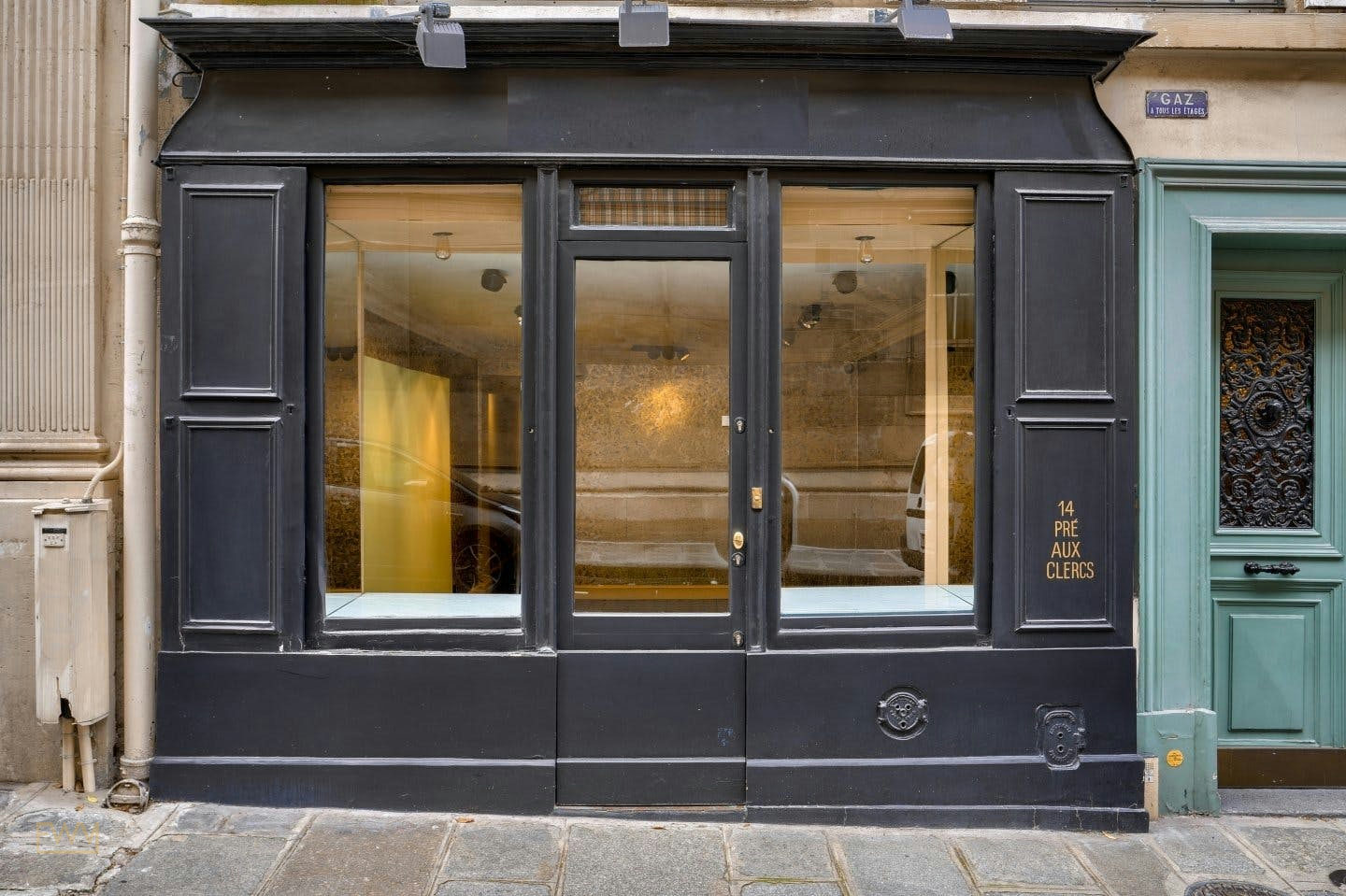
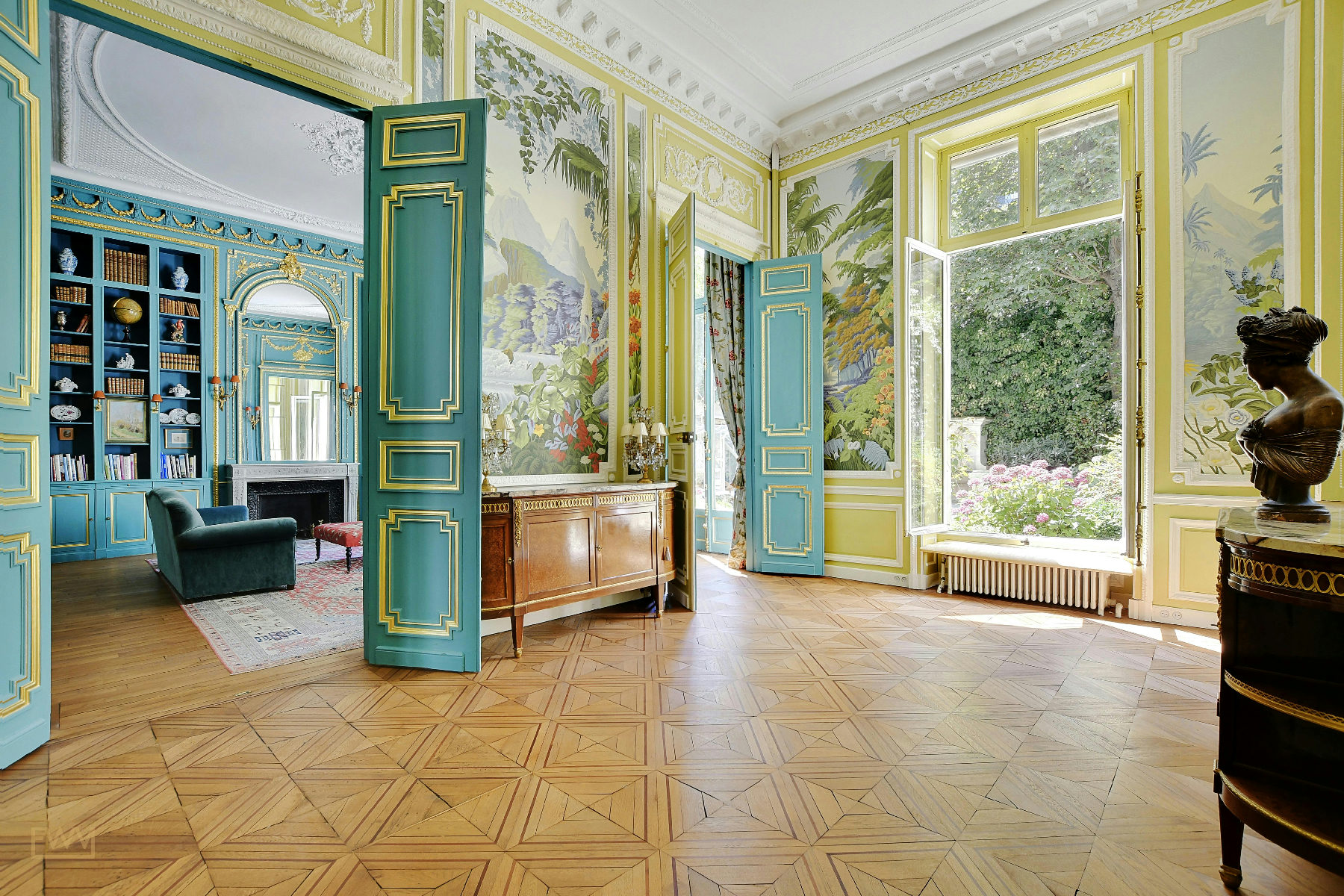
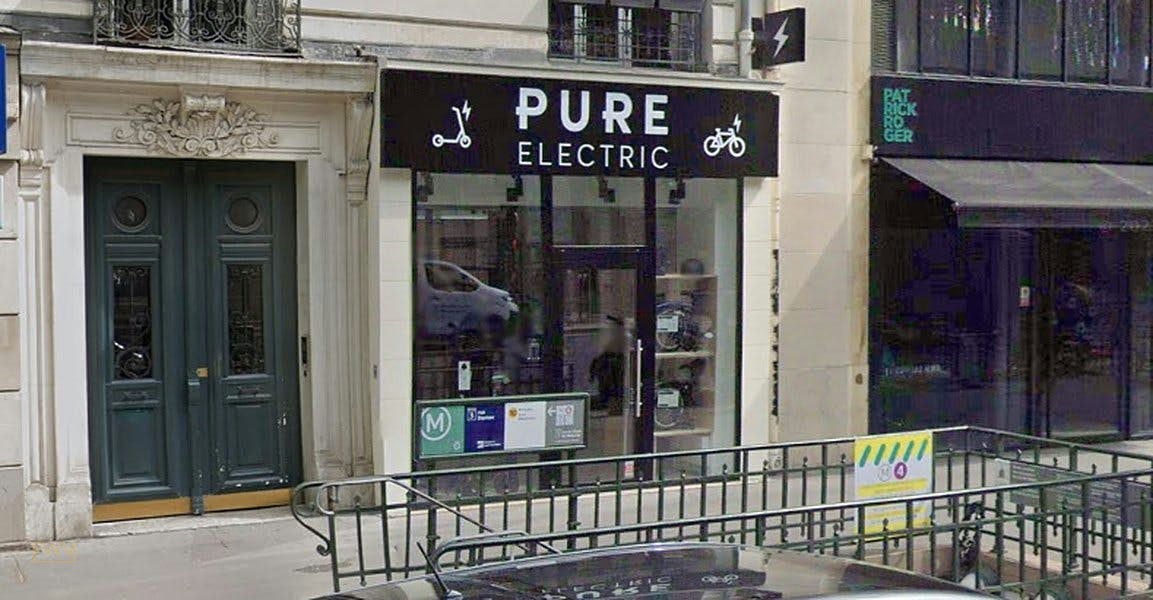
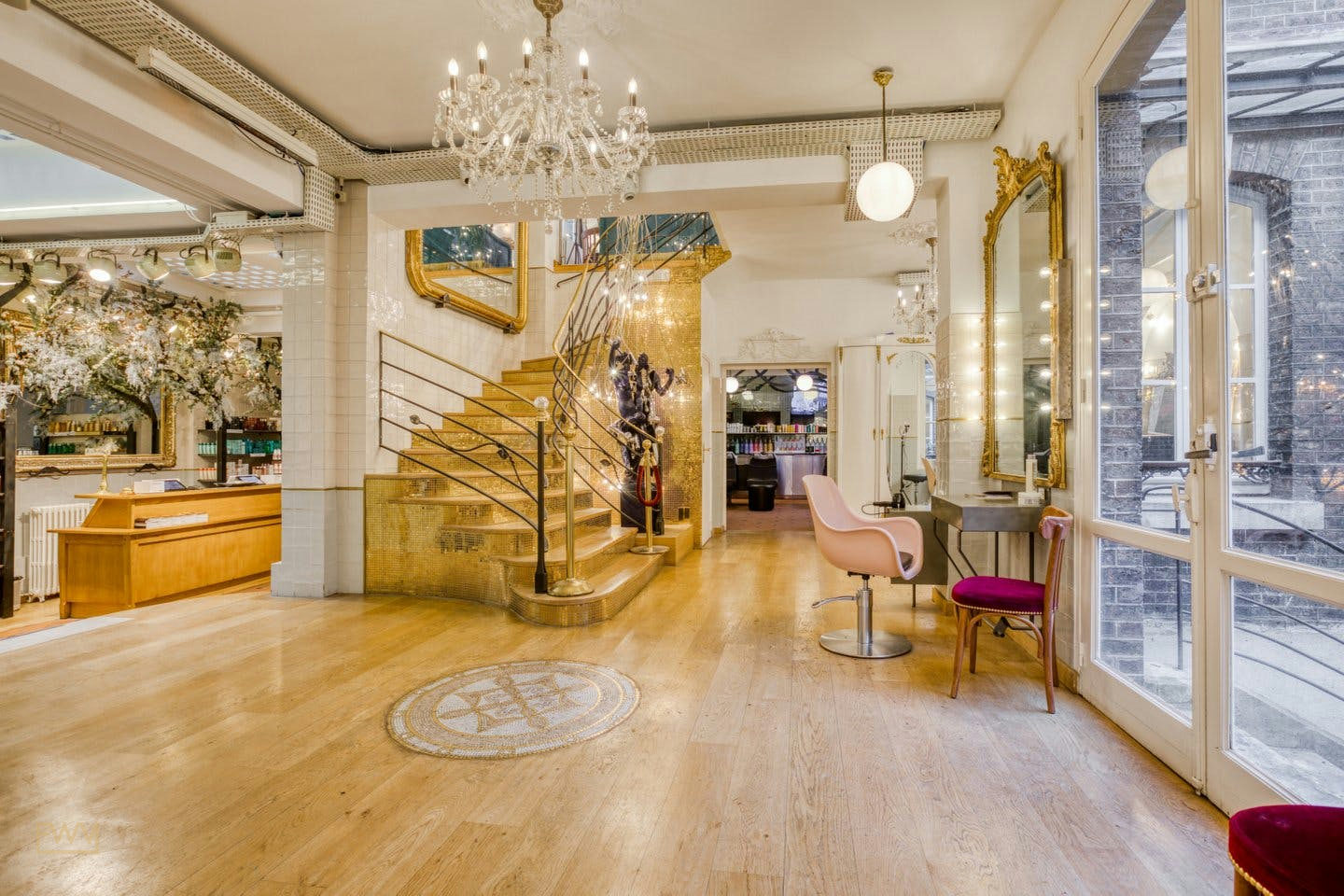
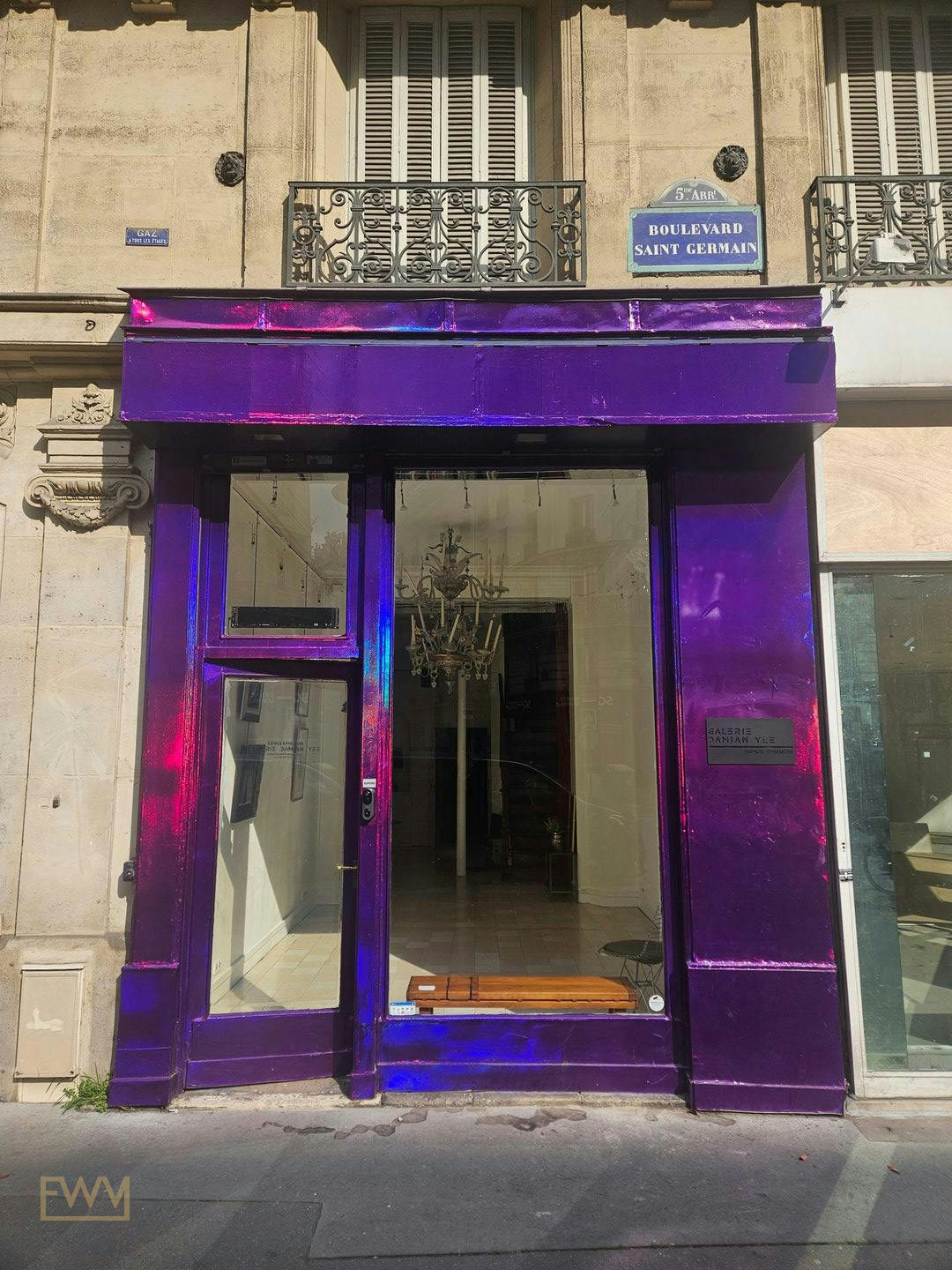
To rent a pop-up shop on Avenue Montaigne is to position your brand at the heart of Parisian luxury, directly alongside Dior, Valentino, Bulgari, and Chanel on one of the most prestigious retail streets in the world. Avenue Montaigne sits within Paris's 8th arrondissement and forms the centrepiece of the Golden Triangle, the city's most concentrated zone of luxury retail, high-net-worth foot traffic, and international fashion media attention. For brands entering Paris for the first time, or returning after a gap, this address communicates credibility before a customer even steps inside. Fashion Week Venues works with brand teams to source, plan, and activate short-term retail spaces across this corridor and across Paris more broadly, providing end-to-end support from venue discovery through to opening day and beyond.
Why Avenue Montaigne Is the Defining Address for Luxury Pop-Up Retail in Paris
Quick answer: Avenue Montaigne is the primary address for luxury pop-up retail in Paris because it combines the highest concentration of affluent international visitors with permanent flagship neighbours including Dior, Saint Laurent, and Valentino, making it the most commercially credible short-term location for premium and luxury brands entering or re-entering the French market.
Avenue Montaigne runs through the 8th arrondissement, connecting the Champs-Élysées roundabout at the Place de l'Alma with the broader Golden Triangle formed by Avenue des Champs-Élysées, Avenue Montaigne, and Avenue George V. This triangle has no equivalent in Europe in terms of luxury brand density, visitor quality, and real estate prestige. The street itself hosts permanent flagships for virtually every major luxury house, and that neighbour effect is commercially significant. When a brand opens a temporary retail space or pop-up store here, it is not simply renting square meters. It is associating its identity with one of the most curated brand environments anywhere in the world.
The visitor profile along Avenue Montaigne skews heavily toward high-net-worth individuals, international tourists from the United States, China, the Middle East, and Japan, and fashion industry professionals during Paris Fashion Week. According to data cited by Jones Lang LaSalle in their European luxury retail reports, Paris consistently ranks as the top luxury shopping destination in Europe by visitor spend, and the 8th arrondissement captures a disproportionate share of that expenditure. The street itself sees concentrated footfall particularly during fashion week calendar windows in February and September, but also during summer high season when international visitors to Paris peak.
For brands planning a pop-up store activation, the strategic logic of Avenue Montaigne is clear. You gain direct access to the clientele most likely to engage with luxury and premium retail, you benefit from the association with permanent neighbours, and you create content and social media moments in a setting that audiences around the world recognise instantly. The Eiffel Tower is visible from parts of the surrounding area, and the aesthetic of the street, with its Haussmann architecture, manicured plane trees, and boutique frontages, provides a backdrop that is genuinely difficult to replicate elsewhere.
That said, space availability on Avenue Montaigne itself is tightly controlled. The street has a limited number of ground-floor retail units, and landlords in this corridor are selective about tenants even for short-term arrangements. Brands need to approach the process with a well-prepared brief, a clear activation concept, and ideally the support of a specialist agency that has existing relationships with property owners and managers in this corridor. The surrounding streets within the Golden Triangle, including rue François 1er, rue Pierre Charron, and Avenue George V itself, offer comparable prestige with somewhat greater short-term availability.
DID YOU KNOW: The Golden Triangle formed by Avenue Montaigne, Avenue des Champs-Élysées, and Avenue George V contains more luxury brand flagships per hectare than any comparable area in Europe, making it the single most densely branded luxury retail zone on the continent.
KEY TAKEAWAY: Avenue Montaigne delivers luxury brand association, high-quality international foot traffic, and unmatched prestige, but availability is limited and planning must begin well in advance of your intended activation window.
Understanding the full landscape of Paris luxury retail locations helps brands make informed decisions about where exactly within the city to place their temporary retail activation, and that broader picture is essential context before making any commitment.
The Parisian Luxury Retail Map: From the Golden Triangle to Le Marais and Beyond
Quick answer: Paris offers multiple distinct luxury retail corridors beyond Avenue Montaigne, including Place Vendôme, rue Saint-Honoré, Saint-Germain-des-Prés, and Le Marais, each with different visitor profiles, space availability, rental ranges, and brand positioning implications. The right location depends on your brand tier, target customer, activation format, and budget.
Paris is not a single retail market. It is a collection of distinct micro-markets, each with its own character, visitor base, rental level, and strategic suitability for different brand types. For brands planning to rent a pop-up store or temporary retail space, understanding these differences is essential before committing to a location.
The Golden Triangle and Avenue Montaigne
As described above, the Golden Triangle centred on Avenue Montaigne is the primary address for ultra-luxury and heritage luxury brands. The permanent residents include Dior, Chanel, Valentino, Mulberry, Tory Burch, and Chopard. Foot traffic here is high quality rather than high volume. Visitors tend to be intentional shoppers with significant purchasing power, which makes this corridor efficient for premium conversion even at short-term rental rates that reflect the address premium.
Place Vendôme and Vendôme Square
Place Vendôme and the surrounding Vendôme Square form a distinct jewellery and haute horlogerie cluster. Bulgari, Chopard, and numerous independent fine jewellery houses maintain permanent presence here. For beauty, fine fragrance, and accessories brands, the Vendôme corridor provides an extremely specific clientele expectation. Pop-up spaces in this zone tend to be boutique-scaled and require an activation concept that is coherent with the surrounding brand environment.
Rue Saint-Honoré and the Faubourg
The rue Saint-Honoré and rue du Faubourg Saint-Honoré corridor extends eastward from the 8th arrondissement, passing the Élysée Palace and connecting to the Palais Royal area. This corridor is home to the Galeries Lafayette Champs-Élysées, Printemps, and numerous international luxury brands. It attracts a broad mix of international tourists, French clientele, and fashion professionals. Short-term rental availability in this zone is more varied than on Avenue Montaigne itself, with options ranging from small boutique formats to larger gallery-style spaces.
Le Marais and the 3rd and 4th Arrondissements
Le Marais has emerged as Paris's most culturally dynamic retail district. The area combines centuries-old architecture with a concentration of concept stores, art galleries, and emerging designer boutiques. For brands targeting a younger luxury consumer, a culturally engaged international visitor, or a creative community audience, Le Marais offers space types and rental levels that are more accessible than the Golden Triangle while still delivering strong engagement metrics. The proximity to institutions such as the Picasso Museum and the Place des Vosges creates a cultural backdrop that supports experiential activation formats.
Saint-Germain-des-Prés and the Left Bank
Saint-Germain-des-Prés retains a distinct identity rooted in French intellectual and literary culture while hosting a growing number of premium and luxury brand activations. The area appeals to a sophisticated, often older French and European clientele, and international visitors with an interest in culture and design. Space types here include former gallery spaces, converted apartments, and ground-floor retail units in Haussmann-era buildings.
Canal Saint-Martin, Pigalle, and Montmartre
The Canal Saint-Martin neighbourhood and the northern edge of Pigalle represent Paris's most accessible entry point for brands seeking lower rental overhead while maintaining relevance with a culturally active, younger audience. These zones attract streetwear brands, lifestyle labels, beauty independents, and experience-led activations. Montmartre itself, while primarily a tourist destination, offers specific opportunities for brands with a narrative around French culture, heritage craft, or artisanal production.
Palais Royal and the Louvre Corridor
The Palais Royal Garden area combines the grandeur of the Louvre complex with a curated cluster of independent boutiques and concept stores beneath the palace arcades. Brands activating here benefit from the architectural drama of the setting and a visitor mix that includes both culturally motivated tourists and design-aware Parisian locals. The Jardin des Tuileries, which connects the Louvre to the Place de la Concorde, hosts seasonal market and event formats including pop-up installations during Paris Fashion Week.
To compare locations against your brand brief and budget, explore the Paris city hub on Fashion Week Venues and shortlist spaces that match your target neighbourhood, space type, and calendar window.
| District | Primary Space Types | Visitor Profile | Best Suited For |
|---|---|---|---|
| Avenue Montaigne / Golden Triangle | Boutique retail, flagship format | Ultra-HNW, international luxury tourists | Established luxury and premium brands |
| Place Vendôme | Fine boutique, showroom | Jewellery and haute horlogerie clientele | Jewellery, watches, fine beauty |
| Rue Saint-Honoré / Faubourg | Varied retail, gallery, showroom | Broad international, fashion professionals | Fashion, accessories, lifestyle brands |
| Le Marais | Concept store, gallery, loft, apartment | Culturally engaged, younger luxury consumer | Emerging luxury, streetwear, experience-led |
| Saint-Germain-des-Prés | Boutique, converted gallery | Sophisticated French and European clientele | Design, beauty, heritage craft |
| Canal Saint-Martin / Pigalle | Raw industrial, converted studio | Younger Parisian and creative community | Lifestyle, streetwear, beauty independents |
| Palais Royal | Arcade boutique, concept space | Cultural tourists, design-aware locals | Concept retail, art-adjacent, craft brands |
KEY TAKEAWAY: Choosing between Avenue Montaigne and other Parisian districts is not simply a budget decision. It is a brand positioning decision that determines the visitor profile you will attract, the media associations you will create, and the conversion behaviour you should expect.
Once you have identified the right location for your brand, the next question is what type of space will best serve your activation concept and format requirements.
Space Types Available for Short-Term Rental in Paris: What Brands Actually Need to Know
Quick answer: Short-term pop-up spaces in Paris range from classic boutique retail units and converted art galleries to fashion showrooms, studio photography spaces, raw industrial lofts, and apartment-style private retail environments. The right format depends on your activation purpose, team size, visitor flow expectation, and the experience you are designing for your customer.
The market for temporary retail space in Paris has matured significantly over the past decade. What was once a relatively niche arrangement has become a structured segment of the commercial real estate market, with landlords, agencies, and platforms specifically oriented toward short-term tenants. This maturity means brands now have access to a genuinely diverse range of space types, each suited to different activation concepts and operational requirements.
Classic Boutique Retail Units
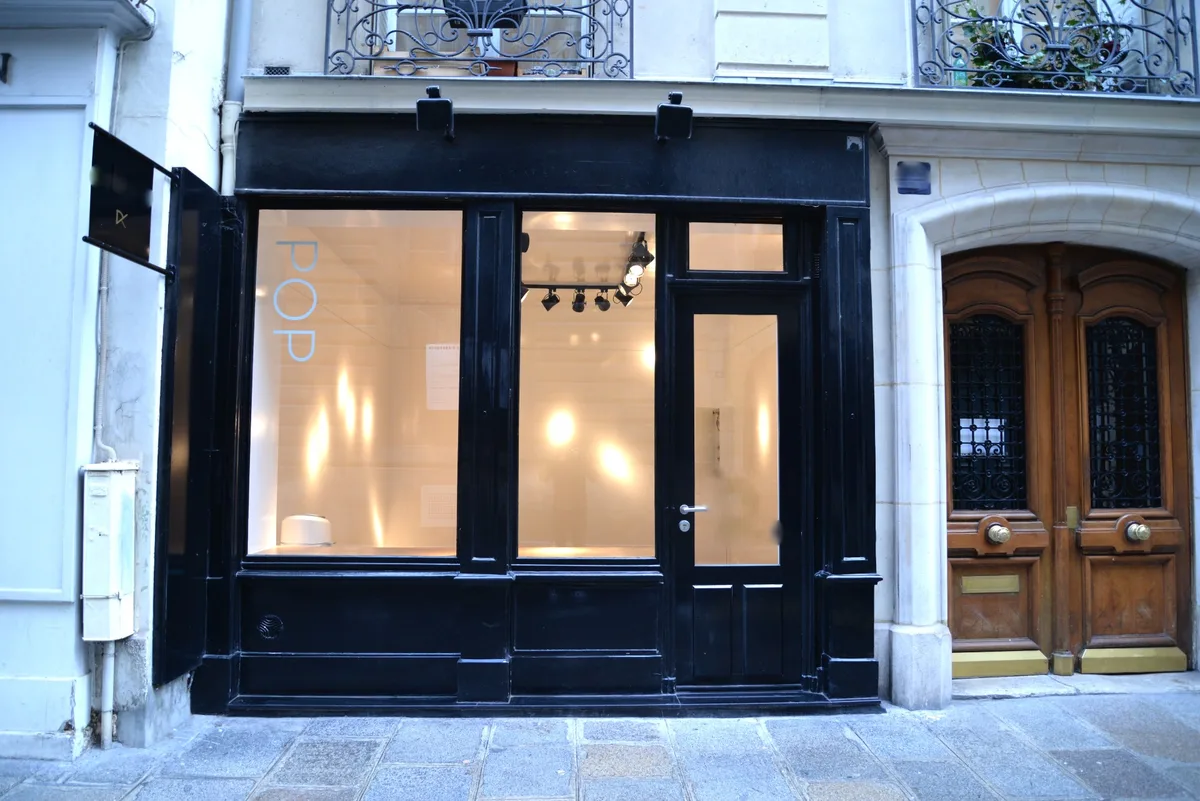
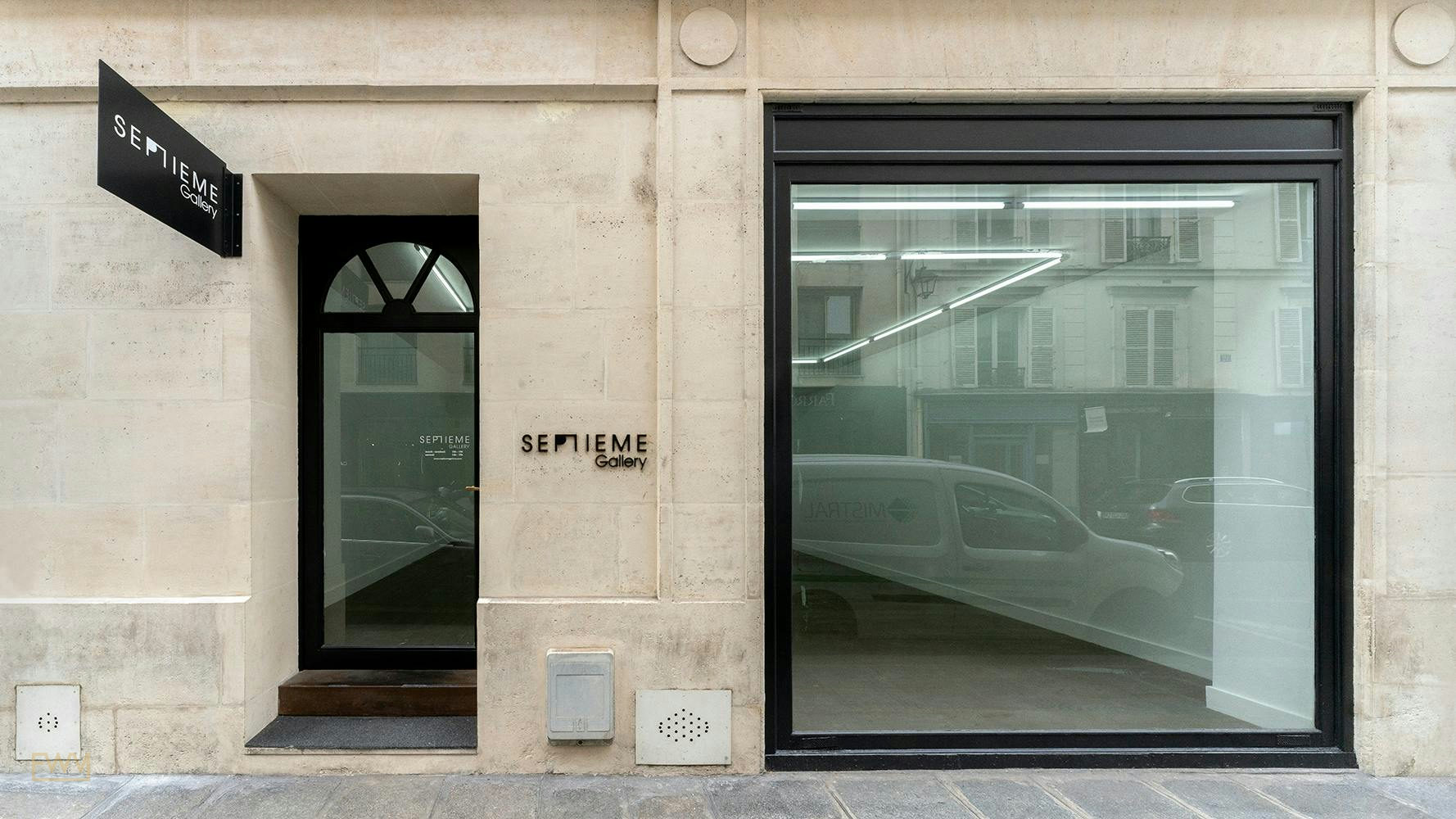
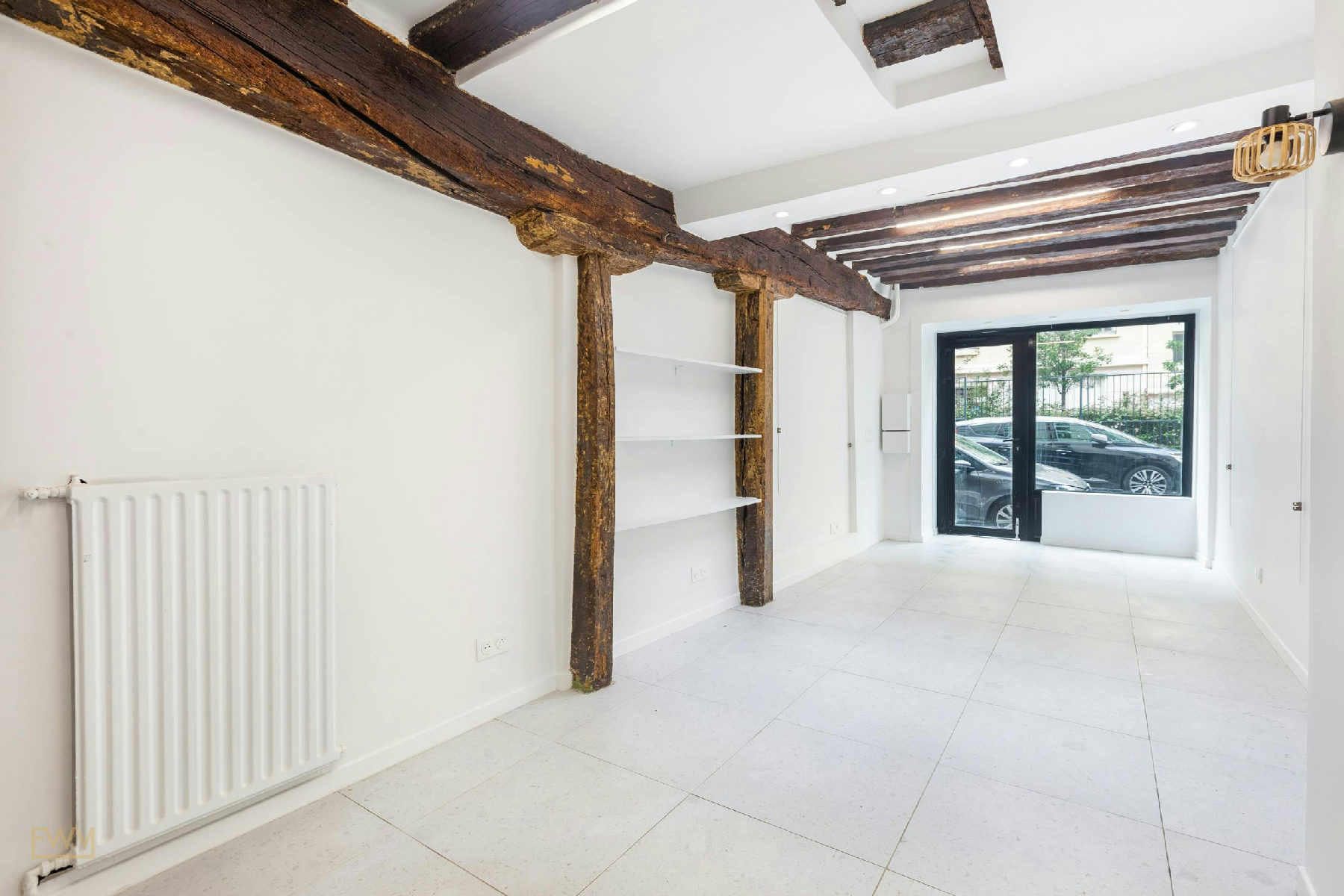
The most recognisable format. These are ground-floor commercial units with street-level frontage, typically featuring display windows, a controlled retail floor plan, and back-of-house storage. On Avenue Montaigne and the surrounding Golden Triangle streets, boutique units range in size from around 40 square meters for a focused brand activation to 200 square meters or more for a full immersive flagship experience. Amenities typically include lighting rigs, fitted flooring, and existing shopfront infrastructure that can be customised with branded design elements.
Fashion Showroom Spaces
Showroom spaces are purpose-suited to wholesale presentations, press appointments, and buyer meetings during Paris Fashion Week. They are typically located on upper floors in Haussmann buildings, with large windows, neutral wall finishes, and flexible floor plans. The showroom format is widely used in the 8th and 1st arrondissements, with strong availability also in the 3rd arrondissement near Le Marais. Brands using this format are primarily focused on trade engagement rather than consumer retail, which affects the required square meterage and the type of staffing needed.
Art Gallery and Gallery-Style Spaces
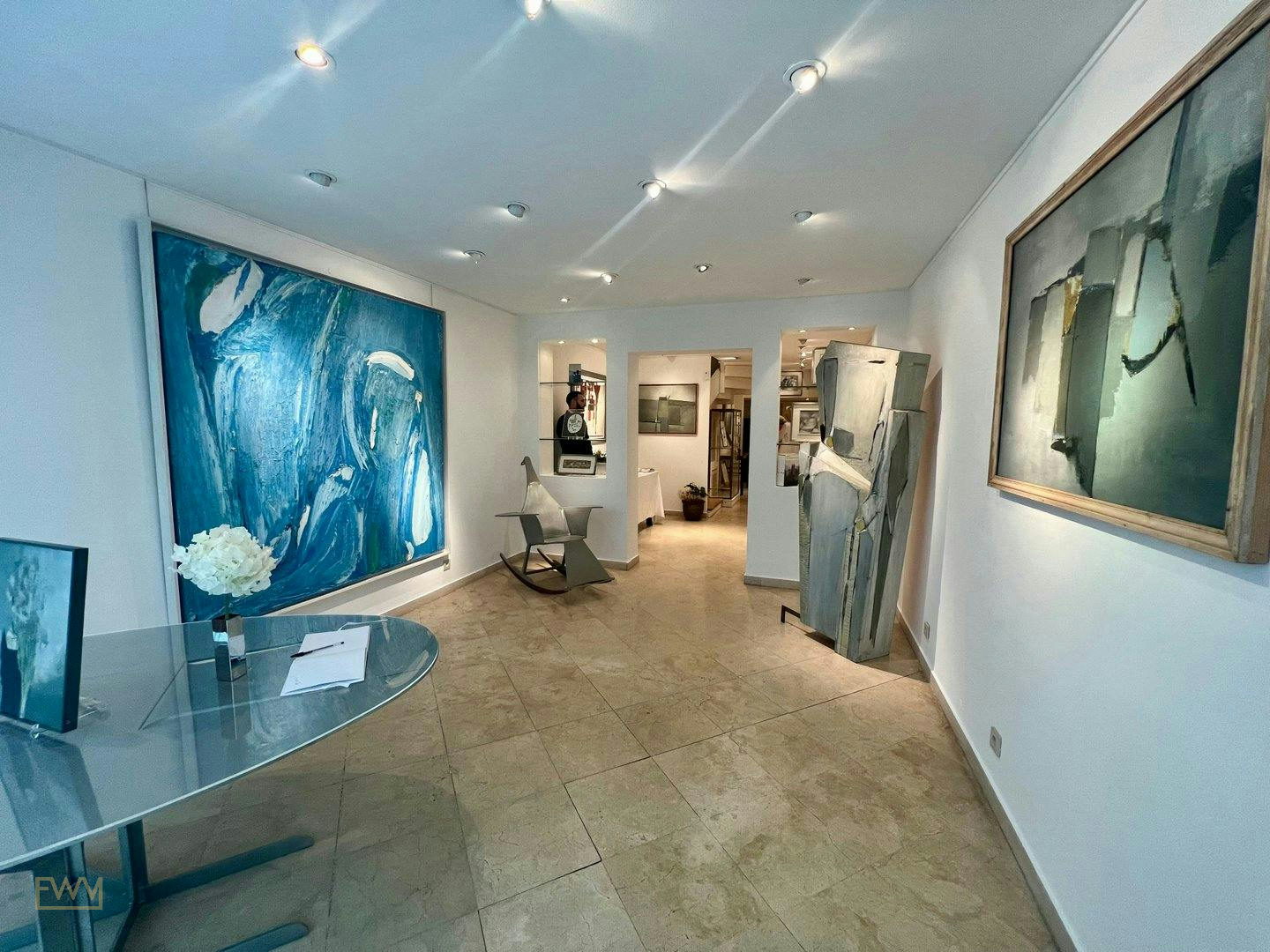
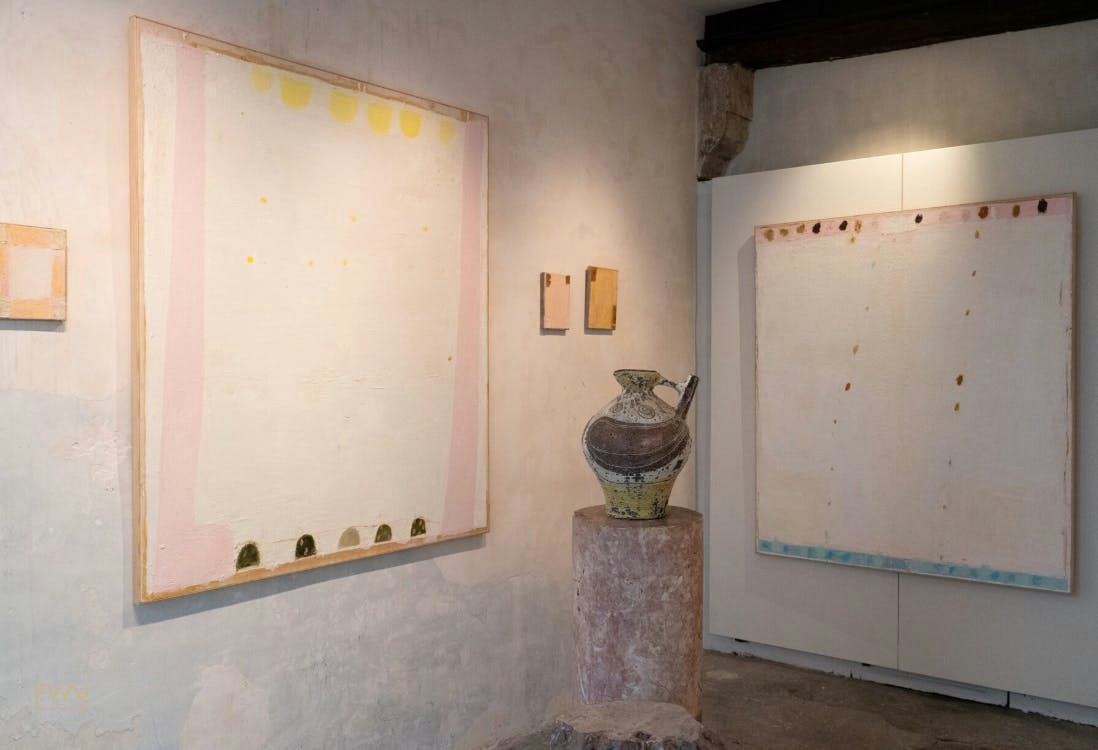
Converted art gallery spaces offer high ceilings, polished concrete floors, spotlights, and white box aesthetics that provide a neutral but dramatic backdrop for product presentation. These spaces are particularly well-suited to beauty brands, jewellery activations, and fashion collections where the product needs to be the primary visual focus. Gallery spaces in Le Marais and the Palais Royal area are particularly sought after for this format.
Studio and Studio Photo Spaces
Studio spaces, including photographic studios with professional lighting infrastructure, are increasingly used for brand activations that combine consumer experience with content creation. In an era when the social media and WeChat content generated by an activation can reach audiences multiple times larger than the in-person visitor count, the quality of the visual environment has direct commercial value beyond the retail transaction itself.
Apartment-Style Private Retail Spaces
The apartment format has become particularly associated with luxury perfume, fine jewellery, and ultra-premium beauty brands. These spaces use residential-scale rooms, period furniture, and intimate environments to create an experience that feels personal and exclusive rather than commercial. This format works exceptionally well for clientele-led activations where the brand is inviting a curated guest list rather than relying on organic street footfall.
Raw Industrial and Loft Spaces
Raw concrete floors, steel pillars, exposed brickwork, and industrial-scale volumes define the loft format. These spaces are more commonly found in the Canal Saint-Martin, Pigalle, and northern arrondissements, and they suit brand activations that want to create contrast between the raw space and a luxury or premium product. The aesthetic tension between an industrial setting and a refined brand presentation is a recognised device in contemporary retail storytelling.
TIP: When briefing for a pop-up space, specify not just square meters but ceiling height, natural light availability, loading access, electrical capacity, and whether the space permits physical modifications such as temporary walls, branded flooring, or external signage. These factors vary significantly across space types and affect both the design and the budget.
| Space Type | Best For | Typical Size Range | Key Features |
|---|---|---|---|
| Classic Boutique Retail Unit | Consumer pop-up, brand activation | 40 to 200 sqm | Street frontage, display windows, fitted interior |
| Fashion Showroom | Trade presentations, press appointments | 80 to 300 sqm | Upper floor, natural light, neutral finish |
| Art Gallery / Gallery-Style | Beauty, jewellery, fashion collections | 60 to 400 sqm | High ceilings, polished floors, spotlights |
| Studio / Studio Photo | Experience plus content creation | 50 to 250 sqm | Lighting infrastructure, flexible configuration |
| Apartment-Style Private Space | Ultra-premium, clientele-led events | 80 to 200 sqm | Residential scale, period detail, intimate rooms |
| Raw Industrial / Loft | Streetwear, lifestyle, brand storytelling | 100 to 600 sqm | Concrete, steel, high volumes, raw aesthetic |
KEY TAKEAWAY: The space type you select shapes the customer experience you can deliver. Matching your activation concept to the right spatial format is as important as choosing the right neighbourhood.
With the location and space type defined, the next critical planning layer involves understanding the legal and permit framework that governs short-term retail in Paris, which is more nuanced than many international brands initially expect.
Permits, Regulations, and Lease Structures for Pop-Up Shops in Paris
Quick answer: Short-term retail in Paris operates under specific legal frameworks including the bail dérogatoire for short commercial leases and the autorisation d'occupation temporaire for public space use. These are not standard commercial leases, and international brands must understand the distinctions before signing. Requirements vary by space type, duration, arrondissement, and intended use.
One of the most common planning failures for international brands entering Paris is underestimating the complexity of French commercial property law and the local regulatory environment. France has a robust and detailed framework governing commercial leases, and the standard bail commercial provides significant tenant protections that most landlords are reluctant to trigger for short-term arrangements. Understanding the alternative legal structures available is therefore essential for any brand planning a temporary retail activation.
The Bail Dérogatoire
The bail dérogatoire is a short-term commercial lease specifically designed to allow property owners to let commercial space for a defined period without triggering the full protections of a standard bail commercial, which typically runs for a minimum of nine years. A bail dérogatoire can be agreed for a period of up to three years, and it must be clearly identified as such in the lease documentation. For pop-up activations lasting from a few days to several months, this is typically the appropriate legal framework. However, it is important to note that the agreement must genuinely reflect a temporary arrangement and must be correctly drafted to avoid reclassification as a standard commercial lease, which would significantly alter both parties' rights and obligations.
Autorisation d'Occupation Temporaire
For activations taking place on public land, including portions of public streets, parks, or publicly owned spaces such as the Jardin des Tuileries or areas adjacent to the Palais Royal, an autorisation d'occupation temporaire (AOT) is required. This permit is issued by the relevant public authority, typically the City of Paris or the relevant arrondissement, and it specifies the permitted use, duration, and any conditions attached to the occupation. The process for obtaining an AOT can take several weeks, and approval is not guaranteed. Brands planning activations in public spaces must factor this timeline and uncertainty into their planning process.
Planning and Local Regulations
Beyond the lease framework, brands need to consider signage permissions, which vary by arrondissement and building type. The 8th arrondissement, where Avenue Montaigne is located, sits within a zone of protected architectural heritage, and external signage changes may require approval from the local planning authority. Interior fit-out works that affect the fabric of a listed or protected building may also require specific permissions. For food and beverage elements within a pop-up activation, health and safety certification and potentially a food business registration may be required. For beauty and cosmetic product demonstrations, specific consumer safety regulations apply.
IMPORTANT: The information provided here is general educational context only. Permit requirements, lease conditions, and local regulations vary significantly by space type, intended activation format, duration, and arrondissement. Always verify specific requirements with a qualified French legal advisor before signing any lease or beginning any fit-out work. Use the permit guidance tool on Fashion Week Venues as a starting reference point for your planning.
Practical Timeline for Permit and Legal Preparation
Based on general experience with the Paris regulatory environment, brands should anticipate the following minimum timelines for permit and legal preparation. AOT applications for public spaces typically require a minimum of six to eight weeks from submission to decision. Bail dérogatoire agreements can be prepared relatively quickly once a space is agreed, but legal review adds one to two weeks. Signage approvals in heritage-protected zones can add a further two to four weeks to the timeline. For any activation during Paris Fashion Week specifically, these timelines are compressed by the volume of competing applications, and brands should start the process earlier than they might for a non-fashion week window.
KEY TAKEAWAY: The bail dérogatoire provides the most practical legal route for short-term pop-up retail in Paris, but it must be correctly structured. Permit requirements for public space use, signage, and certain product demonstrations add additional lead time that must be built into the planning calendar.
With the legal framework understood, brand teams can move to the equally critical question of budget, which requires a clear-eyed view of all cost components rather than simply the headline rental rate.
Budgeting for a Pop-Up Shop Activation in Paris: What Drives the Total Cost
Quick answer: The total cost of a pop-up shop activation in Paris involves significantly more than the rental rate. Design, production, staffing, permits, technology, marketing, and logistics each add material cost to the headline rent figure. For accurate brand-specific estimates, use a specialist budget planning tool rather than relying on directional market ranges.
Rental rates for short-term retail space in Paris vary very widely depending on location, space type, duration, and timing. The 8th arrondissement, and Avenue Montaigne specifically, commands some of the highest short-term rental rates in Europe, reflecting both the address premium and the demand concentration around Paris Fashion Week windows. Research from Jones Lang LaSalle and other commercial real estate sources consistently identifies Paris as one of the top five most expensive global retail markets, with prime locations on Avenue des Champs-Élysées and Avenue Montaigne ranking in the top tier globally.
However, citing specific rental figures without verified, current data attributed to named sources would be misleading, as rates shift materially based on market conditions, landlord strategies, and calendar demand. Brands should use the budget estimation tool on Fashion Week Venues to build a brand-specific cost model rather than relying on publicly available directional estimates.
Cost Components Beyond Headline Rent
The rental rate is typically the largest single line item, but experienced brand teams plan for all of the following cost components when building an activation budget.
Design and concept development covers the creative direction and visual identity applied to the space, including material selection, colour palette, furniture specification, and digital element integration. On Avenue Montaigne and within the Golden Triangle, the standard of finish expected by both landlords and visitors is extremely high, and under-investing in design is a commercially costly mistake.
Production and build encompasses the physical fit-out of the space, including temporary walls, flooring overlays, branded surfaces, lighting installation, display systems, and any technology infrastructure. Build costs in Paris depend heavily on the level of modification permitted by the landlord, the condition of the base space, and the complexity of the design brief.
Furniture and fixtures, which can be rented for the duration of the activation rather than purchased, represent a meaningful cost line that is often underestimated in early budget drafts. Premium furniture rental is particularly relevant for apartment-format activations and showroom presentations.
Staffing covers both retail floor staff and any specialist roles such as brand ambassadors, multilingual customer engagement staff, and operational supervisors. Given the international visitor profile on Avenue Montaigne, multilingual capability is not a luxury but a commercial necessity. Chinese-speaking staff are particularly relevant for brands targeting mainland Chinese and broader East Asian visitors.
Technology and payments include POS system rental, payment processing infrastructure, digital experience elements, and data capture systems. Frictionless, hassle-free transactions are a standard expectation for luxury retail visitors, and the payment experience must match the quality of the physical environment.
Marketing and social media activation costs, including influencer seeding, event photography and video production, paid media around the activation period, and WeChat or other regional platform content, form an increasingly significant portion of total activation budgets as brands recognise that the content generated by an activation has marketing value well beyond the duration of the physical space.
TIP: A useful internal benchmark is to ensure that the production and design budget is not less than the rental budget for any luxury or premium activation. Underspending on the physical environment while paying a premium address rate is one of the most common budgeting errors in Paris pop-up planning.
| Cost Component | Typical Priority | Notes |
|---|---|---|
| Rental (space hire) | Essential | Highest single line item; varies significantly by location and duration |
| Design and concept | Essential | Critical to visitor experience; do not cut at premium addresses |
| Production and build | Essential | Cost depends on modification scope and base condition of space |
| Furniture and fixtures | High | Rental preferred over purchase for short-term formats |
| Staffing | Essential | Multilingual capability required at Golden Triangle addresses |
| Technology and POS | High | Must enable frictionless luxury-standard transactions |
| Marketing and content | High | Social media reach multiplies the commercial value of the activation |
| Permits and legal | Essential | Non-negotiable; timeline-critical; must not be left until late in planning |
| Logistics and operations | Medium | Delivery, storage, waste management, derig |
KEY TAKEAWAY: Total activation cost in Paris is a composite of at least nine distinct cost lines. Brands that budget only for rental and design consistently find themselves facing significant unplanned expenditure on staffing, permits, and technology as the activation date approaches.
Understanding the full cost picture enables meaningful ROI analysis, which should be framed around multiple commercial objectives rather than simply direct sales revenue during the activation period.
The Strategic Case for Pop-Up Retail: ROI, Brand Equity, and the Paris Advantage
Quick answer: The return on investment from a Paris pop-up activation is multidimensional. Direct sales, press and media value, social media reach, new customer acquisition, brand repositioning, and long-term market entry intelligence all contribute to the total return. Brands that measure only in-store sales systematically undervalue what a well-executed activation delivers.
The case for temporary retail in Paris has been strengthened considerably by post-Covid-19 recovery patterns in luxury and premium spending. Consumer confidence in physical retail experiences rebounded strongly from 2022 onward, with data from multiple sources including Vogue Business and The Moodie Davitt Report documenting the recovery of international luxury retail traffic in Paris and other major fashion capitals. The travel retail segment specifically saw exceptional growth as Chinese outbound tourism resumed, and Paris benefited disproportionately from that recovery given its position as the world's most visited city and its concentration of luxury retail infrastructure.
The Pop-up format offers brands a way to test new markets, new formats, and new customer relationships with significantly less capital commitment than permanent retail. For brands entering France for the first time, or returning after a period of absence, a short-term activation on Avenue Montaigne or within the Golden Triangle creates a proof of concept for the French market without the nine-year lease obligation of a standard bail commercial.
Measuring Return Across Multiple Dimensions
Direct sales during the activation period provide the most immediately measurable return. For luxury and premium brands on Avenue Montaigne, transaction values tend to be high and the visiting clientele is strongly predisposed toward purchasing. However, direct sales alone rarely capture the full commercial value of the activation.
Press and editorial value accumulates when the activation generates coverage in fashion and luxury media. A well-designed, well-located space in Paris during Fashion Week creates editorial interest that extends well beyond the physical visitor count. Coverage in publications and platforms that reach global luxury audiences multiplies the reach of the investment substantially.
Social media and digital content value is generated by both brand-produced content and visitor-generated content. An activation that creates genuinely shareable visual moments produces a stream of organic content across Instagram, TikTok, and YouTube Shorts that continues to circulate well after the physical space has closed. For brands investing in WeChat for Chinese market reach, Paris activations carry particular weight given the aspirational status of the city among Chinese consumers.
Customer acquisition and data value arises from every interaction, purchase, and registration that occurs during the activation. This data, properly collected and analysed, provides market insights that are commercially valuable for future product, pricing, and distribution decisions. Big Data Watch and Market Insights Reports produced by specialist research firms document the growing importance of this data layer in justifying temporary retail investment.
Brand repositioning and storytelling value is perhaps the most difficult to quantify but often the most strategically significant. An activation on Avenue Montaigne communicates a clear statement about brand tier, brand values, and brand aspiration that influences how consumers, press, and wholesale partners perceive the label. The storytelling potential of a perfectly designed space in one of Paris's most iconic settings is a legitimate and significant component of the total return.
Use the ROI calculation tool on Fashion Week Venues to model expected returns across these dimensions for your specific activation brief and budget parameters.
DID YOU KNOW: Research from multiple luxury retail analytics sources indicates that brands activating in Paris during Fashion Week calendar windows typically generate social media reach that exceeds their in-person visitor count by a factor of between 20 and 100 to one, depending on the quality of the visual content produced and the influencer relationships activated during the event period.
KEY TAKEAWAY: ROI from a Paris pop-up activation should be modelled across at least five dimensions: direct sales, press value, digital content reach, customer acquisition, and brand equity contribution. Single-metric measurement consistently undervalues the strategic return.
Having established the strategic and commercial rationale, the next question is how to plan the activation process itself, from initial brief to opening day and beyond.
The End-to-End Process for Activating a Pop-Up Shop in Paris: A Step-by-Step Framework
Quick answer: A successful Paris pop-up activation requires a structured process spanning typically 12 to 20 weeks from initial brief to opening day, depending on the complexity of the concept and the permit requirements involved. The process encompasses strategy, space sourcing, concept development, legal preparation, production, staffing, technology setup, and marketing activation.
International brands consistently underestimate the lead time required to execute a quality pop-up activation in Paris. The competitive demand for prime spaces, the complexity of the permit landscape, the production timelines for high-quality fit-out work, and the staffing requirements for a multilingual luxury retail team all require significantly more planning runway than brands accustomed to simpler domestic markets typically anticipate.
| Phase | Key Activities | Typical Timeline Before Opening |
|---|---|---|
| Phase 1: Strategy and Brief | Define objectives, target customer, activation format, budget envelope, calendar window | 20 to 16 weeks |
| Phase 2: Space Sourcing | Identify candidate spaces, review against brief, negotiate terms, shortlist and select | 16 to 12 weeks |
| Phase 3: Legal and Permits | Bail dérogatoire preparation, AOT applications, signage approvals, legal review | 14 to 8 weeks |
| Phase 4: Concept and Design | Creative direction, spatial design, material selection, technology integration planning | 14 to 8 weeks |
| Phase 5: Production and Build | Contractor briefing, fit-out works, furniture delivery, technology installation | 8 to 2 weeks |
| Phase 6: Staffing and Operations | Staff recruitment and briefing, POS setup, operational rehearsal | 4 to 1 weeks |
| Phase 7: Marketing Activation | Influencer briefing, press invitations, social media content, email and WeChat outreach | 6 to 0 weeks |
| Phase 8: Live and Data Collection | Daily operations, sales tracking, consumer feedback, social monitoring | During activation |
| Phase 9: Close and Analysis | Derig, space restoration, data analysis, consumer surveys, ROI reporting | Post-activation |
For brands working on Paris Fashion Week timing specifically, the calendar compression is real. Prime spaces in the 8th arrondissement and Le Marais are typically reserved six to twelve months in advance for the February and September fashion week windows. Brands that approach space search in the eight weeks before Fashion Week will almost always be choosing from second-tier options or paying a significant premium for late-availability spaces.
The timeline planning tool on Fashion Week Venues allows brand teams to map their specific activation calendar against the recommended preparation phases and identify where their current planning position sits relative to the ideal lead time.
A full-service agency approach, where a single partner manages the process from brief through to derig, significantly reduces the coordination overhead for brand teams and reduces the risk of timing failures between interdependent workstreams. The alternative, managing each workstream independently through separate suppliers, is viable but requires an experienced internal project lead with direct Paris market knowledge.
KEY TAKEAWAY: For Paris Fashion Week windows, prime space sourcing must begin six to twelve months in advance. For non-fashion-week activations, a 12 to 16 week runway from brief to opening is the minimum recommended planning period for a quality activation at a premium address.
Understanding how a specialist agency supports this process is the final piece of the planning picture for brand teams evaluating whether to work with an external partner.
How Fashion Week Venues Supports Pop-Up Activations in Paris and Beyond
Fashion Week Venues operates as a full-service pop-up shop agency and space marketplace with Paris as its primary market, alongside active city hubs in London, Milan, New York, Tokyo, and Dubai. The agency supports brand teams across the complete activation lifecycle, from initial strategy through to post-activation data analysis, with a suite of specialist services and planning tools designed specifically for the complexity of luxury and premium pop-up retail.
The venue sourcing service covers the identification, evaluation, and negotiation of short-term retail spaces across Paris, with established relationships with property owners and managers in the Golden Triangle, Le Marais, Saint-Germain-des-Prés, Place Vendôme, and the broader Paris luxury corridor. For brands targeting Avenue Montaigne specifically, the agency's knowledge of available space types, typical terms, and the landlord landscape in the 8th arrondissement is a material advantage over a brand approaching the market independently.
The concept direction service provides creative leadership for the activation, translating the brand brief into a spatial concept that is coherent with both the brand identity and the specific character of the chosen Paris location. This service is particularly valuable for international brands activating in Paris for the first time, where the cultural nuance of Parisian retail aesthetics requires a locally informed creative perspective.
The production and build service covers the physical realisation of the approved concept, from contractor management through to quality control on the installed fit-out. Paris has a complex ecosystem of commercial fit-out contractors, and quality and reliability varies significantly. Managing this layer through an experienced local partner reduces both cost uncertainty and execution risk.
The retail staffing service provides access to trained, multilingual brand ambassadors and retail professionals for the duration of the activation. Given the international visitor profile on Avenue Montaigne, with significant representation from Chinese, American, Middle Eastern, and Japanese visitors, multilingual staff capability is not optional for brands seeking to maximise conversion during their activation window.
Beyond core services, Fashion Week Venues offers a set of planning tools that brands can use independently or alongside agency support. The budget tool, ROI calculator, timeline planner, permit guidance resource, space comparison tool, and space locator each address a distinct planning challenge that brand teams consistently face when preparing for a Paris activation.
The twin concept enables two complementary brands to co-activate within a shared space, splitting costs while creating a combined visitor proposition that can be stronger than either brand would generate alone. This format is particularly relevant for emerging luxury brands and premium lifestyle labels where the budget for a standalone Golden Triangle space is a limiting constraint.
The Imagine tool allows brand teams to visualise how their concept would look in specific spaces before committing to a lease, reducing the risk of misalignment between the conceptual brief and the physical reality of the chosen venue.
Brands considering working with an external agency for a Paris activation can review the full scope of available services on the services page and understand the agency's working approach on the process page.
IMPORTANT: Fashion Week Venues does not guarantee the availability of specific spaces, the approval of permit applications, or the commercial outcomes of any activation. The agency provides expert support, established market relationships, and structured processes, but brand teams retain responsibility for final decisions on location, budget, and activation scope.
KEY TAKEAWAY: For brands without deep Paris market experience, a full-service agency partner significantly reduces execution risk across all phases of a pop-up activation, from space sourcing and legal navigation through to staffing and post-activation analysis.
Paris in the Global Luxury Pop-Up Context: How the City of Light Compares Internationally
Quick answer: Paris holds a distinctive position in the global luxury pop-up market because it combines the world's highest concentration of luxury brand flagships with the highest international visitor volume of any city in the world, creating a visitor environment and brand association that New York's Fifth Avenue, London's Bond Street, Milan's Quadrilatero, and Dubai's Fashion Avenue each approach but none fully replicate.
Understanding how Paris compares to other major fashion capitals helps brand teams make informed decisions about where to prioritise their temporary retail investment and how to sequence multi-city activation strategies.
New York offers Madison Avenue and Fifth Avenue as comparable luxury corridors, with a domestic market scale that Paris cannot match. However, the international cultural cachet of Paris for luxury brand association consistently outperforms New York in global consumer perception research. For brands targeting Chinese consumers specifically, Paris has a significantly higher aspirational status than New York as a luxury shopping destination, which directly affects the marketing value of an activation in the City of Light versus other global cities.
London's Bond Street is the closest European equivalent to Avenue Montaigne in terms of brand density and visitor quality. Post-Brexit changes to VAT reclaim for international visitors affected the cost competitiveness of London luxury retail relative to Paris, and multiple luxury property acquisition reports from 2023 and 2024 documented continued brand investment in Paris over London for permanent flagship locations. This structural preference for Paris over London for new luxury market entry has flow-on effects for temporary retail, with more brands competing for prime pop-up space in Paris than in London during comparable calendar windows.
Milan's Quadrilatero della Moda, the rectangle bounded by Via Montenapoleone, Via della Spiga, Corso Venezia, and Via Sant'Andrea, is the natural anchor for Italian fashion brands and for brands that want to be adjacent to the manufacturing and design community. Milan's fashion week is strategically positioned immediately before Paris in the February and September international fashion week calendar, and brands with the resource to activate in both cities create a sequential presence that significantly amplifies their press and social media impact.
Dubai's luxury retail market, centred on the Dubai Mall, Mall of the Emirates, and the emerging fashion district areas, offers a fast-growing Gulf market with distinctive visitor demographics and spending patterns. The Middle East's rising appeal as an opportunity market for luxury brands has been documented extensively by Jones Lang LaSalle and other commercial real estate analysts, with luxury property acquisitions and brand expansion in the region reaching new highs in 2023. For brands with a strong Middle Eastern clientele, a Dubai activation in combination with a Paris activation during fashion week windows creates a complementary market presence.
Tokyo's luxury retail market, concentrated in Ginza and Omotesando, offers a very different visitor profile from Paris, with a highly design-literate domestic Japanese consumer base and a strong inbound luxury tourism sector. The Tokyo city hub on Fashion Week Venues supports brands planning activations in the Japanese market alongside or independently of Paris activations.
KEY TAKEAWAY: Paris remains the global anchor for luxury pop-up retail activation, but the most sophisticated brand strategies combine Paris with at least one additional fashion capital to create a multi-market presence during the international fashion week calendar and beyond.
Common Myths Debunked About Renting a Pop-Up Shop in Paris
MYTH: International brands need a French legal entity to rent a pop-up space in Paris.
FACT: While having a French company simplifies certain administrative processes, international brands can rent short-term commercial spaces in Paris without a pre-existing French legal entity in many cases. The bail dérogatoire framework is accessible to foreign legal entities, though landlords may require additional guarantees or documentation. Working with a specialist agency that has established relationships with Paris landlords significantly simplifies this process for international brands. Always verify specific requirements with a qualified French legal advisor, as conditions vary by landlord and space type.
MYTH: Paris Fashion Week is the only commercially viable calendar window for a pop-up activation in Paris.
FACT: While the February and September Fashion Week windows deliver the highest concentration of fashion industry professionals and generate the strongest press and social media impact for fashion brands, Paris attracts exceptional luxury retail footfall throughout the year. Summer high season from June through August delivers the highest absolute international visitor volumes, with particularly strong representation from American, Chinese, and Middle Eastern tourists. The Christmas and New Year period delivers strong luxury gift purchasing. Spring and autumn outside fashion week offer availability advantages and often lower rental premiums for brands whose primary objective is consumer conversion rather than fashion industry press.
MYTH: Commission-based brokers are the only route to finding a pop-up space in Paris.
FACT: The Paris short-term retail market has diversified significantly beyond traditional commission brokers. Dedicated space marketplace platforms, full-service pop-up agencies with proprietary space networks, and direct approaches to building owners are all viable routes depending on the brand's timeline, budget, and service requirements. Each route has different cost structures and different levels of support during the space search and negotiation process. Commission brokers introduce a space but typically do not support the activation process. A full-service agency provides both space access and ongoing operational support.
MYTH: Short-term leases in Paris are legally simple and can be treated like a standard commercial rental agreement.
FACT: French commercial property law is complex and provides significant tenant protections under the standard bail commercial framework. Short-term arrangements must be structured specifically as bail dérogatoire agreements or other appropriate legal formats to avoid unintended consequences for both parties. An incorrectly structured agreement can result in the tenant inadvertently acquiring long-term lease rights, or the landlord being unable to recover possession of the space as planned. All short-term lease arrangements in Paris should be reviewed by a qualified French lawyer before signing, regardless of how standard the document may appear.
MYTH: The Golden Triangle is too expensive for any brand that is not already a major luxury house.
FACT: While short-term rental rates in the 8th arrondissement are among the highest in Europe, the total commercial return from a well-executed activation in this location can justify the investment for a broader range of brands than is commonly assumed. The twin co-activation model, where two compatible brands share a space and split costs, makes Golden Triangle addresses accessible to emerging luxury and premium lifestyle brands that could not support the full cost independently. Additionally, the definition of minimum viable scale differs by activation format. A tightly designed 50 square meter boutique-format activation on a street adjacent to Avenue Montaigne can deliver a credible presence at a substantially lower total cost than a full flagship-format space on the avenue itself.
Frequently Asked Questions
What are the most sought-after locations for leasing commercial pop-up space in Paris?
The most sought-after locations for short-term commercial space in Paris are Avenue Montaigne and the Golden Triangle in the 8th arrondissement, Place Vendôme and the Vendôme Square area, rue Saint-Honoré and rue du Faubourg Saint-Honoré, and key streets within Le Marais including rue des Archives and rue de Bretagne. Demand from luxury and premium brands consistently outstrips supply in the 8th arrondissement during fashion week windows, making early planning essential. Secondary locations including Saint-Germain-des-Prés and the Palais Royal area offer compelling alternatives with different visitor profiles and typically greater availability. The Canal Saint-Martin area provides the most accessible rental conditions for emerging and lifestyle brands.
How long in advance should I start planning a pop-up activation on Avenue Montaigne or in the Golden Triangle?
For Paris Fashion Week calendar windows in February and September, prime space sourcing in the 8th arrondissement should begin at least six to twelve months in advance. Space availability at premium addresses during fashion week is extremely limited, and the most desirable units are typically reserved well before the six-month mark. For activations outside the fashion week calendar, a 12 to 16 week planning runway from initial brief to opening day is the minimum recommended timeline for a quality activation, accounting for space search and negotiation, legal preparation, concept development, production, staffing, and marketing activation lead times.
Do I need permits to run a pop-up shop in Paris?
Permit requirements for pop-up retail in Paris depend on the space type, location, intended activation format, and duration. Activations within private commercial spaces typically operate under a bail dérogatoire short-term lease without requiring additional planning permits for the retail use itself, though signage changes, structural modifications, and certain product demonstrations may require separate approvals. Activations incorporating public space use, street frontage infrastructure, or temporary structures on public land require an autorisation d'occupation temporaire from the relevant public authority. Requirements vary significantly by arrondissement and activity type, and brands should use the permit guidance resources available through Fashion Week Venues and verify all specific requirements with a qualified French legal advisor before proceeding.
What is a bail dérogatoire and why does it matter for pop-up retail in Paris?
A bail dérogatoire is a specific type of short-term commercial lease under French law that allows a property to be let for a temporary period of up to three years without triggering the long-term tenant protections of a standard nine-year bail commercial. For pop-up retail, the bail dérogatoire is typically the appropriate legal framework because it provides both parties with the flexibility of a time-limited arrangement while giving the landlord confidence that possession will be returned at the agreed end date. It must be explicitly identified as a bail dérogatoire in the lease documentation and correctly structured to avoid reclassification. All lease agreements should be reviewed by a qualified French lawyer before signing.
Which Paris arrondissements offer the best value for luxury pop-up retail outside the 8th?
The 1st arrondissement, encompassing the Palais Royal area and the Louvre corridor, offers prestige and cultural weight at somewhat lower rental rates than the 8th. The 3rd arrondissement, covering the northern section of Le Marais, provides excellent cultural credibility and strong visitor engagement for luxury and premium brands targeting a younger, design-aware consumer. The 6th arrondissement, covering Saint-Germain-des-Prés, offers a sophisticated Left Bank character with good availability of boutique and gallery-format spaces. Each alternative offers distinct strategic benefits relative to the 8th arrondissement, and the right choice depends on the brand's target customer profile, activation format, and commercial objectives.
What are the typical space types available for short-term rental in the Golden Triangle?
Short-term retail spaces available within and around the Golden Triangle include classic ground-floor boutique retail units with street frontage, upper-floor fashion showroom spaces, gallery-style exhibition spaces, apartment-format private retail environments, and studio spaces with professional lighting infrastructure. Ground-floor boutique units on Avenue Montaigne and the immediately surrounding streets tend to be in the range of 50 to 250 square meters for most available short-term formats. Larger spaces of 300 square meters and above are available but are comparatively rare in short-term formats and typically command corresponding premiums.
How do Chinese luxury consumers factor into the case for a Paris pop-up activation?
Chinese consumers represent one of the most commercially significant visitor segments for luxury retail in Paris, and this has been reinforced by the recovery of Chinese outbound tourism following the Covid-19 period. Paris holds strong aspirational status among Chinese luxury consumers, and activations in prestige locations such as Avenue Montaigne generate content that performs well on WeChat and other Chinese social platforms, creating marketing value in the Chinese domestic market as well as direct conversion at the Paris location itself. Chinese-speaking staff capability is considered commercially essential for luxury pop-up activations in the Golden Triangle, where Chinese visitor representation can be very high, particularly during summer high season.
What is the ideal duration for a pop-up shop rental in Paris?
The ideal duration for a Paris pop-up activation depends on the brand's objectives. For fashion week press and trade activations, durations of one to three weeks aligned with the fashion week calendar are standard. For consumer-facing brand activation and direct retail objectives, durations of four to twelve weeks allow sufficient time to build organic visitor momentum alongside programmed events and marketing activity. For market testing and new market entry purposes, durations of two to six months under a bail dérogatoire allow a brand to gather meaningful consumer data and commercial performance information without a long-term lease commitment. Shorter durations command higher rental rates per week relative to longer arrangements in most cases.
How does social media amplify the return on a Paris pop-up activation?
A well-designed, well-located pop-up space in Paris generates social media content through multiple channels simultaneously: brand-produced photography and video, influencer content from invited guests, and organic visitor-generated content from customers who post their experience. Paris, and Avenue Montaigne specifically, provides an immediately recognisable backdrop that increases the shareability and reach of all content produced in the location. Platforms including Instagram for visual content, TikTok for behind-the-scenes and experiential content, and YouTube Shorts for longer-format global reach all benefit from the prestige associations of the Paris setting. The combined digital reach of a well-activated Paris pop-up can significantly exceed the direct in-person visitor count in commercial impact terms.
What is the twin co-activation concept and how does it help brands manage costs in Paris?
The twin co-activation concept, offered through Fashion Week Venues, allows two complementary but non-competing brands to share a single retail space in Paris, splitting the rental and production costs while creating a combined visitor proposition that can be more compelling than either brand would generate independently. This format is particularly relevant for emerging luxury labels, premium lifestyle brands, and international brands making their first Paris activation, where the full cost of a standalone Golden Triangle space may exceed the available budget. The twin format requires careful brand matching to ensure that the two activation concepts are genuinely complementary in terms of visual aesthetic, target customer, and brand positioning.
Can I browse available pop-up spaces in Paris before committing to a planning process?
Yes. The Fashion Week Venues marketplace allows brand teams to browse available spaces across Paris and other fashion capitals by location, space type, size, and available calendar windows. The compare tool enables side-by-side evaluation of shortlisted spaces against key criteria, and the locator tool maps available spaces geographically so that proximity to specific streets, landmarks, or brand neighbours can be assessed visually. These tools are designed to support brand teams in developing an informed brief before engaging in formal space negotiation or activation planning.
What staffing considerations are unique to a luxury pop-up activation in Paris?
Luxury pop-up activations in Paris, particularly those in the 8th arrondissement and other high-footfall international zones, require retail staff with a combination of product knowledge, brand storytelling capability, and multilingual communication skills. Given the visitor mix on Avenue Montaigne and in the Golden Triangle, fluency in English, Mandarin Chinese, Arabic, and French is commercially valuable, and the composition of the team should reflect the expected nationality mix of visitors during the activation window. Beyond language skills, staff demeanour, styling, and brand alignment are held to very high standards at luxury addresses in Paris, and recruitment and briefing should be treated with the same care as the spatial design itself.
How do I compare the ROI of a Paris pop-up against other marketing investments?
The return on investment from a Paris pop-up activation is genuinely multidimensional, encompassing direct sales revenue, press and editorial value, social media content reach, new customer acquisition and data value, and strategic brand equity contribution. Comparing this composite return against alternative marketing investments such as digital advertising, sponsorships, or trade show participation requires a common valuation framework. The ROI calculator tool available through Fashion Week Venues provides a structured approach to modelling the total return across multiple value dimensions for a specific activation brief, enabling meaningful comparison against alternative uses of the same budget.
What neighbourhoods in Paris offer the most accessible entry point for brands with tighter budgets?
The Canal Saint-Martin area in the 10th arrondissement and the northern edge of Pigalle in the 18th and 9th arrondissements offer the most accessible rental conditions in Paris for brands with tighter budgets, while still delivering strong engagement with a culturally active, design-aware audience. Le Marais, particularly the 3rd arrondissement, sits at a middle tier, offering cultural credibility and strong visitor engagement at rental levels below the 8th arrondissement. These locations are strategically appropriate for emerging luxury brands, lifestyle labels, streetwear activations, and beauty independents that are building Paris market presence as a first step rather than immediately targeting the premium tier of the Golden Triangle.
What happens after a pop-up activation closes and why does the post-activation phase matter?
The post-activation phase encompasses space derig and restoration to the condition required under the lease agreement, final reconciliation of operational costs, systematic analysis of sales data and customer engagement metrics, consumer survey processing, social media performance review, and production of the ROI report for internal stakeholders. This phase matters commercially because the data and insights collected during the activation have lasting value for product decisions, market strategy, and future activation planning. Brands that treat the post-activation analysis with the same rigour as the pre-activation planning consistently extract more long-term value from their Paris investment than those who close the space and move immediately to the next project without structured analysis.
Conclusion: From Research to Activation on Avenue Montaigne and Across Paris
Renting a pop-up shop on Avenue Montaigne or within the broader Paris luxury corridor is one of the most strategically powerful moves available to a premium or luxury brand building international presence. The address delivers a visitor quality, brand association, and content setting that is genuinely unique in global retail. But the decision to activate in Paris requires careful, well-informed preparation across location strategy, space type selection, legal and permit navigation, budget planning, production, staffing, and marketing activation.
The key realities for brand teams to carry forward are these. Prime space in the 8th arrondissement and the Golden Triangle must be sourced six to twelve months before a fashion week window. The total cost of an activation is substantially higher than the headline rental rate when all nine cost components are properly accounted for. The return on investment is multidimensional and must be measured across sales, press, social media, data, and brand equity dimensions to be accurately valued. The legal framework for short-term leasing in France is specific and requires professional guidance. And the cultural and operational nuance of the Paris market consistently rewards brands that work with an experienced local partner over those that approach the market without specialist support.
Fashion Week Venues exists to close the gap between ambition and execution for brands activating in Paris and other major fashion capitals. Whether you are planning your first Paris pop-up or refining a multi-city activation strategy, the agency's combination of market knowledge, space access, and end-to-end service capability is designed to reduce risk and maximise the return on your investment in one of the world's most demanding and rewarding retail environments.
To move from research to activation, start exploring available spaces on the Fashion Week Venues marketplace and build a focused brief for your target neighbourhood, space type, and calendar window.