

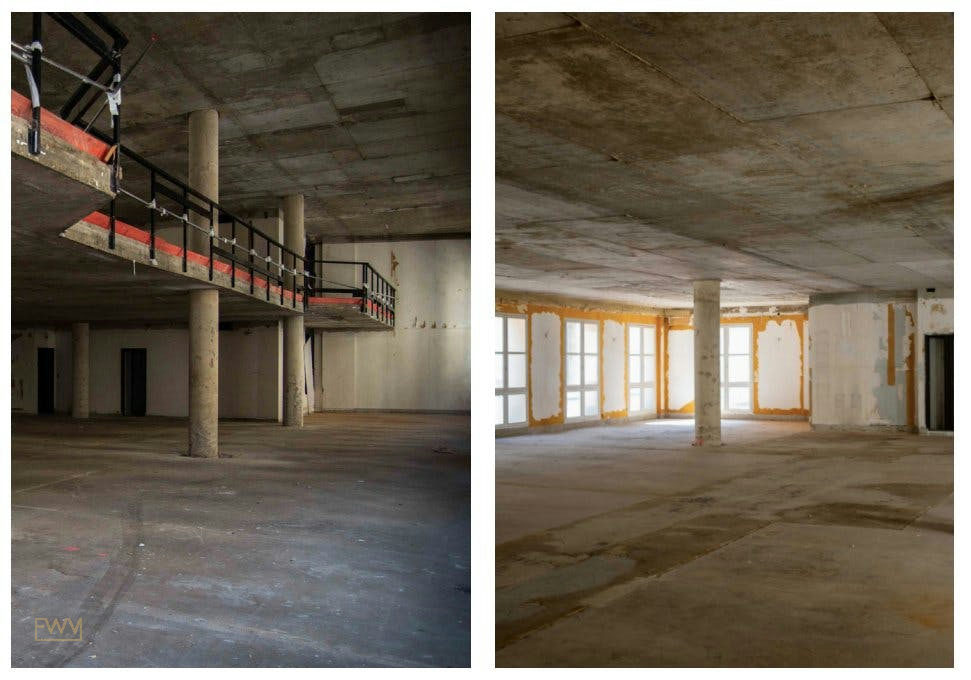
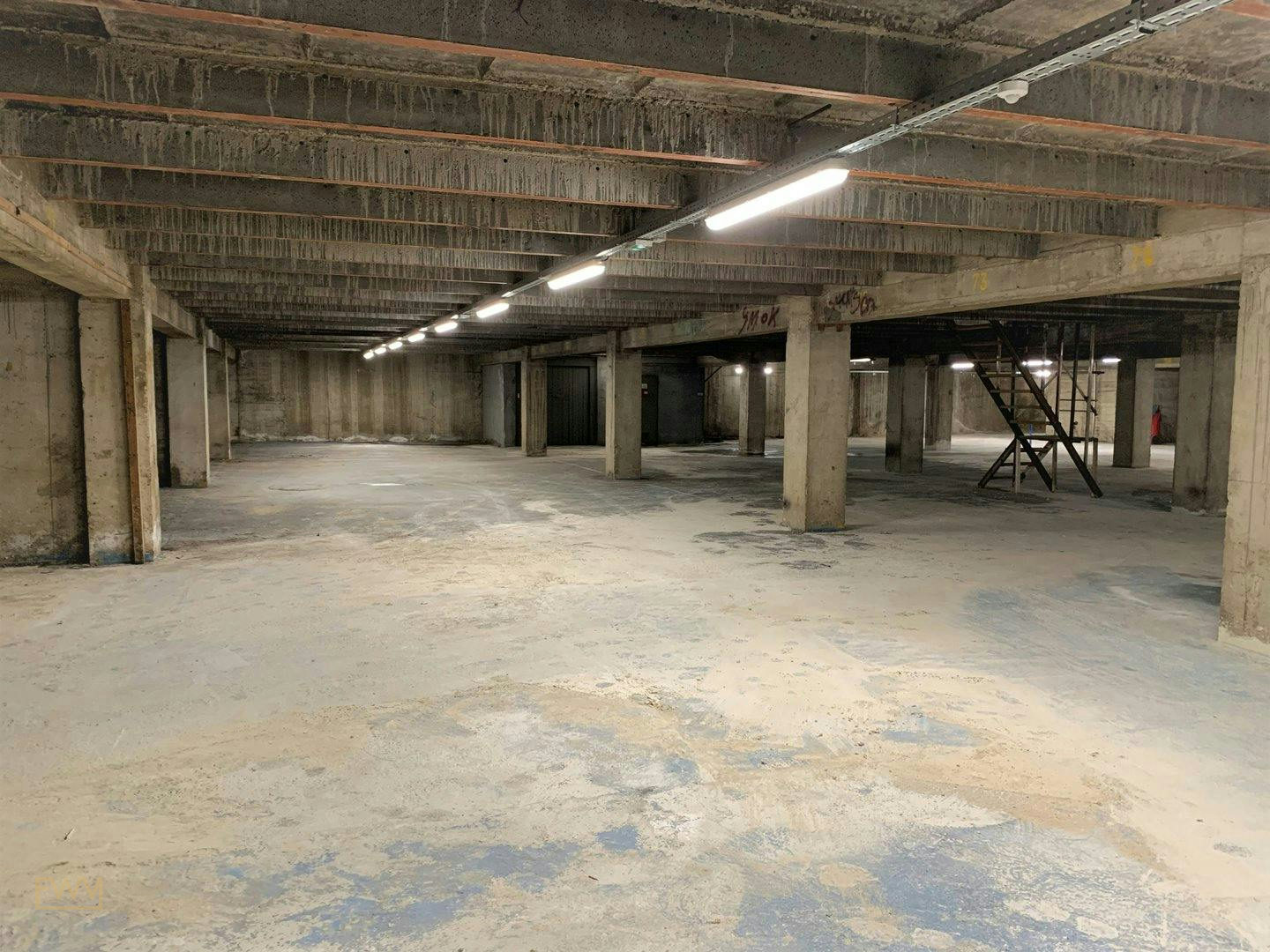
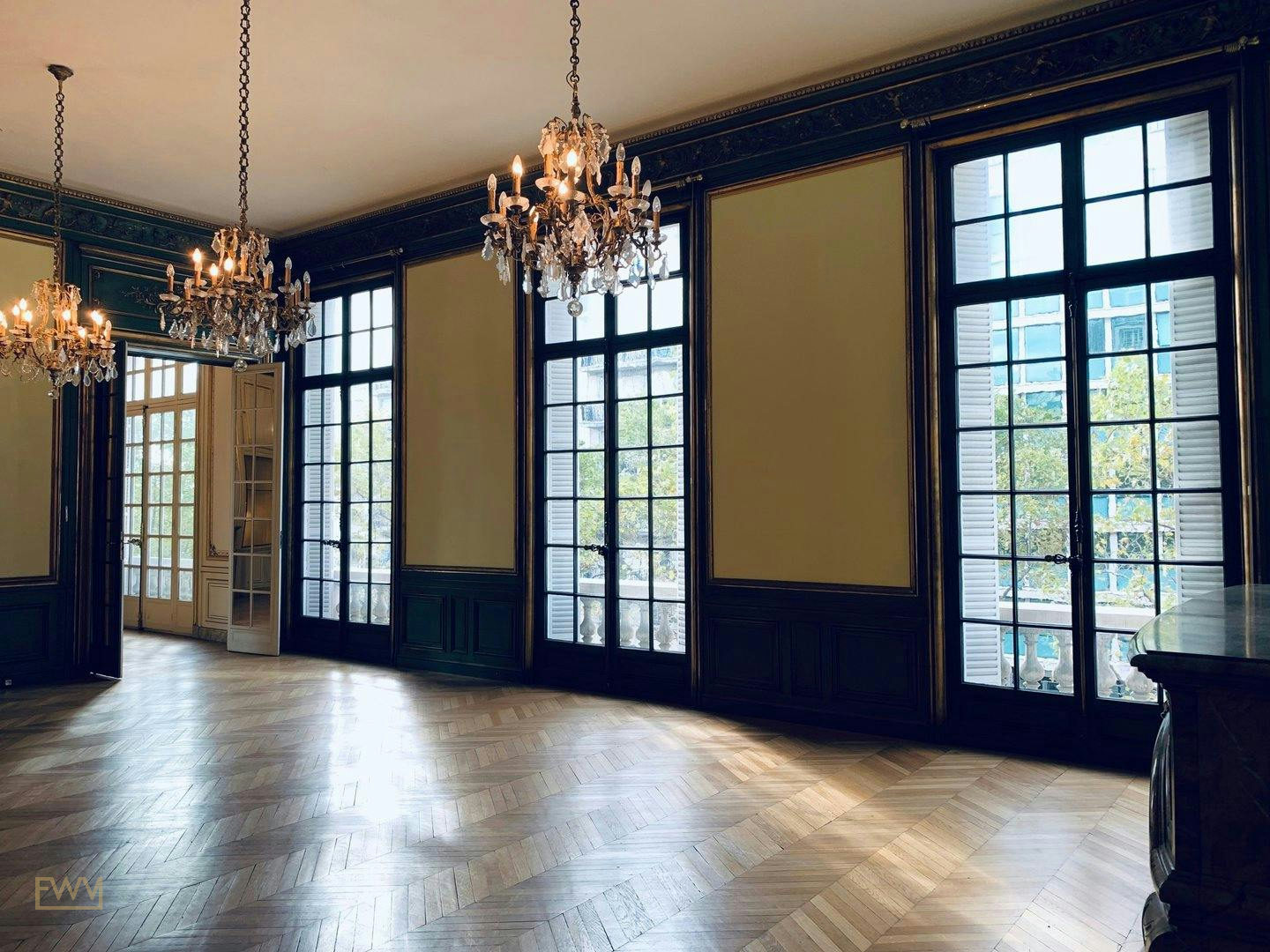
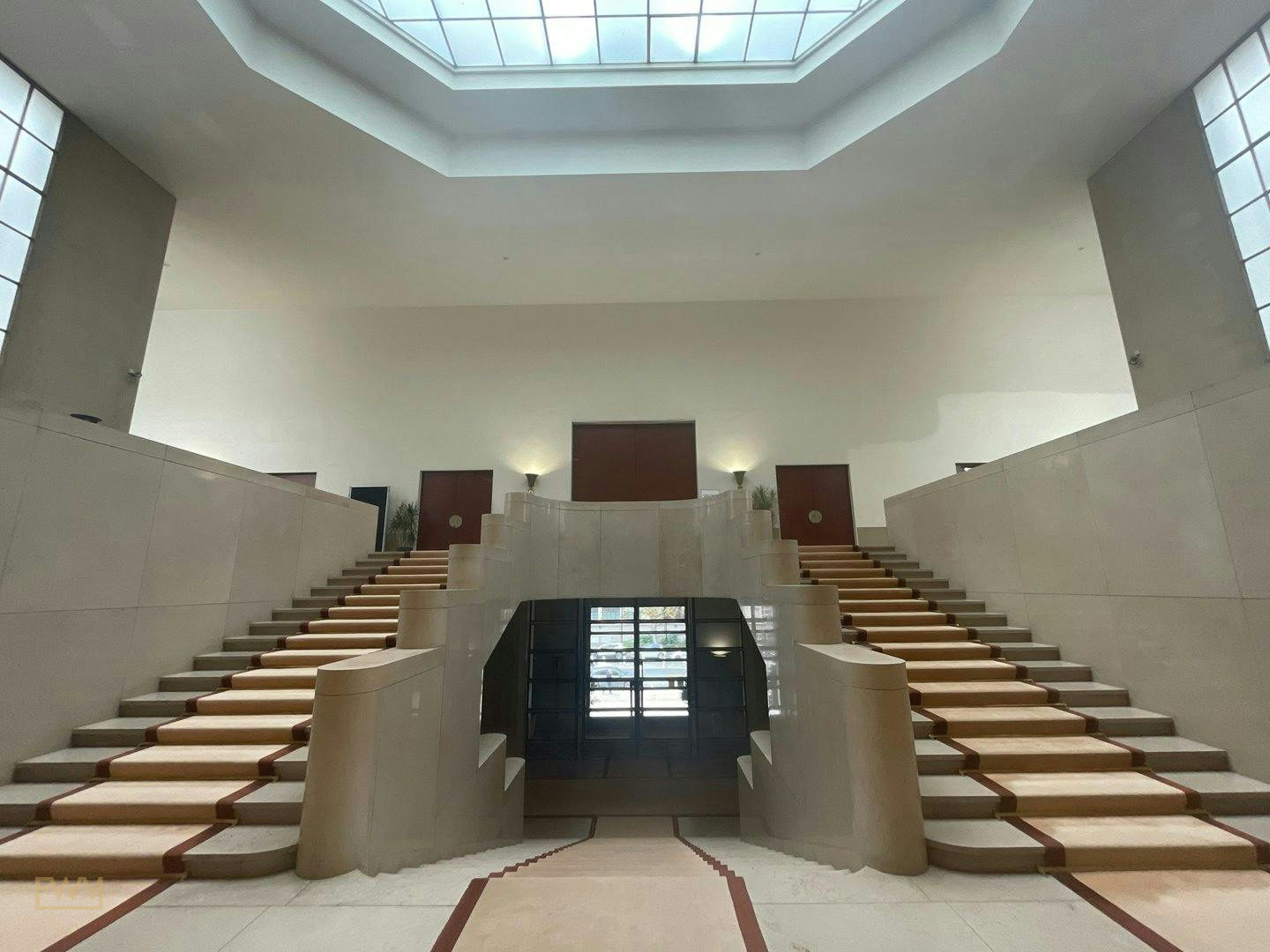
If you want to rent retail space near the Panthéon in Paris, you are looking at one of the most culturally significant and commercially underrated corridors in the French capital. The 5th arrondissement sits at the intersection of historic prestige, high student footfall, and growing brand curiosity, making it a serious alternative to the saturated Golden Triangle and Le Marais circuits. Whether you are planning a short-term pop-up, a fashion showroom, a product launch, or a branded boutique experience, understanding the commercial real estate landscape around the Panthéon is essential before committing to a space. Fashion Week Venues supports international and domestic brands at every stage of this process, from venue sourcing and space discovery through to full activation management, production, and staffing across Paris.
Why the Panthéon District Matters for Retail and Brand Activations in Paris
Quick answer: The Panthéon district in Paris's 5th arrondissement offers a rare combination of architectural grandeur, dense student and tourist foot traffic, proximity to Saint-Germain-des-Prés, and lower vacancy rates than central luxury corridors, making it a strategically valuable location for brands seeking culturally resonant temporary retail spaces.
The area around the Panthéon spans parts of the 5th arrondissement and bleeds into the 6th, placing it within reach of Saint-Germain-des-Prés, the Latin Quarter, the Luxembourg Gardens, and the northern edges of the 13th. This geographic positioning is commercially significant. Brands that activate here benefit from proximity to one of the highest concentrations of academic institutions in Europe, including Paris 1 Panthéon-Sorbonne University, which brings a highly educated, culturally engaged, and internationally diverse visitor base through the neighbourhood on a daily basis.
Unlike Place Vendôme or the Avenue des Champs-Élysées, the Panthéon district does not carry the premium rental costs associated with the Golden Triangle or the Rue Saint-Honoré. This creates genuine budget flexibility for brands that want a prestigious Paris address without the financial exposure that comes with flagship-level commercial real estate. The arrondissement also has a lower concentration of competing luxury retail, which means brands can stand out rather than disappear into a corridor of established houses.
Foot traffic around the Panthéon itself skews toward cultural visitors, students, academics, and international tourists who are spending time in Paris rather than simply transiting through. This profile suits brands in fashion, beauty, design, publishing, photography, and lifestyle categories particularly well. The visitor profile here is curious, engaged, and willing to explore non-obvious retail destinations, which is precisely the kind of clientele that makes experiential pop-up activations convert effectively.
The proximity to Saint-Germain-des-Prés also matters for fashion and luxury brands. Saint-Germain has a well-established identity as the intellectual and artistic heart of Parisian retail, with a strong independent boutique culture and a clientele that values considered aesthetics over mass market appeal. A brand positioning itself in the Panthéon corridor can draw on this identity while occupying a more distinctive and less crowded commercial position.
The neighbourhood also sits close to Île-de-France transport connections and benefits from several major bus and metro lines, including the RER B which connects directly to both airports. Accessibility matters enormously for brand activations because it determines whether your invited press, buyers, influencers, and wholesale clients can reach you efficiently during a compressed campaign window such as Paris Fashion Week.
DID YOU KNOW: The 5th arrondissement has one of the highest densities of international students per square kilometre in France, driven by Paris 1 Panthéon-Sorbonne University, ESCP Business School, and several grandes écoles, creating a year-round audience of culturally curious visitors for retail activations in the area.
KEY TAKEAWAY: The Panthéon district offers brands a prestige Paris address with lower commercial real estate costs, a distinct cultural identity, strong international foot traffic, and proximity to Saint-Germain-des-Prés, making it a strategically sound alternative to the saturated luxury retail corridors of the 1st and 8th arrondissements.
Understanding why this area works is the first step. The next challenge is navigating the commercial real estate landscape in Paris to find and secure the right space type for your activation brief.
Commercial Real Estate and Retail Space Types Available Near the Panthéon
Quick answer: Near the Panthéon in Paris, brands can typically access storefronts, gallery spaces, showrooms, boutique units, art gallery conversions, and flexible commercial units suitable for pop-up stores, product launches, and short-term brand activations, with space sizes ranging from compact 30 to 40 square metre units to larger multi-floor commercial properties above 200 square metres.
The commercial property market in the 5th and adjacent 6th arrondissements is characterised by haussmannian ground-floor units with original stone facades, converted academic or institutional spaces, narrow independent boutique formats, and a smaller number of larger commercial floors suited to showroom-style activations. Unlike the Les Halles corridor or Châtelet-les-Halles where large-format retail dominates, the Panthéon district is fundamentally a neighbourhood of smaller, character-rich commercial spaces.
Storefront and Boutique Spaces
Storefronts in the 1st arrondissement and adjacent 5th and 6th share architectural characteristics including high ceilings, original stone or parquet flooring, and significant natural light from wide street-facing windows. These spaces work particularly well for fashion brands, jewellery, accessories, and beauty launches because the physical environment carries an inherent prestige that reduces the requirement for heavy fit-out investment. A brand occupying a Haussmann-era storefront near the Panthéon immediately benefits from visual credibility that a modern retail unit in a business park cannot provide.
Boutique units of 50 to 120 square metres are the most common format in this area. They are well-suited to single-category brand activations, capsule collection launches, and press showrooms during Paris Fashion Week. Many landlords in this neighbourhood are private individuals or small property companies rather than large institutional investors, which can create both opportunities and complexities around short-term lease negotiations.
Gallery and Showroom Formats
The Latin Quarter and Saint-Germain corridor has a strong tradition of art galleries and independent showroom spaces. These formats typically feature polished concrete floors, track lighting or spotlights, whitewashed or raw stone walls, and flexible spatial configurations that suit brand installation and product display equally well. For fashion brands, an art gallery format offers immediate cultural positioning and a visitor expectation of being presented with something considered and curated rather than transactional.
Showroom spaces in this area range from 80 to 250 square metres and are typically found on ground floor and first floor levels. Many include prep rooms, storage areas, and basic facilities. These spaces are particularly relevant for wholesale showrooms during the Paris trade calendar, designer presentations, and press events where the physical environment itself needs to communicate brand values without relying on heavy construction or temporary build.
Pop-Up Store Formats
Pop-up store formats near the Panthéon are available across a range of configurations. Some landlords offer turnkey short-term rental arrangements with basic furniture, lighting, and payment infrastructure already in place. Others offer blank commercial shells that require complete fit-out from the tenant. Understanding which format matches your timeline and budget is essential before beginning any space search.
| Space Type | Typical Size Range | Best For | Fit-Out Requirement | Typical Lease Format |
|---|---|---|---|---|
| Boutique Storefront | 40 to 120 sqm | Fashion, accessories, beauty | Medium to high | Short-term commercial lease or bail dérogatoire |
| Art Gallery | 60 to 180 sqm | Brand installations, launches, press | Low to medium | Short-term licence or pop-up arrangement |
| Showroom Unit | 80 to 250 sqm | Wholesale appointments, trade press | Low to medium | Bail dérogatoire or monthly licence |
| Pop-Up Store | 30 to 200 sqm | Product launches, capsule sales | Variable | Short-term licence agreement |
| Multi-Floor Commercial | 150 to 500 sqm | Flagship experiences, multi-brand events | High | Standard commercial lease or bail précaire |
KEY TAKEAWAY: The space types available near the Panthéon span storefronts, gallery formats, showroom units, and pop-up spaces across a range of sizes, with the most common format being boutique units of 50 to 120 square metres that suit fashion, beauty, and brand activation use cases well without requiring extensive fit-out investment.
Knowing what space types exist is useful, but choosing the right neighbourhood within Paris requires a more granular understanding of how the Panthéon area compares to other major retail destinations across the city.
How the Panthéon Area Compares to Other Paris Retail Neighbourhoods
Quick answer: Compared to Place Vendôme, the Champs-Élysées, Le Marais, and Saint-Honoré, the Panthéon district offers lower rental costs, a more culturally engaged visitor profile, less competition from established luxury houses, and a distinctive identity that suits heritage, intellectual, and independent brand positioning particularly well.
Paris is a city of commercially distinct neighbourhoods, and choosing the right arrondissement for your retail activation is one of the most consequential decisions in the planning process. Each major district attracts a different visitor profile, supports different commercial real estate price ranges, and carries a distinct cultural identity that will shape how your brand is perceived by customers and press.
| Neighbourhood | Arrondissement | Primary Profile | Best Space Types | Relative Rental Cost | Fashion Week Relevance |
|---|---|---|---|---|---|
| Panthéon / Latin Quarter | 5th | Academic, cultural, international tourists | Boutique, gallery, showroom | Moderate | Growing, emerging |
| Le Marais | 3rd and 4th | Fashion-forward, creative, international | Pop-up, concept store, showroom | Moderate to high | Very high |
| Saint-Germain-des-Prés | 6th | Intellectual, luxury, international | Boutique, gallery, showroom | High | High |
| Place Vendôme | 1st | Ultra-luxury, jewellery, couture | Flagship, showroom | Very high | Very high |
| Champs-Élysées | 8th | Mass tourism, global flagships | Large-format retail | Very high | Moderate |
| Saint-Honoré / Golden Triangle | 1st and 8th | Luxury fashion, press, buyers | Flagship, showroom, pop-up | Very high | Very high |
| Sentier / République | 2nd and 3rd | Emerging brands, creative agencies | Studio, showroom, pop-up | Low to moderate | Moderate |
| Montmartre / Pigalle | 18th | Tourist, artistic, independent | Concept store, gallery | Low to moderate | Low to moderate |
| Palais-Royal | 1st | Design, jewellery, concept | Gallery, boutique, showroom | High | High |
The Panthéon district distinguishes itself through a combination of factors that are not immediately obvious from headline retail rankings. Le Marais, for example, has extremely high demand from international pop-up brands during Paris Fashion Week, which means spaces are often booked 6 to 12 months in advance and landlords are in a strong negotiating position. The Paris 4ème arrondissement Marais corridor commands significant rental premiums precisely because of its established reputation with fashion brands.
The Panthéon area, by contrast, has lower competition from international fashion brands during the same calendar periods. A brand activating here during Paris Fashion Week can own its neighbourhood in a way that is almost impossible in Le Marais or the Rue Saint-Honoré. This positional distinctiveness has genuine press and social value, particularly for brands that want to communicate an independent, culturally grounded identity.
The area also benefits from proximity to the Île de la Cité and the Rue de Rivoli corridor, which connects it westward toward Châtelet-les-Halles and the 1st arrondissement. Galeries Lafayette and Printemps in the 9th arrondissement are accessible by metro, making the Panthéon area well-positioned within the broader Paris retail geography even though it sits slightly south of the traditional commercial centre.
TIP: Brands planning activations during Paris Fashion Week should assess neighbourhood competition directly. The Panthéon district's lower saturation compared to Le Marais or Saint-Honoré can translate into better press coverage, more distinctive social media positioning, and a clearer brand narrative for media and buyers.
To compare neighbourhoods and space types in detail, explore the Paris city hub on Fashion Week Venues and shortlist spaces that match your brief, budget, and calendar window.
KEY TAKEAWAY: The Panthéon district offers a commercially differentiated position within Paris retail geography, with lower rental costs and competition than Le Marais or the Golden Triangle, a culturally engaged visitor profile suited to brand activations, and strong proximity to Saint-Germain and the 1st arrondissement.
Permits, Leases, and Legal Frameworks for Renting Retail Space Near the Panthéon
Quick answer: Renting commercial space in Paris for short-term retail or pop-up purposes typically requires either a bail dérogatoire, a convention d'occupation temporaire, or an autorisation d'occupation temporaire depending on the space type and duration, and international brands must understand these legal frameworks before signing any rental agreement or beginning any fit-out work.
Commercial real estate regulations in France are materially different from those in the United Kingdom, United States, or most other markets where international brands typically operate. Understanding the French legal framework is not optional. It has direct implications for what you can do in a space, how long you can occupy it, who bears liability during the occupation, and what happens at the end of the lease term.
Bail Dérogatoire and Short-Term Leases
The bail dérogatoire is a short-term commercial lease instrument specific to French law that allows landlords and tenants to agree on an occupancy period of up to 36 months without the tenant acquiring the long-term renewal rights that come with a standard commercial lease under the French Commercial Code. For brands seeking temporary retail space for a period of days, weeks, or months, this is typically the most appropriate legal framework.
However, a bail dérogatoire is not a casual arrangement. It requires a written agreement, clear terms on permitted use, a defined exit date, and explicit acknowledgement from both parties that the tenant waives long-term renewal rights. Landlords who are unfamiliar with short-term fashion brand activations may be reluctant to offer this format without appropriate assurances. Requirements vary by space type, arrondissement, and the individual landlord's legal representation, and international brands should verify all terms with a qualified French legal advisor before committing.
Autorisation d'Occupation Temporaire (AOT)
For spaces that involve public or semi-public property, including terraces, arcades, courtyards within public buildings, or spaces adjacent to public infrastructure, an Autorisation d'Occupation Temporaire may be required. This is a permit issued by the relevant public authority and is distinct from a private lease agreement. The conditions attached to an AOT can include restrictions on signage, operating hours, modifications to the space, and the types of commercial activities permitted.
Brands planning outdoor components to their activations, street-facing installations, or events that extend beyond the interior of a rented commercial space need to assess whether an AOT applies to their planned activity. The permit guidance tool on Fashion Week Venues provides directional information on the permit types relevant to different activation formats in Paris. However, permit approval is never guaranteed, and obtaining definitive guidance requires consultation with a French legal advisor or a specialist agency with direct experience in Parisian commercial activations.
Do International Brands Need a French Legal Entity?
One of the most common misconceptions among international brands entering Paris is that they need to establish a French legal entity before they can rent commercial space. In practice, many landlords and pop-up space operators will work with international brands operating under a foreign legal entity, provided appropriate guarantees, insurance, and contractual frameworks are in place. A French bank guarantee or a deposit arrangement is often sufficient to satisfy landlord requirements in the short-term rental market.
That said, some landlords and property companies in the more formal commercial real estate market do require a French entity or a locally established guarantor. Requirements vary significantly depending on the landlord, the duration of the rental, the type of space, and the size of the transaction. Brands should clarify entity requirements before investing significant time in viewing or negotiating a specific space.
IMPORTANT: Never sign a French commercial lease agreement without independent legal review. The distinction between a standard bail commercial, a bail dérogatoire, and a convention d'occupation temporaire has significant legal and financial implications, and these distinctions are not always clearly communicated by landlords or commercial real estate agents. Always verify with a qualified French legal advisor.
KEY TAKEAWAY: International brands renting retail space near the Panthéon need to understand the French commercial lease framework, including the bail dérogatoire and AOT requirements, before committing to a space. Requirements vary by space type and duration, and specialist legal advice is always recommended before signing any agreement.
Property Features and Space Specifications to Evaluate Before Renting
Quick answer: When evaluating retail or pop-up space near the Panthéon, brands should assess floor type and condition, natural lighting, ceiling height, visibility from the street, security infrastructure, connectivity, power capacity, access for deliveries, bathroom facilities, and the age and physical condition of the property before committing to a rental agreement.
Finding a space that works on paper is different from finding a space that works operationally for a time-pressured brand activation. Physical space features have a direct impact on fit-out cost, customer experience, operational logistics, and the visual quality of press and social content created during the activation. The following features deserve systematic evaluation during the viewing and shortlisting process.
Floor Type and Condition
Floor type significantly affects both the visual character of a space and the fit-out work required. Polished concrete floors are currently among the most sought-after finishes for fashion and lifestyle brand activations because they provide a clean, gallery-like aesthetic that photographs well and requires minimal additional treatment. Raw concrete floors have a similar appeal for brands with a more industrial or editorial identity. Original parquet flooring in Haussmann-era buildings carries a different but equally powerful visual character, suited to heritage, luxury, and artisan brand positioning. Understanding what the floor condition actually is before visiting is important because many online listings use dated photography that does not reflect current condition.
Natural Lighting and Spotlights
Lighting is one of the most commercially consequential features of any retail or showroom space. Natural light from street-facing windows dramatically reduces the cost of achieving a photogenic interior and creates a more welcoming customer environment. Spaces with spotlights or track lighting already installed offer flexibility for brands to create directional display lighting without significant electrical investment. Spaces with no existing lighting infrastructure require electrical fit-out work that can add meaningful cost and time to an activation build, particularly in a historic building where structural modifications may require additional approvals.
Connectivity and Technical Infrastructure
Modern brand activations increasingly rely on digital infrastructure. A space without reliable fibre connectivity, adequate electrical capacity for point-of-sale systems, digital displays, music systems, and event lighting creates operational risk that can undermine the customer experience. Brands should verify connectivity and electrical infrastructure during the viewing process and should not assume that a property described as ready for commercial use has the technical specification required for a contemporary retail activation. Computer network access, metal shutters or window bars for overnight security, and the general security systems in place are all practical features that affect operational planning.
Visibility and Street Presence
Street visibility is a critical driver of organic foot traffic. A space set back from the pavement, accessed through a courtyard, or located above ground floor level will generate significantly less walk-in traffic than a ground-floor unit with direct street frontage on a well-trafficked pedestrian route. Near the Panthéon, the most commercially visible streets include those connecting the monument to the Luxembourg Gardens, the Rue Soufflot, and the streets leading toward Saint-Germain-des-Prés. Brands running invite-only events or press showrooms are less dependent on walk-in visibility, but brands selling directly to consumers during a pop-up window need strong street presence to achieve viable footfall.
Access, Deliveries, and Logistics
Paris city centre delivery restrictions are a practical reality that affects every commercial activation. The older arrondissements, including the 5th and 6th, have narrow streets and strict delivery time windows. Brands need to confirm whether their target space has loading access for the volumes of product, furniture, and equipment they intend to bring in. Visitor parking nearby is also worth assessing, particularly for wholesale or trade events where buyers and press may be travelling from hotels in other arrondissements.
KEY TAKEAWAY: Physical space features including floor type, lighting, connectivity, street visibility, and delivery access all have direct financial and operational implications for brand activations, and brands should evaluate each feature systematically during the shortlisting process rather than relying solely on online listings or photographs.
The Paris Fashion Week Calendar and How It Affects Space Availability and Pricing
Quick answer: Paris Fashion Week occurs twice annually, typically in January and February for the Autumn/Winter collections and September and October for the Spring/Summer collections. These calendar windows create intense demand for commercial spaces across all arrondissements, with availability tightening and directional pricing rising significantly for the three to four weeks surrounding each major Fashion Week period.
Fashion Week Venues exists precisely because the commercial real estate market in Paris does not naturally accommodate the short-term, high-intensity needs of international fashion brands operating on seasonal campaign calendars. Understanding how Fashion Week demand affects the space market near the Panthéon requires a clear-eyed view of both the calendar and the commercial dynamics that it creates.
During Paris Fashion Week, the primary demand for commercial space concentrates in a small number of historically established neighbourhoods including Le Marais, Saint-Germain-des-Prés, the Rue Saint-Honoré, Palais-Royal, and the areas around Place Vendôme. The Panthéon district, while close to several of these zones, has historically attracted less direct Fashion Week demand, which means that during peak calendar periods it may offer better availability and more reasonable pricing than the most competitive neighbourhoods. This is a genuine strategic advantage for brands willing to occupy a slightly less conventional address during Fashion Week.
Outside Fashion Week, the area around the Panthéon benefits from consistent year-round foot traffic driven by tourism, university activity, and the general appeal of the Latin Quarter. This means that brands planning product launches, brand engagement events, or consumer-facing pop-up stores outside the Fashion Week calendar can access the area with greater flexibility and potentially better negotiating conditions with landlords.
DID YOU KNOW: Paris hosts not only Women's Fashion Week but also Men's Fashion Week, Haute Couture Week, and a growing number of trade and consumer events throughout the year, creating multiple calendar windows beyond the two primary September and January periods that are relevant for brand activations in the city.
For brands planning activations during Fashion Week, space planning timelines are critical. The most sought-after spaces in any Paris neighbourhood book well in advance of the calendar dates, and brands that begin their search less than three months before their target dates face significantly reduced choice and reduced negotiating leverage. The timeline planning tool on Fashion Week Venues helps brand teams map their activation calendar against realistic lead times for space sourcing, permit applications, fit-out, and operational preparation.
KEY TAKEAWAY: Paris Fashion Week creates intense demand for commercial spaces across central arrondissements, but the Panthéon district's lower saturation from established fashion brands makes it a viable option for brands seeking availability and flexibility during peak calendar periods, provided space search begins well in advance.
How Fashion Week Venues Helps Brands Rent Retail Space in Paris
Fashion Week Venues is a full-service pop-up agency and space marketplace that supports brands at every stage of the process of renting and activating commercial space in Paris and other major fashion capitals. For brands looking to rent retail space near the Panthéon or anywhere else in Paris, the agency provides a structured set of services and digital tools that reduce the complexity, risk, and timeline typically associated with entering the French commercial real estate market as an international brand.
The Fashion Week Venues space marketplace allows brand teams to browse available spaces across Paris neighbourhoods, filter by space type, size, and features, and shortlist options that match their activation brief before entering into direct conversations with space owners or the agency. This is a materially different experience from approaching commercial real estate agents, property companies, or landlords directly, where international brands often lack the market knowledge and local relationships needed to identify the right spaces quickly.
Services Available to Brands
Beyond space discovery, Fashion Week Venues offers a comprehensive set of services relevant to brands activating in Paris. Venue sourcing provides active search support beyond what is available on the open market, drawing on the agency's network of landlords, property companies, and space operators across Paris arrondissements. Concept direction supports brands in translating their creative brief into a spatial concept that works within the constraints of a specific space. Production and build covers the physical fit-out of the space including fixtures, lighting, surfaces, and display systems. Activation management covers the operational running of the space during the active period, including opening coordination, event logistics, and day-to-day management. Retail staffing provides trained and brand-briefed staff for consumer-facing periods. POS and payments infrastructure means brands do not need to source their own transaction systems. Data and analytics capabilities allow brands to track visitor behaviour, dwell time, and conversion during the activation.
Digital Tools for Planning and Decision-Making
For brand teams in the research and planning phase, Fashion Week Venues provides several digital tools that support better decision-making. The budget planning tool at the budget calculator allows brands to build directional cost estimates for Paris activations based on space type, duration, and service scope. The ROI calculator supports business case development by modelling activation returns against investment. The compare tool enables side-by-side evaluation of shortlisted spaces. The permits tool provides directional guidance on the permit requirements relevant to specific activation types in Paris. The locator tool maps available spaces by neighbourhood and proximity to key landmarks, transport nodes, and commercial streets.
Who Benefits Most from This Service
Fashion Week Venues is particularly well-suited to international brands entering Paris for the first time, brands with limited internal production capacity, brands operating under compressed timelines during Fashion Week or trade calendar periods, and creative directors and brand activation managers who need a trusted local partner to execute their brief without building internal Paris infrastructure. The agency also supports brands considering a twin co-activation format through the twin concept, where two complementary brands share a space and production costs while delivering a combined experience to visitors.
IMPORTANT: Fashion Week Venues does not guarantee specific space availability, permit approvals, or activation outcomes. All space availability is subject to landlord confirmation, and all permit requirements should be verified with a qualified French legal advisor. The agency's role is to support the process with expertise, market access, and operational capability, not to guarantee results that depend on external variables.
KEY TAKEAWAY: Fashion Week Venues provides brand teams with a structured, full-service pathway for renting and activating commercial space in Paris, combining a space marketplace, expert venue sourcing, comprehensive production and activation services, and digital planning tools that reduce the complexity of entering the French commercial real estate market.
Planning Your Retail Activation Near the Panthéon: A Step-by-Step Workflow
Quick answer: A successful retail activation near the Panthéon in Paris requires a structured planning workflow that begins with brief definition and budget setting, moves through space search, legal review, and design development, and concludes with production, staffing, operational launch, and post-activation analysis, with the entire process typically spanning three to six months for a well-executed activation.
The following workflow table outlines the key stages of planning and executing a retail space rental and activation near the Panthéon in Paris, including the principal tasks, responsible parties, and recommended lead times for each stage.
| Stage | Key Tasks | Lead Time Before Launch | Who Leads |
|---|---|---|---|
| 1. Brief Definition | Define activation objectives, target audience, space requirements, calendar window, and budget envelope | 5 to 6 months | Brand team |
| 2. Budget Estimation | Build directional cost model covering space rental, fit-out, staffing, permits, and agency fees | 5 to 6 months | Brand team with agency support |
| 3. Space Search | Identify and shortlist candidate spaces via marketplace, agency network, and direct landlord outreach | 4 to 5 months | Venue sourcing specialist |
| 4. Space Viewing and Evaluation | Visit shortlisted spaces, assess physical features, evaluate logistics, confirm availability | 3 to 4 months | Brand team and agency |
| 5. Legal and Permit Review | Review lease format, permit requirements, entity requirements, and insurance obligations with legal advisor | 3 to 4 months | French legal advisor |
| 6. Concept Direction and Design | Develop spatial concept, brand environment design, materials, lighting, and display strategy | 3 months | Creative director and agency |
| 7. Production Planning | Source materials, contractors, and equipment; plan build schedule and delivery logistics | 2 to 3 months | Production team and agency |
| 8. Staffing and Operations Prep | Recruit and brief activation staff, establish POS and payments, prepare operational procedures | 4 to 6 weeks | Retail staffing and operations |
| 9. Fit-Out and Build | Execute physical fit-out of space including fixtures, lighting, surfaces, and product display | 1 to 2 weeks | Production team |
| 10. Launch and Active Period | Run activation, manage visitor experience, execute events and influencer programming | Launch day | Activation manager and brand team |
| 11. De-Rig and Handover | Remove fit-out, restore space to agreed condition, complete landlord handover procedures | End of rental period | Production team |
| 12. Post-Activation Analysis | Review visitor data, sales performance, press coverage, and ROI against pre-activation benchmarks | 2 to 4 weeks after close | Brand team and analytics |
For brands planning their first Paris activation, the planning timeline is often the most underestimated variable. The French commercial real estate market moves more slowly than many international brands expect, legal review takes time, permit applications have official processing periods, and quality fit-out contractors in Paris are in high demand during Fashion Week periods. Brands that begin the planning process at least five months before their target launch date are in a materially stronger position than those that begin at three months or fewer.
The activation management service at Fashion Week Venues supports brands from concept through to post-activation, providing the local expertise, supplier relationships, and operational capability needed to execute the workflow above efficiently and within budget.
KEY TAKEAWAY: A well-executed retail activation near the Panthéon in Paris requires a twelve-stage planning workflow spanning five to six months from brief definition to post-activation analysis, with space search, legal review, concept development, and production planning all running in parallel during the critical two to four month window before launch.
Budgeting for a Retail Space Rental Near the Panthéon
Quick answer: The cost of renting retail space near the Panthéon in Paris varies significantly based on space type, size, duration, and the specific street and building, and no responsible estimate can be provided without a detailed brief, though directional budgeting should account for space rental, fit-out, staffing, permits, insurance, logistics, and agency or production fees as distinct cost categories.
Cost transparency is one of the most significant challenges for international brands planning Paris activations. The commercial real estate market in Paris is not highly transparent from the outside. Rental rates are not consistently published, landlords negotiate individually, and the gap between listed rates and agreed rates can be substantial depending on the duration, the tenant profile, and the landlord's current vacancy position.
What is clear from market practice is that the Panthéon and Latin Quarter area is generally more affordable than the 1st arrondissement corridors around Place Vendôme, Rue Saint-Honoré, or Palais-Royal, and broadly comparable with or slightly below Saint-Germain-des-Prés in terms of directional rental levels. Boulevard Haussmann, the Champs-Élysées, and the Golden Triangle command the highest commercial rents in Paris and are therefore typically out of scope for short-term pop-up activations unless the brand has a flagship-level budget.
Beyond the space rental itself, brands should budget for the following cost categories when planning a retail activation near the Panthéon:
- Space rental for the active period plus build and de-rig days
- Deposit or guarantee as required by the landlord
- Fit-out design and production including materials, labour, and contractor fees
- Furniture rental for display units, seating, counters, and props
- Lighting purchase or rental beyond what the space provides
- POS and payments infrastructure including hardware and software
- Retail staffing including briefing time, active period, and any event coverage
- Permits and legal fees for lease review, AOT applications where relevant
- Insurance including public liability, product liability, and property damage
- Logistics including delivery to the space, on-site storage, and collection after the event
- Influencer marketing and press engagement if programmed during the activation
- Agency fees for venue sourcing, concept direction, and activation management
- Contingency of typically ten to fifteen percent of the total budget
Use the Fashion Week Venues budget calculator to build a directional cost estimate based on your specific brief, space type, duration, and service scope. The tool provides brand-specific guidance rather than generic market averages and is designed to support internal budget approval processes with realistic cost modelling.
KEY TAKEAWAY: Budgeting for a Paris retail activation requires accounting for at least thirteen distinct cost categories beyond the headline space rental, and international brands should use specialist planning tools and agency expertise to build realistic cost models before committing to a space or a calendar window.
Common Myths About Renting Retail Space in Paris
MYTH: International brands must establish a French legal entity before they can rent commercial space in Paris.
FACT: Many landlords and pop-up space operators in Paris work successfully with international brands operating under foreign legal entities, provided appropriate guarantees, insurance, and contractual frameworks are in place. Requirements vary by landlord and space type, and brands should clarify entity requirements early in the negotiation process rather than assuming a French entity is always necessary. A qualified French legal advisor can confirm the requirements applicable to a specific transaction.
MYTH: Paris Fashion Week in September and January is the only commercially viable calendar window for brand activations in Paris.
FACT: Paris hosts a year-round calendar of trade events, consumer activations, cultural programming, and tourism that creates viable conditions for brand activations across multiple months. Men's Fashion Week, Haute Couture Week, Maison et Objet, Paris Photo, FIAC, and numerous other events generate concentrated visitor traffic at different times of year. Brands willing to activate outside the primary Fashion Week windows often benefit from better space availability, more competitive rental rates, and less media and influencer competition.
MYTH: Using a commission-based commercial real estate agent is the only way to find short-term pop-up or retail space in Paris.
FACT: Commission-based commercial real estate agents typically focus on longer-term standard commercial leases rather than the short-term pop-up market. Specialist platforms, space marketplaces, and agencies like Fashion Week Venues provide access to short-term, flexible spaces that are specifically available for brand activations, pop-up stores, showrooms, and events. These channels often offer better curation, more transparent pricing, and more relevant operational support than general commercial property agents.
MYTH: Short-term commercial leases in Paris are legally straightforward and do not require specialist advice.
FACT: Short-term commercial leases in France, including bail dérogatoire agreements and convention d'occupation temporaire arrangements, have specific legal requirements and implications that differ materially from residential leases and from commercial lease formats in other markets. Signing without qualified legal review can expose brands to unexpected liability, automatic renewal obligations, or permit compliance issues. International brands should always engage a French legal advisor before signing any commercial lease agreement in Paris, regardless of the duration or format.
MYTH: The Panthéon district is only suitable for academic or cultural brand activations and is not relevant to fashion or luxury brands.
FACT: The Panthéon area sits within reach of Saint-Germain-des-Prés, one of the most established luxury and fashion retail corridors in Paris, and benefits from a highly educated, internationally diverse, and culturally engaged visitor base that is highly receptive to considered brand experiences. Several internationally recognised fashion and lifestyle brands have activated in the 5th and 6th arrondissements with strong press and consumer results. The district's lower commercial competition makes it a genuinely strategic option for brands seeking differentiated positioning during Paris Fashion Week and year-round activation windows.
Frequently Asked Questions
What is a storefront space in the 1st arrondissement of Paris typically used for?
Storefront spaces in the 1st arrondissement are typically used for high-end retail, fashion boutiques, jewellery displays, art gallery activations, luxury pop-up stores, product launch events, and brand showrooms. The arrondissement includes the Rue de Rivoli, Palais-Royal, and areas adjacent to Place Vendôme, all of which attract a luxury-oriented and internationally diverse visitor base. Brands from fashion, beauty, jewellery, design, and lifestyle categories are the most frequent occupants of short-term storefront spaces in this area. The architectural quality of Haussmann-era storefronts in the 1st makes them particularly suited to premium brand presentations where the physical environment contributes directly to brand perception.
How long can you rent a storefront in the 1st arrondissement of Paris?
Rental durations for storefronts in the 1st arrondissement vary depending on the space, the landlord, and the legal framework applied to the agreement. Short-term licence agreements can cover periods as brief as a single week, making them appropriate for Fashion Week activations, press events, and product launches. A bail dérogatoire can cover periods up to 36 months under French law. Standard commercial leases in France typically operate on a nine-year minimum term, though with negotiated break clauses. Most brands seeking pop-up or temporary retail formats target durations of two to eight weeks, and specialist pop-up space operators typically offer this flexibility. Requirements vary, and brands should verify duration options with their legal advisor and space operator.
Is the Paris 5th arrondissement near the Panthéon suitable for temporary retail activations?
Yes, the 5th arrondissement around the Panthéon is well-suited to temporary retail activations for brands in fashion, lifestyle, beauty, design, and culture categories. The area benefits from consistent foot traffic from tourism, student populations, and the proximity to Saint-Germain-des-Prés. The lower commercial density compared to Le Marais or the Rue Saint-Honoré means brands can occupy a more distinctive position and attract media attention without competing directly with the most established fashion retail addresses. Space types available include boutique storefronts, gallery formats, and showroom units that work well for short-term brand activations.
What types of commercial properties are available near the Panthéon?
Near the Panthéon, the predominant commercial property types are ground-floor boutique units in Haussmann-era buildings, converted gallery spaces, independent showroom units, and a smaller number of larger multi-floor commercial properties. The area does not typically feature large-format retail or shopping centre units. Most available spaces range from 40 to 250 square metres and feature original architectural details including stone facades, high ceilings, and parquet or stone flooring. Some spaces have been modernised with polished concrete floors and contemporary lighting infrastructure. Office space and business centres are also present in the area, though these are less relevant to retail-format brand activations.
How does the Panthéon area compare to Le Marais for pop-up brand activations?
Le Marais, particularly the Paris 4ème arrondissement Marais corridor, is the most established and competitive neighbourhood for pop-up fashion brand activations in Paris, commanding high demand and premium pricing during Fashion Week periods. The Panthéon district offers lower directional rental costs, less competition from established fashion brands, a more culturally distinctive address, and a visitor profile that includes high proportions of educated international tourists and students alongside the fashion industry visitors who travel to Paris during Fashion Week. Brands seeking maximum fashion industry visibility should consider Le Marais, while brands seeking cultural differentiation and budget efficiency may find the Panthéon area more strategically aligned with their objectives.
What permits do international brands need to run a pop-up store in Paris?
Permit requirements for pop-up stores in Paris depend on the space type, the planned activities, the duration, and the specific location. Most interior commercial activations operating under a short-term lease or licence agreement do not require a standalone permit beyond the lease itself, provided the planned use is consistent with the space's designated commercial use class. Activations that include outdoor elements, street-facing installations, public events, or temporary structures may require an Autorisation d'Occupation Temporaire or other approvals from the relevant Paris arrondissement authority. Signage above a certain size may require separate approval. Requirements vary by arrondissement and activity type. The permit guidance tool on Fashion Week Venues provides directional information, and all specific permit requirements should be verified with a qualified French legal advisor before activation planning is finalised.
What is the most sought-after location for leasing commercial space in Paris?
The most sought-after locations for commercial space leases in Paris for luxury and fashion brands are consistently the Rue Saint-Honoré and Golden Triangle corridors in the 1st and 8th arrondissements, followed closely by Place Vendôme, Palais-Royal, and the primary streets of Le Marais. These areas command the highest rental rates in the city and experience the lowest vacancy rates among premium commercial real estate. For short-term pop-up and activation formats, Le Marais has become the dominant destination, with Saint-Germain-des-Prés and increasingly the areas around the Panthéon emerging as strong alternatives for brands seeking cultural positioning at more accessible rental levels.
How much does it cost to rent retail space in Paris for a pop-up activation?
Retail space rental costs in Paris for pop-up activations vary widely based on neighbourhood, space size, duration, and the specific space and landlord. The market does not have a single published rate, and rental negotiations are individual transactions. The Panthéon and Latin Quarter area is generally more affordable than the 1st arrondissement luxury corridors or Le Marais during Fashion Week periods. No responsible cost estimate can be provided without a detailed brief. The Fashion Week Venues budget calculator allows brands to build directional cost models based on specific space types, sizes, durations, and service scopes, and is the recommended starting point for internal budget planning.
Do I need to speak French to rent commercial space near the Panthéon?
Many landlords and commercial real estate agents in the Panthéon area and across central Paris will communicate in English, particularly those operating in the pop-up and short-term space market where international brand tenants are common. However, all commercial lease agreements in France are drafted in French, and the legal obligations they create are governed by French law regardless of any informal English-language communications. International brands should always engage a French-speaking legal advisor to review and interpret lease documents before signing. Assuming that a landlord's willingness to communicate in English reflects legal informality or flexibility would be a significant and potentially costly error.
Can two brands share a single space for a co-activation near the Panthéon?
Yes, co-activation formats where two complementary brands share a single commercial space are increasingly common in Paris and can offer significant benefits in terms of cost sharing, audience cross-pollination, and combined media interest. The twin co-activation concept offered by Fashion Week Venues is specifically designed to support this format, matching brands with compatible aesthetics and target audiences and structuring the shared space so that each brand's identity remains distinct and commercially coherent. Co-activations near the Panthéon or in other Paris neighbourhoods can work particularly well during Fashion Week when media and buyer interest is concentrated and a combined activation generates more sustained engagement than two separate smaller activations might.
What is the difference between a bail dérogatoire and a standard commercial lease in France?
A standard commercial lease in France, known as a bail commercial, provides the tenant with statutory renewal rights and typically operates on a nine-year minimum term with break options at three-year intervals, known as a bail 3-6-9. A bail dérogatoire is a legally distinct short-term commercial lease format that allows landlord and tenant to agree on an occupancy of up to 36 months without the tenant acquiring renewal rights. This makes it the most commonly used instrument for pop-up, temporary retail, and short-term brand activation formats in Paris. The bail dérogatoire requires explicit written agreement from both parties waiving the standard statutory protections, and both parties must confirm their intention not to enter into a standard commercial lease. Legal advice is essential before entering into either format.
How far in advance should international brands begin searching for space near the Panthéon?
International brands targeting Paris activations during Fashion Week periods should begin their space search a minimum of four to five months before their target launch date, and ideally six months or more for the most competitive calendar windows in September and January. Brands targeting off-peak periods outside the primary Fashion Week windows may find viable spaces with shorter lead times, but a three-month minimum planning window is advisable even for less competitive periods when factoring in legal review, permit applications, concept development, and production planning. Earlier search timelines consistently produce better outcomes in terms of space quality, availability, and negotiating leverage with landlords.
What neighbourhoods are near the Panthéon that brands should also consider?
Brands searching near the Panthéon should also evaluate the adjacent Saint-Germain-des-Prés neighbourhood in the 6th arrondissement, the Île de la Cité and surrounding 1st arrondissement streets, and the western edges of the 13th arrondissement where emerging creative retail is developing. The Luxembourg Gardens corridor connects the 5th and 6th arrondissements and offers several streets with strong boutique retail tradition. Brands with larger budgets and a need for maximum fashion industry visibility should also consider Le Marais, Palais-Royal, and the Saint-Honoré corridor, all of which are accessible from the Panthéon district within twenty minutes by Paris public transport.
What services does Fashion Week Venues provide for brands activating in Paris?
Fashion Week Venues provides a comprehensive set of services covering the full lifecycle of a Paris retail activation, from venue sourcing and concept direction through to production and build, activation management, branded store design, furniture rental, retail staffing, POS and payments infrastructure, data and analytics, and influencer marketing. The agency also operates a space marketplace for direct browsing of available spaces, a twin co-activation concept, and a suite of digital planning tools covering budget estimation, ROI calculation, space comparison, timeline planning, permit guidance, and space location. The agency works across Paris and other major fashion capitals including London, Milan, New York, Tokyo, and Dubai.
How do brands evaluate whether a Paris pop-up activation delivered a return on investment?
Evaluating the ROI of a Paris pop-up activation requires defining the right metrics before the activation launches rather than attempting to reconstruct them afterwards. Relevant metrics typically include direct sales revenue generated during the active period, press coverage value and media impressions, social media reach and engagement from influencer and organic content, wholesale or buyer appointment conversion rates for trade showroom formats, CRM data capture for customer relationship development, and qualitative brand equity indicators from post-event surveys or media analysis. The ROI calculator at Fashion Week Venues supports pre-activation modelling of expected returns against planned investment, helping brand teams build internal business cases and establish measurable success benchmarks before committing to a Paris activation.
Conclusion
Renting retail space near the Panthéon in Paris offers international and domestic brands a strategically distinctive position in one of the world's most culturally significant retail cities. The area combines genuine architectural character, an engaged and internationally diverse visitor base, proximity to the Saint-Germain-des-Prés luxury corridor, and lower commercial competition from established fashion brands than the most saturated arrondissements around Le Marais and the Rue Saint-Honoré. These characteristics make it a compelling option for brands seeking cultural differentiation, budget efficiency, and a distinctive Paris address for pop-up stores, showrooms, product launches, and brand experience activations.
Succeeding in the Paris commercial real estate market as an international brand requires understanding French lease frameworks, permit requirements, arrondissement-level dynamics, space feature evaluation, realistic planning timelines, and comprehensive cost modelling across all activation cost categories. None of these elements should be left to chance or assumed to mirror the commercial real estate practices of other markets.
Fashion Week Venues provides the expertise, market access, and operational capability that brand teams need to navigate the Paris space market confidently and execute activations that deliver measurable commercial and brand results. From initial space discovery through to post-activation analysis, the agency's services cover every stage of the process with the local knowledge and fashion industry fluency that the Paris market requires.
To move from research to activation, start exploring available spaces on the Fashion Week Venues marketplace and build a focused brief for your target neighbourhood, space type, and calendar window.