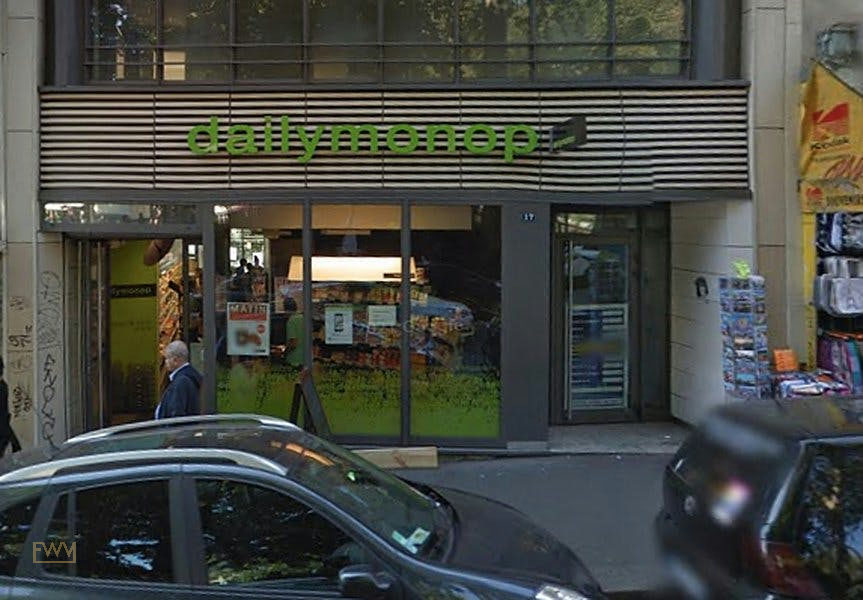
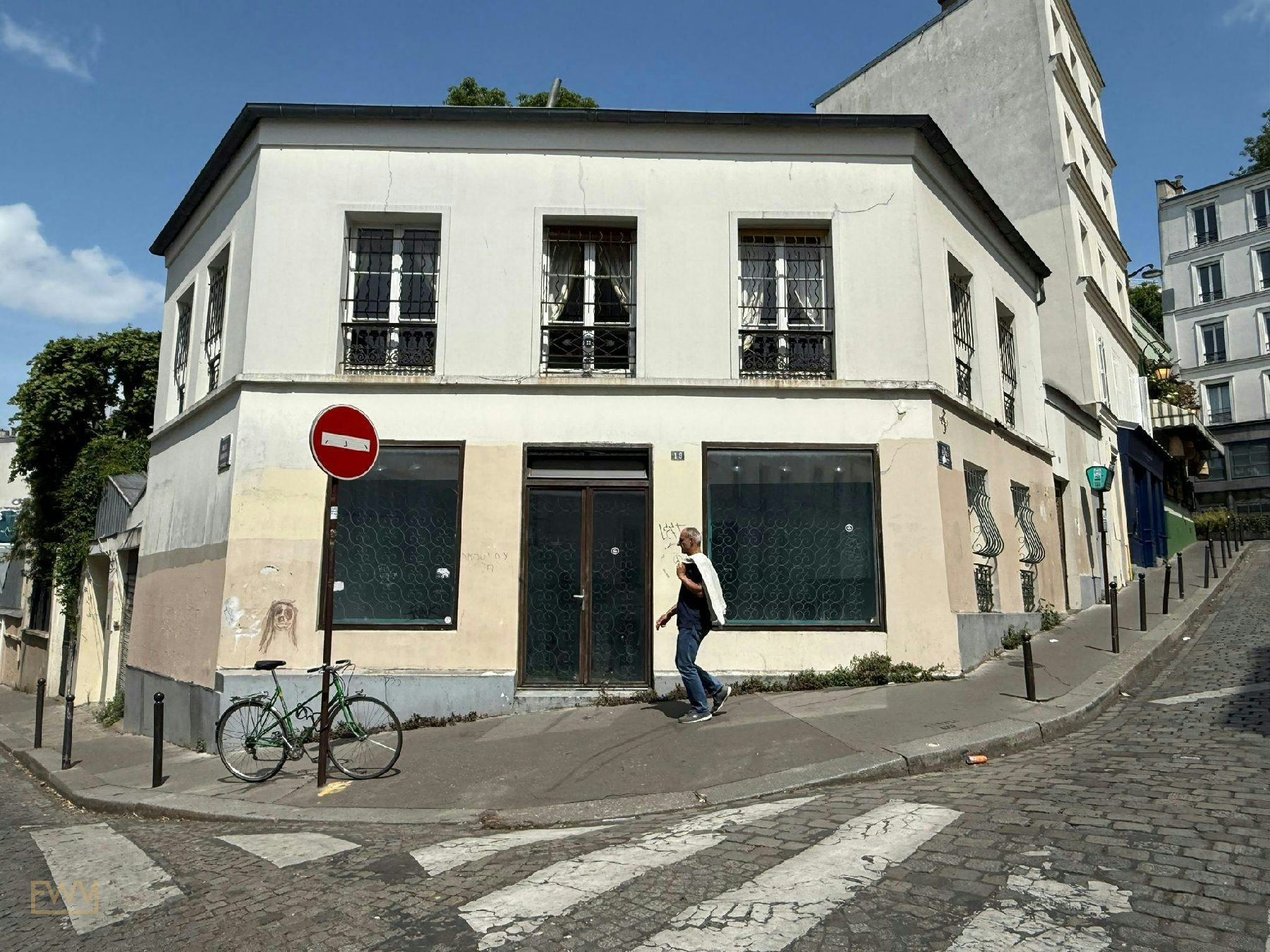
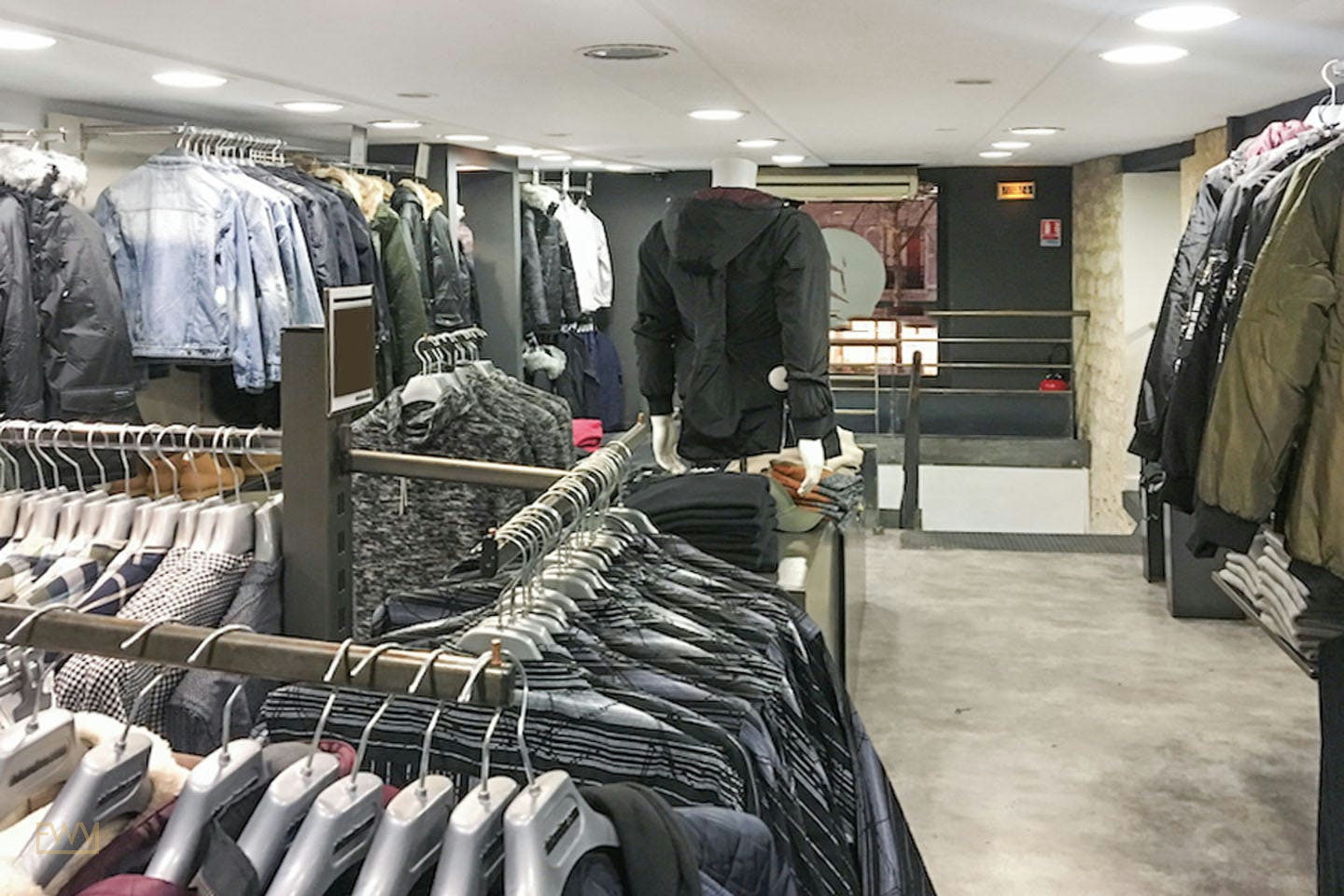
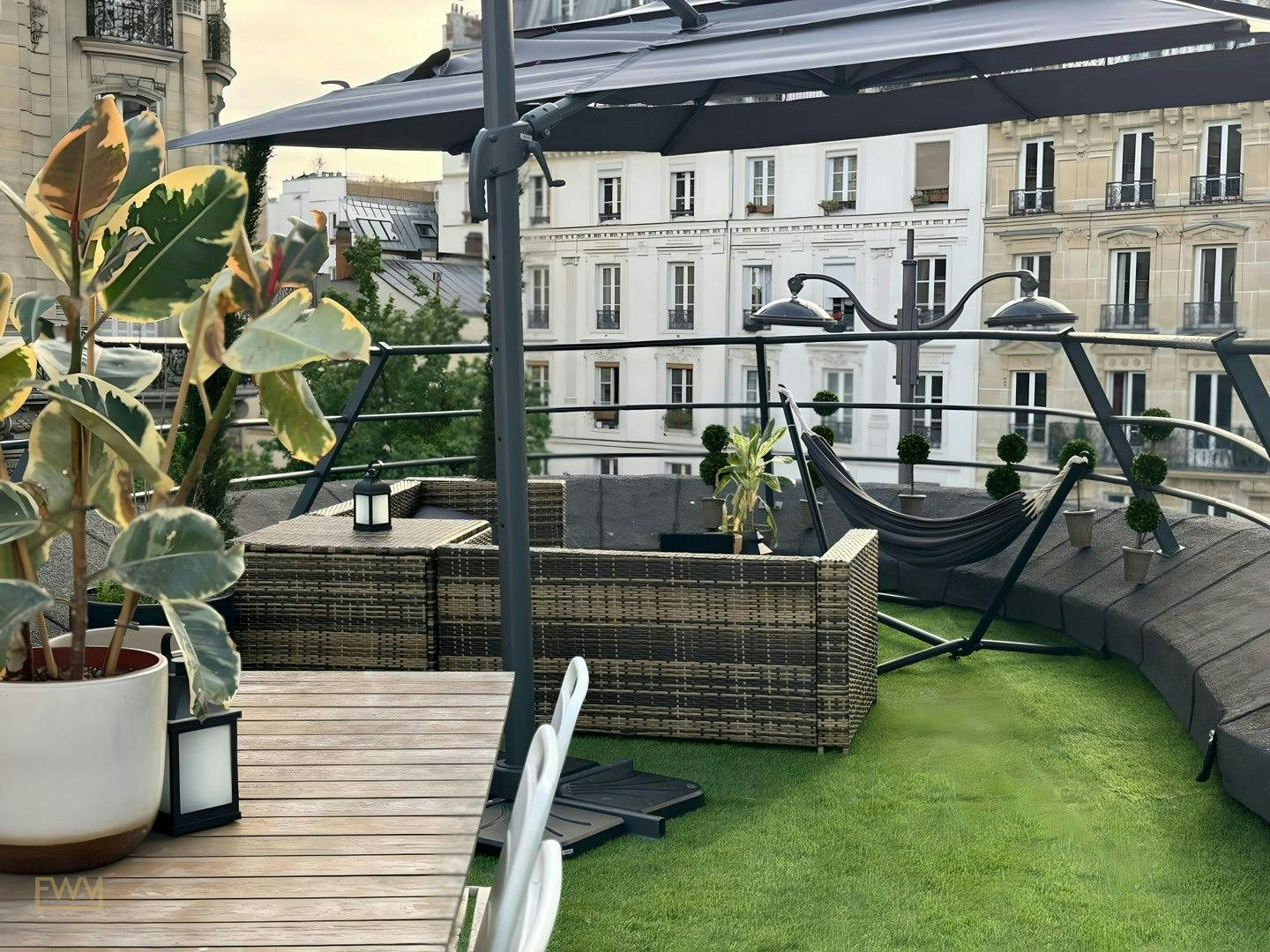
Brands looking to rent retail space in Opera Paris are choosing one of the most strategically valuable short-term leasing markets in Europe. The Opéra district, centred on the 9th arrondissement and spilling into the 1st and 2nd, combines historic Haussmann-style architecture with dense foot traffic, proximity to Galeries Lafayette and Printemps, and a positioning between the luxury of Place Vendôme and the creative energy of Pigalle and Montmartre. Whether your brand needs a pop-up shop, a fashion showroom, a gallery-style activation space, or a DTC market-testing venue, this district offers formats and price points for nearly every brief. Fashion Week Venues supports brands finding and activating retail spaces across Paris, with deep expertise in the Opéra district and 9th arrondissement.
Why the Opéra District Is One of Paris's Most Competitive Retail Destinations
Quick answer: The Opéra district sits at the intersection of luxury retail, high-volume tourism, and creative commerce. With Avenue de l'Opéra, rue Saint-Honoré, and Grands Boulevards converging within walking distance, it offers unmatched foot traffic density alongside Haussmann-style buildings that give any brand activation an instant editorial quality. For brands seeking temporary retail or showroom space, the 9th arrondissement and its surroundings deliver visibility without the acquisition cost of permanent leases.
The Opéra district is anchored by the Palais Garnier, one of the most photographed landmarks in Paris, which means any space with a view of the Opéra Garnier carries inherent prestige value for editorial content, press days, and influencer activations. The district is served by metro stations across lines 3, 7, 8, and 9, making it one of the best-connected zones in the city for both trade buyers and general consumers. For a brand running a press showroom or a weekend pop-up shop, this connectivity significantly reduces the friction of getting buyers, journalists, stylists, and general customers through the door.
Galeries Lafayette and Printemps on Boulevard Haussmann sit just north of the Palais Garnier, drawing millions of visitors annually including significant numbers of international fashion buyers and high-net-worth tourists. This makes the immediate neighbourhood around the Opéra Garnier one of the highest-density retail corridors in Europe, particularly during the Paris Fashion Week calendar windows in late February to early March and late September to early October.
Moving south toward the Paris 1st arrondissement, rue Saint-Honoré and its extension toward Faubourg Saint-Honoré represent the luxury corridor anchored by Chanel, Hermès, Colette's former location, and dozens of prestigious independent boutiques. Brands that rent space along or adjacent to this corridor benefit from proximity to the highest-spending retail consumers in France, even if their own space sits one or two streets away in the more accessible pricing tier of Paris 9.
Moving north and east from the Opéra Garnier, the neighbourhood transitions rapidly. Rue des Martyrs, Rue Henry Monnier, and the broader Pigalle area have developed a distinct creative retail identity over the past decade, attracting younger DTC brands, concept stores, independent galleries, and food-led lifestyle activations. This zone offers a different proposition: smaller footprints, lower per-square-metre costs compared to the immediate Opéra zone, and a local Parisian consumer base that responds strongly to discovery retail and community-driven pop-up formats.
Montmartre, a short walk further north, adds a tourism dimension with a distinctly different character. Brands targeting international visitors with a strong lifestyle or artisan narrative often find that spaces on or near Rue Lepic or Abbesses offer excellent weekend foot traffic with lower competition from established luxury houses.
DID YOU KNOW: The 9th arrondissement of Paris is home to some of the highest concentrations of fashion showrooms in Europe, with the period around Paris Fashion Week seeing demand for short-term spaces increase sharply, often resulting in spaces being reserved six to nine months in advance for the key calendar windows.
KEY TAKEAWAY: The Opéra district is not a single retail environment but a spectrum running from luxury-adjacent on rue Saint-Honoré and Avenue de l'Opéra through to creative and community-driven on Rue des Martyrs and toward Pigalle. Understanding where your brand sits on that spectrum before beginning a space search will save significant time and budget.
The next section examines the specific retail space types available in and around the Opéra district and what each format is best suited for.
Retail Space Types and Formats Available in the Opéra District
Quick answer: The Opéra district and 9th arrondissement offer a wide variety of short-term retail formats, including storefront boutiques, showroom apartments, gallery spaces, Haussmann-style ground-floor retail units, and shared pop-up environments. Each format serves different brand objectives, from consumer-facing pop-up shops and DTC launches to trade showrooms and press day venues.
Understanding which space type matches your activation objective is the single most important step before beginning any property search or engaging a broker. Choosing the wrong format, for example, taking on a ground-floor storefront when your activation is primarily a press showroom, leads to unnecessary costs and operational complications.
Storefront Pop-Up Shops and Boutiques
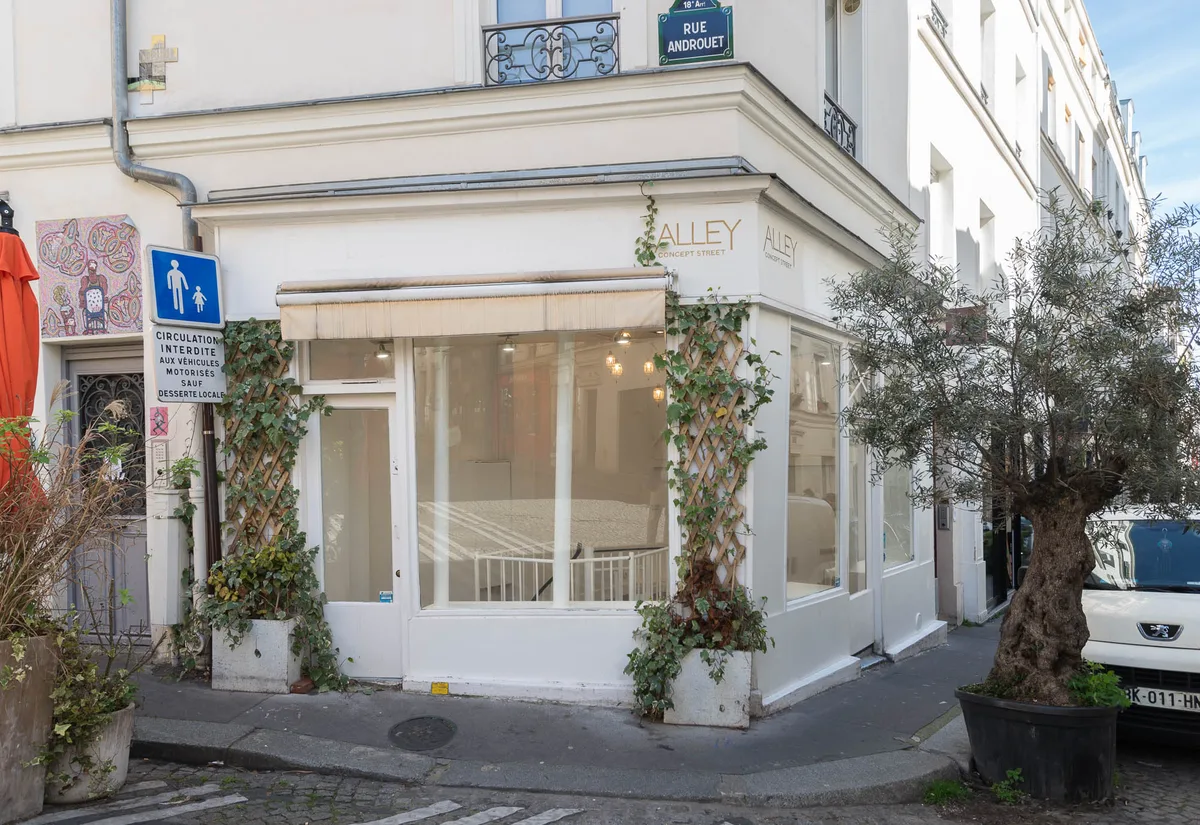
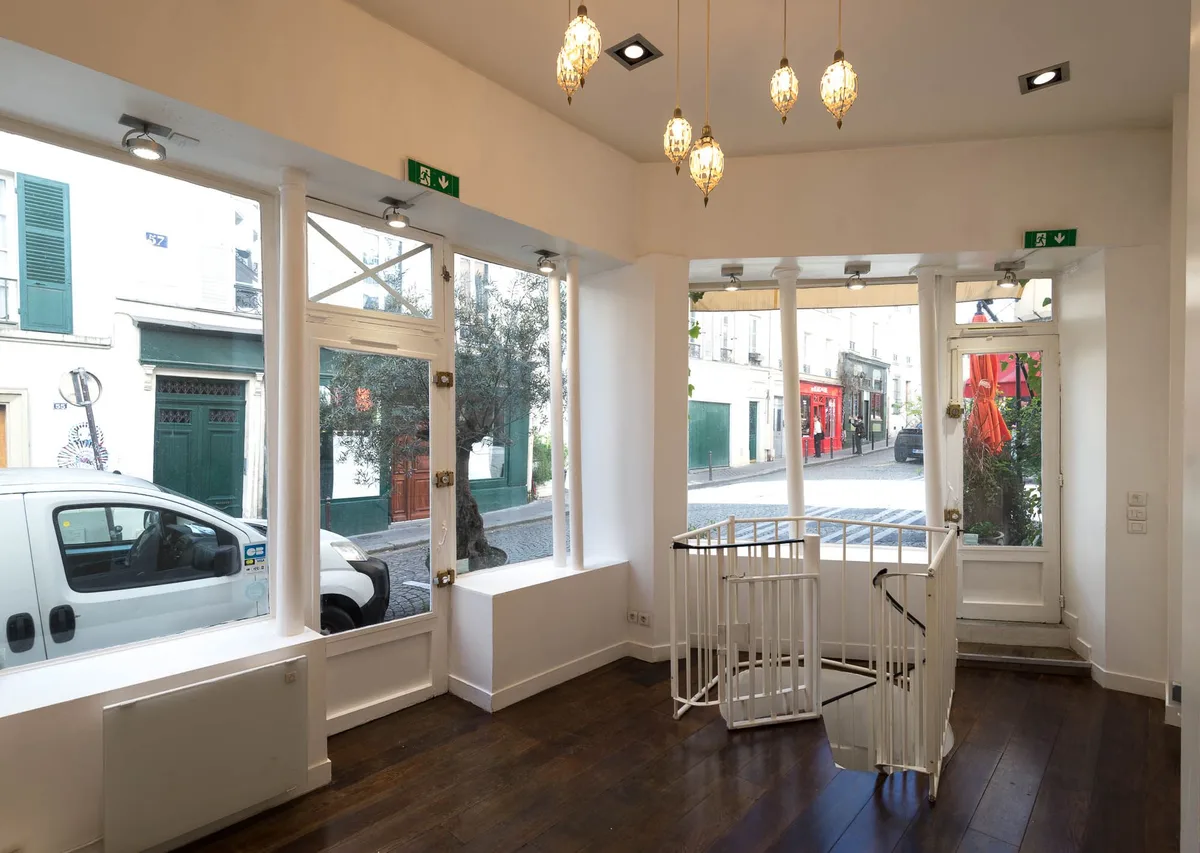
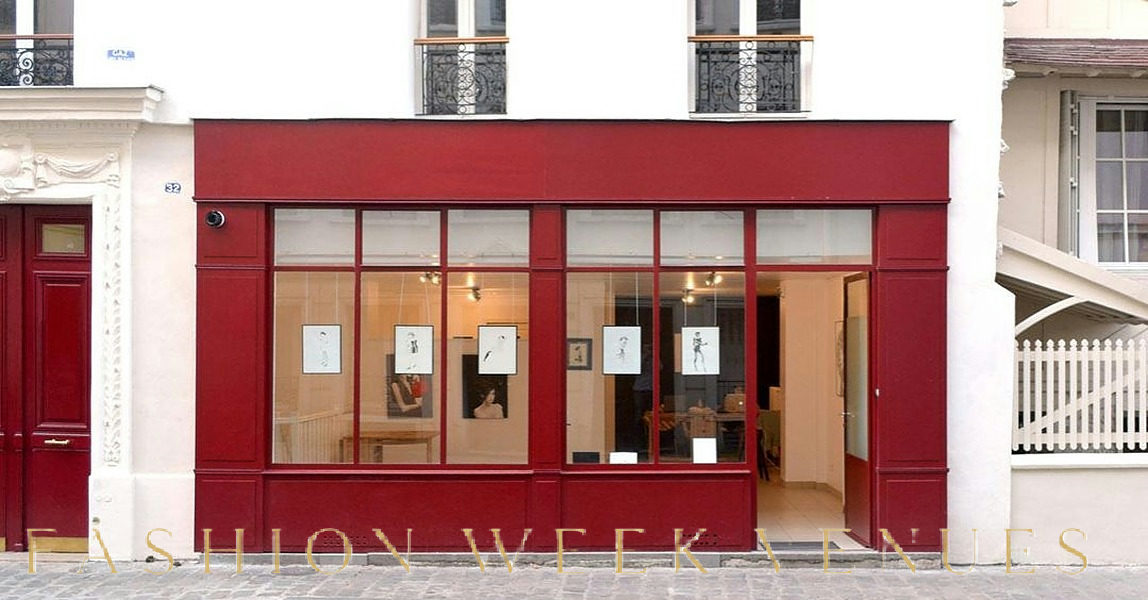
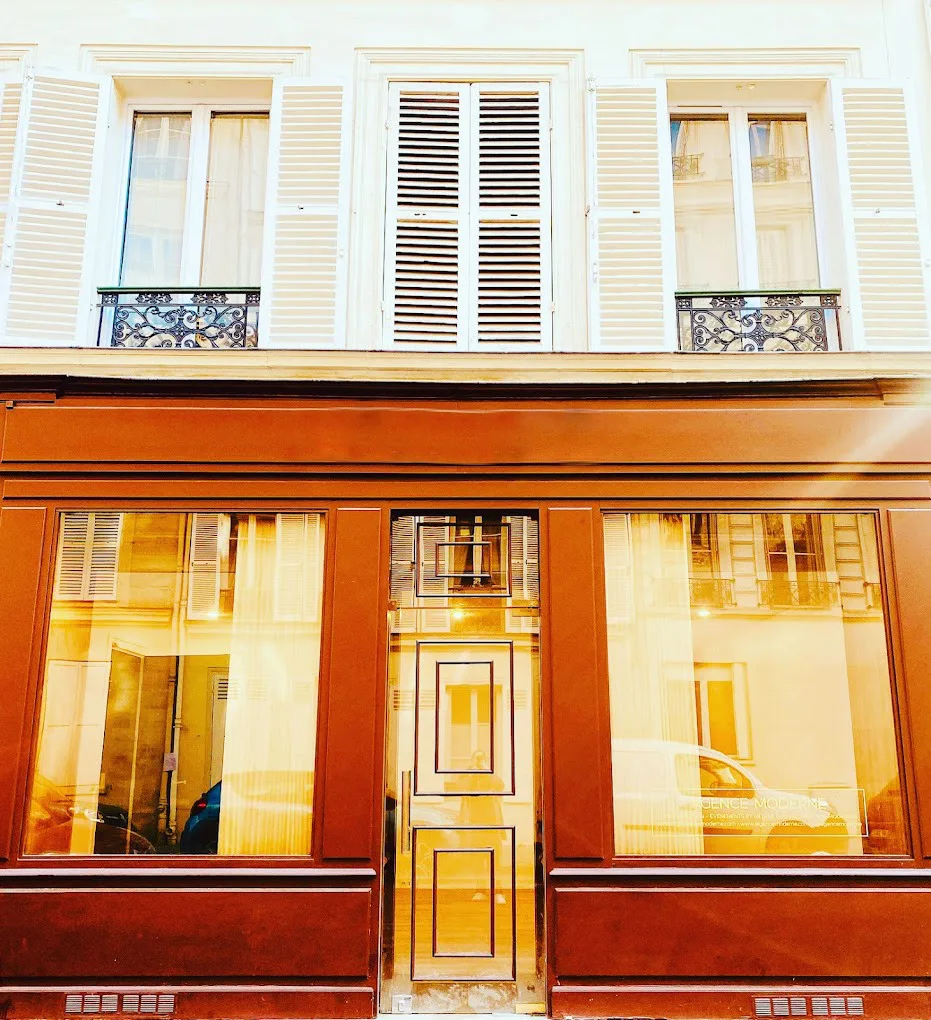
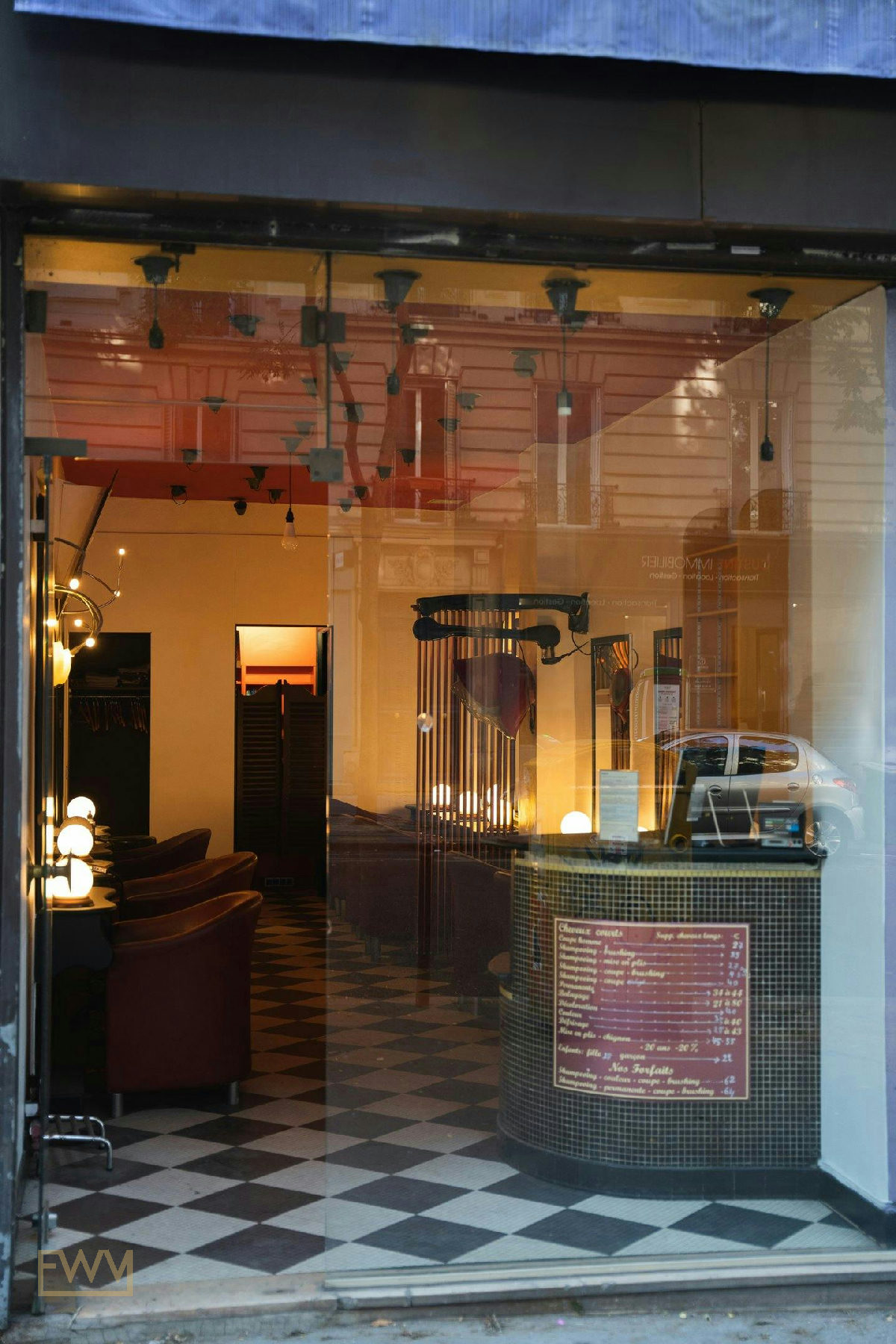
Storefront spaces are the most recognisable format for consumer-facing temporary retail. In the Opéra district and 9ème arrondissement, these typically occupy ground-floor units in Haussmann-style buildings, with large display windows facing the street. They work well for DTC brands running market-testing pop-ups, limited edition product launches, and brand immersion experiences where window merchandising is part of the strategy.
Storefronts in the immediate Opéra zone, particularly on or near Avenue de l'Opéra or Boulevard des Capucines, command premium pricing per square metre and are subject to stricter commercial regulations regarding signage, window display standards, and operating hours. Smaller storefronts further into Paris 9, toward Rue du Faubourg Montmartre or Rue des Martyrs, offer more flexibility at lower cost while still delivering strong foot traffic from local residents and visitors.
Showroom Apartments and Fashion Showrooms
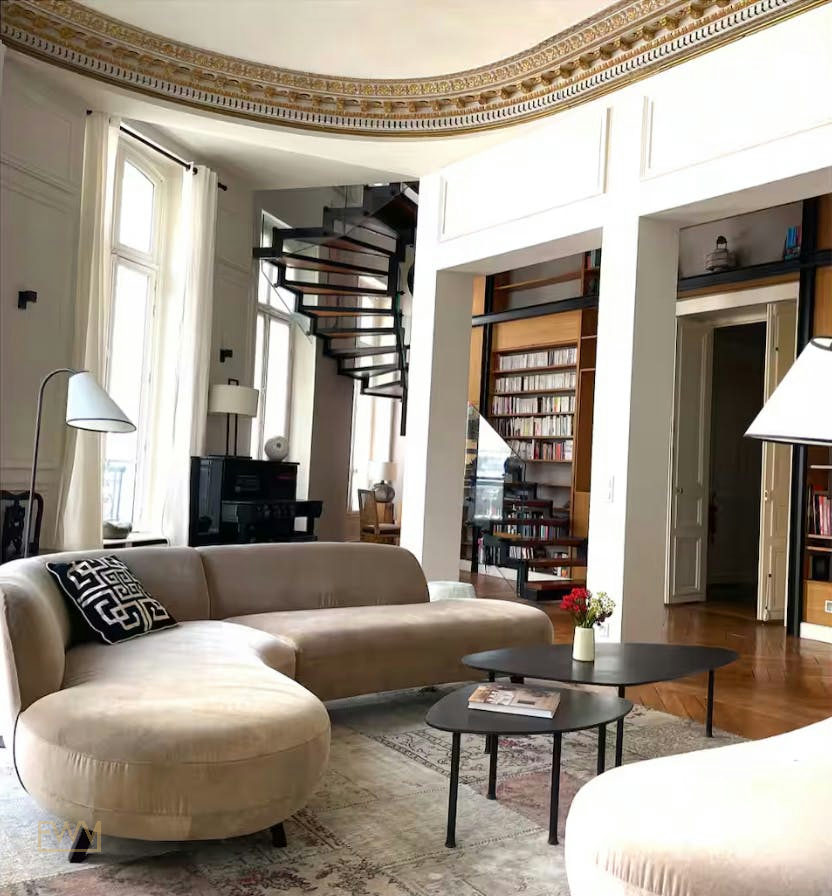
Showroom apartments are one of the most Paris-specific formats for temporary retail and brand activation. These are typically upper-floor units in Haussmann-style buildings, accessed by elevator or grand staircase, and used as trade or press showrooms during Paris Fashion Week. They offer high ceilings, period architectural details, natural light through tall windows, and, in many cases, views over Parisian rooftops or, in the most desirable cases, a direct view of the Opéra Garnier.
The fashion showroom format is specifically designed for appointments-based brand presentations, collection viewings, and press days. They are not typically configured for high-volume consumer traffic but work exceptionally well for brands hosting buyers, editors, and stylists in a controlled, branded environment. The 9ème arrondissement has long been the dominant location for fashion showrooms during the Paris Fashion Week calendar, with clusters of agencies, independent brands, and multi-brand showrooms concentrated around the Opéra and toward the 2nd arrondissement.
Gallery Spaces and Galeries
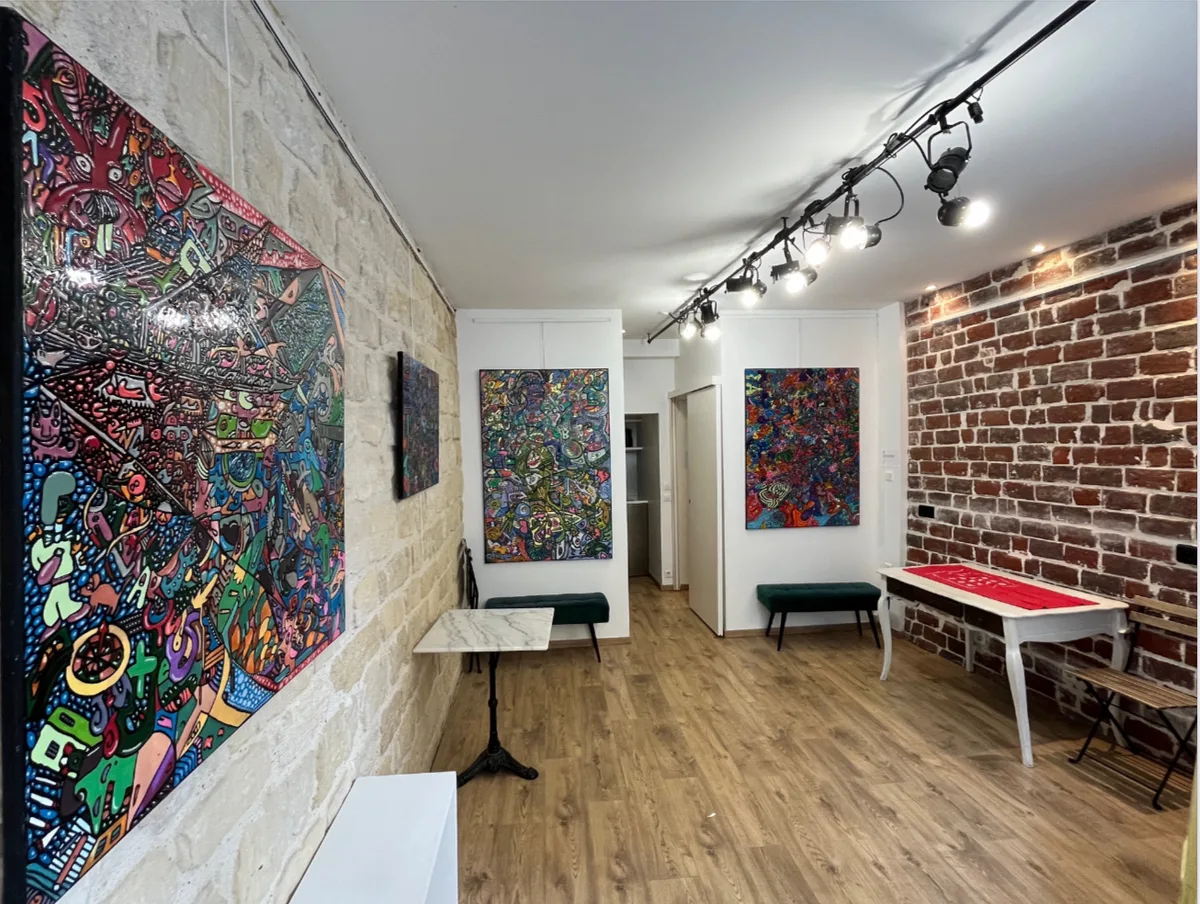
Gallery-format spaces, including historic galeries such as Galerie Vivienne or Galerie Colbert in the adjacent 2nd arrondissement, offer a highly distinctive activation environment. These covered arcades, built in the 19th century, provide permanent foot traffic, protection from weather, and an instantly recognisable Parisian aesthetic that photographs extremely well. They are increasingly used for pop-up shops combining retail with exhibition or lifestyle storytelling.
Apartments and Hybrid Spaces
Some brands in Paris prefer to activate in residential apartment settings rather than traditional retail units. These spaces offer a more intimate, curated experience suited to luxury brands, beauty launches, and lifestyle collections. An apartment in a Haussmann-style building near the Opéra Garnier can be configured as a salon-style retail experience, a private shopping appointment venue, or an influencer content day space. These hybrid spaces often blur the boundary between showroom and pop-up shop, and require careful attention to building regulations and insurance requirements.
Market-Testing Pop-Ups and Concession Formats
For brands new to the Paris market, a market-testing pop-up in a higher-traffic location, such as within or adjacent to Galeries Lafayette, Printemps, or a Grands Boulevards foot traffic zone, provides a lower-risk entry point. These formats allow brands to validate product-market fit, test price architecture with French consumers, and build local awareness without committing to a standalone lease. The concession or shop-in-shop format inside a department store is a distinct commercial arrangement managed through the department store's own commercial team, while standalone market-testing pop-ups on nearby streets can be arranged through space marketplaces and specialist agencies.
KEY TAKEAWAY: Each space type in the Opéra district serves a different commercial purpose. Brands should define whether the activation is consumer-facing or trade-facing before beginning a space search, as this single decision determines which space types, neighbourhoods, floors, and pricing tiers are relevant.
Once the space type is clear, the next critical decision involves understanding the property features and amenities that actually affect activation performance.
Property Features and Amenities That Matter When Renting in the Opéra District
Quick answer: When renting temporary retail space in the 9th arrondissement or Opéra district, the features that most directly affect brand performance include floor level and access, elevator availability, window frontage, metro proximity, building style, and terrace access. These factors also significantly influence pricing and availability, particularly during Fashion Week windows.
Floor and Access Considerations
In Paris, floor level has a direct relationship with both pricing and footfall conversion. Ground-floor storefronts generate the highest volume of organic walk-in traffic and are most suitable for consumer pop-up shops and boutiques. Upper-floor showroom apartments and fashion showrooms generate lower spontaneous footfall but deliver a more controlled, appointment-driven experience better suited to trade events, press days, and luxury brand activations.
Elevator availability matters significantly in Haussmann-style buildings, where upper floors are typically accessed via narrow spiral staircases that are impractical for deliveries, furniture installations, and guests with mobility requirements. Brands bringing in significant fit-out materials, display furniture, or product stock should confirm elevator dimensions and building access hours before signing any agreement.
Haussmann-Style Buildings and Their Specific Requirements
The Opéra district is dominated by Haussmann-style buildings constructed between the 1850s and 1880s under Baron Haussmann's redesign of Paris. These buildings are architecturally distinctive, with cream stone facades, wrought iron balconies, tall windows, high ceilings, and herringbone parquet floors. They offer exceptional photographic quality for brand content and editorial shoots but come with specific constraints.
Structural alterations are typically prohibited or heavily restricted. Wall-mounted fixtures, hanging systems, and floor alterations may require written permission from the building's co-owners syndicate (syndic de copropriété). Signage on the facade must comply with local planning rules and, in some cases, heritage protection regulations. Brands planning a full branded fit-out should factor in additional lead time for approvals and should work with an agency experienced in Paris retail build-outs.
Terrasse Access
Spaces with terrasse access in the Opéra district are relatively rare and command a significant premium. A terrasse at showroom level with a view toward the Opéra Garnier represents one of the most prestigious activation settings in Paris, particularly for champagne and spirits brands, luxury lifestyle launches, and influencer events. However, outdoor commercial use of a terrasse in Paris requires specific authorisation from the local mairie (town hall) and must comply with noise regulations, particularly in residential zones.
Metro Station Proximity and Foot Traffic
The Opéra zone is served by Opéra station, which connects metro lines 3, 7, and 8, and by several additional stations within a short walk including Chaussée d'Antin-La Fayette, Richelieu-Drouot, and Grands Boulevards on lines 8 and 9. This network makes the district one of the most accessible in Paris and contributes to the consistent foot traffic on primary streets. For brands designing an activation that depends on consumer discovery rather than appointment booking, proximity to a station entrance is a material factor in space selection.
KEY TAKEAWAY: Elevator access, floor level, building type, and metro proximity are not just logistical details. They directly affect your brand's ability to receive deliveries, convert foot traffic, and create content. Confirm all of these points in writing before committing to a space.
With space type and physical features understood, the next area to examine is the legal and operational framework that governs temporary retail in Paris.
Legal Requirements, Permits, and Commercial Regulations for Temporary Retail in Paris
Quick answer: Renting temporary retail space in Paris, including the Opéra district and 9ème arrondissement, requires navigating a specific legal framework that differs significantly from long-term commercial leases. Short-term retail arrangements typically use a bail dérogatoire or a convention d'occupation précaire rather than a standard commercial lease. Additional permits, a SIRET number, and insurance are required for operational compliance.
The legal structure governing short-term retail in France is one of the most common sources of confusion and delay for international brands entering the Paris market. Understanding the framework before signing any document will save significant time and avoid costly mistakes.
The Bail Dérogatoire Explained
A bail dérogatoire, also known as a bail précaire, is a short-term commercial lease that allows a brand to occupy a commercial space for a period of up to 36 months without triggering the protections and obligations of a standard 3-6-9 commercial lease (bail commercial). For pop-up shops, temporary showrooms, and short-term retail activations, this is the most commonly used legal instrument.
The bail dérogatoire must be explicitly drafted as such from the outset. Once the 36-month cumulative period with the same tenant in the same property is exceeded, French law automatically converts the arrangement into a full bail commercial, which carries significantly greater tenant protections and landlord obligations. Brands planning to run multiple short activations in the same space over time should track their cumulative occupancy carefully.
Requirements vary by space type, duration, intended use, and arrondissement, and international brands should verify the specific terms applicable to their situation with a qualified French legal advisor before signing.
The Convention d'Occupation Précaire
For very short activations, typically below one month, landlords may prefer a convention d'occupation précaire, which is even more flexible than a bail dérogatoire. This instrument is used when there is a genuine precarious reason for the short term, such as a space awaiting long-term re-letting or pending renovation. It offers fewer protections for the occupant but allows faster execution and simpler administrative requirements for both parties.
Autorisation d'Occupation Temporaire (AOT)
When a brand wishes to use public or semi-public space, such as a terrace on a public street, a courtyard within a covered arcade, or exterior space in front of a cultural institution, an Autorisation d'Occupation Temporaire (AOT) from the relevant public authority or local mairie is required. For activations near the Palais Garnier or in any of the covered galeries, additional rules may apply given the heritage status of these locations. Brands should begin the AOT process at least eight to twelve weeks before the planned activation date, as approval timelines are not guaranteed.
SIRET Number Requirements
International brands operating commercial retail activities in France are generally required to obtain a SIRET number, which is the French business registration identifier. Without this, a brand cannot legally enter into a commercial lease, process payments under French commercial law, or hire staff through French employment structures. The process of obtaining a SIRET as a foreign company varies depending on the brand's legal structure and home country and typically takes four to six weeks through the relevant French registre du commerce. Brands should initiate this process well in advance of the planned activation date.
Insurance and Commercial Compliance
All commercial occupants of retail space in Paris are required to carry adequate public liability insurance and, in most cases, specific commercial contents and property damage insurance relevant to the nature of the activation. Landlords in the Opéra district typically require proof of insurance before handing over keys. Brands should confirm the specific insurance requirements of each individual space and landlord rather than assuming a single policy type will cover all scenarios.
IMPORTANT: The permit and regulatory information above is provided for general guidance only. Requirements vary by space, location, activity type, and duration. Always verify your specific obligations with a qualified French legal advisor and use the Fashion Week Venues permits guidance tool as a starting framework.
KEY TAKEAWAY: The legal framework for temporary retail in Paris is specific and requires proactive planning. Brands entering the Paris market without prior French legal entity experience should budget time and resources for SIRET registration, insurance procurement, and lease drafting well before the planned activation date.
Understanding the legal structure gives brands the foundation to move into budget planning, which is examined in the next section.
Budget Planning for Renting Retail Space in the Opéra District
Quick answer: Temporary retail space costs in the Opéra district and Paris 9th arrondissement vary significantly based on space type, floor, surface area, duration, and time of year. Costs during Paris Fashion Week windows are materially higher than off-peak periods. Brands should budget not only for the space rental but for fit-out, staffing, permits, insurance, and operational costs as separate line items.
One of the most common budget errors made by brands entering the Paris pop-up market for the first time is treating the rental cost as the total project cost. In practice, the space rental is frequently between 30 and 50 percent of the total activation budget, with the remainder allocated to fit-out and production, staffing, marketing and influencer activity, logistics, permit costs, and professional fees.
Factors That Drive Space Rental Costs
The primary cost drivers for temporary retail space in the Opéra district are location within the district, surface area in square metres, floor level, duration of the activation, time of year, and the specific features of the space including elevator access, terrasse, and view quality. Secondary factors include the landlord's experience with short-term commercial tenants, the current market demand for the specific zone, and whether the space has been fitted out previously or requires a full cold-shell fit-out.
Spaces directly on Avenue de l'Opéra, near Place de l'Opéra, or on streets feeding into rue Saint-Honoré command the highest rents per square metre in the district. Spaces further north toward Rue des Martyrs, Rue Henry Monnier, and Pigalle are generally more accessible in cost terms while still delivering a strong Parisian brand environment.
During the two primary Paris Fashion Week windows, demand for showroom apartments and fashion showrooms in the 9th arrondissement significantly exceeds supply, and rents reflect this. Brands activating in these windows should expect to pay a seasonal premium and should aim to confirm space reservations three to six months in advance where possible.
Cost Components Beyond the Rent
Brands should build a complete activation budget that includes space rental, fit-out and production costs (including furniture, fixtures, lighting, and branded installations), staffing costs, POS and payments infrastructure, insurance, legal fees, permit costs, logistics and delivery, marketing and PR, and any agency management fees. Each of these components can be significant in its own right.
For fit-out costs specifically, the cost of a high-quality branded installation in a Haussmann-style space in the Opéra district depends on the level of customisation, the duration of the activation, whether furniture is rented or purchased, and the complexity of the branded environment. Furniture rental is a cost-efficient option for short activations and is one of the services available through Fashion Week Venues.
TIP: Use the Fashion Week Venues budget planning tool to build a preliminary cost estimate based on your space type, duration, and activation objectives before approaching any space directly.
Estimating ROI for Temporary Retail in the Opéra District
ROI for temporary retail in Paris depends on the brand's objectives, which may include direct revenue from sales, brand awareness impact, press and editorial coverage value, social media and influencer reach, wholesale buyer introductions, and new customer acquisition. Brands running DTC market-testing pop-ups in the Opéra district typically measure success across multiple of these dimensions rather than direct sales revenue alone.
The Opéra district's combination of international tourist volume, fashion industry concentration during key calendar windows, and proximity to Galeries Lafayette and Printemps means that a well-executed temporary retail activation here can deliver brand exposure across multiple consumer segments simultaneously. Measuring and attributing this multi-channel value requires a clear analytics framework set up before the activation launches.
KEY TAKEAWAY: Budget planning for a temporary retail activation in the Opéra district should treat the space rental as one component of a full project budget. Brands that under-budget for fit-out, staffing, and compliance costs are likely to compromise either the quality of the activation or its commercial viability.
The process of finding the right space and navigating the search and transaction process is covered in the next section.
How to Search for and Secure Temporary Retail Space in the Opéra District
Quick answer: Brands searching for temporary retail space in the Opéra district and 9th arrondissement have several routes available, including general commercial property platforms, specialist short-term retail space marketplaces, and full-service agencies. Each route has different strengths, and the most effective search strategy typically combines a marketplace with agency support for the final negotiation and contract stage.
Understanding the Difference Between General Property Platforms and Specialist Marketplaces
General commercial real estate platforms, including international tools like LoopNet and CoStar, are primarily designed for long-term commercial lease transactions. Their listings in Paris skew toward full commercial leases rather than short-term pop-up or showroom arrangements, and the transaction process on these platforms is built around broker-led negotiation rather than direct booking. For a brand seeking a two-week pop-up shop or a one-month showroom rental during Fashion Week, these platforms are rarely the most efficient search tool.
Specialist short-term retail marketplaces, including Storefront and comparable platforms, focus specifically on temporary retail and short-term commercial occupancy. They offer direct listings with defined short-term pricing, the ability to filter by space type, neighbourhood, surface area, and features, and in some cases a booking or enquiry process that bypasses traditional broker involvement. The advantage is speed and transparency of listings; the limitation is that the most desirable and highest-profile spaces are often not listed publicly and must be accessed through agency relationships.
Working with a Specialist Agency
For brands with a specific brief, a defined budget, and a clear timeline, working with a specialist pop-up and retail activation agency provides access to off-market spaces, pre-negotiated terms, and a managed process from space identification through to handover and activation delivery. The agency route is particularly valuable for international brands without existing Paris market relationships or for brands running their first French retail activation.
A specialist agency with established relationships in the Opéra district can identify spaces that are not publicly listed, negotiate a bail dérogatoire on the brand's behalf, manage the permit and compliance process, and coordinate the fit-out and staffing. This is significantly faster and lower-risk than a brand attempting to manage each component independently.
The trade-off is that agency involvement adds a management fee to the project cost. However, for first-time Paris activations, the risk reduction and timeline efficiency typically make this cost worthwhile. Brands can evaluate whether an agency relationship is appropriate using the Fashion Week Venues guide to hiring a pop-up agency.
Setting Search Criteria and Building a Brief
Before beginning any space search, brands should define and document a clear brief covering: the required surface area, the preferred neighbourhood within the Opéra district, the activation type (consumer-facing or trade), the required dates, the intended use, any specific features required such as elevator, terrasse, or ground floor, the total budget including fit-out, and any legal constraints relevant to the brand's structure.
A well-defined brief dramatically reduces search time and the risk of viewing unsuitable spaces. It also allows platforms and agencies to set up alerts for relevant new listings, avoiding the need for repeated manual searches.
Timelines for Space Confirmation
The timeline for confirming a temporary retail space in the Opéra district varies significantly depending on the period. Outside of Fashion Week windows, well-prepared brands can sometimes move from initial search to lease signing within three to four weeks. During Fashion Week windows, the most desirable showroom apartments and storefronts in the 9th arrondissement are often reserved four to nine months in advance.
Brands planning activations tied to the Paris Fashion Week calendar should begin their space search no later than six months before the target window and ideally earlier. Using the Fashion Week Venues timeline planning tool provides a structured view of the full activation timeline from initial brief to post-activation reporting.
KEY TAKEAWAY: The most effective search strategy for temporary retail space in the Opéra district combines a clear brief, a specialist marketplace for initial discovery, and agency support for negotiation and compliance. Starting early is the single most important factor in securing a preferred space during peak calendar windows.
With the search and transaction process understood, it is worth examining what distinguishes the 9th arrondissement from its neighbouring districts and when each makes strategic sense for a brand activation.
The 9th Arrondissement Compared to Neighbouring Districts for Pop-Up and Showroom Activations
Quick answer: Paris 9, the 9ème arrondissement, occupies a distinct middle ground between the luxury of Paris 1st and the emerging creative energy of Pigalle and Montmartre. For brands, this positioning means a combination of strong fashion industry infrastructure, good consumer foot traffic, and space costs that are typically more accessible than the 1st arrondissement without sacrificing Parisian architectural quality.
To compare neighbourhoods effectively when shortlisting spaces, explore the Paris city hub on Fashion Week Venues and shortlist spaces that match your brief, budget, and calendar window.
| District or Zone | Primary Brand Profile | Space Cost Level | Best For | Key Streets |
|---|---|---|---|---|
| Paris 9 (Opéra zone) | Fashion, luxury adjacent, editorial | High to premium | Showrooms, press days, DTC brands | Avenue de l'Opéra, Rue de la Chaussée d'Antin |
| Paris 1st (Saint-Honoré zone) | Ultra-luxury, heritage, jewellery | Premium to very high | Luxury pop-ups, VIP events | Rue Saint-Honoré, Place Vendôme |
| Paris 9 (Rue des Martyrs zone) | Creative, lifestyle, food-led brands | Moderate to high | DTC launches, community pop-ups | Rue des Martyrs, Rue Henry Monnier |
| Pigalle (Paris 9 and 18 border) | Streetwear, music, youth culture | Moderate | Cultural activations, brand launches | Rue Jean-Baptiste Pigalle, Place Pigalle |
| Montmartre (Paris 18) | Artisan, lifestyle, international tourism | Moderate | Weekend retail, artisan brands | Rue Lepic, Rue Abbesses |
| Grands Boulevards (Paris 2 and 9) | Mixed, volume-driven retail | Moderate to high | High-traffic pop-ups, market testing | Boulevard des Italiens, Boulevard Montmartre |
The Paris 1st arrondissement, particularly the rue Saint-Honoré corridor running toward Place Vendôme, represents the ultra-luxury end of the Paris retail spectrum. Space costs here are among the highest in Europe, and the competitive environment favours established luxury maisons rather than emerging or mid-market brands. However, brands that position correctly and can sustain the cost will benefit from being physically embedded in one of the world's most prestigious retail addresses.
The Grands Boulevards zone, straddling the 2nd and 9th arrondissements and running east from the Opéra Garnier toward Rue du Faubourg Montmartre, offers a higher-volume, more mixed commercial environment. This zone benefits from very strong public transport connections, proximity to Galeries Lafayette and Printemps, and a significant residential and office worker population. For brands testing a new product range with a broad consumer audience rather than a fashion industry-specific audience, this zone can deliver strong foot traffic at more accessible cost levels.
For brands specifically targeting the fashion industry trade audience during Paris Fashion Week, the concentration of showrooms and agency offices in the 9th arrondissement makes staying within this zone a practical necessity. Buyers and press on a packed Fashion Week schedule are unlikely to travel significant distances for a showroom appointment; proximity to the established industry cluster matters for attendance rates.
KEY TAKEAWAY: District choice within the broader Opéra area depends primarily on the brand's target audience during the activation: trade and press buyers favour the established 9th arrondissement showroom cluster, consumer-facing pop-ups can distribute across the 9th, 1st, and Grands Boulevards depending on budget and brand positioning, and emerging creative brands often find the best value-to-audience fit in the Rue des Martyrs and Pigalle zones.
How Fashion Week Venues Supports Brands Renting Retail Space in Opera Paris
Fashion Week Venues operates as a full-service pop-up and retail activation agency and space marketplace, with Paris as its primary market and the Opéra district and 9th arrondissement among its most active sourcing zones. For brands seeking to rent temporary retail space in this district, Fashion Week Venues provides support across the full activation lifecycle, from initial space discovery through to post-activation reporting.
The venue sourcing service gives brands access to spaces that are not publicly listed on general property platforms, with specialist knowledge of the Opéra district's space inventory and landlord relationships across the 9th and adjacent arrondissements. The team can identify showroom apartments with views of the Opéra Garnier, ground-floor storefronts on Grands Boulevards, and gallery-format spaces in covered arcades, matching each to the brand's specific brief and budget.
Beyond space sourcing, the service suite covers the entire activation from concept to close. The concept direction service translates brand briefs into spatial narratives suited to Haussmann-style environments. The production and build service manages the fit-out of a Paris retail space within the specific constraints of historic building regulations, co-owners requirements, and short-term lease conditions. Furniture rental, retail staffing, POS and payments infrastructure, and data and analytics complete the operational layer.
For brands considering whether to activate independently or through a managed agency relationship, Fashion Week Venues provides a set of practical planning tools. These include a budget calculator for building a realistic project cost estimate, an ROI calculator for measuring activation value across multiple metrics, a compare tool for evaluating multiple spaces against a consistent set of criteria, a timeline tool for mapping the full activation calendar, and a permits tool providing guidance on the legal and regulatory requirements relevant to the brand's planned activity.
The twin co-activation concept is particularly relevant for brands seeking to maximise the return on a single space investment. This model allows two complementary non-competing brands to share a single Parisian space, splitting costs while reaching each other's audiences. This is well suited to the Opéra district showroom context, where two brands in adjacent or complementary categories can create a more compelling destination for buyers and press than either could alone.
Fashion Week Venues does not guarantee specific space availability, permit approvals, or activation outcomes. All planning, legal, and financial guidance from Fashion Week Venues should be treated as a starting framework and verified with qualified legal, financial, and operational advisors where relevant to a brand's specific circumstances.
KEY TAKEAWAY: Fashion Week Venues provides a structured alternative to the unmanaged broker search, combining space access, agency services, planning tools, and Paris-specific market knowledge to reduce the time, risk, and complexity of activating in the Opéra district for the first time or at scale.
The Opéra District as a Working and Living Environment: Dining, Lifestyle, and Local Amenities
Quick answer: Beyond retail and fashion, the Opéra district and 9th arrondissement offer a dense and high-quality environment of restaurants, brasseries, cafés, bars, and cultural institutions. For brand teams spending time in the district during an activation, this environment directly affects team morale, client hospitality, and the overall experience of working in Paris.
The Opéra district has one of the most concentrated restaurant cultures in Paris. Gourmet restaurants and traditional French cuisine brasseries are found throughout the 9th arrondissement and its neighbours. Historic brasseries near the Palais Garnier offer long lunches built around classic French cuisine and remain a key part of the business culture in the district. For brand teams hosting buyers or press during Fashion Week, knowing the local dining options is a genuine practical asset.
Notable Dining and Drinking Venues Near the Opéra
Bar du Central on Rue du Helder has served as a classic meeting point in the Opéra district for decades, combining the aesthetic of a traditional Parisian café with a central location between the Palais Garnier and Boulevard des Capucines. Harry's New York Bar on Rue Daunou, a short walk from the Opéra Garnier, is one of Paris's most historically significant bars and remains a popular choice for after-show gatherings, press dinner pre-drinks, and informal client meetings. These venues have a character that is distinctly Parisian and Opéra-adjacent, making them effective choices for informal hospitality during an activation.
The Terrass Rooftop Bar at the Terrass Hotel in Montmartre, a short distance north of the 9th arrondissement, offers a panoramic view of Paris including the Sacré-Coeur and a wide horizon over the rooflines of Montmartre. This venue is frequently used for brand events, influencer activations, and post-show gatherings during Fashion Week given its combination of visual drama and relatively easy access from the 9th arrondissement.
Cafés and bakeries throughout the 9th arrondissement, particularly in the Rue des Martyrs corridor, represent some of the highest quality neighbourhood coffee culture in Paris. Brands hosting team members from international markets often use this area for morning briefings, informal client meetings, and casual brand storytelling in a genuinely local Parisian context rather than a hotel lobby.
Cultural Context and the Opéra Garnier
The Palais Garnier is not only a visual backdrop for activations in the Opéra district. It is an active cultural institution with its own programme of ballet, opera, and events that draws an audience of culturally engaged, affluent visitors throughout the year, not only during Fashion Week. Brands activating in the district benefit from being embedded in this cultural context, which elevates the perceived status of any activation regardless of the specific space used.
For brands in fashion, jewellery, fragrance, or lifestyle categories seeking an alignment between their brand values and the cultural prestige of Paris, the Opéra district offers a level of contextual authority that is difficult to replicate in other Parisian neighbourhoods.
KEY TAKEAWAY: The Opéra district's dining, cultural, and lifestyle environment is an asset to brand teams activating in the area, providing a rich context for client hospitality, content creation, and team productivity during multi-day activations.
A Step-by-Step Workflow for Renting and Activating a Temporary Retail Space in Opera Paris
Quick answer: The process of renting and activating a temporary retail space in the Opéra district follows a structured workflow from brief definition through to post-activation reporting. Understanding the full sequence of steps before beginning helps brands avoid the most common delays and cost overruns.
| Step | Activity | Recommended Timeframe Before Activation | Key Outputs |
|---|---|---|---|
| 1 | Define activation objectives, space type, budget, and target dates | 6 to 12 months | Written activation brief |
| 2 | Begin space search using marketplace and agency relationships | 5 to 9 months | Shortlist of 3 to 5 suitable spaces |
| 3 | Conduct site visits and evaluate spaces against brief criteria | 4 to 7 months | Preferred space selected |
| 4 | Negotiate lease terms and confirm bail dérogatoire or convention d'occupation | 3 to 5 months | Signed lease or heads of terms |
| 5 | Begin SIRET registration and insurance procurement if required | 3 to 4 months | SIRET number, insurance policy |
| 6 | Submit permit applications (AOT or building permissions if applicable) | 8 to 12 weeks | Permit approvals |
| 7 | Finalise concept design and fit-out specification | 8 to 12 weeks | Approved design drawings and materials schedule |
| 8 | Order furniture, fixtures, and branded materials | 6 to 10 weeks | Confirmed production orders |
| 9 | Confirm staffing, POS, and payments infrastructure | 4 to 6 weeks | Staffing confirmed, POS configured |
| 10 | Execute fit-out and brand installation | 1 to 2 weeks | Space ready for opening |
| 11 | Run activation, manage operations, track data | During activation | Live reporting and visitor data |
| 12 | Strip out, reinstate space, and deliver post-activation report | Immediately after activation | Space handed back, ROI report |
Each step in this workflow carries its own risk points. The most common failure modes are insufficient lead time on space reservation during Fashion Week windows, delays in SIRET registration blocking contract signing, and under-specifying the fit-out brief leading to last-minute changes and cost overruns.
For brands running their first Paris activation, engaging a full-service agency from step one dramatically reduces the risk at each subsequent stage. Agencies with established Paris relationships can compress some timelines and resolve complications that would take an independent brand team significantly longer to navigate.
KEY TAKEAWAY: The 12-step workflow above is a directional guide. Actual timelines will depend on the specific space, the brand's legal structure, the complexity of the planned fit-out, and the time of year. Building contingency into every phase is strongly recommended, particularly for spaces in the 9th arrondissement during Fashion Week windows.
Space Type Breakdown and Key Metrics for the Opéra District
| Space Type | Typical Size Range | Ideal Activation Type | Key Features to Check | Seasonal Demand |
|---|---|---|---|---|
| Ground-floor storefront | 30 to 150 sqm | Consumer pop-up, DTC launch | Window frontage, floor condition, service entrance | Year-round, peak during Fashion Week |
| Showroom apartment (upper floor) | 80 to 300 sqm | Fashion showroom, press day, trade event | Elevator, ceiling height, natural light, view | Very high during Fashion Week, lower off-peak |
| Gallery space | 40 to 200 sqm | Brand exhibition, art-retail hybrid | Lighting quality, floor condition, white walls | Moderate year-round |
| Covered arcade unit (galerie) | 20 to 80 sqm | Boutique pop-up, artisan brand | Access hours, heritage restrictions, signage rules | Strong tourism season peaks |
| Apartment hybrid space | 60 to 180 sqm | Luxury launch, private shopping, content days | Residential access rules, elevator, kitchen/catering | Year-round, premium during Fashion Week |
| Department store concession | 10 to 50 sqm | Market testing, product launch | Department store terms, brand category fit | High during sale and promotional periods |
This breakdown reflects the most commonly available formats in and immediately around the 9th arrondissement. Availability of specific types fluctuates with the market, and the most sought-after showroom apartments in the Opéra Garnier view zone are among the most competed-for short-term commercial properties in Europe during Fashion Week windows.
KEY TAKEAWAY: Matching the space type to the activation objective before beginning the search is essential. The wrong space type, even in the right location, will underperform regardless of budget invested in fit-out or marketing.
Common Myths About Renting Retail Space in Opera Paris Debunked
MYTH: You need a French legal entity to rent a pop-up space in Paris.
FACT: International brands can rent temporary retail space in Paris without a pre-existing French legal entity, but they will typically need to obtain a SIRET number to execute a commercial lease legally in France. The process of registering as a foreign company operating in France is manageable with the right professional support, but it requires planning time and should not be left to the last minute. Requirements vary by lease type, duration, and specific landlord terms.
MYTH: Paris Fashion Week is the only viable calendar window for a pop-up or showroom activation in the 9th arrondissement.
FACT: While the two annual Paris Fashion Week windows in late February to early March and late September to early October generate the highest demand for showroom spaces, the Opéra district and 9th arrondissement support successful brand activations throughout the year. Retail pop-ups tied to tourism peaks, holiday gifting periods, product launches, and brand awareness campaigns have all performed well in this district outside of Fashion Week. Off-peak windows also offer significantly better space availability and typically lower rental costs.
MYTH: Commission-based brokers are the only way to find a pop-up space in the Opéra district.
FACT: Specialist short-term retail marketplaces, dedicated pop-up space platforms, and full-service activation agencies all provide routes to temporary retail space in Paris that do not rely on traditional commission brokers. These alternatives often provide greater transparency on pricing, faster transaction timelines, and access to spaces specifically configured for short-term commercial occupancy rather than long-term commercial leases.
MYTH: Short-term commercial leases in Paris are legally straightforward and can be handled without specialist advice.
FACT: The French commercial lease framework, including the specific rules around bail dérogatoire, convention d'occupation précaire, and the conditions under which a short-term lease can convert to a full bail commercial, contains important legal nuances that require specialist understanding. International brands signing these documents without qualified French legal advice risk inadvertently triggering long-term obligations or missing critical compliance requirements. Always engage a qualified French legal advisor for any commercial lease in Paris.
MYTH: A high-end space near the Opéra Garnier will automatically generate strong foot traffic for a consumer pop-up.
FACT: Foot traffic in the Opéra district is concentrated on primary streets and around key landmarks and transit hubs. A space on a secondary or tertiary street, even within close proximity to the Palais Garnier, may receive significantly lower organic footfall than its address suggests. Brands planning consumer-facing pop-ups should assess actual street-level foot traffic counts, not just postcode prestige, before confirming a space.
Frequently Asked Questions About Renting Retail Space in Opera Paris
What are the most sought-after locations for renting a pop-up shop in Opera Paris?
The most in-demand locations for pop-up shops in the Opéra district include streets directly adjacent to the Palais Garnier such as Avenue de l'Opéra and Rue Auber, the Grands Boulevards corridor running from Boulevard des Capucines toward Boulevard Montmartre, and the Rue des Martyrs and Rue Henry Monnier axis in the upper 9th arrondissement. During Fashion Week, showroom apartments with views of the Opéra Garnier represent the most competed-for properties in the entire district. For brands targeting a creative or community consumer rather than a fashion trade audience, the Pigalle border zone toward the northern 9th also offers high desirability.
How much does temporary retail space cost in the Paris 9th arrondissement?
Costs for temporary retail space in the 9th arrondissement vary significantly based on space type, surface area, floor level, specific location within the district, and time of year. Spaces during Paris Fashion Week windows command a seasonal premium over off-peak periods. The total cost of a temporary retail activation should include not only the space rental but also fit-out and production, staffing, insurance, permits, and any agency management fees. Fashion Week Venues recommends using its budget planning tool to build a realistic estimate based on your specific brief before approaching any space directly.
How long can I rent a temporary retail space in Paris?
Temporary retail space in Paris can be rented for durations ranging from a few days to several months, depending on the space type and the legal instrument used. The bail dérogatoire, the most common short-term commercial lease in France, allows occupancy for up to 36 cumulative months without triggering the full protections of a standard commercial lease. For very short activations, a convention d'occupation précaire may be used. The minimum practical duration for a fully fitted-out pop-up or showroom activation is typically one to two weeks, as fit-out and strip-out time must be factored into the total lease period.
Do I need a permit to run a pop-up in the 9th arrondissement?
Permit requirements for pop-up activations in the 9th arrondissement depend on the specific nature of the activity, the space type, and whether any public or semi-public space is used. Standard indoor commercial activations within a private space under a bail dérogatoire do not typically require a separate operating permit beyond the standard business registration and insurance requirements. Activities involving outdoor terrasse use, facade signage, street-level installations, or use of publicly managed spaces require specific authorisation from the local mairie. Permit requirements vary by activity type and should be confirmed with a French legal advisor. The Fashion Week Venues permits guidance tool provides a useful framework for identifying the relevant requirements for common activation types.
What is the difference between the 9th arrondissement and neighbouring districts for pop-ups?
The 9th arrondissement occupies a distinct middle ground in the Paris retail market. It offers Haussmann-style architectural quality, strong fashion industry infrastructure, and proximity to both the luxury of the 1st arrondissement and the creative energy of Pigalle and Montmartre. The Paris 1st, particularly around rue Saint-Honoré and Place Vendôme, commands the highest rents and is most suited to established luxury brands. The Grands Boulevards zone in the 2nd and 9th offers higher footfall volume at more mixed positioning. The Rue des Martyrs corridor and Pigalle border within the 9th deliver creative credibility at more accessible costs. The right district depends on the brand's target audience, positioning, and budget.
Can I rent a space for a showroom or press day in the 9th arrondissement?
Yes, the 9th arrondissement is the dominant location in Paris for fashion showrooms and press day venues, particularly during the Paris Fashion Week calendar windows. Showroom apartments in Haussmann-style buildings, typically on upper floors with elevator access and natural light, are the standard format for this type of activation. The most desirable spaces with views of the Opéra Garnier are reserved well in advance, often six to nine months before the target Fashion Week window. Outside of Fashion Week, showroom spaces in the 9th are available for press days, trade events, collection launches, and media appointments with shorter lead times and generally lower rental costs.
What are the key points to consider before renting a pop-up space in Opera Paris?
Before committing to a pop-up space in the Opéra district, brands should confirm the space type matches their activation objective, verify elevator access and delivery logistics, understand the building's specific restrictions on fit-out and signage, check whether a SIRET number is required and allow sufficient time to obtain one, confirm insurance requirements with the landlord, understand the permit requirements relevant to the planned activity, build a total project budget including all costs beyond the space rent, and confirm the full timeline from lease signing to activation launch. International brands activating in the Opéra district for the first time are strongly advised to work with a specialist agency familiar with Paris commercial real estate and activation logistics.
What is a bail dérogatoire and why does it matter for pop-up shops in Paris?
A bail dérogatoire is a short-term commercial lease under French law that allows a tenant to occupy a commercial space for up to 36 cumulative months without acquiring the long-term rights and protections associated with a standard 3-6-9 commercial lease (bail commercial). It is the most commonly used lease instrument for pop-up shops, temporary showrooms, and short-term retail activations in Paris. For international brands, understanding this distinction is critical because inadvertently entering into or extending a standard bail commercial creates significant legal and financial obligations. Brands should always have a qualified French legal advisor review any commercial lease document before signing.
What is the ideal duration for renting a pop-up shop in the Opéra district?
The ideal duration depends on the brand's objectives. Fashion Week showroom activations in the 9th arrondissement typically run for one to three weeks, aligned with the official Paris Fashion Week schedule. Consumer-facing DTC pop-up shops often run for four to eight weeks to allow sufficient time to build awareness, generate press, and drive repeat visits. Market-testing pop-ups designed to validate product-market fit with French consumers typically benefit from a minimum of four to six weeks to generate statistically meaningful data. Shorter activations of one to two weeks are feasible but require a significant upfront investment in marketing and PR to compensate for the limited trading window.
How does public transport connectivity affect foot traffic for pop-ups near the Opéra?
The Opéra zone is one of the best-connected transport hubs in Paris, served by metro lines 3, 7, 8, and 9 at Opéra station, with additional nearby stations on multiple lines providing coverage across the full district. This connectivity generates consistent daily foot traffic on the primary streets surrounding the Palais Garnier and contributes significantly to the commercial value of storefronts in this zone. Brands selecting a space for consumer foot traffic should prioritise proximity to station exits and primary pedestrian routes rather than simply optimising for address prestige. A space on a quiet street two blocks from the nearest exit will underperform relative to one on the main pedestrian flow, regardless of its address.
Are there specific regulations for commercial signage on Haussmann-style buildings in the Opéra district?
Yes, commercial signage on Haussmann-style building facades in Paris is subject to local planning rules and, in heritage-protected zones, to additional restrictions governing materials, dimensions, illumination, and placement. The 9th arrondissement includes several heritage-sensitive streets and buildings where facade signage requires approval from the local planning authority and, in some cases, from the syndic de copropriété of the building itself. Brands planning external branded signage as part of a pop-up activation should build this approval process into their timeline, as unauthorised signage can result in removal orders and fines. Confirming signage permissions is a standard step in any well-managed Paris pop-up process.
Can international brands without a French legal entity operate a retail pop-up in Paris?
International brands can activate in Paris without a pre-existing French legal entity, but they are generally required to obtain a SIRET number to execute a commercial lease and operate commercial retail activities legally in France. The SIRET registration process for foreign companies typically takes four to six weeks through the French registre du commerce. Some landlords and space managers in the pop-up sector are familiar with this process and can advise accordingly; others require a completed SIRET registration before finalising a lease. Brands should initiate the SIRET registration process as early as possible in the planning timeline and should seek specific legal advice relevant to their home country and corporate structure.
What dining and hospitality options are available for brand teams working in the Opéra district?
The Opéra district and 9th arrondissement offer an exceptional range of dining and hospitality options for brand teams in residence. The area is home to classic Parisian brasseries serving French cuisine, gourmet restaurants suited to client hospitality, well-regarded cafés and bakeries particularly in the Rue des Martyrs corridor, and historic bars including Harry's New York Bar and Bar du Central. For events requiring a panoramic rooftop setting, the Terrass Rooftop Bar in nearby Montmartre provides a distinctive venue. The combination of high-quality everyday dining and prestigious client hospitality options makes the 9th arrondissement a comfortable and productive base for international brand teams operating in Paris.
How does the Fashion Week Venues marketplace differ from general commercial real estate platforms for finding Paris pop-up spaces?
General commercial real estate platforms such as LoopNet and CoStar are primarily configured for long-term commercial lease transactions and do not specifically cater to short-term retail, pop-up, or showroom activations. Their Paris listings typically reflect the full commercial lease market rather than the temporary retail sector. Fashion Week Venues operates a specialist marketplace focused on short-term retail spaces, showroom apartments, and brand activation venues across Paris and other major fashion capitals. The platform combines direct listings with agency services, planning tools, and permit guidance, providing a more integrated and specialist resource for brands seeking temporary retail space in the Opéra district and beyond.
What should I include in a brief when searching for a pop-up space in the Opéra district?
A strong space search brief for the Opéra district should include the required surface area in square metres, the preferred neighbourhood or street, whether the activation is consumer-facing or trade-facing, the required dates including fit-out and strip-out days, the intended use and any specific features required such as elevator, ground floor, terrasse, or view, the total available budget including fit-out costs, any legal constraints relevant to the brand's structure such as SIRET status, and the brand's primary success metrics for the activation. The more detailed and specific the brief, the more efficiently a marketplace or agency can identify suitable spaces and the lower the risk of viewing or progressing unsuitable options.
Conclusion: Making the Right Decision When You Rent Retail Space in Opera Paris
The decision to rent retail space in Opera Paris places your brand in one of the most commercially and culturally significant retail environments in Europe. The Opéra district and 9th arrondissement offer a genuine spectrum of space types, from prestigious showroom apartments with views of the Opéra Garnier to creative storefront units on Rue des Martyrs, and from luxury-adjacent locations near rue Saint-Honoré to high-volume pop-up opportunities on the Grands Boulevards. Each zone within this district serves a different brand profile, budget level, and commercial objective.
Success in this market depends on clarity of brief, early planning, an accurate total project budget that goes beyond the rental cost, and a thorough understanding of the French legal framework governing short-term commercial occupancy. Brands that invest in this preparation consistently outperform those that approach the Paris market reactively or without specialist support.
Whether you are running your first Paris pop-up, planning a Fashion Week showroom, or testing a DTC market entry strategy, the tools, services, and space knowledge available through Fashion Week Venues provide a structured and practical starting point. From space discovery to activation delivery, the agency's Paris expertise is particularly deep in the 9th arrondissement, Opéra district, and adjacent zones.
To move from research to activation, start exploring available spaces on the Fashion Week Venues marketplace and build a focused brief for your target neighbourhood, space type, and calendar window.