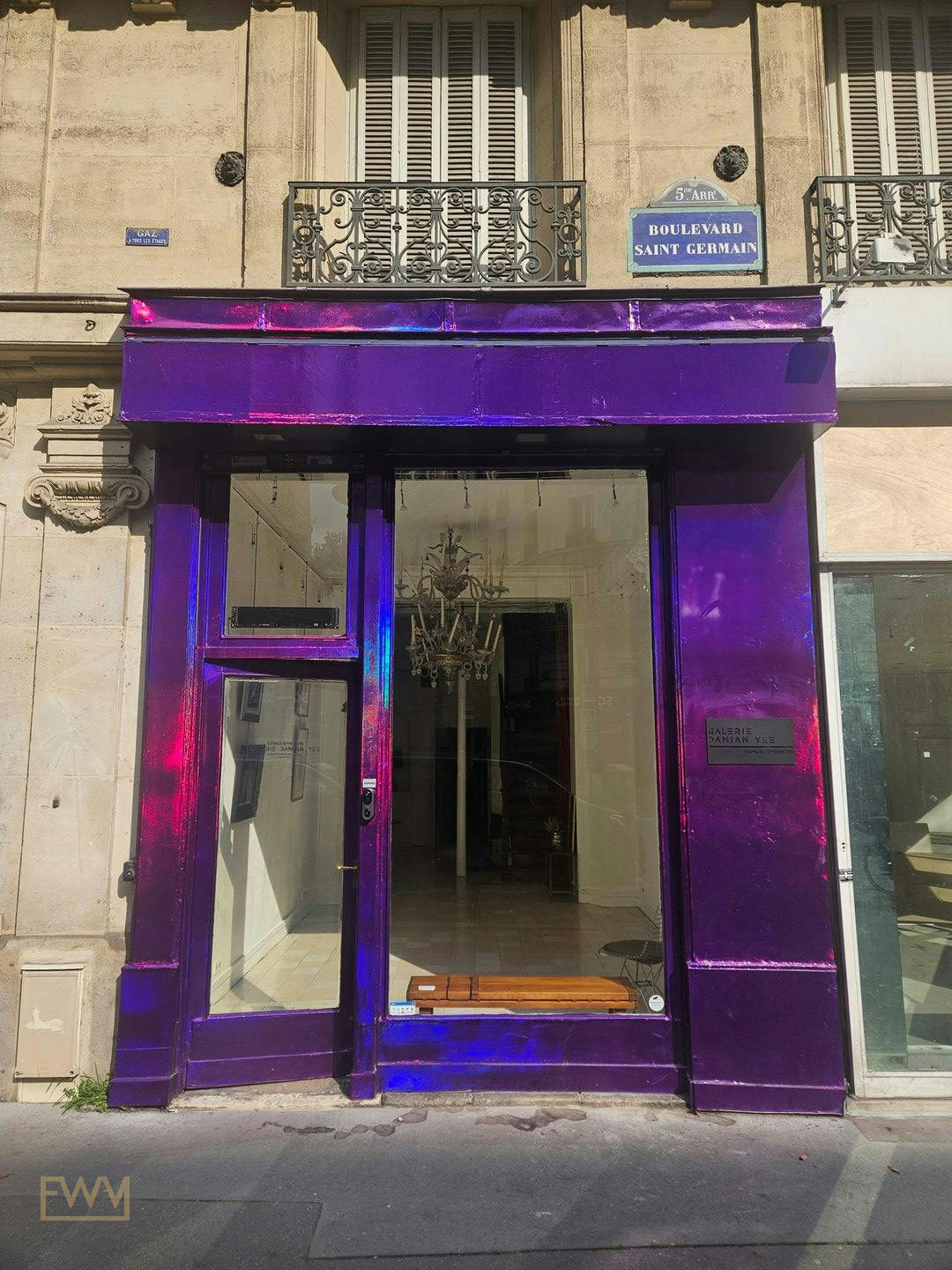
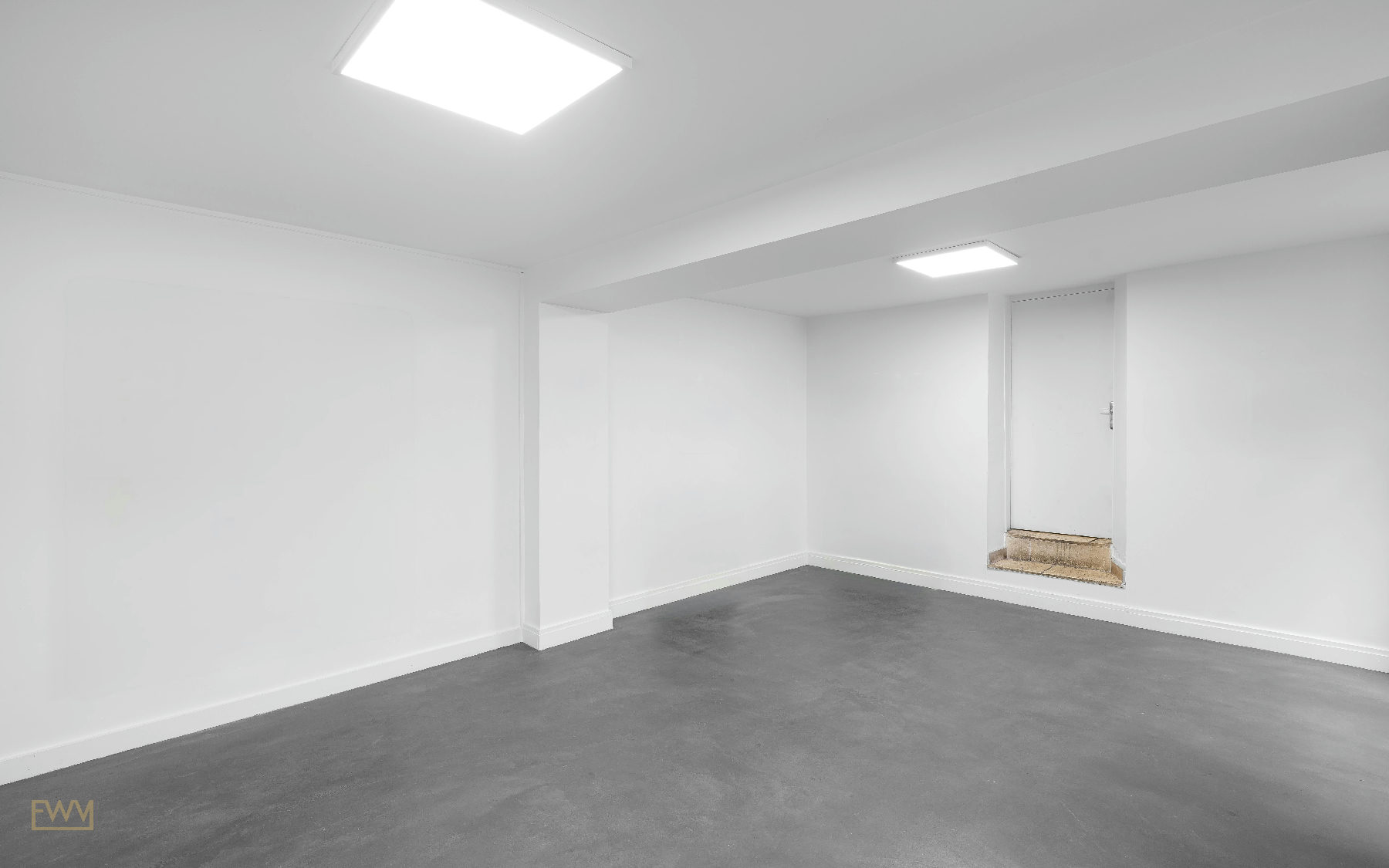
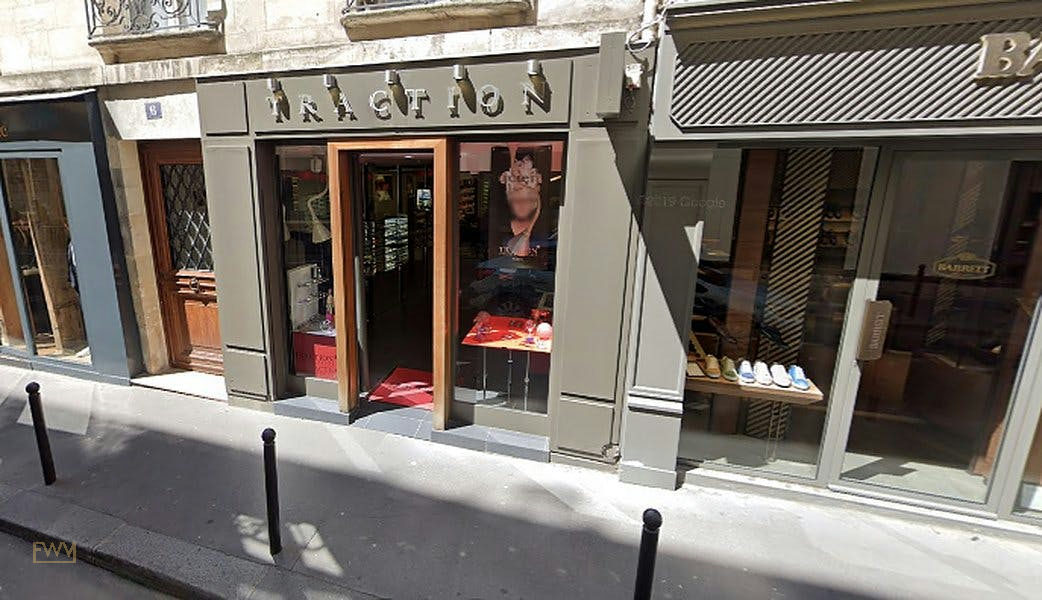
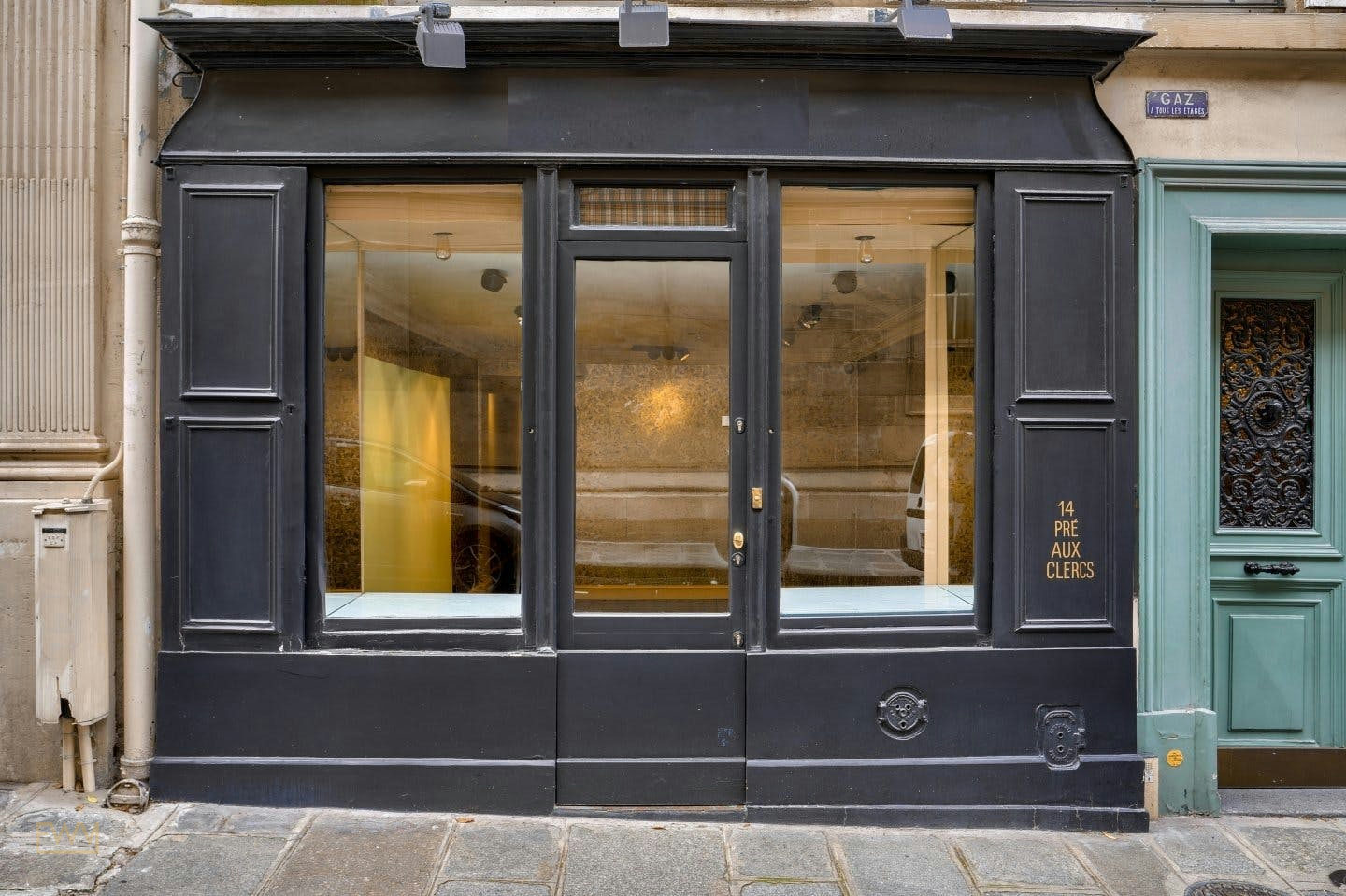
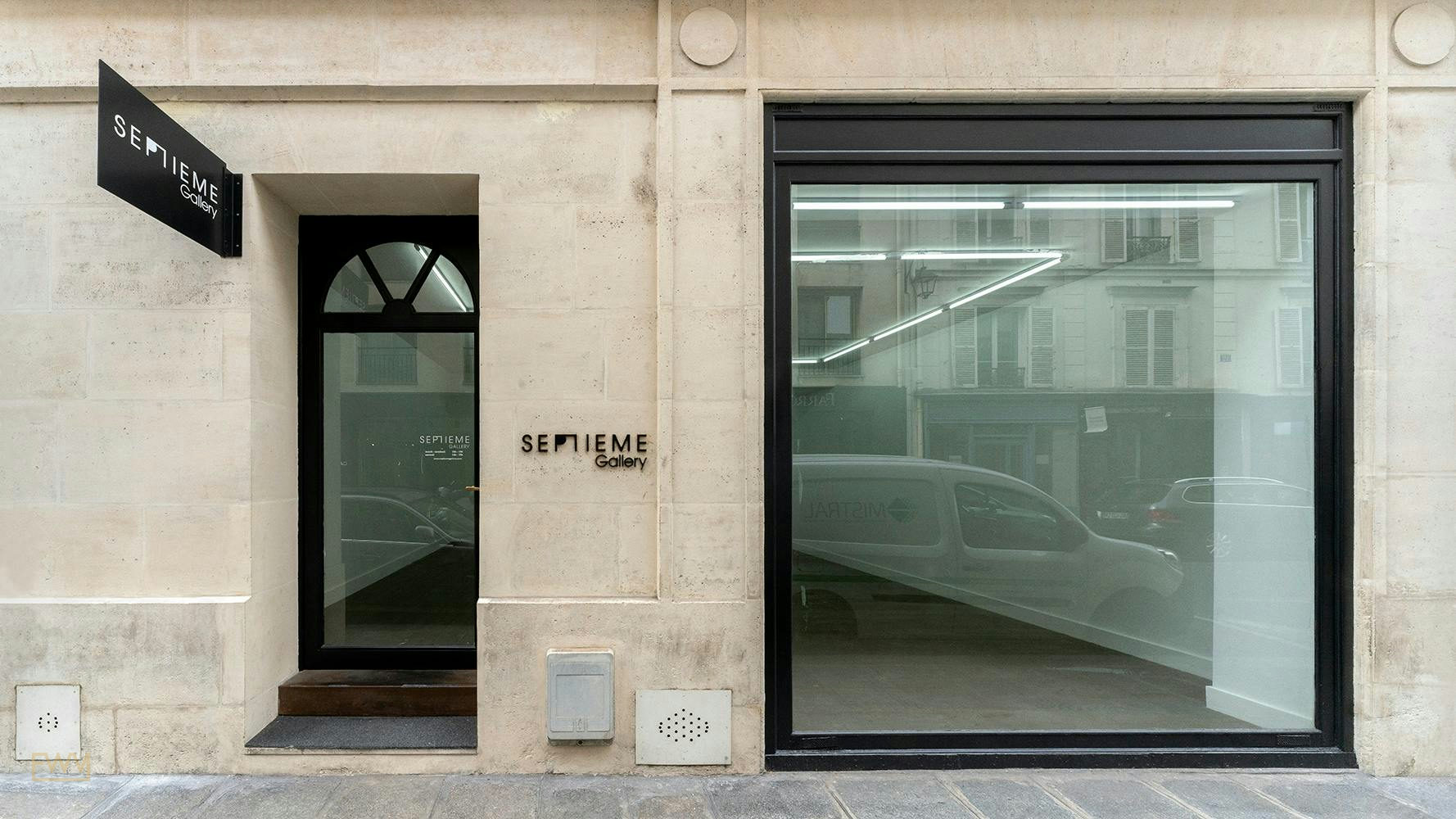
Choosing the right venue for your event during Fashion Week in Paris is critical for success. With a prime calendar position and diverse space options, Paris offers a unique opportunity for brand activations and short-term retail. Fashion Week Venues provides a streamlined approach to venue sourcing, concept development, and activation management in this vibrant city. Navigate the challenges of selecting an ideal location, and understand the nuances of permits, logistics, and the fashion calendar to maximize your brand's impact.
Understanding Paris as a Fashion Capital
Paris stands as a global hub for fashion, renowned for its iconic fashion week, rich culture, and status as a luxury retail destination. The city's unique blend of historical significance and modern fashion innovation makes it an unparalleled choice for brand activation. With the charm of districts like Le Marais and the grandeur of places such as the Place Vendôme, Paris offers diverse environments for events.
Fashion Week in Paris attracts thousands of industry professionals, creating a dynamic atmosphere for both established and emerging brands. The city's infrastructure supports major events, with numerous spaces equipped to handle different types of activations—from sophisticated pop-up shops to more intimate showroom experiences.
Quick answer: Paris's appeal as a fashion hub lies in its rich fashion history, diverse venues, and its pivotal role in the global fashion calendar, making it ideal for impactful brand events.
Historically, Paris has set the standards in haute couture and fashion innovation, which continue to influence global trends. The Federation de la Haute Couture et de la Mode plays a central role in organizing Paris Fashion Week, setting the stage for both tradition and creativity. Brands can leverage this prestigious backdrop to enhance their visibility and reputation.
In addition to location benefits, brands must consider logistical aspects such as traffic patterns and accessibility. Upcoming events, public transport connections, and nearby accommodations are also crucial. For example, arranging a showroom in Saint-Germain-des-Prés not only frames the brand in a neighborhood known for elegance but also provides strategic proximity to key transport hubs and lifestyle amenities.
KEY TAKEAWAY: Paris offers a unique fusion of cultural prestige and logistical excellence crucial for hosting successful fashion events. This makes it a preferred spot for brand launches and experiential marketing.
While Paris captivates with its potential, planning an event here requires understanding both its opportunities and challenges. This sets the stage for evaluating the type of space that suits your brand’s goals and identity, which will be discussed in subsequent sections.
Choosing the Right Venue for Your Event
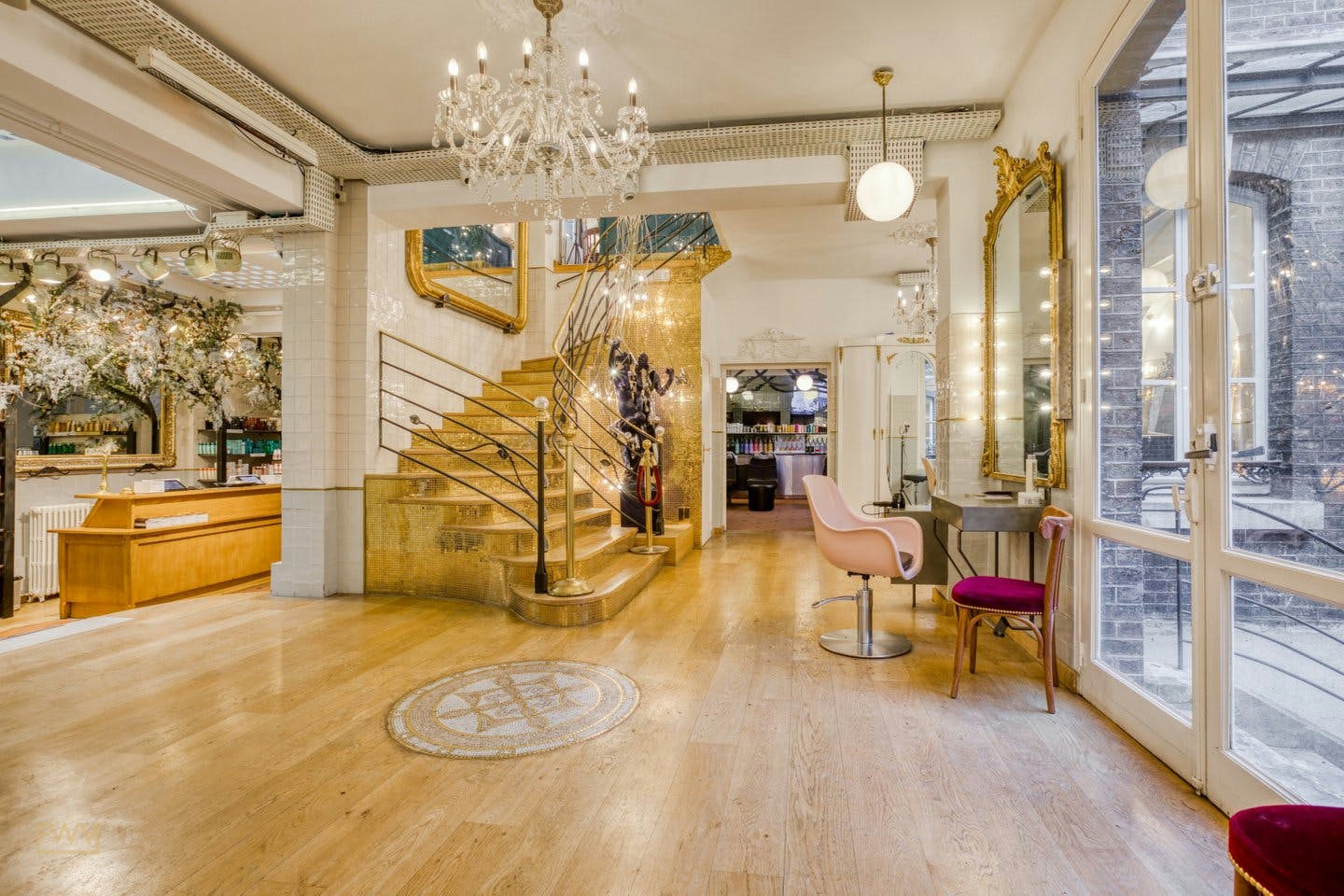
Choosing an appropriate venue is imperative to the success of any fashion-related event. The venue reflects the brand’s identity and sets the stage for the experience you wish to create. From historic locations infused with vintage elegance to modern minimalist spaces, Paris provides a plethora of options to choose from.
When considering venues, start by defining your event’s objectives. Are you looking to showcase a new collection, host an exclusive party, or engage in retail sales through a pop-up shop? Each objective aligns with specific venue types. For example, luxury manor houses in the 8th arrondissement are perfect for exclusive showcases, while trendy lofts in Canal Saint-Martin might better suit pop-up retail aiming at a younger demographic.
| Venue Type | Best For | Key Locations |
|---|---|---|
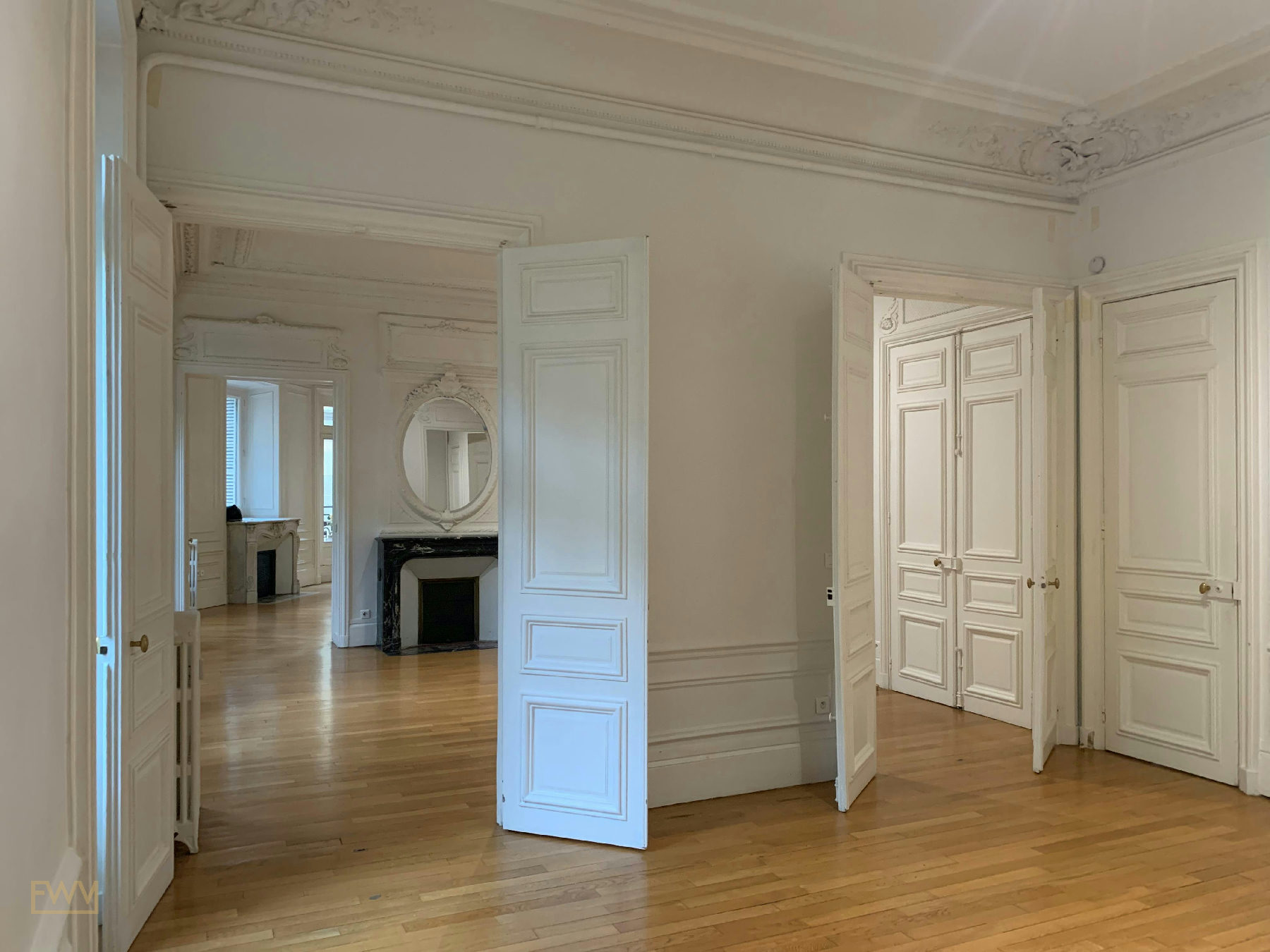
| Historic Mansion | High-end fashion displays | Champs-Élysées, Trocadéro |
| Warehouse | Large shows, events with installations | Bercy, 11th arrondissement |
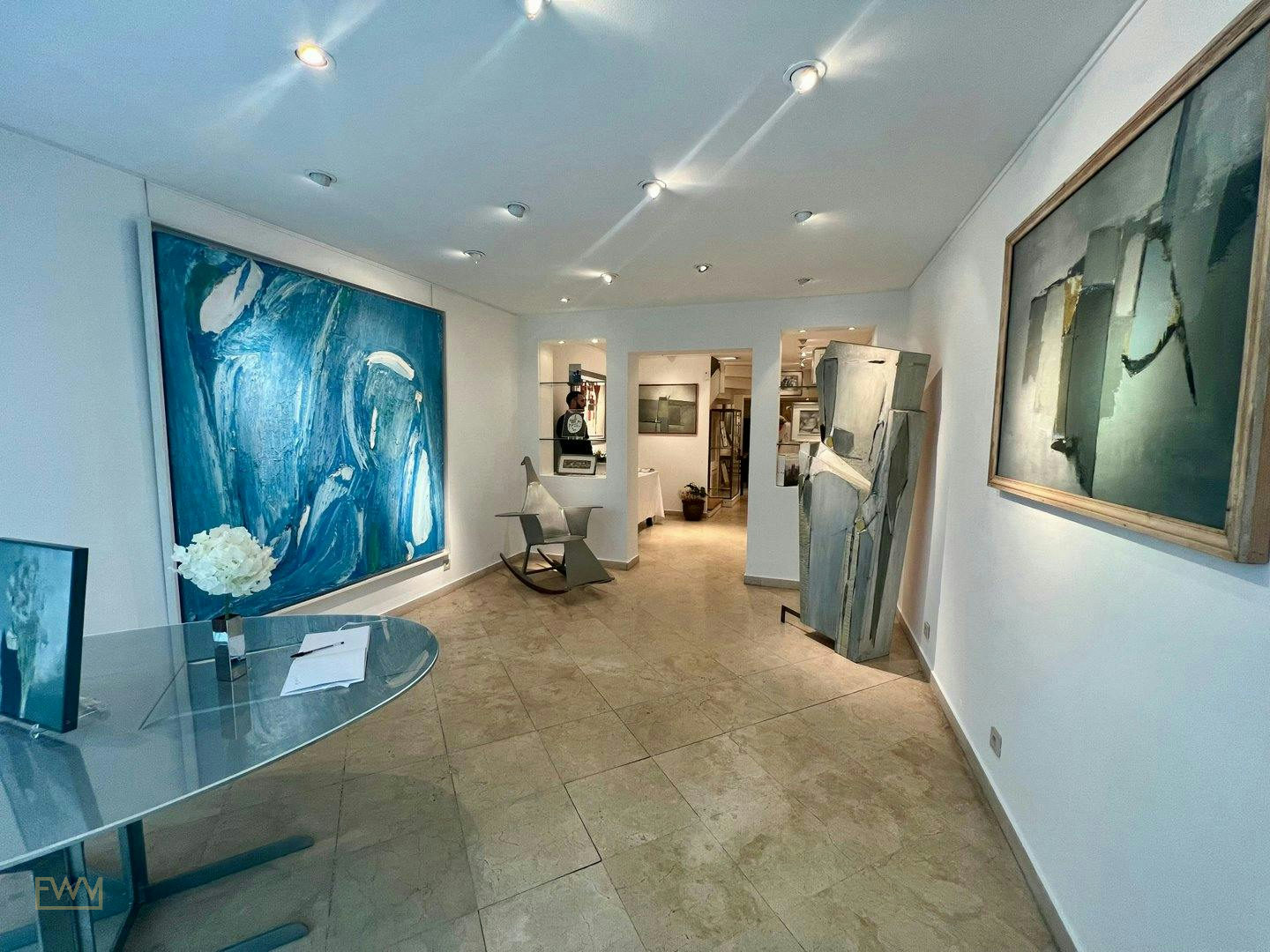
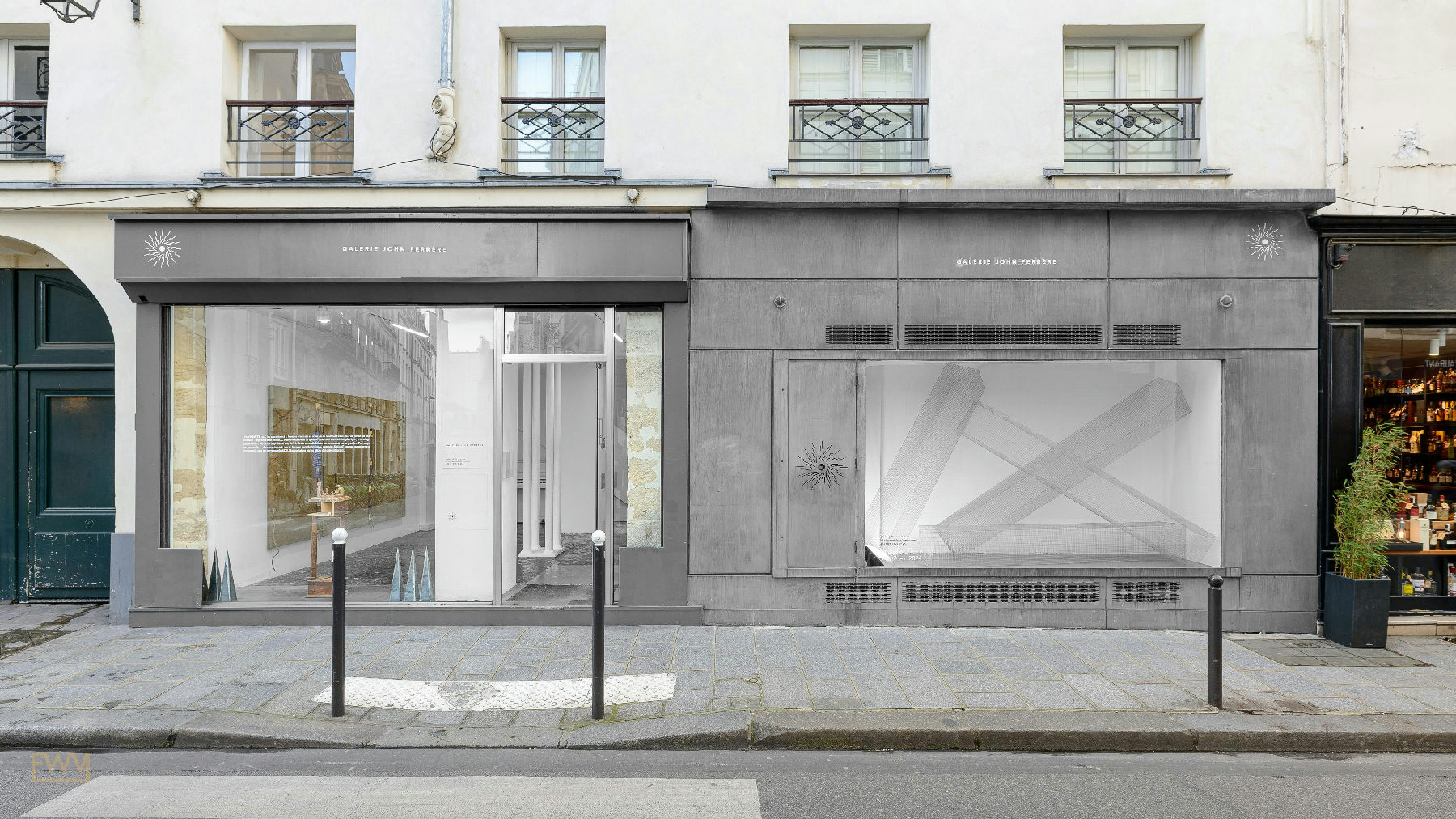
| Gallery Space | Artistic showcases, collaborations | Le Marais, Montmartre |
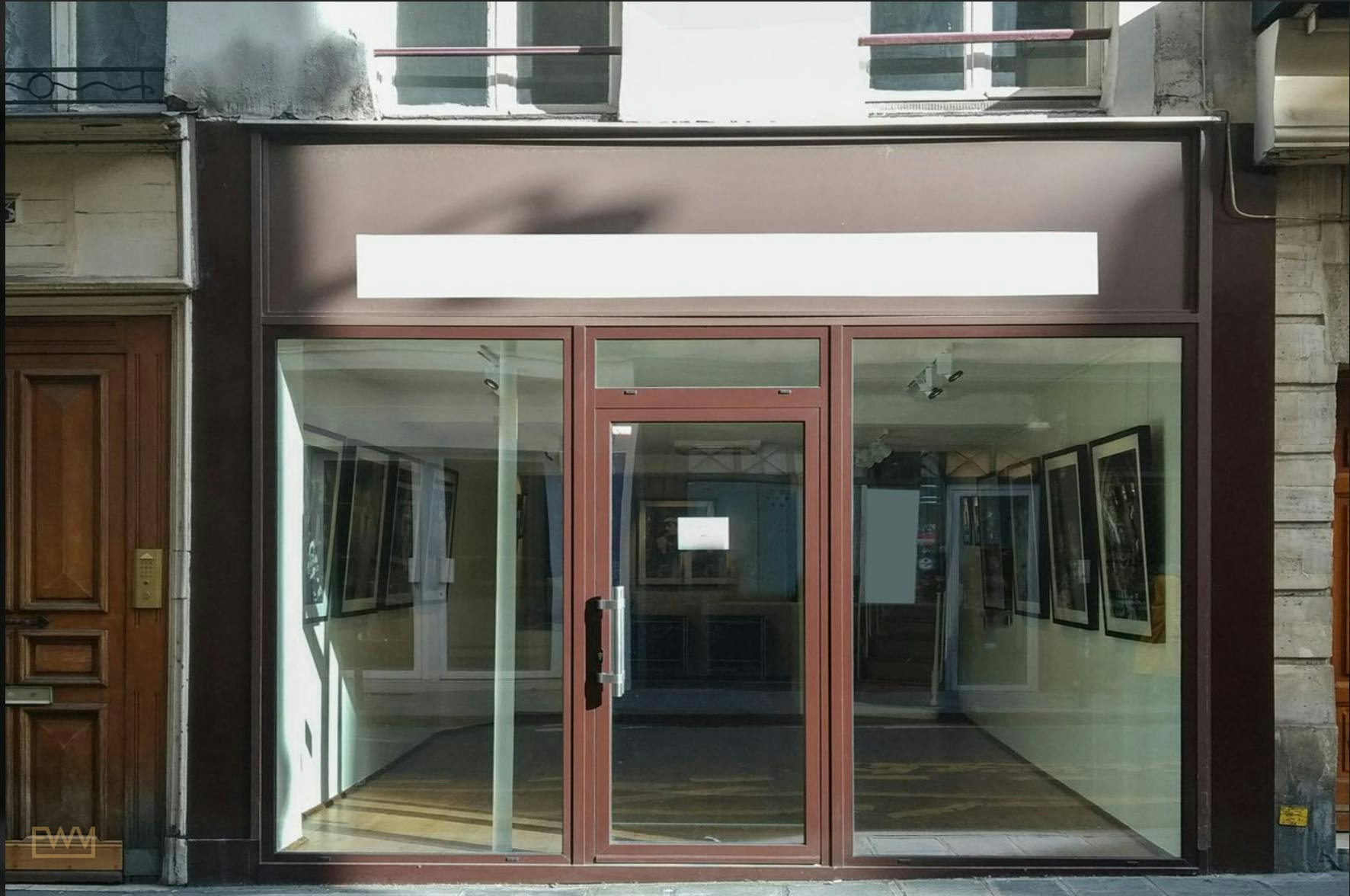
| Retail Shop | Pop-up sales, consumer engagement | Rue de Rivoli, Le Marais |
Quick answer: The choice of venue should align with the brand's goals, matching the space's ambiance with the event's purpose and target audience to create a cohesive experience.
Additional factors such as the size of the venue, its technological capabilities, and its existing amenities also play significant roles in decision-making. Large-scale shows require venues with ample floor space and robust infrastructure, while more intimate presentations may focus on aesthetic appeal and location.
An important aspect of venue selection is neighborhood fit; each area in Paris radiates distinct vibes. For example, Le Marais caters to the avant-garde and boutique labels, whereas the Opéra district aligns well with brands seeking a more classical or corporate presentation.
KEY TAKEAWAY: Matching the venue’s inherent vibe and logistical capabilities with the brand’s identity and event objectives ensures a seamless alignment of goals and execution style.
After thoughtfully considering the type of venue and neighborhood suitability, it is crucial to move forward with planning the creative direction of the event, which will cement the brand's intended message and experience—discussed next.
Planning and Execution: Creative Direction and Production
Once a suitable venue is selected, capturing the essence of your brand through creative direction and production is the next critical step. The process involves designing the overall theme, layout, and atmosphere of the venue that resonates with your target audience while cohesively blending with the brand's identity.
Creative direction sets the tone and utilizes visual merchandising strategies to engage attendees. Involvement of experienced creative directors ensures the alignment of visual aesthetics with brand narratives. This stage includes planning layouts, selecting decor, and lighting that enhances both the venue's architecture and the display of fashion items.
Production encompasses logistics like lighting and sound, building temporary structures, and managing set installations. It is essential to have a skilled production team adept in problem-solving and able to adapt to the unique challenges of temporary retail spaces in ever-vibrant Paris.
Quick answer: Effective planning and execution hinge on aligning creative direction with brand identity and ensuring technical precision through professional production management.For instance, hiring a professional company for fit-out and production can streamline this process, helping to ensure flexibility and readiness for unforeseen changes. Details like signage, temperature control, and accessibility also fall under production considerations and should not be overlooked.
KEY TAKEAWAY: A well-executed production plan that integrates creative direction with practical concerns and technical needs forms the foundation for a successful brand activation event.
This meticulous focus on execution extends naturally into the broader questions of how precisely to orchestrate the entire event from start to finish, which elevates execution to a level of logistical finesse, as will be discussed in the following sections on activation management and staffing.
Activation Management and Staffing Solutions
Activation management is the process of ensuring that all logistical elements of the event flow seamlessly from concept to completion. This involves managing schedules, coordinating with vendors, and ensuring all interactive elements function as intended during the event.
Engaging a comprehensive activation management service, like the one offered by Fashion Week Venues, can provide dedicated teams to oversee every aspect of the event. This guarantees that every part of the event unfolds as planned, with contingency plans in place should unexpected hurdles arise.
Staffing is another fundamental aspect. The caliber of on-site personnel can profoundly impact the attendee experience. Fashion Week Venues provides specialized retail staffing solutions tailored to provide exceptional customer service, knowledgeable assistance, and proficient inventory management.
Quick answer: Ensuring smooth operation through expert activation management and high-quality staffing is critical for maintaining brand reputation and delivering a memorable event.
These solutions create an effortless brand presentation, allowing you to focus more on strategic interactions with your audience and less on logistical particulars. Staffing not only includes front-facing roles but also behind-the-scenes management, ensuring operational excellence at every level. Trained staff brings confidence and professionalism to the event, elevating overall customer satisfaction.
KEY TAKEAWAY: Investing in robust activation management and staffing solutions ensures operational efficiency, which in turn enhances brand perception through seamless customer interaction.
With activation and staffing considerations in place, attention turns to another critical component: managing financials and ensuring cost-effective deployment of resources discussed in the following budget overview section.
Navigating Budget Planning for Fashion Week Events
Budget planning is a pivotal part of event organization, impacting every decision from venue selection to staffing. Understanding costs upfront and planning accordingly can prevent financial oversights and ensure the most efficient use of available resources.
Start by identifying all categories of potential expenses: venue rental, permits, production costs, staffing, marketing, and incidentals. Estimating each of these can create a comprehensive picture of the total costs involved. Tools such as the budget calculator by Fashion Week Venues can assist in obtaining brand-specific cost estimates tailored to your unique needs.
Quick answer: Effective budget planning involves anticipating all categories of expenses, using detailed estimates to align financial commitments with available resources.
Understanding the pricing model prevalent in Parisian spaces can differ significantly based on location, size, and historical significance. For instance, renting a space in Rue Saint-Honoré or Palais de Tokyo may involve premium rates compared to equally functional spaces in less prominent areas.
Consider the opportunity costs of each decision. Allocating more for a prime location—or redistributing funds towards boosting marketing efforts—demands careful deliberation. It's a balancing act between maintaining a brand’s prestige and optimizing financial efficiency.
| Expense Category | Cost Consideration | Impact |
|---|---|---|
| Venue Rental | Location, size, accessibility | Brand visibility, attendee experience |
| Production Costs | Design, construction | Visual appeal, atmosphere |
| Staffing | Number, expertise | Customer service quality |
| Marketing | Channels, reach | Audience engagement, turnout |
KEY TAKEAWAY: Prioritizing budget allocation to balance visibility with operational efficiency ensures a successful event without unnecessary overspend.
With a solid budget strategy in place, the next logical step is addressing the legal and administrative requirements particular to the Parisian market, essential for operational compliance.
Understanding Permit and Compliance Requirements
Operating legally and ensuring compliance with local regulations is a crucial element in planning a retail activation or event in Paris. French law requires adherence to specific rules, which can vary depending on the type of venue, event duration, and location within the city.
Key to this understanding is the use of the bail dérogatoire, a special lease agreement used for short-term renting commonly aligned with temporary events like pop-ups. It’s essential to differentiate this from standard commercial leases, which do not cover short-term, irregular use. The autorisations d’occupation temporaire (AOT) may also be needed, granting temporary occupancy in public spaces, commonly issued by municipal authorities.
Quick answer: Navigating Parisian permit requirements involves understanding crucial agreements like the bail dérogatoire and the AOT for temporary use cases.
Requirements may vary depending on arrondissements, each having its own administrative conditions and procedures. It is advisable to contact local authorities or leverage tools like the Permits Guide by Fashion Week Venues to get guidance specific to your event location.
TIP: Consult a French legal advisor to verify specific permit requirements for your intended venue and duration to ensure full compliance with local laws.
KEY TAKEAWAY: Adequate research and consultation with legal professionals can avoid compliance-related disruptions, safeguarding your event planning timeline.
With compliance considerations settled, focus shifts to marketing strategies that can amplify the presence of your brand activation for an engaging and memorable consumer experience.
Marketing Strategies for Successful Brand Activation
Effective marketing strategies are essential for driving foot traffic and capturing consumer interest during events. The right combination of digital and traditional marketing techniques can create a buzz that draws attendees in droves.
Digital strategies include social media campaigns utilizing platforms like Instagram and TikTok, where visual appeal and real-time engagement are powerful tools. Implementing these platforms effectively requires strong influencer partnerships. Fashion Week Venues offers influencer marketing services specifically curated for fashion events.
Physical marketing, such as strategic signage, street banners, and collaborations with local businesses, amplifies brand visibility. This involves coordinating with partners and utilizing neighborhood synergies, especially in historically vibrant locales like Le Marais and Canal Saint-Martin.
Quick answer: Blending digital marketing with traditional methods, leveraging influencer partnerships and local synergies, enhances the reach and impact of your event.
Marketing efforts should be aligned with event objectives—whether creating exclusivity or maximizing reach. Technologies like geo-targeting ads help connect with local audiences more effectively, while engaging visuals and storytelling through narrative-driven content can differentiate the brand narrative.
KEY TAKEAWAY: A marketing strategy combining digital engagement and localized marketing tactics ensures maximized reach and consumer connection for your brand activation.
By harnessing innovative marketing strategies, your event is poised for a heightened impact, setting the stage for measuring success through data collection and analysis, the focus of the upcoming section.
Maximizing Impact: Data Collection and Analytics
Data collection and analytics offer invaluable insights into the effectiveness of fashion events, allowing brands to assess their performance robustly. With accurate data, brands can measure ROI and refine future marketing strategies and brand activations.
Installing point-of-sale sensors, engaging customers through QR codes, and collecting feedback via surveys are practical ways to gather data. These measures provide insights into customer demographics, sales performance, and engagement levels. Analyzing social media interactions and website traffic metrics augments these insights.
Quick answer: Implementing analytics at fashion events allows brands to evaluate effectiveness through real-time data on customer demographics, sales, and engagement levels.
Deploying these data strategies in cooperation with the use of analytics tools like those offered by Fashion Week Venues can help brands verify if objectives focused on sales or brand interaction are met. For example, using Fashion Week Venues’ Data and Analytics services, brands can measure metrics tailored to their activation objectives.
Integrating customer data effectively involves respecting privacy regulations, ensuring any data shared complies with GDPR requirements. Insights derived from this are pivotal in shaping future brand strategies and deciding venue choices and event formats.
KEY TAKEAWAY: Strategic use of data collection and analytics informs decision-making and strengthens future brand activations, underpinning long-term strategic objectives.
By harnessing these analytics, brands prepare to transition to more enduring market strategies, touching upon the lessons learned and their broader implications, which will be examined in the final section on outcomes and next steps.
Common Myths Debunked
MYTH: You must have a French legal entity to rent a space in Paris.
FACT: While operating in Paris requires legal compliance, renting a venue does not strictly need a French entity. International brands can engage professional agencies like Fashion Week Venues to navigate legal requirements such as the bail dérogatoire, ensuring they meet compliance standards without forming a local entity.
MYTH: Paris Fashion Week is the only viable calendar window for events.
FACT: Although Paris Fashion Week is a high-impact time for events, the Paris fashion scene is dynamic year-round. Brands may find success in off-peak seasons, benefiting from reduced costs and competition. With strategic timing, even lesser-known periods can offer prime opportunities for engagement.
MYTH: Renting through commission brokers is the only way to find a space.
FACT: While commission brokers are a resource, they are not the sole option for venue sourcing. Agencies with a comprehensive marketplace, like Fashion Week Venues, offer direct access to diverse and meticulously curated spaces, bypassing middlemen and potentially lower costs.
MYTH: Short-term leases are legally straightforward and don’t require specialist help.
FACT: Short-term leases like the bail dérogatoire and AOT require understanding specific legal terms and compliance. Utilizing specialist services ensures that brands are protected legally and operationally, mitigating potential issues with local regulations.
Frequently Asked Questions
What is the best time to host a fashion event in Paris?
Paris Fashion Week is undoubtedly a popular time, attracting industry attention and clientele from around the world. However, Paris supports fashion events throughout the year. Depending on your objectives, hosting during the city's quieter periods can offer unique opportunities for brand exposure and cost efficiency. Strategic timing can help align your event with specific market trends.
How can I ensure my brand activation complies with French regulations?
Understanding French legal requirements is critical. This includes securing the necessary permits such as the bail dérogatoire for lease agreements. Consulting legal experts and utilizing resources like Fashion Week Venues' Permits Guide can help navigate these complexities effectively. Ensure all operations comply with local laws and administrative procedures.
Are there any special benefits to hosting an event in Paris?
Paris is recognized as a global fashion capital with a rich history and dynamic present. Hosting an event here can elevate a brand’s prestige, providing exposure to an international audience. Aside from the cultural allure, Paris offers comprehensive venues and infrastructure types, from chic galleries to expansive halls, supporting diverse event requirements.
What types of venues are available for pop-up events in Paris?
The Parisian venue landscape is diverse, catering to various needs—from elegant historical spaces to modern minimalist locations. Areas like Le Marais offer charming boutique settings, while larger installations might find better fits in spaces near the Bercy or Trocadéro areas, depending on event scale and branding intentions.
How important is location selection in Paris for fashion events?
Location is crucial as it influences brand perception and logistical ease. Each neighborhood in Paris carries its own vibe, client demographic, and historical associations. Selecting a location aligned with your brand image is key. Neighborhoods like Rue Saint-Honoré offer luxury appeal, while Canal Saint-Martin is better suited for trendy, modern activations.
Why should I use Fashion Week Venues to plan my Parisian event?
Fashion Week Venues offers a comprehensive suite of services tailored to meet diverse event needs in Paris. From venue sourcing to production and data analytics, they provide solutions that simplify the complex logistics of event planning. Utilizing their resources ensures comprehensive support and expert insight to maximize event success.
What staffing solutions does Fashion Week Venues offer?
Fashion Week Venues provides tailored staffing services to ensure a successful event, offering personnel skilled in customer service and inventory management. Having dedicated staff on hand enhances client interaction and manages operational tasks smoothly, thereby elevating the event experience for your brand.
How do I plan my budget for a fashion event during Paris Fashion Week?
Start with a detailed outline of projected expenses including venue, staffing, and marketing. Utilizing Fashion Week Venues’ budget tool can help align your expenses with your financial constraints while optimizing resource allocation. Budget planning helps maintain financial clarity and operational efficiency.
What are the key challenges when organizing a fashion event in Paris?
Key challenges include navigating legal restrictions, high competition during peak seasons, and the logistical intricacies of venue and staff management. Engaging experts like Fashion Week Venues can mitigate these challenges, ensuring compliance and offering strategic guidance to avoid common pitfalls.
Can I access data analytics support during my event?
Yes, integrating data analytics during your event is crucial for measuring success. Services such as those offered by Fashion Week Venues can help capture and analyze metrics related to consumer engagement, sales, and demographic data, enabling you to refine strategies and make informed decisions moving forward.
Is local collaboration necessary for the event's success?
Local collaborations can greatly enhance an event’s engagement and marketing appeal in Paris. Partnering with local influencers and businesses can bolster your brand’s footprint and create authentic interactions with the target audience. Utilizing the community's existing networks intensifies brand visibility and connection.
Conclusion
Planning and executing a successful fashion event in Paris involves careful consideration of numerous factors, from venue selection and creative direction to compliance with local regulations and robust marketing strategies. Utilizing the comprehensive services offered by Fashion Week Venues can streamline this process, ensuring that your brand stands out in one of the most prestigious fashion capitals. As you move forward in your planning, explore available spaces on the Fashion Week Venues marketplace, building an informed and focused brief tailored to your brand's needs and goals for Paris Fashion Week or beyond.