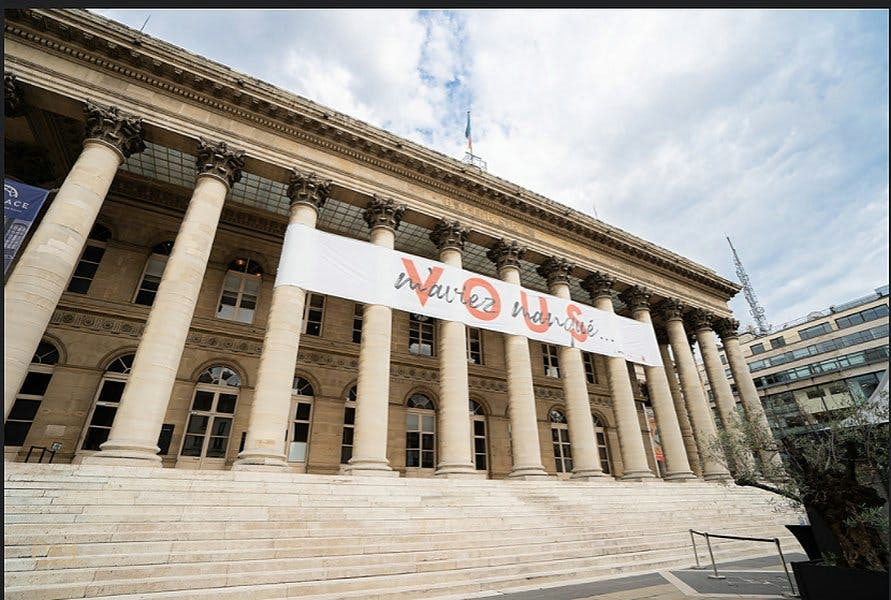
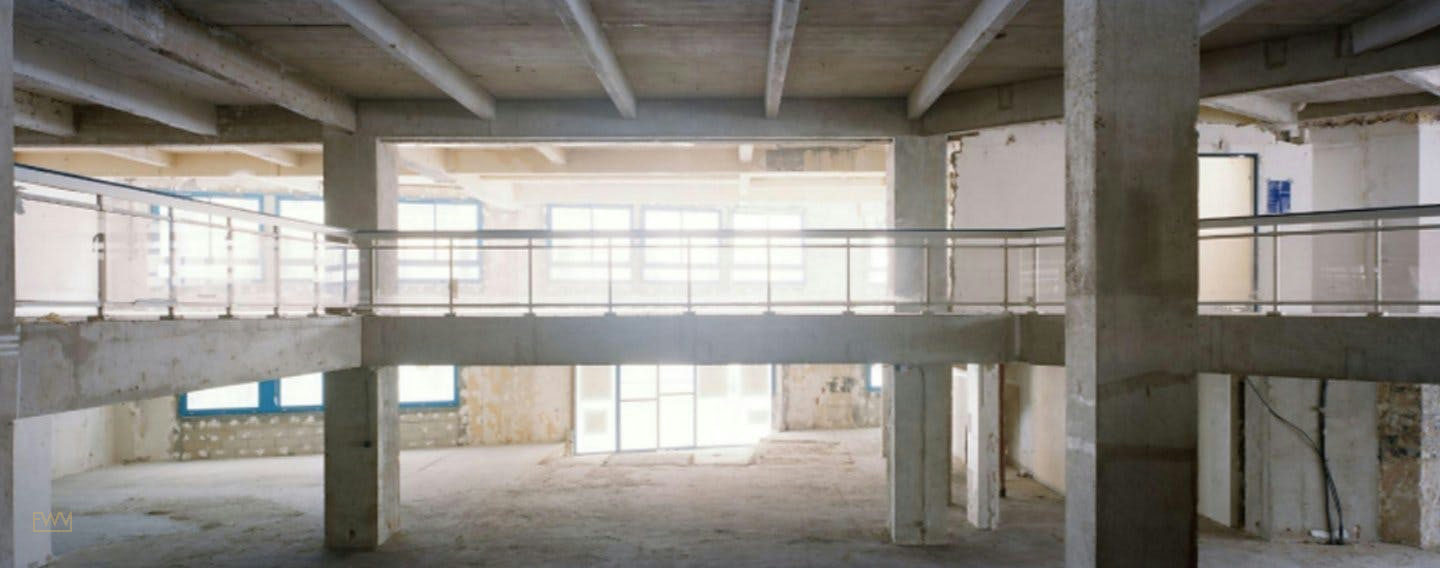
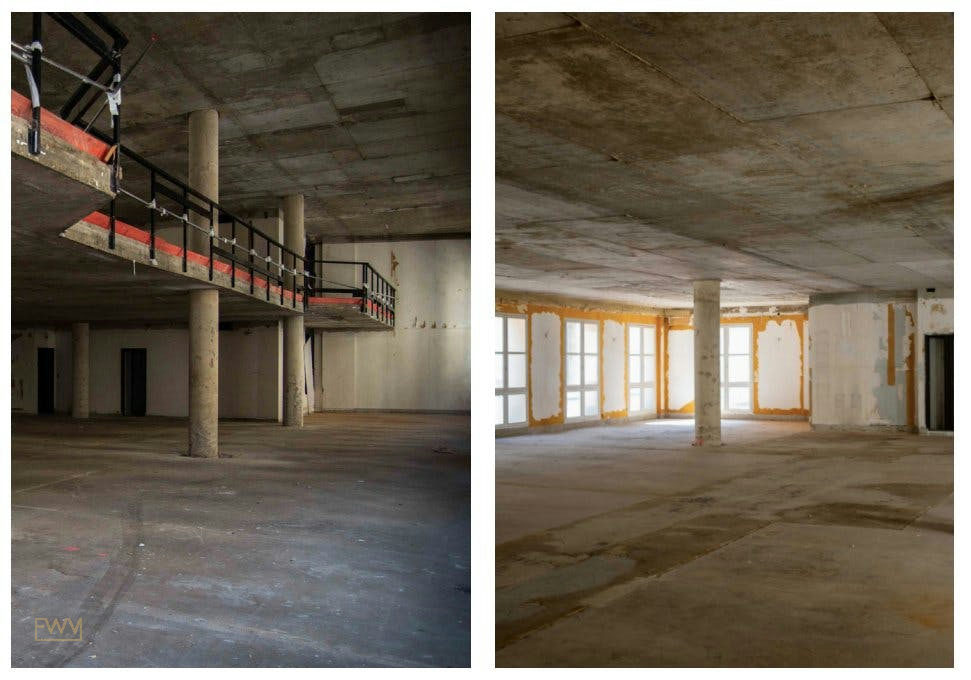
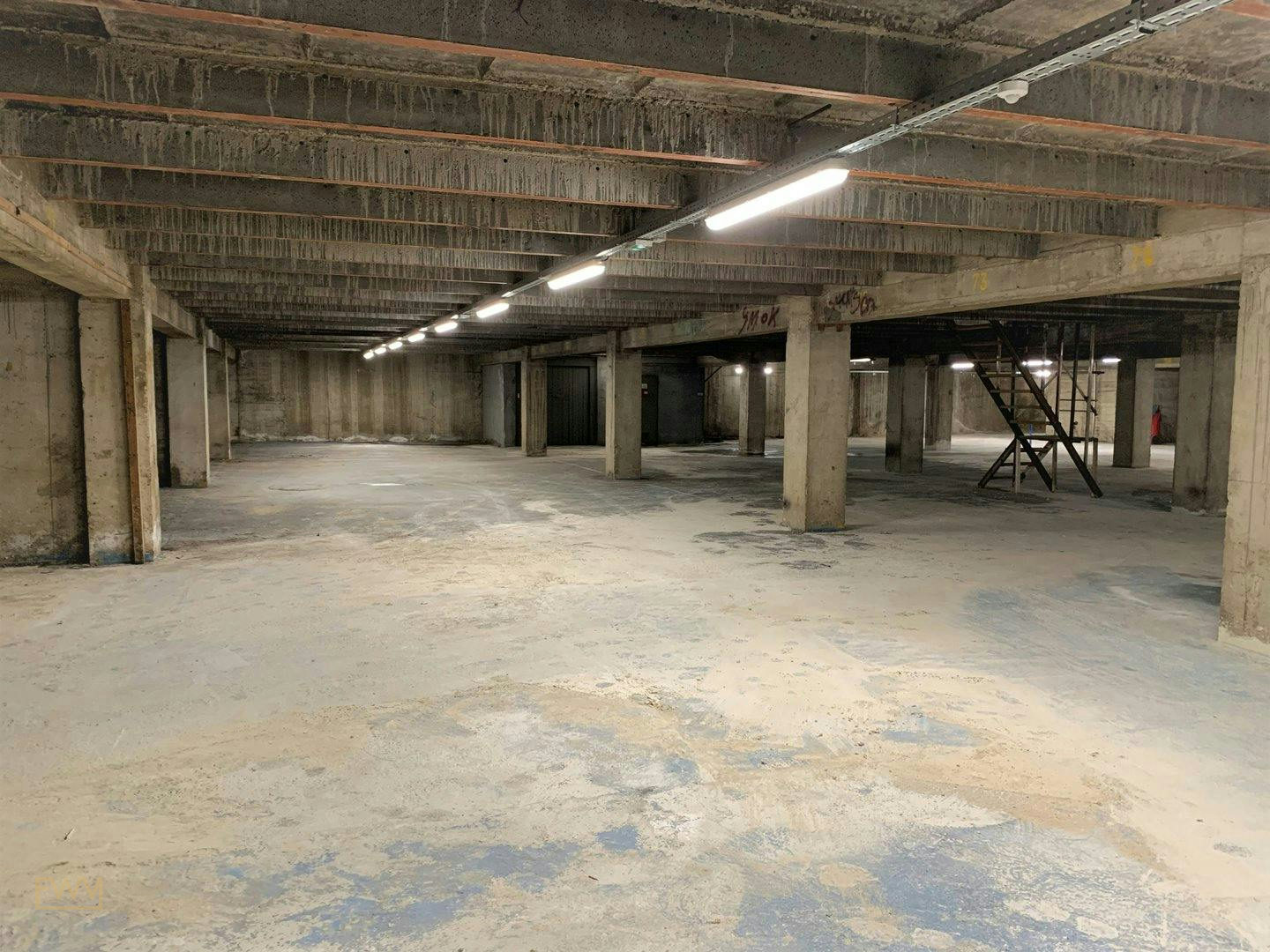
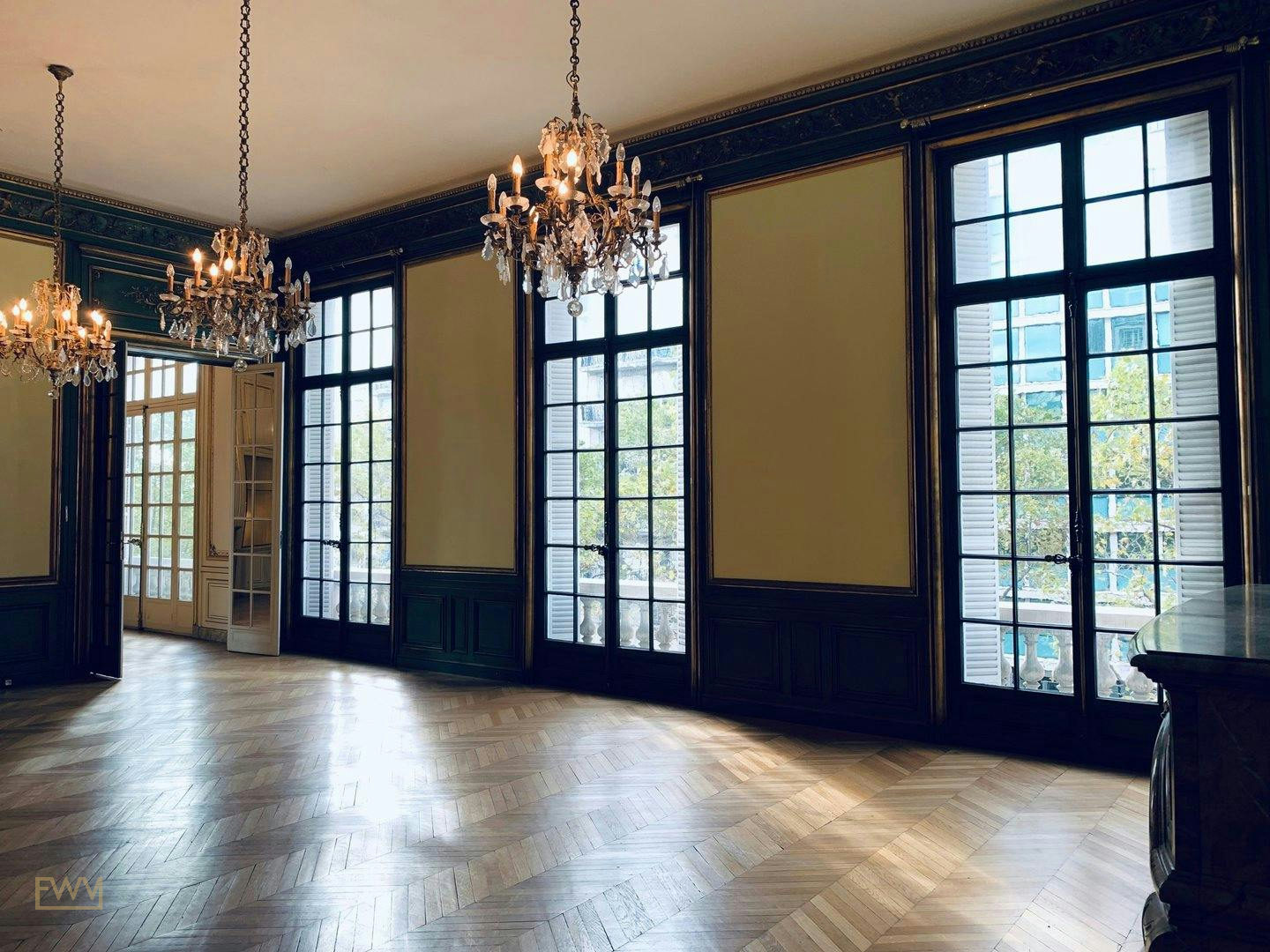
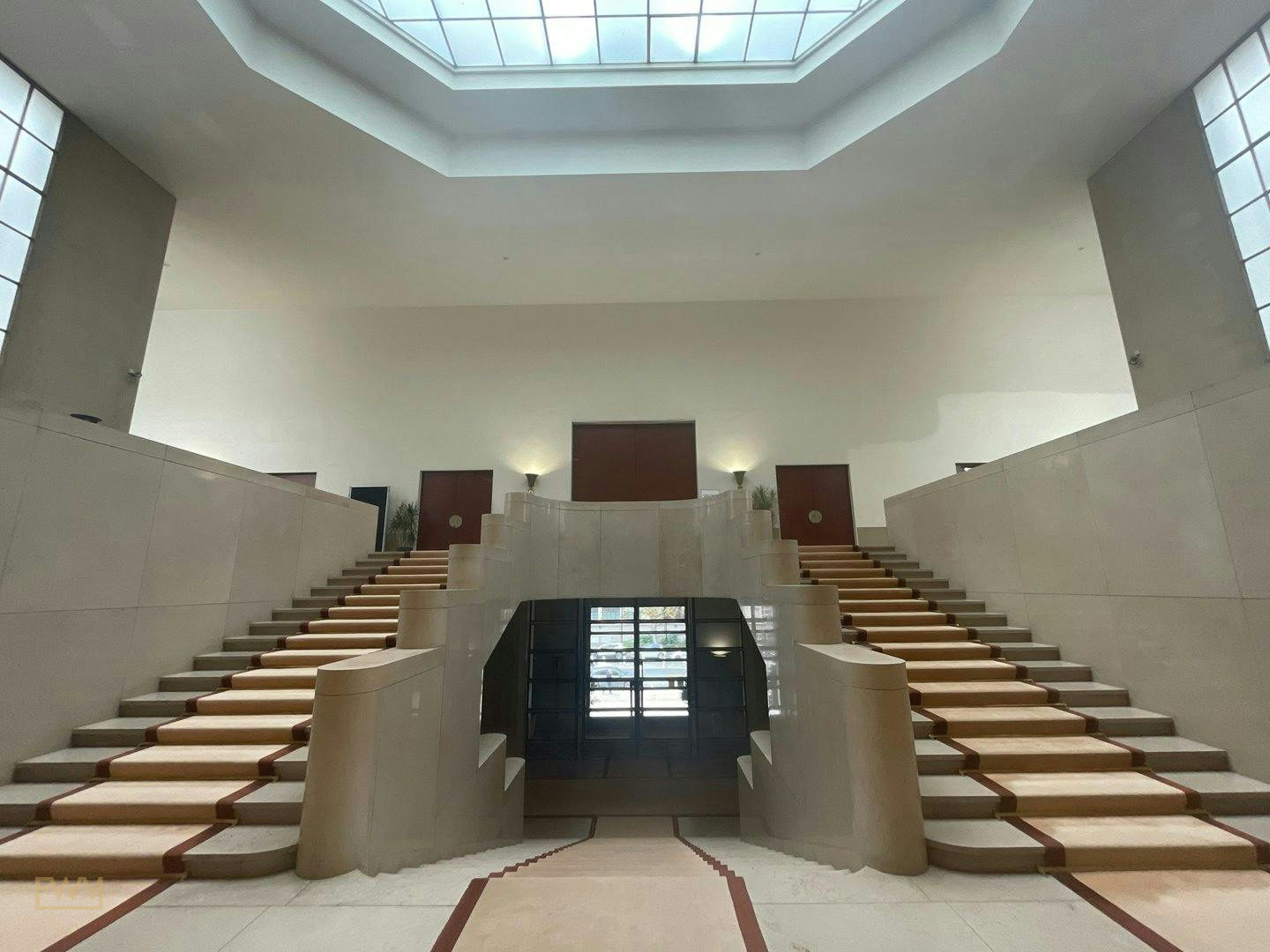
The vibrant city of Paris, with its rich culture and history, stands as a global hub for fashion and luxury brands, particularly during the coveted Fashion Week periods. Partnering with a full-service agency like Fashion Week Venues can be the key to unlocking unparalleled success for brands looking to make a mark through pop-up spaces, showrooms, and event venues. Beyond offering venue sourcing, they provide comprehensive services that encompass concept direction, production and build, activation management, and more. This article explores the complexities and opportunities involved in choosing the right space in Paris, ensuring compliance with legal requirements, and navigating the competitive landscape of short-term retail activations.
Understanding the Paris Fashion Week Landscape
The Paris Fashion Week is an essential event for any brand looking to make a splash in the fashion industry. It gathers fashion enthusiasts, buyers, and global media eyes, offering an ideal opportunity to showcase your brand. Understanding the intricacies of securing the right venue in Paris can significantly enhance your activation strategy.
First, it is crucial to understand the alternating venues and key events that take place across the city. Popular districts like Le Marais, Saint-Germain-des-Prés, and Rue Saint-Honoré are hotspots for pop-up activations. These areas are characterized by foot traffic and a diverse clientele, allowing brands to capture a wide audience effectively.
Additionally, brands must navigate the official calendar set by Fédération de la Haute Couture et de la Mode, aligning with available venues that meet logistical and aesthetic needs. Considering factors such as the size of the venue, transport accessibility, and historical significance can determine the success of your event.
KEY TAKEAWAY: Align your brand's activation with the calendar and key districts of Paris Fashion Week to maximize visibility and engagement.
Next, we delve into the legal framework you need to understand when renting venues in Paris.
Legal Considerations for Renting Venues in Paris
When planning a pop-up event in Paris, understanding and complying with local legal requirements is non-negotiable. Ensuring that you meet these criteria can help avoid potential legal hassles and ensure the smooth execution of your event.
The primary legal structures to be aware of are the bail dérogatoire and the Autorisation d'Occupation Temporaire (AOT). These permits allow for temporary use of spaces without the need for a lengthy or permanent commercial lease, making them ideal for short-term activations during events like Fashion Week.
However, securing these permits can require careful negotiation and compliance with local regulations, which can vary significantly based on the arrondissement in which you plan to stage your pop-up. Having a French legal advisor review permits and agreements is recommended to ensure compliance and to avoid any breaches that could lead to fines or event cancellation. The Fashion Week Venues permits tool can help guide you through this complex process.
Quick answer: To hold a pop-up event in Paris, you need to understand and comply with local permits like the bail dérogatoire or AOT, tailored to short-term use during Fashion Week periods.
Overall, meticulous legal planning is crucial before moving on to the creative direction and production of your space.
Creative Direction and Branding in Paris
Creative direction plays a pivotal role in establishing your brand's presence during Fashion Week. Your choice in venue and how it translates your brand's story through architectural elements, design, and ambiance is critical in captivating your target audience.
Brands must focus on cohesive design elements that reflect their core values and resonate with the local clientele, as well as international audiences. Utilizing a service like Fashion Week Venues' concept direction can align your design ethos with Parisian expectations, seamlessly integrating cultural nuances and cutting-edge fashion trends.
It is also vital to incorporate advanced technologies like augmented reality for virtual try-ons or interactive displays to enhance visitor engagement and create a memorable brand experience that extends beyond Fashion Week windows.
DID YOU KNOW: Fashion Week Venues offers an innovative imagine tool for visualizing space design, providing brands the ability to explore and modify their venue selection virtually.
Effective branding involves planning a narrative that strengthens customer connection and attracts media attention. Ensuring that all visual and experiential touchpoints within your venue are on-brand can solidify your presence during one of the world's most prestigious fashion showcases.
Let's now transition to the practical aspects of coordinating production and build-out for your activated space.
The Logistics of Production and Build in Paris
Coordinating the logistics of building out your pop-up shop within a short timeframe can be challenging but pivotal. Partnering with professionals like those offered by Fashion Week Venues' production and build services provides access to local experts in setting up temporary structures, ensuring that every detail aligns with the brand's strategic objectives without compromising on quality.
The first step involves collaborating on a detailed project plan, which includes timelines, budgeting, supply sourcing, and scheduling labor. A critical factor is ensuring that the setup is executed within the pre-defined timeframes to maximize effectiveness during the temporary activation period.
Another consideration is adaptability. The ability to seamlessly adjust to last-minute changes, whether due to unexpected weather conditions or supply chain delays, can greatly impact the execution of your activation.
With expert teams overseeing the entire build process, from conceptual sketches to dismantling post-event, brands can focus their efforts on strategic customer engagement initiatives rather than logistical headaches.
TIP: Work with a production partner who not only understands the technical requirements but is also familiar with Parisian regulations and cultural expectations, ensuring that your event meets local standards.
Once the build is planned, readying retail staffing effectively is essential for customer service excellence.
Optimizing Retail Staffing for Brand Success
Beyond the venue and aesthetic set-up, the human element—your team—is paramount in delivering a successful activation. Choosing the right retail staffing is crucial for curating customer experiences that convert interest into loyalty.
Staff should be well-versed not only in customer service fundamentals but also in brand history, product knowledge, and the ethos that guides your fashion offerings. Utilizing Fashion Week Venues' retail staffing solutions can provide skilled personnel trained to meet the high standards expected during fashion-centric events.
Interactive and informed retail associates can significantly enhance visitor experience, transforming a simple transaction into a meaningful brand interaction. Additionally, bilingual staff can ensure your brand connects with the diverse and international audience that Paris attracts, enhancing communication and engagement across language barriers.
Ensuring that your team mirrors your brand's values and communicates them effectively is crucial for maintaining the consistency of customer experiences across different touchpoints of your activation.
Effective staffing leads us to discuss the pivotal aspect of data-driven activation management in our next section.
Data-Driven Activation Management
In today's data-centric world, leveraging insights to steer the direction and measure the impact of your pop-up activation is essential. Activation management, powered by data analytics, can provide a real-time feedback loop to refine your brand strategies.
Using Fashion Week Venues' data and analytics services, brands can continually assess consumer engagement, traffic patterns, sales metrics, and customer feedback. This data enables them to make informed decisions about inventory adjustments, promotional efforts, and resource allocation during the live event.
Data-driven management doesn't just stop during your activation; it provides valuable insights post-event that contribute to future strategy improvements. This can influence decisions around product development, market penetration strategies, and broader marketing campaigns.
Quick answer: Data analytics in pop-up activations enables brands to continually refine strategies based on real-time consumer insights, enhancing both immediate impact and future planning.
Transitioning from data, our focus shifts to budgeting essentials critical for any pop-up strategy.
Pop-Up Activation Budget Planning
Planning a budget for a pop-up event is fundamental for ensuring financial efficiency and resource optimization. It requires a holistic overview of all potential expenditures and financial forecasts.
Expenses to consider include venue costs, permits, staffing, production, marketing, and unexpected contingencies. Using Fashion Week Venues' budget tool can help brands estimate costs specific to their unique activation requirements, providing a targeted financial outline that adheres to their strategic goals.
The table below illustrates budgeting categories versus potential expenses:
| Category | Expenses |
|---|---|
| Venue Hire | 15% - 25% of total budget based on location and size |
| Permits and Compliance | 5% - 10% |
| Design and Production | 25% - 35% |
| Staffing | 10% - 15% |
| Marketing and Promotions | 10% - 20% |
A strategic budget plan ensures cost-effectiveness and optimizes return on investment, paving the way for a financially successful activation.
To further guide your financial predictions, we delve into ROI evaluation for pop-up campaigns.
Evaluating ROI for Pop-Up Campaigns
Understanding the return on investment (ROI) of your pop-up activation is critical for determining its success and future planning. Effective ROI analysis considers both direct and indirect returns stemming from financial gains and brand exposure.
Brands must take into account sales figures, lead generation, media impressions, and brand sentiment enhancements. Utilizing tools like Fashion Week Venues' ROI calculator can aid in quantifying these metrics effectively and providing a clear view of your campaign's results.
Quick answer: Evaluating pop-up campaign ROI involves assessing direct sales impact and broader brand exposure, guiding strategic adjustments for future activations.
This understanding is essential for effectively navigating space negotiations and addressing brand logistics, which we cover in the next detailed section.
Navigating Spatial Negotiations and Logistical Challenges
Successfully managing spatial negotiations and logistical challenges requires strategic partnerships and thorough planning. These efforts ensure that your brand activation runs smoothly and aligns with lease agreements and logistical feasibility.
Brands often face challenges in obtaining desirable locations and negotiating lease terms that suit their short-term needs. Collaborating with Fashion Week Venues' venue sourcing services can streamline the process, offering strategic advice and contacts that align with your brand values and objectives.
Negotiations must consider factors like lease duration, included amenities, accessibility, and location dynamics relative to foot traffic and audience demographics. Furthermore, logistical considerations such as transportation of goods, setup timing, and insurance coverage play crucial roles in ensuring your activation's operational success.
MYTH: Renting a venue in Paris only requires a simple lease agreement.
FACT: Navigating the complex French rental laws, including bail dérogatoire and detailed logistic plans, necessitates careful attention and possibly expert guidance for successful compliance and operation.
With these logistical frameworks established, we transition to practical applications and examples of successful pop-up space utilization.
Successful Use Cases of Pop-Up Spaces
Perusing the strategies and triumphs of past successful pop-up spaces can provide valuable insights for future campaigns. Brands that have harnessed the power of temporary retail spaces during Fashion Weeks have marked their presence in unique ways, showcasing innovation and effective brand storytelling.
One primary case is the strategic launch of a celebrated luxury fashion brand at the Palais de Tokyo. The activation utilized avant-garde design intertwined with digital interactive installations to engage visitors fully. This resulted in significant media coverage and a lasting brand impression.
Another example includes a tech-fashion collaboration pop-up in the heart of Le Marais, which integrated sustainable fashion with cutting-edge technology display systems, drawing both environment-conscious consumers and tech enthusiasts during the event.
These cases highlight the diverse potential of pop-ups to cater to varied thematic approaches while leveraging the dynamic environments of Fashion Week windows.
KEY TAKEAWAY: Insightful application of successful pop-up examples can guide brands in tailoring activations that resonate with target audiences.
We'll now explore the advantages of using multimodal tools to enhance experiential marketing strategies.
Enhancing Experiential Marketing Through Multimodal Tools
Embracing experiential marketing strategies through the use of multimodal tools allows brands to craft memorable customer experiences that transcend transactional interactions. These tools aid in creating a dynamic and immersive brand narrative.
The use of Fashion Week Venues' imagine tool and build planning tool allows brands to conceptualize and execute their vision seamlessly. These tools facilitate virtual design explorations and strategic physical planning, aligning brand intentions with practical executions.
Innovative tools also support enhanced customer engagement through interactive displays, augmented reality interfaces, and sensory enhancements within the space. These elements contribute to a cohesive brand experience that excites and educates visitors, enhancing brand retention and message clarity.
TIP: Leverage multimodal tools to bridge the gap between digital and physical brand experiences, ensuring a cohesive and impactful consumer narrative.
With this comprehensive understanding of marketing innovation tools, we turn our attention to common myths and misconceptions within the industry.
Common Myths Debunked
MYTH: A French legal entity is needed to rent a space in Paris.
FACT: While having a legal presence in France can facilitate certain processes, international brands can still enter short-term agreements using permits tailored for foreign enterprises, such as the bail dérogatoire, under expert advisement.
MYTH: Paris Fashion Week is the only viable calendar window for pop-ups.
FACT: Although Paris Fashion Week is prestigious, the city hosts numerous other fashion and cultural events year-round that provide equally beneficial opportunities for brand activations.
MYTH: Renting spaces in Paris via commission brokers is the only option.
FACT: Agencies like Fashion Week Venues offer direct venue sourcing services, enabling transparent and efficient space acquisition without the additional costs often associated with brokers.
Understanding these myths clarifies many misconceptions about entering the Paris market, leading us to our critical FAQ section where more nuanced inquiries are addressed.
Frequently Asked Questions
How far in advance should I book a venue for Paris Fashion Week?
For a successful pop-up during Paris Fashion Week, booking as early as 6 to 12 months in advance is advisable. Popular venues quickly become unavailable due to high demand during this glamorous event period. Early booking allows thorough planning and customization to fit your brand’s thematic expression.
What kind of budget should I expect when planning a pop-up in Paris?
Budgeting for a pop-up in Paris varies widely depending on location, venue size, and complexity of setup. Generally, venue rental, design, staffing, and marketing campaigns constitute the primary costs. Utilizing Fashion Week Venues' budget estimation tool can provide a tailored cost framework to align with specific brand requirements.
Do I need to hire local staff, or can I bring my team from abroad?
While you can bring core team members from abroad, hiring local staff through agencies like Fashion Week Venues is beneficial. Local staff have the advantage of language proficiency and familiarization with cultural norms, enhancing customer interaction and operational fluidity during the event.
Is it feasible to do a pop-up in Paris outside of Fashion Week?
Absolutely. Paris hosts a variety of fashion events and exhibitions outside Fashion Week, each offering unique opportunities for brand exposure. Evaluating event relevance and audience alignment is essential for off-season activations to achieve targeted outcomes.
What should I include in a pop-up activation plan?
An effective pop-up activation plan should cover venue selection, logistical arrangements, creative direction, staffing, marketing strategy, and metrics for performance evaluation. Having a comprehensive plan allows for seamless execution and evaluation of the activation’s success metrics.
How do I ensure compliance with Parisian regulations for pop-ups?
Ensuring compliance with Paris's legal framework requires understanding permits like bail dérogatoire and AOT. Consulting with local legal advisors and utilizing tools like Fashion Week Venues' permit guidance can aid in navigating these legalities effectively.
How can I measure the success of my pop-up?
Success can be measured through metrics such as sales performance, foot traffic, media coverage, and social media engagement. Utilizing data analytics tools provided by companies like Fashion Week Venues helps in capturing real-time analytics to guide future strategies.
Is it necessary to have insurance for a pop-up in Paris?
Yes, insurance is necessary to cover potential liabilities, including damage to the venue or customer-related incidents. It is advisable to consult with an insurance provider specializing in short-term events to adequately cover these aspects.
What challenges should I expect when planning a pop-up in Paris?
Challenges include navigating legal frameworks, securing desirable locations, and managing logistics within tight schedules. Partnering with a full-service agency like Fashion Week Venues mitigates these challenges through strategic expertise and local insight.
How can Fashion Week Venues assist in my pop-up planning?
Fashion Week Venues offers extensive services from venue sourcing, concept direction, and production to data analytics and influencer marketing. Their tools facilitate thorough planning and execution, ensuring your pop-up is tailored for success and brand impact.
Conclusion
Delving into the intricacies of creating a successful pop-up during Paris Fashion Week reveals the multifaceted nature of such projects. From navigating legal requirements and budgeting to optimizing retail staffing and leveraging advanced tools, the coordinated efforts of experienced partners like Fashion Week Venues can significantly impact the success of your activation. Whether you're launching a new collection or enhancing brand visibility, understanding the dynamic Paris landscape enables strategic decision-making that aligns with your brand objectives. To move from research to activation, start exploring available spaces on the Fashion Week Venues marketplace and build a focused brief for your target neighbourhood, space type, and calendar window.