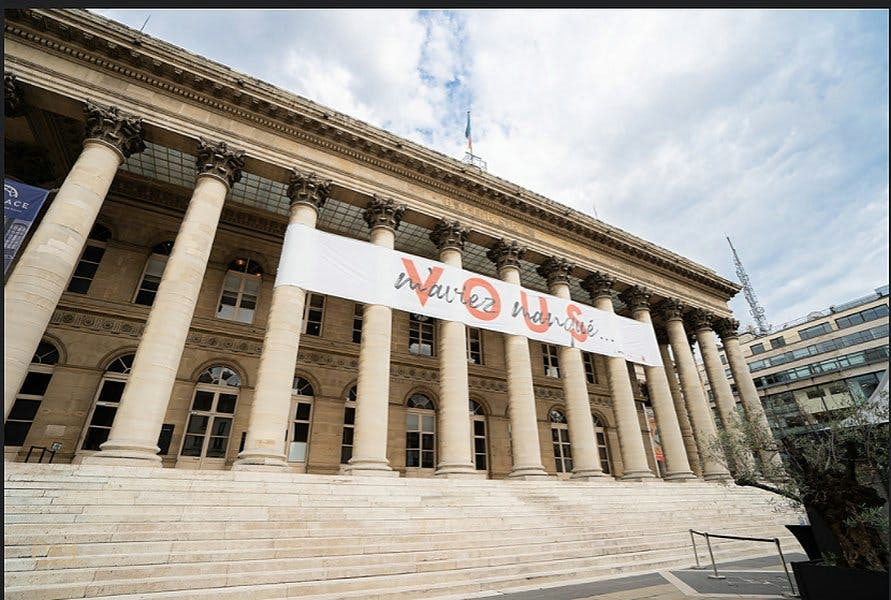
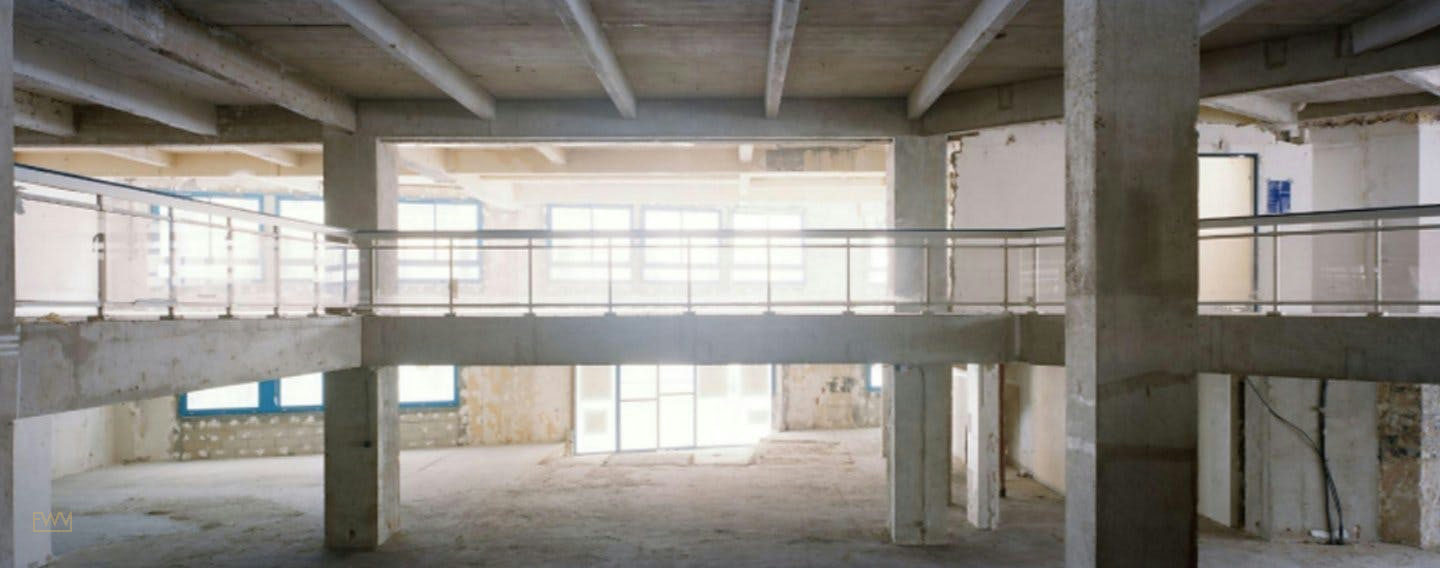
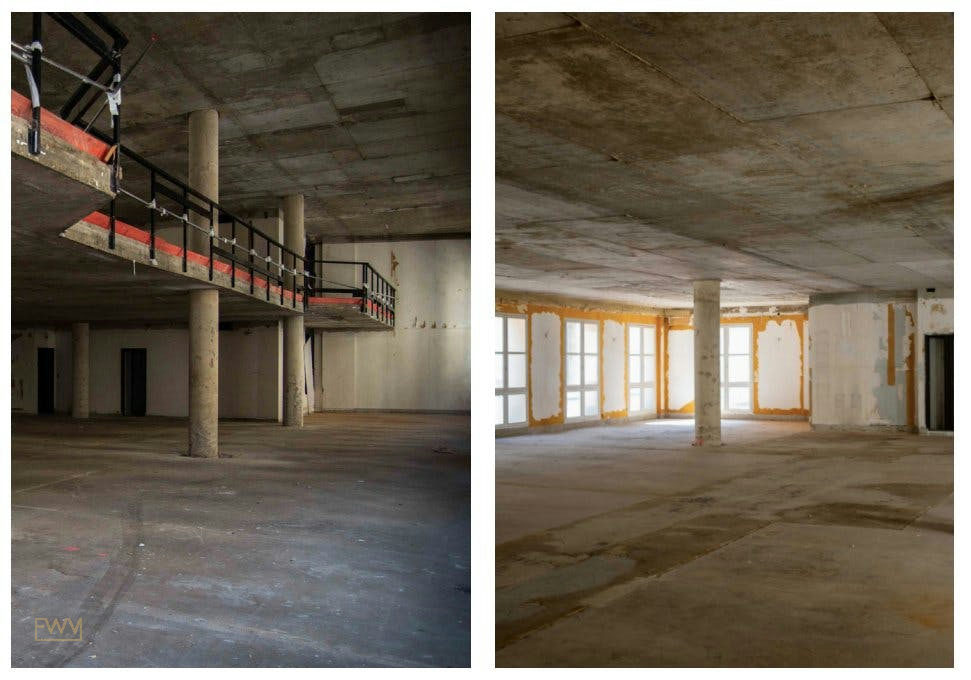
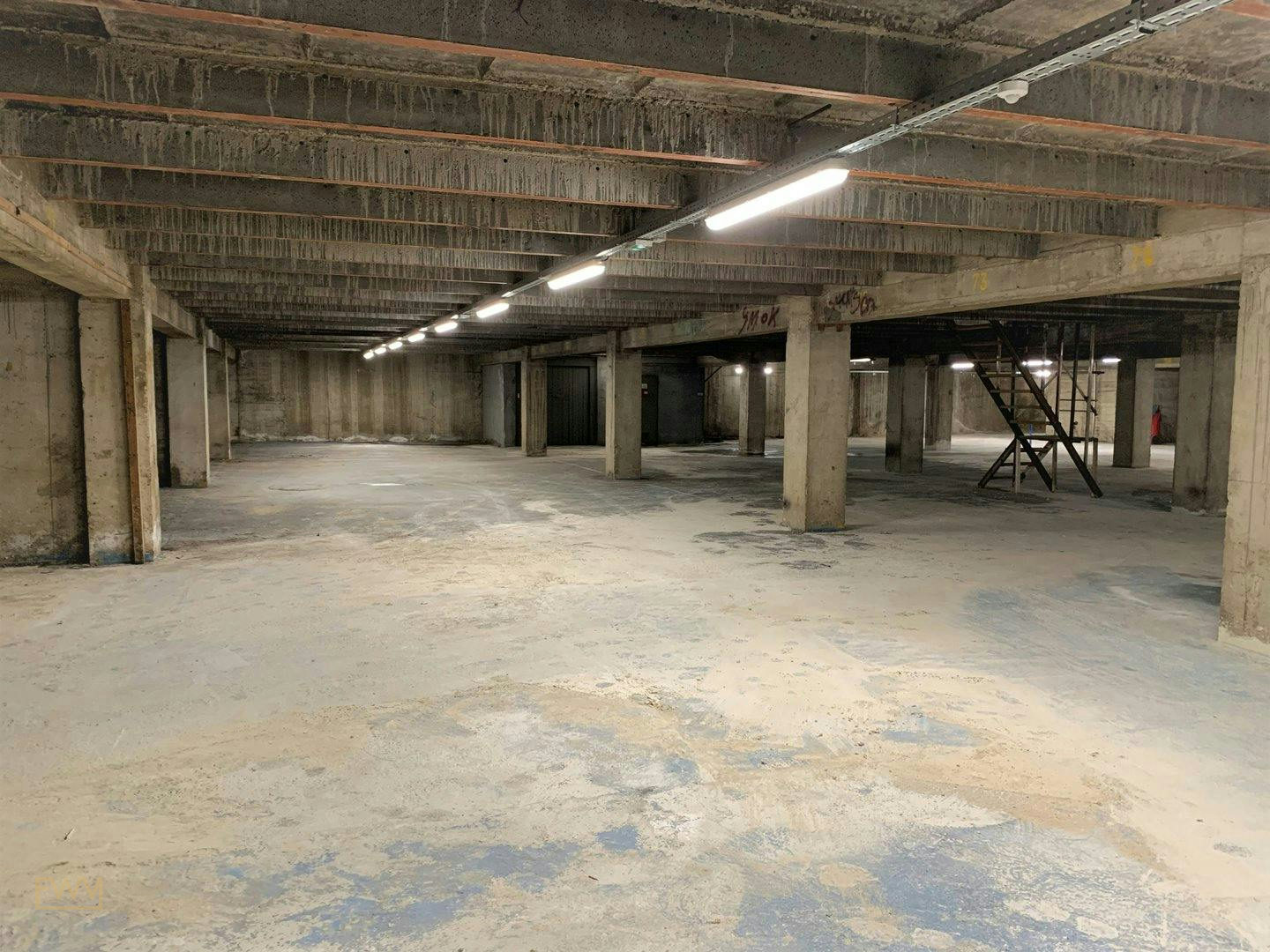
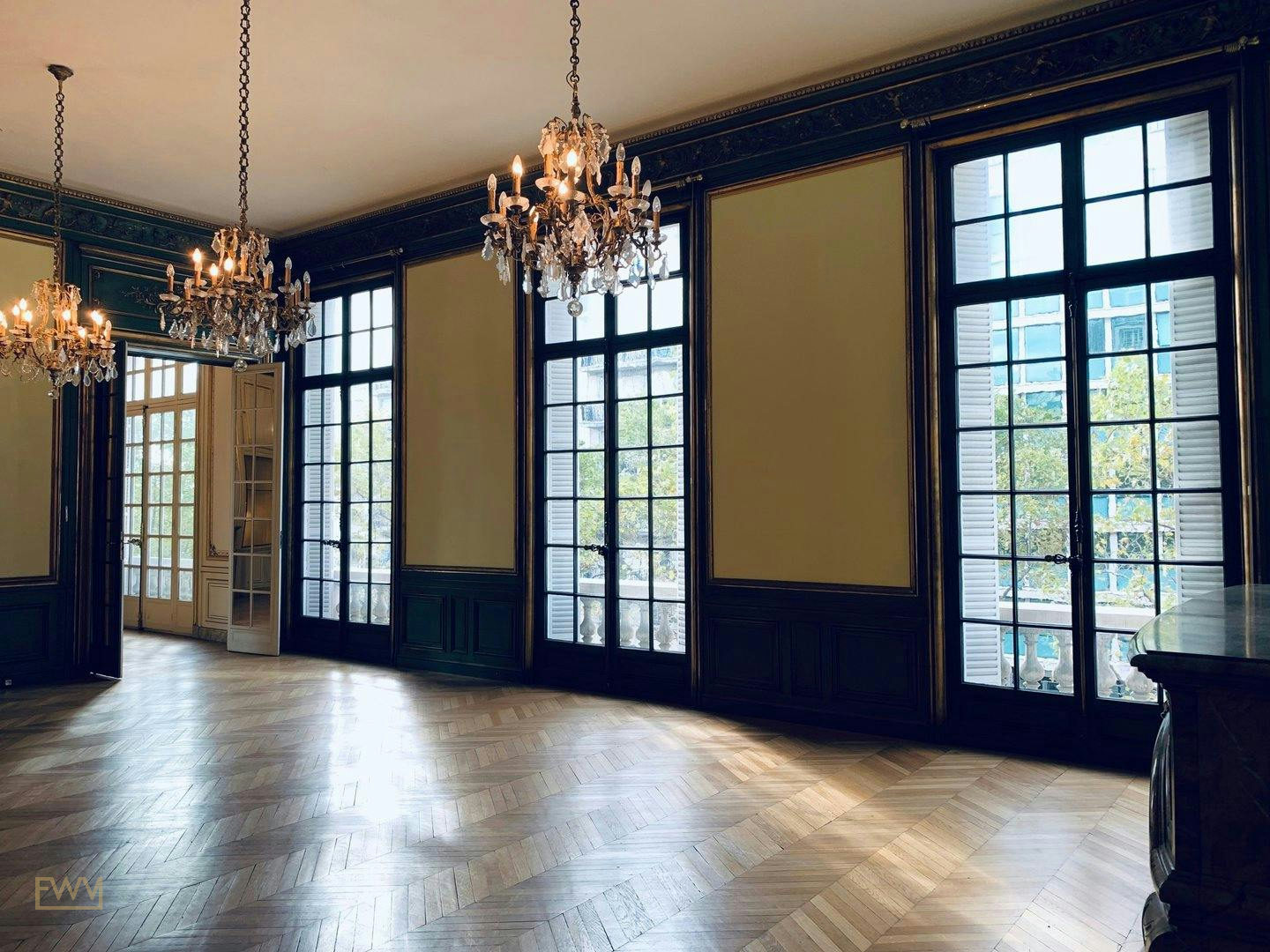
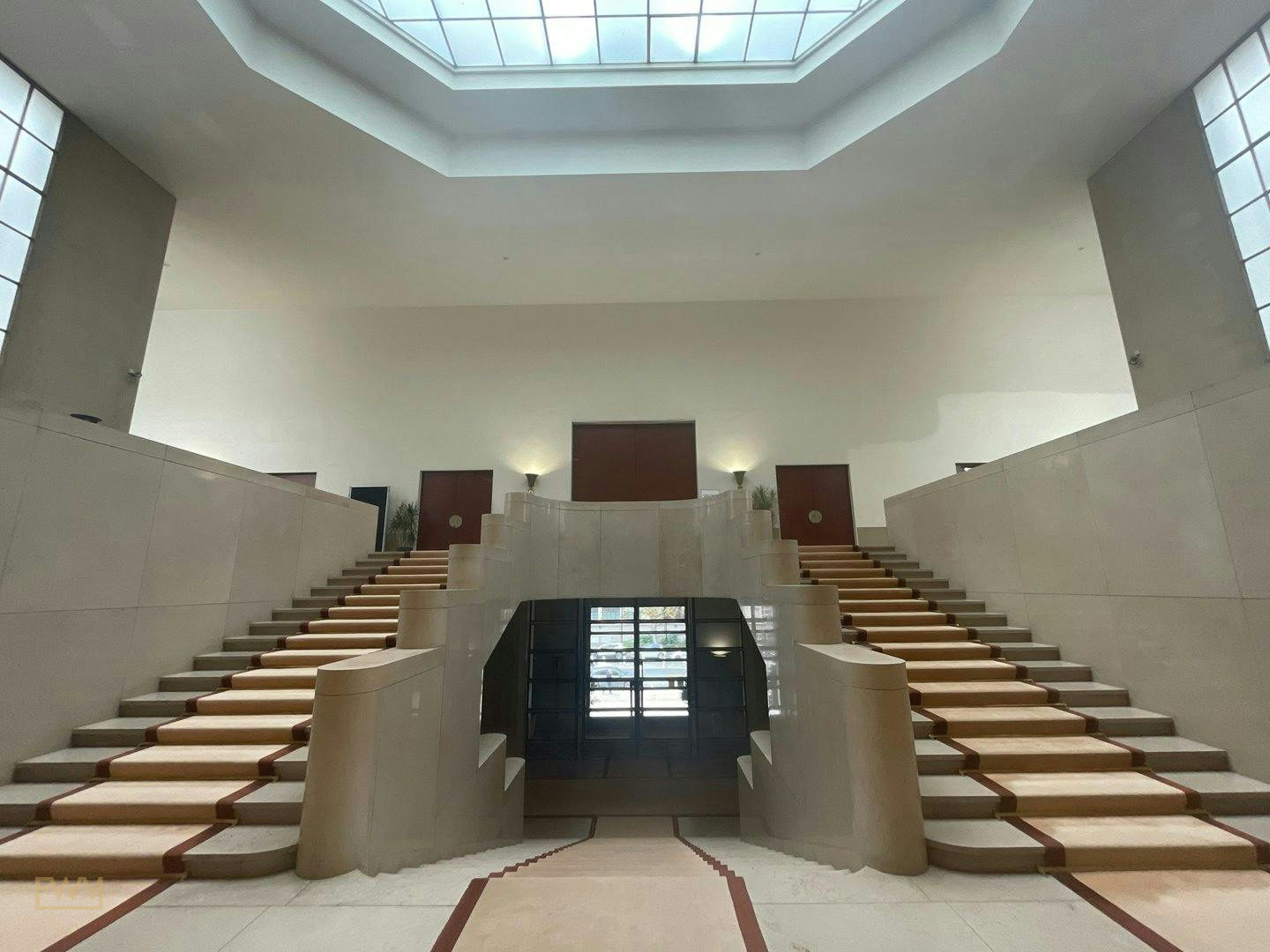
Short term retail in the 4th arrondissement Paris offers fashion brands, beauty labels, and independent designers access to one of the most concentrated clusters of high-intent shoppers anywhere in Europe. Le Marais, the cultural and commercial heart of the 4th arrondissement, combines historic architecture, international visitor flow, and a local clientele with genuine purchasing power. Whether you are planning a pop-up store for Paris Fashion Week, a seasonal showroom activation, or a product launch tied to FIAC or Paris Design Week, this neighbourhood delivers foot traffic, social media visibility, and brand positioning that few other Parisian districts can match. Fashion Week Venues helps brands source and activate pop-up spaces in Paris across all major neighbourhoods, including Le Marais and the surrounding 4th arrondissement.
What Is the 4th Arrondissement and Why Does It Matter for Short Term Retail?
The 4th arrondissement is one of the most strategically valuable postal districts in Paris for short term retail. Sitting on the Right Bank of the River Seine, it encompasses Le Marais, the Île de la Cité, Île Saint-Louis, the Beaubourg area, and the eastern approach to Hôtel de Ville. For retail brands, this geography translates into a dense concentration of cultural institutions, high-footfall streets, and a neighbourhood identity that tourists, locals, and media professionals associate with discovery, authenticity, and creative commerce.
Le Marais itself is the commercial anchor of the 4th arrondissement. Historically a Jewish and LGBTQ+ quarter, it has evolved into one of the most visited retail districts in Paris, drawing visitors who arrive specifically to browse independent boutiques, concept stores, galleries, and heritage brands. Rue des Rosiers, Rue de Bretagne, Rue des Francs-Bourgeois, and Rue Vieille du Temple are all active commercial streets where a well-positioned pop-up store or temporary showroom can generate significant walk-in traffic within days of opening.
The 4th arrondissement also borders several other important retail and cultural zones. To the west, it connects to the 1st arrondissement and the Louvre, Rue de Rivoli, and Les Halles. To the north, it shares a boundary with the 3rd arrondissement, home to emerging design studios and the institutions around Rue 29 Charlot and the Picasso Museum. To the south, the River Seine and Île Saint-Louis provide a quieter, more residential counterpoint. This positioning means that a pop-up space in the 4th arrondissement can serve visitors coming from multiple directions, including those walking from the Musée du Louvre, the Centre Pompidou in Beaubourg, or across from the Left Bank via Saint-Germain-des-Prés.
The arrondissement is also home to Place des Vosges, Paris's oldest planned square and one of its most photographed landmarks. Retail spaces and galleries surrounding the arcades of Place des Vosges benefit from a premium address effect, particularly for luxury fashion, jewellery, and art-adjacent brands. The square draws a mix of international visitors and affluent Parisian residents, creating a clientele profile well suited to positioned temporary retail concepts.
DID YOU KNOW: The Centre Pompidou in Beaubourg, located at the northern edge of the 4th arrondissement, attracts over 3 million visitors annually according to its published attendance figures, making the surrounding streets among the most visited in Paris.
For brands entering Paris for the first time, the 4th arrondissement offers a lower barrier to entry than premium addresses on the Rue Saint-Honoré or Place Vendôme, while still delivering cultural credibility, social media appeal, and genuine commercial footfall. The neighbourhood's mix of local residents, French tourists from cities such as Lille and Strasbourg, and international visitors creates a broad but engaged clientele for most retail categories.
Quick answer: The 4th arrondissement Paris, centred on Le Marais, is one of the city's most commercially active and culturally credible districts for short term retail. It offers brands a combination of high foot traffic, international visitor flow, heritage architecture, and a neighbourhood identity aligned with fashion, design, beauty, and creative commerce.
KEY TAKEAWAY: The 4th arrondissement is not simply a residential neighbourhood with occasional retail. It is one of Paris's primary commercial and cultural destinations, with a visitor profile and street-level energy that make it a natural home for pop-up stores, showrooms, temporary boutiques, and brand activations across fashion, beauty, art, and lifestyle.
Understanding the specific streets, space types, and visitor flows within the 4th arrondissement is the essential first step before committing to any short term retail lease or activation in this part of Paris.
The Best Streets and Micro-Neighbourhoods for Short Term Retail Spaces in Le Marais
Le Marais contains several distinct commercial micro-zones, each with its own character, clientele, and retail density. Choosing the right street for a short term retail space is as important as choosing the right neighbourhood.
Rue des Rosiers and the Historic Core
Rue des Rosiers is one of the most photographed and visited streets in Le Marais, historically associated with the Jewish community and now home to a mix of delis, fashion boutiques, and cultural landmarks. Foot traffic on this street is high throughout the week and particularly concentrated on weekends. Brands such as Officine Universelle Buly have long understood the value of beautifully designed spaces in this area. For short term retail concepts centred on beauty, heritage craftsmanship, or artisan food and lifestyle, Rue des Rosiers and its immediate surroundings offer strong ambient foot traffic and a visitor profile that skews international and culturally curious.
Rue des Francs-Bourgeois and the Fashion Corridor
Rue des Francs-Bourgeois is arguably the primary fashion retail street in Le Marais, running east-west through the heart of the district and connecting to Place des Vosges at its eastern end. This street attracts fashion-forward shoppers, brand tourists visiting flagship boutiques, and Parisian residents who treat the Marais as their everyday retail destination. Space availability on this street is competitive, and brands should expect to plan well in advance to secure a storefront or gallery-style space. Flabelus, Le Nom, and various pop-up concepts from international labels have activated on or near this corridor.
Rue Saint-Martin and Beaubourg
Rue Saint-Martin runs north-south through the 4th arrondissement and connects to the Beaubourg area around the Centre Pompidou. This is a more mixed-use street with art galleries, independent boutiques, and spaces that work well for showroom formats or art-adjacent retail. The street has a lived-in, authentic character that suits brands looking to avoid the heavily polished aesthetic of more premium Paris addresses. The Rue de la Reynie, which branches off nearby, offers additional secondary options for smaller formats.
Place des Vosges and the Arcades
The arcades of Place des Vosges represent one of the most prestigious short term retail addresses in the 4th arrondissement. Gallery spaces and boutique formats under the arcades command a premium, but the address carries significant brand positioning value. This location suits jewellery, fine art, luxury accessories, and high-end fashion brands whose visual identity benefits from association with one of Paris's most architecturally distinguished addresses.
Île Saint-Louis and Rue Saint-Louis en l'Île
Île Saint-Louis is a distinct micro-market within the 4th arrondissement, separated from the main island by the River Seine. Rue Saint-Louis en l'Île is the island's main commercial street, famous for Berthillon ice cream and attracting a steady flow of visitors, particularly in warmer months. Space formats here tend to be smaller and more intimate, suited to artisan food, beauty, jewellery, and curated lifestyle concepts. The island's enclosed geography creates a captive audience effect that can benefit well-positioned short term retail concepts.
Hôtel de Ville and Rue de Rivoli
The western edge of the 4th arrondissement, near Hôtel de Ville and Rue de Rivoli, offers higher volume but less curated foot traffic. This area borders Les Halles and the major department stores further west, including Galeries Lafayette and Printemps on the grands boulevards. Brands seeking a mid-market or accessible position can find well-priced short term retail spaces in this zone, with the advantage of proximity to major transport hubs and tourist flows from the Musée du Louvre and the Île de la Cité.
Quick answer: The best streets for short term retail in the 4th arrondissement depend on your brand tier and customer profile. Rue des Francs-Bourgeois suits fashion-forward brands, Place des Vosges suits premium positioning, Rue des Rosiers suits heritage and beauty concepts, and Rue Saint-Martin suits gallery-style or art-adjacent formats.
| Street or Zone | Best For | Foot Traffic Level | Space Types Available |
|---|---|---|---|
| Rue des Francs-Bourgeois | Fashion, accessories, lifestyle | Very high | Storefronts, boutiques, concept stores |
| Rue des Rosiers | Beauty, heritage, artisan food | High | Boutiques, small storefronts |
| Place des Vosges arcades | Luxury, jewellery, fine art | High (seasonal peaks) | Gallery spaces, boutique formats |
| Rue Saint-Martin / Beaubourg | Art, design, showrooms | Moderate to high | Galleries, showrooms, raw spaces |
| Île Saint-Louis | Artisan, beauty, curated lifestyle | Moderate (tourist-led) | Small boutiques, intimate formats |
| Hôtel de Ville / Rue de Rivoli | Accessible, mid-market, high volume | Very high | Storefronts, ground-floor commercial |
KEY TAKEAWAY: Each micro-zone within the 4th arrondissement serves a different brand tier and concept type. Matching your retail concept to the right street is as strategically important as choosing the arrondissement itself. A luxury jewellery pop-up at Place des Vosges and a streetwear activation on Rue des Francs-Bourgeois will each perform well when the space choice aligns with the brand identity.
Once you have identified the right micro-zone, the next decision is the type of space that best fits your concept, format, and operational requirements.
Types of Short Term Retail Spaces Available in the 4th Arrondissement
Short term retail spaces in the 4th arrondissement come in a wide variety of formats, sizes, and configurations. Understanding what is genuinely available in this neighbourhood helps brands build a realistic brief before beginning their search.
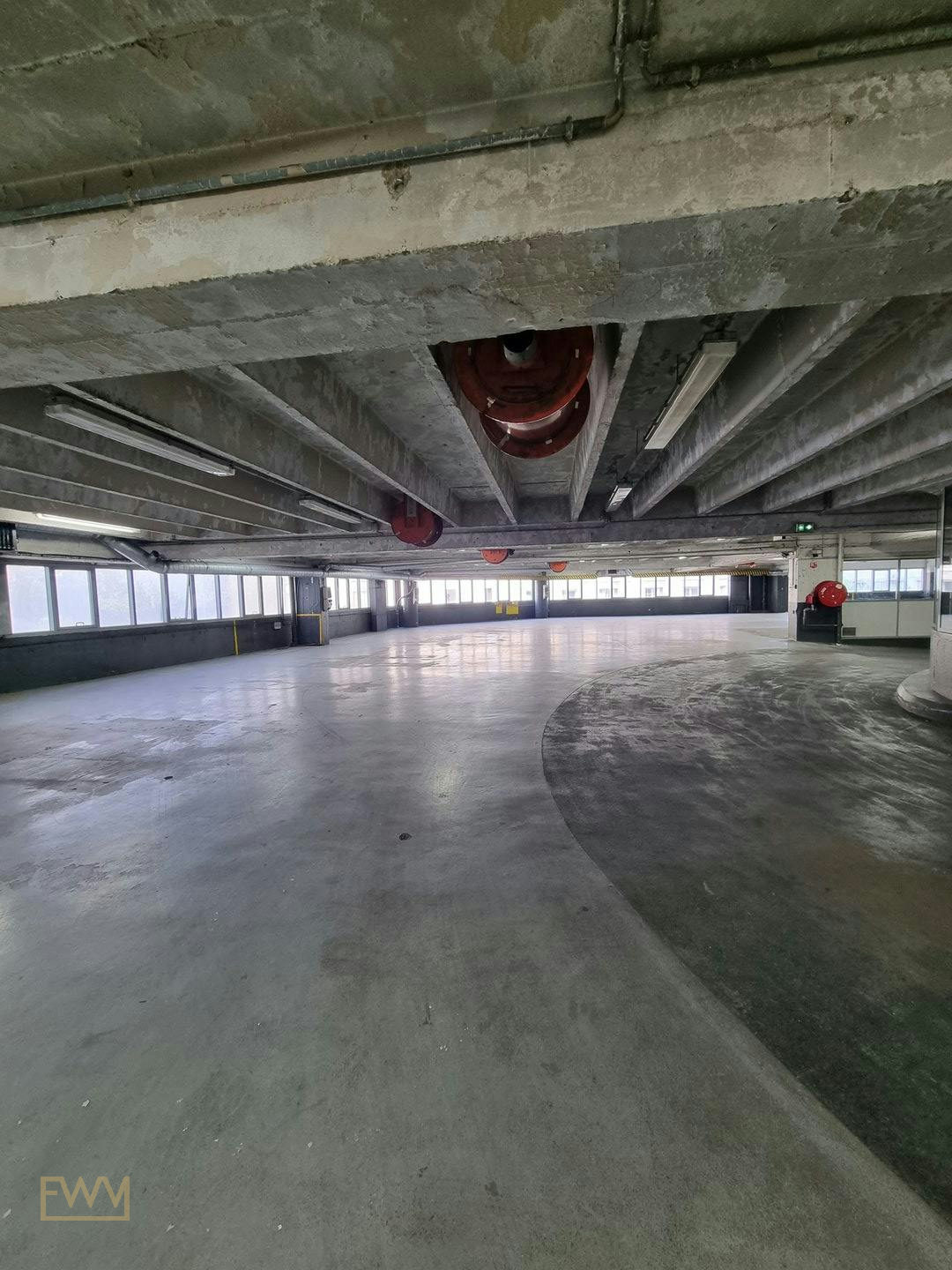
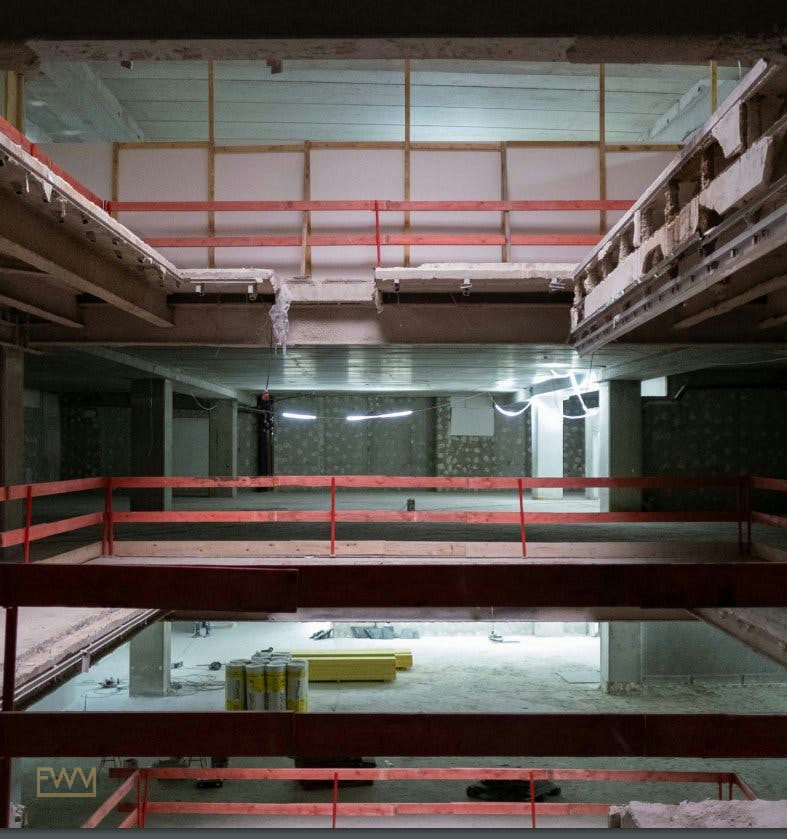
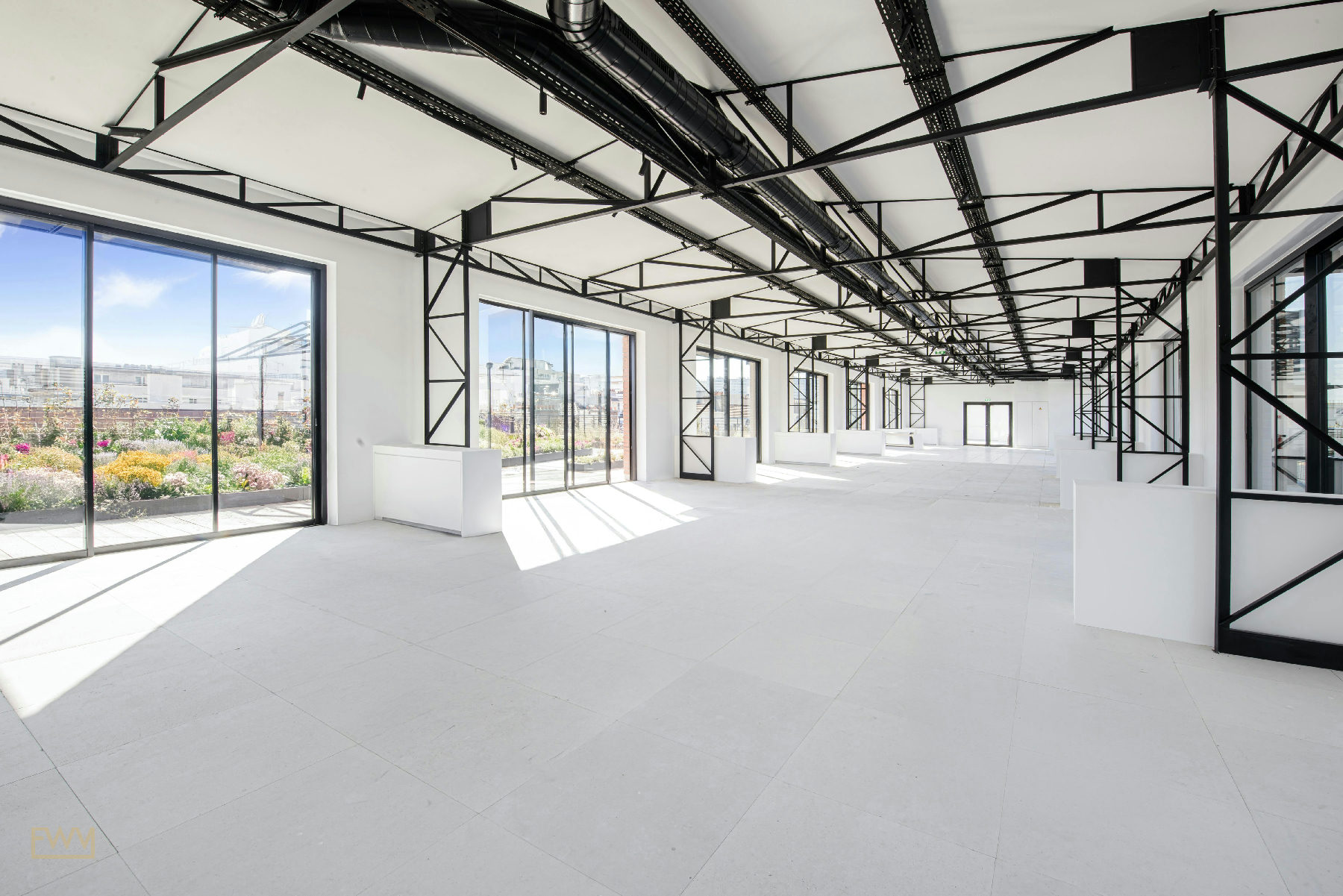
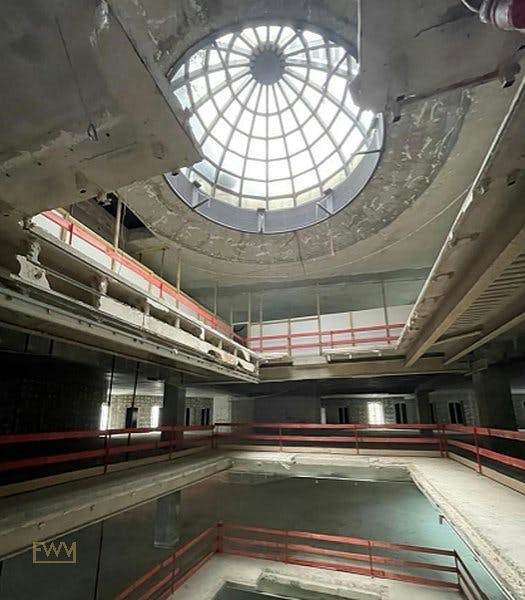
The most common formats for short term retail and pop-up activation in the 4th arrondissement include storefronts and boutique spaces on active commercial streets, gallery spaces that double as retail environments, move-in-ready apartments that have been commercially adapted for temporary use, fashion showroom spaces with built-in display infrastructure, studio and photo-friendly spaces suited to content creation alongside retail, and larger raw or semi-fitted spaces in courtyard buildings that can be transformed through fit-out and production.
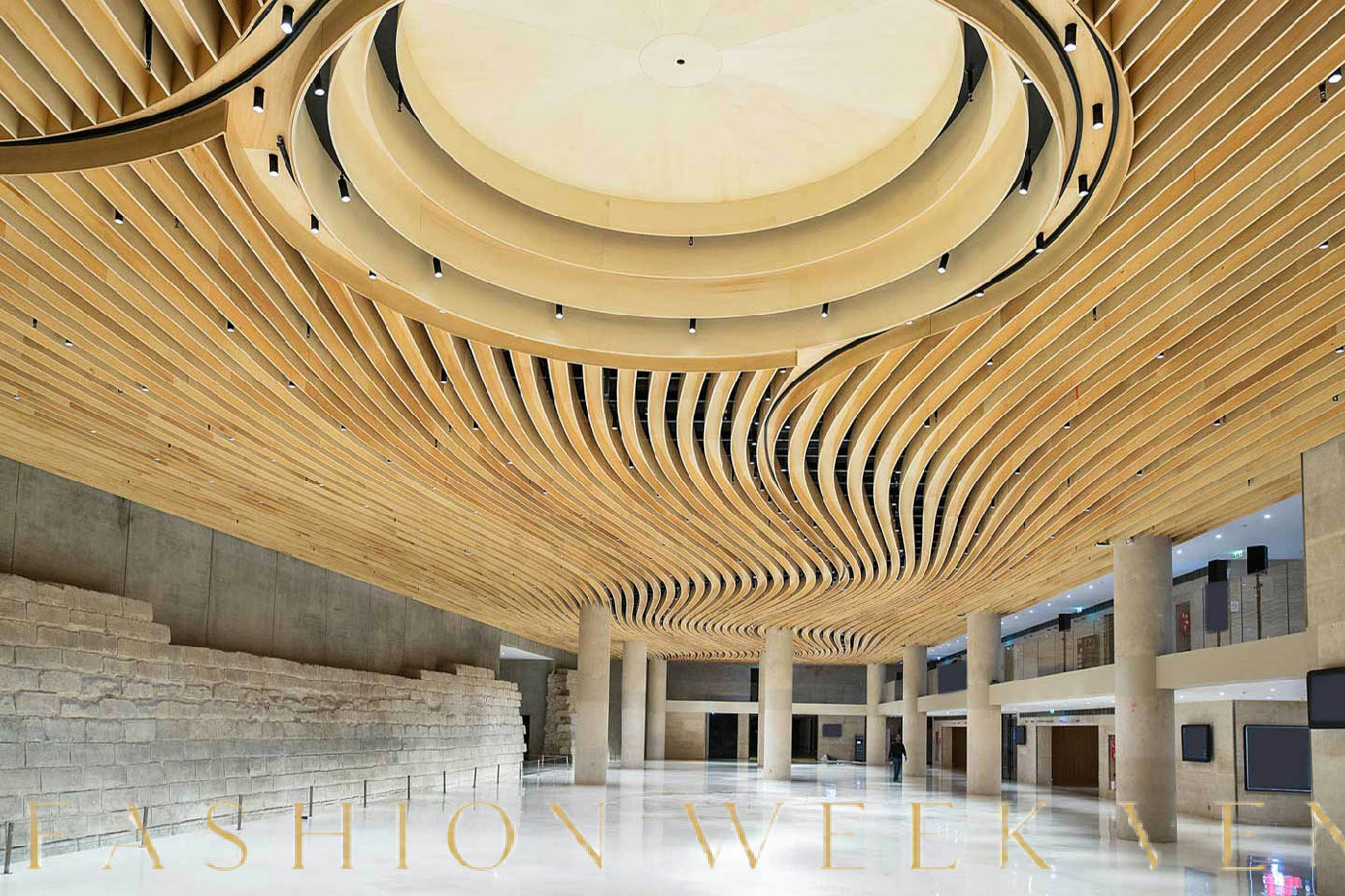
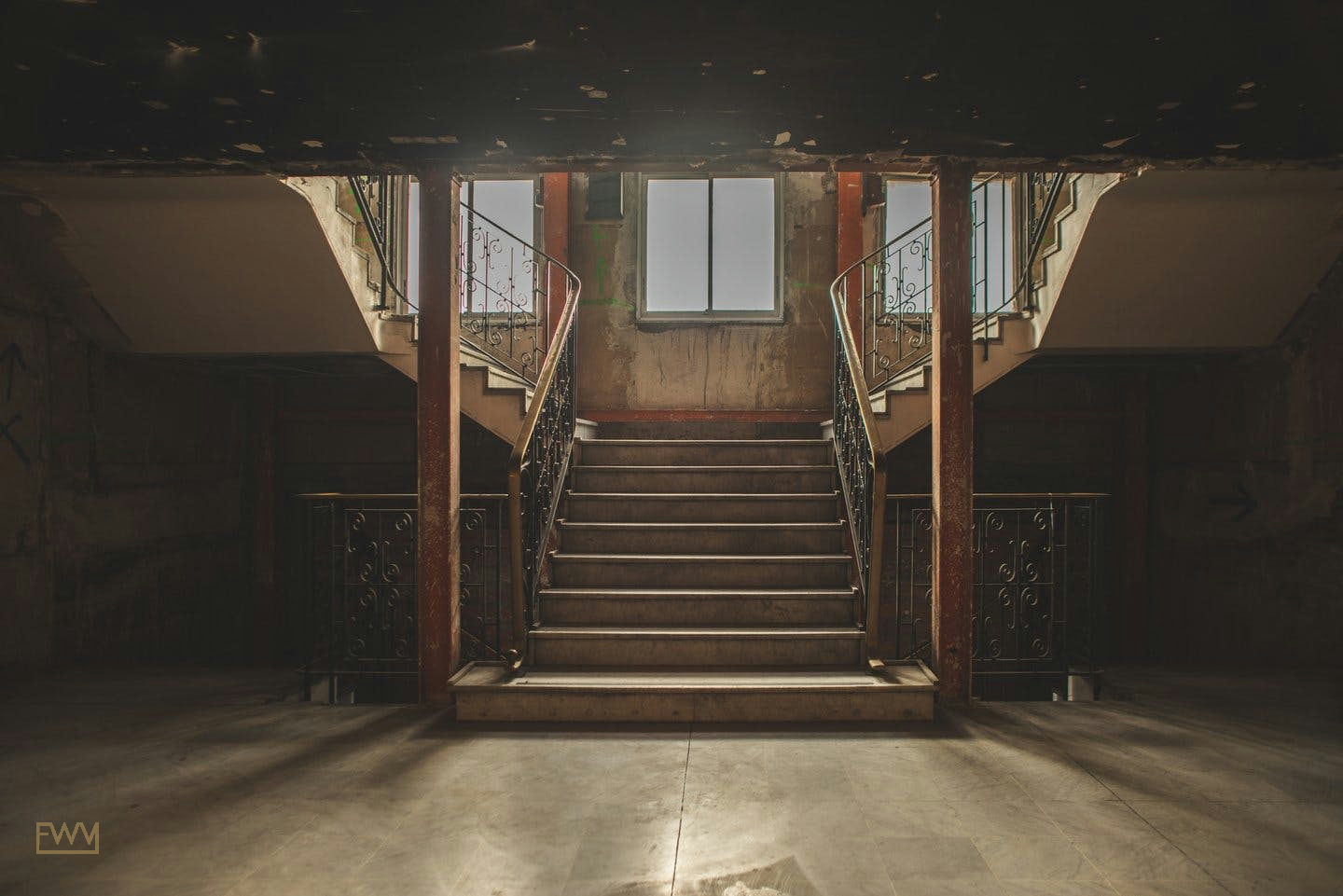
Many of the buildings in Le Marais are historic Haussmann or pre-Haussmann structures with distinctive architectural features: exposed stone walls, high ceilings, timber beams, and internal courtyards. These features are commercially valuable for short term retail because they create a sense of place and visual identity that is difficult to replicate in a purpose-built retail environment. A charming boutique space with polished concrete floors, exposed brick, and spotlights in a 17th-century building on Rue des Francs-Bourgeois offers a brand experience that cannot be reproduced in a shopping centre unit.
Space sizes in the 4th arrondissement range from very small boutique formats of around 20 to 30 square meters, suited to jewellery, beauty, and single-category fashion concepts, to mid-size storefronts of 50 to 150 square meters that work well for fully fitted pop-up stores, and larger gallery or event-style spaces of 200 square meters or more that suit showroom activations, multi-brand events, or Fashion Week presentations.
TIP: When reviewing space listings in the 4th arrondissement, pay close attention to Floor/Access information. Many historic Marais buildings have no lift, which affects accessibility for customers, delivery logistics, and compliance with French accessibility regulations. Always confirm floor level and access conditions before shortlisting a space.
Building amenities vary significantly between spaces. Move-in-ready apartments adapted for commercial use may include furnishings, lighting rigs, basic POS infrastructure, and access codes for keyless entry. Raw or gallery spaces typically offer a blank canvas with basic utilities but require a full fit-out and production investment. Fashion showroom spaces may include rail systems, display tables, and professional lighting. Studio Photo formats are designed to support content creation and often include backdrop walls, lighting equipment, and social media-friendly set dressing.
Space features to evaluate when reviewing options in the 4th arrondissement include: natural light exposure, window display potential, ceiling height, floor material (polished concrete, raw concrete, parquet, stone), existing fixtures, video surveillance, accessibility from the street, loading access for deliveries, and proximity to public transport. Security features such as access codes, video surveillance, and CITY-LOCKER baggage storage options are increasingly standard in professionally managed short term retail spaces in this district.
| Space Type | Typical Size | Best Use Case | Key Features |
|---|---|---|---|
| Storefront / Boutique | 20 to 120 sqm | Fashion, beauty, accessories pop-up | Street frontage, display windows, walk-in access |
| Art Gallery Space | 50 to 250 sqm | Art-adjacent retail, showroom, launch events | White walls, spotlights, flexible layout |
| Move-in-Ready Apartment | 30 to 100 sqm | Intimate brand experiences, VIP showrooms | Furnished, residential aesthetic, access codes |
| Fashion Showroom | 60 to 200 sqm | B2B trade, buyer meetings, press previews | Rail systems, display tables, professional lighting |
| Studio Photo Space | 40 to 150 sqm | Content creation, social media activation | Backdrops, lighting rigs, set dressing |
| Raw / Blank Canvas | 100 to 500 sqm | Full brand build-out, multi-day events | High ceilings, flexible footprint, production-ready |
Quick answer: Short term retail spaces in the 4th arrondissement Paris range from small boutique storefronts of 20 square meters to large gallery and raw spaces exceeding 200 square meters. The most sought-after formats are fitted boutique storefronts on Rue des Francs-Bourgeois, gallery spaces near Beaubourg, and move-in-ready apartments suited to intimate brand experiences and showroom presentations.
KEY TAKEAWAY: The variety of space types in the 4th arrondissement means that brands at very different budget and concept levels can find suitable short term retail options. The critical factor is matching the space type to the activation format, not simply selecting the largest or most visible space available.
To compare and explore spaces that match your specific brief, use the space comparison tool on Fashion Week Venues to assess multiple options side by side before committing to a shortlist.
The Paris Fashion Week Calendar and Key Activation Windows for the 4th Arrondissement
Paris Fashion Week drives the most concentrated period of brand activation in the city, but it is not the only commercially significant calendar window for short term retail in the 4th arrondissement. Understanding the full activation calendar helps brands plan their presence, secure spaces early, and maximise return on their investment.
Paris Fashion Week takes place twice annually: Womenswear shows run in late February and early March for the autumn-winter season, and again in late September and early October for the spring-summer season. Menswear and Haute Couture weeks add additional windows in January and July. During these periods, the Marais and the wider 4th arrondissement experience a significant uplift in foot traffic from editors, buyers, stylists, influencers, and international press, many of whom are based in or moving between venues in the Right Bank. Brands with short term retail spaces in this area during Fashion Week benefit from an audience that is actively seeking discovery and is highly active on social media.
Beyond Fashion Week, the following calendar events generate elevated retail conditions in and around the 4th arrondissement:
- FIAC, the International Contemporary Art Fair, which brings a wealthy international clientele to the Paris art scene in October
- Paris Design Week, which activates venues across the city in September
- Nuit Blanche, the annual all-night arts festival held in October
- French national holidays and summer tourist season from June through August, when international visitor numbers are at their peak
- The Marché aux Puces de Paris Saint-Ouen and the Saint Ouen Flea Market, which draw dedicated vintage and antique enthusiasts to the broader Paris market throughout the year
The combination of Fashion Week and FIAC in September and October makes this one of the most commercially dense months of the year for the 4th arrondissement. Brands planning short term retail activations in this window should begin the search for spaces at least four to six months in advance, as the most desirable Marais storefronts and gallery spaces are claimed early.
DID YOU KNOW: The Palais de Tokyo, while located in the 16th arrondissement, draws significant creative and fashion audiences during Paris Fashion Week and FIAC, many of whom circulate through the Marais as part of their Paris itinerary, extending the footfall benefit to 4th arrondissement retailers.
For brands considering activations outside the major Fashion Week windows, the Marais remains commercially active year-round. Summer months bring peak tourist numbers from Cannes, the Promenade des Anglais in Nice, and international visitors who combine Paris with stops in Strasbourg and Lille. The Île de la Cité and Île Saint-Louis are particularly busy from May through September, with Berthillon drawing queues of visitors along Rue Saint-Louis en l'Île and creating ambient foot traffic across the island's commercial street.
Quick answer: The two annual Paris Fashion Week windows in late February to early March and late September to early October are the highest-demand periods for short term retail in the 4th arrondissement. FIAC in October and Paris Design Week in September create secondary peaks. The Marais remains commercially active year-round due to consistent tourist flow and a strong local clientele.
KEY TAKEAWAY: Brands that synchronise their short term retail activation with the Paris Fashion Week calendar and secondary cultural events secure higher brand visibility, stronger social media amplification, and a more engaged press and buyer audience. Planning and booking spaces at least four to six months ahead of peak windows is essential for the 4th arrondissement market.
Understanding the calendar is only part of the planning equation. The operational and legal framework for short term retail in Paris requires equal attention before any lease is signed.
Permits, Regulations, and Legal Considerations for Short Term Retail in Paris
Navigating the French regulatory framework for short term retail is one of the most common challenges facing international brands entering Paris. The legal landscape for temporary commercial occupation is distinct from standard commercial leasing and requires specific knowledge to navigate correctly.
Bail Dérogatoire: The Short-Term Commercial Lease
The primary legal mechanism for short term retail in France is the bail dérogatoire, a derogatory lease that allows landlords and tenants to agree on a commercial occupation of up to 36 months without triggering the protections of the standard French commercial lease (bail commercial). The bail dérogatoire is widely used for pop-up stores, temporary showrooms, and short term retail activations in Paris and is the most common contractual structure for the spaces listed in Le Marais and across the 4th arrondissement.
For leases shorter than 36 months, the bail dérogatoire provides flexibility for both parties: the brand can occupy the space for the agreed period, and the landlord is not obligated to offer lease renewal. However, if the tenant continues to occupy the space after the agreed period without a new agreement in place, French law may automatically convert the arrangement into a standard bail commercial, which carries significantly different and more restrictive terms.
IMPORTANT: Requirements for bail dérogatoire agreements vary by space type, duration, and arrondissement. Always verify the specific terms of any short term lease with a qualified French legal advisor before signing. Fashion Week Venues does not provide legal advice, but the permits tool on Fashion Week Venues provides orientation guidance on permit categories and compliance requirements.
Autorisation d'Occupation Temporaire (AOT)
For temporary use of public space, including terraces, street-facing installations, or activations on public squares, brands may require an Autorisation d'Occupation Temporaire (AOT). This is a distinct category from the bail dérogatoire and applies specifically to temporary occupation of publicly owned land or space. In the context of the 4th arrondissement, AOT requirements can arise for pop-up installations adjacent to Hôtel de Ville, activations on the approach to Place des Vosges, or any external brand presence on a public surface.
AOT applications are processed through the relevant municipal authority. Processing times, documentation requirements, and approval likelihood vary by location and time of year. Brands planning public-facing activations during Paris Fashion Week or major cultural events should factor in longer AOT lead times due to increased competition for public space.
Insurance and Compliance
Short term retail spaces in Paris require appropriate insurance coverage. Landlords typically require tenants to hold at minimum a responsabilité civile (public liability) policy covering the duration of the occupation. Additional coverage may be required for fit-out works, product storage, and event operations. Brands entering France from outside the European Union should confirm that their existing commercial insurance policies extend to French territory or arrange separate cover in advance.
Local regulations in the 4th arrondissement also apply to signage, window installations, and external brand displays. Some buildings in Le Marais fall under heritage protection designations that restrict alterations to facades and external appearances. Compliance with these restrictions is the tenant's responsibility and should be confirmed with the landlord and the relevant architectural authority before any external branding or installation work begins.
Quick answer: Short term retail in Paris is typically governed by the bail dérogatoire for leases up to 36 months and the AOT for public space activations. Neither is automatically straightforward. Both require careful review with a qualified French legal advisor before any commitment is made. International brands should also confirm that their insurance coverage extends to French commercial operations.
KEY TAKEAWAY: The legal framework for short term retail in Paris is navigable but requires specific knowledge. Brands that approach permits, leases, and compliance reactively rather than proactively create risk that can delay or derail their activation. Building permit and compliance review into the earliest stages of planning is essential, particularly for activations tied to fixed calendar windows such as Fashion Week.
With the legal framework in mind, the next practical consideration is budget planning for a short term retail activation in the 4th arrondissement.
Budgeting for Short Term Retail in the 4th Arrondissement Paris
Budget planning for a pop-up store or short term retail activation in the 4th arrondissement requires an understanding of all cost components, not just the headline rental figure. The total cost of a short term retail activation encompasses space rental, fit-out and production, staffing, permits and insurance, technology and POS, marketing and social media amplification, and operational logistics such as deliveries, waste management, and security.
Space Rental Costs
Rental costs for short term retail spaces in the 4th arrondissement vary significantly based on street, size, format, and duration. Prime storefronts on Rue des Francs-Bourgeois or within the Place des Vosges arcades command a premium over secondary streets or less visible locations. Gallery spaces and raw venues in courtyard buildings typically cost less per square meter than fitted storefronts on primary commercial streets. Directional estimates are available through the budget calculator on Fashion Week Venues, which allows brands to input their specific parameters and generate a tailored cost range.
Short term rental pricing in Paris is typically quoted per day, per week, or per month depending on the space and the landlord's preference. Daily rates are common for very short activations of one to five days, while weekly and monthly rates apply to longer occupations. Prices during Paris Fashion Week and other peak calendar windows are typically higher than in off-peak periods, reflecting demand from brands competing for the same limited pool of desirable spaces.
Fit-Out and Production
The cost of fitting out a short term retail space depends on the condition of the space and the level of brand expression required. Move-in-ready apartments and formatted boutique spaces with existing furnishings, lighting, and basic fixtures have lower fit-out costs than raw or blank canvas spaces that require a full production build. Brands with strong visual identity requirements or complex retail concepts should budget carefully for fit-out, fixtures, furniture rental, and professional lighting installation. The production and build service at Fashion Week Venues covers full fit-out planning and execution for brands that need end-to-end support.
Staffing, Technology, and Operations
Retail staffing in Paris for a short term activation requires knowledge of French employment regulations, including obligations around temporary contracts (CDD), minimum wages, and social contributions. Many international brands underestimate the complexity and cost of French staffing compliance. POS and payment technology must support Euro-denominated transactions and, for international visitors, accommodate multiple currency settlement and IATA format receipts where relevant. Security systems, video surveillance, and access code management are operational necessities for spaces that operate outside standard retail hours or require keyless entry.
Quick answer: The total cost of a short term retail activation in the 4th arrondissement Paris includes space rental, fit-out and production, retail staffing, insurance, permits, POS technology, marketing, and operational logistics. Space rental is typically the largest single line item, but fit-out costs for raw spaces can exceed rental costs for short activations. Use the Fashion Week Venues budget tool to build a complete cost model before committing to a space.
| Cost Component | Applies To | Planning Notes |
|---|---|---|
| Space rental | All activations | Varies by street, size, season, and format |
| Fit-out and production | Raw and semi-fitted spaces | Higher for blank canvas, lower for move-in-ready |
| Furniture rental | Unfurnished spaces | Can be sourced via Fashion Week Venues furniture service |
| Retail staffing | All consumer-facing activations | Must comply with French employment law and CDD requirements |
| POS and payments | All activations with transactions | Must support Euro transactions and international card processing |
| Insurance | All activations | Landlord-required minimum: responsabilité civile |
| Permits and compliance | Activations with public-facing or external elements | AOT required for public space; bail dérogatoire for private |
| Marketing and social media | All brand-facing activations | Influencer marketing, content creation, paid social |
| Security and operations | All activations | Video surveillance, access codes, baggage management |
KEY TAKEAWAY: A realistic budget for short term retail in the 4th arrondissement must account for all components of the activation, not just the space rental. Brands that plan for the full cost stack from the outset avoid scope creep and make more informed decisions about space type, activation format, and duration.
To move from budget planning to ROI measurement, use the ROI calculator on Fashion Week Venues to model expected returns based on your activation format, foot traffic assumptions, and revenue targets.
How to Find and Book a Short Term Retail Space in the 4th Arrondissement
Finding the right short term retail space in the 4th arrondissement requires a structured approach. The Marais is one of the most competitive short term retail markets in Europe during Fashion Week and peak cultural seasons, and the best spaces are rarely available at short notice.
Step-by-Step Process for Securing a Space
| Step | Action | Timeframe Before Activation |
|---|---|---|
| 1 | Define your brief: space type, size, street preference, duration, and budget | 5 to 6 months |
| 2 | Research neighbourhoods and micro-zones within the 4th arrondissement | 5 to 6 months |
| 3 | Browse available spaces and create a shortlist using a space marketplace or agency | 4 to 5 months |
| 4 | Request viewings and confirm space condition, access, and amenities | 4 months |
| 5 | Confirm legal structure: bail dérogatoire terms, AOT requirements if applicable | 3 to 4 months |
| 6 | Arrange insurance, POS, and operational logistics | 2 to 3 months |
| 7 | Plan fit-out and production, brief design and build teams | 2 to 3 months |
| 8 | Confirm staffing, merchandising, and social media activation plan | 4 to 6 weeks |
| 9 | Execute fit-out, staff training, and soft opening | 1 to 2 weeks |
| 10 | Open, activate, measure, and report | Activation period |
The search process for short term retail spaces in the 4th arrondissement can be approached through three main routes: direct landlord contact, commission-based brokers, or a full-service agency and marketplace such as Fashion Week Venues. Each route has advantages and limitations. Direct landlord contact requires significant local knowledge and existing relationships. Commission brokers can access a range of spaces but may prioritise their own commercial incentives over brand fit. A full-service agency offers end-to-end support but requires a managed relationship and clear scope agreement from the outset.
For international brands entering Paris without an established network, the full-service agency route typically delivers the best outcomes in terms of space quality, lease terms, timeline reliability, and activation support. The combination of marketplace access and hands-on service means that space selection is not isolated from the broader activation planning process.
To compare neighbourhoods and space types before committing to a search, explore the Paris city hub on Fashion Week Venues and shortlist spaces that match your brief, budget, and calendar window.
TIP: When briefing an agency or browsing a marketplace, always specify your minimum and maximum square meters, preferred streets or arrondissements, required access and loading conditions, technology requirements such as WiFi and POS infrastructure, and any aesthetic or heritage restrictions that affect your fit-out approach. A precise brief produces better shortlist quality and speeds up the search process significantly.
KEY TAKEAWAY: Finding a short term retail space in the 4th arrondissement Paris is not simply a matter of browsing listings. It requires a structured process that starts with a clear brief and works through legal, operational, and production planning in parallel. Brands that start early and engage specialist support consistently secure better spaces on better terms than those who approach the market reactively.
The brands and concepts already active in the 4th arrondissement offer a useful reference point for understanding what is commercially viable and creatively possible in this market.
Notable Brands and Retail Concepts in and Around the 4th Arrondissement
The 4th arrondissement has long been a proving ground for retail concepts that combine heritage, discovery, and cultural credibility. Understanding which brands have activated in and around this neighbourhood provides useful benchmarks for new entrants and helps brands position their own concepts against an existing retail landscape.
Officine Universelle Buly is one of the most cited examples of a beautifully executed retail experience in Le Marais. Its commitment to heritage aesthetics, artisan ingredients, and immersive in-store experience has made it a reference point for beauty and lifestyle brands considering a Marais presence. The brand demonstrates that a relatively small physical footprint in the right neighbourhood, executed with consistent visual identity and product curation, can generate disproportionate press coverage and social media impact.
Flabelus, the Spanish espadrille brand with a strong following among fashion insiders, has used Le Marais as a key Paris activation location, benefiting from the neighbourhood's fashion-forward visitor base and its association with colourful, considered design. Le Nom, a Paris-based concept combining fragrance and personal identity, similarly found its natural audience in the Marais, where shoppers are predisposed to discovering new and independently positioned brands.
The vintage and archive sector is particularly well represented in the 4th arrondissement and its neighbouring 3rd. Vintage Designer Archives, Kanelle Vintage, BRUT Archives, and Chez Dentelles all operate in or near the Marais corridor, catering to the growing international demand for curated vintage fashion. Thanx God I'm A V.I.P., one of Paris's most established vintage destinations, draws a dedicated clientele from across the city and beyond, contributing to the neighbourhood's reputation as a destination for fashion discovery rather than conventional retail.
Independent concepts such as Bobby, Entremains, Nuovo, and Louise Paris reflect the diversity of formats that have succeeded in and around the 4th arrondissement: multi-brand boutiques, artisan food and gifting concepts, and hybrid retail-gallery formats that blur the line between commercial and cultural space. The presence of The Parisian Vintage concept and similar curated vintage offerings reinforces the neighbourhood's identity as a place where provenance, storytelling, and curation matter more than conventional retail metrics.
For fashion showroom brands, the 4th arrondissement and its immediate neighbours offer access to the buyer and press network that circulates through Paris during Fashion Week, FIAC, and Paris Design Week. Showroom concepts on Rue de la Cerisaie, Rue Saint-Martin, or within the courtyard buildings of the Marais have hosted trade presentations, press previews, and influencer events that generate content, coverage, and order intake in a single activation window.
Quick answer: Notable retail concepts in the 4th arrondissement include Officine Universelle Buly, Flabelus, Le Nom, Thanx God I'm A V.I.P., Vintage Designer Archives, Kanelle Vintage, BRUT Archives, and a range of independent boutiques and showrooms that together define the neighbourhood's retail identity. Understanding these reference points helps new brands calibrate their concept, positioning, and space choice.
KEY TAKEAWAY: The most successful retail concepts in the 4th arrondissement share a commitment to discovery, curation, and visual identity. Brands that enter this neighbourhood with a generic format or an undifferentiated concept will struggle to stand out. The Marais audience is sophisticated and has high expectations for the retail experience.
Against this competitive backdrop, understanding exactly how Fashion Week Venues can help brands navigate the 4th arrondissement market is the practical next step.
How Fashion Week Venues Helps Brands Activate Short Term Retail in Paris
Fashion Week Venues is a full-service pop-up agency and space marketplace that supports brands at every stage of a short term retail activation in Paris and across major fashion capitals. For brands targeting the 4th arrondissement and Le Marais specifically, Fashion Week Venues provides both the marketplace infrastructure to discover and compare spaces and the agency expertise to plan, build, staff, and manage the activation from brief to close.
Space Discovery and Venue Sourcing
The Fashion Week Venues marketplace lists short term retail spaces across Paris, including storefronts, galleries, showrooms, and move-in-ready formats in the 4th arrondissement and neighbouring districts. Brands can use the space locator, compare tool, and timeline tool to research options, filter by space type and size, and build a shortlist before engaging the agency team. The venue sourcing service provides access to off-market spaces and landlord relationships that are not accessible through public listings alone.
Concept Direction and Branded Store Design
For brands that need creative support alongside space discovery, Fashion Week Venues offers concept direction and branded store design services. These are particularly valuable for brands activating in Paris for the first time who want to ensure that their pop-up concept is calibrated to the specific aesthetic and cultural expectations of the Marais audience. The Imagine tool on the Fashion Week Venues platform supports early-stage space visualisation before fit-out investment is committed.
Production, Fit-Out, and Furniture Rental
The Fashion Week Venues production team handles fit-out planning, construction coordination, and furniture rental for short term retail spaces across Paris. This is particularly relevant for brands taking on raw or semi-fitted spaces in the 4th arrondissement that require a complete build to achieve the desired brand environment. Production services are coordinated with the activation timeline to ensure that fit-out is completed before the activation opens.
Retail Staffing, POS, and Operations
Fashion Week Venues provides retail staffing support for short term activations in Paris, including French-speaking sales staff, brand ambassadors, and operational managers. POS and payment systems are configured for Euro transactions and international card processing, supporting hassle-free transactions for the diverse clientele that visits the 4th arrondissement. Data and analytics services capture foot traffic, transaction data, and customer engagement metrics throughout the activation period.
Who Benefits Most
Fashion Week Venues is most directly useful for international fashion brands, beauty labels, luxury accessories brands, and lifestyle concepts that are entering Paris for the first time or scaling an existing presence. Brand activation managers, creative directors, and retail strategists who need end-to-end support from space selection to activation management will find the most value in the agency's full-service approach. Brands with established Paris networks who need only marketplace access and specific service components can engage Fashion Week Venues on a modular basis.
IMPORTANT: Fashion Week Venues does not guarantee space availability, permit approval, or specific activation outcomes. All space listings are subject to availability, and legal and regulatory requirements must be confirmed with the relevant authorities and legal advisors. The agency provides orientation, expertise, and practical support, not guaranteed results.
For brands that want to explore what a twin-concept co-activation might look like in the Marais, the twin co-activation concept on Fashion Week Venues allows two complementary brands to share a space and split costs while amplifying each other's audiences. This is a particularly effective format in the 4th arrondissement, where the space and visitor dynamic suits collaborative brand experiences.
To see examples of past activations managed by Fashion Week Venues, the work and case study section provides documented examples of pop-up stores, showrooms, and brand activations across Paris and other fashion capitals.
KEY TAKEAWAY: Fashion Week Venues provides brands with both the marketplace tools to discover short term retail spaces in the 4th arrondissement and the agency services to plan, build, staff, and manage the full activation. The value of this combined offer is greatest for international brands entering Paris without an established local network or for brands scaling up from a previous single-service engagement.
Common Myths About Short Term Retail in Paris Debunked
MYTH: You need a French legal entity to rent a short term retail space in Paris.
FACT: International brands can rent short term retail spaces in Paris without a pre-existing French legal entity. The bail dérogatoire can be entered into by foreign companies, though French landlords may require additional financial guarantees or documentation from overseas tenants. Working with a local agency or legal advisor helps international brands navigate landlord requirements efficiently and credibly.
MYTH: Paris Fashion Week is the only commercially viable window for short term retail in the 4th arrondissement.
FACT: While Paris Fashion Week generates the highest concentration of industry visitors and media attention, the 4th arrondissement and Le Marais maintain strong commercial conditions year-round. FIAC in October, Paris Design Week in September, the summer tourist season, and consistent local foot traffic all create viable activation windows outside Fashion Week. Many brands achieve strong results with off-peak activations that benefit from lower rental costs and less competition for audience attention.
MYTH: Commission-based brokers are the only way to find a short term retail space in Paris.
FACT: Commission brokers are one route to finding short term retail spaces in Paris, but they are not the only option and may not always be the best one. Full-service agency marketplaces such as Fashion Week Venues provide transparent listings, comparison tools, and end-to-end activation support. Direct landlord contact is also possible for brands with existing French networks. Brands should evaluate each route based on their specific needs, timeline, and level of local market knowledge.
MYTH: Short term leases in Paris are simple and legally straightforward to execute without specialist help.
FACT: Short term commercial leases in France, including the bail dérogatoire, involve specific legal protections, obligations, and potential conversion risks that are not always apparent to international tenants. If a tenant overstays the agreed period without a new agreement, the lease may automatically convert to a standard bail commercial with very different terms. French employment law, insurance requirements, and local heritage regulations add further complexity. Specialist legal and operational support is strongly advisable for any brand entering a short term retail lease in Paris.
MYTH: All spaces in Le Marais are expensive and only suited to luxury brands.
FACT: Le Marais contains a wide spectrum of short term retail spaces at different price points and in different formats. While prime storefronts on Rue des Francs-Bourgeois command premium rents, secondary streets, courtyard buildings, gallery spaces, and co-activation formats offer accessible entry points for brands at earlier stages of their Paris journey. The diversity of the neighbourhood's retail landscape is one of its greatest strengths.
Frequently Asked Questions About Short Term Retail in the 4th Arrondissement Paris
What is short term retail in the context of the 4th arrondissement Paris?
Short term retail in the 4th arrondissement refers to temporary commercial occupation of a physical space for a defined period, typically ranging from a few days to several months. Common formats include pop-up stores, temporary boutiques, fashion showrooms, brand activation spaces, and gallery-retail hybrids. The 4th arrondissement, centred on Le Marais, is one of Paris's most active markets for this type of commercial activity, drawing fashion brands, beauty labels, and lifestyle concepts from France and internationally.
What is the 4th arrondissement known for?
The 4th arrondissement is known for Le Marais, one of Paris's most visited and culturally rich neighbourhoods. It encompasses Place des Vosges, Île Saint-Louis, Île de la Cité, the Hôtel de Ville, the Centre Pompidou in Beaubourg, and the Musée Picasso. The district is known for its concentration of independent fashion boutiques, vintage stores, art galleries, beauty concepts, and the historic Jewish quarter around Rue des Rosiers. It is also one of Paris's most important LGBTQ+ communities.
What does SoMa mean in Paris?
SoMa in Paris refers to the area south of Le Marais, loosely defining a zone between the Marais and the River Seine in the 4th arrondissement. The term draws an analogy with SoMa in San Francisco (South of Market), describing a creative, transitional neighbourhood where emerging brands, galleries, and independent concepts cluster. In the context of short term retail, SoMa Paris is sometimes used to describe spaces along the Les Quais and the streets leading down to the river from the heart of Le Marais.
Are pop-up stores common in Paris?
Pop-up stores are extremely common in Paris, and the city has one of the most developed temporary retail ecosystems in Europe. Le Marais and the 4th arrondissement are among the most active pop-up districts, but temporary retail is also widespread in Saint-Germain-des-Prés, near Rue Saint-Honoré, around the Champs-Élysées and Golden Triangle, and in emerging areas such as Pigalle and Montmartre. Paris Fashion Week, FIAC, and Paris Design Week generate the highest seasonal concentrations of pop-up activity.
How do I rent a pop-up shop in Paris as an international brand?
International brands can rent a pop-up shop in Paris through a full-service agency and marketplace, a commission-based broker, or direct landlord contact. The most efficient route for brands without an existing Paris network is a full-service agency that combines marketplace access with end-to-end activation support. The process involves defining a brief, searching available spaces, confirming the legal structure (typically a bail dérogatoire), arranging insurance and compliance, and planning fit-out, staffing, and operations. Starting four to six months ahead of your target activation window is advisable for peak periods.
What permits do I need for a pop-up store in the 4th arrondissement?
The primary legal instrument for a short term commercial space in Paris is the bail dérogatoire for private premises. For any activation involving public space, an Autorisation d'Occupation Temporaire (AOT) is required from the relevant municipal authority. Additional local regulations may apply to signage, external displays, and any modifications to heritage-protected facades. Requirements vary by space type, location, and duration. Consult a qualified French legal advisor and use specialist permit guidance tools to confirm all requirements before proceeding.
How much does a pop-up shop cost in Paris?
The total cost of a pop-up shop in Paris depends on the neighbourhood, street, space size, format, and duration, as well as fit-out investment, staffing, insurance, permits, and marketing. Space rental in Le Marais ranges from short daily rates for small boutique spaces to higher weekly and monthly rates for prime storefronts during Fashion Week and peak seasons. The total activation cost typically includes fit-out, staffing, technology, and operational logistics on top of the rental figure. Use the Fashion Week Venues budget calculator for brand-specific directional estimates.
Is the 4th arrondissement safe for visitors and retail operations?
The 4th arrondissement is one of the safer central Paris districts and is heavily visited by both tourists and locals. Like any busy urban area, it requires standard security awareness. Short term retail spaces in the Marais typically include video surveillance, access code entry systems, and basic security infrastructure. The presence of high foot traffic and a well-established retail community means that the 4th arrondissement operates as a normal, well-functioning commercial district with a strong street-level energy.
What is the difference between a pop-up store and a showroom in Paris?
A pop-up store is a consumer-facing retail activation open to the public for a defined period, with the primary goal of direct sales and brand discovery. A showroom is typically a trade-facing presentation space used for buyer meetings, press previews, and order intake during Fashion Week or similar industry events. In practice, many activations in the 4th arrondissement combine both functions: a public-facing retail front during the day and private showroom access for buyers and press by appointment. The space requirements and legal structures for both formats are broadly similar.
What neighbourhoods in Paris are best for pop-up retail?
The best neighbourhoods for pop-up retail in Paris depend on brand tier, category, and target audience. Le Marais in the 4th arrondissement suits fashion, beauty, art, and lifestyle brands seeking cultural credibility and a fashion-forward clientele. Rue Saint-Honoré and the Golden Triangle suit luxury and premium brands. Saint-Germain-des-Prés suits heritage fashion and literary lifestyle concepts. Montmartre and Pigalle suit emerging brands and creative concepts. The Champs-Élysées and Les Halles area suit high-volume, accessible retail with maximum tourist exposure.
Can I find move-in-ready spaces in the 4th arrondissement?
Yes. Move-in-ready spaces in the 4th arrondissement include furnished apartments adapted for commercial use, formatted boutique spaces with existing fixtures and lighting, and gallery spaces with standard display infrastructure already in place. These formats are particularly well suited to brands operating on short timelines or limited fit-out budgets, as they reduce the production investment required to achieve a commercially operational space. Availability of truly move-in-ready formats varies by season and demand, so early booking is advisable.
How does Paris Fashion Week affect short term retail availability in the 4th arrondissement?
Paris Fashion Week creates significant pressure on short term retail space availability across the entire city, and the 4th arrondissement is one of the most affected areas. During both the September-October and February-March Fashion Week windows, demand for storefronts, galleries, and showroom spaces in Le Marais substantially exceeds supply. Rental prices increase, lead times for securing spaces shorten, and the quality of available listings decreases as the window approaches. Brands targeting Fashion Week activations in the 4th arrondissement should begin their search at least four to six months in advance.
What role does social media play in short term retail activations in Paris?
Social media is integral to the commercial success of short term retail activations in the 4th arrondissement. Le Marais is one of the most photographed neighbourhoods in Paris, and a well-designed pop-up store or showroom in the right location will generate organic social content from visitors, influencers, and press. Many brands plan their space design, window displays, and in-store moments specifically to create shareable social media content. Influencer marketing support, content creation infrastructure such as studio photo spaces, and a clear social activation strategy are all important components of a well-rounded short term retail plan in this neighbourhood.
What is the difference between the 3rd and 4th arrondissement for retail purposes?
The 3rd and 4th arrondissements together constitute what is broadly known as Le Marais, and the retail character of the two districts is closely related. The 4th arrondissement contains the more established and tourist-facing retail streets, including Rue des Francs-Bourgeois, Place des Vosges, and the historic core around Rue des Rosiers. The 3rd arrondissement is home to a newer wave of concept stores, design studios, and emerging brands, particularly around Rue de Bretagne and Rue 29 Charlot. Brands seeking a more polished, visitor-ready address typically favour the 4th; those seeking a more editorial, discovery-oriented positioning may find the 3rd arrondissement a better fit.
Do I need a French-speaking team to operate a pop-up in the 4th arrondissement?
A French-speaking presence on the floor of a pop-up store in the 4th arrondissement is strongly advisable. While many visitors to the Marais speak English, particularly during Fashion Week and tourist season, French-speaking staff significantly improve the customer experience for local Parisian clientele and contribute to brand credibility in the neighbourhood. Fashion Week Venues provides retail staffing support for short term activations in Paris, including bilingual sales staff and brand ambassadors familiar with the Marais retail environment.
Conclusion: Making Short Term Retail in the 4th Arrondissement Work for Your Brand
Short term retail in the 4th arrondissement Paris represents one of the most commercially and creatively rewarding activation opportunities in European fashion. Le Marais combines architectural distinction, a sophisticated local clientele, consistent international visitor flow, and a cultural identity that positions brands operating here within one of the world's most respected retail ecosystems. From the arcade boutiques of Place des Vosges to the fashion showrooms of Rue des Francs-Bourgeois, the gallery spaces of Beaubourg, and the intimate streets of Île Saint-Louis, the 4th arrondissement offers a genuinely diverse range of short term retail formats suited to brands at every stage of their Paris journey.
Success in this market requires more than finding a space. It requires a clear brand concept, a realistic budget that accounts for all cost components, a thorough understanding of French legal and permit requirements, a production and fit-out plan calibrated to the space, a staffing model that includes French-speaking team members, and a social media and influencer strategy designed for the Marais audience. Brands that approach all of these dimensions systematically consistently outperform those that treat the space rental as the beginning and end of the planning process.
Fashion Week Venues provides brands with the tools, expertise, and network to execute short term retail activations in the 4th arrondissement with confidence. From space discovery and legal orientation to full fit-out production, retail staffing, and activation management, the agency's end-to-end offer is designed for international brands that need a trusted local partner in one of the world's most competitive retail markets.
To move from research to activation, start exploring available spaces on the Fashion Week Venues marketplace and build a focused brief for your target neighbourhood, space type, and calendar window.