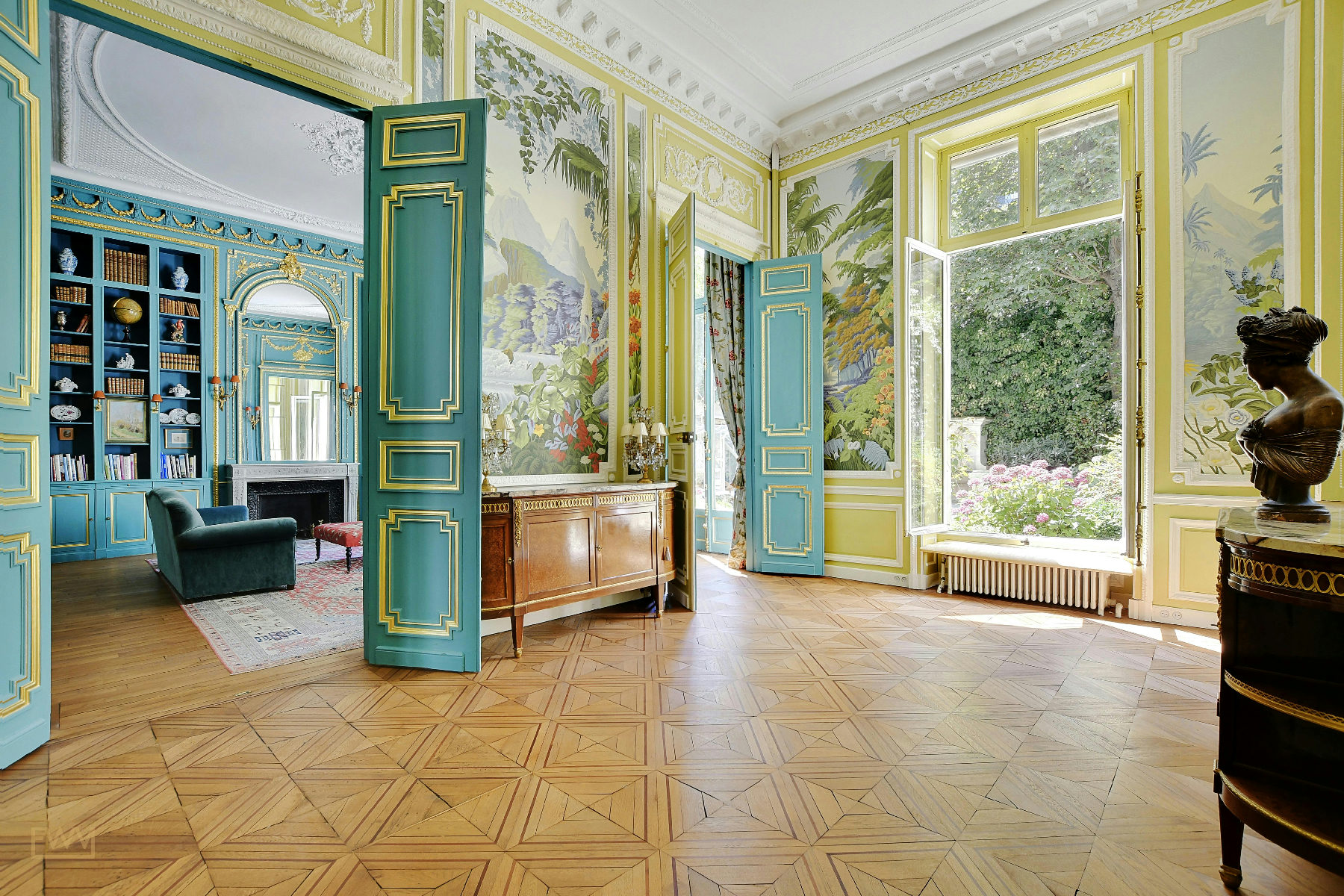
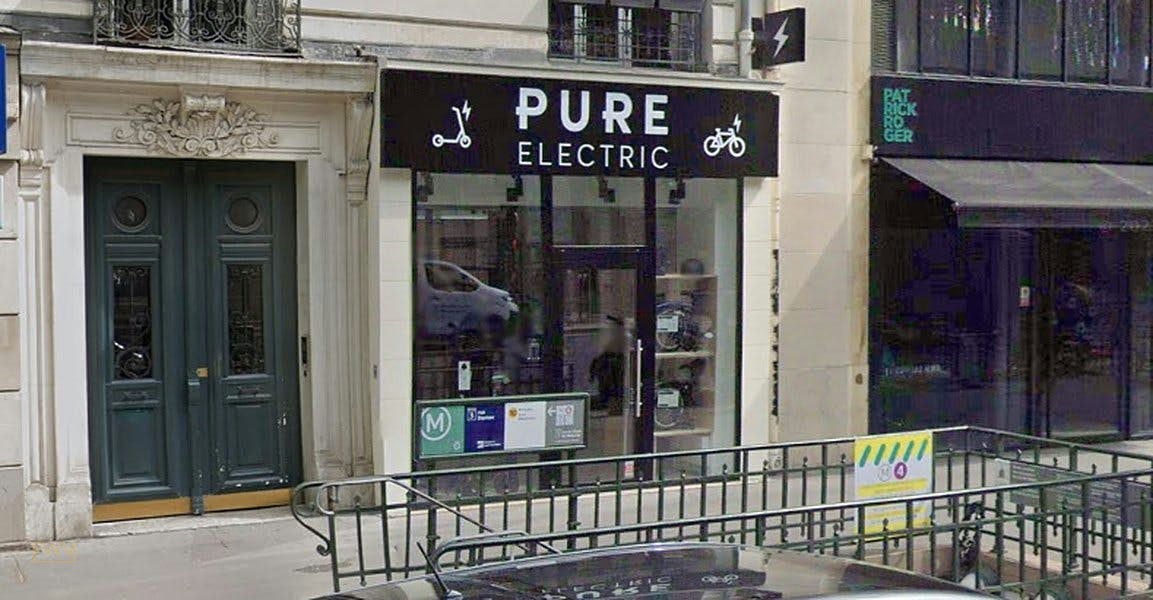
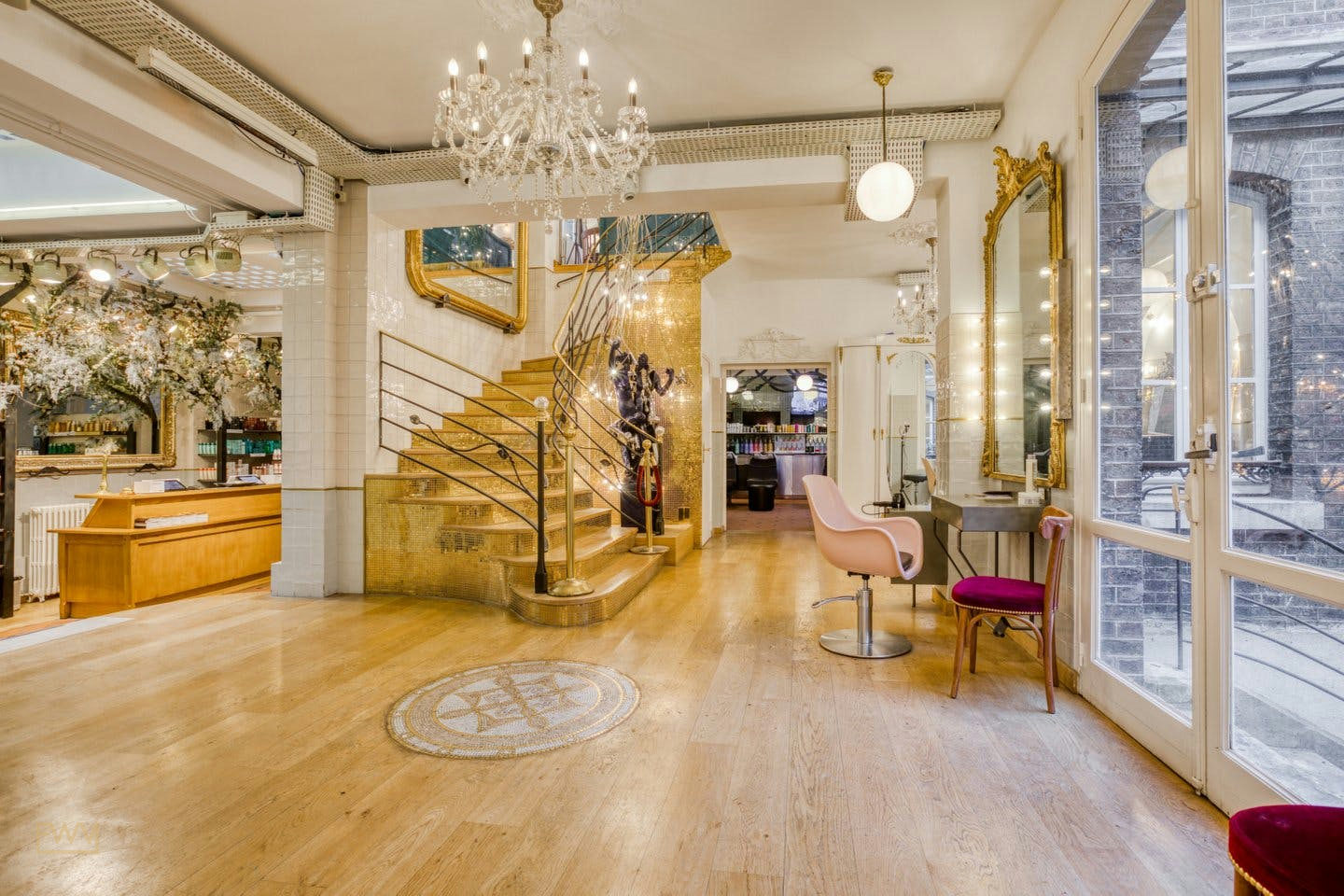
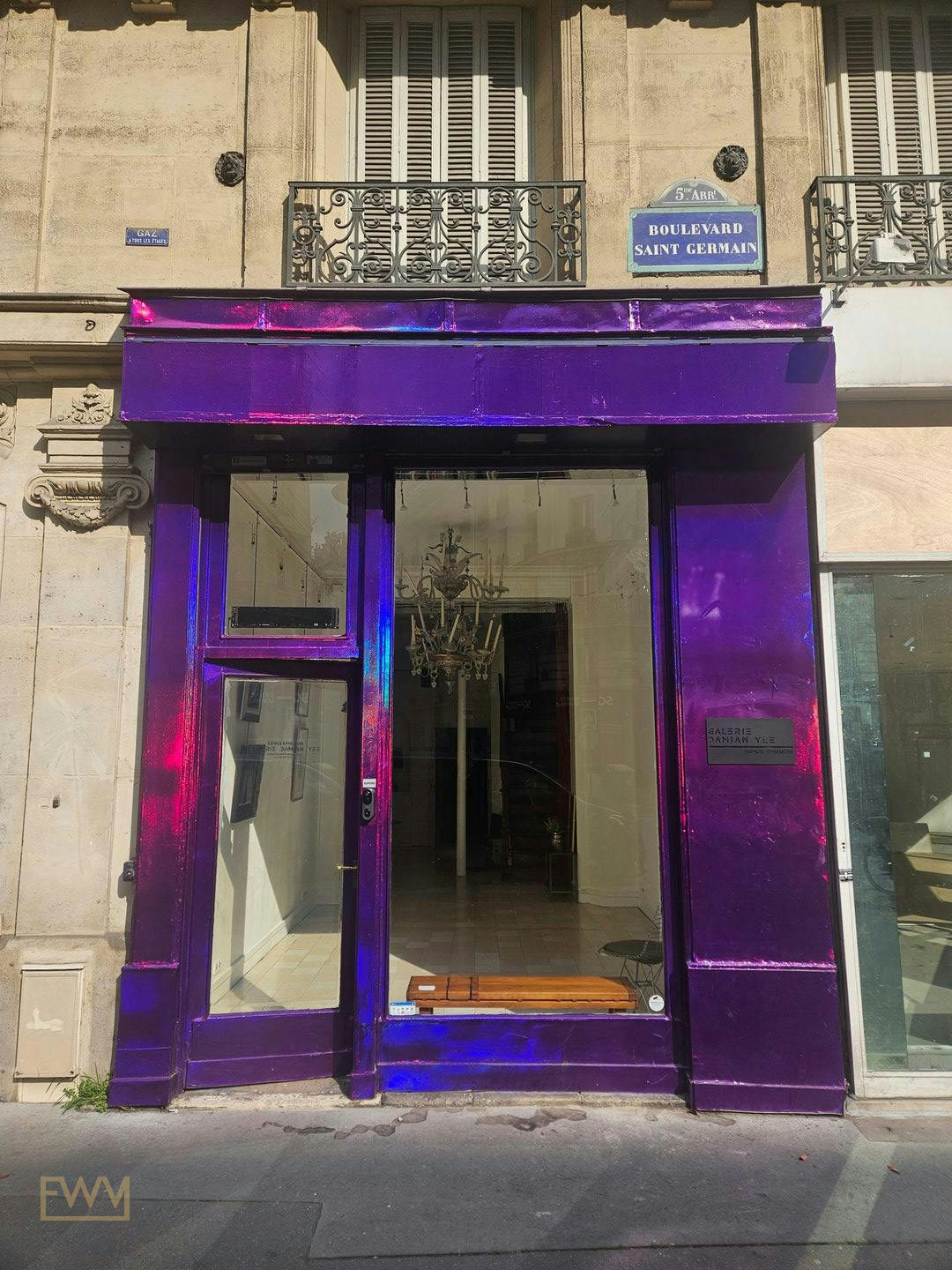
Short term retail Montorgueil is one of the most compelling propositions in Paris for brands seeking a culturally embedded, high-footfall location that combines residential authenticity with genuine commercial energy. Rue Montorgueil and the surrounding 1st and 2nd arrondissements offer an unusually rare combination: a street pedestrianised since 1992, anchored by centuries of gastronomic heritage, surrounded by emerging fashion quarters in Sentier and Etienne Marcel, and within walking distance of Les Halles, the Marais, and the Centre Pompidou. For brand teams exploring pop-up spaces in Paris, this neighbourhood deserves serious consideration alongside more obvious luxury corridors. Fashion Week Venues works with international brands to identify, lease, and activate short-term retail spaces across Paris, including this exceptional quarter.
What Is the Montorgueil Quarter and Where Does It Sit in Paris?
The Montorgueil quarter is a dense, vibrant neighbourhood straddling the 1st and 2nd arrondissements of Paris, roughly bounded by Rue Réaumur to the north, Les Halles and the Forum des Halles to the west, the Marais to the east, and Rue Etienne Marcel to the south. Its geographic heart is Rue Montorgueil itself, a pedestrianised market street running approximately 400 metres from Rue Rambuteau in the south to Rue Réaumur in the north. The street is one of the oldest commercial thoroughfares in Paris, with a documented history stretching back to the medieval fishmongers who served the Marché Montorgueil, the great provisioning market that fed central Paris for centuries.
Reaching the neighbourhood is straightforward. Metro Sentier on line 3 drops visitors at the northern end of Rue Montorgueil, while Etienne Marcel on line 4 serves the southern end near Rue Etienne Marcel. Les Halles and Châtelet-les-Halles stations, served by lines 4, 11, 14, and A, B, and D RER lines, are under ten minutes on foot. For visitors arriving by train from Versailles or using the broader Île-de-France network, Châtelet-les-Halles functions as the principal interchange. The neighbourhood is also walkable from the Louvre Museum in under fifteen minutes, and from the Centre Pompidou in under five.
Paris Arrondissements can be confusing for international brands. The 1st arrondissement contains the Forum des Halles and Westfield Les Halles, while the 2nd arrondissement encompasses the majority of the Sentier garment district and the northern stretch of Rue Montorgueil. The boundary runs roughly along Rue Rambuteau and Rue Etienne Marcel. For retail activation purposes, the practical footprint that matters is the wider Montorgueil-Sentier-Etienne Marcel triangle, which functions as a coherent commercial and cultural zone regardless of administrative boundaries.
Passage du Grand Cerf, one of the most beautiful covered arcades in Paris, sits just off Rue Saint-Denis two minutes from Rue Montorgueil. This vaulted iron-and-glass passage dating from 1825 houses independent jewellers, artisan workshops, and concept boutiques. It represents exactly the kind of character space that short-term retail tenants find attractive: architectural distinction, curated neighbours, and a visitor profile that skews affluent, design-literate, and internationally mobile. Rue Tiquetonne, running parallel to Rue Montorgueil, has historically housed haberdashers, jewellers, and fashion boutiques. Rue Bachaumont offers quieter café terraces and residential storefronts. Rue Saint-Sauveur connects the quarter to the broader Sentier garment district. Rue Léopold-Bellan provides access from the north. Together, these streets form a walkable retail micro-network.
Tour Jean-sans-Peur, at the junction of Rue Etienne Marcel and Rue Saint-Denis, is a surviving medieval tower built by Jean Sans-Peur, Duke of Burgundy, following the assassination of his rival Louis d'Orléans in 1407. It stands as one of the few intact pieces of medieval Gothic architecture in central Paris and anchors the southern edge of the neighbourhood historically. The Eglise Saint-Eustache, technically just outside the quarter at the edge of Les Halles, is a monumental example of French Gothic architecture completed with Renaissance detailing in the seventeenth century. It contains paintings by Rubens and stands as the artistic and spiritual counterpoint to the market energy of Rue Montorgueil.
KEY TAKEAWAY: The Montorgueil quarter occupies a genuinely strategic position in central Paris, accessible from multiple metro lines and major cultural landmarks, straddling two arrondissements, and offering a commercial character that is simultaneously authentic, gastronomically rich, and increasingly relevant to fashion and lifestyle brands. Understanding its precise geography is the first step in evaluating it as a short-term retail location.
Understanding the neighbourhood geographically prepares brand teams to assess its commercial dynamics, footfall patterns, and the kinds of spaces that are realistically available for short-term leasing.
The History Behind Rue Montorgueil and Why It Matters for Retail Brands
The history of Rue Montorgueil is inseparable from the history of Parisian food culture, commerce, and urban identity. That history is not merely decorative. It shapes the expectations of the neighbourhood's visitors, the trading hours of its merchants, and the cultural register that retail brands must navigate when activating here.
The street's name derives from the Old French "Mont Orgueil," meaning mount of pride or arrogant mount, a reference to a mound of oyster shells that accumulated here during the medieval period as fishmongers discarded waste from the stalls supplying Les Halles. King Philippe Auguste incorporated the street into his fortified Paris in the twelfth century, and it became a principal commercial artery connecting the market district to the northern faubourgs. By the reign of Louis XV, the street was already established as a destination for luxury provisions, Cancale oysters, fine wines, and prepared foods for the aristocracy and upper bourgeoisie.
The Dukes of Burgundy maintained their Parisian residence nearby, and the medieval fortifications commissioned by Philippe Auguste shaped the street grid that survives to this day. The Tour Jean-sans-Peur is the most visible remnant of that political and architectural history. Giacomo Casanova is said to have frequented the taverns and oyster bars of the quarter during his visits to Paris in the eighteenth century, drawn by the same combination of good food, sociable atmosphere, and proximity to the fashionable quarters of the right bank.
By the nineteenth century, the street had become a subject for artists and writers. Claude Monet painted the street market in 1878 in a work now held in a major European collection, capturing the awnings, crowds, and provisioning bustle of what was then one of the busiest open-air markets in Paris. Honoré de Balzac was a regular visitor and incorporated the street's social scenes into the literary realism of the Comédie Humaine. Victor Hugo's Paris, the city of Les Misérables, overlaps directly with this quarter: the streets, tenements, and cafés of the 2nd arrondissement are precisely the terrain of his fictional universe.
Sarah Bernhardt, the most celebrated actress of the Belle Époque, was born nearby on Rue Saint-Denis in 1844. The Hotel Bonne Nouvelle, on Boulevard de Bonne Nouvelle at the northern edge of the quarter, served travelling performers, merchants, and literary figures throughout the nineteenth century. Train Travel brought provincial visitors into Gare du Nord and Gare de l'Est, and many made their way south into this quarter as the first taste of Parisian commerce.
The gastronomic anchor of the street's modern identity is Maison Stohrer at 51 Rue Montorgueil, the oldest pâtisserie in Paris, founded in 1730 by Nicolas Stohrer, pâtissier to Louis XV and the man credited with inventing the baba au rhum. The rum baba, that deceptively simple combination of yeasted dough, rum syrup, and cream, is still served here in its original form. The shop's interior, with its painted ceilings and historic display cases, has been classified as a French historical monument. Au Rocher de Cancale, also on Rue Montorgueil, claims a history going back to 1804 and is associated with the Cancale oysters that gave it its name. The Sole Normande, an iconic recipe said to have been invented here in 1837, represents exactly the kind of gastronomic origin story that gives the street its cultural weight.
L'Escargot Montorgueil, at 38 Rue Montorgueil, opened in 1832 and is one of the longest-operating restaurants in Paris. Its gold snail above the door has become a neighbourhood landmark. Frenchie, the modern bistrot by Gregory Marchand that brought international attention back to the Montorgueil quarter when it opened on Rue du Nil in 2009, represents the contemporary chapter of this gastronomic history, proof that the neighbourhood's food culture continues to generate global relevance rather than simply trading on legacy.
KEY TAKEAWAY: Rue Montorgueil's commercial identity was formed over eight centuries of market trading, gastronomic innovation, and literary and artistic patronage. Brands that understand this history can position their short-term retail activation as a genuine contributor to the street's evolving narrative, rather than an intrusive commercial insertion.
That historical depth translates directly into the modern footfall characteristics of the street, which any brand team planning a short-term retail activation needs to understand in practical terms.
Gastronomic Landmarks as Footfall Anchors
The contemporary food ecosystem of Rue Montorgueil functions as the primary footfall engine for short-term retail brands. Maison Stohrer, Eric Kayser's artisanal bakery, Maison Kayser, Terroirs d'Avenir for seasonal produce, Maison Collet for champagnes, and Ma Cave Fleury for biodynamic wines curated by Morgane Fleury all draw daily queues. A la Mère de Famille, the confectionery institution with its painted facade, occupies a corner position with strong visual pull. Caldo Freddo at Café Montorgueil, the Palais du Fruit for fresh produce, and the fisheries clustered near the lower end of the street all contribute to a provisioning culture that brings residents back daily rather than weekly.
The Librairie Gourmande on Rue Montmartre specialises in cookbooks and food literature, attracting a culinary tourism visitor who is both intellectually engaged and high-spending. G. Detou, the professional and enthusiast ingredient supplier, and E. Dehillerin, the legendary kitchen equipment store on Rue Coquillière just off Les Halles, attract serious food practitioners who are also aligned with the Le Creuset and Staub cookware aesthetic that underpins the broader food culture of the quarter. Mariage Frères, the tea house with its colonial French heritage, sits within the cultural orbit of the neighbourhood even if its primary locations are in the Marais and Saint-Germain-des-Prés.
La Fromagerie and the specialist cheese vendors in the covered market sections of the street, along with the fisheries and charcuterie shops, mean that the street operates at peak intensity during the morning provisioning hours, at lunch, and on weekend afternoons. Understanding these peak hours and French commercial schedules is essential for brands planning staffing, event timings, and launch moments within their short-term retail space.
Short Term Retail in Montorgueil: Why Brands Choose This Neighbourhood
Quick answer: Brands choose Montorgueil for short-term retail because it combines high daily footfall from a mixed resident, professional, and tourist visitor profile with genuine cultural authenticity, proximity to the fashion quarters of Sentier and Etienne Marcel, and a commercial character that supports lifestyle, food, fashion, and creative brand categories without requiring the premium investment of Rue du Faubourg Saint-Honoré or the Marais.
The commercial case for short-term retail in Montorgueil rests on four converging factors: footfall volume, visitor profile, neighbourhood culture, and the availability of storefronts suited to short-term leasing. Each deserves examination.
Footfall on Rue Montorgueil is consistent and dense. The pedestrianised street, combined with the density of food shops, restaurants, and café terraces, creates a natural dwell environment where visitors slow down, browse, and engage. This is qualitatively different from transit footfall in a shopping centre like Westfield Les Halles or Forum des Halles, where visitors move with purpose between anchor destinations. The Montorgueil visitor is in a discovery mode, receptive to new brands, willing to stop, and likely to document experiences for their social media accounts. This behavioural profile is highly valuable for DTC fashion brands, capsule collection launches, brand collaborations, and concept store formats.
The visitor profile is genuinely mixed. Paris "bobos," the bourgeois-bohemian professional class that dominates the social geography of the 2nd arrondissement, shop here daily for provisions. International tourists, particularly those staying in the Marais or the 1st and 2nd arrondissement, discover the street via Google Maps, blogs, and social media recommendations. Fashion industry professionals working in the Sentier garment district, which has evolved into a hub for DTC fashion brands, tech startups, and creative agencies, pass through at lunch and after work. Culinary tourists specifically seeking Maison Stohrer, the rum baba, or Au Rocher de Cancale arrive from further afield and tend to have high purchase intent and strong brand curiosity.
Neighbourhood culture in Montorgueil is shaped by French Fridays, a shorthand for the social rhythm of a Parisian working neighbourhood where Friday lunchtime and evening generate exceptional footfall as residents and workers celebrate the end of the working week. Easter, the harvest season, and the holiday season all drive distinct peaks in the neighbourhood's food-driven calendar. Brands planning short-term retail activations that align with these local life patterns will find amplified organic visibility without requiring the same paid media investment needed in more anonymous retail locations.
The proximity to Sentier is commercially significant for fashion brands. The Sentier district has undergone a substantial transformation since the early 2010s, evolving from a purely wholesale garment district into a mixed zone of fashion startups, creative studios, and forward-thinking boutiques. Rue Etienne Marcel runs directly into the heart of this zone. Sneaker culture, which has one of its most important Paris concentrations along Rue Etienne Marcel, has made this corridor a must-visit for younger fashion consumers. Brands launching limited-edition capsule collections, collaborative footwear, or streetwear-adjacent product lines will find an already-warm audience within walking distance.
DID YOU KNOW: Rue Montorgueil was painted by Claude Monet in 1878 during the celebration of the Paris World's Fair, capturing the street decorated with tricolour flags. The painting is a primary visual document of the street's nineteenth-century commercial character and is regularly cited in art historical literature as evidence of the street's festive civic identity.
The retail leasing landscape in Montorgueil is characterised by a mix of owner-operated storefronts, institutional property, and increasingly, spaces made available through curated short-term leasing agreements. Unlike the Marais, where short-term pop-up retail has become highly systematised and prices reflect premium demand, Montorgueil offers more negotiability, a wider range of space typologies, and a commercial landlord base that includes artisans' shops, restaurant operators, and independent proprietors who may be open to short-term arrangements that generate income during transitional periods.
KEY TAKEAWAY: Montorgueil's commercial appeal for short-term retail brands lies in the combination of authentic daily footfall, a receptive and mixed visitor profile, strong neighbourhood culture that amplifies brand moments, and a retail leasing market that retains more flexibility than more commoditised Paris pop-up districts.
Understanding why brands choose Montorgueil is only part of the picture. Brand teams also need to understand the specific space types available across the neighbourhood and how they compare to alternatives.
Space Types Available for Short-Term Retail in the Montorgueil Area
| Space Type | Typical Location | Suitable For | Typical Size Range | Key Consideration |
|---|---|---|---|---|
| Ground-floor pedestrian storefront | Rue Montorgueil, Rue Tiquetonne | DTC fashion, food brands, lifestyle concept stores | 30 to 120 sqm | High visibility, requires ERP classification for public-facing retail |
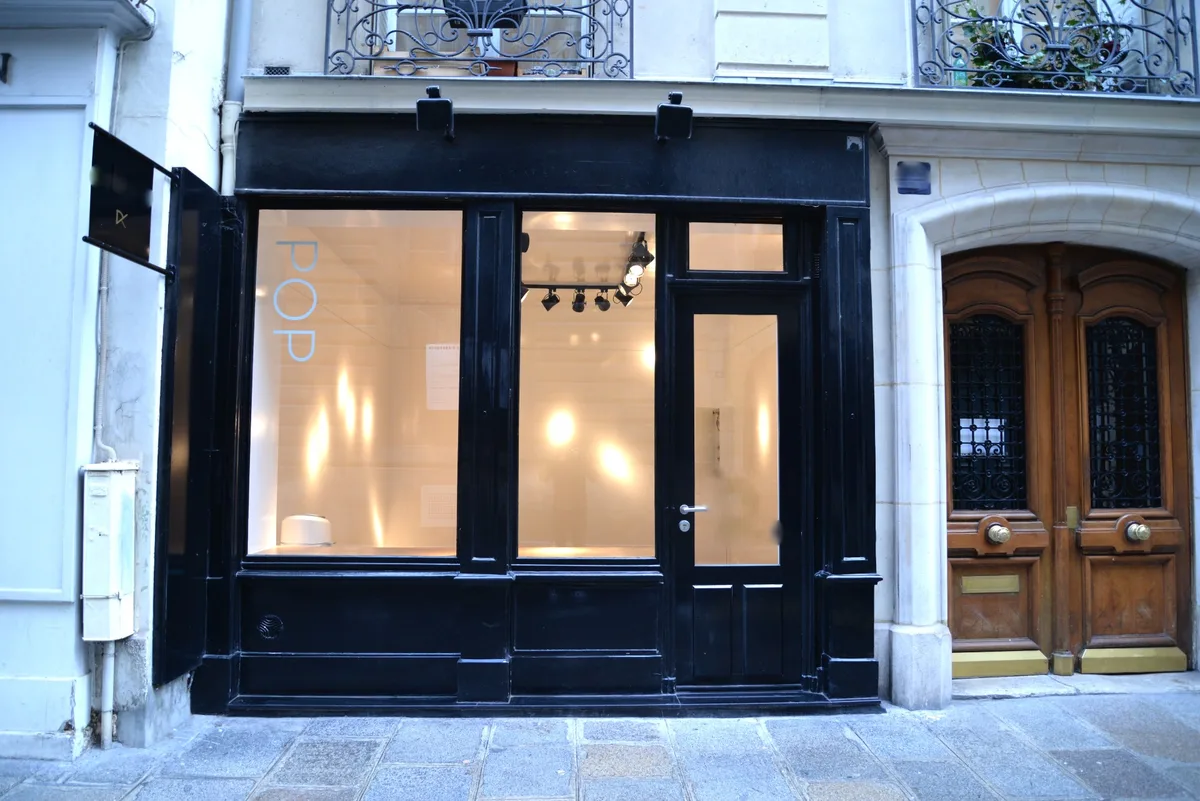
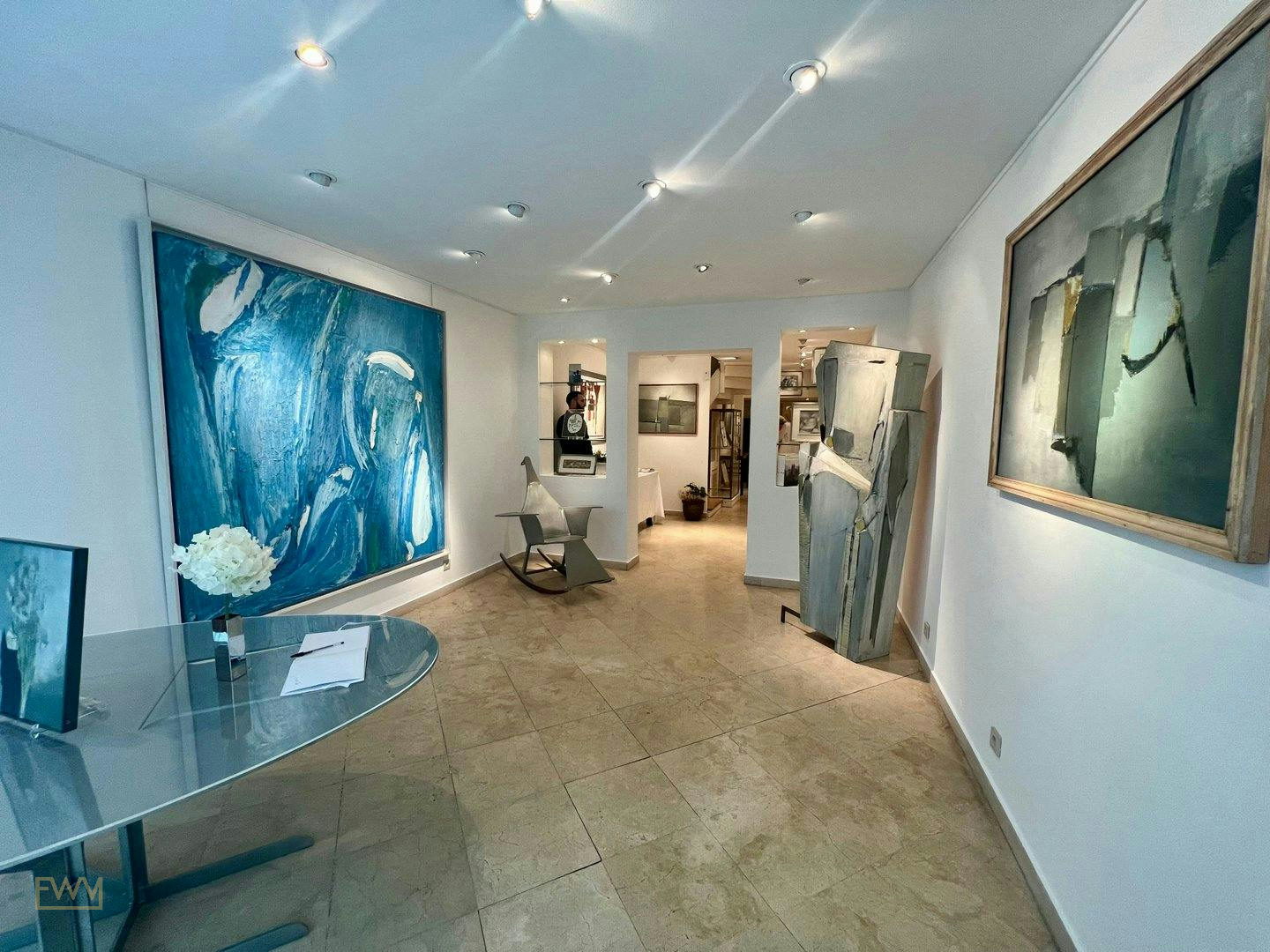
| Passage arcade unit | Passage du Grand Cerf, Passage du Caire | Jewellers, artisan brands, limited-edition releases | 15 to 50 sqm | Architectural character, restricted hours |
| First-floor showroom | Rue Réaumur, Rue Etienne Marcel | Wholesale showrooms, press appointments, brand collaborations | 50 to 300 sqm | Less passive footfall, suited to appointment-led activations |
| Former retail unit in transition | Rue Bachaumont, Rue Saint-Sauveur | Concept stores, installation-led pop-ups | 40 to 150 sqm | Variable condition, may require fit-out investment |
| Café or restaurant with retail component | Rue Montorgueil, Rue Léopold-Bellan | Food and drink brands, lifestyle brands, editorial activations | Variable | Shared use arrangements, operational complexity |
How Montorgueil Compares to Other Paris Neighbourhoods for Pop-Up Retail
| Neighbourhood | Primary Appeal | Visitor Profile | Relative Cost | Best For |
|---|---|---|---|---|
| Montorgueil (1st/2nd arr.) | Food culture, authenticity, bobo residential | Local residents, culinary tourists, fashion industry | Moderate | Lifestyle, food, DTC fashion, capsule launches |
| Le Marais (3rd/4th arr.) | Fashion, art, tourism, LGBT+ culture | International tourists, fashion buyers, gallerists | Higher | Luxury, streetwear, established brand activations |
| Etienne Marcel (1st/2nd arr.) | Sneaker culture, emerging fashion | Younger fashion consumers, industry insiders | Moderate to High | Footwear, streetwear, collaborative drops |
| Saint-Germain-des-Prés (6th arr.) | Literary heritage, luxury retail, press | Affluent tourists, publishers, luxury shoppers | High | Luxury brands, book-adjacent activations |
| Sentier (2nd arr.) | Fashion trade, tech startups, creative | Industry professionals, B2B buyers | Moderate | Showrooms, trade events, brand headquarters |
Paris Fashion Week and the Montorgueil Calendar Window for Brand Activations
Quick answer: Paris Fashion Week generates its primary short-term retail demand across the 1st, 2nd, 3rd, and 4th arrondissements. Montorgueil sits within this activation zone and attracts fashion industry visitors, press, buyers, and influencers during both the women's and men's ready-to-wear seasons, making it a viable and increasingly sought-after location for short-term retail and showroom activations during Fashion Week.
Paris Fashion Week takes place twice a year for women's ready-to-wear: in late February or early March for autumn/winter collections, and in late September or early October for spring/summer collections. The men's fashion week calendar runs in January and June. Between these major windows, the haute couture weeks in January and July generate a smaller but highly concentrated movement of international fashion media, buyers, and brand teams through the city.
The Montorgueil quarter sits within what fashion industry professionals informally call the right bank activation zone, the cluster of 1st, 2nd, 3rd, and 4th arrondissements where the majority of brand showrooms, pop-up shops, concept stores, and press appointments concentrate during Fashion Week. Brands working in this zone benefit from the proximity of show venues, the Palais Royal, the Centre Pompidou, and the Carrousel du Louvre, all within ten to twenty minutes on foot, and from the organic movement of industry visitors between appointments.
The Nuxe flagship on Rue Montorgueil and the Monocle café model of brand-adjacent retail have demonstrated that the neighbourhood can sustain editorial and lifestyle brand presences without requiring the fashion luxury positioning of the Marais or Rue du Faubourg Saint-Honoré. Brands launching outside the luxury segment, including sneaker culture brands, DTC fashion labels, and lifestyle concepts, will find Montorgueil's visitor mix and commercial register more appropriate and more commercially productive than attempting to compete in saturated luxury corridors.
Seasonal changes affect the activation calendar in important ways. The Easter period, typically in March or April, generates strong tourist footfall as French families and international visitors move through Paris. The harvest season in autumn, coinciding with the September Fashion Week window, brings a particular quality of light and a renewal of local resident engagement after the August exodus. The holiday season from late November through December, anchored by Christmas provisioning in Montorgueil's food shops, generates the highest footfall volumes of the year but also the greatest competition for available spaces.
IMPORTANT: Brands planning to activate during Paris Fashion Week should begin space searches and permit applications at minimum three to four months in advance, and ideally six months in advance for prime pedestrian storefronts on Rue Montorgueil. Demand from the fashion industry significantly compresses available inventory in the weeks before the collections.
The timeline planning tool at Fashion Week Venues allows brand teams to map their activation calendar against Fashion Week dates, permit lead times, fit-out windows, and staffing requirements, reducing the risk of missed deadlines or overlapping logistical commitments.
KEY TAKEAWAY: Paris Fashion Week provides a concentrated demand window for short-term retail in Montorgueil, but the neighbourhood's commercial calendar extends well beyond Fashion Week itself. Brands that align their activation with the neighbourhood's seasonal food calendar, local life patterns, and French commercial schedules will often achieve better engagement and footfall than those that treat Fashion Week as the only viable window.
The practical planning of a short-term retail activation in Montorgueil requires understanding the specific legal and permit frameworks that govern temporary retail in Paris.
Legal Frameworks, Permits, and Compliance for Short-Term Retail in Paris
Quick answer: Short-term retail in Paris is governed by a combination of commercial lease law, the bail dérogatoire short-term tenancy framework, ERP classification rules for public-facing retail spaces, and in some cases the autorisation d'occupation temporaire framework for publicly owned land. Requirements vary significantly by space type, duration, arrondissement, and intended use.
Brands unfamiliar with French commercial property law often underestimate the legal complexity of operating a short-term retail space in Paris. The most common framework for temporary retail is the bail dérogatoire, a short-term commercial lease derogating from the standard nine-year commercial lease statute. A bail dérogatoire can run for a maximum of three years in aggregate across successive tenancies in the same space, and must be clearly identified as such in the lease agreement. It does not give the tenant the renewal rights associated with a standard bail commercial, which is a key advantage for short-term operators but also a risk if the space becomes strategically important and the landlord chooses not to renew.
For activations on public land, terraces, or publicly owned spaces such as those in and around Forum des Halles or on certain pedestrianised streets, an autorisation d'occupation temporaire (AOT) is required from the relevant municipal authority. The process, timing, and documentation requirements for an AOT vary by arrondissement and by the specific nature of the use. Brands should not assume that a space available on Google Maps or identified through a broker is automatically permittable for their intended use without specialist verification.
ERP, or Établissement Recevant du Public, is the French classification system for buildings that receive members of the public. Any retail space operating as a pop-up shop technically falls within ERP classification and must comply with the safety, accessibility, and emergency egress requirements associated with that classification. In practice, many existing retail storefronts already hold appropriate ERP certification, but brands taking on raw industrial spaces, first-floor showrooms, or passage arcade units should verify compliance before signing a lease or beginning fit-out. Non-compliance can result in the local fire safety authority, the Commission de Sécurité, requiring the space to close.
Rue Montorgueil itself, as a pedestrianised zone within a conservation area, carries additional restrictions on signage, external display, and temporary structures. Brands planning window installations, external branding, or external furniture should verify permissions with the arrondissement mairie before committing to designs. The permit guidance tool at Fashion Week Venues provides an initial orientation to the permit landscape in Paris, though all specific applications should be verified with a qualified French legal advisor.
TIP: Brands from outside the European Union should be aware that operating a commercial retail space in France, even on a short-term basis, may require registration with the French business registry (Registre du Commerce et des Sociétés) or the appointment of a French legal representative. Requirements vary by corporate structure and nationality. Specialist advice is strongly recommended before entering into any lease agreement.
KEY TAKEAWAY: The legal framework for short-term retail in Paris is genuinely complex and varies by space type, duration, location, and intended use. Brands should treat permit and compliance planning as a parallel workstream to space search and fit-out planning, not an afterthought.
With the legal framework in mind, brand teams can make more informed decisions about the practical logistics of fitting out, staffing, and operating a short-term retail space in Montorgueil.
How Fashion Week Venues Supports Short-Term Retail Activations in Montorgueil and Paris
Fashion Week Venues is a full-service pop-up shop agency and space marketplace with Paris as its primary market. The agency supports brands at every stage of a short-term retail activation, from initial space identification through to post-activation data analysis. For brand teams unfamiliar with Paris, or those who have attempted to navigate the city's retail leasing market independently and encountered the complexity of bail dérogatoire agreements, ERP compliance, and permit applications, Fashion Week Venues provides a structured, expert-led alternative.
The venue sourcing service covers the Montorgueil quarter and the wider 1st and 2nd arrondissements, with access to spaces that are not publicly listed. The sourcing process considers brief alignment, neighbourhood fit, space typology, condition, and lease terms, not simply square footage and availability. For brands targeting the Montorgueil footfall profile, the sourcing team can identify whether ground-floor pedestrian storefronts, passage units, or first-floor showroom formats are most appropriate for the intended activation format.
Once a space is identified, the concept direction service helps brand teams develop an activation concept appropriate to the neighbourhood's cultural register. In Montorgueil, this means understanding the expectations of a visitor who encounters Maison Stohrer, L'Escargot Montorgueil, and Eric Kayser on the same street. A brand activation that feels incongruous with the neighbourhood's artisanal, gastronomic, and culturally layered identity will underperform regardless of its production quality. Concept direction ensures that the brand's story connects with the specific character of the space and street.
The production and build service manages fit-out, from initial design through to on-site installation and de-rig. For temporary retail in a pedestrianised conservation zone like Rue Montorgueil, this includes co-ordinating with the building owner, obtaining any required permissions for structural interventions, managing contractor access during permitted hours, and ensuring that the completed fit-out meets ERP standards. The agency's branded store design service ensures that the physical space reflects the brand's visual identity while respecting the architectural and regulatory constraints of the building.
Operational services include retail staffing for French-speaking teams experienced in brand activation environments, POS and payments infrastructure for temporary retail, and data and analytics to track footfall, conversion, and average transaction value throughout the activation. The influencer marketing service is particularly relevant in a neighbourhood like Montorgueil, where the visual and experiential qualities of the street create organic social media content opportunities that can amplify a brand activation far beyond its physical footprint.
For brands considering co-activating with a complementary label to share costs and expand the visitor proposition, the twin co-activation concept provides a structured framework for shared space activations. This is particularly relevant in Montorgueil, where the multidisciplinary character of the street, food, fashion, art, and craft, naturally supports brand pairings that would not work in a mono-category retail environment.
The agency's planning tools allow brand teams to undertake initial research independently. The budget estimation tool provides directional cost ranges for Paris activations across different space types and durations. The ROI calculator helps teams build the internal business case for a short-term retail investment. The compare tool allows brands to evaluate multiple spaces or neighbourhoods against a set of weighted criteria.
Fashion Week Venues works with international brands entering Paris for the first time as well as established brands seeking new neighbourhoods and activation formats. The agency does not guarantee specific spaces, outcomes, or permit approvals, but provides expert guidance, market access, and managed execution across the full activation lifecycle.
KEY TAKEAWAY: Fashion Week Venues offers brand teams a structured, expert-led path through the complexity of short-term retail in Paris, from space identification and legal navigation through to fit-out, staffing, and post-activation analysis. For brands targeting Montorgueil specifically, the agency's knowledge of the neighbourhood's commercial character, permit landscape, and visitor profile is directly applicable.
Before committing to a specific neighbourhood or space, brand teams benefit from a step-by-step workflow that maps the full activation process from initial brief to post-activation review.
Step-by-Step Workflow for a Short-Term Retail Activation in Montorgueil
Quick answer: A successful short-term retail activation in Montorgueil requires structured planning across eight distinct phases, from initial brief and space search through to post-activation reporting. Compressing or skipping phases, particularly permit and compliance verification, is the most common cause of avoidable delays and additional costs.
| Phase | Key Activities | Typical Timeline Before Opening | Key Risk if Skipped |
|---|---|---|---|
| 1. Brief Development | Define objectives, budget, calendar window, space requirements, brand brief | 6 to 4 months | Misaligned space selection, budget overruns |
| 2. Space Search and Shortlisting | Market search, site visits, neighbourhood analysis, space comparison | 5 to 3 months | Missing prime inventory, accepting unsuitable spaces |
| 3. Legal and Permit Review | Bail dérogatoire review, ERP classification check, AOT application if required | 4 to 3 months | Non-compliant operation, forced closure, financial penalties |
| 4. Lease Agreement | Negotiate and execute short-term lease, confirm break clauses, agree fit-out permissions | 3 to 2 months | Unfavourable terms, unprotected investment |
| 5. Concept and Design | Concept development, branded store design, spatial planning, materials specification | 3 to 6 weeks | Incoherent brand expression, rushed production |
| 6. Production and Fit-Out | Contractor engagement, materials sourcing, on-site build, ERP sign-off | 2 to 3 weeks | Delays, cost overruns, safety compliance failures |
| 7. Activation and Operation | Staffing, POS setup, influencer outreach, daily operations management | Opening day onwards | Poor visitor experience, missed sales, brand damage |
| 8. De-Rig and Reporting | Space restoration, data analysis, ROI review, landlord sign-off | After close | Deposit loss, incomplete performance data, no learnings for next activation |
This workflow applies to activations of approximately two to eight weeks in duration, which represents the most common format for fashion and lifestyle brand pop-up shops in Montorgueil. Shorter activations of three to seven days are possible but require all phases to be compressed accordingly, which increases management intensity and risk at each stage.
KEY TAKEAWAY: The most common errors in Paris pop-up planning are insufficient lead time for permits, underestimating fit-out complexity in heritage or conservation zone buildings, and failing to build a post-activation reporting phase into the project plan. All three are avoidable with structured planning.
With a clear workflow established, brands benefit from evaluating the specific commercial and cultural dynamics that determine whether Montorgueil is the right neighbourhood for their particular activation.
Visitor Patterns, Peak Hours, and Seasonal Dynamics on Rue Montorgueil
Rue Montorgueil operates on a fundamentally different commercial rhythm from a shopping centre or a department store. Understanding that rhythm is essential for brands planning short-term retail activations, because it determines when to schedule events, how to staff the space, and when the investment in presence generates maximum return.
The street's busiest daily periods are morning provisioning from approximately 8am to 11am, when local residents, professional chefs, and food-aware visitors purchase from the bakeries, fisheries, cheese shops, and produce stalls. The lunch break from noon to 2pm generates the highest concentration of seated visitors at the café terraces and restaurants, with foot traffic on the street itself remaining high throughout. Late afternoon from 4pm to 7pm sees a second wave of residents returning from work or school, combined with tourist visitors making their way from the Louvre Museum or the Centre Pompidou. Evenings on Friday and Saturday generate the liveliest atmosphere, with tables at Frenchie, Au Rocher de Cancale, and the Cul de Cochon and similar restaurants filling from 7pm onwards.
French commercial schedules shape visitor behaviour in ways that can surprise international brands. Many French shoppers do not expect boutiques to open before 10am or 10.30am, and the lunch break convention means that some independent retailers on side streets like Rue Bachaumont and Rue Tiquetonne close between 1pm and 2.30pm. Brands operating short-term retail spaces should align their hours with neighbourhood conventions rather than imposing schedules from their home markets.
Seasonal changes create distinct footfall profiles. The pre-Easter period in March and April, coinciding approximately with the women's ready-to-wear autumn/winter Fashion Week window, generates strong combined footfall from local residents purchasing seasonal produce and fashion industry visitors in the city for shows and appointments. The summer months of July and August see a significant reduction in local resident footfall as Parisians leave the city for holidays, partially offset by increased international tourist volumes. The harvest season in September and October, aligning with the women's spring/summer Fashion Week, brings renewed local engagement as residents return and the food markets shift to autumn produce. The holiday season from late November through December is commercially the strongest period of the year for most retail categories.
Social media accounts for a meaningful share of visitor discovery on Rue Montorgueil. The street's combination of beautiful food displays, historic architecture including the facades of Maison Stohrer and L'Escargot Montorgueil, and the visual contrast of old buildings with contemporary café culture makes it highly photographable. Brands that create visually distinctive window displays, external installations within permitted parameters, or experiential moments inside their short-term retail space will benefit from organic social sharing by visitors who are already in a content-creation mindset.
DID YOU KNOW: Rue Montorgueil is one of only a small number of streets in central Paris that has been continuously occupied as a market or provisioning street for over seven hundred years. Its pedestrianisation in 1992 preserved and amplified this character rather than replacing it with the homogenised retail formats found in many other pedestrianised European city centres.
KEY TAKEAWAY: Brands that align their operating hours, event scheduling, and staffing plans with Montorgueil's specific daily and seasonal visitor rhythms will generate significantly better results than those that impose generic retail schedules onto a neighbourhood with a distinct and well-established commercial culture.
With footfall dynamics understood, brands are in a stronger position to evaluate whether their specific format, budget, and objectives make a Montorgueil activation the right choice compared to alternatives across Paris.
To compare neighbourhoods and space types side by side, explore the Paris city hub on Fashion Week Venues and shortlist spaces that match your brief, budget, and calendar window.
Common Myths About Short-Term Retail in Paris and Montorgueil Debunked
MYTH: You need a French legal entity to rent a pop-up space in Paris.
FACT: International brands without a French legal entity can operate short-term retail spaces in Paris through a variety of structures, including operating via a French agent, appointing a local legal representative, or working through a managed service provider. Requirements vary depending on the duration of the lease, the brand's country of origin, and the specific lease structure. Specialist legal advice is essential, but the absence of a French entity is not automatically a barrier to a short-term activation.
MYTH: Paris Fashion Week is the only viable calendar window for a short-term retail activation in Paris.
FACT: While Paris Fashion Week generates concentrated industry footfall and media attention, it also creates peak demand for spaces and significant upward pressure on short-term rental costs. Many brands achieve better commercial results by activating in the weeks immediately preceding or following Fashion Week, when spaces are more available, costs are more negotiable, and the city's resident and tourist visitor population is fully engaged. The Montorgueil quarter in particular performs strongly throughout the year due to its food-driven daily footfall.
MYTH: The only way to find a short-term retail space in Paris is through a commission broker.
FACT: Commission brokers represent one route to market but are not the only option. Curated space marketplaces, full-service agencies, and direct outreach to building owners and managing agents are all viable approaches. Each has different cost structures, timelines, and levels of service. Brands that work through a full-service agency gain access to spaces not publicly listed and benefit from negotiation expertise, legal support, and managed execution that commission-only brokers do not provide.
MYTH: Short-term retail leases in Paris are straightforward and do not require specialist legal help.
FACT: The bail dérogatoire framework is a specific legal instrument with precise requirements regarding documentation, duration, and the parties' rights on expiry. Operating without a properly structured bail dérogatoire exposes brands to the risk of inadvertently creating a standard nine-year bail commercial with full statutory renewal rights and obligations. ERP compliance, AOT applications, and the restrictions applicable to conservation zones add further layers of complexity. Specialist French legal advice is strongly recommended for any short-term lease in Paris.
MYTH: Montorgueil is primarily a food destination and is not relevant for fashion brands.
FACT: Montorgueil's proximity to the Sentier garment district, Rue Etienne Marcel's sneaker culture corridor, and the concentration of DTC fashion brands and creative agencies in the 2nd arrondissement makes it a commercially relevant location for fashion brands, particularly those targeting a lifestyle-oriented, culturally aware consumer. The neighbourhood's mixed visitor profile, combining local residents, food tourists, and fashion industry professionals, supports fashion brand activations that have a lifestyle or experiential dimension alongside a transactional one.
Frequently Asked Questions About Short-Term Retail in Montorgueil and Paris
Is Rue Montorgueil worth visiting if you are short on time in Paris?
Rue Montorgueil is among the most time-efficient streets in Paris for experiencing multiple dimensions of the city simultaneously. Within a single morning or afternoon, a visitor can explore a living market street with seven centuries of continuous history, purchase from the oldest pâtisserie in Paris at Maison Stohrer, observe the everyday social rituals of a Parisian residential neighbourhood, and be within walking distance of the Centre Pompidou, the Louvre Museum, and the Marais. For brands evaluating the street as a retail activation location, this density of experience and cultural reference points in a compact footprint is a significant commercial asset.
Is Rue Montorgueil touristy?
Rue Montorgueil has a significant international visitor presence, driven by its reputation on food and travel blogs, its Google Maps visibility, and its proximity to major tourist landmarks. However, it retains a genuine residential and professional character that distinguishes it from purely tourist-facing streets. Local residents shop here daily for provisions, professionals from the Sentier district use it at lunch, and the food businesses, including Terroirs d'Avenir, Ma Cave Fleury, and the fisheries, are oriented toward a quality-conscious local customer rather than a souvenir-buying tourist. This balance of tourist curiosity and local authenticity is a commercial asset for short-term retail brands seeking credibility with both audiences.
What is the best time of day to visit Rue Montorgueil?
The morning hours between 8am and 11am offer the most authentic experience of the street as a working market, with the widest range of food vendors operating, the freshest produce on display, and the highest concentration of local residents. Weekend mornings are the most atmospheric. For short-term retail brands, the late afternoon window between 4pm and 7pm and Saturday morning represent the optimal trading periods, combining high footfall volumes with a visitor mindset oriented toward discovery and discretionary spending rather than purely provisioning. Lunch hour generates high café and restaurant footfall but lower retail conversion rates.
How do you reach Rue Montorgueil by metro?
Metro Sentier on line 3 provides access to the northern end of Rue Montorgueil and is the most direct option from the right bank. Etienne Marcel on line 4 serves the southern end near Rue Etienne Marcel. Châtelet-les-Halles, accessible on lines 4, 11, 14, and multiple RER lines, is under ten minutes on foot and provides connections from across the Île-de-France region and from major rail termini including Gare du Nord and Gare de l'Est, making it straightforward for visitors arriving by train from Versailles or other regional destinations.
How much does it cost to rent a pop-up shop in the Montorgueil area?
Short-term rental costs for pop-up spaces in the Montorgueil quarter vary significantly depending on space size, location, condition, lease duration, and the time of year. Spaces on Rue Montorgueil itself, particularly ground-floor pedestrian storefronts with high street visibility, command a premium relative to side street units on Rue Tiquetonne, Rue Bachaumont, or Rue Saint-Sauveur. Costs during Paris Fashion Week windows are typically higher than outside these periods. Rather than relying on generic market estimates, brand teams should use the budget estimation tool at Fashion Week Venues to generate directional figures aligned to their specific brief.
How long can you rent a pop-up shop in the Montorgueil area?
Short-term retail leases in Paris under the bail dérogatoire framework can run from a few days to a maximum cumulative period of three years in the same space across successive tenancies. In practice, the most common formats for fashion and lifestyle brand activations in the Montorgueil area range from one week to three months. Activations tied to Paris Fashion Week typically run for two to four weeks. Longer activations of one to three months are common for brands testing market entry, launching a new product line, or establishing local brand awareness before committing to a permanent lease. Requirements vary by space and landlord.
What types of brands open pop-up shops in the Montorgueil and Etienne Marcel area?
The most active brand categories in the Montorgueil, Sentier, and Etienne Marcel corridor include DTC fashion brands using pop-up retail to drive awareness and direct sales, sneaker and streetwear brands targeting the Etienne Marcel footwear culture cluster, food and drink brands with a lifestyle dimension, concept stores combining multiple brand categories, artisan and craft brands aligned with the neighbourhood's artisanal heritage, and international fashion brands using Paris Fashion Week as an activation moment. The neighbourhood is less aligned with luxury fashion mono-brands, which tend to concentrate in the Marais or the 8th arrondissement.
Do you need a permit to open a pop-up shop in Paris?
Operating any public-facing retail space in Paris requires compliance with ERP classification rules governing safety, accessibility, and emergency egress. Depending on the space and its location, additional permits may be required, including an autorisation d'occupation temporaire for spaces on public land, planning permissions for external signage or temporary structures, and in some cases formal notifications to the local mairie. The bail dérogatoire lease itself is a legal instrument with specific documentation requirements. Brands should consult the permit guidance tool at Fashion Week Venues for an initial orientation and should verify all specific permit requirements with a qualified French legal advisor.
How does Montorgueil compare to the Marais for pop-up retail?
The Marais is the most established and systematised pop-up retail market in Paris, with higher average rental costs, a more internationally recognised brand address, and a visitor profile heavily weighted toward luxury fashion buyers and international tourists. Montorgueil offers lower average costs, greater commercial authenticity, stronger local resident footfall, and a more flexible landlord environment, at the cost of less immediate fashion industry association. For brands prioritising commercial credibility with a culturally literate local consumer over industry signalling to fashion buyers, Montorgueil frequently represents a more effective use of the activation budget.
What is the Passage du Grand Cerf and is it suitable for a pop-up shop?
Passage du Grand Cerf is a covered arcade dating from 1825, located just off Rue Saint-Denis two minutes from Rue Montorgueil. It is classified as a French historic monument and features a vaulted iron-and-glass roof, original mosaic floors, and a curated mix of independent jewellers, artisan workshops, and concept boutiques. Units within the passage are small, typically ranging from fifteen to fifty square metres, and the passage operates under restricted opening hours. It is well suited to artisan brands, jewellers, limited-edition concept stores, and brands for whom architectural character and a curated neighbouring environment take precedence over maximising footfall volume.
What is a bail dérogatoire and why does it matter for international brands?
A bail dérogatoire is a French short-term commercial lease that derogates from the standard nine-year bail commercial statute. It allows brands to occupy commercial spaces temporarily, typically from a few weeks to a maximum cumulative three-year term in the same space, without acquiring the statutory renewal rights associated with a standard commercial lease. For international brands, the bail dérogatoire is the primary legal instrument for pop-up and short-term retail operations. It must be correctly documented and clearly identified as a derogatory lease to avoid inadvertently creating a nine-year commercial tenancy. Legal advice from a qualified French practitioner is strongly recommended.
Can food and lifestyle brands activate on Rue Montorgueil alongside fashion brands?
Yes, and in many cases this combination is commercially more effective than a pure fashion activation. The neighbourhood's gastronomic identity creates a natural context for food and drink brands, artisanal producers, and lifestyle brands with a culinary dimension. Fashion brands that incorporate experiential food elements, such as working with local producers from Terroirs d'Avenir or commissioning canelés from a neighbouring pâtisserie as part of a brand event, will find that the neighbourhood's culture amplifies rather than dilutes their activation. The twin co-activation format offered by Fashion Week Venues is designed specifically for this kind of multidisciplinary brand pairing.
How early should a brand begin planning a pop-up activation on Rue Montorgueil?
For activations targeting Paris Fashion Week windows, a minimum planning lead time of four to six months is advisable, with six months preferred for prime storefronts on Rue Montorgueil itself. Permit applications, particularly for spaces requiring ERP sign-off or AOT authorisation, can take four to eight weeks to process. Fit-out in a conservation zone building requires careful planning and may need building owner approvals that add time. For activations outside Fashion Week periods, three to four months is typically sufficient, though prime spaces are often reserved in advance by brands operating on an annual activation calendar.
What digital and social media advantages does Rue Montorgueil offer for brand activations?
Rue Montorgueil's visual richness, its historic facades, colourful food displays, active street life, and the distinctive interiors of institutions like Maison Stohrer, make it one of the most photographable market streets in Paris. International visitors arriving with food and travel content briefs, local residents sharing their daily provisioning discoveries, and fashion industry visitors documenting their Paris week all contribute to a social media environment that is already active and engaged. Brands that create visually distinctive spaces, culturally relevant activations, or experiential moments that complement the neighbourhood's existing content culture will benefit from organic amplification at a scale disproportionate to the space's physical footprint.
Where can I see examples of past pop-up activations in Paris and learn more about the agency process?
Fashion Week Venues publishes case studies and past activation examples through its work section, covering brand activations across Paris and other major fashion capitals. The process page provides a detailed explanation of how the agency approaches space sourcing, concept development, production, and activation management. Brands evaluating whether to work with a full-service agency rather than a commission broker will find the guide on hiring an agency useful for structuring that decision with clear criteria.
Conclusion: Why Montorgueil Remains One of Paris's Most Compelling Short-Term Retail Locations
Short-term retail in Montorgueil offers something that few Paris neighbourhoods can credibly provide: genuine commercial footfall driven by authentic local life rather than engineered tourist routing, a cultural and gastronomic heritage that gives every brand activation a richer context to inhabit, and a retail leasing environment that retains more flexibility and commercial negotiability than the saturated pop-up markets of the Marais or the Champs-Élysées corridor.
The neighbourhood's history, from King Philippe Auguste's medieval fortifications through the oyster bars of Louis XV's Paris, the literary realism of Honoré de Balzac, the impressionist canvases of Claude Monet, and the baba au rhum of Maison Stohrer, is not historical decoration. It is the active commercial identity of a street that has been reinventing itself as a destination for seven hundred years. Brands that understand this identity and position their short-term retail activation as a genuine contributor to its evolving narrative will outperform those that simply place a pop-up shop in a high-footfall pedestrian zone.
The practical requirements of a successful activation in this neighbourhood, structured legal agreements, ERP-compliant fit-out, permit applications appropriate to the conservation zone context, staffing aligned with French commercial schedules, and activation timing calibrated to the neighbourhood's seasonal and daily rhythms, are manageable with the right expertise. Fashion Week Venues provides that expertise across every stage of the activation lifecycle, from initial brief to post-activation analysis.
To move from research to activation, start exploring available spaces on the Fashion Week Venues marketplace and build a focused brief for your target neighbourhood, space type, and calendar window.