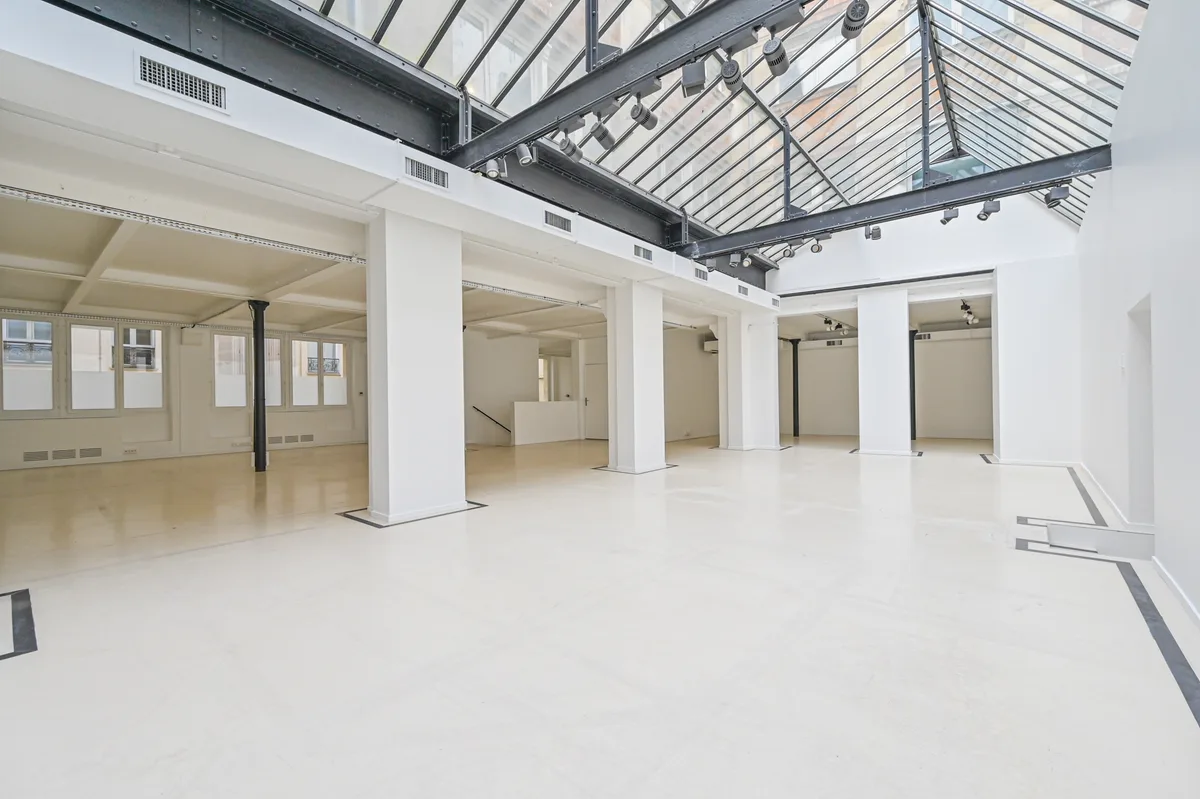
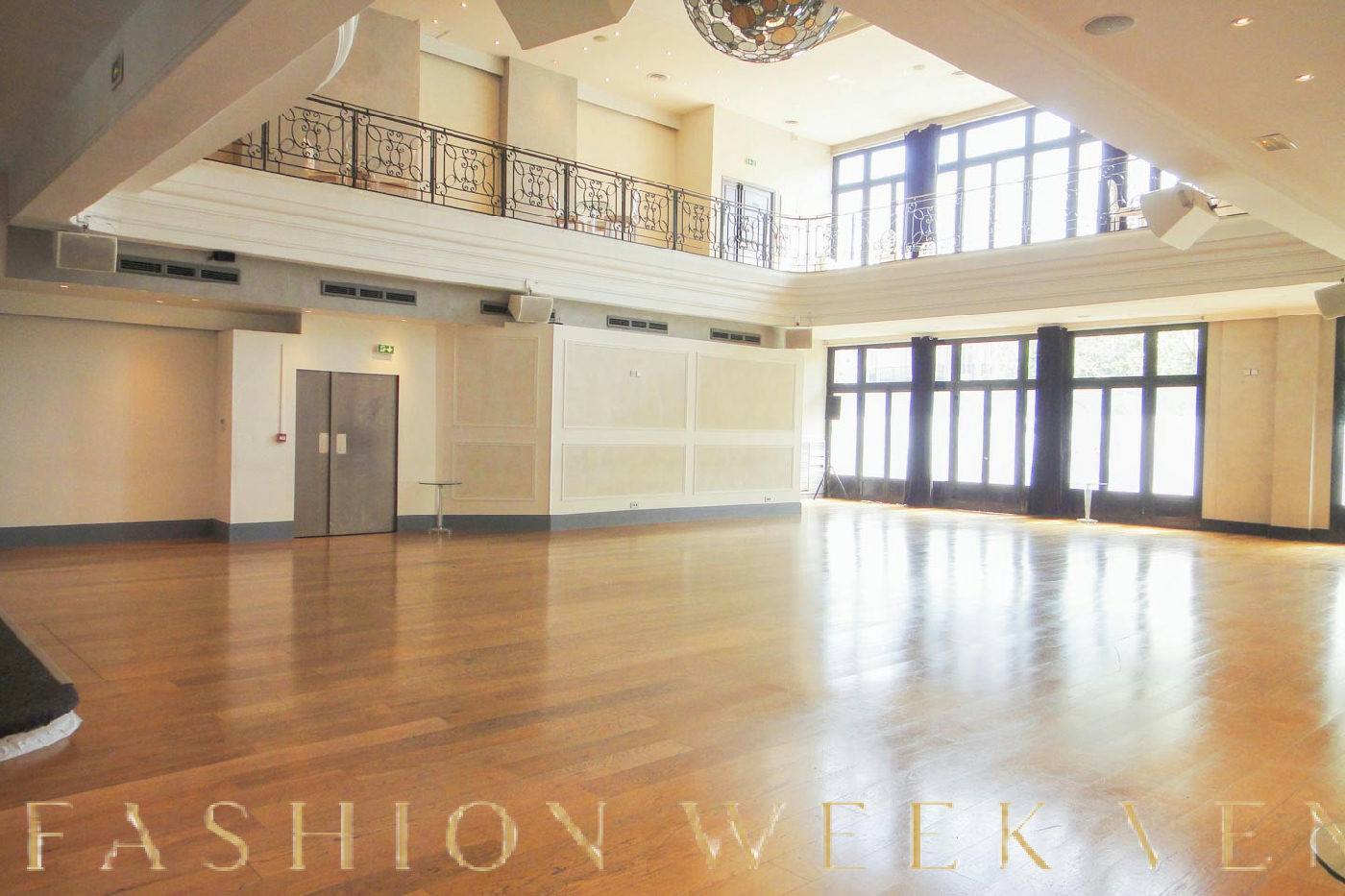
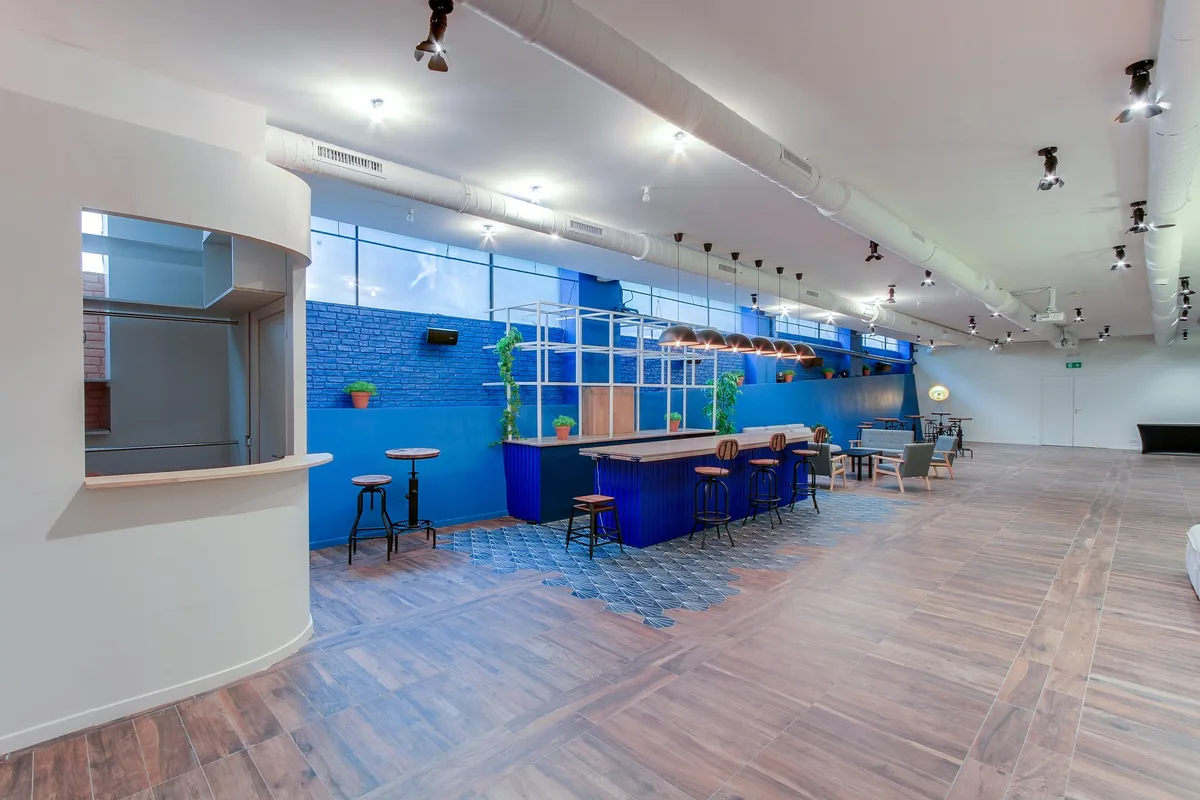
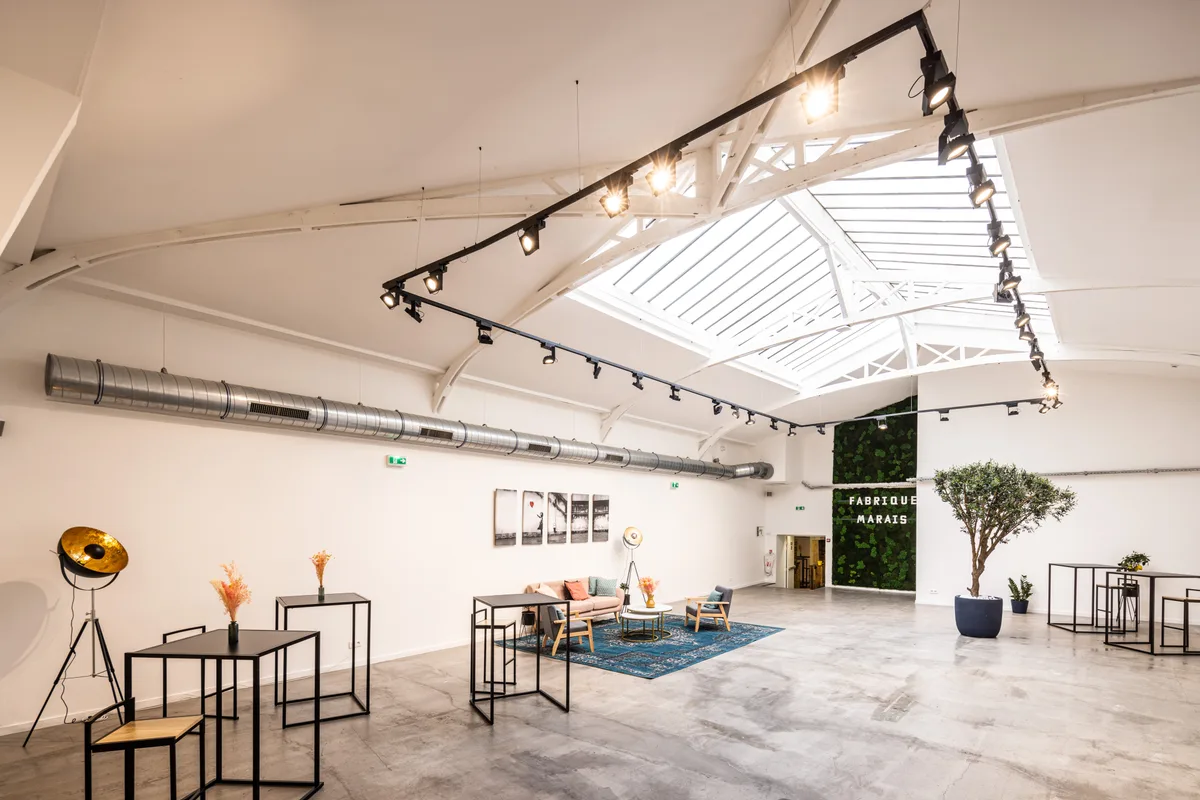
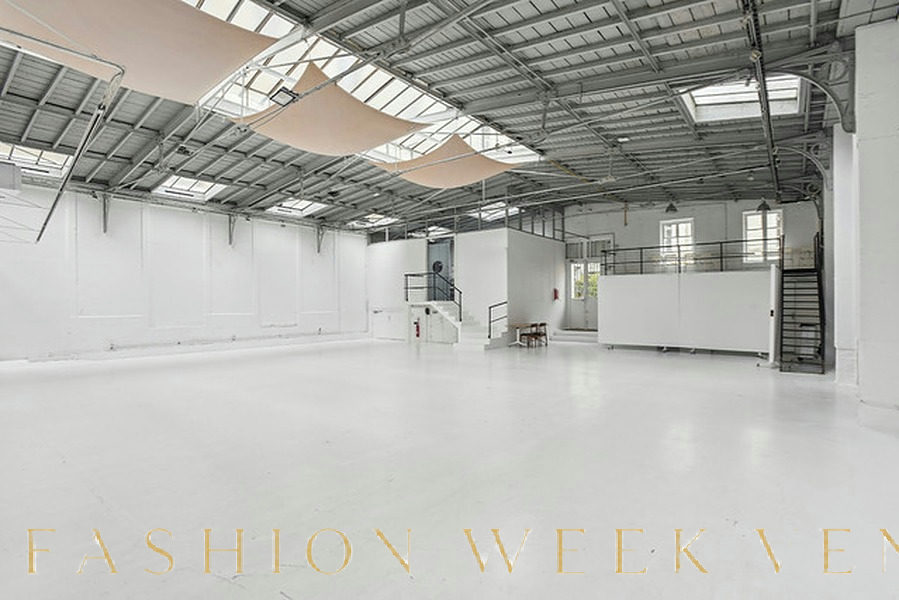
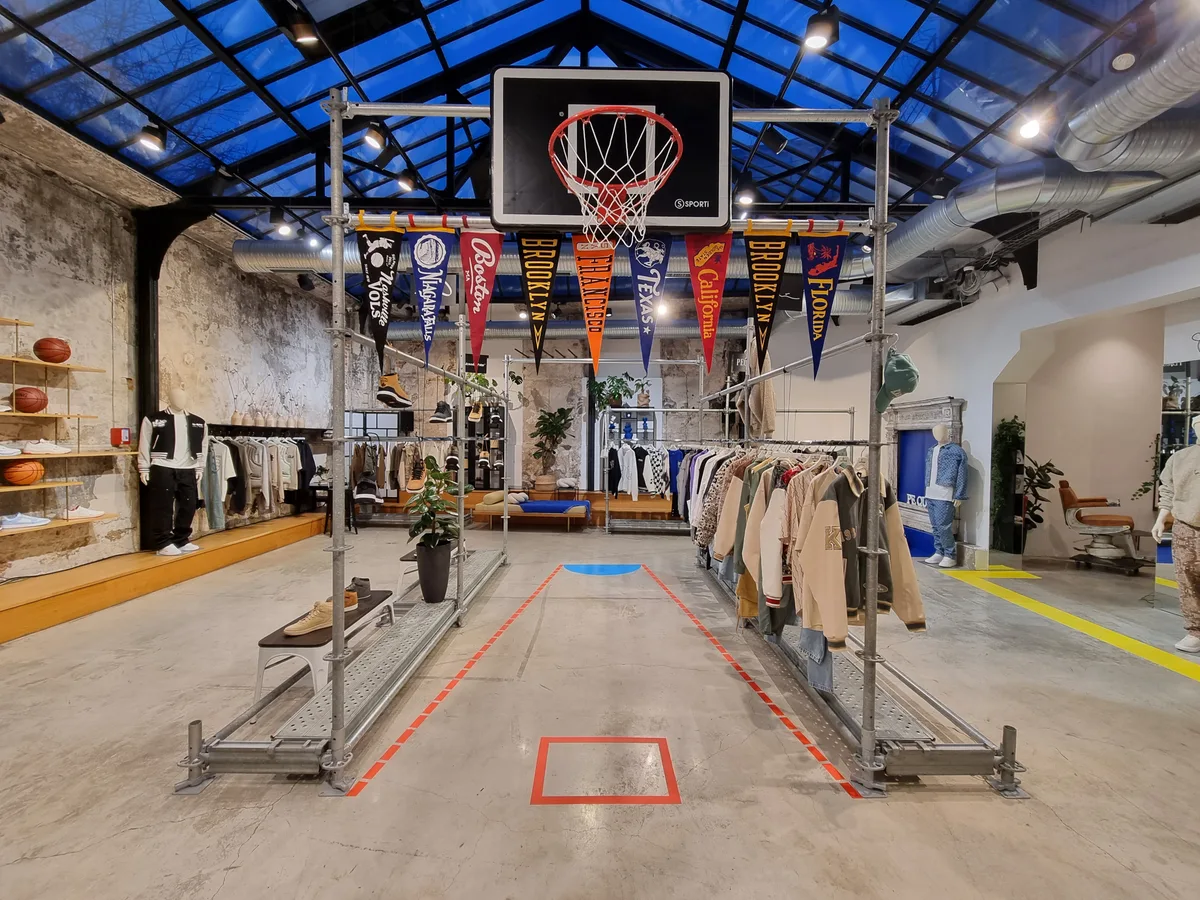
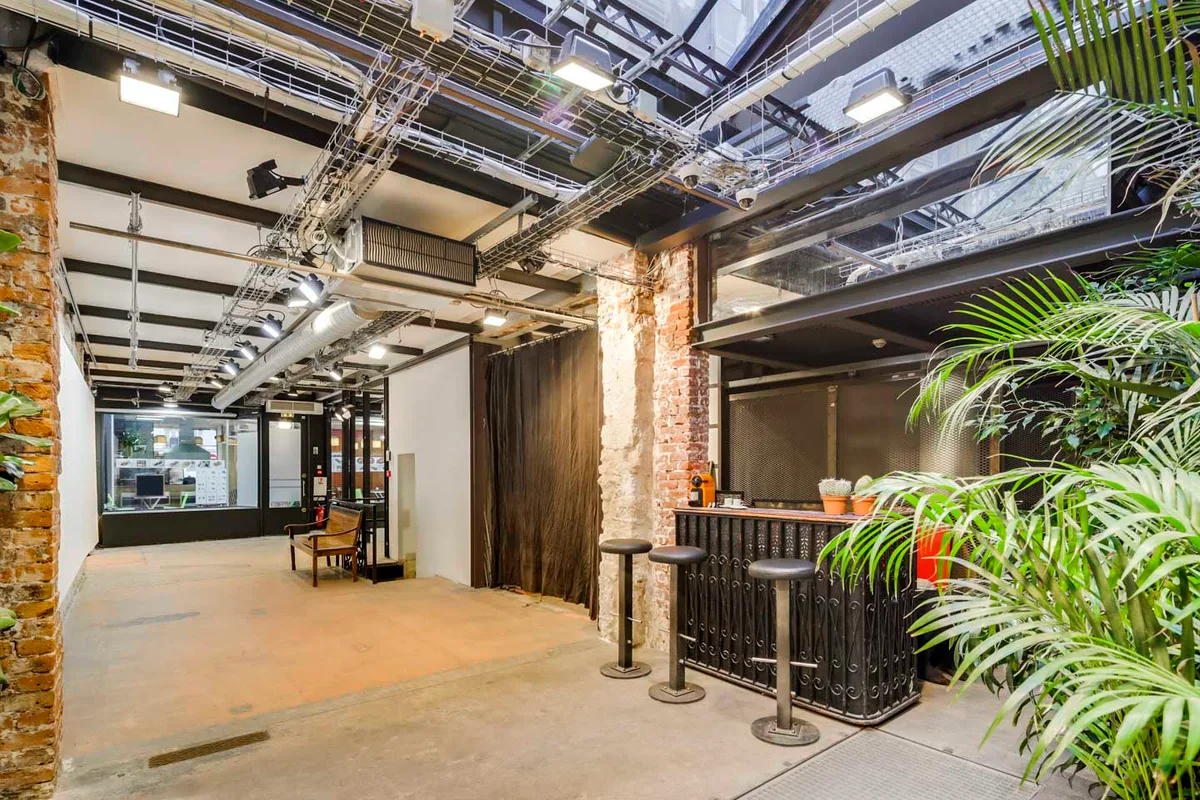
Short term retail near Tuileries Paris places your brand at the intersection of the most visited cultural corridor in Europe, where daily footfall from the Jardin des Tuileries, the Louvre Museum, Place de la Concorde, and Rue de Rivoli creates unrivalled exposure for temporary activations, pop-up stores, and luxury showrooms. The 1st arrondissement and its immediate neighbours form a retail ecosystem that includes the Rue Saint-Honoré, Palais Royal, and the Golden Triangle, serving both high-net-worth Parisian consumers and millions of international tourists annually. For brands planning activations around Paris Fashion Week or seeking a flagship-quality presence without a permanent lease, this district offers space types and calendar opportunities that few other locations in France or the world can match. Fashion Week Venues supports brands sourcing and activating spaces across Paris, with particular depth in the neighbourhoods surrounding the Tuileries.
The Tuileries District: Geography, History, and Why It Matters for Retail
The area surrounding the Jardin des Tuileries occupies the heart of Paris's historic axis, making it one of the most commercially and culturally significant zones on the continent. Understanding the geography and history of this district helps brand teams make informed decisions about where to position a temporary retail activation, showroom, or pop-up store.
The Historical and Cultural Weight of the Tuileries
The word Tuileries derives from the French word for tile kilns, tuileries, as the land once housed workshops producing roof tiles for medieval Paris. Queen Catherine de Medici commissioned the original Tuileries Palace in 1564, and the gardens were redesigned by the landscape architect André Le Nôtre for Louis XIV in the 1660s, becoming one of the earliest examples of French formal garden design in history. The garden's geometry, featuring the famous Octagonal Grand Basin, long central allées, and ordered tree groves, reflected the absolute power of the monarchy and influenced garden design from Versailles to Saint-Germain-en-Laye.
During the French Revolution, the Tuileries Palace served as the seat of revolutionary government before it was burned down in 1871. The gardens survived, eventually becoming a public park and today forming part of the UNESCO World Heritage Site designation that covers the banks of the Seine. The historic axis known as the Axe historique or Voie Triomphale runs directly through the garden from the Palais du Louvre in the east through Place de la Concorde and onwards to the Champs-Élysées and the Arc de Triomphe, creating one of the longest unbroken ceremonial axes in urban planning history.
The Galerie nationale du Jeu de Paume, the Musée de l'Orangerie housing Monet's monumental Les Nymphéas, and the Musée des Arts Décoratifs all sit within or immediately adjacent to the garden's boundaries. The Egyptian Obelisk at Place de la Concorde and the glass dome of the Louvre's Pyramid are visible from within the park itself. This concentration of cultural landmarks means that anyone walking through the Tuileries is already in a premium state of cultural and aesthetic engagement, making them highly receptive to thoughtfully positioned retail activations nearby.
The Olympic and Paralympic Cauldron, installed for the Paris 2024 Games, further elevated the garden's global media profile. The Fête Foraine des Tuileries, a seasonal fairground with a Ferris wheel running across summer months, adds a popular entertainment dimension that brings significant family and tourist footfall to the area. The Terrace des Feuillants runs along the northern perimeter of the garden, bordering Rue de Rivoli, which is itself one of the most commercially active streets in Paris.
The Axe Historique and the Voie Triomphale
The Axe historique creates a natural consumer flow that connects the Palais Royal-Musée du Louvre in the east to the Grande Arche de la Défense in the west. Metro line 1 runs directly beneath this axis, stopping at Palais Royal-Musée du Louvre, Tuileries, Concorde, and Champs-Élysées-Clémenceau. This means foot traffic through the Tuileries district arrives from multiple directions and is sustained throughout the day, from early-morning museum visitors to evening diners and late-night strollers along the Seine River.
For brands considering short term retail in this area, the implication is that any space on or near this axis benefits from passive discovery traffic in addition to any active marketing effort. A pop-up store on Rue de Rivoli, a showroom behind the Palais Royal arcades, or a boutique activation near Place Vendôme is positioned within a consumer journey that millions of people already plan to make.
KEY TAKEAWAY: The Tuileries district is not simply a tourist zone. It is the symbolic and geographic centre of Parisian cultural life, a UNESCO-recognised heritage corridor, and a daily consumer thoroughfare connecting luxury retail, world-class museums, and international hospitality. Short term retail in this area benefits from layered footfall that no purpose-built shopping district can fully replicate.
Understanding the district's geography makes the question of which specific streets and spaces to target much more precise, which leads directly to a closer look at the surrounding neighbourhoods.
Neighbourhoods Around the Tuileries and Their Retail Profiles
The Tuileries sits within the 1st arrondissement but its commercial influence extends into the 8th, the 2nd, and even edges of the 4th, giving brands a wide range of neighbourhood profiles to consider when planning short term retail in Paris.
Rue Saint-Honoré and the Luxury Retail Corridor
Rue Saint-Honoré and its extension, Rue du Faubourg Saint-Honoré, represent arguably the most prestigious retail address in the world for luxury fashion. The street runs parallel and north of the Tuileries, and its roster of permanent tenants includes Dior, Chanel, Louis Vuitton, and virtually every major haute couture fashion house operating today. The traditional Saint-Honoré gateau was named after the patron saint of pastry chefs and bakers, and a celebrated establishment on this very street brought that pastry to prominence, connecting gastronomy, culture, and retail heritage in a single address.
For brands seeking short term retail space near Tuileries Paris on this street, the competitive and reputational context is extremely high. Pop-up stores and showrooms that open here during Paris Fashion Week benefit from the concentrated presence of press, buyers, and international clients who are already scheduled to visit the area. The proximity to Place Vendôme, with its jewellery houses and five-star hotels, means that consumer spending power in this micromarket is among the highest of any retail district in France.
Quick answer: Rue Saint-Honoré and the surrounding streets offer short term retail access to a luxury consumer base already primed by fashion houses, haute couture ateliers, and five-star hospitality infrastructure. For brands targeting high-net-worth French and international shoppers, few locations in Paris carry equivalent commercial and reputational weight.
Palais Royal and the Galeries
The Palais Royal was originally built for Cardinal Richelieu and later became associated with Louis XIV before passing into commercial use. Today, the covered arcades surrounding the Palais Royal garden house some of the most distinctive boutiques, concept stores, and design galleries in Paris. The uniform architecture of the arcades creates an intimate retail environment that contrasts sharply with the grandeur of the adjacent Louvre, making it attractive to independent designers, vintage specialists, and conceptual retail activations.
The Palais Royal arcades are accessible from the Palais Royal-Musée du Louvre metro station on line 1, and they sit directly between the Louvre Museum and the Rue Saint-Honoré luxury corridor, meaning they capture foot traffic from both cultural and retail audiences. The Musée des Arts Décoratifs and the Musée de l'Orangerie are short walks away, reinforcing the design-forward character of consumers who frequent this part of the 1st arrondissement.
The Marais, Le Marais, and the Adjacent 4th Arrondissement
Le Marais sits east of the Louvre and has evolved over the past three decades from a historic residential neighbourhood into one of the most commercially diverse retail districts in Paris. Its street-level mix includes vintage clothing specialists, independent designers, contemporary art galleries, and concept stores, alongside established fashion brands that choose the Marais precisely because of its cultural credibility and younger, design-literate consumer base.
Rue de Bretagne and the surrounding streets in the northern Marais connect the district to the Montorgueil area and the Passage du Grand Cerf, one of Paris's best-preserved 19th-century covered passages. For brands seeking short term retail space with a strong design identity and access to both local Parisian consumers and culturally engaged tourists, the Marais offers a compelling alternative to the pure luxury positioning of Rue Saint-Honoré.
Champs-Élysées and the Golden Triangle
The Champs-Élysées connects Place de la Concorde to the Arc de Triomphe and forms the western boundary of the Tuileries retail zone. The Golden Triangle, defined by Avenue Montaigne, Avenue George V, and the Champs-Élysées, is the home of French haute couture, housing flagship stores for every major Paris fashion house alongside international luxury brands. This is the territory of high-fashion pop-ups and experiential retail activations designed to generate international press coverage during Paris Fashion Week.
The 8th arrondissement location on the Champs-Élysées also provides direct metro access via line 1, making it highly reachable for domestic French consumers as well as international tourists making the standard Paris sightseeing circuit between the Eiffel Tower, the Louvre, and Place de la Concorde.
Saint-Germain-des-Prés and the Left Bank
While technically south of the Seine River, Saint-Germain-des-Prés is close enough to the Tuileries corridor to be included in any serious brand strategy for temporary retail in central Paris. The neighbourhood has a distinct intellectual and design identity rooted in its literary café culture, independent bookshops, and long-standing presence of art galleries and luxury home design boutiques. Brands in beauty, lifestyle, fragrance, and cultural fashion find a particularly receptive audience here.
Opéra District and Boulevard Haussmann
Moving northeast from the Tuileries towards the 9th arrondissement, the Opéra District and Boulevard Haussmann represent a different retail register. The Galeries Lafayette department store and the neighbouring department stores make this zone a high-volume mass-premium retail destination with exceptional footfall. Brands seeking maximum consumer volume rather than luxury positioning may find this corridor productive for short term retail activations, particularly during Paris Fashion Week when the department stores themselves run curated pop-up programmes.
KEY TAKEAWAY: The neighbourhoods surrounding the Tuileries cover the full spectrum of retail positioning, from ultra-luxury on Rue Saint-Honoré and the Golden Triangle to design-forward and independent in the Palais Royal arcades and the Marais, to high-volume mass-premium on Boulevard Haussmann. Brands should define their target consumer and brand positioning before selecting a neighbourhood rather than defaulting to the most prestigious address available.
With neighbourhood context established, the next step is understanding which space types are actually available for short term retail near Tuileries Paris.
Space Types Available for Short Term Retail Near Tuileries Paris
Short term retail near the Tuileries is available in several distinct formats, each with different commercial profiles, contract structures, permit requirements, and audience characteristics.
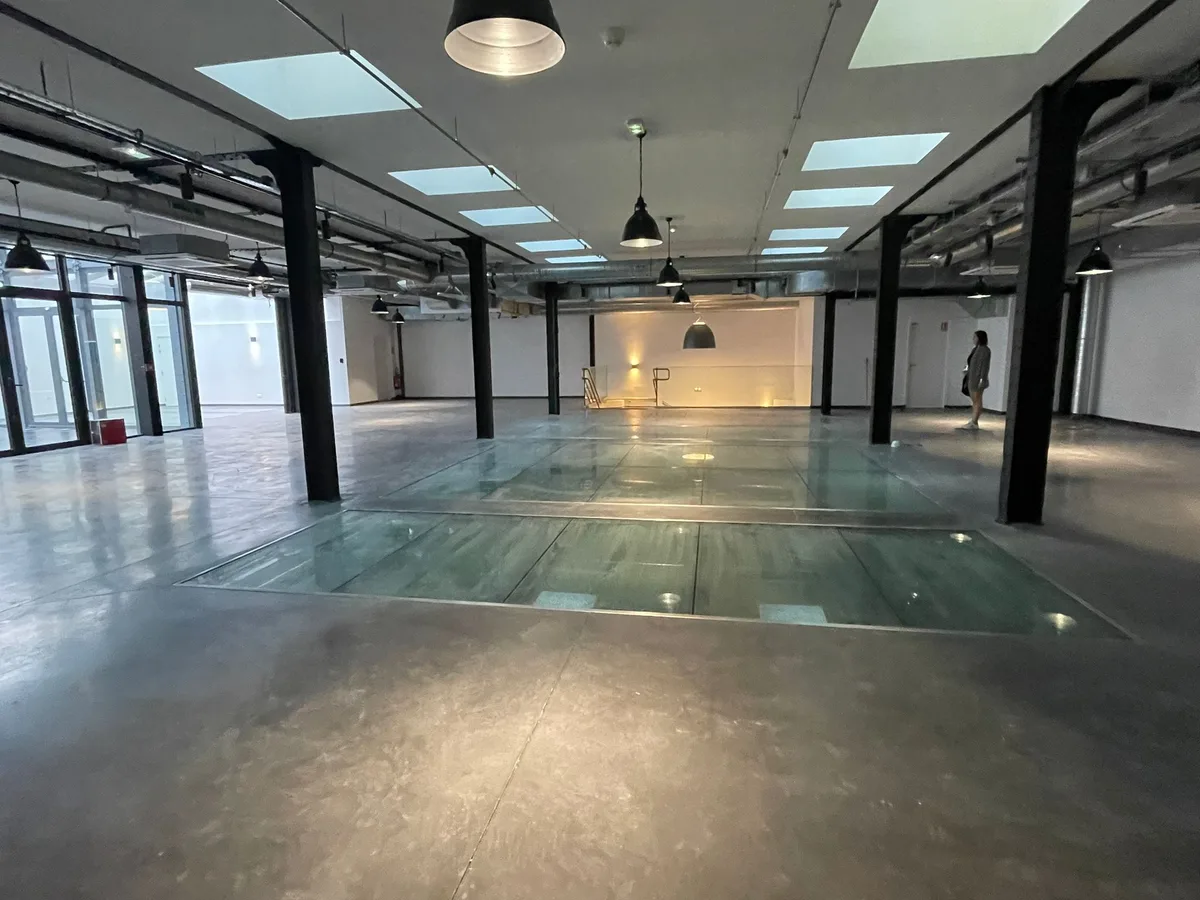
Quick answer: Space types available for short term retail near the Tuileries include street-level boutique units on Rue de Rivoli and Rue Saint-Honoré, gallery-format spaces in the Palais Royal arcades, showroom-style first-floor apartments, co-activation spaces shared with complementary brands, and pavilion-style structures within covered passages near the Louvre and Palais Royal.
| Space Type | Typical Location | Best For | Typical Duration |
|---|---|---|---|
| Street-level boutique unit | Rue de Rivoli, Rue Saint-Honoré | Luxury retail, consumer-facing brand activations | 1 to 12 weeks |
| Gallery or concept space | Palais Royal arcades, Marais galleries | Design brands, art-adjacent launches, editorial activations | 1 to 8 weeks |
| First-floor showroom apartment | 1st, 8th arrondissements | Press days, buyer appointments, VIP brand experiences | 1 to 4 weeks |
| Co-activation or twin space | Across central Paris | Collaborative launches, shared-cost activations between complementary brands | 1 to 6 weeks |
| Covered passage unit | Passage du Grand Cerf, Galerie Vivienne | Artisanal, vintage, design, concept retail | 1 to 4 weeks |
| Department store concession or pop-up zone | Galeries Lafayette, Westfield Forum des Halles | Mass-premium brand launches, high-volume product activations | 2 to 8 weeks |
Showrooms Near the Louvre and Palais Royal
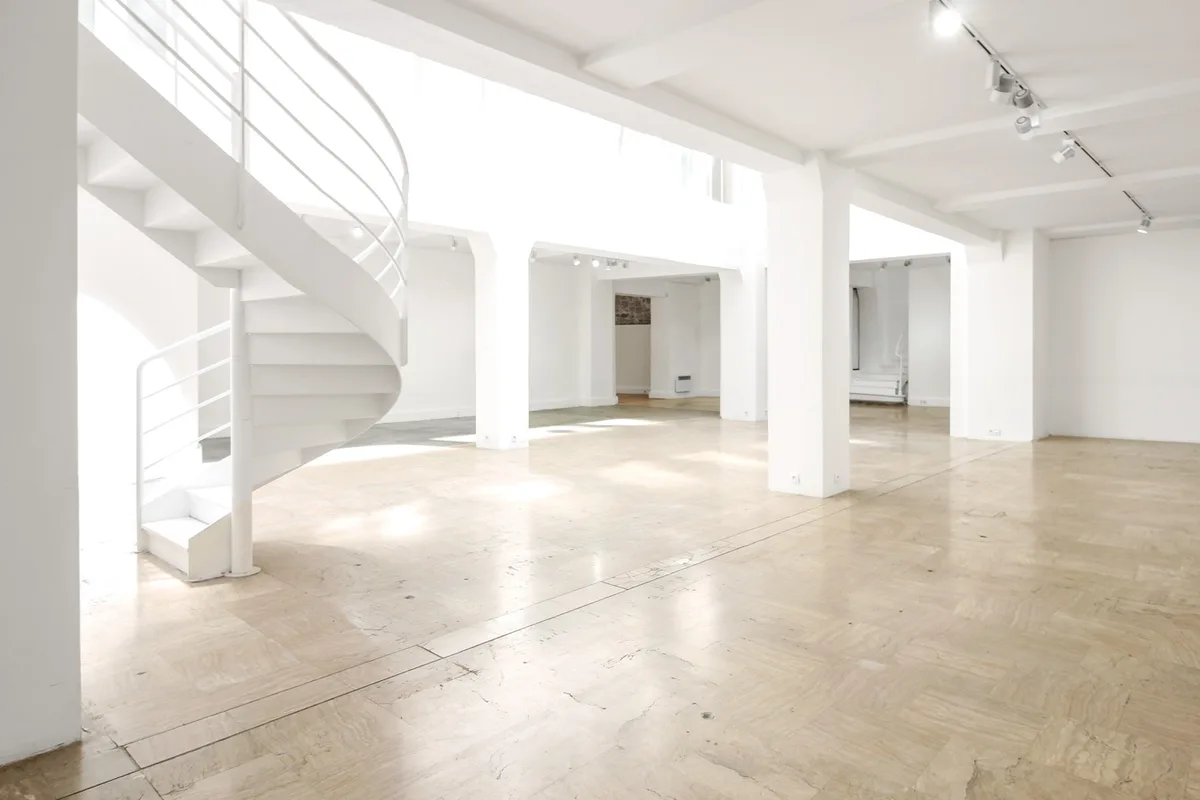
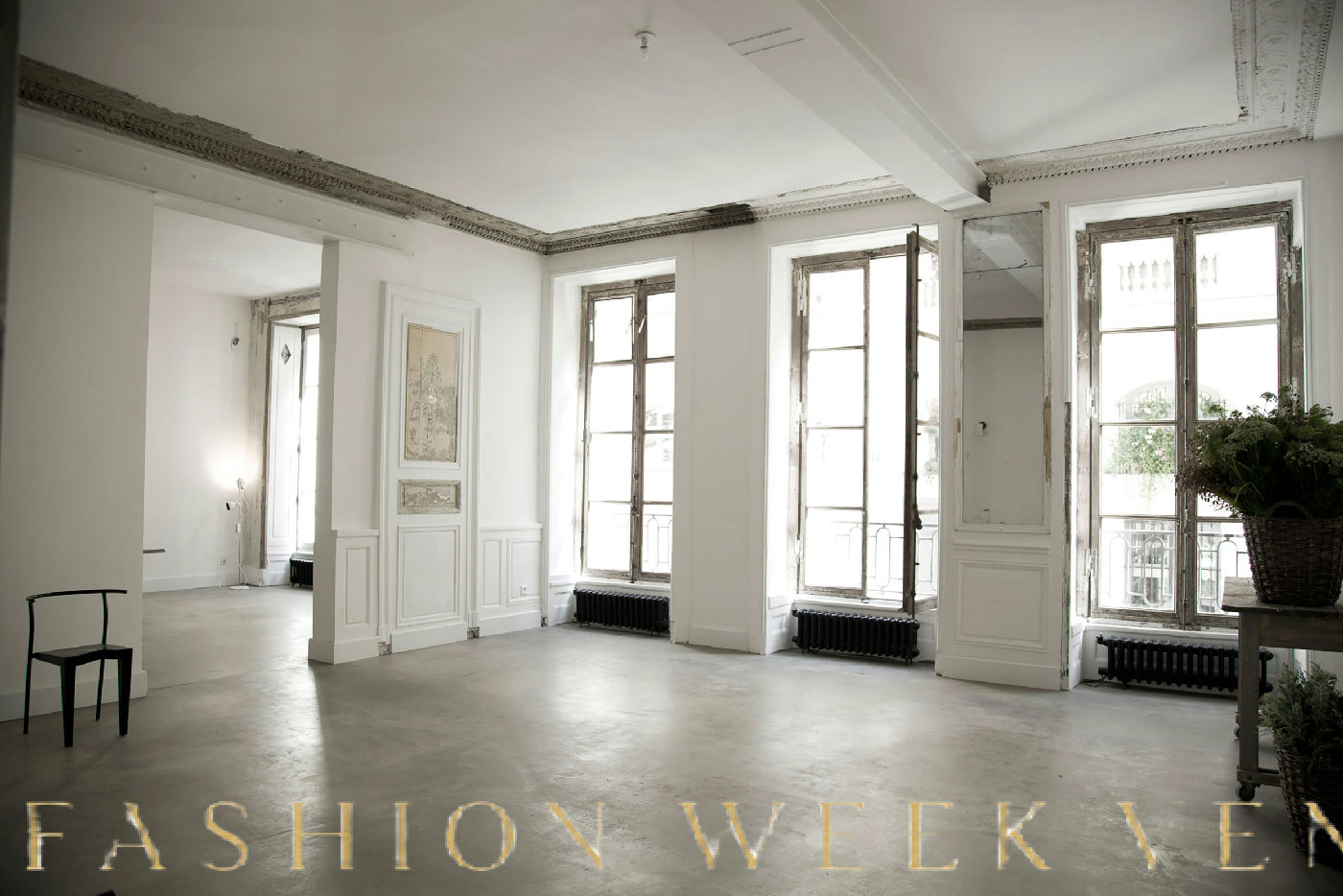
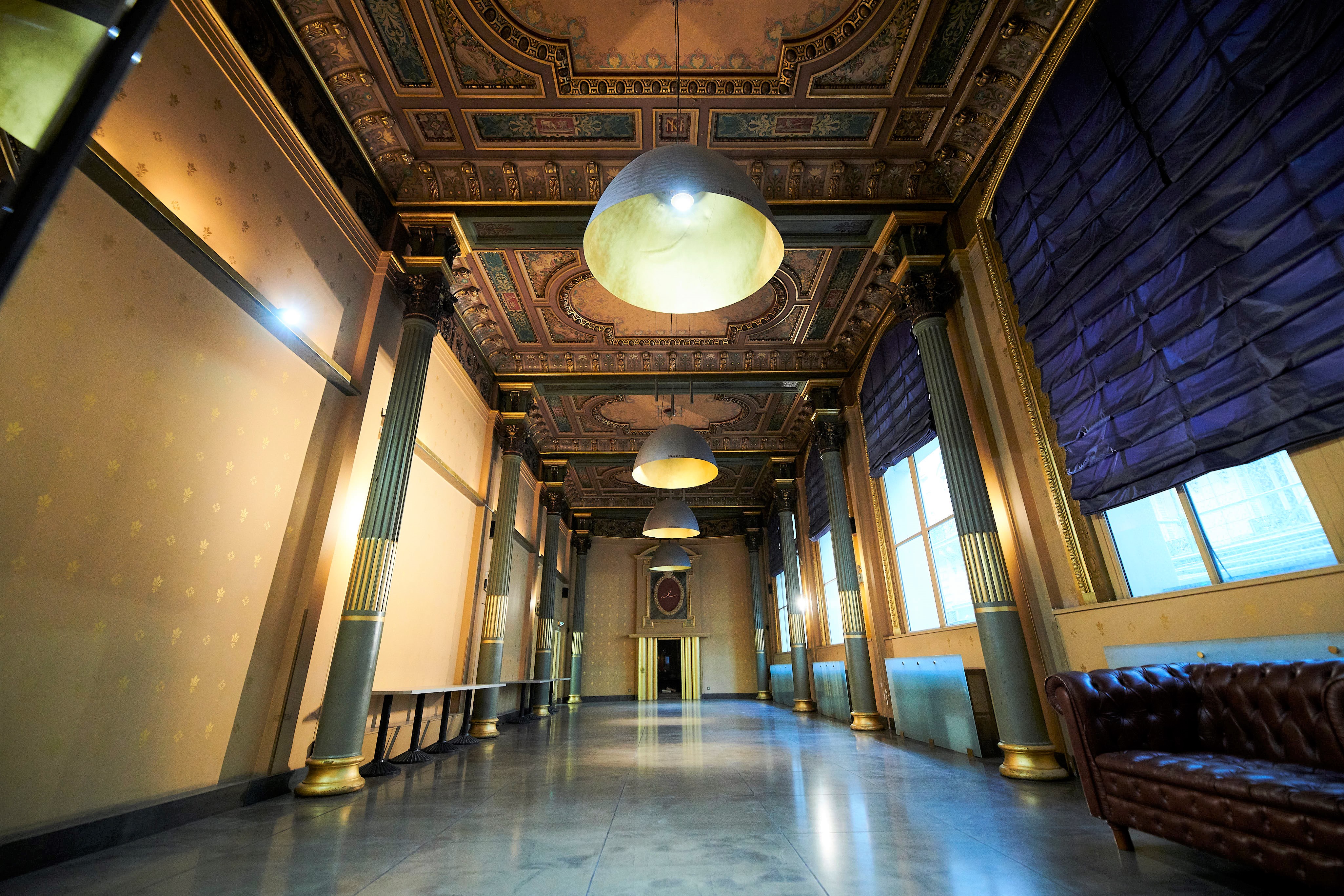
First-floor showroom apartments near the Louvre and Palais Royal are among the most sought-after short term retail formats in Paris during fashion week periods. These spaces typically occupy historic Haussmann-era buildings with high ceilings, parquet floors, and large windows overlooking internal courtyards or the street. They are used primarily for press days, buyer appointments, and invitation-only brand experiences rather than open-consumer retail, making them ideal for fashion houses, accessory brands, jewellery labels, and beauty brands conducting trade-facing activations.
Street-Level Pop-Up Stores on Rue de Rivoli
Rue de Rivoli runs along the northern edge of the Tuileries and forms one of the principal east-west consumer arteries in central Paris. Spaces here benefit from significant pedestrian volume generated by tourists walking between the Louvre Museum and Place de la Concorde, as well as commuters using the Tuileries metro station on line 1. Street-level units on this street offer a combination of high-visibility frontage and proximity to landmark destinations that few other Paris streets can offer. The Louvre Rivoli metro entrance near the Carrousel du Louvre makes this stretch particularly accessible.
The Carrousel du Louvre
The Carrousel du Louvre is an underground retail complex located directly beneath the Louvre Museum, connected to the famous glass pyramid entrance. It hosts a mixture of permanent retail, temporary pop-up spaces, and event venues that attract both museum visitors and shoppers. For brands that want the prestige of a Louvre address without the complexity of a street-level lease, a Carrousel du Louvre space can provide a powerful institutional backdrop for short term retail activations, particularly during Paris Fashion Week when cultural cachet is a significant marketing asset.
DID YOU KNOW: The Jardin des Tuileries is free to enter at all times. The garden is a public space and no entrance fee applies. This free access contributes to the exceptionally high and sustained footfall around the garden's perimeter throughout the year.
KEY TAKEAWAY: Space type selection near the Tuileries should be driven by activation objective, not prestige alone. A showroom apartment is appropriate for press and trade appointments; a street-level boutique is appropriate for consumer-facing retail; a gallery or concept space suits editorial or design-led brand launches. Mixing space type with the wrong objective wastes budget and dilutes impact.
Selecting the right space type connects directly to understanding the calendar windows that generate the highest return for short term retail in this area.
Paris Fashion Week and the Short Term Retail Calendar
Paris Fashion Week is the primary commercial calendar anchor for brands planning short term retail activations near the Tuileries. However, the calendar extends well beyond the official fashion week dates, and brands that think beyond fashion week can often access better spaces at more favourable rental terms.
Quick answer: Paris Fashion Week typically runs in late February for womenswear autumn/winter and late September for womenswear spring/summer, with menswear and haute couture weeks adding further activation windows in January and July. Brands that plan activations in the two to four weeks surrounding these dates benefit from elevated press, buyer, and consumer concentration in the Tuileries district without paying peak-week premiums.
Primary Activation Windows Near the Tuileries
The highest-demand windows for short term retail near the Tuileries correspond to the four main Paris Fashion Week periods. Haute couture week in January attracts the most exclusive international clientele and press, while womenswear week in February brings the largest concentration of buyers and media. The September womenswear week aligns with the return from summer and the beginning of the new retail season, making it highly productive for brand launches targeting both trade and consumer audiences.
Beyond the official fashion week calendar, Paris attracts significant high-spending tourism across spring and early summer, peaking around the Easter holidays and the June school holiday period. The summer Fête Foraine des Tuileries fairground, which includes its famous Ferris wheel overlooking Place de la Concorde, draws strong family and tourist traffic from June through August, making this a viable window for experiential pop-up retail targeting a leisure-oriented consumer profile.
The Christmas and Winter Market Season
The Tuileries Christmas market, which occupies the garden's central allée during December, is one of the most attended seasonal markets in Paris. Brands operating short term retail nearby during this period benefit from the concentrated consumer footfall the market generates, with visitors arriving to shop for seasonal gifts, eat marrons chauds (roasted chestnuts) from vendors, and enjoy the festive atmosphere of the garden under the Axe historique.
Beyond Fashion Week: Balancing Calendar and Cost
One of the most common strategic errors brands make is treating Paris Fashion Week as the only viable window for short term retail near the Tuileries. Spaces booked for the two weeks immediately surrounding fashion week carry premium pricing that may not be justified for all activation types. Consumer-facing pop-up stores, for example, often perform better in the weeks following fashion week when media coverage has generated awareness but the district is less congested with industry insiders who are not the target consumer. Brands with trade-facing showroom objectives, on the other hand, must be present during the fashion week window itself to access the buyers and press who concentrate in Paris for those specific dates.
TIP: Book short term retail space near the Tuileries at least 8 to 12 weeks in advance for fashion week windows. Premium locations on Rue Saint-Honoré and near the Palais Royal are typically committed 3 to 6 months before the target activation date during peak periods.
KEY TAKEAWAY: The Paris Fashion Week calendar creates four primary activation windows per year, but the Christmas market season, summer tourism peak, and post-fashion-week consumer periods offer viable and often more cost-effective windows for brands whose primary objective is direct consumer engagement rather than trade or press exposure.
Planning around the right calendar window requires an understanding of budgets, costs, and the legal structures that govern short term retail leases in France.
Permits, Leases, and Legal Structures for Short Term Retail in Paris
France has specific legal mechanisms that govern short term commercial occupancy, and brands entering the Paris market need to understand these frameworks before committing to a space. Getting this wrong can result in contract disputes, unexpected costs, or activation delays that are extremely difficult to resolve once a calendar commitment has been made.
Quick answer: Short term retail in Paris is typically structured under either a bail dérogatoire (short-term commercial lease of up to 36 months with specific conditions) or an autorisation d'occupation temporaire (AOT), which applies to public or government-owned spaces. Neither is a standard commercial lease, and each carries distinct obligations, rights, and limitations for the occupying brand.
Understanding the Bail Dérogatoire
The bail dérogatoire is a form of short-term commercial occupancy agreement permitted under French commercial law. Unlike a standard commercial lease (bail commercial), which grants the tenant significant legal protections including renewal rights, the bail dérogatoire explicitly excludes these protections in exchange for shorter commitment periods. The maximum permitted duration under a bail dérogatoire is 36 months, and parties must explicitly acknowledge in writing that they are waiving standard commercial lease protections for the arrangement to be valid.
For brands planning pop-up stores or showrooms near the Tuileries, the bail dérogatoire is the most common legal instrument used for activations of one week to several months. However, the specific terms, rent review mechanisms, permitted use clauses, and reinstatement obligations vary significantly between individual agreements and between different landlords. Brands should always engage a French legal advisor to review any short-term lease agreement before signing, regardless of how standard the landlord presents the terms to be.
Autorisation d'Occupation Temporaire (AOT)
An autorisation d'occupation temporaire applies when the space in question is publicly owned, such as spaces within government-managed cultural institutions, public squares, or areas managed by city bodies such as Paris City Hall. The Carrousel du Louvre, for example, is managed under an institutional framework that differs from private landlord arrangements. AOTs are non-transferable, typically tied to a specific named entity, and may require demonstrating a public benefit or cultural alignment to obtain approval.
Brands planning activations in or around public spaces near the Tuileries, including the garden itself and the adjacent public terraces, should verify the specific permit requirements applicable to their intended use. Requirements vary by space type, duration, commercial nature of the activity, and the specific arrondissement administrative rules. Fashion Week Venues provides permit guidance through its permit planning tool, which helps brands map the applicable legal framework for their intended space type and activation profile.
French Legal Entity Requirements
A common question from international brands is whether they need a French legal entity to rent short term retail space in Paris. In many cases, a foreign company can enter into a bail dérogatoire directly, particularly if the lease is short in duration and the landlord or their managing agent is experienced with international tenants. However, some institutional landlords and managed properties require a French entity or a local guarantor. Requirements vary significantly, and this is an area where specialist agency support or French legal counsel is particularly valuable to avoid delays during the space-sourcing phase.
IMPORTANT: Do not sign any short term commercial lease in France without verifying the specific legal framework applicable to your situation with a qualified French legal advisor. Requirements vary significantly based on space type, landlord structure, duration, and the nature of the commercial activity.
KEY TAKEAWAY: The bail dérogatoire and the AOT are the two primary legal structures for short term retail in Paris. Neither provides the same protections as a standard commercial lease, but both enable legitimate short term occupancy for brand activations. Specialist agency support and French legal advice are advisable for brands entering this market for the first time.
Legal structures are closely connected to budget planning, which is the next critical dimension brands need to address when planning short term retail near the Tuileries.
Budget Planning for Short Term Retail Near the Tuileries
Budget planning for short term retail near the Tuileries involves significantly more than the rental cost of the space itself. Brands that plan budgets based only on rental rates frequently find that fit-out, permits, staffing, insurance, and operational costs add substantially to the total investment required.
Quick answer: Short term retail budgets near the Tuileries should account for rental costs, fit-out and production, furniture and fixtures, retail staffing, insurance, permit fees where applicable, POS and payment systems, logistics, and agency or management fees. The rental rate for premium street-level space in the 1st and 8th arrondissements during fashion week periods reflects the rarity and demand profile of those locations. Directional estimates depend heavily on space size, duration, timing, and space type.
Cost Components for a Tuileries-Area Pop-Up
Rental costs for short term retail spaces near the Tuileries vary widely based on the specific street, space size, floor level, space condition, duration, and time of year. Rue Saint-Honoré and Rue du Faubourg Saint-Honoré command the highest rates per square metre given the density of luxury fashion houses on those streets. Palais Royal arcades and side streets in the 1st arrondissement typically reflect a premium but may offer more flexibility on terms for shorter bookings.
Beyond rent, brands should budget for fit-out and production costs, which for a high-quality pop-up store near the Tuileries will typically involve branded interior design, custom fixtures, and specialist installation. Furniture rental, which can significantly reduce fit-out costs compared to custom production, is a widely used approach for temporary retail activations in Paris. Retail staffing costs in France are governed by French labour law and must be budgeted accordingly, including social charges and any agency fees associated with sourcing bilingual or specialist retail staff.
Technology costs, including POS systems, payment processing, WiFi, and security, are often underestimated in initial budgets. Insurance requirements for short term commercial occupancy in France may differ from those familiar to brands operating in the UK, US, or other markets. Brands should confirm insurance requirements with their space provider and verify coverage with their broker.
| Budget Component | Description | Notes |
|---|---|---|
| Space rental | Weekly or monthly rate for the space | Varies significantly by street, size, and timing |
| Fit-out and production | Interior build, branding, fixtures, installation | Custom build costs higher than furniture rental approach |
| Furniture rental | Branded or neutral furniture and fittings | Often more cost-effective than custom production for short durations |
| Retail staffing | Sales staff, brand ambassadors, hosts | French labour law applies; budget for social charges |
| POS and payments | Till systems, card readers, receipt management | Multi-currency capability important for tourist-facing retail |
| Insurance | Commercial liability, contents, public liability | Confirm French requirements with broker |
| Permits and compliance | AOT, signage permits, commercial activity notices | Varies by space type and location |
| Logistics and shipping | Product delivery, returns, customs if applicable | International shipping into France may require customs documentation |
| Agency management fees | Full-service agency coordination | Typically a percentage of total project cost or fixed fee |
For brand-specific budget modelling based on your space size, duration, and activation type, Fashion Week Venues provides a dedicated budget estimation tool that reflects the real cost components of a Paris activation.
KEY TAKEAWAY: Total budget for a short term retail activation near the Tuileries is typically two to three times the rental cost alone once fit-out, staffing, operations, and agency fees are included. Brands that plan budgets based only on rental rates risk underfunding their activation and compromising the consumer experience that justifies the investment in a premium Paris location.
With budget and legal structures clear, brands can address the operational workflow that determines whether an activation actually reaches opening day on time and on brief.
Planning and Activation Workflow for a Tuileries-Area Pop-Up
Executing a short term retail activation near the Tuileries requires a structured workflow that begins well before the activation date and continues through closure and deinstallation. Brands that underestimate the timeline for Paris activations frequently encounter delays at permit, production, or logistics stages that could have been avoided with earlier planning.
| Stage | Timeline Before Opening | Key Actions |
|---|---|---|
| Brief and strategy | 16 to 20 weeks | Define objectives, target consumer, space type, neighbourhood, budget |
| Space sourcing | 12 to 16 weeks | Search marketplace, view options, shortlist and compare spaces |
| Legal and permits | 10 to 14 weeks | Review lease terms, apply for permits, confirm insurance |
| Concept and design | 8 to 12 weeks | Develop interior concept, confirm branding, design fixtures and signage |
| Production and build | 4 to 8 weeks | Procure materials, manufacture or source fixtures, confirm installation schedule |
| Staffing and operations | 4 to 6 weeks | Recruit and brief retail staff, set up POS and payments, confirm logistics |
| Installation | 1 to 2 weeks | Build, dress, and test the space before opening |
| Activation | Opening day onwards | Manage daily operations, capture data, run influencer or press programme |
| Closure and deinstallation | Final week | Deinstall, reinstate space to agreed condition, collect data and reporting |
Concept Direction and Branded Store Design
In a district as visually saturated as the Tuileries corridor, a generic or underdeveloped retail interior will not generate the organic social media coverage or press attention that justifies a premium Paris address. Concept direction, the process of defining the spatial narrative, material palette, sensory experience, and consumer journey within the space, is a critical investment rather than an optional extra.
High-fashion pop-ups near the Louvre and Palais Royal consistently demonstrate that editorial quality interior design generates earned media coverage that can significantly exceed the value of the space rental itself. Brands like Dior, Chanel, and Louis Vuitton set a visual standard in this neighbourhood that shapes consumer expectations for all retail activations in the area, including those from emerging and independent labels.
Data, Analytics, and ROI Measurement
Short term retail activations generate valuable data that brands often fail to capture systematically. Footfall counting, dwell time analysis, conversion rates, average transaction values, and geographic origin of customers are all measurable metrics that inform future activation decisions and justify the investment to internal stakeholders. Brands planning short term retail near the Tuileries should build data capture into the activation plan from the outset rather than attempting to retrofit measurement after opening.
Quick answer: ROI for a short term retail activation near the Tuileries should be measured across commercial revenue, press value, social media reach, new customer acquisition, and brand perception data. Revenue alone rarely reflects the full return on a Paris activation in a premium location.
To model potential return before committing budget, Fashion Week Venues offers an ROI calculation tool calibrated to fashion and luxury retail activation benchmarks.
KEY TAKEAWAY: A 16 to 20 week planning timeline is realistic for a well-executed short term retail activation near the Tuileries. Brands that begin planning 8 weeks or fewer before their target opening date will typically face constraints on space choice, permit timing, and production quality that compromise the final activation.
How Fashion Week Venues Helps Brands with Short Term Retail Near the Tuileries
Fashion Week Venues operates as a full-service pop-up shop agency and space marketplace with dedicated operational depth in Paris, making it a practical resource for brands at any stage of the short term retail planning process. Understanding what Fashion Week Venues actually does, and where its value is most relevant, helps brand teams decide how to engage effectively.
Space Sourcing and Marketplace Access
The Fashion Week Venues marketplace aggregates available short term retail spaces across Paris, including spaces near the Tuileries, Rue Saint-Honoré, Palais Royal, the Marais, and other key districts. Brand teams can browse, filter, compare, and shortlist spaces based on size, location, space type, and availability. The venue sourcing service provides expert support for brands that need bespoke space recommendations beyond what is available in the open marketplace, including off-market spaces and curated shortlists aligned with a specific brief.
Full-Service Activation Support
For brands that require end-to-end support, Fashion Week Venues provides concept direction, production and build, branded store design, furniture rental, retail staffing, POS and payments, data and analytics, and influencer marketing as integrated services. This means a brand entering Paris for the first time can work with a single agency partner rather than managing multiple local suppliers independently, which is a significant operational advantage given the language, regulatory, and logistics complexity of operating in France.
Tools for Independent Planning
Brands that prefer to self-direct their planning can access a range of tools on the Fashion Week Venues platform, including a budget calculator, ROI modeller, space comparison tool, timeline planner, permit guidance tool, and space locator. These tools are designed to support informed decision-making at each stage of the activation planning process without requiring full agency engagement. The twin co-activation concept also enables brands to share a space and associated costs with a complementary brand, reducing the barrier to entry for smaller budgets in premium Paris locations.
Who Benefits Most
Fashion Week Venues is most directly relevant to brand activation managers, creative directors, retail strategists, and event producers planning Paris activations aligned with the fashion week calendar or major consumer seasons. International brands entering Paris for the first time benefit particularly from the combination of local market knowledge, supplier relationships, and permit and legal context that a specialist Paris agency provides. Established brands planning high-profile activations during Paris Fashion Week benefit from the agency's curated access to premium spaces and its experience managing production in the architecturally protected environments common in the 1st and 8th arrondissements.
Fashion Week Venues does not guarantee specific spaces, permit approvals, or activation outcomes. Availability and terms are subject to the specific space, timing, and landlord conditions applicable at the time of enquiry.
To compare neighbourhoods and space types, explore the Paris city hub on Fashion Week Venues and shortlist spaces that match your brief, budget, and calendar window.
KEY TAKEAWAY: Fashion Week Venues adds most value for brands that are either new to the Paris market and need local operational infrastructure, or for brands planning complex or high-profile activations that require integrated management across space, production, staffing, and data. The platform's tools also provide standalone value for brands at the research and planning stage.
The Gastronomy and Cultural Context Around the Tuileries
For brands creating experiential retail activations near the Tuileries, understanding the gastronomic and cultural context of the neighbourhood is a meaningful strategic asset. Consumer dwell time in a retail space is influenced by the broader experience of the street and neighbourhood, and the area surrounding the Tuileries is particularly rich in both cultural and culinary offerings that shape the mood and expectations of visitors.
Food and Dining Near the Tuileries
The streets immediately north of the Tuileries and around the Palais Royal are among the most curated dining destinations in Paris. Jean-Paul Hévin, Pierre Hermé, and Hugo and Victor represent the apex of Parisian patisserie and chocolate, with Pierre Hermé's macarons achieving global recognition as one of the defining food experiences of a Paris trip. Gosselin and Eric Kayser are among the most respected boulangeries in the city, with Gosselin on Rue Saint-Honoré being particularly well-regarded for its bread quality and the kind of jambon-beurre baguette that functions as the unofficial meal of Parisian cultural pilgrimage. Aki Boulangerie near the Opéra offers a Franco-Japanese perspective on baked goods that reflects the international culinary sophistication of the district.
Le Petit Vendôme, near Place Vendôme, serves one of the most respected versions of the classic Verjus sandwich in central Paris. La Bague de Kenza offers a distinctly different cultural register with North African patisserie that speaks to the diversity of Paris's food culture even in its most prestigious districts. The culinary consultant Julien Dorie Greenspang has written and advised on the gastronomic identity of this part of Paris, and the neighbourhood's food culture is part of what makes the consumer experience here feel distinct from any other luxury retail district in the world.
The seasonal availability of marrons chauds, roasted chestnuts sold by street vendors throughout the Tuileries area during autumn and winter, is an experiential detail that brands creating autumn or winter activations can reference in their spatial design or consumer engagement programming. Similarly, the citronnade and fresh fruit juice vendors in the garden during summer months reinforce the Tuileries' identity as a sensory environment rather than simply a transit space.
Cultural Institutions as Brand Context
The Louvre Museum, housing the Mona Lisa and the Venus de Milo among its vast collection, is the most visited museum in the world and generates a consumer flow through the 1st arrondissement that is unlike anything outside of major global destinations like New York's Central Park or London's South Bank. The Musée de l'Orangerie, with Monet's immersive Les Nymphéas oval rooms, creates a deeply contemplative cultural experience that influences the mindset of visitors to the area. The Musée des Arts Décoratifs, dedicated to decorative arts and design, is directly relevant to brands in fashion, interiors, and craft who want to position their activation within a context of design excellence.
The Galerie nationale du Jeu de Paume, specialising in contemporary photography and visual arts, brings a different creative audience to the northwestern corner of the garden. The story of Charles Perrault, who worked at Versailles and whose fairy tale Puss in Boots was partly inspired by the gardens of the French royal estates, adds a layer of literary heritage to the landscape. The blue flowers planted seasonally in the Tuileries parterre beds and the seasonal installation of the Ferris wheel overlooking the Egyptian Obelisk at Place de la Concorde create a visual backdrop for brand photography and social content that is immediately recognisable globally.
KEY TAKEAWAY: The gastronomic and cultural context of the Tuileries district is not incidental background detail. It is part of the value proposition for brands operating short term retail in this area, shaping consumer mood, dwell time, and social media behaviour in ways that directly affect the performance of retail activations.
Common Myths About Short Term Retail Near Tuileries Paris Debunked
MYTH: International brands need a French legal entity to rent short term retail space near the Tuileries.
FACT: Many landlords in Paris will enter into a bail dérogatoire directly with a foreign company, particularly for short durations and when the brand has an established trading history. However, some institutional or managed properties do require a French entity or local guarantor, and requirements vary significantly between spaces. Specialist agency support or French legal advice helps brands navigate this efficiently without unnecessary corporate structure costs.
MYTH: Paris Fashion Week is the only viable window for short term retail near the Tuileries.
FACT: The Tuileries corridor attracts significant consumer footfall across the entire calendar year, driven by year-round tourism to the Louvre Museum, the Tuileries garden, and the surrounding landmarks. The summer Fête Foraine season, the Christmas market period, and the spring tourism peak all represent commercially productive activation windows that often offer better space availability and more competitive rental terms than the peak fashion week dates. Brands with consumer-facing retail objectives frequently perform well outside the fashion week window itself.
MYTH: Commission-based brokers are the only reliable way to find short term retail space near the Tuileries.
FACT: While traditional brokers operate in the Paris commercial property market, specialist pop-up and temporary retail platforms, including structured marketplaces like Fashion Week Venues, provide curated access to short term retail spaces with transparent terms and integrated activation support. Commission-only brokers may not have visibility across all available space types or the specialist knowledge of short term lease structures that brands operating in Paris for the first time require.
MYTH: Short term commercial leases in France are legally straightforward and do not require specialist help.
FACT: France has a specific and detailed commercial lease law framework that distinguishes sharply between long-term commercial leases (bail commercial) and short-term dérogatoire arrangements. The conditions required to validly create a bail dérogatoire, as opposed to inadvertently creating a full commercial lease with statutory renewal rights, are specific and must be met in writing. Brands that sign agreements without legal review risk committing to obligations significantly beyond their intention. A French commercial lawyer or experienced specialist agency is essential for first-time entrants to the Paris market.
MYTH: The Jardin des Tuileries charges an entrance fee that reduces the foot traffic benefit for nearby retail.
FACT: The Jardin des Tuileries is completely free to enter and is a public garden accessible to all without any ticket or reservation requirement. This free access is one of the key reasons it generates such consistently high and demographically diverse footfall, creating a commercial halo effect for all retail activations on its perimeter streets.
Frequently Asked Questions About Short Term Retail Near Tuileries Paris
What makes the Tuileries area particularly valuable for pop-up stores and short term retail?
The Tuileries corridor combines free public access to one of Paris's most visited parks with proximity to world-class museums including the Louvre, cultural landmarks including Place de la Concorde, and some of the most prestigious luxury retail streets in the world, including Rue Saint-Honoré and Place Vendôme. The result is a sustained and diverse footfall profile that includes high-net-worth French consumers, international luxury tourists, cultural visitors, and fashion industry professionals, making it valuable for brands across the full spectrum of luxury and premium positioning. Metro line 1, running directly beneath the Axe historique, ensures the area remains highly accessible throughout the day.
How far in advance should brands book short term retail space near the Tuileries for Paris Fashion Week?
For premium spaces on Rue Saint-Honoré, near the Palais Royal, or on Rue de Rivoli during Paris Fashion Week windows, brands should ideally begin the search process 12 to 16 weeks before the intended activation opening date. The most sought-after spaces are often committed 3 to 6 months in advance during peak fashion week periods. Brands that begin later than 8 weeks before their target date risk significant constraints on space quality, size, and location. Starting the planning process with a clear brief and a confirmed budget allows for faster decision-making when a suitable space becomes available.
Do brands need to be fluent in French to negotiate and operate short term retail in Paris?
Fluency in French is not a prerequisite for operating short term retail in Paris, particularly for brands working with an experienced agency partner who can manage landlord negotiations, permit applications, staffing coordination, and supplier management in French. However, consumer-facing retail staff should typically be bilingual or multilingual given the mixed French and international tourist audience in the Tuileries district. Brands operating independently without French language capability will face significant challenges in permit applications, lease negotiation, and day-to-day operational communication with French suppliers and authorities.
What is the difference between a pop-up store and a showroom in the context of Paris Fashion Week?
A pop-up store is a consumer-facing temporary retail space designed for direct sales and brand experience. A showroom is typically a trade-facing environment designed for press appointments, buyer meetings, and wholesale order placement. In the Tuileries district during Paris Fashion Week, showrooms are commonly operated from first-floor apartment spaces or within managed showroom buildings, while consumer-facing pop-ups occupy street-level retail units on Rue Saint-Honoré, Rue de Rivoli, and in the Palais Royal arcades. Some activations combine both functions in a split-format space, with a showroom level and a consumer retail level operating simultaneously.
What are the most common mistakes brands make when planning short term retail near the Tuileries?
The most common mistakes include underestimating the total budget by focusing only on rental costs, starting the planning process too late to secure the desired space, failing to engage French legal advice on lease terms, underinvesting in interior concept and design in a neighbourhood where visual standards are set by global luxury fashion houses, not building data capture into the activation plan from the outset, and selecting a space based on prestige of address rather than alignment with the target consumer and activation objective. Brands that plan systematically and engage experienced specialist support from the beginning avoid most of these issues.
Are there co-activation or shared space options available near the Tuileries?
Yes. Co-activation or twin-format spaces, where two complementary brands share a single space and its associated costs, are increasingly common in the Paris short term retail market. This format reduces the financial barrier to entry for premium Tuileries-area spaces while creating a curated dual-brand experience that can be more compelling for consumers than a single-brand activation. Fashion Week Venues operates a dedicated twin co-activation concept that helps brands identify and structure compatible partnerships for shared Paris spaces.
What permit is typically required for commercial retail activity in a short term space near the Tuileries?
Permit requirements for short term retail near the Tuileries depend on the specific space type, whether the space is privately or publicly owned, the nature and duration of the commercial activity, and the specific arrondissement and street. Signage permits, commercial activity notifications, and in some cases AOT approvals may be required. Requirements vary and brands should verify the applicable permit framework for their specific space with their agency partner or a French legal advisor. Fashion Week Venues provides permit guidance for Paris activations through its permit planning resource, which maps the applicable requirements by space type and activation profile.
What is the best space type for a luxury brand launching a new collection near the Tuileries?
For a luxury collection launch targeting both press and trade during Paris Fashion Week, a first-floor showroom apartment near the Palais Royal or in the Rue Saint-Honoré corridor is typically the most appropriate format, offering the controlled intimacy that invitation-only events require. For consumer-facing launches targeting high-net-worth shoppers and cultural tourists, a street-level boutique unit on Rue de Rivoli or within the Palais Royal arcades provides the combination of footfall and architectural prestige that makes a Paris activation distinctive. The optimal choice depends on whether press and trade or consumer engagement is the primary objective.
How does Paris Fashion Week affect space availability and rental pricing in the Tuileries area?
Paris Fashion Week significantly compresses the available supply of premium short term retail spaces in the 1st and 8th arrondissements, as brands, agencies, and fashion houses commit spaces many months in advance. Rental rates for the most sought-after spaces during the official fashion week dates reflect this demand concentration. Brands that can activate in the two to four weeks surrounding the official fashion week dates, rather than during the week itself, may find better availability and more competitive terms while still benefiting from the media and consumer awareness generated by the fashion week programme.
Is Paris good for luxury pop-up retail outside of fashion week?
Paris is highly productive for luxury pop-up retail outside of fashion week given the city's year-round appeal as a global cultural and tourism destination. The Tuileries district specifically generates consistent international footfall through its combination of free public gardens, world-class museums, and proximity to the luxury retail and hospitality infrastructure of the 1st and 8th arrondissements. The Christmas and New Year period, spring cultural season, and summer tourism peak all represent commercially viable windows for luxury pop-up retail with audiences that match or exceed the consumer profile of fashion week visitors.
What role does influencer marketing play in short term retail activations near the Tuileries?
Influencer marketing is a significant component of the earned media strategy for short term retail activations in Paris, particularly in the Tuileries district, where the visual backdrop of the Louvre, the Jardin des Tuileries, Place de la Concorde, and the Rue Saint-Honoré architecture creates instant recognition for global audiences. Brands that invest in influencer engagement aligned with their activation see amplification of their Paris presence far beyond the physical footfall of the space itself. Effective influencer marketing in Paris requires local knowledge of relevant content creators and alignment between the activation's visual identity and the platform context in which the content will be distributed.
How does the Jardin des Tuileries affect footfall patterns for nearby retail?
The Jardin des Tuileries generates a distinctive footfall pattern driven by the free entry to the garden, the seasonal Fête Foraine fairground and Ferris wheel, the Tuileries Christmas market, and the constant flow of tourists walking between the Louvre and Place de la Concorde along the Axe historique. Footfall on Rue de Rivoli along the northern perimeter of the garden is sustained from morning to late evening during peak tourist seasons. Brands on or near this street benefit from passive discovery traffic in addition to intentional destination shopping, which is a valuable complement for activations designed to build awareness as much as generate direct sales.
What is the difference between the 1st arrondissement and the 8th arrondissement for short term retail?
The 1st arrondissement encompasses the Tuileries garden, the Louvre, the Palais Royal, and the Rue de Rivoli, giving it a strong cultural and institutional character. The 8th arrondissement covers the Champs-Élysées, the Golden Triangle, Avenue Montaigne, and Place de la Concorde, giving it a more overtly luxury fashion and hospitality identity. Both arrondissements support premium short term retail, but the 1st tends to attract brands with a cultural or design identity dimension while the 8th is more associated with pure luxury fashion positioning. In practice, the two overlap and interconnect significantly, and the choice between them should be driven by the specific space available rather than a rigid geographical boundary.
Can emerging or independent brands operate short term retail near the Tuileries, or is it only viable for established luxury brands?
Emerging and independent brands can and do operate short term retail near the Tuileries successfully, particularly in the Palais Royal arcades, the covered passages near the Louvre, and in co-activation formats that reduce the cost of individual space rental. The critical factor is not brand scale but activation quality. A smaller brand with a precisely executed spatial concept and a well-targeted press and influencer strategy can generate significant awareness and commercial return from a Tuileries-area pop-up, particularly during the high-visibility periods surrounding Paris Fashion Week. Budget planning, concept quality, and strategic clarity are more important determinants of success than brand size.
Conclusion: Making Short Term Retail Near Tuileries Paris Work for Your Brand
Short term retail near Tuileries Paris offers brands a combination of cultural prestige, sustained consumer footfall, and strategic proximity to the institutions, streets, and fashion houses that define global luxury retail. From the Palais Royal arcades and the Carrousel du Louvre to the Rue Saint-Honoré luxury corridor and the Palais du Louvre neighbourhood, the options available for pop-up stores, showrooms, and brand activations in this part of Paris are matched only by the operational complexity required to execute them well.
The most successful activations in this district combine a clearly defined consumer objective with a legally sound short term lease structure, a professionally executed interior concept, a fully planned operational workflow, and a realistic budget that covers all cost components from rental through to reinstatement. Brands that invest in specialist support, whether through a full-service agency or through specialist tools and resources at the planning stage, consistently deliver stronger activations and better-measured returns than those that approach the Paris market without local expertise.
The Tuileries district is not a single location but a network of interconnected streets, spaces, and cultural contexts, from the Musée de l'Orangerie to Place Vendôme, from the Galerie nationale du Jeu de Paume to the Westfield Forum des Halles, from the boulangeries of Gosselin and Gosselin on Rue Saint-Honoré to the concept stores of the Marais. Understanding this network, and positioning your activation within it with precision, is the difference between a memorable Paris presence and a forgettable one.
To move from research to activation, start exploring available spaces on the Fashion Week Venues marketplace and build a focused brief for your target neighbourhood, space type, and calendar window.