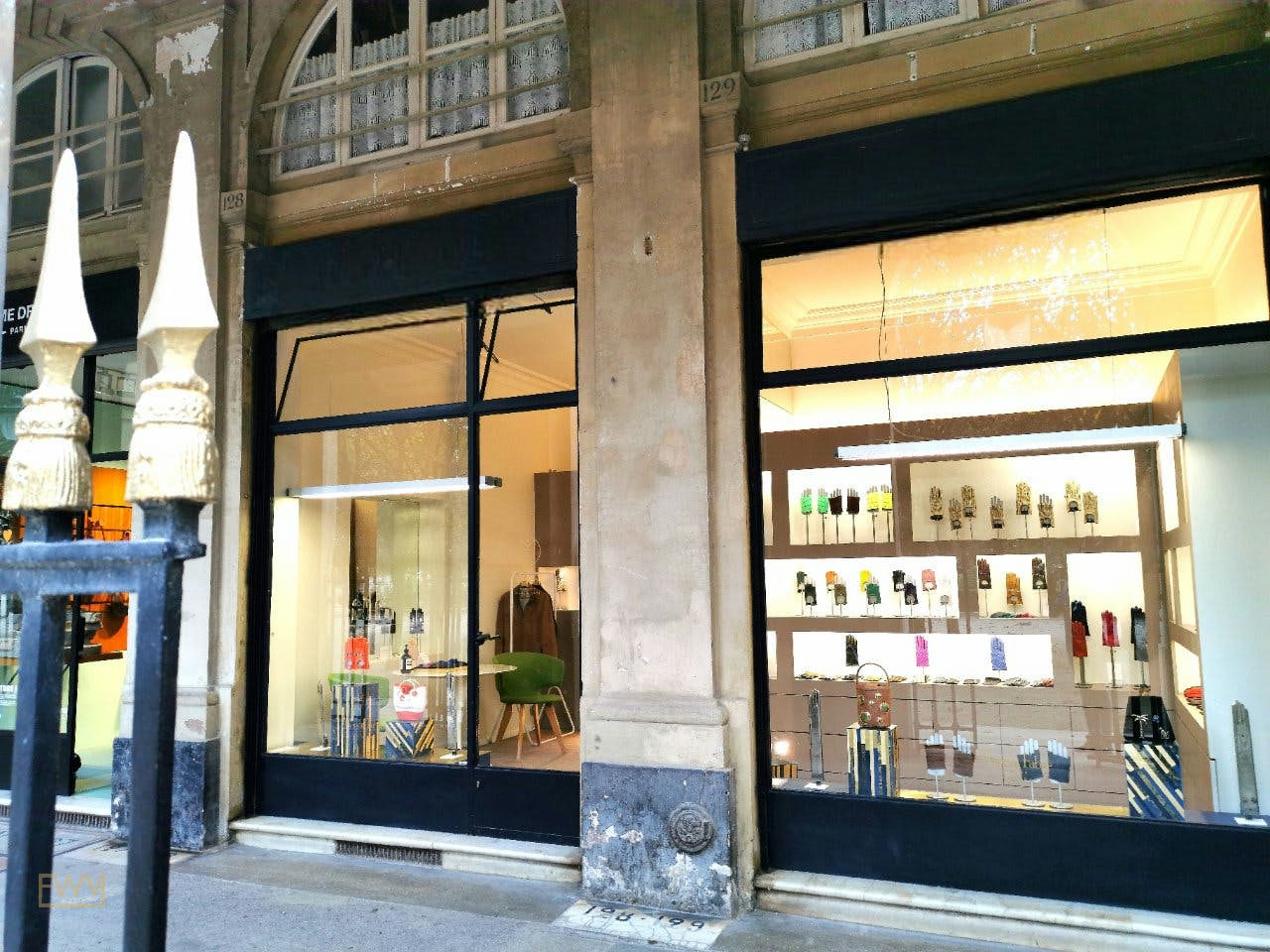
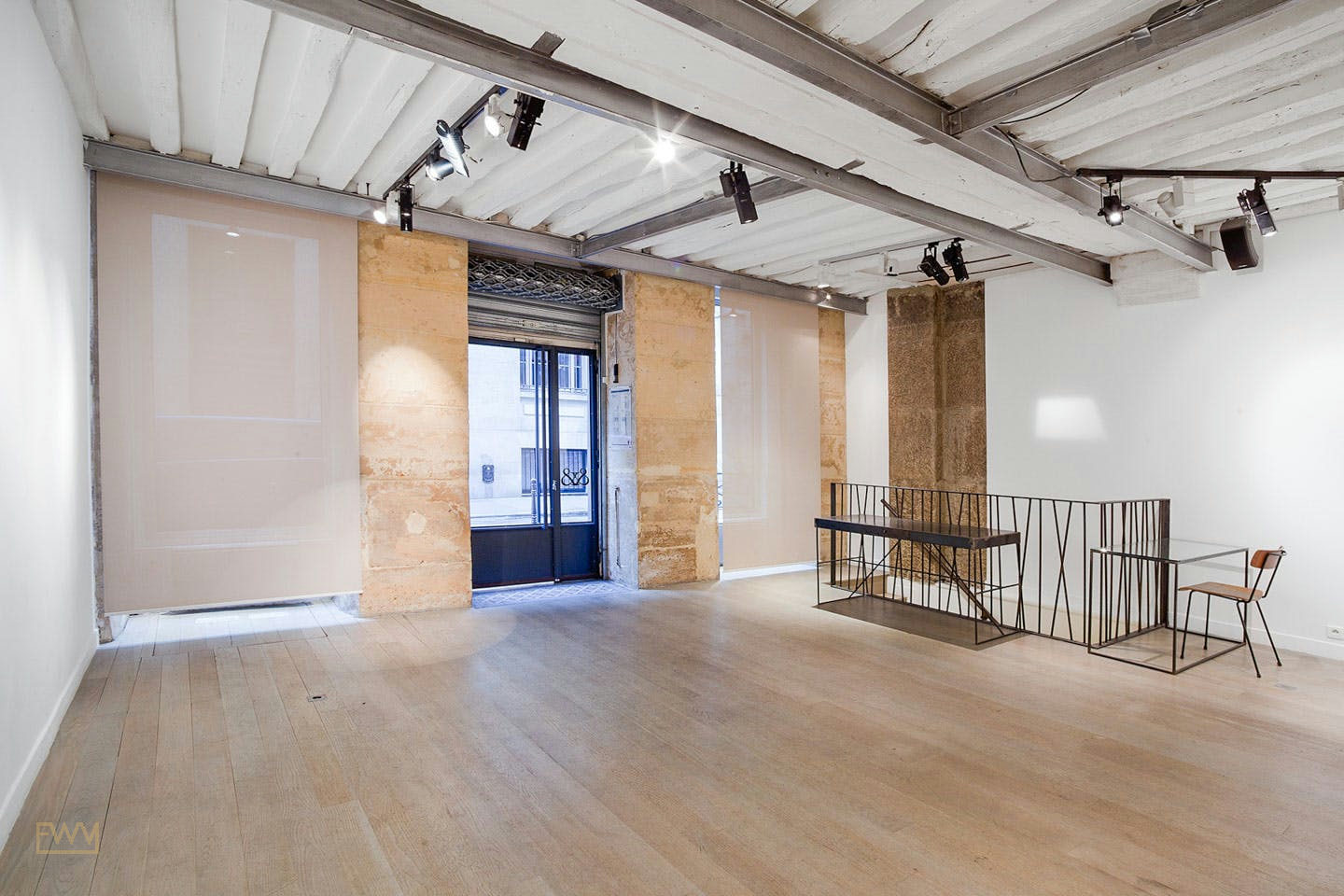
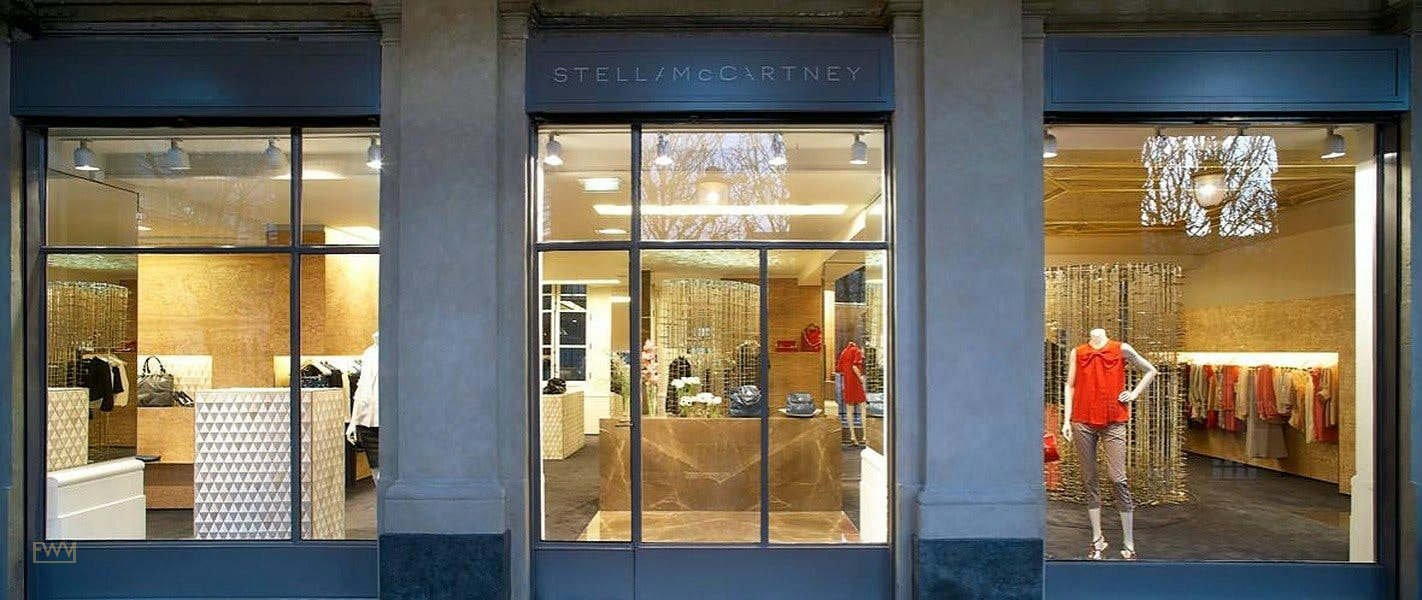
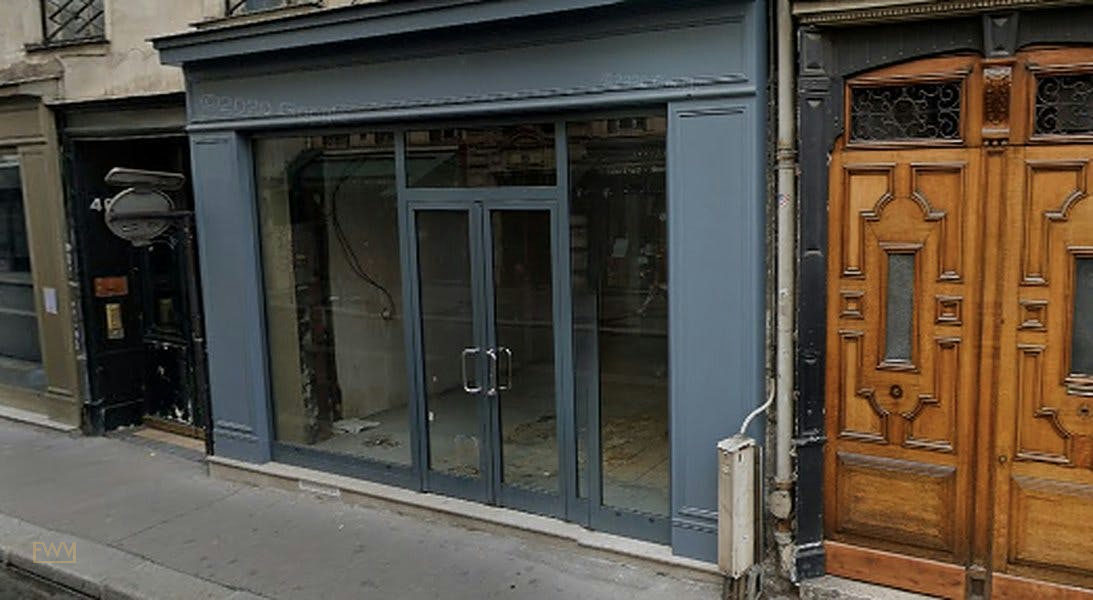
To rent a pop up store in Palais Royal is to position your brand at the geographic and cultural heart of Paris luxury retail. The Palais Royal district sits within the Paris 1st arrondissement, steps from the Louvre Museum, Rue de Rivoli, Place Vendôme, and the Tuileries Garden, giving any brand activation immediate access to the highest concentration of international visitors, fashion buyers, press, and cultural influencers in the city. Whether you are planning a Paris Fashion Week showroom, a seasonal boutique, a collection launch, or a longer retail concept, the Palais Royal neighbourhood offers space types ranging from Haussmann loft apartments and marble-floored galleries to intimate storefronts and artist apartments. Explore the Paris city hub on Fashion Week Venues to begin matching your brief to available spaces in this district and across the French capital.
Why Palais Royal Is the Benchmark Location for Pop-Up Stores and Luxury Activations in Paris
Quick answer: Palais Royal sits in the Paris 1st arrondissement directly adjacent to the Louvre Museum, Rue Saint-Honoré, Place Vendôme, and the Tuileries Garden. The district delivers a rare combination of heritage architecture, luxury foot traffic, cultural prestige, and proximity to major transport hubs including Pyramides and Opéra stations, making it the most sought-after location for premium pop-up stores and fashion showrooms in Paris.
The Palais Royal and its surrounding streets occupy a territory that is simultaneously a civic monument, a luxury shopping corridor, and a living cultural institution. The Palais Royal Gardens themselves attract millions of Parisian visitors and international tourists annually, while the covered arcades along the garden perimeter have historically housed independent jewellers, antiquarians, and concept boutiques that define the area's reputation for curated retail. This is not a neighbourhood where foot traffic is accidental. The people who walk through Palais Royal are disproportionately fashion-conscious, culturally engaged, and financially able to respond to luxury brand activations.
To the west lies Rue Saint-Honoré and its extension, which forms one of the most recognisable luxury retail corridors in the world. Place Vendôme, home to the city's top jewellery houses and the Ritz Paris, is a five-minute walk. La Samaritaine, the restored LVMH department store on Rue de Rivoli, anchors the eastern approach to the district. The Pinault Collection at the Bourse de Commerce sits just north of the Palais Royal, making the entire zone a hyper-centre for where luxury fashion, contemporary art, and cultural tourism converge in a single walkable neighbourhood.
For fashion brands, the geography is equally strategic. The Paris 1st arrondissement places any activation within easy reach of the Le Marais district to the east, Saint Germain des Prés to the south, and the Montorgueil district to the north. The Étienne Marcel and Pyramides metro stations provide direct access from all major Paris arrondissements and from both airports via the RER network. Opéra stations to the north connect the neighbourhood to international hotels and the business travel circuit. This connectivity means that a press event, buyer appointment, or collection launch hosted in the Palais Royal area can draw attendance from across the city and from guests arriving directly from Charles de Gaulle or Orly.
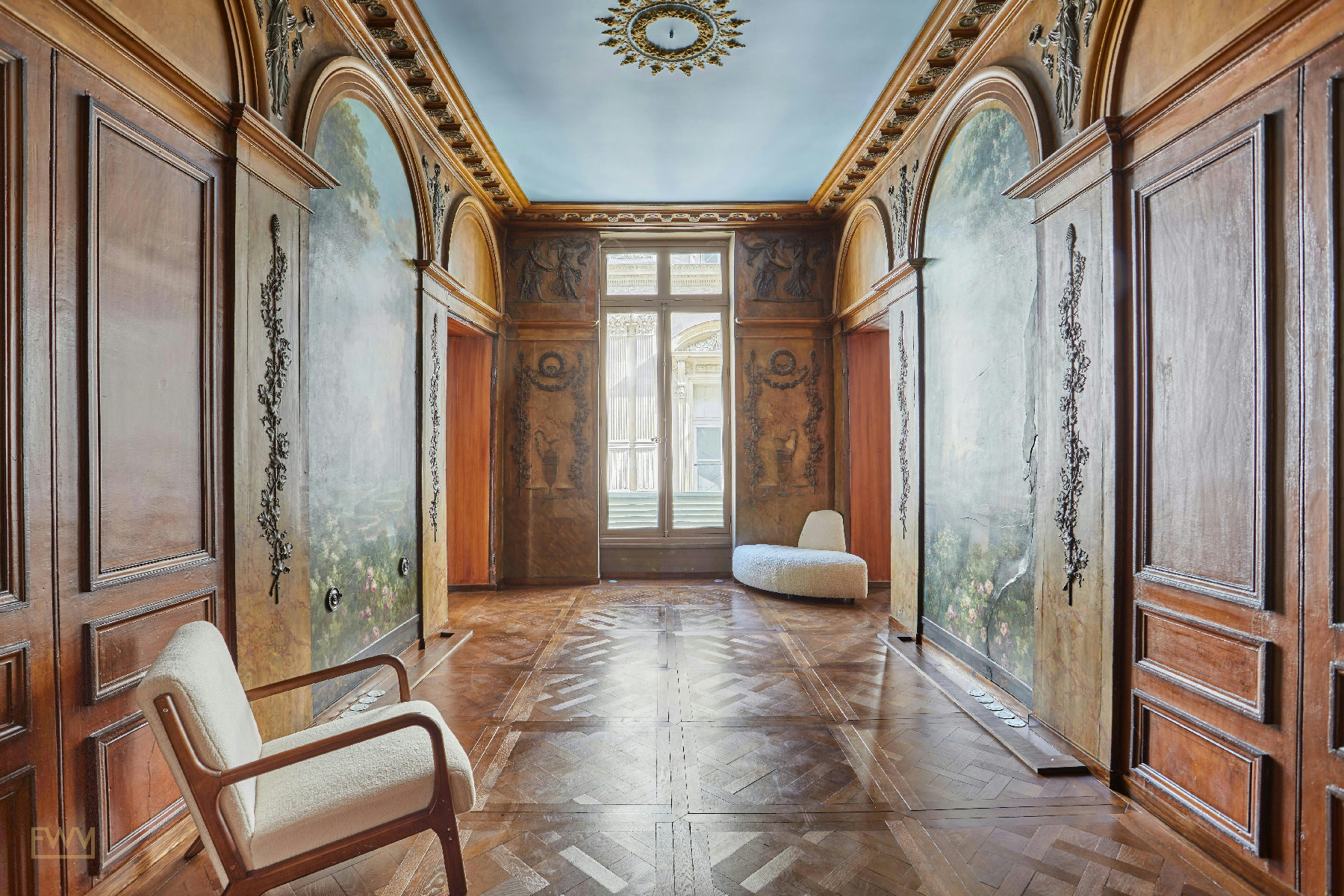
The architecture of the district also works as a brand asset in itself. Palais Royal spaces frequently feature high ceilings, parquet floors, marble floors, double-height windows, and classical proportions that translate immediately into editorial photography, social media content, and broadcast press coverage. A brand does not need to invest heavily in set dressing when the bones of the space already communicate heritage, quality, and Parisian identity. This matters particularly for international luxury brands entering Paris for the first time, where the venue itself signals market positioning and cultural credibility.
DID YOU KNOW: The Palais Royal district, including the covered arcades known as the Galerie de Valois and Galerie de Montpensier, has been a site of high-end retail since the late eighteenth century, making it one of the oldest continuously operating luxury retail destinations in Europe.
KEY TAKEAWAY: Palais Royal delivers a combination of architectural prestige, luxury foot traffic, cultural proximity, and transport connectivity that no other Paris district fully replicates. For premium pop-up stores, fashion showrooms, and brand activations, it represents the most efficient single location for reaching the audiences that matter most during Paris Fashion Week and beyond.
Understanding exactly which streets and sub-zones within the broader Palais Royal area best suit different activation formats is the next critical step for any brand team beginning their space search.
Mapping the Palais Royal District: Streets, Sub-Zones, and Neighbourhood Context
Quick answer: The Palais Royal district spans a compact zone in the Paris 1st arrondissement, anchored by the Palais Royal Gardens and radiating outward to include Rue Saint-Honoré, Rue du Louvre, Rue de Rivoli, Place des Victoires, and Rue Saint-Roch. Each sub-zone offers distinct space types, foot traffic profiles, and brand adjacency that affect activation strategy and audience reach.
The Palais Royal Gardens form the geographical and symbolic centre of the district. Spaces directly adjacent to or overlooking the gardens, sometimes referred to as Appartement Palais Royale configurations, carry the highest prestige and typically the highest rental rates. These are often upper-floor loft spaces or converted apartments with views onto the garden and the historic arcades below. They suit intimate press events, VIP showrooms, private collection viewings, and brand installations where exclusivity and setting are part of the experience itself.
Moving south from the gardens toward Rue de Rivoli, the Louvre Museum dominates the skyline and the cultural context. Spaces near the Poste du Louvre and along Rue du Louvre tend to be larger, with more commercial footprints suited to retail pop-up stores with genuine trading ambitions. The tourist volume in this corridor is enormous, but the audience mix includes a significant proportion of high-spending international visitors who are actively looking for cultural and fashion experiences beyond the museum itself.
Rue Saint-Honoré and its immediate tributaries, including Rue Saint-Roch, represent the fashion and luxury retail heartland of the area. Spaces here sit directly within the luxury brand ecosystem, with Colette's former address at 213 Rue Saint-Honoré having defined the concept store format globally before its 2017 closure. Today the street continues to attract both heritage luxury houses and emerging international brands seeking to make a statement in the Paris market. Boutique hotels and flagship stores line the street, creating a constant premium foot traffic flow that benefits any neighbouring activation.
Place des Victoires, at the northern edge of the Palais Royal zone, is one of the most photogenic circular squares in Paris and has become a hub for contemporary fashion brands including Kenzo, Victoire, and a rotating roster of concept stores. The square's architecture is fully Haussmann and the proportions are monumental, but the retail offer skews younger and more fashion-forward than Place Vendôme. It connects naturally to the Montorgueil district and to Étienne Marcel, which has its own strong fashion retail identity.
| Sub-Zone | Primary Audience | Best Space Types | Ideal Activation Format |
|---|---|---|---|
| Palais Royal Gardens perimeter | International luxury tourists, press, VIPs | Loft apartments, gallery spaces | VIP showroom, press event, private viewing |
| Rue Saint-Honoré / Rue Saint-Roch | Fashion buyers, luxury shoppers, influencers | Storefront boutiques, retail spaces | Pop-up shop, capsule collection, brand launch |
| Rue du Louvre / Rue de Rivoli | International tourists, cultural visitors | Commercial retail, larger loft spaces | Trading pop-up, product launch, brand activation |
| Place des Victoires | Fashion-forward Parisians, emerging brand audience | Charming boutiques, concept stores | Collection drop, emerging brand activation |
| Montorgueil / Étienne Marcel | Local creative community, younger fashion audience | Loft spaces, artist apartments | Art-fashion crossover, brand collaboration |
TIP: When evaluating sub-zones within the Palais Royal area, consider whether your activation is primarily traffic-driven (trading pop-up), appointment-driven (showroom), or reputation-driven (press and influencer event). Each objective points toward a different sub-zone and space configuration.
KEY TAKEAWAY: The Palais Royal district is not a single homogeneous zone. Each street and sub-area has a distinct audience profile, foot traffic character, and brand adjacency. Matching your activation format to the right sub-zone is as important as choosing the right arrondissement.
Once you have mapped your preferred sub-zone, the next practical challenge is understanding the space types available within the Palais Royal area and what features to prioritise for different activation objectives.
Space Types and Features in Palais Royal: What to Look For When Renting a Pop-Up Store
Quick answer: Palais Royal and the surrounding Paris 1st arrondissement offer a rich variety of space types including loft spaces, charming boutiques, artist apartments, converted galleries, and street-level storefronts. Key features that distinguish premium Palais Royal spaces include high ceilings, natural light, marble floors or parquet floors, fitting rooms, street level access, and internet connectivity.
The decision about which space type to rent for a pop-up store, showroom, or brand activation depends on three variables: the activation format, the expected audience size, and the operational requirements your team needs on the ground. Understanding each space category in the Palais Royal context helps narrow the brief before you begin formal shortlisting.
Loft Spaces and Appartement Palais Royale Configurations
Loft spaces in the Palais Royal area are typically upper-floor conversions within Haussmann buildings, featuring open plan layouts, high ceilings of three metres or above, large windows providing exceptional natural light, and exposed architectural details. These spaces work particularly well for fashion showrooms, ephemeral galleries, press days, and brand installations where the visual environment is central to the experience. An Appartement Palais Royale configuration adds the prestige of a Palais Royal garden address, which has intrinsic brand value for international luxury clients and editorial media.
Operational considerations for loft spaces include floor access (many upper-floor spaces are in buildings without lifts large enough for significant equipment), loading logistics, and the trade-off between aesthetics and the practical requirements of a trading retail operation including stock storage, fitting rooms, and point-of-sale systems.
Storefront Boutiques and Charming Boutiques
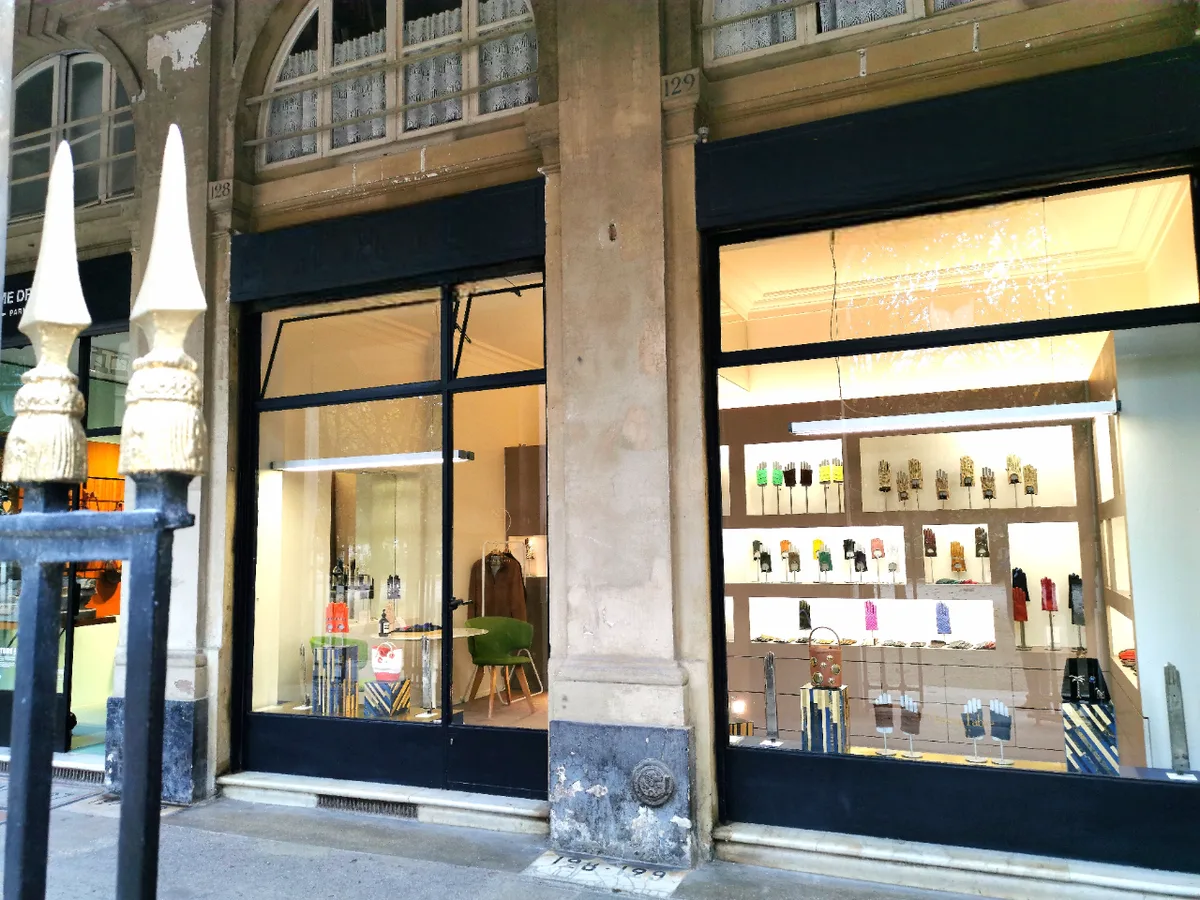
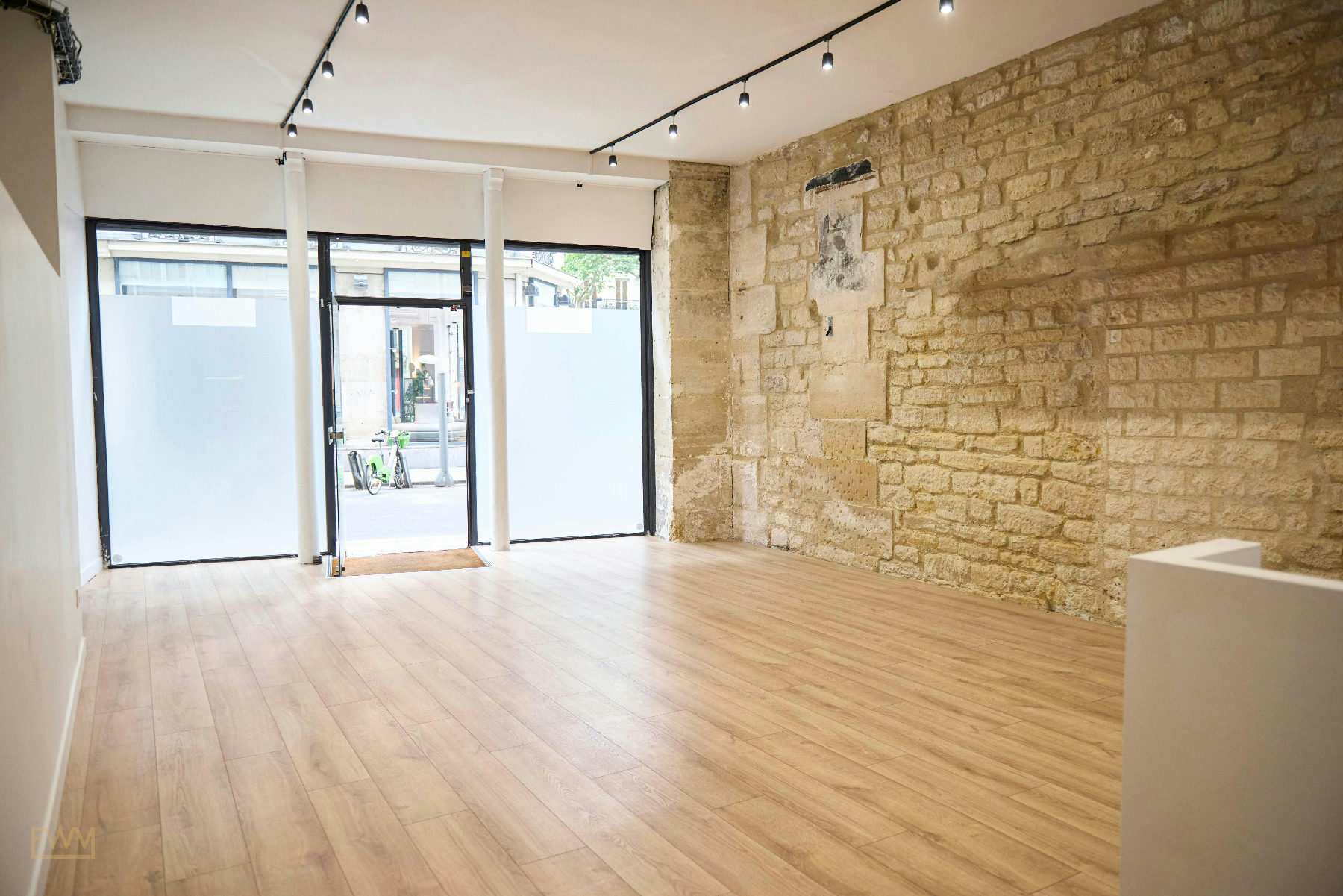
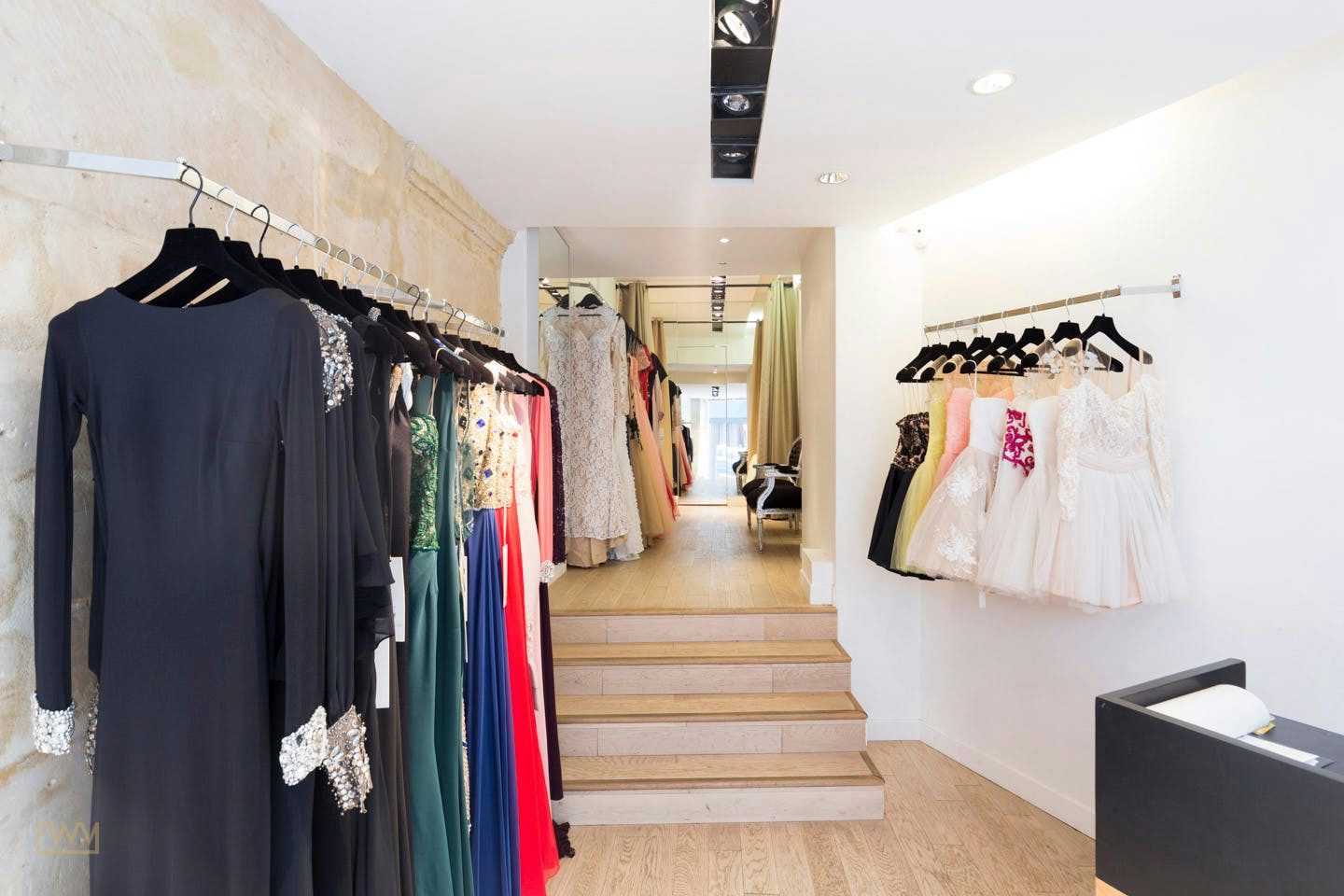
Street-level storefronts in the Palais Royal district range from the very small, at under 30 square metres, to mid-size retail units approaching 150 square metres. The storefront format offers the critical advantage of passive foot traffic and display window visibility, which supports impulse discovery and brand awareness without requiring a pre-booked audience. For trading pop-up stores where daily sales volume matters, a street-level boutique on a high-traffic route such as Rue Saint-Honoré, Rue de Rivoli, or Place des Victoires will typically outperform an upper-floor space with no street presence.
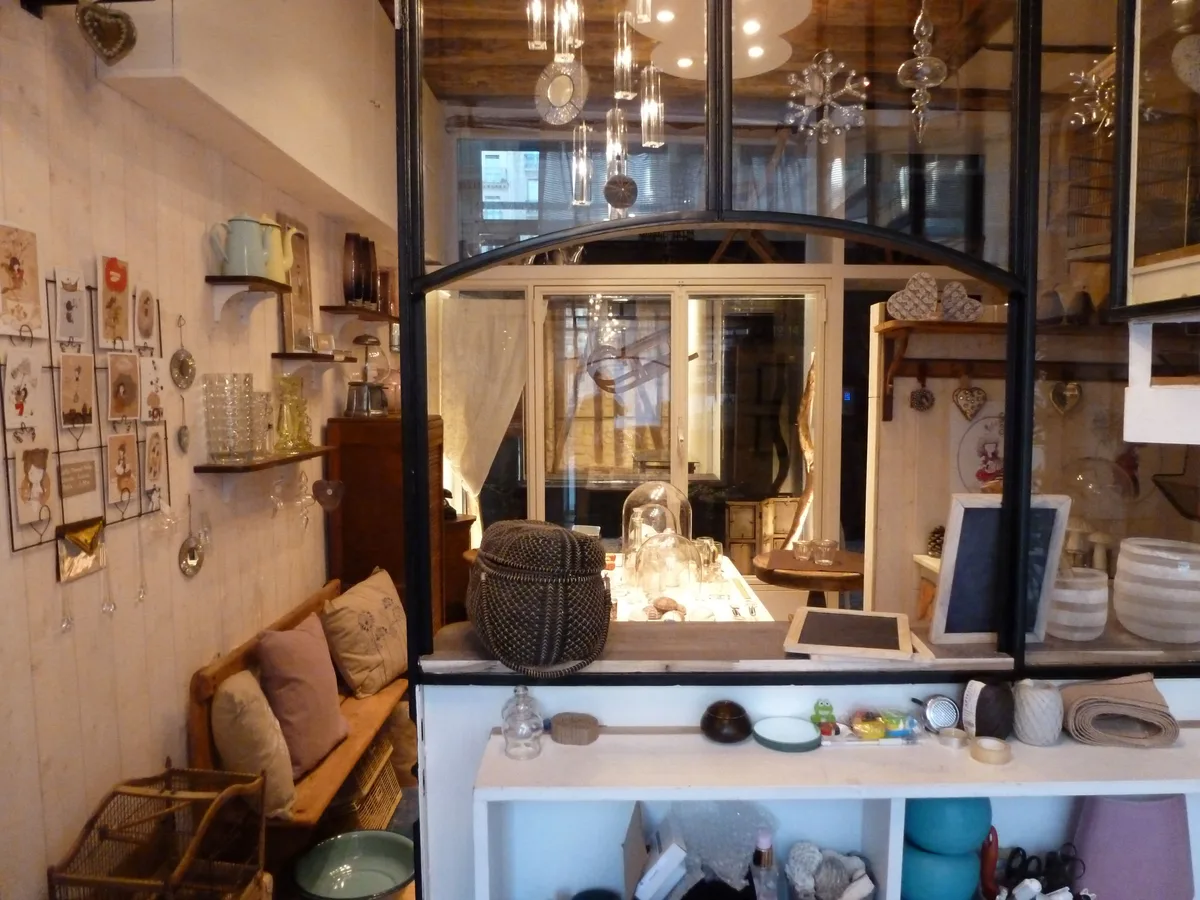
What distinguishes a charming boutique in this district from a generic retail space elsewhere in Paris is the quality of the architecture itself. Original parquet floors, moulded ceilings, stone walls, and period fixtures are common in authentic Palais Royal storefronts, and these details become part of the brand communication without additional investment in set dressing or production.
Artist Apartments and Gallery Spaces
A subset of Palais Royal rentals cater specifically to art-fashion crossover activations and cultural brand positioning. Artist apartments are typically residential units converted for temporary commercial use, often featuring artworks, bookshelves, curated furniture, and the kind of lived-in aesthetic that resonates with brands seeking to differentiate from overtly commercial retail environments. Gallery spaces in the district tend toward polished concrete floors, white walls, and flexible hanging and display systems, suitable for exposition-format activations, virtual showroom presentations with video-projector support, and collection previews that combine product and art.
Essential Space Features and Amenities Checklist
| Feature | Why It Matters for Pop-Up Stores | Priority Level |
|---|---|---|
| Natural light | Essential for product photography, fitting, and editorial content creation | High |
| High ceilings | Enables flexible display, installation art, hanging rails, and visual impact | High for fashion showrooms |
| Street level access | Critical for trading pop-ups and passive foot traffic capture | High for retail |
| Fitting room or dressing room | Required for any apparel retail operation | Mandatory for apparel |
| Storage room | Stock management for retail operations | High for trading |
| Internet connectivity | Required for POS systems, social media, and virtual showroom tools | Mandatory |
| Restrooms / WC | Required for staff and guests in activations over a few hours | Mandatory |
| Marble floors or parquet floors | Architectural quality that elevates brand perception and photography | Desirable for luxury brands |
| Video-projector capability | Supports brand film, lookbook projection, and virtual showroom presentations | Medium, format-dependent |
| Kitchen or café access | Required for press events, VIP appointments, and multi-day activations | Medium, format-dependent |
| Sanitized and maintained condition | Baseline for client-facing operations | Mandatory |
IMPORTANT: Always confirm which utilities are included in the rental fee and which are charged separately. In Paris short-term rentals, electricity, heating, air-conditioning, internet, and cleaning may or may not be bundled into the quoted rate. Clarity on fees before booking avoids disputes over confirmation and refund processes.
KEY TAKEAWAY: The Palais Royal district offers genuinely differentiated space types, each with distinct strengths for particular activation formats. Prioritise features based on whether your activation is primarily retail-trading, press and appointment, or art and brand positioning, then evaluate floor access and logistics before committing to any space.
With space type and features understood, the next critical question for any brand team is the rental process itself: how short-term leases work in Paris, what permits and compliance requirements apply, and what the practical booking process looks like.
Short-Term Rental Agreements, Permits, and Legal Framework for Pop-Up Stores in Paris
Quick answer: Renting a pop-up store in Paris, including in the Palais Royal district, typically involves either a bail dérogatoire (short-term derogatory commercial lease) or an AOT (autorisation d'occupation temporaire) depending on the space type, duration, and intended use. Neither format is legally straightforward without specialist guidance, and requirements vary significantly by arrondissement, space classification, and activation type.
The French commercial property system operates under rules that differ substantially from UK, US, and most European equivalents. Standard commercial leases in France are governed by the bail commercial framework, which provides strong tenant protections but typically requires minimum lease terms of three, six, or nine years. For pop-up stores, fashion showrooms, and short-term brand activations, two alternative legal vehicles are most commonly used.
Bail Dérogatoire: The Derogatory Short-Term Lease
A bail dérogatoire is a short-term commercial lease that derogates from standard French commercial lease law. Under French property legislation, a bail dérogatoire can be granted for a maximum cumulative period of three years with the same tenant in the same space. It is the most commonly used instrument for pop-up stores, seasonal boutiques, and temporary retail activations where the brand wants commercial use rights, the ability to trade publicly, and a defined short-term term without the obligations of a standard commercial lease.
Key points to understand include that the bail dérogatoire must explicitly state that it derogates from standard commercial lease law, that both parties must agree to this derogation in writing, and that once three cumulative years have elapsed with the same tenant in the same space, French law may automatically convert the arrangement into a standard nine-year commercial lease. Brands should verify the terms of any bail dérogatoire with a qualified French legal advisor before signing.
AOT: Autorisation d'Occupation Temporaire
An AOT or autorisation d'occupation temporaire applies primarily to public spaces, heritage buildings, and certain institutionally owned properties, some of which are located within or adjacent to the Palais Royal perimeter. This permit type is issued by the relevant public authority and grants temporary use rights for a defined period and purpose. AOT applications involve approval processes that can take several weeks or longer, making early engagement with the process essential for any brand planning an activation in a public or heritage space in the Palais Royal area.
For private commercial properties in the district, an AOT is not typically required. However, any activation involving public-facing signage, external branding, pavement displays, or modifications to the facade may require additional municipal permits from the Mairie de Paris or the relevant arrondissement authority.
IMPORTANT: Requirements for permits, compliance documentation, and activation approvals vary by space type, building classification, arrondissement, and the specific nature of the activation. Nothing in this guide constitutes legal advice. Always verify your specific requirements with a qualified French legal advisor and engage specialist support for any heritage or public space activation in the Palais Royal district. Use the permit guidance tool on Fashion Week Venues as a starting framework before seeking formal legal counsel.
Practical Booking and Confirmation Process
For private commercial short-term rentals in the Palais Royal area, the typical booking and confirmation process involves an initial enquiry or space brief, a viewing or virtual tour, negotiation of the rental rate and duration, legal review of the rental agreement, payment of a deposit or full fee depending on the duration and platform terms, and receipt of formal confirmation. Grace period provisions, refund policies, and the treatment of fees in cancellation scenarios vary significantly between individual landlords, space platforms, and agencies. Brands should confirm these terms explicitly before any booking commitment.
KEY TAKEAWAY: Short-term pop-up store rentals in Paris are not legally simple, even for experienced brand teams. The bail dérogatoire and AOT frameworks each carry specific obligations and risks. Engaging specialist legal and operational support before committing to any Palais Royal space is strongly advisable, particularly for international brands without a French legal entity or established Paris market presence.
Understanding the legal and booking framework naturally leads to the next major consideration: what a Palais Royal pop-up store activation actually costs, and how to build a realistic budget for the full activation including space, production, staffing, and ancillary services.
Budgeting for a Pop-Up Store in Palais Royal: Cost Drivers, Fee Structures, and Financial Planning
Quick answer: The cost of renting a pop-up store in Palais Royal depends on multiple variables including space size, location within the district, duration, included utilities, and the time of year relative to Paris Fashion Week. Directional cost estimates are provided here for planning purposes only. Use the Fashion Week Venues budget calculator for a brand-specific estimate based on your brief.
The Palais Royal district commands some of the highest short-term retail rental rates in Paris, reflecting its prestige location, architectural quality, and the concentration of luxury brand adjacency that makes it the most sought-after area for pop-up stores and fashion showrooms in the city. Understanding the full cost structure of a Palais Royal activation requires looking beyond the raw space rental rate to include every operational cost element.
Space Rental Rates: What Shapes the Number
Space rental rates in the Palais Royal area are influenced by size, floor level, street or garden facing orientation, included amenities, and the time of year. During Paris Fashion Week windows in February and March, and again in September and October, demand for short-term space in the Paris 1st arrondissement intensifies significantly and rates reflect that pressure. Brands planning activations aligned with the Fashion Week calendar should begin their space search substantially in advance of their target dates to access the best available spaces at rates that reflect the market rather than scarcity premiums.
Street-level storefronts with active retail trading capability command higher rates than equivalent upper-floor loft spaces due to their passive foot traffic value. Spaces with exceptional architectural features such as marble floors, garden-facing terraces, or direct Palais Royal arcade frontage carry additional premiums that reflect the brand communication value those features deliver. Larger spaces (above 100 square metres) may offer slightly better per-square-metre efficiency but require proportionally larger investment in fit-out, staffing, and operational management.
As a directional framework only, and without reference to any specific current listings, short-term retail space in the Palais Royal area for pop-up store use typically ranges across a wide spectrum depending on all the variables described above. These figures should be treated as orientation for financial planning only, not as quoted rates or guarantees.
Additional Cost Drivers Beyond Space Rental
The space rental fee is typically the largest single line item in a Palais Royal pop-up store budget, but it is rarely more than half the total activation cost for brands executing a complete, brand-quality activation. Other significant cost drivers include:
- Fit-out and production: Shopfitting, branded store design, furniture rental, installation, and de-rig costs. Costs vary enormously based on the level of customisation required and whether the space has existing fixtures that can be used or adapted.
- Retail staffing: Temporary staff including a retail store manager, sales associates, and customer service team members for the activation duration. Multilingual staffing is typically required in the Palais Royal area given the high proportion of international tourists among the visitor base.
- POS and payment systems: Point-of-sale hardware, software, and card payment terminals. For international brands, ensuring compatibility with French payment networks and compliance with French fiscal requirements is essential.
- Utilities: Electricity, heating, air-conditioning, and internet connectivity may or may not be included in the base rental fee. Confirm this explicitly before booking.
- Influencer marketing and press outreach: Driving qualified foot traffic and media coverage to a Palais Royal activation typically requires a dedicated communications budget, particularly for brands without an established Paris market presence.
- Legal and compliance fees: Legal review of the rental agreement, permit applications where required, and any regulatory compliance costs specific to the activation format.
TIP: Brands frequently underestimate the cost of logistics and production in Paris relative to their home market. Parisian suppliers, building access rules in heritage zones, and the compressed timelines of Fashion Week activations can all drive costs above initial estimates. Building a contingency of at least fifteen to twenty percent into any Paris pop-up budget is strongly advisable.
KEY TAKEAWAY: A Palais Royal pop-up store activation involves a multi-line budget that extends well beyond space rental to include fit-out, staffing, POS, utilities, communications, and legal fees. Use the Fashion Week Venues budget calculator to model the full cost structure before committing to a space or briefing suppliers.
To compare the Palais Royal investment against alternative Paris neighbourhoods and evaluate the return on that investment, the next section examines how to measure pop-up store performance and what metrics matter most for fashion brand activations.
Measuring ROI and Performance for Palais Royal Pop-Up Store Activations
Quick answer: A Palais Royal pop-up store generates value across multiple dimensions including direct sales, brand awareness, customer loyalty, press coverage, influencer reach, and market validation. Defining your primary success metric before activation begins is essential for making rational post-event decisions about market strategy, repeat activation, and long-term Paris retail investment.
The return on investment question for pop-up stores in a prestige location like Palais Royal is more nuanced than for a standard retail operation, because the majority of value generated may not appear in the daily sales report. Fashion brands and luxury houses consistently use Paris pop-up activations to achieve objectives that have long-term brand value but are not immediately quantifiable in transaction data. Understanding this multi-dimensional value model is essential for communicating the case for a Palais Royal activation internally and for evaluating performance honestly after the event.
Direct Sales and Revenue
For trading pop-up stores in a Palais Royal street-level location, direct sales during the activation period represent the most tangible ROI metric. Average transaction values in the Palais Royal area tend to be higher than in comparable Paris neighbourhoods because the audience skews toward international luxury tourists and high-spending Parisian visitors who are already oriented toward premium purchases. However, for many fashion brands, direct sales during a short activation window of one to three weeks will not cover the full cost of the activation on their own. The business case almost always requires accounting for indirect value as well.
Brand Awareness and Market Validation
For international brands entering the Paris market, a Palais Royal pop-up store functions as a market validation tool that a permanent retail investment cannot replicate without risk. The activation tests product-market fit, pricing acceptance, audience response, and operational practicality in the Paris context before any long-term commitment. The learning from a well-instrumented short-term activation in Palais Royal can directly inform decisions about permanent retail strategy, wholesale partnerships, and future Paris Fashion Week presence.
Press, Editorial, and Influencer Value
A Palais Royal address carries editorial weight that translates into press coverage quality and influencer content desirability. Parisian journalists, fashion editors, and content creators are more likely to attend and cover an activation at a prestigious Palais Royal location than an equivalent event in a less resonant neighbourhood. This earned media value should be estimated and included in the ROI calculation. The ROI calculator on Fashion Week Venues provides a framework for modelling this multi-dimensional return alongside direct revenue metrics.
Customer Data and CRM Building
A Paris pop-up store offers a rare opportunity to build direct customer relationships and first-party data with a highly qualified international audience. Email capture, loyalty programme enrolment, and post-activation follow-up from a Palais Royal activation can seed long-term customer relationships with some of the highest-value fashion consumers in the world. Brands should build data capture into the activation design from the outset, not as an afterthought.
KEY TAKEAWAY: ROI for a Palais Royal pop-up store is best measured across a composite of sales, brand awareness, press value, influencer reach, and customer data acquisition. Setting clear success metrics before the activation launches and using a structured ROI framework prevents post-event disagreements about whether the investment was justified.
Having established the financial and strategic logic for a Palais Royal activation, the question that naturally follows is how to execute the activation with the quality, efficiency, and Paris market fluency that the neighbourhood demands.
How Fashion Week Venues Supports Pop-Up Store Rentals and Activations in Palais Royal
Fashion Week Venues operates as a full-service pop-up shop agency and space marketplace with Paris as its primary market. For brand teams evaluating a Palais Royal pop-up store, showroom, or fashion activation, Fashion Week Venues provides structured support across the full activation lifecycle, from initial space discovery through to post-activation data review.
Space Discovery and Venue Sourcing
The Fashion Week Venues marketplace includes curated short-term retail spaces, showrooms, loft spaces, boutiques, and event venues across Paris including the Palais Royal, Le Marais, Saint Germain des Prés, and other key fashion districts. The venue sourcing service goes beyond the marketplace to include off-market spaces, direct landlord relationships, and specialist knowledge of which spaces are available during specific Fashion Week calendar windows. The locator and compare tools allow brand teams to filter spaces by neighbourhood, size, features, and budget before committing to viewings.
Concept Direction and Branded Store Design
For brands that need more than a space, the concept direction service provides artistic direction, spatial planning, and creative concept development tailored to the Palais Royal context and the brand's specific activation objectives. Branded store design, including custom shopfitting, furniture rental, and visual merchandising, is delivered through the production and build capability, ensuring that the space communicates brand identity at the level the Palais Royal neighbourhood demands.
Production, Build, and Activation Management
The production and build service manages the full fit-out process including supplier coordination, installation, compliance with building rules, and de-rig. For activations in Paris heritage buildings, where access rules, load-bearing constraints, and facade regulations can complicate standard production approaches, having an experienced Paris-based production team is not a convenience but a requirement for a quality outcome. Activation management covers the operational day-to-day of the live activation, including retail store manager oversight, customer service protocols, and real-time problem resolution.
Staffing, POS, and Data
Fashion Week Venues provides retail staffing including multilingual temporary staff suited to the international visitor profile of the Palais Royal area, POS and payment system implementation, and data and analytics support to track foot traffic, conversion, average transaction value, and customer acquisition during the activation. These operational capabilities allow brand teams to focus on brand strategy and client relationships while the logistics of running a Paris retail operation are managed by experienced specialists.
Tools for Independent Planning
For brand teams that prefer to plan independently before engaging agency support, Fashion Week Venues offers a suite of planning tools including a budget calculator, an ROI calculator, a timeline planning tool, a permits guidance tool, a space comparison tool, and a space locator. The Imagine tool allows brands to visualise how a shortlisted space might look with their specific brand elements applied, supporting more confident space selection decisions. The Build planning tool helps map out production timelines and dependencies.
To understand which brand teams benefit most from full-service support versus self-managed activation, consider that international brands without an established French legal entity, Paris supplier network, or Parisian cultural context typically achieve better outcomes, faster timelines, and more controlled costs when working with a specialist Paris agency than when attempting to coordinate independently across language, legal, and logistical barriers.
To compare neighbourhoods and space types across the Paris market, explore the Paris city hub on Fashion Week Venues and shortlist spaces that match your brief, budget, and calendar window.
KEY TAKEAWAY: Fashion Week Venues provides end-to-end support for Palais Royal pop-up store activations, from space discovery and venue sourcing through to production, staffing, POS, and post-activation data. The combination of marketplace access, Paris market expertise, and specialist tools makes it a practical choice for both first-time Paris activators and experienced brand teams seeking to elevate their execution quality.
Paris Fashion Week Calendar: Timing Your Palais Royal Pop-Up Store for Maximum Impact
Quick answer: Paris Fashion Week runs twice annually, in late February or early March for the autumn/winter collections and in late September or early October for the spring/summer collections. Aligning a Palais Royal pop-up store with these calendar windows maximises press attention, buyer presence, and influencer activity, but also intensifies space competition and drives up rental rates.
Paris Fashion Week is the most commercially significant fashion calendar event in the world for luxury and premium brands, drawing designers, buyers, journalists, stylists, and influencers from every major market. The concentration of industry professionals in Paris during Fashion Week windows creates a unique short-term audience for brand activations that cannot be replicated at any other point in the year. For a Palais Royal pop-up store, the Fashion Week calendar offers three distinct strategic advantages: maximum media amplification, direct access to the buying and press community, and the halo effect of being part of the world's most important fashion event.
However, Fashion Week timing is not universally the best choice for every brand activation objective. If the primary goal is direct consumer sales to Parisian visitors and international tourists, a longer activation window outside the peak Fashion Week period may deliver better cumulative sales with lower competition for consumer attention from the week's broader event programme. Many brands run two to four week activations in October or November, after the September Fashion Week wave, when foot traffic to the Palais Royal area remains high but competition for consumer attention is lower.
Planning Lead Times by Activation Type
| Activation Type | Recommended Lead Time Before Start Date | Key Planning Milestones |
|---|---|---|
| Paris Fashion Week showroom (press and buyers) | 4 to 6 months | Space confirmed, legal agreement signed, production brief issued, invitations sent |
| Fashion Week branded pop-up store (public trading) | 4 to 5 months | Space confirmed, permits assessed, fit-out designed, staffing brief issued |
| Standalone seasonal pop-up (non-Fashion Week) | 2 to 3 months | Space confirmed, brief issued, production and staffing confirmed |
| Brand launch event (single day or weekend) | 6 to 10 weeks minimum | Space confirmed, event production brief, guest list management, media outreach |
| Long-form retail pop-up (4 to 12 weeks) | 3 to 4 months | Space confirmed, legal framework agreed, fit-out designed, ongoing staff schedule confirmed |
DID YOU KNOW: During Paris Fashion Week, the demand for short-term commercial space in the Paris 1st arrondissement and Le Marais can outpace supply by a significant margin, particularly for spaces under 100 square metres in prestige locations. Brands that begin their space search four to six months in advance consistently access better spaces and negotiate more favourable terms than those searching within eight weeks of their target dates.
Use the timeline planning tool on Fashion Week Venues to map your specific activation milestones against your target dates and identify where your planning process needs to accelerate.
KEY TAKEAWAY: The Paris Fashion Week calendar is the single most powerful timing driver for Palais Royal pop-up store activations, but it is not the only viable window. Brands should match their calendar choice to their primary activation objective, whether that is trade and press, consumer sales, or longer-form market building, and plan their lead times accordingly.
Common Myths About Renting a Pop-Up Store in Palais Royal, Debunked
MYTH: You need a French legal entity to rent a pop-up space in Palais Royal.
FACT: International brands can and do rent short-term commercial spaces in Paris without a registered French legal entity. Many bail dérogatoire arrangements permit foreign companies to enter as tenants, though specific documentation requirements vary by landlord and space. Engaging a specialist Paris agency or legal advisor before signing any agreement helps navigate entity requirements, VAT obligations, and any compliance nuances that apply to your specific situation.
MYTH: Paris Fashion Week is the only viable calendar window for a Palais Royal pop-up store.
FACT: The Palais Royal district generates premium foot traffic year-round due to its proximity to the Louvre Museum, Tuileries Garden, Rue Saint-Honoré luxury corridor, and major transport connections. Brands focused on consumer sales, market building, or extended brand awareness campaigns can achieve strong results from Palais Royal activations outside the Fashion Week windows, often at lower space costs and with reduced competition for consumer and media attention.
MYTH: Commission-based space brokers are the only way to find a pop-up space in the Palais Royal area.
FACT: Space marketplaces, direct landlord relationships, and full-service agencies like Fashion Week Venues provide access to Palais Royal short-term spaces with full transparency of fees, terms, and space details. Commission brokers may offer access to some spaces but do not have exclusive coverage of the market, and their commission structures do not always align with the brand's interest in finding the best space for the lowest appropriate cost.
MYTH: Short-term commercial leases in Paris are simple to execute without specialist help.
FACT: French commercial property law is among the most complex in Europe, and even a short-term bail dérogatoire carries obligations and risks that are non-trivial for brands without French legal expertise. Issues including automatic conversion to a nine-year commercial lease after three cumulative years, permit requirements for public-facing activations, building heritage restrictions in the Paris 1st arrondissement, and compliance with French fiscal regulations for point-of-sale operations all require specialist input. The consequences of getting these details wrong can be significantly more expensive than the cost of professional advice.
MYTH: A prestigious Palais Royal address guarantees high foot traffic and strong sales for any pop-up store.
FACT: Location is a necessary but not sufficient condition for pop-up store performance. A Palais Royal address places your activation in front of a high-quality audience, but converting that location advantage into sales and brand engagement requires the right space type, a compelling brand activation concept, adequate staffing, effective communications and influencer outreach, and operational execution that meets the standards the neighbourhood's audience expects. Brands that invest only in the space and underinvest in the activation itself rarely achieve their objectives, regardless of address.
Frequently Asked Questions About Renting a Pop-Up Store in Palais Royal
Why should a fashion brand rent a pop-up store in Palais Royal specifically?
Palais Royal sits at the intersection of Paris luxury retail, cultural tourism, and fashion industry activity in the Paris 1st arrondissement. The district offers direct proximity to the Louvre Museum, Rue Saint-Honoré, Place Vendôme, Tuileries Garden, and major transport connections including Pyramides and Opéra stations. This combination means that any pop-up store in the area reaches international luxury tourists, Parisian fashion consumers, and the fashion industry press and buyer community during Fashion Week periods, making it the most strategically efficient location for premium brand activations in Paris.
What are the most sought-after specific locations within the Palais Royal area?
The most in-demand sub-locations within the broader Palais Royal district include the covered arcades and street-level spaces immediately adjacent to the Palais Royal Gardens, storefronts on Rue Saint-Honoré and Rue Saint-Roch, spaces near Place des Victoires for fashion-forward brands, and gallery-style spaces near the Pinault Collection and the Poste du Louvre. Upper-floor loft apartments with garden views, sometimes called Appartement Palais Royale configurations, are particularly sought after for VIP showrooms and press events due to their combination of architectural prestige and intimate scale.
How much does it cost to rent a pop-up store in Palais Royal, Paris?
Rental rates in the Palais Royal area vary significantly based on space size, floor level, street or garden orientation, included amenities, and the time of year relative to Paris Fashion Week. The full cost of a Palais Royal pop-up store activation also includes fit-out and production, staffing, POS and payments, utilities, communications, and legal fees, all of which can collectively match or exceed the space rental cost itself. Use the budget calculator on Fashion Week Venues for a brand-specific cost model based on your space type, duration, and activation objectives.
What is the ideal rental duration for a Palais Royal pop-up store?
The ideal duration depends on the activation objective. For a Paris Fashion Week press showroom or buyer appointment space, a rental of five to ten days centred on the relevant Fashion Week schedule is typical. For a consumer-facing trading pop-up store, two to four weeks allows sufficient time to build word of mouth, generate repeat visits, and justify the fit-out investment. For brand awareness and market-building objectives, longer activations of four to twelve weeks may be appropriate, especially for international brands entering the Paris market for the first time.
Do I need a French legal entity to rent a pop-up space in Palais Royal?
Not necessarily, but the requirements vary by landlord, space type, and the specific terms of the rental agreement. Many international brands rent Paris short-term commercial spaces without a registered French entity, but they must ensure that their rental agreement is structured appropriately, that VAT obligations are understood and met, and that any sector-specific compliance requirements for their product category are addressed. Engage a qualified French legal advisor before signing any rental agreement, particularly if your brand does not have an existing French legal or trading presence.
What types of spaces are available for pop-up stores in Palais Royal?
The Palais Royal area offers a rich range of space types including street-level storefront boutiques, upper-floor loft spaces and Haussmann apartments, converted gallery spaces with polished concrete or parquet floors, artist apartments suited to art-fashion crossover activations, and larger commercial units with full retail infrastructure including fitting rooms, storage rooms, and kitchen facilities. Key features to look for include natural light, high ceilings, street level access for trading pop-ups, and internet connectivity for POS systems and virtual showroom tools.
What permits are required for a pop-up store in the Palais Royal area?
Permit requirements depend on the space type, building classification, duration, and the nature of the activation. Short-term commercial rentals in private buildings typically operate under a bail dérogatoire and may not require additional permits beyond the rental agreement. However, activations involving public-facing external signage, facade modifications, pavement displays, or use of public or heritage spaces may require additional municipal permits from the Mairie de Paris or relevant arrondissement authority. Requirements in the Paris 1st arrondissement can be particularly complex given the density of heritage buildings. Use the permit guidance tool on Fashion Week Venues as an initial framework and always verify with a French legal advisor.
How far in advance should I book a Palais Royal pop-up space for Paris Fashion Week?
For Paris Fashion Week activations, the recommended lead time is four to six months before your intended start date. During Fashion Week windows in February to March and September to October, demand for premium short-term space in the Paris 1st arrondissement significantly exceeds supply, particularly for spaces under 100 square metres in the most sought-after locations. Brands that begin their space search earlier consistently access better spaces and negotiate more favourable terms. For non-Fashion Week activations, two to three months lead time is generally sufficient for most space types.
What staffing is needed to run a pop-up store in Palais Royal?
A typical Palais Royal retail pop-up store requires at minimum a retail store manager, one to three sales associates depending on the space size and trading hours, and if the brand has strong customer service standards, a dedicated client host or concierge. Given the high proportion of international tourists among the Palais Royal visitor base, multilingual staff capability in English, Mandarin, Japanese, or Arabic in addition to French is strongly advisable. Staff should be briefed on brand values, product knowledge, and the specific customer service standards appropriate for a luxury or premium brand activation in this neighbourhood.
Can I run a showroom and a trading pop-up store from the same Palais Royal space?
Yes, and this dual-format approach is increasingly common among fashion brands that want to combine trade and press appointments with a public-facing consumer activation. A single space can be configured for morning and daytime press and buyer appointments and opened to the public in the afternoon and evening, or the space can be physically zoned to accommodate both uses simultaneously. The Twin concept on Fashion Week Venues is specifically designed for co-activation scenarios where two brands or two activation formats share a single space, which can also make the economics of a premium Palais Royal location more accessible for emerging or independent brands.
How does natural light and architectural quality affect a Palais Royal pop-up store?
Natural light is one of the most consistently cited features by brand teams evaluating Palais Royal spaces because it directly affects the quality of editorial photography, product presentation, fitting experience for apparel, and the overall atmospheric quality of the activation environment. Spaces with south-facing windows, large glazed facades, or garden-view orientation command premium rates that are generally justified by the visual and atmospheric advantage they deliver. Marble floors, parquet floors, high ceilings, and period architectural details similarly function as brand communication assets that reduce the investment required in set dressing and production to achieve a visually compelling result.
What is the difference between a pop-up store and a fashion showroom in the Palais Royal context?
A pop-up store is a public-facing temporary retail operation open to paying customers, designed to generate direct sales, brand awareness, and customer acquisition. A fashion showroom is a controlled-access professional environment designed for press and trade buyers to view and place orders on collections, typically requiring appointment-based access and focusing on industry relationship building rather than public retail. In the Palais Royal context, both formats are common and the distinction matters because they have different space requirements, staffing needs, foot traffic strategies, permit implications, and ROI metrics. Some activations successfully combine both formats within a single space across a Fashion Week window.
How do I ensure the production quality of my Palais Royal pop-up store meets the neighbourhood standard?
Production quality in the Palais Royal area needs to meet the visual and experiential standards set by the luxury brands that surround any activation in the district. This means investing in custom or high-quality branded store design, using furniture and fixtures that complement the space's architectural character rather than competing with it, ensuring that lighting is properly designed for both retail presentation and photography, and that all signage, packaging, and materials are executed at a premium level. Engaging a specialist Paris production partner with experience in heritage buildings and the specific compliance requirements of the Paris 1st arrondissement significantly reduces the risk of costly mistakes.
Are there neighbourhoods near Palais Royal that offer good alternatives for pop-up stores?
Yes. Le Marais, particularly the area around Place des Vosges and the fashion streets around the Marais core, offers a strong alternative for brands seeking a more contemporary or art-forward brand positioning. Saint Germain des Prés to the south of the river provides a different luxury aesthetic with a strong association with intellectual and literary culture. The Montorgueil district to the north of Palais Royal has a younger, more local creative community feel. Each neighbourhood has its own foot traffic profile, audience composition, and brand adjacency. The Fashion Week Venues city hub for Paris includes detailed neighbourhood guides and space listings across all major Paris fashion districts.
What should I include in a space brief when searching for a Palais Royal pop-up store?
A strong space brief for a Palais Royal pop-up store should include the activation format (retail trading, showroom, press event, or combination), the target dates and duration, the minimum and preferred space size in square metres, required floor level and access (particularly for brands with significant equipment or product volume), essential amenities (fitting room, storage room, internet, kitchen), the preferred sub-zone within the Palais Royal area, the budget range for space rental only (excluding fit-out and staffing), and any brand-specific spatial requirements such as ceiling height minimums, natural light orientation, or architectural character preferences. A clear brief enables faster space matching and more relevant proposals from any agency or marketplace.
Conclusion: Making the Right Decision to Rent a Pop-Up Store in Palais Royal
The decision to rent a pop-up store in Palais Royal is one of the most strategically significant choices a fashion brand can make when planning a Paris market activation. The district delivers an unmatched combination of luxury foot traffic, architectural prestige, cultural proximity, and fashion industry adjacency that makes it the benchmark location for brand activations in the French capital. Whether your objective is to generate direct consumer sales, build press and influencer coverage during Paris Fashion Week, validate a product for the Paris luxury market, or establish a visible brand presence in the world's most fashion-conscious city, the Palais Royal area provides the physical and symbolic foundation for activation success.
Executing a Palais Royal activation to the standard the neighbourhood demands requires careful planning across space selection, legal framework, permit compliance, production quality, staffing, and communications. It requires realistic budgeting that accounts for the full activation cost, not just the space rental. And it requires a timeline that starts four to six months before target dates for Fashion Week windows and at least two to three months in advance for standalone seasonal activations.
Fashion Week Venues is built specifically to support fashion brands, luxury labels, and creative businesses navigating exactly this process. From initial space discovery through to branded store design, production, retail staffing, POS, and post-activation data, the agency and marketplace work together to reduce the complexity, risk, and cost inefficiency that characterise poorly planned Paris activations. The work portfolio, planning tools, and Paris market expertise are designed to help brand teams move from research to activation with confidence and clarity.
To move from research to activation, start exploring available spaces on the Fashion Week Venues marketplace and build a focused brief for your target neighbourhood, space type, and calendar window. If you prefer to begin with agency guidance on the full process, visit the guide to hiring a pop-up agency for a structured framework on how to select and brief the right partner for your Paris activation.