For brands eyeing the vibrant runways of Paris during Fashion Week, selecting the right venue can be both daunting and exhilarating. The choice of venue not only impacts the logistics and budget but also shapes the brand's narrative during crucial fashion events. Fashion Week Venues provides an unparalleled suite of services, ensuring that each aspect of venue selection and event execution aligns perfectly with strategic brand goals. As you delve into the myriad of options, from opulent salons to minimalist galleries, understanding the nuances of the Parisian market and the unique offerings of Fashion Week Venues is paramount. This guide is crafted to navigate you through each decision-making phase, ensuring your brand's activation is not just a display but an unforgettable experience.
Understanding Paris Fashion Week: A Global Phenomenon
Paris Fashion Week stands as a pinnacle in the global fashion calendar, drawing designers, buyers, and influencers from around the world. Uniquely positioned among the "Big Four," namely New York, London, Milan, and Paris, it offers a distinct blend of heritage and innovation. This blend positions the city as a hub for both emerging talent and established luxury houses.
The city transforms into a stage where each address can become a potential show venue, leading to a competitive and dynamic market for spaces. Designers and brands leverage Paris Fashion Week to define the cultural zeitgeist through their collections, making the choice of venue an integral part of their brand storytelling.
Quick answer: Paris Fashion Week is a leading event in the fashion industry, known for its rich mix of heritage and contemporary fashion, influencing global trends and brand perceptions.
Strategically, the venue must complement these attributes, enhancing both the collection's presentation and the audience's experience. From avant-garde lofts in Le Marais to classic venues near the Opéra, the diversity offers brands a canvas to project their innovative concepts alongside tier-one luxury showcases.
KEY TAKEAWAY: Understanding what makes Paris Fashion Week special helps brands select venues that resonate with both their aesthetic and strategic goals, influencing audience perceptions effectively.
As we proceed, exploring the complexities of venue sourcing and compliance in Paris becomes crucial for a successful brand activation.
Breaking Down the Types of Fashion Week Venues
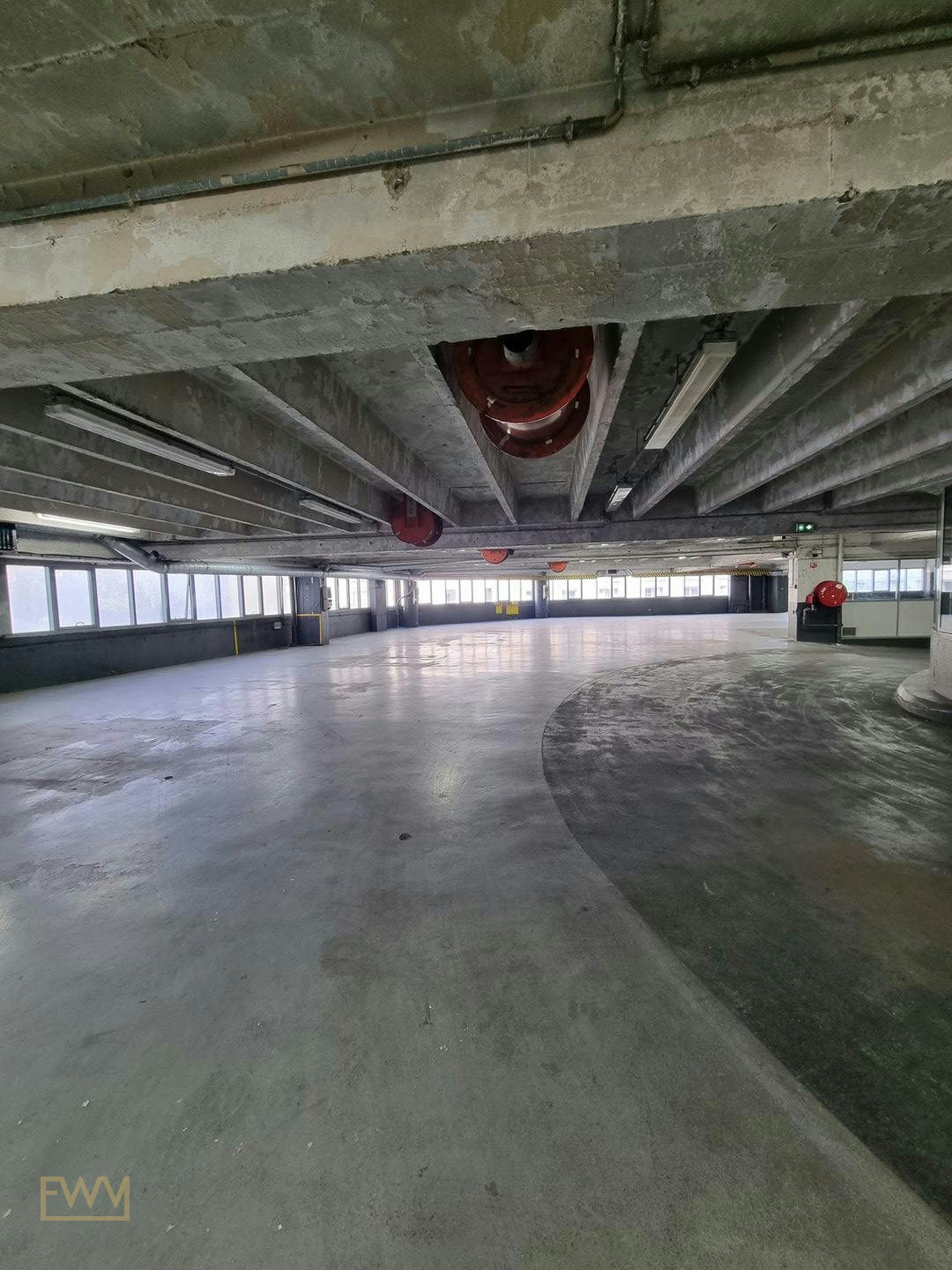
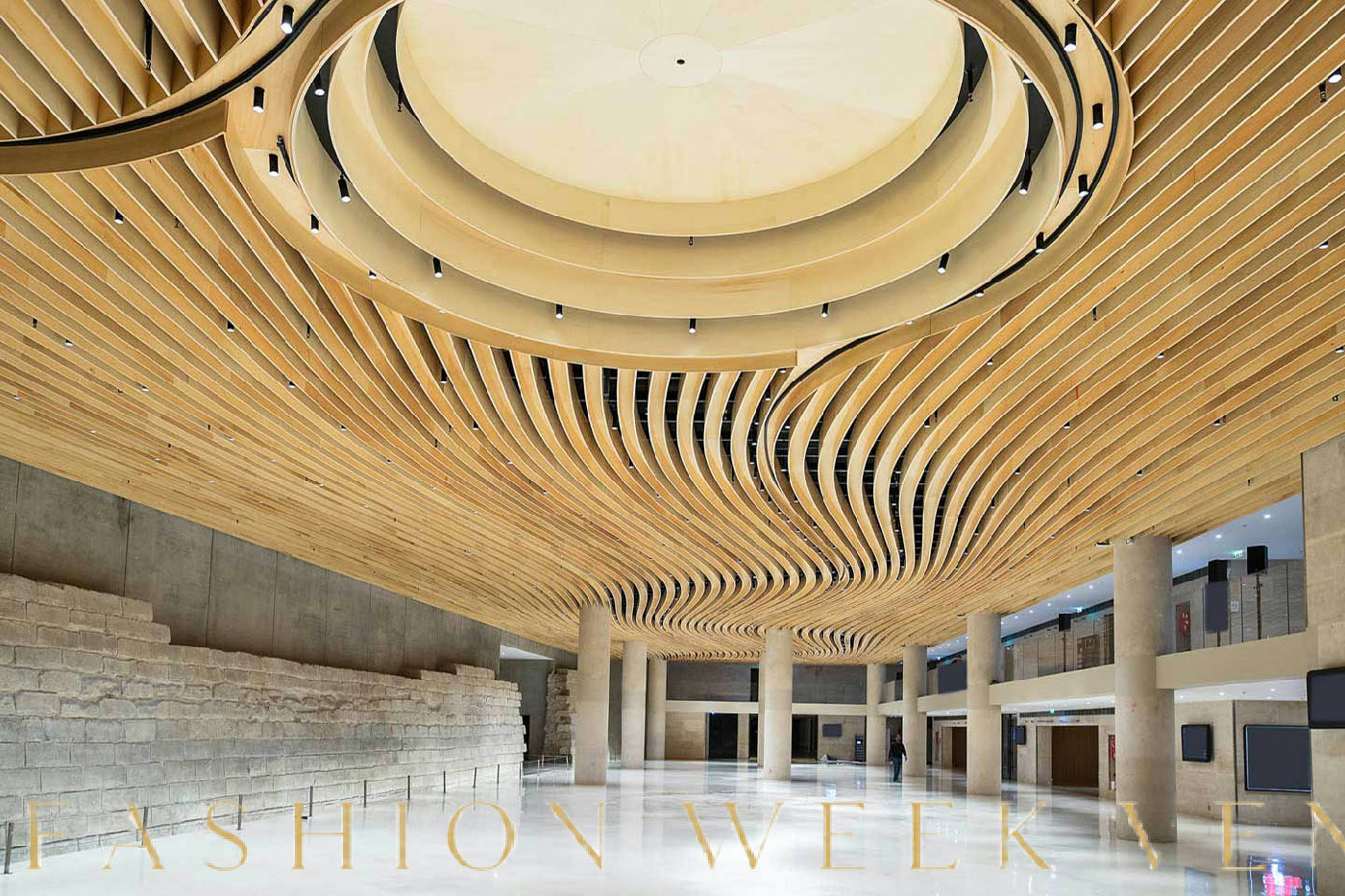
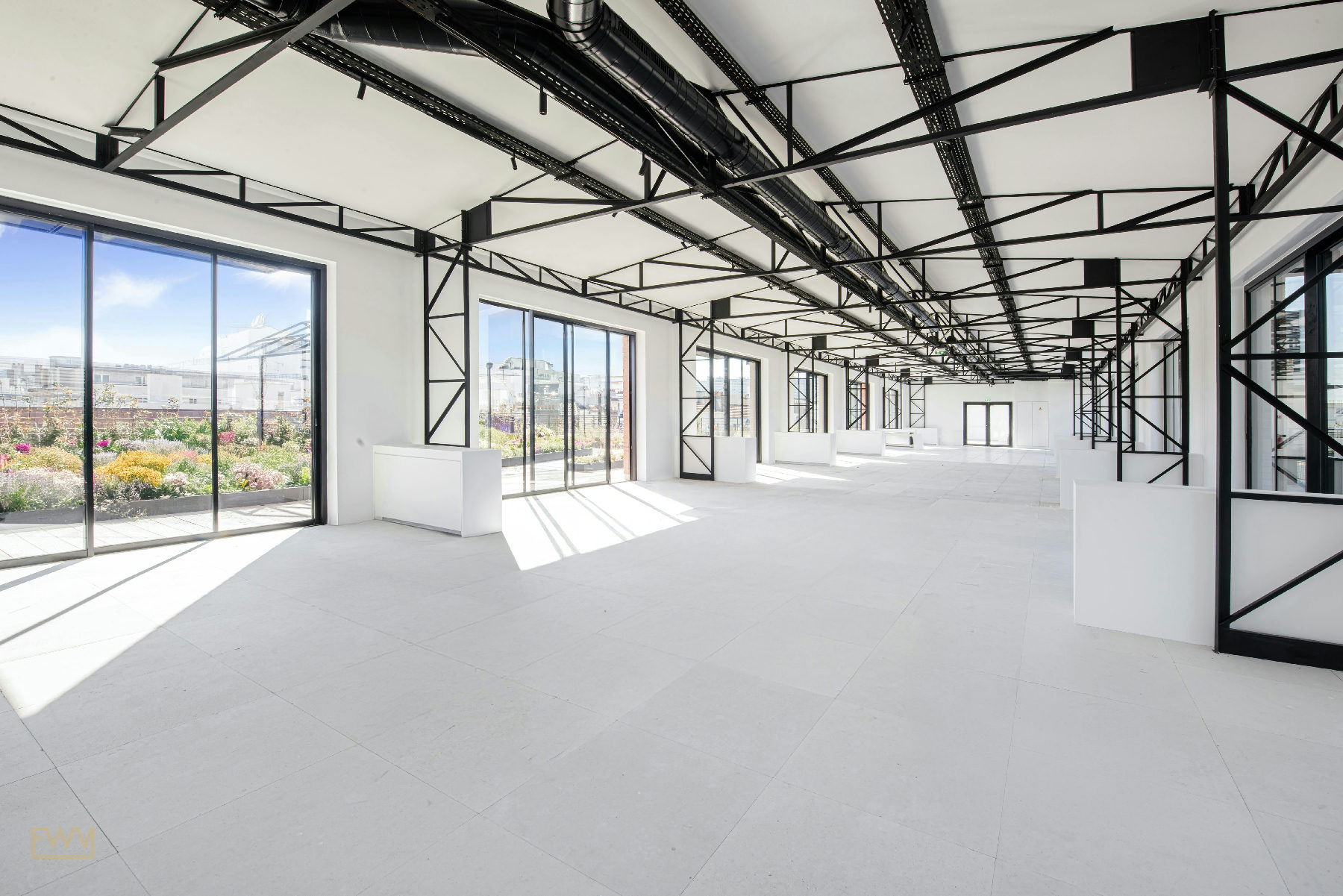
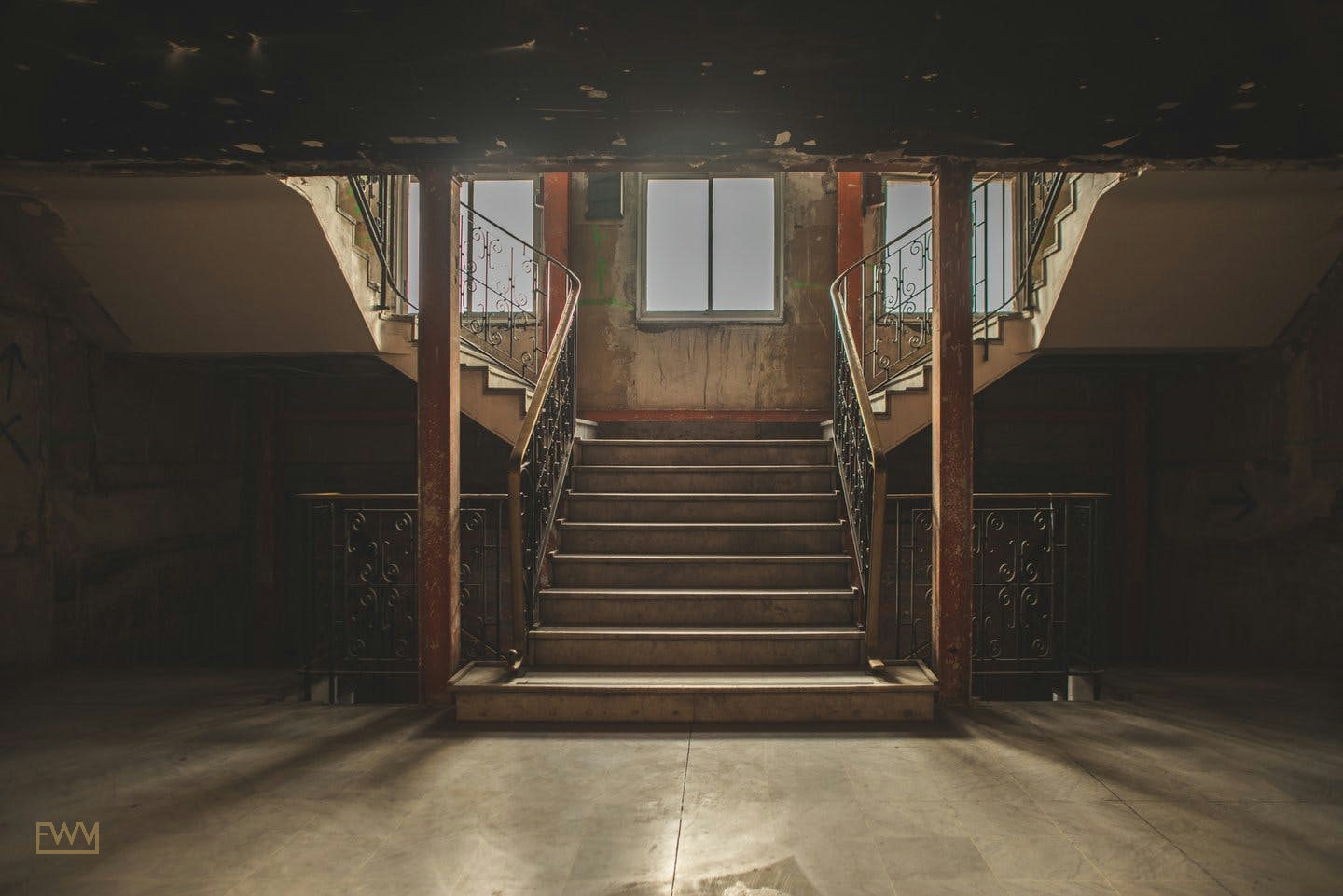
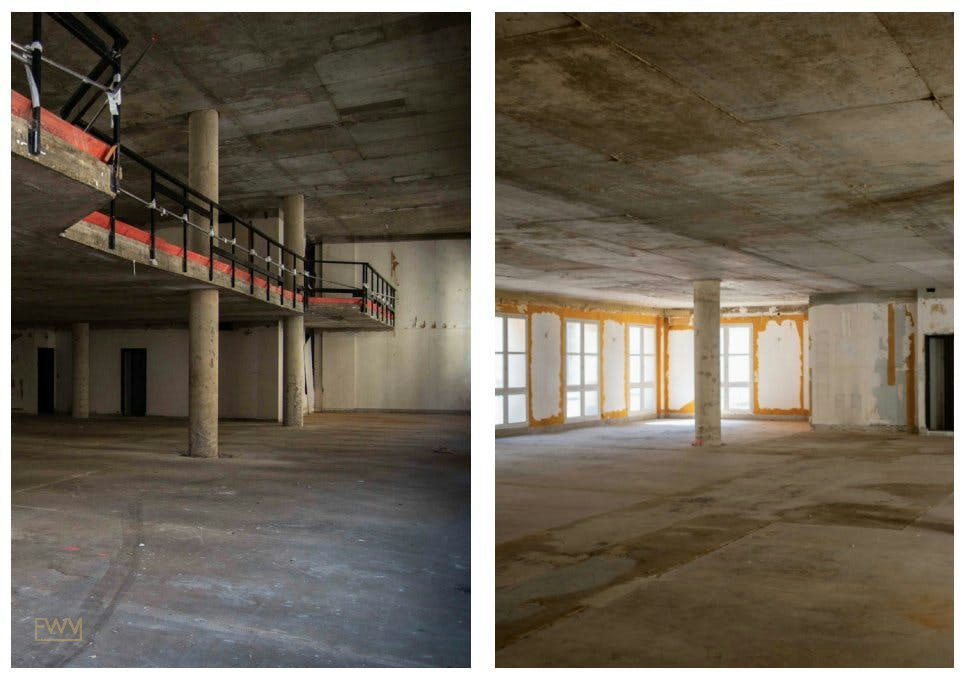
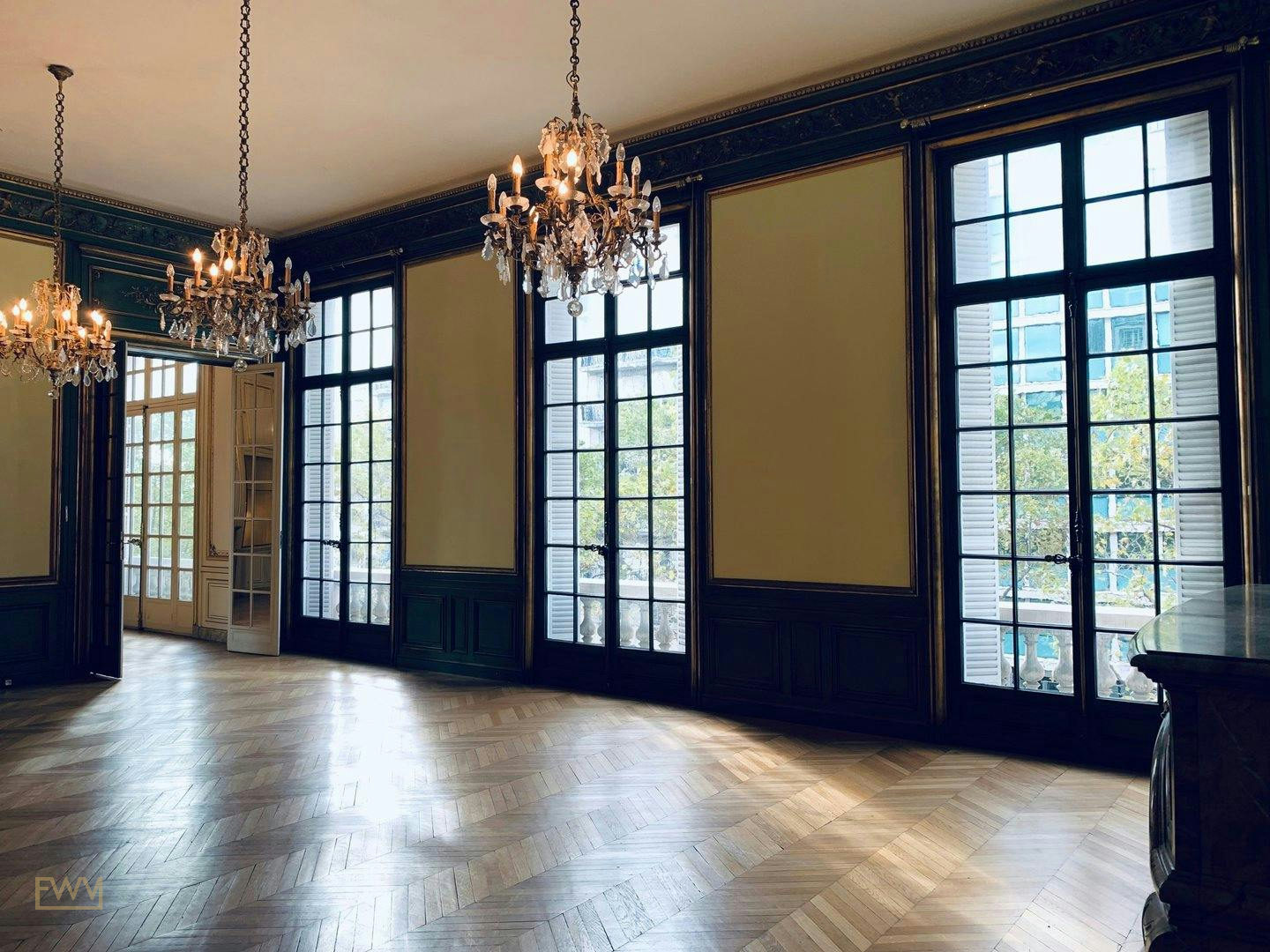
Paris offers a diverse array of venues suitable for fashion week activations, ranging from historical edifices to modern, minimalistic spaces. Each venue type presents unique opportunities and challenges that influence its fit for your brand. Let's explore these options more in depth.
| Venue Type | Advantages | Considerations |
|---|---|---|
| Historical Buildings | Prestigious ambiance, rich history enhances brand storytelling | May face restrictions on alterations, access needs careful planning |
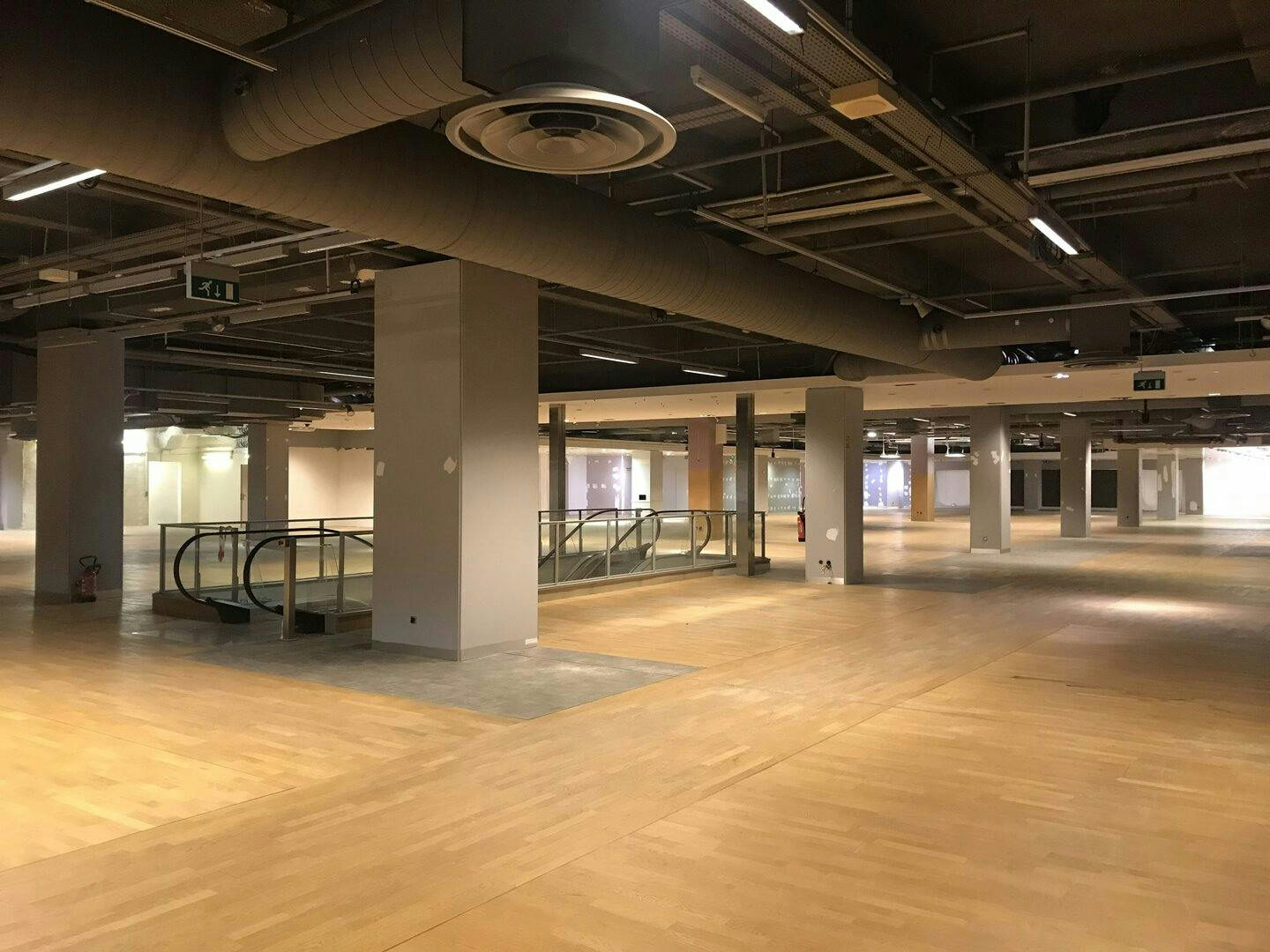
| Modern Galleries | Flexible space for creative set-ups, contemporary ambiance | Custom build-outs required, potentially higher costs |
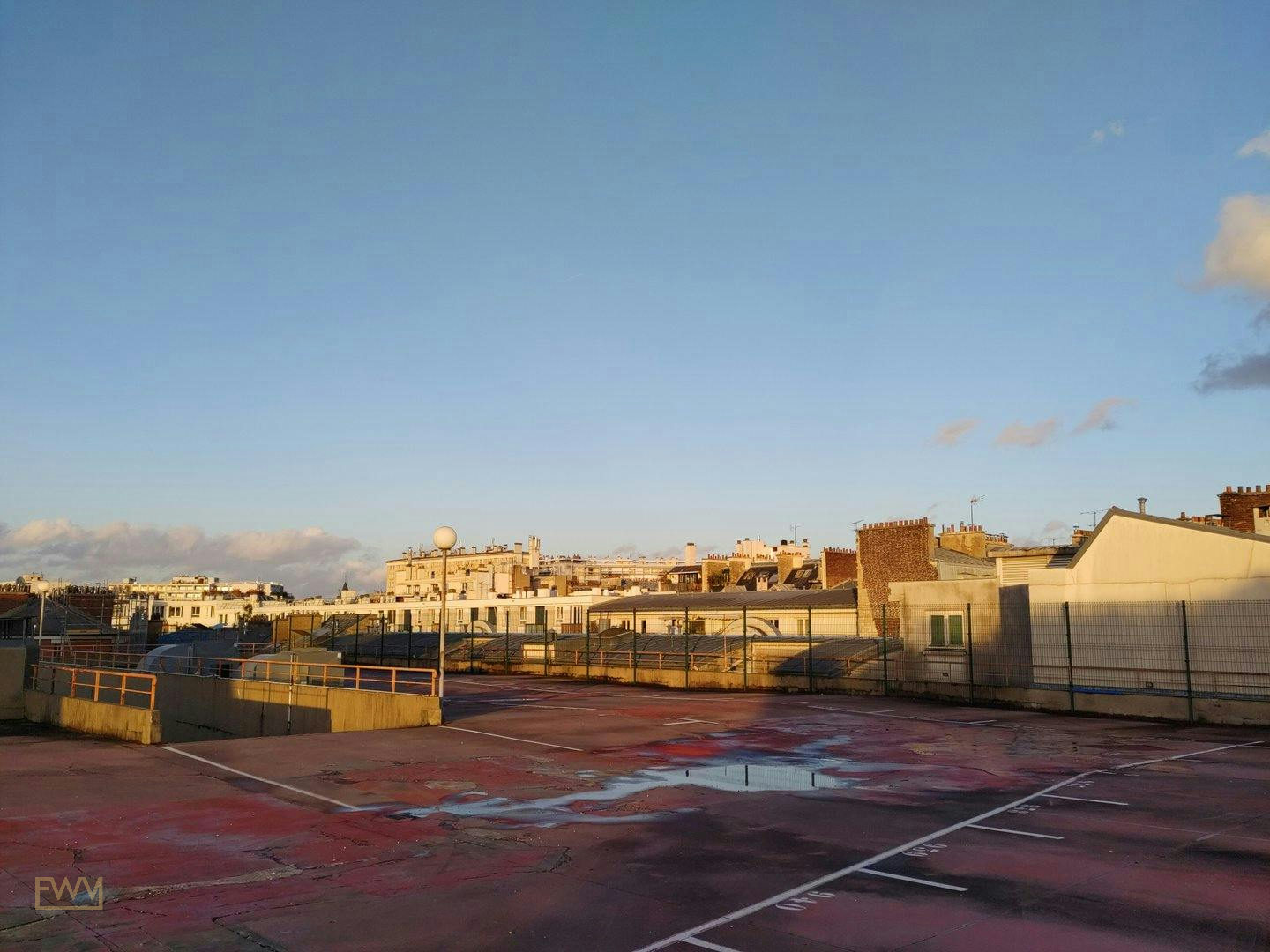
| Outdoor Spaces | Unique atmosphere, natural lighting | Weather-dependent, potential permit complexities |
| Retail Spaces | Built-in foot traffic, retail-ready infrastructure | Space limitations, less control over layout |
Historical buildings in districts like Rue Saint-Honoré and Place Vendôme offer brands a prestigious backdrop that can elevate their collection, particularly for brands aiming to position themselves within luxury narratives. On the other hand, modern galleries in Le Marais or Saint-Germain-des-Prés provide a blank canvas for avant-garde and experimental presentations.
Quick answer: Venue types in Paris range from historical spaces offering prestige to modern galleries providing versatile blank canvases, each influencing brand storytelling differently.
Outdoor spaces, such as those near the Canal Saint-Martin, are perfect for brands looking for unique experiential activations that maximise natural aesthetics and ambiance. Finally, retail spaces near bustling hubs like Galeries Lafayette or Printemps can benefit brands intending to drive direct consumer engagement.
KEY TAKEAWAY: Selecting the right venue type is pivotal; it not only meets logistical needs but enriches the thematic presentation of your brand's collection.
Transition towards understanding compliance requirements to set the foundations for securing your chosen venue in Paris.
Navigating Legal and Compliance Requirements
Ensuring compliance with Parisian legal standards is crucial when securing a space for Fashion Week events. The process can involve navigating the intricacies of the bail dérogatoire (temporary lease) and obtaining an Autorisation d’Occupation Temporaire (AOT) for areas such as outdoor spaces or unique landmark venues.
Bail dérogatoire differs from typical commercial leases in several ways. They are tailored for temporary usage, providing flexibility while ensuring that both parties understand the temporary nature of occupation, often agreed upon for less than three years. However, meticulous adherence to terms is necessary to avoid costly legal ramifications.
Quick answer: The bail dérogatoire is a temporary lease key for short-term events, offering flexibility while requiring careful compliance with terms to avoid legal issues.
Similarly, the process for an AOT is crucial for using highly desirable Parisian public spaces, since it involves obtaining permissions directly from the city administration. Required documentation includes a detailed event plan and proof of compliance with safety standards based on events' nature.
DID YOU KNOW: The Paris city administration reviews AOT applications with a focus on public safety and cultural compatibility, reflecting the careful governance of public spaces.
KEY TAKEAWAY: Legal compliance in Paris is intricate and gaining permits demands thorough preparation and local expertise; it's recommended to leverage resources like Fashion Week Venues for efficient permit navigation.
Next, explore budgeting strategies to manage costs effectively within the dynamic Paris venue market.
Budgeting for Venue Selection and Activation
Crafting a budget strategy for Paris Fashion Week involves anticipating costs across several critical areas. Categories include venue rental, production build-outs, staffing, logistics, and marketing, each contributing to the overall budget.
Venue costs in Paris can vary significantly depending on the location, size, and type. An opulent historical venue near Place Vendôme might command a higher price compared to a contemporary loft in an emerging district like Canal Saint-Martin.
Quick answer: Paris venue costs vary widely based on location and type, ranging from affordable emerging districts to high-premium historical venues near luxury hubs.
To avoid budget overruns, it's essential to engage in careful planning and forecasting. Fashion Week Venues offers a budget calculator tool that helps brands estimate costs based on selected parameters, promoting financial transparency and strategic allocation of resources.
| Expense Category | Estimated Proportion of Budget |
|---|---|
| Venue Rental | 30-40% |
| Production & Build | 20-30% |
| Staffing | 15-20% |
| Logistics | 10-15% |
| Marketing & Promotion | 10-20% |
IMPORTANT: Ensure budget flexibility to accommodate unforeseen expenses. Adjust strategies using ongoing analytics and feedback during the campaign to stay aligned with financial forecasts.
KEY TAKEAWAY: Budgeting for fashion week venues in Paris requires both strategic foresight and adaptive management to optimise spend without sacrificing experience quality.
Following budgeting, delve into aligning your chosen venue with your brand's creative and strategic direction.
Aligning Venue Choice with Brand Strategy and Creative Vision
The intersection of venue selection and brand strategy forms a cornerstone of successful activations at fashion week. Each potential space reflects different attributes, strategically affecting brand perception and audience engagement.
Brand strategists should consider not just the architectural and logistical aspects of a venue, but also its alignment with the overall creative vision and brand ethos. Take, for example, a brand known for its sustainable and avant-garde fashion. Such a brand might opt for a minimalistic, eco-certified modern space rather than a baroque-style historical venue.
When aligning venue choice with strategy, explore creative options through Fashion Week Venues' concept direction service. This helps ensure that the venue not only amplifies the fashion collections but also triggers desired emotional responses from the audience.
TIP: Use Fashion Week Venues' tools like the Imagine Tool for conceptualising and visualising how prospective spaces can be transformed to mirror brand storytelling effectively.
KEY TAKEAWAY: Successful venue selection is intrinsically tied to brand strategy. The synergy between space and concept enhances audience engagement and brand storytelling.
The next focus is on leveraging fashion week's timeline for optimal planning and execution efficiency.
Effective Timeline Planning for Paris Fashion Week
Planning the timeline for a successful Fashion Week activation in Paris involves several layers of strategic considerations. This encompasses both long-term preparation and the minutiae of day-to-day management.
The ideal timeline often spans months in advance, especially for new market entrants unfamiliar with Parisian practices. Engaging early with local operators or agencies ensures availability of top-tier venues and provides a buffer for inevitable last-minute adjustments caused by external factors.
Quick answer: Effective fashion week timeline planning begins months in advance, accounting for venue availability, creative development, and potential last-minute adjustments.
Utilise Fashion Week Venues' timeline tool to chart tasks, from venue scouting to marketing rollout, guaranteeing that each phase is synchronised with the larger brand strategy.
Embedding flexibility within the execution timeline is crucial to absorb unexpected changes, such as environmental factors or regulatory updates. Brands can mitigate risk through responsive strategies and contingency plans.
KEY TAKEAWAY: A meticulously planned timeline optimises resource use and integrates strategic responsiveness, ensuring activation success during Paris Fashion Week.
Let’s transition to understanding how Fashion Week Venues can comprehensively aid in your venue quest and event execution.
How Fashion Week Venues Assists Brands in Paris
Fashion Week Venues serves as a comprehensive support system for brands aiming to navigate the intricate terrain of Paris Fashion Week. Its range of services, tailored tools, and expert insights considerably simplifies venue selection and activation execution.
The agency's services begin with venue sourcing, ensuring spaces align with the brand's essence and logistical requirements. The production and build services transform spaces into brand-centric experiences through innovative design and precise execution.
Fashion Week Venues also optimises marketing efforts via its influencer marketing services, enhancing brand visibility among targeted audiences. Furthermore, strategic insights through the Compare Tool ensure brands can evaluate options based on strategic metrics like ROI and audience impact.
Quick answer: Fashion Week Venues aids brands with comprehensive services from venue sourcing to influencer marketing, ensuring cohesive and impactful activations.
Brands seeking to leverage the full spectrum of offerings will find the suite of tools particularly beneficial for budget estimation, timeline planning, and compliance navigation. Particularly, fashion brands historically apprehensive about Paris’s complex logistics can rely on this structured support system to streamline operations.
KEY TAKEAWAY: Partnering with Fashion Week Venues provides a strategic advantage, utilising tailored services and expertise to navigate and enhance Paris Fashion Week events effectively.
Transition to debunk common myths and misconceptions that surround the venue selection process in Paris.
Common Myths Debunked
MYTH: You need a French legal entity to rent a venue in Paris.
FACT: While registering a French entity can facilitate some negotiations and compliance processes, it's not mandatory. International brands often operate through local representation or directly partner with agencies like Fashion Week Venues for smooth execution and compliance.
MYTH: Paris Fashion Week is the only viable time for successful brand activations.
FACT: Paris offers rich opportunities year-round. Other occasions such as Design Week or special events align well with luxury brand priorities, offering alternative timelines to capture varied target audiences with less competition for prime venues.
MYTH: Commission brokers are the only way to find and secure spaces.
FACT: While brokers are one option, platforms like Fashion Week Venues offer direct access to a marketplace of spaces, allowing for both more transparency and potentially lower costs—eschewing the added broker commissions.
MYTH: Short-term leases are straightforward and don't require specialist help.
FACT: The short-term lease landscape, while potentially simpler than long-term deals, still involves diverse and complex legal aspects. Engaging with experienced partners is vital to avoid costly oversights, especially for international brands unfamiliar with French regulations.
KEY TAKEAWAY: Misconceptions often result from outdated or limited perspectives. Engaging with comprehensive, modern solutions streamlines the activation process and assists international brands in circumventing unnecessary obstacles in the Paris market.
Next, explore detailed insights and common queries in the comprehensive FAQ section.
Frequently Asked Questions
What types of spaces are most popular during Paris Fashion Week?
During Paris Fashion Week, the most popular venues range from centrally located grand halls to contemporary galleries. Spaces that offer a seamless blend of accessibility, prestige, and creative flexibility are particularly sought after. Historical buildings around Rue Saint-Honoré and modern galleries in Le Marais align with diverse brand stories, providing rich contextual backdrops for both classic and avant-garde collections.
Is securing a venue through an agency more beneficial than doing it independently?
Working with an agency such as Fashion Week Venues can provide distinct advantages over independent venue scouting. Agencies offer expert negotiation skills, established local networks, and insights into compliance challenges. These resources save time and can prevent costly legal or logistical errors, thereby freeing brand teams to focus on creative aspects rather than the minutiae of permits and logistics.
How does the use of historical venues differ from contemporary spaces?
Historical venues offer a sense of grandeur and imbue each brand presentation with cultural richness and storytelling depth. However, they may also involve stricter regulations. In contrast, contemporary spaces offer adaptable layouts and are ideal for modern, innovative set designs. Each type supports different strategic aims and requires tailored planning to execute effectively.
What are the key elements that should influence my venue choice?
The primary factors influencing venue choice include the brand's target audience, the type of collection being presented, and logistical requirements like capacity and technology integration. Furthermore, consider proximity to key fashion week locations and competitors. Selecting a venue that complements your brand’s image and strategy ensures cohesive storytelling and optimised audience reception.
Why is Paris such a pivotal location for fashion activations?
As one of the global fashion capitals, Paris provides unparalleled access to trendsetters, media, and industry thought leaders. Its historical significance and contemporary vibrancy converge to model influential fashion trends. Hosting activations in Paris leverages the city's cultural clout, offering dynamic, multimedia storytelling opportunities against iconic backdrops that other cities can't easily replicate.
How do pop-up events enhance brand visibility during Fashion Week?
Pop-up events during fashion week engage audiences through immersive brand experiences that traditional shows alone cannot offer. They provide openings for consumer interaction, direct feedback, and real-time buzz across media platforms. Strategically placed pop-ups amplify reach and cultivate exclusive appeal, reinforcing brand narratives among both existing and potential new audiences.
What should brands consider about the timeline when planning a fashion week activation?
Brands should begin planning several months in advance to secure the best timing, location, and logistics. Potential pitfalls like permitting delays or unanticipated operational challenges necessitate a flexible timeline with built-in contingencies. Fashion Week Venues offers tools that help keep planning on track, ensuring synchronisation with broader brand strategy and market demands.
Are there advantages to collaborating with local artists or designers?
Collaborating with local creatives injects authentic local culture into brand activations and can enhance both the narrative and aesthetic appeal. It demonstrates a commitment to cultural diversity and inclusion, deepening engagement with local audiences and enriching the brand's international appeal. Such partnerships also foster local goodwill and generate organic interest.
How can I ensure a high return on investment for my fashion week event?
Ensuring a high ROI involves meticulous planning and understanding both immediate and long-term brand impacts. Specify clear objectives and measure effectiveness using data analytics, ensuring meaningful engagement against identified KPIs. Employ tools like Fashion Week Venues' ROI calculator to model potential outcomes and refine strategies for maximum brand value and visibility.
What logistical considerations are critical for a successful launch?
Critical logistical considerations include securing necessary permits, effective vendor coordination, and reliable transport solutions. Additionally, anticipate audience flow, accessibility, security measures, and final rehearsals. A cohesive team creates an aligned operational plan that matches the creative vision, maximising the event’s appeal and operational efficiency.
Why is it important to evaluate post-event performance?
Post-event evaluation provides valuable insights into what worked well and identifies areas for improvement. This process informs future activations, allowing for strategic adjustments that align with new market trends and brand directions. Ongoing engagement analytics keep the brand relevant in consumer conversations, directly influencing long-term brand development and investment returns.
Conclusion
Successfully navigating the process of selecting a Paris Fashion Week venue requires a strategic blend of creative foresight, logistical precision, and industry expertise. With Fashion Week Venues, brands gain access to comprehensive services that encompass all these needs and more, from venue sourcing and activation management to detailed legal and financial planning. By leveraging this wide array of resources, brands are well-equipped to create memorable, high-impact events that strengthen their market positioning in one of the world's most prestigious fashion capitals. To move from research to activation, start exploring available spaces on the Fashion Week Venues marketplace and build a focused brief for your target neighbourhood, space type, and calendar window. With careful planning and the right support, your brand can shine on the global stage of Paris Fashion Week.