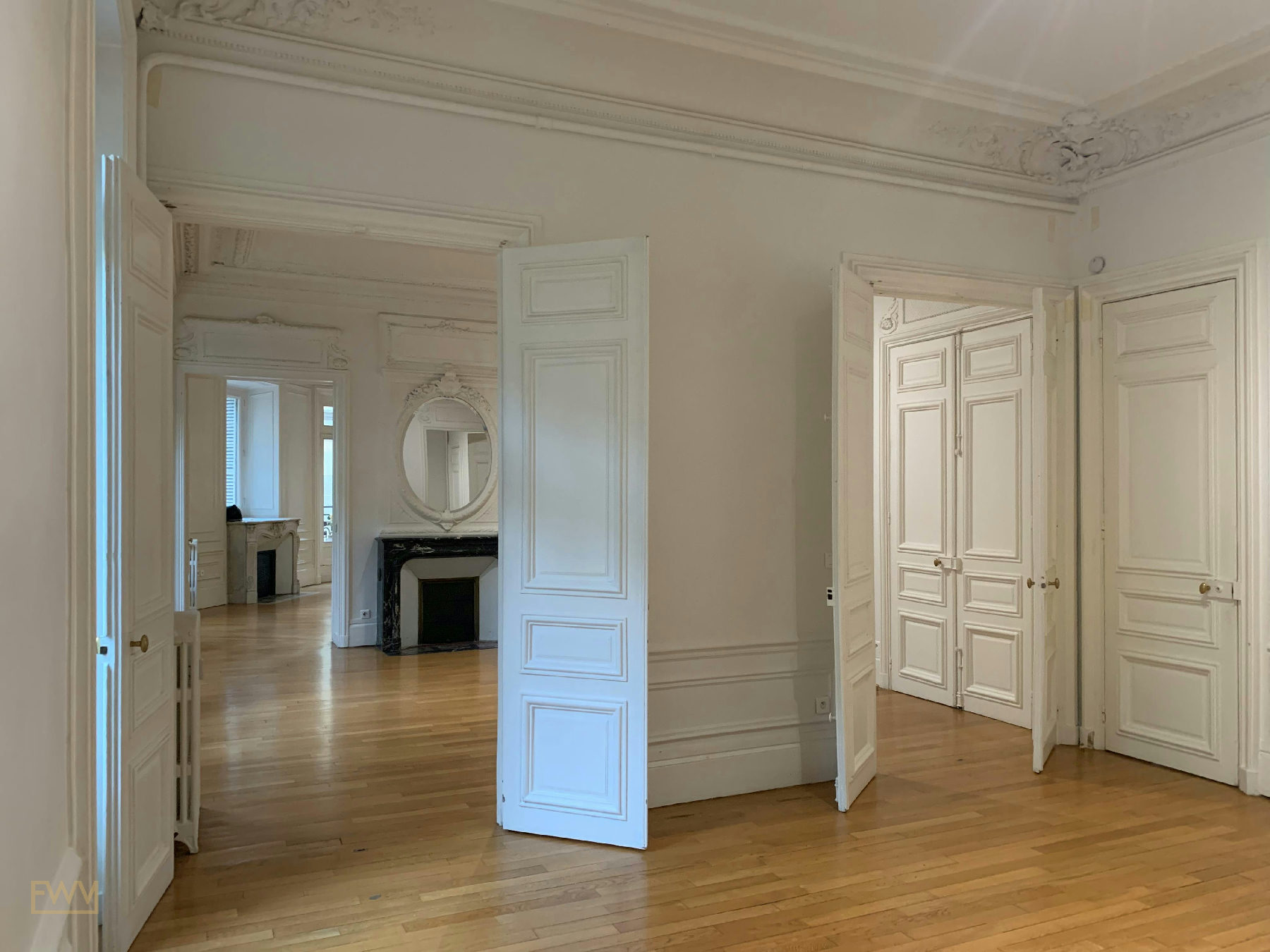
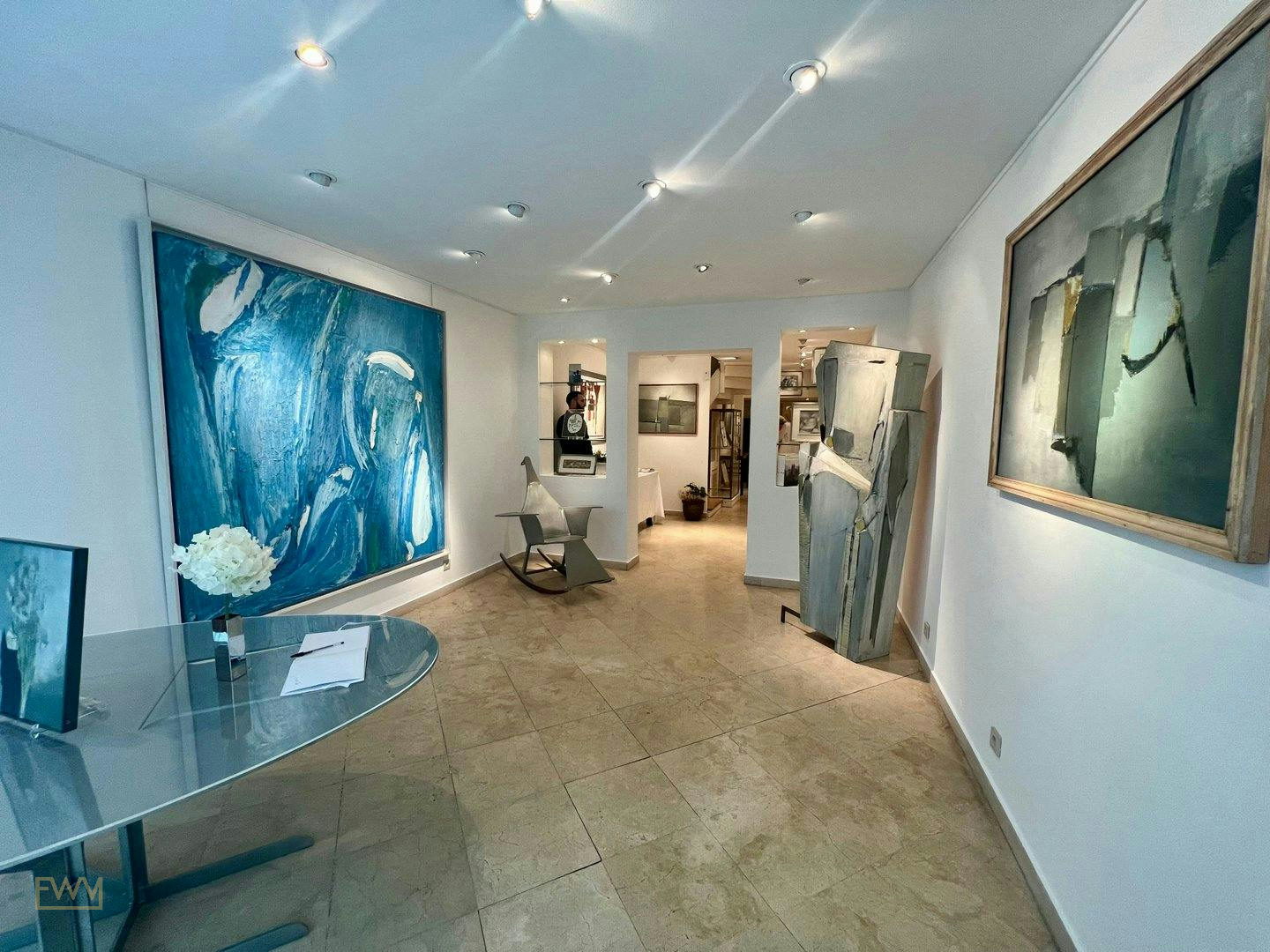
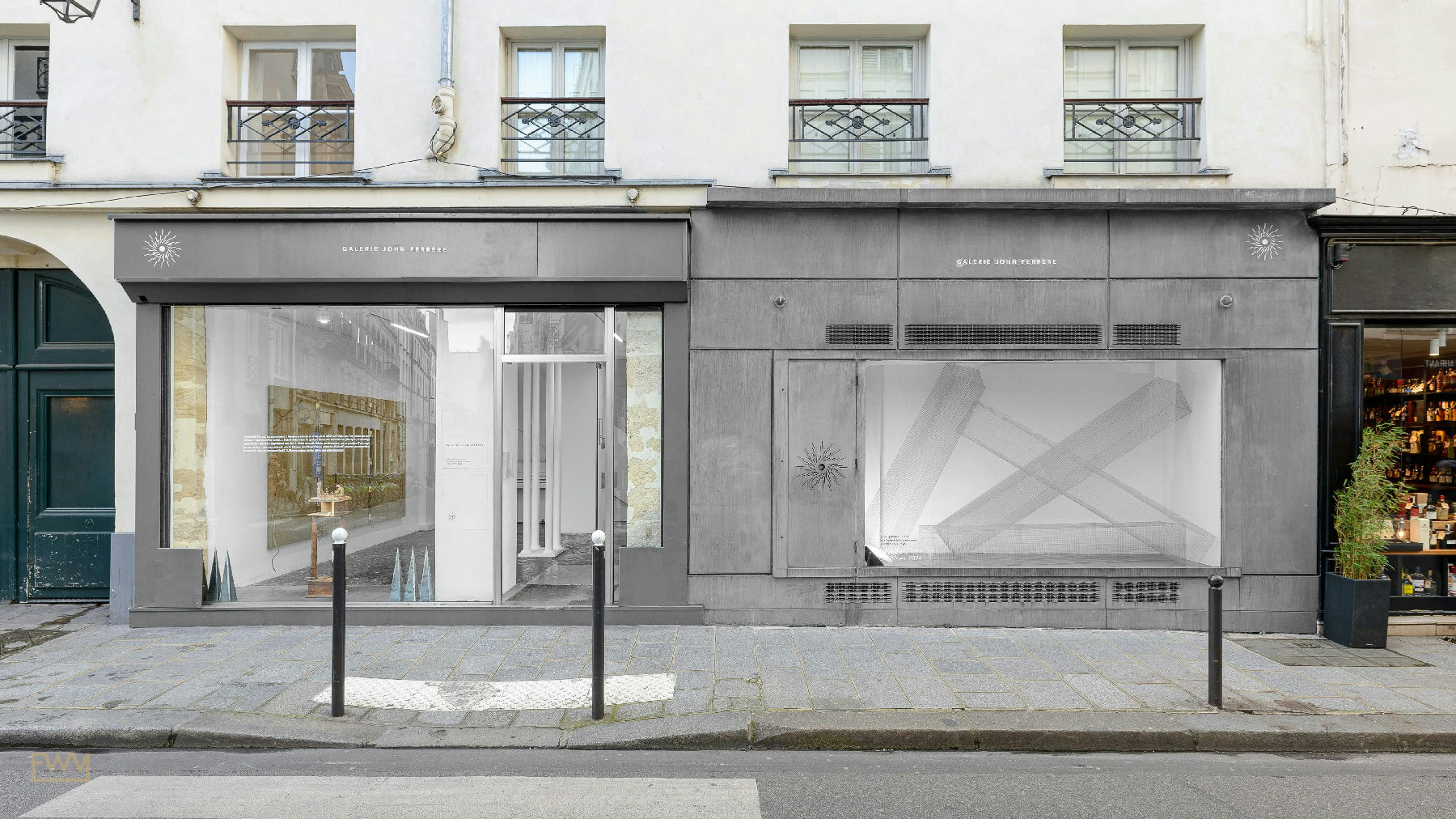
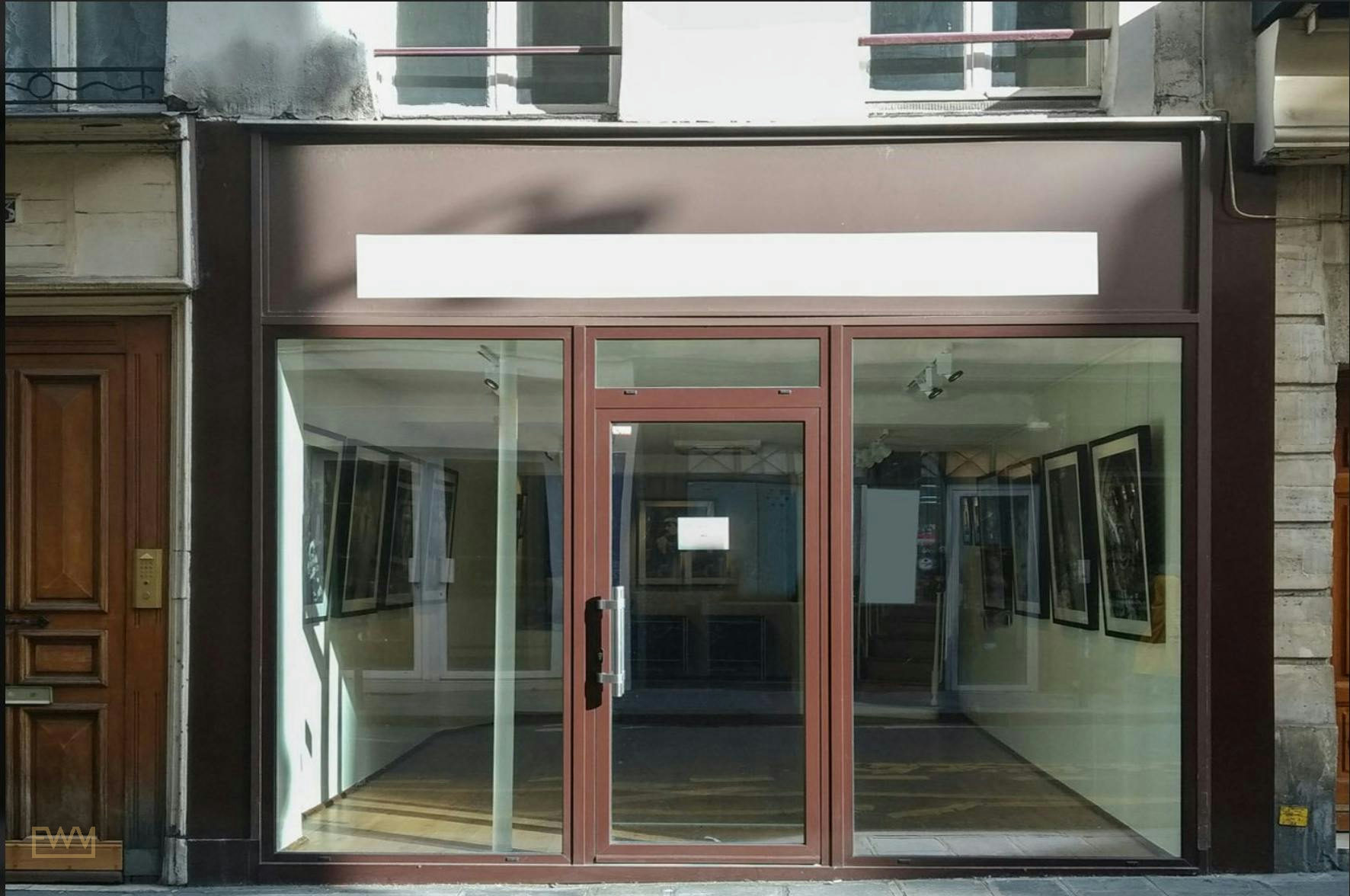
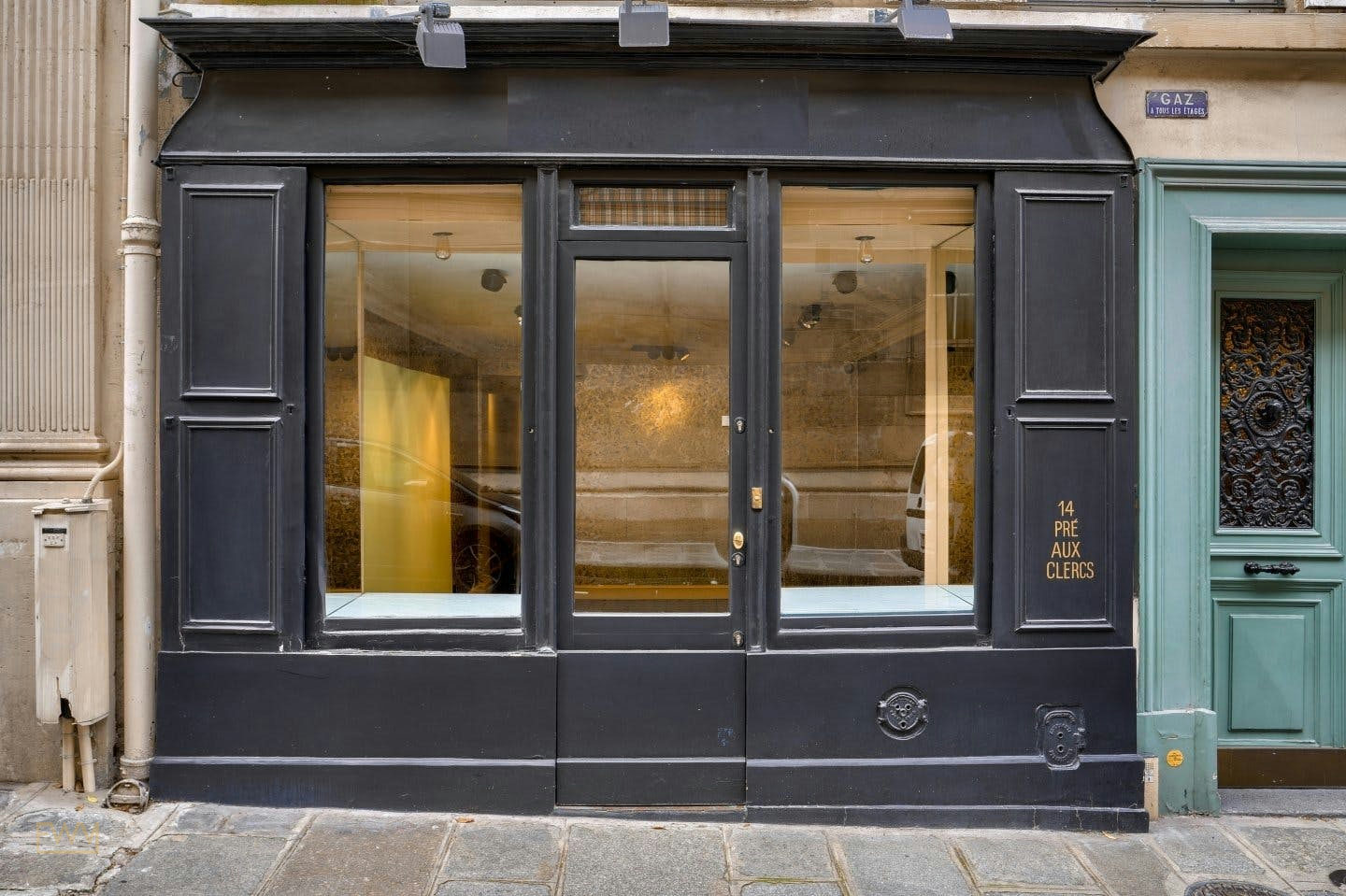
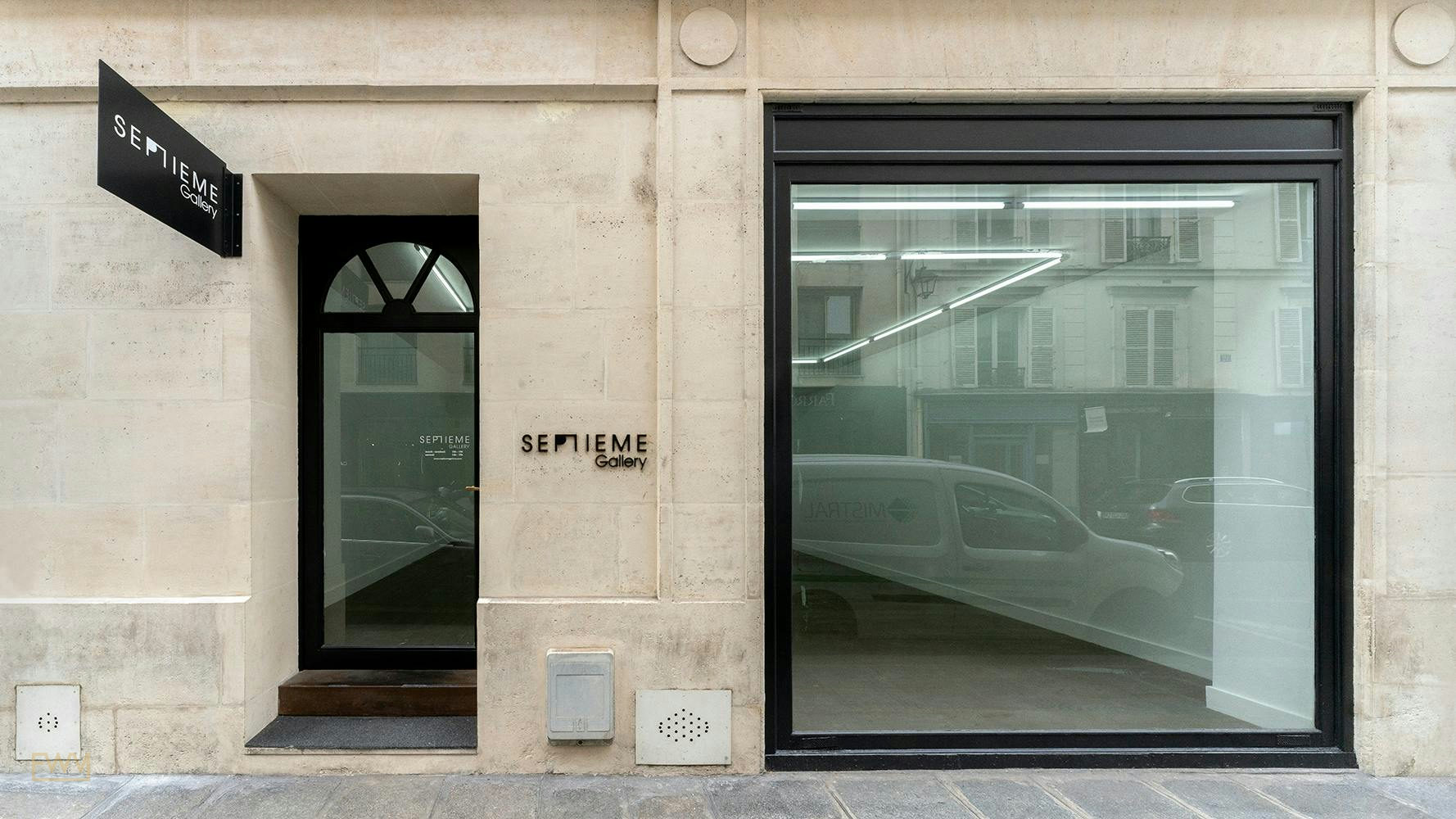
The success of any brand's presentation during Fashion Week heavily depends on choosing the right venue. Selecting the perfect fashion week venue is crucial for exposure, brand alignment, and operational efficiency. With a diverse array of options available, from intimate showrooms to grand exhibit halls, the choice can be overwhelming. Fashion Week Venues provides a comprehensive solution, offering services and tools tailored to match every brand's unique needs and position them successfully in markets like Paris. Leveraging expert guidance ensures that all logistical aspects, from concept direction to activation management, are well-handled.
Understanding the French Fashion Week Calendar
The French Fashion Week Calendar is essential for brands looking to gain maximum exposure. Held biannually in Paris, it includes the spring/summer shows in September/October and the fall/winter collections in February/March. Understanding these cycles is critical for aligning brand launches with industry buzz and media coverage.
Each session lasts approximately one week and features a packed schedule of events, making early planning crucial for securing prime venues. Aligning with these events allows brands to tap into existing media attention and attract buyers, press, and influencers who are in town for the shows.
Quick answer: Paris Fashion Week happens twice a year, aligning spring/summer and fall/winter collections, influencing venue availability and audience presence significantly.
Pioneering brands must carefully consider these dates to decide when to debut collections for optimal impact. Not aligning with the fashion calendar can result in lesser visibility and missed opportunities.
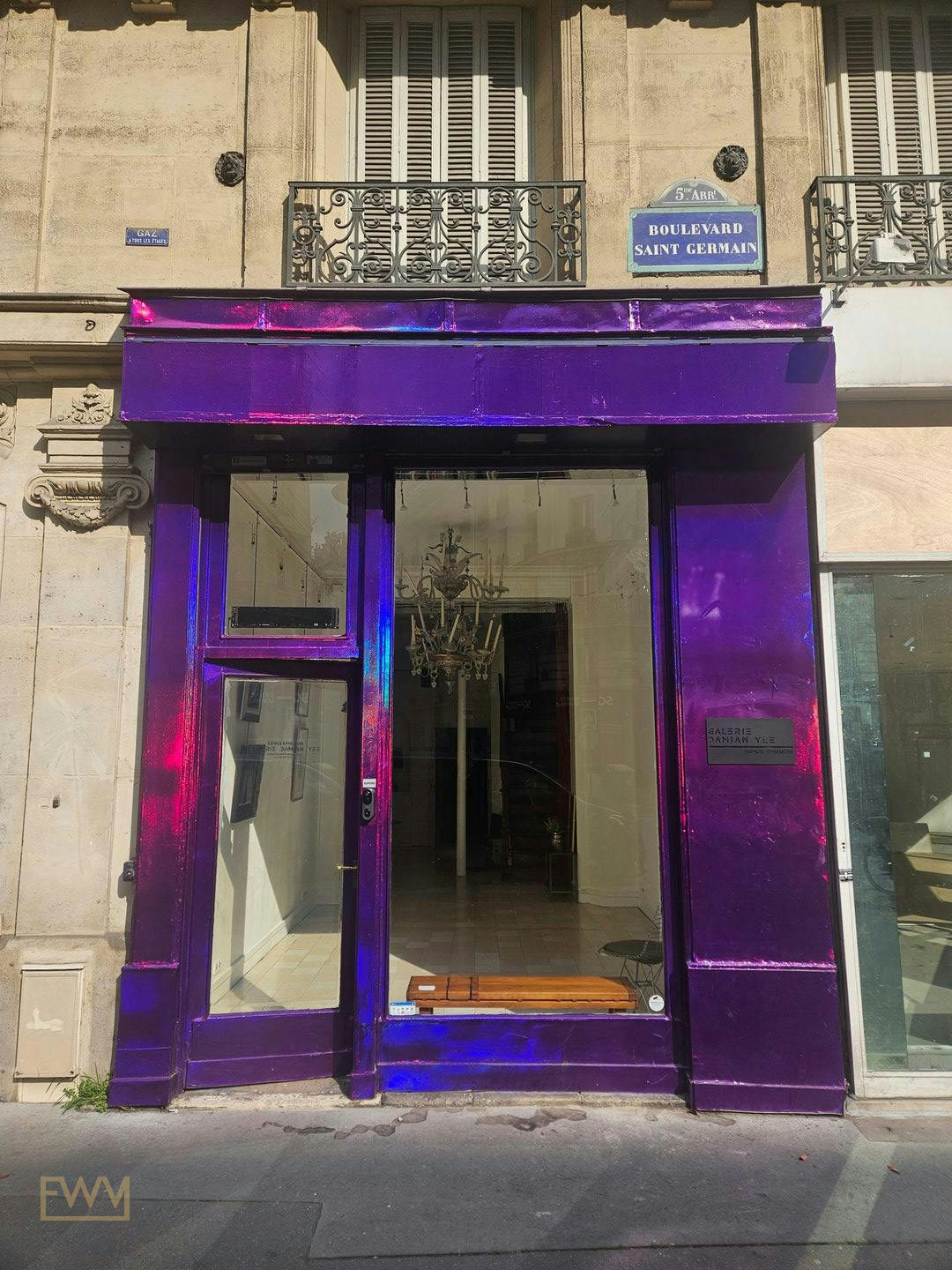
Brands often opt for venues near fashion week hotspots such as the iconic Le Marais or Saint-Germain-des-Prés to benefit from increased foot traffic and relevance. Especially in Paris, these locations are more likely to attract high-profile guests and industry leaders.
Key Takeaway: Successful fashion week participation involves meticulous timing and location selection. Adhering to the French Fashion Week Calendar can enhance brand visibility and engagement.
Considering these strategic factors, the journey to selecting the perfect venue transitions into understanding legal and logistic frameworks, essential in the French market.
Regulatory Considerations for Parisian Venues
Understanding the regulatory landscape is vital when selecting venues in Paris. The bail dérogatoire, a short-term lease exempt from traditional French leasing laws, is often required, allowing brands to rent spaces without lengthy contractual commitments. Similarly, Autorisation d’Occupation Temporaire (AOT) permits are necessary for temporary public domain use, especially outdoors.
Both require clear understanding and careful navigation, often best handled with legal counsel. While bails dérogatoires are more straightforward than standard leases, regional variations and specific arrondissement rules may apply.
For permit guidance, the Fashion Week Venues permits tool offers comprehensive insights relevant to each location and event type.
Quick answer: Temporary fashion events in Paris often need a bail dérogatoire and an AOT permit, which streamline short-term leasing requirements but vary regionally.
Compliance isn't merely about securing contracts—understanding local liaisons with city authorities, neighbourhood councils, and compliance on sound restrictions and public safety are paramount in executing successful events.
KEY TAKEAWAY: Navigating the legal and compliance landscape of Paris is crucial. Fashion Week Venues helps streamline the process, ensuring proper permits and alignments are in place.
With legalities in check, the focus shifts to selecting the right neighbourhood, deeply influencing the experiential value of a fashion week event.
The Role of Neighbourhoods in Fashion Week Venue Selection
Paris is replete with diverse neighbourhoods, each offering distinct characteristics and audiences. Choosing the right area can amplify brand aesthetics and attract the desired crowd. From luxury-favoured Rue Saint-Honoré to the eclectic nature of Le Marais, each locale offers unique benefits.
Below is a breakdown of popular districts and their offerings for brands:
| Neighbourhood | Type of Venue | Target Audience | Typical Events |
|---|---|---|---|
| Le Marais | Boutique Showrooms | Visibility-seeking brands | Artisanal launches |
| Saint-Germain-des-Prés | Galleries and Studios | Fashion-savvy locals | Luxury exhibits |
| Opéra | Historic Theatres | Upper market | Premium showcases |
Quick answer: Selecting neighbourhoods like Le Marais or Opéra can greatly influence the event atmosphere and the type of audience your brand attracts during Paris Fashion Week.
Choosing the right venue means aligning neighbourhood character with the brand’s image. Fashion Week Venues offers a detailed city hub to explore options tailored to specific brand requirements.
KEY TAKEAWAY: Aligning your fashion week venue with the right Parisian neighbourhood can create an enticing narrative for the brand and enhance audience engagement.
After identifying the right location, understanding the logistical needs of organizing and promoting fashion week events becomes the next step in planning.
Logistical Considerations for Event Success
Logistics play a significant role in conceptualizing and executing a successful fashion week event. From managing transportation to ensuring flawless venue setups, the logistics need thorough planning and execution.
Understanding traffic patterns, storage availability, and accessibility are crucial components of the planning process. Paris, with its historical infrastructure, demands intricate logistic planning, especially concerning delivery schedules and staff access.
Fashion Week Venues offers activation management services to facilitate seamless event executions, handling everything from supply deliveries to setup and teardown.
Quick answer: Operational logistics, including transportation and staff coordination, are critical to ensuring smooth-running fashion week events in Paris.
For international brands, language can be a barrier; hiring local translators or consultants proficient in French increases efficiency and reduces misunderstandings. Additionally, accommodating VIP guests and handling press placements are logistical nuances best managed with local expertise.
KEY TAKEAWAY: Effective logistics management is pivotal for the success of fashion week venues. Specialized agencies like Fashion Week Venues can manage these complexities, allowing for a flawless event execution.
Once logistics are under control, focus must turn to the next critical component: the financial planning needed to ensure a successful event.
Financial Planning and Budget Considerations
Effective financial planning is the backbone of any successful event. Understanding costs, from venue rental to staffing and promotions, aligns financial resources with strategic goals. Budgeting for Fashion Week venues should consider venue costs, permits, staffing, decoration, production, and contingency funds.
| Item | Estimated Cost | Importance |
|---|---|---|
| Venue Rental | Varies by location & size | High |
| Staffing | 1000-5000 Euros | Essential |
| Permits | Advanced permits & registration | Mandatory |
Quick answer: Financial planning for fashion week events necessitates understanding varied costs, including venue, staffing, and permits, all of which are crucial for strategic budgeting.
The budget estimation tool from Fashion Week Venues aids in crafting tailored financial plans, ensuring every aspect is accounted for, reducing overspend, and enhancing ROI.
KEY TAKEAWAY: Structured financial planning, with careful consideration of all costs and strategic budgeting, is essential for successful fashion week events, ensuring resource maximization.
Once budgets are set, the focus shifts from resources to the creative energy behind event design and execution, leveraging prevalent trends and innovations.
Incorporating Innovative Design and Experiential Marketing
Today’s fashion industry thrives on innovation and experiential marketing—crafting memorable, multi-sensory experiences that resonate with guests. It's about creating immersive environments that tell a brand's unique story, beyond clothes on a runway.
- Dynamic lighting and audiovisual displays
- Interactive installations
- Virtual reality experiences for remote audiences
Quick answer: Combining innovative design and experiential marketing fosters immersive fashion events, appealing to modern aesthetics and tech-savvy audiences.
These strategies involve the strategic blend of technology and aesthetics to craft experiences that engage and captivate audiences, enhancing customer attraction and brand loyalty.
Fashion Week Venues supports this through concept direction and production and build services, ensuring each event reflects contemporary culture and innovation trends.
KEY TAKEAWAY: Embracing innovative designs and experiential marketing transforms fashion events into memorable and engaging stories, essential for brand success in today’s competitive landscape.
With trending innovations harnessed, it's essential to think about how data-driven decision-making can further refine event success.
Leveraging Data and Analytics for Event Optimization
Data analytics play a crucial role in optimizing events by providing insights into audience behaviors, preferences, and trends. Collecting and analyzing data before, during, and after events informs strategies for enhancing guest engagement and improving future event plans.
Utilizing data from audience demographics, social media interactions, and onsite feedback allows brands to tailor experiences that meet audience expectations and maximize impact. The implementation of analytical tools like heat maps and sentiment analysis further refines the approach.
Quick answer: Data analytics allows brands to optimize fashion event planning by understanding audiences and adapting strategies based on concrete insights.
The application of data and analytics offered by Fashion Week Venues helps brands extract meaningful insights that translate into actionable strategies during and post-events, enhancing ROI and brand reach.
Key Takeaway: Leveraging data analytics is vital in making informed, strategic decisions, enabling brands to continually enhance the value and effectiveness of fashion events.
With data-driven insights informing strategies, it's equally crucial to ensure that every plan meticulously considers target audience engagement and satisfaction.
Engaging with the Right Audience
Ensuring the right audience engages with fashion events maximizes impact and enhances brand presence. Identifying and understanding target demographics can amplify the reach and relevance of events, while tailored approaches to invitations and communications strengthen these engagements.
Engagement strategies should blend traditional methods with digital innovations such as influencer partnerships and interactive online platforms, widening reach across both local and international fields.
Quick answer: Engaging the right audience requires thorough understanding of target demographics and leveraging both traditional and digital strategies to amplify reach and impact.
Fashion Week Venues enhance engagements through influencer marketing services, which help establish meaningful connections between brands and their desired audiences.
KEY TAKEAWAY: Engaging effectively with a target audience involves a strategic blend of tailored communications, evolving platforms, and strategic partnerships, essential for maximizing event impact.
Understanding audience engagement directly informs legal and logistical considerations, influencing the overall strategy for event execution.
How Fashion Week Venues Can Help
Fashion Week Venues offers comprehensive services to streamline the planning and execution of fashion week events. From venue sourcing to activation management, brands benefit from expert guidance and tailored services that address every aspect of the event planning process.
Brand teams, creative directors, and event strategists can leverage Fashion Week Venues' extensive network and marketplace to find unique spaces and concepts that align perfectly with their vision and budget.
Moreover, tools like the locator tool and budget calculator provide valuable resources for efficient planning and budgeting.
Ultimately, Fashion Week Venues serves as a strategic partner, ensuring each brand activation is well-executed, impactful, and memorable.
IMPORTANT: While Fashion Week Venues provides comprehensive support, understanding the local market nuances and complying with legal requirements are crucial steps that require close attention.
By leveraging Fashion Week Venues, brands can focus on creative strategies and audience engagement, knowing that the logistical and operational aspects are expertly handled.
Common Myths Debunked
MYTH: You need a French legal entity to rent a space in Paris.
FACT: While having a local entity may simplify some processes, international brands can still operate in Paris through bail dérogatoire leases or with guidance from agencies like Fashion Week Venues, which facilitate all necessary arrangements.
MYTH: Paris Fashion Week is the only viable calendar window to showcase in Paris.
FACT: Although Paris Fashion Week provides heightened exposure, alternative windows such as during Paris Design Week or other key fashion events also present valuable opportunities for brand engagement.
MYTH: Commission brokers are the only method for finding space in Paris.
FACT: While brokers offer value, platforms like Fashion Week Venues Marketplace provide a transparent, direct way to explore and secure venues without intermediary costs.
MYTH: Short-term leases in Paris are legally straightforward without specialist help.
FACT: Navigating the intricate legal framework of Parisian leases—especially with bail dérogatoire—demands expert guidance to ensure compliance and operational success.
Frequently Asked Questions
What is bail dérogatoire and why is it important?
Bail dérogatoire is a short-term lease agreement in France that allows tenants to rent property without the usual long-term commitments. It is crucial for temporary pop-up events like those during Fashion Week due to its flexibility and the ease it provides in managing temporary needs without being tied down by extensive contracts.
How important is the location for a fashion week venue?
The location is pivotal during Fashion Week as it influences visibility, access to the target market, and overall brand impact. Prestigious neighbourhoods like Le Marais and Rue Saint-Honoré are highly sought after due to their existing foot traffic and relevance to luxury fashion audiences.
What logistics are involved in setting up a fashion week venue?
Setting up a fashion week venue involves logistical planning around venue setup, supply delivery, staff coordination, guest accommodations, and compliance with local regulations. Considerations extend to ensuring accessibility and managing the flow of services in historical city areas.
Why is budget planning crucial for fashion week events?
Budget planning ensures that resources are allocated strategically to maximize impact without overspending. It encompasses venue costs, logistics, marketing, and unforeseen expenses, which helps in ensuring that the event remains financially viable and strategically successful.
How does Fashion Week Venues assist in event planning and execution?
Fashion Week Venues provides end-to-end services including venue sourcing, concept direction, production, and activation management. Their expertise and comprehensive marketplace facilitate seamless event planning, while ensuring alignment with brand goals reduces logistical strain on brand teams.
What role does experiential marketing play in fashion events?
Experiential marketing engages attendees through immersive, emotionally resonant experiences that connect them to the brand on a deeper level. It includes innovative designs, interactive elements, and multi-sensory experiences which can significantly elevate brand perception and engagement.
Are bilingual staff necessary for a fashion event in Paris?
While not mandatory, bilingual staff enhance communication with international clients and guests, ensuring that all interactions are smooth and professional. They help bridge language barriers, facilitate better engagement, and enrich the overall experience for a diverse audience.
What types of venues are most popular during Paris Fashion Week?
During Paris Fashion Week, venues such as exclusive showrooms, historical buildings, art galleries, and modern studios are popular. These venues offer unique atmospheres and are strategically located in well-frequented areas crucial for the event's visibility and impact.
Can international brands effectively showcase during Paris Fashion Week?
Yes, international brands can effectively showcase during Paris Fashion Week by leveraging local expertise, adhering to regulatory requirements, and engaging with service providers such as Fashion Week Venues, which offer strategic support in navigating the local market.
How can I ensure compliance with Parisian regulations for my event?
Ensuring compliance involves understanding leases like bail dérogatoire, obtaining necessary permits such as AOT, and aligning with local requirements for public safety and sound. Partnering with experienced agencies can streamline these processes and minimize legal hurdles.
Conclusion and Next Steps
Navigating the complexities of fashion week venues in Paris requires comprehensive planning and expert guidance. From understanding timing and location importance to managing logistical, legal, and financial aspects, each element plays a vital role in the success of an event. Fashion Week Venues stands as a pivotal partner in this process, offering tools and services designed to meet the unique needs of brands. Explore available spaces on the Fashion Week Venues marketplace and advance your planning by crafting a brief tailored to your specific requirements. With Fashion Week Venues, brands can focus on what they do best—creating memorable fashion experiences.