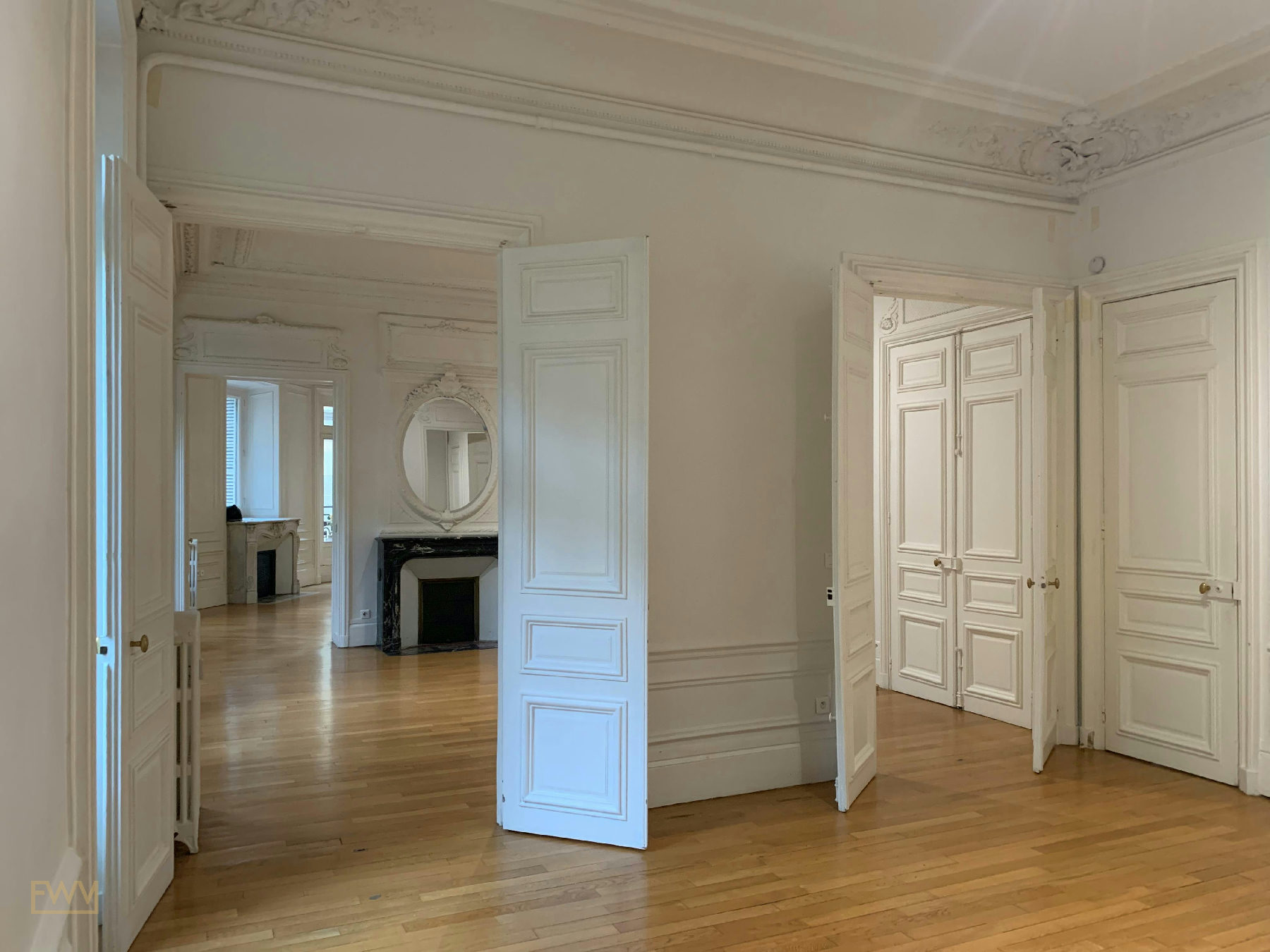
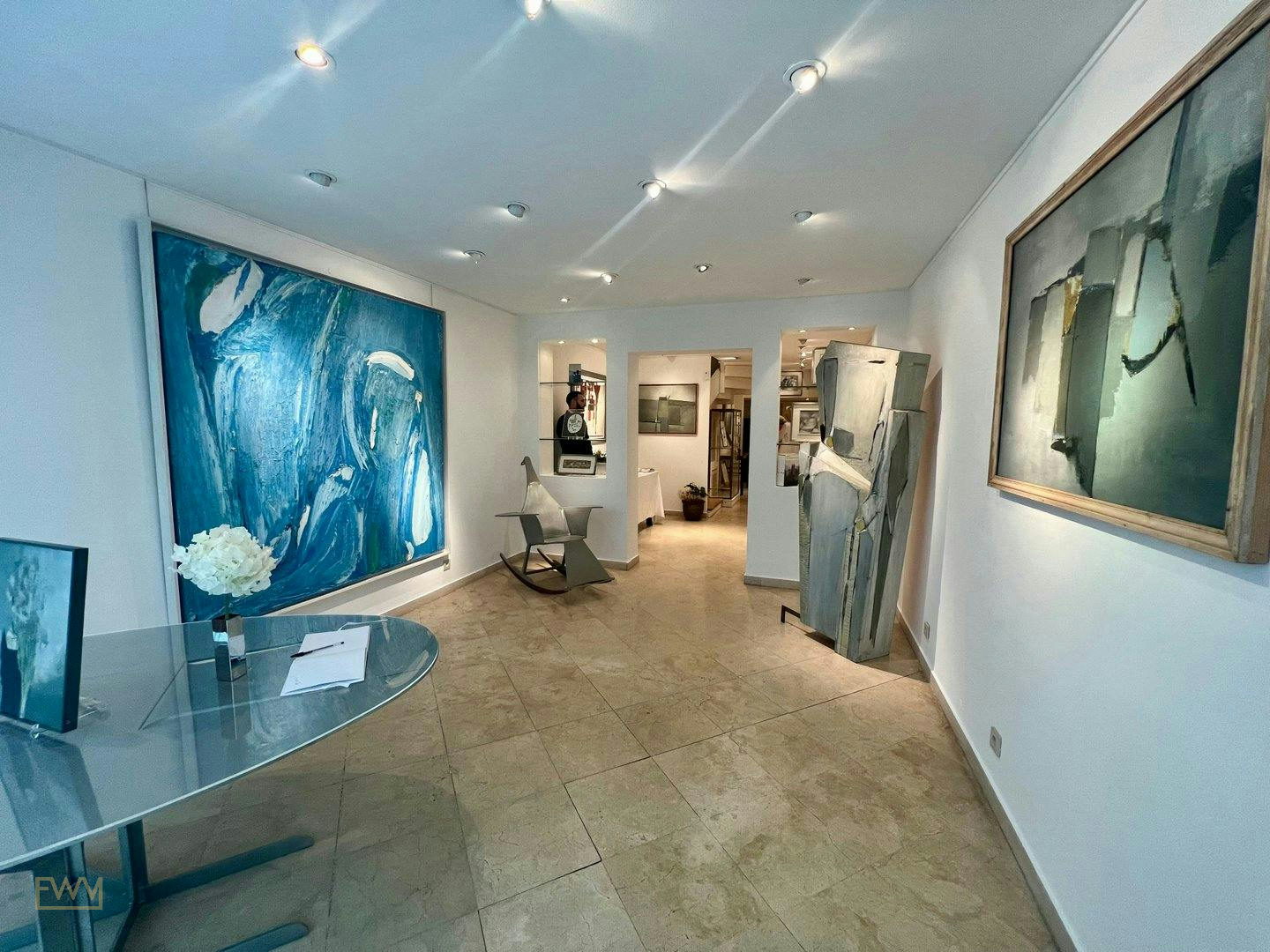
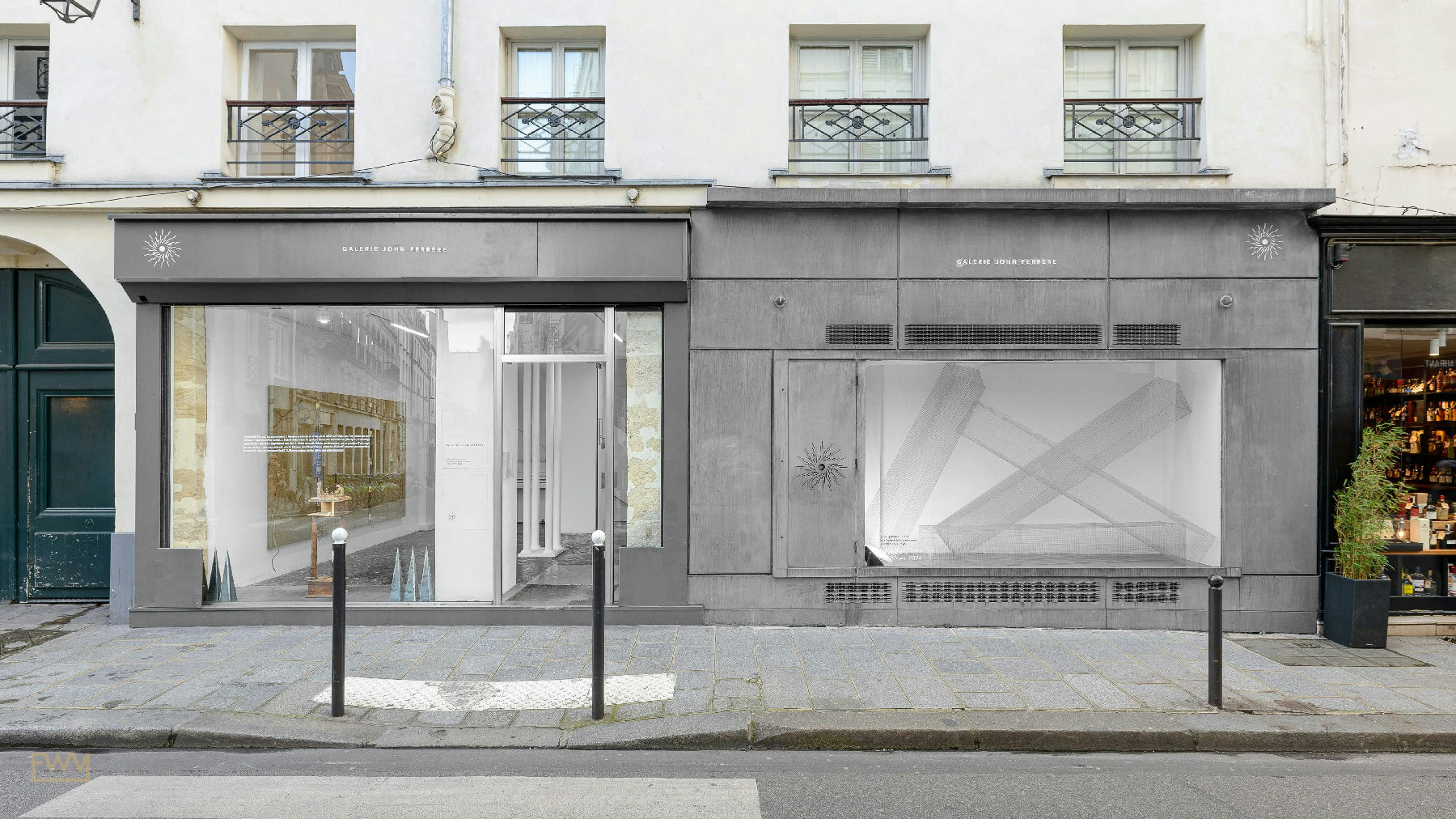
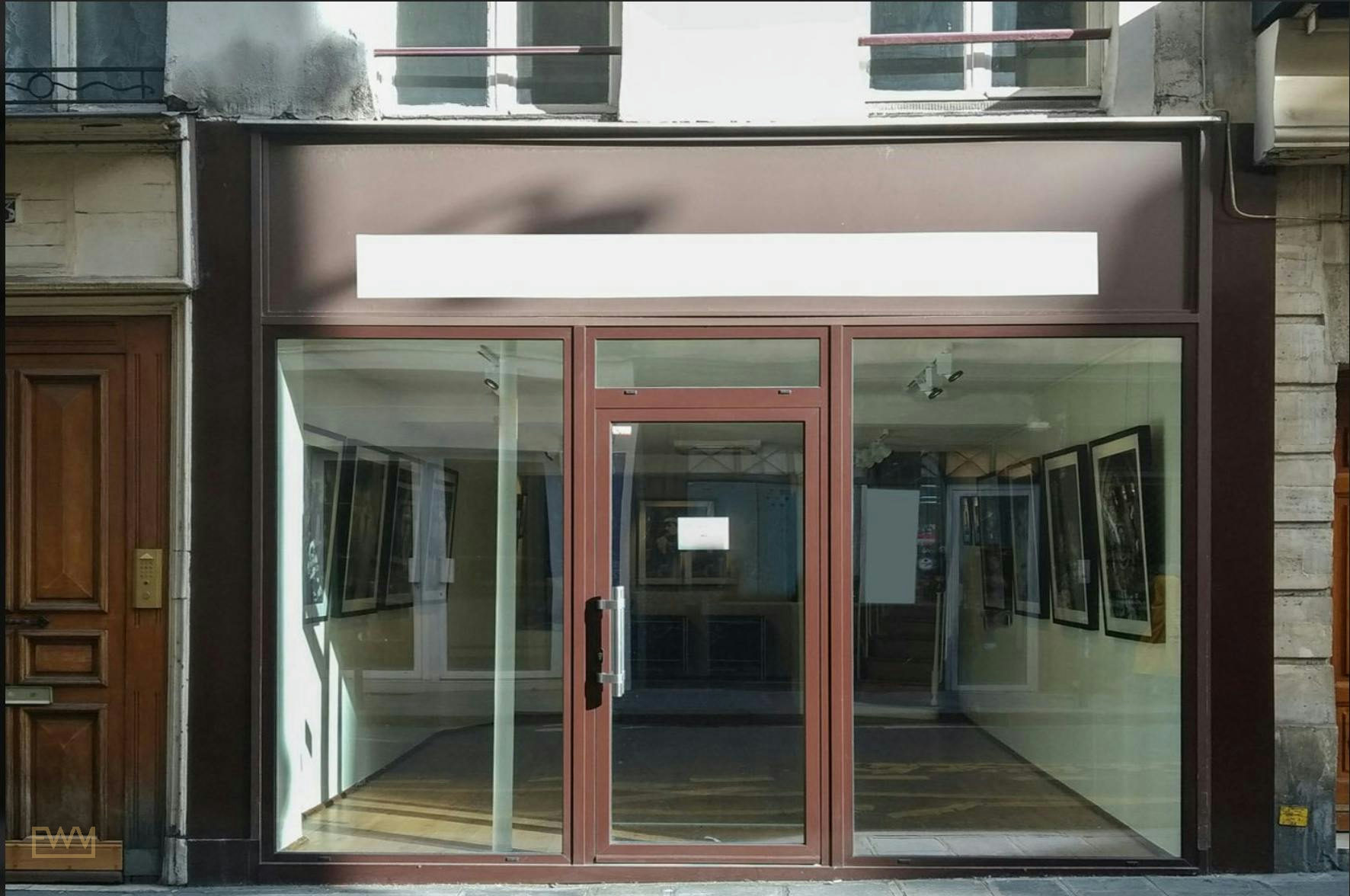
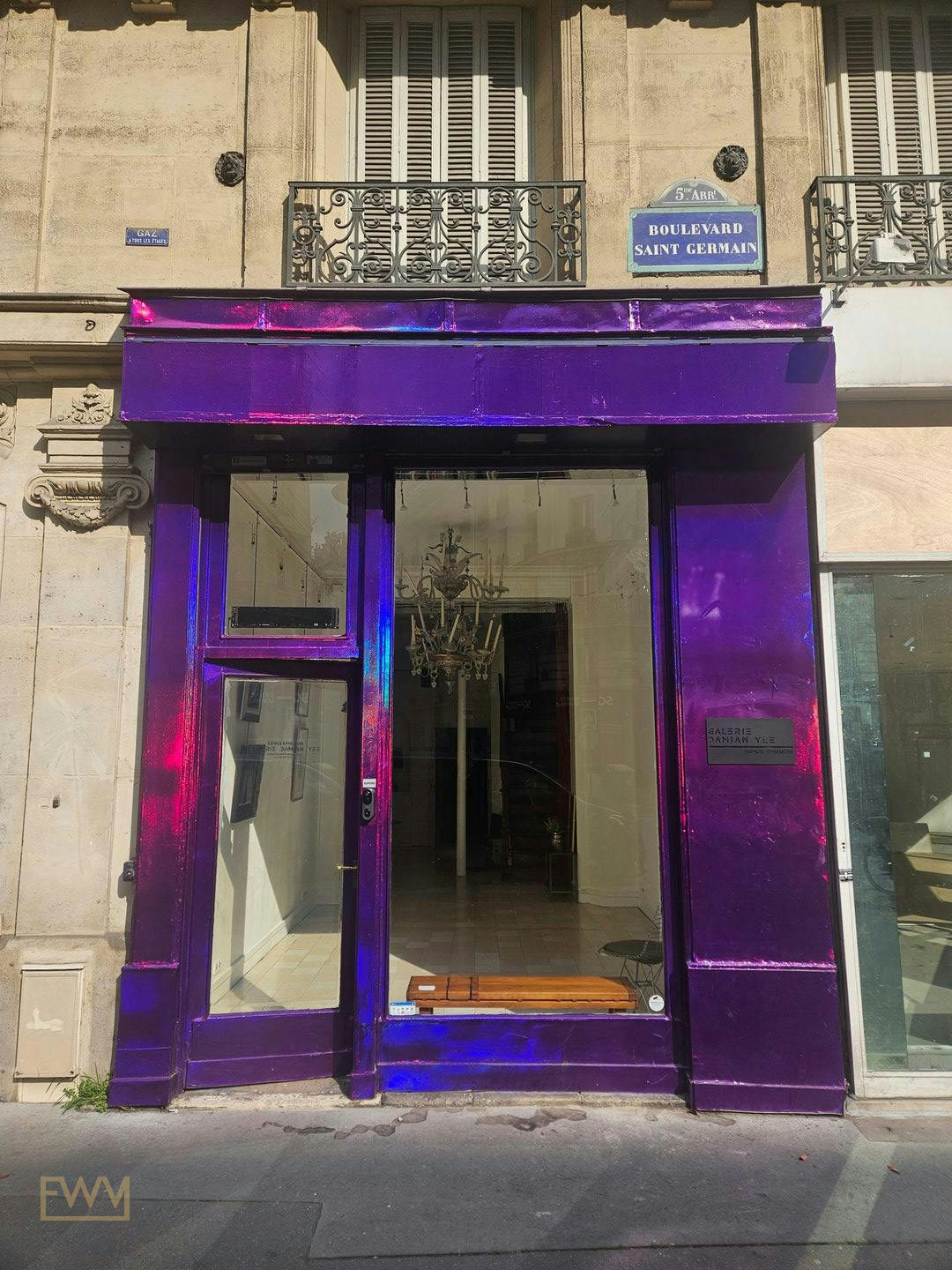
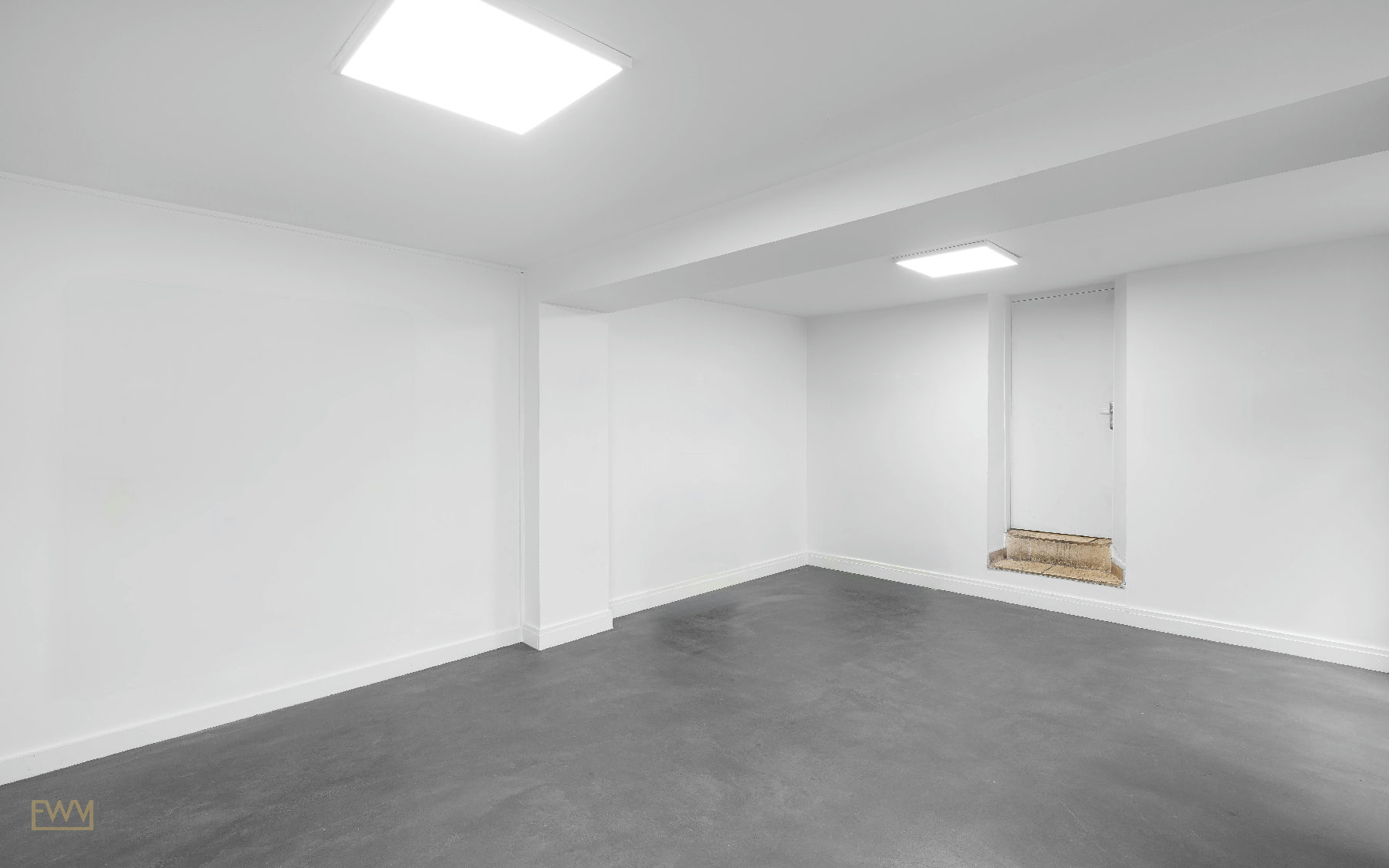
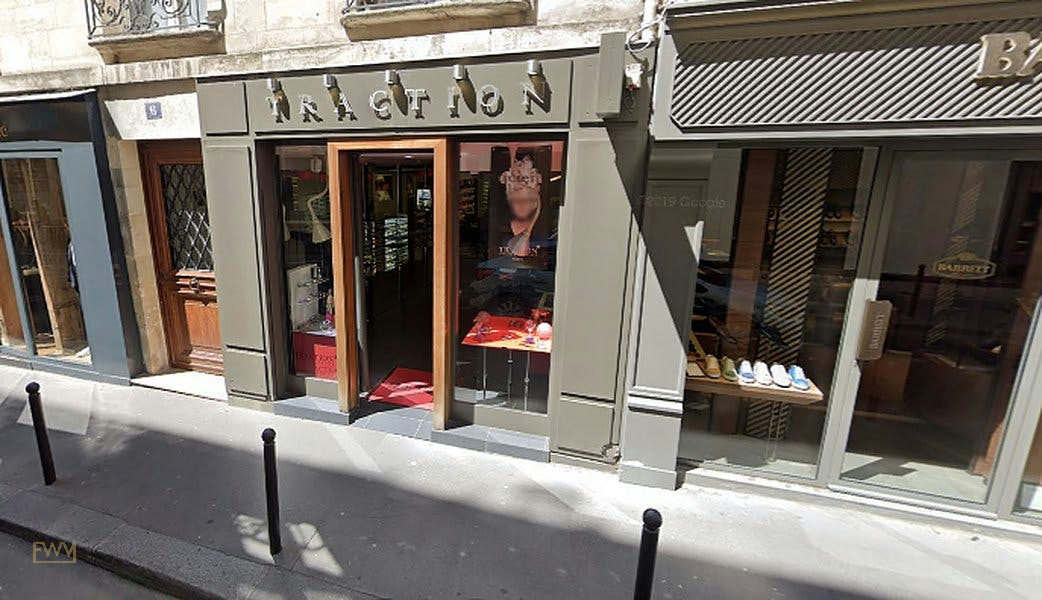
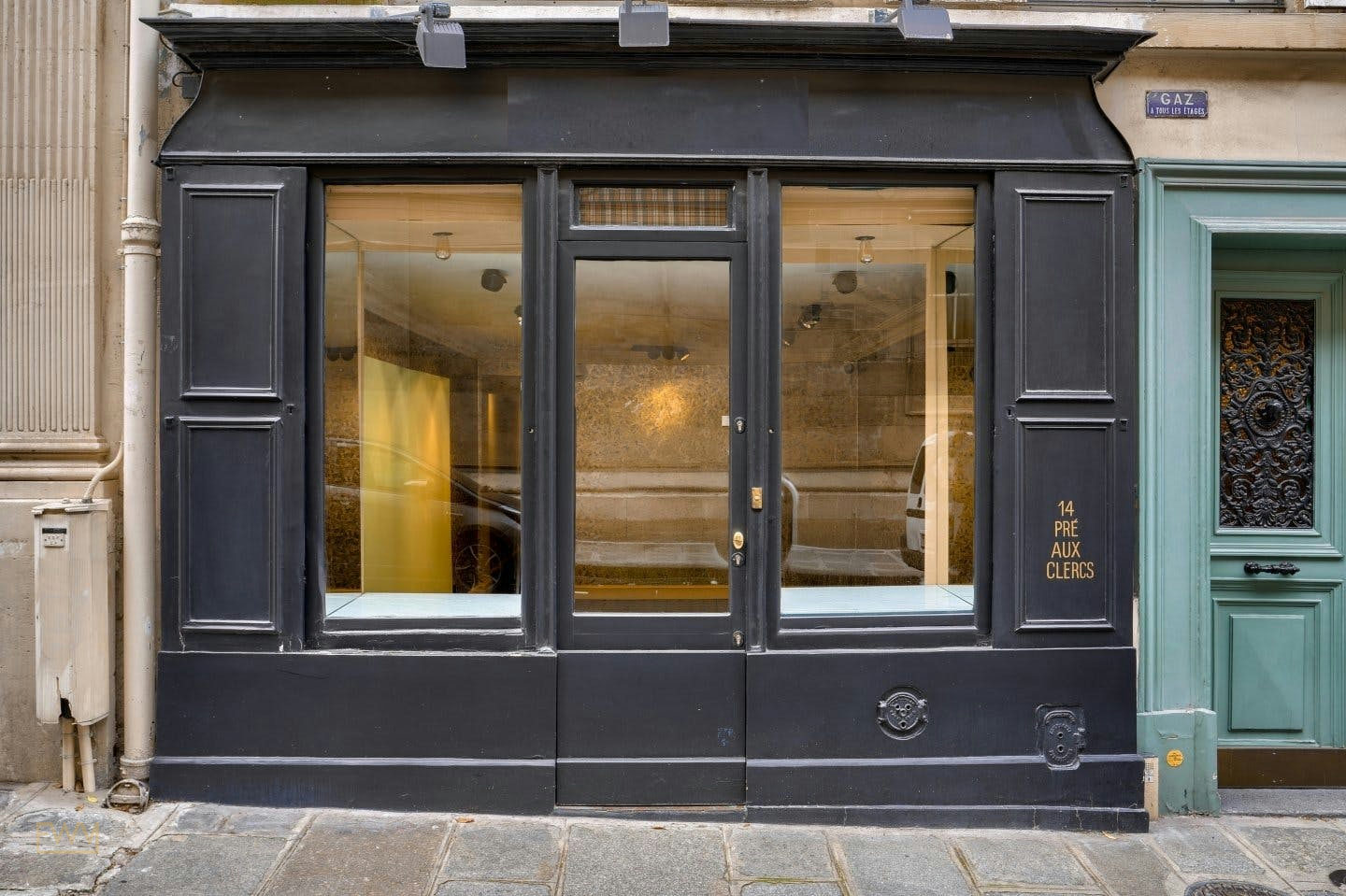
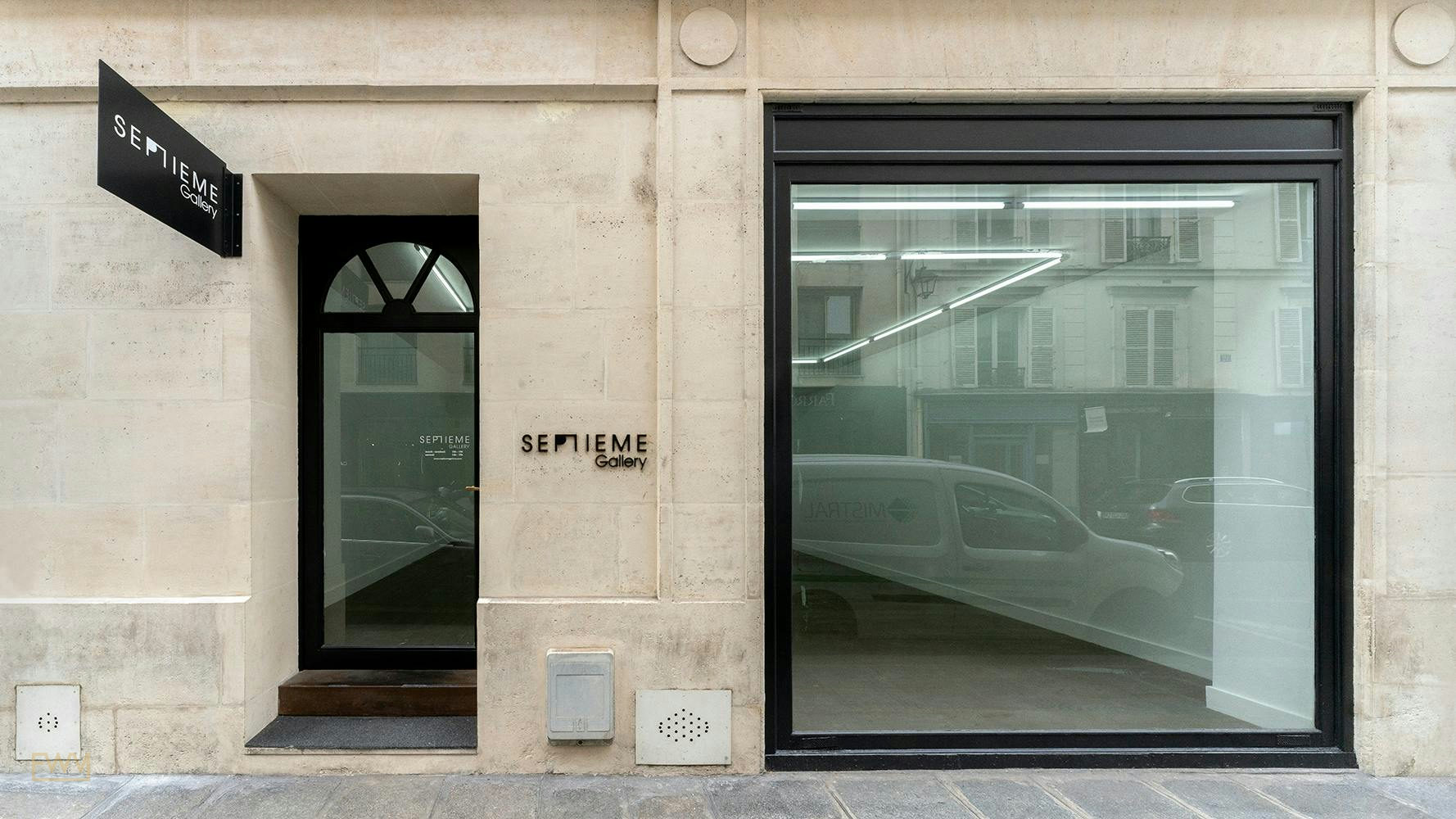
If you are planning to rent a pop-up shop near Le Bon Marché, you are targeting one of the highest-value retail corridors in Paris. The 6th and 7th arrondissements, centred around Le Bon Marché Rive Gauche on Rue de Sèvres, attract affluent international shoppers, Parisian insiders, and a fashion-literate clientele that responds to curated, story-driven retail experiences. From Saint-Germain-des-Prés to Place Saint-Sulpice and across the Seine into Le Marais, this zone is the preferred territory for emerging designers, established fashion houses, and global brands seeking temporary retail in Paris. Fashion Week Venues offers a dedicated Paris city hub covering neighbourhoods, space types, and activation formats across the French capital.
What Is a Pop-Up Store in Paris and Why Does Location Matter So Much?
A pop-up store in Paris is a temporary retail or brand activation space, typically held under a short-term lease or a formal agreement such as a bail dérogatoire, operating for a period of days to several months. Unlike permanent boutiques, pop-up stores allow brands to test markets, launch collections, build press attention, and engage directly with consumers without committing to a long-term commercial lease.
Paris is not one uniform retail market. Location determines everything: the neighbourhood dictates who walks past your door, what they expect from the experience, how much they are willing to spend, and how the space is perceived by press and influencers. A boutique on Rue de Turenne in Le Marais pulls a different audience than a ground-floor space near Place Saint-Sulpice or a storefront on Rue Vieille du Temple. Each street in Paris has its own pedestrian traffic profile, its own clientele, and its own retail culture.
Le Bon Marché Rive Gauche is not simply a department store. It is a curatorial institution. The brands that appear within or adjacent to it, including Courrèges, Johanna Ortiz, and seasonal concept shops, carry an implied endorsement of taste and exclusivity. Brands that position their pop-up stores nearby benefit from that gravitational pull, drawing shoppers who are already in a discovery mindset and have demonstrated willingness to spend on fashion, accessories, and lifestyle goods.
Quick answer: A pop-up store in Paris is a short-term retail space, usually operating under a bail dérogatoire or equivalent agreement, used by fashion brands, designers, and consumer labels to launch products, test new markets, or build brand presence. Paris pop-up spaces range from raw lofts and haussmann storefronts to gallery-style venues and shared concept spaces.
The area around Le Bon Marché, encompassing the 6th arrondissement and parts of the 7th, is one of the most commercially productive zones in Paris for fashion and lifestyle brands. Rue de Sèvres, Place Saint-Sulpice, and the streets feeding into Saint-Germain-des-Prés carry consistent foot traffic from a high-purchasing demographic that includes international tourists, Parisian professionals, and the fashion press. Brands such as Jacquemus, with the Chiquito, Bambino, and Rond bag collections generating enormous organic reach, have used Paris activations to build momentum. Similarly, Axel Arigato, The DoubleJ, and From Future have leveraged the city's appetite for curated, concept-driven temporary retail.
Pop-up stores in this zone frequently double as exhibition spaces, press day showrooms, and influencer engagement environments. The layout, scenography, lumières, and agencement of the space become part of the brand message. A well-designed storefront window on Rue de Sèvres or near Galerie Joseph can generate organic social content, editorial coverage, and word-of-mouth that extends far beyond the activation period.
DID YOU KNOW: Le Bon Marché, founded under Napoleon III and now operating as part of LVMH's Selective Retailing division, hosts curated pop-up concepts throughout the year, with international designers including Johanna Ortiz and Courrèges having activated within its spaces. The store's main foyer and dedicated pop-up areas attract a clientele that mixes high-end Parisian residents with international luxury travellers.
KEY TAKEAWAY: Renting a pop-up shop near Le Bon Marché means entering a retail ecosystem that already filters for high-intent, fashion-literate consumers. Location precision within this zone, choosing the right street, arrondissement, and space type, directly affects foot traffic, press visibility, and conversion.
The next section examines the specific neighbourhoods and streets that matter most when sourcing a pop-up space in this part of Paris.
The Best Neighbourhoods for Pop-Up Retail Near Le Bon Marché and Across Central Paris
Paris pop-up retail is highly neighbourhood-specific. The streets immediately surrounding Le Bon Marché form one cluster, but brands often extend their search into Le Marais, Palais Royal, and Saint-Germain-des-Prés to find the right combination of foot traffic, space type, and price point.
Saint-Germain-des-Prés and the Rue de Sèvres Corridor
The 6th arrondissement is the natural first choice for brands looking to rent a pop-up shop near Le Bon Marché. Rue de Sèvres itself, along with adjacent streets feeding into Place Saint-Sulpice, offers storefronts that attract the department store's overflow foot traffic while maintaining the independent boutique feel that resonates with fashion buyers and press. Brands such as Courrèges have activated on Rue de Sèvres, using the proximity to Le Bon Marché Rive Gauche as a positioning signal. The aesthetic of the neighbourhood, characterised by wide pavements, classical architecture, and a clientele that mixes Parisian professionals with international visitors, suits fashion, jewellery, accessories, prêt à porter, and lifestyle concepts.
Place Saint-Sulpice adds a slightly more residential, considered quality to the area. Spaces here tend to attract a clientele that is shopping deliberately rather than browsing impulsively, which suits brands with a story to tell and a product category requiring dwell time. Aurélie Bidermann has activated in Saint-Germain, and the neighbourhood regularly hosts seasonal pop-up concepts for bijoux, accessoires, and fine lifestyle goods.
Le Marais: Rue de Turenne, Rue Vieille du Temple, and Rue Froissart
Le Marais, encompassing much of the 3rd and 4th arrondissements, is the second major cluster for Paris pop-up retail. The Marais district is architecturally distinct, with many spaces occupying former hôtels particuliers, industrial workshops, and gallery-converted lofts. Rue de Turenne, Rue Vieille du Temple, and Rue Froissart are the commercial spines of this zone, flanked by curated fashion stores, art galleries, and concept boutiques.
Place des Vosges sits at the heart of Le Marais and draws consistent pedestrian traffic from tourists and Parisian residents alike. Brands seeking vintage fashion positioning, sustainable fashion credentials, or an art-gallery adjacency will find the Marais district more responsive than the more formal atmosphere of the 6th. The neighbourhood has hosted Galerie Joseph, which operates a flexible event and pop-up venue within the Marais, as well as a steady stream of temporary retail from international brands entering the Paris market.
Quick answer: The best Paris neighbourhoods for pop-up retail near Le Bon Marché are Saint-Germain-des-Prés (6th arrondissement), the Rue de Sèvres corridor, Place Saint-Sulpice, and, across the Seine, the Marais district (3rd and 4th arrondissements) including Rue de Turenne, Rue Vieille du Temple, and Place des Vosges. Each carries a distinct clientele profile.
Palais Royal and Its Surroundings
Palais Royal, in the 1st arrondissement, offers a more architecturally formal environment that suits luxury fashion houses and brands seeking a theatrical, destination-led activation format. The gallery arcades of the Palais Royal have historically attracted independent designers and selective concept stores. Louis Vuitton, Prada, and Tod's are among the global brands with flagship presences in central Paris, and the Palais Royal area is often used for press events, private previews, and invitation-only pop-up formats. Hogan also maintains a presence in this corridor.
Comparative Neighbourhood Overview
| Neighbourhood | Primary Arrondissement | Clientele Profile | Best For | Typical Space Types |
|---|---|---|---|---|
| Saint-Germain-des-Prés / Rue de Sèvres | 6th | High-end Parisian, international luxury traveller | Fashion, accessories, bijoux, lifestyle | Haussmann storefronts, boutique units |
| Place Saint-Sulpice | 6th | Deliberate shoppers, Paris insiders | Concept retail, épicerie fine, jewellery | Ground-floor boutiques, gallery-adjacent units |
| Le Marais / Rue de Turenne | 3rd / 4th | Fashion-literate, trend-aware, international | Vintage fashion, sustainable fashion, art-adjacent | Lofts, converted hôtels particuliers, gallery spaces |
| Rue Vieille du Temple / Rue Froissart | 3rd / 4th | Marais district regulars, gallery visitors | Emerging designers, accessoires, souvenirs | Gallery-style units, narrow storefronts |
| Palais Royal | 1st | Luxury tourist, fashion press, buyers | Luxury fashion houses, press events, private previews | Arcade units, formal retail spaces |
KEY TAKEAWAY: The choice of neighbourhood determines clientele, space type, and activation format. Brands renting near Le Bon Marché should map their target demographic against each street's foot traffic profile before committing to a space.
Understanding the neighbourhood is the first step. The second is understanding the types of spaces available and what each format offers operationally.
Types of Pop-Up and Temporary Retail Spaces Available Near Le Bon Marché
The space types available in central Paris vary considerably in format, configuration, and operational requirement. Brands must match their activation concept to the right physical format before shortlisting specific venues.
Storefront Retail Units
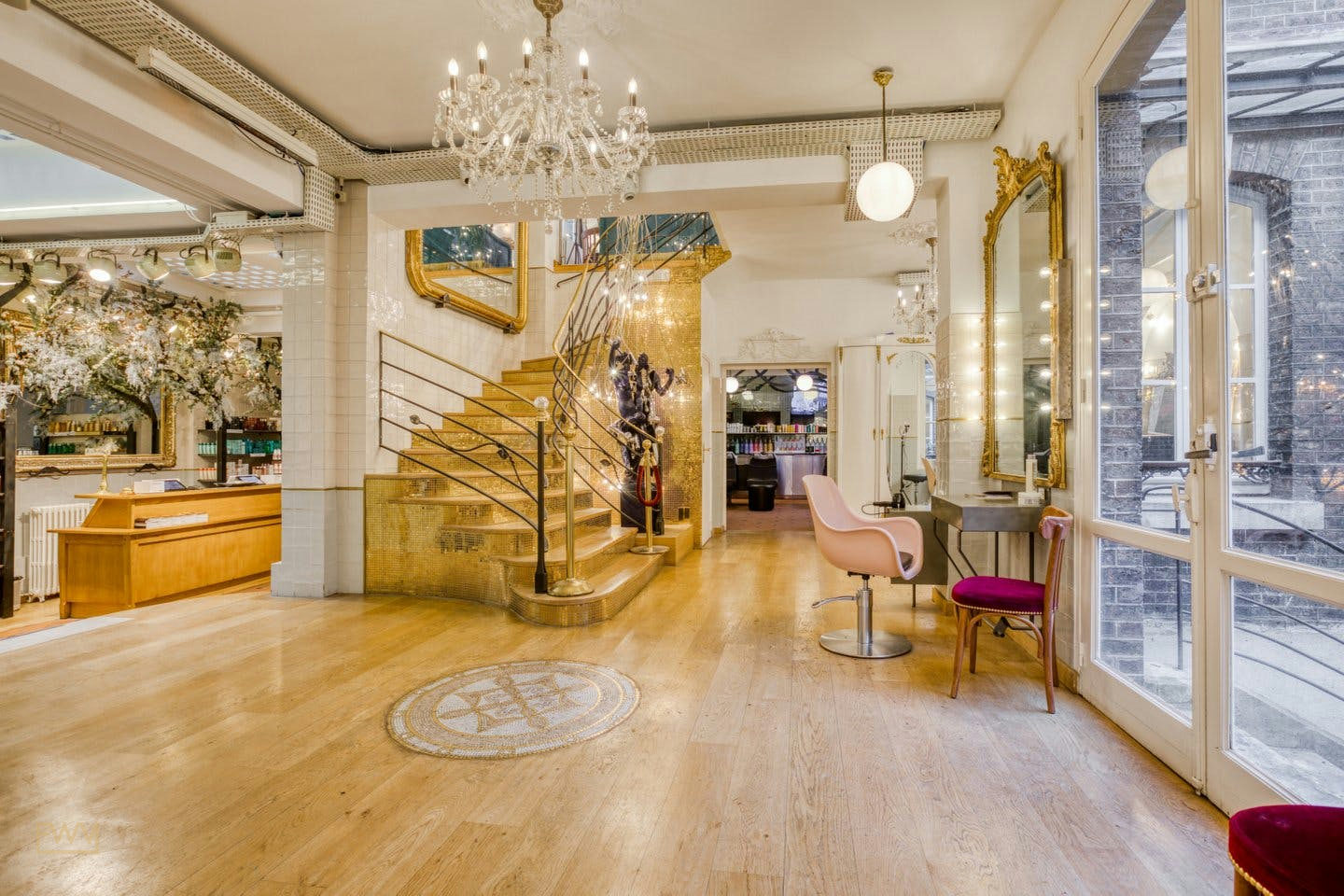
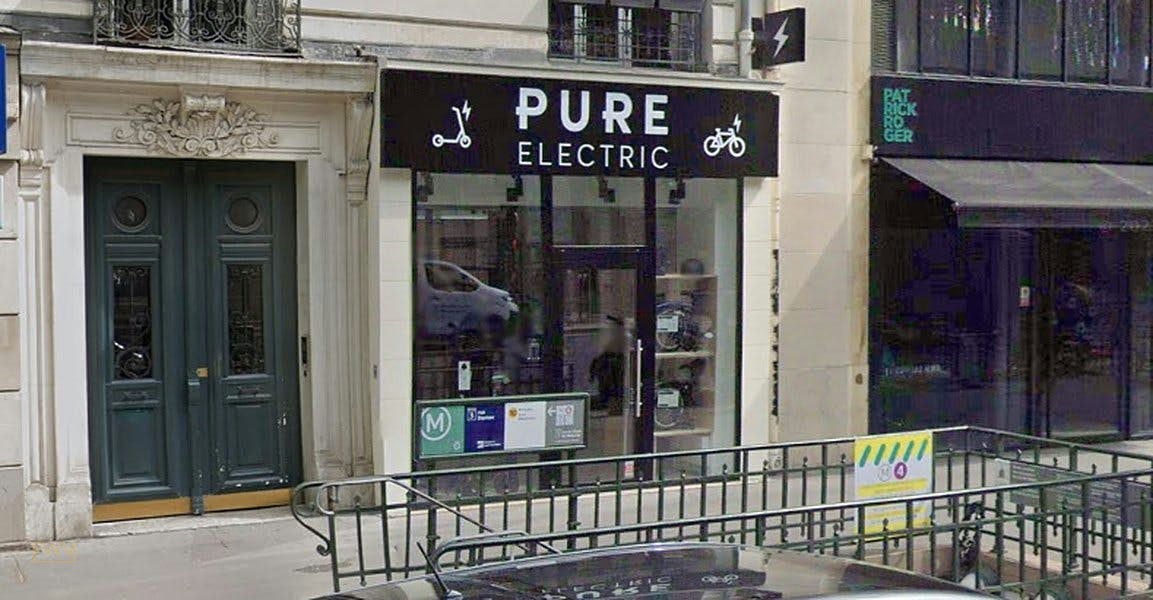
Storefront units are the most immediately legible pop-up format. A Haussmann-era ground-floor boutique on a key shopping street provides a storefront window for brand storytelling, direct pedestrian access, and the visual grammar that Parisian shoppers associate with quality retail. These spaces typically include a main sales floor, storage area, restrooms, and sometimes a small back office or workspace. For fashion brands, the storefront window is a critical activation asset: scenography in the window functions as public-facing editorial content that generates organic social media reach and editorial attention.
Gallery and Exhibition Spaces
Gallery spaces, such as Galerie Joseph in Le Marais, offer high ceilings, neutral white or raw finishes, and a format that supports immersive brand experiences. These spaces suit designers who want to combine retail with an exhibition-style narrative, a format used effectively by brands positioning around brand storytelling, expos photos, or édition-limited collections. Gallery spaces often have flexible layout options and can accommodate both retail and event programming within the same activation.
Concept and Shared Venues
Some spaces in Paris operate as shared or rotating concept venues, designed specifically for short-term brand activations. These venues may include integrated fixtures, kitchen facilities, a private lounge, and production infrastructure already in place, reducing fit-out time and cost. Furst-Eventspace and Hors Des Sentiers are examples of Paris event and pop-up venue operators working within this model.
Showrooms
A showroom format differs from a retail pop-up in that it is not primarily oriented toward direct consumer sales. Showrooms in Paris serve press, buyers, and wholesale clients, particularly during Paris Fashion Week and the surrounding trade calendar. Spaces near Le Bon Marché and in the Marais district are regularly used as showroom hubs, with brands renting for one to three weeks to conduct collection presentations and private appointments.
Space Type Comparison Table
| Space Type | Primary Use | Typical Facilities | Activation Duration | Best For |
|---|---|---|---|---|
| Storefront Retail Unit | Direct consumer retail | Sales floor, storage area, restrooms, storefront window | 2 weeks to 3 months | Fashion, accessories, lifestyle brands |
| Gallery / Exhibition Space | Immersive brand experience, retail hybrid | Open plan, high ceilings, flexible layout, workspace | 1 week to 2 months | Concept-led, editorial brands, sustainable fashion |
| Concept / Shared Venue | Multi-brand or rotating concept | Integrated fixtures, kitchen, private lounge, AV | 3 days to 6 weeks | Emerging designers, collaborative activations |
| Showroom | Trade, press, buyer appointments | Private meeting areas, flexible agencement, workspace | 3 days to 3 weeks | Fashion Week seasons, wholesale, press previews |
| Hôtel Particulier / Loft | Destination retail, private events | Multiple rooms, main foyer, garden, unique architecture | 1 week to 3 months | Luxury brands, destination concepts, invitation-only |
Quick answer: Paris pop-up spaces near Le Bon Marché include Haussmann storefronts with a storefront window and storage area, gallery-style exhibition spaces, shared concept venues with kitchen and lounge facilities, private showrooms, and converted hôtels particuliers. The right type depends on whether your activation is consumer-facing retail, trade-focused, or a hybrid experience format.
TIP: If your brand prioritises organic social media content generation, prioritise spaces with strong storefront window visibility and architectural character. A plain white box converts less well on camera than a space with distinctive lumières, heritage detailing, or a memorable main foyer.
KEY TAKEAWAY: Space type selection is a strategic decision, not just a logistical one. The format of the space shapes the activation concept, the clientele it attracts, the press coverage it generates, and the operational requirements it imposes.
Once you have identified the right space type and neighbourhood, the next challenge is understanding how the short-term rental process actually works in Paris.
How to Rent a Pop-Up Shop in Paris: Process, Permits, and Legal Framework
Renting a pop-up shop in Paris involves a structured process that differs materially from renting residential or long-term commercial property. Understanding the legal and procedural framework before you begin searching will save significant time and reduce the risk of unexpected complications.
The Bail Dérogatoire and Short-Term Lease Structures
Most short-term commercial space rentals in Paris use a bail dérogatoire, a formal short-term lease agreement that operates outside the protections and obligations of the standard French commercial lease (bail commercial). A bail dérogatoire can be granted for a maximum cumulative duration of three years with the same tenant in the same space. It provides the landlord with flexibility to reclaim the space and gives the tenant a legally recognised but time-limited occupation right.
It is important to understand that even under a bail dérogatoire, the agreement must be properly drafted, signed by both parties, and compliant with French property law. A verbal arrangement or informal email exchange does not constitute a valid lease under French law. Brands entering Paris for the first time often underestimate the documentation required and the lead time involved.
IMPORTANT: A bail dérogatoire is not a simplified or informal arrangement. It requires proper legal drafting and should be reviewed by a qualified French legal advisor before signing. Requirements vary depending on the space type, duration, arrondissement, and the specific terms negotiated with the space owner.
Autorisation d'Occupation Temporaire (AOT)
For spaces on public land, including certain arcades, covered passages, or spaces within publicly managed buildings, an Autorisation d'Occupation Temporaire (AOT) may be required instead of or in addition to a standard lease. AOTs are issued by the relevant public authority and grant a temporary right to occupy public domain space. The process for obtaining an AOT involves an application to the relevant authority, which varies by location and space type within Île-de-France. The use of a specialist such as those accessible through the Fashion Week Venues permit guidance tool can help brands understand which agreements apply to a given space.
Do You Need a French Legal Entity?
This is one of the most common questions from international brands. The short answer is that you do not automatically need a registered French legal entity to rent a short-term space in Paris, but your ability to enter contracts, open a French bank account, and register for local tax obligations will depend on how your activation is structured. Some space owners and landlords will require a French entity or guarantor. Others will accept a foreign company with appropriate documentation. The specific requirements vary by space, landlord, and lease type, and should be confirmed with a French legal or commercial advisor before committing to a rental.
The Pop-Up Rental Process Step by Step
| Stage | Activity | Typical Timeline Before Opening |
|---|---|---|
| 1. Brief definition | Confirm location, space type, size, dates, and budget | 10 to 14 weeks out |
| 2. Neighbourhood and space research | Identify shortlist of spaces by area, format, and availability | 8 to 12 weeks out |
| 3. Space visits and comparison | View shortlisted spaces, assess layout, lumières, storage area, restrooms | 6 to 10 weeks out |
| 4. Negotiation and lease drafting | Agree rental terms, draft bail dérogatoire or equivalent | 5 to 8 weeks out |
| 5. Permit and compliance checks | Confirm AOT, commercial activity permits, and insurance requirements | 4 to 6 weeks out |
| 6. Fit-out and production | Design, build, and dress the space including agencement and merchandising | 2 to 4 weeks out |
| 7. Staffing and operational setup | Recruit and brief retail staff, set up POS and payments | 1 to 2 weeks out |
| 8. Soft opening and press preview | Host press and influencers before public opening | 1 to 3 days before opening |
| 9. Live activation | Run consumer-facing operations, track performance metrics | Opening through to close |
| 10. Debrief and data review | Analyse foot traffic, sales, social reach, and ROI | Within 2 weeks of close |
Quick answer: Renting a pop-up shop in Paris involves defining your brief, sourcing and visiting spaces, negotiating a bail dérogatoire or equivalent agreement, confirming permit requirements, completing fit-out, and launching with staffing and POS in place. International brands should allow a minimum of eight to ten weeks from brief to opening for a well-managed activation.
KEY TAKEAWAY: The Paris pop-up rental process involves legal, logistical, design, and operational workstreams running in parallel. Compressing this timeline without specialist support significantly increases the risk of delays, compliance issues, and suboptimal space choices.
To compare neighbourhoods and space types, explore the Paris city hub on Fashion Week Venues and shortlist spaces that match your brief, budget, and calendar window.
Fashion Brands and Designers Who Have Activated Near Le Bon Marché and in Le Marais
Understanding which brands have successfully activated in this part of Paris, and what made their concepts work, provides useful reference points for planning your own pop-up strategy.
Le Bon Marché and Its In-Store Activations
Le Bon Marché Rive Gauche, as part of LVMH's Selective Retailing division, operates a regular programme of in-store pop-up concepts that bring international designers and curated brands into its main foyer and dedicated pop-up areas. Johanna Ortiz has activated within Le Bon Marché with the La Plaza Johanna Ortiz concept, bringing tropical print dresses and a South American café experience that transformed the store's space into an immersive brand world. The concept drew on the designer's Colombian heritage and the kind of destination storytelling, evoking the French Riviera, Sicily, and iconic destinations including the Lily of the Valley hotel and Belmond Villa San Andrea, that Le Bon Marché uses to position its pop-up programming as an art of travel and dolce vita editorial experience.
Courrèges, a French fashion house that has undergone a significant creative revival, has used the Rue de Sèvres corridor and Le Bon Marché adjacency to reinforce its relaunch narrative, connecting heritage with contemporary fashion brand storytelling.
Simon Porte Jacquemus and the Power of Paris Activation
Simon Porte Jacquemus built a significant part of Jacquemus's cultural momentum through Paris activations that generated outsized social media reach relative to their physical scale. The Chiquito, Bambino, and Rond bag launches became organic content events, with the brand's Le Marais and Saint-Germain activations driving press coverage and influencer content far beyond what the activation budgets would suggest. The lesson is that in the right Paris neighbourhood, with the right scenography and a strong brand storytelling approach, a pop-up shop functions as a media event as much as a retail operation.
Sustainable and Concept-Led Brands
Paris has developed a strong market for sustainable fashion and eco-responsible concepts, particularly in Le Marais and Saint-Germain. Brands built around secondhand fashion, upcycled accessories, reusable sponges, hand-knitted scrunchies, and eco-responsible prêt à porter have found a receptive clientele in both neighbourhoods. The Marais district in particular has a strong secondhand fashion and vintage fashion culture, supporting concepts that might struggle in more formal retail corridors. Brands such as Axel Arigato, From Future, The DoubleJ, Mercedes Salazar, and Clara Blocman have all used Paris activations to build brand awareness and generate direct consumer engagement, using a mixture of storefront retail, gallery formats, and event-led pop-up structures.
Jewellery and Accessories Activations
Aurélie Bidermann, known for fine jewellery and accessories, has activated in the Saint-Germain corridor, using the neighbourhood's association with Parisian taste and curated fashion to position collections around bijoux and accessoires. Serena Cancellier and Mercedes Salazar have similarly used Paris activations during fashion week seasons to present accessories ranges to buyers and press. The showroom and pop-up retail hybrid, common in this category, makes Le Marais and Saint-Germain particularly effective because both neighbourhoods contain a concentration of curated fashion stores, art galleries, and press with direct interest in the category.
DID YOU KNOW: The Le Bon Marché Rive Gauche pop-up programme, known informally as Pop Up Paris Le Bon Marché Rive Gauche, has hosted concepts across categories including fashion, accessoires, épicerie fine, bijoux, and édition, as well as expos photos and lifestyle content. The store's La Gazette publication covers seasonal activations and curated brand stories for its high-end Parisian clientele.
KEY TAKEAWAY: Successful Paris pop-up activations near Le Bon Marché combine physical retail with brand storytelling, scenography, and influencer engagement. The brands that generate the most value from their Paris pop-up presence treat the space as a media production environment as much as a sales floor.
Understanding what makes these activations work leads naturally to the question of what operational infrastructure is needed to support them.
Operational Requirements for a Paris Pop-Up: Merchandising, Staffing, POS, and Performance Tracking
A Paris pop-up shop is only as effective as the operational infrastructure supporting it. Brands that focus exclusively on securing the space and designing the fit-out often underestimate the operational complexity of running a temporary retail operation in a foreign market.
Merchandising and Layout
The merchandising and layout of a Paris pop-up must be designed to serve both the consumer experience and the visual content requirements of social and press photography. Agencement, the French term for the arrangement and fitting-out of a retail space, encompasses the placement of fixtures, the flow of the customer journey through the space, and the relationship between the storefront window, the main floor, and any back-of-house storage area. In a well-designed pop-up, the layout is not just functional: it creates a series of visual moments that work both in person and on camera.
For brands renting near Le Bon Marché, the expectations around merchandising are high. The neighbourhood clientele is experienced and visually literate. A poorly merchandised space signals lack of investment and undermines the brand positioning that proximity to Le Bon Marché is meant to reinforce.
Retail Staffing in Paris
Sourcing retail staff for a Paris pop-up involves navigating French employment law, which imposes specific obligations around contracts, social charges, and working hours. For short-term activations, options include fixed-term contracts (CDD), interim staffing through agencies, or engaging bilingual fashion retail specialists who understand both the product category and the expectations of a Parisian clientele. Staff must be briefed on brand storytelling, product knowledge, and the visual standards expected for the space. For brands activating during Paris Fashion Week, where press and buyers may visit the space, fluent French and English are typically minimum requirements.
Fashion Week Venues offers retail staffing support for brands activating in Paris, sourcing staff with fashion industry experience and the language skills required for international brand activations.
POS and Payment Systems
Paris pop-ups need a POS system that handles card payments in euros, supports sales reporting, and integrates with the brand's inventory management if applicable. French consumer expectations around card payment are high, and cash-only operations are not viable for fashion retail in the Saint-Germain and Marais districts. Mobile POS solutions have become the standard for temporary retail, offering flexibility across different layouts and enabling quick setup and teardown. Brands should also consider whether they need a system that handles both retail sales and event ticket sales if their activation includes a programme element.
Performance Tracking and Analytics
A performance tracking tool is essential for justifying the investment in a Paris pop-up and for building the case for future activations. Key metrics include foot traffic counts (pedestrian traffic entering the space), conversion rate, average transaction value, social media reach generated during the activation period, press coverage achieved, and email address capture for CRM purposes. Some space owners and technology providers offer integrated footfall counting and analytics tools. Brands should establish their measurement framework before the activation opens so that data capture is consistent from day one.
Quick answer: Operating a Paris pop-up shop requires merchandising that meets Parisian retail standards, French-compliant staffing contracts, a card-capable POS system, and a performance tracking tool that captures foot traffic, conversion, and social reach data. Brands entering Paris for the first time should work with a specialist who understands local operational requirements.
KEY TAKEAWAY: Operational readiness is as important as space selection for a Paris pop-up. Brands that invest in proper merchandising, qualified staff, functional payment infrastructure, and data collection will extract significantly more value from their activation than those who treat these elements as secondary.
With operational requirements understood, the next consideration is how to estimate and manage the costs of a Paris pop-up activation.
Budget and Cost Considerations for Renting a Pop-Up Shop Near Le Bon Marché
Pop-up shop costs in Paris vary significantly depending on neighbourhood, space type, duration, fit-out complexity, staffing requirements, and the level of production involved. Providing a single figure as representative is not possible without knowing the specifics of a brief, but it is possible to outline the cost categories and the factors that drive variation within each.
Rental Costs
Space rental in Saint-Germain-des-Prés and near Le Bon Marché reflects the premium nature of the neighbourhood. Short-term rental rates are typically expressed per week or per day for shorter activations, and per month for longer ones. Prime storefront units on key streets command higher rates than smaller or less visible spaces. The specific rental cost depends on the space's size in square metres, its location within the neighbourhood, its condition and fit-out status, and the duration of the booking. Directional estimates can be generated using the Fashion Week Venues budget tool, which allows brands to model costs based on their specific parameters.
Fit-Out and Production
Fit-out costs encompass design, construction, furniture rental, fixtures, lumières (lighting), and any custom scenic or visual merchandising elements. For a concept-led pop-up near Le Bon Marché, fit-out is rarely minimal: the neighbourhood standard and the brand's own positioning will typically require a meaningful investment in the look and feel of the space. Production costs also include logistics such as shipping and receiving goods, waste removal, and restoring the space to its original condition at the end of the lease.
Staffing Costs
Staffing costs in Paris are structured around French employment law. Social charges add significantly to the base salary cost, and for short-term activations, interim staffing through an agency may be more efficient than direct employment. Brands should budget for a minimum of two to three staff members for a standard retail pop-up, with additional staffing for events, press days, or high-traffic periods.
Operational Costs
Operational costs include insurance, utilities (which may or may not be included in the rental), POS and payment processing fees, inventory transport, and any security service requirements imposed by the space owner or the activation brief. Some spaces require brands to procure their own public liability insurance and product liability cover before the activation opens.
Cost Summary Framework
| Cost Category | Key Variables | Planning Notes |
|---|---|---|
| Space rental | Location, size, duration, space type | Use the budget tool for directional estimates |
| Fit-out and production | Concept complexity, materials, custom elements | Allow minimum 4 to 6 weeks for production |
| Furniture rental | Volume, style, supplier lead time | Co-ordinate with fit-out timeline |
| Retail staffing | Duration, team size, language requirements | Budget for social charges on top of base pay |
| POS and payments | System type, transaction volume, integration needs | Mobile POS standard for temporary retail |
| Insurance and compliance | Space requirements, activity type, duration | Confirm requirements with space owner before signing |
| Marketing and influencer | Activation format, press programme, social budget | Allocate budget for organic content seeding |
| Data and analytics | Footfall tech, CRM integration, reporting tools | Set up before opening day |
TIP: Brands frequently underbudget for the non-rental costs of a Paris pop-up, particularly fit-out, staffing, and compliance. A realistic total activation budget should account for all eight cost categories, not just the space rental figure.
KEY TAKEAWAY: The cost of renting a pop-up shop near Le Bon Marché involves multiple interdependent cost categories beyond the headline rental figure. Brands should model their full activation budget before committing to a space, using directional tools to stress-test assumptions.
How Fashion Week Venues Supports Pop-Up Activations Near Le Bon Marché
Fashion Week Venues is a full-service pop-up agency and space marketplace with Paris as its anchor market. For brands looking to rent a pop-up shop near Le Bon Marché, the agency offers a structured combination of space discovery, specialist services, and planning tools designed to reduce the complexity of the Paris activation process.
Space Discovery and Venue Sourcing
The Fashion Week Venues marketplace lists available short-term retail and event spaces across Paris's key neighbourhoods, including Saint-Germain-des-Prés, Le Marais, Palais Royal, and the Rue de Sèvres corridor. Brands can browse by neighbourhood, space type, size, and availability period. For brands with a specific brief, the venue sourcing service provides dedicated search and negotiation support, drawing on existing relationships with space owners and landlords across central Paris.
Concept, Design, and Production
Fashion Week Venues offers concept direction, branded store design, and production and build services for brands that need a complete activation delivered rather than just a space. The agency's design team works from a brand brief to develop a spatial concept aligned with the brand's visual identity, then manages the fit-out process from technical drawings through to installation. For brands with an existing design direction, the production and build service can be engaged independently to execute a supplied concept.
Planning Tools
The agency provides a suite of planning tools including a budget calculator, an ROI calculator, a timeline planning tool, a permits guidance tool, a space comparison tool, and a location mapping tool. These tools allow brand teams to model their activation before committing to a space, compare shortlisted options, and understand the permit landscape for their target neighbourhood and space type. For brands new to Paris, the timeline tool is particularly valuable for understanding the sequencing and lead times involved in a well-planned activation.
Activation Management and Ongoing Support
For brands that want a fully managed activation, Fashion Week Venues offers end-to-end activation management covering operational setup, staffing, POS and payments, influencer marketing, and data and analytics. The agency also offers a twin co-activation concept, which allows two complementary brands to share a space and activation costs while maintaining distinct brand identities. This model is particularly well suited to the Paris market, where shared activations between fashion and lifestyle brands have a strong precedent.
It is important to understand that Fashion Week Venues does not guarantee space availability, permit approval, or specific commercial outcomes. The agency provides specialist support and access to its network, but brands should approach their Paris activation with a realistic understanding of timelines and local requirements.
Quick answer: Fashion Week Venues supports brands looking to rent a pop-up shop near Le Bon Marché through its Paris space marketplace, venue sourcing service, concept direction, production and build, retail staffing, POS and payments, influencer marketing, data and analytics, and a suite of planning tools including budget, ROI, timeline, and permits tools.
KEY TAKEAWAY: Brands that engage a specialist agency for their Paris pop-up activation benefit from existing market knowledge, local relationships, and operational infrastructure that would take months to build independently. Fashion Week Venues positions this specialist support as a way to reduce risk, compress timelines, and improve activation quality.
Paris Fashion Week Calendar and the Timing of Pop-Up Activations
Paris Fashion Week is the most commercially significant calendar window for pop-up activations in the city, but it is not the only viable period. Understanding the full Paris retail and event calendar allows brands to select a timing window that aligns with their target audience and activation objectives.
Paris Fashion Week Windows
Paris Fashion Week operates twice annually for ready-to-wear: once in late February and early March for Autumn/Winter collections, and again in late September and early October for Spring/Summer collections. Haute couture weeks in January and July add further windows, particularly relevant for luxury brands and those in the accessories and bijoux categories. During Paris Fashion Week periods, the concentration of press, buyers, influencers, and international fashion industry professionals in the city is unmatched. Foot traffic in key retail neighbourhoods including Saint-Germain and Le Marais increases significantly, and the appetite for new brand discovery is at its peak.
Brands renting near Le Bon Marché during Fashion Week benefit from both the general increase in high-quality pedestrian traffic and the specific attention of the fashion press, who use the period to discover new activations and concepts beyond the official show schedule.
Beyond Fashion Week: Year-Round Paris Activation Opportunities
Paris is a viable pop-up market throughout the year, not only during Fashion Week windows. Christmas and the holiday season, from mid-November through to January, generates some of the highest pedestrian traffic volumes of the year in the 6th and Marais districts. The summer period, despite lower Parisian resident density, attracts a strong international tourist demographic that is commercially valuable for fashion and lifestyle brands. Easter and the spring holiday period similarly drives high foot traffic from both domestic and international visitors.
Quick answer: The best time to launch a Paris pop-up near Le Bon Marché depends on your target audience. Fashion Week periods (February/March and September/October) deliver the highest concentration of industry professionals and press. The holiday season and Easter deliver the highest consumer foot traffic volumes. Summer activations target international tourists. Each window requires a different approach to programming and staffing.
Lead Time Planning by Season
The lead time required to secure a quality space near Le Bon Marché varies by season. For Fashion Week periods, prime spaces in Saint-Germain and Le Marais are typically reserved four to six months in advance. For non-Fashion Week periods, lead times of eight to twelve weeks are generally sufficient, though popular spaces are booked quickly. Brands should use the Fashion Week Venues timeline tool to model their specific activation timeline and identify the critical path activities that require the most lead time.
KEY TAKEAWAY: Paris Fashion Week is the highest-profile calendar window for a pop-up activation near Le Bon Marché, but it is not the only viable opportunity. Brands should select their timing based on their target audience, activation format, and budget, rather than defaulting to Fashion Week simply because it is the most visible window.
Common Myths About Renting a Pop-Up Shop in Paris
MYTH: You need a registered French legal entity to rent a pop-up space in Paris.
FACT: You do not automatically need a French legal entity to enter a short-term lease agreement in Paris. However, some landlords and space owners do require a French guarantor or entity, and your ability to manage employment, VAT registration, and banking locally may depend on your legal structure. International brands should seek advice from a French commercial solicitor before assuming either that a French entity is required or that it is unnecessary.
MYTH: Paris Fashion Week is the only commercially viable window for a pop-up near Le Bon Marché.
FACT: Paris Fashion Week delivers exceptional industry visibility, but the Saint-Germain and Marais neighbourhoods generate strong foot traffic and consumer purchasing year-round. The holiday season, Easter, and summer all offer commercially valid windows depending on the brand's target consumer. Brands focused on direct consumer sales rather than industry press may find non-Fashion Week periods more cost-effective and less logistically complex.
MYTH: Using a commission broker is the only way to find a pop-up space in Paris.
FACT: Commission brokers are one route to finding short-term retail spaces in Paris, but they are not the only option. Full-service agencies such as Fashion Week Venues combine a curated marketplace with specialist venue sourcing, which provides brands with both direct access to spaces and dedicated advisory support. Commission-only brokers may have limited incentive to recommend the most suitable space if it generates a lower fee.
MYTH: A short-term lease in Paris is legally straightforward and can be agreed quickly without specialist help.
FACT: French commercial property law is complex, and even a bail dérogatoire requires proper legal drafting and compliance with specific formalities. Brands that rely on informal arrangements or fail to verify permit requirements before signing risk unexpected liabilities, compliance issues, and disputes with space owners. Specialist legal and operational support is strongly recommended, particularly for brands entering the Paris market for the first time.
MYTH: A small or emerging brand cannot afford a pop-up space near Le Bon Marché.
FACT: While prime storefront units on key streets in Saint-Germain command premium rental rates, there are a range of space types and formats at different price points in and around the neighbourhood. Co-activation models such as the twin concept, shared gallery spaces, and shorter activation windows all provide entry points for brands with more modest budgets. The key is matching the activation format and duration to the available budget rather than assuming that the neighbourhood is inaccessible.
Frequently Asked Questions
Why choose a pop-up store in Paris in the Marais district?
Le Marais is one of the most commercially productive districts for fashion pop-up retail in Paris because it combines high pedestrian traffic with a fashion-literate, design-aware clientele. The district's concentration of art galleries, curated fashion stores, and independent boutiques creates an environment where temporary retail concepts are expected and welcomed. Rue de Turenne, Rue Vieille du Temple, and Rue Froissart offer a range of space types including converted gallery lofts, hôtels particuliers, and ground-floor storefronts. The Marais is also Paris's most internationally recognised fashion shopping destination among younger, design-aware visitors, making it particularly well suited to emerging designers, sustainable fashion brands, and concept-led activations.
What is a pop-up store and how does it differ from a permanent boutique?
A pop-up store is a temporary retail space operating under a short-term lease or occupancy agreement, typically for a period of days to several months. Unlike a permanent boutique with a long-term commercial lease, a pop-up store allows brands to enter a market, launch a product, or test consumer response without committing to a multi-year tenancy. Pop-up stores are used by brands ranging from emerging designers to global fashion houses for purposes including collection launches, press events, seasonal activations, showroom presentations, and consumer engagement experiences. In Paris, the pop-up format is an established part of the fashion retail calendar.
How much does a pop-up shop cost in Paris near Le Bon Marché?
The cost of renting a pop-up shop near Le Bon Marché varies significantly depending on the space size, location within the neighbourhood, duration of the rental, and the level of fit-out and operational support required. Space rental, fit-out and production, furniture rental, retail staffing, POS systems, insurance, and marketing all contribute to the total activation cost. Because pricing is highly variable by space, it is not possible to give a single representative figure. Brands should use a dedicated planning tool for directional cost estimates based on their specific parameters before approaching spaces or agencies.
How do I rent a pop-up shop in Paris as an international brand?
International brands renting a pop-up shop in Paris should begin by defining their brief, including the target neighbourhood, space type, size, duration, and budget. They should then identify and shortlist available spaces, either through a marketplace, an agency, or direct approaches to space owners. The rental agreement, typically a bail dérogatoire for short-term commercial use, must be properly drafted under French law. Permit requirements, insurance obligations, and any local commercial activity registrations should be confirmed before signing. Engaging a specialist agency with existing Paris market knowledge and legal contacts significantly reduces the complexity and risk of this process.
Are pop-up stores common in Paris?
Pop-up stores are extremely common in Paris and are a well-established part of the city's fashion retail culture. The city hosts hundreds of temporary retail activations annually, concentrated around Fashion Week periods but running throughout the year in neighbourhoods including Saint-Germain-des-Prés, Le Marais, Palais Royal, and the 1st arrondissement. Paris landlords are familiar with short-term retail leasing, and the infrastructure for pop-up activations, including specialist agencies, furniture rental companies, retail staffing providers, and fit-out firms, is well developed. International brands entering Paris for the first time will find a market that is commercially experienced in managing temporary retail.
What neighbourhoods are best for pop-up retail in Paris?
The best neighbourhoods for pop-up retail in Paris depend on your target audience and activation format. Saint-Germain-des-Prés and the Rue de Sèvres corridor near Le Bon Marché suit high-end fashion, accessories, and lifestyle brands targeting an affluent Parisian and international clientele. Le Marais (Rue de Turenne, Rue Vieille du Temple, Place des Vosges) suits trend-aware and concept-led brands. Palais Royal suits luxury houses and invitation-led formats. Each neighbourhood carries a distinct foot traffic profile, spatial character, and rental market. Brands should visit shortlisted neighbourhoods in person before committing to a space.
What permits do I need to run a pop-up shop in Paris?
The permit requirements for a Paris pop-up shop depend on the type of space, its location, the nature of the commercial activity, and the duration of the activation. A bail dérogatoire covers the lease itself, but additional permits may be required for commercial trading activity, public-facing events, outdoor signage, and food and beverage service if applicable. For spaces on public land, an Autorisation d'Occupation Temporaire (AOT) may be required. Requirements vary by arrondissement and space type. Brands should verify their specific permit requirements with a French legal advisor and can use permit guidance tools as a starting reference point.
What is a bail dérogatoire and do I need one for a Paris pop-up?
A bail dérogatoire is a short-term commercial lease agreement under French law that operates outside the protections of a standard commercial lease (bail commercial). It is the primary legal instrument used for pop-up shop rentals in Paris and can cover periods of up to three years cumulatively with the same tenant in the same space. A bail dérogatoire must be properly drafted, signed by both parties, and compliant with French property law. It is not an informal arrangement and should be reviewed by a qualified French legal advisor before signing. Most short-term retail spaces in Paris are offered on a bail dérogatoire basis.
Can I browse Paris pop-up space listings in English?
Yes, several platforms list short-term retail and pop-up spaces in Paris in English, including the Fashion Week Venues marketplace. While many French commercial property platforms operate primarily in French, specialist pop-up agencies targeting international brands provide English-language search tools, space descriptions, and advisory support. For international brands with no French-language capability in their team, engaging an English-speaking specialist agency significantly reduces the friction of identifying, viewing, and securing a suitable space.
What does a pop-up shop near Le Bon Marché typically include?
A pop-up shop near Le Bon Marché will typically include a main retail floor, a storefront window for visual merchandising, a storage area for stock, restrooms, and basic utilities connections. Higher-specification spaces may also include a workspace or back office area, a private lounge for VIP or press appointments, integrated lighting systems, and sometimes a kitchen facility. The specific inclusions vary by space and are typically listed in the rental agreement. Brands should confirm exactly what is included before signing and should budget separately for any fit-out, fixtures, or equipment not covered by the base rental.
How far in advance should I book a pop-up space near Le Bon Marché for Paris Fashion Week?
For Paris Fashion Week periods, prime pop-up spaces in Saint-Germain-des-Prés, the Rue de Sèvres corridor, and Le Marais are typically secured four to six months in advance. The most desirable spaces are often reserved earlier than this by brands with established Paris activation programmes. For non-Fashion Week periods, eight to twelve weeks is generally a workable lead time, though popular spaces fill quickly. Brands activating during Fashion Week should begin their space search as early as possible and should use a timeline planning tool to map the critical path activities from brief to opening.
What is the twin co-activation model for Paris pop-ups?
The twin co-activation model involves two complementary brands sharing a single pop-up space, splitting the rental and operational costs while maintaining distinct brand identities within the space. This model is particularly well suited to Paris, where shared activations between fashion and lifestyle brands have an established precedent. The twin model reduces the financial barrier for smaller brands wanting access to premium locations near Le Bon Marché, and it can generate additional press and social media interest through the combination of two brand communities. Brands considering a twin activation should ensure that their aesthetic and target audience are sufficiently compatible to avoid a fragmented customer experience.
Do I need to be present in Paris to manage my pop-up activation?
For a well-managed Paris pop-up activation, on-the-ground presence during the setup, opening, and key programming days is strongly recommended. However, full end-to-end management by a local specialist agency can reduce the requirement for the brand team to be continuously present throughout the entire activation period. Remote oversight using a performance tracking tool that captures real-time sales, foot traffic, and social metrics allows brand teams to monitor activation performance from other locations. That said, for press days, influencer events, and key retail moments, direct brand team involvement consistently produces better results.
What type of brands benefit most from a pop-up shop near Le Bon Marché?
Brands that benefit most from a pop-up near Le Bon Marché include emerging and established fashion labels targeting an affluent, fashion-literate Parisian and international clientele; accessories and jewellery brands in the bijoux and accessoires categories; sustainable fashion and eco-responsible concepts with a strong storytelling dimension; international brands entering the French market for the first time; and established houses using the activation as a press and brand narrative event rather than a primary sales channel. The neighbourhood's clientele profile and its association with curated, selective retail makes it well suited to brands with a clear aesthetic and a story worth telling.
How do I calculate the ROI of a Paris pop-up shop?
Calculating the ROI of a Paris pop-up shop requires defining the activation's objectives upfront, whether those are direct sales, brand awareness, press coverage, email address capture for CRM, or a combination of these. Direct sales ROI can be modelled by comparing total activation costs against revenue generated during the activation period. Earned media and brand awareness ROI requires a framework for valuing press coverage, social reach, and influencer content generated. Foot traffic data, conversion rates, and average transaction value are the core operational metrics. Fashion Week Venues provides an ROI calculator tool to help brands model expected returns against activation costs based on their specific brief and objectives.
Conclusion: Taking the Next Step Toward a Paris Pop-Up Near Le Bon Marché
Renting a pop-up shop near Le Bon Marché places your brand in one of Paris's most commercially and culturally significant retail corridors. The combination of high-quality foot traffic, a fashion-literate and affluent clientele, and the curatorial gravitational pull of Le Bon Marché Rive Gauche creates conditions that few other locations in Paris or anywhere in Europe can match. Whether you are targeting the Rue de Sèvres corridor, Saint-Germain-des-Prés, Place Saint-Sulpice, or the adjacent Marais district with its art galleries, vintage fashion culture, and curated fashion stores, the neighbourhood rewards brands that invest in story, space, and operational quality.
The process of securing and running a Paris pop-up involves legal, logistical, design, and operational workstreams that require specialist knowledge of the French market. Brands that approach this process with a realistic understanding of lead times, legal requirements, and total activation costs are significantly better positioned to deliver a successful activation than those who treat it as a straightforward property rental exercise.
Fashion Week Venues brings together space discovery, specialist services, and planning tools into a single resource for brands targeting Paris and other major fashion capitals. Whether you need help identifying the right space, managing the full activation, or simply understanding the permit and timeline landscape before committing to a brief, the agency's Paris market expertise is available to support your planning.
To move from research to activation, start exploring available spaces on the Fashion Week Venues marketplace and build a focused brief for your target neighbourhood, space type, and calendar window.