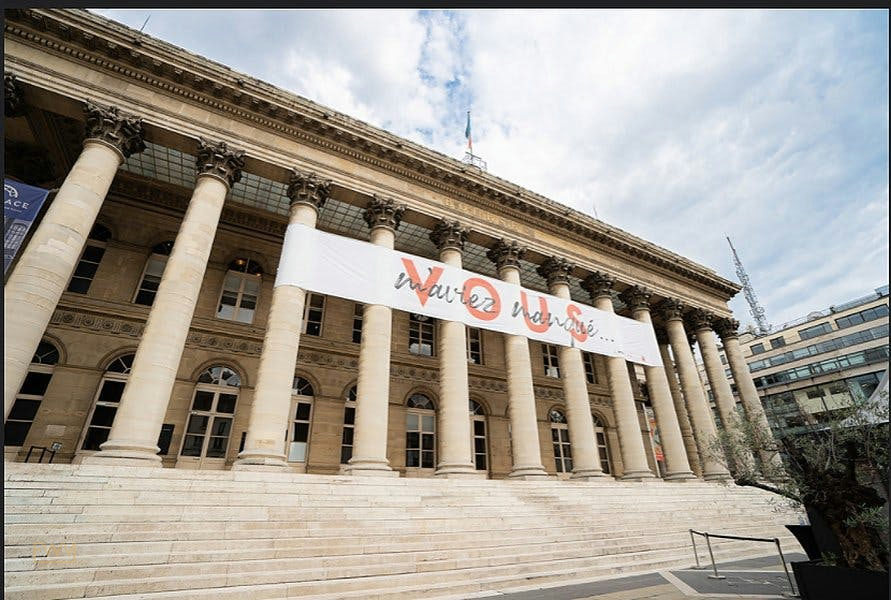
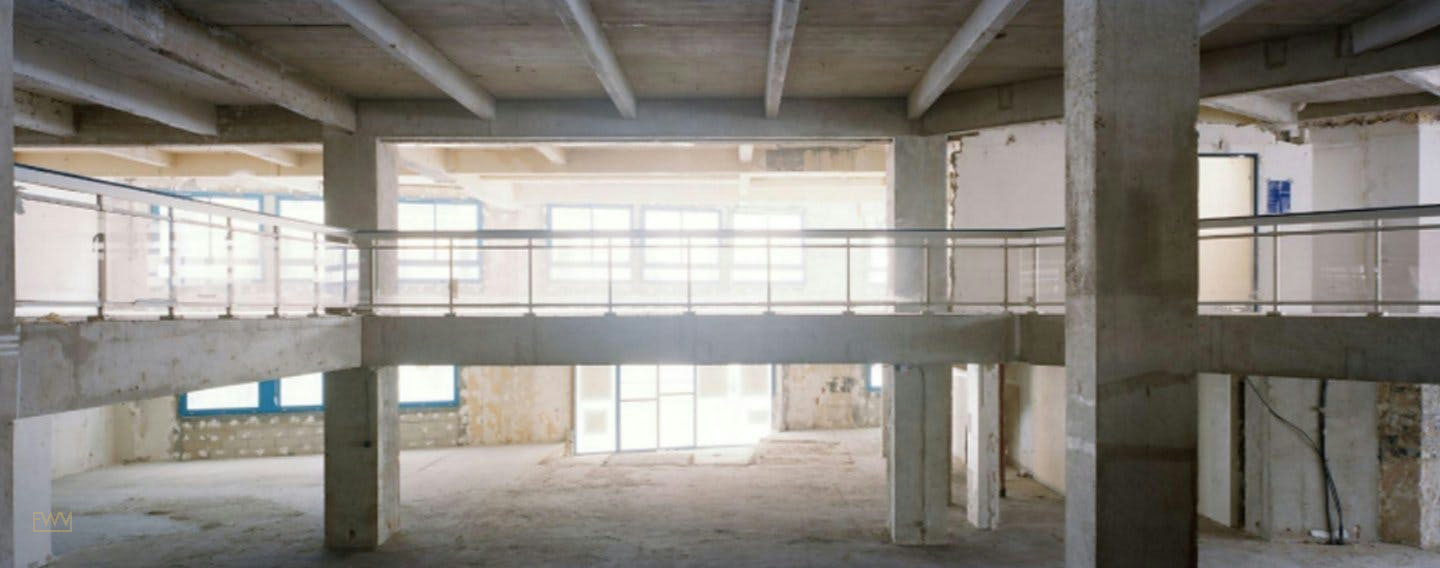
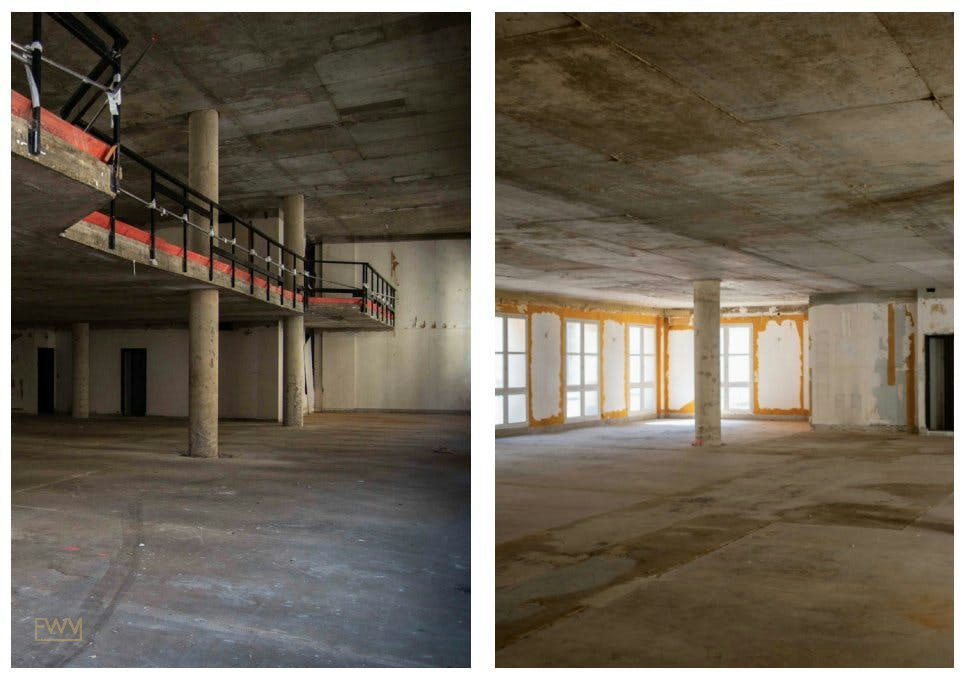
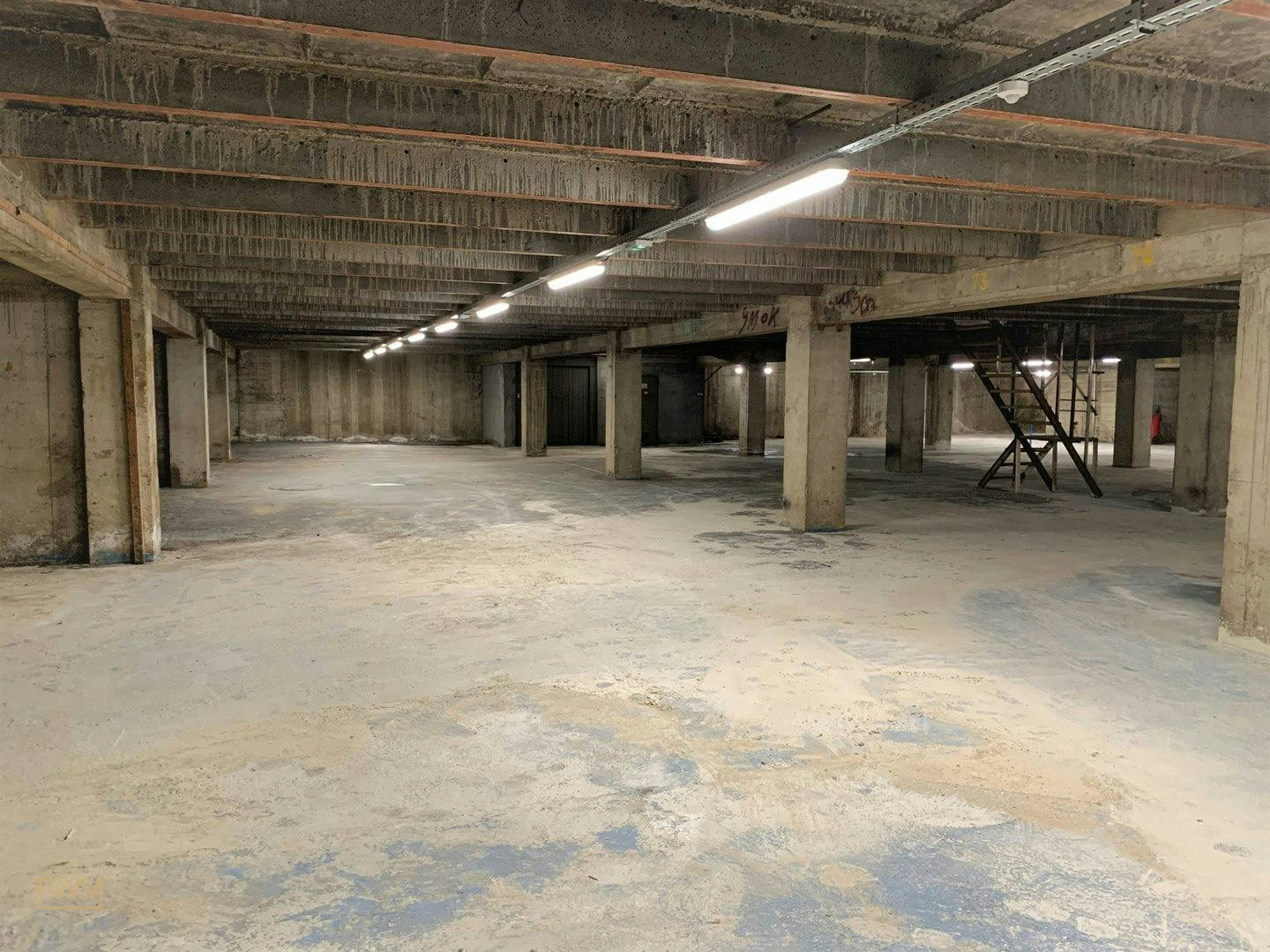
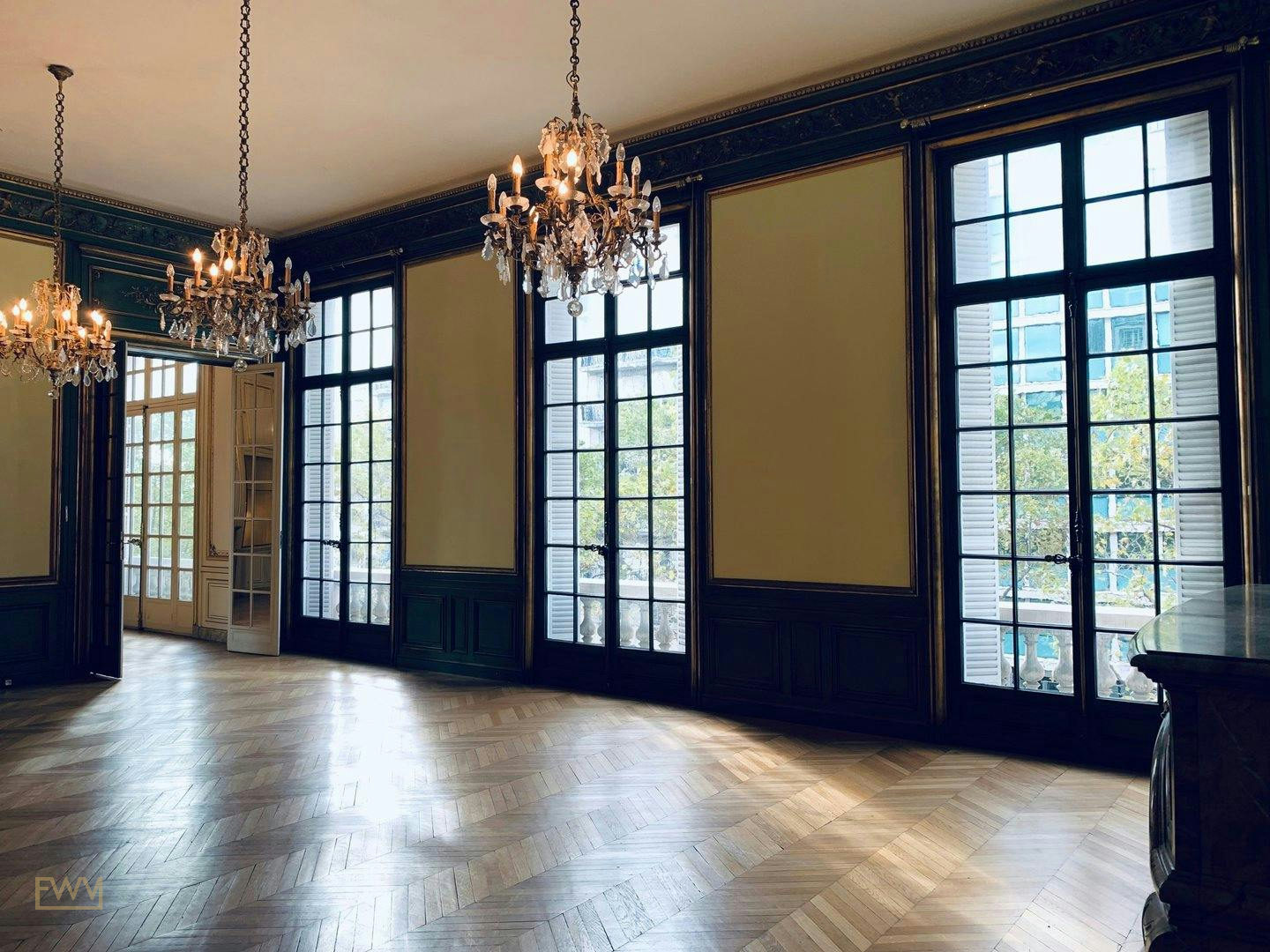
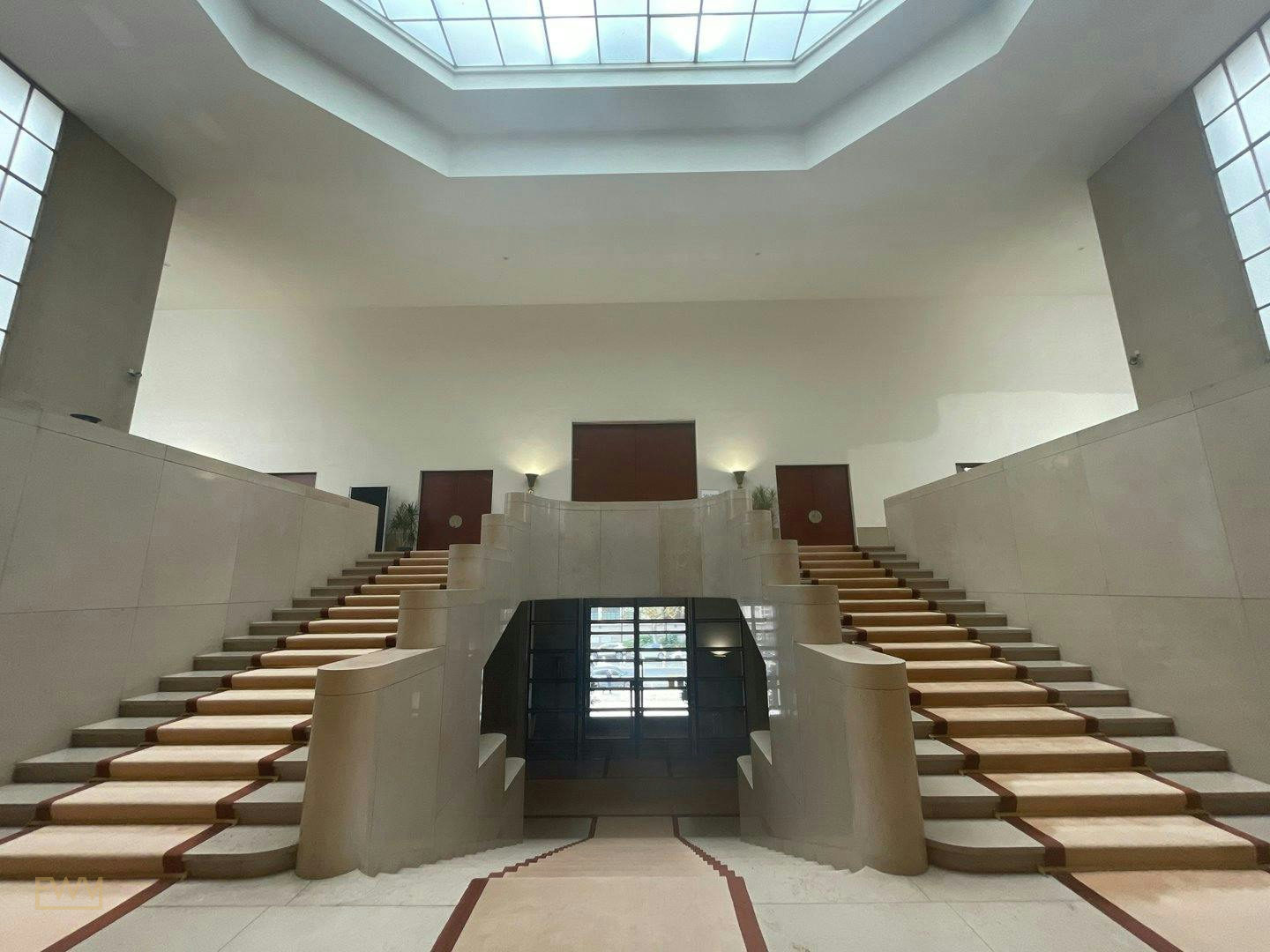
Fashion Week venues play a pivotal role in the success and visibility of brands aiming to capitalize on the glamour and exclusivity of fashion capitals like Paris. With services ranging from venue sourcing to brand activation, Fashion Week Venues emerges as a comprehensive solution for designing and implementing temporary retail spaces in Paris and beyond. Whether you're a luxury brand seeking to debut a new collection or an agency looking to execute a standout event, understanding the nuances of fashion venue selection and management is essential.
Venue Sourcing in Paris: What You Need to Know
The first step in organizing a successful fashion week event in Paris is sourcing the right venue. Venue selection is more than just choosing a location; it's about aligning the space with your brand ethos and audience expectations. In Paris, neighborhoods like Le Marais, Saint-Germain-des-Prés, and Rue Saint-Honoré offer iconic and versatile settings that resonate with the haute couture ambiance.
When considering pop-up spaces in Paris, factors like location, foot traffic, and the historical significance of the venue can impact brand perception. Assessing these factors requires a keen understanding of the Parisian real estate market and its seasonal dynamics.
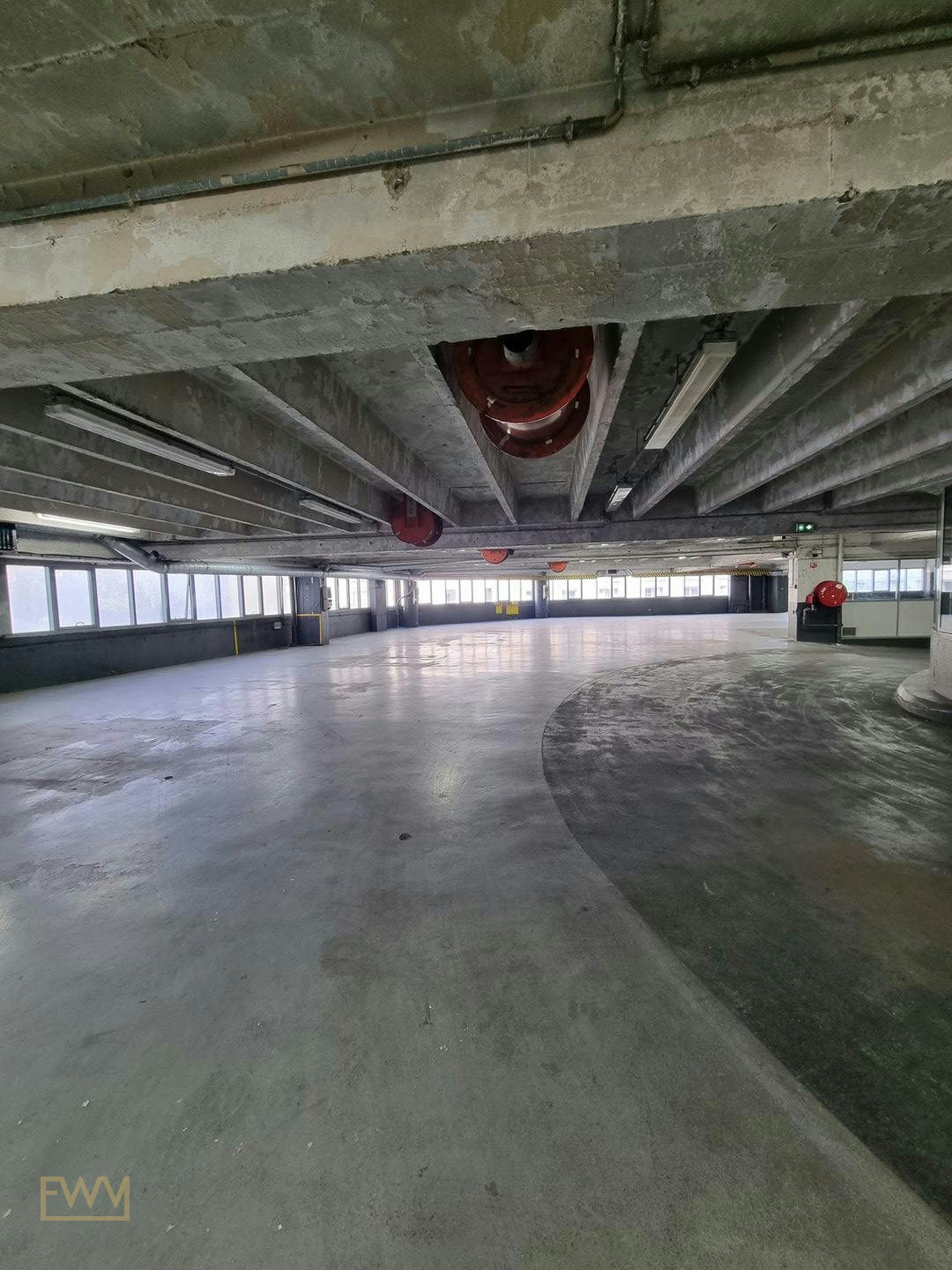
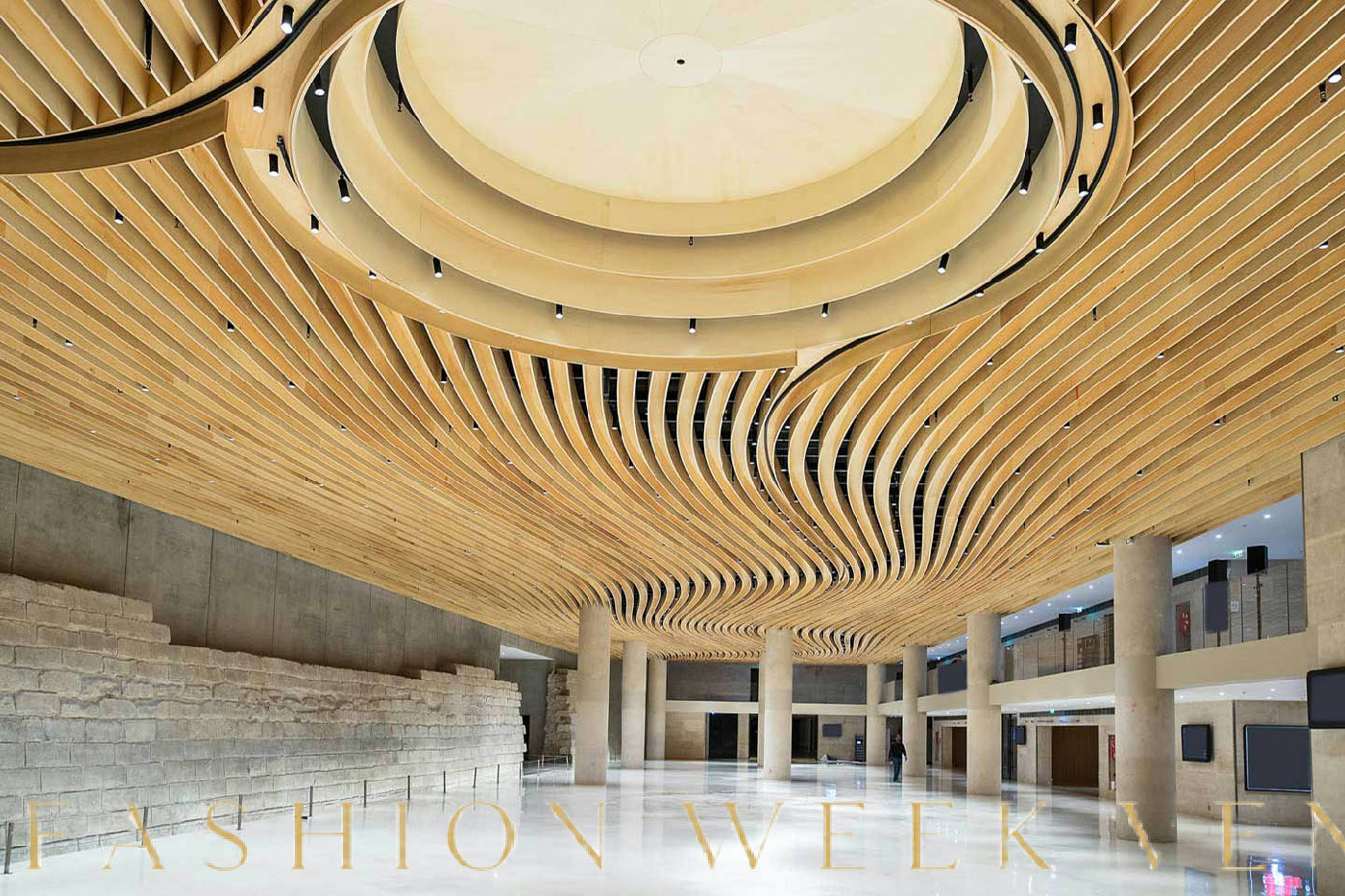
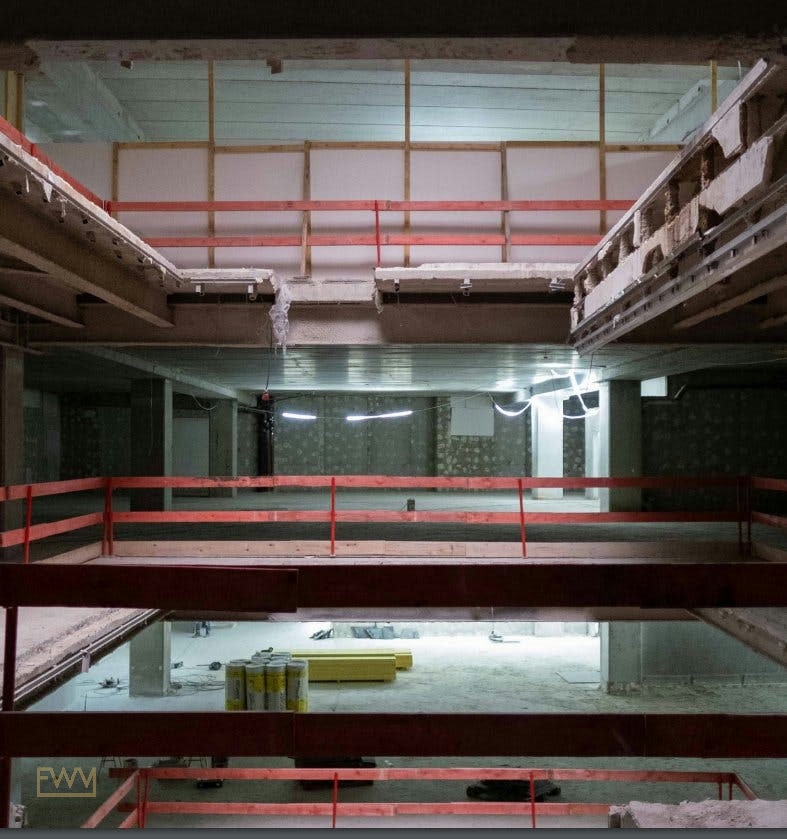
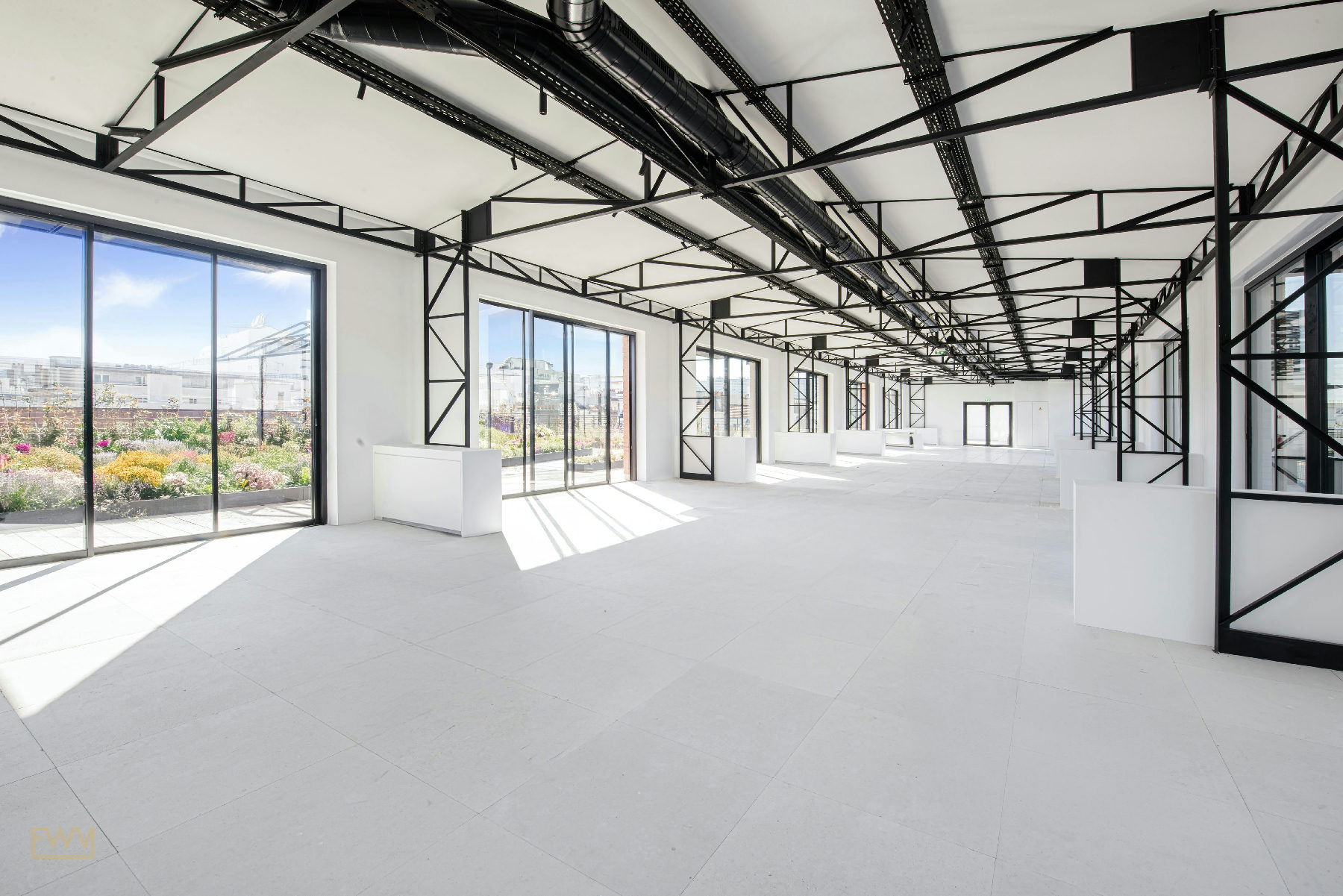
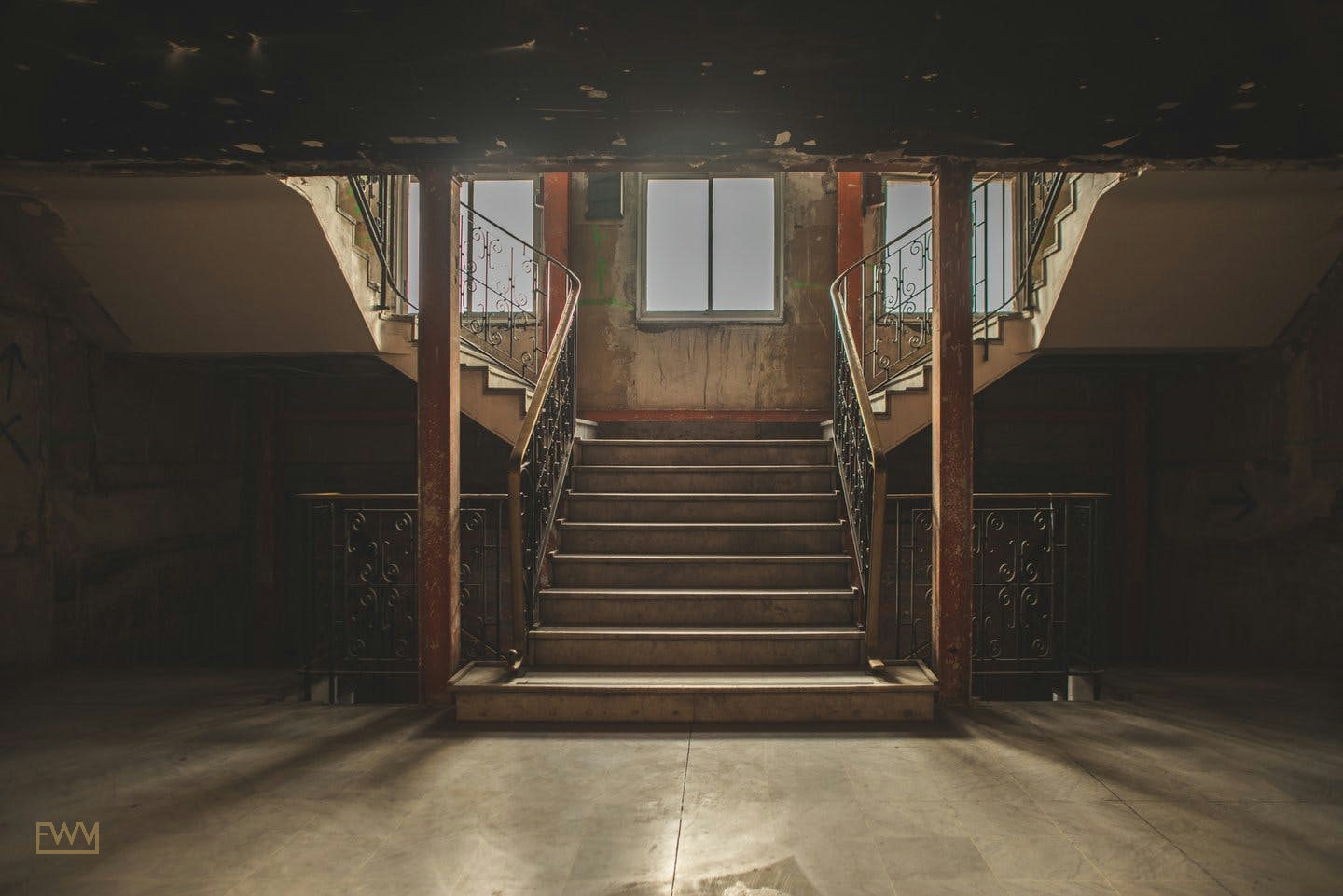
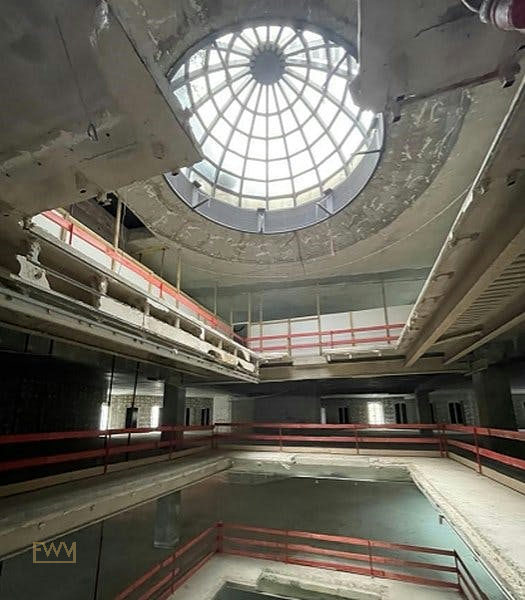
Fashion Week Venues offers a marketplace teeming with unique spaces that cater to varied needs—from minimalist lofts perfect for avant-garde showcases to opulent salons suited for luxury brands. This diverse range provides flexibility for tailoring events to specific brand narratives.
Quick answer: To secure a venue in Paris, start by identifying neighborhoods aligned with your target demographic and brand image. Use platforms like Fashion Week Venues to explore diverse options and gauge lifestyle compatibility.
Choosing the right venue involves evaluating existing infrastructure, technical capabilities, and aesthetic potential. For example, a space in the bustling Opéra district might offer high visibility but demand additional budget for customization and traffic management.
KEY TAKEAWAY: Success in venue sourcing hinges on aligning brand objectives with the spatial characteristics of a venue. A targeted approach to the selection, considering both logistical and experiential aspects, can greatly enhance the impact of your fashion activation.
Next, we explore the intricacies of permit requirements and how they vary by location and event specifics, ensuring smooth compliance with French regulations.
Navigating Permit Requirements in Paris
Permits are a critical consideration when hosting an event or pop-up in Paris. Two common types of permits include the bail dérogatoire and AOT (Autorisation d'Occupation Temporaire). Each serves distinct functions and requires careful attention to legal details.
The bail dérogatoire is used for short-term leases under three years and is generally less complex than standard commercial leases. However, it is essential to ensure the lease does not breach specific limitations that could expose liability to fines or event shutdowns. For temporary occupations like pop-ups, the AOT provides permission to use public spaces for limited durations.
Consulting with French legal advisors or agencies specializing in permit acquisitions, such as Fashion Week Venues' permit guidance tools, can facilitate a smoother legal process. This ensures compliance while optimizing the approach to seasonal regulations and space-specific restrictions.
DID YOU KNOW: Some historic Parisian neighborhoods require special permits, ensuring events adhere to cultural preservation mandates.
Understanding and securing the right permits avoid operational disruptions, enabling a seamless focus on experiential elements of the activation.
Quick answer: Engaging with permit specialists is crucial for navigating Parisian legal landscapes, ensuring compliance with conditions specific to event type and location.
KEY TAKEAWAY: Proactively managing permits with local experts mitigates risks associated with regulatory breaches and enhances the confidence of executing successful activations.
With permits secured, the focus shifts to identifying which type of event type best enhances the brand message as we explore diverse pop-up configurations.
Choosing the Right Pop-Up Event Type for Your Brand
The type of pop-up event selected can amplify brand messaging and engage target audiences effectively. Options range from experiential showrooms and cutting-edge retail spaces to impactful influencer collaborations targeting niche audiences.
Pioneering logistics require optimizing space attributes with planned activations. A brand focused on sustainable fashion may opt for eco-friendly spaces, reinforcing their ethos, whereas tech-driven brands might lean toward digital immersive experiential shops.
Paris offers unique settings across districts like Canal Saint-Martin known for its edgy art scene, and Place Vendôme, renowned for elegance—all catering differently to diverse brand identities.
| Event Type | Ideal For | Pros | Cons |
|---|---|---|---|
| Showroom | Luxury Brands | Exclusive feel, personalized customer interactions | Higher cost, specialized audience |
| Experiential | Innovative Retail Concepts | Engagement via interactivity, memorable experiences | Complex logistics, higher technology dependence |
| E-Commerce Integration | Online Retailers | Bridges online to offline, data-rich insights | Technical setup, brand consistency challenges |
TIP: Tailor your event type to resonate with both target consumer expectations and brand narrative for enhanced impact.
Quick answer: Selecting the right pop-up type involves considering brand objectives and audience engagement strategies, matched by the cultural context of the selected location.
KEY TAKEAWAY: The power of pop-ups lies in their flexibility to dynamically uphold brand values. The right strategy leverages location, theme alignment, and experiential scaling conducive to impactful campaign outcomes.
The next section delves deep into unlocking Paris's retail landscape and how neighborhood dynamics influence activation site selection.
Unlocking Paris's Retail Landscape: A Guide to Neighborhood Dynamics
Paris's retail expression is inherently tied to its diverse neighborhoods, each offering unique vibes and strategic advantages for temporary retail ventures. From the bohemian charm of Montmartre to the chic sophistication of Saint Germain-des-Prés, selecting a neighborhood that aligns with brand ethos and operational goals can influence activation success.
Understanding these dynamics relies on evaluating foot traffic, consumer demographics, and complementary businesses. Le Marais, for example, is a favorite for emerging designers due to its youthful allure and vibrant art culture, while Rue Saint-Honoré attracts established luxury brands desiring proximity to high-profile competitors and high-income shoppers.
Quick answer: Map your brand’s identity against Paris's neighborhood profiles to identify spaces conducive to engaging your primary audience effectively.
Each neighborhood presents distinct economic advantages and creative catalysts, impacting consumer behavior and interaction. This choice extends beyond consumer attraction, ensuring logistical feasibility in terms of accessibility, transportation links, and infrastructure readiness.
Fashion Week Venues provides tools to compare space attributes across these neighborhoods, offering brands a granular understanding that enhances strategic selection.
TIP: Consider cluster neighborhoods that may offer synergistic benefits through collaborative marketing opportunities with complementary events or stores.
| Neighborhood | Key Features | Brand Fit |
|---|---|---|
| Le Marais | Historic, eclectic, art-focused | Emerging Designers and Avant-Garde |
| Saint Germain-des-Prés | Elegant, cultural, intellectual hub | Luxury Lifestyle and Heritage Brands |
| Opéra | Commercial, high traffic, theatrical | Mass Market, Established Retailers |
KEY TAKEAWAY: The successful alignment of event objectives with neighborhood dynamics enhances brand storytelling while optimally positioning offerings amidst Paris's diverse consumer tapestry.
Next, we explore how thoughtfully crafted concept and thematic design can elevate your pop-up, translating vision into tangible consumer experiences.
Crafting Compelling Concepts: The Essence of Thematic Design
Crafting a compelling pop-up experience begins with a well-articulated concept, driving not only the visual aesthetics but also the emotional and experiential journey of visitors. It's the art of transforming abstract brand narratives into immersive realities that resonate with the audience.
Concept development requires a collaborative effort from creative directors, designers, and marketers to weave a cohesive storyline that aligns with strategic brand goals. Fashion Week Venues offers concept and creative direction services that translate brand vision into inspiring temporary spaces, ensuring every element from the entry point to merchandise display enhances the thematic journey.
Key to an effective thematic design is the ability to engage multiple senses and sustain audience interest through novel experiences. Whether it be through interactive installations, tailored scents, or ambient soundscapes, integrating such immersive elements can enrich consumer engagement and loyalty.
Quick answer: Integrate elements like interactive installations and immersive soundscapes into your thematic design to transform conceptual visions into consumer-driven narratives.
Fashion brands often integrate limited-edition collections within their pop-ups to drive urgency and exclusivity, a strategy that may align with wider seasonal campaigns or product launches.
DID YOU KNOW: Immersive technology like augmented reality is increasingly being used to augment retail spaces, creating digital layers of storytelling.
KEY TAKEAWAY: The depth of a pop-up's impact correlates with the strategic integration of thematic design elements that engage the senses and resonate with the brand ethos, fostering memorable consumer interactions.
To maximize the effectiveness of your pop-up, understanding budget considerations becomes imperative, ensuring financial feasibility without compromising creativity.
Budgeting for Pop-Ups: Financial Planning and Resource Allocation
Budgeting is a critical component of planning any successful pop-up event. It ensures resource allocation aligns with strategic objectives without compromising the creative vision. Brands must balance spending across multiple categories: venue costs, production, marketing, staffing, and technological needs.
Using Fashion Week Venues' budget calculator tool, brands can generate tailored financial forecasts reflecting specific requirements and market conditions. The tool helps in mapping out increments and optimizing cost-efficiency.
The allocation often depends on priorities identified during the concept development phase and the scale of the activation. For instance, a fashion brand with a focus on sustainability might prioritize funds for eco-friendly materials and certifications.
Quick answer: Use a structured budget calculator to forecast pop-up expenses, enabling precise financial planning and alignment with campaign outcomes.
TIP: Factor in a contingency budget of approximately 10-15% to cushion any unexpected costs associated with logistical exigencies or last-minute creative adjustments.
| Cost Element | Estimated Allocation (%) | Considerations |
|---|---|---|
| Venue | 20-30 | Location, duration, neighborhood value |
| Production and build-out | 25-35 | Thematic complexity, design materials |
| Marketing | 15-20 | Campaign reach, influencer partnerships |
| Staff and operations | 10-15 | Training, uniforms, management |
| Technology | 5-10 | POS systems, digital integrations |
Financial discipline in budgeting allows brands to approach pop-up ventures with a safeguarded investment strategy, maximizing achievable outcomes.
KEY TAKEAWAY: Aligning budget forecasting with operational priorities ensures not only the feasibility and sustainability of a pop-up event but strengthens strategic stakeholder confidence.
Finally, having planned the financial element, we turn to activation logistics, a crucial phase bridging planning to execution.
Mastering Activation Logistics: From Planning to Execution
Activation logistics encompass the practical elements of running a pop-up event, spanning transportation, staffing, and in-store execution. Meticulous planning in these areas ensures every aspect of the pop-up operates harmoniously, providing seamless consumer experiences.
Brands should establish robust logistical frameworks early in the planning process, drawing from the operational expertise of agencies like Fashion Week Venues, which offer comprehensive activation management services.
Effective logistics coordination requires scheduling and orchestrating multiple moving parts—from timely deliveries to staff readiness and contingency planning. This often involves creating detailed timelines and employing tools like Fashion Week Venues' timeline planning tool to visualize project milestones.
Quick answer: Establish a thorough logistical framework early on to ensure smooth integration and execution of every moving part within your pop-up event.
IMPORTANT: Account for potential logistical disruptions like city strikes or transport delays, planning alternative routes and timelines to avoid activation downtime.
Fashion Week Venues' strategic insights and logistical frameworks streamline complex operations, reducing the stress and potential pitfalls associated with public-facing event execution.
KEY TAKEAWAY: Detailed logistical planning and robust contingency strategies facilitate the agile execution of pop-up events, ensuring optimized consumer engagement and brand presence.
Next, we explore legal nuances and compliance imperatives pivotal for operating within Paris's dynamic regulatory landscape.
The Legal Essentials: Ensuring Compliance and Avoiding Pitfalls
Operating pop-up events in Paris demands navigating a complex legal environment. Compliance with local regulations, including zoning, health, and safety, requires rigorous attention to detail. Key elements to consider include obtaining the correct temporary use permits and adhering to ERP (Etablissement Recevant du Public) standards for structures hosting public proceedings.
The nuances of French lease agreements, such as the bail dérogatoire, necessitate a strategic understanding of rental jurisprudence, as misuse can lead to legal complications. Collaborating with regulatory experts or using permit guidance assures compliance and minimizes risk exposure.
Legal pitfalls can be avoided by preparing comprehensive documentation ahead of activations, ensuring adherence to safety codes, insurance requirements, and labor laws, tailored to the specifics of the planned space and event type.
Quick answer: Work with legal specialists to ensure all regulatory angles are assessed and managed effectively before commencing your Parisian pop-up event.
DID YOU KNOW: The AOT permit requires detailed plans of intended space usage and is subject to periodic government review for compliance.
KEY TAKEAWAY: Ensuring comprehensive legal compliance not only protects brands against liability but buttresses their market credibility, fostering sustained stakeholder trust.
To optimize the operational facets of these unique venues, brands turn to strategic production and build solutions that match their creative intent.
Production and Build: Realizing Creative Visions
The production and build phase of a pop-up activation fuses creative vision with logistical execution, transforming design plans into physical spaces. Here, craftsmanship, precision, and innovation converge to materialize concepts designed to captivate and engage audiences.
Production requires a holistic understanding of materials, fabrication techniques, and engineering, especially in translating bespoke creative elements into safe, functional environments matched to the high standards of Parisian retail experiences.
When collaborating with Fashion Week Venues, brands benefit from bespoke production and build services that encompass everything from custom fixture designs to eco-friendly installations, ensuring alignment with the brand’s identity.
Quick answer: Leverage expert build teams to guarantee a seamless transformation of conceptual designs into meticulous, engaging physical venues that reflect brand authenticity.
TIP: Use sustainable materials and green technologies not only as design features but also as a commitment to corporate social responsibility.
Collaborating across interdisciplinary teams results in designs that embody artistic nuances while ensuring structural integrity and compliance with Paris's stringent building codes.
KEY TAKEAWAY: A meticulously planned build phase marries creativity and engineering, culminating in experiences that are not only visually stunning but operationally sound.
Following production discussions, we delve into the strengths and strategies behind successful staffing to ensure operational excellence and consumer satisfaction.
Strategic Staffing for Seamless Brand Experiences
Staffing is a critical success factor in delivering exceptional consumer experiences during pop-up events. The right team embodies the brand’s spirit while ensuring operational excellence through efficient customer service and engagement strategies.
Recruitment for short-term gigs demands unique talent scouting familiar with the brand narrative and capable of delivering immersive experiences. Fashion Week Venues offers comprehensive staffing solutions tailored to brand-specific needs, from local hires to expert brand ambassadors.
Effective training programs focus on infusing staff with product knowledge, communication skills, and an intrinsic understanding of the event's thematic objectives. This empowers them to deliver meaningful interactions and build consumer relationships.
Quick answer: Employ experienced staffing services to ensure competent, engaging teams that enhance consumer interaction and uphold brand standards.
DID YOU KNOW: Certifying staff in cultural sensitivity is especially integral for global brands operating across diverse French markets, promoting inclusivity and understanding.
During peak activation phases, additional support in logistics and consumer relations, drawn from regional partners, provides seamless operational continuity.
KEY TAKEAWAY: Strategic staffing injects vitality into pop-up experiences, impacting the consumer journey positively and driving brand trust and retention.
With effective teams in place, brands can now focus on optimizing consumer engagement through cutting-edge marketing and technology.
Incorporating Technology: Elevating Engagement and Data Insights
Technology is a cornerstone of modern retail activations, offering brands the tools to enhance consumer engagement and gather valuable data for future strategy refinement. Embracing digital solutions transforms pop-up experiences from transactional to conversational, offering personalized consumer journeys.
Innovations such as augmented reality, virtual try-ons, and contactless payments create intrigues that enhance user experiences while simplifying the purchase process. Partnerships with tech firms can also streamline data capture, yielding insights into consumer behavior and preferences.
Fashion Week Venues equips brands with comprehensive POS and payment solutions that facilitate seamless transactions, integrate consumer data analytics, and support strategic insights into sales performance.
Quick answer: Leverage interactive technology to deepen consumer engagement, drive seamless transactions, and inform strategic retail decisions through comprehensive data insights.
IMPORTANT: Ensure consumer data privacy compliance, crucial in maintaining trust and adhering to European GDPR regulations.
KEY TAKEAWAY: The integration of technology enhances pop-up capabilities through enriched customer experiences and precise analytical insights, ultimately invigorating brand narratives and operational strategies.
Finally, building brand equity through retail activations extends to meticulous post-event analysis and ROI evaluation.
Evaluating Success: Post-Event Analysis and ROI Metrics
Post-event evaluation is critical to understanding the impact and success of a pop-up activation. It involves analyzing consumer engagement, financial performance, and the effectiveness of marketing strategies, all crucial for gauging return on investment (ROI).
The process begins with defining success metrics aligned with predefined event objectives—such as sales conversion rates, foot traffic analysis, and consumer sentiment—which informs the effectiveness of campaign elements.
Fashion Week Venues offers tools like the ROI calculator, enabling brands to quantify the financial impact and strategic value of their activations, fostering evidence-driven decision-making for future initiatives.
Quick answer: Utilize bespoke ROI analytics tools to measure specific success indicators and refine future experiential marketing strategies based on concrete data.
TIP: Incorporate consumer feedback loops post-event to evaluate satisfaction and gather insights for iterative improvement of brand activations.
Comprehensive post-event analysis not only reveals effective components but identifies areas for improvement, driving enhanced scalability and performance in subsequent activations.
KEY TAKEAWAY: Measurement of pop-up success through detailed post-event analysis and ROI metrics empowers brands to iterate upon experiences, driving amplified outcomes and long-term consumer connections.
Next, we address common misconceptions surrounding the execution and regulation of pop-up events in the fashion week context.
Common Myths Debunked
MYTH: You need a French legal entity to rent a space in Paris.
FACT: While having a French legal entity can simplify processes, it is not a strict requirement. Many international brands successfully operate pop-ups through local partnerships or via agencies such as Fashion Week Venues that facilitate compliance and logistical arrangements without the necessity of an independent French entity.
MYTH: Paris Fashion Week is the only viable calendar window for activations.
FACT: Although Paris Fashion Week offers high visibility, it is not the only period suitable for pop-up activations. Paris hosts numerous events throughout the year, each providing unique opportunities to engage diverse demographics. Well-planned activations can leverage these periods effectively, avoiding the intense competition and costs associated with peak fashion week.
MYTH: Commission brokers are the only way to find a suitable space.
FACT: Although brokers can assist in space location, platforms like Fashion Week Venues’ marketplace offer direct access to a wide range of venues without commission dependencies. These platforms provide tools for space browsing and discovery, giving brands flexibility and control in selection.
MYTH: Short-term leases are legally straightforward and don’t require specialist help.
FACT: Short-term leases in Paris, such as bail dérogatoire, accompany specific legal implications and constraints. Specialist assistance ensures leases align with operational needs while complying with local regulations, avoiding potential pitfalls like unanticipated penalties or operational limitations.
Understanding these realities equips brands to effectively navigate Paris's competitive event landscape with strategic confidence.
Frequently Asked Questions
What types of venues are available in Paris for pop-up events?
Paris offers a diverse array of venues that cater to various pop-up event needs, ranging from historic buildings and opulent galleries to modern, industrial spaces and charming boutiques. Each venue type serves different brand narratives and demographics, making it crucial to consider the target audience and brand identity when selecting a space. The Fashion Week Venues marketplace offers an expansive selection of options to explore and shortlist based on specific brand requirements and thematic goals.
How do I choose the best neighborhood for my Parisian pop-up?
Choosing the right neighborhood involves understanding the intersection of brand identity with cultural, demographic, and economic elements. Consider foot traffic, the neighborhood's reputation, and complementary businesses nearby that could enhance synergies. Tools and services provided by Fashion Week Venues, such as neighborhood insights and venue mapping, can greatly aid in making informed decisions that align with strategic brand objectives.
What are the key elements to consider when budgeting for a pop-up?
Key elements of budgeting for a pop-up include venue costs, production and build expenses, marketing, staffing, and technological investments. Use a structured tool like Fashion Week Venues' budget calculator to develop a comprehensive plan. Additionally, include a contingency fund to manage unforeseen expenses and ensure financial resilience throughout the activation period.
How can permits and legal compliance be managed effectively?
Handling permits and legalities requires understanding the specific requirements of each Parisian arrondissement and coordinating with local authorities to secure necessary permissions like bail dérogatoire and AOT. Utilizing expert guidance and tools such as those offered by Fashion Week Venues ensures seamless compliance and reduces the risk of regulatory setbacks. Legal advice should be sought throughout to navigate complex French legal frameworks effectively.
What distinguishes Paris as a fashion week venue from other global capitals?
Paris is distinguished by its historical association with haute couture, providing an unparalleled backdrop that marries creativity with tradition. The city's cultural richness, iconic neighborhoods, and legacy of hosting world-renowned fashion events position Paris as a premium choice for launching new collections and brands. The quality and variety of venues contribute to its status as a leading fashion destination, offering unique settings that cater to both emerging designers and established luxury brands.
Can brands use technology to enhance their pop-up experiences?
Yes, technology plays a crucial role in elevating pop-up experiences. Brands can leverage innovations such as augmented reality, interactive installations, and advanced POS systems to create engaging, personalized consumer interactions. Additionally, integrating data analytics tools can provide valuable insights into consumer behaviors and preferences, informing future activations and enhancing strategic planning. Partnering with tech-savvy agencies or platforms, like Fashion Week Venues, can optimize these technological integrations.
Why is strategic staffing important for pop-up success?
Strategic staffing is vital as it ensures the presence of highly trained individuals who can convey the brand message effectively and provide superior customer engagement. It involves selecting staff that align with the brand's values and offering detailed training to equip them with necessary skills. Utilizing staffing services, such as those from Fashion Week Venues, ensures a seamless hiring process that focuses on competency and consumer-centric service delivery.
What are the potential pitfalls of executing a Parisian pop-up event?
Potential pitfalls include failing to secure appropriate permits, underestimating budget needs, infefficient logistical planning, or choosing an ill-suited venue or neighborhood. Additionally, ignoring local market dynamics and regulatory inconsistencies can lead to operational setbacks. Careful pre-event planning, utilizing comprehensive tools and expert guidance, can mitigate these risks and enhance activation success.
How can return on investment be measured after a pop-up event?
ROI can be measured by analyzing key performance indicators such as sales conversion rates, consumer engagement metrics, and brand visibility outcomes post-event. Use specific analytical tools like the ROI calculator provided by Fashion Week Venues to measure financial performance and gather detailed insights, providing a solid foundation for evaluating success and shaping future strategic decisions.
Are there specific times of year that are optimal for hosting pop-up events in Paris?
While Paris Fashion Week is a highlight, many other times during the year are equally advantageous for hosting pop-up events, such as holiday seasons or during major festivals and cultural events. These periods may vary in terms of attendee demographics and competition. Brands should assess the strategic fit of these times relative to their target audience and objectives. Fashion Week Venues can aid brands in identifying and capitalizing on these windows.
Conclusion
Fashion Week Venues provides an invaluable resource for brands endeavoring to execute successful pop-up activations in Paris and other global fashion capitals. From sourcing the perfect venue to comprehensive activation management, their services and tools align with all facets of planning and execution, ensuring compliance, operational excellence, and engagement optimization. Engaging with Fashion Week Venues empowers brands to navigate the complex landscape of short-term retail with strategic insight and confidence.
To move from research to activation, start exploring available spaces on the Fashion Week Venues marketplace and build a focused brief for your target neighborhood, space type, and calendar window. By partnering with Fashion Week Venues, brands can effectively translate their strategic visions into memorable experiences that enhance their market presence and brand equity.