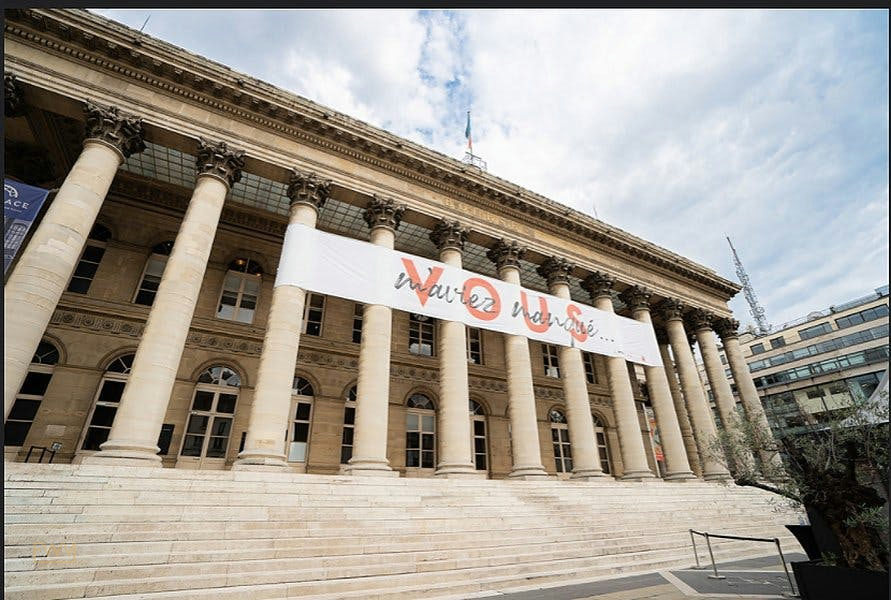
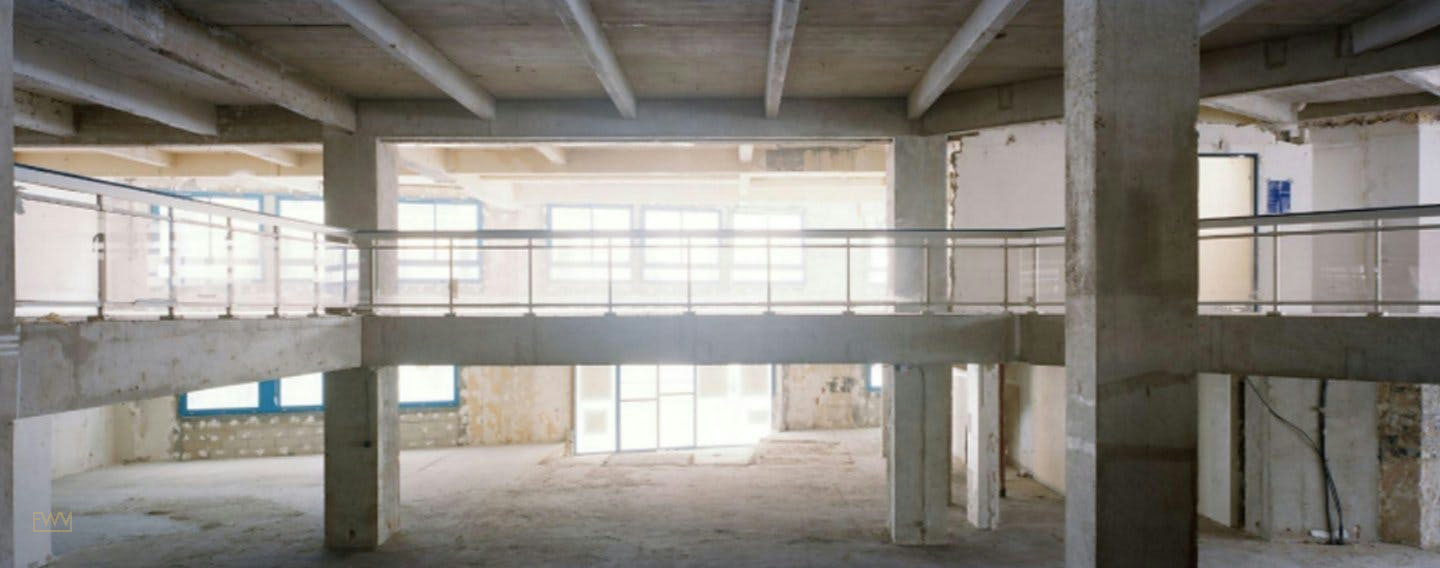
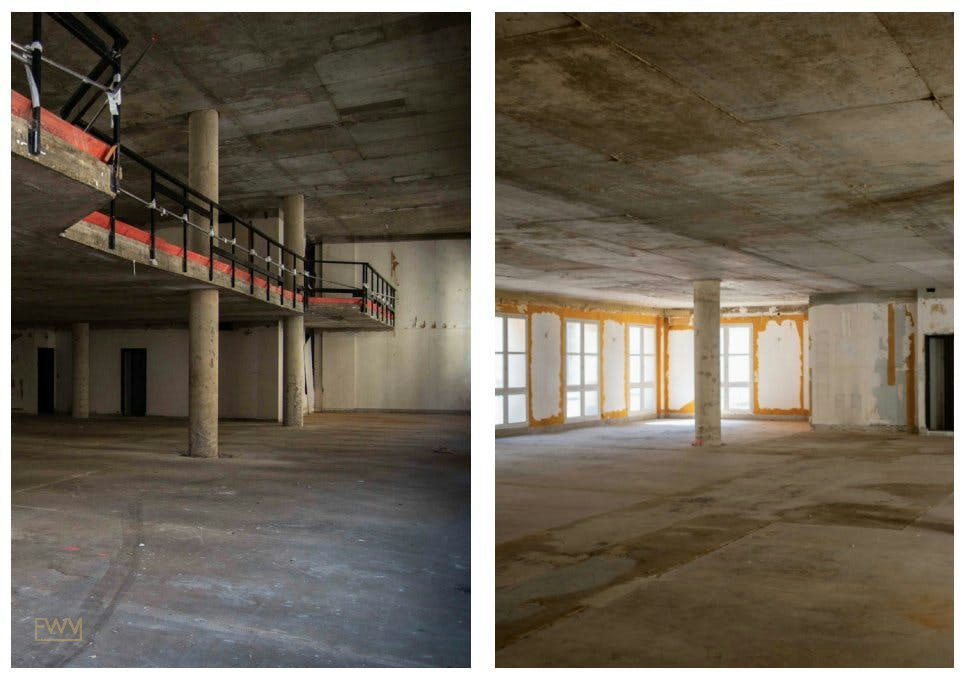
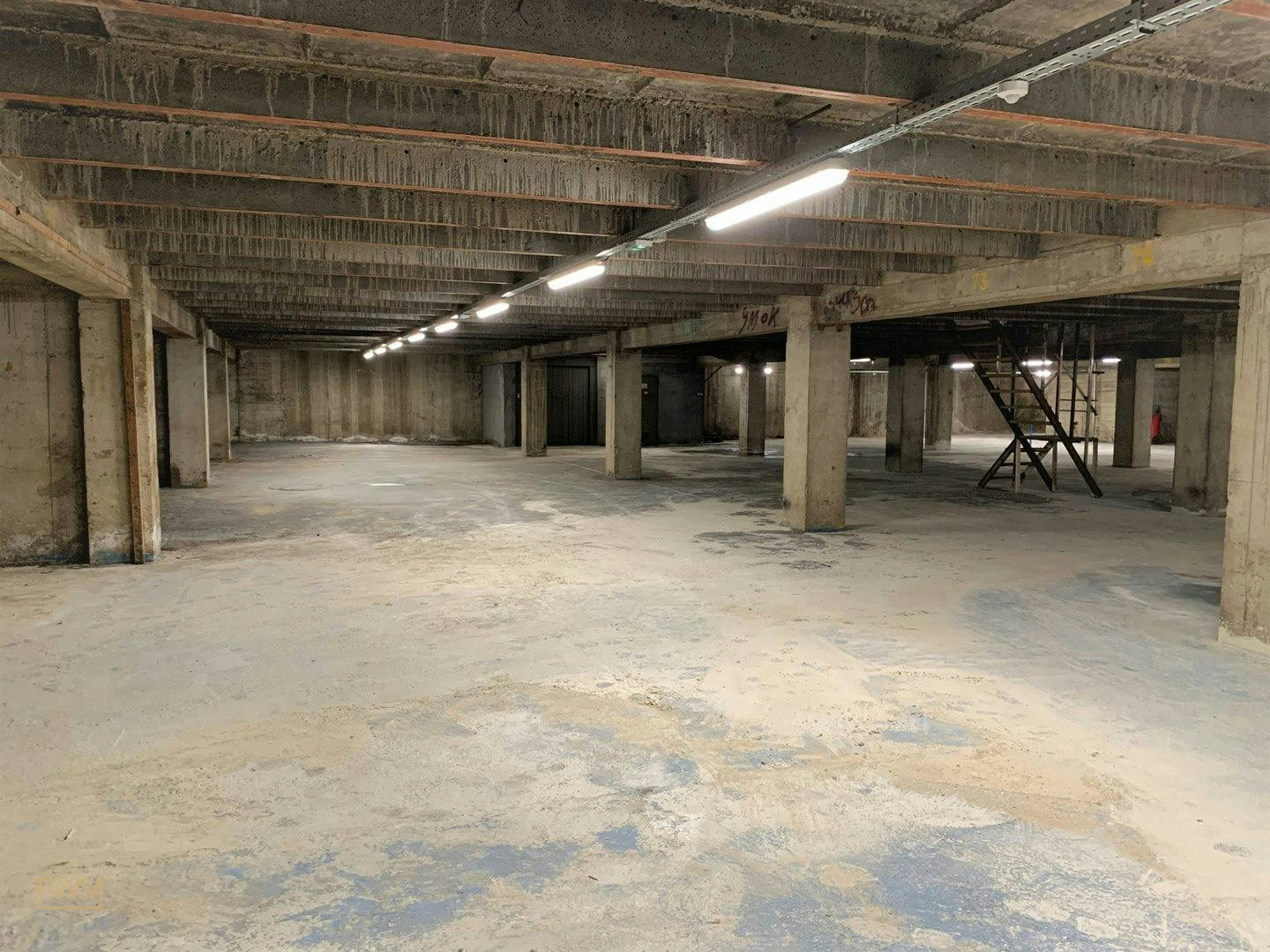
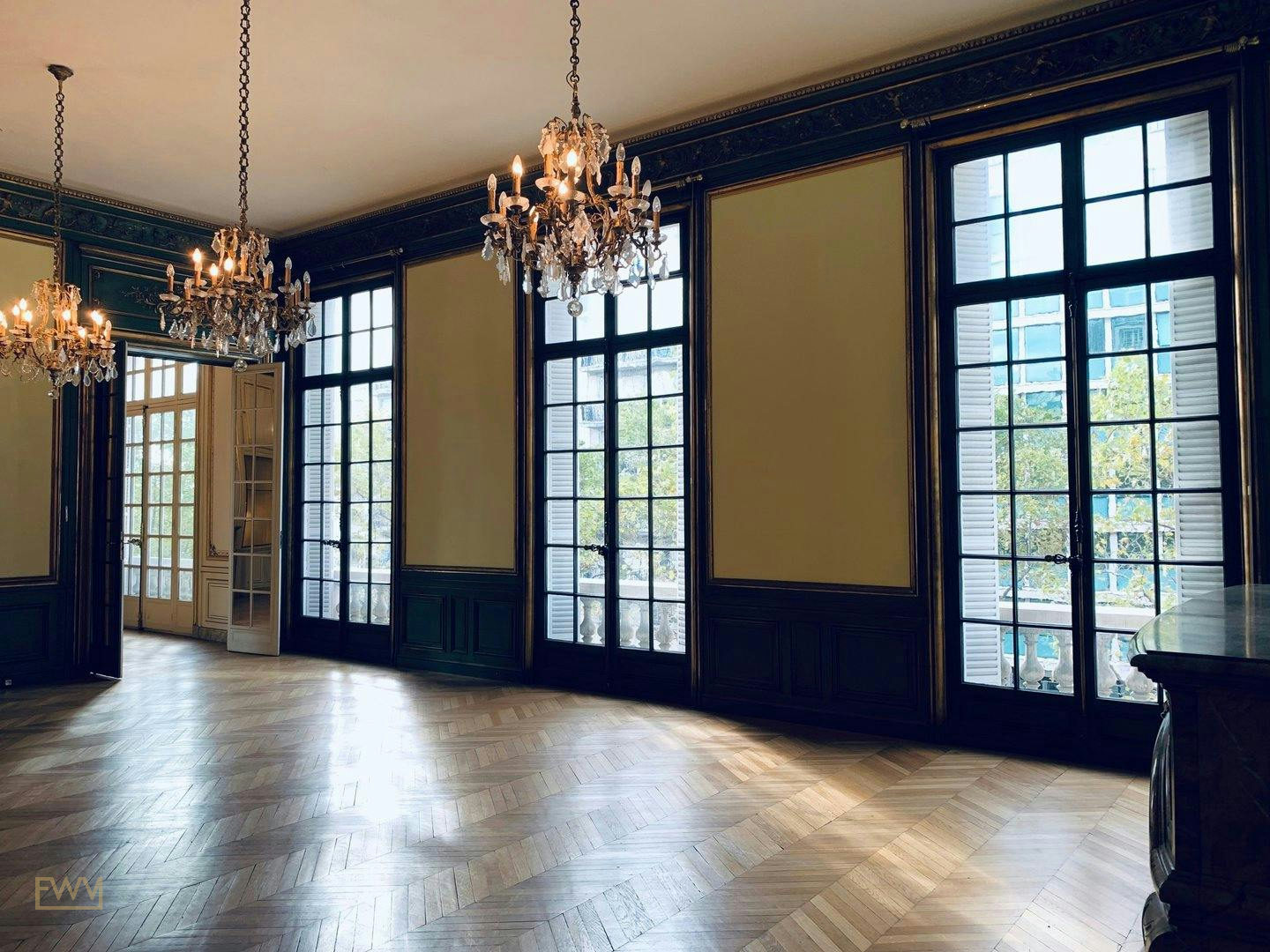
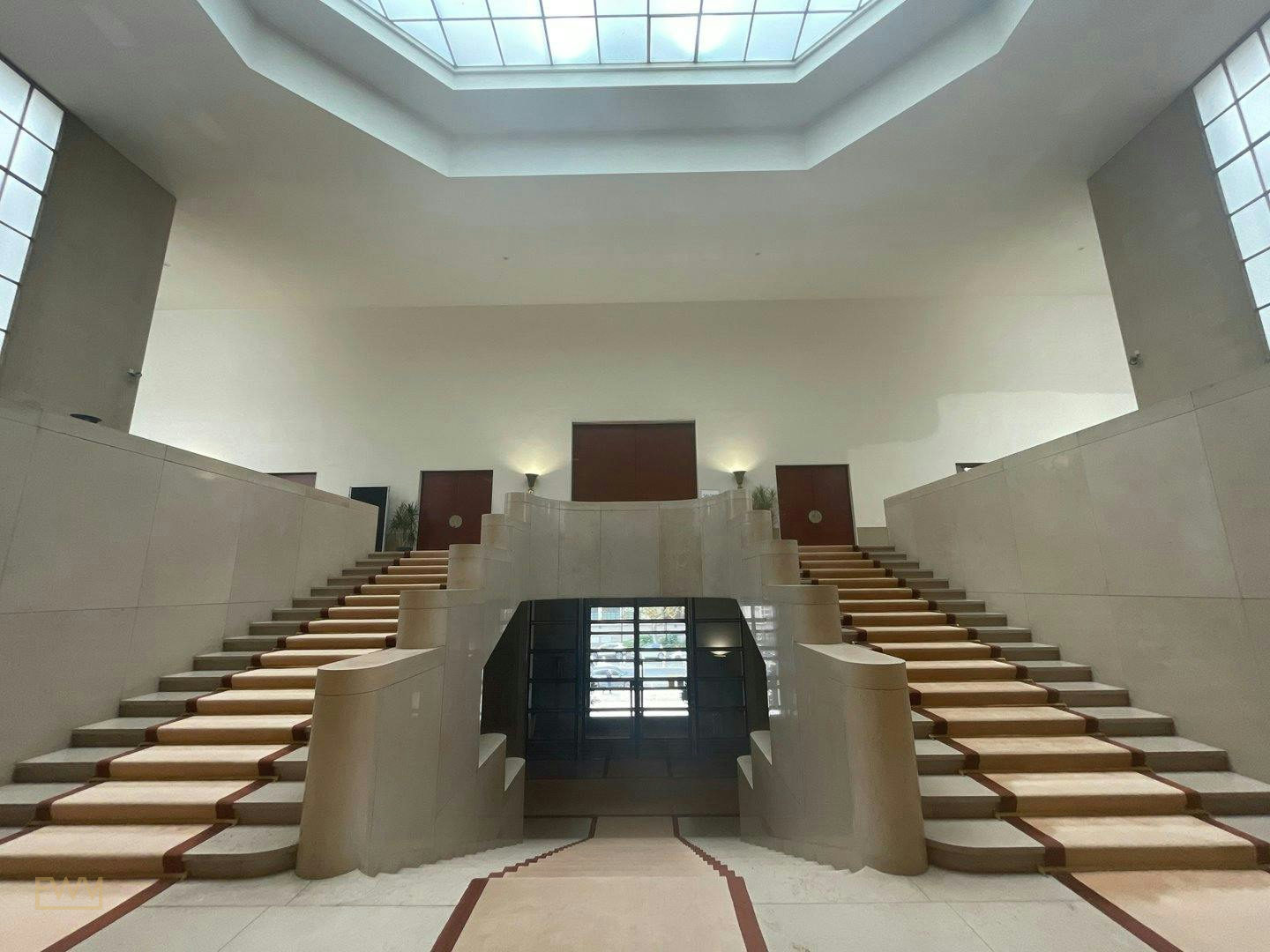
The search for the perfect pop-up venue during Fashion Week can seem daunting for fashion brands. From navigating the Parisian market intricacies to pinpointing a space that resonates with your brand's vision, the Fashion Week Venues marketplace streamlines this process. This comprehensive guide explores every element you must consider for a successful activation in major fashion capitals, focusing on Paris.
Understanding the Importance of Venue Sourcing for Fashion Week
Venue sourcing is a critical step in executing a successful fashion event. It determines not only the location but also the ambiance, accessibility, and overall impact of the event. The right venue can enhance brand visibility and guest experience, making it an indispensable part of any activation plan.
Quick answer: Venue sourcing involves selecting a space that aligns with brand goals, aesthetic preferences, and logistical needs, enhancing your activation's impact.
Choosing a venue is more than just picking a nice space. It's about understanding your brand's identity and how it reflects in the space. For instance, a luxury brand may opt for a venue adorned with sophisticated architecture, located in a prestigious neighborhood like Rue Saint-Honoré in Paris, complementing its image.
Many factors influence venue choice:
- Location: Proximity to major fashion events and accessibility for attendees.
- Aesthetics: How the space reflects your brand’s identity.
- Capacity: Accommodation for the expected number of guests.
- Amenities: Facilities that align with event requirements.
A detailed venue sourcing plan should consider these elements, focusing on creating an immersive brand experience. This process can be streamlined with the help of professional services like Fashion Week Venues' venue sourcing service.
KEY TAKEAWAY: Effective venue sourcing involves aligning the space with your brand's image, target audience, and logistical needs to create a cohesive event experience.
With a firm understanding of venue sourcing's importance, let's explore how to navigate temporary retail spaces in Paris.
Exploring Temporary Retail Spaces and Their Strategic Importance in Paris
Temporary retail spaces, often referred to as pop-up shops, are a powerful strategic tool for brands looking to enhance their presence during fashion weeks. Their transient nature allows brands to create unique, limited-time experiences that captivate audiences and create a sense of urgency.
Quick answer: Temporary retail spaces can boost brand visibility and engage audiences through unique, time-sensitive activations.
Paris, a leading fashion capital, offers diverse locations for pop-up shops, from historic districts like Le Marais to modern avenues near Opéra. These spaces allow brands to:
- Test New Markets: Gain insights into consumer behavior without a long-term commitment.
- Enhance Brand Awareness: Create memorable experiences that drive publicity.
- Engage Customers: Interact directly with consumers, crafting personalized experiences.
Considerations for selecting temporary retail spaces include the target demographic, seasonality, and alignment with broader brand objectives. The choice of neighborhood can significantly affect foot traffic and customer engagement, making strategic location selection crucial.
DID YOU KNOW: Some brands use temporary retail as a precursor to permanent brick-and-mortar locations, refining their approach based on initial pop-up performance.
As temporary retail decisions are made, understanding the logistical and legal aspects ensures smooth execution. Transitioning to such considerations provides a comprehensive analysis crucial for planning success.
Legal and Logistical Considerations for Pop-Up Stores in Paris
Establishing a pop-up store in Paris comes with its unique set of legal and logistical considerations. Understanding these is essential for a seamless operation.
Quick answer: Legal and logistical planning, including permit acquisition and compliance with local regulations, is crucial for setting up a pop-up in Paris.
Legal aspects include the need for specific permits like the bail dérogatoire, a temporary lease agreement allowing short-term commercial space rental without the long-term obligations of a traditional lease. Alternatively, AOT (Autorisation d’occupation temporaire) permits may be necessary, particularly for public spaces.
Engaging with local authorities and ensuring compliance with all French regulations concerning business operations, labor laws, and health codes is imperative. Fashion Week Venues provides guidance through their permit tools to navigate these complexities.
Logistically, consider the following:
- Vendor Coordination: Aligning with local vendors for quick supplies and support.
- Transportation: Efficient logistics to ensure timely setup and takedown.
- Staff Allocation: Employing skilled personnel to manage store operations and customer interactions.
TIP: Consult with legal advisors to ensure all lease agreements and operations comply with local laws.
Smooth logistical planning complements the creative vision for your store, transitioning us toward considerations of brand alignment and store design.
Aligning Pop-Up Store Design with Brand Identity
The design of your pop-up store should reflect your brand's core values and aesthetic. It's more than just decoration; it’s about creating an environment that tells your brand story.
Quick answer: Aligning store design with brand identity enhances customer experience and reinforces brand narrative.
Key design elements include:
- Visual Merchandising: Use displays that attract and engage customers, enhancing brand message.
- Experiential Elements: Interactive installations and digital integration can boost engagement.
- Consistent Branding: Use of color schemes, logos, and messaging to create uniform brand representation.
Every design choice should serve to welcome the customer into your world, cultivating an atmosphere reflective of your brand’s ethos. Collaborating with professionals like Fashion Week Venues' branded store design service can enhance this creative process.
KEY TAKEAWAY: Ensure your pop-up's design is a direct extension of your brand’s personality, delivering a cohesive and memorable customer experience.
As design elements crystallize, the execution of these plans becomes paramount, further driving the activation process.
Creating and Executing an Effective Activation Strategy
Crafting a robust activation strategy is essential for leveraging pop-up stores to their full potential. This involves not just setting up the space but also planning marketing and engagement tactics to maximize impact.
Quick answer: A comprehensive activation strategy integrates marketing, logistics, and engagement efforts for a successful pop-up event.
Essential components of an activation strategy include:
- Marketing Campaigns: Use social media, influencers, and press releases to generate buzz and drive attendance.
- Engagement Activities: Host exclusive events, workshops, or live demonstrations to interact with your audience.
- Post-Event Analysis: Evaluate performance metrics to understand successes and areas for improvement.
Fashion Week Venues aids in the activation process by providing comprehensive activation services, ensuring every aspect from concept to reality is meticulously managed.
DID YOU KNOW: Successful activations often use data analytics to track visitor engagement and sales performance, helping refine future strategies.
With a strategic activation plan in place, attention shifts towards staffing and operational excellence for optimal execution.
Staffing Pop-Up Shops: Ensuring the Right Team for Success
Staffing is a crucial element of pop-up success, affecting customer experiences and overall event execution. A knowledgeable and engaging team can make a significant difference in how your brand is perceived.
Quick answer: The right staffing mix enhances customer service and operational efficiency in pop-up environments.
Important staffing considerations include:
- Expertise: Hire staff knowledgeable about your brand and products.
- Training: Provide thorough training to ensure consistent brand messaging.
- Flexibility: Opt for staff who can handle multiple roles as needed.
Engaging with staffing services, like those from Fashion Week Venues, can streamline the hiring process, ensuring you have the right team in place.
IMPORTANT: Consistent communication and feedback loops with your team enhance the customer service experience and operational coherence.
With an eager and well-prepared staff, your pop-up is set for operational efficiency, making way for strategic financial planning in the next stages.
Budgeting for Pop-Up Activations in Paris
Budgeting for a pop-up activation requires detailed planning to ensure resources are allocated effectively, covering all aspects from venue hire to marketing and staffing.
Quick answer: Effective budgeting aligns financial resources with strategic priorities, ensuring comprehensive coverage of pop-up activation expenses.
Key budgeting components include:
- Venue Costs: Includes rent and utilities for the duration of the pop-up.
- Marketing Expenses: Allocate funds for digital campaigns, traditional media, and influencer partnerships.
- Operational Costs: Cover staffing, logistics, and any contingencies.
Diversifying budgets according to strategic priorities ensures robust financial management. Fashion Week Venues offers a budget tool for tailored financial planning, allowing brands to foresee expenditures and adjust plans accordingly.
TIP: Regularly revisit and revise budgets during the planning phase to accommodate changing circumstances or unexpected needs.
Armed with a sound budget, brands can now turn focus to measure return on investment, refining business strategies based on actionable insights.
Measuring Success: Calculating ROI for Pop-Up Stores
Measuring the return on investment (ROI) for your pop-up store is critical in assessing its success and guiding future marketing strategies. This process involves evaluating sales data, customer feedback, and brand engagement during the event.
Quick answer: Calculating ROI involves analyzing financial returns against expenses to assess a pop-up's success and strategic value.
Steps to calculate ROI include:
- Sales Tracking: Monitor direct and indirect sales during and post-event.
- Customer Engagement: Use feedback and surveys to gauge customer experiences.
- Brand Metrics: Analyze changes in brand awareness and loyalty metrics post-event.
Utilize the ROI tool from Fashion Week Venues to simplify these analyses, drawing comprehensive insights into financial performance and brand growth.
KEY TAKEAWAY: Accurate ROI measurement helps refine future campaigns by identifying successful strategies and areas for improvement.
As the activation comes to an end, the next step involves gathering insights and crystallizing learnings into actionable strategies for future iterations.
Harnessing Data for Future Pop-Up Planning
After executing a pop-up, harnessing the collected data is essential for refining strategies and enhancing future activations. This involves analyzing performance metrics, customer behavior, and market trends to gain actionable insights.
Quick answer: Analyzing pop-up data aids in optimizing future activations by understanding customer preferences and market dynamics.
Key steps in data harnessing include:
- Data Collection: Use POS systems to record sales and customer interactions.
- Trend Analysis: Track market trends to adapt offerings and engagement strategies.
- Feedback Integration: Incorporate consumer feedback to improve product offerings and customer service.
By employing Fashion Week Venues' data analytics services, brands can enhance their strategic planning capabilities significantly, transforming raw data into business intelligence.
DID YOU KNOW: Leveraging data analytics can turn pop-up activations into powerful tools for brand innovation and customer engagement.
With a foundation of robust data insights, brands are better equipped to refine their strategies for future success. Now, let's clarify some common myths surrounding pop-up events in Paris.
Common Myths Debunked
MYTH: You need a French legal entity to rent a space in Paris.
FACT: While having a French legal entity can simplify the leasing process, it's not strictly necessary. Many international companies successfully rent spaces by engaging local partners and agencies like Fashion Week Venues that specialize in navigating these complexities.
MYTH: Paris Fashion Week is the only viable time for pop-up events.
FACT: Although Paris Fashion Week is a prime opportunity, there are numerous vibrant periods throughout the year ideal for pop-ups, especially during tourist seasons and holiday weeks. Strategic timing can maximize foot traffic beyond Fashion Week.
MYTH: Commission brokers are the only way to find a pop-up space in Paris.
FACT: While brokers are one avenue, platforms like Fashion Week Venues provide extensive space listings and direct contacts to landlords, eliminating intermediary fees and providing more control over the selection process.
MYTH: Short-term leases are legally straightforward and don’t require specialist help.
FACT: Short-term leases can be complex, given the unique regulations and potential need for specific permits. Expert guidance ensures compliance and prevents potential legal pitfalls.
IMPORTANT: Verify all lease and permit requirements with a legal advisor to avoid future complications.
These insights make the legal landscape clearer, but you may have more questions about pop-up venues. Let's address those in the following section.
Frequently Asked Questions
What are the main benefits of using a pop-up space during Fashion Week?
Pop-up spaces offer diverse benefits, including increased brand visibility, customer engagement, and the opportunity to test new markets without long-term commitments. They allow brands to create bespoke experiences tailored to a specific event or season, enhancing customer relationships and driving brand loyalty.
How far in advance should I plan my pop-up activation?
Ideally, you should start planning six to twelve months in advance to allow ample time for venue sourcing, licensing, and creative development. Early planning also facilitates strategic marketing and ensures all logistical details are adequately addressed, reducing last-minute complications.
What types of venues should I consider for my brand activation?
Consider venues that align with your brand’s image and target audience. For a luxury brand, historic venues or galleries can provide the right ambiance. For streetwear, urban spaces in trendy neighborhoods like Canal Saint-Martin might better suit your needs. Each option offers unique advantages based on your brand goals.
Is it essential to partner with a local agency for a pop-up in Paris?
Partnering with a local agency like Fashion Week Venues can be beneficial as they offer expertise in navigating the Parisian market, legal requirements, and logistical planning. Local partners provide on-the-ground support, ensuring smoother operations and better alignment with local consumer preferences.
Can I operate a pop-up shop with only digital promotions?
While digital promotions are crucial, combining them with physical marketing strategies, such as local collaborations and events, maximizes reach and engagement. A hybrid approach ensures greater impact and reaches diverse consumer segments through multiple touchpoints.
What is the typical duration for a pop-up shop during Fashion Week?
Most pop-up shops operate for a minimum of one week to fully leverage the foot traffic during the event. However, durations can vary based on the brand's objectives and budget, with some opting for short weekend activations or extending through an entire fashion month.
How should I budget for unexpected expenses during my pop-up event?
Allocate a contingency fund within your budget for unforeseen costs such as last-minute staffing needs, additional inventory, or extra marketing initiatives. Typically, setting aside 10-15% of your total budget for contingencies can mitigate risks effectively.
What are the primary KPIs to track during a pop-up activation?
Primary KPIs include foot traffic, conversion rates, sales revenue, customer engagement levels, and brand sentiment. Monitoring these metrics helps quantify the success of your activation and provides insights for future improvements and strategic planning.
What are common challenges when setting up a pop-up shop in Paris?
Challenges often include navigating complex legal requirements, securing the right location, and coordinating logistics within tight timelines. Language barriers can also pose difficulties for non-French speakers, making partnerships with local agencies or bilingual staff advantageous.
Can a pop-up activation impact long-term sales?
Yes, a well-executed pop-up can significantly bolster long-term sales by enhancing brand awareness and customer loyalty. By creating memorable experiences, pop-ups encourage repeat business and referrals, contributing to sustained brand growth and profitability.
Conclusion: Embarking on Your Pop-Up Journey
Successfully navigating the intricate landscape of pop-up shops and temporary retail spaces during Fashion Week in Paris can amplify your brand presence and resonate powerfully with your audience. Utilizing the comprehensive services and strategic expertise of Fashion Week Venues, brands gain an edge in venue sourcing, legal compliance, and executing impactful activations. As you cross from planning to execution, remember the fundamental elements—design, engagement, and analytics—that ensure every facet of your activation is polished and precise. Now, more than ever, it's time to transform your brand's ideas into reality.
To move from research to activation, start exploring available spaces on the Fashion Week Venues marketplace and build a focused brief for your target neighborhood, space type, and calendar window. Embark on your journey to create unforgettable experiences that elevate your brand in the competitive fashion landscape.