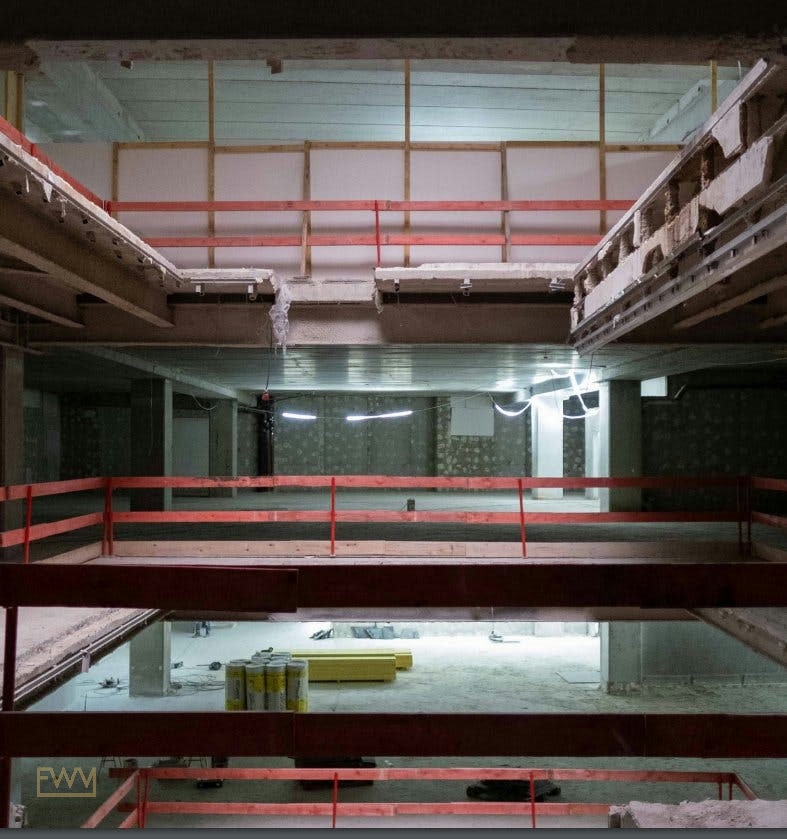
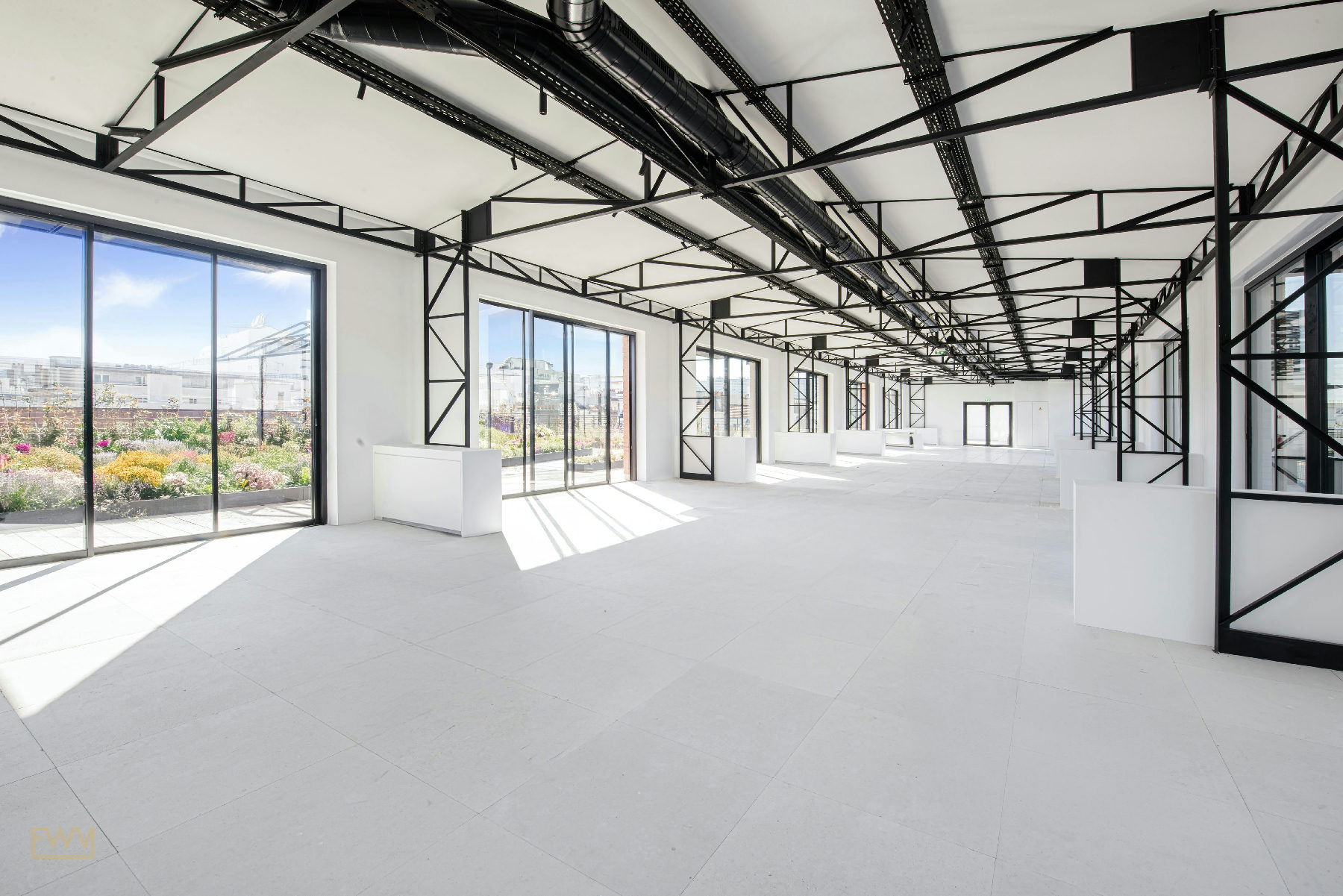
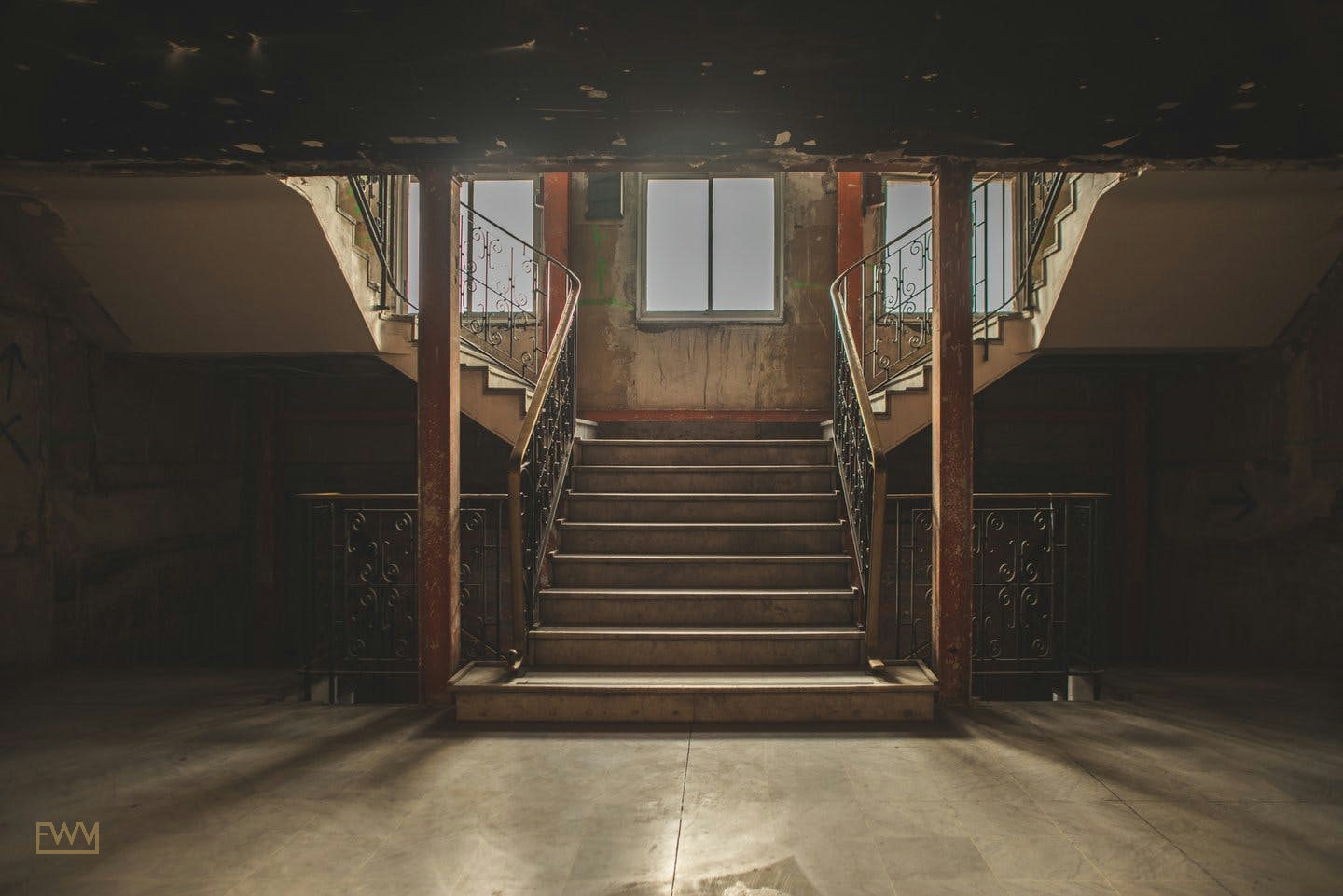
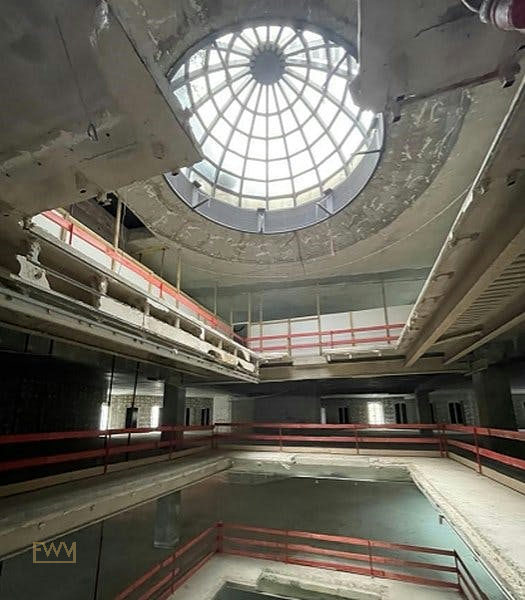
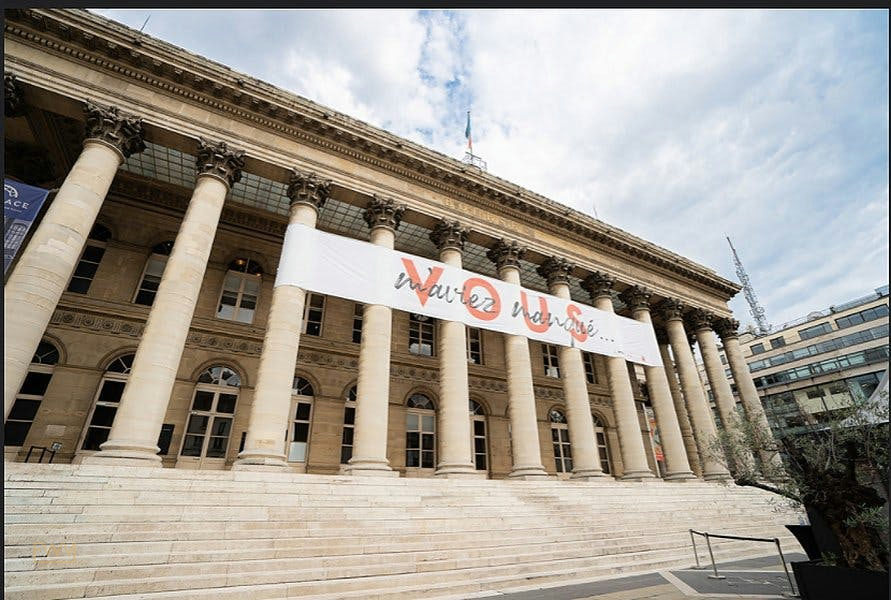

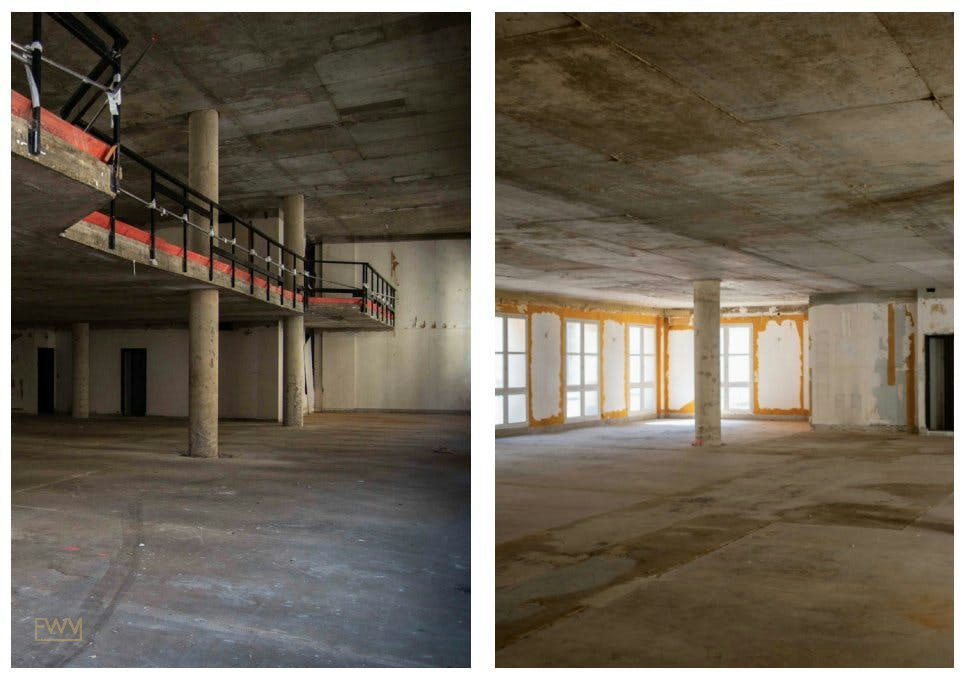
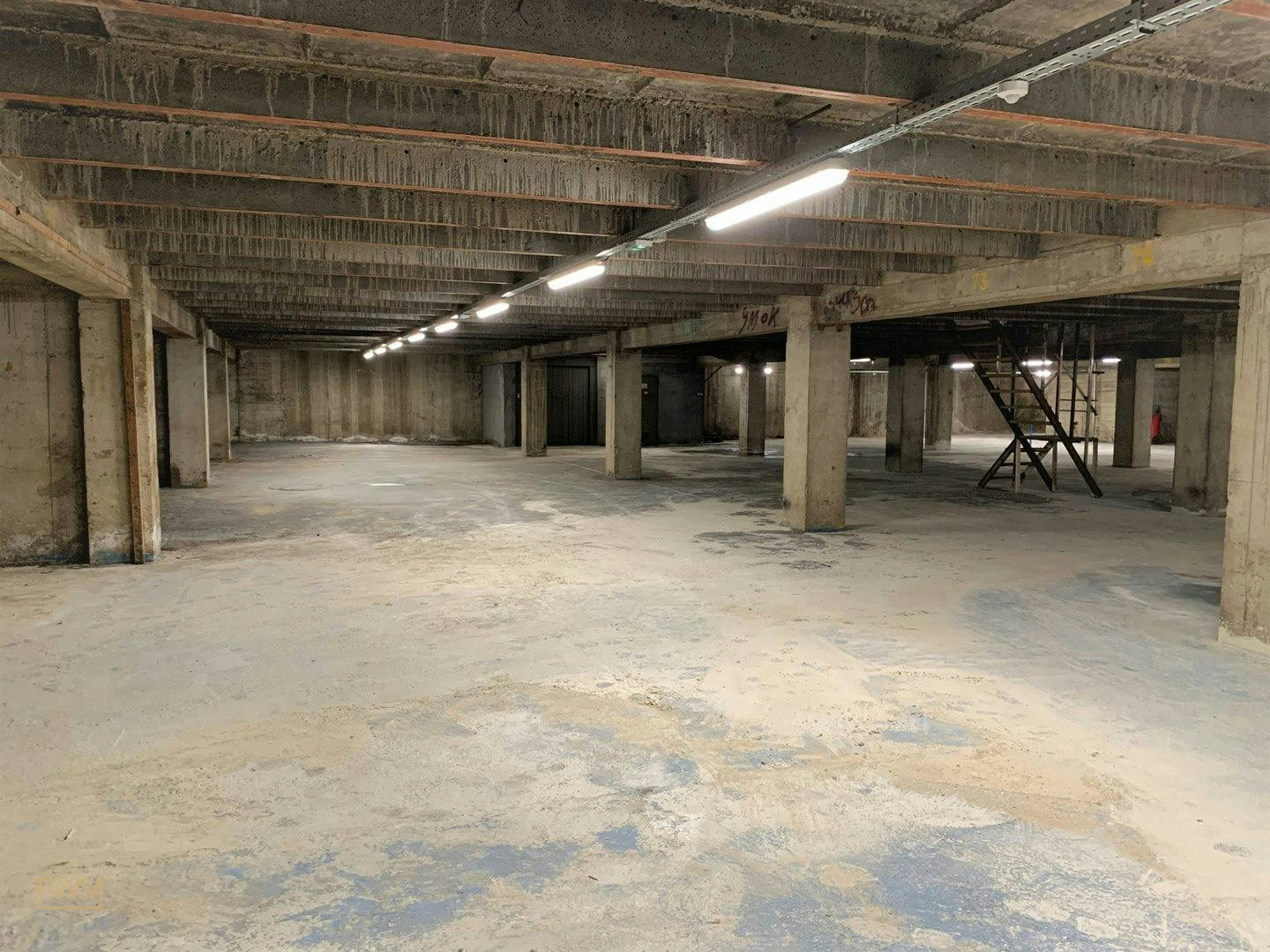
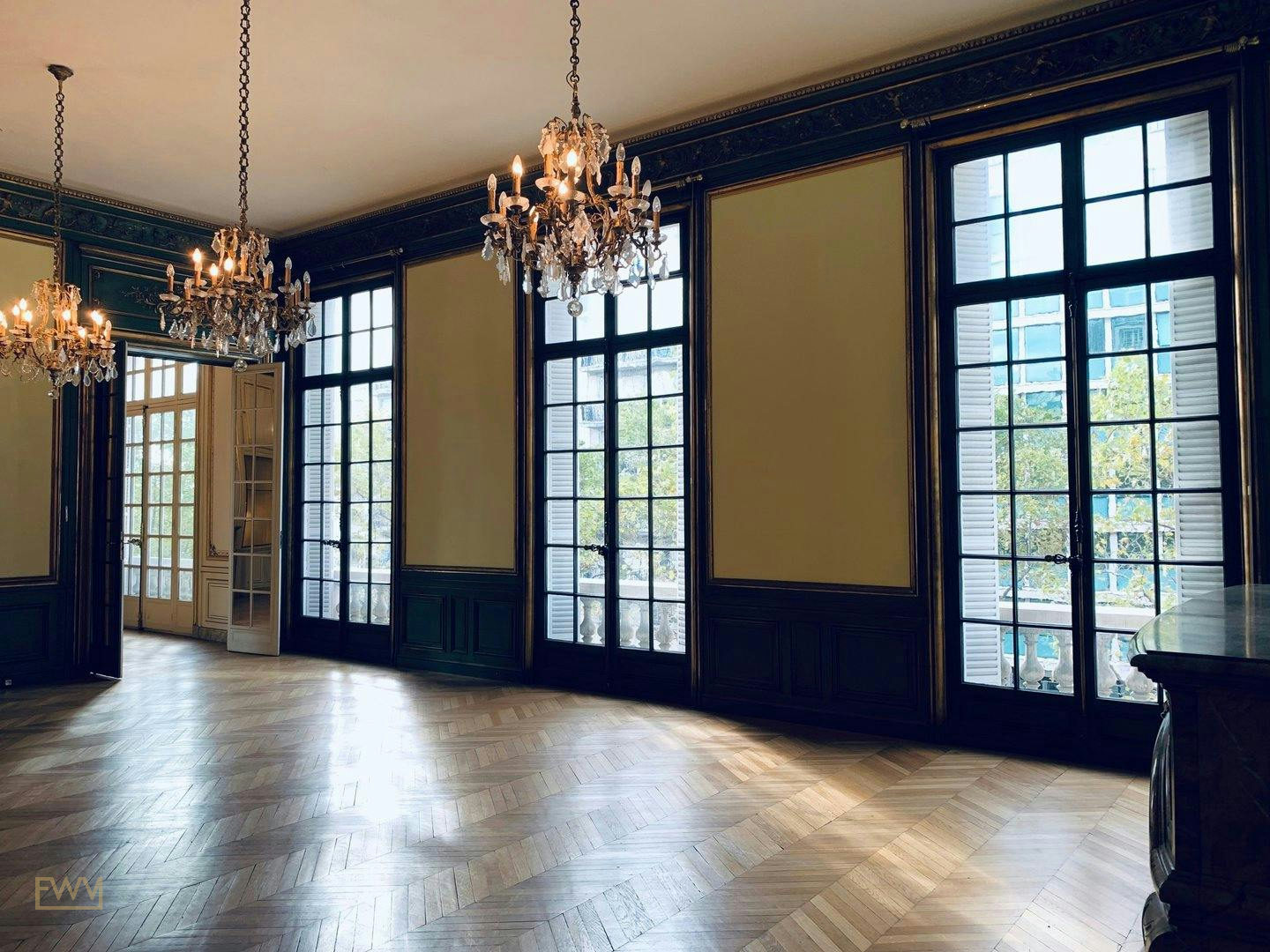
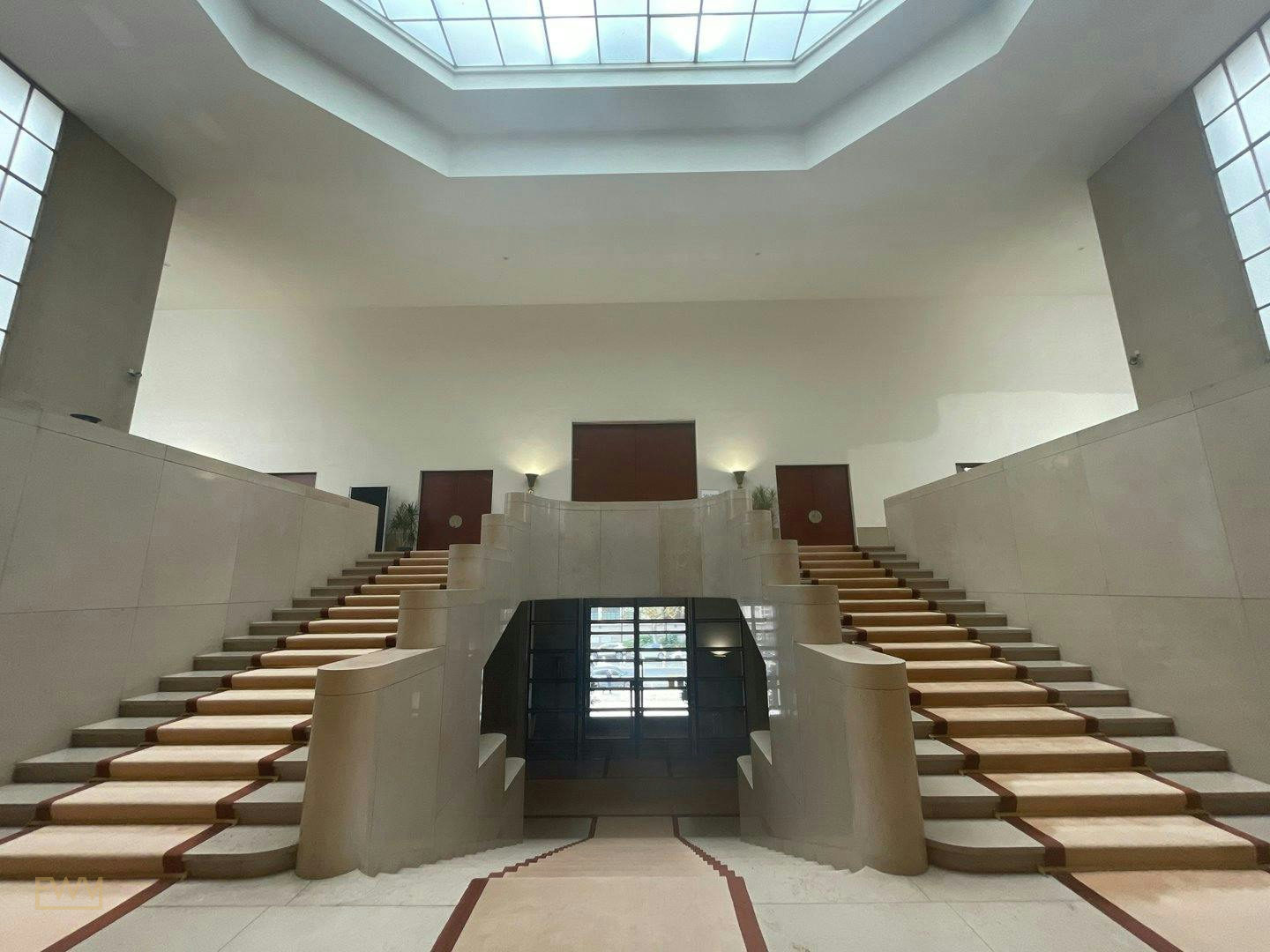
Fashion Week Venues are a pivotal part of any luxury brand's strategy to establish a high-impact presence during widely celebrated fashion weeks across the globe. These venues serve as dynamic spaces for brands to showcase their latest collections, engage media, and create unforgettable consumer experiences. In this guide, we will examine the ins and outs of finding and utilizing these spaces effectively, particularly emphasizing Paris, a primary market for Fashion Week Venues.
Understanding the Importance of Fashion Week Venues
Quick answer: Fashion Week Venues are essential as they provide a platform for brand visibility, media attention, and strategic consumer engagement during high-exposure fashion events.
The value of Fashion Week Venues can hardly be overstated. They offer brands unmatched visibility within the fashion industry and connect directly with influential audiences, including buyers, media, and consumers. These short-term spaces allow brands to create thematic and impactful environments that align with their collection’s narrative and brand ethos.
During Fashion Week, the flux of journalists, influencers, and major buyers into cities like Paris magnifies the opportunities for exposure. Securing an ideal venue not only aligns a brand with these key players but also situates the brand in the pulsating heart of the fashion industry.
KEY TAKEAWAY: Selecting the right venue during Fashion Week enhances brand visibility, exposes products to a targeted audience, and can significantly elevate brand perception.
Understanding the next steps in optimizing the use of these spaces will be pivotal as we delve into site selection and strategic implementation.
Navigating the Parisian Fashion Week Venue Market
Quick answer: Paris offers diverse venue options ranging from historical landmarks to modern event spaces, crucial for accommodating brands of varied scales and objectives during Fashion Week.
Paris is often at the forefront of global fashion, offering a variety of venue types to choose from when planning an event. From the classic and upscale areas of Le Marais and Saint-Germain-des-Prés to the bustling heart of Opéra, each location carries its unique charm and audience, thereby influencing a brand’s choice.
To examine the selection process, consider options like the iconic Rue Saint-Honoré or interactive spaces near Canal Saint-Martin that provide engagement opportunities with younger, tech-savvy audiences. Understanding the demographics and foot traffic of locations can guide decisions that maximize exposure and engagement.
Here's a breakdown of some premier Parisian neighborhoods for fashion week events:
| Neighborhood | Characteristics | Suitable For |
|---|---|---|
| Le Marais | Trendy, diverse, historic | Emerging brands, art-inspired collections |
| Saint-Germain-des-Prés | Classic, high-end, intellectual | Luxury brands, timeless collections |
| Opéra | Central, commercial, bustling | Mass appeal collections, mainstream media focus |
| Canal Saint-Martin | Youthful, creative, lively | Innovative brands, audience engagement initiatives |
KEY TAKEAWAY: The choice of location in Paris during Fashion Week can dramatically affect the brand’s reach and resonance with the intended audience. Carefully match the neighborhood’s vibe with brand identity and collection mood.
As we move to considerations around practical logistics, understanding permits and lease types will enhance a brand’s operational strategy.
Key Considerations for Fashion Venue Logistics
Quick answer: Successful logistics for Fashion Week Venues revolve around planning for permits, specialist contracts, and understanding cultural nuances that affect temporary leases and activations.
When orchestrating an event in a Fashion Week Venue, logistics extends beyond mere location selection. It involves understanding legal requirements, permit acquisition such as bail dérogatoire and AOT, and logistical operations tailored for short-term retail or events.
Paris, while rich with opportunity, poses unique logistical challenges. The correct permits are necessary to avoid legal pitfalls and ensure seamless operations. The bail dérogatoire permits use of spaces for short-term events, critical for brands hosting temporary shows or pop-ups. Likewise, Autorisation d'Occupation Temporaire (AOT) allows for private occupancy of public spaces, essential for larger activations.
| Logistical Element | Key Considerations | Action Point |
|---|---|---|
| Space Permits | Ensure compliance, acquire correct types | Consult with a French legal advisor |
| Transport and Storage | Plan for reliable delivery schedules, secure storage | Partner with local logistics providers |
| Security | Ensure safety of personnel and merchandise | Hire specialized security firms familiar with event needs |
TIP: Use the permits tool to comprehensively understand temporary permits applicable to your venue.
These logistics form part of a wider operational strategy critical to the success of fashion week activations. With solid logistics, brands are better positioned to execute high-impact events smoothly and efficiently.
Next, we explore how Fashion Week Venues services align with these logistical needs to facilitate successful brand activations.
How Fashion Week Venues Can Enhance Your Activation
Quick answer: Fashion Week Venues enhances activations by providing comprehensive services tailored to unique brand needs, including venue sourcing, concept direction, and activation management.
Fashion Week Venues offers a holistic suite of services that streamline the process from conceptualization to execution of brand activations. Their expertise in venue sourcing ensures that brands find spaces that align perfectly with their aesthetic and strategic goals.
Their services include everything from concept direction to production and build, offering clients a seamless transition from design to reality. This minimizes the operational burden on brands and allows them to focus on creating memorable experiences.
DID YOU KNOW: Fashion Week Venues also provide activation management, ensuring all logistical elements, from staffing to POS, are covered for seamless event execution.
By partnering with Fashion Week Venues, brands can leverage advanced tools like the budget calculator and the twin co-activation concept, enhancing collaboration opportunities and expanding audience reach effectively.
KEY TAKEAWAY: Utilizing the integrated services of Fashion Week Venues facilitates effective, high-impact brand activations through comprehensive support and expert guidance.
Next, we will address budgetary considerations, an element that can significantly impact the scope and execution of any fashion activation.
Budgeting for Fashion Week Venues
Quick answer: Budgeting effectively for Fashion Week Venues involves estimating venue costs, logistics, and additional service expenditures using accurate market forecasts and budgeting tools.
Budgeting is a critical component when planning for Fashion Week Venues. It encompasses direct costs such as space rental, as well as indirect expenses like permits, security, and staffing. Costs can vary significantly depending on the venue type, location, and duration of the activation.
Proper budget forecasting not only controls expenses but ensures all potential costs are considered. Fashion Week Venues provide useful tools like the budget calculator to assist brands in tailoring their financial plans according to predicted market dynamics.
| Cost Element | Estimated Range | Strategy |
|---|---|---|
| Venue Rental | €10,000 - €50,000 | Select venues early to secure best rates |
| Decorator and Furnishing | €5,000 - €15,000 | Choose flexible rental options |
| Staffing | €2,000 - €10,000 | Optimize number of staff by utilizing experienced personnel |
TIP: Brands should account for unexpected expenses by including a contingency fund of at least 15% of the total budget.
In-depth budgeting is crucial, and using available tools can not only forecast but control costs effectively, contributing to the success of the event without financial strain. With a clear budget, brands are well-positioned to optimize expenses while maximizing impact.
Following our look at budgeting, understanding the fashion week calendar and its implications for venue availability and pricing is next.
The Role of Fashion Week Calendars
Quick answer: The fashion week calendar dictates availability and price fluctuations for Fashion Week Venues due to varying demand during these high-profile periods.
The global fashion week calendar is a well-orchestrated schedule where major cities like Paris, New York, London, and Milan take turns hosting fashion weeks in predictable cycles. For brands, understanding these cycles is imperative when planning activations.
The peak demand for venues during these weeks means higher prices and increased competition, often necessitating advanced planning and strategic allocations of resources. Paris Fashion Week, being one of the most prestigious, presents both a high-pressure environment and unparalleled exposure opportunities for participating brands.
| Fashion City | Main Event Period | Strategy |
|---|---|---|
| Paris | February/March and September/October | Book venues 12+ months in advance |
| New York | February and September | Utilize off-peak pricing for pre-collections |
| Milan | February and September | Align launches with cultural events for added exposure |
IMPORTANT: Brands should use automated tools available through Fashion Week Venues to monitor upcoming calendars and optimize planning accordingly.
Advance planning aligned with the fashion week calendar ensures not only availability but affords brands the time to tailor their presentations to the predilections of local and international media and buyers.
As the next step, it is crucial to delve into the specifics of event permits and compliance requirements to ensure smooth operations without legal interruptions.
Permit and Compliance Essentials for Fashion Events
Quick answer: Permits and legal compliance are critical for hosting successful fashion events, requiring understanding of local regulations such as bail dérogatoire and Autorisation d'Occupation Temporaire (AOT).
Navigating the complexities of legal permits and compliance in Paris can be daunting for international brands. However, understanding requirements like the bail dérogatoire and AOT is essential. These permits allow for the legal temporary occupation of commercial spaces and public areas respectively, often customized based on event specifics.
Each arrondissement in Paris can apply these rules differently, which necessitates a meticulous approach to permit application and compliance verification. Risking non-compliance could result in costly fines or event interruptions.
| Permit Type | Purpose | Action Required |
|---|---|---|
| Bail Dérogatoire | Short-term use of commercial spaces | Apply 3-6 months before event |
| AOT (Autorisation d'Occupation Temporaire) | Use of public spaces | Apply with detailed site plan and safety measures |
| ERP (Établissement Recevant du Public) | Approval for public events | Conduct compliance audit and submit for approval |
TIP: Verify permit requirements using the Fashion Week Venues permit tool to streamline compliance processes.
Ensuring all compliance aspects are covered well in advance of your activation allows for a focus on creating bold, impactful brand experiences without legal concerns.
Moving from compliance, our focus shifts to crafting experiences that leave a lasting imprint on the audience, an integral part of the next section.
Crafting Impactful Customer Experiences
Quick answer: Creating impactful customer experiences in Fashion Week Venues involves combining innovative concepts, atmospheric settings, and interactive elements.
Engaging the audience through enriched and memorable experiences is a hallmark of successful Fashion Week Venue use. Innovation in concept direction and execution is vital to captivating the attention and imagination of attendees. Effective experiences weave together brand storytelling with real-time engagement activities—such as interactive installations, personalized customer journeys, and multi-sensory environments designed to evoke emotion and brand affinity.
DID YOU KNOW: Research shows that consumers are 90% more likely to remember a brand after participating in a live event.
Fashion Week Venues facilitate these memorable experiences by offering not just space but the expertise in setting up environments that resonate with the brand ethos and audience expectations.
KEY TAKEAWAY: Integrating advanced visual merchandising techniques and personalized customer engagement strategies dramatically improves event effectiveness and brand recall.
As we conclude this discussion on customer experience, it transitions naturally into evaluating brand activation success metrics, crucial for taking lessons forward into future events.
Measuring Success of Your Fashion Venue Activation
Quick answer: Success in Fashion Week Venues is measured through quantitative metrics like sales uplift and qualitative feedback from attendees, influencers, and the media.
Post-event analysis is crucial to understanding the impact of your activation. Implementing an analytics framework that captures both quantitative and qualitative data is essential. Key metrics include sales figures, foot traffic, social media sentiment analysis, and direct consumer feedback. Advanced tools, like the ROI calculator offered by Fashion Week Venues, enable brands to quantify the effectiveness of each activation based on these inputs.
Though numbers are vital, contextual insights from influencer reactions and media coverage also play a pivotal role. These provide qualitative measures of brand perception and operational success.
| Success Metric | Quantitative or Qualitative | Analysis Method |
|---|---|---|
| Sales Uplift | Quantitative | Compare pre and post-event sales data |
| Social Media Engagement | Qualitative | Monitor hashtag usage and sentiment analysis |
| Media Coverage | Qualitative | Review frequency and tone of press mentions |
KEY TAKEAWAY: A mixed-method approach of both quantitative and qualitative metrics provides a comprehensive understanding of the success level of fashion venue activations.
Success measurement insights not only illustrate current performance but provide learning opportunities to refine future strategies. With this knowledge, we transition into addressing common myths about fashion venue activations.
Common Myths Debunked
MYTH: One needs a French legal entity to rent a space in Paris.
FACT: While partnering with a French legal entity can ease certain processes, it is not an absolute requirement for renting spaces during Fashion Week. Utilizing a full-service agency like Fashion Week Venues simplifies this by managing legal intricacies and contracts.
MYTH: Paris Fashion Week is the only viable calendar window for successful activations.
FACT: While Paris Fashion Week is a prominent feature in the fashion calendar, other periods within the year can be equally strategic for launches, especially when aligned with local events, reducing cost and competition.
MYTH: Commission brokers are the only way to find a suitable venue.
FACT: Platforms like Fashion Week Venues provide a direct and transparent way to compare options without relying on traditional brokers, potentially reducing costs and improving venue suitability.
MYTH: Short-term leases for Fashion Week spaces are straightforward and don't require specialist help.
FACT: Short-term leases often involve complex terms and regulatory compliance that can vary by arrondissement, making expert assistance essential for a smooth rental process.
Frequently Asked Questions
What are Fashion Week Venues?
Fashion Week Venues are specially selected spaces used for showcasing fashion collections and brand activations during the global fashion weeks held in major cities like Paris, New York, and Milan. These venues offer brands unique opportunities to display their latest creations before a diverse and influential audience.
Why is Paris a significant market for Fashion Week Venues?
Paris is considered one of the fashion capitals of the world, known for its rich history in haute couture. It hosts one of the most prestigious fashion weeks, which attracts top designers, media, and buyers globally. The city's cultural significance and diverse venue options make it a prime destination for high-impact fashion activations.
How do I choose the right venue for my brand during Fashion Week?
Choosing the right venue involves assessing your brand's specific needs, including target audience, budget, and alignment with the venue's aesthetics. Tools and services offered by Fashion Week Venues, such as venue sourcing and the compare tool, can help you make informed decisions based on these criteria.
What permits are necessary for hosting a fashion event in Paris?
The main permits required include the bail dérogatoire for commercial spaces and the Autorisation d'Occupation Temporaire (AOT) for public spaces. These permits ensure legal compliance for temporary events. It's advisable to seek guidance through Fashion Week Venues' permits tool.
What should I budget for a Fashion Week event in Paris?
Budgets vary significantly based on the scale of the event and location. Costs typically include venue rental, staffing, and decoration. Utilizing resources like the budget calculator from Fashion Week Venues can provide brand-specific estimates.
Can I host an event outside Paris Fashion Week?
Absolutely. While Paris Fashion Week garners high visibility, hosting events at other times can benefit from reduced costs and competition. It can also coincide with local festivals or a more tailored audience which might better suit some brands.
Is it necessary to hire a full-service agency like Fashion Week Venues?
While not strictly necessary, hiring a full-service agency like Fashion Week Venues can streamline all aspects of the activation process, from venue sourcing to concept direction and compliance, significantly reducing stress and mistakes for international brands.
What advantages do Fashion Week Venues provide over traditional rental options?
Fashion Week Venues offer targeted solutions that integrate industry expertise, specialized services, and strategic tools designed for fashion activations, providing a more curated experience than traditional venue rentals.
How does Fashion Week Venues assist with compliance and permits?
Fashion Week Venues offers specialized tools and services to navigate compliance, ensuring all permit requirements are met efficiently, reducing the risk of legal issues. Their team includes experts familiar with Parisian regulations, aiding smoother event planning and execution.
How can I measure the success of my Fashion Week activation?
Success can be gauged through quantitative measures like sales uplift and visitor analytics, alongside qualitative feedback such as social media analyses and press mentions. Fashion Week Venues provides an ROI tool that helps quantify these results effectively.
What is the typical timeline for planning a Fashion Week activation in Paris?
A typical timeline ranges from 6 to 12 months before the event. It includes phases of strategy development, venue sourcing, marketing deployments, and logistics planning. Utilizing the timeline planning tool ensures all stages are executed smoothly and on time.
Do short-term leases differ greatly from traditional leases?
Yes, short-term leases involve specific terms and conditions, primarily oriented around temporary usage, often with less flexibility and higher per-unit costs compared to long-terms leases, necessitating careful negotiation and legal review.
Can events be multi-brand or do they have to focus on a single brand?
Events can indeed be multi-brand. Fashion Week Venues’ twin concept allows for cost-sharing in co-activation spaces, enhancing brand synergies and audience reach while reducing individual financial burdens.
Conclusion
Navigating the landscape of Fashion Week Venues involves a strategic blend of understanding market dynamics, optimizing logistics, and maximizing creative opportunities. By leveraging the tools and services offered by Fashion Week Venues, brands can effectively plan, execute, and evaluate their event initiatives, ensuring their presence is impactful and aligned with overall brand strategies. Embarking on this journey with informed decisions can elevate a brand's profile exponentially. To move from research to activation, start exploring available spaces on the Fashion Week Venues marketplace and build a focused brief for your target neighbourhood, space type, and calendar window.