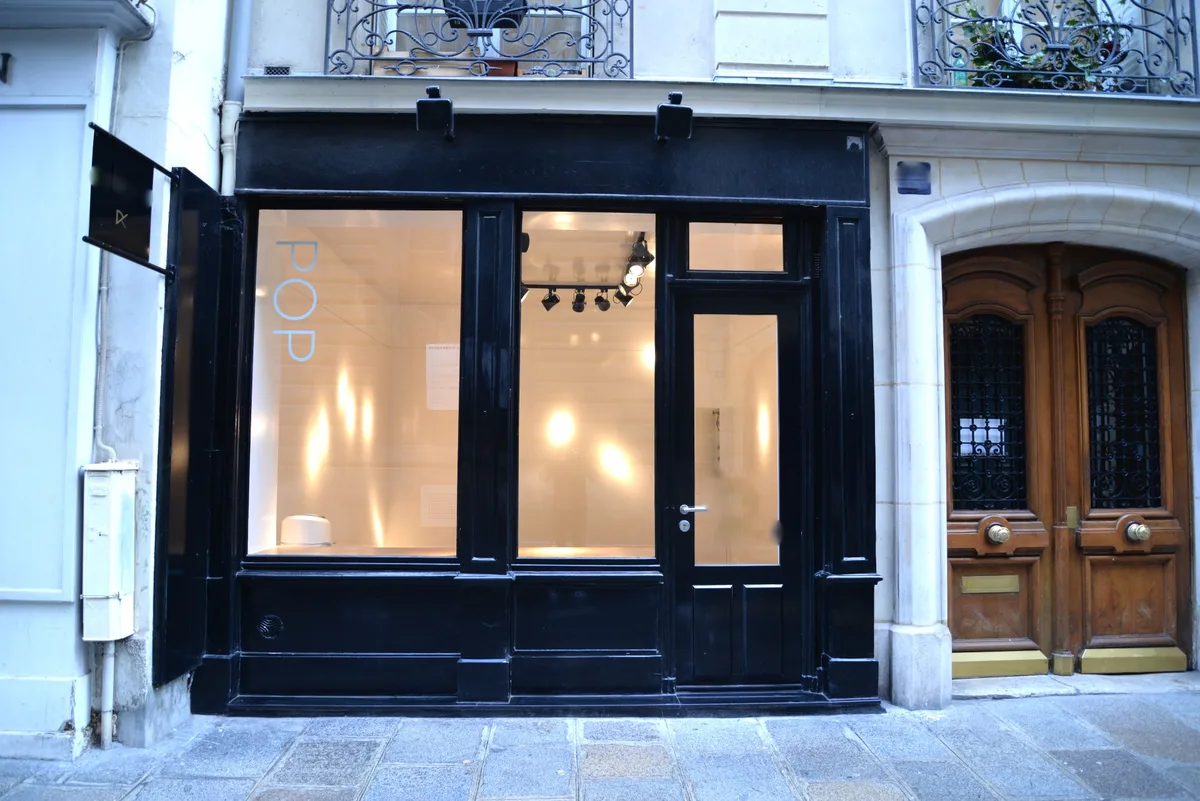
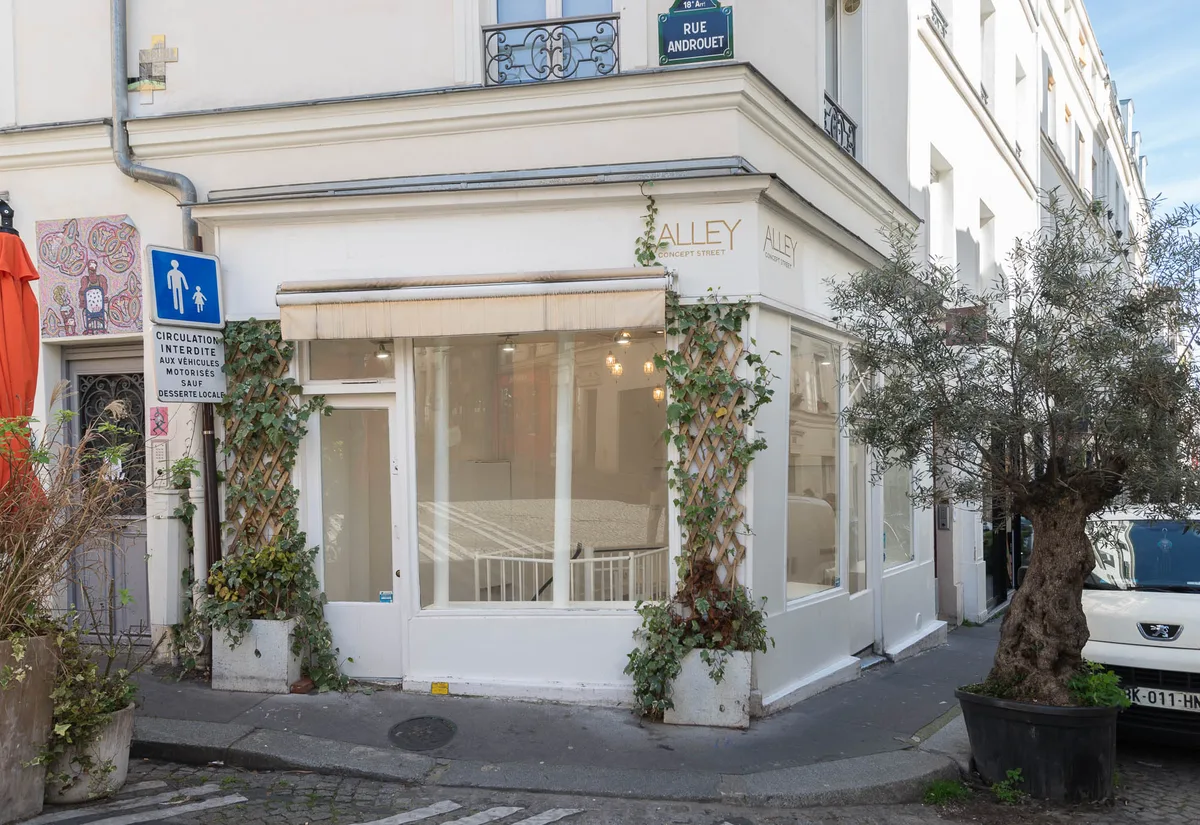
Successfully navigating the bustling and competitive landscape of global fashion weeks, where brands make their mark, requires meticulous planning and strategic execution. At the core of this strategy is selecting the perfect venue for Fashion Week activities, which can significantly impact brand visibility and engagement. Fashion Week Venues, a premier agency with extensive expertise in sourcing and managing fashion week spaces worldwide, offers essential services to ensure that brands stand out during these pivotal events. With a focus on Paris, our insights and services guide brands through the complexities of securing the ideal space, providing an edge in an intensely competitive market.
Understanding Fashion Week Logistics and Space Requirements
Successfully participating in a fashion week requires more than just showcasing a collection; it involves strategic planning, particularly in terms of logistics and space requirements. Venue selection is a cornerstone decision, influencing everything from brand perception to visitor engagement. For brands targeting the unique atmosphere of Paris, understanding the city's architectural nuances and logistical considerations is crucial.
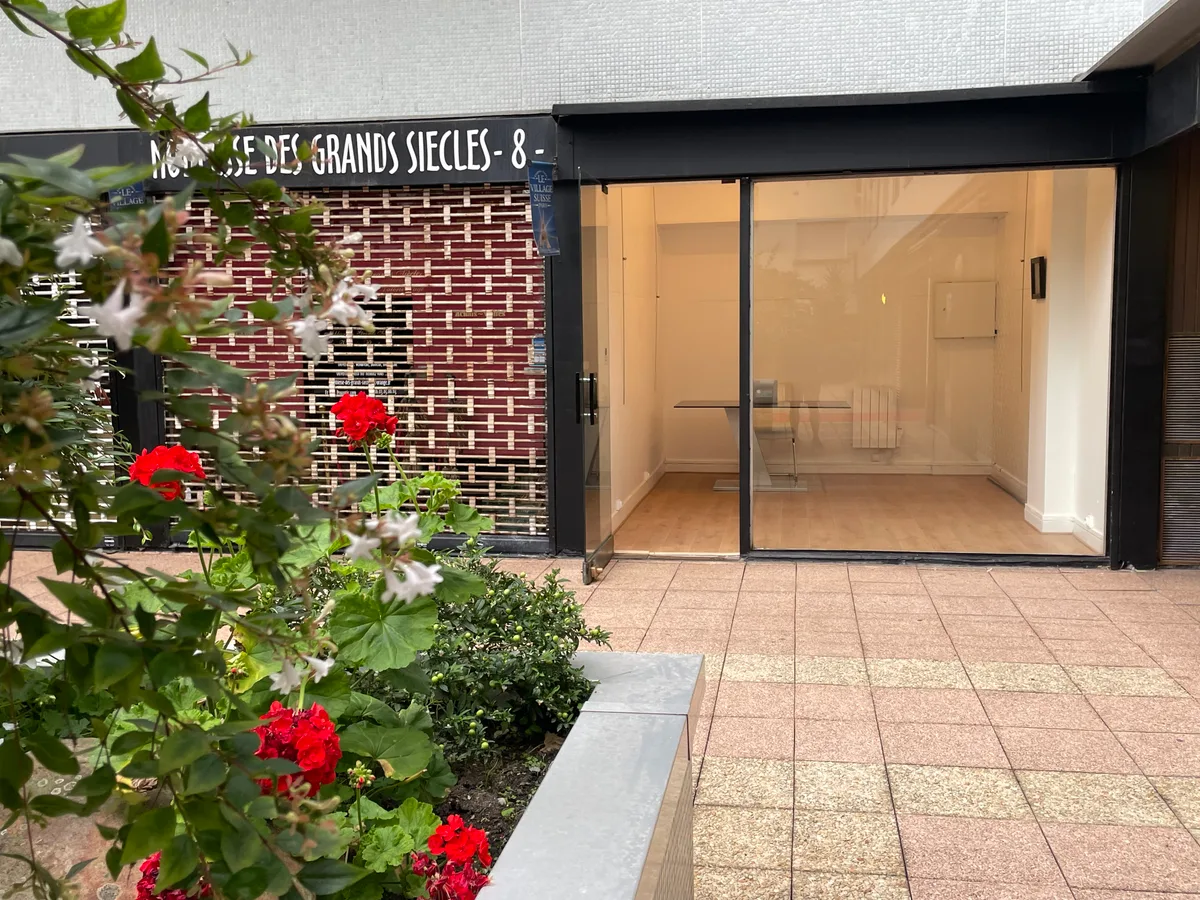
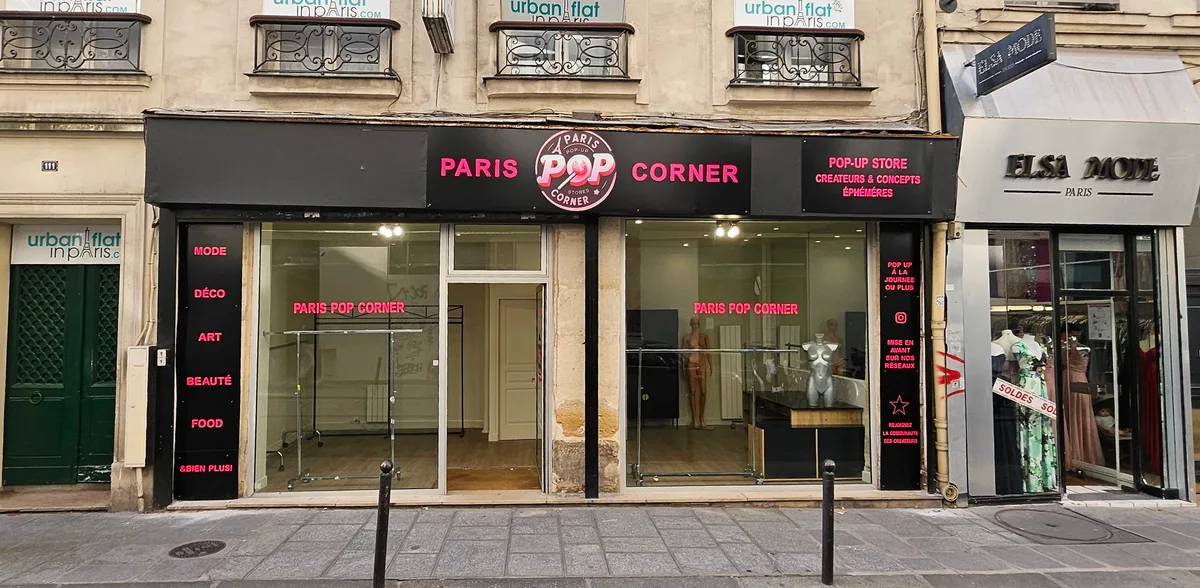
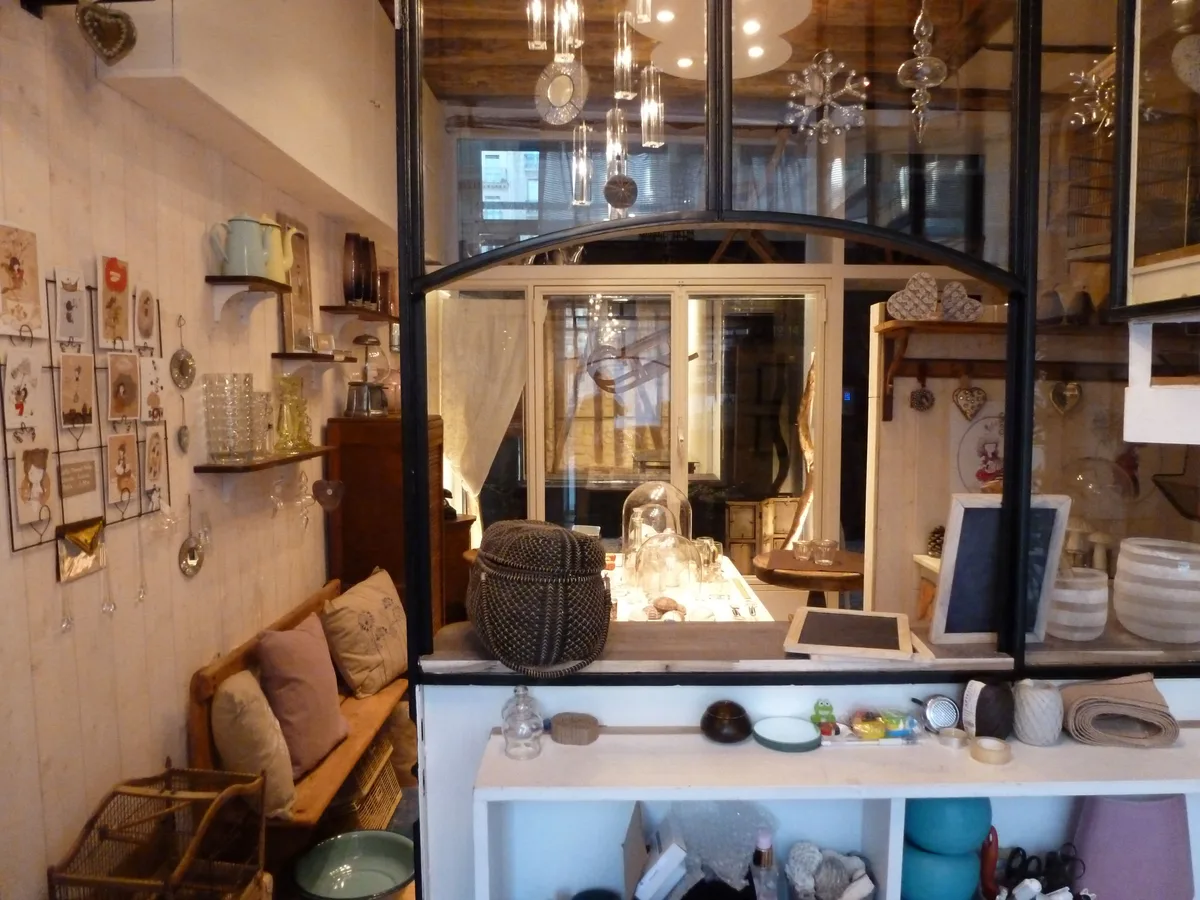
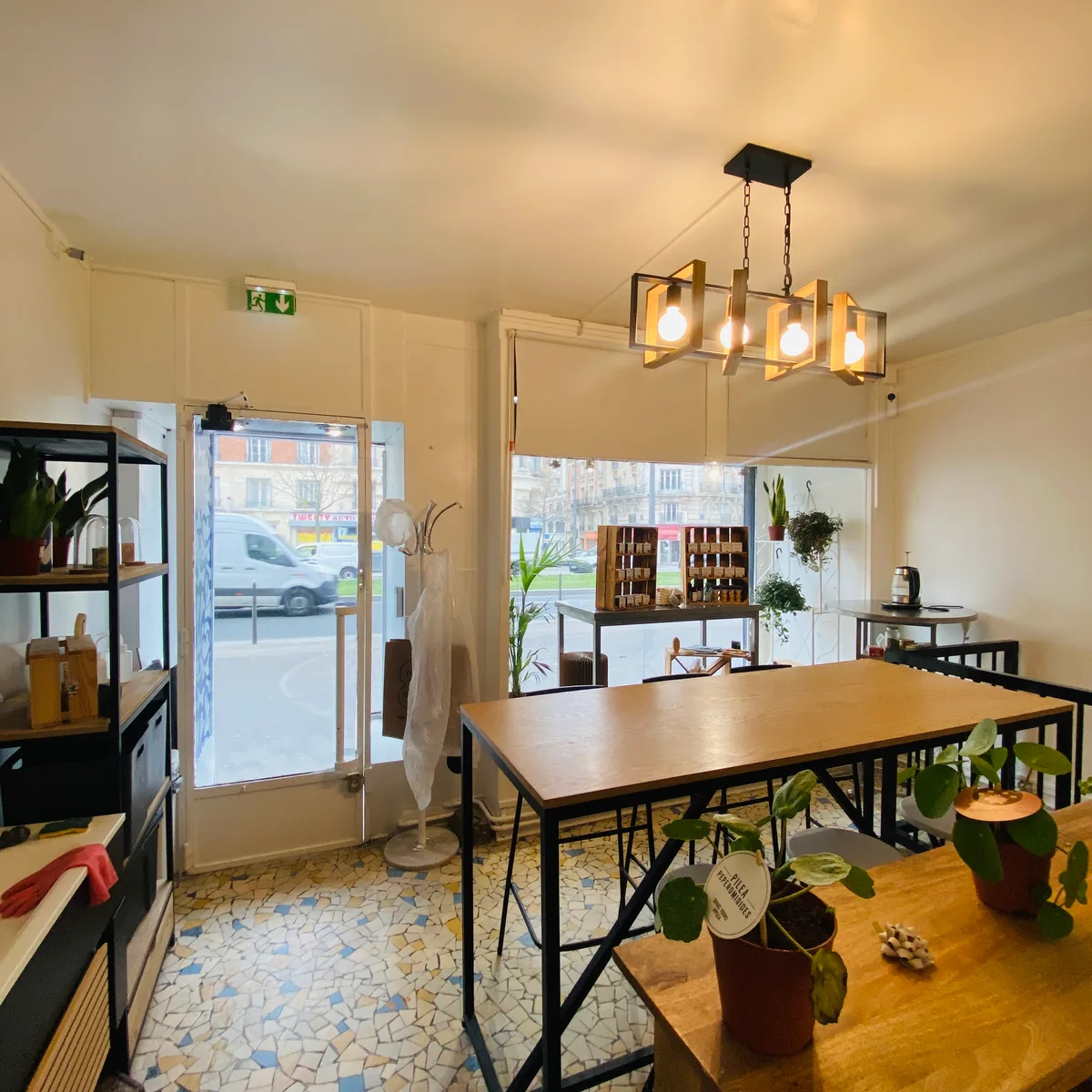
Paris offers a myriad of locations, each with its distinctive ambience and logistical challenges. From the romantic avenues of Le Marais to the bustling atmosphere of Rue Saint-Honoré, each area presents unique opportunities and constraints. Selecting a location involves not only a stylistic match but also practical considerations like accessibility, foot traffic, and compliance with local regulations.
Working with seasoned agencies like Fashion Week Venues, which provides comprehensive venue sourcing assistance, ensures that brands receive expert advice tailored to these multifaceted requirements. Tools and services such as the timeline planning tool are pivotal in aligning the logistical plan with the overarching brand strategy.
Quick answer: Venue choice impacts brand perception and logistics, requiring a strategic approach to align with broader marketing objectives, especially amid Parisian architectural nuances and site-specific requirements.
KEY TAKEAWAY: Selecting the right space during fashion weeks involves balancing creative aspirations with logistical realities. Expert agencies can provide the guidance necessary to navigate these complex dynamics effectively.
The next step is understanding different venue types and their implications for brand presentations during fashion weeks, further refining the decision-making process.
Exploring Venue Types and Their Strategic Advantages
In the dynamic arena of fashion weeks, choosing the right type of venue is integral to aligning the event's format with the brand's objectives and desired audience experience. Diverse venue options offer various strategic advantages, and understanding these nuances aids in making informed decisions.
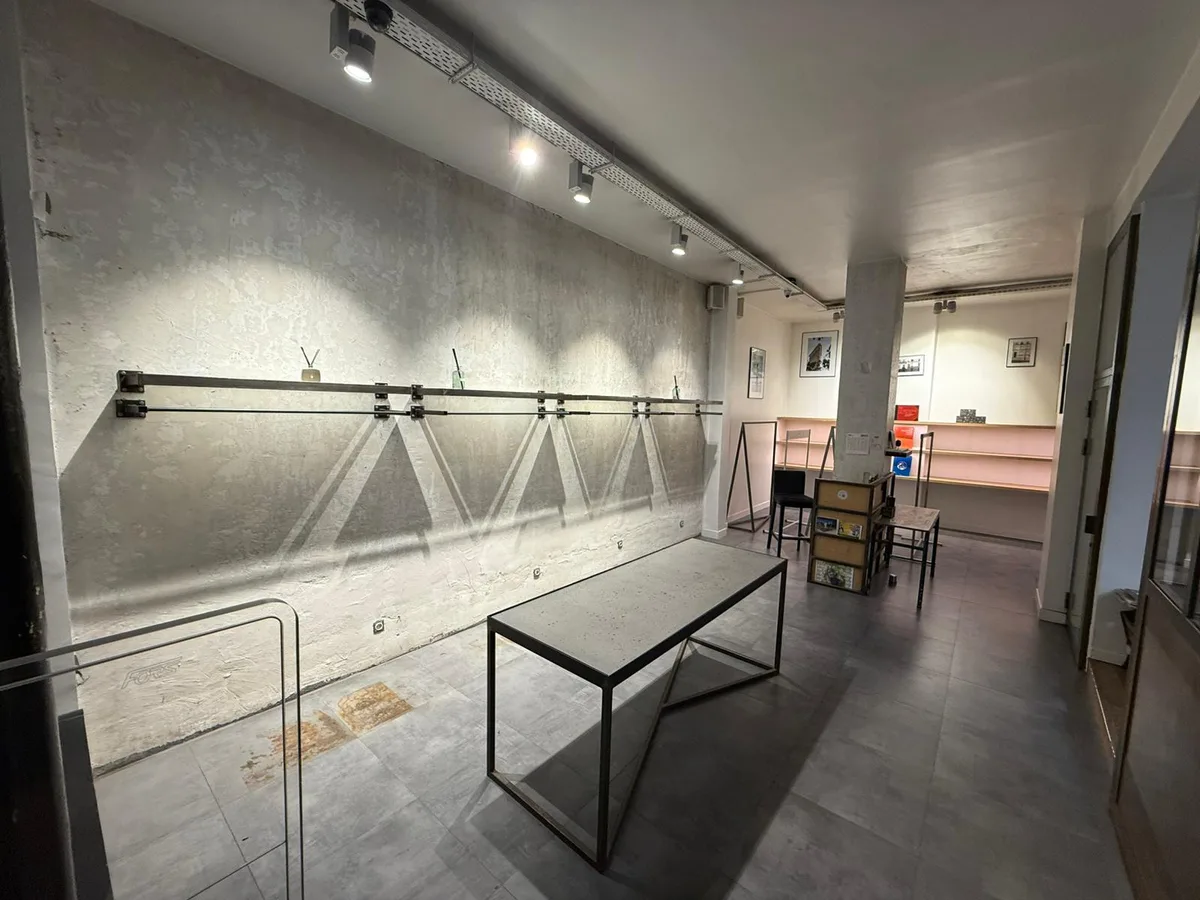
For instance, a classic Parisian townhouse can evoke a sense of elegance and exclusivity, ideal for luxury fashion brands. These venues emphasize a personalized, intimate guest experience, perfect for high-end clientele. In contrast, industrial loft spaces offer a contemporary, edgy atmosphere, suitable for avant-garde collections aiming to attract a younger, trendier crowd.
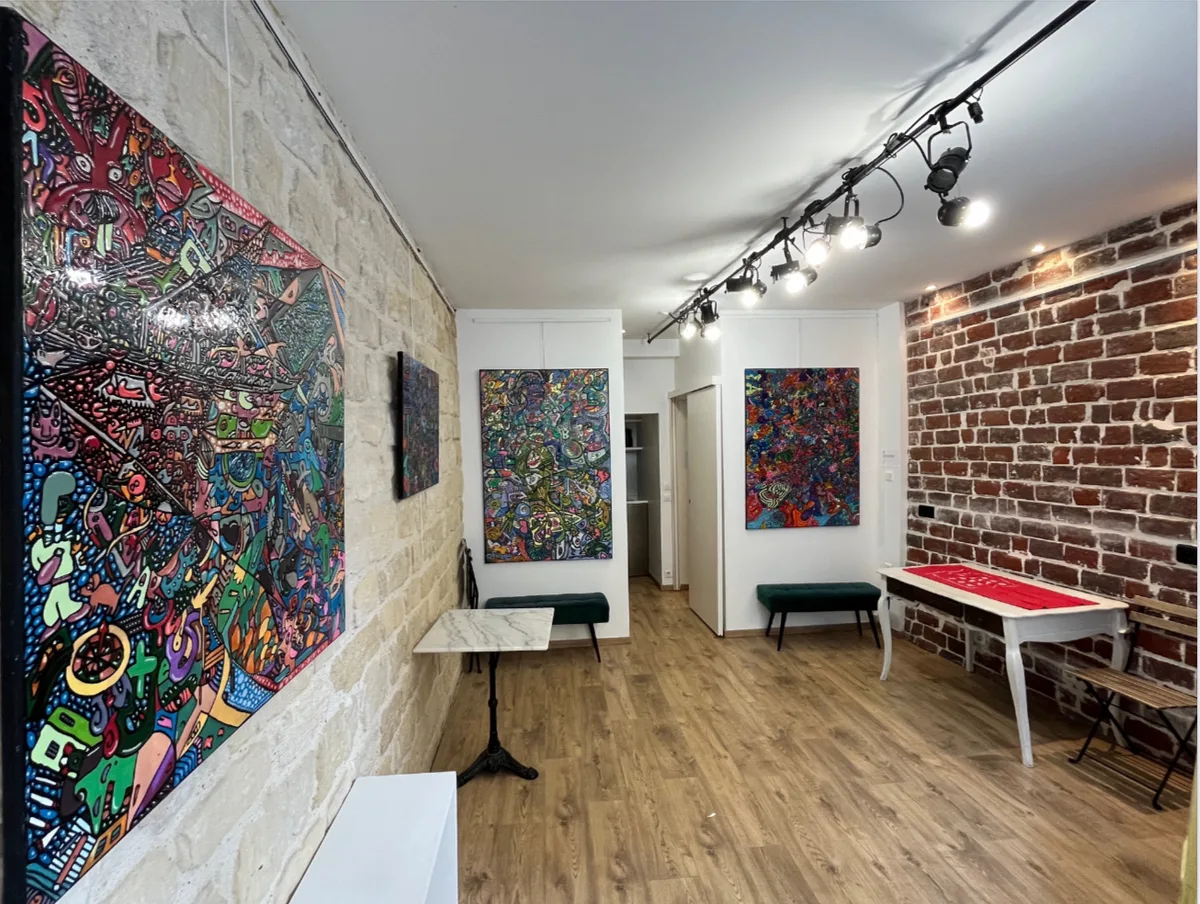
Another popular choice is the open-plan gallery space, which provides a versatile canvas for innovative installations and immersive experiences. Such venues allow creative freedom to highlight unique aspects of a collection or collaboration.
| Venue Type | Advantages | Ideal For |
|---|---|---|
| Parisian Townhouse | Exclusivity, Elegance, Personalization | Luxury Brands |
| Industrial Loft | Modern, Edgy, Spacious | Contemporary and Avant-garde Collections |
| Gallery Space | Flexibility, Creativity, Immersive Experience | Collaborations and Artistic Exhibitions |
Quick answer: Venue types like townhouses, lofts, and galleries offer varying strategic advantages based on brand identity and event goals, from exclusivity for luxury brands to modern appeal for avant-garde styles.
KEY TAKEAWAY: Aligning venue type with brand strategy is crucial for maximizing impact and creating meaningful visitor experiences. Evaluating options based on specific objectives ensures alignment between brand image and venue capabilities.
Next, we delve into the legal framework and compliance required for hosting events in Paris, highlighting essential considerations for international brands.
Navigating Legal and Compliance Requirements in Paris
Operating in Paris requires meticulous attention to legal and compliance requirements, especially vital for brands unfamiliar with French regulatory environments. Ensuring compliance involves understanding permits, local regulations, and lease agreements specific to short-term retail spaces, known as bail dérogatoire or AOT (Autorisation d’Occupation Temporaire).
Bail dérogatoire allows flexible leasing options under 36 months, perfect for temporary retail or pop-up activities. AOT involves applying for permits when utilizing public spaces, guided by specific protocols from local authorities like CCI Paris or Ville de Paris. Each permit type varies based on the event's nature and location, emphasizing the importance of consulting a French legal advisor to ensure thorough compliance.
DID YOU KNOW: Paris's zoning laws can impact where and how temporary spaces are operated, influencing everything from permitted activities to opening hours.
Key regulatory considerations include fire safety, accessibility standards, and insurance coverage compliant with French laws. Agencies like Fashion Week Venues, using their permits tool, provide nuanced guidance through this landscape, helping brands navigate complex bureaucratic processes efficiently.
Moreover, understanding these legal details not only ensures smooth operations but also protects brand reputation against potential compliance issues.
Quick answer: Legal compliance in Paris involves understanding bail dérogatoire and AOT permits, engaging with local zoning laws, and consulting legal advisors to ensure all legal requirements are met and brand image protected.
KEY TAKEAWAY: Comprehensive legal and compliance understanding is non-negotiable for brands operating in Paris, necessitating expert guidance to avoid pitfalls and ensure seamless event execution.
Following these legal fundamentals, brands can focus on the creative aspects of their activations with confidence, discussing next the strategies for brand storytelling and consumer engagement during fashion weeks.
Strategizing Brand Storytelling and Consumer Engagement
Fashion weeks provide unparalleled platforms for brands to connect deeply with their audiences through compelling storytelling and dynamic consumer engagement. Crafting a narrative that resonates with the audience not only enhances brand loyalty but also amplifies the impact of the collection being showcased.
A robust storytelling strategy involves aligning the brand’s core message with the visual and experiential elements within the venue. Brands are increasingly leveraging technology to create immersive experiences, from augmented reality installations to virtual runways, enhancing audience interaction and engagement.
TIP: Tailor the storytelling approach to encompass cross-channel engagement, maximizing reach through social and digital platforms in tandem with in-person interactions.
Moreover, by integrating concept and creative direction, brands can develop cohesive, impactful narratives that reflect their identity while captivating their audience. Services such as activation management provided by agencies like Fashion Week Venues ensure seamless synchronization between creative concepts and practical execution, leveraging data analytics to fine-tune audience interaction strategies.
Understanding your audience's needs and preferences is key, enabled through data-driven insights from previous activations. This kind of intelligence supports the development of targeted, relevant content, ensuring the brand remains top-of-mind post-event.
Quick answer: Effective storytelling and engagement during fashion weeks require aligning brand messages with visual and experiential elements, utilizing technology for interactive experiences, and leveraging data-driven insights to refine strategies.
KEY TAKEAWAY: A strategic focus on storytelling not only builds brand presence during fashion weeks but also enhances long-term consumer engagement, regardless of the evolving trends in the fashion landscape.
With a strong storytelling framework in place, brands can focus on practical logistics, moving to the facilities and services necessary for supporting pop-up success during fashion weeks.
Facilities and Services Enhancing Pop-Up Success
The success of a pop-up store during fashion week hinges on more than location; it involves comprehensive support facilities and services that can elevate the visitor experience and streamline operational workflows. These facilities range from robust on-site technologies to skilled personnel, all contributing to the overall success of the activation.
Key services include professional retail staffing, which ensures that the customer service experience aligns with the brand's reputation. Trained staff act as brand ambassadors, enhancing customer engagement and sales conversions. Additionally, seamless payment processing is crucial, facilitated through services like POS and payments solutions that handle high volumes efficiently.
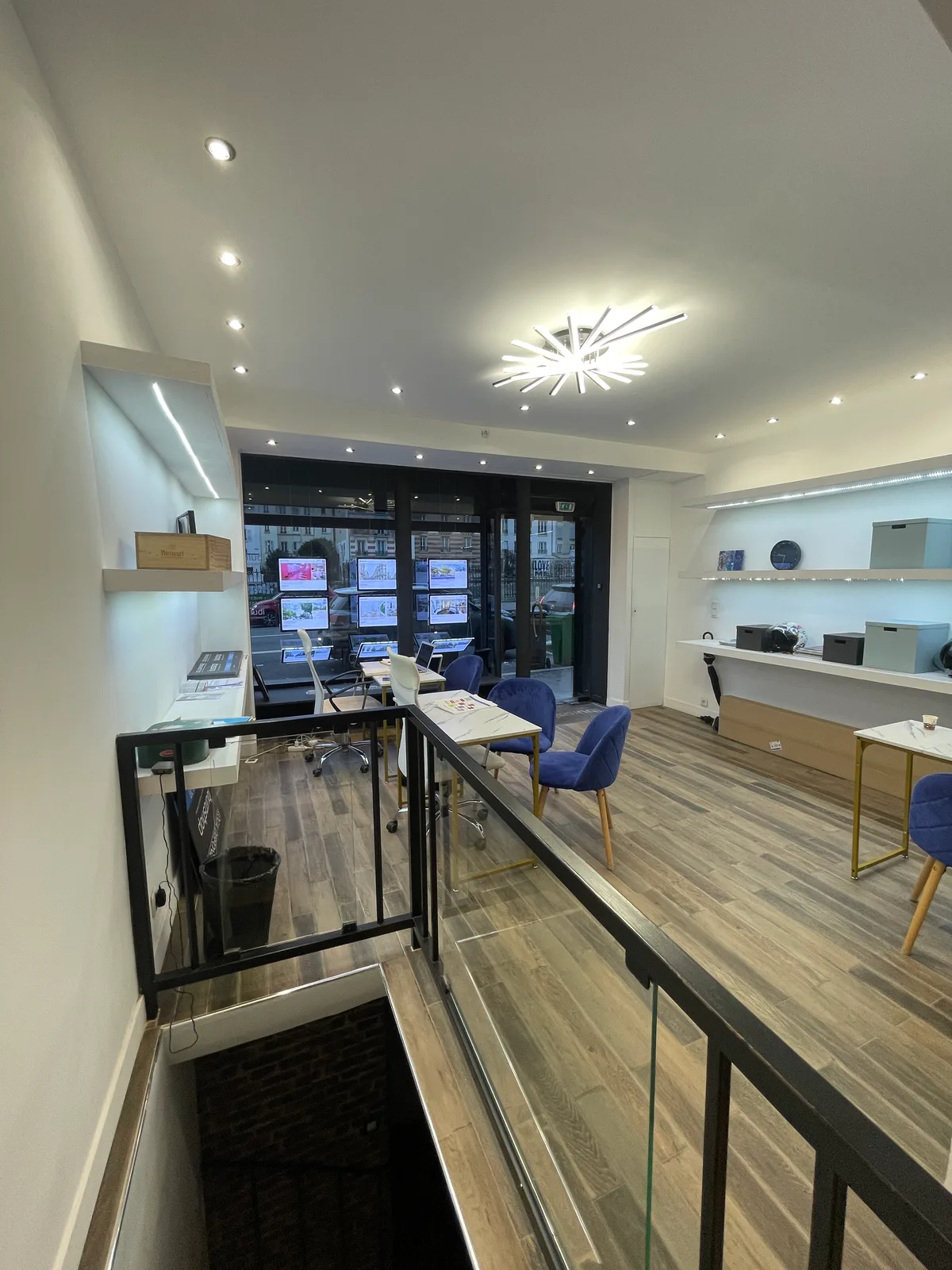
Technical infrastructure such as reliable Wi-Fi, interactive displays, and advanced lighting scenarios also play significant roles in enhancing the environment. These elements contribute to the ambience, ensuring that the space reflects the brand's vision and allows for immersive consumer experiences.
| Service | Benefit |
|---|---|
| Retail Staffing | Brand-aligned customer interaction and engagement |
| POS Systems | Efficient transaction processing and analytics |
| Technical Infrastructure | Supports immersive, interactive environments |
Quick answer: Pop-up success during fashion weeks relies on professional retail staffing, efficient payment solutions, and robust technical infrastructure to effectively deliver the brand experience and drive consumer engagement.
KEY TAKEAWAY: Harnessing the right facilities and services enhances pop-up efficiencies during fashion weeks, ensuring that operational elements bolster the brand's strategic objectives.
Following these foundational understandings and plans, brands need to ensure preparedness through risk management and contingency planning, which we will explore next.
Importance of Risk Management and Contingency Planning
In the fast-paced environment of fashion weeks, risk management and contingency planning are critical elements for safeguarding against unforeseen challenges that could disrupt brand presentations. From logistical setbacks to external factors like weather or public health considerations, having a robust risk management strategy in place ensures that brands can adapt quickly without compromising the quality or impact of their activations.
A comprehensive risk management plan should identify potential disruptions, assess their likelihood, and establish mitigation strategies. This includes having backup plans for all technological aspects, alternative venues within proximity, and flexible staffing arrangements to address last-minute changes.
IMPORTANT: Always include a communication strategy within risk management plans to ensure clear, consistent messaging to both internal teams and external audiences during disruptions.
Fashion Week Venues can assist in developing these plans, offering insights based on extensive industry experience to preemptively address common issues faced during such high-stakes events.
By leveraging these insights and best practices, brands ensure preparedness, allowing them to maintain focus on delivering exceptional experiential marketing and retail activations.
Quick answer: Risk management and contingency planning for fashion weeks should identify and mitigate potential disruptions, ensuring that backup plans and communication strategies are in place to swiftly address issues without derailing brand activations.
KEY TAKEAWAY: Proactive risk management is essential for minimizing disruptions during fashion weeks, safeguarding brand integrity and the success of planned activations.
After planning for risks, brands can ensure they exploit opportunities through cohesive activation strategies, ultimately leading to successful brand presence and recognition.
Common Myths Debunked
MYTH: To rent a space in Paris, a brand must have a French legal entity.
FACT: While beneficial, it is not mandatory to have a French legal entity to rent short-term spaces in Paris. Agencies like Fashion Week Venues facilitate the process for international brands through comprehensive sourcing and compliance services.
MYTH: Paris Fashion Week is the only viable calendar window for brand launches.
FACT: Although Paris Fashion Week is a highlight, other significant fashion events throughout the year offer strategic opportunities for different brand activations, depending on target audiences and market goals.
MYTH: Commission brokers are the only way to find a suitable space for short-term activations.
FACT: Several options exist beyond commission brokers for finding spaces, including marketplaces like Fashion Week Venues that provide curated space listings and detailed insights, allowing brands to independently explore and select ideal venues.
MYTH: Short-term leases for pop-ups are legally straightforward and don't require specialist advice.
FACT: Short-term leases involve specific legal considerations and France's unique regulations, making specialist advice prudent to avoid potential legal and commercial pitfalls.
Moving from debunking myths to practical advice, brands looking to enhance their fashion week strategies can benefit from a comprehensive range of services and tools offered by Fashion Week Venues.
Frequently Asked Questions
What are the most popular neighborhoods for fashion week events in Paris?
Paris boasts several neighborhoods famous for hosting fashion events. The Marais is ideal for its artistic vibe and historical appeal, perfect for high-end activations. Saint-Germain-des-Prés, with its literary cafes and art galleries, offers a sophisticated backdrop. The Rue Saint-Honoré area is synonymous with luxury, ideal for top-tier brands seeking a glamorous setting. Each neighborhood offers unique characteristics aligning with different brand narratives and audiences.
How can international brands secure permits for events in Paris?
International brands seeking to host events in Paris should engage with the necessary legal and regulatory frameworks early. This involves understanding bail dérogatoire and AOT permits. Consulting with a French legal advisor who can navigate complex local requirements is recommended. Tools like the permits guidance tool on Fashion Week Venues can assist in understanding and fulfilling these requirements, ensuring compliance.
What are the benefits of using a venue sourcing agency for fashion weeks?
Agency services such as those offered by Fashion Week Venues streamline the venue sourcing process by providing access to a curated selection of spaces that meet specific brand needs. They offer essential insights into logistical concerns, ensuring seamless execution. Agencies also handle legal and compliance issues, allowing brands to focus on creative aspects and consumer engagement, maximizing their event's impact during fashion weeks.
Why is concept direction important for fashion week brand presentations?
Concept direction ensures that every element of a brand presentation, from visuals to storytelling, aligns with the brand's identity and goals. It helps in creating cohesive narratives that engage audiences and create memorable experiences. By strategically crafting every aspect of the event, brands can enhance their visibility and consumer connection. Agencies like Fashion Week Venues offer expert guidance in developing tailored concept directions that resonate with target audiences.
What challenges might brands face with temporary retail spaces in Paris?
Challenges include navigating complex legal and compliance issues, understanding local market dynamics, managing logistical aspects, and ensuring that the venue aligns with brand objectives. Brands often require expert guidance to handle these challenges efficiently. Utilizing agencies with deep local knowledge can alleviate these hurdles, allowing brands to effectively execute their retail strategies in Paris's competitive environment.
How does ROI for fashion week pop-ups compare to traditional retail outlets?
Fashion week pop-ups can offer considerable ROI due to their transient and exclusive nature, creating urgency and attracting media attention. They provide a unique opportunity for consumer engagement and direct feedback, unlike traditional stores. However, ROI depends on strategic planning, from choosing the right location to crafting compelling consumer experiences. Tools like the ROI calculator can help estimate potential returns.
Is it necessary to hire an agency for pop-up success during fashion weeks?
While not strictly necessary, hiring an agency like Fashion Week Venues can significantly enhance the success potential of pop-up events. Agencies provide expertise in logistics, compliance, creative direction, and more, tailored to the unique demands of fashion weeks. This enables brands to focus on their core competencies while ensuring that all other facets of event planning and execution are handled efficiently and effectively.
What are typical duration options for pop-up leases in Paris?
Pop-up leases in Paris typically range from a few days to several months, with bail dérogatoire allowing for flexible lease durations under 36 months. The choice of lease length should align with marketing goals and budget considerations. Engaging with expert agencies helps navigate these options, balancing strategic objectives with financial prudence.
How do brands assess the impact of their fashion week activations?
Brands can assess the impact through various metrics, including consumer and media engagement, sales figures, and social media traction. Utilizing data analytics provided by Fashion Week Venues services allows brands to measure effectiveness and refine future strategies. Post-event debriefings also offer insights into consumer behavior and preferences, informing upcoming brand activities.
What are the crucial factors in selecting the right space for fashion events?
Selecting the right space involves several factors, including location, ambience, logistical ease, and alignment with brand identity and objectives. Consideration of neighborhood culture, target audience, and practical concerns like accessibility and technical capabilities also play a role. Working with knowledgeable agencies ensures that these selections are strategically sound, supporting broader marketing and brand goals.
How soon should brands begin planning their fashion week engagements?
Brands should begin planning their fashion week engagements at least six months in advance to secure prime venues and address logistical, legal, and conceptual needs. Early planning allows for detailed strategizing and flexible adjustments in line with evolving brand objectives. Agencies provide structured timelines and strategic tools to facilitate comprehensive planning and execution.
In what ways can technology enhance fashion week presentations?
Technology can elevate fashion week presentations by providing interactive and immersive experiences, enhancing audience engagement and branding impact. Techniques such as augmented reality, live-streaming capabilities, and interactive displays create dynamic consumer activations. Leveraging technology strategically can enhance narrative delivery, foster consumer relationships, and amplify reach.
Conclusion: Elevating Brand Activations During Fashion Weeks
Maximizing brand impact during fashion weeks requires a nuanced understanding of logistics, creative storytelling, and strategic venue selection. Comprehensive planning, embracing both the creative and practical elements, is crucial for success. By leveraging services like those offered by Fashion Week Venues, brands can transcend traditional methods and explore innovative approaches to their fashion week activations.
From legal compliance to storytelling strategies, each element plays a role in crafting unique brand experiences that resonate with audiences and elevate brand stature. The agency provides not only the logistical frameworks but also the creative insights necessary for impactful activations across diverse target markets.
As the landscape of fashion retail continues to evolve, the strategic use of pop-up spaces during fashion weeks offers unparalleled opportunities for brand growth and consumer engagement. Fashion Week Venues is poised to assist brands as they navigate these opportunities, ensuring that their activations are not only compliant but also creatively compelling.
To move from research to activation, start exploring available spaces on the Fashion Week Venues marketplace and build a focused brief for your target neighborhood, space type, and calendar window.